

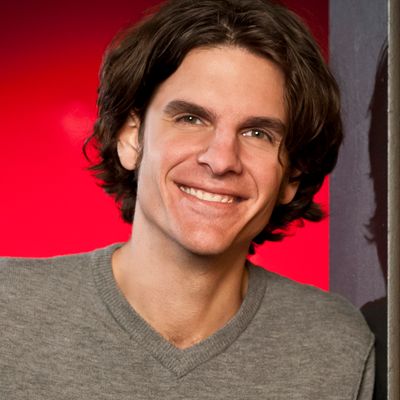
We couldn't contain our October takeover to just October! We had to extend into November to close out with our very special guest - the director of Beetlejuice, Alex Timbers! We talk his teenage public access show, experimental theatre, "downtown theatre with an uptown sensibility" and much more!.. Read More
From the show: Equity One: Broadway's Happy Hour
Guests
Miniseries Inclusions
Featured Shows
About
We couldn't contain our October takeover to just October! We had to extend into November to close out with our very special guest - the director of Beetlejuice, Alex Timbers! We talk his teenage public access show, experimental theatre, "downtown theatre with an uptown sensibility" and much more! From talking about collaboration to advice for actors, you don't wanna miss this episode! We crown the champion of Merch Madness and of course, play a game! Subscribe wherever you get your podcasts! Rate and review!
Instagram: @equityonepodcast
Twitter: @equityone_
Email: equityonepodcast@gmail.com
Transcript
This transcript was automatically generated and might contain errors.
[0:20] Elliott Mattox: This is Equity One, Broadway's Happy Hour. Pour yourself a drink, and join us as we chat about life, theater, and everything in between. I'm Elliott Mattox.
[0:30] Caleb Dicke: And I'm Caleb Dicke. Join us for your Equity One.
[0:39] Elliott Mattox: Welcome to this week's episode of Equity One. Hi, Caleb.
[0:42] Caleb Dicke: Hey, Elliott.
[0:43] Elliott Mattox: How are you doing today?
[0:45] Caleb Dicke: I'm good. It is, of course, November.
[0:47] Elliott Mattox: Um, sorry about that.
[0:50] Caleb Dicke: You know, at Beetlejuice, we like to celebrate Halloween all year round.
[0:54] Elliott Mattox: 24/7.
[0:55] Caleb Dicke: Right. So our October lasts even past October. And we are so excited to close out our haunting from Beetlejuice with none other than the director, Alex Timbers. Hey, Alex.
[1:05] Alex Timbers: Hey guys, how are you doing?
[1:07] Caleb Dicke: So great. Thanks for coming on the show.
[1:10] Alex Timbers: Oh my god, I'm so honored to be on this. This is thrilling.
[1:13] Elliott Mattox: It's so exciting. You are a busy, busy man with now three shows running on Broadway right now.
[1:19] Alex Timbers: Isn't that wild?
[1:20] Elliott Mattox: Yeah, it's kind of amazing. How do you keep balance of? Do you like get to check in often or are you kind of like...
[1:24] Alex Timbers: Yeah, I go, you know, once every couple weeks to each of them and try to go to understudy rehearsals when it seems like something, you know, when I'm invited to. And yeah, I love it. I love all three shows, so I feel very excited about this fall.
[1:40] Caleb Dicke: Mm-hmm.
[1:41] Elliott Mattox: Well, we like to start every interview by asking our guests what first got them interested in the arts as a young person. So, what first got young Alex interested in the arts?
[1:51] Alex Timbers: But that's such a great question. You know, I grew up in New York City. I grew up in Manhattan, actually. So my parents would take me to see like Cats, The Secret Garden. I saw Shogun, the famous showgun.
[2:07] Alex Timbers: So those are some of my earliest memories. And I had a school in the city that, you know, every year we would put on the school play. And so I played, you know, in the Nativity Pageant, I played the Angel Gabriel, which was a pretty choice role.
[2:19] Caleb Dicke: Oh my god, yes.
[2:20] Alex Timbers: And I played a penguin the next year.
[2:22] Caleb Dicke: Love penguins.
[2:23] Alex Timbers: Yeah. So you know, that started the whole, you know, the theater bug.
[2:27] Caleb Dicke: Mm-hmm. And you so you were in these like pageants as a young person. And I mean what really excited you about them? Like what made what like made you bite? Like what was the most interesting thing to you?
[2:39] Alex Timbers: Well, you know, I don't think, you know, if you had asked me that, like, I would have said, oh, I want to be a theater director or even an actor back then. It was really like for me, I was very interested in the arts. But it was really seeing like Tommy when I was 15. I was like, oh wow, like the because I just sort of like, you know, as a young kid who like listens to, you know, like hip hop and like, you know, and like likes to go see like foreign films and stuff as a little bit. Like you're not like totally like watching Broadway being like, okay, I like totally get how I...
[3:11] Alex Timbers: And then it was something how seeing like seeing Tommy and being like, okay, here's a musical that's in dialogue with, you know, it wasn't like contemporary music, but like the sort of music you might hear on the radio and had music video visuals, and felt like deeply emotional and visceral, and I was like, okay. You know, the door cracked open for me a little bit in terms of saying, like, I kind of see how, you know, I understand the vibrancy and vitality of theater in a sort of new way.
[3:47] Caleb Dicke: Sure, and I'm sure that came especially like being surrounded by so much theater as a young person, like, but the kind of theater that is Cats and The Secret Garden, like something like Tommy is such a different avenue into what we do. Because I feel especially like, you know, me myself growing up far away from the city, even seeing the big kind of like traditional things was like, that what is that? But it's interesting that that different perspective on it was your gateway in.
[4:18] Alex Timbers: Yeah, and I think I like more and more now, like when I look at like Beetlejuice and I look at Moulin Rouge, I see also kind of like something I might have taken a little for granted about Broadway, which was sort of like when we think about Cats in the Winter Garden, that kind of transporting element of walking through the theater doors and not even waiting for the curtain to go up to feel like you've stepped into like a world magical land of imagination that's not like the Times Square outside of the doors. And so I think that that was something clearly that was like really influential, but I probably couldn't articulate even until this year.
[4:52] Caleb Dicke: Sure. So what kept you going? Like you just saw Tommy, and then like did you decide to go to college, or what was your path to deciding on where to go?
[5:01] Alex Timbers: Okay, so this is strange. I was very into TV and like video and film stuff. Like I made a little movie when I was like twelve, and I had a public access TV show with my friends when I was twelve and thirteen, and in New York City, and it was a crazy show.
[5:18] Alex Timbers: Like we had a segment every week, like, for example, that was called Pyro Time, where we went down to Chinatown and got like a dead fish and some like M80s and blew up the fish.
[5:32] Alex Timbers: Uh, would play Carmina Burana over it and then play it back in slow-mo and have Kyrons coming up with the Pyro Time exclamation point. Things like that, restaurant reviews where little Alex would pop up with a sign that said good food question mark outside the window of a restaurant and get, you know, sort of like visceral reactions.
[5:49] Caleb Dicke: Sure. I love that.
[5:51] Alex Timbers: So that was the start of, you know, it was complete idiocy. And then I went to high school in Illinois, in a suburb out of Chicago, and they weirdly had like a three-camera studio. They had like a, you know, it was really, it was like an amazing setup at this school, and so I kept continuing with that. It had a public access TV show there, and I went to college really thinking about film and like pursuing that.
[6:20] Alex Timbers: And when I went to college, this sounds like so sort of like pedestrian and straight, but like I they you had to take all these classes to get to use the camera and the stuff that we already knew. So I was like, how can I actually make things from day one? And so that's when I started doing improv and sketch comedy, and that quickly led into a sort of a fascination with, you know, as like a comedy nerd, which I think we all like understand that, like being like, okay, so how does comedy work and like the mechanics of comedy?
[6:48] Alex Timbers: So at the end of my first year of college, I directed a farce for the first time.
[6:52] Caleb Dicke: Okay.
[6:52] Alex Timbers: And then the next year I directed another farce, and I was like, I like it, you know, and then I directed like a drama, and then eventually a musical. And so that was sort of, so it was really comedy that was the gateway back into theater, which I pursued when I was a little kid.
[7:08] Caleb Dicke: Yeah.
[7:09] Alex Timbers: And that makes sense. And that's, that's, um, I think we're all kind of always searching for that like immediacy as like creative people, like especially in an educational environment. Like where you're learning about technical things, but you really just want to like do in.
[7:21] Caleb Dicke: Yeah.
[7:26] Alex Timbers: But I did, you know, something really like a kind of pivotal moment that I think you guys might find funny was there was a, I had a class in experimental theater, and I knew nothing about experimental theater.
[7:40] Alex Timbers: Yeah, I grew up in New York, but like could not be further, you know, that was not like what we weren't going to St. Anne's warehouse.
[7:45] Caleb Dicke: Yes, but right, right.
[7:47] Alex Timbers: And we had this little like monitor where the professor had these bootleg tapes of like the Worcester group and like Peter Brooke and things like that. And we would watch these a little bit, and we all just thought this was ridiculous. The, you know, experimental theater in New York was just like so, you know, so like so, you know, navel gazing and like self-serious, and I created a little like theater group with three of my friends where we put on a dance piece that was influenced by what we knew through our filtered knowledge, which was no knowledge, of early BAM next wave festival, like Einstein and the Beach 1984, like era like what we thought this was.
[8:27] Alex Timbers: And so we, it was four of us, and we told the history of math. It was called in Pièce de Miss PS de Mouvement Historique of Ecologiometry, and it wasn't tight. We were the descendants of Le Corbusier, and we were telling the story of math and like it had like Copernicus in it and Stephen Hawking.
[8:45] Caleb Dicke: Yeah.
[8:46] Alex Timbers: There was a whole segment about Thomas Jefferson, no words. All Steve Reich, Philip Glass music, gestural choreography. You had a course packet. So the piece itself was like 30 minutes, but you would have to get there an hour early because there was a reading period where you would have to read the outline of what was happening because otherwise you'd be mystified.
[9:03] Caleb Dicke: You probably still were mystified.
[9:05] Alex Timbers: There was a section of the packet where there were primary sources you could read about, you know, and then there was a package of blank pages at the end, so you could take notes while you were watching it. And we put on this piece, and it was so like dumb and enchanting. And I got really into this idea of like, how do you take like academia and history? How do you celebrate it, but also lampoon? How do you do that the same for experimental theater tropes?
[9:28] Alex Timbers: And then so the punchline of this is I come to New York and I actually go see these things that we're talking about. I go see the Worcester. And I realized, oh wow, these people actually have a great sense of humor about it. And there's like a live theater, this stuff's brilliant. And I'm like a total dope for thinking it was silly and not understanding like the context of which the performance.
[9:50] Caleb Dicke: And uh, and so then of course I created a uh experimental theater group called Les Frères Coubousier, which simultaneously had a name that sounded very pretentious, but when you think about it, it is really dumb. And that became sort of my path in the city when I graduated.
[10:04] Caleb Dicke: Yeah.
[10:04] Alex Timbers: Well, and that you that's where you did the um the Scientology pageant show, right? And you kind of made this name for yourself as this like downtown kind of director. And what was your path into getting into doing something like as commercially Broadway as like Beetlejuice and Moulin Rouge?
[10:25] Alex Timbers: Well, it actually comes back to Beetlejuice. It's kind of interesting. So I was doing these shows. I love this theater company that no longer exists called Adobe Theater Company. And it had this slogan, downtown theater with an uptown sensibility. And so I've always loved that, like the collision of like what is like commercial and experimental. Because, because and I can go on and on about it, but I do think that commercial theater and experimental theater actually have a lot more in common than theater that exists between them.
[10:53] Caleb Dicke: Yeah.
[10:53] Alex Timbers: But I, but so even when I was doing like a headache gabbler with live robots and things like that, you know, it was always there was this sort of populist sensibility about them. And one of the people I got to work with was this woman, Nina Hellman, who's an amazing actress. Probably movies and TV shows and Broadway and everything.
[11:19] Alex Timbers: And we did a couple of shows together, and her husband was Jeremy Sheamus, the actor. And we were doing, I think it was actually Hedatron, and they were working on a show called Gutenberg, Jeremy and Chris Fitzgerald, about these kind of like two idiot musical theater writers who don't really know much about musicals, and they've written a Les Miz style musical about Guten Johann Gutenberg, but only have a like kind of a Wikipedia pages worth of information.
[11:49] Alex Timbers: And that was written by Anthony King and Scott Brown, who wrote the book for Beetlejuice, and they wrote book music lyrics on that, and so Jeremy ended up being the sort of entree to like being hired on this thing, which was a commercial theater piece. And then I had been working with my company on something called Blay Blay Andrew Jackson, which was like its emo president thing, and through that and through this immersive haunted house, hell house, I got sort of hooked up with the Pee-wee Herman, who started the Pee-wee Herman show.
[12:19] Alex Timbers: So those were really like, and then Andrew Jackson became a commercial show, so it sort of was definitely like straight from all the kind of like kind of bizarro downtown stuff was the path to creating commercial theater. That was never like what I, you know, like set out to do.
[12:35] Caleb Dicke: Sure.
[12:35] Alex Timbers: But I, you know, but was excited when I was like, oh there's a place for my kind of like strange voice in that world. Maybe there's a usefulness for it too, you know, in certain projects. So that was kind of it got kind of happened organically.
[12:52] Caleb Dicke: Yeah. Is there ever a moment where you're like, I really don't want this to get any bigger like you love the world that it's in the small space, small houses, and you're like, I really like it doesn't belong commercially further. Do you ever feel that way about shows?
[13:02] Alex Timbers: Oh yeah, absolutely. I mean I think that there are certain shows that you know really like exist best in a 75 seat theater. You know I did the show after I did Rocky which was, you know, like a really large scale show. I was like I want to do something tiny. And I'd always loved this show that I worked on with Michael Friedman and Sean Cunningham and it was about Herbert Hoover and it was sort of like Herbert Hoover mounting a comeback. So it's like Herbert Hoover meets in the idiom of the 1968 Elvis Comeback special.
[13:38] Alex Timbers: And uh and we were like you know this is really dramaturgically like wild and down and dirty and naughty and like so we we rented out this theater uh at the Abryn's Art Center.
[13:50] Alex Timbers: And Abryn's Art Center has three theaters.
[13:52] Alex Timbers: They have like a really beautiful theater they have like a kind of nice theater and then they have a theater that is like a concrete bunker which water drips into.
[14:00] Alex Timbers: We love it.
[14:00] Alex Timbers: We'll take it like we want that one.
[14:03] Alex Timbers: So we did that we like you know we charge almost nothing.
[14:06] Alex Timbers: We gave you a beer when you came in, you know I don't even know if there was a program.
[14:10] Alex Timbers: And uh and so it was really all you know, it's like a it's a hike from the train, and we really were like, this is wants to be a tiny tiny strange thing, and you know, and and artistically it was really fulfilling.
[14:22] Alex Timbers: But it what was funny about it, because Michael had worked on it and some other like sort of you know, just great artists uh who had also happened to work uptown, worked on it.
[14:31] Alex Timbers: There were a lot of people who are like, so I don't know if this feels like a Broadway show.
[14:34] Alex Timbers: And you're like, yeah, yeah, yeah.
[14:37] Alex Timbers: The bucket you stepped over catching rainwater theater, like, was that giving you a different indication of our health?
[14:44] Alex Timbers: So uh so it's it's funny you say that because I totally do think that, and but I also now think a little bit about what are people's um expectations so that you it's really uh consciously and purposefully uh for the space it is.
[15:01] Caleb Dicke: Yeah, you know, if that makes sense.
[15:03] Alex Timbers: No, absolutely, and I think talking about the space that you're in, I think something that like we know from like you know, we saw we got last-minute tickets to like Here Lies Love, our first year in the city, and like taking shots and just like at such a good time.
[15:19] Alex Timbers: From that to something like Beetlejuice and Moulin Rouge, where you walk in and you're immediately immersed, I think I think it's such a it's such an important thing, and I think it's kind of like kind of a signature of the kind of projects you do.
[15:34] Caleb Dicke: What is that process like when you're thinking about what kind of atmosphere you want the audience to walk in right away and talk about the collaboration that happens there with um with the design team and everything.
[15:47] Alex Timbers: Yeah for for the pre-show as you know, in addition to the actual show.
[15:51] Caleb Dicke: Yeah.
[15:52] Alex Timbers: Absolutely.
[15:53] Alex Timbers: Well, I I definitely think, you know, as an audience member, like I want to, you know, and as a director, you're gonna you're gonna set your audience up best for, you know, how to experience the show by how they walk into the space w when they first come in.
[16:06] Alex Timbers: So whether that's and that might be about the venue, that might be about like the drippy concrete bunker or that might be being at the winter garden, which is as far away from that as possible.
[16:15] Alex Timbers: But I think that certain shows, particularly certain shows that are really visually transporting, if you and like have a a sense of world creation, I think if it feels organic to it, it is helpful to think about it as you're walking in the space.
[16:28] Alex Timbers: So for something like Moulin Rouge, I think it's it, you know, it becomes really organic to say like, okay, like even though the movie starts in England and everything, the on the theatrical envelope of the show is the club.
[16:40] Alex Timbers: Right.
[16:40] Alex Timbers: You want to start and end in the club.
[16:42] Alex Timbers: We are not saying like the club is behind a curtain.
[16:44] Alex Timbers: It is you are walking in and that you're experiencing it.
[16:48] Alex Timbers: And so uh that leads you to make really s you know like certain decisions about uh the the you know what's what's going on visually and then in turn terms of the 360 interior uh environment but also the music and any action and with Beetlejuice I think we were saying, you know, like how do you create a kind of like uh you know Burton fun scape that doesn't feel like exactly like the movie but feels kind of uh like a kind of crazy like uh bent carnival like and has like the hot neon and the like and so that was really l led us to a lot of decisions about um you know like what what is the pre-show look, what is the pre-show music, um, and what is the yeah, w the what's what's the vibe and energy.
[17:36] Alex Timbers: I also, you know, two things that have become really important is that, you know, uh people uh like when they come to Beetlejuice, they take a photo of that Presidium and they take a photo of their program.
[17:47] Alex Timbers: Um and so, you know, on Beetlejuice when we were in tech, we cued, you know, we we cued the lights to what does it look like on your camera when you're on your iPhone.
[17:57] Alex Timbers: It's smart, like it's that's the market.
[17:59] Alex Timbers: Like that's commercial.
[17:59] Alex Timbers: Yeah, yeah, and that's the way it's gonna be shared.
[18:01] Alex Timbers: And that's the way you your moment one you know a memento you take away.
[18:05] Alex Timbers: And so uh and you want the memory to be as rich as the actual experience.
[18:09] Alex Timbers: Um something we did on on Here Lies Love that I you know I really loved and 'cause all three of these shows have worked with a music producer named Matt Stein to help create these kind of pre-show post-show things.
[18:19] Alex Timbers: I have this thought that uh you know we don't really do overtures that much on many musicals.
[18:25] Alex Timbers: And so uh but particularly when you're dealing with like pop music, like how is there a way to get like the hooks in your ear if it's an original score beforehand.
[18:32] Alex Timbers: Moulin Rouge don't have any problem with that.
[18:34] Alex Timbers: You know the music.
[18:35] Alex Timbers: But uh and so one of the fun things that we worked with on Here Lies Love that I was particularly sort of I thought was clever and proud of is we made this sort of like DJ mix.
[18:45] Alex Timbers: You know, Kelvin Moonlow was like you know, you know sp spinning fake records.
[18:49] Alex Timbers: Yeah but he took like you know four to six of the kind of the hits from the show and he made this, you know, he took the stems from the recording sessions that David uh did and like and made this pre-show.
[19:02] Alex Timbers: So when those song you know subliminally they're in your ear.
[19:05] Alex Timbers: Sure and then when those songs come in the show you're like, oh shit, this feels like familiar.
[19:11] Alex Timbers: And so I I I like I thought that was a clever way of taking what the a a c traditional musical like the overture does and like infusing it into the pre-show environment to sort of so all these things are not about like glitz or glamour.
[19:24] Alex Timbers: It's about just setting up the story and the music and the actors for success.
[19:29] Caleb Dicke: Yeah.
[19:30] Alex Timbers: Uh-huh.
[19:30] Alex Timbers: So that when the show proper starts we're like teed up.
[19:34] Alex Timbers: We're all on board.
[19:34] Caleb Dicke: We're on the same page.
[19:35] Alex Timbers: Yeah.
[19:35] Alex Timbers: Absolutely.
[19:37] Caleb Dicke: Yeah.
[19:37] Alex Timbers: Yeah.
[19:37] Alex Timbers: That that is so cool about Here Lies Love because especially in that, you know, we're the audience is in it.
[19:42] Alex Timbers: You know, we're in the middle of it.
[19:44] Caleb Dicke: Yeah.
[19:44] Alex Timbers: Shifting with the with the show to like feel at ease just by like something as subliminal as like hearing a melody that we have already heard.
[19:53] Caleb Dicke: Yeah.
[19:54] Alex Timbers: That's interesting.
[19:54] Alex Timbers: How does it work when you 'cause that production went to Seattle and how did it work?
[19:59] Alex Timbers: Was it on a proscenium stage out there?
[20:01] Caleb Dicke: So how do you That's a great question.
[20:03] Alex Timbers: This this one's gonna be pretty tricky to describe even if I could diagram it it'd be tricky to describe.
[20:07] Alex Timbers: But but basically what we wanted to do, because we we keep looking for a future for Here Lies Love because we love it and people get you know so we we were like, okay well as a next step, next step in the iterative process, and hopefully there'll be many more coming we'll we wanted to see how could this work in a more traditional theater?
[20:23] Alex Timbers: How does it not have to work in a warehouse where I think we're gonna like a place that has a box office and a thing toilets that are and uh and so we did we worked on uh a new idea which was preserving a lot of the staging ideas but had the brilliant David Corns who also did the set for uh for uh Beetlejuice and he had this idea of sort of like platforming over the orchestra and creating the kind of box kind of like lengthwise within the proscenium going to the back wall all the way up to the uh the balcony line so creating that making that the room and then the entire balcony uh in the theater ends up being almost on eye line with the actors.
[21:02] Alex Timbers: So that becomes like orchestra seating.
[21:03] Alex Timbers: So it ended up creating a way of like preserving the kind of production we had that the public in the national theater, but growing the audience size to like, you know, w you know, like fourfold.
[21:14] Caleb Dicke: Yeah.
[21:15] Alex Timbers: So it was really uh, you know, as as an artistic uh, you know, uh the process, it was great, but also it's like a kind of proof of concept of how how you can sort of marry the worlds of proscenium and non-proscenium.
[21:28] Alex Timbers: It was really exciting.
[21:29] Caleb Dicke: Yeah.
[21:30] Alex Timbers: It'll be exciting to see how um Moulin Rouge opens on the road and in different cities, and how you like try and incorporate all that and stuff like that.
[21:38] Alex Timbers: We're in it right now.
[21:39] Alex Timbers: Yeah, we're in the process right now.
[21:40] Alex Timbers: So I'm excited too.
[21:41] Caleb Dicke: Yeah, yeah.
[21:43] Caleb Dicke: Um I want to talk about a lot of like a lot of actors listen to our podcast.
[21:49] Alex Timbers: Amazing.
[21:50] Caleb Dicke: And um I think that you know, everyone's kind of like there's this mystique of like these different worlds, like these other sides of the table, right?
[22:00] Caleb Dicke: Um what to you in an audition setting is exciting to you?
[22:05] Caleb Dicke: Like what makes your ears perk up when you're sitting in a in a day hearing people do often the same material over and over again?
[22:13] Caleb Dicke: What is something that like catches you?
[22:17] Alex Timbers: Well, I I think I I have a couple of sort of thoughts about this.
[22:21] Alex Timbers: One, I think it's really important that uh the performers sort of their approach to the material is something that feels very personal and individual to them that reflects something they'd be excited about.
[22:32] Alex Timbers: I remember reading something uh the story of Carol Channing, who would uh you know, sort of like as she when she was a huge star, she'd be like, uh, even if it's an offer, I want to audition for it because I want to show them what I plan to do.
[22:44] Alex Timbers: And I love that.
[22:45] Alex Timbers: I love people that come in like Calvin Moonlow when he came in for Otho on Beetlejuice, he had a really strong approach to it and like really put his own stamp on it, and it was thrilling.
[22:55] Alex Timbers: And he was like, This is what I'd like to do with the role, and you know, and and and you know he's collaborative, and you know, you can have a uh noting process within the room or not.
[23:04] Alex Timbers: But like uh, but so I think that's important is to always remember that uh uh you know it's not about trying to fit into a mold of what other people want for you, but to bring your own self to it.
[23:15] Alex Timbers: I would say an another thing that's really helpful um is when an actor comes in and knows exactly what they plan to do.
[23:23] Alex Timbers: Like when I go in for a pitch, I'm like imagining to myself, okay, uh, you know, this person's gonna be on that side, this is gonna be that.
[23:29] Alex Timbers: I'm gonna start by talking about this, and then I'm gonna talk about the feel and the tone and the this and the other.
[23:33] Alex Timbers: And I have it all planned.
[23:34] Alex Timbers: Now it can go a thousand different ways, and people can like ask you questions and it could, but like I sort of have like a a plan.
[23:41] Alex Timbers: And I think it's so wonderful, like when you you're seeing like 60 actors in a day.
[23:46] Alex Timbers: When an actor comes in and says, you know, says hello, hi, how are you?
[23:50] Alex Timbers: goes over to the piano, speaks to the you know, the pianist, and says, here's what I'm doing, does it, and then says, you know, which side would you like me to read?
[23:56] Alex Timbers: You know, I it's just it's it's really thrilling to like just take the agency in the room as the actor.
[24:02] Alex Timbers: And I and we uh, you know, as a director, and maybe I only speak for me, but I love it when the actor comes in and says, Okay, I know I have 10-15 minutes, here's my plan, and here it is.
[24:12] Alex Timbers: Uh and then the final thing that I I think is always really important to stress is that you know, uh, because you know, I've I've you know I felt it as you know, someone going in to like audition in the ways that directors audition for things.
[24:25] Alex Timbers: People want you to succeed.
[24:27] Alex Timbers: People on the other side of the table, it makes the director's life so much easier if you come in and just like knock it out of the park.
[24:34] Caleb Dicke: Sure.
[24:35] Alex Timbers: Uh I it would truly be a sadist who's like, Elliott Mattox comes in my room, I hope he fails, and does a bad job and screws up all the lines.
[24:43] Alex Timbers: Like that's just it's not true.
[24:46] Alex Timbers: So I think if it's if it's I think it's a helpful thing to keep in the back of your mind, the person on the other side of the table or the people on the other side of the table are rooting for you.
[24:54] Caleb Dicke: Mm-hmm.
[24:55] Alex Timbers: Yeah.
[24:56] Alex Timbers: Nothing's worse than sitting all day hearing something bad, right?
[24:59] Alex Timbers: That's why you think you're not like you don't want to hear like bad things all day.
[25:01] Alex Timbers: Like we're not hoping for that.
[25:03] Alex Timbers: Yeah, I think you're hoping like everyone's gonna be awesome and everyone has a positive experience.
[25:07] Alex Timbers: You're never rooting for someone to have like a negative experience in your audition.
[25:11] Alex Timbers: I read a study like that uh uh, you know, everyone feels uh uh uh more like comfortable if to make uh human contact.
[25:20] Alex Timbers: So if I don't have a cold, I will always go across the room and shake the person's hands.
[25:24] Alex Timbers: Yeah, it's just yeah.
[25:25] Alex Timbers: It's just like it just takes the anything I can do is I don't usually eat the day I have other I'm so nervous for the other people.
[25:36] Alex Timbers: Like scarfing down an energy bar because I'm so nervous for everyone, like you know, I could win, you know, successful.
[25:43] Alex Timbers: So uh yeah.
[25:45] Alex Timbers: Um I kind of want to talk about like your um your kind of crossover moments with uh film and theater, like these kind of you know, specials that you've directed that are um, you know, something like Oh, Hello that's directed for stage and then is gonna be filmed something like um John Mulaney's special or um upcoming Can we announce that?
[26:08] Alex Timbers: Is that yeah announceable or upcoming uh you're directing Ben Platt's Netflix special.
[26:15] Alex Timbers: What is the what are the challenges there?
[26:18] Alex Timbers: Like of having something be a live event that is also kind of curated for film, especially if it's Oh, Hello, where it's something that's directed to be experienced live that is also being translated into.
[26:18] Alex Timbers: Yeah, well, you know, the Oh, Hello experience is different a little different from like the John Mulaney experience because Oh, Hello had this wonderfully talented director who came in and actually shot it.
[26:39] Alex Timbers: Oh like I collaborated on it, but it really was, you know, the this the fellow captured it and did a great, very creative job on it.
[26:47] Alex Timbers: On the on the John Mulaney's stand-up special, what was so wonderful about that was he sort of he knew he wanted to capture hit you know the the sort of the tour he had been doing, but had you know wanted um uh to sort of enhance a production value.
[27:07] Alex Timbers: So wow, that's crazy. I mean, he's a lot of people. I mean, he's just the most remarkable artist and like, you know, and what was really unique about that as opposed to a lot of the things where you're capturing something that exists that wasn't designed for, you know, the camera and for hiding cameras and stuff like that, was we really got went through the process with John and with Scott Pask, the set designer and Jake DeGroot who did the fabulous lighting and really kind of thought about it for camera, you know, like balance all the levels for camera, like thought about where, you know, we had this wonderful DP Cameron Barnett, and he thought about like he's like, I want a stealth cam here and a this a there, and then we baked that all into it.
So that was a really satisfying and gratifying experience because it wasn't only, you know, John had, you know, I'm not a stand-up special director. Like a hundred people that you could hire that would be way better than me, but John was like, I want to create a theatrical, like a theatrical scene. So he's like, I wanna have like theater, you know, we brought in the Oh, Hello team, and so it was really gratifying because not only artistically did I feel terrific about it, but we really got to think of both sides of the equation simultaneously. So to me, that's the kind of thing that's satisfying. That's the kind of thing that's really interesting. And when I look back at things like, you know, like Liza with a Z and things like that, that kind of, you know, I don't think I would be very good to like, you know, direct the like, you know, capture of Radiohead or something, but like, you know, where performers are like interested in that line between where this other idiom, whatever idiom they work in, whether it's music or comedy or, you know, whatnot and theater sort of coexists and how do you capture that in a way that feels like it bashes through the proscenium and feels live, that to me is interesting.
I'm not saying I have like any experience or I'm particularly good at it, but I think that more and more we're gonna see that. And I think there more and more that's becoming an area of interest and I'm, you know, I think it's gonna be really thrilling to see in five years where that investigation lies.
[29:18] Caleb Dicke: Especially, I just don't add that spectrum is putting out content now like an internet company is putting out like original works like the imaginary things are going to be crazy with like what we can view and see. So having like an eye for that is going to be so important.
[29:33] Alex Timbers: Yeah, and I think I'm sure though people are gonna really specialize in like how do you take a play or a musical and how do you try to, you know, do your, you know, it's never gonna be the same as being in the room, but how do you approximate that in a way, you know, and I bet you people eventually start doing what we're talking about, like when they know they're gonna eventually film the play and the musical and from the outset they design the thing for the best.
[29:59] Caleb Dicke: Yeah.
[30:00] Alex Timbers: Yeah. Well, and everything you kind of talked about, you're talking about like this collaboration that these things are like the sum of their parts really and I think that a lot of times people don't necessarily see like that how collaborative theater is. Like I think they see a lot of like separate parts as like designers and creative team and the actors. That's the best part of theater is collaborative quality.
[30:26] Caleb Dicke: So yeah.
[30:27] Alex Timbers: Yeah, I mean, I think that I talk about kind of like what are the best parts of collaboration. Obviously, the best parts of collaboration are like working together on things, but and then talk about like for people who might be aspiring directors, people like that that are going to need to collaborate, talk about what you might pass on as advice.
[30:53] Alex Timbers: Absolutely. So, you know, I think I mentioned this actually on Beetlejuice when we started tech in New York or in DC. Tech is one of my favorite times in the process. And the reason is it's obviously a stressful time. But you know, one of the things that one of the reasons I love it is because often the director works with the designers, you know, and that happens in a bubble, and then the director and the choreographer and everyone work with the actors. And then tech is the time when the actors and the designers and everyone are finally in the same room together. And that's thrilling to me because that's all the collaborators are there giving, you know, feedback on each other's work all at once.
And so I feel like that sort of like, you know, knocking down the kind of barriers and walls between who can speak to who and like, I there's like weird power dynamics that happen, I think as a, you know, as like a leader of my little team when you silo groups and don't allow them to talk to each other. So I love the idea of being able to like share information, talk about things. I think, you know, that sort of improv technique of yes and is the best thing in the world, like being able to accept someone's idea and then say, and also what if we did this? And marrying ideas. You know, like I look at Brightman's performance as Beetlejuice, like what would it be if Alex Brightman hadn't at every point in the process been a part of like I think the wigs should be like this, or I think they're kind of sure, you know.
The thing is what it is because he's a part of it and he helped like pitch lines, and he, you know, and Anthony and Scott and Eddie were interested in what, you know, and everything and the thing I think is rich because it's an amalgamation of a lot of creativity and it feels very personal to Alex, and it feels very personal to the writers, and it feels very personal to me. And I think that that's the, to me that's what like I aspire to and like what gets me excited every morning.
[32:55] Alex Timbers: I wrote, I was a writer, like for a little bit. I really revere writers, but for me, I found it wasn't a good match for my personality because like I wanted like I wanted that moment of like, oh my god, what are we gonna do? Hey, I'm gonna tag you guys in. What are your thoughts? Okay, we need a thing here. Like I know this is an issue, like what and the music director raises their hand, they're like, Well, I've got an idea. Yeah, you know, and that to me is like so exciting. And I think musical theater is in some ways as far as my limited experience is it's one of the things that demands and rewards the most collaboration.
[33:37] Caleb Dicke: Yeah, because there's so many elements, there's so many aspects to what we're doing. You can be like, I want this light on stage, but then the lighting designer can be like, well, I can do that light and give you this to really complete your vision.
[33:50] Alex Timbers: So you're like, yes, that's it.
[33:51] Caleb Dicke: Yeah.
[33:51] Alex Timbers: So yeah, there's no, you can't do it alone. Maybe someone could say this, but I could not argue for like a tour theory being like in any way applicable to musical theater. The best things are made by a group of people who have a shared vision who keep like improving the thing until you have, you know, until the show closes. And because, you know, my work is done at opening, but then you guys as performers, you keep developing it and building it and working with the crew and the stage managers, and it gets richer and richer and, you know, it and in some ways, I mean, one could, this might sound saccharine and weird, but I think it's a collaboration with the audience too because you guys are listening to whether, you know, and things evolve in the show shapes and shapeshifts based on, you know, how the audience responds.
[34:09] Caleb Dicke: Yeah, especially in Beetlejuice where like the audience is really a character.
[34:45] Alex Timbers: I mean, they're interacting with Alex as Beetlejuice the whole time with as much as he breaks the fourth wall in that.
[34:54] Caleb Dicke: Yeah, and I gotta say, one of the things that's really gratifying about Beetlejuice is there were certain things that like I always felt like now in our run, like where I was like, Man, and I'm not gonna say, but I'm like, I love this moment. Or I love this. I just like love this song. Like and it felt like, yeah, like that song was sort of landing or other things were landing bigger. And now it feels like now that there's a sort of like portion of the audience are people that are like, you know, familiar with the thing or sort of have like self-selected to really be there. It's nice, it's rewarding in a way to see like, oh that thing like I always love when Eddie first sent the demo like they're kind of like nerding out on that moment.
[35:36] Alex Timbers: Yeah, totally and I'm sure you see it like, yeah, yeah, yeah.
[35:40] Caleb Dicke: Yeah, absolutely. I mean, we're kind of like riding this wave right now in the kind of like, you know, six months into our run of a lot of like, you know, repeat business. The fans are really starting to like take ownership of it in like a really cool way and like the, you know, that goes along with the themes of the show that bring them there in the first place. The outsider, the outsider, the invisible kind of like finding each other when where you least expect it. So it's been a really cool kind of evolution in the show to see throughout the run here.
[36:13] Alex Timbers: With Beetlejuice, I mean give us kind of a quick rundown on what your journey with Beetlejuice was. I mean, you talked about meeting Scott and Anthony on Gutenberg and then how did the Beetlejuice seed come to 10 years?
[36:28] Alex Timbers: It's a long time first meeting. So two people, so Mark Hoffman runs the theater, our two producers Mark Hoffman and Kevin McCormick and Kevin McCormick's a sort of long time he's produced Burton films, he's worked at Warner Brothers for a long time and the both of them are big sort of Warner Brothers mukdemucks, if you're, and amazing producers. And so it was about ten years ago we were talking about doing a different show. I was in Kevin's office, and then we both sort of like came to the conclusion we were like, this is not a good idea. Like, you know, sure, yeah. It was better then than like six years later when you're like, and he said, you know, well, what about Beetlejuice? And, you know, I said, Wow, that's interesting.
You know, I obviously love the film like so many people, and I went away and I said, you know, hey, if these came back, I said if these four things could be true, I think this could be a really good idea. And these four things couldn't, but we probably shouldn't do it, you know. Like and he, you know, and Kevin added another two on top of those. And so they were really embracing from the beginning of, but the development process was long. And so I think, you know, if that was 2010, maybe Anthony and Scott came on board, you know, a year or two after that. David Corins actually was the next hire. We went on a long search for the wonderful Eddie Perfect, who was, you know, hiding out in Australia he talked about it on the podcast.
He sent the opening number in and the Lydia's wants song, and we were like floored by it. We just got, you know, got it as an attachment on an email and expected them, and we were like, they're great, and but that was probably, I don't know, 2015. So then we went through a process of, you know, meeting up in hotel suites in, you know, various cities as we were sort of like as, you know, people were doing different things in their own, you know, professional lives and sort of like worked and worked and beat out the story as if it was an original music. And then a lot of that was like Scott, Scott and Anthony, and then in terms of creating that structure, and then Eddie was wildly selfless, you know, as like he was like, let's try this song, let's try this song, let's invert this song.
And eventually we got to a point where we I think we did a first reading in like, it was either I think it was December 2016 and then we did another reading in May 2017 and then we did a first lab in the fall 2017 and then we did another lab in spring 2018 and then we did our out of town in fall 2018.
[39:12] Alex Timbers: Yeah. And then along the way, you know, Connor Gallagher and doing dance labs and Chris Kukel working on the orchestrations and all these steps that happened in between it. But that's sort of the process of how a big musical gets put together. And then, you know, we were in DC and after DC opened, I think we all, you know, actors, designers, producers, we all like sort of looked at each other and we thought, you know, we can make this even better. We can connect more people. And so then instead of everyone taking a little vacation until, you know, rehearsal started, then everyone went immediately to work.
[39:47] Caleb Dicke: Yeah, we worked over the holidays in January we did another lab, right?
[39:52] Alex Timbers: And then, and then did a reading at the beginning of that and a reading at the end of it and then like a week later start actual rehearsals for Broadway. So I mean, I imagine as a performer in this show it must feel like you've been doing this show for, you know, 14 months.
[40:08] Caleb Dicke: Yeah, it might not look like that on the calendar.
[40:10] Alex Timbers: Specifically me is coming I've been doing it since that lab in 2017.
[40:16] Caleb Dicke: So it's been that's amazing two years now doing Beetlejuice.
[40:19] Alex Timbers: And it's been really, really interesting to see like what that's evolution as well at Barut College to what it is now is very different and really exciting and, yeah, really crazy.
[40:33] Caleb Dicke: Oh my gosh. I went back recently and reread some of those early drafts of the show.
[40:37] Alex Timbers: You're like, oh well, I mean the thing is like totally different.
[40:40] Alex Timbers: Yeah, yeah, yeah.
[40:41] Alex Timbers: But even, but I someday I've got to share that with you guys because again, it's gotten, I need to send this because it's just so wow, and we did this thing, Elliott was so generous to do it the other day, which was this, um, uh, cut song performance of like the score.
[40:54] Alex Timbers: Well, what was that like? I mean, like Otha was a completely different person. Yeah, and then Lydia had like 18 ballads and like so many songs. I know, and some of them I had never heard, and like amazing. Yeah, and Boy Inferno didn't Inferno, yes, R.I.P. Yeah. That's something the fans are like, they love, they know it, like they just know it. The other day we went out, I went out at the stage door, I can't remember what day it was, but it was so cool that the fans had like little like beat speakers and they were like playing bootlegs of the show from DC, like and all like singing along. I was like, this is this is really cool. But yeah, it's been uh it's been like a crazy, crazy time. And while you were developing that, you were essentially at the exact same timeline doing Moulin Rouge. Yes, yes, that's exactly right.
[41:42] Caleb Dicke: So what what is it like balancing two like gigantic Broadway shows at the same time?
[41:51] Alex Timbers: Well, I feel really lucky to get to work on both because I really, really love them. And uh uh the you know, but the the intention is not to do two shows at the same time. Sure. Uh the uh you know, it's more akin to like you you have these planes that take off at different points, and then the runway happens to clear at the same time for both. And so, um, and so it's uh it's a sort of uh luck, you know, like lucky accident that you have two shows in the same year. Uh but uh but yeah, it was it was sort of wild going between both, but I actually feel like as different as they were, it was really helpful. Like I feel like I you know, I'm this is very general to say, but I feel like I learned things on each show that I could then uh apply the other.
It also is like it warms up your muscles, like you know, like d doing a massive tech like Moulin Rouge before doing a tech like Beetlejuice in DC means you're not like uh you're like okay, I know what scale this is, I know how to organize the day, I know what how many pages we can accomplish in an afternoon session and this and the other.
[42:53] Caleb Dicke: Totally.
[42:53] Alex Timbers: And it just it's just uh like as long as you can keep the stamina up, it's actually kind of great to do two things at once.
[43:00] Caleb Dicke: Yeah. What's your um what's your favorite part of directing right now? Like what is what is like inspiring you the most right now?
[43:10] Alex Timbers: Uh do you mean like other the uh work other people do or like the part of the process or like I I'll take both, honestly. Um you know, I think it's a really exciting time on Broadway right now because I think so many people are uh creating work that are really like pushing boundaries when you look at like what was on Broadway last season. I mean, it's in place uh almost as much or more so than musicals. It's really it's really extraordinary and and cool. And for someone like me who was like when I was like 23, I was like, I don't know if there's a place for like me on Broadway. You know, it's it's amazing that you you know, more and more you're seeing like uh a real variety of work and and work that's really pushing the envelopes uh celebrate it.
[43:54] Um so I think that's exciting. I think in terms of the creative process, I mean the thing I love the most again is it's like it's the it's the collaboration. It's the it's the working with uh designers from the beginning of an idea, working with a group of actors. I love these world creation shows because it really uh compels us all to get on the same exact tone on the page. I think that so many shows uh like if you look at a show like Gentleman's guide, I think one of the things that's extraordinary about that show is every single person working on the show is telling the same story. And I think there's like a thing that you know if other you know if the the composer really wants to be doing a slightly different thing then that actor and that I think w it probably would be very hard for the lay audience person to articulate that or me even as a theater person watching something. But I think you feel it in your bones.
[44:47] And so the shows that work the best I think is when everyone's on the same journey.
[44:52] Caleb Dicke: Yeah.
[44:52] Alex Timbers: I think we've seen all seen a show where it's like okay the choreographer wasn't talking to the director and the director wasn't talking to the costumer. And it's just like we don't have a complete picture. And you might not be able to articulate it. But something just like rubs and the just doesn't feel like sort of co super coherent. And I I think these shows like uh world creation shows really require that require a lot of thinking and uh and I think that what's what's a a wonderful thing if you can be if you have a group of people that trust each other enough is you make a lot of decisions early on because you have to and then to be flexible enough to say like you know what uh we're not gonna kill the Girl Scout. That was like that was maybe uh maybe not for you like maybe not the best choice.
[45:34] So I didn't. If you tried it, you had to try it, right?
[45:37] Caleb Dicke: Just to try it.
[45:38] Alex Timbers: And and it's wonderful when you have producers who are like, you know, we're not sure about this. Go for it. Okay. You you discovered it yourself.
[45:44] Caleb Dicke: Yeah.
[45:45] Alex Timbers: We didn't need it to point it out to you. That was fun, though. I did get to like eat a cookie every performance to signal her death. But you know.
[45:53] Caleb Dicke: Whatever.
[45:54] Alex Timbers: You win some, you lose some, right? Gotta kill the babies, as they say.
[45:57] Caleb Dicke: Yep.
[45:58] Alex Timbers: Alright, well, Alex, as you know, I have a collection of merchandise.
[46:05] Caleb Dicke: Show merchandise.
[46:06] Alex Timbers: You certainly do.
[46:07] Caleb Dicke: Every single day. And so now we're moving on to this week's edition of Merch Madness.
[46:20] Alex Timbers: Alright, it's the finals. Now it's been Merch Madness Beetlejuice edition all month long. And we have our two final contenders for the crown.
[46:30] Caleb Dicke: Okay.
[46:31] Alex Timbers: That's gonna be the names tea and the socks.
[46:35] Caleb Dicke: Okay.
[46:35] Alex Timbers: Now they fought it out. They beat.
[46:38] Caleb Dicke: For many weeks.
[46:39] Alex Timbers: For weeks and weeks and weeks. And now we've come to the final. Now on my Instagram, the audience said that the names tea should win with 71% of the vote, and the socks with 29. And at Equity One Podcast, same story. The names tea was 74% of the vote. The socks with 26. And I have to say, after a long month, many battles, you know, the mug didn't make it. People thought it would, but it didn't. Cracked.
[47:12] Caleb Dicke: The winner of Beetlejuice Merch Madness.
[47:16] Alex Timbers: Oh god. The champion is the names tea.
[47:21] Caleb Dicke: Yeah.
[47:21] Alex Timbers: It's the best. It's from the beginning. It's my favorite piece of merchandise that we've had.
[47:25] Caleb Dicke: Yeah.
[47:26] Alex Timbers: And it is just, it, you know, it it it earned the title. I've been with it since day one. I thought it's an when you wrote it down, I thought it said Namaste.
[47:35] Caleb Dicke: Yeah, so you did put like a yoga emoji with it.
[47:38] Alex Timbers: Yeah.
[47:40] Caleb Dicke: Which is very appropriate Namaste with our show, but the winner, after many weeks, is the names tea. Thank you all for participating in the polls. And um, and yeah, that's that's the um the long, long, long month-long edition of Merch Madness.
[47:59] Caleb Dicke: Yeah.
[48:00] Alex Timbers: Alright. Okay. Here's just really quick questions. Easy. No stress.
[48:03] Caleb Dicke: Um must watch TV series right now.
[48:08] Alex Timbers: Oh, I've been watching Succession. I love Succession.
[48:10] Caleb Dicke: I hear it's very good.
[48:11] Alex Timbers: Actually, now I'm under watch mow. That's really good.
[48:14] Caleb Dicke: Okay, yeah, yeah.
[48:14] Alex Timbers: Is that on HBO?
[48:15] Caleb Dicke: What's that about?
[48:16] Alex Timbers: Yeah, HBO both on the inside.
[48:19] Caleb Dicke: Um Favorite Thanksgiving side dish.
[48:21] Alex Timbers: Uh I I love cranberry sauce in a can.
[48:24] Caleb Dicke: Oh, do you mash it down, or you just let it kind of like melt, or you like keep it in the shape.
[48:30] Alex Timbers: I think for like, you know, for the the propriety and so you gotta mash it down, but it's it tastes the same either way.
[48:36] Caleb Dicke: Exactly.
[48:37] Alex Timbers: Um which is a bigger mood inspiration for you. We have uh 70s disco ball or a Victorian chandelier.
[48:46] Caleb Dicke: Ooh, that's a great question.
[48:48] Alex Timbers: So when my girlfriend and I first started like uh getting serious, the thing that I think got me the most cred with her uh friends, group of friends, was I got her a disco ball and a light fixture and stuff. So uh uh it like holds a special place in the development of our relationship. So I'm gonna go with the disco box.
[49:07] Caleb Dicke: Oh, yeah, solid.
[49:08] Alex Timbers: I want to um Beetlejuice is very like the mix of like Victorian chandelier and Discovery. It's got oh, it's basically got both.
[49:15] Caleb Dicke: Yeah.
[49:16] Alex Timbers: I feel like you have like Victorian Chandeliers in a lot of your shows, though.
[49:18] Caleb Dicke: Like yeah, you know, aspects.
[49:21] Alex Timbers: Yeah, Blake Landrew Jackson was chandeliered out as well.
[49:25] Caleb Dicke: Yeah, absolutely.
[49:26] Alex Timbers: Um a revival you would love to reimagine.
[49:30] Caleb Dicke: Oh, uh that's a great question.
[49:32] Alex Timbers: I'd love to do uh a Rocky Horror at some point.
[49:35] Caleb Dicke: Sure. Totally.
[49:37] Alex Timbers: Um so you said you gave uh restaurant reviews as a kid. So where is a must that you have to go when you're visiting New York?
[49:43] Caleb Dicke: Oh, you know what I love? Like my favorite place in uh Times Square is the EK.
[49:50] Alex Timbers: I'm sure I'm totally butchering this uh Ramen on 46th Street between 8th and 9.
[49:55] Caleb Dicke: Oh, okay, yeah, yeah, yeah.
[49:56] Alex Timbers: Is it on the corner right across from Willers?
[49:58] Caleb Dicke: It's like in the middle of the block uh on 46th on the Southside Street. And you know, it's like it's like a couple months ago, and at least at the time, like people hadn't figured out that it was a place to go, and so it was like always empty, always delicious.
[50:14] Alex Timbers: Um I really recommend it.
[50:16] Caleb Dicke: Okay, solid.
[50:18] Alex Timbers: Um vacation must visit destination.
[50:21] Caleb Dicke: Oh, you know, Leslie Kritzer took my suggestion that uh and and I got it from the Lopez's, uh, Kristen and Bobby, and that is Sedona, Arizona.
[50:32] Alex Timbers: It is like the most beautiful like a red rock and everything.
[50:37] Caleb Dicke: Oh my gosh, it feels like you're on a like in a uh different planet.
[50:40] Alex Timbers: That chapel in the rocks. Apparently it's very like ghosty, like it's very spirity. And if you're not scared of heights, there are all these vortexes, but I'm scared of heights.
[50:50] Caleb Dicke: I found out deeply.
[50:52] Alex Timbers: Halfway up to a vortex and uh hightailed my way back to uh yeah.
[50:57] Caleb Dicke: Not the time I well, I guess the perfect time to find out you're afraid is on the way up, not when you get there.
[51:03] Alex Timbers: That's right. Isn't it? You're not afraid of the height, you're afraid of falling, right?
[51:06] Caleb Dicke: Yeah, I guess.
[51:09] Alex Timbers: At that point, it was so much panic that I'm that's like horror movie that you mu love watching this past.
[51:17] Caleb Dicke: Do you like horror movies?
[51:19] Alex Timbers: Oh, I love horror movies.
[51:20] Caleb Dicke: Yeah, horror movies are the best.
[51:21] Alex Timbers: Um, you know, I love the original Susperia.
[51:24] Caleb Dicke: Uh and do you know Broadway's Eric Anderson?
[51:27] Alex Timbers: He and I share that love of the original Sespiria, Dario Agenda, the museum, Jessica Harper is Lee. It's just it's phenomenal. I actually just listened to a great podcast um with Jessica Harper that I will pass along to you. She does a cooking show and stuff.
[51:41] Caleb Dicke: She does, she does.
[51:43] Alex Timbers: And she was on an episode of Whimsically Volatile, which is the podcast theorem that I listen to. So I'll I'll send that along to you.
[51:51] Caleb Dicke: Solid.
[51:52] Alex Timbers: Okay, uh last one is I can't believe this is my job moment. Like uh you're in the moment and you're like, wow, like I can't believe I'm doing this. This is exciting.
[51:59] Alex Timbers: You know what? This is gonna sound wild, but like about once every like month, I I have this amazing associate director, Katie Davis, and we go do notes together. Uh and when I see Carrie Butler on stage, I'm like, I can't believe I'm getting to work on a show with Carrie Butler. I know that sounds insane and probably goofy, but uh she's like uh, you know, she's amazing and like uh someone whose work I've like really revered. And I'm like, wow, I'm getting to work with her. And I feel that way about everyone on Beetlejuice, but there's something particularly about like it's Shelly from Bad Boy and this and that, you know, go through the whole CV and it's it's pretty exciting.
[52:38] Caleb Dicke: I love it.
[52:38] Alex Timbers: Well, Alex, thank you so much for being on the podcast with us.
[52:42] Caleb Dicke: Um Thank you.
[52:46] Alex Timbers: You can of course see Alex's shows on Broadway, American Utopia at the Hudson, is that right?
[52:53] Caleb Dicke: Yeah.
[52:53] Alex Timbers: Uh Moulin Rouge, if you can get a ticket at the Al Hirschfeld, and of course, Beetlejuice at the Winter Garden. Um, Alex, where could people follow you on social media if they'd like to?
[53:02] Alex Timbers: Uh, I'm on Instagram at Alex Timbers, yeah.
[53:04] Caleb Dicke: Perfect. Uh, you can find the podcast at Equity One Podcast on Instagram and Facebook and at Equity One underscore on Twitter.
[53:14] Alex Timbers: And you can send us an email at EquityOne Podcast at gmail.com and also check us out at the Broadway Podcast Network.
[53:20] Caleb Dicke: Yes, where you can listen to Carrie Butler's podcast if you'd like to or a melange of other ones.
[53:25] Alex Timbers: Um, and also please leave us a five-star rating in review on iTunes. It helps us more than you know.
[53:29] Caleb Dicke: So thank you for our Caleb and my birthday month.
[53:34] Alex Timbers: Leave us a leave us a rating in review.
[53:36] Caleb Dicke: Um Caleb, where can people find you?
[53:38] Caleb Dicke: Caleb Dicke on everything.
[53:40] Alex Timbers: How are you, Elliot?
[53:40] Elliott Mattox: I'm at Elliot Maddox on everything, and until next time, cheers.
[53:46] Alex Timbers: Mama, won't you send a song?
© Broadway Podcast Network, All Rights Reserved