

CATS. COMPOSER: Andrew Lloyd Webber. LYRICIST: TS Eliot. BOOK: N/A. SOURCE: T.S. Eliot’s book of poetry Old Possum’s Book of Practical Cats (1939) DIRECTOR: Trevor Nunn. CHOREOGRAPHER: Gillian Lynne... Read More
From the show: Fifty Key Stage Musicals: The Podcast
Guests

Featured Shows
About
CATS
COMPOSER: Andrew Lloyd Webber
LYRICIST: TS Eliot
BOOK: N/A
SOURCE: T.S. Eliot’s book of poetry Old Possum’s Book of Practical Cats (1939)
DIRECTOR: Trevor Nunn
CHOREOGRAPHER: Gillian Lynne
PRINCIPLE CAST: Betty Buckley (Grizabella), Terrence Mann (Rum Tum Tugger), Ken Page (Old Deuteronomy),
OPENING DATE: Oct 07, 1982
CLOSING DATE: Sept 10, 2000
PERFORMANCES: 7,485
SYNOPSIS: This evening is the momentous occasion when one Jellicle Cats will be selected to go to the “heavyside layer,” where they will be given a new body and be returned to Earth.
In this episode, member of the original Broadway cast, Stephen Hanan, analyzes the marketing genius of Sir Cameron Macintosh, the artistic originality of Trevor Nunn, and the indelible literary capability of T.S. Eliot which led to the lasting success of Cats. A breakdown of branding and merchandising efforts highlights the ways Cats created a market for the international mega-musical. Hanan details the rigors of the unconventional process the actors and designers engaged in as the musical transferred from London’s West End to Broadway, including his collaboration with Sir Andrew Lloyd Webber.
Stephen Mo Hanan has worked in theater as both a performer and playwright. For creating Asparagus/Growltiger in CATS he was a Tony Award nominee, and his account of rehearsing that original production was published as A CAT’S DIARY. His Broadway debut was opposite Linda Ronstadt and Kevin Kline in THE PIRATES OF PENZANCE, and he later starred as Captain Hook opposite Cathy Rigby. He was co-author and starred as Al Jolson in two off-Broadway productions of JOLSON & COMPANY. Between engagements, he wrote and published the novel SCARPIA’S KISS
SOURCES
Cats: The Book Of Musical by T.S. Eliot, published by Harvest Books (1983)
Cats, Original Cast Recording, Polydor (1981)
Cats starring John Mills and Elaine Paige, directed by David Mallet. Universal Pictures (1972)
Cats starring James Corden and Judi Dench, directed by Tom Hooper. Working Title Pictures (2019)
Transcript
This transcript was automatically generated and might contain errors.
[0:13] Andrew Child: Hi, I'm Andrew Child, and welcome to Fifty Key Stage Musicals, the podcast, a companion piece to the Routledge Press publication Fifty Key Stage Musicals, which is available for purchase by going to Routledge.com or clicking the link below in today's show description.
[0:31] Andrew Child: Today's episode focuses on chapter 31, CATS.
[0:35] Andrew Child: And with us today is author of that chapter, Stephen Mo Hanan.
[0:42] Stephen Mo Hanan: Thank you for having me.
[0:44] Stephen Mo Hanan: I've worked in theater as both a performer and playwright. For creating Asparagus/Growltiger in CATS, I was a Tony Award nominee, and my account of rehearsing that original production was published as A CAT’S DIARY. My Broadway debut was opposite Linda Ronstadt and Kevin Kline in THE PIRATES OF PENZANCE, and I later starred as Captain Hook opposite Cathy Rigby. I was co-author and starred as Al Jolson in two off-Broadway productions of JOLSON & COMPANY. Between engagements, I wrote and published the novel SCARPIA’S KISS.
[1:24] Andrew Child: Stephen, thank you so much for being here with us today.
[1:26] Stephen Mo Hanan: Glad to do it.
[1:44] Stephen Mo Hanan: Well, there are really a lot of ways to answer that question. So let me pick one for openers because I think one of the things that we chose to emphasize in the book that was an interesting question for me to consider after, I mean, the show opened in October 1982. So I'm literally looking back—wow, 40 years, is that possible?
[2:08] Andrew Child: Yeah.
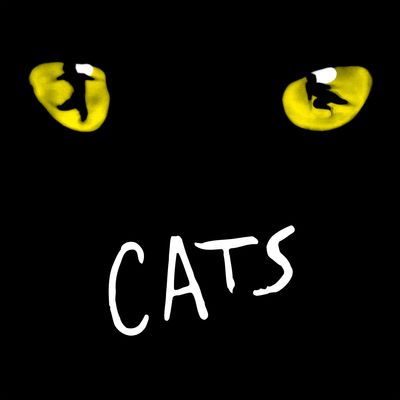
[2:09] Stephen Mo Hanan: Yeah, wow. And so in those 40 years, one of the things that's happened to musical theater, and CATS was a very important contributor to this, is the establishment of a brand name for musicals with incredibly strong visual advertising. And that was really, you know, I mean, I'm remembering vividly the first time I saw stretching across the whole block from 50th to 51st Street on Broadway and Seventh Avenue in New York was this gigantic billboard for CATS, and it was just like a solid black background with the two big yellow eyes in the middle of it, and just the word CATS scribbled in a kind of white graffiti style of lettering.
[2:59] Stephen Mo Hanan: That eventually that image became known around the world in a way that, you know, I mean, up until about the great big hit musicals, A CHORUS LINE, FIDDLER ON THE ROOF. I'm thinking of the shows that CATS eventually ran longer than. The old record holders had been A CHORUS LINE, which was actually the longest running show that CATS then surpassed. And, you know, I mean, trying to think of a visual image for A CHORUS LINE that would have global significance, and you don't really.
[3:39] Andrew Child: Right.
[3:39] Stephen Mo Hanan: It didn't stick in quite the same way. It's certainly not true for FIDDLER ON THE ROOF, also because there were so many different versions of it and the movies and so on. But when CATS held the stage alone long, you know, years before they did the movie version, you could instantly recognize it by that. And that's something that changed the nature of musical theater advertising, certainly commercial theater on Broadway.
[4:06] Stephen Mo Hanan: So, apart from the questions of, wow, how did anybody ever write a musical out of the poems of T.S. Eliot in the first place? Let all the things that the show achieved artistically, there was also this question of, as a commercial enterprise, it has been unmatched up to that time. So that too is a very important thing to consider since Broadway is, after all, a commercial enterprise.
[4:33] Andrew Child: Which I think your chapter is so successful because you were there, because you were living it. You really bring us into this moment of coming up out of the subway, I believe you describe, and seeing that billboard. And of course, we have to go back to that world because now we're used to the PHANTOM OF THE OPERA billboard doesn't even say the words PHANTOM OF THE OPERA anymore. It's just black with the little white mask, and we know what that is. But it is so important to think that we wouldn't have the image of the sad girl in front of the French flag for LES MIS, or we wouldn't have all these things that are so iconic without what you're describing with the CATS logo.
[5:19] Andrew Child: I'd love to know a little bit more because A CAT’S DIARY, I think I've read that book, your book that goes more in depth about the rehearsal process. It brings so much to life, and it's just moment after moment of surprise. And I'd love to know a little bit more about what made you want to sit down and have that be published.
[5:47] Stephen Mo Hanan: Well, I can actually answer the question of what made me sit down and write it in two words: Nicholas Nickleby.
[5:55] Andrew Child: Oh.
[5:56] Stephen Mo Hanan: Because essentially the year before CATS went into rehearsal, I was still doing THE PIRATES OF PENZANCE on Broadway. That revival started in the Delacorte in the summer of 1980 and then transferred to Broadway with Linda Ronstadt and Kevin Kline, Rex Smith, etc. You know, wonderful, wonderful hit show in its own right. While that was running, the Royal Shakespeare Company production of NICHOLAS NICKLEBY came to New York after being an enormous hit in England with the RSC. It was a two-part evening. You could see it on two separate nights, or you could see it all in one day on the matinee day.
[6:41] Stephen Mo Hanan: And, you know, I actually, I'm contrasting, I think the statute of limitations is closed after four years, but I played hooky, basically.
[6:51] Andrew Child: Oh wow.
[6:51] Stephen Mo Hanan: And called in with an excuse so that I could add it to PIRATES and miss a day so that I could actually go see NICHOLAS NICKLEBY.
[6:59] Andrew Child: Oh wow.
[6:59] Stephen Mo Hanan: Yes, I know. There goes my career. Oh well. But it was so worth it. It was, you know, I mean, it was one of those shows in the first 15 minutes, you knew that you were in for an incredible experience in the theater. And so what interested me most about when CATS was announced was coming to Broadway, and well, in fact, when I was cast in it, was the idea of working with Trevor Nunn as a director. Trevor, in collaboration with John Caird, who the two of them then went on to do LES MIS, but their first collaboration in their years as the working at the Royal Shakespeare Company was NICHOLAS NICKLEBY, this incredible piece of total theater.
[7:42] Stephen Mo Hanan: And I just thought, I was once always cast in CATS and had actually auditioned a couple of times for Trevor. And thought he was obviously a very clearly intelligent, genial, and wonderful, wonderful, fascinating, brilliant man. I thought, well, just for my own purposes, I'm gonna write down, I'm gonna take notes on what rehearsals are like with him because I bet I'm gonna learn a hell of a lot as an actor.
[8:07] Stephen Mo Hanan: Oh, wow. This guy who's at that point had directed almost every Shakespeare play in the canon already, starting out as a wunderkind at the Royal Shakespeare Company back in the 1960s. So, yeah, which I just said every day I'm gonna write down what happened here because I want to remember. I was not, I had no intention of publishing it at all until years, years later.
[8:32] Stephen Mo Hanan: As a matter of fact, once during rehearsal, Trevor actually caught me writing in my journal.
[8:39] Andrew Child: Uh-huh.
[8:40] Stephen Mo Hanan: And he grabbed the book out of my hands and he said, "What is this?" I said, "Is this a journal?" He said, "And?" I said, "Yeah," since it was pretty obvious. And he wouldn't give it back to me. He said, and he said, until I promised that I would not publish it.
[8:57] Andrew Child: Oh, wow.
[8:58] Stephen Mo Hanan: And what I realized, what so this was actually right then and there in 1982, in the summer of '82. It was not until many, many years later that I realized that a guy who had done something similar with the production of NICHOLAS NICKLEBY, that is to say, kept notes of the rehearsals.
[9:15] Andrew Child: Okay.
[9:23] Stephen Mo Hanan: And they tried to, I think, I don't know the chart to what they tried to do about the publication of this book, but they were very angry about it. Basically, I mean, the book was published. I have a copy of it myself. You know, I read it avidly and thought, wow, this is amazing. But you know, Trevor said, I do absolutely do not permit you to do this with CATS. So I said, well, I look, I never even thought of it. Never imagined that anybody would want to read it.
[9:49] Stephen Mo Hanan: And then when the show was on the verge of closing back in 2000, that's a funny thing to say. But when I think of how much as a little boy, I had thought, wow, I'm gonna live to see the year 2000. That was actually something that occurred to me very early in life. And I thought, that's gonna be cool. Now, of course, 2000, yeah, so what?
[10:15] Andrew Child: Well, when do we start calling it? When do people start saying 2009, you know, instead of 2009?
[10:20] Stephen Mo Hanan: In any case, I digress. But just before the show was about to close, I was having lunch with some of the production staff on the JOLSON COMPANY show that was getting ready. And the publisher said, you know, it would be real CATS is getting ready to close. It would be wonderful. Do you have anything original you could say about the show because all the media is looking for something to say about CATS that hasn't already been said?
[10:47] Stephen Mo Hanan: And I said, well, actually, I kept a journal of all of the rehearsals. And they said, oh, you should, you've got to get this out in print. People are gonna want it right away before the show closes.
[10:58] Andrew Child: Uh-huh.
[10:59] Stephen Mo Hanan: And so he directed me to Playbill online, I think, Playbill.com. And they, you know, they read a couple, I mean, all this was handwritten back in the day when people, you know, wrote cursive. If you perhaps you're too young to have ever done it. But, you know, this is when people actually held a pen in their hands and wrote down long, long sentences.
[11:23] Stephen Mo Hanan: And I said, you know, they said they would like to read it. I said, you have to be able to read. Fortunately, my handwriting is pretty good. Because I said, you know, I'm not having, I'm not gonna bring anybody in to type this out. It's just, you know, what I wrote, I'll give you Xerox copies.
[11:41] Stephen Mo Hanan: Well, they did, they could read it. They said, this is wonderful, we want to print it. And then Smith and Kraus called me up and said, is there more than what Playbill published? And I said, yeah, there's every single day of rehearsal from the first one till the day Trevor left back to go back to England right after he opened.
[11:59] Andrew Child: Wow.
[12:00] Stephen Mo Hanan: And I said, but I think I need to, if you're gonna publish it, I need to clear with him that it's okay. Because I mean, I don't know how much he would care about a promise that I had, you know, 20 years earlier.
[12:11] Andrew Child: Right.
[12:12] Stephen Mo Hanan: As it turned out, he not only didn't mind, but he wrote the preface to the book.
[12:16] Andrew Child: Right, okay.
[12:17] Stephen Mo Hanan: You know, which was very delightful of him, and considering I guess he must have read it and decided that it was truthful or truthful enough, given that, you know, it was filtered through my particular consciousness.
[12:29] Andrew Child: Right.
[12:30] Stephen Mo Hanan: So there, you know, you would, you know, you wouldn't know necessarily that there were other people in the show besides me. Whatever. You know, like that there's all this yada yada yada yada then my line, you know, unfortunately. Some of it reads like that, but after all, you know, I was working with this guy and creating a new character for the show, not just because they had done Gus the Theatre Cat in London, but not Growltiger. That was a whole new scene that was added because they liked my audition and they knew that I could do a big operatic parody with a really big operatic tenor voice.
[13:09] Stephen Mo Hanan: And so it was written during the course of rehearsals.
[13:13] Andrew Child: So, what was it like to create this character with Trevor Nunn?
[13:19] Stephen Mo Hanan: It was wonderful. It was really one of the greatest lessons I ever had in acting because he was, you know, the wonderful thing about his direction style is that it's very quiet, you know, he's not at all bombastic.
[13:34] Stephen Mo Hanan: Um, in the entire time of in the months that we worked on this show together, I only ever heard Trevor raise his voice once. And that was during Tech Week, and there was a whole, you know, and there was a whole lot of different stuff going on. We were actually in the Winter Garden, and a lot of people were doing stuff for their various departments. And Trevor all of a sudden, suddenly, you know, in a voice that carried through the entire room, Trevor says, I want quiet and I want it now. And I remember it vividly because I had never ever heard him speak so loudly. Wow. Um, needless to say, he got his quiet, he got it, he got his quiet immediately. Um, that's one of the things about, you know, speaking softly is that when you do bring out the big stick, everybody notices.
Um, so there was just his style of working, and then the intimate style with working with me on Gus was there were lots and lots of questions. Um, in fact, his assistant director took me aside one day, and because we were just talking, we were basically having coffee once. I think the show had already opened. Okay. And you know, she started telling me things about Trevor's directing style that were interesting to me. That she said, you know, one thing about Trevor is that whenever an actor was not giving him the performance that he hoped for, that he was looking for. And remember, we're still in rehearsal at this point. But Trevor would also, she quoted him as always saying, Why can't I find the key?
Which I thought was a really, really interesting thing for a director to ask themselves. It's not about why isn't the actor getting it? It was why can't I find the key? Why? And I think in my case, at some point he found the key. Okay, he figured out what he could say to me. Um, that would spring open literally a new insight into this character that would help me do something that I was not yet achieving. And you know, after all this time, I can't pin down specifically what was the discovery I made. Okay, but I know it was because of him asking that kind of question, him always going after there's something more. There's something more you could bring to it. This, you know, and he never made it seem like my fault.
It was always encouraging, encouragement. It was, yeah, we can, you know, go further into this. Go, you know, I think there's a, um, boy, who is it? Was it Udahagan? Some great theater teacher always saying, go for, go forward. You have to go, oh, Stella Adler. Always go forward. You've always got to go forward, meet the role, meet the character. Don't wait for them to meet you. Explore. And Trevor was great, great at exploring, including, and I remember, you know, specific things like you can't really, you know, you wave your finger in the air, you know, with your index finger up, you know, to make a point, which is that human beings always do that. But he said, when did you ever see a cat do that?
You know, and you know, you could be a smartass and say, Well, when did you ever hear a cat sing? You know, but the point is within, you know, you set up a certain set of rules for all right, we're playing cats. What does that mean? And one of them is find a gesture that's not as specifically a recognizably human gesture that can somehow maybe convey the same emotion, the same, um, you know, the same forcefulness and the same emphasis, you know, but without using that same that good old index finger that we all use all the time.
[17:14] Stephen Mo Hanan: And it was just it's interesting to start thinking in that kind of way about playing a non-human character. Who never, and then we're not even talking about Growl Tiger, which was brand new. There was like it wasn't even a, you know, at least on the London version, I could listen to the old the Gusta Theatre Cat number on the cast album. Here and least and hear how the number went. But the Growl Tiger scene hadn't been written until sometime into rehearsal, several weeks actually. I mean, it came very late in the process, and I was really scared stiff. I reached, I think I'd sure I talk about it in the journal because I would have talked to myself that way when I got home from rehearsal and going, you know, when is he gonna get when are they gonna stage my scene?
Because it's gonna be really hard. And I don't know um if I'm gonna have enough time to work on it. I mean, come on. Um, but they were, you know, it depended on a very elaborate new set piece being constructed that there's no point in trying to stage, you know, Growl Tiger on his pirate ship with a three-deck pirate ship. Uh-huh. Um, if there wasn't something actually there, we had never, you know, have a duplicate for it in rehearsal. Because I think, you know, again, they still weren't clear on how they were going to design it. That's so, you know, at some point it all finally came together. Uh-huh. I think maybe 10 days before the first preview. Wow. Something that close that they finally said, okay, now we're going to rehearse the Growl Tiger number.
Uh, what do you want to do here? And Trevor came up with had a scenario and Jillian had a scenario, and Andrew was writing the music. I mean, everybody was waiting for the other one to move first. Okay. Um, you know, especially me. I'm sitting there going, well, all right, listen, I know how to sing the song, but like, what's the action? And um, but the amazing thing about again, I can it always comes back to this tremendous skill and human sensitivity that Trevor Nunn had. Because um, he just always, even when things were looking kind of scary, he always instilled a very deep sense of confidence in me personally about that number. You know, and he says, We're gonna get to it, we're gonna give you all the time you need, you know, don't worry about it.
Just, you know, uh let us, you know, we'll tell you when we're gonna be ready to do it. And they did, and they were. And um then it turned out to be loads of fun. You know, I've been so I'd had so much anxiety about when are we going to do this? Uh-huh. That when it got to the part of being, oh, this is really this is fun. Oh, I've got this wonderful playground to run around on, this you know, intimidating three-decker pirate ship, as actually, oh yeah, sure, I'll run up the stairs and back down and up and down and then yeah, why not three times? You know, and um, so it just suddenly turned in because he had managed to really dispel anxiety as every possible occasion. That really is the way he worked, you know.
[20:13] Stephen Mo Hanan: And there's so many theater people who like kind of thrive on anxiety. But to work with the director who's like, you know, it's gonna be fine. Just you know, do your best, and I will help. And it's all and it went, you know, my God, it was. I mean, the opening night was such an incredible experience. Did you by that point there has been so much publicity? Everybody was waiting for cats to open. It was like big show of the year. Did you feel relieved that opening night was a success after you've been spreading about this new number? Sorry. Um, but no, because uh sorry, uh I you're I'm losing your audio. Did you feel relieved that opening night was a big success after the anxiety leading up to this new number being added in?
[21:03] Stephen Mo Hanan: Yeah. Um, and even, I mean, even before opening night, we'd have, um, I mean, from the, I think we had, we might have had a my, we might have even had two weeks of previews, which is very unusual for those days. Um, but Trevor kept on working on things, and Jillian kept working on things, and they did keep making little changes. Plus, I mean, it was, it was technically like nothing anyone had ever seen on Broadway, just in terms of the lighting cues and the tricks that the set could perform, the amazing kind of hydraulic, hydraulic equipment that was used to move things around. Um, so we had a lot of, we had they worked on, you know, and previews were full of changes and constant adaptation and stuff.
Um, and a lot, but but by the time, I mean, the audiences loved it from the get-go. Um, people just had, you know, and mainly it was it really was as predicted, like nothing anyone had ever previously seen. Um, not just, you know, all of these like, you know, actors with fabulous, you know, dancer physiques running around in unitards. Um, you know, you must never forget that element in cats. It was certainly, you know, it's sold to a lot of audiences. Um, but it also was, it turns out that this wonderful score. I my favorite of all of Lloyd Weber's scores. I just think there's just one wonderful tune after another.
[22:26] Stephen Mo Hanan: And audiences were responding so positively. Um, and people were responding very positively to the Growl Tiger number, especially. It really, it really seemed to work. So that um by opening night, you know, Trevor was was standing at the bottom of the Winter Garden stairs, I remember on opening night. And as every actor came down, um, because all of the dressing rooms were up this one first flight of stairs. Um, and as every person came down, he said, uh, you know, he would stop each one and said, all right, let's see, what's my uh what's my word to you for tonight? Or what's you know, and when he got to me, he actually said, uh, all right, what are you uh said, what are you thinking about tonight?
And I said, Lemme at him. Which is, I mean, that was exactly the way I felt it was like it had been going so well that I just said, just let me get out there and do it. You know, and and he said, but it was wonderful, you know. And I mean, you know, because I mean my enthusiasm was was limitless at that point, and he picked up on it. Uh, but he also said, I remember he said, I have one word for you, simplify. And he said that frequently during in rehearsal as well.
[23:40] Stephen Mo Hanan: So, you know, it lately I think he had stopped saying it because I guess I had been simplifying, right? And he was pleased with what I was doing. But as one last word to consider before stepping out on opening night, it was simplify. And you know, I realized that I'm the kind of actor who has a tendency to over-elaborate, you know, every opportunity. Uh, you know, I think uh on some level, every actor likes showing off. And I had uh not I shouldn't say every, I mean, I know I've actually I've known actors who were remarkably skillful and talented and with deep emotional range and and uh you know, possibilities, but they were very personally shy and you know, quite the but I was I would let me at him is sort of a pretty good motto for me at the in general, and for to remind to be reminded by someone like a director that I respected so much, revered really, just said simplify. It's like okay, right, I've got to remember not to work too hard. Um, and so that was and then an opening night was just a smash.
[24:49] Stephen Mo Hanan: And I mean, the most some of the most famous people you could imagine. Oh, it's history, yeah. Opening night and that show, and here we are. And it may be later still talking about it. Yeah, and I think it's still touring somewhere.
[25:03] Stephen Mo Hanan: Oh, wow. So have you well, who knows after the pandemic, but you know, right, right. Yeah, you know. Have you been able to go back and see either some of the more recent tours or the more recent Broadway revival?
[25:19] Stephen Mo Hanan: I did see the last Broadway revival, and I saw in the course of it of the run, um, there were they on certain occasions. I know when cats, obviously a closing night, but long before that, when cats first surpassed the when became the longest-running musical, when the night that cats surpassed a chorus line. Um, they threw a big party, and everybody from the original cast was invited, was was in the audience.
[25:46] Stephen Mo Hanan: Oh, cool. Um, so there was that, and we were all in the audience for the closing night. Okay, and we were uh, you know, or as many people as they could who were available and we could bring, you know, could make it and were there. Um, and there was oh, yes, there's the night that um on this ninth anniversary, the night the the the nine years after opening night, so that would have been what 91 October 1991, uh Cameron Macintosh threw this gigantic nine lives party.
[26:17] Stephen Mo Hanan: Oh, okay. I mean, right. I mean, it was it was the a pretty mild excuse for throwing a gigantic party. Well, I wait for two minutes. Yeah, yes, exactly. One shrugs and goes, Yes, cats have nine lives. I get it. Um, and turn it right. It ran twice that long. It ran 18 years, as a matter of fact. Wow. But there was a big, I mean, opening on the night of the ninth anniversary, they took over all of the downstairs of Rockefeller Center. Every single, every restaurant, every mall facility had been turned into something, a special room for the cats party. So I mean, you know, he was spending a lot of money on it. It was so, but it was amazing to come see the show. But then I saw the show, you know, I broke my foot.
[26:59] Stephen Mo Hanan: Um early on, like I I think the show opened at October. And the week of Thanksgiving, um, I broke uh I had a hairline fracture on uh the side of my left foot, which was the result of an accident of how a stagehand had lifted me from there. The Growl Tiger scene ended with me jump literally walking the plank from the audience's point of view, jumping off the ship. And I jumped into a big pile of mattresses that were suspended from a kind of a net bag from the back, the rear part of the rear of the set. And once I was safely in that net bag, a uh stage had two stageheads actually had to lift me out of it to get me back onto the stage floor to come back for the final scene as the final moment of Gus the Theater Cat.
Uh-huh. And Gus reminiscing on everything that had just happened in the ground tiger scene. Uh just threw the go of the costume on and came back out as Gus. And um, on that on one particular night, my foot hit a a strut Easy Way coming down. And um, you know, it was immediately extra excruciatingly painful. Uh-huh. So uh so to return as Gus I'd limped out as before but on a different foot. Okay. It was you know I I imagine no one in the audience noticed at that point. But I was yeah I'm limping on the other foot. Of course it couldn't have been the right foot of course. Right. Needless to say um and I wasn't not only was I mean I couldn't finish the I couldn't come out for my curtain call basically because I was I couldn't walk I was hopping.
They took me to a hospital afterwards and I was out of the show for two weeks. So I saw my my standby okay my understudy go on in my role and I saw I actually got to sit out you know front row the mezzanine and I think it's a Saturday matinee or other with the first time that I was off crutches. Okay. Um because I was on crutches for 10 days and then couldn't I I was out of the show for three weeks. Wow altogether I think um you know because and very wisely the the PSM said listen the don't come back in the until you're absolutely ready because you don't we don't want you to injure yourself injure your foot again. Right until you're really really set to come back. So don't hurry and I had never been out of a show um because of an injury before so it was an amazing experience just I'll get talking Lemmy Adam you know I wanted to get back on stage at a certain point you know I couldn't wait for my foot to heal up well enough and um but in the meantime to be actually be able to sit out and watch it um with all of my fellow cast members and say oh so that's how it looks from the front.
It was really, it was kind of amazing, a pr a privilege. Um to see how the number work. Um yeah, and uh so you got to create this role with uh some huge names, Andrew Ludweber, Dame Gillian Lynn, and of course with Trevor Nunn, who you were already uh big admirer of after Nicholas Nickleby. Was there ever uh a moment either with Grail Tiger's Last Stand or just generally in the rehearsal room? Was there ever a moment when you or other actors were feeling like come on, guys? These are cats. Like we we can't be treating this like Nicholas Nickleby, we can't be treating this like Shakespeare. They're just cats. Was that ever a thought that was coming into your mind? You know, I don't think so. Mainly because uh, I mean, one of the unusual things about the rehearsal process for cats was uh we had a solid week of impro of cat improvs.
There was an absolutely nowhere. Well, I mean, uh, cats doesn't really have a book. There's maybe a few spoken lines here and there, but most for the most part, it's sung through. Um, as which is what you know, what Andrew likes, basically his shows have always been primarily pretty much sung through. Um so, but we didn't ever do any staging of the of the numbers as such. We did there was a lot, there was music rehearsal um in the afternoons, uh and the mornings were just cat improvs, literally doing stuff of of uh what would a cat, you know. How do you first of all, you know, who are you as a cat? What was you know, and at that point I had never lived with a cat, so it was kind of interesting to come start making things out of whole cloth.
Uh now I've lived for 16 years, you know, with it with a cat who is is certainly my guru, you know. I learned lots of things, but uh, she hadn't been around at the time. Okay. So um, because we spent the because we didn't try to translate from personal experience into the script of the show, it was all let's just pretend we're cats for for um every morning for a week. And what would that be like? I mean, what is it like, you know, what does the floor look like to a cat? As you know, to somebody who's like spends all the time just a few inches from it, right? And you never you don't think about that, but yes, what would it be like to actually always be just a few inches from whatever it is you're walking on to be that small, to have the rest of the world be so large?
It was um, and we did a lot of just pure nonverbal improv like that for a full a solid week. And I think that by a certain point, well, uh classic story that I I've visited, I visited one day after rehearsal and went to visit a friend of mine who has three cats typically. Um, and I was in her apartment and her cat started kind of like rubbing up against me. And literally I had just come from rehearsal. This cat's like rubbing up against me in this very curious way. Now I had been visiting, you know, this friend for years, and this had never happened before. And she looked at me, she said, said, Don't you think the cat's acting kind of funny? And I said, Yeah, actually, what's this? And she said, Well, that's the way this cat always acts when it's around somebody who's been near another cat.
And I said, Come on. And she said, seriously, I mean, you're putting you're putting out some kind of cat vibe that her cat, Peaches, was picking up. And that just struck me as on the one hand, amazing. And on the other, yeah, I'm not surprised. You know, sure. Sure. Yeah. I mean, because that's I spent the day trying to explore that that reality. And I guess something was was actually leaching through. He just saw her truth in you, yeah. Yeah, you know, it was right there. And it was so it didn't, you know, that's why, as I said, from time to time, you need a reminder from Trevor for like, oh, you can't really do that gesture. It's too it's too human for this when we're really beginning to believe that you are this old cat.
I mean, one of the things that's very helpful with with Gus the theater cat with this the the Elliot poem to begin with, and then the wonderful tune that Andrew wrote for it that just kind of slowly unwinding melody. Um that very it's so much about recollection. I don't want to say memory because I think there's a there's a different topic. Yeah, somebody will talk about that, but there is, yeah, this this sense of recollection that he has that I thought from the beginning, oh, I've known people like that, I've known old guys, you know, who who weren't even in the theater, you know, saying, Oh, the good old days when boy, when you know, when Catherine Cornell and Helen Hayes were on stage. Wow, that was, you know, those were the days, and but so many old old timers saw it, oh yeah, that was the day when so and so was president, or so and so was the head of my club, or you know, it's such a human universal thing that it became actually very easy to translate it into well, what what kind of you know, a cat lives with a with a human being, you know, or has cats you know, reach a ripe old age.
Our cat, for example, is 22. Wow. She's she's really amazing as she's out there. Um, and yeah, to think of, and she's great, she's in perfect health, never been to doctor, you know, not would. Um it was, you know, easy to think, oh yeah, I can see how a cat would have a member would be able to, if it could it could only make up words, you know. If you could just translate the experience of being able to make the sounds that you make from your throat are not words, but they're they're expressing something. Um then you be, you know, then you begin to say, well, maybe even though I'm speaking English words, what I'm actually expressing is an emotion that could be translated in any language, you know, into any language because people recognize their pet.
They recognize what that animals have an interior life. And I think you know, one one of the things, one of the great successes of the show is that how successfully it's played in other languages. Because I think that T.S. Elliott's poems for anyone who has cats, anyone who lives with cats, anyone who loves cats, they are so accurate. You know, we recognize these characters, we see little moments. Like I know cats that I had growing up, they would have moments and we'd say, Oh, like skimble shanks or like rum tum tugger, but then there's this added layer with Gus the theater cat that it really does, sort of like you were mentioning, it's this love letter not only to this feeble old cat who we can't help but love but it is this love letter to the theater to this art form to this industry um and there's something so beautiful and I think you're absolutely correct that Andrew Lloyd Weber's melody for that song does absolutely nothing but add to what's already there in that poem.
Yeah you know it's interesting because I've I've had the occasion uh a lot of several times um you know if somebody wanted me to come do a solo you know perform a little you know one number in a in an in a composite show that a whole bunch you know people are doing um and I saw I've done Gus the Theater Cat as a solo where where the the initial verse which is actually sung by Jelly Loram introducing Gus before Gus himself actually starts to sing in the second verse. But you can very easily do that number just you sing yourself about first I'm gonna tell you Gus the Theater Cat is in the intro and then I'm gonna be him and you just it's very easy to do it that's similar I mean I've done it so many times that I've and it always goes so well it's always a surprise to me that more people don't just do Gus the Theater Cat you know when they have to do a Lloyd Weber song because it's a beautiful number it's got a tremendous uh emotional range there's you know to explore the character is uh uh you can put a lot of stuff over um it's joyous it's funny it's it's touching, you know, it has a lot of one.
And it just surprises me that it and I think because it's not set up in the show as a solo, that people don't think of it as a number that you can excerpt, for example, you know, in your club act. Right. But it's a beautiful, you know, it's absolutely gorgeous. Um, absolutely. Yeah, people hear it, you know, are always very touched by it. And I think, yeah, I'm surprised that you know, more people don't do it. But the other part is you have to, you know, here I am, I'm old enough to actually be him. Would you know 40 years ago? Did you ever do the world again? 40 years ago I was playing somebody, I couldn't run around that much. Um well for Growl Tiger, but of course, you know, now that they now they cut Growl Tiger, they don't include it anymore.
It was not in the in the Broadway revival. Right. Um, they saved a lot of money by not having to build that pirate ship set, let alone have it have the the um the logistics that actually bring it down, um, you know, to make the whole back wall come in as it did in the on Broadway. Um, you know, that was that was a tremendous um uh tremendous technical problem that they had to solve. Um and so they but I eliminated it, and they also eliminated it because it's a hard number to pull off. Uh if and if you don't if you don't have a sense, it's you don't love opera, and a lot of people in musical theater don't. I think you know, that's maybe been problems for some of the people that have played the part subsequently, is they don't understand that Growl Tiger is a parody of operatic style of grand opera, you know, over the top. Let me show you what this emotion is times seven, you know, because the music has invited me to do that. And the joke on Gus, or the round is that this actor playing Growl Tiger is just terrible.
[40:30] Stephen Mo Hanan: But he thinks he's great. So it was a spoof of um in not just a certain kind of acting style, but of an individual of a certain kind of actor who thinks I am really the best thing on this stage, and the best thing has ever been on the stage. And every move I make is just so good. I love it myself. How can you help but loving how wonderful I am? You know, and to be willing to mock yourself in that way. I think you know, and I was told this by some of the casting directors who saw other versions of the show over the years. And I said, Well, they didn't have the time to really work with the way that you and Trevor created a parody, not to have a certain style, but of a certain kind of actor. But of this, and um, if you know, that didn't, if that doesn't come across, the audience doesn't understand why they're there.
The joke is that grout is that old Gus is looking back on his career, a highlight of his career. Um, you know, as I as I today might look back on the role, you know, for which I got a Tony nomination, right? Right. That that was now my dear friend, right from here, you know, so be this old fart, basically. And um uh it's it's there was a lot of complexity that I think over time, you know, as people just kind of ran. Also, in general, the the thing that was very important about the work we did with Katz in that first week was there was a sense of telepathy on stage that was extraordinary. I mean, you really kind of knew what everybody else was thinking and doing because we had worked together so well. And once once the original cast dispersed after the first say year and a half on Broadway, um, the new actors coming into it never had the opportunity to do that kind of exploration.
[42:28] Stephen Mo Hanan: Okay. So, you know, as with any musical, you know, any show, a long-run show, and then you know, you the stage manager puts you in. I mean, the same thing happened to you a couple of years later when they put me into La Miz in London. And it was like, I wasn't I wasn't invited to explore and say, here, here's what you can discover with here's some things about Thenardier that maybe I could invent. No, it was like you're gonna play it the way Alan Armstrong played it, right? Because you have this cue, and on this line, you pick up this prop, on this line you pick up that prop. On that, you know, um, I mean, the the Master of the House number was the most difficult prop number I ever had to learn.
And the hardest part was having to learn it to step into a show that for everybody else had already been playing for a year, and that's what happened when anybody else came into uh be played a later role in the subsequent subsequent year or subsequent production of cats. The same thing happened to them that happened to me. You know, it's like I don't really I don't have a lot of time here to develop the telepathy with everybody else on stage. I'm just kind of learning their names, right?
[43:40] Stephen Mo Hanan: We um for those listeners who are interested, we are chatting with in a later episode, Susan Russell, who was a longtime replacement in Phantom of the Opera. Um, she wrote her chapter for the book, so she's ex she exactly hits on some of the frustrations, some of the shortcomings that you are talking about coming into these mega hits as a replacement versus this kind of care and all these different nuances you can bring when you are creating the role that becomes the long-running mega hit that we recognize the images from immediately.
[44:21] Stephen Mo Hanan: Yeah, you can't really, you know, if you're replacing someone, you can't really try stuff. I mean, eventually, maybe the director or the stage manager, whoever is in charge at that point will, you know, will say, can I, you know, I mean, if slight, obviously, slight adjustments are made all the time. Um, as as you know, the creator of a role will make like adjustments over the course of a year, um, as well, let alone what someone comes in and has to replace. Um, but it's it's uh yeah, it's very it's a very it's a uh, but there's so many things that you don't even imagine until you're in a huge mega hit like this. I remember um when when pirates was first at the Delacourt, if I can skip to a previous show.
[45:05] Stephen Mo Hanan: Go for it. Um, but I was I shared the dressing room with George Rose. And at some point in the course of the summer of 1982, they had the they announced that they were going to move to Broadway. And uh there's no question it was gonna run for a while. I mean, it was already such a demand. I remember George George Rose uh turned to me and said, Steve, have you um have you ever been in a long run? And I said, No. And he said, Well, that's something you're gonna have to learn how to do, and the only way you can learn is by being in one. And learning, you know, the whole question of how do you keep it fresh, week after week after week after week, and you know, and then month after month after month.
Um, how do you keep finding new things? How do you know that's the stuff that uh or you know, how do you keep from just getting bored and walking through it? And it was amazing to watch um with somebody like George Rose, who had done God knows how many long runs in the course of his career at that point, and many more to come after 1980. But just watching uh the diff the the very fine calibration between um having something technically set so perfectly that you know, yes, this this kind of this inflection will make this line get this kind of laugh.
[46:26] Stephen Mo Hanan: You know, I'm the stuff that you just know that you could repeat technically flawlessly, day after day and performance after performance, and make it look fresh and find the stuff that's inside that that actually that even to a cast member will look fresh, which is marvelous. I mean, that was the thing about watching real, you know, experts um like George, like like um uh Kevin Kline doing, you know, just yeah, with it's a science.
[46:56] Stephen Mo Hanan: Yeah, great bravuro, and at the same time keeping it fresh. Um, and then for me it was just at a certain point, and I have to admit it was uh several after the Tonies had come and gone, um that's when it began to seem like punching the clock. It's like okay, kind of for me, yes, and you know, there were I have to say that like having seen uh numerous productions, and and the same for the Broadway production over a period of nine and eighteen years eventually, there was you know, performer like like Marlena Danielle, who just who was in the show for the entire run.
[47:34] Stephen Mo Hanan: Wow, you know, she started out as as as uh the mother of a of a toddler and put him through college. Wow in the course in the course of her, you know, and bought a house and you know, had all these wonderful things, and she was electrifying. I mean, when I talk when I think of actors managing to do a long run great with gusto and zest and being able to keep doing it, she's the first person I think of because she did. I mean, she really did this thing for 18 years, and every performance that I ever saw of her was as electrifying and fresh as if it was you know opening night. Wow. I thought that is a skill. That's really something. And uh hats off to any actor who can do that.
[48:17] Stephen Mo Hanan: So how long did you stay with cats?
[48:21] Stephen Mo Hanan: I stayed for uh 15 months.
[48:25] Stephen Mo Hanan: 15 months, okay. And would you say after the show had opened and your running were the creative team were they still very much involved, or was it more hands-off for Trevor Nunn and Julian Lane?
[48:42] Stephen Mo Hanan: It was it was hands-off except for, I mean, they would show up for brush up rehearsals occasionally, um, maybe um maybe the after the first few months. And I know, I mean, there was a lot of brush brushing up once the Tony's were not were announced.
[49:02] Stephen Mo Hanan: Okay. Um, you know, the everybody came back, uh Stanley Uh Lebowski, the the music, the original music director who had long stopped conducting the show. But he was back, you know, Andrew was back. Everybody, everybody came back, Trevor and Jillian. We're all, you know, I mean, we we rehearsed as much as as much during the day as I think as as equity would permit.
[49:26] Stephen Mo Hanan: Wow. To during the course of an actual running a show. You know, there's only so many hours you can actually rehearse in while the show is playing. Um and whatever it was, though, they had us do that. And they were just, I mean, they were polishing and they were scrubbing, and you know, Trevor had this, and um uh, but that's and then you know, then the Tonies were announced, and and uh however many they won seven or eight for you know, and then again they all tended to disappear for a while.
[49:55] Stephen Mo Hanan: Okay. Um uh then so let's see, that was that would have been June, and I stayed with it until uh New Year's Eve of that same year.
[50:04] Stephen Mo Hanan: Yeah. Uh so yeah, I was about 15 months altogether.
[50:08] Stephen Mo Hanan: Okay. And then were you going directly to another performance?
[50:13] Stephen Mo Hanan: I was actually. I was, I was uh, which was very nice nice indeed, but it was the exact opposite experience because it was the the 1984 Broadway revival of Oliver.
[50:26] Stephen Mo Hanan: Oh with Patty Lupone and Ron Moody, and that closed in two weeks.
[50:31] Stephen Mo Hanan: Oh wow.
[50:32] Stephen Mo Hanan: So I yeah, and I had been I was actually a nice position because I was not I was not understudying, I was a standby. I was literally hired as a standby to Ron Moody.
[50:42] Stephen Mo Hanan: Okay. Uh I thought that way. I always wanted to play Fagan.
[50:45] Stephen Mo Hanan: Yeah, of course. That'd be fun.
[50:46] Stephen Mo Hanan: Uh and um, but I never got to do anything more than have one understudy rehearsal.
[50:54] Stephen Mo Hanan: So as but what was interesting is as as a standby, I was not rehearsing. I would just come to rehearsals and watch everybody.
[51:01] Stephen Mo Hanan: Because all I had, you know, I was a standby is somebody who's available to go on if the stars, if the star misses, pretty much.
[51:10] Stephen Mo Hanan: Um, you know, understudies and swings are usually in the show and then just move up to a different role.
[51:16] Stephen Mo Hanan: Uh-huh. But if you're a standby, all you have to do is, you know, is have your uh well, of course they didn't have smartphones then, but back in the day, you know, if they call if the theater called up at 10 of eight and they say, Well, um, Ron's gonna be on tonight. You can, you know, stay home. You can uh okay. Or uh be where we can, you know, if he if we have to switch casts at intermission, be available.
[51:39] Stephen Mo Hanan: And that was it, basically. So, but I got to watch rehearsals of a Broadway revival.
[51:45] Stephen Mo Hanan: Wow, um, but a classic Broadway show for that matter, you know, just as a stand, just watching, just observing, just watching the dynamic rather than being in it.
[51:55] Stephen Mo Hanan: And that was one that was a great learning experience.
[51:58] Stephen Mo Hanan: Um way more than any than the the actually one single rehearsal I ever got to actually play Fagan on the stage of the of the Mark Hallinger Theater with all of the other understudies and and I don't think there was another standby.
[52:13] Stephen Mo Hanan: Um, but you know, the the replacement cast was had one rehearsal, and then the the show closed, you know.
[52:20] Stephen Mo Hanan: I mean the reviews were just really, really bad.
[52:23] Stephen Mo Hanan: Really, okay, which is a shame because I you know I love the show.
[52:26] Stephen Mo Hanan: Oh, it's a great show.
[52:27] Stephen Mo Hanan: But I must, you know, I really I think the movie is in many ways an improvement.
[52:32] Stephen Mo Hanan: Yeah.
[52:33] Stephen Mo Hanan: Uh on the stage show. The movie comes come up with um just to have a dramatic reason to do um papa rather than open the second act with a great number.
[52:42] Stephen Mo Hanan: I mean, no question.
[52:43] Stephen Mo Hanan: Okay, I see. The movie, you know, it's like, so you know, it's wonderful that they have time that they can work stuff like that out.
[52:50] Stephen Mo Hanan: Um, but for me, the great experience was, you know, all right. I'm in one going from one show to the next.
[52:56] Stephen Mo Hanan: And you know, a great part, you know, one so one of these nights, and who's gonna say the role of Ron, the role of Fagan, usually played by Ron Moody.
[53:03] Stephen Mo Hanan: It's like, ooh, but that of course never happened.
[53:07] Stephen Mo Hanan: So that's show biz.
[53:08] Stephen Mo Hanan: I mean, it was like you go from a show, you leave a show that's 18 years later is still running um to do a show that closes in two weeks.
[53:18] Stephen Mo Hanan: Wow.
[53:18] Stephen Mo Hanan: Oh well.
[53:19] Stephen Mo Hanan: Oh well, yeah.
[53:21] Stephen Mo Hanan: You got to see Ron Moody.
[53:22] Stephen Mo Hanan: Great.
[53:24] Stephen Mo Hanan: And Patty Lupone, and you know, yeah.
[53:27] Stephen Mo Hanan: Wow.
[53:28] Stephen Mo Hanan: So let's sort of as we're winding up just a little bit.
[53:32] Stephen Mo Hanan: I would love to personally hear a little bit about what it was like uh to do Captain Hook opposite Cathy Rigby.
[53:41] Stephen Mo Hanan: Oh, well, it was wonderful. Um it was really a great experience. Um first of all, she was sensational.
[53:49] Stephen Mo Hanan: She was, uh, you know, um, she really seemed like, I mean, I remember even, you know, seeing the Broadway TV show when I was a kid, this first one, Mary Martin and Cyril Richard, you know, which I think they used to show at some point every year.
[54:03] Stephen Mo Hanan: Wow, for a while there anyway. And you know, so I know the story, of course, and you did from that. And um, but um I never for a moment believed that Mary Martin was a boy. No. Uh yeah, I mean, first of all, it's Mary Martin. I mean, you know, you know this. Um, the thing, what's marvelous about Kathy was that she really um she really worked. First of all, I mean, she had these she has these incredible thighs. Really, I mean, Olympic, you know, and she's just in great physical shape. She um the guys from from Flying by Foy who worked on the show, we played 31 cities across the country before we came to Broadway, which is self was another wonderful experience learning how to tour. Um, but the guys from the flying boy flying by foy said, um, no one has ever flown the way Kathy did.
I mean, she did spins and somersaults in the air. I mean, she was fearless, you know, and and quite and tremendously impressive and had a beautiful singing voice. Um, and she was so generous. Now, the the the interesting thing for me was from the get-go, um, the directors and the producers said, All right, we're don't play it like Cyril Richard. Okay. Um, or the way that other people had played it. Because this is we're doing a Peter Pan for generations of kids who have seen uh Star Wars and who know who Darth Vader is. Oh, and they said, you know, you should be that scary, Captain. And I thought that's great because all the times that I'd seen it with uh Cyril Richard and stuff, you know, it just always seemed like he doesn't scare me for a minute.
He's like a little parasol, he didn't scare you a little bit. No, yeah, right. I mean, you know, he's just so nelly, not to put too fine a point on it. And I thought, well, that's you know, I why can't Captain Hook be frightening? And they said that's what they encouraged. And and so I was able to really approach the role. And then you start to asking questions like, why is he so scary? What's wrong with this guy? And that you know, at that point, I had already done Tenardier. So I made kind of transfer from one to another of all right, here's another character who's not at all like me. There is uh, like I, you know, I'm uh the uh Tenardier is somebody who the minute he sees any new person, his eyes just turn into a little cash register, you know, bing bing bing bing ming bing bong, how much money can I make over this one?
And that's so not like me. But I thought that's interesting. What what made well, how did Tenardier grow up to be like this? And one the question that came in the same way with Captain Hook was why is he so awful? And I realized I recognize how lonely he is because he's a guy. The key to Captain Hook to me is uh the James Barry play, the stage direction says he is never more sinister than when he is most polite. And I thought that's the key. Okay, that's what I'm gonna. That's that's my that's Captain Hook for me. But the politeness is totally sinister because he is a guy who thinks that everybody is beneath his social class, everybody, even the king, if it came to, you know, if I had to actually admit it, I would say, yes, well, you know, he's okay, but I older my family's older.
So to me, there was Captain Hook had this great incapacity to relate to anybody because he saw them all as inferiors socially. And so you rather than just thinking, okay, so he's a bad guy, you know, it's like, all right, what's what's it like to be that person? What is it like to think that everybody is your social inferior? And God knows I've worked with some people in the theater who can fit that to the script without naming names. Can you imagine? Yeah. In fact, I'm sure we have all met people like that, whether we're working in the theater or not. You know, there are people who are like that. And um to explore that. And you know, so I was given a lot of freedom because we had a nice rehearsal process before we started.
I think we opened in Boston, yes, uh, late 89, if I'm not mistaken. Yes. Um, so there was a lot of time to develop stuff like that, and then to keep to keep at it. Um, because we you know, we moved from city to city, and that changed the structure of the set in some ways. And so things were always shifting around, which is interesting about touring, but on you know, through that was okay, how do I stick all these different changes? But the through line is um nobody's good enough for me. And that to me makes you know, there's something very tragic about that. If you can if you can hold on to the still, you know, that it's still a show essentially for kids and for you know, adults with a kid like mentality and a good strong imagination, um, adults who are willing to clap for Tinker Bell, right?
You know, if you will, but also need to be able to recognize that Captain Hook isn't just uh a cartoon character, but somebody who, and especially in the in the you know, in the original writing by James Barry in the original play, um, is a comment on the British class system. It's an example of the British class system, and and you know why he's always overdressed. He's you know, and and in all productions, he always is uh you know, it's not just because somebody, you know, the original Captain Hook wanted an elaborate costume and pirate. They're telling you something about this guy. He is always overdressed, he never relaxes, and um, to say the least, you know, right. So it was uh, you know, and and Kathy was so open because she was always exploring stuff.
And at the time her oldest boy was maybe in his early teens. Okay. I'm not sure. He's now, you know, I mean, he he's made her a grandmother times over. Wow. But at the time she was kind of basing Captain Hook, I'm her Peter Pan on um on her kids. Wow. And so I was ready, you know. I would watch their interactions and say, oh yeah, she picked that gesture up um from X, Y, or Z, you know, uh I'm not remembering their names even. That's okay. Um, but anyway, yeah, I mean, from a chair, she would like to say, Oh, yeah, I've seen him do that. And and that's so she was very serious about it, and encouraged all the rest of us. You know, I mean, so many things in the show stems from the star. Um, it all flows from the star.
As as in um, well, in Pirates of Penzance, working with Linda Ronstadt. I mean, that's a whole other story. Wonderful, absolutely wonderful human being. Really? That's so good to hear. In every respect, yeah. I mean, I feel I feel for her now so much, I mean what she's going through because um with uh you know her illness, because she's um she was an example of what a great star should be like, you know, friendly, no ego, uh, very very much uh and humble about the nature of her guy, her gift. You know, I mean, Linda, I heard her say so many times, well, you know, my voice is really a gift from God. It has it's my job to maintain it. And she was great about that. And so she was, you know, they can they can be really inspiring, and Kathy was too.
That's great. Yeah, it was a terrific experience. I'm uh a little bit curious, because now with multiple different roles, you've mentioned gestures. You've mentioned like specific movements, either, you know, Cathy Rigby borrowing from her young sons, or picking up things from Cats specifically, or even to sort of the very visual way you were kind of describing what happens to Tenardier's eyes when he sees someone. Would you say, is that physicalization of a role? Is that a way that you get into your different characters? Wow, this um I'm you know, I mean me immediately I want to say yes. Okay. Um, you know, and then there's part of me thinking, all right, now I how consistent is that? Where do I want to like?
Do I want to like it's yes, but with a masterist? Uh you know. Um, yeah, I think for me, it's very important to find the physical, the the physical aspects of a role. Um, but it comes with the, you know, at the same time, you do have to think about the the inner life. Um I don't know if I put one thing first. It's interesting. It's some I I recently read somebody um an interview that someone had in which Stephen someone asked Stephen Sondheim what comes first, the lyrics of the music. Because I'm sure he had question that he was asked numerous times. Right. Um, but his answer was he said it really kind of they they feed on each other. One one and that made immediate sense to me. Um not just because in my own time I've also written songs in the and I say, oh yeah, I recognize that.
But I also recognize, yes, as an actor, it's it's it's very similar between finding the inner life, locating, you know, the the the emotional stuff as deep as you can get it, you know, the sort of well, you know, which so frequently comes down to question of how did I how did I get hurt? How did I get how did I James Hook um or to as the case may be with the character, how do what what hurt made me into this person that I am? And then what happened, you know, what what moments of love opened me up to something that my heart could really understand what what intimacy would be like, all of those things, while at the same time, I mean it just immediately happens in your body as well for me. You know, I think about reaching out, reaching out to or pushing away from somebody that I'm afraid of, or something that's uh you know, going for a moment that like when was I hurt and what was that like?
Um at the same time that I'm emotionally trying to re-rebring that back to life in my my consciousness, my hands, you know, I'm already making the gesture of the okay. There's something so I think they they work together. And and the one interesting discipline for an actor is to learn how to sort them out, how to go, okay. That was a physical, that was a gesture, that was the emotion. Um if I let's see, is there is there does that same emotion offer a different choice? As for example, in the case of Cat, where it's like, well, you you don't want to do a gesture that is very distinctly human, right? So it's like uh find something else. So that'll be where the emotion then asks you to look in the in different directions for the physical gesture.
But the other, the other sometimes the opposite also happens. Sometimes you know, I'll come up with the gesture, you know, pounding the table or something, just with whatever is going forceful, and there's a piece of the mind that you gotta go, oh, that was good. I gotta keep that. You know, at the same time that you're emotionally committed in every way to what you have just done. There is a part of you that just is the witness in rehearsal. And happen sometimes that even happens during performance on stage. Yeah, you'll find some new thing and be able to go, well, I'm still in the scene, I'm still playing with my partner, I'm still, you know, like totally, but oh, I like that new one. I I think I'll keep that.
I'll have to try that again. Um, so it's the the fun one of the fun things of acting is this, you know, that you work on so many levels of your mind at the same time. Um but it's just learning which one is which is which. [1:05:39] Andrew Child: Yeah. But maybe that's maybe that's another reason that I that I wrote a journal that I kept a diary of that in the case of Cats, because it was like so I was making so many discoveries myself. It was important to write them down because I wouldn't have been able to hold on to all of them. [1:05:54] Stephen Mo Hanan: Right. Um, and I didn't, you know, it's a looking back on it during the course when the show was in rehearsal, I did from time to time um reread some of my previous pages to try to figure out, oh no, yeah, what was I doing in this scene?
Oh, yeah, there was something three days ago that that really worked. And what was that? Because I maybe did I lose it? I think I lost it. What was it? And then you can go find it. Um so in that case I was very lucky, but I've never done it since. I haven't with no other show have I ever uh kept a diary. [1:06:27] Andrew Child: That's wow. I want to highly recommend for listeners, if you are interested in Cats, if you are interested in this sort of collaborative performance process, I'm gonna highly recommend A Cat's Diary by Stephen Mo Hanan. It's a fabulous book. Stephen, I want to thank you so much for taking the time to chat with me today.
[1:06:48] Stephen Mo Hanan: It's my pleasure. I've really enjoyed it, Andrew.
[1:06:51] Andrew Child: Thank you.
[1:06:52] Stephen Mo Hanan: Thank you.
[1:06:54] Andrew Child: And thank you so much, listeners, for being with us. Please make sure to purchase a copy of 50 Key Stage Musicals by visiting Routledge.com or by clicking in today's show description. If you want to learn more about Cats, please also review the links in the below description. I am Andrew Child and thank you for listening to Fifty Key Stage Musicals, the podcast.
[1:07:21] Stephen Mo Hanan: Let your memory.
© Broadway Podcast Network, All Rights Reserved