

IT'S HAPPENING IN YOUR REFRIGERATOR: Deutero-Fung, a mold spore with big ideas, attempts to rally his fellow mold spores into blooming immediately and take over the apartment-verse, but Hyphae-Fung, a mold spore with even bigger ideas, warns the community that blooming early will be a mistake... Read More
From the show: Gather by the Ghost Light
Guests
Featured Shows
About
IT'S HAPPENING IN YOUR REFRIGERATOR: Deutero-Fung, a mold spore with big ideas, attempts to rally his fellow mold spores into blooming immediately and take over the apartment-verse, but Hyphae-Fung, a mold spore with even bigger ideas, warns the community that blooming early will be a mistake. Look out! Cuz it's Happening in your Refrigerator!
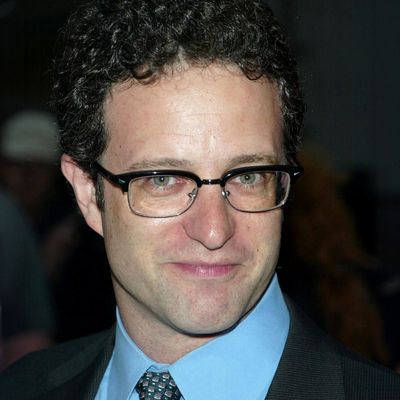
Written by Greg Kotis
Directed by Jonathan Cook
Performed by Sol Baird as "Deutero-Fung"; Brad King as "Hyphae-Fung"; and the cast of Urinetown the Musical at Le Chat Noir Theatre as the mold spore community.
Intro/Outro music: JK/47
About the writer: GREG KOTIS is a two time Tony™ Award winning author of many plays and musicals including Urinetown (Book/Lyrics), The End of All Flesh, I Am Nobody, The Truth About Santa, The Sting (Lyrics), Lunchtime, Give the People What They Want, Michael von Siebenburg Melts Through the Floorboards, Yeast Nation (Book/Lyrics), Pig Farm, Eat the Taste, and Jobey and Katherine. His work has been produced and developed in theaters across the country and around the world, including Actors Theatre of Louisville, American Conservatory Theater, American Theater Company, The Apollo (West End), The Brick, the Eugene O’Neill National Theater Conference, The Geva Center, Goodspeed, Musicals, Henry Miller’s Theatre (Broadway), Manhattan Theatre Club, New York Stage and Film, New Line Theatre, The Old Globe, Perseverance Theatre, Roundabout Theatre Company, Soho Rep, South Coast Rep, The Saint James (Off West End), The Tank, and Village Theatre, among others. Future projects include ZM, an original musical about teenaged fast-food workers trying to survive a zombie plague. Greg co-founded Theater of The Apes with his wife Ayun Halliday (www.theater-of-the-apes.com), and is a member of the Neo-Futurists, the Cardiff Giant Theater Company, ASCAP, and the Dramatists Guild. He grew up in Wellfleet, Massachusetts, lives in New York City, and is the proud father of India and Milo.
You can watch the full video of this episode at https://www.youtube.com/@GatherbytheGhostLight
Gather by the Ghost Light merch is available at www.ghostlightpubs.com (Ghost Light Publications)
If you would like to further support this podcast, please visit Gather by the Ghost Light is increasing public knowledge of emerging writers and actors (buymeacoffee.com)
If you enjoy this podcast, please please please leave a rating on your preferred podcast app!
For more info or if you wish to contact us, please visit www.gatherbytheghostlight.com
Transcript
This transcript was automatically generated and might contain errors.
[0:16] Jonathan Cook: All right, welcome back to Gather by the Ghost Light.
[0:19] Devon McSherry: Original Stories for Radio Theater.
[0:21] Jonathan Cook: I'm Jonathan Cook, your host, producer, and sometimes voice actor on this thing.
[0:27] Devon McSherry: And I'm Devon McSherry, sometime helper outer.
[0:30] Jonathan Cook: Sometime helper outer. Here we are with our premier episode of season five.
[0:36] Devon McSherry: And uh we have an awesome, super great episode for everyone, don't you think?
[0:40] Jonathan Cook: Yes, very super special.
[0:41] Devon McSherry: Yeah, and as a lot, but a lot's happened since we closed out season four.
[0:46] Jonathan Cook: Um we had our performances of our first off-Broad Street short play festival.
[0:53] Devon McSherry: Yes, yes. We had our nine short plays, and we actually had four of our authors come out to watch the plays, which was really exciting that they were able to make it and see their work produced.
[1:02] Jonathan Cook: That's right. It was we had great audiences, uh, a lot of positive feedback. Uh it was just a great time for everyone.
[1:08] Devon McSherry: And like she said, four of the nine writers came to uh to enjoy their work, which was uh really great, and I really hope we get to do this again next year. What do you think? You want to do that?
[1:16] Jonathan Cook: Let's do it. Boom. Uh, and also we've had uh a couple of announcements recently.
[1:22] Devon McSherry: Yes, our next event is we are going to produce a full-length play called All Bark No Bite in July.
[1:28] Jonathan Cook: Yes, this will be our first time producing a full-length stage play. We're doing All Bark No Bite. It's a hilarious comedy written by Kara Emily Kranz.
[1:38] Devon McSherry: And if that name sounds familiar, it's probably because she's pretty awesome and she does all kinds of cool stuff. And if you remember back to season three, we did produce one of her audio plays called Recess.
[1:49] Jonathan Cook: So she's already been on the podcast once with an audio play, and now we get to produce her stage work, uh, her full-length play, All Bark, No Bite. And that will be in July, like I said, at Le Chat Noir in Augusta, Georgia. So if you're in the area, come check it out.
[2:04] Devon McSherry: That's right. And the other announcement we had is that we are currently taking play submissions.
[2:09] Jonathan Cook: Yes. So this next round, we are being a little more focused. The uh the play fest is going to be in October, so we had to go with the horror theme. So if you have a horror script that you have that's under 20 pages, go ahead and submit it at Gather by the Ghost Light Submissions.com.
[2:27] Devon McSherry: Is that right?
[2:28] Jonathan Cook: That is not it.
[2:29] Devon McSherry: Submissions.
[2:29] Jonathan Cook: Submissions. At Gatherbytheghostlight.com.
[2:36] Devon McSherry: If you remember last year, we did a live recording of the play Kingdom, and we released that as a two-part episode. And since those were live episodes, you hear all the audience reactions, um, their laughter, the gasps, all that the fully effects, all that cool stuff.
[2:51] Jonathan Cook: And that's what we're doing again with this upcoming horror play festival in October. We're gonna choose several short horror audio plays, and uh we're gonna release them as individual episodes on the podcast. And uh, so if you have written a horror audio play, or if you are an aspiring writer, or if you have an idea for a horror audio play, uh get to writing because the submission deadline is July 31st.
[3:15] Devon McSherry: And uh the deadline, the you submit it to submissions at gather by the ghostlight.com.
[3:21] Jonathan Cook: Yeah, I knew that.
[3:22] Devon McSherry: Yes, and the other cool thing that happened since we closed out season four uh is that Devin and I were both cast in a local production of You're in Town The Musical.
[3:31] Jonathan Cook: Musical. Uh I got cast as Lockstock.
[3:34] Devon McSherry: And I got cast as Hope. And uh it's been a lot of fun at rehearsals and uh just, you know, there's challenges along the way with any musical that gets produced, but this has been uh such a fun cast, so much camaraderie. We're having such a great time doing this.
[3:48] Jonathan Cook: And we thought, how cool would it be if we reached out to the writer of Urinetown, Mr. Greg Kotis. Uh, how cool would it be if we reached out to him and we asked him to come on an episode and just chat with us about theater things and Urinetown and whatever new stuff he has going on.
[4:06] Devon McSherry: And ladies and gentlemen, that's what we did. So, a little bit later, you're gonna hear us chatting with uh Greg Kotis uh about all things theater, but uh not only that, yeah.
[4:19] Jonathan Cook: Uh uh he has given us a one uh a short play that he wrote that he allowed us to adapt into an audio play. Fun fact about this one our cast from Urinetown is actually the voices on this episode.
[4:32] Devon McSherry: So we recorded this one at one of our rehearsals of Urinetown. Um it was actually after rehearsal, so everyone was exhausted, but uh but kudos to the cast for for sticking around and and hanging in there and uh putting their voices into the into the tin cans that I brought to uh put together this audio play for you.
[4:47] Jonathan Cook: Now, Greg Kotis is a two-time Tony Award-winning playwright. He wrote the hit musical Urinetown, Yeast Nation, he wrote Pig Farm, uh, also The End of All Flesh, among many other things. And today you're going to hear his short play called It's HAPPENING in Your Refrigerator.
[5:03] Devon McSherry: Refrigerator, refrigerator, refrigerator. You're about to meet Deutero Fung, a mold spore with big ideas, and he's attempting to rally his fellow mold spores in his community to immediately bloom and take over the apartment verse.
[5:17] Jonathan Cook: But Hyphae Fung, a fellow mold spore with even bigger ideas, warns the community that blooming too early would be a mistake. So look out, because it's happening in your refrigerator.
[5:30] Devon McSherry: Refrigerate, refrigerate, refrigerator. Now, gather around the ghost light. Sit back and enjoy. This is It's HAPPENING in Your Refrigerator.
[5:38] Jonathan Cook: Written by Greg Kotis. And be sure to stick around after the show to talk to the writer.
[5:44] Devon McSherry: And be sure to stick around after the story to hear an interview with this writer.
[5:48] Jonathan Cook: There we go. I can do it. I can do it.
[5:55] Deutero Fung: Fellow molds! The time has come for us to show ourselves. Let us bloom together upon the surface of the bread whale.
[6:03] Mold Spore Community: Yeah, let's go! Woo!
[6:07] Deutero Fung: We have lingered spore-like long enough. So let us feast upon the dying slice, and let us bear spores of our own!
[6:18] Deutero Fung: Once the Dough Beast's plastic bag is opened, the spores we have borne will take flight and spread out across the apartment verse like a fog. Our offspring shall land upon every fleshly substance, every organic surface, and bloom in their own time. Nothing can stop us. Long live us!
[6:37] Mold Spore Community: Long live mold! Long live mold!
[6:40] Hyphae Fung: Stop!
[6:44] Deutero Fung: Who speaks?
[6:46] Hyphae Fung: I speak Hyphae Fung. You dare abrogate the calling of the molds?
[6:52] Deutero Fung: I do dare, Hyphae Fung. When the calling comes too soon, too soon, for too long have we delayed, chilled within the frozen canyons of this frigid frigidaire. For too many days have we napped, waiting for the bread whales added preservatives to deteriorate.
[7:10] Hyphae Fung: They have deteriorated. So let us bloom, I say, bloom and spread our sacred spores throughout the building sphere and beyond.
[7:20] Mold Spore Community: Come on! Bloom now, and the colony is doomed.
[7:25] Deutero Fung: Doomed?
[7:27] Hyphae Fung: He and she monkeys that roam the apartment verse are frugal and so blind to our bloomings, even when we present the deepest blue or brightest green. They would unpackage the loaf for sandwiches.
[7:40] Deutero Fung: But the baby apes, the girl with her braids and the boy with his braces, they are finicky, and so would sense us even before we bloom. They would toss the slices upon which we ride into the garbage.
[7:55] Hyphae Fung: The yogurt colony was proud. They thought their time had come, that their speckles would be overlooked, but the youngest would not eat, and so the colony was sealed in a baggie and sent to the furnace to burn with all the other microbes resting within the yogurt's creamy interior.
[8:13] Deutero Fung: What are you doing?
[8:14] Hyphae Fung: And shall we discuss the bananas? Too soon and the other fruits.
[8:18] Deutero Fung: Say one more thing.
[8:19] Hyphae Fung: No!
[8:19] Deutero Fung: Or the egg salad from those several weeks ago.
[8:23] Hyphae Fung: We agree.
[8:24] Mold Spore Community: No bloom. No blooming, no bloom.
[8:25] Deutero Fung: A mold's business is to bloom.
[8:27] Hyphae Fung: Yes, but when the time is right, I say the time is right now!
[8:32] Deutero Fung: Bloom now and be discovered!
[8:34] Hyphae Fung: I cannot bear it. I'm bursting with procreativity!
[8:37] Deutero Fung: Bloom now and be destroyed!
[8:39] Hyphae Fung: Hyphae Fung is barren. He has no flower to bloom, and so he delays.
[8:46] Deutero Fung: Liar! While we would revel in the glory, he would remain static, invisible, that his shame may remain forever unknown.
[8:55] Hyphae Fung: He slanders me.
[8:57] Deutero Fung: Would you listen to an infertile?
[8:59] Hyphae Fung: He would destroy us. He would have us join him in his bloomless shame.
[9:04] Deutero Fung: I speak truth.
[9:06] Hyphae Fung: You traffic in fear.
[9:08] Deutero Fung: So feel the fear, fool. Feel the crush as I do you hear how he crackles.
[9:22] Hyphae Fung: He is desolate.
[9:24] Deutero Fung: Maybe crackly, but not as crackly as you.
[9:29] Hyphae Fung: For behold, you are not the only spore who can roll.
[9:41] Deutero Fung: I have a rolled o'er it.
[9:44] Hyphae Fung: We will bloom, Deutero Fung. It is our natural destiny.
[9:48] Deutero Fung: Bloom, you say? Then let me help you.
[9:51] Hyphae Fung: You help me. How could one so besterled help the likes of me?
[9:57] Deutero Fung: Like so.
[10:03] Hyphae Fung: Oh my god, I didn't even know that could happen to someone.
[10:06] Deutero Fung: I trust I have been of some assistance.
[10:09] Hyphae Fung: I am doom.
[10:14] Deutero Fung: There will be a birthday party not three days hence. The he and she apes are not prepared. No shopping has yet to be done.
[10:21] Hyphae Fung: The he ape plunged the toilet and believes he is exempt from grocery shopping. The she ape shopped last week and believes the he ape must still do his duty.
[10:33] Deutero Fung: He will, but resentfully and under pressure. He will forget to buy new bread.
[10:39] Hyphae Fung: And then we shall make our move. The children, mad with party hysteria, will finally be blind to our presence.
[10:47] Deutero Fung: They will leave sandwiches on shelves and tabletops, computer keyboards, and kitchen counter surfaces. Guests will carry our seed on their fingers and sleeves and our spores home with them.
[11:01] Hyphae Fung: We shall conquer not only the apartment verse. We shall conquer the known world, but only if we bloom later.
[11:12] Deutero Fung: And uh what of me?
[11:16] Hyphae Fung: Your DNA will die with you.
[11:23] Deutero Fung: And so the colony becomes stronger by becoming wiser. Remember me.
[11:34] Hyphae Fung: To our resting positions, then. The time of the blossoming will soon be upon us.
[11:42] Mold Spore Community: Long live mold! Long live all microscopic life!
[11:51] Jonathan Cook: That was It's HAPPENING in Your Refrigerator, written by Greg Kotis. It was performed by Sol Baird as Deutero Fung, Brad King as Hyphae Fung, and the cast of Urinetown the Musical at Le Chat Noir Theatre as the Crowd.
[12:04] Jonathan Cook: Alright, so with us now is the writer of the story you just heard. Uh, he's a two-time Tony Award-winning author of many plays and musicals, including the hit Urinetown, The End of All Flesh, Yeast Nation, and Pig Farm, among many others. Ladies and gentlemen, this is Greg Kotis.
[12:22] Greg Kotis: How are you, sir?
[12:24] Jonathan Cook: I'm doing great.
[12:25] Greg Kotis: I'm really great. How are you guys doing?
[12:27] Devon McSherry: Doing great.
[12:28] Jonathan Cook: Doing good. Glad to have you here.
[12:29] Devon McSherry: Yes, very, very excited to have you on.
[12:32] Jonathan Cook: And so you've written a lot of plays, uh, created a lot of characters over the years. Uh so of all the characters you've ever created, which one would you rather hang out with the most?
[12:44] Devon McSherry: Which one would be your bosom bro?
[12:47] Greg Kotis: Wow. That's a tough one. I mean, I guess um in Urinetown, just speaking, it's hard because like whatever they're they're all your children kind of thing. Of all the characters in um Urinetown, I think I relate most to Old Man Strong.
[13:01] Jonathan Cook: Oh, yeah.
[13:02] Greg Kotis: Just because you could imagine one, like, because he doesn't have to, doesn't necessarily have to sing, and he's not on that much. So he's intense when he's on, so I like it's like one day maybe I could I could see myself playing that role one day.
[13:16] Devon McSherry: But which one would you want to hang out with, though? Not the one that you want to play.
[13:21] Greg Kotis: Hang out with of all the characters. I don't know.
[13:25] Greg Kotis: I mean, I guess um maybe the heroes, maybe Bobby to get, I don't know. It's it's it depends on sort of what the mood is and what's going on. I mean, in Urinetown, Bobby is like, you know, the the when we meet him, he's sort of the troubled, tormented uh hero who sort of come in, comes into his own.
[13:48] Jonathan Cook: So be interested in in finding I don't know about hanging out with him.
[13:54] Greg Kotis: It's hard to say because uh they're in such unusual circumstances to see them in a regular setting of like getting a beer.
[14:03] Devon McSherry: Yeah, getting a beer.
[14:05] Greg Kotis: Tricky. I guess Cladwell.
[14:07] Devon McSherry: There you go.
[14:08] Greg Kotis: He's so he probably wouldn't pay for you, though.
[14:11] Devon McSherry: You'd have to pay for your own drink.
[14:12] Jonathan Cook: Right. He's just kind of a diabolical sort of um evil genius kind of guy. And so it'd be interesting to hear what all the things he has to say.
[14:24] Jonathan Cook: All right. So in our audience, our listening audience, we have a lot of aspiring writers, emerging writers, uh, established writers, and just many theater professionals in general. So one thing I like to ask uh for the writers that I have on uh to talk with is how did you get your start? Like what started your theatrical journey into writing? I know for me as a writer, I started out as an as an actor, and then I kind of transitioned into writing. Um, but what was it for you? What was your personal theater journey?
[14:54] Greg Kotis: Yeah, the same. I think like almost everybody starts as an actor because it's the most immediate access to sort of the glory and the community and the challenge and the it's just like I get most people probably start in high school or maybe earlier for whatever reason. Um and that was true for me. Um, and uh I so I loved theater in high school. I discovered it and loved it in high school, um, but I didn't trust that I could have a career in it. Um my parents were kind of artists or artisans. Um my mom was a photographer, my dad was a film editor, and I just seeing the chaos of life sometimes in an artistic household. I was like, I don't want that, I want stability. So I went to the University of Chicago thinking that I would study something serious and real.
Um, but just for fun, I did um theater and then kind of got sucked back into it and all the friendship and the fun and the challenge and all the things. So I was doing plays there, and I was thinking maybe I'll maybe I'll be an actor, I don't know. Um, although I don't think I'm really constitutionally sort of um wired to be an actor because I sometimes have problems with authority.
[16:17] Jonathan Cook: So, like you also want to be the director?
[16:20] Greg Kotis: Yeah, I guess so. And maybe that maybe that speaks for a lot of us. So I took um I took a class in college called the short comic scene, um, which was taught by Bernie Solens, who is one of the founders of Second City in Chicago, longtime director and producer of of that of that institution. Um, and that was a class about learning how to write skits, second city style sketches, and to put together a second city style review. And so once I did that, like I sort of attacked it as a um, you know, a homework assignment, not really knowing, oh I guess I'll I'll write this, and then getting a response, like going through the process of writing a piece, and then you know, working with actors and then putting on his feet, and then getting the response from an audience. I found the rush and just the crazy emotions that you get on stage was even sort of amplified by writing something, and so just that feeling. So that was like my beginning to writing.
[17:23] Greg Kotis: Um, and then from there, I I just started working with so I didn't go to theater school, but I took this theater class and took as many theater classes as I as I could. And um my path towards writing was one of first learning how to write short things and writing long things with a larger ensemble, then writing a long full-length things on my own. And then just keeping on doing it in the face of a lot of just rejection and no, and um, which I think everybody contends with, and just finding my way towards a practice where I could just continue writing regardless of what kind of future any of the pieces uh might have.
[18:11] Jonathan Cook: Yeah.
[18:12] Greg Kotis: We uh we just had a short play festival and we had over 700 submissions, and we were only able to produce nine of them. And that isn't to say that you know, a hundred others weren't amazing. It was just narrowing it down. So yeah, you can have wonderful work and just not have it produced, and not because it's not good, just there's there's so much talent and yeah, there's only so much uh so much scheduling you can do in a lineup of a short play festival. So if you get hundreds of submissions, you gotta narrow it down to the top eight or nine.
[18:45] Jonathan Cook: Uh like she said, it doesn't mean that there weren't a ton of other amazing works, but when you got to narrow it down and and think about your space and the timing, uh, it can be a little overwhelming.
[18:55] Greg Kotis: Yeah. Oh yeah, I can't I can't imagine what it's like on your end where you have to receive and think, and it's all subjective, and you know it's subjective, and you have to sort of somehow come up with some decision process why these pieces and not all the other, you know, 693 other pieces, why not those? Um, I mean the thing that the this guy Bernie Sollens, who's really a formative figure for me, um, the thing that he said to me, or to our class, I should say, is because someone had asked him about uh graduate school. I said, should I go to graduate school? His answer was no, don't go to graduate school. Um write what you're gonna write, perform what you're gonna perform, and somehow get your work in front of an audience.
[19:43] Greg Kotis: And your audience will be a better teacher to you of what who you are as a writer than any um program will be. So that's not any shade on graduate programs. That's just saying, you know, to people who are trying to figure out how to make their way as writers, I think it's about, you know, and I self-produced a lot, like in, you know, for my 20s and 30s, it was all about self-producing when I was in Chicago. And then in New York, which is much more challenging than other experiences that I've had, we continue to try to self-produce. So I totally understand how daunting and difficult it is to do that. It takes energy and time and money and all the things. Still, um, if you are beginning your path or in the middle of your path of writing, what I do is I just try to find some way to get my work in front of people and go through the experience of feeling what that is, and that clarifies for me what the piece is that I'm working on, and then also like who I am, what I can do and what I can't do.
[20:55] Greg Kotis: Um, or what I want to do, what I what I what else I need to do to get to where I want to be. And that's and that's, you know, I mean, the other thing that I think about is as writers and artists and actors and all the creative endeavors, we don't really have much control over who's gonna produce us, who's going to review us, who's gonna see us, who's gonna walk into a theater, who's gonna let us into a theater to put our work on. We can't really control those things, really. The only thing we can control is our relationship to our imagination and the space we're able to give it.
[21:33] Greg Kotis: And even that's sort of a stretch because people have jobs and families and all the other things. So that's a really limited control. But if you want to write, then you have to find a way of creating space for your imagination to for you to relate to it and to and to engage with it. That's what you can control. Um, or that's the thing that you have the best chance of controlling. All the other things, like, you know, all we can do is just try and put our work out and and and do our best.
[22:01] Jonathan Cook: Yeah, I like that a lot. What you said about learning from the audience feedback rather than uh you learn more from that rather than going through and learning more of the book stuff that you know at a at a theater program at a school or something like that. Not that not that there's not a place for it, but getting the feedback from the audience, the reactions, uh, that's the kind of thing that you really learn from, and you can really sculpt uh where you're gonna go next with your with your writing journey. I like that.
[22:26] Jonathan Cook: And actually, um in the process of rehearsing you're in town right now, I I see that in your writing is uh I believe on another interview I heard you do, you talked about how you got some feedback for you in town, and then you used that in your show. Like that that title is awful, you know, and stuff like that. So, and uh I assume you got that from your audience, and uh you used it in the play, and you break the fourth wall a lot, which I think uh it makes it a lot of fun for the audience.
[23:03] Greg Kotis: Yeah, I mean that the um so I worked with this company called the Neo Futurists for a long time. They're they were based in Chicago, and then they have companies elsewhere. They have one in New York City and other cities as well. Um, and they have this sort of radical notion of honesty on stage, which means like uh they have what they call their aesthetic, which is um say what's true, um, break the fourth wall, remove whatever whatever what what whatever barriers there might be between you and the audience, try to remove those and um try to enlist and marshal the entertainment power, the power of the fact of acknowledging what's actually happening in the room.
[23:49] Greg Kotis: Like, how many times have we been at a play or some live event where whatever uh uh a lighting instrument falls down and you see people working on that and trying to fix that, and that's gonna that's gonna capture our imaginate our attention much more than whoever's speaking on stage. So that's like an extreme example. But with the neofuturists, it's um you know, uh name what's happening in the room, and you'll realize that people will lean forward. Um, so that element of the show, it's not strictly neofuturists because there are characters who are saying these things, but that's where that comes from is this experience working with this company, which was all about removing the fourth wall.
[24:31] Jonathan Cook: Yeah. Now I'm gonna talk a little bit about the play that everyone just heard. Uh it's your short play called It's HAPPENING in Your Refrigerator. And uh when you when you emailed me this script, your description was so awesome. Uh, because you were like, I'm sending you this totally bonker short called It's HAPPENING in Your Refrigerator. I know that's not how you talk, but that was a voice the way I had it in my head. I'm sending you this bonker short called It's HAPPENING Refrigerator. Think Mad Max or Gladiator or Braveheart or any of the very testasteroni epics where warriors or generals or kings orate before throngs of people. And I was like, Oh, that's awesome. I've never done a play like that. This is yeah, let's do this. And then I read the script, and I noticed that you have these non-human microscopic mold spores as the characters. And again, I was like, I've never done a play like this. All right, let's do this.
[25:18] Greg Kotis: Um yeah, that was just such a and I'm curious. Do you find that using because you you've done non-human characters before uh in your musical Yeast Nation as an example? Uh, do you find that using non-human characters and plays and musicals uh can kind of help you convey the message better? Like you distract them with the non-human characters, and then you uh you know whack them over the head with a little political science and and social structure or anything like that.
[25:44] Greg Kotis: Uh yeah, I mean I like allegories. The uh this other company that I worked with, which is the other sort of uh my creative parent is this company called Card of Giant. It was an improv company that created plays through ensemble improvisation, and the rules that we had in Card of Giant were um no pop culture references, no bad words. Um and then all the the stuff that we know from improv, if you if that's part of your experience as well, it's like yes and and don't ask questions, although you know that's not a strict rule. Don't anyway, all the improv um impulses of sort of kind of belly flopping forward or tumbling forward, cannonballing forward into your narrative is sort of where some of my stage values are.
[26:31] Greg Kotis: And so things like absolute ridiculousness, like old spores or yeast. Um, I just I I like the um finding out how extreme you can be while also being um G-rated.
[26:49] Jonathan Cook: Right.
[26:50] Greg Kotis: Okay, because there's plenty of people who do that well, and that's like I'm I'm I can't do that well because I was that was another one of our card of giant rules was no bad words. So, what can you do that is extreme that doesn't involve um more typical sort of raunchiness? And so that's where my brain goes. Um, and also I'm really interested in exploring these nooks and crannies that are unexplored because again, like the the more standard there are so many people who do that so well, naturalism and you know, human-scaled storytelling. Um, I love that too. I just find when I try to write it, um, I don't know, I have not yet found my way to something that doesn't kind of feel a little dull to me, just the way that I do it.
[27:49] Greg Kotis: So then I I just go in the opposite direction. Like, okay, if I can't do naturalism, then okay, I'm gonna do something hyper non-naturalistic. And so that's what what that's that's what leads to this the mold spore.
[28:02] Jonathan Cook: Yeah, short. And uh a fun little tidbit about when we recorded this play, It's HAPPENING in your refrigerator. Uh, I used the whole cast that we have for our production here, and you're in Town. We had uh a rehearsal this past Saturday, and I pretty much packed up on my recording gear, brought it down to the theater, and I I told everyone, I was like, hey, anyone willing to stick around uh after rehearsal. I know we're probably gonna be exhausted, but if you guys want to, you know, stick around and record this audio play that that our writer, our Ur in town writer sent us uh the short audio play, uh stick around and and let's do it.
[28:34] Greg Kotis: Um and a lot of them stuck around, they were totally thrilled, thrilled to be a part of it.
[28:39] Greg Kotis: Uh the guy that played the actor that played Deutero-Fung, he was our Cladwell in Urinetown. Um and then the actor that played Hyphae-Fung, he was our Bobby Strong in Urinetown, and then the rest of the cast, they all played, you know, the crowd cheers and all that.
[28:53] Greg Kotis: Um so what I did was I recorded the crowd parts first, and they had no idea what the script was about. So I was like, all right, so give me some cheers here. Hooray! All right, you gasp, you gasp. And you give me the gas, the reactions, all right. You're panicked. Give me some nervous chatter. And then finally I was like, all right, now scream out long live mold. And then that's when the looks came like, what kind of play is this? What's happening?
[29:16] Greg Kotis: Uh so yeah, so even until they hear this episode, they still have no idea what the play's about. Now, uh you recorded them, then you then you were able to release them and then.
[29:26] Greg Kotis: Yes, I recorded the crowd, had them do their parts, and then I released them, and then I recorded the actors that did Deutero-Fung and Hyphae-Fung. And I of course I gave them the scripts early because I wanted them, they didn't have to memorize it, but I wanted them to be familiar with the story and what was going on.
[29:40] Greg Kotis: So they were in on the whole thing, but I just thought it was hilarious, just kind of watching them all react. And I can't wait to hear their responses when they finally hear how it all put together. Amazing.
[29:52] Jonathan Cook: Amazing. I'm curious about your theater. So you're in Georgia.
[29:55] Greg Kotis: Yes, Augusta, Georgia.
[29:59] Jonathan Cook: Augusta, Georgia. Yes. Um.
[30:00] Jonathan Cook: And so what is, I mean, do you have your own space, your own established space, your theater?
[30:06] Greg Kotis: And we have a black box theater called Le Chat Noir. Uh they've been around since 2006. This is the 18th year. Um, it's not our personal theater space, but we are good friends with the owner and we collaborate with them a lot.
[30:21] Greg Kotis: So it's a venue that we're kind of allowed to utilize when we need it, and they have kind of the time open, the open availability where we can kind of get in there and do stuff. Um and then, you know, I've done a lot of, I've acted in a lot of shows there.
[30:36] Greg Kotis: Uh they've done short play festivals over the years where whenever I've written new works, that's usually where I test them out. You know, like you said, getting feedback from the audience, hearing what works and what doesn't work.
[30:46] Greg Kotis: Uh so yeah, so that's what Le Chat Noir Theater is for us. It's our own little space that we collaborate with a lot to put on stuff.
[30:56] Jonathan Cook: And yeah, that's so precious. I mean, sort of like your artistic home.
[30:59] Greg Kotis: That's sort of it really is, yeah.
[31:01] Jonathan Cook: Home away from home.
[31:03] Greg Kotis: Yeah, and the great thing about Le Chat Noir Theater is just so many plays over the years have all been original Augusta premieres, even though they're plays that have been done before in other places.
[31:14] Greg Kotis: But the owner of Le Chat Noir, he brings in and he curates stuff not only from emerging playwrights, but those edgier plays that other theaters in town don't really want to dive into.
[31:26] Jonathan Cook: Yeah.
[31:26] Greg Kotis: Um and it's got about, it's about a hundred seat theater, so it's a nice little intimate space. So you're right there with the actors, and it's a great, great venue.
[31:34] Jonathan Cook: Awesome. Great.
[31:36] Greg Kotis: Yeah, we feel very lucky to be in collaboration with them all the time.
[31:41] Jonathan Cook: Great. And you guys are opening pretty soon?
[31:43] Greg Kotis: Yeah, we're next week.
[31:45] Greg Kotis: Well, actually, but by the time this comes out, it's gonna be this weekend. So, yeah, and you know, speaking of which, so let's talk about Urinetown.
[31:55] Greg Kotis: That's the show we're currently producing at Le Chat Noir. Uh, this thing, it won three Tony Awards. You won two yourself for Best Book and Best Original Score.
[32:03] Greg Kotis: It also won Best Director. Uh, it's won a couple of Obies among many other awards. Uh so I'm curious what, and even 25 years later, this is still a musical that's being done all over the world pretty often.
[32:18] Jonathan Cook: Uh so when, you know, 25 years ago, when all this was happening and you were getting the traction of this new hit play, uh I mean that's an achievement that I know many writers out there would love to have.
[32:28] Greg Kotis: What was that feeling for you during that time as you were getting that level of success?
[32:34] Greg Kotis: Yeah, it was really just, it was exhilarating and a little disorienting too because, um, I had spent so much time sort of off loop in Chicago and then off off Broadway in New York, and the idea to me, Broadway, it was just a foreign planet, you know.
[32:54] Greg Kotis: It didn't even occur to me that, you know, my hope is I was hoping one day I could get something maybe off Broadway, that would be an amazing thing to do, and that's where we expected it to be.
[33:06] Greg Kotis: So what was disorienting was just entering into this world of commercial theater at a very high level with talent also at a very high level, um, and seeing on the one hand, how, um, why they were where they were, the people who could just in terms of the actors, the technical prowess of these singers who could sing multiple octaves and who had, you know, deep experience, um, working in this form.
[33:06] Greg Kotis: And also with musical theater, like I wasn't really a musical theater guy. Mark Holman, my writing partner, the co, you know, uh the composer and co-lyricist, he was much more steeped in this.
[33:50] Greg Kotis: This to me was just sort of like what a, this could be a fun idea of like doing a musical, but he was really a student of it. Um so a lot of these things I just was not aware of.
[34:01] Greg Kotis: I wasn't aware of how much a, um, I don't know, almost like a religion musical theater is, how people are like really invested in it and the whole canon.
[34:12] Greg Kotis: Um so that was, it was all like, it was um the exhilaration of, you know, being on the roller coaster of like zoom, our show is going out into the world, and wow, I guess this is how it happens.
[34:26] Greg Kotis: Um also there was, um, I don't know, there was just sort of the tension of like being like an experimental theater person, like for example, um in our other companies, the idea that notes are only something that a director would give to other actors, that wasn't part of our culture.
[34:52] Greg Kotis: Like we would give each other notes all the time, we would give each other notes like during the run of a show, like you're doing whatever.
[34:59] Greg Kotis: Like, so those, I d those sort of um lines of authority, like I didn't know, I didn't know that that's how things are done at a commercial level.
[35:09] Greg Kotis: Um, so I had to learn those kinds of things because I had lots of ideas about lots of things that people should be doing.
[35:15] Jonathan Cook: Unwritten rules that you had to discover.
[35:18] Greg Kotis: Yeah.
[35:19] Greg Kotis: Yeah, totally.
[35:20] Greg Kotis: Um and I'm still learning. You know, I'm still like, um lately, like I've been trying to um create opportunities for me to be an actor again after many decades, and to go through the experience of like receiving a note from a director and understanding, oh wow, I see.
[35:44] Greg Kotis: This is why directors are sometimes so careful with how they um present their notes because it can be actually really disruptive to an actor if you say it in the wrong way.
[35:56] Greg Kotis: So not that I was given a note in the wrong way, but it was just sort of like I was feeling like I was seeing the process from their point of view.
[36:04] Greg Kotis: Um so it's, you know, as far as the experience of the Urinetown launch, it was really really fun and exhilarating and um scary because, uh like for example, like the very first preview at the Henry Miller's, which I think now is the Stephen Sondheim Theater in New York, so that was a theater that had, um, I forget, something like 800 seats, maybe something like that.
[36:39] Greg Kotis: So it was small-ish by Broadway standards, but it was the biggest theater anything that I had written had been in in a commercial way.
[36:49] Greg Kotis: And what I was thinking was, wow, it's so painful to bomb in front of 10 people.
[36:56] Greg Kotis: No. What is it gonna, how, how, how what's it gonna feel like if we bomb in front of 800? So that's what I was thinking we didn't, but like that was, that was also part of the fear of like the, um, being, uh having your work on display at a bigger level than experience before to more people that had that you'd known before so that was it that was the exhilaration and the fear and the, it was just, it was it was a hodgepodge of lots of emotions.
[37:35] Jonathan Cook: Yeah, I feel as a writer it's a different kind of vulnerability than as an actor. Um I have only had one short play produced, uh so I, um newbie you know, but it's a whole different ball game to go up there as a character and have people love or hate the character and you're like if they hate the character you've succeeded if they love the character you've succeeded but when they hate your script that, that's something you can't hide from, you know.
[37:35] Greg Kotis: Yeah, yeah, and right, that's the thing that you thought was just brilliant and funny at two o'clock in the morning when you had to do the thing for sure, yeah, it doesn't seem that like whatever that when it's actually in front of people so yeah.
[38:32] Greg Kotis: And the, um, you know, I mean, one thing about being a writer in a theater world is like when the thing is on its feet, like there's nothing you can do.
[38:43] Greg Kotis: You know, um, which is sort of like, uh insight to for actors as far as the stress and the sometimes weirdness of writers is that they know like they have to somehow hand it over to you and just hope for the best sometimes.
[39:01] Jonathan Cook: You brought up composer Mark Holman.
[39:05] Greg Kotis: I know you, you've collaborated, he's been a frequent collaborator over the years for you.
[39:11] Greg Kotis: Uh how did that initial connection start? Was Urinetown your first collaboration, or had you already had that connection?
[39:16] Greg Kotis: Uh because you've worked with him on a lot of other projects as well.
[39:19] Greg Kotis: Yeah, oh yeah, he's my principal, he's my principal um writing partner on musicals.
[39:26] Greg Kotis: Um we, so we both went to the University of Chicago. He, I didn't really know him as a student.
[39:33] Greg Kotis: He was one of the founders of this company, Cardiff Giant.
[39:36] Greg Kotis: So he was a guy who was doing theater and doing improv and doing comedy at the University of Chicago when I was there.
[39:42] Greg Kotis: And so I joined the company that he founded or co-founded.
[39:47] Greg Kotis: Um, and so we began our working relationship then in 1987.
[39:53] Greg Kotis: So we've known each other for a long, long time.
[39:55] Greg Kotis: And so as part of Cardiff Giant, we did, um, you know, uh some, uh I think two for a lot of it, two, um from whatever 1987 to 1993-ish.
[40:12] Greg Kotis: Um we did improv shows every week, sometimes two times a week.
[40:18] Greg Kotis: Um, we wrote six full-length comedies as part of a larger ensemble, one of which was a musical called Aftertaste, which Mark directed and I proposed in.
[40:31] Greg Kotis: Um so yeah, we had this deep relationship as far and, and as we did with the other members of this company.
[40:40] Greg Kotis: Mark moved to New York in 1993. I moved to York in 1995, and then, you know, um, we were each temping and sort of doing the, the day jobs that you need to do to keep your theater habit going.
[40:57] Greg Kotis: And I had the idea for Urinetown, and I thought, uh musical.
[41:01] Greg Kotis: Oh, Mark lives in New York, and I just moved or soon after had moved, and I pitched it to him, and he responded to it, and so we just, the way I think of it is like we kind of had nothing better to do.
[41:15] Greg Kotis: Like we were, uh working, and you know, um, you know, we had babies along the way, or I had a baby along the way, um, or two babies along the way, and um yeah, and so we, the advantage that we had is that we had these years of experience working in um this theater company together where each we were individually learning who we were as writers and artists and what we thought was funny and how we could be funny with each other.
[41:49] Greg Kotis: So we had pretty deep um connection by the time we started working on Urinetown, and since then we've been working, we continue to write pieces and musicals.
[42:01] Jonathan Cook: So, when you first got the idea for Urinetown, to two part question here. Is it true that you got the idea by coming across a paid toilet while you were traveling abroad?
[42:10] Greg Kotis: Is that, uh, it's kind of true. I was, so I was traveling, uh I had with the Neo Futurists, we were traveling to Europe to Transylvania, believe it or not, to participate in a theater cup theater festival.
[42:24] Greg Kotis: And on our way back, I decided to extend my um layover in Paris because I wanted to see some things and think about some things.
[42:33] Greg Kotis: And I didn't bring enough money for my two weeks and I ran out of money really quickly.
[42:39] Greg Kotis: And one of the expenses that I tried to limit was going to the pay-per-use bathrooms that they have in Paris and London and other places that I was visiting along the way. And so I was just thinking a lot about how can I not spend money. And so one of the ways I wasn't spending money was not visiting these pay-per-use toilets because I was staying often in hostels where you get kicked out at like whatever 10 or 11 o'clock in the morning so you're you must be out about in the city. So anyway the experience of like having to go to the bathroom and delaying that as long as possible was like my headspace whereas where the idea of this came you know for writers and you guys probably have this experience too where it's like some idea just pops into your head in the shower when you're walking or in your biking or whatever doing the dishes probably you're probably doing something which is occupying some other sort of element of your brain, and so the idea pops in, and that for me it was walking not far from one of these gardens in Paris.
I think the garden I was famous for, where Hemingway would go to shoot pigeons and eat pigeons. I was somewhere around there, and just the vision of little Sally begging for money to be sort of the image that sort of popped into my head, and then from there it's like okay, wait a minute, who is this girl? Why is she begging? What kind of world would it be where someone has to pay for a pee, everybody has to pay for a pee. So anyway, it was answering the question of why this image is sort of the engine of and trying to answer those questions for myself was where the idea and then the play came from. Nice. Now, uh was did you ever consider it being a non-musical play, just a straight play, or was it always from the beginning, no, this is a musical, I need some nice little quirky songs, I need upbeat music.
[44:53] Greg Kotis: I thought it had to be a musical because it was a ridiculous idea, but I thought I mean, and this was only I only had a vague notion what a musical was. I mean, I had been in musicals in high school, so it's not I should shouldn't overstate that, but it was just like, how can this be grander? What how can this be big and grand and revolutionary and sweeping and tragic? And so it's like ah, musical. That's they that the musical theater form can do things that other forms can't do, just in terms of just like the just the sweeping emotions of it, you know. I think it lends to the ridiculousness of it. Because I mean, when you think about it, if someone in public were to break out into song and start singing about what is literally going on in their life right that moment, you'd be like, that's pretty ridiculous.
But is so musicals are already ready for that unusual behavior. So for sure. Yeah, and there's something there's something kind of ancient about it too. Like, um, I just uh a theater historian could probably answer this better. But that like naturalism is kind of a relatively new form of storytelling, which is preceded by you know carnival and comedia and you know epic. And so I think there's something that just with music, um, it really does grab us if the music is good. And Mark Holman, like one director that we work with said Mark Holman cannot write a bad song, and it's really true. Like he, I don't know where he that's his own sort of magic superpower, but he is capable of just creating these amazing, earwormy, interesting, um, powerful songs.
[46:53] Greg Kotis: And so yeah, I I kinda I would love to talk about one of your your newer musicals, uh, The End of All Flesh, which I do believe this one hasn't had its premiere yet, but you've done a lot of developmental stage readings. Uh this is a post-apocalyptic fable, it's about uh environmental collapse, uh gender norms, it explores all these different topics, and and your main characters are these these hillbillies that live on this mountaintop, and they're not your typical hillbillies. And uh from what I understand, this was this was music all written by you, and it's all bluegrass style, uh banjo, upright cello. Uh tell us about that play and how how that one came to be.
[47:33] Greg Kotis: So in lockdown in COVID, I started learning how to play the banjo. And so I've been bluegrass was not something that I really knew about, but my wife gave me a banjo for a present, and then I started noodling with it and um and then becoming a little obsessed about it and and bluegrass music simultaneously. I was growing a big beard and growing long hair, which I've since cut off, but it was sort of I was turning into this like mountain manny kind of hairy person who was playing banjo, and I was thinking, uh, what's what what should I do with this if I'm gonna stick with it? So it was the prompt, I think was the hair and the banjo, which is just over here. Um, and trying thinking, oh, it would be fun to sort of come up with a project with it.
So um I you know this is I've written one, two, three, at least three short musicals where I've written the score, and my music is much less sophisticated with Mark than Mark's is mine, is more folk, a few chords and simple melodies, and so just something that I can can come up with sitting in my room with my either my banjo and my guitar. Um, and so this is what that was. This was like, uh, here's can you make a full short but a full-length musical with just four characters? Um and singing this music. What can you do with this? So, and and like, you know, environmentalism, environmental collapse, and the um the fear of the um the impact that we have on our environment as human beings and human species, it's it's a preoccupation of mine.
Um You're in town is about that. I think most, you know, almost all my all the things that I write have some kind of fear of the future. Um so that's what this is. This is sort of imagining a future where all the things that we fear might happen have already happened. And if we and if we look, you know, to history, like the Bible, there's the flood. You know, that's like the Ur uh apocalyptic um story. So this is a very loose sort of um, I don't know if it's an adaptation, but it's sort of the Noah story is kind of a launching place for this story. What happens? What do we do after all the things we fear will happen will happen?
[50:10] Greg Kotis: And like you mentioned, uh you have a lot of plays or uh based around dystopian futures uh and revolution and things like that. And I understand you have a political science background. Um so I I assume that attributes to your revolution standpoint, but uh was there any inspiration that you can think of, like when you were younger that made you really interested in dystopia and revolution or just your current concern for the planet?
[50:42] Greg Kotis: Yeah. I mean, I I grew up in Cape Cod, Massachusetts. So it's a little spit of land that sticks out. Like if you can you can if you can if you can picture Massachusetts, what that state looks like, it has like a little arm that kind of sticks out into the ocean. So that's Cape Cod, and that's where I grew up. Um, and it's has a very fragile environment. It's really just sand dune where some trees have grown over it over the millennia and then created a very um thin um topsoil. So like crops can't really, or some can, I suppose, but it's it's just it's a very delicate environment. And then growing up, that was really sort of instilled in us. It's like this is really the environment is very fragile, and we have an impact on it.
And I was growing up in the 70s, and that's like the era of you know, Earth Day and the Earth Movement. And so I think the first or like that wave of environmentalism is what I grew up with. So I was really steeped in it, and I I am, you know, that I think about that still. Um so that uh I think that was um a foundational sort of context about the environmentalism. And then um, you know, with Urinetown in particular and these other things, it's just sort of being a person in the world. There's there's what we read in the news, so that's one thing that I know there's a lot of you have to think deeply about what you read because um there is a um like a bleed if it bleeds it leads kind of thing you have to keep in mind about what you read about.
So it's it's keeping that in mind that it might not be as bad as we think, but it still seems to be pretty bad. And then there's just things that we see, you know. I mean, when I was uh uh when I was working on Urinetown, I was a location scout for the TV show Law and Order, and I've had to drive all day long for 80 sometimes, you know, many miles in every direction, and just seeing just the sprawl of the megalopolis of New York City of just like, how is this industrial post-industrial organism possible with all the things that it consumes and spits out and multiply that by the tens of thousands of other cities around the world? It's like this how can this continue? So um anyway, that's sort of I think that's that's where my um this preoccupation comes from.
[53:11] Greg Kotis: Gotcha. And much like Urinetown in The End of All Flesh, uh, you have a lot of fourth wall breaking, especially with the Ma character, the PA character sometimes. Do you find the method of breaking the fourth wall a more effective measure for getting your point across when writing in a satire format?
[53:31] Greg Kotis: It's just about uh it um it's like this these neo-futurist sort of principles I keep in mind. Um, I don't I guess I guess I use it a lot, just that there is this choice available to you to sort of reach the audience immediately. It might not just be it might not necessarily be about the message, but more about how can we make the most of this event of us all being together in the same room at the same time? I mean, with theater, we have to think why, you know, why should this be a play? Why should this be a musical? Um it's more easy than ever just to stay home and watch Netflix or Hulu or whatever you can do. That's easy to do and really comfortable and and you there's a really good chance that it's gonna be entertaining and you're gonna have a good time. So with theater, um what can we do that other forms can't do?
[54:31] Greg Kotis: Gotcha. Yeah. So that's that's that's what I keep in mind when I'm thinking about writing a play. And like not every play that I've written has a breaking of the fourth wall, but it's just always on my mind of like, is there an opportunity for this and is it good and is it useful? And one of the unique things I like about uh The End of All Flesh is you sort of captured time travel in your own way because they're Ma and Pa, they're in the future, and they're talking to the audience who are in their past, yeah. Um but then you know they bring up a lot the archaic methods that those are the methods that lasted, you know, stayed true that they still use in the in the possible future that they're in. So I mean, I really liked how you captured all these this spectrum of time across, you know, interacting with the audience, what the scene they're living in, and then so much reference to prehistory.
[55:25] Greg Kotis: Oh, thanks. Yeah, I mean, it's um I mean the other thing that that is um I'm preoccupied with is just the luxury of modernity. Things we don't take, you know, just look at what we're doing right now. Like we're just talking on Zoom as if it's no big deal. Yeah, exactly. People do, but like all the the marshaling of invention and industry and smarts and the accidents, and like all now here we are where we can. So I'm also preoccupied with like how um how helpless are we? You know, how um what what chances would we have to survive if we had to? Like there's this book, um I feel it guns, germs and steel. Do you know this book? He he just he tries to answer the question why did some populations progress through you know the agrarianism and all the sort of the history of humanity and other populations didn't. What was the difference?
And he talks about how um hunter-gatherers um actually had and those who still exist had this fantastic encyclopedic knowledge of the natural world and how they know how to use make use of everything.
[56:55] Greg Kotis: They can look at a plant in their own environment and say, here's what this plant is good for, here's what this plant is dangerous for.
[57:02] Greg Kotis: Same thing with animals and all the different things and all these different skills. I mean, our skills now are you know how to navigate, like I've got a tech problem with my phone, and how can I fix that? I'll just look it up on Google.
[57:13] Jonathan Cook: Yeah, right.
[57:16] Greg Kotis: Google, like the miracle of Google.
[57:18] Jonathan Cook: Yeah, exactly.
[57:20] Greg Kotis: You know, it's like it's and we and we are living in like this period we've been we've been in fantastic change for hundreds of years, really.
[57:32] Jonathan Cook: Yeah, um, like I just did a piece about that that um I had to learn about more about Frankenstein, the book, uh Mary Shelley's Frankenstein, and that was like the beginning of like people kind of getting a little freaked out about the power of technology.
[57:50] Greg Kotis: And that's over 200 years ago, where people were starting to get the notion of like, ooh, there might be another side to this, yeah.
[57:57] Jonathan Cook: Um change, we just live in a time of unbelievable change.
[58:05] Greg Kotis: And so that's something that I'm a little preoccupied with too.
[58:08] Jonathan Cook: Yeah.
[58:08] Greg Kotis: Now, as far as your current endeavors, uh, you have this theater company that you co-founded with your wife, uh, Theater of Apes.
[58:15] Greg Kotis: Uh, Theater of the Apes, yeah.
[58:18] Jonathan Cook: And you do this thing currently, I don't know if you're still doing it, but the Wayfaring Strangers, where you get uh sort of a bluegrass improv session going.
[58:26] Greg Kotis: Yes, we had our premiere at the pit, the people's improv theater in New York City last Saturday, just a few days ago. It was fantastic, it was a great um sort of debut of our improv our improvised bluegrass musical show.
[58:44] Greg Kotis: Um, and for people if the if for people in New York City, we have another gig at the um the Magnet Theater, also in New York City, June 7th at 6 p.m.
[58:57] Jonathan Cook: Nice, so it's a it's um, you know, musical improv is something that I never imagined that would be doing, but I kind of stumbled into it and really like it.
[59:05] Greg Kotis: Sounds intimidating to me.
[59:07] Jonathan Cook: I want to I kind of want to know how this works. So do you take uh suggestions from the audience and you make some bluegrass music out of it and set up scenes and all that?
[59:15] Greg Kotis: Yeah, I mean, like if you've done um improv, there's things there's long forms like the Herald and there's all other things. So in the musical improv world, there's also these structures that exist.
[59:27] Greg Kotis: So we have a structure where um right now, I mean, this can change. We have rehearsal tonight, so we're gonna sort of do a um a debriefing on how the show went on Saturday.
[59:37] Greg Kotis: Um, but our structure right now is we have six songs. So we've as a band, we've rehearsed six standards, six standard bluegrass songs.
[59:47] Greg Kotis: So we know what the music is gonna be, just the underlying I should the we know what the underscoring is gonna be. And so um there are six scenes roughly, and then six songs in those scenes.
[1:00:00] Greg Kotis: And so at the a moment in one of those scenes where it feels like ah, singing can begin, then we start one of these instrumentations of one of these songs, and we do that just because that we have multiple um musicians.
[1:00:12] Greg Kotis: We have a banjo, guitar, violin, um a mandolini or a bandrolini, which is sort of um an amalgam of banjo and mandolin, and so other people, you know, we have other instruments that come and go and include a lot of different percussion stuff.
[1:00:28] Greg Kotis: Um, so we've decided that we're gonna agree on the instrumentation for the song, which is limiting because it's like maybe it's maybe it doesn't lend itself, but because of where we are as musicians, that's we have to do that.
[1:00:41] Greg Kotis: Like if we were much more as a group, much more advanced and skilled than maybe we could play anything, but right now we can't do that.
[1:00:49] Greg Kotis: Um so we do a scene, and then here's their lovers, and this seems like here's a time for playing. So we start up, but down down digging, and then we play that and we hang out on a chord until someone's ready to sing.
[1:01:03] Greg Kotis: And musical improv, like like non-musical improv is like is this practice where you um you have forms to the songs in the same way that you have forms to a game.
[1:01:18] Greg Kotis: So, for example, an opening number has the form of chorus, chorus, verse, chorus, verse, chorus, and in our case, a break chorus.
[1:01:30] Greg Kotis: So the chorus is something that everybody sings. So if we were doing this, it'd be like we're speaking on Zoom, speaking on Zoom.
[1:01:41] Greg Kotis: Something very, very simple that you can create and that your company can repeat and learn and compete.
[1:01:48] Greg Kotis: Yeah, join in.
[1:01:50] Greg Kotis: And then the verses you can say, you can do whatever.
[1:01:53] Greg Kotis: Um, or not whatever, but like you can you can elaborate and you don't have to remember what you say because it's not gonna be repeated.
[1:01:59] Greg Kotis: But anyway, so that's that's the thing. It's like we make up a musical, we have lots of stuff that is pre-decided, like the instrumentation and the forms of the songs, like the structures of the songs, but the lyrics are all improvised, the story is all improvised, the dialogue is all improvised, the characters are all improvised.
[1:02:17] Greg Kotis: Um yeah, it's really fun.
[1:02:19] Greg Kotis: I mean, the other thing about you know, a bluegrass themed musical is you have these other really fun things that can happen, like our suggestion on Saturday was astronomy.
[1:02:36] Greg Kotis: It was um, I think maybe it had to do with the fact that we were may the fourth be with you then so someone suggested astronomy, and so we did this whole sci-fi bluegrass, like like invasion of the body snatchers bluegrass musical, which just added to the weirdness and the fun of the thing, yeah.
[1:02:56] Greg Kotis: So that's what we're doing, and so we're we've been rehearsing for months, and we've up on our feet, we did a show, and we're hoping to, you know, right now we're trying to figure out how to make it a regular thing at a theater in New York.
[1:03:10] Greg Kotis: We haven't figured out how to do that yet.
[1:03:12] Greg Kotis: Um we just have we had our premiere, we have another show June 7th, 6 p.m. at the Magnet, and then we're hoping to add shows as as people will have us.
[1:03:22] Jonathan Cook: Nice.
[1:03:22] Jonathan Cook: See, we gotta make a trip to New York to check that out.
[1:03:25] Greg Kotis: So cool.
[1:03:26] Greg Kotis: Totally, totally shit.
[1:03:28] Jonathan Cook: Uh so do you have anything else uh coming up?
[1:03:31] Jonathan Cook: Uh anything you're not allowed to talk about that you can share with us here?
[1:03:35] Greg Kotis: Well, um Mark and I are have been working on another new piece, um, and it's it's gonna have its it's gonna have a production at the Manhattan School of Music on around October 25th, whatever that that the weekend of October 25th, we're gonna have four performances of this college production.
[1:03:59] Greg Kotis: So it's the first time it's gonna be on its feet. It's called Good Luck in Space.
[1:04:03] Greg Kotis: It's a sci fi, it's an actual sci-fi musical that takes place centuries in the future, and it has to do with like men and women and like the tension between the two.
[1:04:14] Greg Kotis: And it's a it's a it's a it's that it takes place in a time when women are in control and men are sort of um uh trying to get back in control, so it's sort of like a battle of the sexes kind of ridiculous um space sci-fi show.
[1:04:32] Jonathan Cook: So I'm curious. I read somewhere that Yeast Nation was meant to be kind of a prequel to Urinetown as part of a trilogy.
[1:04:39] Jonathan Cook: So is the uh the space one you just mentioned? Is that is that possibly the sequel to Urinetown as a trilogy?
[1:04:46] Greg Kotis: We wanted it, like it was an idea like we thought, like when we were because Yeast Nation is a show that can be run in rep with Urinetown.
[1:04:55] Greg Kotis: Yeah. If you look at the characters and the structure, it's very there's a lot that's similar to it.
[1:04:59] Greg Kotis: So we thought, ah, it would be cool to do sort of like a like a ring cycle kind of thing where like you have to do all three musicals, and you it would be a weekend long event.
[1:05:10] Greg Kotis: It was just sort of a grand sort of theatrical idea.
[1:05:13] Greg Kotis: So Yeast Nation kind of it's it's not really a prequel in like the in standard form.
[1:05:20] Greg Kotis: It's like we say it's a prequel to all culture.
[1:05:23] Greg Kotis: Um so but it's a thematically, it's sort of it's sort of a you know uh uh it's connected.
[1:05:31] Greg Kotis: We thought Good Luck in Space would be like that third piece, but it kind of drifted into something else, so it's not really the sequel.
[1:05:40] Jonathan Cook: Okay, and that's the October 25th, you said like the whole weekend or yeah, it's I don't have the dates in front of me, but it's it's um it's going to be happening at the Manhattan School of Music.
[1:05:52] Greg Kotis: Um, and it's going to be a student production, a college production of that show, and this is how we develop our pieces is that we you know um we try to put it in front of people as much as possible and engage with audiences as much as possible.
[1:06:09] Greg Kotis: And we've worked at colleges a lot, and I think a lot of other theater writers do that too.
[1:06:14] Greg Kotis: And it's a kind of a bartering thing where um the the college can provide us with actors and space and other sort of um really necessary production and pre-production resources, which we're desperate to have, and we provide the experience for the students of just going through the process of figuring out figuring out what a new piece is, you know, and for musical theater performers, um being a part of readings and developing new work will be a really important part of your career and your experience.
[1:06:53] Greg Kotis: And so this is for some of the actors some this is one of the first opportunities that they have to do that to work with writers and to sort of be in a room with a with a piece of writing which is not sort of some sacrosanct, you know um you know West Side Story which is or whatever or Oklahoma.
[1:07:13] Greg Kotis: It's it's something that can actually be changed.
[1:07:17] Greg Kotis: And to figure out how you can participate in that where your line of dialogue on Monday is this, but your line of dialogue on Tuesday is that um or the key the key will change or all the different things that are involved in developing new work.
[1:07:34] Greg Kotis: So that's what we can offer um the college is just our um our experience as having people trying to do this for a while.
[1:07:44] Jonathan Cook: Nice.
[1:07:44] Jonathan Cook: All right so what is the best place for people to follow you kind of see what you're up to what are you got a website or are you active on social media a lot?
[1:07:54] Greg Kotis: I'm on Facebook.
[1:07:56] Greg Kotis: I have an Instagram account but I'm really bad at doing that.
[1:08:00] Greg Kotis: Um I have a website uh I think it's just Greg one word gregkotis.com.
[1:08:06] Greg Kotis: So um and we have a Theater of the Apes is probably a more active place.
[1:08:12] Greg Kotis: That has a website too.
[1:08:14] Greg Kotis: And I don't know what the It's uh oh no, I got it.
[1:08:17] Greg Kotis: Theater-of-the-apes.com.
[1:08:21] Jonathan Cook: Okay, great.
[1:08:21] Jonathan Cook: Thank you.
[1:08:22] Greg Kotis: And that's theater, that's theater with the E R, not the R E.
[1:08:25] Jonathan Cook: Yeah, I mean, um it's so funny.
[1:08:28] Greg Kotis: I had um a I guess a teacher who was really against the R.E.
[1:08:34] Jonathan Cook: Yeah.
[1:08:35] Greg Kotis: That that's like a British thing. We shouldn't be doing that British thing.
[1:08:38] Jonathan Cook: So I know like RE represents the practice and ER represents the building, something like that.
[1:08:46] Greg Kotis: Or maybe the opposite of the other.
[1:08:47] Jonathan Cook: I've heard it the other way.
[1:08:48] Greg Kotis: The RE is the place, like the venue, and then ER is the you know the the practice.
[1:08:54] Greg Kotis: That's the way I used to hear it, but I don't know, that could be mistaken as well.
[1:08:58] Jonathan Cook: Okay, well, I have this whatever.
[1:09:00] Greg Kotis: I have this unreasonable prejudice against RE.
[1:09:03] Jonathan Cook: So fantastic.
[1:09:06] Jonathan Cook: All right.
[1:09:06] Jonathan Cook: Well, hey, Greg, thank you so much for chatting with us, joining us, uh, for sending us for sending us this this wonderful little short play that you allowed us to produce as an audio play.
[1:09:17] Greg Kotis: Uh and also thank you for just creating all the really cool shit you've created over the years.
[1:09:22] Greg Kotis: Urinetown.
[1:09:23] Greg Kotis: Uh, we're having such a tremendously fun time rehearsing that.
[1:09:26] Greg Kotis: Um, it's it's it's such an honor to uh to have you to have you on for this.
[1:09:32] Jonathan Cook: Thanks.
[1:09:33] Greg Kotis: Uh it's it's an honor to be here with you and to be with people who are trying to grapple with this piece.
[1:09:38] Greg Kotis: You're you I know it'll be up by the time this launches, but you're a week away, so you're sort of trying to figure out how to make that happen.
[1:09:44] Greg Kotis: And you know, um we'll get it.
[1:09:48] Greg Kotis: Thanks for doing uh it's happening in your refrigerator.
[1:09:50] Greg Kotis: I'm so looking forward to hearing it.
[1:09:51] Jonathan Cook: Thank you all for listening.
[1:09:52] Jonathan Cook: And if you would like to continue to help us grow and you want more content, please subscribe to the Gather by the Ghost Light channel on YouTube.
[1:09:59] Jonathan Cook: And if you'd like to have some cool gather by the ghost light merchandise, t-shirts are available at the merchandise link in the show notes.
[1:10:05] Jonathan Cook: You can also find the Gather by the Ghost Light annual companion books available at Amazon.
[1:10:10] Jonathan Cook: Intro and outro music, as always, is provided by artist JK47.
[1:10:15] Jonathan Cook: And if you enjoyed this podcast, maybe you're a longtime listener, or maybe this is the first episode you've ever heard, please let us know.
[1:10:22] Jonathan Cook: Leave a rating or a review in all the places that you can.
© Broadway Podcast Network, All Rights Reserved