

POSTPARTUM: The Mother had a baby a month ago. Her Husband knows something is wrong. And the baby monitor keeps making these weird noises... Written by Jillian Blevins. Directed by Jonathan Cook. Performed by Marian Thibodeau as "Mother" and Matt Hoffman as "Husband"... Read More
From the show: Gather by the Ghost Light
Guests
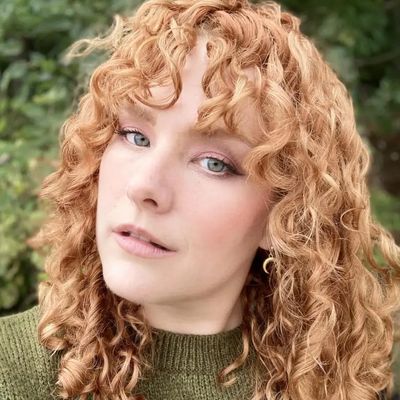
About
POSTPARTUM: The Mother had a baby a month ago. Her Husband knows something is wrong. And the baby monitor keeps making these weird noises...
Written by Jillian Blevins
Directed by Jonathan Cook
Performed by Marian Thibodeau as "Mother" and Matt Hoffman as "Husband".
Intro/Outro music: JK/47
About the writer: Jillian Blevins is a playwright and theatre artist whose short plays have been performed in Chicago, Seattle, San Francisco, New Haven CT, Providence RI, Portland ME, and New York City. In 2020/21, she conceived and produced 'Digital Dionysia', a six-week online new works festival which featured her plays 'Izzy at Zoom Therapy' and 'Be The Bacchae' along with 24 other new plays from around the globe. In the summer of 2023, her one-act ‘The Bed Trick’ was a participating play in Valdez Alaska’s Last Frontier Theatre Conference, and her 10-minute Jewish sci-fi comedy ‘Space Laser, in Space!’ was a finalist at the Samuel French Off Off Broadway New Play Festival. Her queer historical dramedy, 'Romeo & Her Sister' will premiere in June 2024 at the New Hampshire Theatre Project, closing their season and in celebration of Pride Month. Proud member of the Dramatists Guild.
You can watch the full video of this episode at https://www.youtube.com/@GatherbytheGhostLight
Gather by the Ghost Light merch is available at www.ghostlightpubs.com (Ghost Light Publications)
If you would like to further support this podcast, please visit Gather by the Ghost Light is increasing public knowledge of emerging writers and actors (buymeacoffee.com)
If you enjoy this podcast, leave a rating on your preferred podcast app!
For more info or if you wish to contact us, please visit www.gatherbytheghostlight.com
Transcript
This transcript was automatically generated and might contain errors.
[0:00] Jillian Blevins: I'm Jillian Blevins, playwright of Postpartum, and you're listening to Gather by the Ghost Light.
[0:17] Jonathan Cook: All right, welcome back to Gather by the Ghost Light. Original stories for Radio Theater.
[0:22] Jonathan Cook: I'm Jonathan Cook, your host, producer, and sometimes voice actor on this thing.
[0:27] Devon McSherry: And I'm Devon McSherry, imposter, or that could be the Syndrome.
[0:32] Jonathan Cook: And we're running full throttle, continuing into season five. We have several great audio plays lined up, and we're hoping to release at least one new audio play each week this month.
[0:42] Devon McSherry: You think we could do that?
[0:43] Jonathan Cook: Get it done.
[0:44] Devon McSherry: Yeah, get it done.
[0:45] Jonathan Cook: Boom. So to start off, you will be hearing a play from Massachusetts-based playwright, Jillian Blevins.
[0:51] Devon McSherry: Yes, Jillian. She's an actress. Uh, she's a playwright, she's had works produced all over the country, and currently her full-length play, Romeo and Her Sister, is premiering in New Hampshire with the New Hampshire Theater Projects.
[1:04] Jonathan Cook: Yes, and you will be hearing her play Postpartum. You are about to meet a woman who's currently sitting on the rooftop of an urban row house. More importantly, she's a mother with a newborn baby. It's autumn. It's around 9 p.m. and there's a weird red moon on the rise. A few feet away from her sits a baby monitor, so that she can check in on her child. Or perhaps it's the baby that's checking in on her.
[1:30] Jonathan Cook: Before we begin, we'd like to give a warning that this episode contains suicide and suicidal thoughts. Now, gather on the ghost light. Sit back and enjoy. This is Postpartum, written by Jillian Blevins. Be sure to stick around after the play to hear an interview with the author.
[1:47] Mother: Weird red moon. Hello. I'm here, okay? I didn't go anywhere. I'm just I'm on the roof. I'm on the roof. I'm here. Okay.
[2:01] Husband: Hey, there you are. You thought I went somewhere?
[2:04] Mother: No, I I have the baby monitor.
[2:06] Husband: I know. I can hear everything.
[2:08] Mother: It's good. I figured you might be up here. Crazy moon, right?
[2:12] Husband: Chilly though. You're not cold? You on my jacket?
[2:15] Mother: I'm fine.
[2:17] Husband: Sorry, I'm so late.
[2:19] Mother: It's fine.
[2:19] Husband: Ah, these big clients came in at five, and then Cam wanted to take them out for drinks.
[2:25] Mother: Sounds fun.
[2:26] Husband: It was work. It's fine. How was your day? You hungry?
[2:33] Mother: I did you?
[2:35] Husband: Yes. Are you you want to take a shower?
[2:40] Mother: No. Hey, I got a great idea. How about a bath? Eh? Candles, glass of wine, and um you know, what do you call it?
[2:51] Husband: A bath bomb?
[2:52] Mother: No. Uh the bathroom shares a wall with the nursery. If you run the tub, it'll wake up the—
[2:56] Husband: So? I'll put her back to sleep.
[3:00] Mother: No. I don't get to see her all day. Let me hand her—
[3:02] Husband: No bath.
[3:05] Mother: Okay. Alright. Look, I'm gonna talk to Cam about cutting back on my hours, okay? I want to be here. I don't wanna miss.
[3:16] Husband: Oh. I'm gonna cut back.
[3:18] Mother: She doesn't want that.
[3:20] Husband: What?
[3:21] Mother: We need the money.
[3:22] Husband: We'll figure it out.
[3:24] Mother: I miss you. And the baby.
[3:26] Husband: I miss you. This is a magical time. We're a family now.
[3:32] Mother: It's my job.
[3:33] Husband: Our job.
[3:34] Mother: You don't understand.
[3:35] Husband: Our baby, let me help.
[3:37] Mother: Stop.
[3:37] Husband: Stop what?
[3:39] Mother: Being a dad?
[3:40] Husband: Talking?
[3:41] Mother: Trying to touch you?
[3:42] Husband: What?
[3:42] Mother: It's already too late for me. She only needs one of us.
[3:46] Husband: What are you talking about? Do you want to leave me?
[3:49] Mother: No. I love you.
[3:51] Husband: Then why don't you want me around?
[3:53] Mother: It's complicated.
[3:56] Husband: Have a little faith in me. I can do this. I can be a dad.
[4:00] Mother: No.
[4:01] Husband: Do you think I'm gonna hurt her?
[4:02] Mother: No.
[4:03] Husband: Or screw her up somehow?
[4:04] Mother: No.
[4:05] Husband: Then what? Talk to me.
[4:08] Mother: It's fine. I'm fine and I just need a good night's sleep, but she didn't nap today. So she'll probably sleep for a while after the first wake up, which should be oof any minute now.
[4:20] Husband: Any chance you'll let me take a feeding, right?
[4:23] Mother: Alright, right, right, right. Breast is best. I gotcha.
[4:26] Husband: Okay, got it. I have to keep up my supply.
[4:28] Mother: I know. Boy, that moon is really something else, huh?
[4:32] Husband: Hmm.
[4:35] Mother: Oh, Cam told me that Michelle's having a girl's night tomorrow at some Tappa's place. She's disappointed that you're not coming.
[4:44] Husband: Why'd you tell her no?
[4:45] Mother: I can't go out.
[4:46] Husband: Sure you can. I'm here.
[4:48] Mother: It's not that simple.
[4:49] Husband: It would be good for you and for me. I have to learn the rope sometime.
[4:54] Mother: I have to stay home with the baby.
[4:56] Husband: It's been a month.
[4:58] Mother: Just a month. Go out with Michelle. Get Tappas.
[5:01] Husband: You're miserable, okay? I see it. I feel it. You're drowning, and I'm trying to help you, and you won't let me.
[5:10] Mother: I don't know what to do here. I'm not a caveman. I don't expect you to do this alone.
[5:16] Husband: Why are you pushing me away? Why won't you take a break or let me do anything? Something's wrong.
[5:22] Mother: I know.
[5:23] Husband: With the baby.
[5:25] Mother: What do you mean? Is she sick?
[5:27] Husband: She doesn't want me to sleep.
[5:28] Mother: Honey.
[5:29] Husband: Or touch you or leave the house. And if I do something she doesn't want, she'll—something bad will happen.
[5:36] Mother: They told us the first three months were going to be the hardest. Fourth trimester, remember? She's eating me alive.
[5:43] Husband: Well, we can switch the formula then.
[5:45] Mother: No, not like that. She wants me to be hers. Just hers.
[5:50] Husband: I don't understand. She's so hungry.
[5:55] Mother: Always hungry.
[5:56] Husband: For what? For me?
[5:58] Mother: All of me.
[5:59] Husband: Let me help you, please.
[6:01] Mother: It's too late for me. She has me already. I can't stop her from me.
[6:09] Husband: Sweetheart.
[6:10] Mother: I have to.
[6:12] Husband: No.
[6:12] Mother: You don't. She'll hurt you.
[6:14] Husband: She's a baby.
[6:16] Mother: She's more than that. There's something inside her.
[6:19] Husband: Something bad.
[6:22] Mother: Something that wants those eyes.
[6:26] Husband: Yeah, hazel eyes. Beautiful. Like yours.
[6:30] Mother: No. No, not Hazel. Gold. Nothing human has those eyes.
[6:37] Husband: How do you know that she's bad? Besides the eyes.
[6:41] Mother: I just—she came from me. I just know.
[6:45] Husband: Don't go, please. Everything's gonna be okay.
[6:48] Mother: Wait, please stop.
[6:49] Husband: No.
[6:50] Mother: No. Oh god, no, no. Please don't hurt him. Please please please. I'll do whatever you want. I'll never leave you, never. You can have me. All of me just don't hurt him.
[7:00] Husband: Hey there. Huh?
[7:02] Mother: Yeah. Daddy's here.
[7:07] Husband: Yeah. Gotcha. Shh, please. There we go. Shh. Are you hungry?
[7:15] Mother: Yeah.
[7:16] Husband: Should we get you a baba?
[7:18] Mother: Yeah.
[7:19] Husband: That'll be right back at the bottom. And then it'll be all set.
[7:24] Mother: Ruh. Goodbye, baby.
[7:27] Husband: Okay, okay, okay, okay. I'm sorry. Don't hurt him. I'm yours. I'm all yours.
[7:39] Mother: What? Jump off the roof. Jump off the roof. When the bow breaks, Pradle will fall, and down will come, baby.
[7:50] Mother: Pradle and all night night printa. Oh no, where did she go? Hello? Come back. I'm I'm here. Don't hurt him.
[8:03] Husband: Well, did you hear me down there?
[8:07] Mother: I yes. Didn't even finish her bottle before she fell right asleep in my arms.
[8:14] Husband: I can do this. I can help. Do you see?
[8:18] Mother: I'm sorry about the door. I just wanted to show you the baby minotaur.
[8:22] Husband: Huh?
[8:23] Mother: Monitor. It said you didn't hear. Listen. The doctors told us about this, warned us. That the baby might post partum stuff.
[8:33] Husband: Postpartum.
[8:34] Mother: Yeah. Feeling depressed. Isolated. You're wrung out. Sleep deprived. It's normal.
[8:40] Husband: Normal.
[8:41] Mother: But you know, we can't ignore it. We have to take care of you. Let me take care of you.
[8:48] Husband: But the baby.
[8:49] Mother: Our daughter is beautiful and perfect, and she loves you. And she'll love me too. You just have to let me bond with her. Give me a chance. There's room for all of us.
[9:03] Husband: But she wants—she needs those eyes.
[9:07] Mother: We'll get you to the doctor in the morning. And maybe you'll do the girl's night with Michelle. Or you can just take a bath and go to bed early. Whatever you need, but you're going to do something for you.
[9:22] Husband: Okay?
[9:23] Mother: Okay. Yeah. Okay.
[9:25] Husband: Yeah, just lay your head back. Relax.
[9:30] Mother: That feels really nice.
[9:32] Husband: Yeah, good.
[9:34] Mother: I'm sorry.
[9:35] Husband: No, honey. No, I'm sorry that I'm—that it's like this. None of it is your fault. None of it.
[9:43] Mother: I I know there's something wrong with me. I don't sleep. I lie in the dark, exhausted, and I close my eyes, but I'm always just sort of—
[9:51] Husband: Yeah, you're at the surface of sleep, but you can't dive in.
[9:55] Mother: Exactly. Like floating on the top of a pond, not awake, but not asleep. I've been floating on that pond for four weeks.
[10:04] Husband: I don't sleep.
[10:05] Mother: Shhie. And my hair is falling out, and my nipples are cracked and bleeding, and I don't recognize myself, and I hear her voice all day.
[10:15] Husband: Here? The baby?
[10:17] Mother: In my head.
[10:18] Husband: She—well, not here. Not a voice exactly. It's more like I have these thoughts in my head that aren't mine.
[10:26] Husband: Foreign thoughts.
[10:27] Mother: Telepathy. It's like she's sending these thoughts to me.
[10:31] Husband: Did you ever see that movie with the aliens?
[10:33] Mother: Well, what does she say?
[10:35] Husband: You're mine.
[10:36] Mother: Well, that's sweet.
[10:38] Husband: No, no, it's not. It's not sweet. It's not be mine, like on a candy heart. It's you are mine.
[10:46] Husband: Not the words, just the feeling. The hunger. The foreign thought coiled around me like a snake squeezing.
[10:54] Mother: Shh. Honey, I'm here. You're mine.
[10:57] Husband: Shh. It's okay.
[10:58] Mother: Mine.
[10:59] Husband: Shh, honey. Shh, you're fine. Mine. Go to sleep. Something's alright.
[11:05] Mother: Something's not right.
[11:07] Husband: Hey. Hey there, little girl.
[11:15] Mother: Hi.
[11:16] Husband: Daddy's here.
[11:24] Mother: Oh god, no! No, no, no, no, no. I was here! I'm here! I didn't live! I didn't go please, please! I didn't live!
[11:39] Mother: Jump off! Jump off through my jump off the room. Jump off the roof.
[12:05] Jonathan Cook: That was Postpartum, written by Jillian Blevins. It was performed by Marian Thibodeau as the mother, and Matt Hoffman as the husband.
[12:14] Jonathan Cook: Alright, so with us now is the writer of the story you just heard. She is an actress. Uh she's a playwright. She's had works produced all around the country. She's also the creator and producer of Digital Dionysia, which is a six-week online new works festival featuring plays from writers all around the world. And her full-length play, Romeo and Her Sister, is currently premiering at the New Hampshire Theater Project.
[12:37] Jonathan Cook: Ladies and gentlemen, this is Jillian Blevins. How are you?
[12:40] Jillian Blevins: Hello, I'm great. I'm really excited to be here.
[12:45] Jonathan Cook: Welcome, welcome.
[12:46] Devon McSherry: Yeah, thanks for joining us.
[12:48] Jonathan Cook: So you had a big, a big night last night, apparently. Your full-length play, uh, Romeo and Her Sister just premiered. We're recording on June 8th. You just had your premiere last night, June 7th. So before we dive into anything else, tell us how it went.
[13:01] Jillian Blevins: Yeah. Yeah. So it went really wonderful. Um, I've been writing that play in some way, like researching and and uh outlining and stuff since about 2018. Um, and I've had uh two workshops, uh, one in Orlando with Whiskey Theater Factory, and one in Nebraska with Angels Theater Company.
[13:26] Jillian Blevins: Um, there was like staged readings, and uh I learned a lot from both of those. Um but this was the first full, fully produced version of this play with costumes and sets and sword fighting and uh all of that good stuff. Um so and it was actually my first full length at all to have a full production.
[13:46] Jonathan Cook: That's great.
[13:47] Jillian Blevins: So big, big moment for me as a playwright, yeah.
[13:50] Devon McSherry: Definitely.
[13:50] Jillian Blevins: Very awesome. So, I mean, there's probably a lot of people out there that uh are already familiar with you, but there are also some that aren't familiar with you. So I think you're a writer like many of us that started out as an actor and you kind of transitioned into playwriting. So uh tell us uh your your journey uh into theater and how you started acting and and how you eventually got to where you're here, you know, premiering full-length plays that you've written and all that.
[14:15] Jillian Blevins: So yeah, I did start out primarily as an actor, um, but I got into theater in the first place because I loved books. Um I loved to read and was kind of a uh compulsive reader as a child. Um and my mom saw in the paper one day that uh they were having auditions for a children's theater production of Lion Image in the Wardrobe, which was a book that I really loved at the time. Um I was probably 10, maybe 11. Um, and I auditioned for that and uh had the hubris to try to do a British accent.
[14:48] Jillian Blevins: And I got cast as as Lucy Pevancy. Um I I worked with this children's theater troupe, which was actually run by a young guy himself, he was an 18-year-old guy who was doing his own adaptations uh and like fractured fairy tales. And it was very sort of like messy from the ground up um theater. Uh and I got a lot of my creative sensibilities from working with this this youth troop. Um and fun aside, I actually uh have reconnected with this person in adulthood. He runs a theater company called Landless in DC, and we're working on writing a musical together right now.
[15:24] Jonathan Cook: That's great.
[15:26] Jillian Blevins: I but I just feel like the theater world is very small and so small. I've worked with people in Colorado who worked with someone else in Montana, and it was like, wait, how do you know each other? It's so funny.
[15:36] Devon McSherry: Yeah.
[15:37] Jillian Blevins: Yeah, it's I mean, it no matter where you're working, you know people who know people from all over, which is wonderful and terrifying. But uh but uh so I I was really into acting, although I do remember when I was young, uh I had a lot of opinions, and I that uh the director was like, maybe you should think about directing.
[15:59] Jonathan Cook: Don't give another actor notes, child.
[16:02] Jillian Blevins: Gotcha. Gotcha, yeah. Um but I yeah, I did theater all growing up. I got my BFA from the University of Rhode Island, uh, where I both acted and directed. Um and I took a playwriting class with Laura Shell Hart, who's a wonderful playwright.
[16:17] Jillian Blevins: Um and I always liked to be around new work. Um my internships when I were in was in college were both at New Play Theaters in Philadelphia, um, Interact in Theater Exile and uh and then I did a stint at PlayPen as well. Um but I just always thought like I love new plays, I love dramaturgy, and I love to write.
[16:40] Jillian Blevins: I write short stories and you know, live journaled like everybody else in the early 2000s. And uh, but I I didn't think I was a playwright. Um and I I mostly thought of myself as an actor and a sometimes director for a long, long time. And then um in the pandemic, uh I put together Digital Dionysia, where which was um it was Greek theater and mythology inspired new plays uh from all over the world.
[17:12] Jillian Blevins: We had I wanna say like 27 different playwrights and probably over a hundred actors. Yeah, we would do about 45 minutes of programming a night, and sometimes it would be one 45 minute play, and sometimes it would be like three 10 minute plays. Um so it was and we had all different directors and it was very cool.
[17:32] Jillian Blevins: Um and it was really just out of kind of desperation and and like longing to be creative and connect with other people. And for that festival, I wrote two plays. I wrote um Izzy at Zoom Therapy, uh, which is a play written specifically for Zoom, inspired by uh Ismany from the Oedipus cycle and was also just very much about sort of isolation and plague and survivor's guilt and things we were also all going through at the time.
[17:57] Jillian Blevins: And I wrote uh Be the Backeye, which was a live um adaptation of Euripides the Backeye that was also a drinking game.
[18:06] Devon McSherry: Oh, we need that at La Chat.
[18:11] Jillian Blevins: It's a theater bar, so it's perfect.
[18:13] Devon McSherry: There we go.
[18:14] Jillian Blevins: Um I I will send it to you. Um I'm dying actually to have a live production of it because it was fun on Zoom, but I think it would be super fun in a bar.
[18:20] Devon McSherry: That would be super cool.
[18:23] Jillian Blevins: But uh so when I wrote those plays I was like huh I think I actually have learned a lot about writing plays in the past you know 20 years because I've read so many of them and I've given so many dramaturgical notes.
[18:38] Jillian Blevins: And I was I did teach um high school briefly and uh at a charter school and uh I taught a playwriting class and I think I learned a lot from teaching that class. Knowing how to communicate what you know to someone else is uh very enlightening um to acknowledge the rules basically that you that you find that you may know but you it's hard to put into words sometimes.
[19:05] Jillian Blevins: Totally uh and you know my whole life as an actor I'd been told you're a little too in your head uh you're a little bit of a perfectionist and those skills are actually incredibly useful as a writer. Um, so I I sort of started to realize that my my greatest strengths as an artist were really in the the writing side.
[19:30] Jillian Blevins: Um and I had been sort of working on Romeo and her sister for a little while, and I decided to buckle down and finish it. And uh that was kind of the beginning of me taking myself seriously as a playwright. And it's only been a few years, uh, probably from 20 like late 2021 to uh to now is what I've been considering myself a playwright.
[19:55] Jillian Blevins: And I've had way more success in that arena than I did acting for many, many years.
[20:01] Devon McSherry: That's super cool.
[20:03] Jillian Blevins: Very cool. Well, if anyone wasn't already familiar with you today, they heard uh one of your audio plays, Postpartum.
[20:09] Jonathan Cook: Yeah.
[20:10] Jillian Blevins: Uh so let's talk about that one. Uh, this is a when I first read it, it's such a chilling story. And you know, postpartum is so relatable to so many mothers out there. Um, and so just kind of give us kind of your backstory, and you're you're a mother yourself as well.
[20:26] Jillian Blevins: Uh so give us how uh how this idea came in your head and the kind of kind of your own spin that you put on it.
[20:34] Jillian Blevins: So uh I've been wanting to write a horror play for some time. I love the genre, I love horror movies. My favorite kind of novels to read are horror novels. Um, and I just felt really stuck on a horror play. And um my online theater collective or playwriting collective on Facebook called Playwright's Thriving, which I'm sure you've heard of from a few of your other featured playwrights.
[20:58] Jillian Blevins: Um, every year they do a Halloween bake-off, like a polo vogal bake-off, where we all contribute like ingredients, um, character, a setting, an object, an event, and we use those to inspire a play. Uh, and I love I love a prompt. I love the constraint that makes me sort of have to do something I maybe otherwise wouldn't have done.
[21:21] Jillian Blevins: And I also we do a Christmas one, which is like a title Secret Santa Title Exchange, and we do a Halloween one. And I always try to write for the season or the holiday because holiday plays are great, like people are always looking for those.
[21:36] Devon McSherry: Yeah.
[21:37] Jillian Blevins: Um, and the first year of the bake off, I kind of cheated, and I it was really like a family drama that just had a ghost in it. Um so this time I was like, I'm going to write a scary play. I'm going to write a horror play.
[21:54] Jillian Blevins: And um I think it was Chris Susie who said to me, you know, just think of the things that scare you and write about that. Um, and my fears are all really about like losing myself, um, losing my identity, being disconnected.
[22:12] Jillian Blevins: Um, and all of that was very present. Uh after both my kids, but really after my first kid, because nothing rocks your your world. Oh, yeah. Like becoming a parent. Some of the ingredients in the polo vogue bake-off thing were um a rooftop, uh, a newborn with golden eyes, a half empty bottle, and oh, what's the other one?
[22:41] Jillian Blevins: Um, I think trying to sleep was one of them. And I, you know, I sort of saw all of those things in these columns, and I like a light bulb went off. And um, I realized, okay, I'm gonna write, I'm gonna write a play about like the scariest time in my life if it were a horror movie.
[22:59] Jonathan Cook: Yeah.
[22:59] Jillian Blevins: Um one of the big challenges for me that always kind of got me stuck when I was trying to write horror for the stage, is in a film, the camera kind of controls the audience's point of view. And that does a lot for scares, right? And for dread and all the feelings you want with horror.
[23:21] Jillian Blevins: In a novel, it's all in your imagination. And in theater, it's kind of this in-between thing where it's like it could look really hokey if you're trying to do effects, you know, um, depending on the the quality of the production. So I had this this thought that I really wanted it all to be um suggested, and the baby monitor was the perfect vehicle for that.
[23:43] Jillian Blevins: Yeah. Um, where you could hear what was going on and imagine it like you were listening to an audiobook or reading a novel, um, and watch the characters on stage reacting to it, or the specifically the character of the mother.
[23:55] Devon McSherry: Yeah, that actually really lent really well to the audio version, is because you're not supposed to see the the actual act anyway. So it's in your imagination, which can be quite terrifying.
[24:11] Jillian Blevins: Well, good, I hope so.
[24:12] Devon McSherry: Yes.
[24:13] Jillian Blevins: Uh I saw a um a college uh student, um, I think from Hamilton College, don't quote me on that, um, did this play for her directing class this spring. And uh it was really, really well done.
[24:29] Jillian Blevins: Um and I I think I may want to steal some of what she uh she kind of did as a director, which is the the sounds were really physically almost like controlling the mother.
[24:39] Jillian Blevins: Like her responses to the sounds were really physical, which was really exciting to watch on stage. Um so yeah, I I hope that this play gets gets more life, but it was really cool to hear the audio version because I I definitely thought of Gather by the Ghost Light when I was writing this.
[24:54] Jillian Blevins: And I was like, Well, maybe maybe I'll pick this one. It might be a good audio play. Check that out.
[24:59] Devon McSherry: I'm glad you did.
[24:59] Jillian Blevins: Yeah. And uh our actress Mary Anthodeau who played the mother, like when she first read it, she was just like, Yeah, this is actually very related. She's got two kids herself.
[25:07] Jillian Blevins: And she said, This is this is very relatable. Thank you for casting this. Uh, but yeah, she just she does such an amazing job with it. And uh, and I think it's uh it's very relatable for really anyone who has children.
[25:20] Devon McSherry: Uh, I myself did not suffer postpartum, but I didn't know about postmartem so much until I, you know, got pregnant, and then suddenly everyone tells you about it, and you're like, why is nobody talking about this?
[25:31] Jillian Blevins: Like normally, uh, to help prepare women and to understand that the horror of postpartum, even without a scary monster, is pretty terrifying, you know.
[25:44] Jillian Blevins: Yeah, yeah. Well, I think that the silence about it is part of what makes it so scary because you think there's something wrong with me. Like there I this is supposed to be the happiest time. If I were a good mother or supposed to be a mother, I wouldn't be struggling.
[26:01] Jillian Blevins: Um, you know, I definitely I read a lot of attachment parenting books when I was pregnant, and that did a number on me uh because I felt like first of all, they're really gendered and really sexist uh now in in retrospect.
[26:16] Jillian Blevins: And a lot of the messaging is like in the newborn stage, it's on the mother to the mother specifically to um anticipate the child's every need. And if you do that correctly, then your child will grow up properly attached, healthy and happy. And if you mess it up, you know, so too bad your child's ruined forever.
[26:38] Devon McSherry: Yeah. Kinda.
[26:39] Jillian Blevins: And like the husband in the play, my husband was trying so hard to um to be that. I mean, he's a great dad. Uh our kids are five and thirteen now, and he's like super dad. He's downstairs right now giving them lunch. Um and he was always really involved, and uh I I would not let him help me with our first kid because I thought your job is work, my job is the kid. You shouldn't have to do something else. This is on me. And if I'm struggling, that's something to be ashamed about. I don't I don't want you to see it, you know. Um, and he is the one who who actually got me to go to a doctor and you know, address the postpartum depression. So he was able to save me in a way that the husband in his play isn't, but I also really wanted to write, you know, a good guy as the husband.
[27:32] Jonathan Cook: Um it totally comes through.
[27:33] Jillian Blevins: It definitely comes through.
[27:36] Jonathan Cook: It does. You could definitely tell that he does want to help genuinely. Um and he wants to be there. He even mentions uh cutting back his hours at work and all that, and wanted to be there for her, and yeah, you did a good job with that. Uh, I'm also curious, I love how you you kind of left it open to a little bit of interpretation like is there really a monster? Is it in her head? Uh especially with the ending. Um, because you know she hears the the what what's happening on the monitor, but is she dreaming? Because we did just kind of see her fall asleep. Uh so I really like the way you you uh put that together. Uh now when you wrote it, what was your intentions with that? Did you what do you imagine it just all being in her head or you just want people to kind of have their own impression of it?
[28:20] Jillian Blevins: Yeah, I I definitely think the sneaky playwright answer is it's up to you. Uh-huh. But uh I wanting to write something that was true horror, uh I would I think the staging, it has to feel absolutely real. Um somebody had to a couple somebody had approached me about turning it into a short film, and that ended up actually falling through because they weren't willing to pay me enough. And I was like, no, that's that's all right. But like one of the things they talked about was we would want to make it clear at the end that it was all in our head. And I was like, oh no, that's like you don't get this play. Um, I'm the writer, I know, I know it. Yeah. I always say for no matter what kind of play I'm writing, if two audience members could sit next to each other and have a totally different opinion on either what happened or who was right, or uh, you know, like if they could argue about the play on the way home, I've done my job.
[29:20] Jonathan Cook: Yeah.
[29:20] Jillian Blevins: Um nothing's ever simple, nothing's straightforward, just like life. Now, as far as the production history of this play, uh you said you it's been performed once, or has it how many stage productions have you had of this one?
[29:33] Jillian Blevins: Just the one at uh at a college. Um and it was she just found it on NPX and um and reached out to me and um I just said, great, go for it, send me pictures. And she sent me pictures on a great video. And um yeah, I was very impressed. Um so I'm I'm hoping that it gets it gets some more productions. I've submitted it to some horror festivals and stuff. Um so yeah, we'll see.
[29:57] Jonathan Cook: It sounds like you have work all over the country at the very least. Um so do you get to travel and see your work produced very much or the answer to that is is uh I would like to more.
[30:11] Jillian Blevins: Yeah. Um it's you know, I never want to this to be an expensive hobby. I want it to be a career. Um I'm trying to be really thoughtful and careful about when I travel. Thankfully the Romeo and her sister is about 30 minutes north of me. I live in Massachusetts, the production is in New Hampshire. Um, so that's been really great. Uh I'm going to um New York this summer for the She NYC festival, um, which will be at the the Connolly. My play Mirror Waters is going to be directed by Rosie Korr, who just finished working um as assistant director on Harmony, which is really cool. Um so I'll be going to see that. And I actually, it's not announced yet, but I've got one more festival that's happening after Mirror Waters in New York. So I'll be I'll be there for about three weeks uh seeing two of my plays, which is really cool.
[31:01] Jonathan Cook: Uh so I kind of want to revisit uh Romeo and her sister. We just uh you just brought that up a second ago and we talked about it a little bit earlier. Uh I mean I love this story so much. Uh you took this historical figure, uh, you gave this dynamic relationship with her and her sister Susan uh and the villain in it, Edwin Forrester Forrest. Uh it was Edwin Forrest, is that what it was?
[31:22] Jillian Blevins: Yeah.
[31:22] Jonathan Cook: Yeah. Uh man, it's a he's such a great villain, just full of toxic masculinity. And uh I love the way that you you put all that together and um Charlotte with her affairs and all the twists and turns. Uh and like I said, you get you got your premiere going on and it's going on through June 23rd, I think. Is that that's right.
[31:39] Jillian Blevins: Yep, the 23rd.
[31:41] Jonathan Cook: Yeah, so this story, like I know you said you've been working on it a while, but what made you want to write about this historical? Did you know about Charlotte Cushman before you started writing? Or was it just you were doing some research and you're like, hey, I kind of want to focus on her a little bit.
[31:56] Jillian Blevins: Well, again, I wasn't a writer when I started this play. I was like, I was an actor, and I was like, I I'm gonna write this play sort of as an experiment. Uh and the reason I started it is that I heard um Lisa Merrill, who wrote uh the nonfiction book When Romeo was a woman, uh, I heard her on the Folds of Shakespeare podcast. So it all comes back to podcasts.
[32:16] Jonathan Cook: There you go.
[32:18] Jillian Blevins: Um and I uh she was sort of just talking about Charlotte and about her book, and I uh could not believe as a Shakespeare nerd who lived in Boston, where Charlotte lived, and did theater in Philly, where Charlotte was part of the Walnut Street Theater, uh, that I didn't know about her. And I was like, why don't I know about this person? And I started researching her just to like learn more. And the question of like what why don't I know was sort of a driving force of writing the play.
[32:51] Jillian Blevins: Um, and I've really honed in since then that when I have that like insatiable curiosity about something, that's a really good sign that I should write a play about it. Um, so I try to follow that. Um, so yeah, I read, I read when When Romeo was a woman. I read uh Across an Untried C, which is specifically about like pairs of famous sisters, um, and the the Charlotte chapters focused on her and Susan.
[33:18] Jillian Blevins: And those two books in particular really helped me focus in on what the play was. And um, and there are some plays about Charlotte Cushman, uh, especially now. She's blown up a little bit since that book came out, uh, which is great. Um, but one of the biggest ones was like Charlotte Cushman's final performance when she was older, but I couldn't find any plays that focused on her relationship with Susan, um, which I think is so interesting because they played Romeo and Juliet together famously.
[33:47] Jonathan Cook: Like there's a an image uh of Romeo and Juliet that like you would think of that a lot of people have seen, and that is the two of them.
[33:55] Jillian Blevins: That's Charlotte and Susan Cushman. Oh, yeah. Um yeah, I just I picked characters and events mostly from those books, and uh I it really clearly sort of pieced itself together for me. Um, like I sort of just like wrote down everything I found interesting, uh, and then sort of stepped back and looked at it from a distance and kind of saw the story I was going to tell, which is about sort of rumors and betrayal and sisterhood and female friendship.
[34:31] Jonathan Cook: Gotcha. Do you have uh sisters by chance? Did that inform your playwriting?
[34:37] Jillian Blevins: I don't. I I have three younger brothers, and uh I wrote I've written multiple plays about sisters in the past few years. Uh I think part of that is sort of a longing for sisters. You know, I've got three younger brothers, I've got two sons. I uh I do not have You need some femininity. There's not a lot of estrogen in my house.
[34:56] Jonathan Cook: Gotcha.
[34:58] Jillian Blevins: But also really like my female friends, especially in the last like three or four years, have been like life raft for me. Um, and Romeo and her sister in particular is really like a a love letter to my female friends who have been like my sisters. Sorry.
[35:18] Jonathan Cook: Oh that's wonderful.
[35:21] Jillian Blevins: And uh yeah so I think like I just one best friend who I've known uh my since I was a teenager we've been friends for a long time since we were like 13, 14 years old. And uh she also has just a brother and I always think of her like my sister.
[35:41] Jonathan Cook: Um and although we don't fight the way the sisters in the play fight I had to kind of create a little bit of that. But uh yeah no no sisters but just like a a real strong appreciation for the presence of uh of a a loving female figure in in your life.
[36:01] Jonathan Cook: And from what I've understand you've actually been at quite a few of these rehearsals. Right. So have you been able to kind of use it as a workshop as well since this bit is the premiere are you finding things that are working better uh things that might not be working as well as you thought that you're kind of revising as you go along so sort of I've actually only attended a couple of rehearsals of this um in part because I kind of wanted to see what what a a director, a good director which my director Courtney Saint-Lay very much is um would do with the script as it was and we communicated but I didn't really want to control the process.
[36:51] Jillian Blevins: And she really helped me tease out the play uh and and add some stuff. She helped me kind of feel confident enough to um put more verse in the play to uh add the sword fight, which I think is an indispensable part of the play. Um and and then in Nebraska, I got a lot of information about when scenes felt too long and what needed to be, what weight needed to be removed from the play.
[37:17] Jillian Blevins: Um so in this iteration, I sort of took some notes at the read-through and like gave some notes back to them about like, oh, this sounded weird to my ear, change this, drop that. And then I did get some questions from uh from my director, particularly about um like a reconciliation scene between the sisters towards the end. Um, and I just made that sort of tighter and cleaner because it's you know, it's in between a lot of um high drama and it's this very quiet moment that's like central to the play, but was also kind of stopping it.
[37:47] Jonathan Cook: Um so uh there's been like little things, but for the most part, I've been sort of letting the director and the actors tell me what's working, as opposed to like deciding myself.
[37:58] Jillian Blevins: And I think sitting in the audience also tells me a lot. Um like last night when I was listening to it, I was like, oh, there's I could still take a little language away. Uh, you know, I could still, there's like three adjectives here. I probably only need one. Or there's two, there's two clauses in this sentence. It probably just needs one.
[38:16] Jonathan Cook: Yeah.
[38:16] Jillian Blevins: And um, you know, because the play is inspired, it takes place in the Victorian period, and it's a little bit inspired by Shakespeare and a little bit inspired by like Oscar Wilde and uh other theater of that of that period. Because of that, people talk a lot and there's a lot of language. Um, and and that's super fun for me, but I also am hearing like when it's cumbersome for the actor and when it's it works.
[38:40] Jonathan Cook: Yeah.
[38:40] Jillian Blevins: And so I'm definitely gonna take another pass after uh seeing the show again, uh hopefully, and um kind of clean up the script a little bit more and get it to be like the tightest in this communist version of this play.
[38:54] Jonathan Cook: With you being uh an avid reader, as you said, I'm sure it it is definitely a different process reading something than it is performing something uh or watching something being performed. So I I always find that uh you know, having multiple perspectives and hearing someone else say the words can definitely help get new perspective and clean things up, yeah.
[39:20] Jillian Blevins: So that makes sense.
[39:21] Jonathan Cook: Yeah, absolutely. I mean, I I talked to myself when I'm writing all the time because I'm I want to make sure that it's possible to stay alive.
[39:29] Jillian Blevins: I think a lot of us writers do that.
[39:32] Jonathan Cook: Yeah. As far as the New Hampshire theater project goes, yeah, how did you get connected? Um, did they find your full-length play? Did you submit it? Did you already have the connection there? Or or how did it work with getting that in their hands and then describing it?
[39:46] Jillian Blevins: So I was I was really furiously trying to get this play produced. Um I submitted it a bunch of places. I submitted it to all the big contests, and I'm sometimes a semifinalist. Um, but like, you know, it's kind of an old-fashioned play, right?
[40:01] Jillian Blevins: In a lot of ways by design. Um, and so it wasn't getting a lot of heat. Uh and um uh months after I had submitted this play to New Hampshire Theater Project, which I think I just, you know, it was one of like a dozen cold submissions I did on a certain day, right? Uh I heard back and they said, Hey, this script went to our spam folder months ago. We're so sorry. We just read it. Are you still trying to get this produced? And they were like, okay, we're gonna, we're gonna read it and we'll get back to you. And um, you know, another couple months went by, and I was like, okay, well, you know, I still didn't hear. And then I was at the this was about one year ago. I was at the Valdez Theater Conference in Alaska, and uh I was sitting down to another playwrights reading, and I checked my email, and I saw congratulations, we selected your play for our season, and I gasped.
Immediately weeping. And all these playwrights, some of whom I've not even spoken to yet, I'm like, what's going on? What's going on? And I told them, like, this is my first full leg play. And they all like hugged me and surrounded me. And it was it was this very like beautiful moment um of support from other artists. So it I will never forget that. It was it was really, really cool. But um, yeah, all the responses that Romeo and her sister have gotten have been from cold submissions, just sending the play straight to a theater. That's awesome. Yeah, good stuff. So uh you got Mirror Waters, that's what you're going right into after uh Romeo and her sister ends. And you currently have a fundraiser for that. Uh that's going on at She NYC. Uh so tell us more about that play. And uh, and that goes up, I believe August 4th and 5th in their in their festival. Uh yeah, so yeah, plug that.
[41:53] Jillian Blevins: Oh, I would love to plug that. So uh this is uh another play that uh was inspired by real person from history, very different tonally from Romeo and her sister, um, but also very important. Uh, it's about Gizela Pearl who was uh interred at Auschwitz. She was a doctor in OBGYN, and uh she was serving as a doctor for her fellow inmates, and uh she realized what was going on in the hospital, specifically under Joseph Mengla, who's a sort of notorious uh Nazi sadist doctor and who was performing experiments on women, particularly pregnant women. Um, and the the infants would die, the the women would die. And when she realized what was going on, she basically committed to save as many women as she possibly could by performing secret abortions with with nothing, no tools, no antiseptic, no water.
Um so very intense subject matter. I I was really careful when I wrote the play to focus on hope. Uh so I have two biblical prophetesses who are also like your Long Island Jewish chantas, sort of like guiding her and protecting her through the whole thing. And uh I I just kept it really narrow. The entire thing takes place in this hospital room because there's no way, like kind of like with the horror play, if you show it, it sort of takes away its power. So I tried to really sort of like focus on this specific sliver, which is about pregnant women in Auschwitz. Um, and it's five actresses. I'm really really excited about it. We just got our cast, we're gonna be announcing them next week on the the Mirror Waters Instagram Mirror Waters NYC.
[43:48] Jillian Blevins: Cool. And uh, and there you can also find a link to uh tickets, which are on sale now, and to our fundraiser, which I would love anybody listening who supports uh the women's right to choose uh who supports women playwrights who supports uh Jewish plays who supports feminist plays please donate uh this will help us pay our actors pay our very talented director uh help us with space rental you know there's a lot of great stuff that the the festival provides in terms of the actual production um the theater space obviously which is huge and all the tech support and all the marketing but a big chunk of the fundraising has to come from us so any support we can get on that would be great.
[44:33] Jonathan Cook: That's right any support get out there donate to this wonderful play written by Jillian Blevins and if you happen to be in New York August 4th through 5th go see the play.
[44:43] Jillian Blevins: Yeah and that'll be at Connolly Theater is that the right one so it's an off Broadway theater. I promise it's everybody has said when they've read this play I was scared to start it and by the end I was so happy I read it and the overwhelming feeling that you're left with is is hope. That's um and really like Romeo and her sister it is about women helping one another and supporting one another that's sort of a a recurring theme in my work.
[45:09] Jonathan Cook: I I also feel uh from the little I know of your work I've did some research before but I love how you blend uh kind of fantastical elements with your factual history into your plays uh like how you say you added those two characters to encourage uh your main character in Mirror Waters and uh you kind of took cultural situations and put it into Shakespeare Shakespeare Times and and things like that.
[45:41] Jillian Blevins: Uh so I I really appreciate that that blending of reality.
[45:46] Jillian Blevins: Oh, thank you. I really appreciate you noticing that. It's um it's always hard for me to tell people like what's your artist statement? What kind of plays do you write? Because I I think that all my plays are really different from each other. Because I try to write, like, well, what is this play you need? Um how does what is this story need structurally? What does it need narratively? What is the like how can those two things support each other? And that often ends up really like creating drastically different tones and and uh and styles. Um, but I I think that you're right that one thing that comes up a lot is that I, you know, I history and literature are consistently inspiring to me. And uh and I I like to sort of twist them or reimagine them, and that can sometimes come with like a theatrical or a magical realist element.
[46:39] Jonathan Cook: Yeah, I like it. Now, uh coming from someone who also does like you know, digital uh productions, you know, audio plays, uh your digital Dionysia uh when you did that, what was your I mean, first off, would you ever reconsider doing a new works festival online like that again? Uh and what was your process for putting all that together and you know having your your schedule getting everything recorded, just getting everything down?
[47:03] Jillian Blevins: So I I worked with I was I had a theater company at the time, which is no longer around uh RIP, but uh we we had a great um sort of stage manager, managing director, hybrid who was doing a lot of the scheduling and the technical stuff, so it definitely wasn't me alone. Um it was like my brainchild, and I kind of did the the play selection. Um I was really overwhelmed by submissions. I did not know at the time that a certain list serve that I'm now on existed. And it got on there and I got a ton of submissions. And I was able, and a lot of those folks are playwrights who now I know and I know their work, but that was my first introduction to many of them, which was really cool. And it was sort of like the logistical piece was a lot.
And I don't think I'd be able to handle that on my own. I think having like the support of a managerial type was really wonderful. Part of being in playwriting that's wonderful for me is that I get to focus kind of just on the creative side and way less on the but how side. Somebody else figured that out. That's the director's job.
[48:16] Jillian Blevins: Well, because that was another thing is when I was acting, you know, once I sort of aged out of playing ingenues, uh, it became really hard to be cast. And if I wanted to act, I had to produce my own work. And that gets really exhausting. So I think as a writer, I can kind of I can write whatever I want and put it out there into the world and sort of trust like this is going to find the right people. Um and that's been that's been pretty consistently coming true. Um and it's also when you're a parent, way easier to be a playwright than to be an actor or a director or a producer. So I personally I don't know if I would do another new play festival. Um maybe if I was working, I would love to like curate one.
I would love to like be part of a selection committee. Um because I love to read new plays. That's always been like one of my one of my great joys before I even knew I was a playwright. But uh I I don't know if I would do uh a digital dionisha again. I think it was a really cool thing to have done and really necessary at that time when we weren't able to be in person. Um but uh you know, I love me some live theater.
[49:23] Jonathan Cook: Yep. Very nice. So before we let you go, do you have anything else coming up that you that you want to share with the world? Anything to plug, anything there's not a lot of talk about yet that you want to tell us.
[49:34] Jillian Blevins: Sure. Um another small theater in Massachusetts is doing um my short play, another sort of Shakespeare inspired play called The Prince's Shadow, uh in their Love is Love Festival. This is theater at first in Somerville. Um that's going to be in August, and I think the the sec the second and third week of August. Um I have another announcement that will be coming up, I think on June 18th. Um, and that's for another play that's going to be in New York. I can't talk about it yet, but if you're interested, pop over to my Instagram. I'm singing Cynic on Instagram and uh I'll be posting about that. And uh that is that is it for now. But uh there's there's some other stuff on the horizon I can't quite talk about yet. But uh if you're interested in my work, just uh follow me on Instagram and um hopefully I'll have like a real artist playwright website someday soon.
[50:32] Jonathan Cook: Okay, so as far as uh where people can find you, Instagram's the best place.
[50:36] Jillian Blevins: Yeah, right now Instagram is the best place. I'm also on Facebook, but Instagram is sort of like uh where all of my playwriting announcements go. I have a link tree that like has everything that I have coming up. Um, and it's a great way to get in touch with me directly. I'm also on New Play Exchange. If you want to read my my plays, pretty much everything is up there. If you don't have a subscription, it's so well worth it, whether you're a playwright or just a lover of new plays, uh it's like between ten and eighteen dollars annually. A year, yeah. It's like it's basically about a dollar a month, is the is the best deal of any subscription you can get.
[51:12] Jonathan Cook: Yeah, it's and it's I mean, they have James uh IAMs on there and Lauren Gunderson, and then they have you know folks like you and me. So it's it's really runs the whole gamut, and it's a great way to just know what kind of plays are being written right now.
[51:29] Jonathan Cook: All right. So everyone listening uh through June 23rd, if you're in New Hampshire, go see Romeo and her sister. Uh and also Mir Waters, August 4th and 5th, coming up in New York at the Connolly Theater. Uh Jillian Blevins, thank you so much for for joining us and uh for letting us produce your audio play postpartum. Uh keep creating, keep doing all that cool stuff you do, and uh can't wait to see one of your works on stage.
[51:42] Jillian Blevins: Thank you so much. This was so fun.
[51:59] Jonathan Cook: Thank you all for listening. And if you are associated with the theater and you would like to produce the play you heard today on your stage, send an email to gather by the ghostlight at gmail.com, or you can contact the playwright directly by visiting her page on the new play exchange. And if you'd like to continue to help us grow when you want more video content, please subscribe to the Gather by the Ghost Light channel on YouTube. And if you'd like to have some cool Gather by the Ghost Light merchandise t shirts are available at the merchandise link in the show notes. You can also find the Gather by the Ghost Light annual companion books available at Amazon. Intro and Altra Music as always is provided by artist JK47.
And if you enjoy this podcast, maybe you're a longtime listener, or maybe this is the first episode you've ever heard. Let us know. Please leave us a rating or a review in all the places that you can. That kind of activity really does help us get discovered by more listeners like you. And also be sure to follow Gather by the Ghost Light on social media to stay up to date on all the new episodes. I'm Jonathan Cook, and as always, stay safe, and I'll see you next time we gather by the ghostlights.
© Broadway Podcast Network, All Rights Reserved