

James Lapine lets us into the origins of Into the Woods, from his very first conversations with Sondheim to Patti LuPone's audition for Cinderella, and ultimately the Broadway triumph and why it was important for him to direct the broadcast cameras rather than delegating the filming of the show to the director of the Golden Girls, as had been done for Sunday in the Park with George... Read More
From the show: Giants in the Sky
Guests

Featured Shows
About
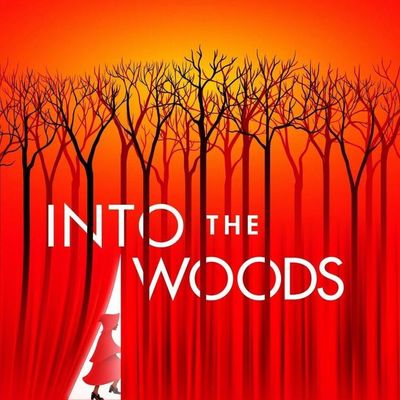
James Lapine lets us into the origins of Into the Woods, from his very first conversations with Sondheim to Patti LuPone's audition for Cinderella, and ultimately the Broadway triumph and why it was important for him to direct the broadcast cameras rather than delegating the filming of the show to the director of the Golden Girls, as had been done for Sunday in the Park with George. Join host Ben Rimalower for this candid conversation exploring how Sondheim and Lapine went Into the Woods.
Transcript
This transcript was automatically generated and might contain errors.
[0:01] Ben Rimalower: Broadway Podcast Network presents Giants in the Sky, How Sondheim and Lapine Went Into the Woods, with me, Ben Rimalower. Today's guest, James Lapine.
[0:11] Ben Rimalower: Once upon a time... Once upon a time, Stephen Sondheim and James Lapine created a musical that ran for two years on Broadway, two years on tour, was broadcast on TV, and became a staple for stock and amateur groups. I directed it in college, and so did you. Or maybe you played Little Red, or The Clarinet, or Worked Crew. My cousin Joshua played Cinderella's father at Irvine High. And now, almost 40 years later, there's been a blockbuster film from Walt Disney and several major New York revivals, including last season's City Center production, now on tour and nominated for six Tonys. Maybe because of the accessibility of its familiar fairytale characters and milieu. Or maybe because of the enduring legacy of the iconic original cast, widely available on home video.
Or maybe because composer-lyricist Stephen Sondheim and bookwriter-director James Lapine were master musical theater artists at the peak of their powers. Into the Woods, and especially its landmark original production, has occupied an increasingly important place in the pantheon of Broadway musicals. For many of us, the show has served as a sort of entree to Sondheim, to musicals, and to theater in general, a gateway drug, if you will, for millions of budding theater artists and fans. But for a piece so cherished by millennials and zoomers and the occasional age-defying Gen Xer, the origins of Into the Woods, written pre-internet, remain somewhat shrouded in mystery. Stephen Sondheim and James Lapine did numerous interviews about the work over the years, often expounding in depth on their research into the psychological significance of fairy tales in human history and the rich musical tapestry of Sondheim's score.
Yet there's precious little information out there about the nuts and bolts of how the show came together. I guess you could say we've been missing the trees for the forest. Like its predecessor, the first Sondheim-Lapine collaboration, 1984's Sunday in the Park with George, Into the Woods began life in readings and a workshop at Playwrights Horizons. Sunday in the Park's Playwrights Horizons workshop led to a full production there, followed by a run on Broadway. But Into the Woods was in development for a few years, with the Playwrights Horizons presentations, followed by a world premiere at the Old Globe Theatre in San Diego, and then more workshopping back in New York City, as its commercial producers prepared to present it on Broadway in the fall of 1987.
Over the years, I've heard various tidbits about these pre-Broadway iterations of Into the Woods, like that there were other fairy tale characters incorporated into the story, such as Rumpelstiltskin and the Three Little Pigs, or that Tony Award winner Betty Buckley played the witch. But there's nearly zero mention anywhere online of Betty Buckley's association with Into the Woods beyond a scratchy snippet, audio only, on Aurora Spiderwoman's YouTube channel. The pre-Broadway production of Into the Woods at the Old Globe, with Ellen Foley as the witch, was covered in the press, so it's Google-able, but whatever went on in those readings and workshops happened effectively off the grid. In 2021, James Lapine published an indispensable tome on the making of Sunday in the Park with George called Putting It Together, which chronicles the step-by-step development of that show through excerpts from conversations he had with just about every artist and professional involved.
It made me hunger for this type of granular play-by-play on Into the Woods. When I heard he wasn't planning such a book, the idea for this podcast was born. Come with me on this fairytale quest to figure out how the musical we love came to exist in Giants in the Sky, How Sondheim and Lapine Went Into the Woods.
[4:27] Ben Rimalower: My guest is three-time Tony winner James Lapine. He wrote the books and directed the original productions of Sunday in the Park with George, Into the Woods, and Passion, all with music and lyrics by Stephen Sondheim. He shares with Sondheim the Pulitzer Prize for Sunday in the Park with George. His numerous other writing and or directing credits on and off Broadway and on film include Act One, Dirty Blonde, Twelve Dreams, Table Settings, and Impromptu, as well as the William Finn musicals Falsettos, A New Brain, and the 25th Annual Putnam County Spelling Bee. A lot of our listenership is going to be theater makers of all stripes, and I have so much curiosity about kind of like the nuts and bolts of you as a theater artist and you and Sondheim and everyone you worked with at the beginning creating this new show that is, you know, so influential and iconic to generations now and back on Broadway and all that and the movie, but just back to that beginning when it was just the new show you were working on. I'd love to ask you some stuff about that.
[5:37] James Lapine: Yeah, I mean, we're talking how long ago? 35 years, 40 years, something like that, you know? I'd like to say I remember it, you know, in all its exactitude, but I don't. Let's see, we were coming off Sunday in the Park and Steve wanted to work on another show, so we just got together and talked about things we were interested in, and when I had first met him, he was really getting into, I guess they're called video games. I mean, I don't know what they were back then, you know, because the computers were kind of new, all of that, you know, just kind of came up in the conversation and I was not that technologically savvy and I didn't have any interest in those games so much, but he liked the idea of a quest musical.
You know, the thing he likes about those games is they always had to get something, you know? You set out to find something, I don't know. And I had mentioned my interest in fairy tales and we kind of left it at that and I went off to write an original fairy tale, so let me see if I come up with something I would sit down to write, because Sunday sort of started that way too, it's just kind of see what's in your head. And I did spend some time writing an original fairy tale and I discovered that fairy tales are short, you know, they're not long, and when you try to make them long, they don't hold up in a way, they become something else, because the more I read fairy tales again as an adult, I realized they all turn on a dime and the resolution is very immediate and there's not much character development.
They're myths, you know, they're quick myths. So, somehow then I hit on the idea of this baker and the wife, which I think was the source of the original idea I was working on. But if they needed something, wanted something, were after something, that would become the quest part and that's when the idea hit about trying to do a mashup of all existing fairy tales, which are short, and mix it plot-wise with that. And alongside of that was this notion of happily ever after, you know, which, you know, the historical idea of fairy tales, you know, they go back hundreds of years, is even longer, is that they were there to give hope to people, mostly people who had nothing, you know, peasants and whatnots and whatnot.
And they would, you know, they were oral, they were sitting by the fire at night, which was the only light they had, and there would be someone, probably the elder person in the family who would tell these stories and it would give hope that a scullery maid could become a princess, you know, it was kind of the idea.
[8:54] Ben Rimalower: Did you always have a narrator character in mind to be part of the storytelling?
[8:56] James Lapine: That's a good question. I don't remember. I think probably once I got into mashup mode, it became almost necessary to move the plot along would be my guess. I mean, and then really what happened then was I wrote the first opening scene, which turned out to be all these different stories. And then I thought, oh, geez, this isn't, this is not the stuff of musicals, you know, but I gave it to Steve and I said to him, you know, I don't think there's any way you can make this an opening number, but this is what I've got, you know. And of course, in retrospect, if you want to get Steve to do something, he can't do it. But boy, it didn't take him that long to come back with what became the opening number of the show. And then once we had that, it was, we just, I just plotted along. We didn't have a plot, you know, I didn't outline a plot.
[10:05] Ben Rimalower: And was that when you did that, I know there was like a first reading at Playwrights Horizons. Was that of a version that included that or was it just book and no score?
[10:18] James Lapine: Hard for me to remember. I know we had what I would call more of a workshop, like a little two week workshop presentation reading, because then we had songs. We had a fair number of songs for each of the characters. I don't believe it was like, you know, Sunday I wrote the whole book and then the music came. This was more in tandem one with the other. And we were, I don't know, we were quite in sync by this point. When I first go around with Sunday, we didn't know each other very well, but now having come off of that, we had a different kind of relationship as writers to one to the other.
[11:05] Ben Rimalower: Sure. And so that workshop also was at Playwrights, is that right?
[11:11] James Lapine: That was a two week, the one I'm thinking of was a two week workshop. And that's when we ended up going with Ju Jampson to produce it, yeah.
[11:23] Ben Rimalower: And is it right to assume that you had the Shuberts come calling after you had a Pulitzer with Sunday?
[11:30] James Lapine: One would have thought, wouldn't one? The Shuberts came to that reading too. And then my old friend, Rocco Landesman, who I knew from when I was a graphic designer, and actually when I was a graphic designer, he's the one that hired me to come to Yale School of Drama to do graphic design. So he was not only a friend, I sort of owed him my interest in the theater by him doing that. And he and his wife, Heidi, who was a very good friend of mine also, I met there, Heidi Ettinger, Landesman, whatever. So they were there at the same time at this little presentation of the reading, as was Mike Nichols. And it was just the first act as usual, and Nichols wanted to produce it.
[12:19] James Lapine: And uh Landisland wanted to produce it and we hadn't heard from the Schubert's, you know, they never called us or in any way could, you know, uh I don't think they loved it, you know, I don't know, but we never heard from them. And so, you know, it wasn't like we didn't want to do it with them, but the fact that they showed no interest as far as we could tell, we just ended up going with Rocco because he was my pal.
[12:45] Ben Rimalower: And was there any thought to doing it at production at Playwrights like you had done with Sunday?
[12:52] James Lapine: All right, back up for one minute because the other thing is, um, you know, um, the Schubert's did come, were kind of shocked when they heard that we didn't go. I think they just assumed. So when we ended up doing Passion, you know, it was theirs before we even put pen to paper, you know, straighten that out. Uh, no, we went out of town. We went out of town to La Jolla. And was it La Jolla or Old Globe? Yeah, yeah, so no, we didn't do a workshop at Playwrights at that point.
[13:31] Ben Rimalower: And was, I mean, I know that had become something that was more common by that point in the 80s and, you know, Big River and all that. Was that just kind of business type thinking that led to that or, um, was going to La Jolla, you mean?
[13:48] James Lapine: I've gone to Old Globe. Was it thought to be too big of a show for Playwrights Horizons or to be better to be? Playwrights Horizons was a developmental place and particularly when we did that is a huge glass. I like a lot of Diet Pepsi. Say whoa, okay, um, here's my coffee, you know, I have to carefully sip it otherwise I'll be like that, you know. Um, no, uh, you know, my allegiance was to Playwrights because that's kind of where I grew up and in the theater, but by the time, I don't remember there being any discussion of doing, by that point it would have been a whole other experience than we had on Sunday. You are, it was, you couldn't hide, you know, if you remember when we did Sunday in that little workshop, which I naively thought was this little thing and nobody would know about it, of course it ended up being a, I think an arts and leisure article or something, you know, I wasn't that aware of Sondheim's, you know, um, I guess fame.
[14:56] James Lapine: Yeah, so um, yeah, so we went out of town and, um, fortunately it was a time when the New York Times and others didn't come. They respected that. Yeah, can't do that anymore, you know, you're out of town now, you might as well, it's just you can't win.
[15:08] Ben Rimalower: Yeah, yeah.
[15:09] James Lapine: So we went out and, um, try to remember we must have had readings and stuff prior to that. We wouldn't have just jumped out there. We certainly didn't have a second act, uh, around that time that we did the first reading. I know we only did the first act. I think if we'd done the second act, people probably wouldn't have been so quick to come up to us with saying we want to do this.
[15:32] Ben Rimalower: Well, I mean, it's amazing how differently the second act plays even now just, I mean, my thoughts seeing the, um, revival and, and I mean especially on Broadway but at City Center also was just the second act seems more reflective of the kind of apocalyptic state we've all been sort of living in and almost less dark or something.
[16:02] James Lapine: Yeah, I mean, uh, yes is a word I would use. Well, you know what's interesting I think is, um, I was kind of shocked, well I wasn't so shocked at Encores! because, you know, Encores! is Encores! very enthusiastic audiences who know shows and, but when I went and saw the show a week or two ago and I hadn't seen it at St. James, the fact that it's still that frenzied audience who cheers as the lights go down, I realized that 35 years a lot of these people, um, in the audience have a history with the show themselves really.
[16:35] Ben Rimalower: Um, and I think thematically, I don't, I don't know, uh, I think the times have caught up to that second act and so, yeah, that's all.
[16:45] James Lapine: Yeah, unfortunately, um, well it was, it was, you know, it wasn't a fun time when we did it. Remember it was, we started it before the AIDS crisis but the AIDS crisis sort of happened when we were doing that and then when we did the revival we had no plans for it to be anything apocalyptic and then 9/11 happened, uh, while we were in rehearsal. So, um, you know, it just seems like this show pops up at the glorious moments in our history. There's always, there are always wolves, there are always lies.
[17:26] Ben Rimalower: Yeah, yeah, no, it's true, you know, it's true and I suppose that's true historically of all here, you know, but you were able to go to do that second act out of the eyes of the critics, the New York critics at least to go to.
[17:38] James Lapine: Yeah, yeah. And was, you know, I know that there was, uh, I guess Chip and Joanna were like involved kind of from, uh, at least what I was able to find online that they were in that production and yeah.
[17:50] James Lapine: Yeah, I don't think Chip was at the, I don't think Chip did that workshop but he was, uh, actually, uh, trying to remember the name of the guy who did it who I loved who was the first one of the first people I never passed away from AIDS but yeah, but Chip certainly was in, uh, the Old Globe and continued with it and, um, what I, I mean obviously there are things that changed, um, in terms of the actual story and the characters that probably necessitated casting changes but were there other things that were more, um, about the casting that shifted? I mean I, I remember I had known that Ellen Foley had played the witch, yeah, Globe but then I saw that she was also one of the final, uh, replacement which is in the Broadway run, um, and how did that all evolve?
[18:45] James Lapine: Um, I don't think she was in the Broadway run ever.
[18:52] Ben Rimalower: Oh, maybe, maybe it was as an understudy or something.
[18:52] James Lapine: No, I don't think so.
[18:52] Ben Rimalower: Oh, okay. Well, you know, Ellen is great but Ellen had a very rock and roll voice which, uh, didn't really suit what Steve had ended up continuing to write, um, but she, she was very punk rocky at the time.
[19:06] James Lapine: Yeah, and it was fun, right?
[19:07] Ben Rimalower: Well, yeah, really fun person. Well, you know, the show goes through many, many incarnations of writing. We had Rapunzel, uh, Rumpelstiltskin was a character and the three little pigs and, you know, we have your whole melange of fairy tale characters running around. It was just, it was a very rich pie and we ended up having to take some of the ingredients out but it was pretty much a mess, you know, a beautiful mess and we just kept cleaning it up and we never knew how to get rid of that damn baker's wife because I had this vision that I wanted the show to end with a melding of a fairy tale characters and a real character, you know, I always thought of the baker and the wife as being a contemporary character, you know, so they were our window into the world and they strayed into the world of fairy tales. They weren't ever part of the fairy tale so, uh, we have many, many versions, many, many versions. I don't know where they all are, I'm sure they're in the song on files, you know.
[20:22] Ben Rimalower: Oh good, good luck with the hat. They'll take you a few weeks to go through.
[20:28] James Lapine: Pleasure. Well, you were starting to say that you had a vision for how the baker's wife would die initially.
[20:33] James Lapine: Initially, well I just wanted to get rid of her. I just had this idea of Cinderella ending up with the baker just felt, uh, I guess because I we'd set out in the first act to create the fairy tale world, I somehow wanted to bring the real world in in the second act and that when they got out of the woods there was a sense of normalcy but, you know, it's what Cinderella's so great about, you know, she doesn't want to be a princess, she doesn't mind cleaning, you know, it's okay, I enjoy cleaning, you know, that there's a kind of, um, that reality can be magical too and, and the simple, the simple things that we do in life are actually very satisfying if we allow them to be, you know, rather than dreaming of being at the Met Ball or something, you know.
[21:30] Ben Rimalower: And um, uh, that that's so interesting. I mean especially in times of kind of apocalyptic type, uh, uh, you know, that we appreciate those things.
[21:46] James Lapine: Yeah, and, and you know Chip and Joanna were basically New Yorkers, you know.
[21:51] James Lapine: Yeah, that was what was kind of fun about them even though they were in these fairy tale outfits, they were always, they had a kind of contemporary New Yorky, yeah, sensibility that was kind of fun and gave them something to play against when they went by these other wacky characters, you know.
[22:07] Ben Rimalower: I mean that incredible American Playhouse broadcast, it's so, you know, um, yeah, so many people grew up on that as not just their introduction to, um, your work, uh, with Sondheim but even just musical theater at all and, you know, we know those, um, performances not just the cast album but, you know, all Joanna Gleason's line readings in the book scenes are so iconic now that, you know, it's, it's like it must be a tremendous liability for anybody playing the part to have to go against that.
[22:38] James Lapine: I don't know, you know, I thought that was what was so, uh, really remarkable about Sara Bareilles who I, his work I didn't know and I had as a composer or singer, let alone as an actor.
[22:51] James Lapine: Yeah, and I thought, um, what was kind of fun about it was of course Joanna's brilliant, you know, there's no other one like Joanna who can nail, nail things but I also as a book writer felt kind of good that, you know, even with a very naturalistic and, uh, kind of take on it, the lines were all still very funny and, and you know, it worked so it was, uh, that was kind of cool, uh, about that show but you know that it's funny you bring up that recording because they would never let me record, you know, direct my own recordings and on that one I insisted I was going to direct it but you know in those days, um, it was not high tech, you had a certain number of tape machines that were running.
[23:38] James Lapine: Wow, and you had to call the cameras to which to tape because they didn't tape them all. It, uh, you know, it wasn't all taped, they didn't tape them all, they just ran. I guess I'm not saying that right, there was only one machine recording it.
[23:56] Ben Rimalower: Wow.
[23:56] James Lapine: If there were seven cameras, you had to say which camera they recorded live so you had to storyboard it like a film in advance of the shooting, is that the idea?
[24:03] James Lapine: Oh, I guess so, but the thing was I knew the show so well I knew where the camera should be and what the line was coming up and who you wanted to be on, you know, and what they would do is bring in these video directors who I'm sure were great at live capture but if you don't know the material, you don't know who it's supposed to be on so, you know, for instance if you look at the Sunday in the Park one, it was just not as good because, uh, it just wasn't as good. They brought in the guy who directed the gold.
[25:06] James Lapine: I offered Patty the Workshop. Betty did the Workshop after The Old Globe. Betty did the Workshop after and for, you know, a few reasons it didn't really work out, and that's when we went to Bernadette. Because I guess the thing, there was some book, it's called Nothing Like a Dame, and it's like interviews with these different Broadway actress-singers, and there's what Betty talks about, I guess in a way similar to what you're saying about the thing with Ellen Foley, that the vibe was very rock and roll and that wasn't what she wanted, which is so strange to someone hearing that now because of course The Witch has all this gorgeous music, you know, so a lot of that music wasn't there at that point either.
It wasn't in La Jolla, so I guess she hadn't read Putting It Together yet. She didn't know that you guys were going to work and keep working. I mean, it seems like wouldn't her, you know, I wish I could go back in time and advise her. Well, you know what, that's the way it works and I love Betty, I would love to have seen Betty do it. She sang the shit out of it and it was just, part of the problem, the challenge of it was that poor Betty was coming in after we had done La Jolla. You know, after we had done The Old Globe. So she was not originating the role so much and we had a company that was pretty tight, so it was just a kind of sort of chemistry thing that didn't play out, but I love Betty and I think she's fantastic.
[31:43] Ben Rimalower: Well, okay, so then how late in the process was it that Bernadette became involved?
[31:51] James Lapine: I think she became involved as we were moving to Broadway, you know. So, because I guess the legend about that is like there was like a lunch like right before rehearsal started and well, she has told the story like she begged for the part, but the legend I've heard was that she was like a last minute like, you know, save us, we have to start rehearsals and we don't have a witch kind of thing.
[32:15] Ben Rimalower: Neither of those, neither.
[32:16] James Lapine: Neither, no. Well, she's generous I'm sure also when she talks about begging. We have Bernadette begging for a role.
[32:24] Ben Rimalower: Yes.
[32:25] James Lapine: Bernadette has never had to beg for a role.
[32:27] Ben Rimalower: No, for sure.
[32:28] James Lapine: No, A, it's not in her being and it's not if she wants something, I'm sure she would be very forthcoming on that, but no, she's not a beggar. But you hadn't thought of her until that time period right before the Broadway production started up?
[32:50] Ben Rimalower: I had involved Bernadette? You and Sondheim had not thought of her for the role until it actually was the moment when then you talked to her and cast her.
[32:59] James Lapine: No, not initially, no. I mean, you know, it's a process. And I've just said that but it's a process. It's not like we set out and go, oh, you know, let's get so-and-so. You know, we just write the characters and then we start thinking about. And also, well, Steve, you know, wrote George to be a baritone when we did Sunday, you know. And so, you know, that was a real shift, but we had just begun the process. So when Mandy did that workshop, he changed all the keys and everything to suit his voice. And because, I mean, The Witch also seems so molded on Bernadette, it's hard to imagine her being not from the beginning kind of part of that.
[33:51] Ben Rimalower: Yeah.
[33:52] James Lapine: Well, you know, it was a hard part and she made it her own, you know.
[33:56] Ben Rimalower: Yeah.
[34:00] James Lapine: But no, it wasn't molded on anybody. You know that. It was molded on Steve Sondheim's head.
[34:07] Ben Rimalower: Well, maybe.
[34:08] James Lapine: On the page and, you know, you don't. He doesn't write The Witch because Bernadette's playing it.
[34:15] Ben Rimalower: No.
[34:16] James Lapine: The Witch because it's how he's heard it. And so, well, she certainly made it her own. And I guess I'm curious how much you were involved in the-then during the run of the original. Like in terms of-because I know you filmed the American Playhouse broadcast late in the run, right? That was like over a year after it opened, I believe.
[34:40] Ben Rimalower: Oh, yeah.
[34:41] James Lapine: It must have been.
[34:42] Ben Rimalower: Yeah, at least.
[34:43] James Lapine: Right. And like with Sunday, Bernadette and some of the other leads had already left and then came back just for the-for the filming.
[34:53] Ben Rimalower: You know more about this than I do.
[34:56] James Lapine: I have no idea.
[34:58] Ben Rimalower: Not-well, not enough. I need you to write another book of, you know, the full oral history.
[35:02] James Lapine: Actually, I should mention it because I've been working on that and writing about Into the Woods. But, you know, Into the Woods-Sunday was so embedded in my memory because it was such a-I was such a newbie and, you know, every moment was a moment as somebody might have written. By the time we got to Into the Woods, it was just a different-a different vibe. And so my memory of it is-what I have to do, actually, for my own writing, I have to go-my stuff is in a library and I have to go to the library and look at it all. I should-if I-I'm more focused on saving things now than I was in those days. But Steve, on the other hand, saved everything. So when I have a chance to go through both of our archives, I'll have a-I'll call you that.
[35:57] Ben Rimalower: I'll be very much looking forward to it. I have a feeling it won't be before your podcast.
[36:02] James Lapine: Well, that's okay. My interest will not die with the completion of this project.
[36:06] Ben Rimalower: Well, you can read the book then. I'll send you the book.
[36:08] James Lapine: I can't wait. I can't wait. Well, I'm so grateful for your time. I mean, this is really invaluable and I know that people will appreciate hearing it.
[36:17] James Lapine: Well, you're very persuasive, so there you go. Good luck with it and thanks for your interest in it.
[36:23] Ben Rimalower: Thank you so much.
[36:25] James Lapine: Take care.
[36:26] Ben Rimalower: You too.
[36:27] James Lapine: Bye-bye.
[36:30] Ben Rimalower: Thank you for listening to Giants in the Sky. How Sondheim and Lapine Went into the Woods on the Broadway Podcast Network. Check out Episode 2 where I chat with Chip Zion, the original baker.
© Broadway Podcast Network, All Rights Reserved