

Lin-Manuel Miranda shares Sondheim's hilarious request for Spanish translation of "I Feel Pretty" and reflects upon the legacy of Into the Woods. Join host Ben Rimalower for this candid conversation exploring how Sondheim and Lapine went Into the Woods... Read More
From the show: Giants in the Sky
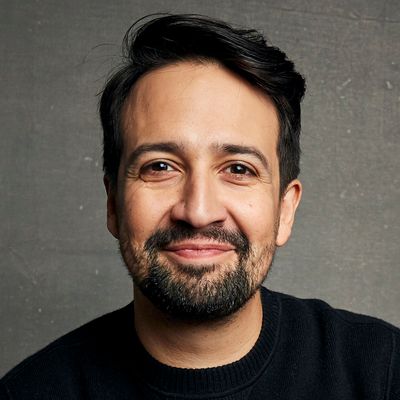
Guests
Featured Shows
About
Lin-Manuel Miranda shares Sondheim's hilarious request for Spanish translation of "I Feel Pretty" and reflects upon the legacy of Into the Woods. Join host Ben Rimalower for this candid conversation exploring how Sondheim and Lapine went Into the Woods
Transcript
This transcript was automatically generated and might contain errors.
[0:00] Ben Rimalower: Broadway Podcast Network presents Giants in the Sky, How Sondheim and Lapine Went Into the Woods, with me, Ben Rimalower. Today's guest, Lin-Manuel Miranda.
[0:10] Ben Rimalower: Once upon a time... Hey, it's Ben. Long time no speak. Believe it or not, I've still got a couple of episodes cooking for you. Today's chat with Lin-Manuel Miranda is the first in a series of conversations with musical theatre writers whose careers began after Into the Woods, and for whom Sondheim's work was an inspiration. Lin-Manuel Miranda wrote the Spanish translations of Stephen Sondheim's lyrics for the 2009 revival of West Side Story, directed by Arthur Laurents, and played Charlie Kringis in the 2014 City Centre Encores! production of Merrily We Roll Along, directed by James Lapine. He is best known as the composer-lyricist, book writer, and original star of Hamilton, for which he won two Tonys, a Grammy, the Pulitzer Prize, and the Kennedy Center Honor.
He had previously won the Tony for Best Score for In the Heights. He is a founding member, creator, and producer of the Broadway incarnation of Freestyle Love Supreme, and collaborated on music and lyrics with Tom Kitt and Amanda Green, respectively, for Bring It On the Musical, as well as contributing additional lyrics to Broadway's New York, New York. He was nominated for two Academy Awards for songs in Moana and Encanto, in addition to receiving numerous other awards and nominations for his work across all areas of the entertainment industry, including a Golden Globe nomination for Best Actor in a Musical or Comedy for his performance as Jack in Mary Poppins Returns. In 2021, Miranda made his feature film directing debut with Tick, Tick, Boom!
He was an executive producer on the acclaimed limited series Fosse/Verdon, and the concept album for Warriors, Lin and Issa Davis's new musical adaptation of the 1979 film, recently debuted atop the Billboard charts. It's impossible to cover the scope of Lin-Manuel Miranda's impact as a cultural figure in a short podcast bio, but suffice it to say, his impact is sprawling and deep, and even that description leaves off his activism, particularly on behalf of Puerto Rico, for which he's been a forceful advocate.
[2:13] Lin-Manuel Miranda: That shirt is perfect. I'm so sad, all the listeners.
[2:17] Lin-Manuel Miranda: There's this one guy on Etsy who just makes these just, just off shirts. So I have one that's like Equus with the Evita logo.
[2:26] Ben Rimalower: I need that.
[2:27] Lin-Manuel Miranda: John Mark Sherman, like bought me the whole set. I got, I think it must be the guy, I got my brother, the Phantom Fiddler one. Do you know, does that ring a bell?
[2:37] Ben Rimalower: Yes.
[2:38] Lin-Manuel Miranda: Yeah. But the Into the Woods, In the Heights is absolutely flawless. I can't tell you how many people over the years just, I love your show Into the Heights. I mean, Into the Woods is so important. It added the two to my show.
[2:53] Lin-Manuel Miranda: Now, you know, the actual first hip hop musical I saw was not In the Heights. But when I was in high school in LA, I went to a different high school to see a production called Into the Hood. And it was like it sounds. And it was all rearranged, some more successfully than others. But it was a great idea, because I guess of their budget limitations, they, you know, the physical production matched the style better than Fairytale Woods would have. But it opened my eyes before years later, seeing how great hip hop can actually be in musical theater. And, you know, I was a fan of your Giants in the Sky on the epic Broadway.com early pandemic live stream, Take Me to the World for Sondheim's 90th birthday.
[3:51] Lin-Manuel Miranda: Yeah, it gave us something to do. Let us honor our friend. And, and Raul just sort of led it so democratically. He was like, what do you want to sing? Okay, well, they're doing that they're doing this. And it was just it was really like a homemade kind of labor of love. So it was incredible. I mean, it just it was everything anybody could have wanted. It was like everybody was there. And I think I for me, I remember feeling like it was the first time I had this sense of like being part of a virtual community that was like, really like experiencing this together in real time. You know, when the tech went down at the beginning, I mean, I know, yeah, that was the ambitious part, right was to try to meld the live with that was like, this could have been, you know, but it was, you know, it was all out of ambition to, you know, give him the best party he could have had.
I remember texting with Groban, like, and Platt and just being like, you know, and we could see there's 100,000 people to see this thing. It was a very devoted and ended up being such an incredible evening, because also, the ending of that memory was just banger. And here comes Chip. And he's got his hat. Here comes Patty from her house. Everyone just kind of like, it just kind of grew. And Raul did an amazing job.
[5:14] Ben Rimalower: Truly, truly. But so I have to ask, because I've wondered it ever since, had you ever done Into the Woods? Like, surely that crossed paths with you?
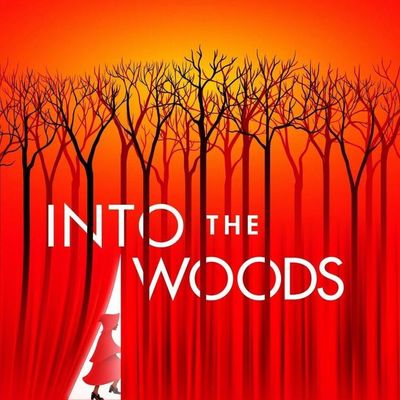
[5:24] Lin-Manuel Miranda: No, well, my first memory of Into the Woods was its poster, because my elementary school music teacher, Barbara Ames, had it affixed to the side of her upright piano, from which she taught us our music lessons. So when did Into the Woods come out?
[5:42] Ben Rimalower: 87.
[5:43] Lin-Manuel Miranda: Into the Woods came out in 1987. So yeah, so I was in first grade. So first grade through sixth grade, I am seeing the poster for Into the Woods. So it's sort of synonymous with music for me.
[5:54] Ben Rimalower: Wow.
[5:55] Lin-Manuel Miranda: From a very young age, because that was, you know, that was, she was the teacher who kind of encouraged us all. She would, she and the shop teacher, Robert Sherman, would direct the sixth grade play every year at our school. And, you know, basically, you spend all sixth grade putting on a musical, which is crazy, and the whole school sees it. So when we were in kindergarten, they did West Side Story, you know, an age-appropriate version. When we were in first grade, they did, I think, a mashup of The Wizard of Oz and The Wiz. I don't know what rights were involved. So by the time you're in fifth grade, you're like, what's our sixth grade play gonna be? And we got, we hit the jackpot, because they kind of ran out of age-appropriate musicals. So we did a four-hour medley of the previous six years.
[6:46] Ben Rimalower: Wow.
[6:46] Lin-Manuel Miranda: So in the sixth grade play, I was a son in Fiddler. I was Bernardo. I was Captain Hook. I was an Adam Pearl backup in The Wiz.
[6:55] Lin-Manuel Miranda: An Adam Pearl backup! Do what, do what, do what, do-do-do-do-do-do-do-do-do-do-do-do-do-do-do-do-do-do-do-do-do-do-do-do-do-do-do-do-do-do-do-do-do-do-do-do-do-do.
[7:04] Ben Rimalower: And I was Conrad Birdie, which was, you know, that's, if you're a kid and you get that part, you're never going to not do musical theater for the rest of your life.
[7:15] Lin-Manuel Miranda: No, no. Everyone faints and cries the moment you start singing, regardless of how good you are.
[7:21] Ben Rimalower: Yeah, yeah. It's like the chicken, the rooster in the old cartoons, Frankie.
[7:26] Lin-Manuel Miranda: Yeah, exactly.
[7:27] Ben Rimalower: So were you already, like, listening to cast albums and stuff then?
[7:32] Lin-Manuel Miranda: Yeah, I grew up on cast albums and my, you know, my parents' favorites were Man of La Mancha and Camelot and Sound of Music. My dad's favorite movie of all time is The Unsinkable Molly Brown, so I really had a chance at another profession. And we were like most New York families. We couldn't really afford to see Broadway regularly. It was a very special occasion. So I think my first show was Les Miserables. I think I saw that when I was seven or eight years old.
[8:04] Ben Rimalower: Yeah.
[8:05] Lin-Manuel Miranda: Then like Phantom and Cats, like the 80s show.
[8:07] Ben Rimalower: Yeah, sure.
[8:08] Lin-Manuel Miranda: I never saw Into the Woods in its original production. But then, you know, when you start falling in love with this, and in sixth grade is when you start discovering the things for yourself. That's when, you know, you fall down the Sondheim wormhole and you go, wait, the guy who wrote lyrics for this also did Gypsy and also did Into the Woods and also did something that like it's almost, you can't believe one person was involved with so many of your favorites. Still can't. I mean, was Into the Woods your gateway to Sondheim as a composer-lyricist?
[8:45] Lin-Manuel Miranda: It was West Side Story as a lyricist first, because I was Bernardo in the sixth grade.
[8:48] Ben Rimalower: Sure.
[8:49] Lin-Manuel Miranda: And I remember we rented the movie. I hadn't seen the movie, but my route home on the school bus passed like a cutesy Upper West Side store that was called West Side Story. Like one of those twice upon a bagel, like two and a half store titles. And so I was aware of the term West Side Story. My parents, my mother rented the movie for me. We watched it together. And I knew it was based on Romeo and Juliet. And I remember expressing surprise that Maria didn't die at the end. And I said, wait a minute, if this is Romeo and Juliet, why doesn't Maria die? And my mother said, because no self-respecting Catholic Puerto Rican girl would kill herself. Brava. Okay, great.
[9:42] Lin-Manuel Miranda: So West Side Story was my gateway in. And then I think the first, I'm trying to remember, probably, you know what? It probably was Into the Woods. That was probably the first cast album I got into. But then you also have to remember that like, I kind of came in a weird direction, because Passion came out when I was a teenager.
[10:06] Ben Rimalower: Yeah.
[10:07] Lin-Manuel Miranda: I loved Passion. And it's the least associated with the things people, quote unquote, like about Sondheim. It's incredibly vulnerable. It's incredibly open. Like the clever rhyme schemes are there, but they're so in service of this, like, very dramatic emotional storyline that it's not, you know, it's not while her withers wither wither. No, no. It is like, I love you so much. I can't breathe.
[10:38] Ben Rimalower: Yeah.
[10:39] Lin-Manuel Miranda: And so I kind of, I fell in love with the emotionality of Sondheim's work, and then went backwards to the more arch and ironic and, you know, you know, the other kind of masterworks. I kind of went in reverse order. I never lead my way through Sondheim.
[10:55] Ben Rimalower: You have perfection.
[10:56] Lin-Manuel Miranda: I went backwards. I think that's common for like our generation, because of the James Lapine musicals in general, having more of that kind of like emotional, like, sort of earnestness or vulnerability. That is not how people were getting into Sondheim in the 70s.
[11:12] Ben Rimalower: Yeah.
[11:13] Lin-Manuel Miranda: Oh, the other thing. No, you know what? It was Into the Woods. And I will tell you why. Because I have an amazing story about how I processed Into the Woods, which was my friend Alex Sarlin taped The Great Performances off of PBS.
[11:27] Ben Rimalower: Yeah.
[11:27] Lin-Manuel Miranda: And he lent me the tape, and I devoured the first act a million times. But there was a pledge drive in between the acts.
[11:36] Lin-Manuel Miranda: So I thought it was over. And then one day, now late in high school, someone quoted, children will listen at like a cast rehearsal, whatever school play we were working on. And I went, what's that? And they go, oh, that's from Into the Woods. And I was like, no, it's not. They were like, that's the last song in the second act of Into the Woods. And I went, what? Second act? And I went back to the cassette that I had still not returned to Alex Sarlin. And I fast forwarded through the pledge drive. And I saw the second act of Into the Woods.
[12:13] Ben Rimalower: Maybe that's when you were ready for it.
[12:15] Lin-Manuel Miranda: Maybe that was the way it was supposed to be. Which is so wild, because I really experienced the acts about seven years apart.
[12:25] Ben Rimalower: That's the longest intermission in Broadway history, for sure.
[12:29] Lin-Manuel Miranda: I mean, wow, wow. I mean, do you remember your thoughts on the piece in that era of your life, when you were just a sponge, like, you know, understanding musical theatre for the first time?
[12:44] Lin-Manuel Miranda: Yeah, I mean, I remember, I remember loving it. I remember, like, I Know Things Now stood out to me, even though I didn't even understand it on the deeper level that it works on. I remember in watching that great performances, how, like, urbane, the baker and his wife felt in contrast to all these other old stories. And I was like, oh, those are two Upper West Side New Yorkers.
[13:11] Ben Rimalower: Yeah.
[13:13] Lin-Manuel Miranda: Which was exactly the intent, I would later read. But I remember just feeling like, oh, they feel contemporary in a different way. And then when the witch starts rapping, that gives away the whole game that they are of a different era, coded in a different era than these other sort of more mythical stories. And it's really remarkable, because since I experienced that second act so much later, I remember just being like, you know, I mean, I think everyone gets a bit of whiplash the first time they see Into the Woods.
[13:51] Ben Rimalower: Yeah.
[13:51] Lin-Manuel Miranda: And the first act is this clever weaving of these stories we've known all our lives. And then the second act suddenly is about accountability and community, and who the villains really are. And then everyone has a mother and a father and a husband and a wife. And in a way, it's great I watched them seven years apart, because I would not have been able to absorb that second act at age 12. Although it's interesting, you know, I took my kids to the latest revival, and their favorite song is Last Midnight. Like, they really light up.
[14:30] Ben Rimalower: Oh, yeah, that was sung around my house for weeks afterwards.
[14:37] Lin-Manuel Miranda: And the line that always gets me is, you're so nice.
[14:44] Ben Rimalower: Yeah.
[14:44] Lin-Manuel Miranda: You're not good. You're not bad. You're just nice. You know, that's such a sophisticated...
[15:51] Lin-Manuel Miranda: What elements besides that, which is so powerful, would you say have most inspired you in Into the Woods? The interweaving of the stories is masterful. I think it's one of the great opening numbers. If you're writing musicals, you know that I don't remember if it was Hammerstein or his protégé Sondheim who said if you have the right opening number, you can read the phone book for the next 40 minutes. But that opening number does so much work. It introduces everything twist and turn like the vines on that poster the rest of the night. And it's got momentum, like it never loses momentum, even though it takes all these detours. So you know, I think the biggest, the most incredible kind of legacy of that show is, and that opening number in particular is, it's got a main theme right into the woods, but it can take all these detours and the opening number can hold it all.
Like, the center holds, because everyone's got I wish, everyone's got, you know, that's, that's such incredible storytelling, like, well, if everyone's got a wish, we can go really far afield, like, the witch's rap is still inside the opening number of this show. Yeah, which is crazy. And like, you know, most MFA dramaturges would tell you like, that's a separate song, like, you can do it later. But they fold it all in together so that by the time, like that thing is done, we are all on our journey, and everyone's on their respective journeys. Yeah. And that's, I mean, the whole thing is a masterclass just in terms of the different themes for each character and how we're setting those up. And they're going to cross pollinate and crash into each other as the characters crash into each other. But it's remarkable how much of it, how much of it is all right there, right at the beginning.
[18:16] Ben Rimalower: Was there ever stuff, you know, I don't know, is there, you know, a time when you took something specific from Into the Woods to help you navigate something you were writing, were you working on In the Heights and thought, oh, this moment is challenging me, oh, maybe it needs a very nice Prince style duet to get these two together? Like, you know, is there anything like that, that sort of, you know, piecemeal?
[18:36] Lin-Manuel Miranda: I can't think of anything direct. I mean, within the Heights in particular, like, our model that we look to a lot was Fiddler, because that was a show about community. And ours is a show about community. And it was also, in a way, they're both shows about immigrants, but just at different chapters. Yeah, immigration story, right? Here is Anitafka, where nothing has changed for hundreds of years. And at the end of the show, they leave. And In the Heights is, we've all come from places where nothing has changed for hundreds of years. What do we hold on to? What do we pass on? What do we what do we bring from, from where we left? Yeah. And so but particularly in the structure of that opening number, we really looked at the way they constructed Jerry Robbins and Joe Stein and Sheldon Harnick and Bach, the way they, you know, it was, here's Tevye.
He's our guy. And here's his family. Fathers, mothers, sons, daughters, here are the special types of our village. And here are the outsiders who also live. It's like, yeah, these concentric circles going outward. And by the end of the opening number, you know what holds it all together? Tradition. And with In the Heights, we did the exact same thing. Usnavi is our Tevye. The two closest to him are Abuela and Sonny. Then we go out to the neighborhood, the neighboring buildings. There's the salon. There's a dispatch next door. Here's the love of his life. And here's the larger community. And we've all come from somewhere else. And we're all trying to figure it out uptown. Yeah.
[20:09] Ben Rimalower: Is there anything in Into the Woods that doesn't work for you? That you know, if you were gonna, quote unquote, fix it? I mean, you know, different people have had problems with it, including Sondheim fans. I mean, Frank Rich, you know, did not give it a very good review the first time around. And are there things that were ever stumbling blocks for you in sort of experiencing the piece?
[20:31] Lin-Manuel Miranda: I mean, there were things that were stumbling blocks for me because of my age. But what's remarkable about Into the Woods is that every time you re-approach it, it's got something new to tell you. You know, you've got Steve himself who, you know, never had kids. You've got Lapine who has. They're both really interested in the primal things underpinning their tales. And they both bring a lot to it. Like, I have, in getting to know Steve a little bit, now I see the witch and I think, I think he snuck Foxy Sondheim in here a great deal. You know, and as a parent, that sentence, this is the world I meant, couldn't you listen? Yeah. Every time I tell my kid, don't run, don't do this thing. And then they do and they get hurt.
That lyric flashes through my brain, even if it's as minor as, you know, falling off the bed when I told you to not jump on the bed. You know, you want to keep your children safe. And yet parenting is equipping your children to face the world and face the challenges on their own. That tension is suffused throughout the piece. And I think of a story that I remember reading, I don't remember which Sondheim biography I read it in, but I talked to Steve about it. And Steve said when he was spending so much time at the Hammersteins' house, because it was this refuge of love and safety and music, which he was not getting in the aftermath of his parents' messy divorce, his mother made this cutting comment of, I'm going to sue the Hammersteins for alienation of affection.
And that's not a thing a kid can get. You know, like, they don't get irony, they don't get, like, they get, this woman's gonna sue the people I have found that love me and are treating me like family. And that nastiness towards, I'm the only one who can keep you safe. Like that kind of very narcissistic parenting. And I'm not telling tales out of school here. I mean, I was very open about his difficult relationship with his mother, but I see a lot of that in The Witch. And I also think, paradoxically, that makes The Witch relatable in a very weird way, because we're all in terror of our kids going to the world. We just don't all lock our kids in towers. But I feel a lot of Steve putting whatever maternal complexities he had in that relationship.
[23:24] Ben Rimalower: Interesting. I hadn't thought about that, but that sounds really, really spot on. Tell me more about your relationship with Steve. I mean, I assume you got to know him, at least during In the Heights, if not earlier. Had you been someone that, like, wrote him letters and stuff? I mean, what was the origins of your personal connection?
[23:44] Lin-Manuel Miranda: The first time I met Stephen Sondheim, I was a senior in high school directing West Side Story. I went to Hunter, which is a public high school on the Upper East Side. I had to take a test to get in. And John Weidman's daughter was a friend, Laura, and she went to our high school. And so Weidman came and talked to our cast while we were rehearsing West Side Story, and then he asked Steve to come talk to us. And he basically said, like, let's go uptown for a little bit, and we'll go have lunch afterward. And so we all gathered on a lunch break in our theater teacher's classroom, and Steve came and spoke to us. And after Steve passed, my friend David Davidson reminded me that I asked the first question, which was, apparently, I just raised my hand and said, what was it like?
And Steve said, excuse me? I said, what was it like writing West Side Story? Which, like, it makes me, like, teary-eyed in retrospect. Like, I so badly was already aching to be in this world. And Steve went, okay. And he proceeded to tell this story about how he and Lenny spent a month writing a version of the prologue in West Side Story, and lyrics for every character. And Riff was named Riff because he came in blowing a bugle. And all these lyrics for the Jets that no one had ever heard before. I even saw Weidman sit up in the back of the classroom, like, I had never heard these lyrics. And he's like, and when the Jets walk in, it's the Mambo sections. And he's singing lyrics to all of them.
And he tells the story, and he sings us all these snatches of lyrics that he can remember. And then he goes, and then Jerry, our director said, I'm going to dance all that. And we threw it all away. And it was, it was my first glimpse of the fact that these musicals don't come down from stone tablets on the other side to these writers. They are the product of a lot of work and writing and rewriting. And it was just this, like, glimpse of like, oh, West Side Story wasn't just carved out of Marvel, like the greatest musical ever written. There were drafts and scraps of memory in his. And so anyway, fast forward to I've been hired to write Spanish translations for the 2009 revival of West Side Story.
So Arthur Lawrence's idea, he sent me to Steve to talk to him. And I go to Steve's house, and Steve remembered coming to Hunter. And he said, I remember, he said, I remember because John had never heard those lyrics before. And, and like, he was like, knocked flat by it. He happened to talk to my school, which is crazy. And, and we spent about five minutes talking about what I needed to do for West Side Story. Yeah, I think I feel he was like, if you if you rewrite, I feel pretty, you'll be doing me a huge favor. And he said, I don't speak Spanish. So as long as the rhymes are in the right place, like as long as I mean, if you can maintain that internal rhyme, great. Yeah, just a bonus. And then I sort of told him my plan to try to rhyme the Spanish with the English in quintet.
And he was like, good luck. Like five minutes, 10 minutes. Yeah. And then he was just like, what else are you working on? And I, you know, I've told the story before, but I told him about Hamilton, which was then called the Hamilton mixtape. And the way he threw back his head and roar just is fantastic. No, no one will expect that from you. That is exactly what you should be doing. I mean, that reaction fueled four more years in the wilderness. That kind of encouragement. And so and he said, just stay in touch, keep me posted with what you're working on. And I, I emailed him all the time. It's so funny. I have so many funny email and responses. When he broke his wrist, I sent him a bunch of left handed books.
My favorite one was I read some article about one ice cream, ice cream truck in Queens that played Send in the Clowns. And it like really like off kilter was like, like it had an audio clip in the article. And I sent that to Steve. And he just wrote back. This is very upsetting. Thank you so much. So I really I bothered him with things great and small. And he sent me extensive notes on Hamilton as I was I was developing that. And and also lots of life advice and in different bumps in the road in my life and in my career. So you know, it was really you know, he was he I know that he was that for many, many generations of composers. And there is I'm obviously one of an enormous chorus of people he encouraged and, and, and stayed in contact with, but I'm really grateful to be in that chorus.
[29:12] Ben Rimalower: Yeah. I mean, aren't you so happy that you pursued that, that that relationship, like, you know, with, you know, if there was ever an email in the beginning, you were like, I shouldn't bother him. Like, thank God you did, you know, and now you have that. And to have had that moment about Hamilton is just so beautiful. And I mean, it's all a lesson for people because we all have those situations where we don't know if we're pushing too much, you know, and obviously, you know, we don't want to be invasive or disrespectful to people.
[29:43] Lin-Manuel Miranda: I think there's a bigger thing that's our own timidity and insecurity. He's said many times in interviews and things how much he valued those kind of relationships and children in art. I think that he can consider himself an artistic parent in many ways to you, or Michael Jordan on The Q Star, Michael R. Jackson, or Jason Robert Brown, or Janita Story. The list goes on and on. Even I think Andrew Lloyd Webber talks about Sondheim, so there's really no limit to that. Just greedily for myself, are there other funny tidbits you would share with us? I mean, he is so hilarious. I mean, it's really funny. I would invite him. I kind of do a friends and family movie screening every Christmas. Instead of having a Christmas party, we just show a movie.
I invite him to The Last Jedi. I'm just like, come see The Last Jedi with us. And we would do it at the United Palace, which is my local theater where they had the Tonys last year. He would write me back every time being like, I'm trying to write. I loved getting grumpy Steve, too. I have lots of grumpy emails from Steve where he's just like, I'm supposed to be writing. And also, I mean, there were also just so many moments where one of the things that was extraordinary was he was working on his books when we met. So we talked about that, and we talked about other lyricists. I inadvertently gave him ammo. You know, he has those essays about the lyricists he doesn't love. And he's like, you shouldn't speak ill of the dead.
It doesn't hurt their feelings. One of the great creedos, Sondheim creedos. And I remember telling him, like I told you at the beginning of this interview, that Camelot was one of my mom's favorites. And he's not a Lerner fan. He likes My Fair Lady, and that's about it. But I remember being like, I remember, I think I was telling him isn't that first time I sat down with him about the Seven Deadly Virtues, which is Mordred's song. Yeah, sure. He goes, you'll never something something of statusing my quo or making my BLs a bubble burst. And I think I quoted that. And again, he threw his head back. And he goes, Lin, you don't know the gift you've given me. And lo and behold, go read Sondheim's evisceration of Alan Jay Lerner's lyrics.
And BLs a bubble burst is one of the examples. And it's my fucking fault. Lin, you don't know the gift you've given me. Lin, you don't know the gift you gave me. BLs, because you know, he wasn't gonna listen to Camelot for fun. I gave him ammo to use to prove his point of his opinion of Lerner being too clever by half. It was the example he was waiting for. It was the example he was waiting for, and I gave it to him over drinks. And you should have seen my face when I read the essay. I mean, and then, of course, there was, you know, when the second book came out, which I hadn't read, he said, he dropped me a line and said, read the opening chapter. And he has that little paragraph on rap and its uses.
And he just writes, he wrote, I mean, I crumpled like a baby to see what he wrote about what I was working on. He actually wrote about Hamilton before it was out. He said, you know, he said, rap is really great. And it's tough, because if you get into the rhythm, I'm paraphrasing what he wrote. But what he wrote about me and my work was really humbling, and totally unnecessary gift and shot of confidence. When I was still not done writing Hamilton. It was just like, this keep going and it's in his book. And yeah, I'll never forget. I was with my wife. I was with my wife in LA and that page came in. And, you know, it was just such a vote of confidence, because he doesn't talk about living writers a lot.
He's very aware that he's encouraging lots of different people at once. So that was a very stunning act of generosity to me. I have a lot of, I mean, if you want sometimes generosity story is like, yeah, yeah, that the day Mary Rogers passed, Steve was supposed to come see our production of tic-tic-boom that we were doing it on course. I was playing Jonathan and Leslie was playing. Leslie Odom Jr. was playing Michael and we had Olivo as, as Susan and, and he's dropped me a line saying, my heart is broken. I'm probably not going to be able to make it. I'm not going to stay, but he stayed. And, and it was just like, I mean, it was, again, didn't have to do that on that day, but just came because I think he wanted to reconnect with Jonathan in it too.
Because that's the weird power of that show. You know, two brief kind of catalog of shows is like, to see tic-tic-boom is to spend 90 minutes with Jonathan Larson, whether it's the movie or whether it's a local production or whether it's Raul Esparza off Broadway. Knocked me flat when I saw it. So I think coming to that on the day of Mary Rogers passing was a very special day. I mean, yeah, it's crazy that I am talking about artists that the musical theater writers influenced by Sondheim. I didn't even mention Jonathan Larson and there that is with that incredible Sunday number. I mean, cause the list just goes on and on. And Jonathan shadowed him on Into the Woods, you know?
[35:39] Lin-Manuel Miranda: No.
[35:40] Lin-Manuel Miranda: Yeah. That was one of his credits. It's referenced in one of his letters to someone else. You know, I have a mental catalog of all of Jonathan Larson's rejection letters and application letters. I researched for that movie. And he said, I've shadowed with Stephen Sondheim on Into the Woods. So he was, Larson was at rehearsals for Into the Woods. Incredible. Late 80s. That's mid late 80s. That's when Jonathan and Steve were in contact. I mean, you know, people had talked. I remember when I was like in high school and like first discovering, you know, the, of course I'd grown up with Sound of Music and Fiddler and Phantom, you know, but when I was going on to the next level and getting into Stephen Schwartz and, you know, she loves me and, you know, and all that stuff and, you know, Maltby and Shire and, you know, Sondheim was always talked about certainly with Maltby and Shire as an influence.
But Jonathan Larson was so significant because it really felt like, and it's exactly how I feel about your work, but it was this, everything about Sondheim really transposed into a completely new voice and a new musical theater for a new generation that couldn't possibly have come before. And it seemed with when Rent came out, and I'm sure the people sitting in all those readings of Tick Tick Boom or whatever it's called, what was it called? Not Tick Tick Boom. Oh, Boho Days. Yes. I'm sure they had that feeling then too, that it was, oh, I didn't even know you could do that like this. Like, at least for me, it was like, mind blowing that this, you know, had that, you know, and even just them shouting out Sondheim in La Vie Boheme was like, confirmation that not that it was necessary.
Yeah, it was so interesting to me. I mean, because I think that, again, like, I grew up falling in love with that sixth grade play and like, getting this lethal dosage of traditional musicals in sixth grade. And then, you know, when you do musicals, like the shows you do, they always took place in some other time or in some other land. And then when I saw Rent, and I saw Rent on my 17th birthday, so that's January 97, like in the thick of it, last row of the Nederlander. And it was, I mean, even beyond its like structural innovations, it was just the first musical I saw that was truly contemporary. I was like, oh, this takes place now, in the same city as me, downtown. And I'm scared of being an artist in the world.
And I'm scared of dying. And all of the things that I was excited about and terrified were in that show. And, and so, you know, I was in awe, you know, the one-two punch of Steve Sondheim telling us in a classroom, yeah, we wrote all these lyrics for the opening, and they cut it and we started again. And Rent saying to me, you can write a show about your life. You can write a show about your community. Like, that's what gets me from just being an admirer of musicals and loving making theatre with my friends as a student to thinking I have the audacity to maybe write one one day. Like, yeah, there's there's admiring things. And then there's feeling like you have permission to do it. Right? Well, Jerry Robbins permission more than anything.
If Jerry Robbins was trying to just do the show, he couldn't be thinking about the tablets in marble, because he would never have gotten the opening number finished. I mean, I guess you can't, you know, you can't have that thought even, but we've grown up watching these things. So it's hard to separate that when you go from being a fan to being a creator. And isn't it Jerry Robbins who also like with a word saves forum? He was like, you have the wrong opening number. You have to tell them it's a comedy. And they go, all right. Comedy tonight.
[41:36] Lin-Manuel Miranda: There it is. I mean, you know, I don't know if you have had this experience too, as a Sondheim lover, but it seems to me like, okay, this is my weird analogy. But you know, that moment, like in Annie, when like in the movie of Annie, when she is so excited to meet 30 different things. Very different things. She's so excited to meet FDR. And Daddy Warbucks as a Republican is kind of like, all right, kid, you know, but like, she but to her, it's like, it's the president. That went over my head when I was a kid. Understandably. What does he say? Republicans too, Oliver. But I felt that way when I was just like starting off in New York, I was assisting Lonnie Price. And the first show I worked on for him was Sweeney Todd with Patti LuPone.
And Steve was in the room and, you know, and Audra and I mean, everybody, George Hearn, it was all these older people who, you know, from another generation that I and I was, you know, 23 sitting cross legged on the floor taking notes. But I started to be around these this older generation as I was assisting Lonnie. We worked on a class act. They were all, you know, in their 40s or whatever. And they were all obsessed with Sondheim, Company, Follies, A Little Night Music, Pacific Overtures, Sweeney Todd. And Lonnie's a merrily vet. Lonnie's for God's sakes. But it sort of ended there. You know, they sort of had a little bit of like a grandfathered in clause for Sunday in the Park with George.
It was so they couldn't deny the artistry of that. They were, you know, Move On and Children in Art and Lesson Number Eight, et cetera, and Bernadette, obviously. And but but they kind of cut it off after them. Like to them, the way they talked about Into the Woods was like, it was like, I don't know if it was the James Lapine-ness of it. There was just they didn't accept it as sort of like prime canon Sondheim. And I felt like Annie, like, you know, meeting FDR, because to me, it was like, are you kidding? Into the Woods, you know? And and it seems even more true for the younger generation that came up after the movie and just and all of, you know, when I was in in middle school, Into the Woods was playing on tour at the Amundsen with, you know, Cleo Lane and Charlotte Ray.
It wasn't a show you could do. And there was no Into the Woods Junior, you know, but these just now generations of kids have all grown up. They played Cinderella or they, you know, worked on the crew or whatever they did. And it seems so much that it's up there with Sweeney Todd, maybe even ahead of it as the sort of calling card Sondheim show that is just the most known thing for him as an artist, certainly the gateway that people then if they go deeper, go to the other shows. And, you know, do you see that too? And if so, you know, why do you think that is? First of all, the older generation kind of rejecting it and then the fact that it's now become the Sondheim musical?
[44:30] Lin-Manuel Miranda: Yeah, again, like, I am. I'm one of that generation, you know, like my first exposure to Sondheim is the poster on my elementary music teacher's piano. And then it's a borrowed VHS cassette. Yeah. So it's very, it was very much my primer. It's very much my kids primer. Like, my kids know that movie. I can't tell you how many people my kids have shown that movie to. Like, my kids are like, Oh, you like Cinderella? Want to see a really crazy Cinderella? You should watch Into the Woods with us. Yeah. So I've seen them introduce that to their friends. And, you know, they obviously love the princes and agony and the sort of the humor and that. So yeah, I mean, for me, it's very much a way to get kids into Sondheim, you know, if they don't want to start with passion.
But yeah, it's absolutely. And I think my old elementary school has since done it. Like, it's a very popular. Very, very popular. Yeah. So yeah, it's, you know, I think it has, in the same way we've all so happily, gratefully seen Merrily enter the canon this past year, because of this perfectly cast revival. I mean, oh, Merrily is just fixed when you have Jonathan Groff in the middle, because you can't hate that man. You cannot hate that man. I 100% agree. I was so sad that it didn't keep running with more people with replacements and stuff. But I also thought, I don't know anyone on earth that can bring to that what he brought.
[44:34] Lin-Manuel Miranda: You can tell that by his face, like it's impossible to look away of like, oh, you're destroying your friend on television. And it's the first time the way feels balanced. It's not just like good for Charlie. It's also, holy cow, what a way to end a friendship. Totally. The other thing I thought of that was, I hadn't really noticed in that Frank before seeing this production that he has the little sort of counterpoint, that's our time. And I thought, oh God, it's just like his same old bullshit. Like, was it always a lie, even when he did it to, well, first I thought this is tragic, these beautiful things that he shared with his friends. Now he's stuck with these vapid people that he doesn't care about. Or then I thought, oh, was it always just a lie? And the thing with Jonathan was like, even when I would think it was a lie, I wanted it to be true so badly. And you just see how anybody would want it to be true.
[45:38] Ben Rimalower: Yeah, and the secret is Jonathan loves doing theater so much. Like our running joke when we were in Hamilton was like, we're in the play. We're always chasing the high of getting to be in the school play. And we had a running joke that Renee's dad was filming the show tonight, so we had to be really good. Like, that's very close to the surface of like, the reason we do this is because we loved it as kids and we're still chasing the high of putting on the show. And so that version of Franklin at the end of the musical is actually the closest to the real Jonathan as you get. And so you see that in him the whole time.
[46:20] Lin-Manuel Miranda: Yeah, yeah. Well, oh, I did wanna ask you also just about the other productions of Into the Woods. You mentioned seeing the revival with your kids. I mean, I assume you've seen other times over the years, I don't know, in the park or the fiasco.
[46:39] Ben Rimalower: Yeah, I saw the last production in the park.
[46:42] Lin-Manuel Miranda: Yeah. And I really enjoyed that. I mean, this last revival was so much fun because it was just all ringers all the way down.
[46:52] Ben Rimalower: Yeah.
[46:53] Lin-Manuel Miranda: From Pippa who, you know, got to be funny in a way that she doesn't really get to be in Hamilton. Oh, totally. And like show everyone that like, no, that lady went to Juilliard and she can clown and she can pratfall. Yes, she can. And do all that great stuff. And also like a legend like David Patrick Kelly, like as the narrator. It just, and Sara Bareilles who, I feel like she's just absorbing powers from everything she does.
[47:20] Ben Rimalower: Yeah.
[47:21] Lin-Manuel Miranda: I mean, it's like so extraordinary. Like, I'm a big Girls 5eva fan. I adore that show.
[47:27] Ben Rimalower: Totally.
[47:28] Lin-Manuel Miranda: And then to see her bring all of those chops into the woods, you know, cause I saw, I think the first time I saw her was playing Mary Magdalene in the Jesus Christ is King movie.
[47:38] Ben Rimalower: Yes, with John Legend, yeah.
[47:39] Lin-Manuel Miranda: And she sings the shit out of it because that's what she does, but not a lot of jokes for Mary Magdalene.
[47:43] Ben Rimalower: No.
[47:44] Lin-Manuel Miranda: In that score.
[47:45] Ben Rimalower: No, that's sadly no.
[47:46] Lin-Manuel Miranda: And then she gets to be the baker's wife and it's just like, I mean, killing, like audience holding their sides funny.
[47:53] Ben Rimalower: Yeah.
[47:54] Lin-Manuel Miranda: And be DJ. I mean, just like, it was just such a galaxy of riches and you can tell everyone is there because they love that show so much.
[48:02] Ben Rimalower: Yeah.
[48:03] Lin-Manuel Miranda: You know? Josh Henry does not need to be one prince. He can be headlining musicals, but he's there and Gavin's there because they're taking a break from headlining musicals to just go have fun and be in a Sondheim show.
[48:17] Ben Rimalower: To be in the play.
[48:18] Lin-Manuel Miranda: Yeah, to be in the play. With the play. That's, you know, it's, I'm just curious because you as a writer and as an actor have a unique perspective on what directors give you and what they bring to the table, you know, because that's the missing piece of collaboration. And also as a director yourself, you know what it is to do it. So I keep trying to sort of, as I think about Sondheim and Lapine and this musical over these last like two years or so, I have a hard time putting into words what is it that James Lapine as a director did for Into the Woods. That's why I keep thinking about the revivals because that's Into the Woods minus James Lapine in that sense. And I was wondering if you had any insight to help me wrap my brain around that.
[49:07] Lin-Manuel Miranda: That's interesting. You know, I've worked with James. I got to be in a production of Merrily that he directed.
[49:14] Ben Rimalower: That's another great Sondheim.
[49:15] Lin-Manuel Miranda: Yes, I saw that wonderful one with Celia. You were fantastic too.
[49:19] Ben Rimalower: Oh, thank you.
[49:20] Lin-Manuel Miranda: That's another great Sondheim email I have because he emailed to me and was like, I hope you're sitting down. Encores! is doing Merrily. And he goes, I wish I could say this was my idea, but it was James's idea. Would you be interested in playing Charlotte Gringas in Encores! It was James's idea. I think it's a great one. And he goes, don't let this stop you from working, from writing, but think of it as a busman's holiday. And I wrote back excitedly, yes. And then he wrote back an hour later being like, I wasn't supposed to offer it to you because I have to hold auditions and there's a process that needs to happen. But it just tickles me beyond belief that he was so excited that was like, hey, you want to play? And just shot me an email really fast. And then two hours later, they officially offered it. But it was just like one of the great emails.
[50:14] Lin-Manuel Miranda: And it's interesting because I worked with him on a show that he didn't write, but it was also a Sondheim show. And I have to tell you, having spent a lot of time with John Weidman and a lot of time with James, the care and love with which they surround Steve. I mean, really like to the nth degree, like imagine another line of work where like, imagine another line of work where like, or a movie where it's like, I'll help you with the show that you thought didn't work the first time and I'll try to direct it and see if we can do something. Like that's the degree of devotion Steve had not in like his fans, in his collaborators, people he worked most closely with. Like they're all willing to put down whatever. I did an interview with David Ives, Weidman and Lapine for The Dramatist. Because I had never seen an interview where they all talked together about working with him.
[51:14] Ben Rimalower: How fascinating, I have to find that.
[51:16] Lin-Manuel Miranda: Steve had passed a year and a half before and it was amazing to watch them kind of compare notes on Steve's procrastination. On how he would say, I don't mind writing a bad song, I just don't want to write the wrong song. Which he has said many times. And also, I mean just, but the love and care they took to just always try to set him up to make his best work and really be facilitators for that. Both on their, personally and professionally. I think that to me is a real hallmark of, and a measure of who Steve was with that. When Steve gets the theater named after him on his 80th birthday, he's got both collaborators on either side. He's got Lapine, the living collaborators. He's got Weidman and Lapine on either side to deliver the news.
And again, I think that to me is the greatest testament of who Steve was. Was his closest collaborators at every step of the journey. It's the 50th tribute concert. It's making the work itself in the 80s. Are there for the whole ride.
[52:39] Ben Rimalower: Well, I love that about the Lapine story. Just their sort of like romance of just meeting and immediately it's not just that they wind up going to Broadway and winning the Pulitzer. But then Lapine's doing Merrily in La Jolla and then they're working on the next show. And it's just, that was it. They were, that was Lapine going home and listening to all the LPs because he only saw Sweeney Todd before that. I mean, it was a deep dive right away. I love the story of Steve saying, I wanna do the next show with you. And they haven't finished Sunday yet. That's like artistic love. That's like, and that's not something we talk about a lot, but it is a very real kind of love. Like the relationships I have with my collaborators, I'm working on something new and I'm working with Issa Davis, who I've been friends with for a very long time, but this is our first time working together. And one of the things I said through the beginning, because I've seen it many times now, is we're making a kid together.
[53:40] Lin-Manuel Miranda: Yeah.
[53:41] Ben Rimalower: It's like, we're platonically making a kid together, but if we do our job right, we'll be making decisions about what the kid should do next for the rest of our lives. Whether that is a regional production, whether that is a revival, whether that is a movie adaptation. And it is so important to one, like always kind of stay checked in and dialed in with those folks. And I'm still really close with all my collaborators. Like I work with the same folks a lot. Kiara literally lives on my block in Washington Heights.
[54:18] Lin-Manuel Miranda: And yeah, you're looking for someone, because you are going to be very vulnerable over and over and over again with them as you're making something new together. And there are very few pieces of work about that that do it justice, about sort of the closeness of collaboration. That is its own thing. It's not a romantic thing. It's not a familial thing. It's somewhere in between those two. And then at the end of it, you get to look at something with pride and go, look at this thing. This would not have existed without both of us. It's both of us. I think that's a line in Hedwig. It's something like, it's not procreation. It's not recreation. It's creation.
[55:07] Ben Rimalower: Yes, yes, yes, that's really, yeah, that's great. I mean, talk about a great-
[55:12] Lin-Manuel Miranda: It's another, yeah, for sure. Trask and Mitchell, God.
[55:15] Ben Rimalower: Yeah.
[55:16] Lin-Manuel Miranda: But yeah. Yeah, so I find it amazing that Sondheim has this incredible era where it's just like Hal Prince and him just working through all these different modes from producer to director. And then they get the shit beaten out of them by their own community from everywhere. And I think about that a lot too, honestly, like in my own life of like, everyone's happy for you until you have a hit. And then everyone goes, all right, what else is out there? And in James's book about Sunday, about how like Sondheim was looking at video game design. He had so soured. He was like, he'd so soured on this community that he thought he was a member in good standing of, and he felt like the ripping up and tearing down of Merrily was so gleeful because they'd had so much success that he was like, why am I contributing to this community that seems to hate me? And again, like the little tiny bitter part of me also thinks about that too when Sondheim passed. I was like, some of you guys were fucking dancing on the grave of Merrily in 1981. It's so strange.
[56:34] Ben Rimalower: It is a weird thing that happens. And it's like nobody hates musicals more than people who love musicals.
[56:41] Lin-Manuel Miranda: Yeah, but it's also weird in retrospect. It's like the same thing with like the Jerry Herman thing about the Tony Awards with La Cage and like.
[56:50] Ben Rimalower: The melody, yeah, yeah.
[56:51] Lin-Manuel Miranda: Like I don't, coming years later, it always just seemed to me like, oh, but like, you're like my two grandpas. You must be friends. You know, why is it like not, you know, it's so, it's hard if you're not in the moment being trampled or doing the trampling, it just seems like a weird, I don't know. I never related to it. The anecdote when he said that, I think was Steve leaned over to someone and said, welcome to my world.
[57:20] Ben Rimalower: Yeah.
[57:21] Lin-Manuel Miranda: You know, he was, you know, so he got like beat up a lot. And also, there's also the growing cult of Sondheim who would just, you know. So those are both happening at the same time. And then like he meets Lapine. And I love that that's the active break between his books. And also opens up this kind of, you know, tender side to him. You know, children in art and, you know, children will listen. And this whole other like palette was just this whole other palette of musical colors that we'd only seen in glimpses. Like, not while I'm around is the closest you get to into the woods-ish.
[58:04] Ben Rimalower: Truly.
[58:05] Lin-Manuel Miranda: And it's in such a fucked up context. It's like, you know, now he's doing it straight up.
[58:10] Ben Rimalower: Yeah.
[58:11] Lin-Manuel Miranda: Yeah, exactly. Well, Lynn, I didn't even mean to take up so much of your time. It's just so wonderful to hear from you. I really appreciate you chatting with me. And I know everyone will enjoy this.
[58:20] Lin-Manuel Miranda: Yeah, well, thank you. I'm a big fan of the podcast. Thank you for alerting me to it. And it's a favorite. And I'm always happy to talk about Steve.
[58:27] Ben Rimalower: Thank you. That means a lot to me. I swear I had no agenda of asking you to do it when I sent it to you. And then it occurred to me later, oh, well, that'd be cool too.
[58:34] Lin-Manuel Miranda: Oh, no, it's been great. I've just been going to, I've just been trying to catch up to present day. It's, you know, it's such a great deep dive. And I, like you, loved James' Sunday book so much. I love that you're kind of creating the oral counterpart to that for another one of Steve's shows.
[58:50] Ben Rimalower: Thank you so much. Well, I look forward to your next show as I've treasured the previous ones and all your work and have a wonderful rest of your day. And I'll talk to you sometime soon, I hope.
[59:00] Lin-Manuel Miranda: All right. Thanks, Ben. Take care.
[59:03] Ben Rimalower: Bye. Thank you for listening to Giants in the Sky, how Sondheim and Lapine went into the woods on the Broadway Podcast Network. Look out for episode 66 with Michael R. Jackson. And I'll see you next time. Bye.
© Broadway Podcast Network, All Rights Reserved