

What's in the tarot cards for GOOD SHOW!??? Sarah chats with creator of the The Hirschfeld Broadway Tarot Deck and Guidebook, Emily McGill and gets a mini tarot card reading. EMILY MCGILL is a multi-disciplinary artist and recovering Broadway publicist... Read More
From the show: GOOD SHOW! with Sarah Goodman
Featured Shows
About
What's in the tarot cards for GOOD SHOW!??? Sarah chats with creator of the The Hirschfeld Broadway Tarot Deck and Guidebook, Emily McGill and gets a mini tarot card reading.
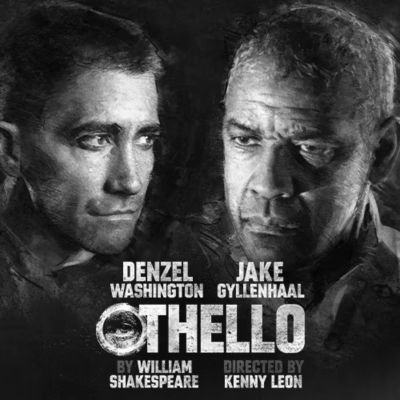
EMILY MCGILL is a multi-disciplinary artist and recovering Broadway publicist. At Columbia University’s Spirituality Mind Body Institute, she earned her M.A. in Spiritual Psychology. Emily is an early career member of the American Psychological Association, International Association of Applied Psychology, Academy for the Advancement of Postmaterialist Sciences, and the Scientific & Medical Network. She has credits on 20 Broadway shows, including the Tony Award winners A Raisin in the Sun starring Denzel Washington, Memphis, Billy Elliot, and Disney's The Lion King, and will make her debut as a producer on the upcoming Othello starring Denzel Washington and Jake Gyllenhaal. For more, visit IvyLeagueWitch.com.
Connect with Emily McGill
Instagram @emilyannemcg & @thebroadwayhirschfeldtarot
Tik Tok: @emilyannemcg
Connect with GOOD SHOW!
Instagram: @goodshowpodcast
Tik Tok: @goodshowpodcast
Transcript
This transcript was automatically generated and might contain errors.
[0:13] Sarah Goodman: Hi, I'm Sarah. I'm a sound designer and professional lesbian theater geek. I'm a huge fan of all things theater, Broadway, cabaret, and pop culture. I've got tattoos of Bernadette Peters and Liza Minnelli. In my podcast, I'm looking at theater through a queer lens and discussing the intersection between the craft and the LGBTQ community, aka me and my friends and family. Speaking of family, I used to host this show with my sibling Kristen, but she is taking a hiatus to write a brand new musical, and it's really gonna be something special, so I'm excited for her. And here I am, uh venturing out on my own. So today I'm interviewing Emily McGill, who created the Broadway Hirschfeld Tarot Deck. I've always been a big fan of tarot since I was a teenager.
I had a great chat with Emily about how she created the deck and selected which Broadway icons would represent each tarot card. It was a really fun conversation, and at the end, we did a little mini tarot reading where I asked her about where I should take this podcast and also kind of a little bit about where my career is going. So enjoy my conversation with the creator of the Broadway Hirschfeld Tarot Deck, Emily McGill.
[1:31] Sarah Goodman: Emily McGill is a spiritual psychologist, tarot card reader, and former Broadway publicist. In collaboration with the Al Hirschfeld Foundation, Emily created the Hirschfeld Broadway Tarot Deck and Guidebook. In her guidebook, McGill offers an interpretation and reading for the cards, each featuring beloved characters from iconic musicals and plays drawn by Al Hirschfeld. I've always loved Al Hirschfeld's art personally. I have a Hirschfeld drawing of Liza Minnelli tattooed on my shoulder. So I was like so stoked when I saw this deck was coming out because I also really love tarot. I bought my first tarot deck when I was like 13 or 14 years old. Wow. Um so I'm so pleased to have you on good show, Emily McGill.
[2:11] Emily McGill: Thank you so much for having me. I really appreciate it.
[2:14] Sarah Goodman: You have a Master of Arts in Spiritual Psychology from Columbia University. What led you to this study after working as a Broadway publicist?
[2:22] Emily McGill: Well, the pandemic was certainly an opportunity to reconsider everything I was doing with my life. I had bounced around, I had been at quite a few of the press offices. I had worked um in a sort of very traditional PR agency as their in-house Broadway expert. And part of that was like collaborating with some of the offices that I hadn't worked in officially, but so I worked with and uh the pandemic hit and I was so burnt out. You know, I had been, I loved what I did when I was doing it for Broadway shows, but I realized when I went to the traditional agency that it was the thing that I was publicizing that I loved, not the PR work.
[3:02] Sarah Goodman: Right.
[3:03] Emily McGill: So reaching out to, you know, media and pitching and following up, like I just kind of felt like I was screaming into a void a lot of the time. Um when the pandemic hit and it gave me an opportunity to slow down and really reconsider like my did I want my life to be going in the direction that it was going? And the answer was a resounding no.
[3:26] Sarah Goodman: Yeah.
[3:26] Emily McGill: So I just kind of got quiet with it. Um, you know, I was doing therapy every other week, every three weeks. And so at some point I said to my therapist, I had this like crazy intuitive hit. And I think I'm supposed to go back to school. And I think it's for religious studies, which as a lapsed Catholic was like entirely perplexing. Because I was like, I definitely walked away from the church when I was like, you know, in high school, college. Um, theater had really become my church. That was, you know, walking into an empty Broadway theater to me was like walking into, you know, an empty like basilica or temple or you know, mosque, or um, it was really it was a really, really powerful experience for me to walk into those kind of spaces.
[4:21] Emily McGill: And um, yeah, the pandemic hit, and I was like, hold up, like what's going on here. And, you know, my type A overachiever self was like, well, obviously, if we're gonna do this, like we're gonna go to Yale Divinity, but I don't really want to move to New Haven. And my therapist was like, I think there's a program like that at Columbia. You should look into it. And so that's how I found the spirituality mind body institute. And I looked at a few um like talks and different things that the founder of my program, Dr. Lisa Miller had done, and um it was such an immediate yes.
[5:00] Sarah Goodman: Cool.
[5:01] Emily McGill: So it was like, let's follow the yeses. And I had five weeks to get my application done and in letters of recommendation, all of it.
[5:11] Sarah Goodman: Wow, that's short.
[5:12] Emily McGill: So I, you know, applications are intense for for grad school.
[5:16] Sarah Goodman: Yeah, you know, it's definitely a process.
[5:18] Emily McGill: They're really checking to see like if you really want to be there and you know who the right people are. I don't know how many people apply to the program, but we had about 55, I think, in our cohort to start. So it was um a beautiful group of humans. I'm still close with many of them and in touch with them, but it was definitely a huge leap of faith at the time to say, you know, I mean, still, you know, I've I owe Columbia, well, I guess I owe the government a quite a bit of money now, thanks to those loans. Um, you know, and and I was very fortunate I didn't have undergrad student loans for my theater degree. So like I was choosing to go in a direction that I think a lot of my friends were like, interesting. Um but I found that it was absolutely the right choice for me. So it's the study of spirituality and the science of spirituality through the lens of Western psychology.
[6:13] Sarah Goodman: Okay, cool.
[6:14] Emily McGill: The current head of the program, Dr. Dan Thomas Sulo and Dr. Miller both worked very closely with Dr. Martin Seligman, who is the founder and the father of positive psychology and the positive psychology movement that was, you know, in the sort of late 90s, started to pick up steam. And so he has a program in Philly, I think at UPenn. I could be wrong about that, but I'm pretty sure that's where he is. And they both studied with him. And Dr. Miller's work took on a lot of the science of spirituality and like looking at MRIs and brain scans and seeing the parts of the brain that light up during spiritual experiences. And her data proves that we are born one third innately spiritual beings. So we took classes like spirit mind body medicine, which was uh acting uh practicing psychoanalyst who uses spiritual practices in their treating of their patients.
[7:06] Emily McGill: When I started the program, and I think this is evolving, so I probably have outdated information now for what it's actually like, but there were three sort of concentrations you could choose. You could do education. So that was like schools with spirit, so bringing spirituality and mindful practices into elementary schools, high schools. Dr. Miller works a lot with um university students because we find that there is a sort of a moment in life that that questioning happens inevitably for everyone. And it's sort of like the opening of a door. Um and so she's very passionate about that. Um, there were people who worked on the wellness practicum, so they were creating workshops and you know, doing different practices for mindfulness and somatic practices and things like that.
And then I chose the entrepreneurship route. And so we had a professor from Columbia Business School who taught us um basically the same class he teaches the CBS students, and it was all about building your startup. And so you had that choice when you came into the program.
[8:09] Sarah Goodman: Cool.
[8:10] Emily McGill: So did you already have in mind that you wanted to create your own business around this kind of practice?
[8:16] Emily McGill: Yeah, I had started my own business in I guess it was 2017 as a publicist because I didn't know what else I could do, you know, and that's I had a friend who needed some PR help with something, and I was like, Do you have a budget? And she was like, I mean, I can get a thousand dollars. I was like, great, LLC check, you know, and kind of started the process then. Um, so the business was already sort of there. I hadn't I started doing readings for people during the pandemic, early in the pandemic, and um found that there was just a lot of clarity and direction. Like there was clear relief that people had after a reading. So I knew I wanted to focus on tarot while I was in the program and actually ended up doing my thesis on tarot as an effective tool for self-reflection.
[8:58] Sarah Goodman: Wow, that's so cool.
[8:59] Emily McGill: It was really fascinating. And so the data proved that 100% of people had of my study, you know, I'm sure there's gonna be a point, whatever, right? But 100% of the people that I had come in and do a tarot reading with me after one 30 minute reading, they had more clarity and direction 100% across the board, confirmed that. And on a scale of one to 10, it averaged a 7.7 on that clarity scale.
[9:25] Sarah Goodman: Wow.
[9:26] Emily McGill: So there was really powerful data behind it. And the idea for the tarot deck, a Broadway themed tarot deck came to me sort of in December, like winter 2020 into 2021. So that was like a year before I was even thinking about the school thing, you know. Like it was before that happened. Um, and I worked with a dramaturg, Jenna Clark Embry, who's now up at Lincoln Center Theater, and she helped me. We would like cast, you know, and we would be like, okay, like if I'm talking about someone who has really strong like sense of their own moral compass, like really knows what right from wrong means for them, um, is willing to do the thing to back up what they believe is right, um, is willing to deal with the consequences of following their moral compass, has really strong intuition, knows how to listen to that intuition. I'm talking about the high priestess, but I'm also talking about Albus Dumbledore.
[10:23] Sarah Goodman: Yes.
[10:23] Emily McGill: Right. Right. So when we see that these archetypes align, it's sort of a no-brainer. And I, as a, you know, theater kid at heart of my whole life was like, where's the Broadway themed tarot deck?
[10:35] Sarah Goodman: Yeah.
[10:35] Emily McGill: And there weren't really many. There was a few Etsy options that people had, you know, creating their own. John Cameron Mitchell used to have one on his junction city merchantile website.
[10:46] Sarah Goodman: Wow.
[10:46] Emily McGill: Uh that is out of print. And I managed to get my hands on a copy. It is the major arcana is all Playbill covers and the minor arcana is all Joan Marcus production photos. And so it's really fun, but it wasn't what I was looking for. You know, like as a tarot practitioner, I was like, I want some, I don't know what I want, but I want something that's that's different than this. And um I worked with an artist for a little bit who was doing some really beautiful, like sort of stage renderings of characters.
[11:34] Emily McGill: So it's just it's an IP nightmare.
[11:36] Sarah Goodman: Yeah.
[11:37] Emily McGill: So I was talking to a friend of mine, and he was like, What about a singular IP like the Hirschfeld Foundation? You know, like Al Hirschfeld or I was like, Oh, I don't know. You know, how am I gonna get in touch with them? And I asked another friend, like, who do we know that knows someone? And she said, Julie Boardman, of course. And the Museum of Broadway had just opened with an Al Hirschfeld exhibit. VPN and Museum of Broadway are besties. We love them over there. Julie is truly the fairy godmother of this deck, it would not exist without her.
[12:05] Sarah Goodman: Oh, wow.
[12:05] Emily McGill: Yeah, so big shout out to Julie. Uh, because she introduced me to David Leopold at the Al Hirschfeld Foundation. He was like, This is insane. I love it. And we met and we started casting immediately. So he was really on board with it. I'm very excited about the project.
[12:20] Sarah Goodman: Oh my god, that's so amazing. I love how you just sort of had this spark of an idea and were already working towards it without even knowing how it would develop. And then all of these things like come into your focus. I think that's really incredible.
[12:35] Emily McGill: And it was interesting because the process, you know, I had that first start of the process where it was casting with Jenna, and then her daughter was born. And you know, I kind of pitched it to a few other publishers, and you know, she was taking time being a new mom. So I wasn't getting much traction at that point in time. And I kind of set the project down. And then it was when I was in towards the end of my first semester of grad school that my editor at Running Press, Maria reached out, and she was like, Hey, I was Googling, looking for this for myself as a Broadway fan and a tarot, you know, enthusiast and editor. And she was like, I see that it's in development. Can we talk? And so it was after that that the Hirschfeld Foundation came together with it. Um that was not part of the initial conversation. So I love how things work out.
[13:20] Sarah Goodman: Yeah, and I also kind of feel like Mr. Hirschfeld was sort of like waiting for me to channel this, you know. He was like, Okay, where are you going? Where are you at, girl? Like, this is I love you know, you're taking your time, but it'll come all in divine order, of course.
[13:34] Emily McGill: But yeah, definitely. We'll be right back with more good show.
[13:39] Sarah Goodman: And we're back with good show. What was it like collaborating with the Hirschfeld Foundation? Like, how many images did you have to source through? And what was it like casting, as you say, for these cards with so many? I mean, his work is insane.
[13:51] Emily McGill: So prolific.
[13:54] Sarah Goodman: So prolific. There are so many incredible illustrations. And I have to say that like your choices are so perfect. They're really incredible. The Lover's card is like Tony and Maria from West Side Story. Um, Queen of Cups is Dot from Sunday in the Park with George. Like my favorite card is the Three of Cups, which is the Secretaries from Promises Promises. Love that so much. I have two sisters, so we're like three girls always singing together. I was like, oh, that feels so special to me. Um, so yeah, what was it like sort of going through so much material and deciding which characters to pick and how they fit with the meanings of with the traditional meanings of each tarot card?
[14:32] Emily McGill: It was a lot of fun. And I will say that early on in the process, it was tricky because most of the casting I had done previously was characters from the last 25 years of the more contemporary Mr. Hirschfeld died in 2003 in January, so we don't have Alphab from him. Yeah, you know. I had another favorite casting that I had, but was just not realistic was Ilsa from Spring Awakening as the Eight of Cups. Wow because she walks away from everything she's ever known in order to survive, you know. And I was and I like to honor people that I know and love, and Lauren Pritchard is, you know, like a sister, so I wanted to honor her in it. And I was like, oh well, that one's not gonna work, you know. So there was some sort of like heartbreak moments in that where there was something that I really wanted to see in there that wasn't possible.
Um, but at the same time, I got a deep dive lesson in like the archives. I mean, there are 10,000 images in the Hirschfeld archives, 10,000. Mr. Hirschfeld started working in the late 1920s, and he passed in 2003. One of the last shows he drew was Hairspray. Incredible. And so we had a lot to work with. There were also shows that he never drew, and so we would fudge things, or the image wasn't quite right for the casting that I wanted, so we would fudge it. So, you know, to your Secretaries in Promises Promises example, that's actually an image that he drew as part of a larger image called Opening Night. And it is, it has absolutely nothing to do with Promises, Promises, but it, you know, shows this great image of a woman whose body looks like, you know, the G clef, and she's holding a martini glass. And I was like, well, that feels, you know, appropriate.
[16:20] Sarah Goodman: Yeah.
[16:20] Emily McGill: And I feel like the face could pass for Donna McKechney a little bit. You know, she's in there anyway. We have heard the Six of Cups, or I'm sorry, the Six of Wands for Cassie in A Chorus Line. Amazing. Um, you know, and there were some cards that we really want, like I always thought that Pippin would be the Fool. That was from the very beginning. I was like, Pippin is the Fool, the Fool is the one that goes on the journey. They are experiencing the hero's journey, you know. And for those who are not familiar with tarot, we have two parts of the tarot, the major arcana and minor arcana, which you might have heard us mention. Major arcana are like our magic cards. So when they show up, we pay special attention. And then our minor arcana is kind of like a deck of playing cards. Right, the suits.
[17:01] Sarah Goodman: Yep, four suits, ace through ten.
[17:01] Emily McGill: Biggest difference being we have four court cards instead of three. So those 78 cards add up pretty quickly.
[17:07] Sarah Goodman: Yeah.
[17:07] Emily McGill: Um, and with Pippin, I was like, okay, well, the Fool is like zero, the numberless number. They're the one that's sort of outside and experiencing the journey. And we looked at the image and Mr. Hirschfeld drew him on his knees. And that's not a very like, you know, and away we go kind of type of card. So we thought, okay, well, we could do Dorothy. We could look at The Wiz or The Wizard of Oz, like that's an option. And it was that until very late in the process. Interesting. And we, you know, most of the cards were easy. And then we got down to the last like five or ten. And it was like, okay. And so there's some moving things around. Like Dot was originally the Empress. She was not the Queen of Cups.
Um, but then I found on opportunity, you know, Eva La Galen, who was the mother of modern repertory theater, and the reason we have off Broadway in New York, um, in the 1920s, I think, started her doing her rep theaters. So I was like, oh, well, we need to have her as the Empress, you know, the mother of this whole thing.
[18:08] Sarah Goodman: Yeah.
[18:09] Emily McGill: And so it was sort of easy shift to move Dot over to the Queen of Cups. Um, but with Pippin and Dorothy, late in the process, I happened on the image of Candeed, and he's standing there and he's got, you know, the knapsack thing with its the stick with the kerchief on it, exactly as Pamela Coleman Smith, who drew, you know, the most famous Rider Waite Smith tarot that most contemporary tarot decks are based on.
[18:34] Sarah Goodman: Yeah.
[18:35] Emily McGill: It was like, well, we can't not use this image. It was too perfect.
[18:38] Sarah Goodman: Yeah.
[18:39] Emily McGill: So there were some instances where the cards told us what they would be. Um, and there was, you know, a little bit of a chess game happening of, you know, okay, well, that one fits here, but it also fits here. And so is there something else? So there's a big, very messy air table that has all of all of the original, you know, ideas and yeah.
[18:59] Sarah Goodman: So that's really fun.
[19:01] Emily McGill: I bet that was such a blast as a person who loves musical theater so much and has this like deep connection to tarot.
[19:08] Emily McGill: Yeah, it was really exciting. And David Leopold is such a wealth of knowledge as far as Mr. Hirschfeld's archives go, but also just theater history in general. And so there would be shows that I had never heard of that he was like, What about this one? And I would like be frantically Googling the show and like learn, you know, reading the Wikipedia page about what or if there was a review we could find somewhere of like what the plot was and what the character was doing and how it fit. And he had no knowledge whatsoever of tarot before we started. So I would sort of just explain what a card generally meant, you know, and see what archetypes came up and characters popped for him that felt like they would be that's cool, a good fit.
[19:51] Sarah Goodman: That's amazing. So you said you went to undergrad for theater.
[19:54] Emily McGill: I did.
[19:54] Sarah Goodman: What's your relationship with theater been like? When did you first discover theater? What has that journey been like for you?
[20:00] Emily McGill: My parents put me in dancing school when I was three.
[20:02] Sarah Goodman: Okay.
[20:03] Emily McGill: Very A Chorus Line. My brother followed shortly after and was immediately the star of everything.
[20:08] Emily McGill: Wow. Um, and I loved it, but theater did not love me back.
[20:15] Sarah Goodman: That's so hard.
[20:15] Emily McGill: And so I was always like lucky if I was in the ensemble, you know, third girl from the left. And um it was one of those things where like I loved it so desperately and I needed to be part of it, but I didn't know what my options were besides being on stage or like the stage crew, you know, like in a high school musical. Like you don't know what else there is.
[20:35] Sarah Goodman: Right.
[20:35] Emily McGill: I had no idea there was an entire industry.
[20:38] Sarah Goodman: Yes, of course.
[20:39] Emily McGill: Marketing, ad, PR, general managers, company managers, lawyers, accountants, um, you know, all of the things. I have no clue.
[20:47] Sarah Goodman: Yeah.
[20:48] Emily McGill: And so I did my undergrad for performing because I was like, well, that's how you get a theater degree. You know, I didn't really, I think if I at the time I probably would not have still done like a theater management or anything like that because I just wanted to like go to dance class and like take voice lessons and go to acting class, you know.
[21:08] Emily McGill: Um, but I graduated, I moved to New York, I auditioned for a year. I would always get like final callbacks. And it was me and somebody else. The other person got it every time.
[21:18] Sarah Goodman: That's so hard.
[21:19] Emily McGill: But I already knew I didn't want to be on the performing side. I had a lot of really talented friends who were performers and weren't working. And I was like, how do I do something that like can help these people get jobs?
[21:29] Sarah Goodman: Yeah.
[21:30] Emily McGill: And I interned in tons of different offices. Um, I interned for producers, company managers, general managers. Valerie Harper, who rest in peace was Rhoda on the Mary Tyler Moore show, did a play. The last play she did on Broadway was called Looped, where she played Tallulah Bankhead. Uh-huh. I was her assistant. And her husband, who was a lead producer, his assistant, um, ended up as her social media manager before that was actually a job.
[21:55] Sarah Goodman: Yeah.
[21:55] Emily McGill: This is like 2010. Like we're going back early days. So, like, face, you know, I just was like had a flip.
[22:00] Sarah Goodman: That's like pre-Instagram.
[22:02] Emily McGill: Oh my gosh. They got me a flip cam and I would like video her interactions with her celebrity friends and then like post them to her Facebook.
[22:09] Sarah Goodman: Amazing.
[22:10] Emily McGill: Um, and ended up as like the de facto assistant company manager because we didn't have one because it was such a tiny show. So I did a lot of different things.
[22:18] Emily McGill: And I was the company manager intern on Rock of Ages, and I was like, okay, I'm a 25-year-old intern. I need a real job. And I started applying anywhere that looked interesting and ended up getting hired at the Hartman Group PR as a receptionist. And I was like, oh, this is I don't know what a press office does, but I loved seeing all the stuff that the press team was doing on Looped. And I was like, I want to do more of that.
[22:39] Sarah Goodman: Yeah.
[22:42] Emily McGill: And I really enjoyed building relationships with the actors and the creative team and getting to know everybody in the show. Um, you know, and like hopping into a theater on my way home from dinner because I could.
[22:57] Sarah Goodman: Yeah.
[22:57] Emily McGill: And I could like walk in, you know. I when I was working on Memphis, the musical, it was one of my favorite times because my brother had done he had been an actor in the show for a year. So I knew the whole company.
[23:10] Emily McGill: Oh, cool. And we used to drink in the men's dressing room. On Saturday nights, we would go drink in the men's dressing room, have a great time, maybe go out afterwards. And so I knew everybody already. And so then when I had like legitimate, you know, role on the show, I was like, oh, I can just like wander into the back of the house and like watch the second act if I want. That's awesome. You know, so cool. I loved it so much. Um, and I got, you know, I got to work on some amazing shows during that time. And I was also learning a lot and just like enjoyed like being in the mix, you know, all of the fun things that came with it. But being on stage didn't um feel like it was as important to me as being part of the community.
[23:56] Sarah Goodman: That's cool. Yeah, that's really cool. Um, do you have any favorite shows?
[24:02] Emily McGill: Oh goodness. Well, 42nd Street has always been a favorite. Love it. Peggy Sawyer was always my dream role. Oh, yeah. You know, I played anytime Annie in high school. I had an email address at AOL that was someday Sawyer. Oh, yes. Oh, yeah. Very relatable there. I love it. I love it. Um, that's a favorite, but I had a really beautiful experience working on A Raisin in the Sun in 2014 with Denzel Washington, directed by Kenny Leon. Amazing. And uh I was the publicist who was working with Kenny when he won his Tony Award. Cool. That year for that show. And he really taught me how to love plays. So I, you know, I was always like giving a tap number in a production number, and like I'm happy. And then I learned how to sort of meet a play and watch a play. And so I've really fell in love with plays in a very different way, to the point where I'm now making my debut as a co-producer this season on Othello.
[25:00] Sarah Goodman: Oh with Denzel?
[25:02] Emily McGill: Oh my god, what a beautiful full circle moment. As soon as I found out about the production, I was like, oh, that's that's the one. That's the one where I do that thing.
[25:11] Sarah Goodman: That is amazing. That's really, really cool. I love when things come back like that, especially if it was like such a significant experience working with them before.
[25:19] Emily McGill: Yeah. I mean, I really loved that revival of The Color Purple that John Doyle did with Cynthia Erivo. That was so moving. My brother and I saw that together, and we just like sobbed and sobbed and sobbed and sobbed.
[25:32] Sarah Goodman: Yeah. I love Cynthia Erivo. Very excited about Wicked.
[25:36] Emily McGill: So excited about Wicked. So excited about Wicked. It's gonna be amazing.
[25:40] Sarah Goodman: So my show's called Good Show. And we're actually in a little bit of a transitional period right now. My sister and I used to host this show together, but she is taking a hiatus to work on a musical. So I'm doing the show solo. And that's part of what I'm gonna ask you about in the reading is like I don't know where this direction is going, but um we often talk about like what makes a good show and what what do you think makes a good show?
[26:04] Emily McGill: I think there are two factors that are most important to making a good show, and one is having a really impactful story and the storytelling, and the other is the vision, whether that's the director's vision, the producer's vision, like whoever's sort of driving the bus at the very beginning, like that, and sometimes that's a collaboration, but in my in my experience, those I think are the two most important things.
[26:32] Sarah Goodman: Yeah, absolutely. Vision, especially, I think there has to be like a thesis. Right. Why now? Why is this show? I can't. What am I doing here? I mean, I also I I hate everything. Like I am a terrible theater person in that I walk out of shows and I'll be like, that was unnecessary. And I think that that's my biggest beef with like this industry. I learned during the pandemic that I have a very specific love of the community and struggle with the industry.
[27:05] Emily McGill: Yeah, the industry is at an especially tough crossroads right now, I think. And struggling to find itself and figure out what what we're doing.
[27:14] Sarah Goodman: Yeah, and like so many people, you know, we were talking about earlier about how like theater, empty theaters, it's like walking into an empty house of worship. And so many people are called to the theater. Yeah. The way that perhaps a religious leader feels a calling to, you know, and not just this, right? Artists have this experience. And there are certainly people that probably work in, I don't know, maybe not finance, but you know, sports, whatever. You know, there are people that it's not just arts, but so often we find that like people are like, no, I have to do this thing because it's like air for me. And it's hard to rectify that with a capitalistic experience.
[27:57] Emily McGill: Do you have any favorite tarot cards? Not necessarily of your own deck or of your own deck, but what are your favorite cards in general? Just like what they represent. And then do you have a few favorite cards in your own deck?
[28:09] Emily McGill: Yes. The answer to both of those things is yes. Um, one of my favorite cards that most people are terrified about is the tower card. Yeah. You know, it's scary. The tower comes about two thirds of the way through the major arcana, and it is the moment where everything you've built is taken back down to the foundation. And that is sort of a really scary moment to have, you know, the sort of scales removed from your eyes, and you're like, oh, wait, you know, none of this is working, or it's the foundations are not stable, this is not sustainable. And everything kind of comes back to it. And I think it's a card that a lot of people, when especially tarot practitioners and people who are having their own practice, but maybe not having someone else read for them and may not have, you know, as much experience with it, are terrified by or just like freak out when they see this card.
And really, I think it's it's it's such a beautiful opportunity to, you know, course correct. I mean, if a plane is a s is a degree off, it's gonna end up in a very different destination than where it's trying to go. And so I think the tower is sort of that moment of course correction and like okay, no, let me get back to it. So that's always one of my favorites.
[29:26] Emily McGill: And I think the death card similarly has that sort of connotation where everyone thinks it's about a loss of life. Um, and it's one of my favorite cards in this in the Hirschfeld Broadway tarot. It's cast, it's Louise from Gypsy. Yes. And everyone's like, Louise from Gypsy is death. That's weird. But the vision with that is that Louise has to die for Gypsy Rose Lee to be born. Yeah. I mean, it's not just ego death, it's identity death, right? Like she can't be the, you know, the mousy older sister. She can't be sort of pushed into the background. She can't if she's gonna be Gypsy Rose Lee, an entirely new person needs to emerge from the ashes of the Phoenix that she was as Louise.
[30:12] Sarah Goodman: Yeah.
[30:13] Emily McGill: So that's a favorite in this particular deck. The Hanged Person is also one of my favorite cards.
[30:20] Sarah Goodman: Yes. Is that Fosse in this?
[30:21] Emily McGill: In this deck, it is Fosse. Yes. I like it. And it's the casting is fun, but the card itself to me is all about patience and perspective. Things that I don't have and do have, you know, don't have enough of and have too much of. You know, sometimes in like my perspective, there's like I can see far too much. Um, and my patience is like way too thin. But uh, you know, it's working on it. But that's a favorite that I have generally. Um, and then in this deck, in the Hirschfeld Broadway Tarot, another favorite I have is the Wheel of Fortune, which is Velma Kelly. Yeah. And part of why it's one of my favorites is because the drawing is actually of an auntie by affection of mine, Lenora Nemitz, who replaced Chita Rivera as the original Velma Kelly.
She was the original cover for Roxy and Velma in Chicago. Um, you know, she was a Fosse protege and is just like, I you know, I've known her since I was 12 years old. She used to teach me like tap class, and that's I got to give her her copy of the deck when I saw her this summer. And she's also in there as yeah, it was really a special moment. She's also in there as the three of coins because she was the original Dolores Dante in Working.
[31:31] Sarah Goodman: Oh, amazing.
[31:32] Emily McGill: And that song, It's an Art. Yeah. About, you know, how impactful it is when you put down to put down a fork, to put down a plate, to care for your clients and your customers. You know, she's she's a waitress at a diner, and and it is her life's fulfillment to do that, you know. And that card is often about, I think um celebrating work that others may see as menial or beneath them. And so I really like to I like that one too.
[32:03] Sarah Goodman: Yeah, me too, especially as someone who worked in the service industry for a decade. I think everyone should work in the service industry.
[32:07] Emily McGill: Sure too. It should be a requirement. Like you can't graduate high school until you worked at a restaurant and retail.
[32:15] Sarah Goodman: I think you need a little bit of both.
[32:17] Emily McGill: Yes. Because man, folding jeans over and over gets really exhausting.
[32:23] Sarah Goodman: Oh my gosh. Well, thank you so much for joining me with this interview. Um tell my listeners how they can purchase your deck.
[32:31] Emily McGill: Uh the Hirschfeld Broadway Tarot is available pretty much anywhere books are sold. You can get it on Amazon or Target or I think Walmart, um, but also it's at the Drama Bookshop. I think the Museum of Broadway will be carrying it soon. Uh check your local bookstores, you know, support local bookstores.
[32:49] Sarah Goodman: Yes, definitely.
[32:50] Emily McGill: Don't get me wrong. I love the convenience of having everything show up at my door.
[32:53] Sarah Goodman: Right.
[32:53] Emily McGill: But there's something really special about supporting people in their businesses.
[32:58] Sarah Goodman: Yeah, and this is such a beautiful deck. It comes in this incredible box.
[33:01] Emily McGill: It's a beautiful packaging.
[33:03] Sarah Goodman: The guidebook is so nice. I y'all are gonna love it. You gotta get it. It's funny because everyone's like, oh my god, the deck is so great. I'm like, thank you so much. I'm really proud of it. But honestly, the packaging I was gagged when I opened it up to me. I couldn't believe it. Especially like y'all will see when you get it. But when you first open it up, it's like this beautiful image of the Majestic theater with this big crowd like entering a show, either entering or exiting a show, and there's just like this excitement and the market.
[33:33] Emily McGill: Oh, I absolutely love this image. It's so cool. And then the guidebook is in there. It's beautiful. The descriptions for the cards are so cool. They tell you what the card means and they also tell you a little bit of what the character is all about. So really love it. So thanks so much for joining me. And now we're gonna do the our little mini reading.
[33:52] Emily McGill: Great. We'll be back with Emily McGill after this short break.
[33:56] Sarah Goodman: And we're back with Emily McGill.
[33:58] Emily McGill: Yeah, so we'll pull two cards today.
[34:01] Sarah Goodman: Cool.
[34:01] Emily McGill: One will be where you're coming from, the other one where you're headed.
[34:09] Emily McGill: Yeah, I also just love the backs of the cards. It's sort of like this negative image of Al Hirschfeld himself, and it's like mirrored. It's it's really cool looking.
[34:18] Sarah Goodman: Thank you.
[34:19] Emily McGill: I wanted it to be really clear which side the front of the card. You know, I didn't want somebody to get their accidentally put a card back the wrong direction and then like not know it.
[34:30] Sarah Goodman: Yeah.
[34:30] Emily McGill: Until they're like trying to pull cards.
[34:32] Sarah Goodman: Yeah, and then it's just right.
[34:33] Emily McGill: So and we talked, we talked early on about like, is there gonna be color in this? We thought about, you know, like curtain red. Uh, but ultimately the black and white one out, and I'm very happy that it did because I love the black and white.
[34:46] Emily McGill: I'm a big fan. It's a great aesthetic.
[34:48] Sarah Goodman: Yeah.
[34:48] Emily McGill: So go ahead and cut the deck.
[34:50] Sarah Goodman: Okay.
[34:53] Emily McGill: Okay, so this first one is where you are coming from. We have the six of coins. All right. So our coins being our earth element, right? Um, there's so many cycles in the tarot. I think about the six as sort of like balancing the scales.
[35:13] Sarah Goodman: Okay.
[35:14] Emily McGill: Um, it's often about sharing resources or paying it forward or paying back, right? Like that there's those that have. I mean, a great allegory for like what we could be doing in the world today, but like those that have um making sure that those that don't have are at least, you know, getting some opportunities to get themselves there. So I chose Don Lockwood from Singing in the Rain. Um, I'm that's another dream role, Kathy Selden. Always loved Kathy Selden. You know, Debbie Reynolds, the OG, I mean.
[35:48] Sarah Goodman: And um, you know, he really like, yes, of course, it's because he's in love with this woman, but like he reaches back and he's like, you're talented. You should have someone who is advocating for you, who is helping you get ahead in your career, you know, and our coins being our earth element is oftentimes about work and money, you know, or resources of any kind.
[36:12] Emily McGill: And I think we get stuck in contemporary society about like resources and abundance always means money, but it also means time, energy, your network and your community, you know, there's so many different resources that we can tap into. So it isn't always just money and work, but um, and so yeah, so our six is sort of a balancing of the scales. This is reversed for you.
[36:36] Sarah Goodman: There's a lot of different ways we can read reversals, which are also a very personal thing.
[36:42] Emily McGill: Like I don't know if you read reversals in your own practice.
[36:45] Sarah Goodman: It depends. It depends on what kind of spread I'm doing. If I do like a three card spread and they all come up reversed, I'll kind of read them both ways and see what resonates.
[36:56] Emily McGill: Um, if I'm doing a spread with a lot of cards, I'll definitely read reversals. Yeah, I always think about them as like there's so many different interpretations you can choose. And there's a section about this in the guidebook. Um, we have the very traditional belief, which is it's the opposite or inverse meaning of the card.
[37:16] Sarah Goodman: I don't agree with that because I think every card holds the full spectrum of its meaning.
[37:20] Emily McGill: So it has both the negative and positive connotations already inherently there. Okay. Um, I like to think of it maybe as the internal expression of the card. So that maybe this is about like you finding you've been finding some new balance for yourself with your, you know, as you said, you're now doing this solo.
[37:37] Sarah Goodman: So it's like, how do I balance the responsibilities of this with the other things that are happening in my life?
[37:43] Emily McGill: Yeah. Um, sometimes like a reversal can be something that needs to be invited in or dropped. And then my other favorite way to look at it is through the lens of the hangs person. So this idea, because right, that card in the traditional Rider-Waite-Smith, the image, he's literally upside down.
[38:01] Sarah Goodman: You know, and we don't do that in this deck because the Fosse drawing didn't make sense to just like flip it upside down.
[38:07] Emily McGill: Right. We're literally hanging from his foot, right in the Rider-Waite-Smith. And like with Fosse, you know, we're just seeing him, and he did have a very different perspective on how, you know, storytelling and dance could work.
[38:20] Sarah Goodman: And maybe wasn't the most patient person as a director choreographer, but his work is very patient.
[38:28] Emily McGill: Thinking about all the pauses and you know, how slow he takes some things. So um, this could be, you know, also about maybe an experience of revisiting what balance looks like for you and like maybe finding balance over a course of time.
[38:45] Sarah Goodman: I'm not sure what of this is resonating for you.
[38:47] Emily McGill: Yeah, definitely finding balance has been the focus of my life for like the last year and a half.
[38:55] Sarah Goodman: All right. So that seems like that one's resonating for you.
[38:57] Emily McGill: Yeah, definitely. And I love Singing in the Rain so much.
[39:00] Sarah Goodman: We're beautiful musical. Well, let's see where you are headed.
[39:04] Emily McGill: All right, where are we going?
[39:06] Emily McGill: Oh, the seven of coins. We really shuffled these too, by the way. And now this, you know, it's so interesting. I always find it interesting when we get like cards that come one after another after we've shuffled and then they show up. This one we can see is not reversed, it is upright.
[39:21] Emily McGill: And it is um, oh gosh, I'm gonna destroy her now.
[39:25] Sarah Goodman: No, if I could, I would too.
[39:27] Emily McGill: Um, I would too. Elizabeth uh Grushkinkaya Grushinkaya Grushin Skaya.
[39:34] Sarah Goodman: Grushinskaya.
[39:35] Emily McGill: Okay. Okay, we're gonna go, I mean we're gonna go with that. It's Grand Hotel. It's like Ballerina from Grand Hotel.
[39:39] Emily McGill: And uh her whole thing is that she is like dying to retire. Like she just wants to retire.
[39:48] Sarah Goodman: And she has this one more show, or one more tour that she has to do.
[39:52] Emily McGill: And the Seven of Coins is a card about patience, you know, because I think the coin, the coins and each of the elements, of course, has their and you know, suits has their own meanings.
[40:06] Sarah Goodman: And with our coins, I also think of that ace of coins as a seed that gets planted in the earth.
[40:14] Emily McGill: And then you're kind of gardening that seed, right? And so, like with the six of coins, it could be about like pruning things back.
[40:21] Sarah Goodman: And you know, think about like a tomato plant.
[40:23] Emily McGill: Like you want to get the suckers off of there so that it is putting its energy into the fruit and the tomatoes and not like just growing bigger.
[40:31] Emily McGill: And the seven is really that moment where it's like it's not up to you to do or try anything. It's that moment of like patience.
[40:43] Sarah Goodman: And you know, that can be really frustrating because you're especially in the world we live in today, where it's like if you're not actively doing something, you feel like you're wasting your time, your energy, whatever.
[40:57] Emily McGill: Yeah. And sometimes it's really truly about the divine timing and the divine order, and it has nothing to do with what you're doing. It's that the other pieces of the puzzle that you don't know about haven't aligned up yet.
[41:10] Sarah Goodman: And so I think this card is really about like, you know, you're saying you're figuring out what the balance is, and like now it's just about like seeing how that's going.
[41:24] Emily McGill: Yeah. Checking in with yourself on the regular, saying, okay, like, does this still feel balanced? Does this feel like it's not balanced?
[41:30] Sarah Goodman: Um, do I feel like I'm putting too much energy here and not enough there?
[41:35] Emily McGill: Uh, but not necessarily like making the adjustments, just having the awareness and the patience that whatever it is that you're building, whether it's the next phase of the podcast or you know, more sound design things, or like whatever it is that like you're in the right place and the right time, it's just the rest of it hasn't caught up with you yet.
[41:56] Sarah Goodman: Like there's stuff that we don't see, we can't know.
[41:59] Emily McGill: Yeah, that the universe is getting in order.
[42:02] Sarah Goodman: Yeah, that resonates with me for sure. Cause I'm in sort of a pause right now, kind of waiting for the next thing to come along.
[42:11] Emily McGill: Yeah, and I think there's also, you know, there's so often in this capitalistic society we live in that it's like you're not worth anything unless you're actively doing something.
[42:24] Sarah Goodman: But it's so hard to fight that.
[42:25] Emily McGill: Like rest is actively doing something.
[42:28] Sarah Goodman: Yeah.
[42:29] Emily McGill: You know, sitting back and like letting yourself binge whatever or, you know, watch that new series or not go out to the theater every night or whatever the thing is, like the rest and recovery is as important, if not more important, than the act of doing.
[42:48] Sarah Goodman: Absolutely.
[42:49] Emily McGill: I think we're so obsessed with productivity and the grinds and the hustle.
[42:53] Sarah Goodman: And it's so hard to fight that, especially in New York where it's like the pinnacle of that whole energy is like fueled this place.
[43:00] Emily McGill: I mean, there's a pace of this city. You know, and it's you feel like you either get you either catch up to it or you get caught under it, you know, sort of get caught in the undertow.
[43:13] Sarah Goodman: And there are, I mean, it's it's important to take the moments to slow down.
[43:18] Emily McGill: Absolutely. And you can slow down in this city. Like don't fall for the myth that you have to kind of subway all the time.
[43:25] Sarah Goodman: I live in House Kitchen and take the subway to Queens to garden.
[43:28] Emily McGill: Oh, amazing garden.
[43:30] Sarah Goodman: Uh, it's basically like a guy's Airbnb and my friend and I just like have the run of the backyard.
[43:35] Emily McGill: But so great.
[43:36] Sarah Goodman: It is amazing. I love that.
[43:38] Emily McGill: Um, and we have had it it's kept us sane. I mean, during the pandemic, they literally would have gone nuts without it.
[43:46] Sarah Goodman: And I started, I joined, I think in 2022 was the first summer that I was like actively involved.
[43:51] Emily McGill: And I was like, what can't I be doing out here?
[43:54] Sarah Goodman: Like there's so you know, it's so great to have that.
[43:57] Emily McGill: Just get your hands in the dirt a little bit too.
[43:59] Sarah Goodman: Yeah. You know?
[44:00] Emily McGill: Yeah. Slow down.
[44:01] Sarah Goodman: Oh.
[44:02] Emily McGill: Touch grass, like people say.
[44:03] Sarah Goodman: People love to say that, but it really like it, they mean it.
[44:06] Emily McGill: It means something.
[44:07] Sarah Goodman: Yeah.
[44:07] Emily McGill: There's only so much grounding you can do with potted plants in your apartment.
[44:12] Sarah Goodman: You know.
[44:12] Emily McGill: Or even Central Park, because you're still like in the middle of it all.
[44:15] Sarah Goodman: Well, and Central Park, you know, is built on the remains of a whole community that was decimated in order to make space for it.
[44:23] Emily McGill: Yeah, exactly.
[44:24] Sarah Goodman: So it's not exactly the most like peaceful energy there.
[44:28] Emily McGill: It's still just as chaotic as the rest of the city.
[44:30] Sarah Goodman: Yeah.
[44:31] Emily McGill: But it's amazing to get out and and find those moments where you can kind of take time to maybe go to the edges if you can and see some water or you know, whatever the thing is.
[44:44] Sarah Goodman: Yeah, you know, I recently read uh something about um humans being in proximity to water.
[44:50] Emily McGill: It's like so healing energetically.
[44:52] Sarah Goodman: And like I mean, we're 70% water.
[44:54] Emily McGill: Yes.
[44:54] Sarah Goodman: And we gotta like reconnect with that too.
[44:57] Emily McGill: You know, that's why they say that one of the best things you can do if you're trying to reprogram yourself is to speak those intentions into your water and then drink it.
[45:04] Sarah Goodman: Amazing.
[45:04] Emily McGill: I love that.
[45:06] Sarah Goodman: Well, thank you so much, Emily. This has been a delight.
[45:07] Emily McGill: My pleasure. I had such a great time. Thank you.
[45:15] Sarah Goodman: Hey, thanks for listening to Good Show. This is Sarah Goodman. Good Show is a proud member of the Broadway Podcast Network. Subscribe to Good Show everywhere podcasts are available. And follow me on Instagram at good show podcast. Stay tuned. This season I have a lot of exciting guests coming up. I'm gonna talk about all kinds of topics from tarot to musical theater to houseplants. We're gonna have a great time. We're gonna have a gay old time, and we're gonna bring back your favorite segment. How queer is it where I rate the shows I see on the queer scale from low key queer Pete Buttigieg all the way up to the most queer of all queer as fuck we're gonna determine just how queer every show is or isn't so thanks again for listening and I'll see you next time on Good Show.
© Broadway Podcast Network, All Rights Reserved