

COREY COTT IS HERE AND IT'S BANDSTAND WEEK!!! If you haven't already heard.. the Bandstand film will stream on Playbill.com all weekend. Check it out! A portion of the proceeds are being donated to The Actor's Fund. A little light in the darkness or all of us... Read More
From the show: Guys Who Like Musicals
Guests
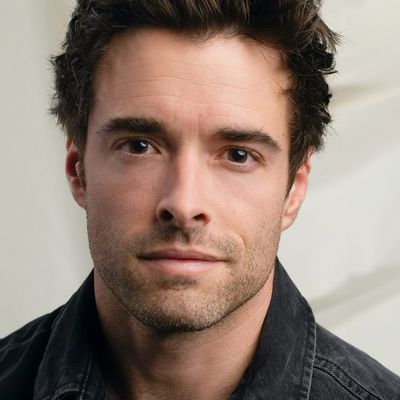
About
COREY COTT IS HERE AND IT'S BANDSTAND WEEK!!! If you haven't already heard.. the Bandstand film will stream on Playbill.com all weekend. Check it out! A portion of the proceeds are being donated to The Actor's Fund. A little light in the darkness or all of us. This week we sit down with Corey Cott. Corey is currently a bald father of two (JK he has the best hair in the biz he just shaved it for charity this week). Joe and Corey did Bandstand together at Papermill Playhouse and on Broadway. Corey has been seen on Broadway in FREAKING NEWSIES and Gigi. He's currently starring in his first series regular role in Fox's Filthy Rich which will premier later this year. He's been all over TV in shows like Law and Order, Public Morals, Madam Secretary, and The Good Fight. Corey and Joe met auditioning for summer stock in 2010 and thus started a friendship that has spanned a decade of marriages, kids, Broadway shows, and unemployment, culminating with sharing the cast of their first Original Broadway Cast, Bandstand.
Transcript
This transcript was automatically generated and might contain errors.
[0:10] Dan Tracy: Welcome to Guys Who Like Musicals.
[0:13] Joe Carroll: I know, but if you can't laugh, you cry.
[0:16] Dan Tracy: Wow.
[0:17] Joe Carroll: That's wow.
[0:19] Dan Tracy: If you, well, I mean, you could also do neither, but I like to laugh.
[0:22] Joe Carroll: Yeah.
[0:23] Dan Tracy: For sure.
[0:24] Joe Carroll: So an actor is saying his lines, and then out of nowhere, he just starts singing.
[0:31] Dan Tracy: Bossing Symphony.
[0:39] Joe Carroll: Don't cry for me.
[0:44] Dan Tracy: What's going on, Dan?
[0:46] Dan Tracy: Couple of family health scares, so that's not great, but um we're hoping, uh we're hoping that everything's okay.
[0:55] Dan Tracy: Um for anybody else out there.
[0:58] Dan Tracy: Uh I read that Patti Murin has uh...
[0:58] Joe Carroll: Yeah, we were texting this morning.
[1:04] Dan Tracy: She's posted on Instagram.
[1:04] Joe Carroll: Uh she's uh she's not feeling great.
[1:07] Dan Tracy: Yeah.
[1:07] Dan Tracy: Um, but just wanted to make sure that everybody knew that, like, you know, baby's fine, she's fine.
[1:13] Joe Carroll: Yeah.
[1:13] Dan Tracy: Um, you know, and just fighting it, you know.
[1:17] Dan Tracy: Like, I mean, it just ran rampant through all these casts, and we just know so many people that have had it and are fighting it.
[1:24] Dan Tracy: And it is, we've heard some really scary stories.
[1:28] Joe Carroll: Um, not worth sharing because they're personal, I think, but I think that everybody just needs to really continue to stay safe and stay isolated and listen to Guys Who Like Musicals.
[1:40] Dan Tracy: And uh most importantly, stream the Bandstand movie this weekend.
[1:46] Joe Carroll: Yes.
[1:47] Dan Tracy: Starting tonight.
[1:48] Dan Tracy: This is good.
[1:49] Dan Tracy: We're recording this Thursday night.
[1:51] Dan Tracy: We are going to... it'll be by Friday.
[1:52] Dan Tracy: By the time you listen to this, everybody, uh, it'll be out.
[1:55] Dan Tracy: The Bandstand movie is going to be streamed on Playbill.com uh for the whole weekend.
[2:00] Dan Tracy: So you pay $6.99 and then you can watch it as many times as you want.
[2:04] Joe Carroll: 14 times in a row.
[2:05] Dan Tracy: You can watch it 14 times in a row.
[2:08] Dan Tracy: And this is amazing.
[2:09] Dan Tracy: You'd think that we're a real news show, Dan, because uh this week we're talking to Corey Cott.
[2:15] Joe Carroll: We got Donnie Novitsky.
[2:16] Joe Carroll: He's here.
[2:17] Joe Carroll: That's he to a T.
[2:20] Dan Tracy: And we did it on purpose.
[2:22] Dan Tracy: Can we just say that we had this all scheduled?
[2:24] Dan Tracy: We knew, we knew this was gonna happen.
[2:25] Joe Carroll: That's right.
[2:26] Joe Carroll: We knew that the Bandstand movie was coming, and so we decided to interview the star on the week that that didn't happen.
[2:32] Dan Tracy: That's not what happened.
[2:33] Joe Carroll: That's not what happened, though.
[2:33] Dan Tracy: That's not what happened.
[2:34] Dan Tracy: That's not what happened.
[2:35] Joe Carroll: We got an email, uh, I think it was like on Monday, or uh, that um they they were gonna release the the film that we made of Bandstand.
[2:35] Joe Carroll: They were gonna release it on Playbill.com.
[2:46] Dan Tracy: We had no idea.
[2:48] Dan Tracy: Um, and we'd wanted to talk to Corey because he's a good friend of mine, good friend of the show, and uh just an absolute gem of a guy who likes musicals, and it just so happened that he was, you know, available this week and that the movie's coming out this week.
[3:01] Joe Carroll: It was a complete coincidence perfectly timing.
[3:03] Dan Tracy: It's like we're a real show.
[3:05] Dan Tracy: It's like it's as if we've been on for almost a year.
[3:10] Joe Carroll: That's uh it's coming up.
[3:11] Dan Tracy: I know, but yeah, wasn't this cool?
[3:13] Joe Carroll: We got to talk to Corey.
[3:14] Dan Tracy: Yeah, it was great.
[3:15] Joe Carroll: I so anybody who likes Newsies or anybody who likes television or handsome men.
[3:21] Dan Tracy: Well, and also because we are a totally professional podcast, we almost didn't get to talking about Newsies.
[3:26] Joe Carroll: Remember, I will get to what we, I will not take responsibility for that.
[3:30] Joe Carroll: That's a hundred percent my fault.
[3:32] Dan Tracy: But we got to the end of it.
[3:33] Dan Tracy: I was like, okay, we've been talking to him for about 40 minutes.
[3:35] Dan Tracy: We should probably wrap it up.
[3:36] Dan Tracy: And I'm like, hello.
[3:38] Dan Tracy: We haven't literally we haven't talked about Newsies.
[3:41] Joe Carroll: So thank God for you.
[3:43] Joe Carroll: I couldn't do this alone.
[3:44] Dan Tracy: Um we do get into all the Newsies stuff, which is really fun to hear about.
[3:48] Dan Tracy: Because he did just like he hopped on a rocket right out of school.
[3:51] Joe Carroll: Yeah.
[3:51] Dan Tracy: And you know, was standing by for one of the most difficult male roles to ever uh be written for the Broadway stage.
[3:58] Dan Tracy: And uh he was standing by for Jeremy Jordan, and then he took over and he did the role for two years.
[4:02] Joe Carroll: Totally.
[4:03] Dan Tracy: Um, and so that was, you know, obviously that's how a lot of people know him.
[4:06] Dan Tracy: Um, and then uh from Gigi and Bandstand and a million concerts and TV work, he's been on Law and Order.
[4:13] Joe Carroll: And uh the, I actually the, the um the show about Zelda Fitzgerald, I was really, I really liked it was on Amazon.
[4:22] Dan Tracy: It wasn't it just called Z.
[4:22] Joe Carroll: Was it called Z.
[4:24] Dan Tracy: Z, the story of everything, which I refer to in the show as Zelda.
[4:28] Joe Carroll: Yeah, yeah.
[4:29] Dan Tracy: Um it's really good.
[4:30] Dan Tracy: And that was one of his first um early, you know, early TV roles.
[4:35] Dan Tracy: Um I believe.
[4:37] Joe Carroll: Yeah, and then um, man, if you want to watch some heartbreaking, some good acting, watch his episode of Law and Order.
[4:44] Dan Tracy: Yeah.
[4:44] Joe Carroll: Because it is, it is really hard to watch as everything is on Law and Order, but God, he was so good.
[4:51] Dan Tracy: Yeah, he's great.
[4:52] Joe Carroll: Yeah, and so that was awesome.
[4:53] Dan Tracy: And now he's a series regular on a new Fox show called Filthy Rich, which he told us will be premiering later this year.
[5:00] Dan Tracy: Um and uh, you know, he's just, he's killing the game.
[5:04] Joe Carroll: The guy's just, I mean he's, he's and he dropped the bomb that he was, I mean, I don't even know if he's allowed to tell us this, but let them get to the end.
[5:13] Dan Tracy: We're not gonna say it either.
[5:15] Joe Carroll: Let's wait until you got, you have to wait until the end of the interview for one of the biggest bombs I know to be dropped.
[5:22] Joe Carroll: One of the saddest uh cancellations.
[5:26] Joe Carroll: One of the saddest uh pieces of hot gossip that has never happened that will not happen.
[5:32] Dan Tracy: But maybe it'll still happen.
[5:33] Joe Carroll: Hopefully it'll still happen.
[5:34] Dan Tracy: Hopefully it'll still happen.
[5:35] Joe Carroll: Um he gave us some hot tea, and so you gotta get to the end of the episode.
[5:40] Dan Tracy: Um yeah, I mean, it was fun for me because we got to talk about Bandstand, obviously, which was a huge part of both of our lives.
[5:46] Dan Tracy: But um I've also, I've known him for a long time, and he's just such a great guy.
[5:50] Dan Tracy: And so it's fun to kind of walk down memory lane, um, uh sit next to each other auditioning for summer stock and being able to sort of relive our time as 20-year-olds a little bit and be like, you know, here we are, uh almost 30, uh, slightly longer in the tooth.
[6:04] Joe Carroll: And uh, you know, I am uh and he's got two kids.
[6:09] Dan Tracy: And here we are.
[6:10] Joe Carroll: Life, it's crazy.
[6:12] Dan Tracy: It's crazy.
[6:12] Joe Carroll: Um, but he's, he's an unbelievable guy and a voice of our, God, his voice.
[6:17] Dan Tracy: It's just, do you remember listening to that YouTube video that he put out when we were like 21 of him singing uh Till I Hear You Sing from uh the Andrew Lloyd Webber sequel?
[6:27] Joe Carroll: Do you remember this?
[6:28] Dan Tracy: Oh man, this was like Santa Fe, though.
[6:31] Joe Carroll: So yeah, so uh live well, yeah.
[6:34] Dan Tracy: I remember he put out this version of him singing Till I Hear You Sing as a senior at Carnegie Mellon, and I was like, God damn it.
[6:41] Joe Carroll: That might have to be the uh segue, actually.
[6:43] Dan Tracy: Oh, okay.
[6:44] Dan Tracy: Actually, here we go.
[6:45] Dan Tracy: We're gonna segue right into that.
[6:46] Dan Tracy: Um Dan, you got anything else?
[6:49] Joe Carroll: Um, I just think the, you know, the, it's what it's, he's one of those people who has done so much, but also reminds you that even at the highest level, there's periods of time where you might not have anything to do.
[7:03] Dan Tracy: Right.
[7:04] Joe Carroll: You know, he did it.
[7:05] Joe Carroll: Yeah, he was unemployed a lot.
[7:06] Joe Carroll: He does talk about his bouts of unemployment, which you don't realize when uh when somebody just jumps from job to job.
[7:12] Dan Tracy: So it's always good to hear that.
[7:13] Joe Carroll: So, you know, obviously family planning and like planning for his future has always been something that was important to him.
[7:19] Joe Carroll: So he's done that.
[7:20] Joe Carroll: Um, but it's something to keep in mind for all of us because anything can happen, and sometimes there may not be jobs for you, even when you are, you know, established at the highest level, which is, you know, we all should learn our financial literacy.
[7:36] Dan Tracy: Yeah, exactly.
[7:37] Joe Carroll: Exactly.
[7:38] Joe Carroll: So we'll just get, we're gonna get into our interview with Corey and uh we're gonna put in a snippet of this, this video of him as a uh 21-year-old, maybe he's 22, um singing a B flat at the end of uh Till I Hear You Sing.
[8:18] Dan Tracy: Hi, Corey.
[8:20] Corey Cott: What's up, Joe?
[8:21] Joe Carroll: Hello, sir.
[8:22] Joe Carroll: Welcome uh to Guys Who Like Musicals, and thank you for being here.
[8:26] Corey Cott: Thank you for the... We were just joking before you got on that this is the earliest that we've done an interview throughout the age of coronavirus.
[8:39] Corey Cott: Uh definitely early in the day.
[8:43] Corey Cott: Yeah, like Dan and I are sleeping until at least 10 or 10:30.
[8:47] Corey Cott: Oh, was that my fault?
[8:48] Corey Cott: Because I was like, honestly, because I suggested this time.
[8:50] Corey Cott: Actually, I get up at eight, eight-thirty every day.
[8:53] Corey Cott: So...
[8:54] Joe Carroll: Oh, okay.
[8:54] Corey Cott: Well, great.
[8:54] Corey Cott: But I just is not usually like able to speak uh at this hour.
[9:00] Corey Cott: But I had a lot of coffee.
[9:03] Joe Carroll: Nice.
[9:03] Corey Cott: Yeah, well when you have two kids it's basically like this is the afternoon for me.
[9:08] Corey Cott: So exactly up six to five.
[9:11] Joe Carroll: Yeah.
[9:12] Corey Cott: Yeah.
[9:12] Corey Cott: Well you're done my morning reading.
[9:14] Corey Cott: I've had like four cups of coffee.
[9:17] Joe Carroll: Yeah.
[9:17] Corey Cott: Yeah.
[9:18] Corey Cott: Yeah.
[9:18] Corey Cott: Well that you're wearing a shirt that says Top Dad, which like in the Top Gun logo.
[9:23] Joe Carroll: So you just, you've fully embraced the dad lifestyle.
[9:27] Corey Cott: I mean you shaved your head.
[9:28] Corey Cott: You really let yourself go.
[9:29] Corey Cott: I have totally let myself go.
[9:32] Corey Cott: Um it feels great.
[9:33] Corey Cott: Uh there's no better uh there's no better situation than COVID-19 to just fully embrace dad life and let yourself go and it's great.
[9:44] Corey Cott: I will say I have tried to maintain some sort of activity physically just because I would be, I would go insane if not.
[9:50] Joe Carroll: Yeah.
[9:51] Corey Cott: And I'm living with my whole family and my brother and I are pretty similar in terms of our physical abilities.
[9:57] Corey Cott: So we've done a lot of bodyweight workouts and stuff because that's all we can do.
[10:02] Joe Carroll: Yeah, that's besides that.
[10:02] Corey Cott: Oh yeah, I'm fully full dad mode.
[10:07] Joe Carroll: Yeah, how are they doing?
[10:07] Corey Cott: I mean I know they're so little that they don't really know what's going on but I mean they're probably just excited that dad's home, right?
[10:15] Corey Cott: Yeah, yeah I think it's my wife's more excited that I'm home um than they are but but they're good.
[10:21] Corey Cott: Uh my youngest Nolan is uh eight months he turned eight months yesterday and Elliot's almost three turns three in a month.
[10:28] Corey Cott: Which is easy and so um yeah, because we opened Bandstand the same week he was born.
[10:34] Corey Cott: Um, but yeah, so they're good.
[10:37] Corey Cott: Uh Elliot, when we were, we lived in New Orleans in the fall, he was in a three-day-a-week preschool.
[10:43] Corey Cott: And so that's kind of, that's kind of um a different situation in terms of where we're trying to keep him stimulated and teach him, you know, he's not, he he wasn't in, we're not homeschooling or anything like that, like a lot of parents are right now, but we are trying to be on a sort of a certain level of like doing his letters every day and trying to at least do some sort of educational thing at some point as well as a physical thing.
[11:07] Corey Cott: Um so he randomly is like has a really good soccer kick, like he can kick a ball really well.
[11:13] Corey Cott: So we've been doing that a lot.
[11:14] Corey Cott: We went out in the yard and just like hit these uh hit these foam golf balls around the five.
[11:19] Joe Carroll: Kenny started with golf early, love that.
[11:22] Corey Cott: Oh yeah, his we're getting him a golf set for his birthday, like this little three, three clutch.
[11:26] Corey Cott: It's like it's like just a driver, uh uh like a wedge and a putter.
[11:32] Corey Cott: So I'm excited for that.
[11:33] Corey Cott: Um I can see him being one of those Instagram kids that like, you know, you're posting his swing to, to, you know, he has some like perfect like Tiger Woods golf swing when he's three years old.
[11:42] Joe Carroll: Oh yeah.
[11:42] Corey Cott: Totally.
[11:43] Corey Cott: The thing is I follow a lot of those golf accounts, as I'm sure you guys might too.
[11:47] Corey Cott: And um I'm already like yesterday I saw one there was a two-year-old who was on the range, like you know, slamming a driver 30 yards down the range, and I looked at Megan and I was like, he's behind.
[11:58] Corey Cott: He's behind, he's almost three, and he's not, we gotta get going right now.
[12:03] Corey Cott: Um so uh yeah, we're, we're obviously wanting him to do whatever he wants to do, but I we're trying to expose him to all those things as early as possible.
[12:12] Corey Cott: Just because that's what my parents did, and it's been really fruitful for my life that way.
[12:16] Joe Carroll: Yeah, yeah, because you're one of these guys that that likes a million things.
[12:20] Corey Cott: Um, you know, I would say like as far as activities and and you know, hobbies and you know, every, every other, every other week it felt like it was like you're a member of a coffee club.
[12:20] Corey Cott: You're a member of a whiskey club.
[12:31] Corey Cott: You're a member of, you're going to like you have like, it was like, you know, so I can get it.
[12:36] Joe Carroll: Yeah, there are a lot of, I wonder if that's like a Midwest thing because like there there's this, this well-roundedness that is just ingrained and I maybe it's not just in the Midwest but I sure you can attest to this uh Dan where are you from are you from the Midwest?
[12:36] Dan Tracy: I'm from Rhode Island but it's a similar thing.
[12:55] Corey Cott: Okay.
[12:55] Corey Cott: Yeah maybe it's an American thing.
[12:57] Joe Carroll: I don't know.
[12:57] Corey Cott: I, I don't know what it is.
[12:59] Corey Cott: But there's a lot of things I think it's good parenting I think it's good parents like good parents it's a j maybe it's a generational thing too maybe are maybe millennials are just this idea of like liberal arts is ingrained in our DNA in a way of like try everything and see what you like.
[13:14] Joe Carroll: Totally and you'll get into a better college and yeah.
[13:18] Corey Cott: Right.
[13:19] Corey Cott: Do every single after school thing and get it on your resume so that you look good for college.
[13:24] Joe Carroll: But they're also, it starts from an early age.
[13:26] Corey Cott: But but I think there's something really good to that.
[13:28] Corey Cott: And in fact that's why I Michigan, Michigan University of Michigan was one of the programs in the schools that I was really excited about applying for and auditioning for because I think they do that really well even with their concentrated majors I remember being like oh they're they're they're forced to to do a lot of different things it's not just sitting in an acting class all day um so uh regardless that's like something we're trying to do I guess and something I like to do in my life is be involved with a lot of things.
[13:57] Corey Cott: I think it makes you just a better person, you know, and you're more able to see other people's point of view, but also just learn things about the world and yeah.
[14:08] Joe Carroll: Yeah.
[14:09] Corey Cott: Yeah.
[14:09] Joe Carroll: Yeah.
[14:10] Corey Cott: Yeah.
[14:10] Joe Carroll: No, totally.
[14:12] Corey Cott: Um, and how did they do? I mean, I kind of we'll jump all over because I have a million questions obviously. But how did this transition to New Orleans, if we truly start like at the end, because we're gonna talk about Bandstand, we'll talk about news and we'll talk about college and we'll work through, you know, all this stuff because I want to ask you all of it as I have before, but like it'll be fun to kind of do in a formal setting. Um, but how was this transition to moving? I mean, your first TV show, your first series regular TV show, you guys just shot, you finished up season one, you had to move the family to New Orleans, you know, shooting this big cool thing for Fox. How did that all come about and how was that transition?
[14:53] Corey Cott: Mostly personally. I mean, just it felt like it was crazy. You know, one day you were living five blocks from me in New York, and the next day you're like, all of our belongings are in storage and we're moving to New Orleans.
[15:04] Joe Carroll: Yeah.
[15:05] Corey Cott: Yeah. It's, uh, well, so the actor's life is just so volatile and so bizarre, and it takes a special person to get used to that. And it's sometimes it's just by, it's not by choice, it's just how it goes. I mean, one day we're, yeah, sitting in Harlem, unemployed, just going to auditions, and then the next day it's, yeah, we're, and basically three weeks later, it's like, yeah, I'm moving to New Orleans for at least a month, and then maybe in the fall for six months. So basically, you know, I did it, it was just pilot season and I auditioned for this pilot called Filthy Rich, about a year, it was, yeah, over a year ago. And I was, I was initially, I read the script and liked it and liked all the, you know, the people involved with it.
I thought it was a great team. The guy who created the show is named Tate Taylor. He directed The Help and Girl on the Train and a lot of big feature films. And so, but I always just go into it like every other audition that we all go to. I wasn't thinking anything in particular about it. I did think it had a singular voice to it, which I think pilots and pilot season don't always have. I thought it had a really unique point of view and thought it had something to say and based off of something that was very successful, right?
[16:29] Corey Cott: Yeah, it was based off this new New Zealand show called Filthy Rich, which is similar in very, very few ways. Basically, the bare bones of it are similar, and but it was successful in New Zealand. I actually never watched it. Um, just I just never really made it.
[16:44] Joe Carroll: Yeah.
[16:47] Corey Cott: Yeah, I just didn't really feel any sort of, I heard pretty quick early on that we that it was so different that we didn't really need to watch it. Um, or we could if we wanted to, but we didn't need to for inspiration purposes or whatever. Um, so I, yeah, so then I auditioned for it and then, you know, go through the typical, uh, yeah, they liked your tape and these things can have, as I'm, as you guys know, they happen so fast. Like one day it was about 8 p.m. Um, I had auditioned for it in just in the casting office two weeks prior and was just going through life, and then my agent and manager called me and say, "Hey, um, at 8 p.m. or 9 p.m. Eastern time, they're like, we need you. They're gonna probably, if this deal works out, they're gonna fly you to LA tomorrow to test for this."
Um, which for those of you who don't know, uh, listening at home, a test is basically where the network and the studio bring actors in front of the executives to basically put you through the ringer to see if that everyone approves or whatever. And so, um, I was also in rehearsal for the Scarlet Pimpernel concert at Lincoln Center, and so basically I had to be like, okay, sorry, I have to miss rehearsal for three days to go to LA if this happens. And it's also a weird thing business-wise, because they were kind of negotiating the next day all day long, and there was a point where it was like, nah, it's not gonna work out because, you know, the deal's not good enough, and then the next moment was like, yeah, it is, and then it's not, and preface this by saying I hadn't really booked anything since the fall of 2017.
So I was really, really excited about the idea of booking something. Like I had just, I had worked a little bit, but it was just stuff that I sort of had made for myself or relationships that I had already, you know, garnered in my career. So I was excited about the idea of a new possibility. So then, yeah, so then I, you know, long story short, went to LA, got it. We shot the pilot a year ago, the pilot did well, and then we got picked up for series and we shot the whole series, the whole first season in the fall. And as of right now, I think I can safely say we will be premiering at a later date in 2020.
[18:57] Joe Carroll: Perfect.
[18:58] Corey Cott: Um, that's all I know as of right now.
[19:02] Joe Carroll: Um, so as a later date in 2020, yeah.
[19:05] Corey Cott: Well, that's super exciting. Um, it's really weird to see it. Joe and I both got to read that pilot, and we both had that same reaction that we thought it was super strong and specific and really great. I also, I mean, we've both known you were a great. I saw you as Jack Kelly in Newsies on Broadway, which I was like, who the hell is this kid? You were so good.
[19:27] Joe Carroll: But in the case, is that when we first met?
[19:29] Corey Cott: Actually, I believe that we first met in the elevator at Telsey, which is very annoying that the elevator is the case when I was like, well, hey man, I just saw you at D and Stand on Best Friends with Joe, and you were like, oh yeah, Joe.
[19:40] Joe Carroll: Right.
[19:40] Corey Cott: That's right, we're right, we're right.
[19:42] Joe Carroll: Yeah, yeah, yeah.
[19:43] Corey Cott: Okay, I think I remember that now.
[19:45] Joe Carroll: But I think I may have.
[19:46] Corey Cott: Oh yeah, it was new Telsey.
[19:48] Joe Carroll: It was the new Telsey.
[19:49] Corey Cott: Yeah.
[19:50] Joe Carroll: Um, but that was just a, you know, just an elevator ride. But um, you were also amazing in, um, in Zelda and uh, how has that transition been for you? Do you feel like you were always prepared to act on television, or was that something that you felt was an adjustment for you?
[20:10] Corey Cott: Um, it's a huge adjustment for me because I like to be in control and I like to, I'm like, I'm pretty type A when it comes to preparation and performance. And the hardest thing for me is to feel prepared enough where I can just let go. And television is, as you guys know, um, specifically television, because I can't really speak to film because I haven't really done much film, but television, there's no, uh, basically no rehearsal, and even doing a series with a character that you're playing over the course of an arc, I mean, it's the same thing. I mean, we get there, any preparation is on you. Um, any, uh, any sort of ideas, what you want to put into the work, and it's basically all in the moment.
There's very little preparation and even with scripts, like there were a couple moments this first season where we got our script at 10:30 on a Sunday night, and I was shooting at eight the next morning, like three emotional scenes in a row that required me staying up to fit because the writers are changing it. There's so many voices with a network and a studio, and you know, uh, Ron Howard's a producer on Filthy Rich. So his team had ideas and notes, and there's a lot going on that requires change, and you just have to be ready to go on the roller coaster ride and trust the material and trust your team in the moment. So, um, in that sense, that's a long-winded answer. I'm not, I'm not used to that yet.
And I don't know if I I'll ever be. Um, I just also theaters are home. So that's where I learned how to do all this. And so it in some ways it's very similar in terms of the fundamentals. What do you want? What do you hope to gain? How are you gonna be different from the beginning of the scene to the end of the scene? What is, what's your obstacle? All that technical stuff is the same, obviously, but the other technical stuff of like, yeah, hurry up, hurry up and wait, and then we're just gonna do it. And you get three takes on your coverage, and maybe, maybe three takes, and then we're turning around and then it's, we're the scene's done forever. You know, that to me is so foreign. It's still so foreign. So I'm trying to grapple with that, and it's been a good lesson doing more TV of just trusting myself and trusting that I have your first instinct the ability to do it.
[22:35] Joe Carroll: Yeah, do you feel fine that you're bringing more of yourself to it because there's sort of less time to prepare a character?
[22:43] Corey Cott: Yes, that's true. Yes, definitely true. Also, what Joe said, going with my first instinct, like if I, my snap judgment, um, that book, Malcolm Gladwell book, Blink, has weirdly been more in my thought process the past year because I think there is something to like the first, the first thing you discover or read when you're reading a scene is important. I think there's something there that's especially if you've known the character and really understand where the character's coming from, but also being unafraid to try things in a take and try things that you don't tell anyone about. Um, you have to kind of read the room and read the team and read your scene partners and going, is this gonna be okay if I try if I take a risk here and try something that's not that we haven't done already?
Um, because some people aren't gonna be cool with that. And there were moments where I tried stuff that did that totally failed and created a not a great energy in the room. And um, and so you kind of have to learn by that going, okay. This is if I'm with this person again and in this situation with this director, because you have different directors in TV too, you know. Um, I'm not gonna do that. But then when this other director's back and I'm with this person, it'll be open to take some risks and do some things that might not be expected. So it's another thing that you can't really teach that. That just comes down to kind of figuring it out in the moment. Um, but I love that stuff, you know, the playfulness of it is great.
[24:09] Joe Carroll: Yeah, well, and I think it's, moving backwards too, because we could sit here and talk about Bandstand for two hours or an entire day. Um, it's kind of exciting because we, I wanted to talk to you, we wanted to talk to you, and we had absolutely no other reason to want to interview you besides just like, hey, this is one of my best friends. We did this show together, sure. He's amazing, and we'll just, we'll talk for, you know, an hour about Corey's life. And then just this week, it's like, oh my god, the band's doing something actually, yeah.
[24:39] Corey Cott: Yeah, we have actually something to promote, um, which is amazing. Um, and so we can sit here and talk about it a lot. But, um, but back to your preparation. One of the things that I remember from that the Bandstand process, you know, you were leading this company. Um, and I've told you many times, but I'll tell you again, leading that company with such grace and such unbelievable leadership. And you came in the very first day, and it was like, okay, you know, especially for Broadway, even before Paper Mill, it was like, you know, here's all these books I read. Here's all these articles, here's all the things that I could find about World War II, about PTSD, about swing bands, about music, about, you know, all of this preparation.
It was just, it was endless. I mean, it was just books on books on books. It was all of these things that you threw into creating Donnie and threw into leading this, you know, leading our show. And so I can imagine with that type of work ethic instilled that going onto a TV set, you know, you're, it's a complete, it's like flying without a net. You're like, where's my, where's my net of all of the hours of work that I put in?
[25:43] Corey Cott: Right, right. And that's, uh, that's another thing that I love about our craft is that there are, and I think that might, I think that might be also a symptom of conservatory training sometimes is there's this notion that you have to do all this work. And I, uh, nine times out of ten, I'll say that. I'll say it's necessary. Um, I think you do. I think that I think the work is really, really important, but you also have to learn to let it go and not show the work, and also, um, sometimes not, you don't need to do the work. And, and I, uh, sometimes you gotta just say the times, yeah.
[26:26] Joe Carroll: Yeah, sometimes just showing up is all you can do.
[26:29] Corey Cott: Sometimes that's all that's required. I mean, I've been telling this story more, but I read this story that Tom Hanks said, uh, I read an article that Tom Hanks talked about where on Captain Phillips, there was this moment in the script where he gets rescued, and he looks in the script, it says, you know, he, the character looks, uh, longingly out of a porthole in the rescue boat, uh, at the sunset and like has an emotional moment or something like that. And then Tom Hanks got to that day where they shot that moment, and there was no porthole in the rescue boat, and the entire moment that he had prepared was completely different and not, uh, not even in the movie anymore. And so there's this like, there's this always developing idea, especially in film and TV, you have things changing at all times, and you have to be willing to go with it.
And so for me, and being a conservatory trained person, a work ethic instilled by my parents, a Midwest kid of just like, uh, trying to be humble and grounded to a fault sometimes where you don't even know how to take a compliment and don't want to ever like get in anybody's way. It's tricky to show up confidently and go, yeah, I'm enough right now. Like I don't need, um, I don't need a book to show that I know how to play the scene or say this line as honestly as possible. So, and that's a, that's a thing that comes, and so that's, that's been a journey for me is something like Bandstand. I think it was required of us to know as much as possible about that historic era and know how to play those people with integrity that way.
[27:52] Corey Cott: But there's gonna be characters we play where it's like, I know this guy, I don't really feel like I need to do any preparation, and that's the latter is much harder for me.
[27:59] Joe Carroll: Yeah, yeah.
[28:00] Corey Cott: When and what do you what do you remember? This is a horrible question, but I'm not really a professional interviewer. Um what do you what do you remember? What do you think, Corey? What do you remember most about our time doing Bandstand? What do you what are the memories that and the sort of like highlights from that time for you?
[28:20] Corey Cott: Um the first thing that comes to mind is just the freaking like I've I very I very rarely have laughed as hard as we did during Bandstand. I think that's I mean consider thinking about just I think about being in tech at Paper Mill and being in tech and Broadway and just being in those rehearsals where we're just just hanging out and chatting and getting to know each other. I just very rarely have had that kind of camaraderie with other other guys and girls, but you know, most of us were we're dudes. So just laughing so hard at the stupidest things.
[28:58] Joe Carroll: Yeah.
[28:59] Corey Cott: Um that to me felt really authentic and authentic in a way that I think actually weirdly was um helped our show. I I think we just had such a such a good rapport between the core group of us that it made it so much more fun to go to work. Um and I think that developed at Paper Mill and then it carried on over the course of two or three years to the point where we can get on Zoom and it's like we never even left. And we all totally had a Zoom call like three days ago or two days ago, and it was like we were back in at the Jacobs Theater just hanging out. Um but also when you're in a part of a band, I've never you've been a part of a band, and I'd never been a part of a band like and had a uh uh making music that way too.
We just had so many layers of um collaboration, I guess, that we the fun, the fun just the sheer fun of hanging out was my biggest memory. But then also those really, really good moments we had when we figured out scenes, um where we sat down and chatted about them for we also cared so much about the show, but even even on lunch and um in in between months of not working on the show, we still found ways to to get together, talk about the show, have brainstorm ideas what would make it better. Like we all collectively cared about the show. Those moments I I I think about really richly. I don't weirdly think about the moments of doing the show as much as I think about the times off stage together just laughing and hanging out together and experiencing life.
Like between Jeff and you and I guess you got married a little bit afterwards but we all went through major and my me having a kid and um there we all went through major life moments through that show too.
[30:47] Joe Carroll: So a lot of people had kids during that show. You know there's when you go through life those are the things you end up thinking about more than I mean obviously there's great moments doing the show as well. But yeah those are I don't know what do you what do you think?
[30:56] Corey Cott: Well Ellie I completely I completely agree. I just I wanted to to for you to I think people would love to hear the Elliot story a little bit because Elliot is the is the classic Broadway baby.
[31:11] Joe Carroll: Yeah we were we were in uh we were in previews or were we were we in tech and then he was born first preview or he was born the night after day after opening or something? I forget now.
[31:21] Corey Cott: He was born um May 1st and I think we opened the show was it the 28th 20 the 26th or the 28th one of those yeah, those days right before the end of the the Tony deadline, which is like end of the over the years, yeah, right, right. Over the years, it's become this story that he was born on opening night, which is not true. Um, he was born, you know, usually women a lot of times women are are late on their first uh baby. So we kind of got the sense he was gonna be late. Our doctor said basically, if uh if he's not here by Saturday, our uh our day off was gonna be Monday, right? So we opened on a Wednesday, we had the day off Thursday, and then we did a Friday night show, two Saturday shows, and two Sunday shows.
And on Thursday, she said, if he's not here by Saturday or Sunday, we'll induce on Sunday night so that you can he'll be born on Monday. So that so yeah, so we did those shows on Sunday night. I went right from the theater to Meg was induced, and then Elliot was born at 6 p.m. the next day on Monday.
[32:27] Joe Carroll: Wow.
[32:27] Corey Cott: And then we sh we recorded the cast album on Tuesday and did a show on Tuesday night.
[32:33] Joe Carroll: Yeah.
[32:35] Corey Cott: Yeah.
[32:36] Joe Carroll: That's wild.
[32:37] Corey Cott: Yeah, I don't know if it gets any crazier than that. That's uh it was it was crazy. That was a crazy time. And then I had to miss the show, the Matt and Ann Wednesday because my voice was just completely tanked. So yeah.
[32:48] Joe Carroll: Because you had a child.
[32:53] Corey Cott: Yeah.
[32:54] Joe Carroll: Oh man.
[32:55] Corey Cott: Yeah, yeah.
[32:56] Joe Carroll: But like that's the thing. I was just I even amidst that I like truly did not want to miss the show. Like, that's the crazy thing is I I looked back and Meg and I have had to have some some therapeutic conversations amongst us about that because she in a way she started to she she did feel like I not that I abandoned her, I had responsibilities that I totally I couldn't miss. But there's this feeling of like I was alone in that time, and I think she's right because there there is this nature of the show must go on, and like I can't the old school idea of like I very much buy into that of like I think you guys do too. It's like I want to be there. I don't want to like miss I want to do my thing and even even with the kid it's it was it was a tricky it was a trying experience to be like I can't do I I only can do so much.
[33:43] Corey Cott: Yeah and I but I think it is interesting that a lot of people you know go through that in different work you know you have people go to work and people you know we're we live in a we don't live in a society that gets you know where everybody gets you know paternity leave and you know people have to go to work so I I I totally understand where she's coming from and where you're coming from it was just an unbelievable time. I mean to just like it was you know how and the way that you guys like in the cast like I I've never felt so much speaking about like our time our brotherhood we had like I've never felt so supported it was just we still have all this you guys signed a bunch of diapers and the cast wrote you guys wrote like notes for every year he's of his life until he's 18 and we still have all those letters and we're gonna open them every year for the you know the right number and there's yeah it's just we'll always think of Elliot's birthday with Bandstand.
You know and that's like that that's just an amazing part of what we do is in in the volatile uh times of employment unemployment you could still look back up your life and be like oh at that age I was doing this show and rather than 35 years with the same company at the same exact desk you know like there's something exciting about oh yeah when Elliot was why we do a Bandstand and always we thought of him as the Bandstand baby still.
[34:36] Joe Carroll: Well and I I loved like like you know especially Jonathan Shue who was your understudy. I've never seen an understudy want to want to want to get it right more. Cause he was like, like, we showed up at rehearsal and it was like, okay, listen, Jonathan. So Corey's gonna have a baby, and it's probably gonna be in previews or right around opening, so be ready. And he was like gonna go on. I got it. I got it. Like, yeah, had total impetus to learn his learn his lines.
[35:20] Corey Cott: Yeah, yeah, exactly. Well, that was a good way good thing too. Because I remember when we got a theater in October or whatever it was, October of 2016. I remember emailing everyone, all our producers right away and being like, Hey, this is awesome. Just so you know, uh my child is due the week of openings. So, and they were all like, Congrats, that's great, and then getting down to it, it was like, oh, wait, no, this is a real thing that we have to be aware of. So it was amazing that Shu is so uh game to be ready way ahead of schedule.
[35:49] Joe Carroll: Totally.
[35:49] Corey Cott: He definitely saved my butt. Well, it was super cool. And I mean, there's you know, I remember I remember all the same things. I I've never laughed so hard doing a show, and I think I've never I've never been a part of a process that was so long. I mean, from from the first reading that I did to the Paper Mill tryout to then spending two years basically, like, are we gonna go to Broadway? Are we gonna go to Broadway? To finally having everything work out to endless text messages, endless phone calls, like, is this gonna happen? Is this gonna happen? And then it finally happened, and then it was over. And it was and it was really like it just like that, and you're like, Oh my god, I poured so much of myself into this thing, and now it's just gone. And I'm so glad that we filmed it, not because I wanted it to be a movie necessarily, but just to have something to hang on to to be able to see what we did, you know.
[36:42] Joe Carroll: Yeah, because that's the the beauty, the beautiful thing about theater is it does just disappear in front of your eyes, like you know, but you know, I'm glad that we get to see it and we get to see it this weekend.
[36:52] Corey Cott: Yeah, it's amazing that it's been immortalized that way. Um, but that's just like this this tension in art is that it's there comes a point where it's it has to it has to be it has to be complete, I guess, in the sense that it's done. It's it's not you can't you can't you you can finish it and the piece is done and you have to let it go and let it be what it was and let the experience be what it is, and um for something like the medium like film and and it it's incredible that it can be uh immortalized in that way forever. Um so whereas theater usually is unless it's you know archived in Lincoln Center or whatever, is just it happened and then whoever saw it experienced it, and that's what it is. And there's something really cool to that too. This idea of like, yeah, we all experienced this live thing that no one can ever see again, but we all experience it and it's in our memory. But it's even better when we can experience it over and over again like this.
[37:51] Corey Cott: And that's the beautiful thing about the show too, is kind of always felt like the show that it could like there, there was always uh we just never knew it was never a sure thing that we were gonna come to Broadway. It was never a sure thing that we were gonna last that long. It was never a sure thing that anyone was gonna come see it. And then it was there were always positives out of that. I mean, we we got a theater, we got a theater at the last second. The last second. Um we were always the underdog, you know, which is very apropos for the show. It's about an underdog, and we felt like that. And then we were the underdog, you know, all through through all the awards, which are are dumb, and of course, but the fact that we actually won a cup or one one, yeah. Um we're officially a Tony Award-winning musical was like the most the biggest morale booster in the world, you know.
[38:37] Joe Carroll: Totally.
[38:38] Corey Cott: Um and and then, you know, we we our our run was cut short, shorter than we wanted, but then we got to film the movie, and now the movies out. It's like all these milestones of we didn't we didn't know, but now we're we're around and people can still see it, and it's it's really exciting. I'm I'm really excited that people are, especially right now, that people can watch this thing this year.
[38:58] Joe Carroll: Yeah, and so now it just to jump all the way back because I wanna my favorite story about you ever, and I tell I tell my students this, I tell friends this, I've told a million people this story, but uh that we met auditioning for Summerstock in college.
[39:14] Corey Cott: Yes, sophomore year.
[39:15] Joe Carroll: I did. And we're sitting at the West Virginia Public Theater auditions in Pittsburgh, and uh and we're waiting to go outside. And if anybody has auditioned for Summerstock, you know how stressful that is. And if you haven't, basically it's a massive cattle call where just hundreds of people are sitting in hallways, uh, you know, with their binders for eight jobs with their binders trying to sing their best 16 bars. And I sat down and I'm uh, you know, all stressed out in my in my like you know, Paisley button up shirt or whatever. And um, and Corey sits down next to me and he says he turns to me and he says, Hi, I'm Corey. What's your name? Like we're on the playground, like we're like we're eight years old on the playground.
And I looked at him kind of like he had three eyes for a second, and he was just like, I I'm Corey, and and I go to Carnegie Mellon, and and I was like, I'm Joe, and I go to Michigan. He's like, Oh, that's cool. Where are you from? Like it was like it was like the first day of first grade or something.
[40:16] Corey Cott: And yeah, that is in who you are through and through. You are friendly, you are open, you are so kind. And I was like, and I was like, man, and I had that moment, and I've told you this, but I would say it again that I was like, I think I'm gonna know this guy for a long time.
[40:32] Corey Cott: Well, I have a feeling so there's my side of the story too, because I do remember that. And the weird thing is I don't remember meeting people all the time. Um I have a bad memory that way. But two, usually at auditions, I do not do that. I keep to myself, I do not like to talk to people. I have this stupid, stupid thing that I hate inside of me that's like feels competitive, and I just I it I I just shut down a lot of times and try to try to stay focused. I guess there's some good parts to it. But so I remember seeing you, and just by your energy and by your by you, I don't know what it was, but you just seemed like a good guy. I don't and that sounds really strange, but I I just kind of in in snap judgment instinct, I guess, just was like this guy just seems to really like it.
Just seems like we get along just by I guess looking at you. I don't know what it was, and and I it's weird because I don't remember that kind of stuff very much, but I do remember just being like, This this guy just looks great. And yeah, that's and and uh and then we started dating and we got married, and it was it was yeah, we had a we so I don't know what it was, but yeah, and and I guess maybe in the moment I was I'm sure I was really nervous and wanted to just uh get my nerves out by talking to someone or something, but that's that actually tends to be thank god we met.
[41:58] Corey Cott: Yeah, and it was like that idea that you meet somebody at 19 or 20, however, I think we it was like we were 18, 19 years old.
[42:08] Joe Carroll: 2010.
[42:09] Corey Cott: And then just these little milestones, and you know, all of a sudden, you know, then we kind of lose touch. Stay in, you know, contact over, you know, like Facebook or whatever. And then right after graduation in, you know, you we both we kind of both we both won the won the lottery.
[42:29] Joe Carroll: You know totally.
[42:31] Corey Cott: And I joined the cast of Once and you joined the cast of Newsies. And we just kind of were like walking around Glasshouse or something and it was like wait a minute Corey like you're on Broadway.
[42:43] Joe Carroll: Joe, you're on Broadway.
[42:44] Corey Cott: Whoa. How did that happen?
[42:46] Joe Carroll: I know.
[42:46] Corey Cott: From auditioning for Carousel at West Virginia Public Theater at age 19.
[42:51] Joe Carroll: Right.
[42:51] Corey Cott: Right. I know it's unbelievable. And like how and that was another thing.
[42:56] Joe Carroll: Yeah we've kind of been in a lot of ways on very similar journeys.
[42:59] Corey Cott: Yeah. Um which and we have and also we have a lot I think we have a lot in common outside of theater too which is which is great.
[43:06] Joe Carroll: Totally and then back and so then we'll just again with the jumping to like what how did you find musical theater? How did all of this really start?
[43:11] Corey Cott: Because I know that you've been singing forever but like how did it really how did how'd you really find it? Yeah I like sang in church and stuff growing up and uh was in choir in school and took piano lessons when I was really little um and and then I just I did some plays in elementary school and and stuff but uh basically I got I was always doing sports and then um I was never that great at sports.
[43:38] Corey Cott: I was adequate enough where I never got cut from a team or anything but but I was never contributing anything I was kind of riding the bench most of the time.
[43:46] Joe Carroll: I was so adequate at sports.
[43:47] Corey Cott: That's an excellent at like an excellent sports analogy. Like I was adequate.
[43:51] Joe Carroll: Yeah.
[43:53] Corey Cott: Yeah. Now great. Not not significant. Not great. Not probably not even good.
[43:59] Joe Carroll: Like I wouldn't even say good.
[44:00] Corey Cott: I would just say just adequate. Could could I coordinate it, but not great.
[44:05] Joe Carroll: Also never felt like never felt um inspired to practice that hard.
[44:11] Corey Cott: I just kind of was I would do the do what I needed to I guess.
[44:16] Corey Cott: Anyways so the eighth grade my friend asked me to audition for Les Mis this community theater production of Les Mis and and I auditioned for it and I was just hooked after that.
[44:26] Corey Cott: I did I everything I possibly could. I also just felt I wasn't even that good at it at the time.
[44:32] Corey Cott: I just for some reason it was a passion was ignited. I just wanted to be I don't know I just wanted to tell stories and I wanted to sing and act and I um I think I had some natural ability but I certainly I go back obviously we go back and watch ourselves and it wasn't like I was some genius or something.
[44:49] Corey Cott: I mean the kids now that are I'm teaching are are that are my age when I started are unbelievable.
[44:56] Corey Cott: I have no clue how good kids have gotten these days.
[45:00] Joe Carroll: But yeah it's not so modesty to be like they there are kids coming through right now that have way more access to to information and who are just way more talented at 16 than oh yeah yeah I don't I I couldn't hang you know oh no not even close um yeah so I just did every single play musical uh I I could in the area and I was I got really really just passionate about it and obsessive and ambitious and I I would go on you know Broadway.com every day and Playbill.com every day and looking to see all the different shows that were on Broadway.
[45:35] Corey Cott: And um I remember, yeah, I I just I I was obsessed.
[45:35] Corey Cott: I was obsessed, I think probably like you guys were too.
[45:42] Joe Carroll: And then um that's the biggest difference is that it wasn't about, you know, it's not about natural ability.
[45:48] Corey Cott: Like I I feel the same way if I if I were to try and take one of my high school productions of Troy Bolton, of which I did two, and send them to the Jimmy Awards.
[45:58] Joe Carroll: Yes, you did.
[45:59] Corey Cott: You know, I would have gotten laughed off the stage at the Jimmy Awards.
[46:02] Joe Carroll: You look at those kids and they're so good, but that's not what it's about.
[46:04] Corey Cott: What it's a what's about is like that my parents were able to see that I was actually ignited by this thing that made me actually passionate enough to be where I am now because like that's the only thing that really matters, even more than how good you are at any single point in your career.
[46:21] Corey Cott: It's like how much you actually care about what you're doing, so that you will do that work that's required of you to actually like get to where you need to get to.
[46:28] Joe Carroll: Right, right, exactly.
[46:29] Corey Cott: And that's a huge thing you just said, Dan.
[46:31] Corey Cott: Um, my parents the amazingly miraculously supported me through all of it.
[46:39] Corey Cott: They paid for all of my auditions in high school, or not, I mean my we didn't have to pay for auditions, we had to pay to be in the shows, you know.
[46:39] Joe Carroll: We had to pay for ads in the program and uh we I didn't know they're total high school.
[46:53] Corey Cott: Right, right. They drove me around everywhere to voice lessons, they paid for my voice lessons, they they did everything to support me, and um I will always be eternally in their debt because of because of I mean for many reasons, but certainly because of that, because they suffered through some bad shows, like some awful, awful awful productions of uh whatever it was.
[47:16] Corey Cott: So um, but that was just the journey to get here, and there's it's yeah, that's a huge part of it.
[47:23] Corey Cott: But yeah, so I I just did everything in high school I possibly could and had that chat my senior year where I was uh convinced them to let me audition for colleges and they were sort of on board but you know once I got into Carnegie they were they were very much they were all in on on it and um saw how like you know competitive it is and stuff and yeah it it it's paid off a bit but um they they were a huge if not the biggest part of that journey for sure totally what do you remember about Carnegie what was what was your college experience kind of like you know we've talked about we talked about it a little bit because we both went through this process sort of in in tan again as our lives are in parallel it was like I really wanted to go to Carnegie and didn't get in you really wanted to go to Michigan and didn't get in and we came out on the other side and it came out on the same you know on the other side like you know we we made it we're gonna be okay but I I always wonder what that what what's it like behind the hallowed walls of Carnegie Hall or Carnegie Mellon.
[48:20] Corey Cott: Yeah Carnegie Hall, Carnegie Mellon Yeah exactly same family right same guy right um they uh Carnegie was like I said like I was describing my process before um I just I I thrive in a I thrive in that kind of environment.
[48:20] Corey Cott: I thrive in a structured uh college overall was just a really good place for me.
[48:48] Corey Cott: Um I grew a lot I uh I just learned one I learned about myself so much that in a ways that I had I never even considered as we all do but all of a sudden you're forced as an individual to make choices that that you didn't uh have to make before about um okay little little things but also big things like what am I gonna do today to improve my my skill set what am I how how am I going to approach this project you know you're forced to to make individual choices so much more than you were before you went to college so that was a huge thing but also just learning about acting I I didn't know I didn't know how to act I just you just act when you're in high school you just like do it you know you don't think about breaking everything down at least I didn't I just go off my instinct and made choices that felt right um so I learned so much about that and I love that that has not gone away I just love as as you guys do too just love the craft and I love the idea of creating character and breaking down scripts and all of those things and uh that was really successful for me at school because that program is very they'll say it I mean we're an acting program and then there's some people who come here also sing and dance but we're not um it is a musical theater program and it is but it with uh a focus on on acting and so I uh I thrived really well there.
[50:10] Corey Cott: I I loved it I loved being in a structured program like that.
[50:13] Corey Cott: I felt really proud to be in a school where all these successful people um went uh and uh yeah we just had also just access that there's this thing when you go to these these these conservatories that are have been around for a long time and have alumni associations that you you can open some doors that you might not be able to um if you didn't go to one of those places.
[50:36] Corey Cott: So it's not a golden ticket to success in any way but of course you can um leverage it to your to your you know um to help your career in ways if you want to so yeah, overall it was great.
[50:48] Corey Cott: Um absurd and insane and crazy in some ways.
[50:51] Corey Cott: Uh, but at the same time, it was just I it was a phenomenal experience overall for me.
[50:57] Joe Carroll: Yeah.
[50:57] Corey Cott: Yeah.
[50:57] Joe Carroll: Totally.
[50:58] Corey Cott: As I imagine yours was too, right?
[51:00] Joe Carroll: Yeah.
[51:01] Joe Carroll: I mean, I mean, yeah, Michigan was amazing.
[51:03] Joe Carroll: It was it, but I it was one of those those times that you kind of look back and it's kind of a crappy question, you know, what did what did you love about college?
[51:09] Joe Carroll: And it's like, well, I loved everything about college because I didn't know anything.
[51:13] Joe Carroll: Like I showed up kind of similarly.
[51:15] Joe Carroll: Like, you know, you really you don't realize how much you don't know until you show up in an acting class and you're like, oh God, I don't know anything.
[51:23] Joe Carroll: I thought I was a really good Tevya when I was 17.
[51:26] Corey Cott: But like because I was, I mean, you know, totally I'm sure you were up to just phenomenal Tevy.
[51:32] Joe Carroll: The most blue-eyed Catholic Tevy you've ever seen.
[51:35] Corey Cott: But it's it's also so hard to be to strip a process down and test what you think you know.
[51:44] Joe Carroll: Like that's the weirdest thing about going to theater school.
[51:47] Joe Carroll: And like no matter where you go to school is why I think it's so valuable just for life, because like I understand like how I work as a human being better, because somebody was like, You think what you just said meant this, but what it actually meant was this.
[52:01] Corey Cott: And you're like, what do you mean?
[52:03] Joe Carroll: Right.
[52:04] Joe Carroll: How does that even work?
[52:05] Corey Cott: Human behavior can be analyzed, like what?
[52:07] Joe Carroll: It's just such a strange thing to even study is like how we communicate.
[52:12] Corey Cott: It's like a blessing and also very bizarre.
[52:15] Joe Carroll: Yeah, yeah.
[52:15] Joe Carroll: And it doesn't work for everyone.
[52:17] Corey Cott: Like I'm I'm convinced training training is actually can be a big big obstacle for people.
[52:22] Corey Cott: Um can actually make them worse.
[52:25] Joe Carroll: Yeah.
[52:25] Corey Cott: And so that's another thing is that for me, it worked really well because I again am I I'm an analytical person.
[52:32] Corey Cott: I overthink things a lot, I overprepare, I I lean way too far in that arena sometimes to to my detriment.
[52:40] Joe Carroll: But overall, it the the benefits outweigh the the uh whatever the other words?
[52:46] Corey Cott: The negatives, yeah.
[52:47] Joe Carroll: So um yeah.
[52:49] Corey Cott: Yeah, yeah, yeah, yeah.
[52:50] Corey Cott: So it was overall good for me.
[52:51] Corey Cott: But I will say, and I've said this to a lot of people and a lot of yes young people aspiring to go to school, don't don't go there because you think you have to.
[52:59] Joe Carroll: Right.
[52:59] Corey Cott: And and certainly don't take out six figures of debt because you think you have to, because there are many people like Laura Osmus is an example, who is basically not trained at all and is one of the most, you know, true, wonderful, gifted performers I've ever worked with.
[53:14] Joe Carroll: So there's there's uh it's kind of a and that goes to say people can go through these programs and not use the skills they learn there at all because they don't know how to apply it.
[53:24] Corey Cott: So there's like this this beautiful individual way of approaching it that's like if it works for you, great, but don't feel like it's a necessity, you know, it's not for everybody.
[53:32] Corey Cott: And there are many people who are super successful who did not train and go to college.
[53:37] Joe Carroll: And so it's it's a it's um it's a layered, it's a layered thing.
[53:42] Corey Cott: You kinda have to assess it on your own basis.
[53:45] Joe Carroll: We've totally taken up like a a solid portion of your morning.
[53:49] Joe Carroll: And I know that like now, like like like dading, you have to go back to dading.
[53:52] Corey Cott: Uh and yeah, what I we have we have a couple questions that we we usually end with, and I'll let Dan go first.
[53:58] Dan Tracy: Um yeah, I'm also we're gonna have to have you back on just to talk about Newsies at some point.
[54:04] Corey Cott: Um God, let's just talk about it.
[54:07] Joe Carroll: Can we still can we just talk about it?
[54:08] Corey Cott: I just kind of wanted to I just kind of wanted to ask, like sort of like I mean, I'd rather not be with my kids and talk to you guys.
[54:15] Joe Carroll: So let's I wanted to just ask that like that like salty dagger question of like, did you was your perspective warped when you first got out of school because you were in this huge hit thing?
[54:26] Corey Cott: Did you know how lucky you were to be in this huge hit thing?
[54:29] Corey Cott: Because then you had these opportunities that got cut short.
[54:33] Joe Carroll: But you know, Newsies was this like big flashy thing.
[54:37] Corey Cott: Did you think that that's what it was all gonna be for you?
[54:39] Corey Cott: No, I didn't have that.
[54:40] Corey Cott: I didn't think that.
[54:41] Corey Cott: I knew I was in something really special, and I knew that it wouldn't last forever.
[54:46] Corey Cott: I definitely had that perspective.
[54:48] Corey Cott: However, when you're in it, there does come a moment where it's hard to even consider the alternative because even if you're so grateful and so humble and so um aware that it's fleeting, there still comes a thing where it's like, but yeah, but it doesn't matter if I get this job because I I'm gonna go play a lead on Broadway tonight.
[55:04] Joe Carroll: Yeah, I'm talking about if you're auditioning for other stuff while you're doing it.
[55:07] Corey Cott: There's that perspective.
[55:08] Corey Cott: That's just impossible to understand until you're not in it.
[55:12] Corey Cott: So I I it was complicated.
[55:14] Corey Cott: It was a it was a bunch of things.
[55:15] Corey Cott: I understood how cool it was.
[55:17] Corey Cott: I understood how lucky I was.
[55:18] Corey Cott: But at the same time, I also was trying to maintain this idea that like, well, I worked hard for this, and I also started auditioning in New York when I was a senior uh early on in my senior year, and there were things, steps that I took that I went, well, that was the right thing, right step.
[55:33] Corey Cott: And I I think I I was proud of the steps that I had taken uh leading up to that, that also were like, yeah, I I did it the way I wanted to do it.
[55:42] Corey Cott: And that's totally that's great too. But no, no, I certainly understood how cool it was. Um and but even now I look back and I'm like, I wish I had um I wish I could have appreciated it even more than I did. I wish I could have saved even more money. I wish I could have leveraged it even more in ways that I I think I did, but could have done more of, I guess. Yeah, um, which is hindsight, all that you know, hindsight's 2020. So um yeah, no, I think I wasn't aware.
[56:10] Joe Carroll: You were there?
[56:10] Corey Cott: Yeah, two two years. Over two, yeah, over two years. We opened my first show was August 8th, 2012, and we closed uh August like 26th or 25th of 2014.
[56:22] Joe Carroll: What was that called like uh you told me this story, but I think it's a pretty good one. When you got the call, like you go through this process. How how the audition process for Newsies?
[56:30] Corey Cott: I just remember you kind of told me the story once, but like what was that process like? It was pretty it was pretty simple. I mean, I was auditioning at a lot of things. I I was auditioning for a bunch of stuff at the time because I had just gotten out of college. It was just going, going, going, going, going, and was convinced not I was not gonna get a waiter job or anything like that. And so the first thing I got was the Wicked tour, and I was gonna go out. I'd already signed my contract and was gonna go on tour to cover Fiero, and we were in Canada for like six months or something, and I was like pumped because I was gonna save money and yeah, just be on tour. And Wicked was the first show I ever saw on Broadway, and I was like, Oh, this is coming for full circle.
And then come bring it back to Telsey, Craig Burns, who casts Wicked, basically said to my team, there's this position opening up at um Newsies because Jeremy Jordan's doing Smash and he wants to try to do the show while filming Smash. Um, and so there's a standby position opening up, and we think Corey would be great for it. Like I I think I I don't remember fully, and I could this could be wrong, but I don't think many people auditioned for it because they kind of were sort of just kind of sliding people in to see who you know, a limited amount of people, I guess. So um, so I had one audition for everyone except um Tom Schumacher, who's you know the head of Disney, and um that went really well.
And then I came back a week later and auditioned for Tom Schumacher and Kara Lindsay was there and did a chemistry read with me. And that was uh at like you know, two or three in the afternoon. And then uh I flew got went to the airport a couple hours later, and then they called my manager called me at the airport and told me that I got it. And that was for the standby, and then and then as going through the process, then then Jeremy decided to leave. Was there any like maybe they're gonna promote me or find somebody else or any of that stuff? Because that sometimes ha that happens a lot with understudies and standbys.
[58:24] Joe Carroll: Well, so yeah, it was a bizarre situation. Um like I knew that I was gonna be standing by through the entirety of Jeremy's Smash contract, which was like through and this was in August, so that was through February of that of 2013. So I knew I was gonna be there for that time, and then I knew that there were uh I think they had to kind of assess how I was gonna do in the show. I think they needed to see tough or all super audition. They were taking a huge risk on me. I mean, I was I had never done anything HS a week. I had never done any I had worked summer stock, but I never done anything professionally other than summer stock. So I think it was a huge risk for them to be like, this is our next guy, this unknown guy who you know, Jeremy was like a star at that point, and so I don't know.
There there was I didn't really have any other uh expectation understanding of whether they were gonna keep me or not. I think that was always a hope. But then I remember our company manager Eduardo pulled me into probably two or three weeks into rehearsal and said, You you can't tell anybody yet, but Jeremy's leaving and we're bumping you up. And I started just crying because I was like, What? Are you kidding me? I how is this even possible? How are you even? I remember being like, Are you sure? Are you sure? Do you have the authority to tell me this, sir? Definitely not.
[59:40] Joe Carroll: Yeah, right, right.
[59:41] Corey Cott: Um, but it was really special, and it was kind of just like this weird ascension that I never ever that I dreamed about. And and even told myself I was gonna do it, like as we all do. There comes a point where it's like, could you did you ever imagine you were gonna do that? People ask, and I was like, Yeah, I of course I imagined it. Um but but it yeah, it happened pretty quick. Uh and then yeah, yeah. So yeah, that's two years of like, you know, and I I just know that it lives on in so many people's hearts and minds, and you know, it's just it's just an unbelievable cult hit. Like a movie was a cult hit, and then the musical became this other world of a cult hit, you know, it was supposed to have a limited run, and then you ran for over a thousand performances. It's just such it's such an amazing story.
[1:00:25] Joe Carroll: Yeah, yeah. I think Disney did that really well too. I think they they played the right cards of like this is you guys asked for this, so we're just gonna do it for a really short time. So everyone come come in really quick, and then of course, it it became it became what it was. Um killer. So, yeah, it's it's really cool to be a part of that that history, and I think there's like that thing where you're kind of uh I'll in a way always be known to a lot of people is that, and I'm not I'm not complaining at all. I think it's a great family to be a part of, and it's uh yeah, it's getting tossed.
[1:00:56] Corey Cott: No, you I mean you'll you'll have your you know, it's not like it's the office, it's not like we're gonna watch you play Corey, we're not gonna watch you play Jack Kelly for the rest of your career. You'll have another moment to shine if that's what you want, which probably leads us into our next set of questions. Um mine is uh mine is a little bit in the past and Joe's is for the future, but my question that I ask everybody before we go is uh what would you tell 14 to 16 year old Corey? What what's your piece of advice for your young self?
[1:01:26] Corey Cott: I would say uh just keep doing what you're doing. And that it's a weird thing to say because there's I I think a lot of the things that I I cared about and did, and the the decisions that I made um were were the right ones. Um I I don't I weird I weirdly don't have a lot of regrets other than don't try to continue to find ways to not compare yourself to other people and just trust the journey you're on because it's it's it's right and it's true, and also just find ways to love people as much as you can. Um don't always make it about yourself. But yeah, all ultimately I I tr I think the path that my parents let me take and uh the the path that I I took myself ultimately was was the right one.
And there are little things and decisions and ways that I reacted and you know, just being a dick here and there that I I just I regret you know all those things, but but ultimately I I do think that I I did do the right thing. So probably just like hey, you're all right, it's okay. Also, don't don't take yourself so seriously. It's okay to it's okay to to to chill out. I was very serious about a lot of things, and I I got very, very intense and physically sick by stressing out about things. So it's okay that you didn't get a five in the AP English four test, you know, like it's it's gonna be okay. Those those kind of things, like it's all right, man. Don't worry about that. But ultimately, in terms of our theater career, like you're you're doing all right, you're on the right path.
[1:03:02] Joe Carroll: I love that. I love that. And my mine is the it's what I call your uh the unreachable star question. Now that you've you've accomplished so much and you've done so much in such a short period of time, you know, and so early in your career, and uh, I wonder personally or artistically, like what do you see on the horizon now? Like what do you what do you aim towards?
[1:03:21] Corey Cott: I don't know, man. I just I I genuinely always wanted to be one of those guys like Brian Darcy or Norbert or those guys that we all probably look up to who just did everything, you know, and they just would jump between a play at Lincoln Center and then do a musical on Broadway and then go do an indie film and then go do uh or so whatever it is. I I just want to work, I guess, um, from a career standpoint. Um as long as it's a good story, I don't really care what medium it is. Uh I I just I just I feel and this is probably a a flaw in me, I just feel not as adequate when I'm not working. I just love to be working, you know. So and that's probably a guy thing too. It's also the de the provider, I guess, in my my family right now is that that's part of it.
Um but I just love to work. So I I don't really have I would love to do movies, like that's always been something I've wanted to do, and I haven't really had much much success there. Um, so that's that's one thing that I really, really would like to get dive into at some point. Um but ultimately just to work, that's like the really simple, kind of lame answer.
[1:04:26] Joe Carroll: But it's not lame.
[1:04:28] Corey Cott: That it's not lame and true. It's so cool because that's the same thing that like your 16 year old self wanted, you know, like the same it's like it's that it's that journey that you've wanted to be on for so long, and it's like, yeah, I still want to be Norbert Leo Butz. I still want to be Brian Darcy. I still want to grow up and be like them.
[1:04:39] Corey Cott: Yeah. Yeah. Yeah.
[1:04:45] Joe Carroll: It's weird to start get it's weird to get to the point though where you are around in those circles with those people and you you are doing it. Like I've had a couple of those moments, as I'm sure you guys have had too, where it's like, Man, I staged doored for you and now you're directing me or or whatever it is. You know, like I remember stage joining for Hunter Foster uh in high school and then getting offered a reading uh a couple years ago that he was directing and being like, What is my life? This is so crazy.
[1:05:15] Corey Cott: Yeah, I did a reading with Terrence Mann. I did a reading with Terrence Mann, who was the original beast in Beauty and the Beast. And that was like the first that was like my first big thing in high school, and I couldn't handle it. I told him the last day of the meeting, I was like, I was like, You were the beast did Beauty of the Beast, and I listened to you so much. And he was like, Okay, thanks. Thanks, weirdo.
[1:05:34] Joe Carroll: Yeah, right. Right. That's okay. I mean, we had Gav, we had Gavin Creel sitting in this living room, just like unable to even we couldn't handle it. Speak.
[1:05:44] Corey Cott: Do you remember when you won the Tony?
[1:05:48] Joe Carroll: That was dumb.
[1:05:49] Corey Cott: It was that was awesome. Oh man. So I was I'm really bummed about this, but I was gonna do the I was gonna play Jimmy in the Encore's uh Thoroughly Modern Millie.
[1:06:00] Joe Carroll: Oh wow.
[1:06:01] Corey Cott: And I was super pumped about it. And the day I got offered it, about two hours later, Gavin texted me and said, Congrats, I can't wait to like sit and watch you play that. And I totally started crying. I totally I would never I mean, I mean now it's public, but um I totally started crying because I was like, That's that's the guy. That's like definitely the guy that I listened to and wanted to sing like my whole thing.
[1:06:26] Joe Carroll: Yeah, I would have you know died to hear you do that. Dan and I would have in the front row.
[1:06:29] Corey Cott: Okay, man, I love that show. I guess it it's it's I guess it's possible that it could it can still happen. I don't really know the end of the year. Maybe they'll bring it back next year. Let's put that too. I want it so bad.
[1:06:39] Joe Carroll: Yeah, yeah, yeah. That would be really cool.
[1:06:42] Corey Cott: Yeah, but yeah, Gavin's one of those guys too. Oh man. That's amazing. Well, take us out. Uh, my very last thing, and then we'll let you get back to your family. Is would you do me a favor and explain the plot of Bandstand?
[1:06:51] Corey Cott: Okay, so Bandstand, uh, yeah. So Bandstand, I want you to picture it's uh so Matthew McConaughey is like this kind of farmer scientist guy, and um he's he basically figures out there's a way that you can like go forward in time and back in time and jump through time in order to stop um a dark hole from uh uh taking over Earth. And is that even the plot of that movie? I can't remember.
[1:07:21] Joe Carroll: No, this is the plot of like Gravity or something, isn't it?
[1:07:25] Corey Cott: Oh that's right. Sorry, that was Interstellar. Interstellar is what you were saying.
[1:07:29] Joe Carroll: Interstellar, yeah.
[1:07:30] Corey Cott: So I get I get Bandstand and Interstellar can confuse a lot about happens all the time. Listen, the for those of you who are listening, that was the we played that game in tech all the time. Pick a movie, explain the plot of Bandstand as the plot of the Mighty Ducks. We never had the Remember the type. We never had the balls to do it as well in an interview. We were gonna do it in an interview with like Playbill.com. Like, so could you explain to us what Bandstand is about?
[1:07:55] Joe Carroll: Oh, yeah, it's about a ragtag group of hockey players who uh come together with Emilio Estevez never to work again.
[1:08:02] Corey Cott: Right. Yeah, I love that we'd always describe the like add the real names of the actors that are like also part of the plot. Like not even their characters, just like the actors. It's like we kind of did it on one of Laura's blogs, I think, on Broadway.com or something.
[1:08:18] Joe Carroll: That we did.
[1:08:19] Corey Cott: That we did.
[1:08:20] Joe Carroll: Yeah.
[1:08:20] Corey Cott: Anyway, buddy. I love you. Thank you for this. Thank you for talking to us.
[1:08:24] Joe Carroll: I love you guys. Thank you, Corey. You're the best.
[1:08:26] Corey Cott: Totally.
[1:08:27] Joe Carroll: Thanks for listening to Guys Who Like Musicals. I'm Dan Tracy. That's at Dan underscore Tracy on Instagram and Twitter.
[1:08:34] Corey Cott: And I'm Joe Carroll. That's Joe underscore Carroll. M-I-C-H, because I'm from the state of Michigan.
[1:08:40] Joe Carroll: And I went to Michigan on Instagram and Twitter. You can reach us at Musical Guys on Twitter or at GuysWho Like Musicals on Instagram.
[1:08:51] Dan Tracy: And for the first time, we now have a phone number. You guys can text the guys who like musicals personally. Our number is 203 9007990.
[1:09:10] Joe Carroll: Two down seven five three oh nine. But for now, if you have any questions or if you want to be uh involved in the interview process, maybe we'll make an option for you guys to ask questions to our guests as we're interviewing them. We shall see. Be part of our text community and shoot us a text now. Thanks for listening.
© Broadway Podcast Network, All Rights Reserved