

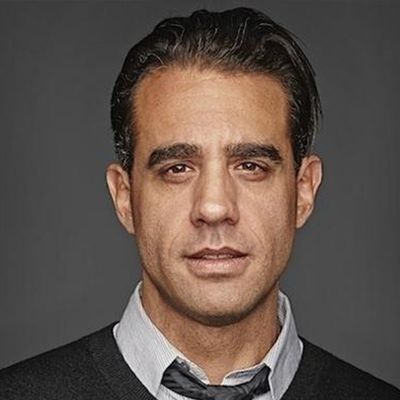
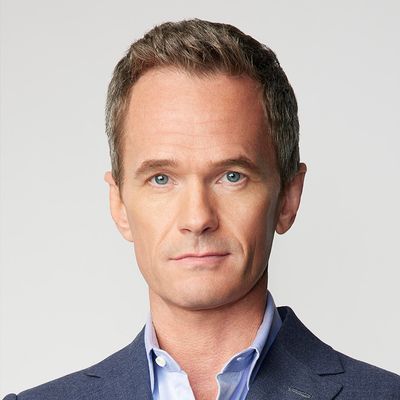
In this episode of Half Hour, we discuss the 2025 Broadway revival of Art at the Music Box Theatre. Starring Bobby Cannavale, Neil Patrick Harris, and James Corden. Yasmina Reza’s Tony-winning play returns with sharp performances and striking design... Read More
From the show: Half Hour with Jeff & Richie (Post-Show Broadway Discussions and Interviews)
Guests
About
In this episode of Half Hour, we discuss the 2025 Broadway revival of Art at the Music Box Theatre. Starring Bobby Cannavale, Neil Patrick Harris, and James Corden. Yasmina Reza’s Tony-winning play returns with sharp performances and striking design. We explore the tension between friendship and perception at the heart of the story, and how this new production connects with audiences today.
Follow and connect with all things @HalfHourPodcast on Instagram, TikTok, and YouTube. Share your thoughts with us on our podcast cover post on Instagram.
Transcript
This transcript was automatically generated and might contain errors.
[0:00] Jeff Malone: Welcome to Half Hour with Jeff and Richie, the podcast where we explore the latest shows we see, sharing our insights and opinions on the performance of storylines and everything in between.
[0:09] Richie Grasso: In today's episode, we're discussing the 2025 Broadway revival of Art playing at the Music Box Theatre in New York City.
[0:15] Jeff Malone: Whether you cannot catch the show in person or you want to expand your thoughts after seeing it, this episode is for you.
[0:20] Richie Grasso: And as always, we want to inform you that this episode will contain spoilers.
[0:24] Jeff Malone: So if you're ready to dive into this production, stick around with us.
[0:26] Jeff Malone: I'm Jeff.
[0:27] Richie Grasso: And I'm Richie, and we're thrilled to be your hosts for today's episode.
[0:30] Jeff Malone: But before we start the conversation about Art, here are a few words from our advertisers.
[0:34] Richie Grasso: Welcome everyone to a new episode of Half Hour with Jeff and Richie.
[0:37] Jeff Malone: Today we're discussing Art.
[0:39] Richie Grasso: Three longtime friends, one ridiculously expensive painting.
[0:42] Jeff Malone: Is it art or is it just the world's priciest inside joke?
[0:46] Richie Grasso: What begins as a polite debate over aesthetics and taste evolves into a clash of egos and resentment.
[0:51] Jeff Malone: Can their friendship survive, or will one of them finally draw the line?
[0:55] Richie Grasso: It's just a 100 minutes of minimalist art, maximalist laughs, and a moving look at what we really see and forgive in the people that we love.
[1:03] Jeff Malone: Bobby Cannavale, James Corden, and Neil Patrick Harris return to the stage in the first Broadway revival of the Tony Award-winning play Art by Yasmina Reza.
[1:12] Richie Grasso: And this revival is directed by Scott Ellis.
[1:14] Jeff Malone: And I also would like to say that this is translated by Christopher Hampton.
[1:18] Richie Grasso: Okay. So theater hot take for Art.
[1:21] Jeff Malone: My hot take here is that sometimes a play hits you at the exact right wrong time in your life where you suddenly feel like this is a personal therapy session.
[1:31] Richie Grasso: And this was definitely Art for me.
[1:34] Jeff Malone: Okay. There we go. That's a bold statement.
[1:37] Richie Grasso: I will say that I really took this play and I loved hearing the words that were spoken and the relationships that were forming or unforming throughout.
[1:47] Jeff Malone: And for a 90-minute piece, I was really thought it flew by, and I kind of was just enthralled by the whole thing and what it was trying to say.
[1:56] Richie Grasso: And I think there were times where I was like, oh, I'm there. Well, I'm not. Now I'm there. Now I'm not. I'm like, I get that person. No, I get that person. It's an enjoyable piece that really makes you think. And I'm looking forward to talking more about that.
[2:09] Jeff Malone: Yeah, definitely. All right. So let's get into it here because have you seen this play before?
[2:14] Richie Grasso: I've seen a community theater production of it and I've read it. So I've never seen a professional Broadway production like this.
[2:20] Jeff Malone: So both of us in our full professional Broadway production first time here, you know, where do we go with and how do we want to start with tackling the plot and storyline?
[2:32] Richie Grasso: Yeah, I mean, basically what we talk about here is it's kind of quite, it's fascinating to me that it's a simple plot, but not simple at the same time. If you have to give an elevator pitch on Art, three friends, one friend buys this really expensive painting, the other doesn't agree, the third friend is kind of comedic relief, but trying to understand both sides of it, and mayhem ensues.
[2:54] Jeff Malone: It's just let that roll. And for 90 minutes, we or a hundred minutes or whatever, we just let that roll. And we see a relationship evolve, change, get morphed into something that is just so bizarre that you're sitting there and you're saying, wait, are we still talking about that piece of art or not?
[3:17] Richie Grasso: And when we say art, we're talking about a blank white canvas, right?
[3:21] Jeff Malone: Right, which anything in the world can be perceived as art.
[3:26] Richie Grasso: Yeah. So one person is saying they spent thousands and thousands of thousands of dollars on this big white canvas, and the other person doesn't get it.
[3:33] Jeff Malone: Right. And so it's definitely reflective on friendships, relationships in general, right? This concept that Yasmina has written here is this sense of like what is in the eye of the beholder.
[3:48] Richie Grasso: And not just a literal white canvas painting. This goes to trust. It goes into feeling like you want to feel for someone liking something or not. Where do you draw the line and say, whatever, leave them alone? That's what they did. Verse, no, this bothers me because. And why do some things bother some people in friendships? And why do some things not? And yet at the same time, we're dealing with like this beautifully translated text by Chris. That's why I said Christopher Hampton's text is translated in this beautiful way that the words are just eaten and devoured by our ears.
[4:31] Jeff Malone: I think the text is wonderful here. So this could have been a really simple, like, hey, I like that piece of art. No, I don't. Why? But it was just the way they were talking about each other became a reminder to me that wait, they're not really talking about art anymore.
[4:44] Richie Grasso: No, they're talking about so many other things. And that's what I really, you know. I went into this play not knowing much about it. I went into it thinking, like, okay, is this gonna be like falling in line with, oh, is it a cash grab production of the season? And when people started talking about art, I was like, oh, people really seem to like this piece. And watching it, I'm like, oh wait, I really like this piece because it's like the biggest think piece for me this season so far. Because I look at this and I say, it's not just friend relationships, it's any relationship in your life, and not only is it any relationship, it's any way you think about something as a human.
[5:28] Jeff Malone: Yeah, and how someone else thinks about something and how we create these opinions. I mean, you and I sit on this podcast, and we think one way, or you think one way, and I think one way after we see a piece, we have a conversation about it. Sometimes we agree, sometimes we don't, and that's okay. And you know, and we have tons of listeners who listen to this podcast too that also probably sit here and they say, What are Jeff and Richie talking about today? I don't agree with them at all. And that really gets to what the root is here in Art is that we have three friends on this stage that seem to not be on the same page anymore.
[6:08] Richie Grasso: And I found that so fascinating to watch because I'm like, wow, I'm really sitting here analyzing my own relationships in my life by saying, like, oh, am I on the same page with that person anymore? Or are we not on the same page anymore? And how does our friendship continue, or how does my relationships with family members continue when we don't see eye to eye on something? And I think that's really what your big takeaway from here is it's like you know, you have these three guys, they're all have a different feeling on art. It seems like two of them are kind of on the same page about it, and then like they make up lies to kind of get the approval of the other, and after that as we continue through the play, you know, they continue to fight or have many things that happen that it's like, oh, okay, I don't know if they're gonna end up being friends at the end.
[7:01] Jeff Malone: And the ending is so interesting when you talk about the plot because it does come all about trust. Because Neil Patrick Harris's character hands the pen to him and says, Fine, draw on it then. Draw what you think it is, and we find such tension there, but we also find such comedic relief because he draws this skier going down a ski slope, which I wonder, like, does he I would love to know, does he draw that every time?
[7:26] Richie Grasso: Or does he draw something different every time? Or what the script says he draws. Unless the script says he draws a skier and he draws that every time, right? But he's drawing it. And then later you see them washing it, and you learn that Neil Patrick Harris handed him a felt-tipped, I think it was a felt-tip marker that was washable. He always knew it was washable. Even to put a washable marker on something that expensive, I think is pretty bold. But he gives Bobby Cannavale the washable marker. Bobby does not know that that is washable.
[7:55] Jeff Malone: Right. But he takes it anyway and trusts his friend to say, Oh, did you actually agree with me? Okay, now I'm gonna draw all over this. And yet he still erased it, because there was a almost, I actually look at it as a loss of trust. It was a test, and it was a failed test.
[8:13] Richie Grasso: Right. And now are they still friends at the end? It seems like it when they say, like, let's go out to dinner now or whatever. But it seems like their friendship is forever changed because of that marker moment.
[8:23] Jeff Malone: But okay, yeah, great question there. Because I would say to you, if you think you have to set up a test for a friend. Does that mean the friendship is stable? Or better yet, if the friend says, I'm not listening I'm not doing that. Like, it's a piece of art. You don't need to give me a marker and draw all of it. Let's draw the line. But the line was not drawn, and he still took the marker and did it anyway. Proves that, yeah, there was a maybe there was a problem in that friendship even long before this piece of art was purchased. And Art, this art piece is just like actually, for lack of a better term, which I found used in this piece a lot was elephant in the room. The art piece, if you notice, was like sitting in the corner a lot of the room. And we'll talk about that when we talk about the set design and the lighting and all that. And it's interesting how like the piece of art is the fourth character. It's this elephant in the room that we're talking about.
[9:20] Richie Grasso: Yeah. And yet, like it's almost then also not about that, too. It's fascinating. But you know, Art, there's so many ways you can go about this word art, the art of a friendship, the art of a relationship in general. And when you look at this and you say to yourself, okay, when you dive into the characters that are in this play, and you look at some of them and you say, Oh, some of them are a little bit more controlling in the friendship, or they're like sitting there and they're saying, like, oh, we were once on the same wavelength, now we're not anymore. You know, like is that what's really trying to get said in a piece like this? And can you be friends if you're not on the same wavelength?
[10:10] Jeff Malone: Well, maybe that's up for interpretation. Because I feel like it's left to us at the end when all three of them are sitting there and the lights go down, we don't know if they're friends anymore.
[10:23] Richie Grasso: Is that the dimming of their friendship? That was the interpretation that you can leave with saying maybe that their friendship is over, right? It would be interesting to kind of interpret that your own way.
[10:33] Jeff Malone: Yeah, I mean, it almost seems like it was over as soon as he said, It's ridiculous that you bought the piece of art for that price. But anyway, I think this is a great time to take a quick break.
[10:44] Richie Grasso: And when we get back, we're gonna talk about this production, the direction, and the character and the actors in this show.
[10:51] Jeff Malone: Okay, and we're back. So this is our first time seeing a Broadway professional production of Art, and we have some big actors in here with this production. Do we want to start with them first? Or do you want to get into the direction? Which one?
[11:06] Richie Grasso: I think we should go right there. So you have Bobby Cannavale, James Corden, and Neil Patrick Harris, three big stars of today, right?
[11:12] Jeff Malone: Very C film, stage, all over the right place we've acted and we've seen all three of them on stage.
[11:18] Richie Grasso: In some way, shape, or form, yeah, in some show, right? I believe. Um I think they're all very different, and yet they all have incredible chemistry together.
[11:28] Jeff Malone: Yeah, they're all working so well together. I'm really blown away by that, right?
[11:32] Richie Grasso: To me, it's hard to compare them all because they're all playing such wildly different characters, some more serious than others. I if I was to start talking about Bobby Cannavale, I say like he commands a stage, he has a charm to him. He almost is almost I almost wonder if he's borderline overusing his voice, because we were seeing a Sunday evening performance after he'd done a whole weekend of shows, and he sounded really groggy. And I was like, Oh, I wonder if he's like yelling or overusing his voice too much. When you don't do live stage shows eight times a week very frequently, it could be an overuse for an actor, maybe doing more film work.
[12:05] Jeff Malone: Okay. Um, but I thought his character was just gripping. I think he really grabs the juice of these scenes so vibrantly, and he just like it bites and he's attacks and he's verbal, but he's also got this just great way of commanding a stage.
[12:20] Richie Grasso: Yeah, it's funny. It's actually I found in his role there in there to be the one that I like most relate to, I think, in life in general, with the way how I approach things and how I approach people's opinions at my own opinion, and how much I think I'm usually right around things. So I found like that was a moment for me with connecting with him, and I thought he did a really great job. I said to you after the show, I was like, you know what? I loved his performance so much. I feel like he would be like a great narrator in Our Town.
[12:53] Jeff Malone: Yeah, yeah, yeah. Right. But and it's interesting how he can makes you feel like he's right. He can convince you that he's right. And then when we go to Neil Patrick Harris, who also can convince you that he's right.
[13:00] Richie Grasso: Yeah. And you say, he's he is there to convince you that he bought this painting, leave me alone.
[13:10] Richie Grasso: That's what I did. What's the problem? And then you look at Bobby Cannavale's like, no, there's a big problem here that you spent all that money on that painting. And you kind of look at both sides of that story, and you say, yeah, leave him alone. Why does it matter what he spent his money on? And then you're also on Bobby's side, and you're like, no, that is kind of like wild. Some people would say that's wild to spend that money on a painting like that. Why did you do that? That seems out of line, whatever. And I think Neil keeps such a calm demeanor to him, he has such a confidence to him that's like, nope, this is what I'm doing. I think they bring to both of the roles is something that needs to be kind of mastered in a play like this, and it's the fact that they're both in two different places in their life now, and because of that, their friendship is changing.
It actually seems like those two are the closest out of the three friends, and there once was a time that they were on the same page, and I thought they did a great job by kind of showing that to us, and you know, and that brings us to James Corden now who plays Ivan. And I think I'm gonna make a bold statement here that I think he actually really steals the show with playing this role.
[14:25] Jeff Malone: I was gonna say that too. He is doing a lot of what he normally does in a lot of pieces. However, he has that long, like five to seven minute monologue where he's ranting about his family and these, I believe he's ranting about a lot of women in his life. Yeah, they're very difficult with the wedding coming up and his spouse and the mother-in-law, and the who's inviting who, and it is a monologue delivered. Like I wasn't exhausted by it at all, yet he must be exhausted by the end of doing it. And I'm watching him like, wow. And it's incredible that he's just going and going and going. And it almost has nothing to do with the plot of the piece. So we get like a little comedic relief.
[15:01] Richie Grasso: He has nothing to do, but everything to do. Yes. He's the friend that comes in that vents and dumps onto his other friends, and they're kind of like being like, oh, why are you here? And he gets mistreated kind of by them because he feels like the third wheel, I feel. But James Corden is wonderful on this, and he's very, very gripping. And I will also say this, this is also a comic kind of commentary on the piece too. A piece that is about three men and the relationships between these three men is written by a woman. And yet he has this whole rant about women, yet the piece is almost a commentary on men, in a way, right? And their rants. So it's like it is a very, you don't want to make it about gender, but it's kind of spelled that way. Like that we're gonna make it about these three men and all their problems. He's venting about all the women in his life and all the problems. James Corden's monologue, right? And a woman wrote this.
[15:51] Jeff Malone: Right. So I think that's interesting. But I think it brings it to reality that everyone thinks like the man is this hard show. Like, doesn't have any problems? We'll never go through problems with friends like this. And then you watch something like this and you're like, oh, wait a second. No, that definitely happens. And when I think back to the different like male figures in my life, and I'm like, oh, wait, no, you gossip just as much. You fight just as much. And how many times do you not see eye to eye with someone, but you think you're right? That is very big in the male, like dominant world. It's interesting. And I think that the monologue in particular highlighted a lot of these gender issues, right?
With James Corden's monologue. But I will also say, then you go to some of the other aspects of this piece, like the direction and the design, and you say, Scott Ellis' directing. I think the directing was fine. It was nice. It didn't try to change the piece. It just kind of put the piece up there. It was full use of the stage.
[16:54] Richie Grasso: It was nice that it wasn't just like in one side of the stage the whole time or dead center the whole time. It was full use of this living room area. And I also think that this was a nice piece where a costume designer and a lighting designer and a scenic designer also said, hey, what if like we go with like this general beige gray, bluish, white super music? Kind of neutrally look with the costumes, because the piece of art that they're talking about is this neutral. Why don't we make the actual apartment or the multiple apartments that they go to this neutral? And then what stuck out in my mind is like what stands out as like the dog painting art, right? Or like a specific color of something.
But everything was this like grays, blues, white, black. Nothing was like bright green or bright red. There was none, which you would normally maybe see in a piece of art, right? It was almost like the play and the design of the play was imitating the neutrality of like the art piece.
[17:54] Jeff Malone: Yeah, in a way. I slightly see it differently though. Because I look at it and I say, they gave us the same style room for all three guys to show you that they were at one time the same. But what about them is different? The art that they like, and the art that was hanging or not hanging in their apartment. Well, we saw what Serge had, which was the one that he bought. We also saw what Mark had. Mark had old, like Victorian style painting that loves history. And then Ivan had a painting that we find out later was, I think, painted by his father. Yeah, and it was a dog. It was a dog. Yeah, yeah. You know, and they make fun of it, not remembering that that painting was a very important thing. That was a very important part from his father.
And I look at that and I'm like, oh, that shows you what you respect. That shows you what you appreciate. Yeah, and I think when you get to the most important part about this, is when you get to a character like Serge, and he buys this painting that's just the white canvas that costs so much money, it shows you what he values now in life. And I think at the end of the day, what we're learning is that he values status more than he values art.
[19:13] Richie Grasso: But then there's also this commentary that, like, yeah, they are all very different, but they're also more similar in some ways too, maybe than different, because if their apartments look similar, even the clothing they're kind of wearing is somewhat similar in terms of color tones, but then they can all sit and eat olives together. And wouldn't that have been an opportunity for someone to say, I hate olives, I don't want to eat all the pits in them. Where do you put the, no, I'm not gonna, we're going to, they could have thought about that, and instead they were like, because if you remember multiple times, like, oh, why don't we go to dinner? Are we going to dinner? And they were like, they but they all were hungry and they all just had a comedic moment of eating olives.
So, like there was more similarities sometimes between the that's maybe why it rooted you in the sense of like, no, they all are friends, right? But there were so many things getting in that way. And so, even like some of the sound design, I mean, like, there was just nice moments throughout where I felt like it was a nice team that put this up on a stage, and it worked well, right? Very nice.
[20:12] Jeff Malone: All right. Well, let's get into another break now. And when we get back, we'll get into our own experiences at the show and what we think would be next up for this show at this year's Tony's.
[20:24] Richie Grasso: Okay, and we're back. So let's kind of get into our own experience at the show here. So, where do you want to go with this one this time? You know, this was a very, being at the Music Box Theatre, it was very tourist trap feeling. It almost felt like one of those pieces where, like, no one knows this play, but they know the three people starring in it, so they're gonna go see it because of that. And they're expecting a big good show, and they got a big good show because I think overall it's pretty good. But there was not an empty seat in that house, and you had a lot of what seemed like non-theater people there almost, which is great. Bring people in to see live theater that don't always go, but this is selling, and this is selling really well, and it's a limited run, and I believe it's only running to the holidays, and it is coming at a time where you know, here's three actors that are not currently working in a TV show, and this is what they're doing.
[21:13] Jeff Malone: Yeah, that was so like the experience for me. Yeah, I mean, I definitely think a piece like this, like this is one of those plays when you see a casting announcement like this, and you say, oh, okay, this is either gonna be great or it's gonna be like meh. This one I think was on the better side. Yeah, I really enjoyed all three of their performances, and you know, it's getting people into the theater to see the show. So I don't think there's anything wrong with that. I mean, it kind of leans towards trappy, but I do think you're getting a good show out of it. Whereas I think there are other things on Broadway right now that are also stunt casting that I don't think are great, and you'll hear more about that in some upcoming episodes.
But, you know, I still think when you see kind of like the audience around you, and you hear the crinkling of the papers and all of those things, and it's just kind of like, okay, like let's dive a little bit more into the theater piece when you're attending the shows.
[22:13] Richie Grasso: Yeah, you know, yeah, and just be fully submersed in it, especially when people are spending a lot of money to see these shows too. Right. In terms of the Tony Awards, do I think that there's a chance that this could potentially get forgotten or snubbed in some way? Maybe. Well, I think that it in some ways could. I think that there's some actor performances that could be nominated. It could get a Best Play Revival nomination. I definitely think it will get a Best Play Revival nomination.
[22:37] Jeff Malone: Yeah, I could totally see that. I could see James Corden getting a supporting act, I believe he'd be supporting in this. I could see him getting a supporting actor too. He's also, he already has a Tony Award. He's a Tony Award winner already, which is, yeah, I could see him getting nominated, and I could see the show getting nominated. I don't know about the direction or the scenic design in a play like this. Maybe. I guess it depends on like what else would be up for revival this year. I know we have Waiting for God, but I don't know what else we're gonna have in the revival space, right? This and I think like I said, I always think that a show that only runs in the fall has a potential to get snubbed, but Hills of California last year did not get snubbed.
I mean, in terms of nominations. So I think that there's definitely a potential for some nominations here. It's got a strong run, it's going well, it's making its money. It's also nice to see, you know, I always like to know a little more like who are the casting directors on this that decided, hey, we someone wants to do a revival of Art. Could we get these three big names? It's not even like it was two big names and one not big name. They're all pretty big names in this TV, film, Broadway actor industry, right? And that's really exciting too, to see people like working together that you never thought maybe you'd see the three of them together like this, right?
[23:48] Richie Grasso: Yeah. And I look at a show like this and I would say, like, who else would you want to see in this in these roles? I mean, there's so many potentials, right? You could put, I actually would, I know it because of the commentary on women and men, like I would love to see three women do this piece too. I think that could be really interesting and see how that would be interpreted, or maybe a mix of men and women, like male and female friends that are, yeah, like why not? Yeah. So that would be interesting too. I don't know. I'd be, I'd have to really brainstorm on that. I there's so many, I could you go like really big star and like have like, you know, George Clooney's Dunbroy, like Brad Pitt and some of these like big Hollywood stars, Ryan Reynolds, people like that, you know, big film team.
But they could. I mean, we these are three film people too. So I also look at this and I say, this is something that I could definitely see, like get the pro shot. I think people would watch it. Or do you do a real film with the three of them? Sure. Because I think like that would also be great.
[24:52] Jeff Malone: Right. You know, right. Oh my gosh. So final thoughts on Art on Broadway. You know, again, I really enjoyed this piece. I think like this was a surprise moment for me so far this season because I was not expecting to like this going into it. We had a good time.
[25:15] Richie Grasso: Yeah, it was enjoyable. It was good theater, it's well written, it's well acted. I don't, it's nothing groundbreaking, but again, I don't think all theater needs to be groundbreaking. I think though it says what it needs to say, yeah, and it allows you to walk out of the theater and say, but what about that? But I agreed with that, but what about that? I also agree with that, and it gets you talking. It's not just an entertainment piece. You leave like, okay, that was nice. Like we were talking about it walking out of the theater on the way back.
[25:40] Jeff Malone: Definitely. So it was nice. It was a good piece. I enjoyed it. And I used to recommend people listening to try to check it out if they can.
[25:46] Richie Grasso: Yeah, definitely. So well, let's wrap up our discussion of this episode. We hope you enjoyed our deep dive into Art. Remember, we want to hear from you. Continue the conversation with us on Instagram and TikTok at Half Hour Podcast, and drop us a comment on Spotify and let us know your thoughts on Art. And also please leave us a review. Your reviews mean so much to us. And remember to subscribe to our channel for all past and future episodes. Until next time, I'm Jeff.
[26:10] Richie Grasso: And I'm Richie saying ta-ta for now. Bye.
© Broadway Podcast Network, All Rights Reserved