

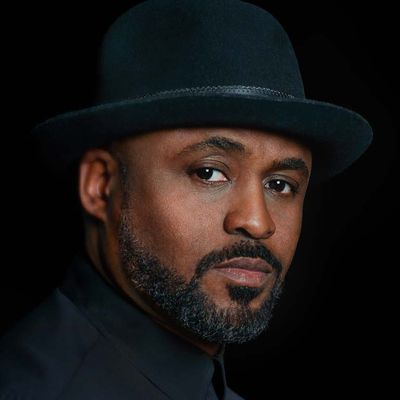
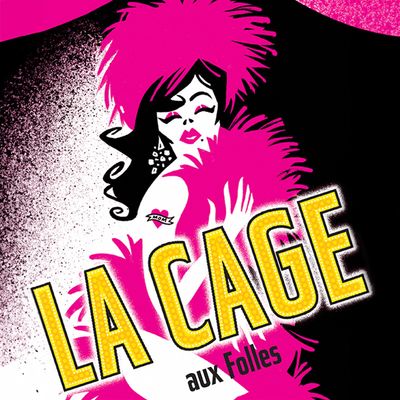
In this episode of “Half Hour”, we take a closer look at the 2026 Encores! production of La Cage aux Folles, now playing at New York City Center. Starring Billy Porter as Albin and Wayne Brady as Georges, this revival offers a contemporary take on a landmark musical... Read More
From the show: Half Hour with Jeff & Richie (Post-Show Broadway Discussions and Interviews)
Guests

Featured Shows
About
In this episode of “Half Hour”, we take a closer look at the 2026 Encores! production of La Cage aux Folles, now playing at New York City Center. Starring Billy Porter as Albin and Wayne Brady as Georges, this revival offers a contemporary take on a landmark musical.
We break down the show’s origins and cultural impact, then dive into the current production’s direction, design, and overall concept. From Robert O’Hara’s staging choices to the balance of comedy and social commentary, we discuss what works, what feels unresolved, and how the piece lands with a modern audience.
Follow and connect with all things @HalfHourPodcast on Instagram, TikTok, and YouTube. Share your thoughts on this production in the comments on Spotify, and let us know what you would like us to cover next. If you enjoy these post-show discussions, follow Half Hour and leave a rating and review so more theater lovers can find the podcast.
Transcript
This transcript was automatically generated and might contain errors.
[0:00] Jeff Malone: Welcome to Half Hour with Jeff and Richie, the podcast where we explore the latest shows we see, sharing our insights and opinions on the performance of storylines and everything in between. In today's episode, we're discussing the Encores! production of La Cage aux Folles, playing at New York City Center. Whether you cannot catch the show in person, or you want to expand your thoughts after seeing it, this episode is for you. And as always, we want to inform you that this episode will contain spoilers, so if you're ready to dive into this production, stick around with us. I'm Jeff.
[0:25] Richie Grasso: And I'm Richie, and we're thrilled to be your hosts for this episode. But before we start the conversation about La Cage aux Folles, here are a few words from our advertisers. Welcome, everyone, to a new episode of Half Hour with Jeff and Richie. Today, we're discussing La Cage aux Folles. This Tony-winning musical comedy tells a story of love, family, and acceptance, and of course, the greatest drag show in the French Riviera. Emmy, Grammy, and Tony winner Billy Porter stars as the fabulous Albin in this heartfelt show from Lifetime Achievement Tony Award winners Harvey Fierstein and Jerry Herman, directed by Robert O'Hara of The Raisin in the Sun and Encores! as Jelly's Last Jam. This production is the first to feature an all-black cast.
Albin and Georges have been happily married for over 20 years, jointly running La Cage aux Folles, a drag nightclub in St. Tropez, while also raising their son, Jean-Michel. Chaos and hilarity ensue when Jean-Michel decides to invite over his fiancée's parents, who just so happen to be right-wing politicians. They're in for a surprise, and a little more mascara, in this gem of a musical. This Encores! production features the lush original 1983 orchestrations, not heard live since the show's original Broadway run.
[1:31] Jeff Malone: Wow. And to kick things off, everyone, Happy Pride.
[1:34] Richie Grasso: Happy Pride Month.
[1:36] Jeff Malone: Pride weekend here as well in New York City. And what a show to be here.
[1:39] Richie Grasso: What a perfect show for us to be discussing today after seeing it.
[1:43] Jeff Malone: Yeah. So this is, everyone, my first time seeing a production of La Cage aux Folles. So I think we should talk a little bit about the book, music, and lyrics first. And you have seen it before. So, you know, let's kind of jump into this right there first.
[1:56] Richie Grasso: Totally. So, I mean, we have this pretty groundbreaking show of the 80s, right? It's based on a play by Jean Perret, a famous play that then becomes this musical. Then it also becomes a movie, The Birdcage, right?
[2:10] Jeff Malone: Which I have seen, The Birdcage.
[2:11] Richie Grasso: Which is a non-musical, silly, fun telling of this story, right? But the story, you know, was originally in the 80s. It beats Sunday in the Park with George for best score and best show and best book. It wins a lot for Harvey Fierstein, for Jerry Herman. It really puts it on the map. There was, I believe, an early 2000s revival. Then there was another revival about 10 years or so later. Now we have this revival. So this show keeps coming back. I don't see it done a ton, but I think, you know, in regional spaces or in community theaters and things like that. But I do see it on Broadway a lot. And to New York audiences, love this show. It was a really, really big deal. I've showed you the Tony Awards clips from the 80s productions and seeing some of those acceptance speeches.
It was a huge deal of the 80s for this show to come on Broadway and to tell this story in this way. Beautiful costumes, incredible dancing. The score is just gorgeous. I think it's amazing. Yes, they have kind of trimmed down the orchestrations in some of these latest revivals. To see the original orchestrations heard, I mean, we're going to talk about this City Center production in a second, but that was one of the strongest parts of it for me, was the lush orchestration. It is absolutely gorgeous. It's Jerry Herman at his finest and it's incredible.
[3:27] Jeff Malone: So now that you know a little bit about this book and lyrics and we're kind of talking a little bit about that, what do you think of this show from a plot perspective and the way that it's presented on stage?
[3:35] Richie Grasso: I think from a plot perspective, it works. And especially during the time, you know, when this show came out in the 1980s, I think a lot of people were going back and forth between like being in a heterosexual family or being in a gay family. Like how did that exist? And where you have Jean-Michel coming here and he's saying to his fathers, like, I need to portray, well, it's really just one of the dads he's going to first saying like, I need to show that I come from a heterosexual family. I want to marry this girl who her father is a politician and he's saying like, and he's going against gay men and the LGBTQ community in general. So I think like that was very on the nose then. And I see, I think when you look at it and compare it to today, I don't know how much many families are actually dealing with that.
I'm sure there are, but like not everyone. So it's like, you know, I think that this was a strong plot point for a musical during that time. I think the plot also is very strong because it talks about falling in love, the love that the son has for the daughter, Anna, my arm, that song, then becoming about the love of the parents and these two male leads leading a musical as the romantic leading couple, living their life, showing the showy, glitzy, glamorous, fun side of their life and also the serious parts of their life. I think I am what I am acting, ending act one shows the rooted sense of seriousness. And then we also have this moment where that character comes in and that too. Is the mother in drag and then is not as nod and the wig comes off and oh my gosh, and may I'm in series.
So there's this really healthy blend and mix of comedy and silly zaniness. But it's not only that if it was only that, I think people would say it missed the point. And I think that we'd also roots itself in serious stuff. La Cage a Faux being the cage of birds. The bird cage is where that movie title comes from the nineties, the French title La Cage. So what is a bird cage doing? A bird that's supposed to fly the world and spread its wings and be beautiful and glamorous stuck in a cage. No, maybe that's not normal, right? So that's why I think that's the irony of the title of this piece is these cajoles as they call them living their free life. But then in the plot, the family having to reign that in what felt like such a forced way when they were just living their life just to make but they were doing this for their son. And they were trying to make the son happy. So it's a great story in a way that kind of keeps takes you up and down and all around.
[6:09] Jeff Malone: Yeah. And when you talk about the bird cage in general to like being trapped in there, it's like also being trapped in the social norm. What does society portray as the family or the poster family that people should be abiding by which was being in a heterosexual family. So I think to say like, no the family can be many different shapes, sizes all genders and appreciate that and show that like what is it that actually matters at the end? And it's the love for each other and the love for the family. And I think that is what is portrayed to the poster family of Anne.
[6:45] Richie Grasso: So totally, totally. I think these are all good points. And I think that's why we keep seeing it revived. And now the city center on course production does a lot of different things with the material. In some ways it doesn't. And in some things it does. And I think that's a good time to kind of take a moment here to pause. And when we come back from our break, we'll dive into a little bit about this production and what we liked and what we thought about this city center on course revival. So we'll be right back.
[7:10] Jeff Malone: Okay. And we're back. So as we know with city center on course they present works that are maybe not always presented a lot. And sometimes directors take risks and try new things in these concert style staging. Even in the announcements at the beginning they say, remember, this is a concert staging, right? It's not a fully fleshed production. Sometimes they put shows up that feel fully fleshed sometimes they don't but we always feel different things when we go to city center on course, right? And I think, you know, this production right off the bat I think really stays true to what city center is. I think it's city center for me is like two things. One, yes, it's concert style and it's, you know reviving and bringing these older titles back to the stage.
But two, it's also a place for them to do what you're saying take a risk and try the work in a different way. And I definitely think even from not seeing any other productions but seeing past production videos on YouTube I can see that there was a different approach with this productions. Why don't we kick things off with the direction by Robert O'Hara? What do you think of what the direction of was this of this city center on course piece?
[8:12] Richie Grasso: I felt that there were a lot of intentions with this piece and I can see that because I was going back and forth between like, are we in the 1980s or are we more in the present day here? And I feel like that was a choice to kind of do because I think when you have this material it feels a little bit more like we should stay in the time period that it takes place versus like bringing it more into this modern day culture. And one of the things I would say that he did was he brought more of this like pop culture especially from like the black feminine pop star perspective and he brought that to the Kajals. And I'm like, I think I understood the intention but it didn't fully kind of like grasp me on like why we did that.
It was very interesting to see these pop star looks up on the stage. And it kind of almost took me out of the element of like what time period are we in? So I think when we were announced with this and it was going to be this first all black cast of this I've said, that's amazing because when you go to another Jerry Herman show like Hello Dolly years ago they did that with Pearl Bailey and the cast. And it was wonderful to tell this story that's been presented by white actors now being telling this family story presented by black actors. So I was already going in thinking, wow that's gonna be an awesome concept. And then we added this modern level to it and then we added a change in choreo and then we added a gender bend to the ensemble and we added trans representation and female representation in that too.
And so we added all these different layers to it and the way I look at that is if we're gonna keep adding different layers to it we have to flesh some of that out a little bit more. This was almost like a stepping stone for me where it's like, okay if this is gonna go to Broadway or off Broadway or if this was gonna go further this was a good first step but there's things that need to be fleshed out a little more. Now, do we always have to present La Cage the same way? No, but I do say that, I will say that the floral and the elegance of the gowns and all that a lot of that was missing in this because we went with this modern approach and it seemed like the Cajels were presented as like a different representation of different powerful black women in the music and performance industry over many years.
That is a cool concept and I really love that. And then we kind of changed style so we saw different time periods of people dancing in different style. Did they keep the tap number? Yes. Did they keep some of the feathers and boas in the end of act one into the actual song proper titled La Cage a Faux? Yes. There's definitely things they kept in there but I wonder if we, we're gonna add all these elements we might need to flesh them out a little bit more and it seems like at times not everything was fully fleshed out from the director standpoint. And that's what City Center can be. City Center can be stepping stones that we didn't need to see a fully fledged perfect production here with this.
No, not at all. But I do think some of the steps that they took having these two lead characters played by black men wonderful, so important, I love that. I think I was missing a little bit of the eleganza, I think. The gowns, the wigs, the makeup, the heels. Yes, of course some characters were wearing that especially Billy Porter's character but I think I wanted more of that because when I see this production I see, wow, look at those costumes. Well, I think that comes down to what it means to us. You know, and like what you say like in the root of this like the birdcage being these beautiful birds in this Allah, like floral like beautiful gowns, I get that. And that's where I feel like it was slightly missing for me where I was judging a little bit too much on like the oh, okay, that's Rihanna or that's Beyonce or oh, that's Chaka Khan or that's- Janet Jackson, right?
There were the different looks and I appreciate that and I feel like the attention might be around like oh, okay, currently in present day when we go to a drag show there's a lot of impersonating of pop culture in drag shows. A lot of times like impersonating happens as well. It just didn't feel like that's what would have been happening especially with most of these pop stars not even being alive if this was taking place in the 90s.
[13:31] Jeff Malone: What it's also hard to ignore and you know, a lot of people are comparing this to the Cats' Jellicle Ball revival how that was completely reinvented for the ball culture. Are we reinventing Le Cage a Faux for ball culture? If we are, okay, then we're starting to go on that path but if we're not and we're just trying to modernize it then I feel like Cats' score is already this electric 80s rock kind of vibe. There is golden age musical theater music with a capital G happening here at Le Cage a Faux and to me, especially in the opening number I didn't think the choreo matched the aesthetic of the orchestration. Sometimes, yes but especially in the opening number it's all the, it's the simple if you look at the originals and I'm not saying it needs to be exactly like that but when you look at the elegance and the simplicity of the we are and there's the simple poses the statuesque, the gorge and so this was very movement heavy and that's fine but it didn't always match the style of the orchestration to me whereas I feel like in Cats' Jellicle Ball that is matching the orchestration that didn't have to change because it was that like electronic synth 80s kind of vibe, right? And that kind of matched the energy of it not to compare the pieces but I've heard a lot of people comparing the pieces.
[14:42] Richie Grasso: The difference with Cats, you know it's already in the title of the Jellicle Ball, you know and they already do that in the score so that's part of the music and lyrics it's not anything new so like to do the play on it as like creating a ball made sense here we're talking about like would this actually make sense in the moment? For me, I would rather have kind of seen what would this have been like with really pageant style drag queens that would come out and you could have like lined them up with RuPaul drag queens and or came out in the style of RuPaul so it's like it's there in drag still it's not like it's anything different but to put the actual like paying homage to these pop stars is what still kind of didn't feel like it matched for me on like what would actually be happening in that moment. And then they went into some of those looks in act two in the dinner scene and it was like oh are you are we supposed to think you're in there?
[14:52] Jeff Malone: Welcome back to "Half Hour with Jeff & Richie." Today, we're diving into the Encores! production of "La Cage aux Folles," featuring Billy Porter and Wayne Brady.
[15:22] Richie Grasso: That's right, Jeff. This revival is a fresh take on a classic musical, and I can't wait to discuss its contemporary elements.
[15:52] Jeff Malone: Absolutely! "La Cage aux Folles" has such a rich history. It originally premiered in 1983 and has had a significant cultural impact since then.
[16:22] Richie Grasso: And now, with Billy Porter as Albin and Wayne Brady as Georges, we see how the show is being reinterpreted for today's audience.
[16:52] Jeff Malone: The direction by Robert O’Hara is particularly interesting. He brings a unique vision that balances both comedy and social commentary.
[17:02] Richie Grasso: Yes, and I think that balance is crucial. The original had its comedic moments, but it also tackled serious themes about identity and acceptance.
[17:05] Jeff Malone: Right, and in this production, we see how those themes resonate with modern audiences. It feels relevant and timely.
[17:10] Richie Grasso: One thing I noticed is how the design elements contribute to this contemporary take. The staging and costumes really reflect today's society.
[17:15] Jeff Malone: Exactly! The visual aspects enhance the storytelling, making it more relatable for the audience.
[17:20] Richie Grasso: And let's not forget the performances. Billy Porter and Wayne Brady bring such charisma to their roles.
[17:25] Jeff Malone: They really do! Their chemistry on stage is electric, and it adds a new layer to the characters.
[17:30] Richie Grasso: I also appreciated how the humor is still there, but it feels more nuanced. It’s not just about laughs; it’s about connection.
[17:35] Jeff Malone: Yes, and that connection is what makes the show impactful. It encourages conversations about love and acceptance.
[17:40] Richie Grasso: Speaking of conversations, I think the audience's reactions have been fascinating. People are really engaging with the material.
[17:45] Jeff Malone: For sure! It’s great to see how the audience is responding to the themes and the performances.
[17:50] Richie Grasso: And that’s what makes live theater so special. Each performance can evoke different emotions and thoughts.
[17:55] Jeff Malone: Absolutely! I’m excited to see how this production evolves as it continues its run.
[18:00] Richie Grasso: Me too! It’s a testament to the power of theater to adapt and remain relevant.
[18:05] Jeff Malone: Well, that wraps up our discussion on "La Cage aux Folles" at Encores!
[18:10] Richie Grasso: Thanks for tuning in, everyone! We’d love to hear your thoughts on this production.
[18:15] Jeff Malone: Be sure to connect with us on social media and let us know what you think!
[18:20] Richie Grasso: Until next time, keep celebrating the magic of Broadway!
© Broadway Podcast Network, All Rights Reserved