

In this episode, we discuss the new Tony-nominated best play STEREOPHONIC. Please note that this episode will contain spoilers about the show. If you haven't seen the show yet, you can catch STEREOPHONIC playing at the Golden Theatre... Read More
From the show: Half Hour with Jeff & Richie (Post-Show Broadway Discussions and Interviews)
Featured Shows
About
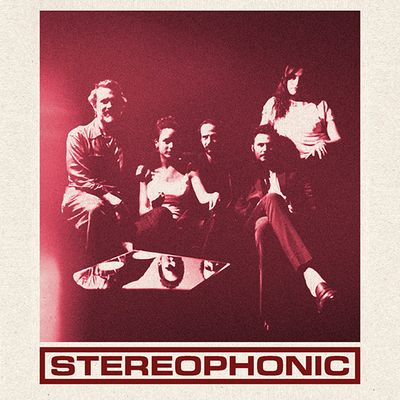
In this episode, we discuss the new Tony-nominated best play STEREOPHONIC. Please note that this episode will contain spoilers about the show. If you haven't seen the show yet, you can catch STEREOPHONIC playing at the Golden Theatre
Follow and connect with all things @HalfHourPodcast on Instagram, and YouTube. Please share your thoughts on STEREOPHONIC on our podcast cover post.
Transcript
This transcript was automatically generated and might contain errors.
[0:00] Jeff Malone: Welcome to Half Hour with Jeff and Richie, the podcast where we explore the latest shows we see, sharing our insights and opinions on the performances, storylines, and everything in between.
[0:09] Richie Grasso: In today's episode, we discussed the many Tony-nominated play STEREOPHONIC.
[0:14] Jeff Malone: Whether you cannot catch the show in person or want to expand your thoughts after seeing it, this episode is for you.
[0:19] Richie Grasso: And as always, we want to inform you that this episode will contain spoilers.
[0:23] Jeff Malone: So if you're ready to dive into this production, stick around with us.
[0:26] Jeff Malone: I'm Jeff.
[0:27] Richie Grasso: And I'm Richie.
[0:27] Jeff Malone: We're thrilled to be your hosts for this episode.
[0:29] Richie Grasso: But before we start the conversation about STEREOPHONIC, here are a few words from our advertisers.
[0:42] Jeff Malone: Welcome everyone to a new episode of Half Hour with Jeff and Richie.
[0:46] Richie Grasso: Today we're discussing STEREOPHONIC.
[0:48] Jeff Malone: STEREOPHONIC minds the agony and the ecstasy of creation as it zooms in on a music studio in 1976.
[0:55] Richie Grasso: Here, an up-and-coming rock band recording a new album finds itself suddenly on the cusp of super stardom.
[1:00] Jeff Malone: The ensuing pressures could spark their breakup or their breakthrough.
[1:04] Richie Grasso: Written by David Adjmi and featuring original music by Arcade Fire's Will Butler.
[1:09] Jeff Malone: STEREOPHONIC invites the audience to immerse themselves with fly-on-the-wall intimacy in the powder keg process of a band on the brink of blowing up.
[1:17] Richie Grasso: So as always, let's start with our bold statements about the piece and then see how that unfolds into our discussion.
[1:23] Jeff Malone: All right. STEREOPHONIC. The most Tony-nominated play ever.
[1:29] Richie Grasso: A real masterpiece on zooming in on a specific topic in a specific time.
[1:35] Jeff Malone: And while I personally feel like there's it's almost about nothing, it's almost about everything at the same time.
[1:42] Richie Grasso: Yeah. Bold statement here is that this is so Tony worthy. There's no doubt about that.
[1:48] Jeff Malone: And it is an intense and subtle portrayal of band dynamics, is just pure gold.
[1:55] Richie Grasso: Totally. Let's go into this and see how we do.
[1:57] Richie Grasso: So I want to ask you first, Jeff, and just this overall plot and concept. A lot of times when we talk about theater, we say, why did they tell the whole life story of that person? Why don't we just focus on one moment in that person's life?
[2:10] Jeff Malone: And then when we do see the plays about one moment, I mean, this is just the first thing off the top of my head, but like the Judy movie about the end of her life where you just focus on that, or we see plays and it's just about this person's...
[2:23] Richie Grasso: We're like, whoa, that was amazing. So when you're looking at this and you're looking about a specific time period, a specific moment, not the whole journey of this band, what do you think that works here? And just tell me what you think from your perspective of working in the music business and then seeing all the theater that you've seen. How does it for you work so well on the Broadway stage?
[2:45] Jeff Malone: Well, first, I think it works a hundred and ten percent on the Broadway stage. We're taking this moment in time of actually creating and recording an album, which most people I don't think understand what actually goes into doing that.
[3:00] Richie Grasso: So redoing instruments in certain parts of the song going over and doing a vocal take over and over again. I'll remind you something. One of your favorite moments is when they're recording the company soundtrack, and it's what Elaine Stritch can't hit the note.
[3:22] Jeff Malone: Yeah, it's the documentary in the documentary, and she can't hit the note, and you love watching that, right? Because you're like, wow, she had to do that over and over and over again. This, I feel like in STEREOPHONIC is a taste for everyone to see what it really is like. Like you have to go over and over and over again, and you're with these people for such a long, short but long period of time daily, that yeah, drama can ensue here.
[3:48] Richie Grasso: There can be moments of like, are they gonna become superstars or are they gonna hate each other by the end? And there's this feeling of like we're in the sound studio. I love the moments where they're like, wait, stop, do it again. The drums are too loud. Wait, no, I can't hear wait, Vic. It just sitting there watching that is amazing because it's so scripted and so meticulous that that actor has to actually be, you know, it's not like it could come across as improvised or ad-libbed, and it's totally not because all of that is so meticulously crafted by a director, a writer, and an actor working together.
[4:24] Jeff Malone: I loved the I mean, it makes sense that it got all the Tony nominations set it to because every design choice that set is incredible. And we're gonna talk about a lot of the design choices later, but just like seeing the actors working with that set and the sound design is really cool. But in terms of the overall process, I'm learning things about recording studio. I've been in recording studios with us here at Half Hour Podcast through our business, Two Worlds Entertainment. We've released music, we've sat through recording studios, we've seen the process. You've sat through this a lot too, Jeff.
[4:53] Richie Grasso: But I think there's something inspiring about bringing a story like this to Broadway and not just telling the life story of the band and moving scenery and now it's and having a narrator, and now it's 1984. You know, just let this text speak for itself. And I will say something. I'm about 20 minutes into this play. It's a long play, it's three hours. And um, I remember sitting there, it's like 20, 25 minutes in, and I said to myself, what am I supposed to like? What am I supposed to be following? I had to take myself out of it for a minute and be like, is there a plot here? Am I supposed to be following this character or that character? Or like, what am I supposed to be paying attention to?
[5:30] Jeff Malone: And then I said to myself, you know what? I gotta stop thinking like that. Yeah, I just have to immerse myself in this and just let them tell the story. Don't try to be ahead of them and just let them tell the story. Because I was actually at one point like getting a little frustrated because I was like, what's the plot? Why is this almost about nothing? Which is why I said there is a part of me that feels like it's about nothing, but it's actually about everything—the industry, relationships, it's about so many things.
[5:57] Richie Grasso: Yeah, that's why they literally say to you, like, it's the fly on the wall effect. Yeah, you're a fly on the wall watching someone create an album. It is the creator's dream to have a piece like this on Broadway because we all know what it's like to create. It's like when you hear someone say, 'Oh, I've been creating a musical for 15 years,' and you're like, what do you mean 15 years? Why is it taking so long? But look how long they were like, 'Oh, yeah, we're only gonna be here for like three weeks to record this album,' and then like a year goes by and they're still recording the album.
[6:29] Jeff Malone: But then you have some people, and this is what's so well written about it. Is some actors are like, that was a fine take, I want to go home. And then some are like, no, that was horrible. And then some are like, and then you always have the one or two band members that are like silent that just kind of sit there to play. I love the scene when he leaves and they're like, wait, wait, go down the street, tell them to come back. We need, we need and he comes back, and then you see relationships and you see love, interest, hate, you see anger, you see sadness, you see happiness.
[7:00] Richie Grasso: There's but then there's this whole commentary on like 70s culture, yeah. And let me ask you this question, Jeff. Do you feel like this? I know this was not an exact band. This is not the Fleetwood Mac or the Mamas and the Papas or the, but it's a la the style of that. Do you feel like that this writer took inspiration from actual 70s bands? Or do you feel like this was its own thing?
[7:23] Jeff Malone: Right. 100%. I mean, come on. It's like Stevie Nicks is written all over in this musical. So it is. I think the bigger thing that I really liked what this playwright has done with this show is that he brought the commentary into the conversations that were happening in the studio.
[7:42] Richie Grasso: And I think that's a big thing that people don't really expect. We the Hollywood version of this would have just been them in the studio recording the whole time and the side stuff not happening.
[7:53] Jeff Malone: Right. The theater part here is that the side conversations are happening, and we're learning what this band is doing. We're learning how they became one together and how they also start hating each other during the process. And we needed those conversations. As much as some people might look at that and say, that was filler. It was unnecessary. It wasn't because it added to every little moment of what happened into that studio.
[8:18] Richie Grasso: And also a big thing to kind of look at here is when they got into the studio when they turned off what was happening outside.
[8:27] Jeff Malone: Yes.
[8:28] Richie Grasso: And till the end. Yeah. At the end, but then they would go in and they would start singing and like they're literally hating and like fighting with each other. And then they're like, ooh.
[8:38] Jeff Malone: Yeah, yeah, yeah, yeah, yeah. And also there's something to be said about what's happening in music history at this time, right? I think that's really important. In this 50s and 60s, you're getting this burst of rock and roll. You're getting this burst of the Beatles come in the 60s and change the scene, right? And then if you look at the 80s and 90s, there's technology heavy with electronic music and the sound is changing. What's happening in the 70s is it's disco and it's like rock, and there's this like clash between those two.
[9:11] Richie Grasso: And here's a band that's got acoustic instrumentation. Yes, electronic too, but there's no synths, there's no computer digitalization. There's a sound operator, and we're getting mic levels. And so there's almost do you feel like this is a commentary on like the tail end of a shift of time? Because what is happening in the 70s in this band is like, well, they're holding on to something from the 60s, but they're also seeing the change of landscape. But they also, as I read in the description, they're about to blow up.
[9:38] Jeff Malone: Well, I think it's interesting what's happening in music history. Yes, I think the commentary here is the fact that it was very easy to blow up during that time. Radio was so uncontrolled, other than the fact that, yeah, whatever someone puts on the radio is what's gonna play. But you even hear them saying, like, oh, your song is charting. That's your older song because it's just it's like, oh, it's charting now. And then that leads to the bigger things of like the labels coming and sourcing things out, which is why she was like, oh, they offered me a solo deal. And like, oh, they want your voice to do a full album.
[10:18] Richie Grasso: Because the band seemed very confusing in itself because it didn't know what it wanted to be in. And when you have different vocalists singing songs, oh, I get this amount of songs, I get that amount of songs. It's like you knew it was gonna fail. And I think the bigger thing is to be study on and a commentary on bands in general and groups. They never last. Find me a band.
[10:41] Jeff Malone: Well, you look at today. I mean, right. I mean, right. Find me a band or a group that really sticks it out with a member never leaving. It's rare. Some do. I mean, but it's hard because either people die or they get older and they or they have replacements.
[10:57] Richie Grasso: Right. The are you talking about the original core of a band? Yeah, yeah, yeah, yeah. It's hard. Someone always goes somewhere. And then they end up coming back. But then it's like, no. Or they're replaced.
[11:10] Jeff Malone: Well, I do really want to dive into some more of the choices here, especially this music. Um, so we're gonna go into some directions, some character performances and design choices now. But before we do that, let's go take a few messages here from those that make the show possible.
[11:22] Richie Grasso: Okay, moving in here. I want to kind of go into some of these choices. I want to talk about Will Butler's music. I what were there? Three songs, maybe in this four, maybe or four.
[11:35] Jeff Malone: The fact that this is Tony nomination for score, I am like loving those songs.
[11:43] Richie Grasso: So you were literally singing them when we left.
[11:45] Jeff Malone: Yes, which I can't say that about most musicals this season, I'll tell you that. And I'm sitting there and I'm like, wait, wait, wait. This might be a really bold statement. If I found out that the great bands of the 70s, if these songs in STEREOPHONIC were the cutting room floor songs of Mamas and Papas or Fleetwood Mac, I wouldn't be as surprised in one bit.
[12:06] Richie Grasso: That is such a testament to Will Butler's extreme precision on writing music for the time. He could have written like lyrics and a blah. No, the instrumentation, the lyric, the vibe, the energy. I was like, I want to go listen to 70s music now because it was so I mean he's come on, Jeff. That music, Will Butler is killing it.
[12:28] Jeff Malone: I think what's the bigger elephant in the room here is if he wrote five more songs, I think they would have been just as good. And it would have been no filler. And then this would have turned into a full musical, not just a play.
[12:43] Richie Grasso: Yeah. But the fact that they're nominated for score and orchestration is pretty impressive. In this musical season that has how many new musicals? What was it? 19 or something.
[12:58] Jeff Malone: It's something crazy.
[12:59] Richie Grasso: Oh, it's a testament to the to this team. It's a testament to this team. Pat yourself on the back, dude, because people are mad that their scores were not nominated. We saw a ton of Instagram stories where people were like, hello, this sucks that I wasn't nominated.
[13:15] Jeff Malone: And Will comes in here. This and this play came in as a dark horse right at the end. Let's also remember that everyone. This was just announced that it was coming. The same with Illinois, which we just talked about. And both of them are really positioned to do very well at the end.
[13:32] Richie Grasso: It could be a best play winner. I mean, I think this should win best play for sure. And I think there's a part of me that looks at this and also says this is 100% winning the best play.
[13:41] Jeff Malone: Yeah, and it leads to me to go on the record saying that this is best play. Well, like we haven't seen Mary Jane yet, but this I think is. And I also look at this and I say to myself, oh, you know, you're talking about a Tony nominations team that looked at this and said, and and it's actually interesting because if this won almost, I think it'd be need to win. I think the most Tony winning play at uh forget I had just risked slipped this up yesterday. I think it has 11 Tonies, 10 or 11.
[14:08] Richie Grasso: So this is 13 nominations. If it won all 13, I mean, I don't know if it'll win all 13, but it could definitely win most. I could see this winning so many and just really sweeping it. This is a this is a theater person's piece and it's a music lover's piece. It really is a nice hybrid of both.
[14:24] Jeff Malone: And when we talk about the direction, there's something really impressive about doors closing and opening, sitting on beanbag chairs, moving through. Talk about using a full space. You have people way in the back corner, you have people down center, left, right. I love that the backs of the sound designers are to the audience a lot and they turn and talk. And also sound design when the mics would go down and they cut out. That's hard to design sounds like that.
[14:51] Jeff Malone: And not to mention these actors playing the instruments that they do and learning that. It's lit really well when we change from act one to act two to act three. I think there was three acts here. Uh, four acts, four acts. It was just really, really well put together. A team with a meticulous eye, crafting something for the stage. And like I said earlier, that set, you would have really thought you were in the 70s with the way they were dressed and set and acting through.
[15:18] Richie Grasso: Well, two things I think. The scenic design by Davidson, which funny. I think we just talked about another production from David. He did the costumes for Enemy of the People, I believe, yeah.
[15:29] Jeff Malone: Oh.
[15:29] Richie Grasso: Yeah. And he does scenic design.
[15:32] Jeff Malone: Wow.
[15:33] Richie Grasso: Yeah, he did. He just got a best costume nomination for Enemy of the People. He did not do the set for Enemy of the People. That was Dots. But okay. Well, so he did the scenic design here. Let me tell you something. That was the most realistic studio that I have seen. I think in some more it in better than some studios that I see in New York City. But yeah, wow, I think that is big potential to win there. But I do want to go to the direction by Daniel Awaken because this is one of those plays where you could have looked at this and you could have said, okay, just come on, just come on and sit and do nothing. Or just come and you know, just watch them, you know, do their lines on the stage.
[16:14] Richie Grasso: If you looked at every single one of those actors up on that stage, and we're gonna praise them in two seconds, they always were doing something. Oh, always, whether they're reading a magazine, they're smoking a cigarette, they're fixing an instrument, it's just real world stuff that they're doing. This is one of those plays too that I would go and I would say I would go back and I would pick a different actor to watch each time you see it. And I would say, let me get this from the point of view from this one this time, and let me get it from the point of view of this one that time, because each band member is a completely different story. Totally that all comes together in this play, but they're all doing something very different. And what is each one of their processes during the show? And that is what makes this an excellent piece of theater.
[17:04] Jeff Malone: Yeah, and it is one of those things I just said in an earlier podcast, like, oh, these three three and a half hour plays. This was three hours, didn't feel like it.
[17:12] Richie Grasso: No, it really didn't. I feel like I was just kind of with them flowing through, and you can know a lot about music, and you can know nothing about music, and you're still seeing, yes, is it cliche like the band breaks up, of course, two of them are dating, they have problems, and then one of them is doing like drugs over here, but who is like drunk or doing drug, and they they can't get that guy together, and this. But these were things happening at that time. Yeah, it's not like, oh, it as cliche as it is, it's still, it was real.
[17:43] Jeff Malone: And let me ask you something, Jeff. I mean, we're gonna get to actors in a second. Title of this play.
[17:48] Richie Grasso: Oh, I love it.
[17:49] Jeff Malone: Tell me why.
[17:51] Richie Grasso: Because you it in in the music industry, you always hear like, oh, is it stereo? Is it mono? And this, you know, this is a word that you don't always hear. So to see this, it's already intriguing. And I have it on the tip of my tongue of like why I like it the more, but I yeah, I think I love that we use the full word stereophonic because every time we talk about stereo, we talk about the word stereo without adding phonic at the end, and we realize that the word is stereophonic, which means multiple sources, right? I mean multiple. So but I think that's where like it comes in. So stereophonic, it being the band, everyone working together, but then mono one singular, the lead band member wanting to be in control, it wasn't stereophonic anymore.
[18:44] Jeff Malone: Right, and so it's a wonderful title because it's so such a play on theater. It's a great it's such commentary on what's literally happening and what's figuratively happening. So yeah, I just wanted to talk about the title quick because I think that's a great title for a play. Now, who was your big standout performer?
[19:00] Richie Grasso: Oh my gosh. I mean, honestly, everyone that was nominated. I mean, um, I really feel like well, the really everyone. I don't really think anybody I will say this one thing about acting. They were all great, they were all at the same level for me, which was good, and I don't really feel like anyone soared above the others. In other words, they all had good moments, they all had their chill moments, they all had their monologue moments, they were all great, and the Tony nominations make complete sense. But to me personally, I didn't think any one particular character stood out as like, whoa, they're amazing and outshine everyone else, personally. But I did think at the same time they were all great, if that makes sense.
[19:45] Jeff Malone: Yes.
[19:47] Richie Grasso: Okay. I think that one. Let's praise this for two seconds because almost all of them are Broadway debuts.
[19:56] Jeff Malone: Yeah, yeah.
[19:57] Richie Grasso: So bravo, because we're gonna see your faces on Broadway more often now, I think. Um, I guess my underdog standout would probably be Juliana Canfield.
[20:14] Jeff Malone: Yeah.
[20:14] Richie Grasso: Because I found that we're not supposed to really pay close attention to her, but she was the one this time seeing it that I pick probably played the most, paid the most attention to. So I think she kind of stood out on top for me, but I will agree with you. I think they're all kind of at the same level, and I understand why all of them are considered featured actors, not leading actors, because it's should it shouldn't be a lead in the band, right? So I kind of also like that that's how they were submitted to the Tony's. I will say, and Juliana was great, she had that moment at the end of act one or whatever that was like really, really amazing. And Sarah Pigeon had some really great moments.
Her screaming scene with I what was it Will Bro? I want to say forget who it was with. Um, that that was my favorite part of the show when they're screaming in the sound booth at each other, and then they're singing, and then they're screaming, and then they're singing. Yeah, you know, I just they're all really wonderful here. I there's no one that's weak, yet there's no one that stood out immensely. There was just a good an ensemble core, and this is why I always say, and people say this too: why is there not a best ensemble Tony Award for your ensemble? Like, because then it's like you could have nominated all of them for an ensemble. Or like when you see a choreo on a musical of an ensemble just killing it in every number.
Like, why is that not a potential? There's listen, there's no, I don't know why we don't have a Tony Award for Wigan hair design and makeup design. I don't know why you don't have a Tony Award for best music director. There's so many Tony's, I don't understand why we don't have, but um, yeah. I mean, the acting was really, really nice across the board.
[21:40] Jeff Malone: So, shall we move into our own experience at the show and Tony nominations and snow?
[21:46] Richie Grasso: We should. So, but first, a few messages from our sponsors.
[21:51] Jeff Malone: All right, let's get into it. I can't say there's many snubs because I don't know what category they didn't get Tony nominated for here, truly. I mean, I they're all working really well together on this. Listen, I could see it winning best play. I could even really see it winning best score um and orchestration. I could totally see it winning scenic design, lighting design, sound design. Um, maybe even some supporting actors. I think it's gonna sweep a lot of Tony Awards. I really do.
[22:17] Richie Grasso: Yeah, I would love to kind of actually know the most Tony winning play, what that is.
[22:24] Jeff Malone: It it was um, oh gosh, I remember I just looked it up yesterday. It was um, I don't want to say it was Coast of Utopia. Someone's gonna listen right now and say, Yes, you're right, or no, you're wrong. Um, I don't remember, but I just looked it up the other day. It was like 10 or 11 Tony Awards. We'll talk about it on our Tony prediction. Yeah, I don't even I don't even have a chance to look it up right now while we're live here, but um, yeah, and this could win. I mean, this could win a lot. Yeah, I mean the feature in the featured male category, there's really not I actually think one of them could take it. It would be interesting to see in featured actress. I think it's gonna be a little hard because I think that might be going to Kara Young um for early.
I mean, but you know, I would see I could see either of these two women winning an actress. I mean, listen, I heard from someone that all of these actors are basically playing these instruments, and they have never played them before.
[23:22] Richie Grasso: Yeah, it's amazing. And also they can't hear themselves in the studio.
[23:29] Jeff Malone: So it's like this. They have headphones on, they don't know what they sound like. Yeah, they're really in there feeling those things, and they're doing it live. Not to mention it was enjoyable where I didn't feel like the music was filling time. It was important to hear the songs. Yeah, like because we were leading up to the song, and then I was trying to say, like, oh, the lyric is kind of cool. Like, is the lyric reflective of what they're going through? Yes and no, and that's okay. Um, but then we would kind of pour out of the song. And I don't know if this was purposely done or not, but just when I was on the brink of like, oh my gosh, this is the song that's oh cut, stop. We got uh I like oh it's like the experience that you needed to feel, and that's what I was feeling, and I loved for me personally when the show started out, it was it built into them performing.
So in the beginning, it started you never saw them record. It was like the lighting, first of all, the lighting blown. Um, it would be like click, and then like they would get into position and we didn't see them perform, and then they just walked out, and I said, Oh no, please tell me we're gonna get at least something from them. And then when the first time we actually heard them start singing, I was like, okay, great. That's what we do that we needed that now. Because if you're not gonna like edge me into thinking, like, we're not gonna get them having that moment, and then you go to like that scene where, like, can I speak to you outside for a minute? And you hear, and then you know, and like turn the mics off, and then the soundboard guy puts the mics up.
And to hear that, there's I am always a fan of. I said this about Jim Parsons' best line in mother play, which is when he slams the door and he screams at his mother from behind the door. I got such chills in that moment because there's something so he could only scream at his mother when he was not in the room with her. And so here they have this fight off stage, and I'm like, I love listening to a conversation off stage because I'm like, we're not supposed to be listening to this right now, but we are, and there was something chilling about the sound design of that, and the acting, you can feel the energy of those two off stage, and then not to mention their scene on stage later in the show when they're talking about having a baby and and they're fighting, and oh, there was just a lot of human stuff going on in this piece, and I and I you know, and one other thing I did want to praise here is I'm looking at attention to detail here because one thing that I noticed, and I don't know if you did, but every time they were recording, the machine that's recording the tape in the corner would start.
I loved that detail and then it would also it would if they were recording over it, which was one of the biggest scenes, was that he recorded and yelled at the part you saw that tape going. Yeah, that is attention to detail. Also, him the drummer going into the back and drumming during that whole scene, trying to figure out what sound is wrong, and you're like, and you hear in the studio sound booth him doing it. Yep. And then the sound design again. Push it up. Oh, I hear it. Yep. And then they're like, oh no, he's still doing it. Yeah. Yeah. Let's go back to the conversation that we're talking about. You know.
[26:45] Richie Grasso: And also, I will say, I want to listen to this music. Is there an album coming out?
[26:52] Jeff Malone: You know, I saw someone post on their story that there was a they in the beginning of this, they had vinyl recordings, and I wish we knew that because we didn't even go over to the merch stand.
[27:04] Richie Grasso: Oh, that would have been so.
[27:05] Jeff Malone: It was like a limited edition, like vinyl recording, and I don't know if it was the actual music from the show. And if it was, I'm gonna be very disappointed because I have a very big vinyl collection.
[27:15] Richie Grasso: Oh my gosh.
[27:17] Jeff Malone: But I do hope they record this because I do want to hear some of those songs, especially the the fact that some of the songs that we do get to hear, and they're like, Oh, it didn't make the album, and I'm like, all I gotta say is I'm gonna be saying got my ticket to the masquerade all day long because I that's it. I just love that song. That was like my I think that was my favorite song of the whole show.
[27:38] Richie Grasso: Yeah, that's a great song.
[27:39] Jeff Malone: So sad anyway. But oh my gosh, running out of time talking about this amazing play. Final thoughts on stereophonic on Broadway, Jeff, go.
[27:47] Richie Grasso: Loved it, it's amazing. Run to get your tickets because you know what? That's like it's gonna be hard to get.
[27:53] Jeff Malone: Oh, yeah, and it got extended till August. I could actually see it going further if they really don't need that theater for something in the fall. Maybe they keep going up to the holidays or something. I don't know. I can really play it. This is another one of those shows that we talked about. Like, do they use this as publicity to go back off Broadway and it just sits down somewhere?
[28:13] Richie Grasso: Could.
[28:14] Jeff Malone: It could because you could easily, you know, filter in other actors to come and do this. Like both Illinois and Stereophonic, if they win their Tonies, could they go and go back off Broadway and just sit?
[28:25] Richie Grasso: Right, right, right. That would be a super smart thing for pre producers to start thinking about when it comes to shows. Like you said, we saw it with Avenue Q and it ran for years. Listen, Little Shop of Horrors also has been running for how many years now off Broadway? It's the perfect spot for it. And I think some of these shows should really start thinking about that and considering it instead of just you know staying and then dying on Broadway.
[28:48] Jeff Malone: Yep. This is a great play, stereophonic. Loved it. It's it's very good piece of theater. Everyone should go check this out. And like I said, get those tickets before it wins a bunch of Tony Awards.
[28:57] Richie Grasso: Really? If you can go, you know, book a ticket way out in June or July on a random day just to get a decent seat at a decent price. I would say that because I mean it's gonna be awesome.
[29:05] Jeff Malone: Yeah, it will.
[29:06] Richie Grasso: So that does wrap up our discussion for today's episode. We hope you enjoyed our deep dive into stereophonic. We hope we will we will share the link with ticket information in the description here. And don't forget, we want to hear from you. Continue the conversation with us on Instagram at half hour podcast and let us know your thoughts on stereophonic. If you enjoyed the show, leave us a review. Your feedback helps us bring more theater to you. And remember, you can listen to past episodes and stay tuned for upcoming ones as well. Until next time, I'm Jeff.
[29:32] Richie Grasso: And I'm Richie saying ta-ta for now.
[29:34] Jeff Malone: Bye.
© Broadway Podcast Network, All Rights Reserved