

Discuss on Reddit ➤ Support the Show ➤ It’s time to get ‘Totally F@&#ed’ as this week’s podcast is all about the beautifully raw ‘Spring Awakening’... Read More
From the show: Jim and Tomic's Musical Theatre Happy Hour
Guests



Featured Shows

About
It’s time to get ‘Totally F@&#ed’ as this week’s podcast is all about the beautifully raw ‘Spring Awakening’. We discuss the current revolutionary revival by Deaf West on Broadway, play spot the difference with the musical and the original play, fangirl about Lea Michele and Jonathan Groff and Tommy finally admits his mad crush on Frank Wedekind.
Spring Awakening (Original Broadway Cast)
SHOW NOTES
The beautiful Sutton-Superfan, Jonathan Groff, sounds off to the equally beautiful Seth Rudetsky (give us a job, Seth!) about when he auditioned for “Thoroughly Modern Millie” and performs the entire tap number from the opening!
He’s come a long way to get to his adonis status in Perfect Pitch. Here’s Skylar Astin sporting the famous Georg binocular locks.
This is purely just a podcast about the hot men associated with “Spring Awakening”. Here’s the man who started it all. You work that moustache, Mr. Wedekind!
Lea Michele looking adorable herein one of her first Broadway roles in Ragtime. Am I the only one who thinks she hasn’t changed a bit?
Oh, and speaking of Groffsauce, here he is chatting about totally blanking during “Left Behind.” It's the bomb.
Here’s the marvelous Deaf West performing the revival of “Spring Awakening” at the White House with an interesting interview from Duncan Sheik. You get a great glimpse of how they use the blend of hearing and deaf actors.
This is a great article from The Guardian which features opinions from five deaf New Yorkers and a hearing ASL interpreter. They give a great insight as to what the experience is like for a deaf audience member.
And of course, JIMI'S NEW VIDEO! GO WATCH IT! MY CAPS LOCK IS BROKEN NOW! SHOOT!
“WHAT WILL WE DO NEXT” QUIZ QUESTION
Jerry Herman infamously re-used this Hello, Dolly! melody* in a later musical. What is the subject of the song in which he re-uses the melody?
Transcript
This transcript was automatically generated and might contain errors.
[0:00] Jimi: He's a very handsome looking man.
[0:03] Tommy: Was he?
[0:03] Jimi: I haven't Googled him.
[0:04] Tommy: Frank Wedekind.
[0:05] Jimi: Oh, you gotta look at him.
[0:06] Tommy: Oh yeah.
[0:07] Jimi: Check you out.
[0:08] Tommy: He's real handsome.
[0:10] Jimi: Good, he's working that tash.
[0:17] Tommy: Somebody get us another drink.
[0:19] Jimi: Anyway, Spring Awakening.
[0:20] Tommy: Spring Awakening.
[0:21] Jimi: Oh yeah, that's the answer to the quiz question we gave our listeners at the end of last podcast.
[0:30] Tommy: Perplex them.
[0:32] Jimi: They've been thinking about it all week.
[0:34] Tommy: And we told them that if they answered this question, they would know what musical we were talking about today.
[0:39] Jimi: The question was, for those who maybe forgot, a Supreme Court justice described the source material for this musical as prurient. What musical?
[0:48] Tommy: Remember that, Jimi?
[0:50] Jimi: I remember it very well. I've been using prurient all week.
[0:53] Tommy: Yeah, you're just working it into your daily conversation.
[0:57] Jimi: Gosh darn it, you're so pretty.
[0:59] Tommy: Gosh darn it, you're what, overly sexualized?
[1:01] Jimi: Yeah, exactly.
[1:01] Tommy: You've been saying that. I mean, it's Glasgow, so you can see it over here.
[1:05] Jimi: Uh, everyone's running around with their bloomers around their ankles.
[1:09] Tommy: Controversy, exactly.
[1:10] Jimi: It's everybody wear bloomers in Scotland.
[1:13] Tommy: No.
[1:14] Jimi: I don't think anybody wears bloomers anymore.
[1:16] Tommy: Um, I wear, I'm wearing bloomers right now.
[1:19] Jimi: Oh, okay. So it's a different world out there.
[1:22] Tommy: A Supreme Court justice described the source material for this musical. It's very interesting. The source material we're talking about is the German play, Spring Awakening, which of course was the inspiration for the contemporary musical.
[1:36] Jimi: Spring Awakening, exactly.
[1:37] Tommy: Which is great. Hooray, we're doing it.
[1:39] Jimi: So if you guessed that, well done, good for you.
[1:41] Tommy: Congratulations. You win absolutely nothing.
[1:47] Jimi: We interrupt our program to bring you this important message.
[1:50] Tommy: Uh, we should record the bit that I'll put at the beginning.
[1:53] Jimi: What, the um, disclaimer?
[1:54] Tommy: Yeah.
[1:55] Jimi: Spring Awakening is a show about dirty things. We're gonna talk about dirty things a little bit.
[2:00] Tommy: Phil, stop. Stop listening.
[2:04] Jimi: If you don't like hearing about sex, rock and roll, or teenagers.
[2:10] Tommy: Yep. This is not your episode.
[2:13] Jimi: Get out.
[2:14] Tommy: But no, just stay in mutual.
[2:16] Jimi: Yeah, just let the whole thing play. Listen to it with a responsible adult who can explain to you what all of these things mean.
[2:24] Tommy: If your mother is not in the room with you right now, go get her and say we're gonna listen to this together.
[2:31] Jimi: You can hide under her apron.
[2:33] Tommy: Exactly.
[2:33] Jimi: And you can have a lovely conversation at the end about what it all meant.
[2:38] Tommy: Okay, and then together you can sing "Song of Purple Summer."
[2:41] Jimi: Sing the song of Purple Summer. Feel good about yourself.
[2:43] Tommy: You can figure out what that means.
[2:45] Jimi: Exactly.
[2:49] Tommy: But how prurient it was.
[2:51] Jimi: It really was, and that's what it's known for. And in a way, do you know what? It actually really was. Like they weren't trying to mince their words in their prurience, Frank Wedekind, because it's not just like, oh, you know, we're gonna talk about sexuality, we're gonna talk about rape, we're gonna talk about homosexuality, we're gonna talk about atheism. You know, there's child abuse, everything that you can imagine.
[3:11] Tommy: We performed the play at my college when I was maybe a freshman. Um, and I think, I don't know if there was some confusion, but it seemed very much like a back-end capitalization on the musical's recognition.
[3:24] Jimi: Right.
[3:25] Tommy: But they couldn't get the rights, and so they did the play instead.
[3:27] Jimi: Oh, okay. Who knows if that was a good choice?
[3:30] Tommy: Yeah.
[3:31] Jimi: But it is a dark, dirty play.
[3:34] Tommy: Especially for something that didn't, you know, in the late 1800s. That era is not known for its dark and controversial things.
[3:42] Jimi: Everything was illegal.
[3:44] Tommy: Everything was taboo.
[3:45] Jimi: And yet here was this little play.
[3:48] Tommy: Was it, did it get banned?
[3:49] Jimi: It did get banned.
[3:51] Tommy: So at least in the research I was doing to figure out our question, at least the first American production.
[3:57] Jimi: It was performed in Germany first, wasn't it?
[3:59] Tommy: It was performed in Germany, and I couldn't, I didn't find a lot about how it did in Germany.
[4:02] Jimi: I bet you it didn't last very long there either.
[4:05] Tommy: No.
[4:05] Jimi: But when they wanted to perform it in New York, the licensor of plays, I believe the licensor who would allow you to do this sort of thing, threatened to withdraw this theater's license if they were going to perform the play.
[4:18] Tommy: Wow.
[4:18] Jimi: But a Supreme Court justice literally stepped in and said, no, no, no, you can perform this play once. Its premiere on Broadway lasted exactly one matinee before it never performed again.
[4:29] Tommy: I can't believe that.
[4:30] Jimi: Literally, a Justice of the Supreme Court has been like, nah, not this show.
[4:35] Tommy: It's crazy. I wish I had seen the play at some point in my life.
[4:39] Jimi: It was cool when we did it in college. They have, much like in the musical, there are the two groups of people, the students, the kids, and the adults.
[4:47] Tommy: And the adults are represented by more than just two actors, but they, in our particular production, they had the adults represented by these creepy, creepy figures on stilts, like nine or ten-foot tall stilts with these huge paper mache expressionless masks.
[5:06] Jimi: Wow, okay.
[5:07] Tommy: And they would just kind of approach from the background, and whenever it was the teacher or the parent, they were just these looming ominous figures, and it was really cool.
[5:16] Jimi: That's creepy, but it makes all the sense.
[5:18] Tommy: Well, because it's all about that adult-child separation, improper oppression and the fear, do you know? I mean, it's pure fear.
[5:24] Jimi: I love that.
[5:25] Tommy: It was really cool. It was a neat production in its production design. I think the acting left a little bit to be desired.
[5:31] Jimi: Right.
[5:31] Tommy: And the script has not aged well.
[5:34] Jimi: No, it really hasn't. And I've, because I've read the script. I've never seen it, but I have read the script and it is extremely archaic.
[5:41] Tommy: And I think you really need to, as a director, like I think you really need to think carefully about cuts and things like that because there is a lot that just comes across almost as trivial nowadays.
[5:51] Jimi: I guess that shows you how far we've kind of come on.
[5:52] Tommy: But you don't want your audience laughing at this because you want that message.
[5:56] Jimi: It's really ambiguous.
[5:58] Tommy: The famous scene, which you know remains in the musical when Wendla and Melchior are in the hayloft.
[6:04] Jimi: Yeah, get down to it.
[6:05] Tommy: They get down and dirty.
[6:07] Jimi: In the play Spring Awakening, it is very, very unclear whether there's consent, whether it's a rape, or whether it's, you know, just sex.
[6:20] Tommy: And like even in the script as written, and it's one of those things where you have to decide do you portray it ambiguously? Do you decide one way or the other? Can you even portray it ambiguously? It's a really interesting moment in early theater.
[6:36] Jimi: Well, I think it is definitely supposed to be a rape, but just because of kind of how the play proceeds. And we'll get into this in a bit when we talk about the differences between the musical and the play.
[6:45] Tommy: But I think that is, that's kind of the most interesting. I at least remember when they were tossing it around in college that they had quite the discussion about what that interaction was.
[6:55] Jimi: Yeah.
[6:56] Tommy: Well, I mean, at the end of the day, it's a really difficult one to do anyway because Wendla didn't have a clue it was happening.
[7:02] Jimi: So, I mean, did Melchior really?
[7:05] Tommy: Well, I guess he probably did.
[7:06] Jimi: Well, yeah, they use that as justification later to say that of course he knew what he was doing. But in a way, he also didn't, but I guess that's just, that's the point of the show.
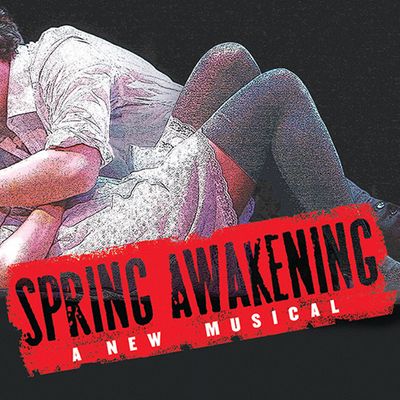
[7:15] Tommy: Which is why it being ambiguous is interesting because it is such the point of the show. I mean, hell, on the musical, that's the cover of the album is that moment.
[7:22] Jimi: For its time, it was so advanced, like so advanced.
[7:26] Tommy: But it got me thinking, right? Nowadays, is there anything that we would have that would kind of meet the same level of censorship? You know what I mean? What would your Supreme Court justice go and be like, nah?
[7:37] Jimi: Or have we literally become so open-minded? Because I was trying to think, I was like, right, what would it be? What would be the thing that people would be like, no, you can’t? I would posture that when Spring Awakening the musical premiered on Broadway, not that there were outright calls for censorship, but certainly a lot of the reviews mentioned how raunchy and obscene this new musical was because raunchy and obscene were not things that were in a musical before that time.
[8:03] Tommy: I think this may be the first cast album with the parental advisory sticker on it.
[8:10] Jimi: When did Avenue Q happen?
[8:12] Tommy: Before.
[8:12] Jimi: So Avenue Q would have been the first one.
[8:14] Tommy: But I guess it was kind of in that thing that was the, you know, the 2000s was like the contemporary musical. We can swear on stage now.
[8:20] Jimi: Yeah, exactly.
[8:21] Tommy: And people liked that.
[8:22] Jimi: And suddenly that's the norm.
[8:23] Tommy: As successful and as great as Avenue Q was, I think Spring Awakening kind of legitimized it because Avenue Q is one big parody, it's one big mocking fest.
[8:35] Jimi: Where Spring Awakening was like, no, no, no, we're gonna use this.
[8:38] Tommy: We're actually gonna use this as an artistic thing.
[8:41] Jimi: Yeah, it's not incendiary.
[8:42] Tommy: Exactly. And that's kind of paved the way a little bit more to okay, well, we'll use angst and, you know, real feelings, what people want to say.
[8:51] Jimi: Well, and it's crazy how much of that does come almost straight out of the source material.
[8:56] Tommy: Yeah.
[8:57] Jimi: I mean, it's a laundry list of tough topics.
[9:01] Tommy: Oh my god, it's ridiculous.
[9:03] Jimi: It is ridiculous. And do you know what? True story. For the record, I love Spring Awakening music. I absolutely love it.
[11:38] Tommy: I think it's beautiful.
[11:38] Jimi: But I didn't, I used to resent it so much.
[11:38] Tommy: I used to resent it all over the place.
[11:38] Jimi: But before I'd ever listened to it, before I ever knew anything about it, all I knew was I was like, well, they swear in it. I think that's disgusting.
[11:38] Tommy: Um, just completely unnecessary.
[12:23] Jimi: And I was like, it's just like teen angst and it's just trashy, and there's no point to it. I was like, it was just nonsense. You know, where's the artistic content there? Shut up.
[12:23] Tommy: Um, but then listening to it and actually learning about it, I kind of slapped myself across the face because I realized that, oh no, they're dealing with this artistically.
[12:23] Jimi: It's a topic that has not been covered yet on a musical stage.
[12:23] Tommy: For sure.
[12:23] Jimi: And they're dealing with it in an extremely relatable way. I think it's a beautiful show.
[12:23] Tommy: Yeah.
[12:23] Jimi: And I think it certainly is an important show.
[12:23] Tommy: It feels important and portrays itself with some importance, which is against the grain of a lot of Broadway stuff.
[12:23] Jimi: It brought the kids to Broadway.
[12:23] Tommy: That's it. You've just hit the nail on the head. The kind of this Broadway.com generation that we've got where kids are, they're just getting so invested in it.
[12:23] Jimi: I genuinely think it was Spring Awakening that just turned all that around.
[12:23] Tommy: I really like that. This Broadway.com generation.
[12:23] Jimi: Oh yeah. I mean, that's because I'm one of them in a way.
[12:23] Tommy: I mean, I'm a little bit more mature. But I've always wondered like maybe this has happened before for other generations, and Spring Awakening is just what brought our generation to Broadway.
[12:23] Jimi: Yeah, yeah, yeah.
[12:23] Tommy: Whatever the case, whether it brought our generation or young people, it has the same effect for the world.
[12:23] Jimi: It's just, it is what it is. It's a great way for kids to kind of let loose and be like, yes, me, that's me on stage.
[12:23] Tommy: Now we all know that I am an emo.
[12:23] Jimi: Naturally.
[12:23] Tommy: The whole world knows.
[12:23] Jimi: Exactly.
[12:23] Tommy: But in terms of its content, it really screams of that kind of like emo generation.
[12:23] Jimi: Do you know what I mean? Just because beautiful, like metaphorical language that they're using.
[12:23] Tommy: It does kind of ring of your Panic! At The Disco is your Fall Out Boy.
[12:23] Jimi: Like I loved all that music because I was like, oh my god, you're speaking to me.
[12:23] Tommy: And it does the same thing in content too. I mean, these kids are the emo generation of 1906 Germany.
[12:23] Jimi: Exactly.
[12:23] Tommy: And they're going through the same problems and having the same teen angst, motivated by the same parental apathy and adult apathy they have in their life. Like it's all rolled into one. It's great.
[12:23] Jimi: Let's talk for a second about the actual music, the content.
[12:23] Tommy: For sure.
[12:23] Jimi: I think it's beautiful.
[12:23] Tommy: Mm-hmm.
[12:23] Jimi: And getting to the stage of unrivaled, like I love it. Like, I'm an arty boy, and I love my poetry and all that. And I just think this is great.
[12:23] Tommy: I remember the first time I listened to it, it all completely washed over me. I had no idea about any of the plot.
[12:23] Jimi: I was like, what?
[12:23] Tommy: Absolutely no clue. I figured someone, someone died along the way.
[12:23] Jimi: Yeah.
[12:23] Tommy: And there was something about sex.
[12:23] Jimi: Well done.
[12:23] Tommy: That's basically what I got from it.
[12:23] Jimi: But I knew it was beautiful. I was like, this is lovely language. And then you go back and you listen to it again, you listen again.
[12:23] Tommy: I mean, I didn't realize the kind of content and the plot of like the dark I know well until I was like listening to it in bed one night and just like listen to it.
[12:23] Jimi: Yeah.
[12:23] Tommy: But at this stage, I'm like singing it in the shower and all this. I'm not really responding to actually what I'm saying. And I was like, oh no, wait, okay. I get what this is now.
[12:26] Jimi: Oh my god.
[12:27] Tommy: It's terrifying. I think it is interesting because a lot of the songs, most of the songs in this show feel like standalone, could be standalone rock songs if they didn't have the plot of the show to go along with it.
[12:40] Jimi: Yeah.
[12:41] Tommy: Because there's such the divide between what would you call it? The book script non-singing of the show and then the songs of the show.
[12:48] Jimi: I think like I had that same experience. If you just listen to this album on its own, there's a bigger picture that is easy to miss.
[12:58] Tommy: Yeah, definitely.
[12:59] Jimi: If you took all the songs out of Spring Awakening, you have a 1906 German drama.
[13:05] Tommy: Yeah, exactly.
[13:06] Jimi: That's difficult to relate to. And I guess that's it as well, because obviously what we're saying about the play and that it is kind of archaic in its language.
[13:14] Tommy: I guess what Duncan Sheik and Steven Sater have done have really just updated that. They've been like, okay, well, let's take it from the realms of okay, except this is dialogue, let's get to the stage where we can interpret it now, let's put it into song where we can respond to it in a completely different way.
[13:29] Jimi: Yeah.
[13:29] Tommy: And I think they've done it extremely successfully. I mean, if you really sit and listen to it, you kind of get the idea of what it's about. If you really, really listen to the hope. If you really dig in, for example, like "Whispering," just that kind of last line, like, was it like listening for the hope for the new light? Somewhere beautiful and new chance there, it's whispering there again. Some of that. And you know that, like, all right, it's hope, it's future, is she pregnant?
[13:54] Jimi: Yeah.
[13:55] Tommy: You kind of can peel away and make those assumptions. And then what's the other one, like my favorite? "Mirror Blue Light."
[14:00] Jimi: Is it night or light?
[14:03] Tommy: Night.
[14:03] Jimi: The mirror blue night.
[14:04] Tommy: Right. It was one of those ones I think at first completely washed over. That's a nice song. And then I listened to it, I was like, oh my god, if I listened to that when I was like 17, I would be like weeping because I'm like, it's me, it's me and a song kind of thing, because it's this beautiful amalgamation, this idea of like being a man and a child and your brain's going too fast for your body.
[14:22] Jimi: It's interesting you say that when I was a teenager, if I was a teenager, there's something about these songs that are so teenage to their core, and not in an immature way, like a lot of a very respectful youthfulness about the lyrics and content and the structure. They read like poetry, and sometimes talks about the trap of making your lyrics too poetic. I think these ones avoid it just barely.
[14:50] Tommy: Yeah, I mean, it's one of those things. I think if you even if you're watching it for the first time, I think a lot of it could still wash over you. I don't think you'd necessarily, you know, there's no narrative in these songs. Take the songs out, you'd still be able to kind of get the story, which I think is perfectly fine. I think you have to go back and look at these things. It's the same way you go to a play, you know. If you go see a Beckett play, yeah, you're not gonna have a clue what that's about the first time. You need to go away, you need to read it, you need to see it again for you to start making these assumptions. And I just think it's that level of theatre.
[15:22] Jimi: I also think we set ourselves up for failure because often I think we go into plays, or at least I know I do, going like, okay, I have to be able to do the entire play once I've left this here. I need to know everything about it. I know understood everything, but that's not actually true.
[15:38] Tommy: No, no, no. You just have to go and experience and feel it. It's like get that carnal response, get that nice basic thing. And man, is this a show for visceral carnal response?
[15:48] Jimi: Definitely. And I get why it ran for so long on Broadway. Kids just kept coming. It was this great outlet for them. I wonder if they knew when they were writing it that kids were gonna eat it up. Nowadays, the youthful audience is just a demographic on Broadway.
[16:03] Tommy: Exactly. I would imagine before that it wasn't. Kids didn't see Broadway shows unless they were like kids and you were going to see "The Lion King."
[16:10] Jimi: Yeah, and you were going with your parents.
[16:12] Tommy: Yeah, go to see a family show. But like going to "Spring Awakening" is like sneaking into an R-rated movie.
[16:18] Jimi: Exactly.
[16:18] Tommy: But that's the thing, is I love that, but I just like a kind of sense of like risky danger about it.
[16:24] Jimi: Right.
[16:24] Tommy: Because it's kind of talking about the things that a lot of the kids going to see it probably haven't yet spoken to their parents about. And it's like kind of like, oh my god, they're like talking about assumption. Oh, I know what that is, but uh should it's that idea, and I love that. There's nothing like that. And it captures it so well beyond just the not knowing, but everything that comes with not knowing about your own self and your own body, and then not being around supportive adults who are gonna help you through that time, and then it doesn't end well for anyone.
[16:56] Jimi: Kind of like the world's biggest advert for good sex education in schools.
[17:03] Tommy: It really, really is. And that's what the play was too. The play was a big advertisement.
[17:07] Jimi: You've read the play?
[17:10] Tommy: Yeah, yeah, yeah. For people who maybe haven't read the play, it's a three-act, it follows the structure of the musical pretty well.
[17:16] Jimi: Yeah.
[17:17] Tommy: They're about the same. The biggest notable difference that I remember from when I saw it is at the end in act three, Melchior is in the graveyard, and the ghost of Mortiz appears with either a very disfigured face or no head. I've seen some really bad no head costumes. He has a, you know, they have some words about what's going on, and then instead of another character from the play coming back, a masked figure appears. He's called the masked man. It is a weird, bastardized Deus Ex Machina where he comes down and explains away or like chastises the audience for the naughtiness they've done and why they, you know, should be spreading these things. It's vastly interpreted that this masked man is just the playwright, is just Frank Wedekind.
[18:09] Jimi: I think he actually played it in the first productions in Germany.
[18:13] Tommy: I think he did. That would make a lot of sense. I'm glad it's not in the musical. It's like the narrator coming out at the end of the storybook and you know, going, and that's why, children, you shouldn't talk to strangers.
[18:27] Jimi: Exactly.
[18:28] Tommy: And it seems kind of patronizing.
[18:30] Jimi: Yeah, it is a little bit.
[18:31] Tommy: But I guess in those days, if you've managed to stay to the end of the play, you could still probably be that naive.
[18:37] Jimi: Because it wouldn't be any teens going to see this.
[18:39] Tommy: I wonder who did go to see this thing if it was so censored and so and like especially going to a play like this was not something you could just sneak into.
[18:50] Jimi: No.
[18:51] Tommy: I'm sure people knew.
[18:52] Jimi: Yeah, I guess it would have had its audience. There would have been people who were like, well, I'm just going to see it. I'm not going to like it, but I'm going to see it.
[18:58] Tommy: That's even with the musical one of its successes. Like that it very famously had on stage seating when it was on the original Broadway production. You're reminded the entire time that you are experiencing this with many, many other people. Everyone is watching this. It's not Melchior's private sex journal that he gives to Mortiz that you can read in private. Like, even when at the end of Act One, when Jonathan Groff and Lea Michele are going at it, and the whole cast appears beneath them to sing at their face during this intimate, intimate moment. It's very much like we want you to watch. It's you will be exposed to this. And I absolutely love that. Because it can be uncomfortable at times.
Like the scene, the first scene in the hail off when he's like beating her. Real uncomfortable. I saw it's awkward as hell, but you're like, okay, no, I'm going with it. I'm going with it. Or the masturbation scene. Super uncomfortable. They don't try and decorate it, they don't try and make it arty.
[19:53] Jimi: No.
[19:53] Tommy: And I don't think any director ever should. I think that's such a key part of it is that you don't baby or you know, um, what's that word? Uh like make a euphemism of it.
[20:03] Jimi: We're gonna say euphemized.
[20:04] Tommy: Euphemise, that works. Oh, that makes sense. Don't like don't, because that's the whole point is that you should be shocked. You should be feeling really uncomfortable. It's a shock musical in a lot of ways, especially when it came out in 2006.
[20:17] Jimi: Yeah.
[20:18] Tommy: Which is so cool. No one did that.
[20:20] Jimi: I know, and uh even on the back of things like "Avenue Q," you know, they had sex, they made puppets have sex on the stage.
[20:25] Tommy: Yeah.
[20:25] Jimi: Well, no, here in "Spring Awakening," we're gonna do it for real. And they're gonna be kids. "Avenue Q," there was still some kind of separation, but "Spring Awakening" was a story about children played by children, like for children. It was crazy.
[20:36] Tommy: That's the again, it's kinda like the norm. Well, there's nothing shocking in your musical get out. You look at things like um "American Idiot," there's a lot of teen angsty media going around right now.
[20:50] Jimi: Yeah.
[20:50] Tommy: And I can't think of a lot that happened before "Spring Awakening."
[20:54] Jimi: No, but then again, it wasn't it just wasn't the way. Teens weren't like that then. They were still growing into this. I guess like emote color. I keep well, don't want to use emo, because people put such a word on that, and you know, we're real people. Um, but it it that kind of culture, do you know what I mean?
[21:10] Tommy: Yeah, I wonder if it's just a different color of the same horse. Like whether you're an emo or whether you're a beat poet, yeah, you're still that kind of angsty, artsy, rebellious type.
[21:22] Jimi: Completely. Completely. And I'm not gonna relate myself to the beat generation because I don't think I'm that intelligent. But it is the idea of like you we're all Melchior, and we're all thinking I am so much more than this, and yeah, okay, I'm a megalomaniac. What a sad protagonist, poor Melchior.
[21:39] Tommy: Oh my god, Melky. I feel so bad for him throughout the whole thing.
[21:44] Jimi: I know, and well done for casting Jonathan Groff. Do you know he was so have you watched his cabaret he did recently? Maybe a year ago or so. He gives a whole bunch of insight into the casting process. He was the wild card last choice for Melchior.
[22:00] Tommy: Really?
[22:00] Jimi: Okay before final casting. It was like the first time he was in with the director, and they were like, Can you sing a falsetto? And they played one of the songs, I don't remember which one. Well, I'll put a link to this clip in the show notes because he explains it much better than me. But he like does his falsetto and the director goes, Oh, that's your falsetto.
[22:19] Tommy: Oh no.
[22:20] Jimi: And Jonathan Groff went, yeah, I guess. And apparently, because he laughed at the director in that moment, they were like, Yeah, let's throw this crazy kid into the mix. Yeah, uh, he's fun, we'll see what he does. And then he got the part.
[22:35] Tommy: Well done for taking that risk, because I think Jonathan Groff is incredible. I really, really like him.
[22:44] Jimi: I really think he seems super talented.
[22:47] Tommy: He really does. He does not do well auditions.
[22:49] Jimi: I can't believe that. Have you ever have you seen the uh Seth Rudetsky obsessed with Jonathan Groff?
[22:54] Tommy: No.
[22:54] Jimi: Uh okay, great. I'm setting that in the show notes. It is so basically he talks about the time he auditioned for "Millie." I think, I assume it must have been the original. Maybe it was the tour. He was like obsessed with Sutton Foster, just like notoriously. So he had learned all the complete choreography and performs it on this interview with Seth Rudetsky. Because he performed it for the audition panel. Anyway, go watch the video, because again, he explains it a lot better. And you know what? "Spring Awakening" is a great platform if you want to be famous.
[23:23] Tommy: Absolutely.
[23:24] Jimi: So we've got Jonathan Groff, who obviously is now he's well known, isn't he?
[23:28] Tommy: He's absolutely well known. People know who he is now. Reoccurring role on "Glee." He's been a main cast member on "Looking," which is incredible.
[23:38] Jimi: I have not seen "Looking."
[23:39] Tommy: Oh my gosh, Tommy.
[23:42] Jimi: Really?
[23:43] Tommy: Yeah. No, as a gay man, I compel you to watch it.
[23:47] Jimi: Really? It's that I was I was worried that I was gonna be offended by the stereotype.
[23:51] Tommy: No, it's not. That's the thing, is like there's no that's the whole point of "Looking" that it's like, oh right, oh, gay people can be normal. Great, oh that's good. And it is like it's a romantic comedy almost, but with gay men.
[24:02] Jimi: Well, and so Jonathan Groff and then Lea Michele.
[24:05] Tommy: Lea Michele, I mean, everyone knows who Lea Michele is. I think it is hilarious to me that Lea Michele, after and like if you actually watch the musical, the character of Wendla is not terribly sexualized, but from the outside, it seems like she's a quite sexualized character, and I think it's developed that reputation.
[24:25] Jimi: What about Wendla?
[24:26] Tommy: Yeah.
[24:27] Jimi: Oh, interesting.
[24:28] Tommy: Okay. Well, because I mean, you know, you look at you look at the cast album and and I guess.
[24:32] Jimi: But the whole point is it's like uh she's kind of sexualized without you know knowing it.
[24:32] Tommy: Yeah, without knowing it, exactly. Like there's a lot of baggage that goes with it. I think making the jump from that to "Glee," which is kind of kind of cereal box, kind of granola. Where she plays Rachel Berry, who is the most cereal boxed, you know what I mean? Like uptight, like that I'm amazed that jump worked.
[24:57] Jimi: Yeah.
[24:58] Tommy: Like, I think you can do that in the other direction if you're Daniel Radcliffe and then perform in "Equus" after "Harry Potter." But to go backwards.
[25:06] Jimi: I know.
[25:07] Tommy: I know. Were you a fan of "Glee"?
[25:08] Jimi: I wanted to like "Glee" a lot.
[25:10] Tommy: Yeah.
[25:11] Jimi: I liked early "Glee." "Glee" came out right when I was an educator and training.
[25:16] Tommy: Right.
[25:16] Jimi: Which got me really excited. You know, I was off the heels of my show. Uh huh. And then I think the writers took too many liberties with what is believable as high school drama.
[25:29] Tommy: Yeah.
[25:30] Jimi: And I also think on the one hand, I applaud "Glee" for it a lot, but I think "Glee" turned into the after school special show. Like, what issue are we gonna cover this week?
[25:41] Tommy: Yeah, yeah, yeah.
[25:42] Jimi: And it is hard to be a downer about that because of course, what wonderful things to celebrate and to put on television that haven't been put on television before. Yep. I think it's a little trying for your audience if every single week is a new issue show.
[25:59] Tommy: It's like protesting everything. If you protest everything, you're protesting nothing.
[26:03] Jimi: Oh, like that. But then the question that follows is which after school special issue are you gonna cut from "Glee," Tommy?
[26:11] Tommy: Yeah, exactly. No, please, no, I'm not don't nope, no, not touching that one.
[26:15] Jimi: Yeah, I loved it. First three seasons changed my life. I'm not even lying. Like, yeah, completely. I don't know. Just that whole idea of acceptance.
[26:24] Jimi: Absolutely.
[26:25] Tommy: One that's, I think the w strangely, Glee and Spring Awakening kind of sit in the same pocket there.
[26:32] Jimi: 100%.
[26:32] Tommy: 100%. It's that's they speak to the same generation, don't they? That's the thing. Is a lot of people say, Oh, it's okay, just be who you are. Glee was like, no, seriously. It's fine. It's fine. In the first three seasons. And then it did get a little bit weird.
[26:44] Jimi: Well, you know, they ran into the Boy Meets World problem and dealt with it in the wrong way.
[26:48] Tommy: Yeah.
[26:49] Jimi: And then they tried to portray Broadway, and I'm sorry.
[26:53] Tommy: Do not.
[26:54] Jimi: But Whoopi Goldberg.
[26:56] Tommy: I didn't actually watch those episodes. I just know that she was in it.
[26:58] Jimi: Their portrayal of Broadway is obscene.
[27:01] Tommy: Um, there's a part where Santana ends up going on as Fanny Brice for Rachel Berry.
[27:07] Jimi: Oh, we did talk about this.
[27:08] Tommy: Because she's just like there. She literally just like rocks up and it's like, well, you know it. So you do it.
[27:14] Jimi: Okay, equity. I'm calling equity because what? And if people think, oh, but it's so easy to get on Broadway. But it's like when Mickey and Judy were in small town Ohio and they were like, Whoa, we gotta save the pet shop. Let's put on a show. Come on, everybody.
[27:30] Tommy: I know, but come on. She would get fired.
[27:34] Jimi: Anyway, she didn't get because she cried or something. I don't know. Um, but no, I gaggle. And I mean, the other one that it propelled, weirdly, Skylar Astin.
[27:44] Tommy: He was on Glee.
[27:46] Jimi: No, he was in Pitch Perfect, which is even bigger than Glee.
[27:49] Tommy: He was in Spring Awakening.
[27:51] Jimi: Yeah, yeah, yeah. He was in Spring Awakening.
[27:52] Tommy: He was Georg.
[27:53] Jimi: I now understand. He was because do you remember when I was saying he's got the we curly bit? He was one of the curly hair in the glasses.
[27:59] Tommy: He uh looks entirely different now.
[28:01] Jimi: Right. That's crazy. Skylar Astin, so great. I love his voice. Wow, he looks so I would have never put together that this was the same person.
[28:10] Tommy: The same guy exactly with the glasses and the stupid curly hair.
[28:13] Jimi: Exactly. Um who else? Um Hunter Parrish.
[28:16] Tommy: He was in a TV show, I think.
[28:17] Jimi: I know, yeah, Hunter Parrish. I know. He was in Weeds.
[28:20] Tommy: There you go. Well, he went on as a second cast.
[28:23] Jimi: Really?
[28:24] Tommy: Yeah, yeah, yeah. That's awesome. That's always the fun part with young cast shows.
[28:28] Jimi: Yeah.
[28:29] Tommy: You're gonna find the people who are starting their career with this show.
[28:33] Jimi: Little geek geek back, sorry. Um did you know Lea Michele?
[28:38] Tommy: Uh-huh.
[28:39] Jimi: Is in the original Broadway cast of Ragtime.
[28:42] Tommy: No way.
[28:43] Jimi: She plays little girl.
[28:44] Tommy: No way.
[28:46] Jimi: Yes way. Yes, all the way. And if you listen to it, if go listen to it. If you listen to it, you can hear it.
[28:52] Tommy: Oh my god.
[28:52] Jimi: It's there. Look at that Michele. She's also a fiddler.
[28:56] Tommy: She was I think she played one of the unknown daughters, Bielka, or the other one.
[29:00] Jimi: Sh but it's uh, I've learned that. I'm never gonna forget that. But yeah, she she was she was a little girl, she was Tata's daughter in Ragtime.
[29:07] Tommy: That's crazy. And then it's like literally just like a few years later, and she's in Spring Awakening. Suddenly she's on a platform above the stage with Jonathan Groff's naughty bits all over the place.
[29:18] Jimi: She did well. And I I like her, I think she's great. I think she's great. A talented gal. I don't think she'll ever go back to her Broadway stage.
[29:25] Tommy: Yeah, I could see that. Because why would you? Too much work for not enough pay.
[29:30] Jimi: When I was young and stupid. I would always just be like, why do these Broadway people keep going on to TV? I find it so offensive. I'm like, oh wait, because they make no money.
[29:40] Tommy: Right.
[29:40] Jimi: Because that is how you pay for your new kitchen.
[29:43] Tommy: Exactly. Even though those eight shows a week and years of training, you know, really equate to nothing. You can just be on TV.
[29:50] Jimi: That's the joy of it all. Live theater, man.
[29:52] Tommy: I know. That's for the love of the art.
[29:55] Jimi: But yeah, so there we go. That's that's the Lea Michele influence. This has been the Lea Michele Interlude.
[30:09] Tommy: Well, let's do we talk about the differences between the play and the musical?
[30:14] Jimi: The main one that I can glean. Yeah. Again, I've never seen it, but it all comes kind of down to the rate.
[30:19] Tommy: Yeah.
[30:19] Jimi: And its explicitness. And the end, obviously. Which I think is really because they're obviously they're completely tied together.
[30:26] Tommy: Exactly.
[30:27] Jimi: All kind of tossed up in Melchior's guilt. The story of Morris is pretty much verbatim, isn't it?
[30:29] Tommy: Pretty much verbatim.
[30:33] Jimi: Yeah. So his guilt for that is is all there. But the Vendla one's done very differently between the two.
[30:39] Tommy: It's quite good because they are very different. They're kind of like these two bad and they mean different things. But as an update for a contemporary audience, I think that's totally fine.
[30:51] Jimi: I'm absolutely fine with it. That it is more ambiguous of consent and that you you don't really know.
[30:57] Tommy: Well, and they even, from what I've read, between off Broadway and on Broadway, they modified.
[30:57] Jimi: Yeah, they like dumbed it. Well, not dumbed it down, but they just they made it a little bit.
[31:07] Tommy: A little more ambiguous, the act one ending, you know, where where the consent lies.
[31:12] Jimi: Yeah. Yeah. It's a very nuanced, complicated sort of thing.
[31:17] Tommy: It really, it really is such a powerful scene. Because you're like, ah no, you know how this is gonna end.
[31:23] Jimi: And but that's the crazy part. And that you know, later on, Melchior's parents, I believe Melchior's father points out if he wrote this whole pamphlet, clearly he knew what the consequences were.
[31:35] Tommy: Yeah.
[31:35] Jimi: And I think the beauty of the show is like he wrote this whole pamphlet and still didn't understand or was not able to grasp and comprehend what the consequences were because of where he was as a human being.
[31:50] Tommy: Is that understanding? It's that idea that, like, okay, you can have all the words and you can be given it, but the translation needs to come from a parent, it needs to come from an adult. They need to explain it for you to then understand it.
[32:01] Jimi: Because otherwise you don't understand it. It's just words in your head, and you don't understand any weight behind them. That is, I think another one of the beauties of the structure of the original Broadway show is that you have all of the kids and two adults, and the adults in the play are played by two people.
[32:19] Tommy: The forbidden Broadway joke is the adult lady, and she says something like, And when I put this hat on, I'm Frau Brukenstack or whatever her name is.
[32:29] Jimi: And it's you know, it's fun. They play all of the characters, and it really it it zooms in on what the show is about.
[32:36] Tommy: Totally. It's about these adults not being here.
[32:39] Jimi: They're so good. And the whole structure of the inner monologue of it all, and the way they telegraph that just by the use of microphones, which don't even do much, they're just prop microphones.
[32:51] Tommy: But we pull the microphone out of our suit jacket, and now we're telling you our thoughts in contemporary vernacular.
[32:58] Jimi: It turns into a rock concert for three minutes and then you can see. And then we go right back into it.
[33:03] Tommy: And it's a wonderful piece because the whole thing is about how these kids don't have a voice, you can't have them telling each other these things.
[33:12] Jimi: If you do that, it ruins the beauty of the show. If they're having these discussions about, oh, I, you know, I learned about this, and like going on and on about it in a three or four-minute song. But if they can have this kind of outer body moment for a couple seconds, and then we all zoom back into it, there's still these unspeaking for the most part characters.
[33:30] Tommy: And that is it's that thing of like, oh, you take the songs out of Spring Awakening if you keep kind of going back to that.
[33:35] Jimi: Yeah. Nothing happened. Do you know what I mean? We don't see anything. Spring Awakening is a musical of teenagers' inner monologues.
[33:42] Tommy: Yeah, yeah, yeah, yeah.
[33:44] Jimi: It's really cool. I read a really weird thing about the microphones one time. I can't remember where. I'll need to try and find out for the show notes, but where they tried to compare the microphones to like made them like they were like, oh, it's this phallic symbol.
[33:57] Tommy: And I was like, Do you know what I mean? They were trying to like really play on that. I'm like, no, don't like don't do that. Don't try and artify it.
[34:05] Jimi: The theater major's curse. Keep reading into it until you've burnt a hole through the paper.
[34:12] Tommy: Oh, exactly. I'm like, what? So every character's gay or something now, or everyone wants cock, or I don't know, like just this idea of like this microphone. I'm like, no.
[34:20] Jimi: No. No, it's just a microphone.
[34:22] Tommy: It represents a rock concert.
[34:23] Jimi: Right, exactly. That's what the creators said.
[34:26] Tommy: But it is, you know, that is the danger of a show like Spring Awakening. There's such a concept to it that is still very accessible, but you know, no one goes into Spring Awakening.
[34:39] Jimi: Like, we're not we're not in realism land by any means.
[34:41] Tommy: Not at all. It's not a three-wall box set that you're like, oh, we've removed the fourth wall, and now we're just gonna experience a night with the Jonathans.
[34:50] Jimi: Because you're telling your audience there is a concept, there's metaphor, there's stuff you're not seeing that opens up the door for them to be like, Well, I'm going to interpret every tiny little choice you make.
[35:03] Tommy: Admittedly, we we just did the exact same thing with Hamlet, didn't we? We're complete hypocrites.
[35:07] Jimi: Right. We are perpetrators of this as well.
[35:09] Tommy: To the core.
[35:10] Jimi: No, it's true. Do you know what? It literally is metaphor of the musical?
[35:13] Tommy: Yeah.
[35:14] Jimi: We've got Mad Libs and Musical now. This is a metaphor of the musical. And they're everywhere, and it's I love that.
[35:18] Tommy: I really love that. Even in the lyrics, even in the words, everything is just a comparison to something else.
[35:25] Jimi: Isn't it interesting that on in all this metaphor and confusion, this is exactly what the kids were experiencing. They were experiencing euphemism and metaphor and not actually just getting to the point and saying, look, this is what this is.
[35:38] Tommy: They're stuck in the birds and the bees.
[35:40] Jimi: Yeah. It all kind of comes down to that chat that Vendla has with her mum at the start for the Mamahood Bomber Reprise. When she's like, um, love your husband, only your husband with your heart. And because it's all couched in this metaphor, that's where all the danger comes.
[35:55] Tommy: And I mean, even the title of the musical, Spring Awakening, is a metaphor.
[35:59] Jimi: It's absolutely a metaphor. Well, that's like all the, you know, kind of tree imagery and life and what all that means, you know. Often the sexual education metaphor is plant-based.
[36:12] Tommy: You know, it's the birds and the bees, it's pollinating, it's things like that.
[36:16] Jimi: And as a culture, we draw a lot of connections between those two things and calling it a spring awakening. You know, in spring, when we're watching all of these flowers bloom, what we're really watching is like them wagging their sexual bits around for all the bees to come and do their thing.
[36:31] Tommy: It's it's just it's all the same.
[36:33] Jimi: It's great. And then it ends with dramatic, dramatic sadness.
[36:36] Tommy: I do think I think it's one of the best, not quite reprises, but between all that's known and those you've known.
[36:46] Jimi: It's really heartbreaking, isn't it? What a kicker. Milker lucks out with the songs, by the way. My favorite, which is Left Behind.
[36:53] Tommy: I adore that song.
[36:54] Jimi: That is just it's it's so great. And the thing that I think makes it is the fact that it's a teenager singing it to an adult, being like, Euridic, Euridec, Uridic.
[37:04] Tommy: Have you seen uh I'll put this up too. It's from the same Jonathan Groff cabaret.
[37:11] Jimi: He'd tell you gotta watch it. He's standing over the grave. It's this dramatic, dramatic moment, and he totally blanks on the words.
[37:19] Tommy: Does he?
[37:20] Jimi: And he goes, All things. All things. All things. Like on and off.
[37:33] Tommy: Does he acknowledge it ever?
[37:34] Jimi: The best part is the entire cast has to walk past him and put a flower in the grave.
[37:39] Tommy: Is this wait? What was this? Is this like a reunion?
[37:41] Jimi: It was just him. He was he got he signed up for a cabaret like three years later and just did a little like one-man show.
[37:47] Tommy: And the you know, interspersed with with tidbits and talks through it. It's great. You gotta watch the whole thing, but this is a wonderful one too.
[37:55] Tommy: Oh god, he would have been so mortified by that. One member of the cast couldn't take it so much, and she just burst out in tears because she couldn't hold her laughter in and was just crying because he didn't sing another word of the song.
[38:06] Jimi: Oh no.
[38:10] Tommy: And he says, like, and the cast album wasn't out yet, so I figure maybe people that just thought that's how the song goes.
[38:15] Jimi: Right, exactly. I mean, fair.
[38:18] Tommy: And it's equally ambiguous. So it's so funny.
[38:21] Jimi: All good. Oh, they're not that hard, Jonathan. They're not that hard.
[38:24] Tommy: I do it. I think my favorite song of the whole show is.
[38:29] Jimi: Oh, this is sorry everyone. This is where our censorship leaps are gonna come in a lot.
[38:33] Tommy: I wonder what it could be.
[38:35] Jimi: Is totally fed.
[38:36] Tommy: Totally bleeped, yeah.
[38:38] Jimi: I do enjoy it. There have been a couple performances of various songs from the original Spring Awakening on like late-night talk shows.
[38:46] Tommy: Yeah.
[38:46] Jimi: And they always pre-censor the lyrics. They don't bleep them out, they just fill them in. But the little smirks and smiles and winks that all the cast members have when they're singing the censored words.
[38:57] Tommy: It's good though.
[38:57] Jimi: It's good. I think it adds a whole extra element to it. And it is that kind of like, you know what we're saying. We're not saying it's like we've got the edge on you.
[39:04] Tommy: Yeah.
[39:05] Jimi: Well, and that though it's it's a song called Totally Fed. It doesn't do the dance 10 looks three hide your joke in your title.
[39:14] Tommy: Yeah, yeah, yeah, yeah. It is you know what this song is gonna be when it happens.
[39:18] Jimi: It happens in such a beautiful, like right after I know it's the best transition to that kid space thought sort of stuff. Is the teachers have just been like, We found this thing. Did you write it? There's a moment you know you're fed.
[39:35] Tommy: But I do know what at first that's what I had such a problem with. Was that song just because of its placement? I'm like, no, I'm in a sad feeling right now. Okay, Morris has just died, okay. So I want to feel sad, and then this happens, and cause it because it's kind of like a funny moment as well. And it's supposed to be, it is supposed to be that light relief after the darkness. But it's it is teen rage, like it is funny and angry, and how those both are relieving in the same way. You know, when they when they all rock out to the blah blahs, which is gonna be the name of my next doo-wop band, rock out to the blah blahs. Uh rock out to the blah blah, yeah. But it it's like I I think every teenager has done that, locked themselves in their room and just jumped around their bed until they don't feel things anymore.
Literally, me age 16 to 23. Exactly. And this is that in a song. You're totally fed, might as well yell and scream. Yeah, and it works. It feels good. You feel a feeling. You don't feel a thing. And they go, I love, I love watching any clip of that song on any TV slot or anything, just because they are having the time of their lives. It must be so much fun. But I what I like, I even love one of my favorite moments in that song. A good portion of it since it happened right after the two, the teacher and the principal have called Melchior out on his sex journal. They're like standing there frozen, like the adults do in this show. And everyone else is just dancing around them, and then about halfway through they rip their hats off, and then they start dancing with the whole thing.
It's a tiny little beautiful moment, but I think it acknowledges like we were all there. We were all there, we were all a part of it. And if you watch their dances are not like the kids' dances, they're you know, stupid dad dances and mom dances, they're like giddy adult dances, but still from that same kind of f it all place. Yeah, let loose. Well, that's great. It's one of my favorite moments of the show. Hey, so good. I don't know why I I'm I'm not like awful answer of I like it all. That is our problem. We're we're giant fans of everything. I know. I thought we really need to get evil. We just need maybe next week. Next week we just pick a show we both dislike. If you if you ever want to get evil, Jimmy, all you gotta do is set yourself up with a competition between three beloved Broadway divas, and then tell the internet that one is better than the other two. I know I wouldn've I've learned that from your mistake. People will vilify you for eons. I know. Yeah, you're never gonna let that dying. Oh well. You wanted to talk about the West End production.
[42:17] Jimi: Oh, I want to go off on the West End production. I don't want no, right. I don't want to go off on the West End production. Uh huh. I want to applaud that production for existing. Um I want to go off on the producers or whoever the people that decide to close. Did it not do well? So what? The Broadway one ran for years, like three years or something like that. Something like that. Like about 900 performances, something like that. The West End production ran for about two months. What? March. Oh, I got it right here. March 21st to May 30th. Yeah. What's that? Not even. Yeah, about two months. About two months. Where the United States won, the Broadway one opened December 06 and closed January 09.
800 some performances. Yes. This enrages me. So I have so much beef with the West End at the moment. But just because as someone who's a massive fan of Broadway, it's interesting we were talking about bootlegs and things over in Red Hit. Yeah. Massive fan of Broadway. I mean I it's quite difficult for me to get out there. Quite an expense. When they don't have the bridge yet or the tunnel, so. Exactly. So I'm such a champion for that tunnel that's coming. So, oh, there's all these amazing shows that go out there that I'm obsessed with and I adore and I think are so powerful and I want them to change me, but I have to just kind of let them surface change me because I'll never be able to see a production.
Unless it's amateur. Several years later. The main the main one that I will always pull out is next to normal. Mm-hmm. And that we'll never see that. That's so str so stran. So why do you think Spring Awakening, why do you think the producers closed it? Like if you were a producer.
[43:52] Tommy: I mean, the the reason it closed was because of poor sales. Which is why anything closes. Now, on the West End, our theaters are massive. Okay. We have really big theaters. Uh kind of across the board. It went into the novello, which I'm just gonna Google and see how many sheets that has. 1,105. Now that's that's quite big, okay. So I'm looking right now. It premiered in the Eugene O'Neill in America, which has 1,108 seats. Was this the Broadway? The Broadway was there, right? Uh huh. So I mean, but you know, you look at that, you're like, okay, it's successful. It's running for years and it's selling out every night. Perfect. Let's get it over. Great. Oh, wonderful. So it transferred into the novello and it lasted for buzz all.
I I get it, right? I do get it. I get that you can't have it all. You can't force people into these theaters. Yeah. But you no one can deny that Spring Awakening is good. It met amazing critical success. Like, across the board. Everyone was like, yes, this is really great. Audiences who went loved it. It won 12 Olivier Awards, I think. Was it 12? Four. I'm exaggerating slightly. It won four. I mean, it won four, including the best. Yeah, including best new musical, yeah. People liked it. So why did it close in a heartbeat, not even like a year? It didn't even get a year, it got two months.
[45:12] Jimi: So from across the pond, I have a admittedly very stereotypical view of Brits and UKers as being slightly more uptight than Americans. That might not be the most accurate descriptor, but y'all stand in lines much more than Americans do. There's a lot of organization, a lot of like social pressure to adhere to things. These are all things I'm, you know, making up because I've never You're You're going for the stiff-ass Brit line, aren't you? Right, yeah, you know, stiff upper lip, oh we're gonna have a cup of tea, which you know was 100% a stereotype. But do you think people in England were were reluctant to go see a sexy raunchy musical?
[46:00] Tommy: No. You don't think so? No, I d I genuinely don't. Like, not one that has such a claim. That's kind of how we work. Because Avenue Q, let's go for Avenue Q. That's true. It did very well. Like 1179 performances. Much, much better. And then reopened again at the Gilgude. That's what it was. So people were not stiff-ass Brits. So well, okay. So then if people are are they're not avoiding it because of the sex, are they avoiding it because of the feelings? Because that's the difference between Avenue Q Book of Mormon and Spring Awakening. The reason I think they're avoiding it, and this is I'm gonna get slander, and I don't care. Um is because the West End, it's not a place for theatre. And I know that sounds completely stupid, and you're like, well, what you're saying, of course it is, not in the same way that Broadway is.
It's not a place for art theatre, it's not a place where you can go to a musical and come out thinking it's it's very difficult to do that. Not impossible, very difficult to come out being so moved and so affected by something that's new and contemporary and affecting. That isn't why people go to the West End. They go to the West End to see the Lang King, they go to the West End to see Mamma Mia, they go to the West End to see Limez, Phantom, whatever. All these ones of are never gonna close. Wicked, like all these never gonna close. We'll stay there forever. It's it's very escapist, it's very it's a tourist thing. Now, Broadway, obviously tourism, but people are going to Broadway for this reason, because there's nowhere else for them to go.
[47:30] Jimi: I think there's a lot of pushback on those types of shows on Broadway. Like um uh Spider-Man Turn Off the Dark is a perfect example. Yeah. Those kind of theme park style big old spectacle, get the tourists from Oklahoma to come in and watch your show. Like, there's a lot of pushback against those sorts of pieces from the critics, from the locals, from the artists in the city. Exactly. And they're just saying they're saying please don't make us come across as stupid because there's no content, there's no substance to this musical that you're putting on, right? Yeah. You are patronizing us by doing this. And rightly so. It should not be filling a Broadway house, it should not be taking that place.
If it's not worth it, if it's not good, you know, if it's not worth it, exactly. There's a there's a concept of stageworthiness that I think is a sliding scale for different people. What makes something important enough or of pressing enough need to go through all this trouble to make a production about?
[48:32] Tommy: Yeah. And it seems different between West End and Broadway. It does, it does. And it's it's to do with tourism, it's to do with money. Of course, it's to do with money. Fine, you need an industry, it's a bit I think we just made our first billion or something like that. The thing that annoys me is the people who hate musical theater look at the West End and they get all of their fodder for their argument because they're just like, uh, what give me your substance? I'm like, look at Broadway, please just go look at Broadway, because that's where they're doing it. Do you have so I wonder this a lot of like the the kind of shows we like, the arty musical theater shows that are on Broadway start off Broadway. Is there a similar on-off system in the West End?
[49:15] Jimi: No. Off-West End is just not a thing. We don't have a s there's not like an off-west end scene. It's not like, oh that I mean that had a really good run off West End. Like that does that isn't a language that we use. No, it's I wonder if that's part of the difficulty too. Because even Spring Awakening started off Broadway, and that gave them the chance to mold it and craft it and correct it and you know make it all the thing that it could be before they went through the trouble of booking the Eugene O'Neill and building the big Broadway set. It's like turning your paper into your teacher, like getting your first review, but you have a couple drafts to get things and I wonder if if that whole system, you know, Hamilton started off Broadway.
All of these really really intense shows started off in smaller houses, more intimate houses with more room to play. It's uh so it's just I could go on for hours. It's just I want to be moved by music and I want the world to be moved by music. I want the world, well not the world, I want the UK, my world, to see that this is a legit art forum. At the moment, we're just all kind of screaming uh all the people that know this and are aware of this, we're just kinda screaming at a wall to say, stop going to see these shows, please. Please, if we get another Dukebox musical premiering in London, I'm going to kill myself. Like, I just will I can't cope with it anymore because it's so depressing that we'll okay, yeah, we won't mount a production of Next to Normal.
Trying to get fun home over here is the most difficult thing in the world. I'm like, everyone knows that these are great, and yet, okay, you're just gonna go stick on. What did we just get like the Burt Baccharak musical? I can't be bothered. I cannot be bothered anymore.
[50:04] Tommy: Uh I could go on for years. It's interesting though.
[51:03] Jimi: It is happy, isn't it?
[51:04] Tommy: It's hopeful.
[51:05] Jimi: It's got a lot of hope in it.
[51:06] Tommy: It's hopeful.
[51:06] Jimi: I mean, thank God Melchior doesn't kill himself because otherwise this would be the most depressing.
[51:13] Tommy: But that's that's the point, you know. Those you've known, like he contemplates it, but it's don't you dare Melkie, or otherwise all of all of this was for naught.
[51:20] Jimi: Exactly. And it's like I'll I'll remember them and I'll walk with them and they'll walk on my shoulder or whatever the word is, and they'll be with me as I grow and they will help me grow. But I love that that you know Song of Purple Summer is just such a lovely happy song at the end where it's like it's okay because we grow, we blossom, and I don't I don't know what the relevance of the color of purple is. Let's talk about that.
[51:39] Tommy: There's a lot of uh color imagery throughout this whole thing, you know, the mirror blue night, blue wind, and then we go to purple.
[51:46] Jimi: I don't know.
[51:47] Tommy: Yeah, it's just it's just a different color because like you know, purple metaphorically is always like royalty and gr it's uh like a grand rich color. That doesn't really make sense.
[51:56] Jimi: This is the the poetry of the whole underlying thing. This is where you know I hinted at it briefly. If I love Spring Awakening, if I had a problem or had to pick my biggest problem with Spring Awakening, it's some of this super ambiguous poetic words. I think all artists have license to be as artistic as they desire. If you don't have a way in for your audience, then I think you haven't done your best as your own artist self. I think the the song of Purple Summer and a lot of its lyrics, that's where I find some of this problem.
[52:32] Tommy: Right. And not that it needs to be 100% explicit lyrics like we'll all be fine, this is the finale. Like, we don't need that 100%, but it's I I got the lyrics right here. The the first bit's fine.
[52:47] Jimi: And all shall fade, the flowers of spring, the world and all the sorrows at the heart of everything.
[52:52] Tommy: Like we're moving into summer, some of it stays, we're going it like I get that metaphor, but a lot of it is we're diving real real deep into metaphorical waters with this.
[53:05] Jimi: And if you're—thank God it comes at the end of a really really intense musical, because otherwise you're gonna lose me in your art.
[53:14] Tommy: Right.
[53:14] Jimi: Yeah, you kind of get mixed because you're still thinking about that all the way to the end.
[53:18] Tommy: You're like, yes, what was it?
[53:19] Jimi: What about summer again?
[53:20] Tommy: Yeah, you're gonna try my patience with your poetry.
[53:23] Jimi: Yeah.
[53:24] Tommy: And I think we get real close to that in a lot of points in Spring Awakening.
[53:29] Jimi: It definitely comes through in the performance.
[53:31] Tommy: You can sell something much more with facial expression and the context and before and the after, but when you pull the song out on its own on shuffle on your iPod, a lot of the over poeticness of it shines through a little too much for my taste sometimes.
[53:50] Jimi: Okay, it just blends into the background, you know what I mean?
[53:53] Tommy: Yeah, no, I do I do kind of get what you mean.
[53:55] Jimi: And I yeah, I completely agree there it it's not something you can go into your first thing about oh, I understood everything that they were talking about in the song.
[54:02] Tommy: You can't.
[54:03] Jimi: It's like a painting of a sunset.
[54:06] Tommy: Fine, but it's a sun like beautiful, great, delicate in every way, and also just a picture of the sky.
[54:14] Jimi: If it's not contextualized with everything else, it's just colors on a page.
[54:19] Tommy: That's why I think the title, the Song of Purple Summer, it is weird to me that some of the titles are Artie Farty, poetic, and then some of the titles are like totally fed.
[54:28] Jimi: Yeah.
[54:29] Tommy: But then maybe that's so like that that little epiphany that I had earlier about the kind of purposeful ambiguity and the purposeful metaphoric.
[54:37] Jimi: The metaphor of it all.
[54:37] Tommy: Maybe that's the point.
[54:38] Jimi: Maybe it's like, well, no, stuff you, you're not supposed to understand it.
[54:41] Tommy: Yeah, that's true.
[54:41] Jimi: They didn't.
[54:42] Tommy: It is weird then that the kids live in a world of metaphor in protest to all this metaphor that's shoved down their throats.
[54:49] Jimi: Yeah.
[54:50] Tommy: But then I guess it's it's almost like that's is what they're saying to the audience.
[54:53] Jimi: It's like you can't understand us because we can't understand you.
[54:57] Tommy: We are gonna garble off at you and we're gonna mouth off, and you are gonna have to take a lot of time to understand what we're saying because you're this is what you're giving us.
[55:05] Jimi: It's like their little fight back.
[55:06] Tommy: Kind of little form of protest.
[55:07] Jimi: I mean, I think that's the great struggle of the whole thing, is these adults are attempting to quote unquote protect their children so that they stay youthful.
[55:21] Tommy: Not explicitly, not because of anything in the forefront of their mind, but just because that's what you do.
[55:26] Jimi: Kids stay kids, but they don't, and that's the problem.
[55:34] Tommy: Deaf West.
[55:35] Jimi: The Deaf West Spring Awakening production.
[55:37] Tommy: I think, as much as we've raved on about Hamilton, I think the Deaf West Spring Awakening is a more revolutionary production than even Hamilton.
[55:48] Jimi: I do and I don't.
[55:50] Tommy: Yeah.
[55:51] Jimi: It's certainly not as popular.
[55:52] Tommy: Well, I think they're revolutionary in different ways.
[55:54] Jimi: It's great that they're both on Broadway at the same time.
[55:57] Tommy: I'm sorry, this season.
[55:58] Jimi: Oh man.
[55:58] Tommy: I am so excited for us to talk about the season as a whole because Oh my gosh.
[56:03] Jimi: That's wonderful.
[56:04] Tommy: Everyone has taken some big risks and they're working.
[56:07] Jimi: The joy of it all is Deaf Awakening's advertisements now say if you can't get tickets to Hamilton, come see this.
[56:14] Tommy: Which is totally fair.
[56:16] Jimi: Absolutely true.
[56:17] Tommy: And the thing is, at the moment, anything you go see is gonna be great.
[56:19] Jimi: It's gonna be great.
[56:20] Tommy: We should probably tell people, for those who maybe haven't heard of the current revival of Spring Awakening on Broadway is done by a company called Deaf Awakening.
[56:29] Jimi: They cast not just Deaf actors, but differently abled people.
[56:35] Tommy: Is that a good way to put it?
[56:37] Jimi: Well, no, they're their main thing is deaf actors, but it's they're open to it's it's accessible theatre is what Deaf West is wanting to do.
[56:43] Tommy: Basically that's their aim, and it's amazing that they've now been given this platform on Broadway.
[56:50] Jimi: It's wonderful.
[56:51] Tommy: All of the reviews for their production of Spring Awakening say that it's crazy this show was ever performed any other way.
[56:59] Jimi: It seems to fit so well with the content of the show.
[57:03] Tommy: Most of the characters are portrayed by, or a lot of the characters at least are portrayed by two people.
[57:08] Jimi: Often a deaf non-speaking actor who does all the performing on stage and signs their lines and their lyrics, and then a singing and sometimes music playing other actor that voices the songs.
[57:26] Tommy: And sometimes the line, sometimes not the line, sometimes there's subtitles.
[57:30] Jimi: They market the thing saying you don't need to understand ASL to experience this show fully.
[57:36] Tommy: But if you do, twice the fun.
[57:39] Jimi: That's kind of where my beef begins.
[57:42] Tommy: I love that.
[57:42] Jimi: I've used that phrase so much.
[57:44] Tommy: Do you have that?
[57:45] Jimi: Is that a phrase that you guys use?
[57:47] Tommy: I've got beef with you.
[57:48] Jimi: I have a beef with something for sure.
[57:50] Tommy: Cool.
[57:50] Jimi: The first thing that I was like, okay, well, does this work?
[57:53] Tommy: I just went straight to reviews from people who are deaf or who work in the deaf community or who speak American Sign Language.
[58:00] Jimi: They say it's great.
[58:01] Tommy: That is their flat.
[58:02] Jimi: They say it is great, and thank God that this is happening.
[58:05] Tommy: And I completely and utterly agree, this is such a huge step forward because this should have happened years ago.
[58:12] Jimi: The thing that they kind of say is that it doesn't work.
[58:15] Tommy: They argue against the point of this is a show for deaf act, you know, deaf people.
[58:20] Jimi: They say it's a show using American Sign Language for hearing people.
[58:24] Tommy: They say the main kind of reason for that is they use a lot of a thing called simcom, which is called simultaneous communication, I think, where I would be speaking my lines and I'm also signing.
[58:36] Jimi: Uh-huh.
[58:36] Tommy: What they say is that what they're signing, say they'll maybe sign like two words, but they've just said a five-minute monologue.
[58:43] Jimi: I can see that.
[58:44] Tommy: That could be a problem.
[58:45] Jimi: And so they're the kind of the deaf people like, well, um what else are you saying here?
[58:50] Tommy: Which would be so frustrating.
[58:51] Jimi: I can completely understand that.
[58:53] Tommy: All the things that they say are great, are the deaf actors with the hearing actor pair.
[59:00] Jimi: They say that that works.
[59:01] Tommy: And I completely agree.
[59:02] Jimi: I have watched so many videos now because it's beautiful.
[59:02] Tommy: It's beautiful.
[59:06] Jimi: It's a wonderful storytelling technique because it's not just they've put someone in the back who just stands there and sings.
[59:14] Tommy: Like sings, yeah, yeah, yeah.
[59:16] Jimi: The other actor who's singing is as much the character as the deaf actor on stage.
[59:20] Tommy: It's they've bifurcated the characters and turned them into two actors who are both portraying the same thing at the same time.
[59:27] Jimi: Often the singing actor is a more grown-up version of the cast member on stage, and they have a lot of non-verbal interactions where like the one on stage checks in with the one off stage about something that's going on, and it again, in the same way that these in the original production we had these like out-of-story experiences where we hear these inner monologues, it evokes that same kind of feeling.
[59:53] Tommy: It's like you see their thinking almost, like they're talking to themselves.
[59:57] Jimi: Yeah, it gives us a way into that.
[59:59] Tommy: That and and that I think is is great.
[1:00:01] Jimi: And I you just will obviously link loads of them in the show notes some performances because it's something you need to see.
[1:00:08] Tommy: You just need to see it because it makes so much sense.
[1:00:10] Jimi: But a lot so a lot of these people giving these reviews were just saying that with um American Sign Language, it's not just about the things you're doing with your hands, it's your face and your body um that communicate just as much.
[1:00:22] Tommy: And that's the exact same as English, you know.
[1:00:24] Jimi: I mean, we can't just if you just stand and speak, you can only get so much out there.
[1:00:29] Tommy: It's the gestures that we use which also communicate, and that makes so much sense.
[1:00:34] Jimi: So again, it makes sense that these deaf actors working with their hearing counterpart are able to just communicate so much more.
[1:00:43] Tommy: I mean, not only because they're deaf and they you know they speak fluently in American Sign Language, but it's because they can use their face and they can use their whole body without having to sing.
[1:00:53] Jimi: That's so great.
[1:00:54] Tommy: Do you know?
[1:00:54] Jimi: I mean, that is so so impressive.
[1:00:56] Tommy: Being deaf is part of the story too.
[1:00:58] Jimi: It's not just that they've plopped these deaf actors and then never talk about it.
[1:01:03] Tommy: It is, you know, a part of Moritz's struggles in school is that he can't hear.
[1:01:08] Jimi: Yeah, and that's why he struggles with Virgil.
[1:01:11] Tommy: Like, that's it's just a part of the plot now, but they haven't changed any of the lines.
[1:01:15] Jimi: They haven't like added new stuff in, but it all makes sense.
[1:01:19] Tommy: Well, did you know that was a thing that happened in 1880?
[1:01:23] Jimi: Really?
[1:01:24] Tommy: So there was like a conference or a summit or something where they decided in 1880, like literally the setting of the show, where they decided to ban American Sign Language in the classroom.
[1:01:36] Jimi: Really?
[1:01:36] Tommy: And they felt if you're deaf, you need to learn how to lip read because otherwise, otherwise it's cutting people off.
[1:01:43] Jimi: I'm like, nope, surely the heart of what you're saying is kind of but hey, classic 19th century.
[1:01:48] Tommy: But that's exactly the the same sort of baggage that's in the whole show.
[1:01:51] Jimi: That's wonderful.
[1:01:52] Tommy: Exactly.
[1:01:53] Jimi: So you know, now when you go to the classroom scene, like you said, when Moritz is trying to communicate in the teachers like no speak and it he doesn't know what to say because he has no idea what's going on.
[1:02:03] Tommy: Because that's not what he does.
[1:02:04] Jimi: Yeah.
[1:02:05] Tommy: It instantly becomes relevant, and that's the but that's the actual world that the kids were living in.
[1:02:10] Jimi: If you had a deaf kid in that classroom, that's what would be happening to them.
[1:02:14] Tommy: I think that's absolutely brilliant.
[1:02:16] Jimi: I mean, awful.
[1:02:18] Tommy: Uh and apparently apparently still goes on in a lot of schools today.
[1:02:21] Jimi: Yeah.
[1:02:22] Tommy: I'm sure.
[1:02:23] Jimi: Well, and then wonderful, that's the beauty of art, the fact that we can show more people this in a very explicit setting.
[1:02:32] Tommy: For that, you know, for that reason alone, it's it just it works.
[1:02:35] Jimi: It's not a weird conceit.
[1:02:36] Tommy: It's not like it's not something you can tack on, I think, to any show.
[1:02:39] Jimi: You can't just be like, let's do—I mean, imagine trying to do Hamilton.
[1:02:42] Tommy: Whoa!
[1:02:42] Jimi: Right.
[1:02:43] Tommy: It would be very easy with something like this to kind of fall into circus sideshow land, you know, come look at the different and be afraid of it, and this absolutely doesn't, which is you there's a lot of delicacy to it.
[1:02:57] Jimi: It's very it feels important.
[1:02:59] Tommy: It's also the it can be a little touchy, but the deaf community, capital D deaf community, has a lot of culture and a lot of tradition, and there's a lot of pride in that too, beyond it just being for a lot of people, sign language and American Sign Language is not just an implement.
[1:03:19] Jimi: People value it as much as a French person would value French.
[1:03:24] Tommy: Like it is a cultural language, and to have something like I think Deaf West does a lot to honor that as well and document that and showcase that kind of tradition.
[1:03:36] Jimi: And these, you know, thank God we have productions like this.
[1:03:39] Tommy: Yeah, exactly.
[1:03:40] Jimi: And it's it's gonna be interesting to see what happens with this because first of its kind on a national stage.
[1:03:48] Tommy: I don't I'm just really intrigued because is there gonna be a place for this on Broadway again?
[1:03:55] Jimi: Yeah, or will it feel too, you know, do will we fall into like sideshowiness?
[1:03:59] Tommy: Is it the token deaf show on Broadway?
[1:04:02] Jimi: Or can we reach a point where we have a show that is not billed as the deaf show with deaf actors in it?
[1:04:12] Tommy: Yeah, it's now Spring Awakening because it works in terms of the art of it and the meaning of it.
[1:04:18] Jimi: Exactly.
[1:04:18] Tommy: It lends itself to it.
[1:04:20] Jimi: Like they say, why wasn't it like this originally?
[1:04:22] Tommy: But like in five years, can we have will we have a deaf Roxy Hart replacement in the Chicago revival?
[1:04:30] Jimi: And I would I would love that.
[1:04:31] Tommy: Accessible theatre.
[1:04:32] Jimi: I mean this is it, it's definitely the conversation that the world is having at the moment about accessibility.
[1:04:37] Tommy: Yeah, it was really interesting at the fringe um this year at the Edinburgh Fringe, where it it kind of was flavor of the month.
[1:04:43] Jimi: It was like oh you're so accessible, great.
[1:04:46] Tommy: And it was seeing how different people were doing it.
[1:04:50] Jimi: Some were very much token.
[1:04:52] Tommy: Yeah.
[1:04:52] Jimi: Some used it reasonably well, but there were little jarrings and casting or things like that.
[1:04:57] Tommy: Some nailed it.
[1:04:58] Jimi: There's one I saw that was one of the best plays I've ever seen where the star of the show was the closed captioner.
[1:05:05] Tommy: And it it was just amazing.
[1:05:06] Jimi: So basically it was um it's called Wendy Hoose.
[1:05:10] Tommy: When okay.
[1:05:10] Jimi: Wend which is Wendy House.
[1:05:12] Tommy: Do you have Wendy Houses?
[1:05:13] Jimi: Is that is that it's from Peter Pan?
[1:05:16] Tommy: Uh maybe.
[1:05:17] Jimi: Basically it's like a they sing a song.
[1:05:19] Tommy: It's like a p—no, it's like uh it's like a playhouse, like a little thing you have in your garden where you it is from Peter Pan.
[1:05:25] Jimi: A Wendy House.
[1:05:32] Tommy: That's what it's from.
[1:05:34] Jimi: I don't think it's from the musical.
[1:05:36] Tommy: No, it's from the book.
[1:05:37] Jimi: It's from the book, but I remember it because I live my life.
[1:05:40] Tommy: I all my culture memories are through musical theater.
[1:05:43] Jimi: Okay, cool.
[1:05:45] Tommy: They had a like closed captioning for the whole show.
[1:05:48] Jimi: Uh-huh.
[1:05:48] Tommy: And it was like um audio descriptive.
[1:05:50] Jimi: Yeah.
[1:05:50] Tommy: Do you know what I mean?
[1:05:50] Jimi: So it was like I'm describing to you what's happening on the stage right now for people who are blind.
[1:05:54] Tommy: The woman doing it was just like I mean, a lot of it was in the script, and the script writer Jonah McKnight is amazing.
[1:05:59] Tommy: It's really, really funny. But it's just in the delivery of it was so like prim pop and what you would expect from like an official close capitalism like the sky's blue and uh the wind is blowing the leaves. Uh Joanne goes to pick up a cup from the tech. You know, it's that kind of thing. But she would do it so fun, like so in real all these like little Scotchisms. And I was like that, this everything that you're seeing right now, this is kind of the pinnacle of accessible theatre. Yeah, they do that with Deaf Awakening, or the Spring Awakening Revival. The whole thing is audio described too. They have a very large blind population that comes to experience the show, but the whole thing's audio-described too.
And that is absolutely the trend. It's awesome. They did what's it called? Curious Incident. Kind of spurred it on, but there's a bunch of they sometimes they call them autistic showings of shows. They meet with specialists and very much run with the house lights on. All the cast members come out to begin with and like introduce themselves. There's all like I hope this is more than just a trend. I feel like this is our next kind of renaissance, you know what I mean is is opening into this and being a lot more open to well how can I make this? Yeah and and looking at it as more than just a I think it's easy to fall in the trap of this is the accessible thing that we you know should do or have to do but finding the ways to use this as further insight into your art.
[1:07:21] Jimi: Exactly. Making sure it's not just another layer on top of your art but that through these different lenses that you're making sure that the art is a worthwhile and full experience from all perspectives.
[1:07:34] Tommy: Yeah. Totally. Because certainly this new Spring Awakening show is a great experience for the hearing for the sighted and I think a better show because of everything that's in it. It's not just like some band-aid on top. Now I want to talk about again in the vein of accessibility is Ali Stroker who is in the cast of Smokey. She is the actor in the wheelchair in the cast. Which is a big Deaf West thing is that you are yourself in many ways on stage. Whatever you bring to the show is what you bring to the show.
[1:08:08] Jimi: Exactly completely and I her background do you know her background?
[1:08:13] Tommy: No not at all.
[1:08:14] Jimi: The Glee Project we're coming back to I'm bringing it back. She, do you know what the Glee Project is?
[1:08:19] Tommy: Of course I know what the Glee Project is.
[1:08:21] Jimi: Right, the Glee Project is the best show I've ever loved that show. So good. And no she obviously was going to be, you know, doing one of Glee's messages about disability. And obviously, we've got Artie there. Thankfully, she actually ended up being in an episode, and she kind of met with Artie and she kind of acted as the foil to him. Because I think he's he's someone who's always kind of resented disability and wanted to walk again, and she's someone who's just completely embraced it.
[1:08:44] Tommy: Right.
[1:08:45] Jimi: And it's just a part of her. And it's just a part, and she's just like, no, I'm this isn't this is a hunter at me. Um, which is great because that's who Ali Stroker is as well as a person.
[1:08:53] Tommy: That's awesome. When I saw that she was gonna be in the structure, I went off. I tweeted about it. I was just like, this is the best thing that's ever happened on Broadway ever. Thank God that this is happening now. Okay, it's 2015, but hey, we had to learn sometime that you'd put an actor in a wheelchair on a show. Like, I'm like, thank god for that. Because this is it, it's this idea about exclusivity. By not opening ourselves up to the possibility of having an actor in a wheelchair on a show. We're closing ourselves off to so many talented people.
[1:09:24] Jimi: Talented people, exactly. It's the same argument all the way through between Hamilton allegiance and the Spring Awakening. Broadway should be who we are as a collective, uh-huh, not just exclusive white, able-bodied males.
[1:09:39] Tommy: Exactly. And I just love like everything to do with the choreography and how they've just woven that you know, the same with it with everything. It's completely accessible. It's not like ah crap, I've got a girl who's in a wheelchair here. Okay, you go there and then we'll dance beside you. She's a part of it as much as anyone else is, and they use it so well, it just makes me really happy. Now that is something I can see changing. It's such it's such an easy thing to do. Just think about it, and oh wait, you can make it work. That I can see happening a lot more in theatre where we're opening ourselves up to physical disability.
[1:10:17] Jimi: There was something else I want to cover. Oh yeah. Nepotism.
[1:10:21] Tommy: Nepotism in Spring Awakening? Do you know what I mean by this?
[1:10:24] Jimi: I mean I Who do you fancy in this cast?
[1:10:26] Tommy: I know what nepotism oh yes.
[1:10:28] Jimi: Right? Yes, I do know what you mean by nepotism.
[1:10:31] Tommy: Okay. So Andy Mentis, who is playing Hanshin from Smash Fame. Who actually I didn't realize was in the original cast as well.
[1:10:40] Jimi: He was in the touring cast.
[1:10:41] Tommy: The touring cast, yeah. As the same role as Hanshin. So this makes it less less bad. But so surprise, surprise, his boyfriend is Michael Arden, the director.
[1:10:48] Jimi: The director. Uh hello. That's awful, isn't it?
[1:10:52] Tommy: Well I know it's fine. But like, come on. That there must be some cast chat about that. There must be some like, alright. Yeah, I'm sure. Going to do some notes, are you? Right, cool.
[1:11:04] Jimi: But if you, you know, Jimmy, if you love someone and you want to spend time with them and they're interested in the same thing that you're interested in, of course you're gonna want to work on the same show together.
[1:11:15] Tommy: Well, yeah, of course. I'm the jaded single man here though, so I'm just like, whatever.
[1:11:22] Jimi: Whatever, I'm a lone wolf.
[1:11:24] Tommy: I don't know. I think it's weird. I think it I think that'd be weird.
[1:11:26] Jimi: Yeah.
[1:11:27] Tommy: I A could not direct my boyfriend.
[1:11:29] Jimi: Yeah. Well, no, I no, I probably could. But I would favor them.
[1:11:33] Tommy: That would be weirder to me.
[1:11:35] Jimi: That as Andy. It would it it wouldn't be the easiest thing anyway to ever give like negative critique. How do you do feedback? So if they what if they keep pushing the boundaries, they keep taking the piss and rehearsal.
[1:11:47] Tommy: Mm-hmm.
[1:11:47] Jimi: Because then you have to bring a relationship into it. Right, which is that can get messy. You have to be like, Well, look, you're pushing this because you're my boyfriend, and it's like, no, I'm not.
[1:11:55] Tommy: Yeah.
[1:11:56] Jimi: Well then why are you pushing it? Because I don't know, whatever. So you're just being a dick. So therefore you kicked out of gas, but you know, let's go home together tonight. What? You can't do that.
[1:12:03] Tommy: That's the showbiz relationships.
[1:12:06] Jimi: Showbiz relationships. When else have they ever worked?
[1:12:09] Tommy: Never.
[1:12:11] Jimi: I don't. I mean, I wonder how many other times that has happened on Broadway.
[1:12:17] Tommy: Oh, it's probably happened quite a lot. Well, I mean, Fosse and Gwen Verden.
[1:12:21] Jimi: Yeah, that was. I was trying to think Fosse and someone, and Gwen Verden was who it is.
[1:12:25] Tommy: Yeah. They were they were in love, weren't they?
[1:12:27] Jimi: He favored her over anyone and was like, what do you want to do? You're extremely talented. Here you have the main part. So and no one would ever question Fossey. So I I bet you I wonder if there are union rules about it. That would be if there if there are any union representatives in our audience. Are there relationship union rules?
[1:12:43] Tommy: It's part of the part of the colour. And he meant this if you want to let us know how it feels. Because I know you'll be listening.
[1:12:49] Jimi: Oh god. He's a big big fan. That'd be funny, wouldn't it?
[1:12:52] Tommy: Oh god, I would be so embarrassed.
[1:12:54] Jimi: I know I will need to like stop trash talking people on this just in case we get huge. Do you know what I mean? It's like delete, delete the podcast. The worst. We we love you everyone.
[1:13:03] Tommy: No, I know. Except for you, Helen A Bottom Carter.
[1:13:06] Jimi: I like you.
[1:13:08] Tommy: That's a one-sided.
[1:13:11] Jimi: You're the only person in the world. You can the she can write her fan mail to you, Jimmy.
[1:13:17] Jimi: Yeah, thanks. I expect that letter.
[1:13:21] Tommy: And Christopher Rodriguez, let's talk about oh, you don't like talking about actors. I think this is funny.
[1:13:24] Jimi: I do I think this is really interesting about us. I just never remember their names.
[1:13:29] Tommy: Is the problem. But do you like acknowledged do you like are you like a fanboy over actors? Or are you not particularly like yeah?
[1:13:36] Jimi: I guess it's interesting though. Because this is where we it's where we differ.
[1:13:39] Tommy: It is absolutely where we differ. The concept of stage dooring would never appeal to me.
[1:13:44] Jimi: Oh my god, it's the best.
[1:13:45] Tommy: I know, and yeah, right. I I watch you get so excited about the whole dang thing.
[1:13:49] Jimi: I know. Like, but it's not, it's just I'm about the art. Like I enjoy them as craftsmen. I don't idolize Van Gogh for who he is. I idolize Van Gogh for his work.
[1:14:00] Tommy: Alright, I know yeah, I know what you mean. That is a nice way of putting it. But it's but it's different.
[1:14:04] Jimi: It's absolutely different. And I understand it and respect it. I just know I'm not that way. But again, I I come at it from a point of view, like I still respect these people as actors. Like I was about to say with Christopher Rodriguez. She last year got diagnosed with cancer. That was really huge and very scary. Thankfully, she's absolutely fine and she's she's had the all clear and she's intermission. I don't know how what the words are. I think she's still getting rid of I think that's the thing. I think she's still getting radio therapy. But doing short art, I don't know if something someone out there can tell me. But I'm just like mad respect for that. That's the kind of thing. I don't I'm not like into like mad celebrity culture, like who's sleeping with who and all that. I really I don't have time for that. Uh but I will look at your talent and I will judge you on it.
[1:14:48] Tommy: The man who just spent so many minutes talking about nepotism in spring awakening the cast doesn't have time to talk about who's sleeping with who.
[1:14:58] Jimi: Well, no, in the sense of I think it's unprofessional. I was coming at it from a professional standpoint. I wasn't like I wonder what they're drinking. I don't know. What do people think about when they're sleeping? What kind of bottled water they enjoy?
[1:15:10] Tommy: Yeah, exactly. Like, oh my god, obsessed. Um I know fan culture's fascinating.
[1:15:15] Jimi: It's terrifying. Have you been on the internet recently?
[1:15:23] Tommy: No, I never use the internet.
[1:15:25] Jimi: It's the worst, Jimmy. Because I can never find something to watch.
[1:15:33] Tommy: Like on YouTube?
[1:15:34] Jimi: Like on YouTube or on YouTube.
[1:15:36] Tommy: Or on YouTube.
[1:15:37] Jimi: There's nothing. At all. Jimmy, I wish there were more videos on YouTube.
[1:15:43] Tommy: Well, guess what?
[1:15:44] Jimi: What?
[1:15:45] Tommy: There's another one on there.
[1:15:46] Jimi: No.
[1:15:47] Tommy: I know.
[1:15:48] Jimi: Done by me.
[1:15:50] Tommy: Whoa.
[1:15:50] Jimi: Whoa. How do we find you?
[1:15:53] Tommy: I want to watch this video right now.
[1:15:55] Jimi: Well, there's links everywhere. Everywhere. Literally everywhere. To go to my channel. Please, if I because I know a lot of you come from Camp Musical Match, which is absolutely legitimized because it's great. Um but I'm not calling you camp for the way. That was maybe like Camp Tommy. I feel I feel pretty camp most of the time. Fine. That's my influence. Um come check me out. I haven't really done anything yet. But I will now. I've just been moving. So go and yeah, subscribe to me. And because Tommy and I are friends, uh-huh. We'll always have different content. Always. Which is good, isn't it? So it's not like oh I'll screw it to one and the screw to them all. We're never you're never gonna see the same stuff. So if you don't subscribe to him, you're gonna miss out on things. Gonna miss out on some things. I've already already up there, I've got a Book of Mormon parody as well. It's hilarious. So there you go. Huh. Hilarious. Come say hi to me over there. Do it.
[1:16:54] Jimi: Do it, internet.
[1:16:55] Tommy: Jimmy.
[1:16:57] Jimi: Yes?
[1:16:57] Tommy: I have a question for our audience.
[1:16:59] Jimi: How exciting.
[1:17:01] Tommy: Aren't you excited?
[1:17:02] Jimi: I'm excited about it.
[1:17:03] Tommy: I'm shaking. And if they figure out this question, they know what we will talk about on our next podcast.
[1:17:07] Jimi: Oh my gosh, maybe someone'll do it this time.
[1:17:10] Tommy: Maybe someone will tweet at us the answer. Wouldn't that be exciting?
[1:17:12] Jimi: Yeah, but don't tweet the answer because then they will spoil it.
[1:17:15] Tommy: Right. Jimmy, what if no one listens to our podcast?
[1:17:18] Jimi: I know. And we're just sending this question out into the world.
[1:17:22] Tommy: It just floats into nothingness.
[1:17:24] Jimi: Right. If it if a if if a podcaster asks a question in the middle of a podcast, does and it makes a sound. Does it exist? This is this is the existential questions of our days. You know how they spend their weekends. That's the huge question.
[1:17:40] Tommy: The question is. Jerry Herman infamously reused this Hello Dolly medley in a later musical. The subject of the song that he reused the melody in is also the subject of our next podcast.
[1:17:59] Jimi: Interesting.
[1:18:00] Tommy: Ooh. Book of Mormon, isn't it?
[1:18:03] Jimi: It is Book of Mormon.
[1:18:05] Tommy: Jerry Herman's famous Mormon musical.
[1:18:07] Jimi: Yeah. He was a stalwart Mormon.
[1:18:09] Tommy: Was he?
[1:18:09] Jimi: I don't think that's a good idea.
[1:18:10] Tommy: I don't think that's true. I actually fully content of his show. Wouldn't that have been great though? He always looks so happy.
[1:18:16] Jimi: I know. I don't know if Jerry Herman knows how to frown.
[1:18:20] Tommy: It's probably true. That's true. Tweet us what you think that could possibly be. Tweet us. What what what on earth could we be talking about? At this time.
[1:18:41] Jimi: Do you think someone is standing in line at the Hamilton lottery right now listening to our podcast?
[1:18:48] Tommy: Yeah, do you know who it'll be? It'll be Lynn Manuel because he's about to go on for Ham for Ham, but he can't at the moment because he just has to quickly listen to this.
[1:18:58] Jimi: I wonder, because I did tweet him.
[1:19:00] Tommy: Yeah. And I wonder if he listened to him. Maybe he secretly knows. Hello Lynn. We're glad you're listening.
© Broadway Podcast Network, All Rights Reserved