

It took 8 years to get The Prom to Broadway, but nowhere near as long to adapt the musical into a feature film for Netflix. This, in part, is due to the fact that director Ryan Murphy stayed very true to the original script... Read More
From the show: Let's Build "The Prom": The Music, Inside and Out
Guests
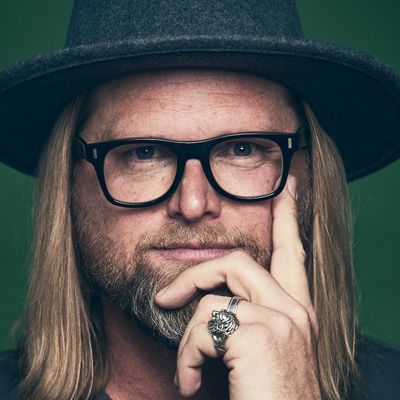

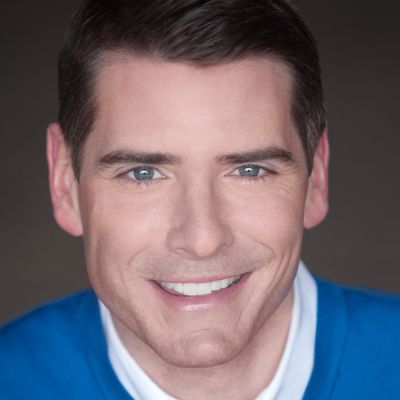
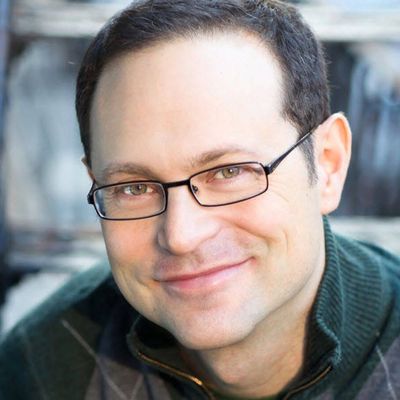
Featured Shows

About
It took 8 years to get The Prom to Broadway, but nowhere near as long to adapt the musical into a feature film for Netflix. This, in part, is due to the fact that director Ryan Murphy stayed very true to the original script. The Prom creative team shares behind-the-scenes stories about adapting their amazing story for the big screen.
Transcript
This transcript was automatically generated and might contain errors.
[0:09] Bob Martin: Hi, I'm Bob Martin. I'm uh co-book writer, co-screenwriter of The Prom.
[0:13] Chad Beguelin: Hi, I'm Chad Beguelin. I'm lyricist and co-screenwriter of The Prom.
[0:17] Matthew Sklar: Hi, I'm Matthew Sklar, composer of The Prom.
[0:20] Adam Anders: Hi, I'm Adam Anders, producer and executive music producer of The Prom.
[0:24] Gordon Cox: Hi, I'm Gordon Cox. I am the contributing theater editor at Variety and the host of Variety's Stagecraft podcast.
[0:30] Gordon Cox: I wonder if first we could talk about each of your roles on the film in a bit more uh depth. Bob and Chad, you work together on the book of the stage musical and you also work together on the screenplay. And I wonder if you could tell us about how you approached sort of opening up and expanding the story uh to live on screen.
[0:50] Bob Martin: Well, the first thing was uh, you know, we were shocked that we got asked to write the screenplay because that rarely happens uh that a you know book writers from a Broadway show suddenly get to actually continue with the project. So we were thrilled. And uh, you know, it was uh uh the sort of complete opposite of working on a Broadway show where you have a very limited budget, you have a very limited cast size, you have very limited set possibilities, and so it was the exact opposite uh of that experience because it was bigger, bigger, go more places, uh, you know, sky's the limit. So it was it was definitely uh uh a sort of thrilling experience, you know, to take it from the stage to the screen.
[1:33] Bob Martin: Yeah, and uh Ryan had said early on that he wanted to keep um close, very close to the uh actual book of the musical. This is the director Ryan Murphy, we should say.
[1:43] Chad Beguelin: It's the director Ryan Murphy.
[1:44] Bob Martin: Uh and um, and I was actually we were both kind of uh Chad and I were both surprised at how close he stuck to the original. Um we uh communicated with him throughout the summer mainly uh by email about uh writing additional material. Um but I suppose, you know, when we look at The Prom, it is slightly uh uh cinematic uh anyway in its original form. I mean, there are multiple locations, there's some uh simultaneous sort of cross-cutting of scenes. It's not like it all takes place in one room like many plays would. Uh so it it what what was actually a challenge on stage, multiple locations and crowds of people, actually, you know, lent itself to uh adaptation.
[2:30] Gordon Cox: And how did you think about which character beats to sort of expand or add uh in terms of the emotional storyline?
[2:37] Chad Beguelin: Well, we went sort of back and forth. Uh, you know, uh we learned that Ryan uh Murphy works very fast. And so um we talked about you know what we wanted to add and some of the stuff that we couldn't add in uh on the stage, you know, so that was exciting, but it would it was uh like Bob said, sort of we would get an email and we would go back and forth, and then it would be, you know, write the scene, make me cry, break my heart, get it to me by tomorrow morning. So there was a lot of very intense uh writing sessions at the at the drop of a hat. But it was it was great because it was it was we knew the movie was was being made and it was going to, you know, keep going at this sort of breakneck pace, which was thrilling.
[3:23] Chad Beguelin: Yeah, I mean there were certain things that we knew uh would be that we would be able to write, like um showing uh our our protagonists on the on the bus trip down to Indiana. We knew that we would be able to um actually show uh Emma's grandmother, which is something that we couldn't do on the Broadway stage because it would have been, as Casey said, uh an ensemble member in a gray wig, and uh it just wasn't worth it. Um so the what what we maybe didn't anticipate, at least I didn't, Chad at the beginning, was how deeply we were going into Barry's backstory and his relationship with his mother. Um that so that was a kind of a big addition um uh that was really promoted by Ryan. Uh uh and I think it's it's really sweet. I we knew that that we wanted some resolution with Barry's mother at the end of the movie, but um Ryan really dug down into that story.
[4:17] Gordon Cox: And then uh Chad, you and Matthew worked on the songs for the musical as well as the songs for the movie. Um just starting uh with you two, how did how did you think about taking these songs that you were writ had written originally to live in one medium, and then uh what did you do to uh make them come alive on screen?
[4:38] Chad Beguelin: Well, what was kind of amazing about it and was really exciting about it is that um, you know, my job was mostly handing over the keys. Um, you know, we spent eight years writing this score and crafting these songs. Um, and uh, you know, uh basically what happened was Adam, you know, you can and Adam can talk about it later, but he worked with Ryan uh and Casey Nicholaw in pre-production creating the music tracks used for the shoot. Um and after I heard the finished recordings for each song, I you know, I give some notes and some suggestions here and there. But they were quite faithful to the original. So I was so happy because um, you know, the storytelling was essentially the same. I think the big difference um, you know, is the scale of everything.
Um, we were so limited on Broadway. We had nine musicians and our Broadway music team made miracles happen with those nine players, but for the movie there were 10 times that with 50 string players and that's that's something that can only happen in in the movies. So you know a lot of my job was was was just you know trusting these incredible people with with the songs and and then I wasn't very involved in the creation of of the two original songs for the film.
[5:54] Chad Beguelin: And they're both in the and credits. And so how Adam tell us a little bit about your work and what your sort of formal role was in sort of bringing the music to the screen.
[6:05] Adam Anders: Well uh Ryan you know brought me on as a producer first and obviously my focus was the music um as a music producer as well and executive music producer I guess you call it um so actually my music production partner uh Pear Astrom and I we we flew to New York to see the play um uh I think we saw the last weekend that it was open on Broadway.
[6:26] Gordon Cox: Oh and uh Ryan just what did you think?
[6:29] Adam Anders: I was I loved it I was I was blown away and and it was fun because I think what you know what Matt said I I picked up on I'm like if we could just go further with all these things that's what I kept thinking and fully kind of realized the arrangements because you could tell you know what the intent of each song was so clear to me.
[6:48] Adam Anders: And so kind of we left very excited because we can just supersize all of it basically is what it was you know and then like Matt said that he handed the keys there were a lot of keys in eight years you can make a lot of keys.
[6:48] Chad Beguelin: A lot of keys.
[6:59] Adam Anders: Yeah, they're very heavy keychain. Um, so we really went back and then, like you said, worked with Casey on the choreography and trying to figure out because there's some songs in the in the original version that you know are eight minutes long, and you know, that's you know, we almost got eight minutes in some of them, but yeah, that's too long for a movie.
[7:21] Adam Anders: So it was funny because a lot of times I would cut stuff that then Casey would have a heart attack because I cut the wrong section. You know, he wanted to cut something else, and we were a little bit in a vacuum in the beginning, but it was really fun to just dive into it, and you know, Ryan's vision was very clear from the beginning that he didn't want to deviate, you know, he loved it so much. He's like, let's just make it you know the the most cinematic version of this we can.
[7:43] Gordon Cox: And how does your work or does the the end result, the sound of the end result differ for something like The Prom versus your work in something like Glee?
[7:54] Adam Anders: Well, in Glee, you know, I had eight days, you know, to do what I had, you know, eight months to do on The Prom. So that's the biggest thing is I you know I love TV, but I I prefer films for that very reason is you have time to dig in and perfect and and change things, and you know, if things aren't right, you you know, like those moments I had that were funny with with Casey. I'm like, it's no big deal, we'll just change it, you know. But on TV you're screwed, you know, we're we're shooting it now. Um, so that was really fun to be able to experiment and uh take some big swings at times and and try stuff. Um but you know it's great. I mean, I think I spent 15 months on the movie Start to Finish, and that's I mean, unheard of in TV.
[8:38] Gordon Cox: So uh that's probably the biggest difference.
© Broadway Podcast Network, All Rights Reserved