

In episode 26, Little Me host and Broadway Workshop director, Marc Tumminelli catches up with TONY nominee, Jarrod Spector!.. Read More
From the show: LITTLE ME: Growing Up Broadway
Guests

Featured Shows
About
In episode 26, Little Me host and Broadway Workshop director, Marc Tumminelli catches up with TONY nominee, Jarrod Spector!
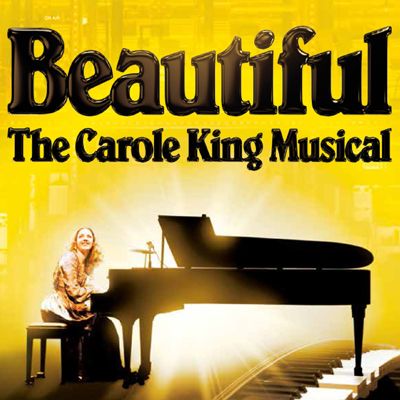
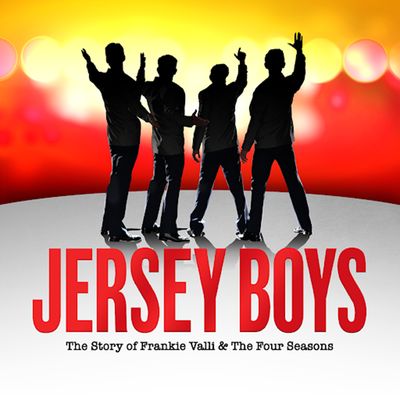
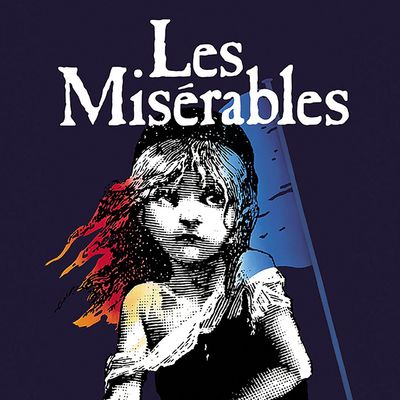
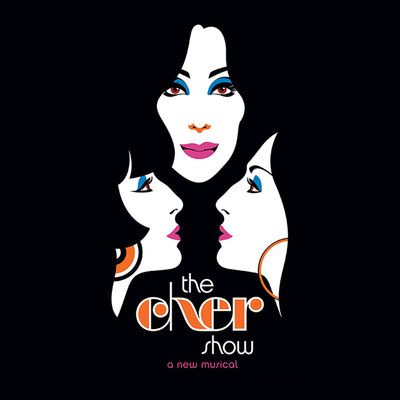
Jarrod tells his story of his start at the age of 5 on the Al Alberts Showcase as well as incredible backstage stories of winning Star Search at the age of 6, making his Broadway debut as Gavroche in Les Miserables, playing the role of Frankie in Jersey Boys, receiving a 2014 TONY nomination for creating the role of Barry Mann in Beautiful: The Carole King Musical on Broadway, starring as Sonny in THE CHER SHOW on Broadway, going to Princeton, performing in TWIST, his high school musicals, passing on the Mickey Mouse Club, filming in Hollywood, working with Andrea McArdle, Countess Vaughn, J Mark McVay, Peter Boyle, Jessie Mueller, Carole King, Frankie Valle, and Cher Co-star and Little Me guest, Micaela Diamond. Jarrod also shares his unbelievable "Cartmen" impression in this not to be missed episode of LITTLE ME: Growing Up Broadway!
Transcript
This transcript was automatically generated and might contain errors.
[0:01] ♪ Musical number ♪
[0:21] Marc Tumminelli: Hello, I'm Marc Tumminelli, and welcome back to the Little Me podcast. We have an amazing guest today, and I can't wait to hear his Broadway story. At just six years old, he wowed audiences on TV Star Search and went on to make his Broadway debut as Gavroche in Les Misérables. He played the role of Frankie Valle in Jersey Boys in the San Francisco Company, the Chicago Company, and on Broadway. He received a 2014 Tony nomination for creating the role of Barry Mann in Beautiful: The Carole King Musical. And recently he stopped the show singing "I Got You Babe" as Sonny Bono in The Cher Show on Broadway. His live album, A Little Help from My Friends, and his studio album Minor Fall, Major Lift are available on Spotify and iTunes. Please welcome Broadway's Jarrod Spector.
[1:03] Jarrod Spector: Marc, thank you for having me. That's like a good intro. Like you have you've done a lot of cool things. I didn't mention so many of them. It sounds decent. I kids like I was like surprised, like oh yeah, I remember that. It's nice when you to hear you say them all in a row, because sometimes you know you feel like you sit around doing nothing.
[1:20] Marc Tumminelli: Well, you'll be able to listen to this episode back any day you're not feeling great about yourself.
[1:26] Jarrod Spector: Okay, so just clip the first 20 seconds and play it for myself in the morning as an affirmation.
[1:31] Marc Tumminelli: I'll send it to you as a special MP3.
[1:33] Jarrod Spector: Okay. So it sounds like from birth you were kind of singing and performing. Talk to me about how it started and how your parents began this journey for you.
[1:43] Jarrod Spector: Sure, yeah. So as the story goes, according to my parents. Now, granted, I can't remember all this because I was too young to remember anything. I was sort of a hybrid between only child and youngest child. My siblings are seven, eight, and nine years older than me. So while I wasn't an only child, I did spend a lot of time as especially as you know, a young person, you know, with siblings who were in school. So I when I was let's say two years old or so, my mother used to take me everywhere in a car with her. She would, you know, wherever she went during the day, I was her, you know, her first mate. So apparently I started memorizing radio commercials because this was of course back in the day when there weren't as many commercials, so you might actually hear the same one often enough for a two-year-old to memorize and then start singing along with them.
And realizing that her son could sing, she decided to teach me a couple of songs like "Sunny Side of the Street" and "Me and My Shadow." Very fitting, since I was in fact her shadow. So we sang these songs for my father. My dad, I come from a sort of lineage on that side of drummers. My father was a drummer. My grandfather was a drummer in World War II. I mean, I, you know, sort of a long line of drummers. And we ended up singing for my dad. He was very impressed. Took me to a local coach named Russell Faith. I lived in the Philadelphia area, and Russ had been the voice teacher for Andrea McArdle, speaking of Little Me. So the original Annie, right? So we took him there. And so he was also like, you know, for two and a half, three years old, not so bad. So they sent me to audition for a local talent show called the Al Albert's Showcase, which if you were conscious in the Philadelphia area in the 80s, you might have watched on weekend mornings.
[3:38] Marc Tumminelli: What might be on an Al Albert's Showcase episode?
[3:41] Jarrod Spector: Oh my gosh. So it was like you'd have some adult performers and like, you know, local Philadelphia talent. And then of course the highlight of the show was the teeny bopper section when Uncle Al would sit—this sounds like this sounds so creepy to describe it. It's really very sweet if you watch it but the description, yeah, I'm trying to find a way to say these words. Yeah, Uncle Al surrounded by 11 children. No, it was so sweet. But if you go back and watch, but anyway, so Uncle Al with like 11 kids who are dressed up, you know, like for a pageant and then one at a time we would like he would like we would tell Uncle Al a joke and he was so sweet and supportive and then you know he'd go to our center stage spotlight and you know one at a time a few of the kids would sing every week.
So I got on this show and basically from age three to age six I had to learn a new song and a new joke every week for a recording on Thursday night and then it would air on the weekend morning, Sunday morning or Saturday morning, you know, whatever, you know, 10 o'clock. So that was my youth and my start in the business until Star Search.
[4:09] Marc Tumminelli: And so that was you were six years old on Star Search.
[4:53] Jarrod Spector: I just watched you this morning sing "Splish Splash," and it is quite dynamic. I mean as someone who does this for a living I'd be like get that kid an agent like here you're so good.
[5:12] Marc Tumminelli: I don't like you go another look how many weeks were you on Star Search?
[5:30] Jarrod Spector: I was on five weeks originally. And then I lost in the fifth week to Countess Vaughn.
[5:37] Marc Tumminelli: Okay. People might know from Moesha fame.
[5:40] Jarrod Spector: And then I went to the finals and lost to Countess once again. Countess was an extraordinary young singer. She just, it was like Whitney Houston, but nine years, nine or ten years old. I mean, she did have a few years on me. I'm gonna give myself the benefit of I was a few years younger.
[5:57] Marc Tumminelli: You were six years old.
[5:58] Jarrod Spector: I was six and Countess was a little older, but she whoo man, she could wail. So yes, I would have voted for her as well. Despite I at the time I wouldn't have voted for her, I was heartbroken, but now I would vote for her.
[6:09] Marc Tumminelli: Now, were you like enjoying this? Were you like this? I love performing all these songs. Were your parents pushing you? Tell me where we were at.
[6:17] Jarrod Spector: I, you know, people ask me this question. I ask myself this question all the time. Cause no five-year-old is like, I want to go audition for Star Search. I don't think. I mean, maybe in 2020 that happens a little more often with, you know, I want to be on American Idol or whatever, but I just don't, I can't imagine having asked for it. But I also, you know, having been around enough of my siblings' children and my friends' children to know that you can't really force a three-year-old to learn a song if they're not willing. And you can't make a six-year-old learn a song and go on television if they're not willing. So I think it was, of course, some blend between my parents wanting me to do it, recognizing that they had a kid who could do it, you know, for better or for worse, and then ultimately deciding, yeah, I'm gonna, I'm gonna, I'm gonna push them into this.
And my willingness to do it. I mean, it's you know, sort of have all those things have to have to have that little perfect storm. So I remember loving music. That that is one thing that I always remember loving singing. I even remember enjoying singing exercises and diaphragmatic exercises, even from a kid and standing against the wall with, you know, my teacher or my father's hand against my stomach to make sure that I was breathing properly. Like I even remember liking all of that. Um and I've always loved music, I've always loved singing. So, you know, I think it's the it's really ultimately as I got older, the business side of the business that I loathe, but the art side I've always liked.
[7:40] Marc Tumminelli: So doing something like Star Search obviously is giving you a big platform and people are knowing who you are and talking about you and trying to get you other opportunities. What kind of things were coming up during that Star Search time or immediately following it?
[7:53] Jarrod Spector: Yeah. So after Star Search, they took me on like a conference tour along with some of the other, you know, winners at the time. And I remember we went to all these conventions and met all these celebrities, and I did, you know, some like local variety and talent shows because of it, because it was a national show and it was a big deal, and I was a Philadelphia kid. And there was a moment in time where I could have potentially maybe been on the Mickey Mouse Club, which with Justin Timberlake, with just a leg and Britney and Christina and all these guys, yeah, because we're all around the same age, and maybe just a little older than me. But um, yeah, it was right around that time. And I could have been on that show, but again, I had older siblings.
So when I'm six or seven, my siblings are, you know, in high school, early high school, and my parents just couldn't in good conscience move to Orlando for half the year or something. Who wants to live in Orlando? Unless you're Mickey Mouse, like I just don't know who wants to live in Orlando. So it was hard, you know. I mean, in retrospect, was that a missed opportunity? Would I have been in NSYNC? I don't know. But it's it's I guess it's within the realm of possibility.
[9:06] Marc Tumminelli: It probably worked out better for your long career.
[9:09] Jarrod Spector: Yes, the long game. Uh maybe long-term mental health. It worked out better. Certainly.
[9:13] Marc Tumminelli: Have you gone back and watched any of those Star Search performances?
[9:17] Jarrod Spector: Oh, yeah. You know, for a while I didn't. But as I've gotten older and sort of been able to separate my current self with my childhood self and be like, you know, and sort of be able to objectively watch it. It's, you know, they're they're crazy fun. The arrangements are Bobby Darin, and I still love. I mean, I've like Bobby Darin's one of my favorite of all time. So of course, like, you know, I love that that's the music that my parents had me singing then. It's part of why it's like so ingrained in my body. So I'm grateful. And also I've, you know, I've sort of gone from keeping it at arm's length to very much embracing it. In my last couple of shows, I've used clips of myself singing as a kid and then segued into doing an adult version of Splish Splash or an adult version of Mack the Knife, or you know, singing all the songs that I grew up on. So yeah, I do I do watch them occasionally now. My wife is a big fan.
[10:12] Jarrod Spector: It's kind of astounding to watch a young kid do that and have that much control of the stage and be that comfortable and that dynamic. Um, and I think for some adult performers, it feels like they're watching someone else. Like it doesn't feel at all like, oh, that's weird. That was me.
[10:27] Marc Tumminelli: Yeah, it doesn't feel like it's me anymore.
[10:29] Jarrod Spector: It doesn't. If anything, I if anything, I'm just judgmental of oh, that note was a little off. Oh god, what is that phrasing? Oh, what am I doing? Oh, my father's choreography is so cheesy. Oh my god. Jared, look up. I had this thing when I had to look down. Now God only knows why. I'm like looking down half the time.
[10:46] Jarrod Spector: I had seven, whatever. I didn't know what the hell was happening. I'm gonna say I'm looking down, but I just went to look and lift your eyes.
[10:48] Marc Tumminelli: Because I was that six.
[10:52] Marc Tumminelli: When did Les Mis come into your sphere? When did that start?
[10:56] Jarrod Spector: Um, I think my mother tried to take me to the first national tour stop in Philadelphia was when I was seven. I was too young. And then when it came back around, I was nine. And that time is when they were able to take me. So they took me, listen to this, crazy. They took sit back, everyone. Oh yeah, here we are. Especially if you're a current actor. This is like there's like part of this story that's a little bit of a nightmare. So they took me to a cattle call. For anyone listening who doesn't know what a cattle call is, it's where in this particular case, you had, let's say, I don't know, a hundred, two hundred kids between, you know, seven and twelve, all of them like branded with numbers, like their cattle, and all of their bazillion stage parents, all in a ballroom.
It's it's like your worst nightmare. Then I got through, so I got into that audition. I got through that round, went to the callback in New York. Now, this is a smaller group. This is now, I don't know, I can't remember. I think 10, 12, 15, something like that number of kids and their parents in the waiting room. And I was the first one in, and I sang my bit, which I think was like a little bit of little people, um, and maybe some of the first time, like, how do you do my name's that part? And then Richard J. Alexander, who was the executive director at the time, called my parents into the room, which I didn't know was unusual, but actually a little bit unusual. And he gave me the job right there on the spot.
And uh and Gate, he's like, Congratulations, Jared has the job. Here are three tickets, go and see the show tonight on Broadway. Uh, and then as we were about to leave the room, they were like, Oh, wait, wait, do us a favor. Please don't celebrate on the way out because we don't want all the other kids to know that the job's already gone.
[12:47] Jarrod Spector: You walked right past me.
[12:48] Marc Tumminelli: Wait, did you what did you audition for Get Ross?
[12:50] Jarrod Spector: Oh my god, I had like a ton of callbacks. I was in that room with Richard J at Nolai, brought my parents in.
[12:55] Marc Tumminelli: Same thing.
[12:55] Jarrod Spector: They asked me to go on tour. And now here that was my parents were like had jobs. They couldn't do that. And that was the end of that saga. Anyway, what year?
[13:05] Marc Tumminelli: I'm so sorry.
[13:05] Jarrod Spector: We can I don't 91.
[13:08] Marc Tumminelli: Okay, yeah.
[13:08] Jarrod Spector: So that was just after. I think mine was 1990.
[13:11] Marc Tumminelli: Yeah.
[13:11] Jarrod Spector: Yeah, 1991, something like that.
[13:13] Marc Tumminelli: Oh wow, that's wild.
[13:15] Jarrod Spector: But it worked out better for you than for me.
[13:18] Marc Tumminelli: So you you didn't celebrate.
[13:20] Jarrod Spector: Oh, we all went. My whole family got to see the show too. It was very exciting. I asked for six tickets. I had such balls. I was like, I'll give you I'll take six.
[13:29] Marc Tumminelli: Did they give you six?
[13:31] Jarrod Spector: Yes. I mean, the Imperial was a pretty big theater. So it was like late miz, and it's you know, 10th year.
[13:37] Marc Tumminelli: Okay, or more than that. All right. So tell me about so now we know like where did you book the tour you booked Broadway to start?
[13:43] Jarrod Spector: I booked the tour. I booked Philadelphia tour stop. So the Philadelphia was at the Forest Theater.
[13:49] Marc Tumminelli: Um, so you know, I went to the show that night, watched it, uh, you know, loved it, but also was terrified of this.
[13:56] Jarrod Spector: Just see me, it was just it seemed simultaneously sitting in the theater. The theater seemed so big and the stage stage seemed so far away, but it also seemed enormous and imposing. You know, the barricades. I don't know. When you're sit, you know, when you're a kid, it's like those barricades are like are simultaneously like a little scary with all the smoke and like the people dressed as beggars and moaning. But also, like, God, is there anything you want to do other than climb that damn barricade, which then you ultimately get to do is the coolest thing.
[14:23] Jarrod Spector: I still think Gavroche was my favorite role that I've ever played. Is there anything about you? It's everything. He's funny, he's plucky, he gets to, he's he's he's a smart ass. He gets fun stuff to sing, he gets to fight with everyone. You're you the makeup was taking a cork, lighting it on fire, blowing it out, and rubbing it on your face. Imagine you're nine, and then you get to hold a rifle, and then you get like this ultimate death scene, and you get to be a martyr. It's really it is the ultimate part. Those three shots are oh, it's amazing. He gets a shot in the head, it's great.
[14:57] Marc Tumminelli: Oh, you really get that.
[14:58] Jarrod Spector: Oh, and because that thing is sort of um it because it's sort of call of voce. I mean, they have to, it's Robotta, they just have to follow you. They just have to go, you know. If you sing it slow, it's going slow. Really, you're coming in at three hours, 20 minutes tonight. Jared's on. Right when you're and meanwhile, you're nine and you're you're dead asleep by like 10:30 backstage.
[15:18] Marc Tumminelli: Oh my god.
[15:18] Jarrod Spector: Um, yeah, but that's the Philly for that run.
[15:23] Marc Tumminelli: And then is that supposed to be the end of the journey for you?
[15:26] Jarrod Spector: That was the it was originally supposed to be the end of the journey. Yes. I I was supposed to do the it was, you know, whatever it was, a few month run in Philadelphia, and that was supposed to be it. And then because back in the day, and they and maybe when they offered you the tour, they they explained this. So there were two, there's always two Gavroches because of equity rules. Each Gavroche did four shows a week, and there was so there was one who was permanently on the tour, and then there was an they would pick up a new kid in each tour stop. Another the alternate, the other, you know, the other Gavroche.
[15:51] Jarrod Spector: So when we were in Philly, that was me. And then the guy who was on the tour, uh, the touring Gavroche was going to leave the tour after the next stop in Los Angeles. Before the tour went to Chicago, which was its final destination, but also like a long-term sit-down company. So I then they asked me if I would then be the touring Gavroche in Chicago.
[16:12] Jarrod Spector: So I ended up doing it at the um, oh goodness, what is the name of that theater? Oh, it's one of the big ones. I'll think of it in a sec. Uh, the auditorium theater in Chicago is an enormous theater. Um, and I got to do the show there as like the sit-down for several months with the promise of Broadway down the line, which which happened you know very soon after.
[16:31] Marc Tumminelli: So I ended up going to Broadway and I I did Broadway off and on. Like I would fill in when anyone was on vacation. I did it for several months stints at a time. Uh it was hard because I was in school, and you know, even though New York is only 90 miles from where I grew up, I would always have to miss a Wednesday because of the matinees. There was a lot of schlepping back and forth for my parents.
[16:48] Jarrod Spector: I mean, so you never lived, you were not living in New York City. So you guys would do that every day.
[16:54] Marc Tumminelli: Yeah, exactly.
[16:55] Jarrod Spector: I lived in Chicago when we did the show there. We lived there, and we were like my parents were were had to like, you know, be in two separate cities at the time because my mother was with me permanently. My father was there as much as he could, but he also was, you know, working full-time and running his business. We had to spend some time in Philly, and I had older siblings, so it's not like we just leave them permanently.
[17:11] Jarrod Spector: So uh that one I that one I had a tutor, but yeah, in New York, it was like I would go to school on Mondays, I would go to school Tuesdays, Tuesday after school, we would go up to New York for the night for the show that night, stay in New York, stay in New York for the two shows on Wednesday, then drive back to Philly Wednesday night after the show. I'd go to school Thursday, go up to New York Thursday night for the show, back to Philly afterwards, school on Friday at home, and then back to New York for Friday night, the two shows on Saturday, and then Sunday, and then after the matinee, Sunday, we'd go back home.
[17:39] Jarrod Spector: So it was like, I mean, listen, I did a lot of sleeping in the car, I did a lot of homework in the car. So for me, it was a good time. But as a as an adult now, thinking about having to do that with my kid, no, it would just be a no, no, no. You can sing on you know on Zoom for people, like we're not, I'm not doing that. You can go right on back to the Al Albert show and that's it.
[18:01] Marc Tumminelli: Um, wait, when you talk to your parents about any of that, is do they talk about how hard that was for them?
[18:08] Jarrod Spector: You know, to their credit, they really don't. They really don't talk to me about how hard it was. Um I think that they, I mean, first of all, my parents like loved the whole scene and they loved having they loved Les Mis. I mean, I think my parents saw the show a hundred some odd times, no, no, no lie. Especially second, they would come and second act it as well, because so much of Gavroche's stuff is in the second act anyway. And back in the day, you could actually slip into a show, especially when you were one of the kids' parents and like you knew the ushers, so they you know, they could watch.
[18:34] Jarrod Spector: Um, but they really never they never complained to me about they even now they never talk about how hard it was, even though I know it was, I know it was taxing. Um, but they're always extremely generous in that way.
[18:44] Marc Tumminelli: Who did you get to do that show with? Were there big stars that had come in while you were there?
[18:49] Jarrod Spector: Not uh honestly, um there might have been, and I don't remember. I don't really know Melba Moore, and I don't know her that I remember like Natalie Toro.
[19:01] Marc Tumminelli: Oh, yeah.
[19:01] Jarrod Spector: Um, I I remember like I know that Daisy Egan was doing Secret Garden at the same time, but she wasn't, and I she I think she bit a Les Mis like we didn't do it at the same time. Um, and I do my the person I remember most honestly is uh J. Mark McVay, who He was Valjean forever, right?
[19:18] Marc Tumminelli: Yeah, he was Valjean forever. The first one I ever saw.
[19:20] Jarrod Spector: Yes, and he's done so you know. I mean, the guy was just magic. He was just his voice was magic. No one, and this is no disrespect to Colm Wilkinson or anyone else, but to me, like he was Jean Valjean. Like no one could sing it like this guy. It was just this effortless, beautiful pop rock, legit mix that I have been trying to emulate for my entire life because just this the way that this guy, the phrasing and everything.
[19:46] Marc Tumminelli: So while I don't remember any celebrities, I know J. Mark McVay is a is a known name in the Broadway community. He might not be a uh a well-known name at large, but some of the recordings, I think maybe the even the 20 year uh recording, I think is J. Mark McVay. But I know his I know his recordings were out there. He was he was incredible.
[20:02] Jarrod Spector: He's who I remember.
[20:04] Marc Tumminelli: And um, were you auditioning a lot during that time?
[20:08] Jarrod Spector: A lot of things.
[20:09] Marc Tumminelli: Not a ton, no.
[20:10] Jarrod Spector: Um, I think that the things that were available to me to audition for were like Secret Garden, Falsettos, and uh I I'm not sure if I ever went in for either of them. I don't remember going in for either of them.
[20:23] Marc Tumminelli: Uh again, you know, I don't think my parents were ready to move to New York on a permanent basis.
[20:29] Jarrod Spector: Um I was doing the Broadway production for stints at a time, like never never like a long-term like I'll sign for a year. It was like for three months for this summer or for like the you know, in between hirings of this person and the next person, or while that person's on a month leave or a vacation or whatever.
[20:44] Marc Tumminelli: And I think that if I had exactly exactly for for a number of years.
[20:48] Jarrod Spector: But I think if it had been something like booking Falsettos when it opened or booking Secret Garden, that would have obviously been a long term commitment. And I'm not sure that my parents were ready at that moment to sort of move permanently to New York.
[20:58] Marc Tumminelli: When you wrapped up your Les Mis experience, were you just back home and auditioning for whatever came up? How did how did the Larsons of Las Vegas come to you?
[21:06] Jarrod Spector: Oh, yeah, the Larsons of Las Vegas.
[21:08] Marc Tumminelli: Yeah, no, of course.
[21:10] Jarrod Spector: So uh throughout this time, I was also uh recording, like there were there, I was recording with Michael Cimbello, who was the original who was the writer and singer of the song Maniac from Flashdance.
[21:22] Marc Tumminelli: Yes.
[21:23] Jarrod Spector: Badass song, guy's an incredible guitar player, writer, singer. And so he and his brother were writing music and I was recording. Um and so I was spending some time in Los Angeles because Mark Michael was Los Angeles based.
[21:34] Marc Tumminelli: So uh there were some summers, multiple summers where I was out there.
[21:38] Jarrod Spector: And while I was out there, I was also auditioning. And then this audition for this sitcom came around.
[21:44] Marc Tumminelli: And it seemed like a dream for me, and certainly for my my parents who had raised me.
[21:50] Jarrod Spector: Uh the idea was it was so okay. It was with the Larsons of Las Vegas. I think that when I went on for the audition, some of the some of the cast was already pegged, including Peter Boyle, who played the grandfather, uh, who was who would play my grandfather in the in the pilot.
[22:04] Jarrod Spector: And ultimately, for for everyone who doesn't remember, it was like young Frankenstein, you know, famous, incredible on Everybody Loves Raymond. I mean, you know, just a classic comic actor. And uh Michael Respoli, who uh was in the Sopranos.
[22:16] Marc Tumminelli: Yeah, that's right.
[22:17] Jarrod Spector: Uh so uh Jackie, who who I think he passed away.
[22:17] Marc Tumminelli: He passed away.
[22:21] Jarrod Spector: Oh, I don't want to ruin it for anyone, but he he I think he he has cancer when the show opens up. So you know he doesn't live that long. But anyway, um, yeah, so I I auditioned for the show.
[22:29] Jarrod Spector: I was gonna get to sing and be uh an aspiring Las Vegas lounge singer and piano player.
[22:34] Marc Tumminelli: So suddenly Were you were a teenager?
[22:36] Jarrod Spector: Yeah, I was like 15.
[22:38] Marc Tumminelli: Okay.
[22:38] Jarrod Spector: Yeah, I was like 14 or 15 when I auditioned and shot this pilot.
[22:42] Marc Tumminelli: And so I was, you know, I got to do everything on this show. It was like it was amazing.
[22:46] Jarrod Spector: And then uh at that point, I was old enough where my older siblings were out of the house. They were either in college or had already graduated from college and they were ready.
[22:55] Marc Tumminelli: So my parents at that point were like, okay, if this works out, we actually can move to Los Angeles or at least move there for the nine months a year that a sitcom were to shoot if it gets picked up.
[23:05] Jarrod Spector: So now we were like full on and fully committed.
[23:09] Jarrod Spector: And the president of NBC at the time, after I got the role, and it was this wonderful thing. And it was, and remember this team, sorry, I didn't mention this before. The team is Danny Jacobson, who was the executive producer of Mad About You, um was like the writers from some of the writers or the staff writers from Friends, Mad About You. I mean, like it was like this dream team of people.
[23:30] Jarrod Spector: And it seemed like this can't miss show. Uh, and ultimately it wasn't picked up, even though the president of NBC had like, you know, sort of said it to my parents casually, like, you guys gotta start looking for a place to live out here.
[23:45] Marc Tumminelli: And so here I am in 14, 15. I'm like, okay, my life's about to change. All the things are gonna happen.
[23:48] Jarrod Spector: That's all the dreams are gonna come true, and we're gonna move to Los Angeles, and I'm gonna be on TV every week.
[23:53] Marc Tumminelli: And uh I'm gonna buy my grandmother a house, you know, whatever the hell you think when you're a kid.
[23:58] Jarrod Spector: And um there I was with, you know, and this this thing just fell apart.
[24:03] Jarrod Spector: And you know what's funny is uh one of the one of the big pieces of feedback I remember them telling me was that the test audiences didn't like that the father was a professional gambler.
[24:14] Marc Tumminelli: But what's uh bizarre is like I would say within three or four years of that, maybe even less, um the Texas hold'em like took was became a craze in this country.
[24:26] Jarrod Spector: And the idea that you would have a sitcom about a guy who was a professional Texas Hold'em player would have actually been like right in the zeitgeist, but instead they were just a few years premature.
[24:34] Jarrod Spector: And I honestly think if that show had had had tested like four or five years later, it would have been a big hit. But instead, uh it was the reason that I quit auditioning.
[24:43] Marc Tumminelli: Okay, so you say I'm retired, I'm I'm 15, I'm out.
[24:47] Jarrod Spector: Yeah. I mean, I said I listen, I'd I had been leaving school early and going to New York and auditioning and having my life, my school life, my everyday regular whatever that means, life interrupted since I was six years old.
[25:01] Jarrod Spector: And now I'm fifteen, so now it's like eight, nine years later. I've been doing this all like the vast majority of my life. And I it was twofold. One was that I was mature enough to realize that I wasn't mature enough to handle the emotional stress of having uh some sort of career crisis in my mid-teens. And I also just longed to be what I thought was normal.
[25:26] Jarrod Spector: I realized now, obviously, and I realized soon after, like there is no such thing as normal. Normal is whatever you make of it. But for me at that time, I wanted to be a regular kid and have a girlfriend and just be like that. I wanted to go to class. I mean, I never gave up singing because it was just so a part of me, or whether by nature or by nurture, singing had been ingrained in me forever. And I knew that I would never give up singing and music and playing the piano, but I just didn't want to go to New York. First of all, I didn't like New York. I hated New York. And I thought it was loud and smelly and dirty, and all those things are true, and it's like one of the reasons I love it now, all the reasons I love it now. But at the time, it just was so intimidating. And the idea of like flying to Los Angeles, I just didn't want to do it.
[26:11] Jarrod Spector: Was it a hard transition to go back to now playing a normal high school kid? I mean, I guess there was an aspect of like suddenly I'm not special in that way, you know, or for whatever that means, but I kind of wanted that, so I think it was fine. The idea that suddenly my life can't be uprooted, suddenly I'm not gonna be the one out of a hundred and some odd kids who isn't there for three months because he's shooting a pilot or resolutionaries and I'll show and he's wearing, you know, that whole thing was gone, which I think was good for me at the time. But I still, again, I still sang, so you know, I still did your high school musicals.
[26:50] Jarrod Spector: Yes, I was gonna say I still did all the high school musicals. I did, let's see, I think when my freshman year of high school, there were a lot of strong group of seniors in like the musical theater arena, and so I was not in the pajama game that year. Okay, didn't do it. The next year we did Hair. I played Burger in Hair. The year after that, I think, oh my god, I can't even remember what did we do? Oh, we did 42nd Street, played Billy Lawler, and then even though I can't dance, I just got to sing Dames and I got to sing all the songs. Then my senior year, we did Carousel and I played Billy Bigelow. I am not a very large guy. So like imagine a five, seven and changed at that point. I might have been like 140 pounds, Billy Bigelow.
[27:45] Jarrod Spector: So yeah, it was a strange. You were great. I was, oh, I sang "Soliloquy" like nothing. Yeah, I mean, I did, there was a video somewhere. Yeah, and had no concept really of what was happening with the, you know, the abuse of the daughter and the coming back of as a ghost. Yeah, we kind of skimmed, we kind of glossed over some of the really dark parts of that and rewrote some of the back half. But it was, yeah, I do remember doing all my high school musicals with a lot of love.
[28:14] Marc Tumminelli: Do you, how do you make your decision about college? So you go to Princeton not for theater, not for acting. What is the thought of I want to, I'm an adult, I'm doing this?
[28:26] Jarrod Spector: Yeah. So again, I wanted a quote regular life. While my parents probably would have preferred that I went to somewhere like NYU and studied musical theater or music or something, I thought that I wanted to have an opportunity to have a stable and again, what I thought was a normal nine to five job existence. So what did I do? I applied to Princeton. Now, of course, I used my Broadway background every step of the way to get into that school with the promise that I would want to be a part of the musical theater community there, and I would want to be a part of like maybe an a cappella group, or I ultimately joined the Triangle Club at Princeton, which is their version of like Harvard's Hasty Pudding or Mask and Wig from Penn.
[29:17] Jarrod Spector: It's this amazing, wonderful organization. It's like a hundred, it's like one of the oldest musical theater groups in the country. They have this wonderful budget. They helped to build the McCarter Theater at Princeton, which is a big, you know, sort of off-Broadway tour stop. And so we did, I majored in economics and finance and I took like Chinese, and after two years, I absolutely had a like a nervous breakdown. Great. I was spending all of my time and all of my energy and my love at, you know, doing the Triangle Club. I really did not like my classes. It wasn't them, it was just me. I got through the first year pretty strong, and the second year came around.
[30:05] Jarrod Spector: And the only way I could describe it is I guess when I was in high school, maybe a lot of people can relate to this. Like when you're in middle school, high school, you do the work because you're told to. And I didn't really question why. I mean, there's always sort of like you've got to get into a good college, and sort of that's why you work hard. And also, and for me, I just did it because I was told to, and I sort of had an endless or what I thought was like a bottomless reservoir of determination to get my work done, even though I was, even though I was a procrastinator and I, you know, certainly didn't work as hard as I might have otherwise. I got it done because I was supposed to.
[30:37] Jarrod Spector: And then my freshman, my sophomore year at Princeton, I really started to question the why of it. And staring down the barrel of if I finish this, these courses, if I finish out what I'm doing here for another two plus years, I will be an investment banker, I guess, or like I'll be in venture capital. And there, that's not to say anything, I guess it just was so in that moment. I sort of had this split in myself where I'm like, I'm studying to do this thing because I think I'm quote supposed to, but then every fiber of my being is screaming out for me to do something else and saying, you know, sort of saying, what the hell are you doing? This is antithetical to everything you've ever done your entire life.
[31:24] Jarrod Spector: And I guess maybe there was a part of me that always was like, well, I'll get back to musical theater when the time, I'll get back to music and you know, singing and whatever, when the time comes. And I guess that's when the time was gonna come. It was gonna come in the middle of my sophomore year when listen, and Princeton's no joke. You know, I mean, you if you don't, if you're not full board, it's hard enough when you were full bore. Imagine it's a school full of everyone who was the top four percent at their particular high school, and they're all now competing against each other. And imagine going from being one of the top in your high school to being the bottom at Princeton, because by definition, someone has to be at the bottom, right? I mean, like it's like the smartest people all and so if you again, if you're not like full gung-ho on your classes, you're really, it's really hard to maintain.
[32:09] Jarrod Spector: And I just couldn't, I couldn't hang my brain. I just like shut off and shut down and became completely depressed. I had to move home in the summer and take a year off. And during that year, I tried to figure out my life. And so I ended up, I sang a few songs that my sister, one of my oldest sister Jen, got married that year, that summer, and I sang at her wedding, and her wedding band asked me if I would sing with them after that. So I started singing for a wedding and Bar Mitzvah band for a year, living at home in Philadelphia while trying to figure out my life.
[32:48] Jarrod Spector: And that was enough to get me to sort of remotivate into music and theater and acting. And I remember on my 21st birthday, I was cleaning out. No, excuse me, I wasn't cleaning out. I was sitting in my room, my bedroom, my childhood bedroom, 21 years old, not in college, working as a wedding and Bar Mitzvah singer. Like, what am I doing with my life? And I got this call out of the blue. I had done a show in Philadelphia at the Walnut Street Theater called Twist. It was a multiracial version of Oliver. Also, by the way, starring Andrea McArdle. So my whole, there's my full circle, Andrea McArdle. There we go.
[33:23] Jarrod Spector: Little me. If you haven't had her yet, you gotta have her.
[33:27] Marc Tumminelli: We're working on it.
[33:28] Jarrod Spector: Working on it, work on her. So I got this call from a guy. His name is Jason Wilkerson. And he said, and he had been in the show with me at Twist nine years earlier. And he called me and he said, I just found the contact. He's like, I'm cleaning out my apartment in Pittsburgh. I just found the contact sheet from Twist that I saw your name and I had to call you. And I just couldn't believe it. It's like, yeah, man. I was, and I thought to myself, man, that guy must be so tall by now. No, I'm not. Adult. But I really appreciate the call.
[34:01] Jarrod Spector: And it's my 21st birthday. So nice to hear from you. Anyway, we got to talking, and I told him that I was thinking about getting back into business. And he told me to call his manager, and I did. And she took me on, and I sort of became a professional actor again on that day. And I moved to New York that summer with my two best friends just for the summer, and fell in love with the city and stayed and went to, I took like multiple years at a heavy-duty conservatory acting program at the Atlantic Theater Company.
[34:28] Jarrod Spector: And of course, by the time I was out of that, I was like, okay, I'm only gonna do Chekhov, Ibsen, Beckett, Shaw, Shakespeare. That's it, nothing else. And then, of course, I booked Jersey Boys right away.
[34:40] Marc Tumminelli: Tell me about Jersey Boys, it was a huge part of your life. You played a role like 2,000 times.
[34:46] Jarrod Spector: Yeah.
[34:46] Marc Tumminelli: Um, 1500 times.
[34:48] Jarrod Spector: Oh my god, that's so wild. Is that just Broadway or is that Broadway and the tours?
[34:51] Jarrod Spector: Yeah, that's all called together.
[34:55] Marc Tumminelli: Okay, 1500 times is a lot of times to do anything.
[34:58] Jarrod Spector: Yes. Talk to me about taking on this huge role and how much you needed to feel like you needed to do what was already there, how much you can make it your own. Give me the Frankie Valle story.
[35:08] Jarrod Spector: Yeah, sure. So I got the role while I was playing. First of all, I dished for the original Broadway production, and I got down to the very end the year before. So this is like the end for me personally. Of course, like having got if I had gotten the role in the original Broadway company, wouldn't that have been amazing? But I was at the end of my first year of conservatory, and I can look back and honestly say I just wasn't ready. And I wasn't ready to leave. And my second year at the Atlantic, or my second or second and a half full year at the Atlantic was invaluable. And so I'm glad that I was able to go back. But I was a little crust at the time to be the one out of like four guys who didn't get a job.
Because it was like it was Michael Longoria, and he became Pesci and my buddy Dominic Knolfi, who was who became the swing and cover for both roles, and my John Lloyd Young, who played who ended up playing Frankie, and me, and I was just too young and I didn't get a job.
[35:56] Jarrod Spector: So perfect. But a year later, I was playing Hamlet at the Atlantic Theater's like second stage, like their little theater on 16th Street, which is a great little down underground theater. And that's when I got the call for the beginning of the first national tour. So then I started auditioning again. So now here I am, you know, in the evenings and in rehearsals and you know, saying some of the most beautiful language ever written, Shakespeare or otherwise, and then of course, also like learning a Jersey accent and again and like singing high falsetto, it's just a, you know, sort of bizarre juxtaposition.
[36:31] Jarrod Spector: So then I got the role after, you know, after a bunch of callbacks, and it was, you know, this life-changing moment. Or so I thought, there was a little bit of a twist and turn on the way. I was hired originally to be the one and only eight show a week Frankie on the tour. And John Lloyd was doing all eight shows on Broadway. There was no six and two split at the time, but I had a contract squabble that I, you know, I'm not gonna get into because it's just boring. But long story short, I was like sort of fired and then rehired based on a contract dispute. And when I was rehired, I was rehired as the two show a week on the original national tour.
[37:11] Jarrod Spector: And simultaneously they established a six and two split on Broadway between John Lloyd and Michael Longoria. So now you've got like a six and two split, and honestly, having played the role, I can tell you that is way healthier. It's damn near impossible to sing that show eight times a week. You know, I know it was done originally in the Broadway company so that the person playing the role could win the Tony Award, but outside of having that as the carrot, I, you know, it's just so hard, I don't know what the upside would be. So I got the role two shows a week, and I moved to San Francisco with the tour and started like able to put my mark on it. I mean, that's an interesting question. I think that certain directors are more open to an actor's interpretation of things than others, for one, and also when you're taking over a role in a show that is absolutely a well-oiled machine and has proven to work, there's like a little less room to be like, I'm gonna do my thing, you know what I mean?
[38:08] Jarrod Spector: And also he's a real person. So like sort of, you know, you're a little boxed in as to how many new choices you can make. And I can't be like Frankie Valle, you know, with an eye patch and a limp. It's like that's not gonna be a thing. So I'd love to see it. Just oh, it would be great. Yeah. I mean, and I did have an ankle injury for a while, so I had a slight limp for some of the shows, but I don't think it added to my character.
[38:27] Marc Tumminelli: How different does it feel as an adult on Broadway after having an experience as a kid on Broadway?
[38:32] Jarrod Spector: Yeah. Um, so I did the show out of town for like two years. I did a show for a year in San Francisco and then a year in Chicago, opening those two companies, and then those were amazing. And like being back on stage in that way was magic. And I, you know, it suddenly was like, oh, this is the full circle I needed. Like doing this as an adult was the thing that I needed, the thing that I wanted. And you know, being here on my own steam, and then I got back to the Broadway company, even though I've been doing the show for two years, and I walked into the August Wilson Theater on 52nd Street, and I just burst into tears. I mean, it was different. It's different. I, you know, I mean, there's that the tour houses are amazing, that the crowds are wonderful, the theaters are awesome.
It's just Broadway is singular. And having not been there since I was, you know, 11 or whatever, and it was, you know, 15 or 16 or so, how many years later, it was a very different and new feeling. And it's sort of affirmed for me the choices that I had made, and you know, despite the roller coaster situation and having had clinical depression and leaving Princeton and taking Prozac for a year and trying to figure out who the hell I was gonna be. Here I was, I had sort of made it back. And um, yeah, it was a it was a it was a really nice moment.
[39:50] Marc Tumminelli: Well, you followed up that performance with Beautiful, which was a huge, huge hit. Did you anticipate that would happen? Like when you were in rehearsals for Beautiful, did you think like this is gonna be a Jersey Boys situation?
[40:03] Jarrod Spector: Uh no, I did not. I honest, I honestly, and this is uh this is no disrespect to the to any to any of it. Um I let me let me rephrase this. When we did the when I did the first reading, I was not convinced that it was a huge hit. Like I just, this I was like, obviously the songs are awesome, but what does that mean? How many bad jukebox musicals have there been with an amazing songbook? But there were a couple of things that I admit in retrospect that I was uh was underestimating. One was Carole King as a protagonist is very special. She is special. She's obviously a very different character and a very different dynamic than Frankie. Frankie, you know, Frankie's a selfish kind of a guy. And I, and I say that with a lot of love for the real person and the character, but I mean the character presented on stage.
I mean, you know, he's uh he's ambitious and he's kind of jealous, and he's got a little bit of a Napoleon thing going. I mean, you know, there's like a lot about Frankie to love, and also some things that are like, you know, I mean, that I think that's why Jersey Boys is so good, right? It's it's a little bit warts and all. Um it's, you know, it's an imperfect guy, it's an imperfect group, but they made this amazing music that just lasts forever, and that's why. Whereas Carol is just so um unerringly lovable from the moment you meet her. She's just so winning. And the Carol in real life is like, I could cry talking about her because she's just so sweet. And her music is so deep and real and vulnerable. And its ability to translate on stage, not as sung dialogue, uh, but as uh as a songbook for her story and for a time period. Um, it just it was just a perfect mix of things.
[41:48] Jarrod Spector: And then I remember we did the reading, and I was like, yeah, this is fun. I'll be like, you know, it's you know, we're the it's like we're the the comedy second comedy couple, you know, and uh it's like um, you know, like in Oklahoma or in any you know, any show that's got like a funny second comedy couple, that's us. And then Bernadette Peters was in the second row of this reading, and she was bawling at the end. And I was like, oh, I'm missing something. Something is happening in this room that I am not completely following. Of course, the music was great. Again, I just fell in love with the music and and and like everybody else who sees that show or hears the soundtrack, blown away by these the songbooks of these two couples, and particularly Carol, where you're like, oh my god, she wrote that, she sang that, she wrote that.
Um, and of course, and Barry Mann and Cynthia Weil, their songbook is unbelievable and way more expansive than what you see in Beautiful. I mean, they wrote Somewhere Out There for the love of my God. These people are incredible. So uh, you know, all of that was was mind-blowing in its way. But again, I just wasn't, and then I saw her cry and I saw all the people in the audience crying like, okay, this is first of all, this is touching, and I I don't I don't mean to sound like an ignorant man. This is this is touching the women in the room in a way that maybe I'm not quite sure of at this moment, like that I don't that I'm not relating to exactly in the same way. Um and it's also speaking to a generation of people who grew up with that music, which again is just like Jersey Boys, like if I had heard Sherry and Big Girls Don't Cry and Walk Like a Man on stage the very first time, like when I did, it was exciting, but I didn't remember making out to that song.
[43:24] Jarrod Spector: Yeah. I you know what that wasn't the song that made me like so many of Carol's songs, get in touch with myself emotionally, um, allow myself to cry, like to hear this woman sit at a piano and sing about her feelings and sing in this vulnerable, real, raw way. It's everything that's amazing about Carole King and her music, uh, able to be put into a show. And I I just underestimated it. But then when we went to San Francisco and we started to see the reactions there, I was convinced that by the time we got to Broadway, I was pretty sure it was gonna be a hit. Now that I didn't know it was gonna run for six years, uh, and I don't think anybody knew, but I I was pretty sure that we had something special.
[43:58] Marc Tumminelli: Um and you know uh not least of which because we had Jessie Mueller who was you know just otherwise yeah tell me about getting a Tony nomination because that's like a big deal for any kid who specially grows up in this business it feels like you know the pinnacle of what you can do.
[44:15] Jarrod Spector: It does. I'm a little bit more jaded about it now than I was then it's just like because no you know the more you learn about anything you're like oh this is so super circumstantial on any given year you might have one leading man or six leading men and four or five spots or you might have 20 or 24 possible supporting actors and only five get in and only one wins. You know it's just like the dynamics the ratios the numbers the odds are just so variable you still get it you still get the nomination oh no no no for sure I'm I'm just saying I get that you know in retrospect yeah I mean getting yes we were watching the we watched it that morning I remember uh I had been nominated for an Outer Critics Circle but then I was passed over for the next couple of other you know Drama Desk or Drama Desk yeah like the sort of sub Tony awards and then there was the morning of uh of the nominations and I knew they were gonna be on and my wife we're laying in bed and I was I couldn't sleep and she's like do you want to should we just watch let's just watch and I was like fine we'll go watch and uh I'm really glad we did because you know when uh Lucy Liu pronounced my name properly I would like I would scream out just so much profanity running around the room screaming and my wife screaming.
[45:36] Jarrod Spector: It was, you know, it's one of those. It's so cool. It's one of those great moments. It's one of, you know, there the being an actor, there's a lot of lows and a lot of very low lows and like long stretches of disappointment. And there are some moments that you remember forever. And that was one of them. It was, it was really cool. And uh, of course, you know, my phone was just blowing up off the hook, and everyone calling and freaking out. And then I got a call from an unknown number, which I normally wouldn't answer, but what the hell? You know, it's Tony Day. And I answer, and it was it was Carol. And uh, you know, just you know, of course she did. I mean, of course he called me. And uh what's funny is a couple of weeks earlier, uh she so she had never seen the show. She'd never seen Beautiful. We had we had done the show.
[46:21] Jarrod Spector: No, I wouldn't know. I I that video that of her surprising you all on stage is like the most incredible thing ever.
[46:30] Marc Tumminelli: Oh, are you about to ask?
[46:30] Jarrod Spector: Oh, I remember sitting at my desk crying. I'm like, I'm not even in the show or even care about it, but it was amazing. Tell oh, it's an story. We were all in love with her already. You know what I mean? Like, we have been doing this show. Like, you have to convince yourself, even if you don't believe in it, but in uh in her case, it was so easy to believe in it, right? If you're gonna do a show and you're gonna get up there every day, day after day after day, you have to be doing it in defense of and in celebration of the protagonist, and in this case, the heroine of this story, who is Carole King. And it's easy to root for her, it's easy to get up there and defend her because she's awesome.
And she had come only to one day of rehearsal. That was the only time we met her. Uh, and she explained to us why she didn't, why she, even though that she was a hundred percent in favor of the show and that she was supportive and that she was reading the drafts, she just didn't want to watch difficult moments in her life unfold for her on stage. And she also didn't want to sit in the audience and have other people watch her watch it. And we're like, oh, that, you know, how do you argue with that? It makes complete sense. And then she didn't show up. That was like November. So we had already done the out of town. Then we met her one day at rehearsal. Then we had been running on Broadway for like six months.
It's the middle of April. And she showed up right after, like right. I was doing the Broadway Cares Equity Fights AIDS speech. Uh, the producers and um our stage manager had told me that there were gonna be people in the audio, like, don't be alarmed, it's no big deal. They're gonna film you doing the Broadway Care speech. Uh, they're gonna like put it on Broadway Cares. I think they lied, they they lied to me about something, you know, like Instagram or something. I was like, okay, I'm an idiot. I'm I'm an actor, do what I'm told. Sure, no problem, I'll give the speech. And then, of course, in the middle, there's the big gasp from the crowd, and you look over, and there she is, you know, just coming out in her in her golden blonde curl glory and hugs all of us and and uh and says, you know, and if you please go watch her say this because she says, and like with tears.
First of all, she had been in a disguise, so no one would have known, but she took it all off and she comes out and she says, I just saw this for the first time, and it is effing awesome. Like, this is it, this is why we do it.
[48:32] Jarrod Spector: Oh my god. And uh, yeah, and then she um she wanted, of course, the audience screamed at her to sing to please sing a song. So she did. Uh, you know, we we I quickly held an auction, and for people to meet her after the after the singing of the song, we raised $30,000 for Broadway Cares in like two seconds. Amazing. Three different people each bid $10,000 for her to sing and for then to meet her afterwards. And uh, so we sang, we all as a big company sang You've Got a Friend. And she sang the first verse, and then she asked Jesse to sing the the chorus with her. And then in the uh there's a little musical interlude in between the first and second verse, and the you know, the band is just vamping, and she she asked me to come sing the second verse.
Now, here's the thing. If you've seen the show or listened to the album, we don't sing the second verse of that song in the show. So, despite the fact that it might have been stuck somewhere in the recesses of my brain, in that moment, I couldn't remember the words. But I wasn't gonna be like, no, thank you. So I walked over and I said, I don't know the words. And she said, No problem, I'll whisper them to you. So now in front of the thousand people in the audience and all of their iPhones, this is online, you can go watch this. She Carol whispers the lyrics into my ear, and I and I'm trying to sing them. And that old North Wind begins to blow. Now, if someone says old North Wind begins to blow, you're like, I don't know how that phrasing goes. I was like, that old n uh uh begins to just so bad. It was just but she was as lovely as could be about it.
[50:10] Jarrod Spector: I love all of it. We have we have to kind of wrap up, but I just we have to touch on Cher really quickly.
[50:16] Marc Tumminelli: Sure, of course.
[50:18] Jarrod Spector: Um wait, I'm so sorry. Can I just say that the whole reason I tangented to that is because when Carole King called me to congratulate me on getting a Tony nomination that morning, she apologized to me for putting me on the spot on stage. And that's the woman she is. And of course, I was like, Are you it's one of the most famous songs ever written? I am an idiot. I am so sorry. Thank you for calling. Thank you. Did did Cher call you today, too? Or she doesn't call you.
[50:42] Jarrod Spector: Cher doesn't call me.
[50:45] Jarrod Spector: Cher doesn't call you.
[50:47] Marc Tumminelli: So obviously, we share a very favorite human, Micaela Diamond.
[50:51] Jarrod Spector: Yes, um, which you got to sort of work with on Cher and have such great that whole first half of that show with you two is just so dynamic, and I had the best time uh being part of it.
[51:01] Jarrod Spector: Uh seeing it opening and all of that and and getting to see it through her eyes.
[51:06] Jarrod Spector: It was just very cool.
[51:07] Marc Tumminelli: What do you take from that experience?
[51:09] Marc Tumminelli: Doing these three sort of kind of jukebox musicals that are have all hit in different ways.
[51:14] Marc Tumminelli: What do you take from the Cher experience?
[51:19] Jarrod Spector: So first of all, the thing that I took from the show more than anything that I will keep with me forever is in fact Micaela Diamond.
[51:26] Jarrod Spector: Um I was able to bond with her during rehearsals, during the workshop.
[51:31] Jarrod Spector: I was able to see an 18-year-old kid, 19-year-old kid become a woman, become a star, um, and work with her and love her and and support her.
[51:40] Jarrod Spector: And I I just I just think so highly of her.
[51:43] Jarrod Spector: She is my little sister, and I just adore her.
[51:45] Jarrod Spector: So of all the things I got from the Cher show, uh, Micaela Diamond ranks at the very top.
[51:51] Jarrod Spector: Uh, you know, the Cher show again was a was an uh yeah, like as you said, another jukebox musical.
[51:56] Jarrod Spector: Here we go.
[51:56] Jarrod Spector: It's another experience.
[51:58] Jarrod Spector: Um it's the look, there's no there's no way around talking about that the Cher show did not last as long as we thought that it would.
[51:58] Jarrod Spector: As long as we thought that it should.
[52:10] Jarrod Spector: Uh there was some spectacular performances inside of it.
[52:14] Jarrod Spector: There were some uh some disagreements as to the direction of the show at times, or like, you know, I mean, there, you know, there's plenty of plenty of critics about you know which way or the other the show ought to have done this, that, or the other thing, but it's hard.
[52:27] Jarrod Spector: It's hard to fit uh six decades of a person's life into a two and a half hour musical and make it satisfying.
[52:35] Jarrod Spector: Um obviously the songbook is was was plenty strong, but it's, you know, it's it's an imperfect.
[52:41] Jarrod Spector: It's it's look, it's a very difficult medium.
[52:44] Jarrod Spector: It's the ultimate team sport.
[52:45] Jarrod Spector: Everybody has to be pushing it in in the same direction at the same time, and also be in a season when the that type of musical is accepted.
[52:53] Jarrod Spector: You know, maybe if the Cher show had come out when Jersey Boys came out, it would have been a hit.
[52:57] Jarrod Spector: But once the bar gets set at like Jersey Boys level, and and this is no disrespect to the Cher show because I'm super proud of what we did, but like once that, you know, who knows?
[53:05] Jarrod Spector: Who knows why that show didn't last, whereas Beautiful went six years.
[53:09] Jarrod Spector: Maybe it's the presentation of the show.
[53:11] Jarrod Spector: Maybe it was look, Beautiful was only a uh 12-year story.
[53:15] Jarrod Spector: And so you're able to spend a little bit more time on each piece and really zoom in uh on Carol's life and that and both couples' lives.
[53:23] Jarrod Spector: Uh, whereas with the Cher show, you know, by by definition, like you can only spend so much time on each piece of her life.
[53:29] Jarrod Spector: And so, you know, it's things just have to sort of barrel forward.
[53:32] Jarrod Spector: I don't know if that was the reason that it didn't last as long.
[53:35] Jarrod Spector: I I can say that it it sounded spectacular.
[53:38] Jarrod Spector: It was so much fun to sing the songs.
[53:40] Jarrod Spector: It was such a fun experience for me to play um a controversial figure, controversial in her life, uh, controversial as a person in general because he was sort of he was controlling, um, but he was also the reason that she became Cher.
[53:57] Jarrod Spector: And he was kind of without a, you know, not highly talented, but also an incredibly talented songwriter.
[54:04] Jarrod Spector: Like we could say whatever we want, but the guy wrote lots of songs that we all still sing, including I Got You Babe, one of the most famous songs in American music history.
[54:12] Jarrod Spector: So, you know, he's sort of this this bizarre blend.
[54:14] Jarrod Spector: He's like funny, but not funny.
[54:16] Jarrod Spector: I mean, I think that his like big talent was being brash, uh, you know, and that that's sort of the thing I I take from it.
[54:23] Jarrod Spector: Um, you know, there's a at at his uh at his funeral, um Cher says, and and and it was quoted in the show, she says it in the show as well is that you know, Sonny, Sonny was always was never afraid to be the butt of the joke because he created the joke.
[54:38] Jarrod Spector: And that is like the thing that I'll take from that is is uh, you know, don't take yourself so seriously.
[54:43] Jarrod Spector: Have the courage to, you know, to be the butt of the joke, have the confidence.
[54:47] Jarrod Spector: I mean, it just sunny, you can't play Sonny without putting on some bravado and confidence that I'll that I admit a lot of the time I don't have necessarily.
[54:56] Jarrod Spector: I mean, this guy was able to go out in front of a live studio audience and the entire country week after week and stand next to his beautiful 5'8, you know, plus heels wife, who would just pick on him and tell him what a short, goofy, you know, Italian meatball-eating, you know, monkey he was.
[55:16] Jarrod Spector: And yet he could do it every week because he created that dynamic.
[55:19] Jarrod Spector: He created the joke and he had he had the confidence to do it.
[55:22] Jarrod Spector: It just, you know, Sonny was.
[55:23] Marc Tumminelli: Well, you were brilliant in that show, and I thought you kind of hit that middle right in there that you're so lovable and also not.
[55:30] Marc Tumminelli: And it was it was like a great performance, and you should be so proud of your work in that show.
[55:35] Jarrod Spector: And thank you.
[55:36] Jarrod Spector: I know all of my I saw four times, and my experience each time was just pure joy um watching you all work, but seeing Michaela and seeing that the joy was bringing to everyone around me, you know, it was uh it was really special.
[55:50] Marc Tumminelli: So congratulations on that.
[55:52] Jarrod Spector: Thank you.
[55:52] Jarrod Spector: And it's one of those shows where people would come up to us afterwards and be like, I had such a good time.
[55:56] Jarrod Spector: And in some other shows, when people say that, that's like the thing that they say because they can't think of anything good to say.
[56:00] Jarrod Spector: But they actually had a good time.
[56:04] Jarrod Spector: Oh, that was it, and that was the point.
[56:05] Jarrod Spector: You're the Cher show.
[56:05] Jarrod Spector: If you don't have a good time, we are not doing it right.
[56:08] Jarrod Spector: And I just uh I wish it had stuck around a little longer and more people.
[56:11] Marc Tumminelli: Me too.
[56:11] Marc Tumminelli: It was great.
[56:12] Marc Tumminelli: All right, we have to do what are you obsessed with right now, Jarrod?
[56:15] Jarrod Spector: The West Wing.
[56:16] Marc Tumminelli: Okay.
[56:16] Jarrod Spector: Uh, I have watched the entire the entire series once before.
[56:20] Jarrod Spector: Um, I actually watched it when I had first started Jersey Boys back in the day in San Francisco, holed up in a hotel room, only doing the show twice a week with nothing to do.
[56:27] Jarrod Spector: So watching uh seven episodes of a 26 episode season, we'll see six six seasons episode.
[56:33] Jarrod Spector: Who cares?
[56:33] Jarrod Spector: Big deal.
[56:34] Jarrod Spector: Uh, but now watching it, it's like having medicine.
[56:37] Jarrod Spector: It's like having mental medicine every night watching that show.
[56:39] Marc Tumminelli: This uh my obsession this week is not from currently, but we were I wanted to talk about it with you, which is Warmwood on Netflix.
[56:46] Jarrod Spector: Oh wow, okay.
[56:47] Marc Tumminelli: You've watched it, obviously, because you're in it.
[56:49] Jarrod Spector: It's so good.
[56:50] Jarrod Spector: So if you're you're into true crime or you're into that sort of doc series situation, check out Jarrod on Warmwood.
[56:58] Jarrod Spector: A little bit of conspiracy theory stuff.
[57:00] Jarrod Spector: So I mean, I I don't want to tout conspiracy theorists or conspiracy theories, but there is, I mean, it is, you know, it's uh makes sense.
[57:05] Jarrod Spector: It's very unsolved mysteries esque, and it's really well, it's beautifully done.
[57:10] Jarrod Spector: Really, probably one of the best shot documentary.
[57:13] Jarrod Spector: It's like half acted and half reenacted, and it's it's really cool.
[57:18] Marc Tumminelli: So check out Warmwood.
[57:19] Marc Tumminelli: All right, are you ready for the Broadway Workshop Quick Fire Questions?
[57:21] Jarrod Spector: Oh, goodness, I'm not sure, but I'm you're gonna do great first audition song.
[57:27] Jarrod Spector: Little people, favorite holiday, Thanksgiving.
[57:30] Jarrod Spector: The first Broadway show you saw.
[57:31] Jarrod Spector: Les Misérables.
[57:32] Marc Tumminelli: Tell me one thing about working with Stephanie Block.
[57:36] Jarrod Spector: She is a powerhouse.
[57:37] Marc Tumminelli: If you can go back in time and do one performance of anything from your career, what would it be?
[57:44] Jarrod Spector: Uh Jersey Boys.
[57:47] Marc Tumminelli: What would your superhero power be?
[57:50] Jarrod Spector: Falsetto.
[57:51] Jarrod Spector: No, I'm just kidding.
[57:55] Jarrod Spector: I feel like you have that.
[57:57] Jarrod Spector: You know what?
[57:58] Jarrod Spector: I'm gonna I'm gonna go with the Wolverine uh heel forever kind of thing.
[58:01] Marc Tumminelli: That's all right.
[58:02] Marc Tumminelli: What do you want on your bagel?
[58:05] Jarrod Spector: Uh um locks.
[58:08] Marc Tumminelli: Do you have a pre-show ritual?
[58:11] Jarrod Spector: Yes, I do a 30-minute warmup.
[58:13] Jarrod Spector: I do a 30-minute vocal warm-up between before every show.
[58:15] Marc Tumminelli: Strangest fan interaction.
[58:18] Jarrod Spector: Ooh, weird.
[58:19] Jarrod Spector: Um, yeah, I remember once coming out of a uh uh the stage door at the August Wilson, and someone, you know, Jersey Boys had some serious and still does have some very hardcore devotees.
[58:31] Jarrod Spector: And the one was like, I she said, and she was so earnest and excited, and she's like, You are my fourth favorite Frankie.
[58:40] Marc Tumminelli: I think that might be the title of this episode.
[58:42] Marc Tumminelli: Fourth favorite Frankie.
[58:46] Jarrod Spector: Get out of here.
[58:47] Jarrod Spector: Yeah.
[58:47] Jarrod Spector: Okay.
[58:48] Marc Tumminelli: Um, one show you'll never get over not getting.
[58:52] Jarrod Spector: Ooh.
[58:53] Jarrod Spector: Uh, so many.
[58:55] Jarrod Spector: But um, oh, this one's a little bit personal, and this is not again, you know, there's a little I I uh I did the last workshop for like the big workshop for Bandstand.
[59:05] Jarrod Spector: I really thought it was just such a fun show, and it's how Laura and I became really close.
[59:09] Jarrod Spector: And uh when that didn't work out, that was pretty crushing.
[59:12] Marc Tumminelli: Go-to album for a car trip.
[59:15] Jarrod Spector: Um, The Beatles Abbey Road.
[59:17] Marc Tumminelli: What song would you like to do with Patti LuPone on?
[59:22] Jarrod Spector: Um Name and Lights from Legs Diamond.
[59:27] Marc Tumminelli: Ooh, Peter Allen.
[59:29] Marc Tumminelli: Can you name two real housewives?
[59:31] Jarrod Spector: No.
[59:33] Marc Tumminelli: Favorite Les Mis memory.
[59:35] Jarrod Spector: Favorite Les Mis memory?
[59:36] Jarrod Spector: Yeah.
[59:39] Jarrod Spector: Um the first time I did the show, honestly, I remember.
[59:47] Jarrod Spector: Um, so you know, you're you're nine years old, the show is going.
[59:52] Jarrod Spector: They, you know, a stage manager walked me to the middle of the the scrim is up, but the barricades are in place behind it.
[59:58] Jarrod Spector: There's steam everywhere.
[59:59] Jarrod Spector: They walk me to center stage.
[1:00:01] Jarrod Spector: I lay down on a grate with a blanket over me.
[1:00:04] Jarrod Spector: Now all of these vagrants are moaning, and the steam is going, and it is truly terrifying.
[1:00:11] Jarrod Spector: But I like the actor I am was trained to be, you know, the cue comes and I jump up and like I went from fear to like full exhilaration.
[1:00:20] Jarrod Spector: And I I still to this day like remember that second of running down the stage and starting to sing.
[1:00:25] Jarrod Spector: It's just the coolest.
[1:00:26] Marc Tumminelli: Name one musical you're okay with never seeing again.
[1:00:30] Jarrod Spector: Oh, that's gonna be super controversial.
[1:00:33] Jarrod Spector: Okay, you can you can pass.
[1:00:34] Jarrod Spector: You're allowed to pass once.
[1:00:35] Jarrod Spector: No, no, no, no.
[1:00:36] Jarrod Spector: There's something on the something I'm I'm good to never see again.
[1:00:39] Jarrod Spector: Um I would say, Jersey Boys, I don't need to watch it again.
[1:00:42] Marc Tumminelli: I've I've seen it, I don't need to see it again.
[1:00:44] Marc Tumminelli: If you can go back in time and see any Broadway show, what would it be?
[1:00:50] Jarrod Spector: Oh goodness.
[1:00:51] Jarrod Spector: Um, the original uh Sunday in the Park.
[1:00:56] Marc Tumminelli: What is your Starbucks order?
[1:01:00] Jarrod Spector: Uh uh a short double shot latte.
[1:01:04] Marc Tumminelli: Do you do any impressions?
[1:01:06] Jarrod Spector: Yes, I do.
[1:01:08] Jarrod Spector: Um, I do some.
[1:01:09] Jarrod Spector: My favorite is oof, this is so bad.
[1:01:11] Jarrod Spector: I actually did this on stage as Frankie Valle once, um, because one of the creators of South Park was in the in the show, but I do a pretty good Cartman every now and then.
[1:01:22] Marc Tumminelli: You guys, yeah, yeah, that's very good, very good.
[1:01:26] Jarrod Spector: Um, have you ever left a show at intermission?
[1:01:29] Jarrod Spector: No, I have never left a show at intermission.
[1:01:32] Marc Tumminelli: Good on you.
[1:01:33] Marc Tumminelli: Favorite song in Jersey Boys.
[1:01:38] Jarrod Spector: Who loves you?
[1:01:39] Jarrod Spector: Because it was the end of the show.
[1:01:41] Marc Tumminelli: What movie can you watch over and over?
[1:01:45] Jarrod Spector: When Harry met Sally.
[1:01:47] Marc Tumminelli: Awesome.
[1:01:48] Marc Tumminelli: You did it.
[1:01:48] Marc Tumminelli: You killed it.
[1:01:49] Marc Tumminelli: Jarrod, I am obsessed with your albums too.
[1:01:52] Marc Tumminelli: We didn't really get to talk about them.
[1:01:53] Marc Tumminelli: But everybody go listen to Jarrod on Spotify.
[1:01:56] Marc Tumminelli: His two incredible albums, a live album and a studio album.
[1:02:00] Marc Tumminelli: And I don't like listening to men sing.
[1:02:01] Marc Tumminelli: It is like not for me.
[1:02:03] Marc Tumminelli: But you are an exception to the rule.
[1:02:05] Marc Tumminelli: It's like you and Norm Lewis.
[1:02:06] Marc Tumminelli: I would listen to you sing anything.
[1:02:08] Jarrod Spector: So that is good.
[1:02:11] Jarrod Spector: What a voice, right?
[1:02:12] Marc Tumminelli: I know.
[1:02:13] Marc Tumminelli: Um tell the people where they can follow you and find out what you're up to when you're back on stage and all that fun stuff.
[1:02:18] Jarrod Spector: Yeah, sure.
[1:02:19] Jarrod Spector: Um, I I I have a Facebook page, but I don't go on Facebook out of principle.
[1:02:24] Jarrod Spector: Um I am on Twitter all the time, but mostly I'm just complaining about politics.
[1:02:28] Marc Tumminelli: Great.
[1:02:28] Jarrod Spector: Um, and I am on Instagram, but I get I don't really go on Instagram much.
[1:02:32] Jarrod Spector: So I'm not this is like the worst advertising for social media, but I do occasionally, I am occasionally on there.
[1:02:37] Jarrod Spector: Um it's at Jared, it's just my name at Jarrod Spector.
[1:02:40] Marc Tumminelli: Well, we will find you there, Jarrod.
[1:02:42] Marc Tumminelli: Thank you so much for taking the time today.
[1:02:43] Marc Tumminelli: I loved getting a chat with you.
[1:02:45] Jarrod Spector: Likewise, thank you so much for having me.
[1:02:47] Jarrod Spector: You're the best.
[1:02:48] Marc Tumminelli: Um if you're loving the Little Me podcast, remember to rate and subscribe and follow us at Little Me Podcast on Instagram.
[1:02:54] Marc Tumminelli: And we'll see you next week.
[1:02:58] Jarrod Spector: Thank you, listeners.
[1:02:59] Jarrod Spector: This podcast is produced by Alan Seals, Dory Barenstein, and the Broadway Podcast Network, and edited by Derek Gunther.
[1:03:07] Jarrod Spector: For more information on the Little Me podcast, go to bpn.fm slash little me.
[1:03:12] Marc Tumminelli: And follow me on Instagram at Marc Tumminelli or on Twitter at ThatTuminelli.
[1:03:17] Marc Tumminelli: And for more information on workshops, classes, and everything Broadway Workshop, go to BroadwayWorkshop.com.
[1:03:22] Marc Tumminelli: Thank you for listening.
© Broadway Podcast Network, All Rights Reserved