

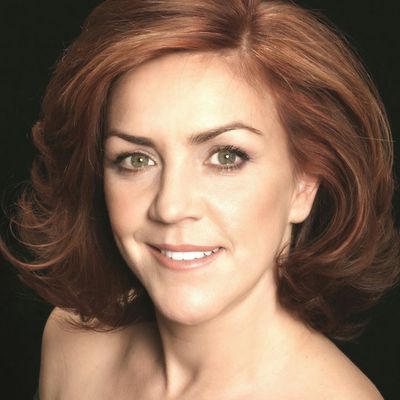
The history making original star of Annie, ANDREA MCARDLE is with us to celebrate our 2nd anniversary! In this historic anniversary episode Little Me host and Broadway Workshop director, Marc Tumminelli sits down with the Broadway star that started it all for young performers on Broadway - Andrea McArdle... Read More
From the show: LITTLE ME: Growing Up Broadway
Guests
Featured Shows

About
The history making original star of Annie, ANDREA MCARDLE is with us to celebrate our 2nd anniversary!
In this historic anniversary episode Little Me host and Broadway Workshop director, Marc Tumminelli sits down with the Broadway star that started it all for young performers on Broadway - Andrea McArdle. Andrea breaks down her amazing career, the major moments that defined her, the ups and downs, the incredible celebrity encounters, the missed opportunities, and so much more in the 65th episode of Little Me: Growing Up Broadway!
Andrea McArdle first captured the hearts of theatergoers everywhere in 1977 when she originated the title role in the mega-musical Annie. As “Annie”, Andrea became the youngest performer ever to be nominated for a Tony Award as Best Lead Actress in a Musical. She also received the Theater World and Outer Critics' Circle Awards for her performance and went on to star when the show was produced on London’s West End. Also, on Broadway, Andrea starred in the Jerry Herman musical Jerry’s Girls alongside Carol Channing and Leslie Uggams, in Andrew Lloyd Webber’s Starlight Express, State Fair; Les Miserables and as Belle in Disney’s Beauty and the Beast. Andrea also starred as Judy Gardland in the TV movie, RAINBOW on NBC and has dazzled audiences all over the world in her numerous concert appearances.
Produced by The Broadway Podcast Network and Marc Tumminelli
Transcript
This transcript was automatically generated and might contain errors.
[0:01] ♪ Musical number: "Little Me" — performed by Andrea McArdle ♪
[0:23] Marc Tumminelli: Hello, welcome back to Little Me: Growing Up Broadway with me, Marc Tumminelli. I'm sorry I've been away for a little bit. I've been working on lots of projects and directing a lot of things. All very exciting stuff in my life, but that doesn't leave enough time to podcast. And this is really the world's greatest time suck. I do love doing it. But I'm back this week with an all-new episode, and we are celebrating our second anniversary and our 65th episode today. So thank you to everyone who's been along the journey. I will be back, not every week, but at least a couple times a month to give you some amazing stories from backstage on Broadway and the kids who live through it. But today's guest is so unbelievably exciting to me. She is the one that started it all, the child star that changed every child star on Broadway. We have Andrea McArdle.
[1:28] Marc Tumminelli: She then went on to perform that role in London's West End. On Broadway, she has starred in Starlight Express, State Fair, Les Misérables, and Disney's Beauty and the Beast. She started Sally Bowles in the National Tour of Cabaret, and alongside Carol Channing and Leslie Uggams in Jerry Herman's musical review, Jerry's Girls. She played the role of Judy Gardland in the NBC made-for-TV movie Rainbow, and as the show-stopping star to be in Rob Marshall's film remake of Annie. Some of her other credits include playing the title role of Mame, Hello Dolly, Peter Pan, and Evita at major regional theaters. On PBS, she has appeared in Andrea McArdle on Broadway and the Leading Ladies of Broadway, one of the best concerts that has ever happened.
Miss McArdle has performed in concert halls from Carnegie Hall to the best showrooms in Las Vegas, the Metropolitan Opera House, as well as the White House. She spills it all in the next hour and 20 minutes, and you are going to love it. Thank you for being here. Thank you for being part of my journey for the last two years. And sit back, relax, and enjoy The Queen, Andrea McArdle.
[2:35] Marc Tumminelli: Hello, Little Me listeners. I have a pretty incredible guest with me today to celebrate my two-year podcast anniversary and my 65th episode, a woman who needs no introduction, especially to the Little Me listeners. Please welcome legend Andrea McArdle.
[2:52] Andrea McArdle: Hi!
[2:53] Marc Tumminelli: Hi, I'm finally here.
[2:55] Andrea McArdle: You're finally here.
[2:56] Marc Tumminelli: I've been trying to get you here for two years.
[2:58] Andrea McArdle: I know.
[2:58] Marc Tumminelli: And I wore you out. I broke you down.
[3:00] Andrea McArdle: No, you know what happened. I listened to a few of your podcasts of a few of my girls, my bestie Shelly Bruce and Alicia Morton. And I that's why I wanted to do it. Because you're really good at what you do.
[3:15] Marc Tumminelli: Thank you. I love doing this, but you are like the primo ultimate number one guest that I needed here. It was like you and Debbie. And I got Miss Gibson. I had to get Miss McArdle.
[3:25] Andrea McArdle: Okay. Miss Gibson, if you're nasty.
[3:27] Marc Tumminelli: If you're nasty.
[3:28] Andrea McArdle: And she's not.
[3:29] Marc Tumminelli: So she's obsessed.
[3:30] Andrea McArdle: No, she's lovely.
[3:32] Marc Tumminelli: All right. We have to we have so much to cover. Let's go back before Annie, growing up in Philadelphia, non-showbiz parents. Where did this kid come from that just started like probably singing and dancing in every room of the house, listening to the Supremes? Talk to me about what was happening in your childhood living room that made your parents be like, we gotta get this kid on stage.
[3:52] Andrea McArdle: Well, it happened to be the Supremes, uh, "Baby Love." No, I've done my research. Yeah, and that was it. And it was so huge for me. That you know, that epiphany, like that bubble pop that like you know, the angels singing and everything, and it was such a strong visceral reaction. And I knew then, I didn't know what would happen, but I knew if I did that, I'd be really happy. Like I'd be really happy for a long time. And you know what? I still am. Music makes me happy. My parents were such music freaks, and we also didn't have a lot of money, so I think that you know, when you see talent that comes from, you know, the Rocky Mountains or you know, like down south and country and Dolly Parton and everything, they sat around even going back to the Waltons.
It's a part of the fiber of American existence. And we've kind of lost that with technology and all these things that you know, it's like sensory overload. But when you go back and like the power, you know, the powers out and everything, somebody picks up a guitar and you're all sitting there, you're making you know, you're having a great time making memory. The basic, it's like the basis of how this all kind of started.
[5:03] Marc Tumminelli: Now, tell me about the Al Albert show, because it's come up a lot on this podcast, Jared Spector. A lot of our friends started on the Al Albert show.
[5:13] Andrea McArdle: My luck in New York was a hell of a lot better than my luck on the Al Albert Showcase. Andrea McArdle had a real tough time booking a spot on there. I'll tell you why. Because think of Shirley Temple. Think of all think of um toddlers and tiaras. That's what Al Albert Showcase was. And that's exactly what Andrea would never be. You couldn't make me, you couldn't force me. But you know what? It's so true. Be yourself. Do yourself. And I used to get so upset. I never got the Barbie commercials. I never got the little doll commercials. What did I get? Band-aids, bounty paper towels, like stride right, lucky charms. You know, I mean, like, but it, but it's exactly what ended up making me perfect for the role of Annie. That like who knew it was around the corner? Who knew it was like, you know, that close around the corner? Would have been nice to have a little time.
[6:11] Marc Tumminelli: You would go on that show and like just sing with him. Is that what that used to be?
[6:15] Andrea McArdle: Al Alberts used to have a group of little kids. Um, and I'm drawing a blank on their name. Um, and then they had the middle girls, and then they had the Gold Diggers who were basically like, um, you know, like, I don't know, like laughing folly girls if I can get it.
[6:34] Marc Tumminelli: Got it.
[6:34] Andrea McArdle: Like a weird, you know, with the gold. A lot of big hair, you know, they look like football cheerleaders, but with a little more clothes. And everybody, you know, they would sing songs like, "Hey Daddy, I want a diamond ring, bracelets and everything." But the little kids, um, they were, they were, I mean, all the kids were beautiful and really talented. I mean, look at Jared Spector. He and I mean, and just, I mean, you couldn't, like the cute was up to stun level. But I wouldn't sing "Five Foot Two, Eyes of Blue, Coochie Coochie, Coochie Coo." I'd be like, uh, not today. Not today, Mary. Not today.
[7:10] Marc Tumminelli: So, what did you sing on that show?
[7:13] Andrea McArdle: Well, I wanted to sing things like um, uh, "Abraham, Martin and John" and Jim Croce and Bobby Darin and Louis Armstrong, and you know, and or "Knowing When to Leave," I got love. And they wanted, you know, and then so my mom kind of steered me and dad into, you know, some like more popular try to get me into what I loved was the big band stuff and standards. So we kind of made, you know, a happy medium. But I was raised in Philly, and it fit at that time in Philly, the best music in all the world was coming right from here. And the sound of Philadelphia, the South Soul Orchestra and all that. And my teachers, my singing teacher, Russ Faith, his brother Jack Faith, and Richie Rome, they wrote all of that South Soul Orchestra, and he arranged every single song, like the string charts for you know, Gamble and Huff and "Games People Play" and McFadden and Whitehead and all that stuff. So Broadway really isn't to do Broadway, to be in it and to be in the show is the best thing that God ever created, other than dogs and babies.
[8:21] Andrea McArdle: But it I don't know, it's um it's uh that music is so ingrained in your soul. It's very obvious. I mean, I will forever love Broadway, but it's not what I I don't like to listen to it when I'm not working. Doing it, yeah. Yeah, I mean, I love to go see it and everything, but that's not my genre. And I think it's nice because I love so many different kinds of music. That I mean, my playlist is is like there's no lane. It's you know, it's all over.
[8:51] Marc Tumminelli: You were doing like regional theater, you were in The King and I, you were on a soap called Search for Tomorrow.
[8:57] Andrea McArdle: Tomorrow is gonna be a big word in your life.
[9:00] Andrea McArdle: Had you not known yes. Um, it was Mickey Rooney's Downingtown Inn in um Downingtown, Pennsylvania, and I got the role of Princess Ying Yawa Lak, you know, with like green eyes and like light hair, and yeah, yeah. Apparently, I was the most exotic thing going, and my mother would put my hair up in a top knot and spray it with the Nestle Streak and Tips. And never real I never realized when she would take it down and I'd go to church that I literally had tie-dyed hair. It was like all the rage, it was crazy. But um, but that was the only experience that I had before Annie. That that was the only show.
[9:35] Marc Tumminelli: So in 1976, your world would change. You were cast as an orphan in the new musical based on the comic strip Little Orphan Annie, and we all know what happened to that show. But tell me about what was happening when you booked this thing. You were about to, you know, go spend a summer at Goodspeed and workshop a kind of a new musical. What did you know about it? Where were you then?
[9:56] Andrea McArdle: You know, I had a nice contract on CBS for Search for Tomorrow, and it's so interesting because a lot of people would have never gone up to Connecticut, you know, to do a wannabe musical, a little part in a wannabe musical, because I had a contract and I had you know responsibilities there, which is when they made this switch for me to go to Annie. I couldn't dye my hair because I was a brunette, and I was really a brunette. Still on that show. Wow, yeah. So my mom said, Well, we're not we're you know, we're not dying her hair for a like a summer musical. No, we can't. So she was a hairdresser, actually, so she tried to henna the hair, and then we used the Nestle Streak and Tips, and the worst thing that I've ever done, well, maybe not the worst, but one of the worst, one of the worst pranks I've ever done was I knew for a fact that there was no other hairspray with the hair dye in it in Old Saybrook, New Haven, Hartford.
I knew because I heard my mom on the phone saying, that's the last can of Nestle Streak and Tips in all of Connecticut. I'm gonna have to go back to New York to get to get the Annie hairspray. And I heard the conversation, and I said to my friend Jeannie Rwain, I said, if this can goes away, I said, Annie's gonna be a brunette. And we were kids, we were so not professional, we were horrible. Yeah, you know, I mean, Ashton Kutcher has nothing on me. Like we were we were the original the pioneer pranksters. Bad boys, yes, go ahead. Yeah, so I threw it. I we went out on the uh on the terrace up there, and I threw it in the Connecticut River. Annie was a brunette, that show.
[11:33] Marc Tumminelli: Oh my god.
[11:34] Andrea McArdle: All right. Yeah, I got to real bad. We're getting a little bit ahead of ourselves. So you started as an orphan, which some people know, obviously the fans of the show know, and then after about a week of performances, you got bumped up to Annie. Do you remember what that conversation was like with Martin Charnin? Was it something that you thought would be possible?
[11:53] Andrea McArdle: No, it was not a thought in anyone's head. And if you're ever in a musical, if you have a bevy of kids or a little posse of girls or boys or both, they know everyone's lines, they know when somebody forgets, they know when a beat goes on too long, because they're they're like animals, they're creatures. It's what we all have to when we're older to get back to like real play. You know, you know. I always remind myself, be where your feet are. If you're where your feet are, you know, you're not gonna be five other places, you gotta be there. But um, so I remember him pulling me into Michael Price's office and sitting there on his lap, and he said, Listen, we're gonna make a change here. Do you think that you can be Annie?
I said, What? I said, He goes, Do you think you can do it? And I said, Yeah, I can do it. Of course, I can do it. I said, We all can do it. I mean, all the kids could do it. Like, we all knew, you know, yeah, kids are amazing like that. And um, and it's so interesting because I knew that my best friend Janine Rowain in that production, who was the original July, was like she was like I emulated her on the street, like she had street toughness, like respect and aren't neighborhoods here, and I was not as cool as Janine, you know, I just wasn't. I mean, a few years down the line, yeah, I'd give her a run for the money, but I was so uncool. But at that moment, and so instead of worrying about me with Annie, I was negotiating. I said, Okay, if Janine can be Pepper, I think we're good. I I I was I was organizing, you know, and negotiating. Already like the manager of all the kids.
[13:29] Marc Tumminelli: I love it. Yes, yes. All right, so Kristen Vigard left and you took over as Annie. Do you remember that first?
[13:36] Andrea McArdle: Can I just say something about Kristen? Kristen was the most beautiful, she was like this ethereal creature, kind of like that Brooke Shields type, just winsome and beautiful. And she was like, we all tried to sound like her. Kristen has quite a sound of her own. Yeah, it just wasn't right for that. But then right after that, she gets hair on Broadway, then she gets a huge contract on The Guiding Light and goes on, did she talk to you?
[14:02] Andrea McArdle: She stood by for you.
[14:04] Marc Tumminelli: She stood by for you on Broadway.
[14:06] Andrea McArdle: And my mother, my mother was instrumental in that. She was like, you know what? That would be a great job for her. That would really that would make this more right and that's did she ever go on you know what no one can uh no one can confirm this for me I'll tell you what they did that was kind of lousy to me they would not teach anybody the first act any of the covers because they wanted "Tomorrow" from WAM and it was a hard it was a hard song it's still a hard song to sing but you think of that with no microphones eight times a week it's it's stamina is what it is it's it's stamina and I was a gymnast I was incredibly strong and the way the way I sing is very physical so it really helped me and although I had no stage experience doing three days a week on a soap opera you learning learning learning it's really we used to have 17 pages of rewrites a day and thank god Mike Nichols you know just fell upon this show and wanted for it to you know to see it to fruition because they were so talented Martin Tom and Charles and they were just it would they were just drowning in this show Martin was sleeping on the floor of his 850 Avenue 857th Avenue his office yeah yeah and like in the same jeans and jacket and clean t shirt but I mean that this was it it was like do or die and um and Mike came and it was just so necessary because it's just like anybody observing two steps back you have a much clearer vision yeah.
[15:45] Andrea McArdle: Not to mention, I mean, it's Mike Nichols. You know, like we should probably test like we ever get that brilliant. I know, right? We try. Yeah. So they had so many things going on. They also had a love affair between Daddy Warbucks and Annie, and Daddy Warbucks and possibly Grace. So the brilliance of Mike Nichols to just pare it down into like only what's necessary and words chosen so carefully. That's what he was like, just brilliant with just whittling away the stuff. Yes, it may be entertaining, it's getting in the way of your story. And that's where it was like we had, you know, we had God sitting with us. And when you finished this time at Goodspeed, did you know that you were going to DC and Broadway, or did you think that the chapter was closed? What did you know when that first chunk was done?
[16:38] Andrea McArdle: There was, I mean, there was definitely buzz. And you know, I mean, I didn't really wasn't aware of the buzz like I would be if I were, you know, like older, you know, an adult. I mean, you know, we were just having a ball doing what we were doing, and the fact that there were other kids in the show, you know, it was just really, really fun. But we weren't sure, but they, you know, they said go home, we're trying to raise all the money, and I go home, and it's so weird when you're hot, you're hot. I go home, and like a week into being home, I get a call for Welcome Back, Kotter for Horshack's little sister. Well, I forgot all about Annie. It was just like it was such a, you know, just the little flash in the pan, and just like summer camp.
And I had a satin Vinnie Barbarino pillow on my bed at the time. It was my Brady Bunch, it was my friends, it was, you know, it was that show. And so I didn't care a lick about, you know, I hadn't had a stage experience, like a Broadway experience, so what did I know? Dumb kid. I was like, I made it out to Hollywood, I guess I'll just be here forever. And so that went on, and then I got really sick. I got mononucleosis. When we were up at Goodspeed, there was a horrible hurricane, and well, the night the lights went out, it's a good story. Night the lights went out in Hadham, East Adams. Yeah, yeah, it was crazy. But I got very sick. I got, you guys did an Annie performance with no, with basically like a flashlight, like a work, like generator floodlights, yes.
[18:10] Andrea McArdle: Wow. I do know that on opening night the orphanage steps in the facade fell flat on its face and almost killed our conductor, Lynn Craig. Oh my God. Thank goodness. Yeah, it was crazy. It was three and a half hours long, too. The show. Holy. I was reading, I have Martin's biography, his little anti-biography, where your name is spelt wrong on every page. Yes, that was a source of contention with my parents for so many years. I mean, look at you. You're so cute. That was the Bob Kelly Fright Wig. Then when the show was absolutely a hit, they went to the amazing Paul Huntley and got it. And they got you a good anyway. Yes. Okay, so you have this, you do guys, you raise the money. Obviously, Mike Nichols is attached.
You have a new Miss Hannigan, you have a new choreographer. The show is gonna have another sort of tryout in DC, and it explodes there. Literally, the phone lines break for people wanting to see this musical that has some nice reviews, maybe a couple negatives coming out of Goodspeed, but everyone wants to see what this thing is about. Did you feel then like, oh my God, we're in like this big hit show? When did that start to happen for you?
[19:24] Andrea McArdle: You know what? It never felt any different, honestly. I've thought long and hard about it. It just never did. And it used to irk. It used to aggravate Dorothy Loudon so much because she was just, I mean, she was so brilliant and intuitive, like that. And she knew she used to say and she used to hate if anybody famous was there, which was every day. It was like Michael Jackson, Jackie, you know, Jackie O, Alice Cooper, David Bowie, Paul McCartney, Streisand, you know, Muhammad Ali. Like, the list does not stop. Burt Reynolds, Sally Field, you know, it was insane. I mean, we, it got so bad that the kids had, I told them how to do, you know, second row, like, you know, baseball calls. All right, tell the story because it's really good. So you guys would talk to each other on stage and say, like, third row up, fourth seated on the left, like, and they knew where to find the celebrity.
[20:21] Andrea McArdle: Yeah, they celebrity watched. Yeah. Oh my God, I love it. So back to Dorothy, she would get like annoyed that you didn't think it was a big deal. There was zero stress on us, and so I do know this now that I'm an old one. When kids have stress, you absorb it all, you absorb the stress of the situation. Certain types of people do. Dorothy was that type, and it used to make her nuts, like make her crazy. And but guess what? I was like, Dorothy, just use it, just use it. And guess what? She did. I love it. We had a great relationship. Yeah, tell me more about working with her and what that relationship was like because it really Annie and Hannigan have, you know, obviously enough together that if there's not a connection between these two kids, the show just sort of sinks a little bit. How did she work with you?
[21:13] Andrea McArdle: Yeah, I mean, it can get a very stereotypical flat, you know, relationship of, you know, villain, you know, underdog, sweet kid. Yeah, yeah, yeah. I mean, to have seen the show without the Loudon factor, I don't know what would have happened, honestly, to me. I just don't think it could have happened, honestly. You know, there was so much, but once you see, I mean, ignorance is bliss, you know, if you didn't know that that was there, it would be okay. But I do think that because that once in a lifetime perfect performance, like with every ingredient with her, I don't think the show would have lasted all these years in that delicious way because, yeah, because of the political undertones, great performances, damn great book, incredible score.
You still, it's not a kiddie show because of that factor, you know? It just elevates it into another realm. And is it hard to be the star? I mean, it's called Annie, the star of the show when there are these other adults that are kind of having to support this kid? You know, this had not happened on Broadway like this ever.
[22:32] Andrea McArdle: I can think as an actor, and I really think that theater, it taught my daughter respect for any job. It's just there's a certain sense of professionalism and confidence that you need, which is why I think even if you did one show as a child, community theater, whatever, it's a really good thing for building character and confidence and social skills, which people are really, you know, seriously lacking these days.
[23:03] Marc Tumminelli: Oh my God. So talk to me about this opening night on Broadway, which had to have been like an unbelievable dream for a kid to just sort of be the star of a show, have last bow in a musical on Broadway, have everyone be obsessed with it, and then what that experience was, you know, immediately following that. Tell me about what you remember from opening night of Annie.
[23:23] Andrea McArdle: Well, first thing, I used to hate having the last bow. It used to make me feel really conspicuous because at that point, and then I realized why did I, why do I hate the bow so much? It's because the character Annie was, like the show was over, and I was bowing as Andrea, and Andrea didn't like it. So it's so, but all these things like occur to you when you're so young, and it's not till like 20, 30 years later that you actually figured out, but it's kind of cool going back, you know, hindsight and why it was so much fun. I mean, it also, it's like Annie can be only described to the odd kids today as like the Hamilton of its time. I mean, it's hard to sort of really explain what a big deal this was and how you were.
[24:05] Andrea McArdle: Well, like Wicked, like Wicked or The Producers, these shows transcended theater and they became property of the world, you know.
[24:13] Marc Tumminelli: Yeah. How did your parents and your brother, you have a brother, right?
[24:17] Andrea McArdle: Yes, my younger brother. How did your parents and your brother sort of deal with this star? I mean, you were, this was like very big. I mean, I watched you on a ton of like, you know, old talk shows. You were, they put you everywhere and you were everywhere.
[24:32] Andrea McArdle: Yeah, but it was a lot, it was a lot of exposure. And it was so, I mean, because everybody saw it back then because you only had, you know, three UHF channels and three main network channels, and that's all, that's it. If you didn't see it when it was on, I remember my dad getting the first Betamax because I was on all these things. He always, you know, I mean, I learned to sing with the reel-to-reel tape and the radio, you know, and 45s, but he had the first Betamax in the neighborhood, and that was like a huge deal. Because, yeah, that's, you saw it like when we would watch Carol Burnett's show, you had to be there. It was an event. Yeah. Which I never missed. So people know who you are now. How do your parents like handle that? And still be parents and still have a job and still, you know, that's such a tricky thing to navigate.
[25:23] Andrea McArdle: Yeah, they were very careful. You know, it always makes me nervous when a kid has some success and then both parents quit their jobs, and then they have other, you know, family members. Yeah. And I just, I thank my parents like so much. The fact that I was always their daughter before any kind of commodity. And my gosh, I mean, I was so on fire, and I think now if the Disney Channel had been around, if all these things, because I was so hot, yet there were no properties on Broadway for me to be in. Yeah, no writers were funded, nothing was happening. Think of Lori Beechman, that incredible talent. All of those women, you know, Nancy Lamott, like there were no vehicles for us. You know.
[26:14] Andrea McArdle: And that was hard. I mean, how lucky Kristen and Idina were that there was a Wicked and that they were doing vehicles for people. If they didn't do a vehicle for Kristen Chenoweth, chances are you could go 10 years and not fit into an existing show. Yeah. You know? It's just, it's so different now. I mean, you get a little Broadway success, you go right to a TV show, it feels like, and then in the 80s that never happened. And in the 70s it would be, you know, here and there. It's just, it's crazy to see how the industry changes so much every decade of what's if Broadway matters or not. And it's just like in the larger universal scheme. Broadway was such a mystery then. I mean, we were all dancing on the head of a pin.
They were, you know, the same 13 guys produced everything any of us had ever seen. And the first corporate Broadway show that I was in, and I saw the whole energy, and it was like the end of an era, you know, your David Merricks and, you know, Jerry Schoenfeld, like all those great guys that like were, you know, fixtures, and then it was Landmark Entertainment, American Express and that. And it was, what a turnoff. What a turnoff to me.
[27:30] Marc Tumminelli: What’s so cool to me is that you also got a Tony nomination for your performance. You're the youngest person still in history to get nominated for Best Lead Actress in a Musical. What do you remember about that Tony process?
[27:40] Andrea McArdle: Well, my father pointed out to me maybe 20 years after the show, and I said, you know, it's so because all these kids now are getting like they share the role and they get these are they honorary Tonys or Tony? Yeah, it's like a certificate or something. Like you kind of win a Tony. Yeah, I don't like that.
[28:03] Andrea McArdle: No, neither. And you know what? They tried to do it with me. I was the first one they wanted to do that for. And my father said, no, she's not like an animal or anything. She's not a junior. She's an actor in the musical just like everyone else. So there's a rule. If you are the title character, you cannot be nominated in supporting category. I think that's a dumb rule. It's a dumb rule. I mean, it, you know, I don't, I don't know, I don't know why that was, you know, that was created. Who knows? But it would have been great. She should have won the leading lady Tony. I should have gotten the supporting award. But it doesn't, I mean, I was more upset about not getting Dorothy in The Wizard of Oz in my eighth grade than I was about a Tony award. Tony meant nothing to me. It's another statue. I had a ton of them, you know, from sports.
[28:56] Andrea McArdle: Did you like the process of, you know, the luncheon and getting your dress and that experience? I like the social aspect of all of it. So you, I'd be sitting there with like Colleen Dewhurst and Joe Papp and, you know, and Tommy Tune and, you know, Lillian Montebeque and Don, you know, and these were like, these were like, you know, hey, that's my uncle, my aunt, you know, like it was like family.
[29:20] Andrea McArdle: Yeah, it was like family. And um, I hear I've always I've heard this story, I think from Shelley that used to get in trouble for either skateboarding or roller skating to like the Tony rehearsal, and everyone was like, Oh, yeah, I skateboarded all all over New York, and um so it was so bad when when I was like, I don't want to be recognized, I would take a cab from from 43rd and 9th Manhattan Plaza to the Grace building.
[29:47] Marc Tumminelli: Wasn't that only three long blocks?
[29:49] Andrea McArdle: I would take a cab to go skateboard. You can't fix stupid, you know.
[29:55] Marc Tumminelli: Oh my god, I love it.
[29:56] Andrea McArdle: But but Mike Nichols, Mike Nichols took my skateboard and put it behind his desk in his office, and I was livid. I was furious. So I was like, well, if we can't do that, we found a million other, you know, uh mischievous things to do. And they said we weren't allowed to get tan. But my friend Janine Rouane smartly pointed out to me. They didn't say anything about a spray tan. They said we can't lay in the sun. And so ding ding. So who came on stage that night? Orange face. I was, I mean, I'm a lot of Irish. Like, that's that's what I years ago, it everybody looked like, you know, the band sole. I mean, you definitely look Brazilian, you know, totally chocolate. Well, I was like an oompa loompa. So put a red fright wig on and a red dress. That was a great look.
[30:48] Marc Tumminelli: Yeah.
[30:48] Andrea McArdle: So once the Tony stuff ends and you perform at the Tony's and it's a legendarily exciting, it's like 20 minutes of Annie at the Tony's. It's never happened again. Like so many numbers. I still to this day remember the feeling. And I have never ever seen myself have to breathe like that because it was almost the excitement was almost too much for me to to take any more on. I was full, you know, and I could see it in my face, and and it's so interesting at the end when I take a breath and they're moving on. I take it, I take this sigh because you do feel that this is something like you've never done before. I guess as close to an inauguration feel as like yeah, or you know, a swearing in because it was palpable.
That that like that feeling of like just like fire in the, you know, it was just the energy was like crazy. And I remember it to to this day. And after all of this, you kind of go back to having to do the job, which is play Annie eight times a week with no microphone, no, there's no alternate. This is a very different time of of the career. How did you sustain that level of showing up, singing like that, being present, and also being a kid and school and all I did was be a all I did was be a kid. I was one of the I always say this in any master classes that I teach. It's really good to have an abundance of energy to do theater in general. I mean, just the steps, forget the choreography on stage.
You know, there's a lot of you know, up and down, you're moving a lot. And I have severe ADD, which I was never really diagnosed till I was you know like in my twenties. You know, that wasn't that wasn't big in the 70s. You were hyper, you were hyperactive.
[32:40] Marc Tumminelli: Yes, hyperactive, yeah.
[32:41] Andrea McArdle: I have serious ADD, and I thank God for it every day because I really do think it it's it's what I was never tired. Well, I mean, I did drink a whole can of Hawaiian punch and a big Hershey bar before every show, so I'm sure that helped. But I was never tired. I've never never warmed up, nothing. You know, it it's use it or lose it. When you're when you're singing that much, um it's so it's it's like it's like weight lifting, you know, you you're yeah, your whole your whole instrument. Your ability hot top form. Your ability is very special. I uh you know, I work with kids for a living, and I just, it's very rare that someone could do what you were able to do. That level of stamina, like your vocal cords have been blessed, God spent a little extra time on you, and there's like something that you know how to do.
[33:31] Andrea McArdle: Yeah. But remember, kids are so big now. They cast Annie. I think, I think it was Brittany Kissinger. She was like, I don't think she was. She was really young. Yeah. I get, if I'm nervous that there something's gonna like decapitate when they when they're hitting like the D natural, it I got nervous as a mother. You know, it's a little young, but you know, they do what they have to do. It's the growth hormone in the milk and and chicken and everything. And literally, yeah, I was 13. An eight-year-old compared to a 13-year-old, you can't compare, you know?
[34:10] Marc Tumminelli: Yeah.
[34:10] Andrea McArdle: And so people don't people used to always say, You're so smart for your age, and you're so talented. I said, No, I'm just short. I'm just little, I just look young. And I used to say it all the time because I could I still can't handle the compliment well, but um I can still hear my mom saying, shut up and say thank you. Just say thank you. Can't do it. So watching you on all these appearances, obviously you did Carson, you did the Mike Douglas show, you performed with Liberace, you there was something about you that felt very adult. You would sit down with someone, I watch an interview with you and Reed and um and Dorothy in in um in Strubert Alley, and you're just like shooting, you're shooting the shit. You're like, oh, I came back from vacation. You are so relaxed and and seem to be comfortable in all those situations. Is that really what you were thinking? Or talk to me what was happening in your head during all those appearances.
[35:03] Andrea McArdle: You know, years ago, kids weren't allowed to do anything like they are now. You didn't have a a cell phone, you didn't have this or play dates and make appointments. Like it was such an innocent different time. And I was just floored. I was I was like, wow, I love my life right now. That adults would be talking to me. I just got a huge kick out of that. That it and I never I I really liked like that shop talk. But I would, you know, I'd been sitting around for a year watching Martin Charn and Mike Nichols, like Tom Meehan and all these, you know, all these guys, you know, talking, talking shop and everything. And I just I love, I realized though, it's the process of putting it together that I really love.
And that's when you know you're like where you should be. It's it all the other stuff I put up with, you know, the um recognition and everything has zero, zero appeal. And I think that might be because I had a whole bunch of it. Try adolescence when people are watching you. It's it it it was it's very hard to do, you know.
[36:14] Marc Tumminelli: Tell me about Liberace, he obviously loved you and you And I loved him.
[36:19] Andrea McArdle: Yeah, how could you not? What was that experience like for you?
[36:22] Andrea McArdle: It was such a strange thing when when I I was uh writing a report on a a big one, and I was getting, you know, trying to get my head back into school on JFK and the LBJ conspiracy, and I was like, wow, to do this right is gonna take a long time. Like I would equate it to like probably four weeks, like a full rehearsal of a musical. Ever all my analogies had to do with musicals, yes. And phone rings, William Morris, they're like, hey, Liberace wants you to come out. And I said, I can't open for Liberace. I said, I can't handle that. And they're like, no, no, no. He you come out. I said, I'm not gonna open for liberacci, that would be too hard. I thought I'd be open the opening act. And he he presents you as a protege. So it was this amazing thing. The the New York City the Rockettes and the Dancing Waters and Liberace. And I remember my first thing on stage was a 12 minute Barry Manilow medley. Starting with daybreak, you know.
[37:23] Marc Tumminelli: Oh my god.
[37:24] Andrea McArdle: And my voice was so high that I used I said, I sing it in Barry's Key, but I sang at the octave above. I didn't like notes in a key that only dogs hear, I think. Literally.
[37:35] Marc Tumminelli: I love it so much.
[37:36] Andrea McArdle: Following the Broadway uh run. Oh, you were a Broadway run and Annie. You went and opened the London production, which must have felt like a very out of body experience.
[37:45] Andrea McArdle: It was there with incredible. Was it? It was incredible because I felt like my Annie, you know, my family, my Annie family, the originals in New York was, you know, it was closed. And I I knew for six months I I remember saying to Dorothy Loudon one day, I said, you know what? I'm gonna have to leave the show soon. She goes, Why? I said, because I've peaked. I said, it's just gonna get worse from here. I said, it's gonna go really stale. And I said, I don't want to see that happen. I was funny like that, and I meant it. I was I was dead serious. And but it was very nonchalant, and so she liked me because I I you know I You're a straight shooter.
[38:26] Marc Tumminelli: A straight shooter, yeah.
[38:27] Andrea McArdle: Yeah. But she live women with you.
[38:30] Marc Tumminelli: No, she did not.
[38:31] Andrea McArdle: Um, a a fantastic lady named Sheila Hancock, who was um, you know, on one of those great British uh dark comedy shows, and she was fantastic. She had those crazy eyes, she was really it's so different. I mean, no matter who does it, you ain't never gonna get Darthy. Keep trying. Ain't gonna happen. Um it's very cool that you know, so few kids have ever transferred with a show to London. It's like unheard of. So to get to do that and close out, and that was basically. I should have certainly got an Olivier Award. And um Yeah, done Jim Henson wrote this huge thing for me to do with the Muppets, and the day before I was about to go film it, um British Equity or or the uh the labor, you know, the child labor laws uh shut it down.
So, you know, that was a drag. But um, it was a glorious time there, and I think it was really smart for them. If you can watch when you like play tennis with Mac and Row or you know, any any of the greats, your game's gonna get better, to set a template there for kids because it they didn't have a lot of time, you know. I mean, it's just as hard for them to do an American accent, a believable one. Like, you know, we think we're speaking British, and they would know which part, you know, you know, South. And it turns out when when they're like novices, they all sound like from the South, like, hey Annie, like they're doing all that, but it's the American Yes. Was there ever a moment where you were like, I cannot keep doing this? Like I have to, I have to give this a rap. I cannot sing this song anymore. I have to let go.
[40:05] Andrea McArdle: It wasn't, it was never the song. It was that it was the red dress with the with the ankle socks that I was like, you know what? This is getting real old. I don't like it. And then when Daddy Warbitz would pick me up at the end of I don't need anything but you, and I started worrying about um, you know, the tight I mean the uh the brief showing, I was like, Yeah, you're too old for this. You gotta go. It's I'm the only kid I think who ever like was like, hooray, hooray, yay, it's over. But I mean, uh it's not over. I I loved every you know, milliseconds. But you were ready, you were ready for the next thing. And I could imagine that you would feel like there was so much attention that the next thing was around the corner, and it was, which was the TV movie Rainbow, which I love very much.
Um where you sang 900 songs in a 90-minute made for TV movie, and and the worst beauty garland. Yeah, the worst thing was I went and recorded a reference vocal. So for people who don't know what a reference vocal track is, it would be all the songs you're gonna be singing in um Annie Get Your Gun, and so you're doing a reference track um so that you don't have to sing it every single time, but it's just a reference track. Well, they thought it was so good, they didn't want to spend the money. We knew nothing. My parents, we didn't know how to protect myself like that. So it was like learn as you go. And I have never gotten over it. I've never gotten over that. And the only horrific experience as a child with somebody who really wanted to mess, like really wanted to screw with my head, was Jackie Cooper, the most disgraceful, disgraceful guy.
Sick, twisted guy, because it was an enchanted, it's a business, but my whole experience up until that, I didn't realize what that really did to me as an actor at that at that very sensitive time. Uh-huh. But yeah, but to have only one director and one experience like that, man, am I lucky? I thank my lucky. The Rainbow experience must it must feel like it was amazing.
[42:15] Andrea McArdle: No, I didn't a lot of it I didn't really realize until after when you examine, you know, the situation. He would say, stare at that spot on the wall. We're gonna line up the shot. So I'd stare at the spot on the wall and he'd say, That's a rap, we got it. He was he was screwing with me. And I don't know whether it's a left-handed Scorpio that I am, but you know what? I don't care how old you are, who you are, whatever. I have a very hard time, I don't have a filter there because I know that's not right. And I just it's I can handle it, keep it coming, keep it at me. But I want, and this is true to this day of me. I want people to know. Do what you're doing. You wanna you wanna be a jackass like that and go do that?
But when they mess with the child, I got a real problem with that. It's not okay. But you're brilliant in the movie, and the mu you sound on that rough demo scratch recording that they use, you sound like a heavenly dream. So everyone give it, you can watch a bunch of it on YouTube. And I actually I had made an audio recording from the television. This is how sick I am, Andrea.
[43:21] Marc Tumminelli: Wait, wait, I wanted that recording. You're not the only one. I have I signed them at shows like like the old like you know, mixtapes that like rainbow carson tapes, rainbow tapes. I it's so funny, but um But you're singing like stormy weather, you're singing like saw and you sound amazing.
[43:56] Andrea McArdle: He's draining all the time. But now the gonna shine all the time. It's a very cool part of your legacy, and also to play Judy Gardland. Like there's very few people who can say they've played Judy Gardland on a major level, and you are one of them. Well, I only said yes because we didn't know better, you know. Those are impossible shoes to fill. And I had such an incredible experience in theater, and I had an incredible experience on the soap opera because they're soap people are they're a real family, and they go on for you know 10, 15, 20 years, 30 years. So they're all that they're like well-oiled machines, and but they were very happy that I got the role of Annie because turns out I wouldn't have been able to have a boyfriend for oh my gosh, like seven, eight years.
They're not gonna be selling a lot of soap with the way I looked, and no boyfriend. Like, you are not a desirable for the soaps, no, you need a Kristen Vigard, and my friend Lisa Peluso, who replaced me. We had the same manager, she's from Philly. She came out of the womb looking like Elizabeth Taylor. I kid you not. So I tune in after my hair had been chopped in that Dorothy Hamill, Tony Teneal modified wedge, whatever it is, was and Lisa's there looking like Elizabeth Taylor and has a boyfriend.
[45:45] Marc Tumminelli: Well, that was because she replaced you on the soap opera.
[45:48] Andrea McArdle: Yes. Oh my god. All right. So after Rainbow and the movie comes out, what kind of things are you auditioning for? Did you go back to regular school? How do you be a normal person after Annie and London and Judy Gardland? It just feels like I did go back to school in sophomore year. So Rainbow was right after um freshman. I entered freshman year of high school during the Broadway run. So in London, I was finishing out in June. That was over. And so I went and did Rainbow. Um and then started back at school as a sophomore, and then the Liberace thing happened like right away. So that was for two years. On and off, we do like two, three months at the Las Vegas Hilton. I had the most incredible time, but I was with him with uh Roger Borse, Seymour Heller, Scott Thorson, about the whole that whole movie, which I thought Michael Douggs, I thought they all did an incredible, incredible job.
Matt Damon, whoa, amazing. I mean, and you were there, so you you I was there. I was there, and I what I have to say about that situation was there was so much love that when some situation gets so crazy out of whack and everything, all I can say is everybody there it was a great time, and um none of us could foresee the you know the turmoil that that ensued after, but they were all lovely people and and uh Liberace it was I think of the biggest people that I've worked with would be Carol Channing, Liberace, and you couldn't get you couldn't get nicer, you know. I mean, you you couldn't get nicer to work with.
[47:27] Marc Tumminelli: Great, and it's it's like teaches you because you've been a leader in so many companies, which we're gonna talk about in two seconds. Because following obviously Annie and all these things, you know, real theater is theater is the main, you're performing constantly at major regional theaters and going on tour, and of course, you come back to Broadway and Starlight Express, which you do for years, um, and Beauty of the Beast, which we're gonna talk about. But it just feels like these things that you have learned as a kid had to have just been cemented who you are as an adult performer.
[47:59] Andrea McArdle: Yes, and I would go and do um, I thank God for regional theater. Um, I mean, the direction and the choreography and the costumes that I've even gotten in some of the regional theaters that I've been in would rival a Broadway show. Absolutely. So I thank God because they weren't doing these productions. I got to do Meet Me in St. Louis, uh, Annie Get Your Guns several times, they're playing our song, like all these great musicals that that um, you know, you need to get a notch on your belt. Once you have success, they expect a whole lot from you, you know.
[48:33] Marc Tumminelli: Do you think it was hard for the industry to see you as an adult?
[48:38] Andrea McArdle: Probably. I mean, not by the time I was an adult, but for instance, right after I do you remember those Century 21 commercials where the little girl would wear that ugly mustard jacket and stand and stand on the table and sing something, or she would stand on the table. Well, they Century 21 called Sam Cohn at ICM was my agent at the time. They called and they said some in like crazy amount of money. I think it was like $50,000. And then that's what that was a lot of money then. Well, right, right. Right now that's now it's five hours. That's so much money, right? Right. Um, and they said we wanted to wear the jacket and stand at the um at the big CEO meeting and sing Tomorrow on the Table. And I told him to like, I was like, tell him to go shove it right up their hand.
Got it. And when I think of it now, I go, you could have come on, Andrew. You could have just it would have been over in like minutes. Come on. That would have been like, you know, a year of college or oh my god. It would have been all of college. But but I used to do things like that. If I didn't want to do it, I would turn it down and my parents never once said anything like that to me ever.
[49:48] Marc Tumminelli: That's amazing.
[49:48] Andrea McArdle: I used to get some crazy, like crazy amounts of money to to come and sing tomorrow at a bar mitzvah, but I was like, no way. I wouldn't sing at a communion, like a graduation. I was horrible. When people go, you look like Andrea McArdle. I say, Oh my god, everybody tells me that. That's so funny. So talk to me about Jerry's Girls, which is was like a big Broadway tour with Carol Channing and Leslie Uggams of all Jerry Herman music. And it was just the three of you and these leggy chorus girls. Um, and you got to do some incredible material. There's a beautiful cast album where all three of you sound like mind-blowing, actually. That was done live in San Francisco. I have it right here. Ooh. Jerry’s Girls album. A lot of big hair. Gay much, no. Yeah, right. I mean, if if you if you go to someone's house and they have a Jerry's Girls album, they're gay.
[50:38] Marc Tumminelli: Okay. Tell me about doing that show.
[50:41] Andrea McArdle: It was um, well, you know, my agent said, What a great opportunity for you. And I remember having to go to a um a photographer and get like these, you know, adult photos done. So I went to this, and his name was Mark Reboy. He he was he had a whole like his style, and he became hugely popular for like I remember Jerry Herman had his photo and Carol's was done by him, and let you know, a lot of celebrities. And I I was in his when I saw the photos, I said, I think he really, I think I think his favorite star is um Linda Carter, Wonder Woman, because I look like Wonder Woman, and so I loved these photos. Did they look like me? Absolutely not. Like I started getting sent in for Panteen commercials.
So I'd walk in with all these models, and you know that don't hate me because I'm beautiful. Yeah. Well, they're like, don't hate me because I'm beautiful. I went in and read it. I was like, hey, don't hate me because I'm beautiful, babe. You know, they're like, Thank you. Here's your photo. That's when you know your photo is too. If your photo looks if you look like Linda Carter when you're Andrea McArdle, it's not good. I am I am so obsessed with all that.
[51:54] Marc Tumminelli: All right, so tell me about Carol Channing, because obviously you have a love for her. You talk about her a lot in your solo shows. She must have been an incredible person to watch every night, come down those stairs and basically do hello dolly in front of you.
[51:59] Andrea McArdle: An incredible person to watch, to watch the way she worked on each and every moment until that show closed. Every single day, honing, whittling. Just the passion and the work ethic. Um and what I did discover was she was a fashionista, so incredibly well read about the early fashion houses of uh, you know, Chanel and Giorgio San Angelo and everything. And if I hadn't had the success that I had in Annie, I was a I was an artist, a sketcher. I probably would have been at FIT because I'm a frustrated uh love costumes designing. You know, even as a kid, even even my brother's like football soccer uniforms and everything, they were all costumes to me, and I always wanted them like I always wanted to wear them, you know.
[53:00] Marc Tumminelli: Was Jerry so obsessed with your voice?
[53:02] Andrea McArdle: I'm sure he must have been like, I want her to sing this. I want her to do that. Like he he loved he he he loved it, and I think there may have been plans for Mac and Mabel, but you know, it was it was a weird time. 80s, it was a weird time. They were they were starting, they were gonna knock down all of the old theaters, like the lunch and everything. And so if that had happened, I mean just think if we had all the theaters looking like the Marriott Marquis. Like, you know, sitting in an 80s hotel lobby, tragic. Right, tragic. You can see from every seat there. I will give them that. There's no bad seats, but it's the ugliest hell theater. And I remember going to see Debbie Reynolds, my first show in New York.
I was doing a Pearl Shampoo commercial the next day, and my mother got tickets to see Debbie Reynolds, Patsy Kelly, Irene Ryan, and Monty Markham in Irene. At the Gershwin, then it was oh wait, maybe I'm wrong. Annie closed. Yeah, Annie closed there, so it's it's the Urus, it's the Gershwin. And that's where Starlight Express was when it was the Gershwin. So you still go up those steps and you see all the skate, you see all the toes of the skates, like the grease in on on the uh front of the steps, all over that's amazing. All over the place.
[54:16] Marc Tumminelli: Was Starlight a magical experience? I mean, you stayed for you did that show for a long time.
[54:20] Andrea McArdle: Amazing, amazing. My age. And you're a roller skater. It was like a dream. Roller I I was a roller skater, you know. I mean, I remember Linda Ronson on that cover in those satin blue shorts with the uh, you know, baby blue roller skates. And so I was out in LA doing all the Carson and all that stuff, and we went to Venice Beach and got myself a pair of those baby blue suedes, and that's where I used to roller skate every Saturday morning at home here, you know, just like kids would go ice skating and roller skating. So and when every Sunday morning at 10 a.m. I had roller skated. Yeah. It was amazing. And okay, so keep going.
[54:57] Andrea McArdle: And so um, so my agents I I was actually booked to do Peter Pan all over um Canada and and England for a very nice, very nice chunk of change. And I said, No, I wanted what I really wanted was I wanted to be in an ensemble piece because everyone was always like, Oh, she's so stuck up and everything. They had it's what people say, oh, I hear that she's you know, so and so. That was really important to me because I knew I wasn't, and and the people that knew you just wanted to do the work, you wanted I wanted I wanted to be included with the group. I didn't want to be isolated and in the star dressing room. I wanted a little balance, and so I considered Starlight to be my you know, sorority, my universe, you know, like college.
And I was so glad I did it. I it's amazing. Now the nineties two thousands were kind of non stop time for you. You did Le Miz with your daughter on Broadway and you played Fonteen. Um I was a mom. I mean, I and I had two stepsons who were seven and nine when Alexis was born. So yeah, I mean, I was, you know, and I think I think because I was I had been so many places and done so many things that people don't do till they're like 35. I had done it all by like 19, it felt like and I I really wanted kids, really wanted kids. So I I met my husband uh by accident, and literally in six weeks we were engaged. It was that instant. I knew in ten seconds I was like, that's the one I'm getting we're gonna get married. I knew how did you how did you decide to do it to do uh Lima is with Alexis? Was that something that was like offered up as a pair deal?
[56:40] Andrea McArdle: No, I was in the show, and she was four years old and came to see me as Fonteen, and she had seen me in all I mean uh every show I'd ever been in and never never showed any interest. And the show that were everyone dies at least once was the show that she was like, I have to be in the show, I have to be Cosette. She also looked so I mean she looked like you plucked her right off of the poster with the I love it with those puppy dog eyes and that long, you know, that long hair. Um and so she said, I want to be cossette. I said, Well, you can't be corset till you're seven. So I went I did the show for a year and whatever, and then left, and she's we're we're doing state fair actually, and she's about to turn seven. She said, I can be Cosette now. I want to be Cosette.
[57:29] Marc Tumminelli: So then you went back and did it with her?
[57:31] Andrea McArdle: So when we were we were on tour a year on pre-Broadway tour, and when the show went to Broadway, I ended up breaking 20 bones in my foot in right before like during the matinee, and then we closed four weeks later. So Susan Egan actually came in to replace me for those four weeks because I had to stay fair. Yeah, I had a full leg cast. So my God. So um, so I had a cast of my leg, the show closes, I've got the summer, you know, Alexis is about to turn eight. And she goes, I really want to be Cosette. And I didn't want to say to her, I said, Well, I said, you can't just pick up the phone and say, I want to be in the Broadway show, and then you're in the show. And then I thought to myself, I said, but I could call Cameron just for an audition.
You know. And so I just didn't want her to think you could pick up the phone and go, Oh, yeah, I'm ready to go on the show now. You know. And it's not that I mean, it's a big if you have the talent if you're the right look, if your parents will let I mean, there's so many ifs. Yeah, yeah, of course. So I figured while I had the cast on, let her do it during, you know, for the summer.
[58:35] Andrea McArdle: And because that is the best job on Broadway because she gets to leave at 9:30 at night, which is, you know, and she doesn't have to take a bow.
[58:45] Marc Tumminelli: That's just smart.
[58:47] Andrea McArdle: Yeah, it's so smart. You know, but of course they all want to stay, you know, they all want to stay and hang out.
[58:52] Marc Tumminelli: Yeah.
[58:52] Andrea McArdle: So you didn't know. So I did the show. I did the State with her. No, I did the show in '93, '94, State Fair '95, '96. And so when State Fair closed, she went in and auditioned and then got in the show. So she was eight, she was like two days after her eighth birthday.
[59:11] Marc Tumminelli: Wow.
[59:12] Andrea McArdle: And so she was in the show alone. So all the people that I knew over there, and I'd say, "Oh, hey, Joey," and she goes, "You don't know them, they're my friends." So I was like, "Oh, I get it. I gotta pretend when they talk to me, I say, 'You don't know me, get away from the car. This is her thing now, okay?'" So I had to pretend not to know anybody because it was her party. It was her channel. And rightly so.
[59:33] Marc Tumminelli: Yes.
[59:34] Andrea McArdle: So one day she came over to me and she goes, "Oh, you know, you know, Jimmy, it's Jimmy's son. You know what he said? He told me that I beat you to Broadway by five years." I said, "Oh, Jimmy said that, right?" I said, "Okay, you tell Jimmy, say, but say, but my mom said, but I wasn't the original." It's only funny because it's sick. It's sick. It's so showbiz family. It's like, and neither one of us care, but I mean, it is funny.
[1:00:01] Marc Tumminelli: I know.
[1:00:02] Andrea McArdle: All right, we have to touch down on a couple things. I'm like running out of time with you. I'm so obsessed. All right. You do Beauty and the Beast on Broadway for you're the longest running Belle on Broadway.
[1:00:10] Marc Tumminelli: I think so.
[1:00:11] Andrea McArdle: I don't go around checking charts, but if that was I know the longest I've ever done a show, two years.
[1:00:16] Marc Tumminelli: That's long.
[1:00:17] Andrea McArdle: And let me tell you, Andrew McCardell, go back, watch those clips today of you as Belle. It is perfection. You are the I've never heard anyone sing like that. Changing Me is like gives you chills watching on a YouTube video. It must have been so fun to be this huge Disney musical.
[1:00:34] Andrea McArdle: Well, first of all, I thought they were calling me for Mrs. Potts, which we know. Like, and I was happy about that because it's a role I still want to do. I love that role. And I got to watch Beth Fowler do it. You know, I mean, that's like it's like watching Angela Lansbury. You know you're in good company. And um, so I don't know. I mean, I was so beyond, I was like, really? I had to call them and say, "Are you sure you want me as Belle? Seriously." I I don't have that Disney ingenue voice. And I can do a poor, I would I'd be a poor man's, I can do it. It's I'm not as good as almost all of the others. And so I just said, you know, you're handed a role like this. Belle, you know, on the outside, she looks, you know, like the ingenue and everything, but I mean, she's a spitfire.
She is scrappy, full of grit. And and so I hadn't seen a performance, and I said, it's been done the other ways. I mean, yes, I can fit into that mold, and yes, at your job as an actor, you know, the director, if he wanted me to do that, they did want me to sing in that ingenue voice. So when you've been around the block and you're 38 years old and you have like a lot of experience, what did I do? I was really smart. It turns out it was the fifth year anniversary. So all the bigwigs, Roy Disney, Michael Eisner, all it um Lynn Whitfield with Unicef. It was like big deal, big deal. And at my put in, Michael, I I saw all the Disney, you know, corporate heads in the back. And so I had the orchestra for my put in.
And so I said, "Can I just show you one time how I would do it?" Because I knew they were all there. So I belted the whole thing. And I saw in there, and Michael Eisner walked down to Michael Cosrin, and he says, "Don't ever do it the other way again." And I was like, ch-ching, no shutting up, no warming up, nothing. I slowly understood my perfect world out there had disappeared focus.
[1:02:47] Andrea McArdle: But your life begins so good and real. It must come from within. And you belt the whole thing, and it is so thrilling.
[1:03:03] Marc Tumminelli: Well, you know, and I think it changed the way little girls, I think it changed the way other little girls, I mean, little girls, you know, I call them little girls because they're gonna be a little bit more than a lot of people sing it. Like, and also what I think is so special about that is like you're the entree for all these kids in the 70s to fall in love with Broadway and then all these kids in the 90s to fall in love with Broadway. And it's like one common denominator is Andrea McArdle, and it's like a very, very special thing.
[1:03:31] Andrea McArdle: Well, Seth Rodetsky refers to it as the red album, you know, the Annie album, because I can't even tell you how many big stars I've signed their albums when, you know, when they're when they have their braces on and they're walking around like, you know, like theater geeks with that red album and say, "Hey, now the theater geeks are cool."
[1:03:50] Marc Tumminelli: It is very cool.
[1:03:51] Andrea McArdle: We have to do a quick fire questions, but I just want to touch down very quickly on the 1997 revival of Annie, where the whole Joanna Pasidi situation, and you very publicly stood up and said, "This is not okay." And I'm sure that that was probably like a scary thing to do to like not to take a stand against this sort of like thing that was happening.
[1:04:13] Andrea McArdle: It's the way I've always been. Doesn't matter what the loss is for me, and it turned out it was a big loss for me because US Healthcare was using tomorrow. They were using Maurice Shavale, thank heaven for little girls, and tomorrow, a major, major commercial on you know, on on the Super Bowl, like that kind of commercial. Yeah. And that's substantial money. Uh because I stuck up for her, they pulled it right away. They pulled, they pulled tomorrow right away. And would I do it again? Absolutely.
[1:04:43] Marc Tumminelli: Yeah, and it turns out my really good friend, our moms went to Hallahan together. They grew up in Fairmount, Philadelphia together. She was her manager, Patty Claffey. And um, you know, it's like the same thing when it's a business and there are children involved, it's still a business, and you know, don't you know tread those waters if you know it even if you're a kid, it's still a business. So I understand why people don't want to get, you know, their kids involved. I mean, I just know how enriching and I know how life-altering it is to get an experience. You don't need to be doing it year in, like week in, week out, but just you know, I'm just really keen on all kids trying everything, you know. Then you're really gonna find out where you soar.
[1:05:32] Marc Tumminelli: Well, you did you've done so much incredible work since Annie and since Beauty and the Beast, and you're on tour with Cabaret, which is also some videos you should watch because they're pretty incredible. You're in an unbelievable Sally Bowles.
[1:05:43] Andrea McArdle: Um, and you're one of the best-selling concert performers working today. I mean, this is people come out in droves to see you at Green Room in 54, and you deliver every time, and it feels like a great joy to watch you get to do that. And um, I'm just wondering what you want people to take away from your most recent album, Sunny 70s and Sunny, which is great, and the work you're doing currently doing these great concert gigs.
[1:06:10] Andrea McArdle: Well, I have it was the hardest thing. A little room like that, I would rather be in front of 50,000, 3,000, 10,000, and the hardest thing when you are as young as I was to is to do like a small club room that is the scariest by far than anything. So now it feels like my living room, and I realize you need to have lived and had a really good career. When you're young, you go on and you do, you show them how talented you are, so it's a discovery of sorts, but when and it when it's a seasoned performer, there are a million things that you can talk about. I don't, I'm one of those people. I don't write anything down. I don't, you know, I have to look at my song list. This is the way I don't get stale. I'm no good when I'm stale. Because I've, you know, that ADD, I'm like, you know, squirrel, you know, I see something else.
[1:07:06] Marc Tumminelli: Well, you are it's so dynamic, so everyone should go see you whenever you're performing anywhere. You like you blow up the whole room and it is truly thrilling.
[1:07:14] Andrea McArdle: And I'm doing a new, a new act, John Lloyd Young.
[1:07:17] Marc Tumminelli: Oh.
[1:07:18] Andrea McArdle: And I gotta tell you, we we we tried it out and we did we sang together, and we did we're we're doing like more like Tammy Terrell, Marvin Gay kind of stuff. And Roberta Flack and and it's it's really good. You'd be hard pressed. I mean, you're talking people like, you know, Sierra Boggus and Norm Lewis. John Lloyd Young sings that well.
[1:07:43] Marc Tumminelli: It's so nice.
[1:07:44] Andrea McArdle: It's just it's so nice. I that theater voice, if you're not in the theater in a book show, I never like too legit sounds when you're when you're not in, you know, playing the character and everything. That it's just it never floated my boat. And he's got such appeal because you don't he's in a lot of lanes, like wherever he chooses, he's that good. You know, it's like Kelly Clarkson and people like that. They can sing anything you need them. That's the mark of a great singer.
[1:08:12] Marc Tumminelli: Um, Andrea, when you look back at all of this work and you've been working in the theater, what it what was the amount of years you figured out today?
[1:08:18] Andrea McArdle: This is my 50th.
[1:08:19] Marc Tumminelli: Okay, you've been working in the I couldn't even say it, it. It sounded wrong. Right? 50 years in this. Can you think of one thing that you would tell that little girl going a good speed for the summer that you wish you could have told her?
[1:08:33] Andrea McArdle: I really can't. I really can't. Like I know. Um, because I would do it exactly the same way again. I mean, it was just, it was just all in. It really was I don't know. It was just such a positive experience. And and I think, you know, you do, it does make you an adrenaline junkie. That's that like the thrill-seeking adrenaline junkie for for probably 30 years. Like I had to have something going on, at least one thing at all times. It's finally, you know, finally in the last like five years. I'm like, oh, I'm finally getting a little tired. Okay. My tired is like somebody's normal.
[1:09:15] Marc Tumminelli: Normal.
[1:09:15] Andrea McArdle: Yeah, that's normal. I love it. All right. I know we have to wrap. We're gonna do very brief quick fire.
[1:09:20] Marc Tumminelli: Okay.
[1:09:21] Andrea McArdle: What is the first song you remember singing in public?
[1:09:24] Andrea McArdle: Everything's coming up roses.
[1:09:26] Marc Tumminelli: Oh my god, of course.
[1:09:27] Andrea McArdle: Um, first Broadway show you saw?
[1:09:30] Andrea McArdle: Gypsy with Angela Lansbury.
[1:09:32] Marc Tumminelli: Oh my god, how cool.
[1:09:33] Andrea McArdle: Um, do you know Annie's birthday?
[1:09:36] Andrea McArdle: October 29th.
[1:09:38] Marc Tumminelli: 28th, but you're so close.
[1:09:40] Andrea McArdle: Um you know why? Because because of my kind of brain, it I think it was the 29th, and they changed it for some reason. That's so many. Once it's in my head, I'll do it like wrong for 20 years.
[1:09:52] Marc Tumminelli: How many times do you think you've sung tomorrow?
[1:09:55] Andrea McArdle: Too many.
[1:09:56] Marc Tumminelli: Okay.
[1:09:57] Andrea McArdle: Um, one word to describe the 1982 Annie movie.
[1:10:02] Andrea McArdle: Hollywood.
[1:10:04] Marc Tumminelli: Um, okay, what do you want on your bagel?
[1:10:09] Andrea McArdle: Butter and a little schmear.
[1:10:11] Marc Tumminelli: Okay. One job you will never get over not getting.
[1:10:17] Andrea McArdle: Crazy for you.
[1:10:18] Marc Tumminelli: Oh my god, yeah.
[1:10:20] Andrea McArdle: Okay. Um, all right. Uh what is the number one question you get asked?
[1:10:26] Andrea McArdle: Um, do you still sing?
[1:10:30] Marc Tumminelli: And how?
[1:10:31] Andrea McArdle: Um, did you see Annie Warbucks?
[1:10:34] Andrea McArdle: I did.
[1:10:35] Marc Tumminelli: It's charming.
[1:10:36] Andrea McArdle: It was charming. And Catherine Zaremba, the little girl in that, I'm sorry, was I just I really wanted to see her in the proper production because I just thought she was pretty much a perfect Annie.
[1:10:51] Marc Tumminelli: She's a perfect Annie. Feel free to listen to her episode of this podcast, Little Me Growing Up Broadway. And I love her and her whole family. They're just such neat, neat people great people.
[1:11:00] Andrea McArdle: They are. And I adored her. I just I was very excited over her.
[1:11:04] Marc Tumminelli: Do you have any Annie memorabilia in your home?
[1:11:08] Andrea McArdle: No.
[1:11:09] Marc Tumminelli: Great. Um, how do you explain to your granddaughter that you are Annie?
[1:11:14] Andrea McArdle: Well, the other day, that's so funny. I said, I think Mila has a little vibrato all of a sudden. I'm hearing that, and then my daughter, Alexa, said, "Do you know what vibrato is, Mila?" And she goes, "Yeah." And you know when a kid says yes, and then they like, I have no idea. And my daughter said, "Well, what's vibrato?" And she goes, "Tomorrow." I thought that's a pretty brilliant answer.
[1:11:40] Marc Tumminelli: Andrea McArdle, tell the people where they can follow you and find out what's up and your dates with John Lloyd Young and everything that's happening with Andrea McArdle.
[1:11:47] Andrea McArdle: Well, look on Think Iconic, uh, Wayne Gemitter, my manager's site, and so all of my tour dates are there. AndreaMcArdle.com. I'm so horrible. I think there is an AndreaMcArdle.com. I know we have it, but have I been on it recently? No. That's my goal. That's my goal for the next year's social media thing. It's just when you when you were there during like you know the old glamour days and and you didn't have any of these things, we didn't write anything down, nor did we like sign contracts that were usually handshakes. So I'm gonna have to like move up into the now we gotta well I have to let you go. Mila's here. Hi, Mila.
[1:12:21] Mila: Hi.
[1:12:25] Andrea McArdle: I can't believe you're a grandmother. You're the most glamorous, gorgeous grandmother of all time.
[1:12:29] Andrea McArdle: Oh, oh, well, thank you. I'm I'm I'm called Gaga. I'm her under Gaga, yeah. Right?
[1:12:35] Marc Tumminelli: Well, we love that. You know how much I love you. Thank you so much for taking the time to do this.
[1:12:40] Andrea McArdle: Thank you, Marc.
[1:12:44] Marc Tumminelli: Thank you, listeners. This podcast is produced by Alan Seals, Dory Berenstein, and the Broadway Podcast Network, and edited by Derek Gunther. For more information on the Little Me podcast, go to bpn.fm/littleme. And follow me on Instagram at marktuminelli or on Twitter at thattuminelli. And for more information on workshops, classes, and everything Broadway Workshop, go to BroadwayWorkshop.com. Thank you for listening.
© Broadway Podcast Network, All Rights Reserved