

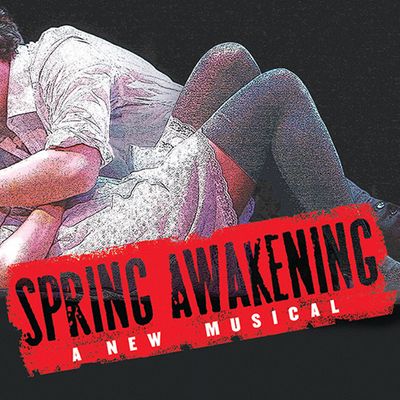
Alex Boniello fills Rory in on his journey from school athlete to Broadway performer in last seasons beloved revival of Spring Awakening. His story of why this had to be his Broadway debut is pretty spectacular... Read More
From the show: Living the Dream with Rory O'Malley
Guests

Featured Shows
About
Alex Boniello fills Rory in on his journey from school athlete to Broadway performer in last seasons beloved revival of Spring Awakening. His story of why this had to be his Broadway debut is pretty spectacular. Alex gets honest about the thrills and downfalls of being in a big splashy limited-run hit and then having to figure out what to do next. Rory and Alex talk about knowing who you are as an actor and how that might means accepting that you aren't right for every role.
Transcript
This transcript was automatically generated and might contain errors.
[0:07] Rory O'Malley: Hey everybody, Rory O'Malley here. Welcome to Living the Dream. Thank you for tuning in, listening. My guest this week is Alex Boniello. He was most recently on Broadway in Spring Awakening, another Spring Awakening alum. He also went to Wagner College, as my last guest, Brett Schufer did. So I've got a theme going on here, Spring Awakening Wagner. But really, it's just cool people. That's my theme. That's what I'm looking for. Alex is definitely a cool person. He has been very supportive of the podcast. And I really appreciate his story that he shares with me in this conversation about where he is after being at a Broadway show and what it took for him to get there. He's a good guy, and I'm really excited to share his story with you. Here it is, Alex Boniello.
[1:00] Alex Boniello: I'm just I truly appreciate all your support with what I'm trying to do with this podcast. Whatever that is, you kind of helped me define that as well.
[1:09] Rory O'Malley: Well, I mean, you know, it I just think it's good. I listened to far too far too many podcasts as it is. So, you know, when I think it was Alex Wise who was like, you should listen to it, because he knows I like podcasts and everything like that. And he's like, it's talking about stuff that you'll like. And so I checked it out and I was like, oh, this is great. And I remember, you know, as I had said to you, there was one episode that I was annoyed I couldn't listen to because I was on the subway and like the way that the episode was recorded, it just wasn't loud enough in comparison to the mean streets of New York, I guess. So I was like, Alex, give me his information. And I like reached out to you.
And then I still think the funny thing, and I told this to I don't remember who I told it to. I think it was Andrew Bradis, actually. I was like, I went over there to help him record an episode, and he was like, I'm using this, and I was like, okay, thinking I'm gonna have to like let you use my equipment in the and then I have this.
[2:04] Alex Boniello: Right. And you pull out like the gold standard of like podcasting from home microphones that you had never tried to use. And I was like, oh, just plug that in and you're done.
[2:09] Rory O'Malley: Right, right. Yeah, I know. And ever since then, I've been recording on this microphone that I just had sitting on the back of my shelf.
[2:19] Alex Boniello: There you go. And I've never had to complain to you via email again.
[2:24] Rory O'Malley: Right, right. But see, that's what's so funny about doing anything that you are scared of doing creatively, because I think that you get so worried about having to be perfect before you even start. How like, oh, I don't have the right equipment or I don't know how to do this. And I really learned that you kind of just need to start, you just need to do it and push through that fear, and the pieces will come together as you go. You don't have to have it perfectly figured out in the first podcast episode, or the first time you put on a play, or the first time you write something, it's as you go, and people like you will come in to help you along the way, which I really appreciate, and I'm excited to get to talk with you about you and your process of being an actor and an artist and where you are now and how you got here.
[3:17] Alex Boniello: Where did you grow up?
[3:19] Rory O'Malley: I grew up in New Jersey. You know, not too far from the city at all. If you know where Giants Stadium is geographically, you know, I grew up probably like I don't know, seven minutes from there. So, you know, geographically to the city, it's like no distance whatsoever. It's one of those things where you're like, I grew up in New York City, but I can't say that because everybody in New York City will say I didn't grow up in New York City.
[3:45] Alex Boniello: Yeah, well honestly, in a lot of ways, yes, but also I didn't I actually was not one of those kids who like came to the city too much. Even though it was like a pathetically small amount of you know, there are people who would like die to be able to go to New York and I was right there, but I never really did it for some reason.
[4:06] Rory O'Malley: Did you want to go, or were you just like, I've got everything I need here? What were your interests as a kid?
[4:11] Alex Boniello: It kinda wasn't it kind of wasn't on my radar, I guess, because you know, the things that I would eventually want to go to the city for, I didn't, you know, whether that be theater or something like that, I actually hadn't really discovered as something that I cared about until I was in high school. 'Cause I'm one of those one of those like late theater bloomers, you know. I wasn't one of those kids who was listening to some cast album when he was like six years old. That just wasn't me.
[4:42] Rory O'Malley: So what did it? What in high school sparked your interest in theater?
[4:46] Alex Boniello: Well, so when I was in fifth grade, I just really, really wanted to play guitar badly. And I asked my parents, I was like, you know, for my birthday this year, can I play guitar or whatever? And I, you know, I don't know I don't know what it was that they were like sure why that maybe it was like just inexpensive enough to get it going. And I had a cousin who was like, you know, I was taking lessons with this guy. So, you know, Alex should go to this guy for lessons, because if he's gonna do it, he may as well like do it, and if he doesn't like it, then we'll find out pretty quickly, you know. So when I was in fifth grade, I started playing guitar because I got a guitar for my birthday, and I very, very quickly took a not only a liking to it, but you know, at the risk of sounding n the total opposite of modest, I very quickly got good at it.
Probably more quickly than anything I'd ever done. So I think everybody kind of realized that like, oh we have we have ourselves some sort of black sheep of the family because nobody in my family is particularly musical in any way, shape or form. You know, my dad and brother are good artists. They can draw but beyond that, you know, so it was kind of a surprise. And then from then on, you know, I was obsessed with being in bands and I was you know playing I slowly started being like, I don't want to do sports anymore. I want to do only things that that like continue along with playing music of some kind. So you know from eighth grade to freshman year of high school I went from being a very, very good football player to I'm not playing football in high school and being in the marching band and I had an electric guitar and an amplifier plugged into a mobile power generator that I literally wheeled out onto the field with the rest of the marching bands. I could play guitar.
[6:34] Rory O'Malley: I love that you were a good football player. I left the football team to go into theater but the football team didn't really mind.
[6:43] Alex Boniello: No. They were like that's okay, Roar. You go dance.
[6:48] Rory O'Malley: Well you know it's funny friends will see pictures of me from like, you know the middle school years and everything like that and they bust my butt and they refer to it as in his prime Alex back when I was like, you know, like golden boy, like really athletic and everything. And if you look if you, you know, look at me now, I certainly don't look like much of an athlete at all. But you know, I was the weight that I am now, but in like sixth grade, so I was a shit brickhouse and was like tackling the crap out of other kids on the football field and stuff like that. But yeah, I kind of ended up where I needed to to be. And then throughout high school, you know, I got more and more into the you know, music and everything like that.
And for some reason, you know, probably because of the size of my school. It's a very small town and very small high school, you literally just had to sign up and you could be in the school musical. Like if you wanted to be one of the principal roles, they'd make you audition. But if you wanted to just be in the ensemble, you literally just signed up because they were like, well we need it, especially if you're a boy for the love of God. They'd be like, please. So I kind of just did it. There's no there really is no like reason for it right beyond I just socially do you feel like you were like, well it seems like this is the next step and hanging out with my friends and the marching band. I don't you know I it's one of those things that my sister who is three years older than me was in in the shows in the same capacity.
You know, she was like a cheerleader and a dancer so she was just like in them. You know, she's not a performer but she just was like what the hell you know it's like a extra curricular thing to just do I guess. So I kind of always knew I was just gonna just like do it. It's it's so weird to say that out loud actually but I just did. And the first show was fame.
[6:48] Rory O'Malley: Yes the the live live forever.
[6:48] Alex Boniello: Um and I was like, you know just a kid in the ensemble like I think I was like one of the yeah, music is the hardest profession in the world, like one of those kids. And I didn't, you know, I didn't particularly love it or anything. I didn't, you know, for lack of a better words, I didn't do shit in the show. I just kinda like stood there and sang occasionally. You know, and then as sophomore year rolled around and then it was high school musical, and I was one of those like skater dudes because why would I not be? And then I don't really know why it happened, but during that year, the original production of Spring Awakening came out, and I saw a commercial for it on TV, because there was the because I live close enough to the city that they air Broadway commercials.
And I just saw it and I was like, what is that? So I like looked up the soundtrack, which had literally just come out, so this must have been December of I guess 2006 or something. And I looked it up and I was like, this is not music that I think is a musical. You know, I was like very, very taken aback by it. And then I just became weirdly obsessed with like learning about that show and being like, I gotta like see this thing somehow, because at that point I'd seen like two Broadway shows just through like school trips. Like you could sign up and go see a show.
[9:58] Rory O'Malley: You know, if anyone has doubts that you weren't really into Broadway at that time, you referred to it as the soundtrack.
[10:06] Alex Boniello: So, you know, there's a ton of people listening to this podcast who just went, Wow, he really didn't know Broadway. I truly, I truly did not. If you asked me now, I would call it the original Broadway cast recording. But um yeah, no, I mean it's it's true, it's true. I that's just like how it went down. And so I remember that sophomore year, I went to the woman who was directing the musicals, who was also the head of the drama club, and I was like, can you arrange a trip to see this show? I think I think we should go see this show.
[10:34] Rory O'Malley: Wow.
[10:35] Alex Boniello: I really do. I love the music. I think we should go see it. Everybody's like gonna think it's cool. So like she did some research, and we had to get like permission slips from our parents because they were boobies.
[10:47] Rory O'Malley: Right.
[10:48] Alex Boniello: Um, and yeah, so then we went to see that, and you know, I saw the show, and like a lot of people my age and people older than me and people younger than me saw that show and they lost their minds over it. And I, in particular, you know, I saw John Gallagher Jr. playing Moritz, and I was like, my you know, my brain exploded because it was like a revelatory, like, oh, like things that actually interest me beyond just this being a extracurricular activity. This role speaks to me on such a level, the music I think is so incredibly good. I want to do that, and now that I've seen someone who's not some like, you know, Broadway, like vibrato-y singing guy do it, I was like, I could do this, I think.
[11:32] Rory O'Malley: Right.
[11:32] Alex Boniello: So then I for no reason beyond seeing that, just got really into the idea of wanting to do it, and then I kind of became very just very, very passionate about it. And you know, the next year we did Beauty and the Beast, and I was like, I'm gonna audition for a part, and I played Lumiere, which is a role I certainly shouldn't be playing in the real world, but that's okay. My French accent was the talk of the town.
[11:56] Rory O'Malley: I'm sure.
[11:57] Alex Boniello: Oh, yes. And yeah, and then from there it took off, and I was like, you know, mom and dad, I'm gonna I think I'm gonna pursue this, and then I had a moment of well, maybe I shouldn't, and I was simultaneously looking at colleges that had musical theater programs as well as colleges that were for visual arts, because for some reason I had in my head that it was more smart to go to school for other things that I was good at, and I loved video games and wanted to work in video games, so I was exploring the idea of being an animator for video games. So I would simultaneously be seeing schools one day that have an acting department, and then the next day seeing a school that like you know had a computer lab for animating video games.
[12:40] Rory O'Malley: So yeah, I was a very conflicted child, but then I remember I kind of just remember being like, I'm not gonna I'm not gonna not at least try.
[12:50] Alex Boniello: So I stopped did stopped applying to all the visual arts schools. I was like, I'm not gonna make a portfolio, I'm just gonna go head on into the musical theater thing, and that's that's what I did.
[12:59] Rory O'Malley: It's so like an actor to have a backup be something else in the arts.
[13:03] Alex Boniello: How dumb, too. Like well, you know, well, it's just it tells you who you are, and it's like that's where you want to be.
[13:10] Rory O'Malley: It's true. I mean, you know, and and now that I'm the age I am, I look at the video game industry and I'm like, I don't know who the hell I thought I was that that was gonna be any easier because that business is equally as like difficult to find work in. But you know, I was seventeen, so I was done.
[13:23] Alex Boniello: Well, I always laugh at like, you know, after people get out of drama school, a lot of them, if things aren't going well right away, including myself, are like, well, you know, this is really hard. Maybe I'll just go to law school. You know, that'll be just easier.
[13:39] Alex Boniello: That's a good backup. And of course, you know, it's great to go to law school if that's what you want to do, but it's certainly not easier than being, you know, being in the real world. But man, if you're struggling out there, it certainly feels like it is at least to have some kind of guidance or somewhere to show up to. So you wound up ending up at an acting school.
[14:00] Alex Boniello: Yeah, I went to um I went to Wagner College on Staten Island. Wagner, Wagner Pride. Yeah, yeah, yeah. Some something about that school, um, you know, I I went to a lot of the schools, and again, you know, based on my specific trajectory into getting into it, I very clearly was extraordinarily unpolished, if that was not clear, you know. I didn't know much about many musicals beyond what I was investigating on my own after finding out that I like actually liked them. Um, I I a lot of the schools that I was looking at, you know, I applied to all of them that you would generally apply to, you know, the usual ones. Um, and I had auditioned at at UARTs in in Philadelphia, which was a cool school, and and you know, NYU and everything. But all of these schools felt like I don't want to use the word scary because I don't mean to make them sound um not good or like bad in any way, but just not what I as a human being was like looking for.
[15:04] Alex Boniello: Sure. And Wagner was the last audition that I had, and I remember when I went there, I would the way that they handled their audition day down to it was just such a supportive environment and like they made you, which is a kind of sick, but also super genius. They made you audition with the same group throughout the day. So you'd be there with like 30 kids or so.
[15:26] Alex Boniello: Right. And rather than like wait for your turn to walk in the room and sing your 16 bars, you and your whole group would walk into the room together, and then one by one you'd watch each other. And you think that that is really scary, and at the time it was, but what it does is it creates this like it immediately creates a sense of community that like I have never found in any school except for Wagner, and that's the thing that I talk about the most and uh with that school that I liked, you know. Yeah. You may not have a multi-million dollar like dance studio or something, but it had that. And I don't know if the word is heart or whatever, but you know, they saw something in me that was different and weird and not like everybody else. And I got in there and, you know, my parents were like, We think this is the thing that you're looking for. And also because it was a BA and not a BFA.
[16:19] Alex Boniello: Right. Which for me felt like the right thing because, you know, again, not to disparage a BFA in any way, but sure. I graduate with a it like an actual degree rather than you know, so so if I ever needed to transition, you know, or get it major in something. You have credits that uh, you know, people don't really think about that. You know, if you go somewhere and you get a BFA, which I have a BFA, if I wanted to go to a graduate school, there's a whole host of credits that I would have to get under my belt before I could go into that graduate school. And that's really something to consider.
[16:53] Alex Boniello: Right. You know, and uh yeah. I mean, that's smart.
[16:56] Alex Boniello: Yeah. That is definitely smart. I wanted to be close enough to home that I could go home, and I also, you know, as I was making that decision, I had gotten set up with a manager, um, which is a sort of funny story in its own right that I guess we can get to. But so I wanted to be able to still audition for stuff, and some programs are like you absolutely can't audition for things. Um so yeah, so it just felt like it was the the move for me, and it ended up being really, really great for me.
[17:29] Rory O'Malley: Well, again, and I've said it when I talked to Brett Schuford, that Wagner seems to be one of those schools that really doesn't just produce talented, uh, you know people who can be on a stage and know what they're doing really well, but really good people. And I think that uh what you said absolutely is horrifying and scaring to me, additionally with 30 other kids. But I think that you're right that that's just a first attempt and a way to show that they're building a sense of community and that community is very important to them. And you know, everyone I've met from Wagner seems to uh uphold that sense after they leave the school, which is really important.
[18:16] Alex Boniello: It does. And th you know, the last thing I'll say about that school, on top of that, it also creates in a lot of ways really unique performers because they don't that's it's the kind of program that because it's not so rigidly structured, the people that leave there you you leave that school with exactly what you put into it. So like, you know, they have, you know, you have to take X, Y, and Z dance class to graduate, but beyond that, you it's l I think it was like literally like level one of like jazz and like ballet and then like musical theater styles. And then beyond that you didn't have to, you know. So if I went there and was like, I wanna be a dancer, I could have left that school kicking my head.
But I went into that school being like, this doesn't feel right for me, so I'm not gonna do it. And I, you know, leaned more heavily into the acting and stuff and trying to find my particular brand of what makes me special because I was I I just whatever the thing is that you need to be like an amazing dancer, triple threat kind of person, I just didn't that just wasn't me. But you know, you know, I came in with a different singing voice that just needed to be sculpted into what it is now kind of, and I played guitar. So it was figuring out, you know, what what that was and who I was.
[19:34] Rory O'Malley: Yeah. So you get out of Wagner and you've got you know, you it's nice that you're saying what you're saying is that you were able to hold on to who you were specifically as an artist and your talents, which I think is very important. I think a lot of people go to schools and they want to be molded into something that they aren't. Somebody else to be changed. And that isn't really going to give you any value once you leave school. The industry and um our entertainment world is made up of unique individuals, not carbon copies or shouldn't be and we're telling stories of different characters, not of the same character over and over again, hopefully. So you get out of Wagner and uh you enter the real world, did you still have that manager that
[20:17] Alex Boniello: Yeah, so you know one one massive advantage that I had over almost everybody I went to school with to be totally honest with you was um you know I had signed with a manager when I was I signed with him the summer going into what would have been freshman year of college. And so all throughout college I was actually already auditioning for stuff. Um which was like you know I I consider those four years of doing that to literally be equally as important in my education as the actual education I got because I learned, you know, we would be learning in class what it's like out there in the real world and what it'll be like at an audition. And then I would go on an audition and be like, oh, it's actually maybe a little different than that, or it's like this.
So I was learning, I was getting all these kinds of perspectives while actually getting to apply it. And I kind of had this four years of being safe to to kind of be bad. Do you know what I mean? Like to learn how to do it.
[21:29] Alex Boniello: Um and for the love of God, man, I would like I would be like skipping my general education classes to run to the Staten Island ferry, get on the ferry, like run, go to the audition, get back on the ferry, come back to Wagner, like to make it to the other class that I couldn't miss because I had already missed two times the week prior. So it was a really outrageous like thing. And I was always run quite ragged, but again, I wouldn't trade that for anything because I I feel like when I was graduated, I was like, I had such a firm hold on what was going on. What the business was.
[22:07] Rory O'Malley: Right.
[22:08] Alex Boniello: And um, you know, during during those years, my manager was like, let's get you an agent as well. So in I think junior year, I ended up with an agency, so I had an agent and a manager, and I was learning what pilots were, and I was just auditioning for so much stuff and in getting the occasional job here and there that I would do during school. Um and yeah, and then you know, now to jump forward, when I got out, I was scared shitless because I, you know, you don't have that. I always had like, if I don't work, it's cool because I'm in school. Like, but but now I'm not. So I didn't I didn't quite know what the what the move was gonna be, and I didn't really know what it was like to, you know, for it to be your career, but also to to be your career, and now it's for real for real your career. It's not your
[23:00] Rory O'Malley: Right. You don't have that safety net right where you're back to Staten Island and saying, Oh yeah, this is just something I'm doing on the side, right auditioning if but you don't have that. You're like, oh no, now I need to feed myself, which always you can't get away from the bottom line. Once you get out in the real world, you need to feed yourself. And it doesn't matter, you know, what school you went to or how much you've prepared to be out in the real world of this business. That is really scary.
[23:40] Alex Boniello: Yeah. It's it never stops being scary. It's scary right you know, it's scary literally right now.
[23:45] Rory O'Malley: Yeah.
[23:45] Alex Boniello: Yeah.
[23:47] Alex Boniello: So you get out into the real world. Did you move into the city right away?
[23:52] Alex Boniello: I didn't. I didn't because literally no money. You know, like having absolutely so I was like, what am I gonna do? So I I got a job at uh at the Apple store. Um I got a job at the Apple store in the city. Um the one on Fifth Avenue, which if you know it's the big cube.
[24:07] Alex Boniello: Right. Um and it's the only twenty-four hour Apple store because in my brain I was like, well, I could work the weird like late night and overnight shifts so that I can still audition and stuff and blah blah blah blah blah. I worked the overnight shift at a hotel because I thought that would be really helpful. And then I slept through an audition.
[24:24] Rory O'Malley: Yes.
[24:25] Alex Boniello: It doesn't work.
[24:27] Alex Boniello: That's the but I feel like everybody should learn it in some way.
[24:30] Alex Boniello: Yeah. So I I worked there for a while and it was incredibly hard work. Um, but you know, I I love technology and everything, so it felt like a good thing to be doing. Um, and then, you know, about three months into that, I got um I got the non equity tour of American Idiot, which was a show that I desperately, desperately wanted to do, but was always just too young for it.
[24:53] Alex Boniello: Um and yeah.
[24:55] Rory O'Malley: I love that show.
[24:55] Alex Boniello: I saw it three times.
[24:57] Alex Boniello: I I love that show a lot too, and how sad that we don't have it now because it's it's strangely more appropriate now, but hey, I hear HBO's trying to make a movie of it, so that would be pretty cool.
[25:09] Rory O'Malley: Good.
[25:09] Alex Boniello: Yeah. So you went on the non equity tour of American Idiot.
[25:13] Alex Boniello: I did, which was a which was a conversation because you know, at that point, I had I had already done some TV and I had done a movie, and but I was just so I like couldn't I couldn't sleep till I did that goddamn show. Do you know what I mean?
[25:30] Rory O'Malley: Of course.
[25:31] Alex Boniello: I and who's that conversation with when you say that?
[25:34] Alex Boniello: That was with my agent and my manager. My manager was more cool with me doing it because he knew how much it meant to you. He did, yeah. And and I mean, when I tell you I had odd like audition for I mean I must have gone in for that show like like eight times, you know, for the Broadway company, for the um for the first national tour, whatever. Um and so my agents were like, maybe you shouldn't do a non equity tour, blah blah blah, you know, and fairly s you know, I understand why they said that.
[26:01] Alex Boniello: Um, but I had to do that show. I just I had to.
[26:04] Rory O'Malley: Right.
[26:05] Alex Boniello: Um and then we had the discussion where they were like, well, if you get if you get one of the you know lead parts that you're in there for, take it. And if you get an ensemble job, we we won't take it. And I was like, okay, okay, that feels like it makes sense. And I got offered the ensemble job, uh, and to understudy Johnny, uh, the lead part and St. Jimmy. But when I got that offer, I was like, I'm not saying no, I can't do it. Like I I'm too young, like this is this is the time for me to do this. Like, I'll I've never been far from home. I'll see the country, I'll do this show. And taking that job, you know, it we'll get into my trajectory and how things went, but taking that job is literally the reason I'm here for a million, a million crazy, like, you wouldn't believe the universe set things up, you know, like I had to take that job, and I was we were sleeping on the floor of buses doing one-nighters, doing literally the hardest physical show I've I can I can name. But like I was twenty-three years old and having the time of my life, oh god, the time of your life.
[27:14] Rory O'Malley: Okay.
[27:19] Alex Boniello: Um, but I had to do it, and I'm I don't regret it for a millisecond.
[27:24] Rory O'Malley: Right.
[27:25] Alex Boniello: Well, and the thing is that the reason I bring up who's having that conversation, a lot of times, you know, especially early on in your career, you don't get to have that conversation with anybody.
[27:36] Rory O'Malley: Right.
[27:36] Alex Boniello: You know, I I didn't have an agent or a manager for the first, well, I had a manager, but I didn't have an agent. And you uh really feel alone in that conversation so many times. And even now, when you're talking to an agent, part of their job is to give you the flip side of why you shouldn't do something, you know, because they're always looking for a a better opportunity, because for them, it's all about uh a bunch of different clients that they have and making sure that each client is getting the most like and and not to take away from the fact that agents are looking for your best interests best interests for your long term career and your passion what you want to do but really at the end of the day it's up to you alone and that is a really it's a hard thing to to feel or to realize when you're that young because you want to just listen to a teacher or a parent or somebody who's in authority.
[28:38] Rory O'Malley: Right and the agent or the manager or anybody who steps into the vacuum of your life of having no leadership right can really sway you.
[28:47] Alex Boniello: So good for you for knowing where you had to go and where your heart was that's always where you should be going, you know. Um I had a friend who gave me this really good tip about deciding on whether or not to take jobs. There's three things that you should think about and it's uh the money if it's something that you need to do money wise, the experience of the part, and then thirdly the people who are working on it. And if you can get two out of three of those things, the artistic side, the money, or meeting new people that you haven't worked with before and getting the room with those kinds of people, then two out of three of those things are reason enough to do something. And you know, it certainly sounds like it may not have been money but those two other things were huge.
[29:32] Rory O'Malley: Right.
[29:44] Alex Boniello: And it's so funny you say that, like my friend, uh who I'm sure every listener here will know, Crista Rodriguez has told me literally that thing that you just told me.
[29:52] Rory O'Malley: Right.
[29:53] Alex Boniello: Um, you know, because she's like a a big sister to me. So whenever I'm complaining, she like will drop anecdotes like that. Um and yeah, it's it's true. And that you know, that that led immediately into my next my next job, which was um as that show ended, I just got an email completely out of the blue that was just like, Hey Alex, um, you know, we want to check your interest on this project. Michael Mayer is directing it. Uh Lynn Manuel Miranda wrote it, and I was like, Yeah, what what do you check my interest? Yes, don't don't check like yes. Um, and I didn't know what the hell it was, I just said yes to it, and I was still on tour, but I assumed it was, you know, because Michael Mayer directed American Idiots.
So I assumed that I don't know, he just thought I was right for it. And it ended up being this really great 15-minute musical called 21 Chump Street that Lynn Manuel wrote and Michael directed that they did at BAM in Brooklyn, uh, through the very, very famous podcast and radio show This American Life. Um, you know, a week a after this non-equity tour, there I am in a room with Michael Mayer and Lynn Manuel Miranda and Ira Glass, and like being like, What in the hell is going on? And it was the I everybody that did that still thinks about it as like a dream because it we did the whole thing in like a week. Lynn had literally just finished writing it. Meanwhile, he's like practicing tick-tick boom on the piano at every like five minute break because he's like about to go do tick-tick boom at Encores.
Um, and it just I I did I couldn't believe I was there, and I made so many good friends doing it, and was like it was it was my first taste of I was like, Oh wow, I'm like in a room and creating a thing, and this is like really, really exciting, and everybody's really cool, and yeah. So I kind of just sat there like slackjawed, like learning as I sat there about what it was to make a piece happen.
[31:52] Rory O'Malley: Right. And there's no way that if you had listened to the advice of don't take an ensemble role in a non equity tour at 23, that you would have had that experience and Michael Mayer would have been able to say, Oh yeah, bring in Alex. Right? He could do this. So many people don't realize how work begets work. Being in the room with people makes you go into the next room. And it's uh I'm always stunned by people who turn down opportunities because they're not good enough. Um maybe if you have something else to do, great, but I've always been shocked, especially when people are really young, that they turn down opportunities wanting to wait for something better. When life it's happening, you know, it's opportunities, there they are. They're right in front of you. You have to grab them.
[32:48] Alex Boniello: Yeah. And then there's also well, I was gonna say, you know, to go off of what you just said, there's also you you learn, like, I don't know how to say it exactly, but you you sort of learn you also learn when to say no given what you want to. Do you know what I mean? Because it's like once you're I don't know how to put it exactly, but there there then comes a point where you're like, that is an amazing opportunity that maybe I'm gonna hold out for a second, and then you learn the lesson, you're like, I shouldn't have waited, but I needed to learn the lesson to wait. Do you know do you know what I mean?
[33:26] Rory O'Malley: Yeah.
[33:27] Alex Boniello: You know, yeah.
[33:28] Rory O'Malley: Absolutely.
[33:29] Alex Boniello: Right. So you were in 21 Chump Street, which literally it is it's almost like folklore. People love that so much. When I was hosting Ham for Ham when Lynn left, that was like the number one thing that people wanted. 21 Chump Street, which if we had another few weeks, we definitely would have done, but you know, we had to shut down because it was getting too out of control on the streets of New York City. But um that was that must have been such a shot of adrenaline in your arm to keep going to the next thing.
[34:03] Alex Boniello: It was cool. It was certainly cool. And then after that, I didn't work at all. For you know, I didn't work at all um until gosh, that was in like May. So like uh May or June, immediately after American Idiot had ended. And we you know, that was a week long job. But um oh god, one second, my cat. Get out of here.
[34:22] Rory O'Malley: Oh, we love cats. What's the cat's name?
[34:25] Alex Boniello: Her name is Penny, she's a terror. Um Rory says hello.
[34:30] Rory O'Malley: Yes, go go eat, please, would you? Um anyway, so you know, I didn't work for I think uh let me let's see, May, June, July, August, September. Five months I I didn't work at all. And the job that I next did was for three hundred dollars. But when I say three hundred dollars, I don't mean a week, I mean three hundred dollars. Um, but it's another example of that that thing we were talking about where it's like experience or whatever. It was Alex Timbers was doing a show. Um, you know, for those of you who don't know, Alex Timbers, who is now giant prolific Broadway director, he got his start doing really weird downtown crazy theater, and he had a time in his schedule where he was like, I'm itching to do something weird again, you know.
Um I think this was right after Rocky. So he was, you know, he had time and he was doing this show that needed actor musicians. Uh it was it was called uh it was called uh Hoover. But it was about Herbert Hoover, the terrible president. Um basically Hoover was a stand-in for Elvis, and he had like a band of like young people around him, and Hoover was making his case that he wasn't actually the worst president ever. And it was a very ridiculous fun show that you know, if you ask me now, it would be one of those things that's like I don't really know that I can do something that's gonna take two months of my life for literally $300. But I was just young enough and and I still and I had a little bit of tiny tiny bit of money saved from American Idiot, and I was on unemployment, and it paid so little that I could stay on unemployment.
So I was like, I'm gonna let's do the audition. And uh it's it's a pretty funny story because the whole time I was auditioning with a guitar, and then at the last audition, Timbers was like, Hey man, do you play drums? And I was like, absolutely. I did not in any capacity play drums at all. Um, but I I was like, I've gone this far and I really want to work with Alex Timbers, man. So I g I get the job in the first day of rehearsal. He's like, So you're gonna be the drummer in the band. And I was like, awesome. Like, I was like, dope, that's so cool. So after that first rehearsal, I went to the guitar center at 14th Street and sat down at one of the electric drum sets for like six hours and taught myself how to play drums so that when I showed up the next day, I knew how to play the drums.
[36:53] Rory O'Malley: Oh my god.
[36:54] Alex Boniello: Yeah.
[36:55] Rory O'Malley: That sounds that's insane.
[36:56] Alex Boniello: So you you are so musically increased that you could sit down and at least fake it. But that's I that is something I could never do.
[37:07] Rory O'Malley: It's something you should never do. I I like I I basically lied about being able to tap dance for Book Mormon. But I had like months to to uh the next time we got together because they kind of gave me the heads up at the reading. So before the first workshop, I had gone to Broadway Dance Center and taken tap one with all the little girls.
[37:28] Alex Boniello: Yeah.
[37:29] Rory O'Malley: So I had some time. But a day?
[37:34] Alex Boniello: Yeah, like twelve sixteen hours. I mean, it was that thing where I knew I was like, all right, I don't quite have the mechanics, like, you know, like my foot can't quite move separately from my arms. You know what I mean? Like that was the thing I had to do. But I'd been playing in bands for so long and stuff like that that I knew that if I could just get the like physical mechanics of of, you know, patting your head and rubbing your stomach, that whole thing. Right. If I could get that down, I'd be able to figure it out. Especially because I kind of got to write the drum parts so they were able to be as simple and like ringo in the Beatles as possible, you know, just servicing the material.
So I I did it and it ended up being really awesome. And I I still talk to Alex Timbers as frequently as I can, and I recently just worked with him on something that I can't talk about while there's something recording. But um, but you know, it's again, it's that stuff. I mean, my whole career has truly been built on just like doing weird stuff, saying yes to it, doing things I'm not sure if it's the right thing, and then just like I guess those people understanding my specific brand of me and what I am, and Timbers understands it, Michael Mayer understood it. Uh, you know, now Michael Arden understands it. It's I think it's a really important thing for young people to realize is if you if you know what you are, you'll meet other people who like the thing that you are, and you know, not every director is gonna be right for you, but there are gonna be directors who understand what you do, and they're gonna like having you around as long as you're nice in the room and you're not a weener, you know.
[39:14] Rory O'Malley: Right. Well, it's it goes back to what you were saying about coming out of Wagner and still knowing who you were and being specific to yourself. That directors are going to say, Oh, this actor knows who he is. This actor can do what he does really well, and that means that you might not be right for low dolly with your guitar, but that's okay. Like you are not going to be right for everything. I think a lot of times actors want to be right for everything, and that means that you are right for nothing. That if you are so general, so blasé, and don't really have a uh specific look or a specific identity to who you are as a person, a kind of story that you can tell, then you're not going to be tell anything because nobody goes to listen or watch stories of general people.
They want to see stories of specific characters with grit and passion, and you know, yeah, a specific story to tell. And it's I would be lying if I said it didn't make me crazy sometimes, because sometimes there'll be things that you know I'll hear our auditioning and I'll be like, hey, can you can you please, you know, I'll say to my team, can you can we get me in the room for that? And then they either can and I go in and I I do the best of my ability and then I'm like, you know what? I still just wasn't the I wasn't the guy like I wasn't the guy. But when I am the guy, I'm the guy. Like, which is you know it's what you're saying. But it's it's hard to I think it's it's hard to strike the balance of knowing yourself and being proud of what makes you different and also having to relinquish being like alright I'm not gonna be right for everything.
[41:01] Alex Boniello: Especially someone like me who made the deliberate choice to be like I'm not gonna be a beautiful dancer but I have like a scrappy voice and I play instruments and I you know do a certain thing really well so when you know when they need it they'll they'll ask.
[41:16] Rory O'Malley: Right.
[41:16] Alex Boniello: Yeah yeah well I always go back to when I first moved to LA and I had a manager right out of college she wanted me to get a tan because I was the most pasty person she'd ever seen and my God you need a tan if you're gonna be in Los Angeles and because I was 22 years old and didn't know any better than to listen to this person. Like I was saying before that she was like the leadership vacuum of my life was being taken over by her I went and got a spray tan.
[41:44] Alex Boniello: Oh Jesus Christ I looked like a crazy person. Like they don't make spray tan for people who are nearly translucent like myself.
[41:54] Rory O'Malley: They sure don't and it it's just so funny to me because I I just looked dirty. I looked like I had dirt, like orange dirt all over myself.
[42:04] Alex Boniello: And I have made a career out of being the whitest person who ever walked the planet. And and because I wasn't true to myself in that moment, you know, I I learned a huge lesson because it was embarrassing to show up to auditions or to show up in life and be like, I'm trying to be something that I'm not. And and I really promised myself that I would never do that again.
[42:30] Alex Boniello: I I I had that conversation with casting directors. Oh, I got a spray tan, I look terrible. And they were like, you should never listen to that manager's advice. You shouldn't be listening to somebody who's telling you not to be your unique self.
[42:45] Rory O'Malley: Yeah.
[42:46] Alex Boniello: And it's hard though. It's hard because you see that there are breakdowns or there are parts going out that you aren't perfect for. So you want to mold yourself into something that you're not, so that you fit that character, or you fit what's really exciting right now, or on Broadway or on TV. You have to either wait around for the thing to be written for you that's perfect, or you need to write it yourself.
[43:15] Rory O'Malley: Right.
[43:15] Alex Boniello: You know, it's so funny too that you specifically talk about that with the tan thing because when I was in college, when you were leaving Mormon, I went in for Elder McKinley.
[43:24] Rory O'Malley: Oh yeah.
[43:25] Alex Boniello: To replace you. And um I was so proud of the audition that I gave because I was like, I feel like I feel like I did a good job, you know, blah blah blah, whatever. And then I didn't I didn't get a call back, I didn't get it. I was like so surprised. I was like, why why in the world did I not, you know, whatever. And then my images, everyone was like, oh, they were like, you are far too not white.
[43:46] Rory O'Malley: Right.
[43:46] Alex Boniello: And I I was I was stunned by that first of all, because you know, I'm quite white, but it's it's a very it's a very specific kind of level of white. Yeah, they said it was too I had I looked I looked and felt a little too dark in in both demeanor and you know my olive, very clearly Italian skin tone.
[44:07] Rory O'Malley: So you find yourself back out into the world, you do a $300 gig for Alex Timbers.
[44:15] Alex Boniello: Right. Is this around the time you meet Michael Arden and this spring awakening starts happening? Or not yet.
[44:21] Alex Boniello: So, you know, I've told the story a few times, um, so you know, in this version I'll make it as fast as I can. But as American Idiot was winding down, so this was, you know, a few months prior to where we are in the timeline of me, um, I had heard about Spring Awakening happening in LA because our music supervisor on American Idiot was the music supervisor for this.
[44:42] Alex Boniello: And uh this meaning the first incarnation of Deaf West Spring Awakening. And uh, you know, he sent along what they were looking for to the cast of American Idiot, you know, the specific like we need someone to, you know, for example, be voice of Venla and she'll play guitar and like she'll need to, you know, whatever. And I had seen that, and I still have the emails to this day, and they're so funny.
[45:04] Alex Boniello: I reached out to the guy who we're talking about, and I was like, hey, this voice of Moritz thing seems like something I should be doing. What is the situation? He was like, Well, it would be, you know, like no money. I don't remember what it was. It was a very, very, very it was it was literally unlivable. Um I was uh I was like, damn, like I wish I could do it, but I literally couldn't afford to pack up my life and go to LA to do this.
[45:31] Alex Boniello: Like, you know, I just didn't I I physically couldn't do it. So I was like, that's a bummer, man. Like, good luck with it, I'm sure it'll be great. And then I saw the reviews for the 99 seat production, which was around the time that I was um doing this thing uh for Alex Timbers, and I was like, Oh, I guess they got it right. You know, these LA Times reviews are unbelievable.
[45:51] Alex Boniello: Um, so you know, I went on, uh worked on this off-Broadway show called Brooklynite, another thing with Michael Mayer, who I literally got the job because I went to see their opening one of their first previews and was taking AP and Michael Mayer was peeing next to me. He's like, What are you doing right now? And I was like, nothing. He's like, Huh. He leaves and he calls me the next day.
[46:08] Alex Boniello: He's like, We need someone to replace someone for two weeks. Can you just come in and do it? And I was like, Yes. So that job Doyle. Always be ready, even in the bathroom. Penis in hand, I like um but so Matt Doyle, who was the lead of Brooklynite, uh, him and I became buds.
[46:27] Alex Boniello: And then, you know, shortly after Brooklynite, I was on my way to a catering job, literally in my little vest, um, and I got a Twitter direct message from Andy Miantis, and he said, Hey, uh, you know, I was talking to Matt Doyle about you. He said, you know, we would get along great, whatever.
[46:44] Alex Boniello: Um, and then he's like, What are you doing in May and June? Um, you know, we need we need a voice of more. It's the Deaf West Spring Awakening is transferring to a bigger theater in LA, and we need this. Um, your name was given to us by more than one person that you'd be the guy to do this. Can you what's the like what and I was like flabbergasted that I was being asked to do this, especially given the fact that like I wanted to, you know, like a year a year ago.
[47:11] Alex Boniello: Um and yeah, so it very quickly I hopped on Skype and just met Michael. You know, again, my name had been given because the guy who was doing it took another job opportunity. And it's just such a specific job that there really aren't that many people who could do it.
[47:28] Alex Boniello: You know, they needed someone who's theoretically right to play the role, is generally in the right age range, who sounds right, who could act the role, who can also play guitar at the level to play a Broadway score, and also is the right personality type to kind of step back and let a deaf actor shine.
[47:50] Alex Boniello: And they really needed to find that, and my name just came up a bunch of times, so we Skyped, and Michael was like, Can you just like sing for 20 seconds for me? And it was so funny. I was like sitting in my apartment, just like uh, you know, I was like, I can sing the song from the show, I I I know how to do it.
[48:06] Alex Boniello: And then like two days later, they had me on a plane because it was an emergency replacement, and then that turned into what it turned into, which is nuts.
[48:15] Rory O'Malley: Yeah.
[48:15] Alex Boniello: But you know, it's the most full circle thing in the entire world, because remember what I was saying earlier, like that show and that role was what made me want to be here, and for it to just fall into my lap when I, you know, I don't have I I just, you know, being being different and not knowing exactly where I fit into this world, and then for a role that's that specific to come along, and I truly I'm not much of a fate kind of person or the universe, whatever, but I am I was the person who was supposed to have that job.
[48:46] Alex Boniello: Nobody else alive was supposed to have that job. Ever literally everything that I ever did up until that moment was that job was the result of. Every job I took, every guitar lesson I took as a child, the show everything, literally everything. I was the only option, and all roads kind of pointed to me.
[49:05] Rory O'Malley: Well, you were wonderful in it, and I think that you you really it's not a mistake, and I think you're absolutely right that you saw Spring Awakening and that that was your Broadway debut, right? I mean, that's pretty fantastic.
[49:24] Alex Boniello: Um story. And it just reminds you that you can't connect the dots forward. You can only connect them backwards.
[49:30] Rory O'Malley: I know.
[49:32] Alex Boniello: And it's crazy. And it's exciting because you think, well, this is you're still going to be able to do that. What you were able to accomplish and have because of your convincing your teacher to bring you to Spring Awakening, and you know, all of a sudden you're not all of a sudden, but all the way at the end of those dots being connected, you're making your Broadway debut.
[49:55] Rory O'Malley: It's not just perfect.
[49:57] Alex Boniello: You're you said it, it's correct, it's right. It's it's not a mistake. That what drew you to Broadway is what made Broadway bring you to the stage.
[50:11] Rory O'Malley: I think that's so poetic and fantastic.
[50:15] Alex Boniello: And you might not be a universe guy, and I am, so I think it is the universe, it is fate, and I think that's beautiful.
[50:22] Rory O'Malley: So now you have this wonderful experience. You guys, it was a limited run.
[50:27] Alex Boniello: Yeah, unfortunately.
[50:28] Rory O'Malley: Yeah, and it was beloved by critics and audiences alike, and it you know, it's hard for any show to go on for a long period of time, especially one that is so um it's got a huge cast, and there's all these people, there's all these other things that people don't realize. It takes so much money to keep something going for a long period of time.
[50:51] Alex Boniello: Of course.
[50:51] Rory O'Malley: But what did that feel like to have that moment which everyone loved the show and to still have to say goodbye to it? I think that must be really difficult.
[50:59] Alex Boniello: It was it was really hard. I mean, also because for a while we had hoped we're like maybe, you know, because we were always going to be a limited run, which is why it was sort of perfect and why we transferred so damn fast.
[51:14] Alex Boniello: I mean, from the day we closed in LA, like two weeks later, we found out we were going to Broadway, and then like four weeks after that, we were in our first rehearsal. It was rapid. Um it was perfect because you know, the Brooks Atkinson was open for like four months before Waitress came in.
[51:30] Alex Boniello: Um, we were like, man, like maybe something'll happen. Maybe it's expensive, but maybe we can move to another theater or s you know, we we had hoped, right? But the thing about that show is when I look back on it, obviously I wish that I was employed for longer.
[51:47] Alex Boniello: I really do. Like I sit here now, and it's been a long time since I've, you know, worked on something substantial. And I wish that that had lasted longer. But at the same time I look back on it and it was it was the way that it was supposed to be for that show. You know what I mean?
[52:01] Alex Boniello: It was such like a special thing that came into everyone's life so unexpectedly because of Andy and Michael's brilliant idea and Def West and Ken Davenport and everybody. Um, and it was meant to be fast. It happened fast.
[52:16] Alex Boniello: In those few months we were on Broadway, like I checked off like every like Broadway bucket list dream thing. Like we performed at the White House, we performed on uh late night with Seth, we we you know, we just did we did it all.
[52:30] Alex Boniello: Like we had the opening night, we got the good reviews, we we we did the damn thing in like three and a half months. And then, you know, a few months later, we ended up get getting nominated for a bunch of Tonies and getting to perform on the Tony Wards.
[52:42] Alex Boniello: Like that show gave me every experience that anyone could ever dream to get out of not only a show, but their Broadway debut, you know.
[52:52] Rory O'Malley: So it was sad at the time to say goodbye to it.
[52:56] Alex Boniello: We were also nothing against it, really tired. That show took more out of me than I can ever express be just because of the mental focus that it like I've done physically demanding shows like American Idiot, but man, I that show every single person had to be 100% on at every moment of the entire show, because if you weren't, it would literally fall apart because everyone was holding up everybody.
[53:19] Rory O'Malley: And well, and the specific nature of having deaf actors on stage, what was that like in terms of the whole process being clearly incredibly rewarding, but it must have also had a lot of challenges too.
[53:36] Alex Boniello: Yeah.
[53:37] Rory O'Malley: And anytime you're playing the same part with another actor, but what was that like?
[53:42] Alex Boniello: I mean, it was it was incredibly hard. You know, you gotta remember when Michael Michael knows ASL, but it's easier for him to have an interpreter so that there's nothing lost or as little lost in translation as possible.
[53:55] Alex Boniello: So if he wants to give a note, he has to give the note, then wait for it to get translated, then the deaf actor will say, like, oh yes, okay, I get the note. They'll sign something back at the interpreter, the interpreter will say it to Michael, and little things get lost in translation.
[54:08] Alex Boniello: So sometimes a note doesn't get applied right away just because little language barrier things make it not so clear, and then we're doing that, and you know, you can imagine teching a Broadway show, you know, rather than calling like Michael will call hold in tech, and then Michael will call hold, then a giant blinding light will go off so that the deaf actors know that we are holding, you know, it's it's just a different thing.
[54:31] Alex Boniello: But as far as sharing a role it was it was incredibly challenging. You know, I didn't know any sign language and Daniel uh the actor who played Moritz you know he had already been playing the role in that ninety nine C production so I kind of just sat there and like watched what he was doing and tried to learn it and tried to best serve with my voice his acting what he was doing.
[54:55] Alex Boniello: It was it's but also like it's impossible to fully leave your own thing out of it. So it kind of became this like dual performance where it was Alex Boniello interpreting Daniel Durant's performance as Moritz thus creating this really strange at odds with himself character, which is the brilliance of Michael's direction because it put a character who's at odds with himself naturally at odds with like the, you know, the audience saw that there was that conflict.
[55:31] Alex Boniello: Yeah, there's always a conflict and it was we were trying our best at all times to work together. So when we came together perfectly it made sense and when we were conflicting it made sense and it just I mean I couldn't if the concept wasn't so damn good and if Daniel wasn't such an expressive deaf actor and if Michael didn't direct it the way he did, I I like I don't know, it made me do something way more amazing than I ever thought I could I g I could like consciously do if that makes sense.
[56:02] Rory O'Malley: Yeah.
[56:02] Alex Boniello: Absolutely. I mean, it's it's a unique experience that I I can't imagine too many other circumstances where you're gonna be in that.
[56:12] Rory O'Malley: So probably never, honestly.
[56:14] Alex Boniello: Yeah, yeah.
[56:14] Rory O'Malley: Yeah.
[56:15] Alex Boniello: No, it's a beautiful thing. So now you finished that experience. Um, I know you've been working on a bunch of different things. What does it feel like now that you've been able to say goodbye to that and moved on?
[56:29] Alex Boniello: You know, it's almost we're almost we're just past a full year to the day. Um, you know, I think we're a week past when we close, right? So, you know, it was it was a really interesting thing, and it's a thing that I don't think a lot of people talk about. What is what happens after something like that, right? Like, and it was something I wasn't prepared for because again, you know, I had my periods of not working and stuff like that, but we can chart my career here, and it pretty much was a straight line upward, right?
[56:58] Alex Boniello: And so after the show closed, you know, it it's it it was just so hard because I had this image of the way things were gonna go for me, right? Like I was like, the show's gonna close and go directly into pilot season, and then if I if I do everything right, I'll I could get a pilot and then be on TV and everything will be okay forever because I'll have millions of dollars. Like, you know, you know, but it's not it's not how it worked out for me.
[57:23] Alex Boniello: And sometimes it's how people work out, but for me, you know, the climate of the shows that were being produced last year, um, I wasn't right for anything. You know, it was a it was the pilots were there just wasn't any space for me. And so I was auditioning for things and getting really close and not getting them and not knowing what the hell I was doing wrong and blah, blah, blah, blah, blah.
[57:44] Alex Boniello: And then, you know, here we are about a year later, and it's, you know, interesting that we're having the discussion now because I made I did so many things that like I'm really proud of in the last year that didn't really make me very much money at all that a lot of people don't know I did because they're, you know, like workshops and readings of things that I'm not allowed to talk about. Um and then, you know, those things might become nothing or they might become something, but you know, a year out from it, I'm sitting here.
[58:15] Alex Boniello: I've in 2017 at the beginning of this year, and trying to think like, you know, as someone who had this amazing thing happen to them, and we're a year out from it, and I'm still pretty pretty darn young, relatively speaking, that is. Um, you know, where do I go from here? And how do I not attribute success to me being worth something, which is something that was so ridiculously hard for me, and I still struggle with it every single day because I'm like, if people don't if I'm not working or people don't know I'm working, like what am I?
[58:47] Alex Boniello: And I'm you know, that's that's where I'm at and what I've been grappling with and working with, and and now I'm exploring the whole world of like, you know, what survival job, because everybody has to make money, like what survival job can I have? And taking a survival job doesn't mean I'm not an actor anymore. It just means I need some damn money. Like, and it's it's figuring all of that out.
[59:08] Alex Boniello: Um, and it took me months and m literal literally almost the full year to figure out what the hell I was gonna do. And, you know, I had terrible bouts of anxiety, which I've talked about pretty free frequently that I had, you know, that I have anxiety and the way that it was manifesting itself throughout the year was terrible for me and figuring out how to move forward and you know, come at the beginning of 2017, things have changed a lot.
[59:36] Alex Boniello: I got new, I got a new agent. Uh well, I said that word really weird. Got a new agent, uh, same manager as when I was a kid, but things are different now dramatically. And so I'm figuring it out and trying to see what it what it means in the post having been on Broadway world because things change a lot. And um also not at all. You know what I mean?
[59:46] Rory O'Malley: Things change a lot, but not at all is exactly it's exactly right.
[1:00:06] Rory O'Malley: And uh I think that what you've just shared about your post-Broadway experience is so important, and I really appreciate you being honest about it. I think that so many times because getting to Broadway or getting that first job or getting some job you've been looking for for so long, because it's so hard, and because you work so hard for it, once you get it, you think that's the first rung on a ladder that you're gonna be climbing, and now things are gonna be easier from here.
[1:00:39] Rory O'Malley: And I think that when we say that the business is hard, people think of waiting tables. It's it it that is hard. It is hard to have your survival job and to go into auditions, but what's really hard is when you do get that job, when you do get that thing that you've been hoping for, and you realize afterwards that you still have to work as hard as you did before that, that there is still so much energy that needs to be put into your career and auditioning, and you just want it to be a little easier.
[1:01:17] Rory O'Malley: And I think that that is something that people don't talk about enough, is what you were saying. That after you get into the business, people just on the outside think, well, now you've got it made. You made your Broadway debut, and things are just gonna connect for you on their own.
[1:01:35] Rory O'Malley: Um, but it's it's another uphill climb. And it doesn't mean that it's not worth it. It is worth it, but it's part of what we do.
[1:01:46] Alex Boniello: Um the lessons that I learned in the past year. Like, you know, where I sit here and I'm like, man, like what a learning year that was, and it felt like shit as it was happening, and it's still I look back and I'm like, man, but it you know, it taught me I think some maybe some more patience or something.
[1:02:07] Alex Boniello: Uh it's hard to kind of unpack exactly what it teaches you, but it's it's you know, and then the whole like you know, comparing yourself to people who are doing different things, you know, very close friends of mine who I did the show with had very different paths career-wise. Some people had it worse than I did, and some people, you know, just got TV show after TV show, and them getting those things doesn't mean it's not my like people say it's it's when like someone you know gets something and you didn't not get it, they just got it.
[1:02:37] Alex Boniello: Like, you know what I mean? Their success is not your failure. Right. And that's you know, you you you can say it till you're blue in the face, but like until you're faced with it all the time, you don't you know, you just have to learn how to process that and be like that's also part of what this whole crazy crazy business is, and you know, you if you figure it out, I guess.
[1:03:00] Rory O'Malley: I don't I don't know.
[1:03:00] Alex Boniello: Yeah, no, I think the thing is that I think that people hope that this that that feeling just goes away once you get to a certain place, but it doesn't unless you learn how to manage it. You can be, it's okay to be anxious when people you know or your friends get things and you feel like, oh gosh, where am I? What does that mean about me? It's okay to think that, but you have to realize that that is not going to service you.
[1:03:33] Alex Boniello: It's not going to get you anywhere to compare and despair, as we say. So the people that would make it in this business are the ones that don't let that right destroy them. Because if you let that consume you, what other people are doing and what you aren't getting, then you won't make it.
[1:03:51] Alex Boniello: And I truly believe that it takes talent to make it in this business, like 50%. And then the other 50% is not letting other people's success feel like your failure. Because I think that's what uh drives a lot of people out of the business and into professions where you aren't made to feel so vulnerable all the time.
[1:04:13] Rory O'Malley: Right. It's it's it's it's the you know, it's the important things of the business to talk about, especially to any young people listening. Like, you know, it's not all just like magic and rainbows after you've achieved something amazing.
[1:04:28] Alex Boniello: And you did it, you know, I did achieve something amazing, and I'm so damn proud of it. And that's probably one of the proudest all, you know, that production will probably be one of the like most special times in my entire life. Not only the people that I met and the the beauty of the show, but how much I learned about the business and being in it and learning, you know, everything and then and then also what happens when you make your Broadway debut in a big part and like figuring out like, oh, my career might go a little differently than I thought it was going to.
[1:04:56] Alex Boniello: You know, I thought I would be in the ensemble eight times before I got a big part, and then you're like, shit, and what do I do now? What parts am I right for even you know it totally just skews everything you've got going on? But it but it uh yeah, I think in the last month uh is when I when everything that happened in the last year started to finally like click a little bit with me and figure help me figure out where I go from here and what's next, and that if I'm not working, it doesn't mean that everybody on earth has forgotten about me and that I'm a piece of garbage and you know
[1:05:08] Rory O'Malley: Yeah, people remember it's time also passes very differently.
[1:05:41] Alex Boniello: Yes, it does from your viewpoint. I think you mentioned you didn't work for five months at some part of your some story, and I was like, oh geez, that's nothing.
[1:05:48] Alex Boniello: I know. I I know that this year can feel like a huge amount of time, but as you get older and as you're in the business longer, it just you realize that if you don't enjoy those times, the five months, the year of not working, you'll really regret it because you are gonna work again and you are gonna be like really entrenched in rehearsals and giving a hundred percent of yourself every single show eight times a week, and you'll be like, oh man, when I wasn't working, I don't know why I had so much anxiety.
[1:06:24] Rory O'Malley: It was not enjoying that time when you were free to do all the creative things that you've been doing this year.
[1:06:31] Alex Boniello: Yeah. And you know, so it's tough. It's not easy to do to enjoy your free time. Here I am before our I'm in between Broadway gig and starting the tour of the same gig. I've got like no anxiety about if I'm gonna be able to do it. I've already done it, and yet I've got five weeks off, and it's hard for me to chill.
[1:06:52] Rory O'Malley: You know, it's just the way that we're made.
[1:06:54] Alex Boniello: We're made to not uh sit back and enjoy. We have to kind of be forward focused and looking for the next vine to swing from.
[1:07:06] Rory O'Malley: And it's hard.
[1:07:07] Alex Boniello: It's hard, it's not easy. But that's why we're talking on this podcast.
[1:07:12] Rory O'Malley: And I really truly appreciate your support and um and talking with me and being so honest and open about it, because I think this is the kind of conversation that will make it easier for all of us if we're um honest and open about how difficult the business can be and how rewarding it can be and why it's worth to keep going and to figure out ways to be grounded and happy while you're living the dream.
[1:07:41] Alex Boniello: Oh, good. That's good. You get the name and the end there.
[1:07:44] Rory O'Malley: Oh, that was good. I'm learning.
[1:07:46] Alex Boniello: I'm learning all from you, Alex.
[1:07:48] Rory O'Malley: Oh, please.
[1:07:50] Alex Boniello: Well, thank you so much for being on the podcast. I really appreciate it, and thank you for keeping me tech savvy and bringing me into the 21st century.
[1:07:59] Rory O'Malley: Of course, thank you so much.
[1:08:01] Rory O'Malley: All right, talk to you later.
[1:08:02] Alex Boniello: Bye.
© Broadway Podcast Network, All Rights Reserved