

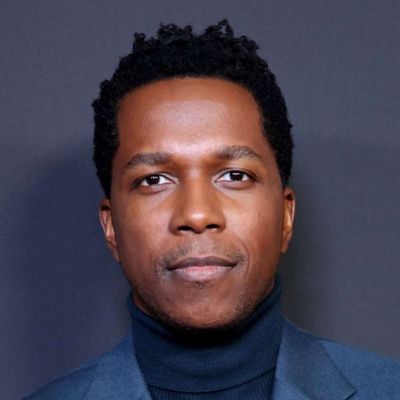
Leslie (Tony Award Winner for HAMILTON) and Rory talk about their college years together at Carnegie Mellon University and his book "Failing Up." Leslie chats about his mentors, his philosophy on the business and how he maintains a healthy family life... Read More
From the show: Living the Dream with Rory O'Malley
Guests
Featured Shows
About
Leslie (Tony Award Winner for HAMILTON) and Rory talk about their college years together at Carnegie Mellon University and his book "Failing Up." Leslie chats about his mentors, his philosophy on the business and how he maintains a healthy family life.
Transcript
This transcript was automatically generated and might contain errors.
[0:01] Rory O'Malley: You're listening to episode number 51 of Living the Dream with Rory O'Malley.
[0:05] Rory O'Malley: Alright, kids, let's do this.
[0:08] Rory O'Malley: Audition, side job, swimming upstream. Believe it or not, you're living the dream.
[0:14] Rory O'Malley: Hey dreamers, it's Rory O'Malley. How have you been? It's been a really long time.
[0:20] Rory O'Malley: Okay, yes, I know you've all been wondering where is the Living the Dream podcast? You've all been asking me and asking me.
[0:28] Rory O'Malley: Okay, no, it was just my mom, but still, my mom has been wondering when are you gonna put a podcast episode up? When are you gonna put one up? Well, here it is. Here is a podcast episode.
[0:37] Rory O'Malley: It has been a while, but that's because I haven't been living my dream. I've been living my life.
[0:44] Rory O'Malley: I've been traveling with my husband. We went to Mexico, Ireland, London, New York for a week. We saw a ton of shows, had the best time, and you know, I just kind of took a little break. So we're back, and we are back in a very, very big way.
[1:02] Rory O'Malley: My first guest is Tony Award winner Leslie Odom Jr. for Hamilton playing the amazing role of Burr. He is such an incredible performer. I am so lucky that I was able to share the stage with him in Hamilton for his final four months of the show.
[1:24] Rory O'Malley: But I'm even more lucky that we are old friends, old, old friends. We're old now. Uh, we've known each other for a very long time. We went to college together at Carnegie Mellon University and had a wonderful four years together in the musical theater program and surrounded by so many amazing talented people.
[1:47] Rory O'Malley: We've got stories for days, so I was so excited to get to sit down and talk with him on the podcast. And speaking of Carnegie Mellon, our alma mater and the Tony Awards are celebrating the theater teachers who make a difference in their students' lives.
[2:03] Rory O'Malley: For me, that teacher was Mr. Rich Fujimoto at St. Ignatius High School. And uh he was an amazing guy. He's actually retiring this year. If you're listening to this uh Fuji, uh, I'm so so happy for you that you've had such a wonderful career. He, along with many other uh teachers at St. Ignatius High School and many different theater programs back in Cleveland, Ohio, changed my life and gave me the uh pathway forward to pursue a life in the arts.
[2:35] Rory O'Malley: And it didn't just give me a career, it pretty much saved my life. I'm very grateful to all of those teachers and especially to Fuji. So I'm so happy that Carnegie Mellon does this with the Tony Awards, that they actually salute uh drama teachers for being an inspiration to their students.
[2:58] Rory O'Malley: You can actually follow Carnegie Mellon and the Tony's on social media as they gear up to recognize this year's excellence in theater education award winner at the Tony Awards on June 10th, and use hashtag applaud my teacher to tell the story of your own theater educator who changed your life. And I highly recommend that you do so because these folks they do not get paid enough whatever they get paid. So please give them all the recognition that they deserve.
[3:25] Rory O'Malley: So let's get right to the interview. Leslie Odom Jr., my pal, he has a book out called Failing Up that he wrote himself that is so fantastic. I highly, highly recommend. If you're listening to this podcast, this book is for you. It's basically the book version of what we talk about on this podcast about taking chances, about the hard parts of this business, and about theater education.
[3:50] Rory O'Malley: Leslie has been doing so much since he left Hamilton. I'm in awe of him. I've been doing this and just trying to get by, but he has kept so busy. He just had his Lincoln Center live concert on PBS, which if you haven't seen, you simply must. It's phenomenal. He is such a wonderful performer, especially in intimate settings.
[4:16] Rory O'Malley: And the format of live at Lincoln Center is made for Leslie. Um Leslie was nice enough to invite me over to his beautiful home to record the podcast. And we sat on his porch, drank sangria, Virgin Sangria for me, and listened to the birds chirp, and we were visited by his lovely wife and beautiful daughter. It was a really nice visit for me.
[4:45] Rory O'Malley: Obviously, I'm really excited to talk to Leslie because of our theater education and years together. We actually start right off the bat in, and you'll notice we start laughing to each other, talking about uh Natalie Baker, our speech teacher, who taught us how to say our names on the first day of school.
[5:06] Rory O'Malley: Which you thought that when you went to college at 18 that you knew how to say your name, but uh when you go to drama school, you realize you don't. You don't know how to say much of anything, as it turns out. Uh, but you have to kind of relearn how to talk. And Natalie was a really phenomenal speech teacher. So um, so um that's what we're talking about at the beginning of this. Please enjoy my interview with the amazingly talented, wonderful human being, Leslie Odom Jr.
[5:34] Rory O'Malley: Okay, we're recording. Um you just say your name into it and then I can really hear you.
[5:42] Leslie Odom Jr: My name is Leslie Odom Jr.
[5:45] Leslie Odom Jr: Leslie Les Odom Jr. Jr. L E S. Is it L I E. Is it O D O. What would Natalie always say though? Like she would when you would say is it?
[5:57] Leslie Odom Jr: Yeah, because are you sure? And she didn't like the like the upward inflection. I I I was like, hi, I ain't real Nallie. I'm from Cleveland?
[6:08] Leslie Odom Jr: Are you sure? Because if you ask, if you say your name like a question, you're an idiot. Good old Natalie.
[6:17] Rory O'Malley: Natalie. Um, hi Leslie.
[6:20] Leslie Odom Jr: Hey, Roy.
[6:20] Rory O'Malley: Thanks for doing the podcast.
[6:23] Leslie Odom Jr: It's my pleasure.
[6:24] Rory O'Malley: I know. I've been wanting to have you on it for so long. How many have you done now?
[6:29] Leslie Odom Jr: Uh I admit I haven't listened to every single one, but I've listened to a few.
[6:33] Leslie Odom Jr: Over 50.
[6:33] Rory O'Malley: Over 50.
[6:34] Leslie Odom Jr: Over 50, yeah.
[6:36] Rory O'Malley: Um.
[6:37] Leslie Odom Jr: And I've learned a lot. I've learned a lot, but I'm gonna learn a lot more.
[6:41] Rory O'Malley: Who was your very first one?
[6:43] Leslie Odom Jr: Uh Stephanie J. Block.
[6:44] Rory O'Malley: Oh wow.
[6:45] Leslie Odom Jr: Yes.
[6:46] Rory O'Malley: And um I'm just gonna go through all the Lincoln Center uh concerts. I'm gonna talk to Andrew, and then I'll I'll get to Sutton.
[6:53] Leslie Odom Jr: Great.
[6:54] Rory O'Malley: Um yeah, no, I started about a year and a half ago, right before the tour, no?
[7:03] Leslie Odom Jr: Yeah.
[7:03] Rory O'Malley: Yeah. It was like right at like it was when I was still doing Hamilton on Broadway. And it's because of all the Hamilton fans, all these kids who were like watching our social media and seeing a curated view of what the business is and not knowing anything about what it takes to get there.
[7:27] Leslie Odom Jr: And I felt kind of like it was lying, or you know, really sugarcoating our industry. And especially for you know, like when I went back to our school to talk to kids, they wanted to talk about, you know, deals with agents, and I was like, oh no, no, no. Let's talk about good side jobs. You know, let's talk about what you're really gonna need to know in those first few years that nobody's told you about yet.
[7:57] Rory O'Malley: Sure.
[7:57] Rory O'Malley: And so I thought this was a way to have those conversations with them.
[8:00] Leslie Odom Jr: That's great. I mean, basically, it's your damn book. Because I was I've never I, you know, I I haven't really had the opportunity to read someone's whole story, even though I know a lot of people's stories that I talk to right before I meet with them.
[8:16] Leslie Odom Jr: But I feel like it's a lot of the reason why you wrote this book is the reason that I do this podcast.
[8:21] Rory O'Malley: For sure. Um why why else did you write the book? I mean, were you always burning to write a book?
[8:29] Leslie Odom Jr: I didn't know you were an author and you wrote this amazing book. I don't remember us writing papers in school, you know?
[8:36] Leslie Odom Jr: Like no, I mean I I do love to write, yes, but I I was not I did not have a burning desire to write a book. I wrote the book because someone asked me to write it.
[8:48] Leslie Odom Jr: Um, you know, like a publishing helpful, yeah. Yeah, uh, publishers came to me and they asked me to write this book, which I thought was ludicrous. And I said, you know, what would I even write about? And they came up with the idea because like you just said, you you went back to Carnegie. I go to colleges and uh universities fairly often, and I'm teaching and I'm talking, I'm doing concerts and master classes and that kind of thing.
[9:10] Leslie Odom Jr: And they said, You you know, is that because you you have a passion for it? You must really like that. And I think it's because I had a I had a really wonderful transformative experience while I was at university. So I like to, if I can contribute to that um kind of awakening for other people.
[9:29] Leslie Odom Jr: So they said, Well, what if you wrote a book in the form of a commencement address? What if you, you know, what if you were talking to a graduating class? And I said, That I can do. So that that set me free. That gave me my form and the permission kind of to write, because I I thought like a you know, a memoir or something like that would be key.
[9:48] Rory O'Malley: Yeah, yeah, yeah. It's not like we've we've gotten to live enough life that we're like, this is you know the story of how it all happened.
[9:53] Leslie Odom Jr: Yeah. Well, I I mean, it starts from you you set it up so well with the title. I have an issue with the title because the day I met you, I was like, that's the guy who just came from Broadway, and I came from my cousin's construction company, you know, I wasn't literally failing up. If you're failing up, what the hell am I doing? God, you know, like to me, you were already so successful from day one.
[10:22] Leslie Odom Jr: I know exactly what you're saying, especially that the title is is perfect, and and especially in terms of taking risk that that like subtitle, it's it's what any good career is is based on is being able to take risks and and not being afraid to fail. But I wouldn't say I would say you're you've of course I know you've made had failures of things that you've tried and then they haven't worked, but I just would never think of you as somebody's so funny.
[10:53] Leslie Odom Jr: Well, I you know, really I hang the I I understand why you would think that, you know. I I grew even after graduation, you know, I I graduated from Carnegie with honors. You know, I did really well there. Um but it was somewhere in my mid-20s that I gave myself the permission to fail for the first time and it changed my life.
[11:14] Leslie Odom Jr: You know, I said if I could if I could go back and change one thing about magic, my education was great, and it you know, as it was, it wasn't perfect, but it was fantastic, right? Even those places where it wasn't where they where they messed up or you know, the lesson was whack that they were trying to teach. I mean, that prepares you for the business.
[11:32] Rory O'Malley: Right.
[11:32] Leslie Odom Jr: Because you're gonna meet morons in the business. You're gonna meet people, you're gonna work for people who you know you may feel like you know a little bit more than them, and you have to learn how to deal with those people. You have to learn how to, you know, um make it through those situations too.
[11:46] Leslie Odom Jr: So when I t you know, when I when I meet people who who don't make it through those conservatories, I'm not talking about people who leave to work necessarily, but you know, the people who don't make it through. I'm like, you know, the business is tougher, you know, yeah.
[12:01] Rory O'Malley: Absolutely.
[12:02] Leslie Odom Jr: You know what I mean? Like, this is oh yeah, no, we really there were there were uh quote unquote injustices that we felt like we were suffering through at school because we didn't get this or we didn't get that, yeah.
[12:14] Rory O'Malley: And they were very real to us, yes.
[12:16] Leslie Odom Jr: Right? Yeah. Like very, very real. It's a it's a lot of drama at a drama school.
[12:21] Rory O'Malley: Yes, it is.
[12:22] Leslie Odom Jr: It's as as there should be. But when you get out, yeah, you know, and you realize, oh, they were, they had things for you to be upset about. You go out into the world and you're like, I don't even have something to be upset about. There's just nothing in front of me.
[12:35] Rory O'Malley: Yeah.
[12:37] Leslie Odom Jr: You know, like it takes a long time.
[12:40] Leslie Odom Jr: Or there's or there's what am I gonna I mean what am I gonna be upset about today.
[12:44] Leslie Odom Jr: It's like you know you you try you open your Twitter feed today and it's like you can pick you you there's a whole host of things.
[12:51] Leslie Odom Jr: You know what I mean that are that you can be upset about that you can fight about that you can you know choose to dig in and do your work so I really think that conservatory is about it's about committing to that process and making it through to the other side.
[13:04] Leslie Odom Jr: But um yeah I I if I could change one thing it would be that now go with me here I've never told you this one thing pass fail.
[13:15] Rory O'Malley: Yeah pass fail.
[13:17] Leslie Odom Jr: Yeah it gets number one now there's good you know there's a lot of professors that wouldn't want that because you know all due respect their egos are tied into holding the keys right their egos are tied into um you know this person gets an A this person this kind of performance gets a D or you know whatever those ridiculous things are and so I think that you know my training I think because I cared about my education because it was very expensive and because you know that was the test that was performing I remember very specifically you caring about the the marks of what of what they were giving because you were like this is an investment, so you can't just like give me a mark, you know, willy-nilly.
[14:04] Rory O'Malley: Yeah, I I've worked hard and I deserve this.
[14:08] Leslie Odom Jr: Whereas I don't remember.
[14:11] Rory O'Malley: I don't remember caring.
[14:13] Leslie Odom Jr: I but but mostly I think it was because I came out of a college preparatory school that was so focused on on grades that I was so relieved that to me it really was a pass fail.
[14:27] Leslie Odom Jr: Like I I mean I got a D in tap, you know.
[14:29] Rory O'Malley: I mean I remember like that was almost fail, right?
[14:32] Leslie Odom Jr: Like that's literally fail.
[14:34] Leslie Odom Jr: Um so you know, it's it shook me up and I and I worked a little bit harder in tap, you know, and got to a B.
[14:40] Leslie Odom Jr: And I was like, oh, pass, you know, but I worked my ass.
[14:44] Rory O'Malley: I'm sure I worked harder than anyone else in tapping.
[14:46] Leslie Odom Jr: I'm sure you did.
[14:47] Leslie Odom Jr: And I'm just still not as good.
[14:49] Rory O'Malley: But you know you got nominated for a Tony Board.
[14:52] Leslie Odom Jr: Yeah, that was all acting.
[14:53] Leslie Odom Jr: But you know, like I I I know what you're saying that that if if you had a pass fail system, yeah, which is what it it is, you know.
[15:02] Leslie Odom Jr: I mean, you're really not I just think I yeah, you're not.
[15:05] Rory O'Malley: Yeah, you know, I think that it's to me, you know, if I could if I could rework it, the teachers are there to to pass on whatever advice, whatever knowledge you would like to get from them, right?
[15:17] Leslie Odom Jr: Yeah without um without hesitation, without any, you know, yeah, without ego.
[15:22] Rory O'Malley: I'm here to offer this thing.
[15:24] Leslie Odom Jr: The only way you the way you pass is showing up.
[15:28] Rory O'Malley: The way you fail is not showing up.
[15:30] Leslie Odom Jr: Right.
[15:30] Rory O'Malley: That prepares you for the business more than more than anything.
[15:33] Leslie Odom Jr: Yeah, which isn't just like being in the room, it's like showing up to me, prepared.
[15:38] Leslie Odom Jr: I I tell you, I I would say you know, there are times in my life now because of my schedule, you know, where it really is just about showing up right and being present.
[15:49] Leslie Odom Jr: I didn't have four days to to think about this particular thing, but I'm here.
[15:54] Rory O'Malley: Right.
[15:55] Leslie Odom Jr: I'm here, and this is what I have to offer.
[15:56] Leslie Odom Jr: It's like, you know, it's for me.
[15:58] Leslie Odom Jr: I go, whatever you put into your college, that's that's your business.
[16:04] Rory O'Malley: Yeah.
[16:04] Leslie Odom Jr: You know that you paid the money.
[16:06] Leslie Odom Jr: If you didn't work on the assignment, or you didn't, you know, I'm gonna talk to you, we're gonna talk about that, and we're gonna let your parent whoever's paying for your education, we should talk about that with them.
[16:14] Rory O'Malley: But I'm not here to grade you.
[16:16] Leslie Odom Jr: Right.
[16:17] Leslie Odom Jr: You pass because you showed up.
[16:19] Leslie Odom Jr: The only way you fail is not showing up.
[16:21] Rory O'Malley: Right.
[16:23] Leslie Odom Jr: You don't come, you fail.
[16:23] Rory O'Malley: Right.
[16:25] Leslie Odom Jr: But just be here.
[16:27] Leslie Odom Jr: There's always something to learn if you're here.
[16:29] Leslie Odom Jr: Right.
[16:29] Leslie Odom Jr: You will always learn something.
[16:29] Leslie Odom Jr: You will always teach something to this class if you're here.
[16:33] Leslie Odom Jr: That's kind of Montessori.
[16:33] Rory O'Malley: You know that thinking the Montessori schooling is basically like kids showing up and you there's no grades.
[16:40] Leslie Odom Jr: It's just kind of like, what do you want to work on today?
[16:43] Rory O'Malley: You would have really loved Montessori schools.
[16:47] Leslie Odom Jr: Yeah.
[16:47] Leslie Odom Jr: It's like grade as it started.
[16:49] Leslie Odom Jr: It it's like kindergarten.
[16:50] Leslie Odom Jr: Like you could there's different, it's a it's like uh a method of teaching.
[16:54] Leslie Odom Jr: So that you show up to school and you kind of work at your own pace.
[16:58] Rory O'Malley: It's not like a regular grades or you know, like levels.
[17:01] Leslie Odom Jr: Yeah, you kind of move on to another level, but it's really based on what your interests are and you move at your own pace.
[17:08] Rory O'Malley: I mean, I don't know if we could uh do that in acting school, but I see what you're saying.
[17:13] Leslie Odom Jr: You're like just showing up, being in the room, especially when you're trying to grade art, you can't really grade it.
[17:21] Leslie Odom Jr: I just think it set me up for all that meant to me is that I really went through four years of school in my education without ever taking a risk.
[17:31] Rory O'Malley: Yeah.
[17:32] Leslie Odom Jr: I never put anything on the because risks were not rewarded.
[17:35] Rory O'Malley: Right.
[17:36] Leslie Odom Jr: Do you know what I mean?
[17:36] Leslie Odom Jr: I mean, falling on your face, I mean, a face plant.
[17:40] Rory O'Malley: Yeah.
[17:40] Leslie Odom Jr: Should be a wonderful job.
[17:43] Leslie Odom Jr: Great.
[17:43] Leslie Odom Jr: How did that feel?
[17:44] Rory O'Malley: Awesome.
[17:44] Leslie Odom Jr: Get up.
[17:45] Leslie Odom Jr: Let's try again.
[17:46] Rory O'Malley: When did we was that part of our education in any way?
[17:49] Leslie Odom Jr: No, I mean, the the thing that I would say was closest to me is when they had me play Uncle Vanya.
[17:55] Rory O'Malley: Okay.
[17:56] Leslie Odom Jr: A 50-year-old.
[17:57] Leslie Odom Jr: And at the critiques after the show, uh one of a director, a professor said to me, You're not gonna understand how to play Vanya until you're 50 years old.
[18:07] Rory O'Malley: And I said, Well, what do you want me to do about that?
[18:10] Leslie Odom Jr: You were great though.
[18:12] Leslie Odom Jr: What am I supposed to do?
[18:12] Leslie Odom Jr: Like if your 50-year-old self is not as happy that my 21-year-old self is not figuring this out as a 50-year-old, then I'm sorry, but I can't I can't do anything about that.
[18:25] Rory O'Malley: Yeah, yeah.
[18:26] Leslie Odom Jr: You know, it kind of like set you up for failure in that way.
[18:29] Rory O'Malley: But other than that, no, I I know I know what you're saying.
[18:31] Leslie Odom Jr: It's like keeping it, it was almost like we were constantly trying to get the job or prove ourselves in that environment when it really should just be like figure out where what the possibilities are for you.
[18:50] Rory O'Malley: Because they're endless as an artist.
[18:52] Leslie Odom Jr: Where are you weak?
[18:52] Leslie Odom Jr: Were you strong?
[18:54] Leslie Odom Jr: And and it's and you know, and that it's not about pleasing the teacher.
[18:58] Rory O'Malley: Right.
[18:58] Leslie Odom Jr: Because you know, I it's you know, it's a it's a tricky, you know, sort of lesson, I guess, to to teach people because because I got out uh right away, you know, and I worked pretty consistently, you know.
[19:14] Leslie Odom Jr: I was I was I was able to um work because I knew how to please.
[19:14] Leslie Odom Jr: I knew how to do it right.
[19:20] Rory O'Malley: Right, in quotes, but it was the most boring, bland work you'll ever see.
[19:25] Leslie Odom Jr: It was just so boring because um I didn't have any practice in uh, you know, doing something because it pleased me.
[19:35] Leslie Odom Jr: Right.
[19:35] Leslie Odom Jr: Coloring outside the lines and taking risks and you know, being bold and brave, all that kind of stuff, you know, not you know, respectfully, you know, but not caring if I get this particular job, or this is what I really believe, and I worked hard on it.
[19:50] Leslie Odom Jr: And you know, there's no way that we would have gotten you know what came out of that room, um, the work that came out of the room during the Hamilton developmental process and stuff.
[20:01] Leslie Odom Jr: That's from people taking risks.
[20:04] Rory O'Malley: Oh, yeah.
[20:04] Leslie Odom Jr: That's from people being bold and daring, yeah, you know, and and I I didn't know anything about that in my when I was 22, 23.
[20:11] Leslie Odom Jr: Yeah, I didn't know anything about that.
[20:12] Leslie Odom Jr: The first job I had in Los Angeles was at Gary Marshall's theater, and it was with uh uh um Matt Walker, the head of a Troubadour theater company, and he said, if anything goes wrong on the stage, just make fun of the other actor on stage, call it out, and uh we'll like don't try to hide it, yeah, make a big deal about it because this is a comedy, so we're trying to have fun with the audience.
[20:38] Rory O'Malley: And I was like, What?
[20:40] Leslie Odom Jr: We can't do that.
[20:41] Leslie Odom Jr: That's not in the rule book.
[20:42] Leslie Odom Jr: I was just getting I just paid a lot of money for this rule book.
[20:45] Leslie Odom Jr: Like that's not allowed on a stage.
[20:47] Rory O'Malley: And he was like, Yes, it is.
[20:49] Leslie Odom Jr: So this is our stage.
[20:50] Leslie Odom Jr: We can do whatever we want with it.
[20:53] Leslie Odom Jr: And it literally changed my DNA as an artist, working with him and working with the Troubadour Theater Company here in LA.
[21:02] Leslie Odom Jr: And that they taught me how to be funny on the stage, which is something I didn't really know coming out of Carnegie Mellon.
[21:06] Leslie Odom Jr: I felt like it was more about staying within that box.
[21:11] Rory O'Malley: I think they've changed since we were there.
[21:14] Leslie Odom Jr: Because they have something called playground.
[21:17] Leslie Odom Jr: Whereas we would have like independent projects that we would kind of be like, can we do this?
[21:21] Rory O'Malley: And they would maybe support an independent project.
[21:24] Leslie Odom Jr: Now it's you have to do an independent project.
[21:26] Rory O'Malley: That's great.
[21:27] Leslie Odom Jr: You have to be a part of something.
[21:28] Rory O'Malley: That's great.
[21:29] Leslie Odom Jr: Um so let's talk a little bit about some issues that come up a lot in this.
[21:38] Rory O'Malley: Um how do you deal with rejection?
[21:45] Leslie Odom Jr: Hmm.
[21:51] Rory O'Malley: Have you had to deal with rejection?
[21:55] Leslie Odom Jr: Yes.
[21:56] Leslie Odom Jr: You're like rejection.
[21:58] Rory O'Malley: Nah.
[22:00] Leslie Odom Jr: I think I remember that.
[22:02] Leslie Odom Jr: Plenty.
[22:02] Leslie Odom Jr: I know I go through it's too it's twofold the answer just because I certainly dealt with a lot more of it when I was auditioning more.
[22:10] Leslie Odom Jr: You know, coming off the Hamilton stage for the first time in my life.
[22:13] Leslie Odom Jr: I mean, I've never in my life have I gotten straight offers to do, you know.
[22:18] Leslie Odom Jr: I mean, I get, you know, so I don't audition much anymore.
[22:21] Leslie Odom Jr: Um, but um I still am reviewed.
[22:24] Leslie Odom Jr: I'm still, you know, the the projects that I do, you know, not everybody likes all of them.
[22:29] Leslie Odom Jr: And so, you know, and how I deal with that is like, you know, I I think that it's not for everybody, but I've always I've kind of always believed in sort of ingesting a little bit of it.
[22:29] Leslie Odom Jr: Yeah.
[22:29] Leslie Odom Jr: Ingesting a little bit of it, um, and letting it make you stronger, kind of thing, you know, like the inoculation process of it.
[22:52] Leslie Odom Jr: It's like, what aren't they responding to?
[22:54] Leslie Odom Jr: If you can get the feedback, yeah, um, whatever, whatever it is, sometimes it's really ugly, hard to deal with stuff, but just like a little bit of that toughens you up.
[23:05] Leslie Odom Jr: You know, it's it's it ain't easy, man.
[23:08] Leslie Odom Jr: Yeah, it ain't easy.
[23:09] Rory O'Malley: Uh, what about jealousy, kind of comparing yourself to others in the business?
[23:14] Leslie Odom Jr: Um, I, you know, to me, that's a spiritual process, you know.
[23:19] Leslie Odom Jr: I think that it really is about um lately, it's just reminding myself that there's room.
[23:19] Leslie Odom Jr: There's room, there's room for everybody, you know.
[23:32] Leslie Odom Jr: She has a lane, he has a lane, you know.
[23:34] Leslie Odom Jr: That do you really and it really is I sometimes I say, you know, my favorite Bible verse is the one that Billy Holliday wrote.
[23:45] Leslie Odom Jr: You know, God bless the child that's got his own.
[23:45] Leslie Odom Jr: His own.
[23:49] Leslie Odom Jr: If you can live long enough and stay in this business long enough, I mean you really everybody's a singular talent.
[23:56] Leslie Odom Jr: There's not too, you know, there is no other Rory O'Malley.
[23:56] Leslie Odom Jr: There is no other Josh Gadd or Josh Groben or Katie Mixon, or there's just there's no Griffin Matthews.
[24:05] Leslie Odom Jr: There's only one.
[24:06] Leslie Odom Jr: And if you can hang in long enough, you will carve out your own space, which means that when they're looking for Rory, they're not looking for anybody else.
[24:06] Leslie Odom Jr: When they're looking for, you know, any of us, and so, and so it's just reminding yourself of of that.
[24:24] Leslie Odom Jr: Um, you know, I wouldn't, I wouldn't trade my journey for with for it for anything now.
[24:30] Rory O'Malley: You might even say the world is wide enough for both.
[24:34] Leslie Odom Jr: I'm sorry.
[24:36] Leslie Odom Jr: Um what about uh relationships?
[24:39] Rory O'Malley: Relationships, marriage, friendships, how you maintain being away from each other.
[24:45] Leslie Odom Jr: That's that's an issue that comes up a lot.
[24:48] Leslie Odom Jr: Yeah.
[24:49] Leslie Odom Jr: Um I think um I think you gotta work it.
[25:00] Leslie Odom Jr: You know, you gotta you gotta you gotta till that soil, you gotta tend to it, you gotta work it.
[25:07] Leslie Odom Jr: Um meaning you you can't leave it to fend for itself, you can't leave it to grow on its own.
[25:14] Leslie Odom Jr: I think I think that you you know, I have to remind myself that my and Nicolette helps to remind me too, my family is not a part-time job.
[25:25] Leslie Odom Jr: You know, so anything that I do outside of this house is my second full-time job.
[25:31] Leslie Odom Jr: That's that's just a like when you come home and you're tired and like yeah, like cool, like get some coffee and like get to work.
[25:39] Leslie Odom Jr: Yeah, you know, this is the you know, the second part of your day.
[25:43] Leslie Odom Jr: So yeah, I think that it's just about realizing that you know your friendships and your family, they're super important, and they're your second full-time job, you know.
[25:57] Rory O'Malley: How important is it to you to make your own shit to be the person creating things for you?
[26:04] Leslie Odom Jr: Very important. You know, when I the sort of the central lesson in the book came from my mentor, who you know, when I was looking to quit the business six years ago, um, to do something else, and he, you know, he looked at me and he said, I'd love to see you try first before you quit. I'd love to see you try. And I, you know, I'd been the professional actor at that point for over a decade. And I was like, you know, what are you talking about? And he said, you know, I think all you're doing is you're sitting at home and you're waiting for the phone to ring. Um, but what the phone didn't ring today, and so what did you do? Did you write anything? Did you read anything? Did you call anybody? Did you email anybody?
Did you take a class? Did you start a podcast? Like, what did you do today for yourself in the absence of a ringing phone? He took I wasn't singing at all. You know, I was in LA. I wasn't, uh you know, I was I wasn't singing for you know my living, I wasn't doing that for a living. And he's like, Do you know that there are coffee shops in Los Angeles right now that would love to have you play the lunch hour? Like, you know, he was saying to me, like, before you go and you apply at hotels, which is fine, or before you go and you become an executive in a network, maybe you'll do that. But have you tried everything to make a living in this thing that you love? The thing that you can do so well, what have you tried?
And I hadn't tried anything. And so um I it changed my life, and so I it I put I put a premium on that when I stepped off the Hamilton stage, it was like, what am I? I need to be proactive. You know, I it was all about what am I gonna do while we're waiting for the phone to ring. We have no control over the wonderful we've we've had wonderful calls come from lots of people, but I don't have any control over that. What I do have control over is how I spend the day. Who are we calling? What are we making? Yeah, you know, yeah.
[28:02] Rory O'Malley: Um, how do you deal with um body image? This is more of a question for women, but I think men deal with it a lot. How because we are our art. We're the clay that we're using as an artist. How do you and you know, this is back to I think to like Cardi Gamelli, you know, for me where I I was never even thinking of my my body as a as part of the instrument or you know, who cares? But it it really uh took me a long time to like understand how to be okay with my body, to be like there are stories that Rory needs to tell that you know that are a part of it. How did you come to terms with that? Is that something that you've ever had issues with, or for sure, yeah, I still do. Um and I think that I you know there's not a whole lot that I can control, you know, or what I'm what I'm there's plenty that I can control, but there is there's certainly uh a healthy amount of this that we don't control, right?
Right, and so um I I just I look at that as something that is one thing that I can control. That is one thing, you know, and really when I when I'm at my best, you you know, there really is nothing. I found I'm at my happiest or my just my most balanced, you know, that eight shows a week lifestyle is when I'm really balanced. Yeah. Because uh, because I have to be super disciplined. You know, I had to eat right, I had to work out, I had to make time for my family, you know, and all those things. And so you don't, you're not always successful at all of it at all times, but that's that's when I'm at my most balanced. You know, now it's really difficult for me. I'm traveling all the time, and there's no set schedule when you've come off of years of a set schedule, eight shows a week.
It's hard to scrub, but it get it demands for you to be disciplined. Yes. And so now it's like, you know, I'm I've I don't I might not have time to get to the gym. I might have I might, you know, I get I land so late that it's like, what am I eating in this in you know, in this town? Yeah, I've been in airports all day. So you know, so um it's tricky, but I remind my when it's out of control, I just remind myself that this is something that I do, you know, that is um that is within my reach, that is within my grasp to get a handle on and and do my best. And then at the end of the day, when I'm working, when I'm working, I really try to focus on the soul stuff. Right. You know, when I'm working, I really try not to make it about my body or how I look and all that kind of stuff.
So it's best to because of it, because I don't want to be so focused on it when I'm working, it's best to focus on it when I'm not working. Does that make sense? Absolutely. If I can if I can eat right and make sure I'm in the gym and that kind of stuff, then I then I won't, you know, I'll be freer. Right.
[31:14] Rory O'Malley: What about social media? Do you see it as a as a tool, as a necessity, as the devil?
[31:23] Leslie Odom Jr: I see it as all of them. All of those things. I know, yeah, it's part, it's all those, it's a huge time waster. Huge time waster. But I, you know, there's part of me also that's like I used to watch a fair amount of television and you know, media. I used to take in a lot more TV and film than I do, and where do those hours go? They go to social media. I mean, you know, I I come home and you know, I can sit on the couch and like zone out for you know in my hotel for an hour. You know what I mean? Just like my you know, my body's tired and I'm kind of scrolling, and it's like an hour's gone by. Oh, now I take a shower, now I'll go to bed. Um, so yeah, those used, you know, there you that's there's a better way I could spend that time for sure.
But it's also the it's the new, you know, it's the new fan mail. It's the you know, the people used to write you a letter and send it to the stage door or find your publicist. I mean, that's the way that people can get to you so quickly. It's like, hey, this thing moved me. That's the thing I use it the most for, right? Is a way to stay in contact with um supporters of your work. You know, um so yeah, I find it, you know, I I find it good and bad. Uh it's definitely it's definitely an enemy to creativity for sure. In terms of wasting time, yes, for young, you know, young listeners, old listeners, you know, there's definitely there's times when I'm when I'm trying to create something where I you know have to I have to go off and I have to take it off my phone, take the apps off my phone.
Yeah, yeah. Yeah, I mean, I think there's kind of like a a benefit ratio of yes, it is good to keep uh engaged with with people who are interested in what you're doing if you have an X thing or a show that you want to put out there, but if you think that just making your followers hire or or you know, giving yourself over to Twitter is going to make you a better actor, it's like the wrong, wrong path. I think a lot of young people just it's just not something that we had to deal with in any way, shape, or form as a young actor. I can't imagine being young and having to figure that out.
[33:30] Rory O'Malley: Um what about representation?
[33:34] Leslie Odom Jr: The last thing, can I say one more thing about that? Please. I think that you know, the you you also have to really be mindful that like what goes in is what comes out of you, you know. So when when you're Chris Rock talks about that, when you're trying to, when you're working on something new, when you're trying to create something new, um, you have to kind of raise the bar for yourself about what you're taking in. Yeah, what you're consuming, what you're eating, you know, when you're when you're trying to create something great, when you're trying to make something great, read great stuff, listen to the best stuff, you know, uh, watch the best things, the things that are gonna edify, inspire, you know, fill you up.
And um, you know, I think we can all social media doesn't fill us up. If you're only consuming things that are 140 characters or less, you're not really having a full meal. Yeah, yeah. You're not thinking in, you know, I I mean, I find myself just reading headlines through Twitter and being like, oh, maybe I should read the full article that's attached to it. And you know, I I think that as actors, everyone can get uh can get seduced by social media, but I think that for us, because there's so few things we can control in our industry that it feels like this one part of it that we have a little control over, so we need to use it as much as possible. But yeah, then my husband's like, come back away from your tweeties, y'all done with your tweeties, honey. It's terrible. He like if I'm caught tweeting, like, you know, composing a tweet for like 15 minutes. He's like, You have a mental illness, sir. And I'm embarrassed I'm near it to you.
[35:22] Rory O'Malley: What about representation? Agents, managers, and all that fun stuff. Do you have a philosophy on it?
[35:30] Leslie Odom Jr: Or they're your partners. They're your business partners, you know, they're your collaborators. And so remember that, you know, you don't work for them. They don't necessarily work for you. I mean, they they do, you know, but you work for each other. You're, you know, especially I can I can see it on the on the biggest scale that I've ever experienced now. You know, we have the we have the television arm going, the movie arm, the speaking arm, the the book arm, the theater arm. You know, we have all these the commercials that you know, we have all these little bits. And um this is sponsored by nationwide. Just kidding. Okay. Um we have all these these parts going, and so I um I also see that you know the the the amount of money that goes out with every check with you know, I have the agent and the manager and the publicist and the lawyers and the business manager, you know, and and all of them serve a very specific function, and you know, when I when I do find that there's somebody on my team who's you know who no longer it doesn't make sense to have them, I do I let people go, you know, because I'm a small business.
Sure. I'm a I'm a very small business, and um, and so it's like I remember this one manager that I had to let go who's a fine manager. Um but at the time what I realized was, you know, I didn't have a job for her at the moment. And when I said to her, I don't know if she understood, it was not the greatest breakup. But I what I said to her was like, you know, um, she's a small business. And I said, you have one, you you have a great secretary, right? If you met another one who was fantastic, you don't need two or five. I'm sure you could have five great secretaries, you know, but you only need the one, you know. And so I think that um, yeah, I I think of it these days is you know, they're my business partners. I want to be, I want to bring value and um I want to bring value to the table and and you know, be a great business partner, and I want them to do the same.
[37:54] Rory O'Malley: Right, you know. Um I guess I'm gonna cut to repetition in terms of we we kind of got into it with the the eight show week schedule. How do you deal with repetition in doing a play over and over and over again?
[38:12] Leslie Odom Jr: It's this thing to me that you can't be taught until you're doing it. And then you realize, oh, this is the gig. The gig is doing it over and over and over again. It's it's you know, only a portion of it is finding that character and finding how to inhabit it. It's once you get that job and having to do it hundreds and hundreds of times.
[38:33] Leslie Odom Jr: How do you stay sane through that? I think it's a real gift, you know. You know, I think it's so much of what we do feels ephemeral and feels so, um, you know, it's just it's always slipping away. And for that time that I was in the building, you know, I got to stare at something. Yeah. That was, you know, I got to stare at a masterpiece. I got to stare at a Picasso or a Van Gogh for like two years. Right. Just like look at it and find new shades and new, you know, new colors and new, oh, look at that line right there. Yeah. That he drew. Look at this little curve, this little path that I've never taken. So I look at it as a real gift. I think that if you are in the present moment, the present moment always will offer you something new.
You only get stale and bored when you're not in the present anymore. When you are six months down the road, God, I can't wait to be out of here, or five years behind you. Man, that was a fun time back there. What am I doing here? You know, but if you're in the present moment, there's always a new face in the crowd, there's a new, you know, there's a new way you're feeling. You read something on Twitter, something in the news made you feel a different kind of way. And so you can put all of that in the show. And then also just be in Hamilton. That's that's helpful. I mean, like, I've been in some, well, I'm not looking at all the curves and seeing the walking through, you know, a museum. I've been in somewhere like I'm praying the entire show that I can get to the end of that one and to the next one.
I mean, countdown. But I did a problematic show once and I knew it was problematic. I read the script, I knew the creative team that was I knew that it was a tricky piece, but I really wanted to work at this theater. And I just I never had an opportunity to work at this theater, so I did this piece and it turned out exactly like I knew it would. And I walked backstage this one day and I was like, I said it out loud. I didn't mean to, like it fell out of my mouth. I was like, I gotta change my life. Like, and I meant it to my bone marrow. I was like, because doing a badge show in New York for the smartest audiences in the world and pretending like it's not because every day you have to like you just said, you have to pretend you have to be all in and making it work, like this, you know, is not gonna fall away in 20 minutes, you know.
And so it was really tough. But so, yes, of course, working on something that um that you feel is of value, working on something that that you think is, you know, um gonna offer people some substance and some hope or some inspiration, whatever you know, that helps. Yeah, because if you're working on schlock and you know that it's schlock, that's hard to do, man. There's no getting around that. That is it's hard to do schlock eight shows a week for for a couple months like that is that won't wear you down. And so, yeah, you so yes, there is a we're talking about something, you know, there there is we're talking about something here. There is a thing about you know, you have to be careful about how you allow yourself to be used.
You know, what what stories you allow yourself to be the vessel for. You know, I don't I get like I get a fair amount of uh amount of offers these days, and you know what I tell you gratuitous violence these days in the world we live in now, I can't even yeah, I can't even see it. Look at this one speaking of I mean look at you know, because I have this one that's cutie pie. Hello. Hi, sweetie. That's Rory. How are you? Hi, Rory. Hi, how is your now? That's Rory. Rory. Row, ro, bro, bro. Hi, Ramo. Hi, is that a ball? You have a purple ball. Purple ball. Cal hug. Cute dress. Yeah. That's my friend. Oh my god. That's friend. I can't hear it. Okay, we're still going. I smiled. Bye. Bye. Bye.
[43:17] Leslie Odom Jr: Okay, so I feel like the a great place to start talking about the book is the last thing I saw. Well, not the last thing I saw you do, but you performing at the um, what's the big football game? Super Bowl. I had a reason to watch it this year. You sang on the Super Bowl when Philadelphia won. It was so crazy, right? Crazy. Because they asked me to do that in December. So we didn't know who was gonna be in the Super Bowl. We knew there was a chance the Eagles would be in, but I mean, no, it was crazy. For my parents to be there, and Nicolette was there, and you know, we were in the same box with Pink and her family, and they're, I mean they're eagles fancy. Yeah, yeah, I bet. So um, you know, yeah, that they weren't just in the Super Bowl, but they won.
It was and because everyone was cheering for Philadelphia. Because it, you know, I mean, I know very little about football other than the Patriots always win, and you know, like this was like we want someone else to win. You know, I'm from Cleveland, I'm not gonna cheer for the Eagles, but in this scenario, everyone wanted them to win. And it was a hard won victory, and everybody also knows that you like you do not count the Patriots out. Like, you know, like you like Oh no, the year before they were I remember, I remember their the owner of whatever team that was, because I don't remember that. Um he came down to the field before the game was over and getting ready to celebrate. And as soon as he got down to the field, Tom Brady and the big channel won it.
Yeah, no, it's um yeah. So yeah, I mean we held our breath to the end of that thing. No, that was um that was really a very special thing. Very full circle, yeah. Very full circle and very, you know, Hamilton delivered on the miracles. That experience just it continues to right.
[45:14] Rory O'Malley: Yeah. Let's talk about Mrs. Turner.
[45:16] Leslie Odom Jr: Yeah. You have quite a few mentors and people that you look up to in this book.
[45:23] Rory O'Malley: Yeah. Um, she's the first one that I picked up that really kind of got your attention and kind of changed who you were as a person. Um why do you think that she her approach was different? She wasn't the first teacher you had.
[45:38] Leslie Odom Jr: Well, she was the first teacher. You know, I credit my folks because I was a handful. So my parents were used to running interference between me and teachers often. But my dad went and met with Mrs. Turner, and he saw something different in her way before I did. He was he told me, you know, I said all through my childhood I would get the chance to defend myself in the court of law. I would get the chance to have a side and explain what happened. And my parents would hear me out. They wouldn't always side with me, but they would give me a chance to explain what I what had happened what had happened was. And with Mrs. Turner, he said, you know, you don't have a side. So he, you know, and I respected him.
You know, I respected my dad. He was he was tough on me, but I knew that that meant she was different. Right. And he didn't just like pass that out to any teacher. That was a good one. He had never said it before. Right. He'd never said it before. So it was very powerful. And um, you know, and he he knew he knew a little something. So yeah, she she changed my life. She just um, once we got past that, you know, once I stopped testing her, yeah, I realized that she had she just had so much to offer me. She she saw me in a way that um that other teachers hadn't. And she probably said some things to my dad that she wouldn't have said to me, you know. But um, yeah, she just ended up, you know, she was my my coach and my mentor in this in this oratorical competition in Philadelphia, and that's where everything started for me. You know, I was I was public speaking was where it started, and I got scholarships to train in theater and the rest is sort of history.
[47:42] Rory O'Malley: Um we can cut to you wind up on Broadway at such a young age. Were you like 17 or 17?
[47:49] Leslie Odom Jr: Yeah, 17. I mean, just legal enough to to work. You're probably if you were any younger, you would have had to have like a wrangler, yeah.
[47:58] Rory O'Malley: Yeah. I mean, I remember when you came to Carnegie Mellon, and you know, it was like, oh, Leslie was in Rent on Broadway, and I was like, I don't think that's possible. And not because you weren't incredibly talented, which I knew you were, but I just was like, I don't think that's a lot. I don't think you can do that. You know what I mean? Like, well, how's you in the same room with me then?
[48:21] Leslie Odom Jr: Yeah, you know what I mean? It could, I could not comprehend it.
[48:25] Rory O'Malley: I always imagine I almost didn't either. I have to say, I went to that audition. I was 16 when I went to the audition. I didn't go to get the job. Right. You know what this is like too. You know what I mean? It was a theater was a thing that I was interested in. I was I was taking classes and stuff. I went to the audition, you know, because it was because it was a lark. They're here. I love the show. Yeah, you know, I thought, honest, honest to God, I was like, before I heard they were coming to my town, I thought one day I will audition for Rent. I'll book the show when I'm around 30. Because that seems like an adult age. You know, that's when you could that's when you can work, right?
[49:04] Leslie Odom Jr: Right. 30, I'll get the show when I'm 30. I'll do it until I'm 40 and then retire. I don't, you know, I didn't know what happened after that, but um Retire at 40. Yeah. I mean, I just literally I did not, I didn't know people in show business. I, you know, I didn't know how this thing worked. And so when I went to the audition at 16, I thought I would get the process started early. But again, I thought maybe there's a file cabinet where they keep all the talented people. And one day I'll get a call when I'm 25 or you know, if I'm 25, that'll be I'll be lucky. Um and so yeah, when I there was something about that audition process over the over the summer, I was auditioning before senior year.
They kept calling, they kept calling me back to New York. And the at the final audition, again, it I still kind of thought there's a filing cabinet. You know, so I'm your auditioning to go into a cabinet. And at the final edition, I remember sp I remember feeling the fear. I was there with a bunch of adults. They didn't know how old I was. But I remember there was, you know, there was there was kind of like there was a this provocative kind of dance um in the show that that out of context can you know can seem kind of sexual, but in the context of the show, it you know, it fits in with the themes of the show and it's you know it makes sense. But we were doing this thing, and it's I don't know, I guess it was a little, it might be a little scary, a little risky or whatever.
And you could feel people scared, they were afraid to kind of do what we were they were asking us to do. And I was like, I you know, I was it it was kind of like when there was a line, you know, in the sand, and it felt like am I gonna cross? Am I gonna be one of the only people in the room right now that crosses this line? I think I am like I you know, what if you know? I think I'm just gonna cross it and like do what they're asking us to do and see what happens. And I got a call like two weeks later. Wow. You know so and no one was more surprised than me I did I did not plan to be in Rent when I was 17 and and and I write in the book you know there was a mild kind of um what would that be not even a quarter life crisis but you know I had a mild crisis of like what do I do now yeah that was literally my wildest dream that's a lot of your story because I that's why I'm that's why I'm giving you a hard time about failing up because you showed up with the Broadway credit we were all trying to get and I think that like after you have certain levels of success like you were saying it you know when you got out to LA and you're you're doing TV series and you're you're like well what else is there?
[51:43] Rory O'Malley: Where do you go next after you have you can't necessarily go and try things below what that is so you have to keep striving higher and higher and higher and I think that that was really difficult when you came to school you you're going from Broadway to conservatory type setting I mean you did it really well I did not believe that you really were on Broadway I mean I I swear to God I I believed it but you know I couldn't I just was like I guess yeah that's so funny it was it was it was just hard to comprehend that anyone that I knew could be on Broadway.
[52:21] Leslie Odom Jr: Yeah yeah that's so funny when you have when you were on Broadway you had Michael McElroy he was another person who amazing man yeah love him and he is someone who kind of I think you said a few times he reigned you in when he saw you kind of getting up.
[52:35] Rory O'Malley: You know, you knew who I was in.
[52:37] Leslie Odom Jr: 1718. I was I my husband was like, what is so funny about this book? I was like, I I'm gonna go over to it right now.
[52:42] Rory O'Malley: Right now.
[52:47] Leslie Odom Jr: I literally page page 63. Going back to my days in the sad face box, I'd always had a tough time with authority and the expectation of unquestioned obedience.
[53:01] Rory O'Malley: Look, I tried to tell the truth. I tried to tell the truth. I was like, wow, Leslie's being honest right now.
[53:08] Leslie Odom Jr: Because that's how I met you. There's another part where it's like, you know, I was ready to get out of here and not have people tell me what to do with my education. Where I was like going there to be like, tell me what to do. Someone order me around for forever.
[53:22] Rory O'Malley: And you were like, ready. You were ready. And and you did you I it's I think that it was a great class that we were in and that there have been so many successful people because we all approached the work and school differently.
[53:38] Leslie Odom Jr: Yeah. That was I tell people like that's that was part of the education. Somebody, I was the it was Carnegie. Carnegie Mellon just interviewed me and they said, What do you think makes it, you know, what makes the Carnegie Mellon education what it is? And I said, be honest, half of it comes from the professors, and half of it comes from it's a Mecca now.
[53:54] Rory O'Malley: Yeah, you know, all these kids, all the the most talented kids from across the country come. And so you get to be, you know, you get to rub elbows and learn from the different processes and the different, you know, different ways of working of somebody from Cleveland and somebody from, you know, what's Josh from?
[54:10] Leslie Odom Jr: Hollywood.
[54:10] Rory O'Malley: Tampa Florida. Hollywood of Hollywood. Hell yeah. You know what I mean?
[54:15] Leslie Odom Jr: Yeah, you get to learn from these people from all over the country.
[54:18] Rory O'Malley: Yeah, very, very different and a different approach to the work and life. And I mean, I've I learned a lot my freshman year.
[54:24] Leslie Odom Jr: I learned a lot too, man.
[54:30] Rory O'Malley: Yeah. Um, but I I think that you definitely came with an understanding of what was on the outside in a way that we just, you know, I just had an understanding of what high school musicals were, and that they were fun, and that I was pretty good at them, and maybe I'll get to do that as a professional one day, not really knowing what that was.
[54:52] Leslie Odom Jr: Yeah. Whereas you were like, I've been to the promised land. I've seen it.
[54:55] Rory O'Malley: Sure, and but then you know, you get out of school and like everybody's on a level playing foot, right? I mean, you kind of all you catch up all for what you catch up with all the other colleges and universities, like everybody ends up, you know, kind of in the same place and reaching it at different at different times because you know, you look at the remember how you know it was hard for Josh out of school, you know, those first couple years.
[55:19] Leslie Odom Jr: And you know.
[55:20] Rory O'Malley: No, I've said to him on this, I was like, it was helpful for to me to remember that it was so hard for him, even though he had a response out of school. I mean, I didn't have a response. I had like one person who was gonna work with me out of school. But you know, he had a good response. Everyone had at least a decent response.
[55:36] Leslie Odom Jr: Yeah. I did not. But I it was helpful to me to see that even the people who had help with representation were still struggling.
[55:45] Rory O'Malley: Yeah.
[55:45] Leslie Odom Jr: In those first few years. And that and that eventually, if you persevere, you find you find your way.
[55:52] Rory O'Malley: Right. You know? You keep showing up. You keep showing up. Pass fail. I mean, look at past fail. Look at look at Katie.
[56:00] Leslie Odom Jr: Yeah.
[56:01] Rory O'Malley: Look at Katie Mixon, who, you know, one of the one of the most talented people we went to school with, and you know, wow, crazy response out of the showcase. And has always had a level of success. But you know the thing that has amazed that's my garage opening, sorry. The thing that has, you know, continues to amaze me, you know.
[56:22] Leslie Odom Jr: I want to read her book too.
[56:23] Rory O'Malley: Yeah. Is you know. How the business keeps how the business keeps responding to her. Like that as her body changes, as her goals change.
[56:37] Leslie Odom Jr: Right, right.
[56:38] Rory O'Malley: There's there's always a spot for Katie.
[56:40] Leslie Odom Jr: Yes.
[56:41] Rory O'Malley: There's always do you know what I mean? Like as she as she grows and changes, uh, new lanes invent themselves. I'll never forget there was a day, she had such a huge response. Katie Mixon is on American Housewife. She's the American Housewife. She's the American Housewife. And uh she had such a huge response right out of school. It was uh overwhelming for her. Like truly. I remember a night that she asked me and you to come over, and she was beyond we couldn't console her. She was so upset because she had like a pile of scripts to read. She had she was overwhelmed with auditions, and I was I remember me and you like talking, we're we were like sitting on her bathroom floor, and she's like crying.
I maybe I'll I'll ask if I can say this. But I was like, you are gonna be okay. You're gonna make it through this. I have to go to my overnight shift at the hotel now. I wouldn't know you're gonna be okay at this audition tomorrow. You know, I haven't had an audition yet in this city. But but the the the truth is is that I don't know if I could have handled what she had to go through right out of the gate.
[57:51] Leslie Odom Jr: Right.
[57:52] Rory O'Malley: I couldn't have done that. I was I was a mess. And maybe I was a mess because I was also just trying to figure out how to feed myself. But the way I mean, man, but the way that we you know, the way that your that the your climb, it's as steady as it was, and the way we celebrated for you with that, you know, with your real breakout moment with Book of Mormon, which again was like tailor-made for you.
[58:16] Leslie Odom Jr: Right.
[58:17] Rory O'Malley: Which I mean it had your name on it, you know. It's just um more, you know, confirmation. That that's why stuff like that, you know, will help you deal with jealousy and stuff, you know. It's like you hang in long enough and you see people get people get what they deserve.
[58:36] Leslie Odom Jr: Yeah, what they you know, yeah, either way, maybe. You know, I mean, you know.
[58:40] Rory O'Malley: Yeah, yeah. But it we you it really is about showing up. I I think that there's a lot of talented people who we went to school with who I don't think really wanted to have to hang in there, and I get it.
[58:54] Leslie Odom Jr: Me too.
[58:55] Rory O'Malley: I I don't think that anyone should hang in there with this profession if it's not for you in the early years, because it's going to be a different version of that, even after you win your Oscar, even after you win your Tony, you know, like you have different different sets of challenges that are all you know, easier and better, but there's still versions of climbing up that hill and trying to create something and navigate, which I think your your book deals with so so well.
[59:28] Leslie Odom Jr: You also had Billy Porter, who um we were so lucky that he came to Carnegie Mellon and taught a class and directed us in a in something, and um I didn't know who Billy was until you told me all about him freshman year, and I was like, oh, okay, you know, and so I I really feel like um we had this star who was from our university coming back and he gave us this huge education. I remember him talking to us about unemployment and having to apply for unemployment, and that he had to do that a few years before. And I was like, But you're you're Billy Porter, you've been on Broadway. So after you've been on Broadway, it's all it's fine, right? No, Billy came, you know, that was that was Billy at a low.
That was Billy at that at that at that moment where I where I write about Stu. Yeah, you know, giving, you know, the place where I was gonna quit. You know, Billy was Billy was at that at that place. He he'd been to cot to to grad school for screenwriting, and um, you know, he was back at Carnegie to teach, which in a lot of ways I think felt like you know, you know, he was uh like it felt like failure to him, you know. It felt like um it didn't feel like that to us. We were so grateful to have him there, and you know, he was giving back, he chose to give yeah in that in in his lowest moment. But um yeah, he was he was at that at that moment of reinvention. And then look at you know, Kinky Boots. How many years later?
[1:01:00] Rory O'Malley: Kinky Boots, what maybe a decade later?
[1:01:00] Leslie Odom Jr: Yeah, and it's like with his name on it.
[1:01:05] Rory O'Malley: Yeah, yeah. You know, I mean, if some if somebody would have told him when he was teaching at Carnegie Mellon when no, he couldn't get arrested in the theater that he was gonna win a Tony Award.
[1:01:13] Leslie Odom Jr: Right.
[1:01:15] Rory O'Malley: With a with a role, you know, with a room forever. Yeah. He wouldn't have believed it. It's remarkable. I'll always he reminds me of this almost every time I see him, that he, when he came to see me in Book of Mormon, he was like, I told you, I told you that you just need to embrace your whiteness in every way. And he said every time he's like, you just need you don't have to be Leslie. You don't have to be able to do it. But you know, like he to sing like that. When we would sing and we would have class with him, you know, you guys are singing all these great songs. I mean, I don't know what I was trying to sing. Luther Van Dross, I don't know. You know what I was doing.
[1:01:57] Leslie Odom Jr: Well, what he did, I don't remember it quite like that, but I do remember that Billy was the first one.
[1:02:03] Leslie Odom Jr: Um, there's something about when you get to school and those people get to know you, it becomes that family thing, and they sort of, you know, after you've been there for a couple months, it's kind of always with this assumed knowledge of who you are.
[1:02:17] Leslie Odom Jr: That they teach you with this knowledge, which is good and bad.
[1:02:20] Leslie Odom Jr: Right. Billy didn't have any of that.
[1:02:21] Leslie Odom Jr: He didn't know who we were.
[1:02:23] Leslie Odom Jr: And so he taught our class of seven people. He taught us as seven individuals.
[1:02:27] Leslie Odom Jr: It was the first time that I really saw that, um, there were seven stars in our class.
[1:02:38] Leslie Odom Jr: Yeah, that really there was a star in every single person.
[1:02:42] Leslie Odom Jr: It really was just about tapping into your individuality.
[1:02:46] Leslie Odom Jr: Yeah, what made you different from the person that was next to you and then embracing it and not running away from it.
[1:02:52] Rory O'Malley: Yes.
[1:02:53] Leslie Odom Jr: Which is really what he was saying to me. He's like, Why are you trying so hard to run away from the thing that's gonna give you all your work? You're like, you have something in this room that none of these other people have, right? They just don't have you, which you can access, nobody else in this room can do. You know, and he did the same thing for Katie and the same thing for Griffin, same thing for me, certainly, and Angela. You know, he really was trying to teach us all this you're all right, different, incredibly special, and you all have something to offer.
[1:03:19] Rory O'Malley: Yeah.
[1:03:20] Leslie Odom Jr: No, no, he was it was a a really pivotal moment, I think, for all of us because it was somebody coming from the outside who had been through the war. Right and was coming back to tell us what it was gonna be like out there.
[1:03:33] Rory O'Malley: Right.
[1:03:33] Leslie Odom Jr: So we we we listened to him every word that he said. Um so when you got out of school, you had you had the show I have the showcase here. Um you met with people and you were gonna go to New York, but you went to LA in the end, and I remember we kind of made that decision, not together, but I remember like a few of us just being like, Oh, we were thought we were gonna go to New York, and all of a sudden, we're gonna try Los Angeles because why the hell not?
[1:03:38] Rory O'Malley: Yeah.
[1:04:02] Leslie Odom Jr: Um I had one person who wanted to work with me, my manager, um who would have worked with any one of us who said, you know, she's doing um uh she's she's fine.
[1:04:15] Leslie Odom Jr: I haven't spoken to her, but yeah, I had a manager right out of school who made me sign a three-year contract. She basically, like, I literally can't say anything negative towards her because she's the only person who would work with me out of school. That being said, it was a nightmare in a lot of ways. And you know, because you were there, like I would tell you about it. It was really, really difficult.
[1:04:40] Rory O'Malley: Oh my god.
[1:04:41] Leslie Odom Jr: Cause she used to make me do... I won't, we won't know. Oh my god.
[1:04:46] Rory O'Malley: I will.
[1:04:47] Leslie Odom Jr: No, I'm not gonna do my impression.
[1:04:49] Rory O'Malley: I feel... didn't you do a show with Lynn?
[1:04:55] Leslie Odom Jr: What was it? The Tick Tick Boom?
[1:04:56] Rory O'Malley: Tick Tick Boom, and where you kept being like the woman on the phone or something.
[1:05:00] Leslie Odom Jr: I was like, you're doing my manager.
[1:05:03] Rory O'Malley: Yeah.
[1:05:04] Leslie Odom Jr: It was like you are literally doing an impersonation of my manager. And even if it wasn't like a decision, it was like back there. I think it's always... oh, she was so good, man.
[1:05:12] Rory O'Malley: She was.
[1:05:15] Leslie Odom Jr: But listen, when you're starting out, you know, you are always taking what you are given and turning and making the most of it.
[1:05:24] Rory O'Malley: Yeah.
[1:05:24] Leslie Odom Jr: I'm doing that to this day. I'm doing that right now. You know, that's what we're always doing. Whatever you've got, make something of it. You know, I say it a couple times in the book, it's not about what you're given, it's about what you do with what you've been given.
[1:05:41] Rory O'Malley: Right.
[1:05:42] Leslie Odom Jr: We saw people with a lot more response than you who, you know, have not had as much success because of what you've been able to do with it. People sign with a lot bigger agencies than you, but it's what you were able to do with what you were given. So, you know, you look at the hand that you're dealt, and you turn it into something.
[1:06:02] Rory O'Malley: Right.
[1:06:02] Leslie Odom Jr: I mean, for me, I always feel like the best thing that happened to me is that I didn't have a good response right out of school because I was forced to learn how to do it on my own right away. And then, you know, incorporate people who really wanted to work with me as time went on. But you were able to piece together a lot of work on TV, and you, like you said, you weren't singing as much, but was Broadway still something that was calling to you? How did you feel about the New York LA divide?
[1:06:37] Rory O'Malley: Which I think for me was always something that I struggled with. I came to LA to get parts on Broadway, you know, they were so hard to get, and so I figured, you know, I loved it, and I always thought it was the thing that I was probably best at, you know, looking at what I was given. But I said, well, the way that I'm gonna get the parts that I want is probably if I can, you know, climb this ladder in TV a little bit. The doors were open to me a tiny bit in TV.
[1:07:08] Leslie Odom Jr: Yeah, if you have doors open in LA, you gotta push it.
[1:07:15] Rory O'Malley: Well, it's harder to be connected out here because there's so many different casts and there are so many doors. So when one of them opens, you feel like, I better walk through it. Because it was such a... it was basically to me, I don't know if this was to you, but I felt like I was telling my family that I was moving to Spain.
[1:07:33] Leslie Odom Jr: For sure.
[1:07:34] Rory O'Malley: It was a foreign country, yeah. It was so different, and I really feel like we had to cling to each other in those early years.
[1:07:42] Leslie Odom Jr: Yeah, huge risk.
[1:07:44] Rory O'Malley: We did all right.
[1:07:45] Leslie Odom Jr: We did all right. We wound up back in New York. I remember you coming to see Book of Mormon, and we went out afterwards, and you were like, "Oh, that was so great, the show was so great," and I was like, "Yeah, like show number, you know, 600 something," and you were like, "Are you gonna leave?" I said, "I think so, like two years," and you were like, "If I had a Broadway job, I would never leave."
[1:08:16] Leslie Odom Jr: And I've been waiting, I've been waiting to this moment to bring it up. Because when you were deciding if you were gonna leave Hamilton or not, I was gonna be a bitch.
[1:08:28] Rory O'Malley: Well, you know.
[1:08:31] Leslie Odom Jr: But I realized like at that moment in Hamilton, like here you are, you know, it's deceiving to say that you were doing Hamilton for a year. You were doing it for two years plus with workshops, which is exactly what I was doing with Mormon. I did it for like five years, you know? So it's a lot of energy put into one piece of art, a piece of art that you love so much you devote every piece of your being every single day. But I had such a hard time walking away from that.
[1:09:05] Rory O'Malley: So tell me a little bit about getting... I didn't know, I know you've talked about Hamilton enough. Like, I get asked about Hamilton so much that I know that you are asked about it every single day. But in terms of like developing something, like when you know, when you go from this TV world or something that you're working, but not necessarily having that feeling, like, oh my gosh, this is what I was born to play. When you saw... you saw the work first, you saw a reading of it or something, you see it, and you talk about this in the book, and I think it's such an important moment in your life. It will forever be an important moment in your life. What was that feeling when you saw the performance of that reading?
[1:09:48] Leslie Odom Jr: Well, I mean, you know, what, eight bars in, and you're just like, listen, I'm a fan of this art form, you know. I'm not the... I wouldn't say I'm an aficionado or anything, you know. I mean, there's people that know that can spit out scores and stuff, but I know a fair amount. You know what I mean? I've dealt in it and been a part of it, even on the outskirts for 20, 25 years. So I've read a lot, seen a lot, heard a lot. So you know when you're hearing something different, it was different. It was just, it was so literate and confident and catchy. You know what I mean? It was just like, it was like all the things. And so I committed in that moment to being the very first Hamilton fan. I never thought that I'd be in it in a million years. But I was like, I want to see this at every stage. I want to see it many times. I want to bring people to it, like I want to help support the work that's happening here.
[1:10:54] Rory O'Malley: So fast forward to being cast in it, and then when she asked about leaving, it really was a feeling, you know. It was a feeling of, you know, knowing when it was time to go, and it was strategic too, in that it was strategic in that, you know, there were never gonna be as many doors open to me as that time. Yeah. You know, like coming off the stage a year into Hamilton, you know, where kind of, you know, the president's been here a couple times, Oprah's been here, Steven Spielberg's been here. I mean, like kind of now, you know what I mean? Yeah, it's like people will take my phone call now. They will read if I have something for them to read, they'll read it now. And so, yeah, we went about, you know, making moves.
Yeah, you know, I focused on music and my concert career mainly because of the thing that you and I talked about at the beginning of this, which was I remember sitting on that cat when Stu was telling me to sing at coffee shops, okay. I remember, you know, opening up the trades and looking at like, wow, so when they're not working, like Patti LuPone or Mandy Patinkin or, you know, Audra McDonald, like how do you... man, that'd be awesome? Yeah, if I could sing in between, you know, things. And so coming off the Hamilton stage, I was like, that is what I want to focus on. I want to be able to sing.
[1:12:31] Rory O'Malley: Oh no, you were born to do two things: Aaron Burr and be in concerts and perform. I'm sorry, but like literally you were born to do those two things and you're doing it, because you know, you talked about me having something tailor-made for... I think that anyone when you originate a role on Broadway, you have a tailor making it for you. There's never been a more perfect meeting of an actor at a moment and somebody who could handle the depth and the life experience that you had that you brought to that moment, the confidence of letting an audience come to you, that that performance required, and that I feel was something that hadn't been seen on Broadway ever. Truly, I truly believe that. And that is something, a skill that when you are a storyteller and you are someone who can get on a stage and weave together songs that many of them that we've heard before, but hear them completely new.
And what you did with Live at Lincoln Center, which, if you haven't seen it, you absolutely have to watch it immediately. It's so beautiful. Every single song is stunning. But what's more important to me, and you know, it's part of it is because I do know you, is because it's rare that a singer really lets you in to their soul and to who they are when you're watching them because you have always been that way.
[1:14:06] Leslie Odom Jr: You've always been.
[1:14:07] Rory O'Malley: I brought up Luther Vandross because I remember you singing that, "Don't you remember you told me you loved me?" That's the Carpenters song, right?
[1:14:16] Leslie Odom Jr: Yeah, yeah, yeah.
[1:14:16] Rory O'Malley: And but I didn't know Luther Vandross first. And I remember you saying, "I'm Bebo, woo-hoo, baby." Oh, I mean, I remember you gotta understand. I'm a kid who's, you know, singing musicals in Cleveland, Ohio. I hadn't heard someone interpret a song like that, you know, especially a song that I knew. And I feel like you are... you've found your calling. You're gonna have a lot of really great things in movies and TV in your future, but you are in a place now where you're gonna be able to share with audiences exactly what you want to as an artist.
[1:14:49] Leslie Odom Jr: Thank you, Rory. That's all I wanted, man. And so when you have, you know, when you have the golden ticket, hey, Hamilton, that was the golden ticket for all of us. Yeah, David would say the same, Renee would say the same. You know, I saw David's movie Blindspotting, which go see that movie. God, it's so good. But that's a script he wrote, he's been writing for 10 years.
[1:15:11] Rory O'Malley: Yeah, for ten years.
[1:15:14] Leslie Odom Jr: Yeah, that five minutes ago, no one gave a damn about it.
[1:15:17] Rory O'Malley: Yeah.
[1:15:19] Leslie Odom Jr: The second they gave a damn, he's like, I want to make that movie.
[1:15:22] Rory O'Malley: Yeah, yeah.
[1:15:23] Leslie Odom Jr: You guys were ready. You guys were ready. And that is not true for everyone. You know, like to be in that moment and to have already put in all the work so that when people, like you say, when they give a damn, you're like, well, here it is. It's a gift. It's a gift because you don't have control over when the moment comes. You know, you don't have control over that.
[1:15:46] Rory O'Malley: And so no, it's... thank God.
[1:15:48] Leslie Odom Jr: Now, me too, you said that about Katie, you know, it coming so fast for her and staying so long for you.
[1:15:55] Rory O'Malley: Yeah, yeah.
[1:15:56] Leslie Odom Jr: But, um, yeah, I wouldn't have been ready for Hamilton at 23 or 25. Good God. I would have been a mess. You know me.
[1:16:03] Rory O'Malley: You know me. Oh my god, we both... I mean, I think I was much more of a mess than you were, but I honestly, I think back at those days and the kind of fear that we walked around with about our art, about surviving the city, surviving, you know, we were really broke too. I mean, it was scary. How the hell did we get to a place, you know, where I'm having this conversation with you in this beautiful, beautiful home with your gorgeous family? I'm so proud of you. I'm so... you've always been a source of wisdom to me. You were the guy who had already made it the day that I met you. And I'm proud to call you friend.
[1:16:50] Leslie Odom Jr: Thanks, Rory. Thanks for talking with us.
[1:16:52] Rory O'Malley: Amen.
[1:16:54] Leslie Odom Jr: Audition, side job, swimming upstream. Believe it or not, you'll live in the dream.
© Broadway Podcast Network, All Rights Reserved