

Marc Tumminelli is the founder and director of www.broadwayworkshop.com, a school for high school and middle school performers who love Broadway. Marc started as an actor, but after years of working and a few really heart breaking experiences, he decided to start his own school in NYC... Read More
From the show: Living the Dream with Rory O'Malley
Guests

Featured Shows

About
Marc Tumminelli is the founder and director of www.broadwayworkshop.com, a school for high school and middle school performers who love Broadway. Marc started as an actor, but after years of working and a few really heart breaking experiences, he decided to start his own school in NYC. Marc has wonderful insights for actors who want to teach, kids who want to perform, and parents who have kids who have been bit by the theater bug!
Transcript
This transcript was automatically generated and might contain errors.
[0:00] Rory O'Malley: You are listening to episode number 63 of Living the Dream with Rory O'Malley.
[0:06] Rory O'Malley: Audition, side job, swimming upstream. Believe it or not, you're living the dream.
[0:12] Rory O'Malley: Hello, dreamers, Rory O'Malley here, your host for Living the Dream. Thank you so much for listening.
[0:17] Rory O'Malley: If you like the podcast, please subscribe, rate, review, tell your friends, tell your mom. Moms love us that live in the dream.
[0:27] Rory O'Malley: Um, I am so excited about my guest today. His name is Marc Tumminelli, and I've known Marc for years.
[0:34] Rory O'Malley: We uh were actors in New York City when I first moved to the city, and he's an incredible talent. He has a wonderful personality, he's so funny, and he's one of those people who walks into a room and just kind of takes over.
[0:50] Rory O'Malley: He's a leader, and it's probably why he now is leading his own school for kids who love Broadway. It's called Broadway Workshop, and he founded it.
[1:04] Rory O'Malley: He is the head of it, and I have had the honor of teaching at this school a few times over the years, and I always walk away feeling like the kids have taught me something. It is such an amazing experience.
[1:20] Rory O'Malley: Broadway Workshop teaches kids through master classes, through acting classes, and singing and even dancing, and they bring a lot of Broadway professionals to the classes to teach the kids.
[1:38] Rory O'Malley: I know Marc personally, and I'm so inspired by his love and enthusiasm to teach these kids. And um, and um he's still a performer because when he gets up in front of these kids, they are hanging on to his every word, and he clearly loves what he does.
[1:59] Rory O'Malley: He is living his dream. He has created something very, very special, and I am blown away by that when I get to be in the presence of that.
[2:09] Rory O'Malley: And he also has such a unique experience being around young people who want to be actors, and the mindset of those young people. And I don't know if you're a young person who is, you know, in their teens or about to go into college or about to leave college in college, and maybe you're wondering what you should be focusing on.
[2:39] Rory O'Malley: And I think that Marc has a lot of those answers for people who are younger, or if you're a parent of a young person who loves theater, first of all, God help you, and second of all, um, there's a lot of really great people out there who will be able to guide the talent of your kids into a life in the performing arts or life as a lawyer, as an editor, as so many other things.
[3:06] Rory O'Malley: Because uh if your child wants to become or wants to be a part of the school play, encourage it. It is life-changing and wonderful, and uh I think Marc is changing a lot of lives, as so many other theater educators are out there.
[3:23] Rory O'Malley: So, this is my conversation with my pal, Marc Tumminelli.
[3:27] Marc Tumminelli: Great.
[3:28] Rory O'Malley: Yeah.
[3:29] Marc Tumminelli: I'm in.
[3:29] Rory O'Malley: Okay, so let's do we when do we get official?
[3:33] Marc Tumminelli: We're we are official right now.
[3:34] Rory O'Malley: Oh yeah, it is it's happening. You're on Living the Dream. Just we crossed the threshold.
[3:40] Marc Tumminelli: I have chills.
[3:41] Rory O'Malley: They're multiplying.
[3:44] Rory O'Malley: Hi, Marc.
[3:45] Marc Tumminelli: Hi, Rory.
[3:47] Rory O'Malley: Thank you so much for doing the podcast, being on a podcast. I feel like this is the precipice of my let's start over.
[3:51] Marc Tumminelli: I feel like this is truly the height of my startup.
[3:59] Rory O'Malley: It it is not. It is just us getting to find out all your secrets um and everything that you've done in your career, which I am so blown away by.
[4:12] Rory O'Malley: You I'm one of your biggest fans. I hope you know that. I hope you know that already.
[4:16] Rory O'Malley: But you are an educator. You have your own company and you teach kids.
[4:23] Marc Tumminelli: And I have had the privilege of being a teacher for your for Broadway Workshop.
[4:31] Rory O'Malley: And you were pretty and you were pretty good too.
[4:33] Marc Tumminelli: Oh, thank you. Sometimes celebrity status is not equal good teachers.
[4:38] Marc Tumminelli: So it's what it's very nice to uh that you're also a very good educator, and we were thrilled to have you with us the numerous times we had you at Broadway Workshop.
[4:48] Rory O'Malley: Well, I've always gotten a lot more than I was able to give to the students because it just is such a great reminder of why you became a performer and what it was like when you were a kid, just dreaming to get to do what we do.
[5:05] Marc Tumminelli: Yeah.
[5:06] Rory O'Malley: And um I think you uh there are so many like versions of children's theater and teen theater schools, and I have to say, you've really come up with one that addresses so many issues of what it means to be a young person who wants to do theater and bring so many great people into the fold to be teachers who are actually doing it.
[5:35] Rory O'Malley: And I think that makes a huge, huge difference. Um, but I want to just start with asking you why you decided to start Broadway Workshop.
[5:48] Marc Tumminelli: Um, I was, you know, like an actor and a child performer, and I did all of that stuff. And after, you know, playing Eugene in Brighton Beach Memoirs and Biloxi Blues and Broadway Bound, like so many times.
[5:59] Marc Tumminelli: Um, and I had done Gypsy with Patti LuPone, and then when that cast was all let go before Broadway, um, with the exception of Patti LuPone, I was trying to figure out like what am I doing?
[6:11] Marc Tumminelli: And um I started uh I was teaching a lot and directing a lot and working on the city.
[6:16] Rory O'Malley: Well, let's go back to that. Like, so wait a minute. So you were in a show and it was going to go to Broadway, and the entire cast was changed.
[6:25] Marc Tumminelli: Yeah, let's go back, let's go back to that summer. Yeah, I'm not gonna let you glide over that.
[6:29] Marc Tumminelli: Um so um I was casting the Ravinia production of Gypsy, starring Patti LuPone, which was a year before they did it on Broadway, and um Patti was doing Sweeney at the time, and she was taking two weeks off to come to Chicago to do this production, and I was playing Yonkers in that show, and Lonny Price was the director, and it was just like this really beautiful, amazing experience to um do a musical that I've always loved that I had been in before, but as a little kid, and then with who I think is like the greatest, you know, female performer of certainly this, you know, last hundred years.
[7:05] Marc Tumminelli: Um, but so to sort of be in the room and watch her create her Mama Rose and this huge experience of being a part of that, and I felt like a big part of that. Like we spent a lot of time with her.
[7:17] Marc Tumminelli: I was the equity deputy, so I have crazy, you know, interactions with Patti.
[7:22] Rory O'Malley: Um, I can only imagine an equity meeting with Patti LuPone.
[7:28] Marc Tumminelli: Um, they just like happen in our hotel room. Like we all got to meet in my hotel, and like that is like definitely not allowed to happen.
[7:35] Rory O'Malley: Right.
[7:35] Marc Tumminelli: So um anyway, we've done the show, and then I it looked like we were due uh City Center and a tour and then Broadway, and that was like a really exciting thing.
[7:45] Marc Tumminelli: And I was, you know, obviously thrilled to continue this journey working with Patti and working on Gypsy, and Lonny had directed a new production of Gypsy, which I thought was really innovative and beautiful and smart and would allow the audience to sort of see the show in a new way.
[7:59] Marc Tumminelli: And um there was like the caveat was that she had to get the okay from Arthur Lawrence because they had not talked in years, and so she had taken him out to lunch, and by the time that lunch was over, Arthur was directing the show, and we all were like, We're sold down the river.
[8:16] Rory O'Malley: So um Wow.
[8:18] Marc Tumminelli: So I had multiple work sessions for the New York production and um a kind of weird long series of events, but it wound up, none of us really wound up doing the from the Chicago company to Broadway.
[8:32] Rory O'Malley: So um that was like a tough thing.
[8:34] Marc Tumminelli: And um, and then right after that, Brighton Beach happened on Broadway, and it's a role I had done, you know, like a hundred times, and I didn't get that.
[8:42] Marc Tumminelli: And I was like, what am I doing? And so um I was teaching so much and loving it so much that I was like, this is I'm gonna try something here.
[8:51] Marc Tumminelli: And um, I put together Broadway Workshop with a one-day workshop with Laura Bell Bundy while she was doing Legally Blonde on a Sunday before her matinee.
[9:02] Marc Tumminelli: Um I was like, Would you come in and teach a workshop? You all the money, like and it could go to your charity. I just want to like start this thing.
[9:07] Marc Tumminelli: And she was so lovely and came in and taught an incredible class. We obviously sold that out in two seconds because it was you know, Elle Woods, and um and we did a few of those, and then that just kind of started the ball rolling.
[9:22] Marc Tumminelli: And then, you know, I would start asking other casting directors and other Broadway stars if they wanted to teach and through friends of friends, and if I didn't know the person and we were selling you didn't it's but you used that's how you started was just like call Laura Bell, let's let's do this one time, and now it's an empire.
[9:45] Rory O'Malley: But like, you know, isn't that isn't it? It's I think it's so interesting that um how how things start with so you know you people look at what you are doing right now, which is running a a big school for for kids, right?
[10:02] Marc Tumminelli: Uh how many students do you have go through your doors every year?
[10:05] Marc Tumminelli: Um, I mean, we have actually a few thousand students throughout the year because we deal with a lot of student groups.
[10:10] Marc Tumminelli: So we'll we host um student groups from around the world really that come to New York, they see a Broadway show, and we give them an educational workshop component that normally is tied in with the musical that they're seeing.
[10:20] Marc Tumminelli: So we'll do uh sometimes on a Wednesday, we'll have three groups of a hundred. Like it's so we have so many kids that we don't know that come to us once and we never see again because they're part of an eighth grade trip or a senior class trip or um, but then we have our you know, kids that are here for week long intensives from around the country um that are here to do our our main stage to do our one-day workshops.
[10:43] Marc Tumminelli: So I mean, this summer I just did the math. It's like around 600 kids that were just with us between June and now to do week long summer programs.
[10:52] Rory O'Malley: So that's incredible.
[10:53] Marc Tumminelli: It's like I mean, that's it, it's huge. And if you would have told Marc, who was about to, you know, ask Laura Bell to just do this one workshop, if it would lead to 600 kids in a summer coming through.
[11:07] Marc Tumminelli: I would have never believed it. And I I didn't know if I wanted to believe it then, which I think is sort of key, is that I was trying something out that I liked doing it with working with kids and I had a following of kids because I worked at a great uh children's theater in Westchester.
[11:22] Marc Tumminelli: And I was like, these kids will all come to my workshop, you know, and they started to come, but it was when I started doing the casting workshops and I would sit next to a casting director.
[11:32] Marc Tumminelli: The thought of me going audition for that casting director the next day was like um made me want to like shake in my house.
[11:39] Marc Tumminelli: So I was like, there's no way it's one or the other. Like you cannot build this business and also be an actor.
[11:45] Marc Tumminelli: So it was not a difficult decision to say this is the thing that I'm most passionate about. It's kind of weird to give up a dream that you've had as a little kid and just say, I'm gonna do something totally different that I do not know what I'm doing, essentially, and uh and hope it works out.
[12:04] Marc Tumminelli: And that ultimately, and it was like, oh, I hope that I can get this business to a place where I don't need another job. Because for the first two years, I ushered on Broadway and I still worked at other kids' theaters.
[12:16] Marc Tumminelli: I was still, you know, doing other random survival jobs. And then after two years, I kind of could only do Broadway Workshop.
[12:24] Marc Tumminelli: And I thought that was the pinnacle of success. Where I was like, wow, I just, I just work for myself. I don't work for anyone else anymore. This is my job.
[12:32] Marc Tumminelli: And then it was like a small business owner.
[12:34] Rory O'Malley: Yeah.
[12:34] Marc Tumminelli: Then it was like, oh, if I could just get a part-time assistant and afford to pay them. So like everything, oh, if I could just have a dedicated office space.
[12:42] Marc Tumminelli: So it all has been that sort of thing where each step is, it's never been about, oh, we're gonna start with 13 summer camps and in all these cities, and everything like organically happened, which is a great lesson to yourself.
[12:56] Marc Tumminelli: And I'm sure you've had a similar experiences, just like when you don't think that something is possible, then it sort of happens, and then the next thing happens, and it's sort of like you have to do the work, but giving into that things are kind of happening in their own time, and you can't.
[13:21] Rory O'Malley: But it's coming. I don't know. I don't know if I want that, but no, but I mean it's a fascinating moment of when an actor decides to take the reins to sit in the driver's seat and to create something in addition to being a performer. Because the truth is, you are an actor, you are a performer, and you always will be, and it's always gonna be a part of you, and you can decide when you want to access that and participate in being on stage whenever you want. But now you have this entire new role as a leader and as a small business owner, and have this whole new set of stuff. And it's just been so impressive to me because I've known you from being the actor to what you do now. And I just think it's fantastic.
Um, yeah, I'm blown away by it. I also think that it's a lot of work what you're doing. And I think a lot of actors, what we do is when we're having bad days, we think, ugh, this acting is so hard, this world. I'm just gonna become a lawyer. That'll be easy, you know? Like there's a part of us that thinks, like, oh, this is so hard, and something else in life has got to be easier. So I should probably do that. What you are doing is not easy, it's just something that you can take control of, you know. And I think of you as a person who's very proactive, enthusiastic, and not gonna wait in the wings for somebody to call them out to participate in life.
[15:18] Marc Tumminelli: Well, it's so much about if you don't, especially this kind of work, if you're doing it because you're trying to make money while in between acting jobs, or if there's a lot of actors that are starting similar kind of programs that I've realized in the last few years, but it is a full-time job. Like I am answering emails in the middle of the night. I had a sick employee today, and I had to go in to a class that I wasn't supposed to be at because there was no one to run it. You know, there are constant reminder things that need to go out, and there are schedules that need to be created and created well so that the day runs right. There are boxes that need to be checked and checked and checked again so that when the kids are in my program, they have a flawless experience because it can never be thrown together because that's what you get at a lot of schools.
That's what you get at some after school programs where people are just sort of doing it because it's their job and they're not doing it because it's their passion. And so I have to make sure that every kid that comes to my workshop and really every guest teacher has an experience that feels easy and fun and rewarding. Yeah. Because if I don't create that, then what is, you know, then they could just go somewhere else. And with all of these, like, you know, sort of major Broadway stars that have come to teach, if their experience of if is chaos and they walk into the room and the kids are not sure what studio they're supposed to be in. Last week we had 75 teenage students and we had guest teachers coming in all week.
You know, it had to be very clearly spread out of where they go and what they're doing and how I get them from that studio out so that they don't have to take 75 selfies, like things like that are all become really important so that the guest teacher coming in has also a magical experience, and they feel like they're giving back when they're doing eight shows a week. You know, I have if they're gonna take 90 minutes or two hours to come to teach something, I have to make it, you know, spectacular and well run for them, and that they have to get the feeling that they have made an impact, which they have. Um, and so that, you know, becomes a lot of work to, you know, to deal with that scheduling. And people get auditions and book jobs, and they can't come and I gotta switch it out. You know, it never gets easy at this.
[17:33] Rory O'Malley: Well, it's definitely you have to be thinking on so many different levels and working to please so many different groups of people. And I would say as someone who has had the privilege of doing many masterclasses for students, that you run a very well-oiled machine, and you have a great group of people who work with you. And I think all that comes from, you know, from you. You're the kind of person that is going to gravitate good people to work with him. But um, there are so many things that I learned from the students in just a few, uh, I think I, what did I, I taught for at least a week one?
[18:19] Marc Tumminelli: You did, yeah, you did the acting major. Um, I have like self, the Excel teen intensive, I want to say four summers ago. Do you remember? And it was like five days, you had one group of kids and you worked on their monologues. And I think that that program is so special, and kids come back. That program started as a three-day program with 12 teenagers in it. And now it is as two sessions. There are over 120 students total who did that Excel program this summer. And uh, the reason why I think it's so successful is that kids are broken up in their the first part of their day with one masterclass teacher and the same grouping of students, so the same 12 or 14 kids, right? And they create a little family in that little room.
And so there the fear starts to break away, and then you have kids that are sharing their authentic experience with the teacher and the rest of the class about why they've picked this material, what it means to them, what hardships they're having at home, what things about their life they love, and they start to really bond. And there are tears at the end of the week, but like you get to experience that as a teacher, which is so great because those kids start opening up every day because by day four, they're, you know, connected and they're willing to work in a way that they couldn't have done in the first day. It's beautiful.
[19:36] Rory O'Malley: And I remember that there were like three or four kids in my class who were there from Alaska.
[19:41] Marc Tumminelli: Yeah.
[19:42] Rory O'Malley: I was like, what are you doing here? And they said they just don't have any theater programs in Alaska. So they wanted to come to New York and take theater classes and see Broadway shows. And they were so excited. I was like, my God, I hope I had even half the enthusiasm to show up to an acting class when I was their age, because they were just over the moon excited to show up every day. And what a gift to get to like see young people trying to do what you do for a living. You know, I mean, it really, it was amazing. I highly recommend it to everyone to teach.
[20:23] Marc Tumminelli: The Alaska kids were back this year.
[20:25] Rory O'Malley: They come every other year.
[20:26] Marc Tumminelli: They do. There's an amazing teacher in Alaska who runs the theater department there, um, the Scatchville Bias, and he brings, you know, six to eight students every other summer to do the Excel program. Um, and so that was I think their first year, and uh they're back, they were back again this past week and um different kids, but you know, they were all some of them were like in middle school when that first group came and they couldn't wait till they were old enough to like come to their New York trip and do the Excel program. Um, and they, you know, we also have students that come from Japan every summer, which that blows my mind because my parents wouldn't have taken me on the Long Island Railroad to do summer camp for five days for twenty-five minutes.
Um, so it's uh, it's very cool um to see that level of even if they're not gonna do this, and this really kind of speaks to my program as a whole. And I say a lot of times on the first day of programs, I am not selling the dream here. Like, you know, as I don't want you to come to Broadway Workshop because you think you're gonna get discovered because that grosses me out, makes me very uncomfortable. I want you to come to Broadway Workshop because you're gonna have a process that will lead you to be better in whatever you're doing. Now, for some of that, that means you're going to Broadway. I mean, we have had sixty-four kids that started Broadway Workshop who've been on Broadway in the last 10 years.
I mean, so yes, it does lead to that. But for some of these kids, like, nope, you're just gonna have an amazing experience this week. You're gonna open up in a way you haven't, you're gonna be better at interviewing for a job at Carvel if that's where you're working, you know, like all of those skills of putting yourselves in front of each other and sharing your stories and singing and dancing and acting and being bad at things and being great at things and how that feeds you for everything you do in life. Um, I'm not performing anymore, but all of my childhood of doing this and being in show after show and being with adults and working with them and you know, being in class and being in musicals, that all has led to the ability to run this business. So without that, there was no this, you know.
[22:31] Rory O'Malley: Yeah, no, having a theater education gives you all the tools that you need to pretty much do anything that is interacting with society. And, you know, really, you know, it changes lives. And I can see that in the students that you have. What are some of the lessons that you've been able to give to the students? What are some of the lessons that students have given to you?
[22:56] Marc Tumminelli: Um, um, I think there is an acceptance thing that I'm especially noticing in the last couple of years where um this is like my most recent takeaway um is that uh we're watching I have trans students for the first time in the last year, and um I'm seeing how the entire group is figuring out how to uh welcome and make them feel good and use the right pronouns. And it's and even for me, you know, it's like I'm like, oh God, do I need sensitivity training? Like what am I, am I doing this right? Um, but in when I watch the other kids that are the age of those students do it, that is where I'm like, oh no, that's just it. You just are saying welcome and you figure out who you are, and I'm figuring out who I am.
It's just maybe on a different scale. Um, so lately I've been watching that really closely and um seeing how sort of sweet it is that the way that these students are being embraced by students who don't have that same challenge but are having other challenges within their own lives and everyone's so welcoming, I think in our particularly in our program, but um these kids that, you know, they're all outlaws, they're all like misfit toys, then they don't fit in in their schools one way or another, and then they come here and they're with other kids that are exactly like them. And I felt that way as a kid. And so that lesson of seeing it all the time keeps reminding me about that, you know, about including people and um, you know, there's also like a really there's a level of family, especially on our main stage. So every spring we do one huge production that I direct and produce, and I spend six months of my year sort of putting together the show.
[24:46] Rory O'Malley: How's that drink, Rory?
[24:50] Marc Tumminelli: Oh sorry. Are you having a vodka tonic in the...
[24:54] Rory O'Malley: Yeah?
[24:54] Marc Tumminelli: My vodka tonic at 10:30 in the morning.
[24:57] Rory O'Malley: Um, it's nice coffee.
[24:59] Marc Tumminelli: I just hear rocks shaking the girls.
[25:02] Rory O'Malley: No, no, no, it's good. You can edit that out if you need to.
[25:05] Marc Tumminelli: No, we're keeping it. Steven, cut that. Um, okay. So um, what was he saying? Yes. Um about um sorry. I just got fired from the pot. The most downloaded episode of Living the Dream.
[25:22] Rory O'Malley: Um, this is crazy. This is like real hot stuff. Hot stuff right here.
[25:27] Marc Tumminelli: Um, anyway, um, so we do this main stage and it's so exciting. These kids work together for like 14 weeks every weekend. We have hundreds of kids that audition every year. So these are amazing kids, and some of them, many of them have been on Broadway when they're little and now they're in high school and there's nothing for them to do at this level. And we put on this enormous show with a huge budget, and uh, we push the envelope a little bit, and the shows are incredible. But those kids, like the family that they create, uh really these are the kids that are still around. When I say like who's visiting me in the old age home, like those are the kids because we spend all this time together.
[26:07] Rory O'Malley: Um, I'm very copy of the room next door. Thank you. Um, I'm very carefully plotting out the kids that are gonna come take care of me and like make sure that I have a clean diaper because I'm not I'm not having children. So I hope that this energy that I have spent my life with um, I think your husband, your husband James is gonna outlive us all, so he'll just have to take care of all of us.
[26:33] Marc Tumminelli: We'll see about that.
[26:36] Rory O'Malley: You don't see him at the end of the day after teaching like 10 fitness classes.
[26:40] Marc Tumminelli: Right, right.
[26:41] Rory O'Malley: Like, oh, are we still alive or halfway six feet under? Where are we on the scale?
[26:47] Marc Tumminelli: So um, but yeah, he's pretty fit.
[26:50] Rory O'Malley: Yeah, well, I mean, I know that you have you the best part of seeing you work at Broadway Workshop is your clear love for the kids, how much they look up to you and how much they how hilarious they think you are because you are, but it's it's so great to see that they can trust you and the staff to kind of guide them through their passion of being a theater artist, you know, and and knowing who knows where it's going to lead. But there's clearly just so much joy going on in those classrooms. How do you address I I a lot what we talk about on this podcast a lot, and I'm always thinking who's listening to this podcast besides my mom. I am trying to think like are there actors who are aspiring actors in their 20s who just got out of programs?
Are there are they actors who are in Broadway shows? Are they people in offices who are just like, oh, thank God I didn't become an actor? It sounds like hell. Um, and and I I'm not sure that a lot of people, young people your age are listening to the podcast, and your your students' age, I should say, not you. Um, that you, you know, I'm not sure that they're listening to the podcast, but I'm sure a lot of the same themes that we talked about.
[28:16] Marc Tumminelli: Rory, you have like a lot of fans that are like high school age because of your two huge Broadway shows that in the last you know decade.
[28:25] Rory O'Malley: Well, yeah, that this is true. This is true. This FYI. And and and you sold out multiple workshops with me, which is actually kind of hard to do lately.
[28:33] Marc Tumminelli: Well, I but but I mean, while Hamilton definitely made me realize look, Book of Mormon. I thought, oh, we have young people who come to see us, but they were in college. Then Hamilton, it's like, oh, there are eight-year-olds who know every word. So it was a very different experience with Hamilton. And it's one of the reasons I started this podcast is because I thought I want to have real conversations with your students, with people who are young people who are striving to become actors, but only see the social media version of what being an actor is. And I thought, oh, that's a horrible lie.
[29:05] Rory O'Malley: So it seems like you get a lot of free Halo Top if you have a lot of all the free things you want.
[29:14] Marc Tumminelli: Yes, exactly. Like, oh, become an actor, and then you'll just hang out at a theater and eat free food that's sent to the does sound real that sounds great.
[29:24] Rory O'Malley: Yeah, yeah. And you know, it is, but there's a lot of hard work and disappointment, rejection, and things that come along with that Halo Top. Um, this this episode is not brought to you by Halo Top, by the way. Um, feel free to send all Halo Topics available on the internet after.
[29:46] Rory O'Malley: Hey Dreamers just taking a quick break to remind you about our special offer from Gold Star. Go to Goldstar.com backslash Rory. Enter the promo code Rory and you will get an additional ten dollars off your first order. That's goldstar.com backslash Rory and get that sweet, sweet ten dollars off. And it supports the podcast. All right. Now back to my guests.
[30:14] Rory O'Malley: But I guess what I'm getting at is that I like to talk about rejection, jealousy, body image, creating your own work. How do you address rejection with teenagers? How do you and you because they they maybe they didn't get in their high school play, but they don't really know yet what it's like to be in a show that's about to go to Broadway with Patty Lapone and have it completely pulled out from under you right before. You know, something that an experience that anyone in this business has had some version of that.
[30:51] Marc Tumminelli: Um, I remember the day that nerds was. I mean, you have the huge you have the hugest version of that that has ever existed.
[30:57] Rory O'Malley: It was pretty, it was pretty public, yes. I was like in the the post, and like my picture was nerds doesn't go to Broadway. And it was like my face class like great. I mean, it worked out fine for you. And I think that's also what's special about you, Rory, is that um we had dinner, I think like two days after that announcement. And I don't know, are we allowed to do that? It might have been the the day. Um, and uh and you were so positive about it, and you were not saying, poor me, or this sucks. Like there was no negativity coming out of you, whether you were feeling that or not. And I think that's why, you know, and the Hamilton came up for you not long after that, right?
[31:35] Rory O'Malley: If I'm so two days later, yeah.
[31:38] Marc Tumminelli: It's so much about what you send out in the universe, isn't it? Like about, you know, if you were, you know, bitching and moaning and just being awful about it. I don't know if I just don't know if that would have maybe happened for you in the same way. But maybe I'm crazy, but no, I mean it it was uh the reason I had Hamilton is because the casting director for Nerds that collapsed is the casting director for Hamilton. So you better believe if I called up the offices and was like, you know, like this is horrible that I was put through this and you know made a big stink about it, they probably wouldn't have been like, oh well, we had this other job of of the king and Hamilton, but we're not gonna give it to that. We'll give it to Moxie Vanelli.
[32:18] Rory O'Malley: Exactly. Things would have changed. Um, but but uh you know, like you understand what this business, the kind of disappointment that this business can give to people. And hopefully young people don't understand that yet. I mean, I I it's kind of that naive uh being naive is a is a bonus when you're young before you really get into this business because you you probably would just like turn away from it and not want to face the the rejection. How do you start to have that conversation with young people? Or do you not talk about it?
[32:56] Marc Tumminelli: I know no, we we talk a lot about it because I mean a big part of our program is that you're working with people at the top of their field, and they've all had that time, you know. And so it's really what we try to focus on the most about, or at least what I do, is like we're talking about who you are. So you have to know who you are, and you have to know who you are with a job or without a job. You have to know who you are when you're in a show or not in the show. And um, you know, if everything's wrapped up in booking the job, you're probably not gonna get it because you're gonna bring all this, you know, backpacked full of anxiety and I need the money and I if I don't get it, what am I gonna do?
And you know, the table feels that. And so, you know, we talk a lot about um being your, you know, your best person and figuring out who that is and singing material you love and going in to audition for something and you know, caring about it and wanting it, but also knowing that this is a very long road. And so there are so many things that you're not gonna get, but might lead you to something you will get because you came back to play.
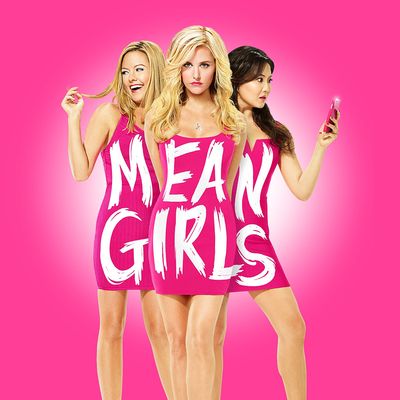
[33:58] Marc Tumminelli: I mean, we've been um Erica Henningsson is a really great friend of mine in the lead of Mean Girls on Broadway, and she did not book that show um for the lab, and they asked her to come back in for the DC Broadway, and she didn't know if she should go back in because they already said no to her. But of course, she said, No, I'm gonna go and I'm gonna go with a really positive attitude about it and not, hey, you didn't give me this the last time. And you know, now she's starring in this, you know, Broadway production. So we try to share those stories with these kids about hanging on and doing your best work and remembering that if you show up and you're kind, you know, ideally things will happen.
There are some young people where this might not be their path, but they don't know that yet. Um, but they love being in the school musical, they love their theater friends, so their access, they think is only performing, and they don't realize how big this universe is and how many people work on Broadway every night that don't step foot on stage. Um, and so it's also important for me to share that because I found my true happiness not performing, but working in the industry. Now, if I was working at a law firm answering the phones, I don't know if I'd I don't think I'd be as happy. Um so you know, that there are so many things you can do in this business that I think are exciting and that might feed you uh physically mentally um and that don't require you to deal with that sort of rejection because that's not for everybody.
There are people who I do not think are right to be put through that, you know, sitting in a hallway with you know 44 girls in the exact same dress as you with a black binder and you know waiting to go in to sing eight bars, you know, I just don't I don't think that's for everyone.
[35:42] Rory O'Malley: No, it's not. I mean I'm still questioning if it's for me. Like I I think that it's hard to wrap your head around you we all know that there's rejection in this business but you don't really understand how much until you're actually in it. And so you know having a a a group of young people who are about to step off into this business has got to be I can I can sense that you want to give them as many of the tools as possible uh before they step off into it. But you that's just one that they kind of have to go through themselves. Um but luckily you know sharing stories like like Erica's or like or like mine I think that we talked about that specifically and anytime I'm in front of kids I talk about side jobs, about waiting tables, about being a temp because I think that people when they're young they don't realize that they have to feed themselves as well.
And that's not going to always be as an actor. This last couple weeks in our our camp programs, we've had kids really ask great questions about living in New York and paying the rent and surviving and what kind of jobs can you do. And um we do an hour-long 45 minutes QA with just me on the Friday of every camp week, um, where they can just legitimately ask anything, and there's no um, it's not super weird because I'm not like a big Broadway star that they're obsessed with that they follow in that way, and so that they would feel uncomfortable asking uh a weird question. And so we get into the weeds there, and these kids ask a lot of questions about what do you do and how do you make it work and because financially it's a huge part.
And I'm like, there are kids that come to New York, their parents are loaded, they buy them an apartment, they audition, they have a much easier time at it. I I did not grow up with money, so I did not have that luxury. I had to work at night, I had to, you know, like we I had to do all the things, which sometimes also is a blessing because it gives you the opportunity. I had to work in offices. I had to, you know, uh I did a lot of stuff. I I had to learn how to do an Excel spreadsheet.
[37:53] Rory O'Malley: Yes.
[37:53] Marc Tumminelli: Which I would know, like done. I, you know, ushered at the Lion King for like four years. And so I learned how to deal with, you know, house staff and seating people. And, you know, and I do actually like a lot of that in my job. Like we go see a Broadway show with every program in the summer. We have 92 tickets, and I have to figure out where everyone's going and all that. Like that, it's all these stupid things I did that, you know, were part of, you know, my jobs um that have really allowed me to run this business. So you know, you just don't realize. So there's a lot of really, I think they're they're aware, they're more aware than ever. Um, but there is that thing. You see someone in a Broadway show and you think they're like step for life or something when you're a kid, oh, they're on Broadway, you know, like, but you know, Broadway exists for, you know, like 20 blocks and there is a show's close, and then you're not on Broad, you know, it's right, it's the it's the strangest thing to go from that to not to nothing, you know.
[38:51] Rory O'Malley: Well, it's almost because when you're in school, you think, well, people just keep handing me work at school. So if you're you know, you just audition for the next school play and they put you in what the next play is, and you know, you just you don't realize how many thousands of people are trying to get into every single production that's happening in New York.
[39:11] Marc Tumminelli: Um, you said something else about kids, and I think it's so important is trying to tell them that you are more than just who you are when you book a job, that you have to have an identity outside of just being your acting job, and that is like that's really laying groundwork for something that's very important as an actor because I don't know if I would have been able to even comprehend what that meant as a teen. But that's so important as an actor because when you're done with a job, you can lose all sense of identity. Um, I did a sense of identity, I should say. Um, how do you get that across to kids? Is it saying, you know, you should be in a sport as well, or you should, you know, join another club? Because for me, hell no, I was not gonna join anything else. I was gonna do two more plays. Like, how do you feel like it's trying to convince kids to be more well-rounded in their extracurricular activities?
[40:15] Marc Tumminelli: I think it's not something that really happens until you're an adult, where you're saying, like, oh, I hang out with my friends, I have nothing to do with this. Right. Um, and but as a kid, if that's your passion, it was mine, it was yours. I wanted to listen to every cast album. I wanted to go see every show I could. Um, but that wasn't because I wanted to be an actor. It was because I love the theater. So what I'm saying is like I still go to the theater. I mean, I saw a play this week by myself because I wanted to see it and no one else wanted to. And you see everything. And I do see if Gerald and I want to know how something is, we just ask you because we know you've seen it. I do see everything, but like I find joy in that and it doesn't feel like work.
So, like for these kids, and I've explained this like for these kids, like if that is what is bringing you joy, you're not listening to a new cast album or going to see a show because you want to see if you can be in it. Right. If it's like you because you love it, um, you know, it's like I also really love true crime. I watch like hours of murder shows a day if I can. Um, doesn't mean you have to kill someone. It doesn't mean I'm gonna murder somebody yet. And uh, you know, and I love trash TV, and I can watch the Real Housewives of any city at any time. I could watch an old episode, but that doesn't mean it's like my, you know, um, uh it like takes over my life. But you know, it's just some balance where it's all about like who's casting that and how can I get seen.
That's what's crazy. So it's like if you're if you don't want to play softball, you shouldn't. Um, like no one's saying that, but like also, you know, not be constantly talking about a job and going to audition and what time do we need to be that open call? That's what's crazy.
[41:56] Rory O'Malley: Oh, Marc, I'm learning from you right now. That's how good of a teacher you are. I mean, that's I I wasn't even thinking of it that way, but it's true that sometimes I get jealous of people who I grew up with who loved theater and who found career paths, ways to pay their bills, not in the theater, because they never go to a play and think, oh, okay, who's casting this? What uh can I get it? It's never about that. It's still just the pure joy that we had as kids. Yeah. And I'm constantly having to set aside ego or any kind of jealousy or strategy of thinking about myself, you know, which is horrible. But it's also like how you have to kind of navigate the business. But you're saying you can still have identity of being a lover of the theater, and that should bring you the joy, not just being a person on stage actually.
[42:57] Marc Tumminelli: Yeah, I think in once a year, James and I go to London and I see like, you know, 10 shows, and it's so joyous to me because I don't know anyone there. I don't, you know, really, I don't know people associated with the shows. I don't have to go backstage and say nice things if I didn't love it. You know, like all of that stuff doesn't exist. So I get to see, you know, shows like I did when I was in seventh and eighth grade where it was like a big deal, and I saw a Broadway show and I just loved it because I was sitting in the theater seeing a show, I didn't know anyone, I didn't know that they weren't making any money and they were gonna close. Like I didn't, you know, all of that stuff that I know here when I see a show that doesn't come with me when I'm seeing something there.
And it reminds me so much of why what I loved about seeing musicals when I was little and my dad, the first real Broadway musical we saw was Ain't Misbehavin', and I hated it so much. Um, and then like the next year we saw Jerome Robbins' Broadway. Um, and that was like changed my life because it was just big production number after the yeah.
[43:58] Rory O'Malley: Wait, tell me you didn't see Ain't Misbehavin' with Nell Carter.
[44:01] Marc Tumminelli: No, Nell Carter was not in it. I found my playbook. She was not in it. You have to look that up. Um, it was at the Ambassador Theater. Um and uh But you saw Jerome Robbins' Broadway. And I was that was it. Oh, I was like, oh, what is better than like seeing an entire night of major production numbers from every great musical created between like 19, you know, 48 and 1970 something? So um it was, you know, a really that I can remember where I sat in the theater. I have like visual memory of that. I was like eight. So um that experience like that night changed my life. And so when I think about, you know, these kids coming from like Alaska and seeing show after show, it's like they might never see another show again or it never come to New York again. And that experience is so cool and really informative of like why theater is important and you know what it's able to do for a lot of people.
[45:01] Rory O'Malley: We talk on this podcast about social media and how that's affected the business, and you know, try to get what people's feelings are on that. You obviously have a different perspective because you're dealing with kids who don't know a world without social media.
[45:18] Marc Tumminelli: Yeah. And do you what do you how do you address social media with them, if at all?
[45:25] Marc Tumminelli: Well, uh, we talk about it a little bit because uh mostly when casting comes in um to do a masterclass, or they'll talk about it very freely. Um, about that your social media presence is so important and what you're putting out in the world. So, how do you, you know, if there's a photo of you being crazy with your friends, like maybe that doesn't need to be on there because that's gonna outlive you and in a way that if someone's looking at someone for a job, they're gonna look at that sort of thing and what is necessary to put out there. Um, I do think that it's a little bit leading by example. So my social media, and I love social media, I don't think there's any problem with it. Um, I when people are like, I'm taking a social media cleanse, and like, have at it. I love it. Like I'm I don't need a cleanse, I'm fine. Um because I don't use it as my personal outlet to vent. I have a therapist, so I can go to her to talk about my things.
[46:17] Yeah. So it makes me, I'm like, oh, you're crazy when I see someone post about every single thing that went wrong within that day. I'm like, all right, so let's just make a physical, let's take time out of your day to make sure we know that the subway took 28 minutes to come. Like, I don't care, nobody cares. Right. Um, and now you're just like putting it in the world in the biggest way possible. So I, you know, if you look at my social media, it's really very rarely negative. And um, because I just don't think that's necessarily a place for it. Or I mean that mine isn't either, and that's why, you know, it's like I you want it to be honest, but you're like having uh something negative be put out in 280 characters or something, it's it's not the full story.
And it just kind of feels like you're leaving turds for people to find. But also like personally, it's like enough good things happen in my day, so I'll highlight those things, yeah, versus the like four negative things that happen in a day. You know, it's like, um, and then, you know, what uh and what that means to my day by focusing on those negative things.
[47:25] Marc Tumminelli: So um, I do think there is an element of oversharing, which these kids sort of need to learn about. And um they really do, because they don't think about they didn't they never had a world with the privacy that we had. Yeah. So they just don't have those kinds of boundaries a lot of times, right? Like it's a it's a little scary to me with with kids in social media. But do you feel like they have built a different kind of defense mechanism against I don't know, being afraid of things getting out there or yeah, I guess they I guess people just assume that they're being big brothered all the time, like always being filmed, you're always gonna be. It's like when I started this business 10 years ago, it was I would remember that I would be nervous about posting a picture of a kid on Facebook.
Right. Um, not my personal Facebook on probably workshops Facebook, right? Um, and being like, I don't want a photo of my kid on the internet, you know, like and and we they sign a waiver and they register and all that stuff so that you know we can promote our program. But you know, now it's just like just there, there's no thought about it. Like you can post anything. A kid is singing in a voice lesson, people are posting it. And I'm like, uh, you know, um, it's just uh it's just like a it's a different world, and I think YouTube is like the best and worst thing that ever happened um for these kids because there's a lot of mimicking that's just happening. So you love the way someone sings, you go into your crazy YouTube K-hole of like, you know, insert your favorite probably star, and then you're just trying to do what they do.
You're matching the physical mannerisms, you're matching their vocal quality, um, instead of just figuring out what you do, which is um I once met Nathan Lane at a party when I was like maybe 20, and um I went out, I was like, I went up to him right away, and I was like, Everyone says I'm gonna be just like you. And he says, Why don't you try to be just like you? And he walked away. And I thought it was like a real dick move at the time, but I was like, No, that was like excellent advice, you know. Um But really, he was like, Listen, don't let people tell you to try to be somebody else. Be yourself. Um, and so you know, that is that's like excellent advice. Like what, and also now because the industry is changing so much, and there is there is opportunities for I remember 10 years ago when we, if you were an effeminate boy, there was nothing for you to do, like no agent or manager want to do.
And now it's it's like there's a market for it. There are kids on every sitcom that's like the gay sassy friend that's 12. And uh, you know, it exists in a way that it didn't. Um, and I think that was after Ugly Betty. I think that's when that shift started, started very slowly, but now it is it is totally open thing in a way that it used to be, it used to not be. So that there are types that the more you're embracing who you are, um, and the more you're saying, Oh, I'm a little overweight and I'm funny, and that's totally cool. So I don't need to try to be Hugh Jackman, because that's not me. Um, you know what I mean? So that figuring out the thing that makes you special and how to highlight it versus hide it, you get so much more out of, you know, your auditions and so much more out of the universe by saying, Oh, this is the person I am.
I feel like so many times people are driven out of this business because of they feel like there's no one telling the story of their body type or the type that they are, you know, whether it's effeminate or or uh different shapes and sizes. And you know, my hope is is that sticking around and and making people creating their own things, you know, is is saying no, the these people's bodies or the way that they are, they have stories to be told. There are people out there who will want to hear these stories. And I think to be able to kind of talk to kids about that early on is so important, you know, to be like there is a place for you.
[51:40] Rory O'Malley: But you're right, it wasn't really there for especially for a lot of effeminate kids. Uh you probably call them, we used to call them light.
[51:48] Marc Tumminelli: Light like because you couldn't say that either. So we would say, Oh, he's a little light.
[51:54] Rory O'Malley: Right, right.
[51:55] Marc Tumminelli: Yeah. I mean, but you well, also you are you are working with uh kids going through puberty and in a time that is very the worst time of everyone's life.
[52:05] Rory O'Malley: Yes, of course.
[52:06] Marc Tumminelli: Like so stressful, and you are the oasis, you are the safe space for these kids.
[52:12] Marc Tumminelli: I mean, for so many of the kids that I did theater with, I look back and I'm like, oh my God, this wasn't just about having a place to perform. It was having a place to not be bullied, having a place to feel safe to show up to after school and feeling important. That is that to me is like more than feeling safe, more than feeling important in a way that you don't feel if you're a kid who gets pushed into a locker at school, and then you go to a rehearsal and people think you're funny, and adults are paying attention to you, not in a creepy way, but in a good way. And um, you're like, Oh, I'm important, and so that's self—I mean, it's all self-worth. So what I bring to the table is good, what um or not good, and we're laughing about it, you know, in a way that doesn't feel like, you know, I can't tell you how many kids make the worst choice ever. And I'm like, what? That's insane. Don't do that again. Um, but they're you know, but we're laughing at it and not, you know, uh not making them feel stupid.
[53:14] Rory O'Malley: Right.
[53:14] Marc Tumminelli: Um, but that's uh you obviously yeah, you obviously are a proponent of education for for young people in the arts. But what about conservatory training? You are training kids in middle school, high school, and they're about to go off into college. Do you how do you handle this the the topic of going into a conservatory training program or not? Or is that a is that still a hot topic as it was when I was a kid?
[53:47] Marc Tumminelli: It's it's a hot topic. I mean, we're currently right now having a college workshop that I am not in because I'm on the phone with you. But um, but yeah, so we have there's a lot of kids that are you know pursuing this, more kids than ever, and more schools than ever are offering uh, you know, this conservatory style program. I don't think it's for everyone, it's a very personal decision, and there are kids that just don't know what they want to do, and because they love to sing and dance, it's really fun. They think that, oh, I'll do that. Right, and I almost feel like we're doing a little bit of a disservice. Um, by we're also living in a time where parents say yes to their kids in a way that they didn't 15 years ago.
Certainly, um, I graduated high school almost 20 years ago, which seems insane, and um, because I'm like so young looking. I know. Um, and so uh there was like four schools that you could go to for a musical theater and a major musical theater, and um, you know, it just didn't exist. And I remember my mom being like, why don't you go to cameraman's school? Like, it was just I was like, I don't know where that is, mom. Um, but it just wasn't your your parents weren't saying, like, oh my god, you should major in this. Like, no one used to say that. Now every parent who sees their kid in a show ever is saying, like, yes, go get your dream. And um, I think that that's hard because not every kid is cut out for this or doesn't have the age factor that they might need.
Um, and so we can get you as prepared as possible, and then you know, I'll see, you know, a college that seems made up, like it'll be like bliss massage school BFA musical theater class of 2020, and you're like, wait a second, you know, like they're every school now has a BFA program. Um, and uh, you know, so I think it's really about saying, like, can you is this definitely what you want to do? Are you ready for what this life looks like? Um, or is this something that you feel like you can do while you're doing other things? And I tell most of my students, why not try to be as well-rounded as possible?
[55:54] Marc Tumminelli: Yeah, um, and be at a school where you can also like take a journalism course, where you can also edit your own film, where you can also direct something so that you are not putting all your eggs in the sing act dance basket.
[56:07] Rory O'Malley: Yeah.
[56:08] Marc Tumminelli: Um, because then you will probably trip over it. You know, there is if you have opportunity to do other things, you might find something that you love doing you didn't even know. Right. Because in high school you don't really get to do all of that. And I say all the time, had I seen an SNL, I went to an SNL taping maybe like eight years ago, and I was like, had I seen this as a kid, I would have wanted to work in any capacity on television. But I have no access to that because you don't get to see that as a kid. So being able to, you know, you had access to sitting in a theater and seeing a brow eyes show or a show, and you're like, well, then I'll do this. So um, you know, we talk a lot about keeping your options open and maybe um, you know, having other opportunities.
And there are some kids, there are no question, I'm like, this, you're a barracuda, this is what you are meant to do. I've never seen anyone work so hard. You are so good, you are so there, you have done all the work. You should keep studying this because I can't imagine you doing anything else. And so, you know, it's just a matter of, are you that kid? But if you're a kid who comes to me, you don't even have 16 bars together and you uh you never read a play after I told you to read it four times, like you're gonna go to school for that.
[57:19] Yeah, like you're not doing the work now when it's like you should be doing it, so there's some of that happening.
[57:27] Marc Tumminelli: Yeah, well, and also it it all comes down to school loans, like how much money you're gonna owe after you're after you get your degree. And if you're going to school and you get a degree and you don't owe anything afterwards, who cares what it it says on there? Like you have a degree and you got out with being, you know, not you know, you're gonna end up doing something and you have a degree. But if you're getting out of school and you have fifty to a hundred thousand dollars of school loan debt, which it could be now because it's crazy expensive since we went to school.
[58:05] Rory O'Malley: Yeah.
[58:05] Marc Tumminelli: Um, and we it was expensive back then, but now it's like double what it was. If you're going out into the world and having to wait on tables and having to figure out something else to do to just feed yourself and you're not using your degree at all, it can be it can be really tough. It can be really mentally um disheartening. And and so I I think that it really should be also about finances and having a real conversation and knowing that if you the best case scenario, you become an actor and you continue your craft for five to ten years after, and you still can't pay your bills as an actor. So if you have school loans for those five to ten years, how will it feel to to pay them off? And making a real honest decision financially about where you go to school. And I think we created a little bit of a monster by um having these schools that feel like you can't have a career unless you go to one of these five schools, right?
[59:09] Um, and that is as we know, not true.
[59:12] Marc Tumminelli: Um yes, it does tend to make life a hair easier, and you would get started in an easier way, you have footing, but just because you graduated from Michigan doesn't mean you're instantly in a Broadway show, you know. And I think there is a version, and this is not social media version where these young people see that and they go, if I go to that school, that means I'll be a lead in girls, or that means I'll be in the next, you know, big thing, or um, where you know, we know that people like Carolee Carmello, like I think she has an agree a degree in accounting. Um so, you know, it's just but uh it doesn't really matter. And you can always do this, which is something I talk about a lot with kids.
So even if you wanted to go to school for something totally totally different, um, no one's gonna say you can't go and audition at any point of your life, that you can't get a backstage, get a backstage like 1987. You can't go you can't go to backstage.com or actors access or whatever to make yourself for anything that you want to, you know, be seen for, whether or not you get seen. But you know, it there's not there's no one way at this, which is I think the hardest thing and the best thing about this business is that anyone could do it at any time. So many people have had success without any real education in the business, and you know, people will continue to find other ways in. Um, and you know, that just takes a matter of uh being hungry for it.
[1:00:34] Rory O'Malley: Right.
[1:00:35] Marc Tumminelli: Yeah. And and I I remember all the people who were honest with me when I was a kid about being an actor who said, like, um, you should do anything else if you can. Um, you should go, you shouldn't go to a conservatory because that's all you'll be doing. Go to get a liberal education. When I was hearing those things as a as a young person, I was like, how dare they, you know, like I I don't want they shouldn't be saying that to me. And then when I was at a conservatory, which was a great education, but was really, really hard. I was like, oh yeah, I'm glad those people were honest with me. And when I was out working at a bar or working at a restaurant and or filing papers at my temp job, I was so grateful to the people who were honest with me.
Because then there were so many other people who were like, you'll be famous, or you'll you'll be a Broadway star. Instantly you're so talented, who had no idea what they were talking about, had never even seen a Broadway show, but were you know kind of feeding that to me. I think it's so important and wonderful that you are positive, optimistic, but you're also realistic and give these kids such a well-rounded education and understanding of what a career in theater really looks like.
[1:01:49] Marc Tumminelli: They also get to see each other perform. So I mean, unless you're, you know, blind, you gotta see people and say, oh, that person is so much more prepared than I am. That person is, you know, and everyone talks about it. Like opportunity needs preparation, you know, success. But um, you know, they're watching each other, and they're they're if you're a kid that's like just might be doing it because it's the outlet you found so far, but you're definitely gonna be seeing someone in class who it's like the only thing that they're meant to do. Um, and it could you couldn't help but see it and say, Oh my god, that girl, that boy, is like this is destiny. Um, but you know, doesn't that doesn't mean they're gonna make it either, you know, it's just um, but you just never know. I don't know, it's such a hard, hard business.
[1:02:38] Rory O'Malley: Yeah, you you never know, and it really is up to the individual to, like you said, if they have the hunger for it or not. It's up to them to say, like you don't realize that when you're young. You think somebody in charge is gonna give me permission to be an actor or permission to keep going. When at the end of the day, no one does that. It's you. You have to be the one who every day signs up again and says, I'm gonna put myself through this. Or you get smart and you create your own business, and you're still able to have an identity, like you said, as a theater lover, as a participant in this world, and find joy in that, and not just in somebody waiting for somebody to hand you a job, which you know.
[1:03:26] Marc Tumminelli: I I guess that's kind of one of the reasons that I admire you so much is because I know how you have been able to do that. You you are living the dream. You are you've found a way to enjoy theater and to perform because you definitely are performing in front of these kids. I mean, it's like a stand-up act. No question. You are so funny, and they just they just uh adore you. So you are still performing even with them, and you're bringing so much to their lives. I I was so honored to get to to teach there. It really meant a lot to me that you asked, and I know I'll get to do it again, and I look forward to that. Thank you so much for talking with um us today. I hope there's a lot of young people listening.
I hope there's a lot of parents listening because I actually hear from parents a lot that they have young people who want to get in the business, and it's good to hear about uh all the ups and downs and swings. And and I think that you are working with artists at a very important time of their careers, they're the early part.
[1:04:37] Marc Tumminelli: Well, thank you for doing this and you know, sharing uh all of the people that you had on. I listened to Rachel Bloom's episode yesterday, and it's you know, it was so great. And um, I love what you're doing, Rory. So keep doing it, please.
[1:04:50] Rory O'Malley: All right, bud, go see some shows and tell me how they are because I'll be in New York hopefully in the next month or so and I kinda know what to see.
[1:04:57] Marc Tumminelli: Okay.
[1:04:57] Rory O'Malley: Um, thank you so much. You're the best.
[1:05:00] Marc Tumminelli: All right, thanks. Audition side job swimming upstream. Believe it or not, you're living a dream.
© Broadway Podcast Network, All Rights Reserved