

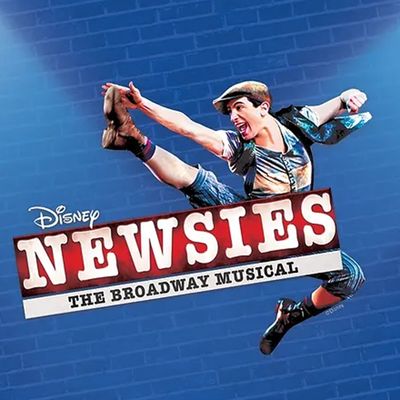
In this Artist Exploration, Corey Cott from Broadway’s Newsies and Bandstand and MTCA Director Charlie Murphy discuss: College Rejections. Finding Artistry in a commercial environment. Capitalizing on the buzz of being a fresh graduate. Booking Newsies... Read More
From the show: Mapping The College Audition: An MTCA Podcast
Guests

Featured Shows

About
In this Artist Exploration, Corey Cott from Broadway’s Newsies and Bandstand and MTCA Director Charlie Murphy discuss:
- College Rejections
- Finding Artistry in a commercial environment
- Capitalizing on the buzz of being a fresh graduate
- Booking Newsies
Go see Corey Cott in The Heart of Rock and Roll! Join us for an MTCA Junior Workshop!
For anyone dealing directly with the sudden closure of UArts MTCA wants to offer you 50% off consult time to help strategize next steps. Reach out via admin@mtcollegeauditions.co, and copy in leoashevens@yahoo.com
If you have any questions about the college audition process, feel free to reach out at mailbag@mappingthecollegeaudition.com. If you’re interested in working with MTCA for help with your individualized preparation for your College Audition journey, please check us out at mtcollegeauditions.com, or on Instagram or Facebook.
Follow Us!
Instagram: @mappingthecollegeaudition
YouTube: @MTCA (Musical Theater College Auditions)
TikTok: @mtcollegeauditions
Charlie Murphy:@charmur7
Meghan Cordier:@meghanmarie2014
About MTCA:
Musical Theater College Auditions (MTCA) is the leader in coaching acting and musical theater students through the college audition process and beyond with superlative results. MTCA has assembled a roster of expert artist-educators who can guide students artistically, organizationally, strategically, and psychologically through the competitive college audition process. MTCA provides the tools, resources, and expertise along with a vast and strong support system. They train the unique individual, empowering the artist to bring their true, authentic self to their work. MTCA believes that by helping students reveal their potential it allows each school to connect with those who are truly right for their programs, which in turn guides each student toward their best college fit.
About Charlie Murphy:
Charlie is a proud graduate of Carnegie Mellon University’s BFA program. As an Actor he has performed with theaters such as: NY Public Theatre’s “Shakespeare in the Park”, The Pearl Theatre Company, Hudson Valley Shakespeare Festival, Chautauqua Theatre Company, Kinetic Theatre Company, and the Shakespeare Theatre of DC.
With MTCA [Musical Theater College Auditions -- mtca.nyc], he has been helping prospective theatre students through the college process for over 15 years. As a Teacher and Director, he is able to do a few of his favorite things in life: help students to find their authentic selves as artists, and then help them find their best fit for their collegiate journey. Through this podcast, he hopes to continue that work as well as help demystify this intricate process.
This episode was produced by Meghan Cordier and Charlie Murphy. Episode theme music is created by Will Reynolds.
Transcript
This transcript was automatically generated and might contain errors.
[0:10] Charlie Murphy: Hello and welcome to Mapping the College Audition, a podcast where we explore the landscape of the college theater world and try to demystify this daunting audition process.
[0:19] Charlie Murphy: I'm your host, Charlie Murphy, director of MTCA. That's Musical Theater College Auditions. Check us out at MTCA.com. And today we have got Corey Cott on the show.
[0:29] Charlie Murphy: Corey was a schoolmate of mine at Carnegie, and he is just such an awesome guy. I think you're really going to enjoy this interview a lot. At a few different points, he goes really deep into like acting teacher tips mode. He gives you basically what he learned from CMU distilled into about five minutes of tips spread throughout this episode, which I personally believe makes this episode worth about $300,000. So you're welcome. All for free, my gosh.
[0:51] Charlie Murphy: Speaking of colleges and money, oh my, here's a rough segue. I just want to do a bit of a shout out to some of our current and former students who've been affected by the UARTS news. It is really rocking the college landscape right now. Everyone is concerned, and it's been really beautiful actually to see the way that people, especially colleges, have kind of rallied together to try to help the students. You know, it is really interesting looking at this in the context of kind of the broader landscape and other schools with financial troubles. This is the same week we saw Merriamount being bought out by Northeastern.
[1:24] Charlie Murphy: And for those who don't know what would happen with UARTS, they announced very suddenly that due to financial problems they were going to be closing. We of course have students who had just committed there and many who currently attend the school. You had just heard about Brian Belding, whose daughter Sam attended. We have been in constant contact, of course, with our MTCAers who are in that position and are so impressed as always by their tenacity. They've already kind of displayed in this in navigating the situation.
[1:48] Charlie Murphy: I will say, if you know anyone who is negatively affected by the situation, either they've committed to UARTS or they're currently attending UARTS, we are happy to help them. MTCA is offering a 50% off discount. Anyone who wants to sit down and discuss their options, talk strategy, or even if they need artistic coaching, perhaps for an additional audition that you've got to do at a different school, etc., we're happy to help you navigate this at a discount. We're here for you.
[2:09] Charlie Murphy: And really, that is the takeaway that I've seen. You know, our friends at Pittsburgh Unified's have done so much for students, colleges have. We've really seen the community trying to rally together to go, what can we do to help? This is just awful. I'm gonna get a bit deeper into this in the next college episode since I know the way our listeners break down. Some listeners only are gonna listen to the college episodes. So I don't, yeah, I think I'm also gonna try to write a blog post about that with some deeper thoughts on all this. So I'll save all that for then.
[2:34] Charlie Murphy: Just I'll tell y'all I hope you're enjoying this beautiful summer weather. I have been really trying to get outside as much as I can, as well as I'm also really committing to some health goals this summer with some exercise. So both have been really helpful for my mood and the mood in the Murphy household is great. For those of you who are listening to this episode right now on episode drop day on Wednesday, June 5th, if you're a junior or younger or you know of such a student and you're not currently an MTCA student, please check us out during our junior workshop.
[3:03] Charlie Murphy: This is a great chance to meet MTCA after suffering through a free hour with me. You even get a discounted initial consult as recompense. Please bring your questions about the process. You'll get to see a little window into how we do things, and I think you really enjoy the hour. So far, the reports are good from families who have done it. They seem to enjoy them. I definitely enjoy doing them and getting to meet all of you. Many listeners show up to those, so it's really nice. You can find the link to that sign up in the show notes of this episode or on our website at MTCA.com.
[3:31] Charlie Murphy: I also really think you're gonna enjoy this interview with Corey Cott, which is also free. My gosh. So let's get right into it.
[3:44] Charlie Murphy: Well, we are so excited to be joined by Corey Cott. I feel like you need something in between, like Corey frickin' Cott. Like I need a third in there. I'm so excited to have a lot of.
[3:52] Corey Cott: You can add my middle name, Michael, Corey Michael.
[3:55] Charlie Murphy: Corey Michael? No, that's a terrible name. I would never do that.
[3:58] Corey Cott: Corey.
[3:58] Charlie Murphy: Corey, we're after a roller king star. I was supposed to write a bio about you, and I'm already giving you crap. Corey has a BFA from Carnegie Mellon. He's been on Broadway’s, though you all know it, in Newsies, in Gigi, in the Bandstand, and now is starring in The Heart of Rock and Roll. That's the Huey Lewis musical. He's been on TV in things like Filthy Rich and The Good Fight, and hopefully much more coming up in the near future. Corey Michael, how are you doing? Welcome on the pod.
[4:21] Corey Cott: I'm so great, Charlie Murphy. It's so good to see you. Thanks for having me. This is cool. I really have not had a conversation. We of course went to school together and overlapped. I've had a couple Carnegie Melloners, but most of whom have not actually overlapped with me. But we really overlapped. So I actually have not seen you in now a long time, but I'm so happy to see you in real life.
[4:24] Charlie Murphy: It's so good to see you too. Talk to me a little bit about those early days. So I start everyone off sort of asking about their journey to college. And we'll spend a little time on the college of it all, too. Do you remember 16, 17 year old Corey, as you were kind of looking at schools? Like, what were you thinking about? What ended up leading you to Carnegie Mellon and kind of what were you looking at as you approached the scope of the process? What kinds of schools were you auditioning for? What did you want out of a school? That kind of stuff.
[5:03] Corey Cott: Yeah, so I remember pretty distinctly when I was 16, junior year of high school. I had a few friends who were older than me who were starting to audition and had gone to acting schools for acting and musical theater. And I was really involved at a community theater in my hometown in Cleveland, Ohio. And a few there had been a good track record of some people going to places like Boco and Andrew Cober was a guy who did theater the same place as me. And there were just a few others that I knew about. So anyways, I started the conversation with my parents. I was like, I think I want to try to do this as a career, maybe, and try to go to school for it. And my parents were very at first very, very hesitant.
And now that I'm a parent, I completely understand why. And in a way, I completely understood then too. But the quick resolution we came to was you can pick six schools to audition at. You need to apply to a few other schools as well, as you know, the I hate this term, but safety schools or whatever. And you'll go after those schools, and if you get into one or two or whatever, any of them, then we can figure it out.
[6:27] Charlie Murphy: So the schools what was backup plan for you? Like what would you do if you didn't do the six, and you can tell me the six too, but if it wasn't the six, what were your parents envisioning Corey would go and study and become in the world?
[6:37] Corey Cott: That was some sort of general liberal arts education. And like I there was never in hindsight, there was never anything else that I wanted to do at the time. Weirdly, now there's more things that I could see myself doing if I wasn't being an actor. The pandemic is to thank for that. But I didn't have anything else I cared about or wanted to. I will say this: my parents raised me and my family, my brother and sister very, very well for many reasons. One, they always gave us opportunities to try everything, and so I always felt equipped to do other things. I always felt like I had the work ethic and the mental capacity to learn things. And so whether it was following my dad's footsteps as a wealth management financial advisor, I could have done that or something like that, but yeah, that wasn't in the cards for me.
[7:32] Charlie Murphy: And do I remember you? I promise our listeners I won't spend this hour talking about sports since I know we just did that with Derek Klena, and I do way too much of that. But I remember you also as a sports player. Did you not also play for the drama queens early in your drama queens early?
[7:45] Corey Cott: I was always, yeah, I was I was athletic. I was never cut from a team, but I always rode the bench on every team I played on. So but once I start, I only played golf all throughout high school. I played basketball up until my freshman year. I was just always the average white dude who is not like again, not vertically enabled either.
[8:06] Charlie Murphy: That's near I wouldn't call you a tall, tall person for basketball.
[8:09] Corey Cott: No, no, very no five, nine and a half.
[8:12] Charlie Murphy: Your musical theater tall, but you're I wouldn't call you basketball tall.
[8:14] Corey Cott: Five ten on a good day.
[8:15] Charlie Murphy: Yeah, five ten. Come on, heals five eleven at least easy.
[8:17] Corey Cott: Exactly.
[8:18] Charlie Murphy: So all right, but so what were what were the six schools? Give me the six that you I'm sure is a very balanced, easy six. You didn't just do competitive ones.
[8:26] Corey Cott: Let's see. No, I went, okay. So I did see one for CCM. You went for the gold, uh, Michigan. Carnegie Mellon. Syracuse. Ithaca. And then this was a funny one. There's a small, small school in Florida called Palm uh Palm Beach Atlantic, I think it's called Palm Beach Atlantic University. They had a very their small school right on the beach, and they had a theater program that really was more of a safety school, but I technically did audition there. So five of the most competitive schools that in the country, and you said I'm giving it a shot.
[9:03] Charlie Murphy: Yeah, so I and what do you get in all six of those other five of those options?
[9:06] Corey Cott: No, no, that is quite the opposite. I really wanted to go audition at NYU, but my parents said that I could not go to school in New York because I needed to have an experience outside New York if I was gonna live in New York forever. And I was like, the time was like, what? And now I'm actually very grateful for that. Juilliard always felt just out of the realm of possibility, so I didn't even give it a shot. I wish that I had given it a shot to be honest, but it's okay. Let's no, I was immediately rejected. I'll have to go over this. I was immediately rejected from Syracuse. Start with the rejections. Good. Get out. I was immediately rejected from CCM. Get out. I was immediately rejected from Michigan's theater program.
[9:40] Corey Cott: But I was how immediate are you keep saying immediately? Like were they telling you in the room like don't even bother?
[9:43] Corey Cott: Well, like within a few weeks. I mean, I remember getting like I remember pretty quickly hearing back from all those schools. Yeah. To the point where, and that the reason I say that is because I was accepted academically to Michigan, but I was rejected from the theater program. I was accepted into the acting program in Ithaca, but not the musical theater program. So I was rejected from four out of the five musical theater programs. And I knew about all those rejections before I auditioned at Carnegie Mellon, which oh no. I auditioned the last day of auditions for Carnegie Mellon. And I kind of went in with like an eff it mentality. I was like, well, this is this is it. So if I don't get in here, I'm I'm not gonna do this, at least not do it now. And so now a little closing night performance. Maybe you felt a little looser actually of life.
[10:31] Corey Cott: I felt way looser. I kind of, and as an 18 year old, it's funny thinking about that because that's not my temperament usually. I'm not like an eff it kind of guy, but I do distinctly remember being like, whatever. This like I'm already, I'm already, oh, I'm batting like literally zero so might as well just go in and and have a blast and it went really well and I'm thankful that I got rejected from all the schools before Carnegie Mellon because I think I was prepared in that way to kind of just not care as much and made me more malleable on the day you know because Carnegie's notorious for like do it as a chicken okay do your monologue as a comedian all that stuff I was like so game for and was ready to play so um it went really well and I I sang really well and I um and I will say this Carnegie was my dream school I think there was another part of it too that I was like well I'm not gonna get in here so I might as well just go have have a blast while doing it.
[11:28] Charlie Murphy: Yeah and then um, and then lo and behold I was accepted and so Corey I'm I'm shocked. I never like hearing these stories. I was sure that you're gonna be like I got enough five of these schools because like Gavin Creel comes on here and he's like it was so hard choosing between Carnegie Mellon and Michigan. I'm like most people don't have that option okay like most people aren't in that place. But like you actually even though you of course had this wonderful result with your risky list I do think you actually kind of outline why a lot of students now apply to more schools is going you were one school away from not getting anywhere even though you got into one of the most competitive statistical schools that you you sort of you know you're playing a little bit of the game of the odds with only doing five luckily it worked out for you but there was some risk there.
[12:08] Corey Cott: There's some risk with only doing five there was some risk and I um it's funny I always get asked the question hey if you could go back and tell yourself anything or give yourself advice or like I'm very committed to that. I would just tell myself to keep doing exactly what you're doing. You're like, don't change anything. Cause I think everything that's happened to me has been very formative and very good for me. So I I again it sucked at the time. And I I one thing I will say is I think I suspect the reason I was certainly why I was cut from Syracuse, and I'm pretty sure CCM, and then you could also argue Michigan, is I had no dance training. Like I I could not keep up with a combination. I could not, I never really did I danced in musicals, but like when you're when your high school theater teacher is the one choreographing it, it's not it's like and you have three months to learn how to do it. It's not the same thing is pick this pick these like 32 bars up in three minutes, you know.
[13:05] Charlie Murphy: So and the people now would think of you as someone who's pretty at least athletic and coordinated, even if you wouldn't say I'm a dancer first. I mean, certainly from the shows you've done it you well so well.
[13:15] Corey Cott: That would the irony is every show that I've been in has, well, so Newsies won the choreography the Tony for best choreography. Bandstand won the Tony for best choreography. And it's so it's just there's this like illusion that I do dance, but everyone who knows me knows I know I don't. And you're saying on this podcast right now, it's because of you that you won those two. Is that what is that what breaking news? Corey Cott says, I won the Tony for best choreography personally. That's right. That's the quote. That's the new quote that should be all the way. We're done with the episode. We got our pull.
[13:45] Corey Cott: Um, I um I but I will say I got within a year, I was getting to the end of, you know, final callbacks for various summer stock theaters because I picked it up pretty fast. Like again, I do think my just playing sports growing up did prepare me well. But it's a mind thing. Like, I just wasn't prepared to pick it up that fast in that setting. So now maybe I sucked at singing and acting at my auditions too. I don't know. But I have to think that's certainly it certainly didn't help me. Um so yeah, Carnegie was um was was the one, and I was so excited and thankful to go there.
[14:25] Charlie Murphy: And um yeah, I want to talk a little bit about your Carnegie experience, but I also while we're on your parents, uh who raised you well, good job, Cott. Um it's just interesting because your younger brother also is ended up doing theater, musical theater, and Carnegie Mellon, right? That like so from a family that didn't seem like they were initially like, hey, I really want you to do theater, you ended up with two.
[14:45] Corey Cott: Uh um, well, one thing I will say too, and is my parents as head as hesitant as they were, they fully did a 180. Once I got into Carnegie, they were fully in support of me doing it while I was in high school too. I mean, my dad was an athlete, my mom grew up in a very traditional, you know, um family. And so the fact that I wanted to do that as my hobby and my thing and like my passion, they were very, very supportive of that. And then they became very supportive of me doing it in school to the point where they took out significant loans and really took a bet on me and my brother, yeah.
[15:24] Corey Cott: Um and so yeah, Casey ended up going to school. He actually studied acting, but he sings very well too, and ended up, you know, is having a career doing, doing uh, he just finished doing a stint in Moulin Rouge on Broadway’s. And so um we somehow found a way, and it's not it is because of their support, I would say. So if like any parents are listening, you the support my parents gave us all the way was so formative and important for us to could know that we could do it.
[15:53] Charlie Murphy: Yeah, and um without that, I don't know if we would have done it. It would have been you you say it so well too of like as a parent now you understand it. I mean, there may be some parents who actually like dislike theater or have an issue with theater, but really I think most people who are who have an objection, it's just the numbers. It's just if someone says, I want to be in the Olympics, you go, okay, but what's your real dream? Like what are you really gonna do? You know, but then of course, some people do make the Olympics and some people do have their permission.
[16:16] Corey Cott: It's out of love because you can't you want your kids to succeed and you want them to do well and and be happy and find their place in the world, and like it is so hard. It is so it is so hard. I will never deny how hard it is. Like it's yeah, and and it it's like, well, coming from you, Corey, you you got into your dream school and then you booked a Broadway’s show right after school, and it's like it doesn't seem that hard. And it's like, no, it it is really hard.
[16:41] Corey Cott: And it actually doing when you have an experience like that, it actually makes the business even harder because you when you have success, you you learn you only learn from failure. So when you succeed really early, it can mess you up, it can mess with your psyche and your mental capacity of like how you you can feel invincible or you can feel like oh I already I got it, and then and then life comes at you fast and it you you don't always have it, you know. So which we can get into, but um, but yeah, Carnegie was um Carnegie was I I had such an incredible experience in school.
[17:15] Corey Cott: I'm also a um I I try to live life as a student at all times. I try to maintain that mentality. I'm always trying to learn and be curious. So I thrive in a in an educational atmosphere. I thrive when I'm being taught new things and I like to get better. I don't I love getting notes. So like I'm weird like that. Um, I never feel like I'm nailing it. I always feel like I can be better. So I thrived at school. I loved every minute of it. I mean, it's obviously hard, and but me being in a conservatory program, like I would have struggled in a typical liberal arts where you're kind of going to like two classes a day and you have all this free time.
[17:54] Charlie Murphy: Like I would have hated that. I needed to get my butt kicked every day.
[17:57] Corey Cott: And I it's funny now because there's this there's this growing worldview of college is a waste of time. And um, and and and I I can I can get on board with some of it too. Like I because I I think I agree, but college is going out the you know, there's no need for college anymore, all these hype companies are hiring, and I'm not talking about our business, I'm talking in general, like there's all these companies hiring people from just high school, like your programmer, just go to Google or whatever, yeah.
[18:24] Charlie Murphy: Yeah, it's you learn from YouTube, it's all relationships, it's all that kind of stuff.
[18:28] Corey Cott: And it's funny because I think out of all of 95% of my friends that are just in in general friends, not in the business. I'm actually doing exactly what I studied, and I'm using my degree every single time. Way more than most people are.
[18:43] Charlie Murphy: Yeah, yeah.
[18:43] Corey Cott: And so I can talk about both sides of my mouth that way where I can go, it was such a formative, incredible experience for me, and I soaked up everything, and I feel like I can apply it all the time. But I also can sit here and go, but it's not for everybody, and it there, there it's not a golden ticket, and it doesn't mean guaranteed success. So it's kind of this it's weird, this weird duplicity that I sit in.
[19:05] Charlie Murphy: But yeah.
[19:06] Corey Cott: I wanna I want to say I know I love that you talked about sort of the good student, because I can't kind of have a question about that. It was certainly my perception of you. You know, we weren't in classes together because you're a little younger, but like such I mean, everyone loved you. I mean, you were such a sweet, good person, and everyone thought that about you, right? Like, and like, but but a really good student.
[19:22] Charlie Murphy: So I kind of imagine some of the notes that I would get from Adon Watherith or whatever would be like, stop impressing me. Stop being a good student. Stop, I don't, you're not gonna get an A in this class.
[19:31] Corey Cott: Did you feel some of that tension of like you as like I'm getting it get it all right with like the art school? How did you navigate that? Especially if Carnegie's like, get messy, get dirty, you throw that stuff away. Like, how did that experience affect you?
[19:43] Corey Cott: Oh, yeah, I'm all about like give me a formula to do it right, and I'll do it right. And it's so funny that that is exactly there is an element of that. I mean, there is an element of pursuing the truth and going after and doing things correctly, but in within a drama school, but at the same time, it's like, yeah, but we have to see you the messiness is where your humanity is.
[20:08] Corey Cott: And so it took me like about a year and a half to figure that out. Um, I've told this story many times, but it was actually an acting a song class, which is a sophomore musical theater class, a Gary Klein, who's not there anymore, but my voice teacher at the time, he taught this class. And we basically just got up and sang songs for each other, and we would dissect. And and the great, I don't know if it's this way anymore, but what I loved about Carnegie was how much student feedback we would give and get.
[20:33] Corey Cott: Um, and I was in this class, I was singing the song, and I was probably doing like a typical Corey Cott college good job. And where I was like hitting all the notes, and I was looking good and I was getting the beeps down, but there was no, there was nothing dangerous about it. And I'll never forget my buddy Perry. He got we stopped and he goes, he goes, uh Corey, you just have to know you don't always have to be so perfect all the time.
[21:05] Corey Cott: And when he said that, I completely lost it. I was like, I I could I it was as if someone just tore me open and saw everything that all this like this tension and pride and this like good old boy and wanting to impress everyone and and and it just like wrecked me. And I say this from that day on, I was a different person at school, and I was much more much more vulnerable. I had a much more a different approach to the work, and I I needed to go through that.
[21:36] Corey Cott: And I maybe I would have experienced the same thing at some liberal arts school in the middle of, you know, Kentucky or whatever, but like who knows what would have unlocked it, yeah. Him saying that to me in that setting, it was like exactly what I needed. And um, so I think about that moment often actually because it was just such a seminal moment for me to like even cry in front of other people. I I don't that's a struggle for me.
[22:01] Corey Cott: Even in my work in in my life, like that emotion is not something well, until I had kids, and then and then it definitely became you cry very easily all the time. Believe me.
[22:12] Charlie Murphy: I cry definitely I I love that too. I mean, I we talk about that a lot of like when you're evaluating schools. Of course, the faculty matter in terms of you know who you like and who who's there, but boy, I feel like you learn as much from the students as the faculty.
[22:23] Corey Cott: I mean, like, yeah, I feel like I learned as much from my classmates, both in terms of watching them work, but then in sometimes in terms of literal, like they're gonna deliver feedback or deliver things to you that you just are gonna hear and understand in a different way than you might get from a teacher, even though it's the classroom environment that says it up.
[22:37] Corey Cott: I carry unlocked you.
[22:38] Charlie Murphy: Yeah, and it's also that thing you care the most about your peers, like you care there about their thoughts the most and and take um you you apply those ideas and thought like uh I'm I'm doing a show right now. I couldn't care less who's in the audience every night. As soon as someone I uh a friend is there, or like I'm an I'm a I'm not a wreck, but I'm much more on my game because I I want them, I I wanna impress them and I I want them to be proud of me and all those things.
[23:06] Corey Cott: And so um I I love I love that.
[23:10] Corey Cott: I and I I think that's a very valuable thing Carnegie does. And I yeah, I I I sort of miss that. If every you want to be a teacher, I mean I'm so grateful for that because I'm like, I felt enabled and empowered to be a teacher from freshman year on. I was like, I'm ready to do this.
[23:22] Charlie Murphy: We already kind of do this.
[23:23] Corey Cott: Yeah.
[23:23] Charlie Murphy: Um I had a question for this later, but it it strikes me as interesting. Of the like, you know, you talk about some of that that we talk about some of that messiness and some of what opens up in terms of the artistry that you learn at Carnegie. How do you then square that, you know, when you have been working on Broadway’s, especially, you know, you come in and you're replacing someone. Like, how do you see the way you apply, you know, if we sort of the line of like craft versus artistry, like how much do you feel room for some of the artistry and the stuff that we were doing in studio A versus you know, the kind of the expectation, maybe the commercial expectations of Broadway’s and how that limits or how you can find freedom within that.
[23:58] Corey Cott: Like what has been your experience of like, am I doing the same stuff I was doing sophomore year? Or do you go, I'm actually a little bit more within a box or something on Broadway’s.
[24:05] Corey Cott: Yeah, that's a great so basically you're asking how do you apply what you learned at school in a commercial setting?
[24:10] Charlie Murphy: Yeah, I guess how much how much do you feel like you are applying? Like I feel like there are moments you see stuff and you're like, well, like I I remember seeing the glass menagerie with Zach Quinto and Steel Keenan Bulger and Cherry Jones, and I was like, this feels like it could have been in studio A.
[24:23] Corey Cott: Yeah.
[24:24] Charlie Murphy: Boy, was it there? But then a lot of stuff on Broadway’s. I think they're just commercial expectations that don't necessarily allow that level of discovery. Mackenzie Wood was we both had her, she she relentlessly harped on inner life.
[24:38] Corey Cott: Like inner life, inner life. There has to be an inner life all the time.
[24:40] Charlie Murphy: They're always like, and I remember her just sitting there going, I don't believe you.
[24:42] Corey Cott: I don't believe you.
[24:48] Corey Cott: Um, she sits, she lives rent-free in my head. Well, I paid for it, but or my parents paid for it. But uh she's she's she sits in there all the time, as all as all of our professors do.
[24:59] Corey Cott: And it starts with that for me. So I don't care if you're playing, you know, uh who whoever it is, if you're playing Jack Kelly and you're just dancing on newspapers, or you're playing uh, you know uh Stanley Kowalski or what and and you know, it doesn't matter what the text, like I truly believe it's your approach to making the inner life of a character work and treating it like it's Hamlet.
[25:26] Corey Cott: So even though I'm doing a silly Huey Lewis musical comedy, there's still that's still a real person. Like it can't, and even in an absurd fantasy like um Boop is coming to Broadway’s, and my friend Eric Bergen's in that, and we've been talking about how similar our shows are because they're just kind of these um on the surface, like just joy, joy-filled machines without any stakes.
[25:51] Corey Cott: And and yes, that can be there, but I think what Carnegie taught me is that every character has has an intention, an inner life, a reason to exist and something they're going after. And even though to the audience it might not seem like life or death, to that person it is.
[26:04] Corey Cott: And so you have to find a way to inject it with that. And so for me, I try to do that with everybody I'm playing. I try to make, and when I'm teaching too, I I'm sure you've seen this. When I when I went, like it's so easy for students to come in with these perceptions of songs or monologues that are just done a certain way. And I'm like, what's gonna set you apart and make you different than everyone else doing it is you to bring what matters to you and stakes in life or death and your life to this thing, and so that's that's what I try to do.
[26:35] Corey Cott: So, like our show right now is about this cardboard company and this guy trying to decide if he wants to be in a band or work at a cardboard company, and it's like on the surface, you could go, that is so stupid. That is such a dumb thing. But think about the guy in the middle of Ohio who actually works for a cardboard company, and that's his life. And he gave up, he gave up being in a band, his dreams in order to work at this thing, and that's all he has. And there's nothing else in his life to go for but that like that when you start to boil it down, it can actually become a life or death situation, you know. And so I try to think about it like that. Um, and then never negating the playfulness of it.
Um, that's one thing that I also feel like we got a ton of exposure to at Carnegie was how to play and how to be present, um and listening and making the other person look better than you. Um someone told me this at school, I forget who it was, but it's like if you can get to the end of your performance and remember the other person's performance more than your own, you did it, you did a good job, just little things like that. Um, never feeling like I don't know, Matt Gray was my freshman acting teacher, and he was all about giving yourself physical things to do in a scene or on stage. So for me, I'm always trying to figure out physically what I'm doing to get out of my head because as soon as I'm not physical in my body and doing something physically engaging, and it doesn't, it's not to say just do that without any sort of like reason, like there has to be a reason, but I get in my head about what I'm doing with my body and my hands and stuff, and so it's just like little tidbits like that that I've built over the years that kind of become instinctual, um, as well as vocal technique.
That to me, maybe the most daily applicable thing that I try to do. Um is just how this is a heavy sing. You do you're doing eight years a week. It is. This is it's a lot. That's rock. Anything anytime you do eight shows a week and anything, if it's if it's Hamlet or if it's uh, you know, whatever, it's uh it's it's hard. So sustaining that, knowing how to, and this is something you learn just by doing it's a week. It's hard to learn this in school, but how to navigate through a show where you're not feeling that great, like uh uh little just little things like that. Um, but yeah, it's the technique of creating a character, I think the most about from school. Oh, and I have more questions about that on the second half.
Oh, so I don't want to jump too much for that, but yes, I love it. And and I really like the idea of of you know, hey, this show has some fluff to it. How do I find what is grounding and truthful? I feel like that is so and same thing if it's a really deep dark show. It's like, where do I find the joy and this in the you know, because there is we're not just like deep dark characters, we may be in a tough situation, but we find humor and we find whatever. So it's like how how do you find that's very that's we certainly learned that in school a lot, and I I've I could carry that forward in life, but certainly on stage too.
[29:21] Corey Cott: I hate I always resist doing this, but I just think I have to. I think it's what the people want. Will you give us tell me about booking Newsies? What was the experience? You're out of school, it's your first big break. You're it's about to launch you into stardom. Give me a little uh um audition story because the people uh well, so kind of like my school experience. I started working with my manager who's still my manager to this day when I was a uh been on this very podcast, if you can believe it, Corey Cott.
[29:47] Charlie Murphy: Jeff Software?
[29:48] Corey Cott: Oh, yes, always of course, duh. Well, I don't talk about the sausage behind. They don't even know that's how this could have been amazing. Sorry, sorry, sorry. You could delete that. Um, I just see you on his social media. I'm like, oh yeah, that's right.
[29:58] Corey Cott: Yeah, yeah. Um, so he came and did a workshop with us my senior year uh master class, and um we started working together. And one of my first auditions that he sent me was for Newsies when Jeremy Jordan was gonna do Bonnie and Clyde. Well, he did Bonnie and Clyde, but they didn't know how long Bonnie and Clyde was gonna last or whatever. So I went and auditioned to be Jack, like the original Jack. Um winter break of my senior year, and I didn't and I went in to audition for Jeff Calhoun, who directed it, and didn't even get a call back. I went in, sang Santa Fe, and quick rejections, that's what you get is out. Corey, we don't like him, he doesn't dance. That's it.
[30:42] Corey Cott: That's it. So um yeah, I got rejected. No, I got I just didn't get a call back, and which was fine because I was like, whatever, this is one of my first auditions in the city, and I'm not gonna be the lead of a musical. I mean, at the time I was like very I was like, no, I can do it. But looking back, it's like, yeah, you're not gonna be the lead of the show. Um six months later, I was I had a crazy first couple weeks out of school. It was unlike even to this day, anything I've had. Um, I I I got offered a off-Broadway show. I was a and then I was about to go on tour with Wicked. I'd actually signed my contract, and um, then the Newsies standby position opened up because Jeremy was gonna do Smash.
And they needed someone to be there to basically be there when he's gonna go shoot the shoot TV. And so I went back in and auditioned for everybody except I think Tom Schumacher, the producer, and maybe Alan Mankin. And then that went really well. And then I went back a week later and auditioned with for everybody. And Carol Lindsay came in and read with me. And then I was like, oh.
[32:03] Corey Cott: Already was playing it. Oh, yeah, she was already doing it. Yeah. And then I and I saw the show too. I went, they brought me to the show, and they actually they flew me to New York to audition. They they paid for my flight. So it was a 22-year-old who just graduated. I was I couldn't believe it. I couldn't believe that I was um and then the other wrinkle is I was up for a new role on Glee, because Glee was a hit show at the time. Uh-huh. So within a couple weeks, I had this overwhelming amount of uh uh of opportunity that just I didn't know what to do, and thank God I had Jeff my manager because he guided me through all of it. But ultimately, what it what worked out was was Newsies, and um and I'm I'm so thankful I did that job.
It was it was so yeah, it was just two auditions after that first audition, so I guess three total, but it just goes to show sometimes you just need a little time because I wasn't ready that first time around. I even changed how I sang Santa Fe. I needed to figure out some stylistic things. I needed to see the show in order to learn how how Jack carried himself, all the all these things, and um, and so I I remember I actually went and saw the first preview of Newsies, and I remember walking out of it, and I was like in my in my heart, I all all I wanted was to be in Newsies, but in my head, I was pretend I was pretending that it was not very good. I watched like whatever, whatever. I was like, this show's not even that good.
It's not gonna last very long. Yeah, it's just a bunch of dancing guys, it's not even that good. But in my heart, I thought it was amazing, and all I wanted was to be in it. And it took me booking it to admit that too.
[33:41] Corey Cott: Um, so I uh so yeah, then I I got it. I remember I was in the airport. I had just I had just finished my audition and I was going to the airport. My family was on vacation. It's so if you ever want to book a job, just book a vacation. And then that's exactly right. Have a wedding, whatever, yeah. Yeah, we were on vacation, and I was on the way back to meet them, and Jeff Jeff called me and said, Hey, do you want to be on Broadway’s? And it was like it was just perfect. It was a best day of my life. And um, and then uh yeah, a month later, I was in rehearsal, and then two weeks after that I made my debut. So it was it was a crazy fact process.
[34:18] Charlie Murphy: Well, and and we'll talk about it. You mentioned already maybe some of the dips after early success like that, but you know, it it is worth saying, especially we have a lot of college listeners, you know, the momentum that you can have after school is a precious thing. I mean, you know, you have to get momentum after a Tony nomination and after uh Broadway’s show and other things too. It's not the only time in your life, but there is this special momentum that doesn't last forever normally in terms of who's this guy, what's the what's the hype? You to the point of you were getting auditions that you couldn't that you could get now, I guess literally, but but for many years for it, you've been like, I'm not getting this kind of TV audition and this kind of but you know, yeah, back to back to back. Everyone wants to meet you because there's who's this kid.
[34:55] Corey Cott: Yeah, I I don't really know how that works, other than that explanation of of like it's sort of uh it's this is such a dad of me to go go to this thing, but like it's a stock that starts to get go up, yeah, and then people start to hear about it, and so it's like it's just a psychological thing of like, oh well, if he's doing it, then he's doing it, then he's doing it, then he's doing it. And you don't want to miss out.
[35:20] Corey Cott: You don't want to miss out. Yeah, I mean, the exact same thing in sports, right? Like, if you're an 18-year-old kid who's raw, where people want to take a chance on you in a different way than they do when you're 22, even if you're much better, because they're like, well, we probably know what he is now. Like, we kind of get what that person is.
[35:34] Corey Cott: Yes, and I'll say too, I made an effort to come and audition a bunch my senior year, so that by the time I got to that Newsies audition and Telsey was cat and Telsey was casting that. Telsey cast a lot of shows in New York. Um they had seen me audition for a bunch of stuff. So for example, I I've told this story a bunch, but I was doing uh Sweeney Todd at school, and one day I woke up at 4 30, went to the airport, flew to New York, auditioned for Dogfight, which Derek ended up getting, and then flew back to Pittsburgh in time for Randy Covitz film acting on camera class, and then did a show that night in Pittsburgh. And I did that a few times because I was like, I am determined not to have to wait tables.
I just did not want to do it. I wanted to have a job. And so I do feel like by the time I auditioned for Newsies that last time, I had been auditioning in the city for nine months pretty consistently, and it felt like I had developed somewhat of a reputation, you know?
[36:33] Charlie Murphy: Yeah.
[36:34] Corey Cott: And so and I wonder how much it's it maybe somewhat them knowing you and also somewhat you being ready for the moment, too. Then it wasn't your first New York audition when you're getting the Newsies audition. You feel I'm ready for this.
[36:43] Corey Cott: I think so, and I think Carnegie really did prepare me for that. Like, I remember Hunter Herdlika was my big when I was in school, and he got Little Night Music right after he graduated with you know with Kath Mazeta Jones and Angela Lansbury, and I remember going, okay. Not that we're the same at all, but I was like, if he can do it, I'm right in line next to do it. And I saw everyone, I saw Ian blow up right after school, and Will Brill started working. Like your class Tony nominated Will Brown now, no big deal.
[37:11] Charlie Murphy: I know, man.
[37:11] Corey Cott: I know. I I saw it, I saw it like three nights before the Tony Noms came out, and I was like, oh my gosh. I just bought tickets, can't wait.
[37:17] Charlie Murphy: Can't wait. You're gonna be so pretty.
[37:22] Corey Cott: My classmate, as was Hunter, yeah.
[37:23] Charlie Murphy: Yeah.
[37:24] Corey Cott: Gonna talk a little bit about the the Huey Lewis of it all. So this is now, you know, and we could talk through some of the ups and downs of the career and in your life, and I want to get into that after the break too. But um, just in the in terms of this moment, um, what is this experience? This is maybe your first time playing a real, certainly a real, still alive person. Like, how was that like in terms of uh approaching that?
[37:45] Corey Cott: Well, the show actually is not about Huey Lewis, which is a funny thing that most people don't uh come expecting it to be him in the world.
[37:53] Charlie Murphy: I'm embarrassed not to know that, Corey.
[37:55] Corey Cott: Cut it from the show. I should have known that. I should have seen it.
[37:56] Charlie Murphy: Don't be embarrassed.
[37:57] Corey Cott: Honestly, you should keep it because most people think that in fact I mean people just did that to Elizabeth. They're like you're playing Alanis. She's like, There's there is no Atlanta, it's the jukebox. It's similar.
[38:06] Charlie Murphy: Yeah, I know.
[38:06] Corey Cott: Well, so I thought you were. It's it's my character's name is Bobby Stivik. It's it's a very different thing. And he works at the end of the day. Bobby Stivik was a real life person. That's what is really a famous. That's what I was saying this whole time. I've made him a real person.
[38:19] Corey Cott: Um so real, yeah. It's not about Huey, but we've had people come to the show. Huey Lewis is alive and could see this show.
[38:24] Charlie Murphy: He could he could potentially watch you sing his news. Is that not true?
[38:27] Corey Cott: Oh, no, he's he's there all the time.
[38:29] Charlie Murphy: Yeah, yeah.
[38:29] Corey Cott: He's very involved in the show.
[38:31] Charlie Murphy: Oh yeah.
[38:31] Corey Cott: That's what I mean. There could there's expectations, that's what I Well, and there's I you know what? I will say that there's probably loose things in the show that are inspired by his life. But yeah, you know, he my character didn't have a good upbringing, he didn't have a good upbringing, little things like that. Um, but my character uh he he works at this cardboard company. He's trying to climb the ranks there to be, you know, an executive salesman, and he's trying to offer the world value and he just doesn't know what that is. And he he knows he has value, he just doesn't know what it is. And he was in this band back in the day that he let go of because it didn't work out, and so the band comes back into play and he's trying to decide if he's gonna do the band or still work at this company, and there's a girl there that he really likes. And so there's all these things.
[39:09] Corey Cott: And it's funny, uh someone recently came and saw the show. Never once is Huey mentioned in the show, nothing to do with Huey. And after the show, they go, I didn't know Huey worked at a cardboard company. Like you can't escape it. So um, I w uh so what was your question? I'm sorry.
[39:25] Charlie Murphy: No, there's no questions. We're just we're just absolutely skipping through this.
[39:30] Corey Cott: No, but it's all they're all sort of autobiographical, right? We just had um Ali, one of our um alumni who's playing Tommy right now on Broadway’s. But even that it's like sort of autobiographical. Like it's not exactly true, but you're like everyone's writing about themselves, really. Anyway, yeah, and and Elizabeth was sort of Alanis, and Alanis was sort of Lauren and Atlanta's was sort of everybody.
[39:46] Charlie Murphy: Yep.
[39:47] Corey Cott: Yep.
[39:48] Charlie Murphy: Um we'll be cutting all that for the podcast.
[39:51] Corey Cott: Whatever you want.
[39:52] Charlie Murphy: Oh, we have to keep it in because otherwise I'm embarrassed for I'm too embarrassed to check cut it out.
[39:56] Corey Cott: This is very complicated.
[39:57] Charlie Murphy: No, it's not complicated.
[39:58] Corey Cott: I actually don't think it's that embarrassing.
[40:00] Charlie Murphy: It's fine.
[40:00] Corey Cott: Everyone uh everyone's thought that exact same thing.
[40:02] Charlie Murphy: So like you're not you're not wrong.
[40:04] Corey Cott: Yes, and they've all and they all learned the news or some such ones.
[40:08] Charlie Murphy: Um let's take a short break, and then I want to talk a little bit more about creating a character.
[40:10] Corey Cott: So we'll be back in a flash.
[40:19] Charlie Murphy: All right, we are back with Corey Cott. And we already mentioned some ideas of creating a character, but that's some of the Stanislavsky prep I had for you, was let's talk a little bit about creating a character. Um especially, you know, you know, we're approaching the difference, maybe in this case of originating a character, which we now know is a made-up person.
[40:37] Corey Cott: Um, but when you're originating a character versus when you're stepping in for a character, sort of how do you approach that combination of like what you're bringing to the role as Corey, what are the character expectations? I even love that you already said, like, oh, now I see what Jack is watching Jeremy. But of course, your Jack is not identical to Jeremy's Jack, right? Like, how do you find that approach of like stepping into a character that already exists and or creating a character when you're doing it at the Broadway’s level?
[41:02] Corey Cott: Yeah, so I it sounds so cliche and exactly what I think a lot of actors say, but I ultimately just go to what are these what does this guy want? Like what is he what is he lacking and what does he want? And what is he gonna do to get it? And then you break that down in beats. And so for me, and in Heart of Rock and Roll, for example, Bobby just wants to provide value to the world. He knows he has value, he just doesn't know how to provide value. And so, and in the beginning of the show, he wants to be affirmed of that value. He wants to be recognized of for that value. And so the show is chronicling him figuring out that he doesn't need to be affirmed and that his value comes from a place that he doesn't even understand or and that he learns at the end of the show.
So it's really simple. I think acting can be become way too complicated and way over-technicalized. And it is technique, but I think it's so simple. And as long as you're constantly asking, what does this person want and what are they gonna do to get it, and what is gonna happen to them if they don't get it? That's the fundamental basics. And then you can start to pepper in characteristics and traits. And you know, if you want to backstory and all that stuff, which I think can be marginally helpful or not helpful.
[42:28] Corey Cott: Um, but even before you get into because I love that, I think that's so true and makes so much sense to me as someone who's certainly more trained in acting in the musical theater, but makes some sense to me of going, here's how I would approach this character if I'm doing a contemporary play. I guess what I'm interested in, especially in a Broadway’s musical, where there are sometimes are more sound expectations, or you're talking about stuff like, hey, I won best choreography for my choreographer. But even there, there may be choreographic expectations in terms of the way this person moves. Like, once you have the like, I understand the core of who you who this human being is and what they want.
How are they you then layering in some of those technical expectations of, you know, this is in a certain time period, this character's of a certain class, they might need to sound a certain way. Even you mentioned like Santa Fe, I sang it differently from this time to this time. I don't know if it was just acting motivation that you're changing. Like, how are you figuring out that technical stuff that you're layering in with the acting?
[43:15] Corey Cott: Yeah, so one thing I'll say about Heart of Rock and Roll is it's a musical comedy. So one thing I struggled with early on was wanting to deliver everything in a um sincere, real, almost grounded filmic way. And it doesn't, the tone of the show sits in this heightened lightness. And so everything almost it's almost as simple as like you have to smile on every line. Because and Matthew McConaughey talks about this in his book, Green Lights, which is really fascinating if you haven't read it. But you know, he was the rom-com guy forever, and he talks about the difference between but when you when you're doing that, the ball constantly I mean the ball always has to be in there whatever you're doing but like the way you hit the ball in a comedy and a musical comedy is so much different than the way you hit it in like a drama right and it's always it's it it it requires the tone to be lifted and even sit and maybe even like a higher register in your voice than you than you would in a different kind of situation.
So like there and there are there's there's rhythms that have to be hit in order for jokes to hit. So we'll quote Barbara McKenzie what she that she would say uh you know a drama is tennis and uh comedy is ping pong right it's the same sport but there's there's a different sound to a different pace to it than there would be of a tennis hit or whatever yeah exactly so when it comes to technique and how the character lives in that world I would say generally my my tone vocally is a little bit is pitched a little higher than it is if I'm doing glass menagerie or something and I would say my general posture like for bandstand I had this kind of thing where I like sort of like pretended I had almost uh like a weight on my back and I kind of would sort of talk and look around like with a little bit of weight and that's getting super actory and annoying and people might roll their eyes but like this list lives in this world of just like open chested what what opportunities are in front of me can I can I how can I serve you and it's like this it's like positive and that that's helped me just one enjoy the piece more I truly I I am pretty physical when it comes to this stuff.
[45:31] Corey Cott: So, like, I if I find the physicality of a guy uh or character or whatever, usually that'll help me with line like deliver delivering lines and intention, all that kind of stuff. So that's helped, and that helps also with the choreography. You know, you you have to trust the choreographer that they're in line with that tone of the piece too, and that they're supporting the piece with the steps they're they're giving you. And so and what about vocally? And this is where it's probably why I was like, Oh, is he must be playing Huey Lewis? Like, are you thinking about certain those songs? And maybe I'm gonna say a high percentage of the audience is likely coming not because they're Broadway’s fans, but because they know Huey Lewis, right?
Like, that was certainly that was Jaggett's thing. It was like, there were of course you like Broadway’s too, you hear it's a good show, you're a Broadway’s fan, but but a lot of the people coming are going, I want to see Jersey Boys, I want to see Huey Lewis, I want to see the the and and have an expectation for how that's gonna sound. Was that in your head at all of like it should sound like this, or is it like this should just sound like how I sing and they cast me, and that's how it's gonna be. I know what rock and roll is, but you're not doing any kind of impression vocally, right?
[46:34] Corey Cott: No, it's a great question. I'm not doing an impression, and that's something they said right away. We don't want you to sound like Huey. Yeah, but there are some things from a style perspective. I can't get up there and sing this like it's younger than springtime because rock and roll, it's yeah, yeah, right, right. We can't, it's not Andrew Lloyd Weber, it's not Rogers and Hammerstein, and if you do do that, it won't work, it just will sound weird. So technique comes into play, a lot of it has to do with placement, and a lot of it has to do with uh stylings of very vocal various vocal stylings with within it, straight tone versus Robrato, like uh there's there's this we live in this sweet world where it's the tricky thing for me is that there's a band in the show, and the band plays two songs.
I only sing one of them, but I wanted to make sure that I'm singing that differently than the the um the musical theater songs, meaning the songs that are sung as a way to further the plot as opposed to being performed, and songs that are elevated speech is one thing, and then there is a song that's a song, as I say if you're in a concert, those are two different things, yeah, yeah. And the the average theater goer might not sit there and even notice that, but I wanted to make sure that there were a few specific things I was doing that that might allow you to understand that oh yeah, this character was also the singer in a band.
[48:02] Corey Cott: Yeah, and it's a delicate thing, and you have to suspend disbelief a little bit because it's just it's silly. But we're signed up for it's musicals, though.
[48:11] Charlie Murphy: We suspend disbelief.
[48:12] Corey Cott: We do it.
[48:13] Charlie Murphy: Where's that music coming from?
[48:14] Corey Cott: I mean, that's come on, that's what we do.
[48:16] Charlie Murphy: That's okay.
[48:16] Corey Cott: That's right. And it seems like a little bit of something people are doing at Jukesboxes too, is that going, we don't want the whole thing to feel like a concert, but we do want you to have an opportunity to rock out and just enjoy this song. Is it is a concert, so you can have some fun with it at this moment.
[48:28] Corey Cott: Yeah, but there are some things Huey does that I stole that um are just fun to do. It's I'm sure satisfying for the audience, too.
[48:36] Charlie Murphy: I'm sure that's and again, I'm gonna see it and I'm gonna love it.
[48:38] Corey Cott: But but I'm I I like Huey Lewis. I'm sure I would be like, oh yes, I love that you did that. Like, that's you know, yeah.
[48:43] Corey Cott: He just does, yeah, he does some some like vocal riffs and he does he does certain things stylistically that are just almost little nods to him, you know. But um, you know, for the most part, yeah, it's it's a combination of doing well they hired me, so I'm not gonna try to sing this like somebody else. I'm gonna do what the way I flourish, but I'm also gonna try to sing sing the integrity of the style and the tone.
[49:08] Corey Cott: And um yeah, I I could get super specific and technical, but like that's the general answer to that.
[49:16] Charlie Murphy: So I love it. Well, I probably should make you go super specific and technical, but we've had a lot of vocal tech recently on the pod.
[49:21] Corey Cott: I think our parents are like, all right, enough vocal tech recently.
[49:23] Charlie Murphy: Yeah, we we got real deep at with Matt Edwards from Shenandoah about all the different possible.
[49:29] Corey Cott: I love that.
[49:30] Charlie Murphy: Let's talk a little bit about um, you know, we mentioned that idea of of craft and in sort of discovery, like when you're in this long running show, and I guess it's not yet long running, but the show is set at this point, right? Like, how much do you find yourself playing from night to night? Like how different is the show versus like I'm hitting most of my marks, I'm doing my thing. Uh, you know, how where are you like, whoa, that didn't expect that at all tonight? Like, how how much freedom is there in a show like what you're doing right now?
[49:55] Corey Cott: Um, I try to play every day. I can't I get so bored. So I just and the audience is different every day, so they're gonna react differently. The pace is gonna change. Um we have a we I mean, um uh I don't know when this is gonna air, but six months from now, let's say.
[50:13] Charlie Murphy: Oh, you're still running.
[50:14] Corey Cott: No, a couple weeks from now, yeah.
[50:15] Charlie Murphy: Yeah, so well then it won't matter.
[50:17] Corey Cott: But we have our what we have a uh a new lead going on this week for the first time. So thing like, you know, people are out all the time, the audiences are different. The show is always gonna change and morph. And if you're active and and you're present, uh that's gonna help allow the show to change too.
[50:35] Corey Cott: Um I try to, yeah, I uh the short answer, I try to play every day and do different things every day, and sometimes that goes abysmally and it doesn't work. But then other times there are some things that require the the the moment to be the same just because of um either it's a cue or it's uh a punchline of a joke, which is rhythm.
[50:55] Charlie Murphy: Yeah and so that kind of stuff usually is similar.
[51:00] Corey Cott: But yeah, I try to I try to play every day and and just for my own sample the voices of your Carnegie Mellon professors approved.
[51:08] Charlie Murphy: The ones in your head are going, good Cloy, that's the right answer.
[51:10] Corey Cott: That's good. Find the freedom in the work.
[51:12] Charlie Murphy: Um I want to talk a little bit about your family life. You are, and if our crack research team is correct, you're a father of three.
[51:20] Corey Cott: God bless you.
[51:21] Charlie Murphy: Is that true?
[51:22] Corey Cott: Three.
[51:22] Charlie Murphy: Unbelievable how you're one of the few people in the world who are actually increasing our population.
[51:26] Corey Cott: I feel like I even had a kid, it's like, oh my gosh, but we're still having ourselves with with one.
[51:31] Charlie Murphy: Uh, how do you balance that? So I mean, I I can I can only imagine. I mean, one is so hard.
[51:36] Corey Cott: Yeah.
[51:37] Charlie Murphy: How do you do it? How do you survive? How do you be on broad?
[51:40] Corey Cott: Um man, it's such a good question. Well, one, I have an amazing wife.
[51:44] Charlie Murphy: She's that's also the right answer.
[51:46] Corey Cott: Incredible, incredible partner, and my best friend, and like we have been together now since April of 2010. So almost 15 years. And uh she's the best, and we have we're very like-minded in how we parent and all these things, and so trust there has that's I think that's really the biggest part of that answer, is is that um we also moved to Georgia. We live outside our houses outside of Atlanta, about an hour outside Atlanta, Georgia during the pandemic, and we um I sort of had this we made this decision leap of faith is like, hey, the the pandemic is and we don't know when that's gonna end. I'm going on tape for everything, just like everybody in New York. Let's just let's move to a place where we can have a big yard and space, and and uh that was near family too.
[52:44] Corey Cott: Is that part of it?
[52:45] Charlie Murphy: What's no near family?
[52:47] Corey Cott: No, just you just that far away, but just just for the space.
[52:50] Charlie Murphy: Yeah, well, we have a bunch of Jersey.
[52:52] Corey Cott: I mean, come on, there's a lot of friends down there.
[52:55] Charlie Murphy: It's a weird, yeah. We we split we're like between family.
[52:58] Corey Cott: West Virginia's her family, uh Florida's my family. So uh we yeah, that's been paramount. That's been super important to have space not be in the city. I know people raise kids in the city, and that's more powerful. That's the question I have is how do you guys do that? Um, but we're certainly not going to. We're escaping as soon as we can. It's impossible. Um, we knew we wanted to have multiple kids, and thankfully we've been so fortunate and been blessed to have three. And so um right now, and I only can speak for right now, it's working great for the most part that we're there. This these past 12 weeks have been really crazy because I've been here and uh been commuting back and forth on the weekends, which has been wild.
But they think like on your day off, like you fly back Sunday night, yeah. Oh, Corey. I've done it nine times now. Corey. So I'm done. I'm done. I'm all done with that because they get here this week and they're gonna be here for the summer, and so um that's fantastic. Yeah, so that's a huge part of it. And um, man, we just tried to. Is that the plan? It's like like so now you know, and this is I so interesting. Ian Harding, same thing. He's they live in DC, right outside DC right now. He's like, I'm just putting stuff on tape. Like it's I'm doing it's and I can come in if I have to, but if it's all on tape anyway, might as well live in a place that's big and nice, and yeah, you know. I I think I mean, I flew to the city probably last year, probably 10 times.
Uh-huh. Just one like once a month ish-ish. And I felt like that did enough for me, and then everything else is on tape. And um fortunately that's worked. I've been able to leave and work everywhere except Georgia. I thought I'd work a bunch in Atlanta, but I have a lot of people. Like Atlanta's film, yeah. Yeah. Yeah. I've only worked in Chicago and New York and everywhere else. So it's I wonder if that will be a real thing that actors did. Like, I mean, people they're doing it now. I just wonder if like people will end up graduating from school and never move into New York. I wonder. I mean, theoretically. I I don't really know how I would do it now. Like I I it it is so expensive to live here.
Is it's expensive to live here as a lead on Broadway’s, let alone um someone with debt living in, you know, in a tiny studio. Like, I don't I just don't know how I would do it. So I'm I'm curious if that's gonna become more of a thing. But at the same time, you also gotta be here to be in person with stuff. So I I um I don't know. I don't know. But for now, it's been it's worked. Um, and we enjoy it. And and again, in the future that could change, but yeah, yeah. I love it. Um, I also wanted to ask, you know, I know you to be a religious person. Uh-huh. And we talk a little bit about sort of craft and and and that part of school. I sort of wonder like how how does religion play into your artistic life?
You know, we've had a few uh religious colleges on the pod, you know, so whether they're specific uh religion, like we're about to have BYU is coming on, uh a little more Mormon, but we've had Belmont and some schools and Catholics coming on. Like, and often I feel like they talk about um oh, but we're like we're not that religious, or it's not that like we're not that what and I'm kind of, but I'm kind of interested in the flip side because I've never heard someone be like, here's what I think brings a positive aspect to my artistic life. You know if I feel like that's true.
[56:06] Corey Cott: Yeah, for sure. So for me, I live with so much freedom knowing that in my faith that my steps, I believe my steps are like laid out before me, and that there's a there's a plan for my life that I'm sort of surrendering to. And I get a ton of freedom from that as opposed to it being uh and people might disagree with this, but like it being all in my control. That doesn't mean that I'm just sitting here just waiting for things to happen to me. I mean I'm taking action. But I I take a lot of I I feel a ton of um freedom knowing that like there are some things that most things are outside my control, and I believe that there's a God who is in control, and that I I step into that. I also love the idea of like loving your neighbor as yourself, particularly within the craft.
So, like I said before, if you can remember your your uh scene partner's performance better than your own at the end, there's something about that that feels very spiritual to me that is like I'm humbling myself before you in order to make you better. And in the way, and Judith White said this to me one time, which she probably didn't mean it in an in a religious spiritual way, but that's how I heard it. She was like, We're we're in a service industry. We are there to provide uh in our in humility, which doesn't uh unfortunately does not exist as much as it should in our industry. But if you think about it this way, we are providing a service in order to lift other people up and transcend, like how often have we seen performances that are so good they feel like they're divine and they're they're beyond this the the earthly capacity that we have to understand.
And that that's where I think beauty comes from is from like from the divine and and this this experience we have is so spiritual. It's so it's so otherworldly, it's so multidimensional. It feels like how crazy is it that a thousand people could sit in the theater and react the same way to this the story that's happening right before their eyes. And so I try to I try I I for me it's it if impacts my worldview in in a lot of ways and how I interact with people and how I raise the kids and all that kind of stuff. But for the craft too, it feels very transcendent in that way and like and beyond and and how what a weird thing we do as actors to access these emotions of another person and that our mind can be so committed to that in the moment that we can momentarily like lose ourselves in it and become this other person.
And it's it's a very it's a very religio like spiritual religious out of reality experience, you know. And so for me, I trust that, and I think that that's uh and I I think uh you know, we're all created with certain gifts and skills, and so it's a shame not to step into those things if you believe you have them. And so as a parent, recognizing that in your kid, but yet being scared of supporting them because you've of the stability, there's there's a conundrum there because it's like, well, I recognize the God-given skills you have, but I'm also nervous about the way that this goes. And so I think that's a testament to my parents of a testament of faith too, is like we think that you know you've been created with these skills, and and it's it's as you're you should be a steward of them as opposed to withholding them based on fear, you know.
So um, I try to eliminate any fear in my life, which I'm not successful at because I we all have fear, but in general, my faith, it really does help me step forward every day into this crazy, crazy business of ups and downs with like a a much more steady mindset, I guess.
[59:43] Charlie Murphy: Yeah, so much sense. Yeah, I mean, yeah, we make some looking at a lot of these sports metaphors on the pods. I'm not gonna too much, but there's I think a lot of parallels of like, you know, a lot of uh high-level athletes are very religious, I think. And specifically for that kind of humility, it's the kind of humility of going, what can I control? What is not mine? This is not all about me. That shot going in or not going in was not me. It kind of was, but it wasn't. Like I there is some higher something, whether that's specifically a God or uh, you know, the universe or whatever you you give that up to. But there's some let go and let God that I think many non-religious people still find that release in because they they're spiritual to go. I know that that's not me.
[1:00:20] Corey Cott: So I think not to get on the sports thing, but me Mina Kimes, I think she said one time, she's an ESPN commentator. She said, most NF, every NFL quarterback either believes in a God or believes they are God. Ain't that the truth? Ain't that the truth? And I think that kind of applies to anyone who thinks that they are good enough at something in order, like that they should be like that people should pay insane amounts of money to come watch them do that thing. And so um there's yeah, there's there's so much collaboration that happens and so much curiosity that needs to be kept intact that for me, the only resolution I can go is like, well, I'm I know I'm not a god because I would be the worst god ever.
I would just I would be so I'm not sure that's true. I think you'd be a very good job for a moral person. No, but that's so interesting, and I think it's true in terms of the kind of ego. Maybe the the kind of ego of an NFL quarterback might be different than that of a of a struggling actor, you know. But sure, it's an old David Foster Wallace idea of like, and he was, I think, more of an agnostic but very spiritual person. Yeah, he would talk about like if you don't find something to worship, you will end up worshipping something, whether you worship money, whether you worship. And I think a lot of people worship career, the sort of career success, and they spend so much focus on me and my career, and there's so much blood going to that because they don't have the ability to go, that's actually not that serious it is in a sense of that it's might be what your calling is and you're the thing that you're gonna provide with and um the thing you love the most.
But if you make it more serious than that, it will destroy you. It will because I've been there, I've done that, and I've been there was a sequence of time in like 20 seven after I did my last show before this bandstand from 2018 to like mid-2019, I didn't work at all, not one job. I did I it was almost a year and a half without booking anything. And I was so depressed, and I was so unable to be a good husband and a good father because I was so focused on myself, I was so focused on my identity up until that point. Basically, I did like three Broadway’s shows in a row. I did a bunch of TV, I was flying high. I never wanted to. It's who you are. Yeah, and then it was done. Yeah, and then it was done.
And it was really, really, really tough. And thank God I went through that before the pandemic because the pandemic, when when I got there, I could have had that depressing, you know, experience. But instead, I went, Oh, well, how else can I be curious? What else can I learn how to do? What can I how can I channel this time as opposed to going, oh, whoa was me, what was me? I'm never so, you know.
[1:03:14] Corey Cott: And so yeah. Do you want to tell us what what you said sounded like there was some pandemic? Oh, and I thought about be going to med school, or I thought about becoming a woodworker. Were there other fun pandemic things that you sort of uh interested unlocked for you?
[1:03:28] Corey Cott: Well, yeah, I started to study for my um so my dad's wealth management financial advisor. I called him one day early on in May of 2020. I said, What do I do? I'm not gonna work for a while, like this is bad. And he said, Well, you could get your securities licenses, which is basically what the the licenses you need to in order to sell stocks and bonds to people. And so, like financial advisor, basically. And so I was like, All right, I'll do that. So I started studying for that. And uh I got the first half of one of them. Um, and then I uh started working again. So I I put that in the back burner with the plan to go back to it. But um then I got my insurance license and I started to just kind of go, well, I'm gonna I'm gonna sell insurance and I'm gonna sell, make money doing probably a lot more money than I would as an actor managing people's money. And um, and then it's like broke back mountain. It's like I can't quit you, you know. Um act acting just keeps coming back. And so I uh I I'm back in it now.
[1:04:28] Charlie Murphy: So let's let's not forget here, Corey already dropped it. He dropped it very humbly, but got into Michigan, not the theater program, which means Corey's not a no no dummy, okay. Corey probably did pretty well with that securities license.
[1:04:39] Corey Cott: I did okay. Yes. I so I was saying this to a friend earlier today. I genuinely just love to learn things. Like I I it's just an A to me. I want to know how things work. And I love to I I like to look at life as a game, and the more skills and things you have, the better and more likely you are to win the game. And so, sorry for all my freaking emails. I thought I shut off that notification, but that's these are people trying to get money, they're trying to manage your money.
[1:05:03] Charlie Murphy: Like Corey, I've I got a hot stock tip. I need to get on it.
[1:05:06] Corey Cott: That's right. So um so for me, I'm like, anything I can do to learn more. It I've also let go of this idea that I only have to be an actor, and that if I start to pivot a little bit, that people will look at me differently. It's it's it's your journey, it's your life. Do what you want with it, you know.
[1:05:24] Charlie Murphy: You're booking that trip, it's gonna keep you working on Broadway’s.
[1:05:27] Corey Cott: The more securities you do, the more offers you're gonna get for Broadway’s.
[1:05:29] Charlie Murphy: That's so clear about that.
[1:05:30] Corey Cott: It's sort of exactly what happened. I started just get deep into that, and then stuff just started coming back, and um the pandemic started to go away and and and work started thankfully flowing back in. And so um I but I will say I I feel like I gained confidence going through that, going, oh, I I still could do other things, even if this all goes away. Because there is this thing that we've constant fear of like, well, what if I don't what if I'm not an actor? What am I gonna do? And until you're in that position and you're forced to figure it out, it's kind of a scary thing. But I went through that and I figured it out. And and so now it's like, well, yeah, I'm gonna still keep doing this, and this is what I love. But yeah, if the world's not the end of the world, there's a net somewhere that you would be okay, yeah, yeah, for sure. And you have your family and you have other important things, and yeah.
[1:06:14] Corey Cott: Well, on that very happy note, let's wrap with a little bit of advice. So, um, what beautiful cliché advice do you have to a 17-year-old who says, I want to be a young Corey Cott, or in this case, an older Corey Cott? If you're just advising a 17-year-old who's going through this, what are the things that you go, here's what I'd be thinking about doing if I could, if I were you? Shake as many hands as possible in the business, go to people who have done it and try to get in front of them and ask them what they did. For me, it was going to a great school and meeting my manager who then introduced me to tons of casting directors. I believe your network is your net worth. So shake and meet everyone as possible.
Go to every seminar you can. If you can't afford college, which is another thing I wanted to talk about, is don't take out insane amounts of loans that you're most likely not gonna pay back. I really think that that is a hard decision to make, but I do think that there are multiple avenues to succeed in this business. And so if school is not one of them, that's okay. Meet everyone you can and ask them how they did it, and everyone's gonna have a different answer, but take the ones, the answers that make sense from those people and try to apply that. Training is important for sure, but training within means that you're able to afford is also huge. You can train in so many ways now. You can train as simply as getting a bunch of people together and performing monologues for each other and getting feedback that way, or you can go to a really nice school and get training that way.
There are so many different avenues now that it doesn't mean you have to take out 200 grand of loans. That's the biggest thing. And then come in, you know, it's the basic things too. Read as much as you can, see as much as you can. I think you can learn so much just watching as much theater and film as you can. Watch your favorite performers, research them, figure out what they did. I think it's all right in front of you if you're willing to just go after it in terms of a template. Everyone has their own individual journey that no one else has had, but there are patterns and templates that do work.
[1:08:48] Corey Cott: When I was doing it, it was you go to a good school, and if you get in, you go, and then you do showcase and you meet people through showcase and you get a rep and they send you out auditions, and that's what I did. And that's not work that doesn't work for everyone. Like Laura Osnes, who I did Bandstand with, she didn't have one day of training in her life, and she came to the city and she booked nonstop and was like the, you know, forever was the girl. And so there's so many different ways you can do it. I would just be, you have to be real, it's really a mindset, is ultimately what it is. You have to have like this obsessive, hungry, yet balanced with your life as well. That's not about it, but when you're doing it, there's nothing that's gonna stop you, and you just have to constantly be curious about how to be better and copy people who've done it right and do what they did.
Honestly, I think that's the most and shaking hands. You're gonna see a lot of people at stage doors now being like, Corey, you told me to shake my hand, so I'm going to do it. Okay, great. Yeah, I'm a hand that's being shaken. I'm gonna go tell you to shake our producer's hand and ask him to cast you on a show. That's what I'll tell you. I have not, I can do nothing for you except you've heard the advice on this podcast. This person can actually cast you.
[1:10:03] Corey Cott: Well, because I do believe this business is like every other business, and that, and then people go, Well, I can't help you, but the person I know can help you. So I'm gonna introduce you to them, and that's true. Like, that's exactly how it works. And often it is not the sexiest person in the room that you think I need to get to know Jeremy Jordan. I need to get you go, actually, the person right to the left of the person who can do something for you. You should talk to that person.
[1:10:25] Charlie Murphy: Um, I love it. What a great place to wrap up. We know if we want to follow you, we could follow you at Nap on a Cot.
[1:10:31] Corey Cott: Nap Rot, baby. Nap on a Cot.
[1:10:33] Charlie Murphy: This, I'm, this is someone who's got a pun in my own Instagram handle, but I don't know about nap on a cot.
[1:10:33] Corey Cott: Nap on a Cot. Yeah, I was 16 or 17.
[1:10:42] Corey Cott: I was hanging out with my buddy Ben Fankhauser, who I did Newsies with, and his handle is please and thank you, which I thought was so funny. And I was like, what could I do? I should do a pun too. And I was like, Well, my last name's Cot. What do you do with it? Oh, nap on a cot. So there it is.
[1:11:05] Charlie Murphy: There you go. Well, follow me at Charmer7, C-H-A-R-M-U-R-7. So we're all punning here. We enjoy it a lot. Corey, I really appreciate it, man. Thanks for the time.
[1:11:14] Corey Cott: Thank you.
[1:11:20] Charlie Murphy: Yes, yes, yes. I love Corey. He really is what he seems, you know. Not everybody is their public persona, but Corey is just one of the most genuine, authentic guys you're ever gonna meet. I do have a few takeaways from this one, even though we're a long episode, we're just gonna get longer. I really love what Corey said about having no experience prior to college in the dance world, but then now being thought of at least as a competent mover. And again, you saw him take credit for all those choreography Tony. It's very interesting. I do really think that's a real inspiration. And here, Corey's not unique in this, there's a lot of people who have been able to achieve this for people who are willing to put in that work, and Corey certainly is that.
I mean, you can hear those great examples of his dedication from those college flights to New York City senior year to the current flights back to Georgia, back and forth. He said he did it nine weekends in a row, my gosh. But specifically with dance, I do think a lot of people, especially young people, kind of have that mental block about, I'm not a dancer, or I am a dancer, maybe in the positive way. And you really have to think of it more like a spectrum, right? You might not be somebody who's ever gonna be a prima ballerina, but each bit of improvement can really be big in allowing you to maybe play a lead in a dance-heavy show as Corey did. Or if you're not strong enough to be able to pull that off convincingly, then not.
You know, I feel that way with my own health journey, which I mentioned at the top there, as I'm really trying to get back into peak Charlie shape. And for me, each step really makes a difference. I've never been the quickest guy on earth. I'm never gonna be the quickest guy on earth in terms of my physical speed, you know, even in my most competitive athletic days. But the difference on the baseball field, let's say you use this analogy, between like, ooh, that guy needs a runner, you know, meaning someone has to sub in and actually run for you, to like, oh, he's below average speed, or he's average speed, or you know, he's actually pretty quick for a big guy. The difference with those four steps, and each of those are kind of incremental steps, it's just a huge difference in terms of the human being who is in front of you in terms of how competitive you can be.
And you can make those kind of incremental changes for yourself in all of our skill-based aspects in this industry, whether that's dance technique, vocal technique, any of that kind of stuff. You can make the incremental improvements if you put in the work. But here I am bordering on a sports metaphor, and we've talked about this before, so I'm gonna move on from there.
[1:13:29] Charlie Murphy: Um, I also do think our listeners who are about to go to school, who maybe are still in school or maybe just right out of school in this moment. I just want to highlight again that moment right after school and how important it is. It is not necessarily all about the showcase and how the showcase goes, though, of course a nice showcase can help you being that first kind of launch into meeting an agent, meeting casting directors, etc. But however you first get that foot in the door, there really is an exciting and special moment when you are first launched and people know you are right out of school. People are willing to meet you and people are willing to see you for jobs that your resume might then prevent you from being seen for three years later.
The same exact kind of job at 26 when you don't have much of a resume, let's say a lead in a TV show, is gonna be a really hard audition to get, where when you're 22 right out of school, you might get a kind of speculative audition. Corey and I talked about it in the athletics metaphor. I also really love that Corey brought up the stock metaphor. I'm gonna try to play with that one a little bit more. I am gonna use a stock metaphor again in my upcoming blog, so I don't want to pull too much from it, but we'll see how we can go. But I really do think there's that interesting moment when you have, here you go, your first IPO for those who are into stock, your initial public offering, where a lot of movement can happen really quickly.
Whereas, you know, as you have some years on you, you can still make big ups and down moves, right? But it's unlikely you're gonna have a crazy launch out of nowhere. Again, unlikely doesn't mean impossible, to be clear, established stocks can double because something exciting hits and the timing's just right, just as late career exciting roles can be, it can happen in people's lives. But it is more common if you're looking for something to go 10x in value, if you're thinking about a stock, it's more likely if it's a kind of speculative kind of stock or if it's newer on the market than if it's been an established stock that's out there for 20, 30 years, right? And that's what you are for your first year or so out of school, before the business world kind of thinks of you as a known commodity, you are kind of a speculative stock, and it can be kind of exciting for people to go, I'll put a little down on you, I'll see what happens here.
[1:15:25] Charlie Murphy: And last but not least, let's just talk a little bit of acting jargon since Corey hit so much of it so beautifully in that interview. I just want to expand a bit more on that idea of opposites. I hinted about this in our first episode with Telly and talking about finding humor and lightness in the most dramatic material. And I think that idea is a real gem to hold on to as an actor. As soon as you know something is one thing, how is it also kind of not, right? How is it actually fully the opposite of that thing as well? That doesn't negate the choice from before, but I think it actually rounds it out and makes your characters feel more three-dimensional. You know, we've all heard of this idea that the best villains are played empathetically.
You know, they don't think of themselves as evil, they think of themselves as saving the world or whatever it is, right? Or even though my character might, you know, be a terrible racist, we may have seen that action from him, he might also be a loving father, right? That works in those kind of big senses, like I just talked about, then this kind of stark dramatic ironies and twists that can be meaningful in terms of plot or interesting moments in a show, but it also works really well in the quotidian sense of like what else is true about this character when you're feeling a bit stuck. If you're playing a really confident character, for instance, just try investigating what makes them feel insecure.
That doesn't mean the confidence won't still be there, but there may be something really juicy in finding what they are masking, right? Why do they need to lead with so much confidence? What's going on there? From a purely technical perspective, I'll say when you're working on monologues or scenes, this idea of opposites is also really helpful in setting up for your tactics, you know, when you're picking tactics for different beats, finding disparity between your adjoining tactics allows for a piece to feel alive and layered. And again, adjoining means the piece of the tactics that kind of touch each other. Let those tactics feel a little bit different. You know, if you start off a monologue and you're playing to guilt someone, and then you switch to shame at the beat change, and then you're gonna shake them, right?
Those are all really fine tactics. There's a good kind of psychophysical tactics, but you almost certainly will be served by tossing in a lighter tactic there too. You know, is there a moment to charm them? Is there a moment to flirt with them, right? Even sometimes choosing a tactic of I could never play this, right? Pick the one that you could just never do. It might help unlock something that really works. You know, maybe there's a character that it really is inappropriate to flirt with, and you're not gonna do it. But by exploring that flirt, you do realize, you know, I could kind of butter up their ego, and that kind of works, and then you're off to the races, right? Those opposites can add layers and nuance to your performance, kind of like kneading bread, right?
I don't know how enough about cooking, but you somehow put it together and then you push it out, right? That process of kneading can really help add nuance to your performance. And it can also help, you know, prevent you from letting the thing feel set or stale, right? That idea of going, let me explore this or let me explore this, that itself is helpful in sort of not letting the thing get set. I don't know what the bread analogy is. Let's get out, get a half of the bread. I don't know anything about bread. But just that idea of you're constantly staying curious and saying, what else is true here? Right? Just like we as people keep evolving, hopefully, that's our mission in life, that we keep evolving and growing and improving as human beings, so can our characters, even if just subtly, right? Even if you're not making huge fundamental changes, those little small explorations can be really exciting.
[1:18:33] Charlie Murphy: Well, that's it. Another episode of Mapping the College Audition, produced expertly by Meghan Cordier and Kelly Brennergras. Please check us out at Mapping the College Audition and at MTCA.com, where you can find that information on our junior workshop as well as our individual coaching services and lots more of what we got going on. If you feel like following this podcast, I personally think that's a great idea wherever you listen to podcasts, and give us a rating review if you think we're doing a particularly excellent job, which I do think we are. He sounds so confident, but what is he masking? To my young artists out there mapping their journeys, what is the worst pun you considered putting in your own internet handle? Leave it in the comments. See you next week.
© Broadway Podcast Network, All Rights Reserved