

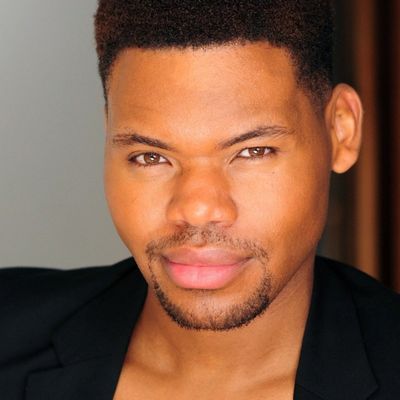
In this Artist Exploration, Devere (Broadway's Chicken & Biscuits) and Charlie discuss Devere’s road to NYU, discovering who you are as an artist, changing dreams, a career as a multi-hyphenate artist and being ready for the moment... Read More
From the show: Mapping The College Audition: An MTCA Podcast
Guests
Featured Shows

About
In this Artist Exploration, Devere (Broadway's Chicken & Biscuits) and Charlie discuss Devere’s road to NYU, discovering who you are as an artist, changing dreams, a career as a multi-hyphenate artist and being ready for the moment.
You can follow Devere on Instagram and Twitter. Be on the lookout for Season 2 of Sherman’s Showcase and Astro on Apple TV coming this Fall.
If you have any questions about the college audition process, feel free to reach out at mailbag@mappingthecollegeaudition.com. If you’re interested in working with MTCA for help with your individualized preparation for your College Audition journey, please check us out at mtcollegeauditions.com, or on Instagram or Facebook.
About MTCA:
Musical Theater College Auditions (MTCA) is the leader in coaching acting and musical theater students through the college audition process and beyond with superlative results. MTCA has assembled a roster of expert artist-educators who can guide students artistically, organizationally, strategically, and psychologically through the competitive college audition process. MTCA provides the tools, resources, and expertise along with a vast and strong support system. They train the unique individual, empowering the artist to bring their true, authentic self to their work. MTCA believes that by helping students reveal their potential it allows each school to connect with those who are truly right for their programs, which in turn guides each student toward their best college fit.
About Charlie Murphy:
Charlie is a proud graduate of Carnegie Mellon University’s BFA program. As an Actor he has performed with theaters such as: NY Public Theatre’s “Shakespeare in the Park”, The Pearl Theatre Company, Hudson Valley Shakespeare Festival, Chautauqua Theatre Company, Kinetic Theatre Company, and the Shakespeare Theatre of DC.
With MTCA [Musical Theater College Auditions -- mtca.nyc], he has been helping prospective theatre students through the college process for over 15 years. As a Teacher and Director, he is able to do a few of his favorite things in life: help students to find their authentic selves as artists, and then help them find their best fit for their collegiate journey. Through this podcast, he hopes to continue that work as well as help demystify this intricate process.
This episode was produced by Meghan Cordier and Charlie Murphy. Episode theme music is created by Will Reynolds.
Transcript
This transcript was automatically generated and might contain errors.
[0:10] Charlie Murphy: Hello, hello, and welcome to Mapping the College Audition, a podcast where we explore the landscape of the college theater world and try to demystify this daunting audition process.
[0:21] Charlie Murphy: I'm your host, Charlie Murphy, director of MTCA, Musical Theater College Auditions. And today we have a fun show lined up for you.
[0:29] Charlie Murphy: Devere Rogers is on the show. DeVere is a sweet friend of mine from the Performing Arts Project. He also taught for MTCA a bit in our professional division pilot. You'll hear us talk about that in the interview. And he's just a light in every room he walks into, including this Zoom room where we recorded today.
[0:48] Charlie Murphy: Today is an example of our artist exploration episodes where we're gonna look at the college process and how that carried forward into the career of some successful artists today. Specifically, DeVere is, you know, an actor and a writer. Um and so we're kind of talking about how his college experience influenced both of his careers. We're gonna try throughout these episodes. A lot of the people we have on will be actors, um, but we're gonna try to show you some different career types too and some different paths and possibilities with a theater education as well.
[1:17] Charlie Murphy: Today with DeVere, we talked about discovering who you are as an artist. We talked about him as a fashion icon with socks as wristbands. Um, we talked about doing the thing. We talked about changing dreams, navigating the slashes and what it is to be a multi-hyphenate artist, an actor, a writer, a producer. And we talked about being ready for the moment.
[1:39] Charlie Murphy: Next week, we're gonna have Caitlin Hopkins of Texas State on the podcast in another of our college deep dive episodes. But for now, let's get to DeVere.
[1:54] Charlie Murphy: Awesome. Well, I am here today with Devere Rogers. DeVere is one of our true multi-hyphenate uh artists that we're gonna talk to. He's an actor, he's a playwright, he's a screenwriter, he's a producer, he's a director. He has a BFA in theater from NYU Tisch. Um, as an actor, he's been in lots of theater and TV and movies, including Robert Bridegroom at uh Roundabout with Alex Timbers. He was in Grey's Anatomy, Crazy Ex-Girlfriend, Will and Grace, a pilot called Friends in Law, Sherman's Showcase, a movie called My Spy with Dave Bautista, and he just finished filming an HBO pilot called OK Boomer with Patti LuPone.
[2:36] Charlie Murphy: Uh, as a writer, DeVere also has written a short film called Yin and Yang. Um, he's written an off-Broadway workshop called Excuse Me, Ladies and Gentlemen, which I got to see at TPAP when we were there. It was very great. Um, he's currently developing uh several film and TV projects with Fox 21 and FX, including 4 Low. Also, as a fun fact, DeVere is in every commercial that you've ever seen in the world, including a recent Super Bowl commercial, and somehow every basketball game that I watch has DeVere in a car, just bopping along with a little hood ornament or whatever that commercial is. I cannot not see that every time.
[3:13] Charlie Murphy: DeVere, how are you, man?
[3:15] Devere Rogers: Oh, I'm so good. I'm so happy to be here with you. It's you know, you know, we got you know, we always have that bond, you know. You bring you bring all the good things out of me.
[3:25] Charlie Murphy: Oh, I hope so. Well, how do we do in the bio? Anything that we missed there?
[3:28] Devere Rogers: Oh no, that's that's y'all covered the all the bases. I'm I was surprised. I was like, oh wow, I did do that. I did that too. Beautiful, great.
[3:36] Charlie Murphy: Well, DeVere has so many hyphens. We're really gonna start off um as an actor as we sort of talk about the college journey with him, and then we're gonna transition into all the things that make him the special artist that he is. Um I'd love to maybe start off with if you remember when you were like 17 years old and you're looking at colleges. So you're thinking about, I might want to go to a school for theater. I think it's back then it was specifically musical theater, right? What was some of the what were some of the things and the goals that you were looking for in a school as you were considering maybe this school, maybe this school, if you can remember all the way back then?
[4:10] Devere Rogers: So honestly, my goal was when I was thinking of schools and looking at schools, my goal was that I wanted to be in a city that I felt immersed in theater, that I felt immersed in uh sort of like the culture of theater, working people doing it, people doing theater, uh specifically musical theater. And so, like I at 16, 17, my first thought was always like, I want to go to New York City. You know, when you when you're not from New York and you and you see Broadway and you love Broadway, it's like the first thing in my mind was like, New York City, that's I'm going to put my name in lights, you know. And so I was like, well, the highest sort of like honor is Broadway at that time, again at 17, was like, Broadway is the be all end all.
So if I'm going to do Broadway, I have to be in the city. And well, and again, it was very different because I had a lot of friends who were looking at a lot of different schools and that were great schools. You know, the training is great everywhere, but just be, I'm just like, I just had to be in the city.
[5:13] Charlie Murphy: Do you do you remember how many schools you auditioned for?
[5:17] Devere Rogers: Oh, so it's Charlie. I know we we've talked about this in the past, and I know this isn't always the best thing to say, but I only auditioned for one school. And I would say that it's again, I don't tell I every time I get asked this question, I always say, I'm not saying do what I did, but again, for me, I was the type of person where I knew that I wanted to go to NYU. And that was the only school that I auditioned for. Um, because also at the time too, like when I was auditioning, we had just like lost my dad. And so like we just didn't have the money to like travel to schools to do the thing and like do all the application fees or whatever, like that. So I had to be like, uh I'm going to NYU and I'm gonna apply for it, and we're gonna go, me and my mom.
We went to New York uh for like three days. I did my audition, and I was just like, this is this is this is it, this is where I'm going, you know. And and it was, and it was truly, I tell people it was a leap of faith. It's something that I do say is not the smartest thing to do, you know. But for my situation and also where I was personally just in life and like in mindset, I was I was very um driven that NYU was it for me. Um, I didn't even know about uh like the the unified and like I had no idea that that was even a thing. If I would have known that, I probably would have done that, you know, just to do that.
[6:45] Charlie Murphy: If you sat down with MTCA, we would have been like, that's a risky list to be here. One school is a bit risky, it's a bit risky. One of the most competitive schools, so great. I know taking it.
[6:54] Devere Rogers: And but but I but again, that's why I tell people and I and I tell people my story because I say everyone's story is different. Everyone's path is different. Everyone's journey is different. Uh, it's weird to think back on it because especially when I talk about it, especially like with you, Charlie, I'm always like, Oh, oh yeah, maybe, maybe I should have just maybe I should have had a backup. You know, but I'll tell you though, we talk about sometimes that naivete is a helpful. It gets you through it. You didn't know that there was no parachute.
[7:23] Devere Rogers: So you jumped and you landed. I had no idea. Let's talk a little bit about so let's now phase you forward to NYU. Let's say you're you're uh I'm thinking about those college years. I know that's such a specific educational experience. Yeah going to that school. I'd love for you to sum it up in like a couple words like what was it like for you? Tell me about what your NYU experience was.
[7:46] Devere Rogers: Um so my NYU experience was um a lot of things. I would say to sum it up in a few words, it was everything that I thought it would be but there were so many surprises on the way that sort of informed me as an artist and as a person that I wasn't prepared for. Like I would say NYU because it is NYU and because like the name and the prestige and the people who come from that school you sort of go in with an idea of what the experience is going to be. And I think that's with any school you know especially coming in as you just graduated high school I had this idea of what I thought school was and it was the complete opposite you know like and so I think NYU was definitely a learning um it was true like a culture shock and I truly like learned so much about myself I learned so much about you know art and how and my place in it and also being confident in that. And I think NYU really fine-tuned that for me.
[8:48] Charlie Murphy: I'd love to talk maybe a little specifically because I know um DeVere's alluding to the fact that we've done this before. DeVere's wonderful interview for us, um, for our alumni division. We did an alumni division pilot uh this winter, and he gave this great um hour to them about writing and what it's like to discover your artistry. So it's you know, poor DeVere is gonna make him repeat some answers. Um but the uh I'd love to hear about that because I know that that in college you had that experience where you go, I know I still want to be an actor, but I know there's this other voice coming up inside of me. I know I want to write and create and produce and do some other things. I'd love to hear a little bit about kind of when that happened, how that happened, and maybe specifically if school or the environment helped you discover what that second voice was, how all that happens.
[9:30] Devere Rogers: Yeah, so I mean, just when you first of all, when you're at school, especially an art school, like you're gonna be surrounded by so many artists and so many different people and who do so many different things. And NYU was a school that had under the sort of umbrella of Tisch undergrad, there was like seven different studios. So there was like Adler, there was Strasbourg, there was classical, there was playwrights, which was like the you know, people who wanted to write and do tech. There was Cap 21, which is where I was at, which was a musical theater. So you had all these people who were doing all these different things, and while there, you can't help but be immersed in every aspect of the craft that is what you know, that is theater, that is acting, that is writing, that is everything.
And I so for me, you know, I started to hang around a lot of um friends and be around a lot of people who were not only actors but were also like directing, and they were also writing, and they were also, you know, doing the things because NYU they have you when you're undergrad, they have you um freshman year do like tech, they have you do writing, they have you do, they have you learn the light board, they have you do all the things so you can just sort of be immersed in it.
[10:41] Devere Rogers: And I had a create your own work class, um that I took, and it was sort of the first time where I was able to like truly sort of delve into my writing mind. And it's crazy because growing up I used to write stuff all the time, but I but I always sort of dismiss it as like, oh, it's just something I do, like you know, when I'm bored or like you know, when it's when I'm just by myself, and being in this create your own work class really let me have the confidence of like, oh, I can actually do this, you know, like I can actually do this writing thing. And so in school, it was probably like sophomore going into junior year. I um started to work write my first play, you know, and it was and it was one of those things where it was so I I was scared at first, but like as soon as I started, I ended up writing like I like through four notebooks of the play.
My first ever play I ever wrote, y'all, was like a 270-page epic musical theater hip hop spoken word, uh singing, like very it was very Hamilton before Hamilton was a thing, like it was a whole moment.
[11:50] Charlie Murphy: Are you saying on this podcast you wrote Hamilton?
[11:53] Devere Rogers: I mean, I was like saying that Lynn was in the room, just I don't want to say that out loud, but it's fine. Uh no, I'm just fine. I'm just playing, I'm just playing, I'm just playing.
[12:03] Devere Rogers: But he got the idea from you, yeah, exactly. Yeah, but but but for me, it was that thing where it was like the it opened up Pandora's box in me as a as just an artist because it was like, oh wow, I've been, you know, practicing and wanting to do this this acting thing for so long and sort of like putting this writing thing to the side, and it's like, oh, I can do both, and then to have teachers and and peers and friends be like, yeah, you can totally do both. Like you can do it, you know. And so I really started to lean into the actor writer, you know, realm. I started off as a playwright. And then after that, I started um transitioning more into to film and TV, which is a whole other beast in itself, you know.
[12:47] Devere Rogers: And if I remember correctly, that 270-page opus then turned into your first feature film. Is that true? That that eventually it were, you know, in a different form, maybe not seven pages. Yeah, it ended up turning into a feature film because at school at NYU, we actually did a reading of it. The reading was like three hours and 45 minutes, but everyone stayed in the city. That's a sit-in. I know, that's a that's I noticed. Um, it was epic to say the least, and it had like two intermissions, and literally everyone afterward was like, this was so great, it's too long, and also it needs to be a movie. I was like, copy, copy, copy that, copy that, got it, got it, got it. So I like, so it was it was also the first time that I like was sort of like, well, how do I make it into a movie?
You know, and I sort of did my own research and read a lot of books and read a lot of scripts, and that's what I tell people, it's just like, you know, you don't like it's great if you go to school for like the thing, but you can also learn on your own because I'm one of I'm a self-taught writer, you know. Like I didn't go to school for writing, but if it's something that you're passionate about, or something that you love, read the books, read the scripts, immerse yourself in it, because that's how you become good. You become good by practice and by doing it. Like, and that's and that's sort of how I was in school, where you know, I was like, I want to do the thing because I feel like sometimes, especially theater training, they get so caught up in the training that they sort of like discourage, you know, students from doing the thing.
And for me, I was always like, no, I want to do the thing. Like, that's how I that's how for me, that's how I learn. Like, I'm that type of learner. Like, I'm an on set, on site, you know, type of person where that's how I'm gonna pick up my best work and also the best lessons that I learned is from doing the thing, not talking about doing the thing. And I think, especially in theater school, there's gonna be such a thing of like, who are the people who will let me do the thing? How do I get to the rooms where they'll let me do the thing? Right. You sort of spend all your time thinking about how do I allow someone to let me make my art as opposed to being you you can go do it. It's exactly doable. You don't need someone to tell you it's okay.
[15:02] Charlie Murphy: Exactly. Um, we're getting way off track because we have to play our game. We have to play our college flashback round game. Oh this is the exciting part of the episode where we get to the game show element. Come on, game show. You can try to get 12 answers in 60 seconds. 12 is the winning amount that we're trying to get. These are all about your college experience. Devere from 18 to 22. Oh god. There's 60 seconds on the clock. Are you ready to play Devere? Okay, let's play. I'm ready. Favorite show you did in school.
[15:31] Devere Rogers: The Wild Party.
[15:34] Charlie Murphy: Class you never use again in your life.
[15:36] Devere Rogers: Theater history.
[15:37] Charlie Murphy: Worst fashion choice.
[15:38] Devere Rogers: Uh, socks as wristbands.
[15:40] Charlie Murphy: Weirdest acting exercise you can remember.
[15:43] Devere Rogers: Uh, rolling on the floor.
[15:45] Charlie Murphy: Ever possess a fake ID.
[15:47] Devere Rogers: Yes.
[15:48] Charlie Murphy: Ever slept through a class?
[15:49] Devere Rogers: Yes.
[15:50] Charlie Murphy: Farthest character from your age range.
[15:55] Charlie Murphy: Worst audition you ever did in college.
[15:56] Devere Rogers: For The Color Purple, the musical.
[16:00] Charlie Murphy: Nickname most likely to be called in college.
[16:02] Devere Rogers: Uh, the loudest in the hallway.
[16:06] Charlie Murphy: Um, what's the part you want to go back and play again?
[16:08] Devere Rogers: Cole House Walker Jr. in Ragtime.
[16:10] Charlie Murphy: Class that you wish you paid more attention in.
[16:13] Devere Rogers: Oh, we'll never get to know.
[16:15] Charlie Murphy: Now, my musical theater heads up there, I can hear them. I hear them out there in the future asking which Wild Party.
[16:21] Devere Rogers: That's the kind of thing they wanted.
[16:22] Charlie Murphy: Oh, I know.
[16:23] Devere Rogers: Um, the LaChiusa.
[16:25] Charlie Murphy: But I didn't want to waste your time and ruin your game and that. Megan, I don't think we got 12 there.
[16:28] Devere Rogers: What was like nine?
[16:29] Charlie Murphy: I think we got 10.
[16:31] Devere Rogers: Oh, so close.
[16:33] Charlie Murphy: Devere, you get a runner's up prize of nothing.
[16:35] Devere Rogers: Um, oh wow, wow, wow.
[16:37] Charlie Murphy: Devere, I would like to go back to the socks as wristbands.
[16:40] Devere Rogers: Oh, Megan does.
[16:42] Charlie Murphy: Could we talk a bit more about that?
[16:43] Devere Rogers: I almost missed it. So it was a thing that started my senior year. It was for like, I'm sure as you know, high school as they have the senior week and they have the days where you do like pajama day, da-da-da. So it was tacky day where you just had to come in or mismatch day or whatever, like that. And so I was just like, you know, I'm gonna cut these socks, and it's the top of the sock, so I like, you know how the top of towels have the ribbing. So I like cut the sock and like put it on my hand like a wristband, and just like rocked it as a wristband. And I carried it into freshman year, and people would be like, that is so weird. But then there were a few people who started to do it, so I was a trendsetter.
[17:30] Charlie Murphy: Yeah, first the socks and then Lin-Manuel.
[17:33] Devere Rogers: I mean, it just feels like everyone starts stealing. Um, tell me about that Color Purple, the musical audition.
[17:39] Devere Rogers: Okay, so NYU, and I don't know if how many other, I'm sure there are a lot of other theater schools who do this too, but they didn't like you auditioning, like in the world, they like you to like be immersed in the training, and me, I'm also very anti, so I was like, no, like I'm gonna audition. Like, this is why I came here to do again, going back to I like to do the thing to do the thing, and so I was just like, so I like left class to go to the Color Purple audition just because I was like, I'm gonna show them like, you know, like I'm gonna be on Broadway before I get my BFA. And so I went to this like ECC where we had to do, it was like 16 bars, and you had to do like an R&B or like Oswald's alg.
And I tried to do Stevie Wonder because everyone, because they, because a friend of mine who was in the show was just like they love to like if you're a tenor, they really want to hear your tenor. And so I went in there, I don't know who I thought I was. I didn't warm up, I just was like, I'm gonna go in there and I'm just gonna like, you know, sing with passion.
[18:47] Oh yeah. It was so bad. And the musical director just looked at me and was just like, how old are you? And I was like, thank you. And she was like, Thank you so much for coming in. Thank you. And I was like, Thank you. It was so bad. But um, follow rules in school, everyone. Follow rules in school. I just was a very, I was just very anti, just because what I didn't want was to graduate and not know how to audition. Because there are a lot of theater schools, which I think it needs to change, and I want to be an advocate of this. I'm gonna say this on this podcast. Y'all need to prepare people for the real world. And I think a lot of theater schools and training don't do that. Really let people know how to.
It's great to know the training and know how to get into the characters and the craft and all that, but we you also have to know how to book the job. And so for me, I realized that NYU wasn't big on that. So I was like, well, since I'm here, might as well get my practice. See if I can hit these notes. Let's see what happens.
[19:57] Devere Rogers: These notes and see what happens. I'm gonna shout out someone else, another one of our TPAP friends, who is a voice teacher. And she has told me in the past, and she just says this to people, and I'm sure it's true for real people. But she says, you can hit your highest notes first thing in the morning. Like there's some you can screlt and hit your lowest notes. But like whatever the whistle tones are only available to you first thing in the morning. And I have never found that to be the case.
[20:21] Charlie Murphy: I'm about to say, I get no sound.
[20:21] Devere Rogers: I get no sound. It's literally just air.
[20:26] Charlie Murphy: Are you just Zito?
[20:34] Devere Rogers: No. I'm sure it's right. I'm sure it's true for people who know how to sing. I'm just not one of those people, so it's fine. Um, okay. Uh let's talk a little bit, let's maybe switch to you've now graduated from NYU.
[20:44] Charlie Murphy: So you're 22, 23, you're feeling good.
[20:47] Devere Rogers: Let's talk a bit about navigating that time. Um, and I know specifically you had the, we can even get into the journey of what it was like in NYC and then what the LA situation was like as you moved into LA. Maybe let's start with right out of school, what that felt like for you.
[21:01] Devere Rogers: Oh, right out of school, it was very much about just doing the thing, you know, auditioning for all the stuff, doing the thing, and also being in New York City. It was just like, all right, well, I don't have the sort of safety net that is school anymore. So it was about how like finding the job, finding the job that also allows you to audition, you know what I'm saying? Because that's also a big thing too. And finding the right job for me because waiting tables was not it that's not in my ministry. Like I did it for two hours, and someone gave me attitude, and I was like, oh yeah, this isn't no no no no no, I can't do this. So I had to find a job that fit me, you know, and but also was flexible.
And I think that for me was the biggest thing coming out of school was like, okay, how do I do the thing, you know? Um, and then that getting into the sort of grind that is auditioning, especially in musical theater, you know, for theater period, musical theater or plays. It's like there is a grind, there is a signing up for EPAs, ECCs, waiting at the equity building, waiting, and especially if you're non-Equity too. Oh my god, don't even get me started. Like, I was blessed enough to like have my equity card, you know, fairly early. So it was easier for me than some of my friends, but like that non-Equity grind, like waking up at four in the morning to get there, get on the list, and the list is unofficial, so the monitor doesn't, you know, it doesn't validate the list because it's you know, it's just it was it was one of those things where I tell people once you graduate, just that first year after graduation when you're doing the thing and auditioning is gonna let you know if you really want to do this or not, because it is a tough road, you know, and it and rare are the stories of like coming straight out of school and you know, going to your first auditioning and being a Broadway star, starlet.
Like it's rare, it happens. And I'm not saying it doesn't happen, but the sort of like majority of the journey is you have to put in work and you have to, you know, go there. So like after school, it was just like auditioning a lot and then like doing regional stuff, you know, booking a lot of regional stuff, and then started booking some off-Broadway things and um and still steady, you know, hoping to go to hoping to shoot for the stars, which is Broadway, and like auditioning for those. And I think for me, I tell people like that was my sort of like journey and like day-to-day grind for about three to four years, you know, three years after school, and then I and then my sort of like my dreams and goals changed.
[23:41] Devere Rogers: And I tell people, like, you know, I felt like my life opened up and my artists opened up and my dreams opened up when I realized that, you know, my dreams were bigger than an eight-block radius. You know what I'm saying? And I feel like some people they when I feel like Broadway is huge, and it is huge and it is monumental, but also there's so much more, you know, that artists and theater artists can do than Broadway, you know. And I think I realize that. I realized like, oh, I for years from high school to now, like Broadway was be all and end all. And once I really, especially like once I have once you know people who's on Broadway or know people who do it, you realize the allure sort of starts to go away because you realize how they talk about it, and they're just like, yeah, it's great, but it's like not all that, you know what I'm saying?
And you'd be like, wait, what? Like, you're doing the thing eight shows a week, and it's like it has to be a dream come true. And literally everybody who I know who's been on Broadway who has done the thing is like, it's great for like the first month, and then you're like, okay, you know, and for me it was like it, but again, it's not even to say that that's a bad thing, but it's just like putting everything in perspective. Because when you're young and naive me, I'm just like, this is it. Like, once you do that, then that's it. And I'm gonna do it for the rest of my life, you know, and then realizing like, no, you can do that. And then there's also so many other things that you can do, you know, whether that's film, whether it's TV, whether it's writing, whether it's producing, whether that's you know, designing, like, there's so there's so many things that you can do that are still under the umbrella of this sort of goal or dream that people have.
Um, and so after school, I just realized that and started to make that transition to like film and TV. Um by moving to LA and like just f because for me, I'm also in the state of mind where it's just like, you know, you only live life this way once, so why not go for it?
[25:42] Devere Rogers: You know what I'm saying? It's like, why not try the thing? And LA was a leap of faith for me, but because I also knew that if LA didn't work out, I could always come back to New York because New York is a city where it's once you learn it, once you know it, once it's in your bones, you can always do it. Like that, like I know I knew what that life was like, and so I tell people because I have a lot of people who ask me, you know, like New York or LA, New York, LA, New York, LA, and I'm like, it really depends on what you want to do. You know, like for me, I'm so glad I went to New York first and then came to LA and not vice versa, because I feel like New York just made me the person that I am and the artist that I am, which made me even more confident coming to LA, you know.
Um, but I think it's just about truly discovering who you are as an artist and what you want, and sort of like balancing the 17-year-old dreams with like the 25, 26-year-old dreams because they be because they're different, they change and they morph. And it's and it's and it's rare that you know when you're when you go from 17 to to even 27 that the dream is still the same. It had it's just the the way of life, like it just it just morphs into something else, you know.
[26:54] Charlie Murphy: It's so true. And it's a I mean, we talk about that in the college process, even just in six months or a year of how it can change, but the bravery of acknowledging I want something different than what 17-year-old me wanted, or then 25-year-old me then, or then 35-year-old me wanted. I mean, you know, it's yeah, yeah, there's a bravery to go, yeah, that's okay, I'm shifting. Doesn't mean I failed my previous self just because I'm saying I want something different now.
[27:16] Devere Rogers: Yeah. Um, not to keep getting deep and dark, but I would love to go and flash forward to maybe one of those low points in LA, um, which I think a lot of people, especially people who are writers, um, are gonna have where you've yeah, moved to LA. You feel like you've made this huge mistake, I'm sure, because you know all the work you're looking in theater in New York is gone, right? And now you're writing and you're figuring it out. And I I guess I I'd love to hear a little bit about like in those moments. How did you stay motivated? Because you did, obviously, you stayed motivated enough to write and to you know make it through those troughs to now this real uh moments of real success. How did that happen? What did you do? How did you keep yourself inspired in those those difficult dark moments?
[27:58] Devere Rogers: Oh, yeah. I mean, coming to LA, it definitely was I had to start over because all of my work and even all of my reps and stuff were New York based. So it was like I I it was like I've truly had to start from scratch, and it feels like that, you know. So when I first moved, that first year or two was just like really building yourself from the ground up and like getting in the right rooms and and so for me the thing that kept me motivated that kept me sort of sane was the work was diving into the writing was you know also being surrounded by you know people who inspire you people who pour into you um because I think having having a a great tribe is also a thing that I think gets people through the low times and and keeps people motivated um but it was like you know in during those times when it's not busy when you when you're not like having meetings or when you're not auditioning or when you're you know when the phone isn't ringing it's like that's when you I feel and that's sort of what I did was like I really leaned into working on my craft working and getting better so that when those calls start happening when those auditions start happening you're ready you know you it's not like you've just been sitting here you've been sitting here but you've been doing work so that when the opportunity comes you're prepared you know for opportunity means preparation equals success you know so um I think that it but it's but again it's easier said than done you know but it is I'd say that I say that because especially out here in LA and what I love about LA is that each opportunity could be a life changing moment. You know what I'm saying? Like I think that's what's so beautiful about LA is that like if any audition, any meeting could be the thing that changes your life, you know.
[29:51] Devere Rogers: Um, and that's what sort of really made my life and sort of like opened up my eyes about LA when I came to visit before I moved. I was like, anything is possible out here, you know, like anything, like literally, like anything is possible, you know. And so that sort of um energy and that sort of mindset also kept me motivated because I was like, when that opportunity comes, when that thing comes, I want to be ready. You know, I want to say, yes, I have that sample script. Yes, I have a monologue, yes, I have a scene, yes, I have whatever, you know, ready, so that when that opportunity comes, it's not like, oh no, I gotta let me work on it. Let me, I gotta finish this draft. It's like, no, you gotta be prepared, you know.
And I think that's even more for LA, because LA is that type of town where you'll meet someone at an event or you'll meet someone at someone's house who's an exec or a director or you know, whatever. And then you say you're a writer, and they'll be like, oh great, what do you write? I write this. Oh, great, send me your stuff. Oh, okay. Um I gotta, you know what I'm saying? Like you, you you have to be like, sure, what's your email? Like, it can't be like, oh, I'm just I'm just working on a little something because then you miss your opportunity. You know, so I think, you know, in those, in those lower points, I realized like, okay, instead of focusing on the low or feeling like I'm not doing the thing, let me just prepare myself for when the stuff starts happening.
Because it will. And I tell people it's a it's uh, you know, it's a marathon on a sprint. Like you, it it takes I you know, there's that old saying, it takes 10 years to be an overnight sensation, you know. You know? And that's that's just the reality for most actors, you know. Like, like you you won't get your due, you won't get your flowers until you're 15, 16 years into the game, and then everyone's like, newcomer Devere Rogers. And I'll be like, newcomer, knock it out here.
[31:50] Charlie Murphy: Oh, it's so true. And I love that quote. I made you say it like three times last time. I was like, What yeah, he's an overnight ten year overnight success? I love that quote. I also love that you were ready with the success plus talent. I tried to do that. I was one of the whatever I guess I was trying to be like, oh yeah, and then preparation plus success equals, oh no. And there was like a greater than equal sign in there, and I like messed it up. I didn't have the equation. I wasn't ready, but you were ready with it. You're like, I'm dropping this talent, plus preparation, plus opportunity, plus mix in the dash of salt. You're you have uh, you know, a little song in there, you know, equal success.
[32:23] Devere Rogers: Um, I'd love to talk a little bit about um specifically the kind of multi-hyphenate life. Um, you know, I think for some of our our younger students, they may not be used to to hearing those those phrases or that idea of of having multiple artistic pursuits that you're kind of doing at once. Um, was there a moment ever where you felt like afraid of the hyphens in terms of like I don't want to tell someone I'm a writer instead of an actor because I want to be in this movie. I don't want you to think I'm gonna be writing the movie, or you know, it's did you is that interesting for you?
[32:53] Devere Rogers: Oh yeah, I think it's it's a huge thing. And again, I think I think honestly, when I came out here, it was definitely told to me you have to be one or the other. You know, like you, it's like either you're an actor or you're a writer, or like either you're a writer or your director, or like either you know I'm saying, like you can be a random director, like you couldn't be an actor writer. Like you had to like choose, and again, as I said earlier, I'm very anti, and I was like, No, I'm not choosing, you know, like I can do both, you know, but I think also too, what makes it easier for multi-hyphenates now is because you have you've seen it in so many people. You've seen it in like the Donald Glovers, the Issa Rays, the Rami, Aziz, Ansari, like you see these, these sort of hyphenates that are doing the thing, they're acting in the thing, they're writing the thing, they're producing the thing, they're directing the thing.
And so it seems more, you know, feasible, more plausible. Whereas in like 10 almost and even 15 years ago, they people really tried to make you feel like you had to choose, you know. And so I think for me, when you are uh a hyphen, I think it's actually now, especially in today's day and age, and especially after the pandemic and everything, like it's people's superpower, it's your superpower if you can do more than one thing. And honestly, a lot of people, especially in Hollywood, are expecting you to do more than one thing, you know, especially, especially if you're like having general meetings or having things, you know what I'm saying? Like, if you're meeting casting directors as as uh an actor, they're gonna ask you, so do you do anything else?
Do you write, you know, like because there are there are actors who also are in writers' rooms for the show that they're acting in, you know what I'm saying? So it's like they wanna they want to make sure that you're as well-rounded as possible. Because there are also people out there who who are just like, that's not my ministry, I don't write, I just act, and there's nothing wrong with that. But if you have an inkling or have a feeling like there's a story that you want to tell, or there is a character that's in you, I'm always like, just do it. You know, like you never know what that will lead to. Because it it really can change your life. You're one, you know, inkling of a thought, and you just write one little scene can turn into the next hit show. Right. And then someone someone else steals it, and it's Hamilton. I mean, that's it.
[35:09] Devere Rogers: And exactly. Exactly, Lynn. I'm coming for you, Lynn. So I'm just saying. I'd love to ask about I'm always curious. Um, with people who, especially with people who are active writers and active actors in the way that you really are actively doing both. Um, when you're creating something, are you thinking about parts that you're gonna play in it? And like, are you writing, I'd be really good in this role? Like, are you writing for yourself or are you writing it and then letting yourself in?
[35:33] Devere Rogers: You know what's so I tell people I tell people that um I'm I feel like I'm sometimes the anomaly because a lot of at least actor writers I know write for themselves, and I'm the opposite. Like, I don't like to write for myself. I just want to make sure that I always just tell the most authentic story possible. And if somebody does it better than me, I want that person to do it. You know what I'm saying? Like that's just your story. I went who's exactly, you know, like whoever can tell it the best. Like, and so I think that's always where I write from. I tell people, like, you know, and talking to other my actor writer friends, like it brings me just as much joy and just as much pure uh happiness to see someone else say the words that I wrote than to say the words that I wrote, you know, or to be in the thing, like to just know that like it's getting out into the world with these great actors.
It's a script that I wrote, so script that's good. Like for me, that is just as um powerful and just as meaningful than to be doing it myself. So mostly everything that I write, I don't put myself in, except there I'm working on this show with FX. I'm in that because I'm co-wrote it with my best friend Trace Lassette, and she basically said she wouldn't do it without me. So I was like, well, I guess I'll I'll be in it. Fine, I'll start in a TV show. Fine, I'll start on a TV show, it's fine, you know.
[36:57] Devere Rogers: You know, um, I write like a lot of stuff I write, I write specifically for like, you know, actor friends who I think are so talented who haven't gotten their shot yet, who haven't gotten their chance, you know. Like, that's another motivation for me to be like, Yo, I'm gonna write you a role in this. Cause I because I people just need to see you do your thing, you know. And and again, that's that's a lot about how Hollywood works too. You know, like that's how a lot of people get breaks, is like knowing the people who have the connections who have the thing to be like, hey, Charlie, I got a little something for you. You wanna come and you? You both just from talking, just from talking, mom, I'll call you later. Sorry, I'm booking. I have a booking.
[37:38] Devere Rogers: I want to talk a little bit about you know that moment of the you know when real success or real financial success or real potentially this thing is gonna be a movie or gonna be a TV show in a in a real, you know, um large-scale Hollywood way. How does that affect the creative process for you? So do you have you ever found yourself going, well, I was gonna tell this story, but now I think this is gonna hit this thing, and so now it's how does the money influence it all, I guess.
[38:03] Devere Rogers: That is a great question. So the money, I think. Well, first of all, the money, money's always great. It's always good when you, you know, when you you got a little cushion, it's always good. But honestly, I would say the bigger the project, what I've realized, even and working with networks and things like that, it's honestly uh more, it becomes more chefs in the kitchen, you know.
[38:29] Devere Rogers: So it becomes more than just like, I want to do, I wrote this great thing that I love, and my friends are gonna shoot to like, no, this show, this episode costs 2.5 million dollars, and there's 12 people who want to make sure that this 2.5 million dollars is being used right and is going to get them, you know, 10 times that. You know, so it becomes a thing where the true art of compromise and collaboration comes into play when you have big money involved because you're not the one paying for it, there's someone else paying for it. You know, whereas if you wrote your own short or wrote your own thing that you're doing yourself, then you can do whatever the hell you want to do. But when you have to meet certain quotas and be aligned with certain people's interests and also certain people's brands, because every network has their own brand, it becomes a thing of like, okay, so how do I tell this story that's authentic to me, that's real to me, in the way that this network or studio or financier feels comfortable that works for their brand?
You know, like it becomes more about the compromise of it all than, I mean, the story, of course, is still very important, but it's just like how do I tell this story through this lens now? Yes, you know. Is it sanitizing it? Is it taking the risks out? Like, where do you feel like the influence of like what are you resisting as you feel 12 voices?
[40:01] Devere Rogers: I think honestly, sometimes it can be sanitizing it, sometimes it can because when you get to a certain level, whether that's network, whether that's a featured film, like that's in movie theaters, whatever like that, you ultimately those people want to reach as many people as possible, right? So it's like you can't just write for a specific audience. You have to, even if it's a specific story, you know, people all over the world have to connect with the specificity of your story. And so I think that's where it comes into of like you have to start changing your mindset. Like I have this very specific story, but because we want, you know, the people in South Dakota and the people in Istanbul to love it, how can I write it in a way that they can identify with the story and the characters as people in their own lives?
So for me is what I've come across especially, you know, being an artist of color is like you want to be true to who you are and your experience but also you want people to understand and also see you and your experience in their lives as well, you know, so it's just like finding the balance. When you get to that level, you really do have to find the balance and that's with any show, whether that's TV, whether that's film, whether that's Broadway, whether it's whatever, you want to reach as many people as possible. And I think that's when the big money comes in, that's what you're sort of juggling.
[41:27] Charlie Murphy: Makes a lot of sense. You've segued us perfectly too. I'd love to talk a little bit about how the industry is changing in this year of 2021, especially after a crazy pandemic year and then also a year of real demand for kind of racial equity in the business. How have you felt the LA producing world reacting differently in 2020? And especially maybe for our young students of color who might be listening, is there anything they can glean from how the world hopefully will look different or has looked different in your experience?
[41:27] Devere Rogers: Yeah, I would say the beautiful thing is that Hollywood, especially in LA, can no longer say that they didn't know they had a problem. You know, like they can't hide behind the well, we didn't know. No, everyone knows now, you know, and I think because everyone knows now that they are trying to be better. We still have a long way to go, let's be very clear. But people are trying to be better of like listening to and honoring and putting money behind other people's experiences, you know. And so we're not just seeing, you know, cis hetero, you know, white men and women, you know, do every situation under the sun and watch, you know, people of color or queer people do the same thing in everything.
Like we're now in a space where I think people, and especially with this young generation and the TikTok era, like people want to see themselves on TV or in movies. Like people want to see people that look like them that they can identify with. And I think that Hollywood and these studios are becoming hip to that. So it's like for the young students of color, the young, you know, queer students, it's like this is y'all's time to really shine because people want, people are writing for us. People are writing for them, you know, and stories are being greenlit, things are being made now that weren't being made not even 10 years ago, not even five years ago. Some of these stories weren't being greenlit and made.
So it's like now is the time to really do the thing. And also to sort of talk about the hyphenate thing, if you have a story that you want to tell, now is the time to write it. Because now it's even more likely for you to sell it. It's even more likely for it to get made because people again want to see themselves, and Hollywood is yearning for different experiences and yearning for different content now. And especially after, you know, the pandemic year, they're yearning for, they need shows. They need, you know, they need stuff all the time now. So the industry is definitely changing for the better. We still have a long way to go as far as when it comes to like pay equity with women and, you know, things like that.
Like we still have a long way to go. But I think the good thing is that, you know, the industry can no longer turn a blind eye. They can no longer say, you know, oh, we didn't know that it was a problem, you know, which I think is good because it's sort of making people be held accountable, and like, you know, accountability is becoming more common now than not.
[44:30] Charlie Murphy: It's so true. I feel like that is such a credit, I think, to our young artists. That like it really is, it feels like the young people graduating from school come out with an idea of, we are gonna hold the industry accountable in a way that like I feel like our generation just maybe was trying to, but didn't have the numbers or whatever it is and didn't have the tools in terms of social media and things to hold accountable in the same way. But yeah, you know, I see our students who graduate from school who just have, it's just like of course I'm gonna do that. That's the industry that I've graduated into, and that's what I expect. Yeah, it's really inspirational. Devere, I just thank you so much for your time today. Is there anything else that you wanted to plug? Of course, we're gonna see you in this upcoming pilot. We'll see you anytime we turn on a basketball game on the show.
[45:11] Devere Rogers: Oh god, the commercial we need to see you in the middle of the street. Let's see. Um, so season two of Sherman’s Showcase will be coming in the fall, which is going to be exciting. Catch that on Hulu. And I just shot an episode of this new Apple TV show called Astro with Rita Moreno, which was amazing. And that'll be coming out in the fall as well. So yeah.
[45:37] Charlie Murphy: I love it. All right, so we'll have all that in the show notes for people. And also we'll have it seems like the apps that we could find for you are it's Devere Rogers on Instagram. Is there any other ads or tags we should get you at?
[45:40] Devere Rogers: It's Devere Rogers on Instagram and just at Devere Rogers on Twitter. I am not a social media person, so like I don't post often. The only thing I do is like for work purposes. Also too, like if you could do, if I, I want to say this because I feel like people don't talk about it. If you're good at social media and that's what you like to do, do social media. Do not feel like you have to do it to be successful in the industry. That is a false narrative, that is a lie. So yeah, just had to say that because I feel like a lot of people say different things about it, but as someone who doesn't do social media, I'm very blessed to do it very well without it.
[46:15] Charlie Murphy: So heck yes. All right, we'll still tag him even though he won't add him and smiley face at him and you know do all the things, you know, but I'm just, I just wanted to say that out loud, you know.
[46:28] Devere Rogers: 100% because it's a crazy part of this business for sure.
[46:40] Charlie Murphy: Yeah. Devere, thank you so much for the time. It was so awesome seeing you, man.
[46:44] Devere Rogers: Oh, so great seeing you. Thank you for having me.
[46:52] Charlie Murphy: All right, well I hope you enjoyed that conversation with Devere as much as I did. I just think he's the B's knees as the kids would say, you know, the kids are always saying about bees and knees. I just want to take a second and do a little bit of a deep dive into this conversation we're having about changing dreams. Or if you're putting that in Charlie specific language, it might be about how your artistic mission statement is changing. Certainly in the college process, we'll talk about it that way. But also, I think just as an artist in life of what you want to do, this is the thing that makes me tick. This is the thing that sort of keeps me working. You heard me say in the episode about kind of the bravery of letting your dreams change.
And I think sometimes that can sound a little odd to people, especially young people, in terms of why would that be brave? I think it can be really hard, especially in your young 20s, late 20s, maybe even early 30s, that you're gonna feel like you're a failure somehow if you're not living up to the dreams of your previous self, like you're giving up something because now I might want this and I might not be as focused on this other thing, specifically often a career in acting, or Devere brought up that idea of Broadway and the eight-block radius of what that is, and to potentially be giving that up feels like a failure to your previous self. I think that's really natural that it feels that way, but I do think it's worth investigating and questioning that impulse in terms of why would you rigidly hold on to a past version of yourself that's no longer relevant to who you are now?
In the college audition world, often this switch is like a discipline switch. So maybe it's I was gonna do musical theater and I'm gonna do acting, or I'm gonna do vocal performance or dance, you know, maybe a kind of switch. But sometimes it's also a student who thought I want to go to this really competitive BFA environment, and then now I'm realizing I actually do have other interests, and maybe I'm not ready for that conservatory style feel, for instance. As we graduate, I think that conversation often becomes about some of the things Devere and I were talking about today. So some of those other slashes that you might take on, whether it's a side job or another potential actual career. So, you know, for some people, it's if I start teaching, am I more of a teacher than I am an actor?
Or if, you know, I wanted to start a baking business, does that now, are people gonna think I'm a baker? I'm not an actor anymore. What if I try to do be a graphic designer? What if I try, you know, these other things? Will that pull away from, you know, the capital A actor that I've tried to lead with? And that's certainly also true about, you know, whether you get into casting, whether you get into you want to be an agent or a manager or a writer or a director. You know, some of those things more fluidly go together than other things, but all of them can be really scary because you feel like it doesn't mean I'll never act again. And I think Devere is such a beautiful example. I mean, it's lucky in his case that he's both a really successful writer and a really successful actor in and of themselves and together.
But I think even in a moment where that might not happen, where you are saying, I might let this thing shift from how it was before, I think it's just worth investigating and asking yourself, what is that voice that I'm listening to that's really afraid or that would be disappointed in myself because I'm making that shift? If your heart right now is telling you, I want this thing, you know, why not leap at it? And it's worth just checking in, is that just old baggage that's holding me back versus a potential exciting new opportunity that I could go find?
[50:19] Charlie Murphy: Well, if you enjoyed this episode and you want to hear more, please hit that subscribe button. We'd also appreciate it if you were to rate and review us where you found us. We love a five-star rating if you can find it in your heart to give it to us. You can also reach out to us with questions for the pod at mailbag at mappingthecollegeaudition.com, and we'll try to answer a few of them on the show each week. If you're interested in working with MTCA for help with your individual preparation for your college audition journey, please check us out at mtcollegeauditions.com. To my young artists out there mapping their journey, do not forget to do the thing. I'll see you soon.
© Broadway Podcast Network, All Rights Reserved