

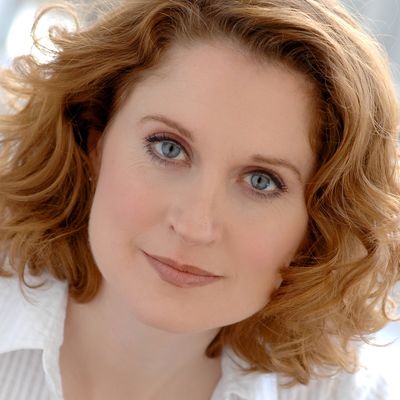
In this College Deep Dive, Christianne Roll, Musical Theatre Program Coordinator at FSC and MTCA Director Charlie Murphy discuss; 🔴What it means to be a Florida Southern student. 🔴FSC’s strong vocal education. 🔴What the people behind the table at FSC are looking for... Read More
From the show: Mapping The College Audition: An MTCA Podcast
Guests
Featured Shows
About
In this College Deep Dive, Christianne Roll, Musical Theatre Program Coordinator at FSC and MTCA Director Charlie Murphy discuss;
🔴What it means to be a Florida Southern student
🔴FSC’s strong vocal education
🔴What the people behind the table at FSC are looking for
🔴A theater career after college and cruise ship stories
If you have any questions about the college audition process, feel free to reach out at mailbag@mappingthecollegeaudition.com. If you’re interested in working with MTCA for help with your individualized preparation for your College Audition journey, please check us out at mtca.com, or on Instagram or Facebook.
Follow Us!
Instagram: @mappingthecollegeaudition
YouTube: @MTCA (Musical Theater College Auditions)
TikTok: @mtcollegeauditions
Charlie Murphy:@charmur7
About MTCA:
Musical Theater College Auditions (MTCA) is the leader in coaching acting and musical theater students through the college audition process and beyond with superlative results. MTCA has assembled a roster of expert artist-educators who can guide students artistically, organizationally, strategically, and psychologically through the competitive college audition process. MTCA provides the tools, resources, and expertise along with a vast and strong support system. They train the unique individual, empowering the artist to bring their true, authentic self to their work. MTCA believes that by helping students reveal their potential it allows each school to connect with those who are truly right for their programs, which in turn guides each student toward their best college fit.
About Charlie Murphy:
Charlie is a proud graduate of Carnegie Mellon University’s BFA program. As an Actor he has performed with theaters such as: NY Public Theatre’s “Shakespeare in the Park”, The Pearl Theatre Company, Hudson Valley Shakespeare Festival, Chautauqua Theatre Company, Kinetic Theatre Company, and the Shakespeare Theatre of DC.
With MTCA [Musical Theater College Auditions -- mtca.com], he has been helping prospective theatre students through the college process for over 15 years. As a Teacher and Director, he is able to do a few of his favorite things in life: help students to find their authentic selves as artists, and then help them find their best fit for their collegiate journey. Through this podcast, he hopes to continue that work as well as help demystify this intricate process.
This episode was produced and edited by Kelly Prendergast and Socials by Jordan Rice. Episode theme music is created by Will Reynolds with Additional Vocals from Elizabeth Stanley
Transcript
This transcript was automatically generated and might contain errors.
[0:00] Charlie Murphy: Hello, hello, and welcome to Mapping The College Audition. I'm your host, Charlie Murphy, director of MTCA. That's Musical Theatre College Auditions. Check us out at mtca.com. And today we've got Christianne Roll from Florida Southern College on the pod. For our new listeners, another one of our college deep dive episodes where we explore the landscape of the college theater world and try to demystify this daunting audition process. And Florida Southern is another one of those emerging programs we've been having a bunch of lately on the pod. So I'm always going to give the caveat that this episode may not be for everyone fully understood. This school may not be for everyone. For our juniors, our sophomores, our freshmen who are exploring their lists, I do think in general, it's great to listen on, pretty much regardless of what you think your goals are.
If you've got the 45 minutes to spare, you know, the same way we talk about with walk-ins at Unifieds later with our seniors, it's not really being about whether this specific school will be a fit for you, but maybe what you can learn through the experience, right? And I'll bet you will learn something from this discussion and these discussions in general with the emerging programs and all the different kinds of competitiveness of programs. Though again, if having the most competitive school that will have you is the number one factor on your list, if that's the biggest goal for you in your process, then this might not be the school for you. And I do think it's worth saying as we enter year six of this podcast, I'm realizing I really do have to kind of like repeat myself since most listeners don't listen to every single episode.
I see some of you out there who listen to every single episode, but most of you don't, right? I get to see those metrics on the back end. I used to be so afraid of sounding like a broken record or kind of repeating myself for the sake of our regular listeners who I assume wanted new information. But I do think some things are worth hearing a few times. And for those who might not catch every episode, I'd rather you hear it now rather than when you wait to go back three years of podcasts and in general repeating ourselves isn't the end of the world. So all of this is just to say a school's reputation and competitiveness absolutely can be a factor in your audition process. And I think that is a normal and a smart thing to consider.
Now, if you're an MTCA student and a regular listener, you're going to hear much more of the other side of things. You're going to hear us talking about the idea of finding your fit and about compatibility of a program, how like chemistry and vibes and all of that will potentially outweigh factors like how competitive a school is, right? And I think that is true in most cases, but it's just worth saying competitiveness level is part of what makes fit happen, right? When we say trust your instincts, find that fit, we're just pushing back on the idea that you have to go to the ninth most statistically competitive program over the 17th most statistically competitive program, or even we're kind of pushing back on that kind of thinking in this numerical way for what is essentially the subjective art form.
But it's not to say that competitiveness should not factor in at all, meaning how difficult the school is to get into. It absolutely should be a factor in my opinion, and I think is for many of our students, right? You know, we love sports analogies, but the one I use in this case is tennis, right? You don't want to play tennis against someone who's way better than you or way worse than you, right? Or it won't be fun and you won't get better. You won't improve if you're playing with someone who you're way better than or who's way better than you. You're going to have a lot of scene partners in your time at school, and you want to find people who are near your level so you can learn and grow together.
If you are by far the best actor in your school or by far the worst, I don't think that's ideal. Now, it's nice in a cohort that some will be stronger in something, some will be stronger in other. That's all great and natural, right? It's not like one person's going to always be pulling and leading. It's not going to boil down to like, you know, a single competitiveness level like it might in tennis, but it's just to say that's a big factor in compatibility, the competitiveness, how sort of strong a reputation is, how difficult a school to get into. That can be a real factor in this question of like, do these people feel like they're playing the same game that I am, right? That's part of compatibility.
You know, I always say when you're visiting schools, you want to be a bit overawed by the juniors. If you watch like a junior level acting class and you're like, oh, I could do that right now. I don't think that's great if you're just a prospective student, right? But you also don't want to be like way overawed by the freshmen. They should feel like they're in a relatively similar place to where you are, if ideally a bit ahead, but they shouldn't be so far ahead, especially if you're seeing a first semester freshman year class. Okay. So there's a tangent on competitiveness while I clear my throat. I think sometimes people see the blog and they hear us in sort of our gooey heart center that we often lead from.
And we're often knocking down the idea of like top schools or, you know, as a podcast, it really is our mission to like show schools across the landscape. And I think sometimes people think MTCA is saying competitiveness doesn't matter, that you shouldn't even think about how difficult a school to get into is to get into or its reputation. And we're not saying that. We're just saying that it shouldn't be the only factor that you make in deciding schools. It can be a factor, but it shouldn't be the only in deciding factor. And likely that factor will not even weigh quite as heavily by the end of the process as a question of compatibility, even though, again, that question of compatibility can factor in this idea of how, you know, sort of reputable school is or sort of how difficult it is to get into.
All right. There's that tangent. I hope you are all doing well. And for our senior listeners that you survived Unifieds, it was great getting to see so many of you in New York and Chicago and LA, both in the green rooms and around the hotel at the kickoff meetings, all that stuff. Absolutely a special shout out to those of you who are listeners, but not MTCA students who bravely came up and said hi to me. I told you to come up and say hi. And oh boy, did you. Really meant a lot. You know, I literally I told my wife, I felt like George Clooney at the Palmer House. Like in this one house, in this one place, I am weirdly a celebrity. I literally had like five parents come up to me at the gym at different times and tell me they were listening to me while they worked out.
Sounds like a thrilling and kind of creepy experience. I'm not sure that I want that to happen again. But in general, with both students and parents, I'm always really touched when you say something. And just it's really touching to know that the podcast is having an impact. You know, sometimes if you run into me, depending where I am, I'm maybe the middle of something running from one thing to another. So I'm not always able to stop and have like a really nice conversation, which I always love when I can. Sometimes I'm like, I'm right off to this thing. I got to relieve Leo. I got to do this thing. But I always appreciate the hello and the shout out, even if it's really quick. You know, and I do think I want to say that the idea of like demystifying and democratizing the process is a huge part of why I wanted to start the podcast.
Obviously, in doing this, we are advertising MTCA's coaching services as part of this podcast. But like MTCA already had the reputation for being the leader in this field. We were the leading coaching service before the podcast. I really wanted to start this to try to be able to help students who might not have been able to afford coaching or who might have chosen to go a different way and not have had access to the same kind of information that our students did. You know, and I will say every year I feel this way and I really felt this way this year, that like my heart goes out to those kids and to those families that are doing this process on their own. You know, I know we see them in the elevators and we see them in the hallways and they always just feel a little bit lost.
They feel like kind of lost sheep, right? You can see them with this like sinking feeling of like, oh God, everyone seems to know what they're doing or even worse, like, you know, they all seem to know each other and I don't know anyone, right? And I just want to say, if you're hearing these words, you are part of our MTCA family, even if MTCA means Band for the College Edition and not Musical Theatre College Edition. So please do come up, say hi, ask questions if you're confused, and I mean that both of me, but also of our other MTCAers, whether that's coaches or students, right? You'll get to hear it on the Green Room episode that'll be in a couple weeks. We have this great Green Room episode that we're currently editing, but so many of our students talked about the supportive community that they wanted to create at Palmer House and that they were so happy with.
They were so sort of thrilled about how supportive the MTCA community was and really, we want to broaden that out to the whole Palmer House and everyone going through this process. That's what artists do, right? We help each other. So if you do hear of anyone going through this process who maybe feels a bit behind, feels alone, if you're listening to this right before your own Unifieds next year, just let those people know that if they see someone with an MTCA button on or an MTCA name tag, that we are a safe and helpful resource and you can come up to us, even if you've never listened to the podcast and if you never give us a dime of your money. I do think that feeling of everyone else is doing something, everyone else, I'm the only nervous one.
Nobody else is nervous. Everyone else seems to know each other. Why am I the odd person out? I feel like that's just such a part of human nature. We can feel so isolated when really a lot of people are probably feeling the same way. That is a huge part. That idea is a huge part of why, for years, I didn't want us to have any kind of public presence at these Unifieds. I mean, this is my 18th year going to the Palmer House. I didn't used to wear a name tag or I didn't let us put up a banner as MTCA. I really pushed back on that idea. I just hated the idea that it would feel like we were a clique or any kind of in-crowd or that we would give someone that feeling. To think that we were contributing to that feeling, which already is a natural feeling, but to be like, oh my gosh, everyone's got these buttons.
They seem to know what they're doing. Why do I feel so lost? Does that mean I'm on the outs? I'm just saying this publicly into the airwaves and hopefully we can get those good vibes going out into the world for future years and really beyond. This is beyond the podcast and the MTCA, just that we are all there as artists trying to help and support each other and it's never an insular thing or it should never be, God forbid, like an us versus them kind of thing. All that said, hopefully that's something that can help somebody if you hear it or you can play this for somebody who needs to hear that. I will say, in general, for our seniors who were in their post-Unifieds exhaustion mode, which I know many of you are like, oh my gosh, I survived.
If you're trying to think about next steps, please do check out our next webinar that's summing all of this process up. That's this Thursday, tomorrow, as you're listening to this, at 9 p.m. Eastern. If you're just listening a little bit later, no problem. You certainly can catch the replay of that webinar and we're also going to have a series of these coming up. They're going to come a little faster and more furious, these webinars, as we move toward these next two months of you making a decision. Next few months, really, I should say, of you making a decision. For our juniors, I'm looking forward to seeing you all at Junior Intensive this weekend. That's juniors and younger students. Certainly sophomores and freshmen are welcome as well.
That's this weekend in person and then online next weekend. Our in-person is full for this weekend, but there's still a few spots online. So please feel free to jump into that if you're just getting started with your process and you want to join us online for Junior Intensive. It is a really great way to jumpstart you into your year. All that information, of course, like everything, is available at mtca.com. All right, that was a long intro. Do you think we might do a short takeaway? I believe in us. Almost certainly not, but I have hope. I can pray and think that there's some chance we'll do a short outro. We'll find out. But I do hope you enjoy this interview with Christiane Rolle from Florida Southern College.
[10:45] Charlie Murphy: Well, we are so excited to be joined by Christiane Rolle from Florida Southern College. Christiane has a BA in psychology from NYU, a BFA in theater from NYU, an MA in music and music education from Columbia, and an EDDCT from Columbia as well. She's performed at the Good Speed Opera House, Lucy Lortel Theater. She soloed at Lincoln Center and Carnegie Hall and the White House. Oh my gosh. She's a former music director for Norwegian Cruise Lines, started the musical theater program at Emory and Henry College before becoming the musical theater program coordinator at Florida Southern College, which is located in Lakeland, Florida. They're looking for classes of about 16 students and they offer BFAs and MT, and then a BFA in theater performance and technical theater as well. Christiane, welcome on the show. How are you feeling today?
[11:32] Christianne Roll: Great. Thanks so much for having me. It's so nice to see you.
[11:37] Charlie Murphy: It's so nice to see you too. I'm loving the, for those of watching the background, we're getting some beautiful china in the background, some beautiful photos. It's a very nice background. You're getting my bedroom, so it's very different. I read that little bio on you, but anything in terms of sort of your journey to Florida Southern that you want to talk about in terms of like how you got here, fun tidbits, fun paths, anything that people should know about you before we get into the school itself?
[11:59] Christianne Roll: Well sure, of course. So like many probably of the listeners, I was a musical theater kid growing up and you know, still love musical theater with all of my heart and love performing, but always wanted to teach. My mom is a voice teacher, so I kind of grew up listening to her teach voice lessons in her house. So it's something I always thought I wanted to do. So I was in Virginia for my first teaching job, but my husband is from Florida and so he had an opportunity to sort of move back home and luckily for me, that same year Florida Southern announced that they were starting a musical theater program and so thank heavens I got the job and I've been here ever since. I love it.
[12:36] Charlie Murphy: Okay, well let's talk a little bit about Florida Southern in terms of, you know, as well as you know other programs, certainly you've attended other schools and from what you know, like in contradistinction, what makes Florida Southern Florida Southern? So what is sort of the ethos of this program as opposed to other schools, but also just in and of itself, what is the, what is a Florida Southern student?
[12:52] Christianne Roll: Sure and I'm so glad you asked that. I had rehearsal last night with my students. We're doing Carousel right now and at the end of the rehearsal, I asked them that question. I said, how would you define yourselves as students? Knowing you're coming on the pod, you're doing the homework. I love it. And so they said a lot of things I was hoping that they were going to say. We are a relatively small program. We have about 16 students a year, so we know our students. We know what they do well. We know what they might need help with by the time they graduate in four years, but on top of that, I want my students to feel valued and feel known and that is exactly what they all said last night in rehearsal. They said, we feel very valued. We feel very safe. We feel very supportive in our program and they also, like the
[14:43] Christianne Roll: We started in 2013. It seems like yesterday.
[14:47] Charlie Murphy: Thirteen years ago! My God, over a decade, it's crazy.
[14:51] Charlie Murphy: Well, and then I love the talk about the double major possibility, so I want to both hear in terms of, I guess what percentage of your students choose that in terms of doing academics, but also just in a general student schedule when you're looking at BFA, how much time is currently occupied by the musical theater offerings? Versus how much time do I have, like, am I squeezing and stretching to make the double major happen, or is there a lot of availability already academically in the schedule?
[15:17] Christianne Roll: That's great. I would say approximately 50% of my musical theater majors are double majoring in something, and maybe another 10% are doing a minor. We actually have a dance BFA program. So some of our students are double majoring in dance and musical theater, which is, I think, a really fantastic option for our very strong dancers. But in terms of academic schedule, as you know, these high school students are insane right now. They're coming in with APs and A's and dual enrollment. So good for them. So because of that, it is a little bit more easy to get that double major if some of their general education credits are sort of taken care of. But in terms of the BFA for musical theater, every semester you're in a private voice lesson, you're in at least one dance discipline, if not two.
You're in some sort of performance class, and that's the basics. And then sophomore year, you have more of a music theory track with aural skills and piano and those types of things. And then by the junior and senior year, you're in your more advanced musical theater classes, like musical theater audition, musical theater scene study. It becomes a little bit more specific to the major at that point.
[16:23] Charlie Murphy: I love it. And when you talk about, so I love the idea that for really strong dancers, they might get a BFA in MT and also the double major in dance. In terms of dance classes in general, are they already taking overlapping classes? Do the MTs have separate dance classes or do they take with the dance majors?
[16:37] Christianne Roll: Yes, our MTs have separate. We have a separate dance curriculum for them, several different levels. And then for our students with great ability that come in like very strong dancers, we just encourage them to be part of either the dance minor or the dance major, and then they're training with those dance majors. The only class that's overlapped is tap. Tap is only offered in the musical theater program.
[16:58] Charlie Murphy: In the musical theater.
[16:58] Christianne Roll: So the dance majors will come over to you guys.
[17:00] Charlie Murphy: Yes. And then same question for the BFA theater performance. You know, are there acting classes that are combined between the MT and theater performance people? How does that work in terms of those separate degrees?
[17:09] Christianne Roll: Yes, absolutely. Our theater performance students are in the same track basically with our musical theater students. They follow the same trajectory. The only difference is our acting or performance majors have to take acting for film and for musical theater majors, that's an option.
[17:25] Charlie Murphy: I love it. And you mentioned some of the technical theater stuff, you know, a lot of schools offer like you might have a semester of crew or a year of crew or whatever. Is it like that or are we taking more technical theater for the MTs and theater performance people?
[17:35] Christianne Roll: Well, they have to take stagecraft, which many of my students adore because at the end of it, they make a birdhouse and that they give it to their parents as a present. Say thanks for letting me go to musical theater school. Here's a birdhouse I made for you. But they of course don't know how to sing. This is what I'm paying all this money for is forever. Yes, yes. Happy holidays. Here we go. My first semester. No, they learn so many wonderful things. But then we also have this class called practicum that they're in for six semesters and it's involved with every semester. They help with one light hang, one workday, and one strike of the set. So they are having that technical experience pretty consistently at least like a few weekends throughout the semester.
[18:11] Charlie Murphy: Yeah, I love it. Do you feel like for you there's a one of the disciplines when you talk about singing, acting, and dancing that either you're more known for? There's a little bit more focus like when you're looking at students is like, hey, we really love strong singers, strong dancers, strong actors. It just feels like one of those floats above for you.
[18:26] Christianne Roll: Absolutely. I mean, of course, you know, we have to be triple threats or quadruple threats or play an instrument or, you know, we got to do everything. Yeah, exactly. But I would think that our program gears a little bit more towards the vocal ability and the vocal education to really make sure that they're competitive by the time they get out of here in four years as singers.
[18:45] Charlie Murphy: So if there's one of the things you go, we really want you to be a strong singer.
[18:48] Christianne Roll: I love it for sure. Let's talk a little bit about the launch into the business. So you mentioned some of the, you know, practical things you're learning from a technical theater stuff. What about in terms of, you know, learning the business of the business and then talking about the showcase in terms of how they're going to meet agents and begin sort of their professional careers?
[19:05] Christianne Roll: Absolutely. So of course, as I mentioned, we're relatively a relatively small program. So we really do know our students and you stay with your same voice teacher for two years and then you flip to another voice teacher. So I really look at that time with the voice teacher, of course, you're learning technique, obviously, and you're thinking about repertoire, but sometimes those discussions in those first five minutes of rapport building are talking about auditions and talking about what are you doing for summer stock or, you know, how are you preparing yourself? So very candidly that idea of getting you ready to audition or ready for the profession is happening pretty much from that beginning of that freshman year in voice lessons.
So it's sort of happening anecdotally in that way. We have a musical theater audition class, of course, and I restructured that since the pandemic and so obviously so many even prescreens, right, are in this virtual video setting. So how do you teach that? So half of the class is spent on in-person auditions and your book and talking to a pianist and all of that. And then the other half we do on Zoom that we're actually watching in live time how the students are portraying themselves on video and then part of their assignments are video assignments too. So they're getting feedback in both mediums. And I think that's been really helpful and also sort of gets rid of for some students the almost fear of that video audition.
We're just let's just do it together as a class. Let's see how we can improve upon this. So that's been very helpful. I think we have a business class where we talk about of course a website or your social media presence and all of those things and also a budget. What city do you think you want to move to? What does that look like financially? How are you getting yourself set up for that? So that's happening in the senior year and then yes, we have of course the showcase. A lot of our students are New York City minded, but I would say we also probably have a similar population of students who want to work in Florida. They are interested in theme parks. They're interested in the cruise lines.
They're interested of course in the great regional theaters. So we are also helping those students navigate those connections with master classes. But yes, our New York City showcase happens after graduation and this year I'm very excited. So we go to New York for two days, two different showcases and then one of our alumni just opened a cabaret space on the Upper West Side. And so part of their showcase will be doing a cabaret with our current students who have just graduated and I'm asking some alums to come as well. So that'll be a new initiative this year, which I'm really excited about.
[21:31] Charlie Murphy: I love it. And this is where in my ignorance, if you're working in cruise lines in Florida, would you have a local agent or is that something you would book yourself? How does it work in terms of you go, you have my first step. I know like when I went to school in Pittsburgh, I had a Pittsburgh agent that just helped with like, would you have representation in Florida that would help you specifically for cruise lines and theme parks?
[21:49] Christianne Roll: You can go that route for sure. But as you know, for some of these, these cruise lines, once you're in, you're sort of in, so then you don't really need that agent to be helping you find those auditions or getting you in the door. So it can work both ways. A lot of our agents in Florida are really interested in commercial print work, those types of auditions that help our students to kind of get into that side of the performance industry.
[22:14] Charlie Murphy: I love it. You mentioned, you know, the different majors outside of the school. Can you just give me, outside of the theater program, what is the experience of Florida Southern in terms of the campus life, in terms of, you know, university experience? Are we getting Greek life? Are we getting, like, what is the experience of what's going to be like to go to school here?
[22:29] Christianne Roll: Yes. I think our students are some of the happiest students I've ever seen in my life. So as you know, you mentioned, I'm from the Northeast and I did all my college in the Northeast and the city, wouldn't trade it for the world. But I will tell you, there's times when I drive through the campus and students are at the pool, you know, they can water ski, you know, these are like things that my students are doing if they have some free time. So it's a beautiful campus, palm trees, it's always listed as, you know, a top, most beautiful campus in the nation. It's really, really lovely. They are very involved on campus, my students. So Greek life is a thing and it is supported by the college very well.
My students are really involved with student government and there's a great honors program at the school. So a lot of the students are involved with the honors program as well. We have a student group called the Vagabonds, which does a lot of great, like, student cabarets. And then we also have an improv troupe called Studio Box, which is very, very popular. And so a lot of our students are involved with improv comedy and our students, the theater students on campus are basic celebrities. They are very well known. They're very respected. So the typical Florida Southern musical theater student is very, very involved.
[24:02] Charlie Murphy: So cool. So cool. Talk to me a little about, you mentioned, you know, the sort of different populations of people who might go to New York or go to Florida after they're graduated. What about on the incoming in? How many of your students come from the Florida area versus come from across the country?
[24:02] Christianne Roll: I would say currently right now, probably 50% of our students are coming still from in-state, but over the past, let's say maybe five or six years, we've had much more of a national presence too. So we have students from California right now in Texas. We have a few students from Maine. So we are getting students that are pulling from outside of state. And again, lots of times the students want that idea of certainly going to college in Florida because it's different from where they're from than maybe having those connections with Disney and Universal and cruise ships too.
[24:32] Charlie Murphy: That makes a lot of sense. Let's talk a little bit about costs. So our crack research team came up. Tuition is about $46,000. It looks like for tuition. Do you feel like you have a sense of, you know, what students are realistically paying and how they're bringing that cost down, whether it's academic scholarship, talent scholarship, how does that all work for you guys?
[24:49] Christianne Roll: Yes. So that is a ticket price, you know, of course, and you know, looking at college expense from a personal standpoint recently was like, whoa, okay, but I do get the sense that my students are not paying that full price because the school, we do get out talent-based scholarships. So when you audition for the program, it's twofold. It's your acceptance and it's your talent-based scholarship. So everybody who's accepted the program gets a talent-based scholarship. But the school gives out fantastic merit scholarships, like fantastic. So they really are going for that sort of well-rounded student for sure.
[25:26] Charlie Murphy: I love it. Okay, great. Let's talk a little bit about just the sort of ambition for the program. So, you know, being 13 years on the job sort of, I'd love to kind of hear about like, what has been the trajectory of, you know, where you started from and sort of and where you are here and then what is the next 13 years look like? What is the goal in terms of how the program will grow? How to solidify it? What are the sort of, how do you sort of see it continuing to grow?
[25:51] Christianne Roll: Yeah, absolutely. So when I first came, I think we had seven students and so now you know, we're sitting at approximately 50 musical theater students every year in total and we've grown the theater, the Department of Theater and Dance to be the seventh largest department in the college. So in terms of the growth of numbers and students here are studying, I'm thrilled with that. And I think we're at a really nice sweet spot of the amount of students. So I think going after or accepting the class with about 16 students a year is about right because the one thing I don't want to lose is the sense, like I said at the beginning that I know my students, like I know them. I'm invited to their weddings, you know, like I know them.
I would never want to lose that. It's the best part of the job for me is seeing them grow. So I think how we would continue to evolve this program again is getting maybe more of a national presence. Like I think it's really great for students to be learning from students that you know, maybe didn't go to their high school or they don't recognize them from the Florida Thespian Festival, like they're new people. So I think a broader group of students would be interesting. And then of course the idea of continual dance education. That's really, really making sure that the students have as much dance training as possible when they first, you know, get out there and making sure that we have great colleagues like really great faculty that are up to date and current with what's going on in the industry. That's imperative right now for me to be finding our faculty team.
[27:17] Charlie Murphy: I love it. Great ambitions all. Okay, let's take a short little break and on the back I will talk a little bit more about the admission process. So we're back in a flash.
[27:27] Charlie Murphy: All right, we are back with Christianne Roll, and we'll talk a little bit about the admission and the audition process for Florida Southern College.
[27:35] Charlie Murphy: I want to talk about, you know, in general, like what you're looking for when you look at students. So when you attend a Pittsburgh Unifieds, where we saw you, when you attend a Florida Combined auditions, or so I'd love to hear both kind of all the different ways that people can see you, you know, nationally unified, those kind of things. And then kind of like, what are you looking for as you look at those students of why they would become a yes or coming out? So it's really two questions. I guess, how can they see you and then what are you looking for?
[28:02] Christianne Roll: Great. For this upcoming recruitment year, we will be at the Pittsburgh Unifieds. And then we also usually virtually attend the College Audition Project. It'd be nice to be in person there as well, but we're at least we'll be there virtually. And then we are very involved with the Florida Theater Conference, which is in Winter Haven, Florida in the fall, and we will always be at the Florida Fesnian Festival, which is massive. And that's more in the spring. And that's where we're looking at juniors, really, because by that point of the season, you know, a lot of our seniors are kind of already made their decisions. So that's almost like an introduction to the juniors for the next year. Of course, we have our own on-campus auditions, we usually have two or three in person, and then we have two virtual auditions every year as well.
And then our biggest thing, one of our biggest recruiting events or times to meet students is we have a theater and dance day in the fall semester and it's free for high school students. So if you're a freshman through your senior year, and you come to campus all day and take classes with our faculty, have lunch in the cafeteria, see our students perform, meet our students, and if you are a senior, it's our only audition that does not have a prescreen. So it's early in the season, anybody can audition that day, and it's our first audition day. And we also that's how we meet students. I have a student right now who's a freshman, and I think he attended three theater and dance days. So in some ways, I've known this young man, you know, since maybe his sophomore year so it's been great to that's how we meet them.
[29:30] Christianne Roll: And then in terms of what we're looking for. Of course, I know it's so hard to be thinking about you know how do you present yourself right how are you choosing this material that represents you and represents your talent in 60 seconds or 90 seconds like we get it we know. So what we are looking for is the beauty of the voice we're not really looking for, oh my gosh, can I do a high belt or am I legit soprano or can I be a legit legit soprano and a high belt like we understand that you're 17 years old, right or 18 years old. So we're looking for beauty of voice and storytelling through your singing, and I'm sure that's obvious and sounds easier than it really is, or it sounds harder than it really is. But the idea of just great acting through singing and a beautiful voice a beautiful instrument. We're less interested in showing us what you can't do right you know like a first date you wouldn't admit certain things.
[30:25] Charlie Murphy: Ten years into marriage I mean there's some things I'm not admitting.
[30:27] Christianne Roll: Exactly. She's gonna have to wait to find out.
[30:29] Charlie Murphy: Right. Yeah, we don't need to see that we don't need to see that. But also just making sure you have material that you love to sing that you love to sing so that's what we're looking for in terms of that sort of like vocal audition part of it.
[30:46] Charlie Murphy: And then what about in terms of the pre-screen versus the live audition so first I guess if you're willing to share how many of the pre-screens are then getting a live audition and, and are you looking for different things in terms of sort of a cut off of going yes I'm interested in more from the pre-screen and then what sort of what that that next rigorous cut would be at the live audition.
[31:04] Christianne Roll: Right, you're you're absolutely that's such a great question too I really do think that pre-screen is perhaps for us at this time doesn't mean that's always the case. It seems like that's the harder aspect, to be honest, to be like to get that time on campus. Once you're on campus, or meeting us virtually through the actual audition process. Then, what we're looking for is that consistency so you know are you able to sing and perform in the same way that you presented on your video. And then what we're also really looking for is your ability to function in the room. Do you have questions? Do you interact with us, and do you, are you kind of in the green room. That's mostly for our in-person auditions you know are you kind to the people who checked you in. We respectful in the dance call we are really looking for people who are polite and kind for this program. So we're really tracking that personality aspect of the audition process.
[32:07] Charlie Murphy: Once you get past that pre-screen, and other than the moles that you're going to be putting in the green room or in the hands. How are you kind of testing, are you asking, is there a lot of interview in the audition is there, do you do adjustments sort of how do you test things out beyond of course then replicating the material from the pre-screen, what else are you doing in the, in the live audition.
[32:17] Christianne Roll: Yes, of course. So yes, we definitely have moles in the green screen, I'm sorry in the green room. Yes, definitely for sure. Like, people checking with the students yeah they let us know this person was so nice. Oh my gosh this person right so they'll let us know. It's just the traders basically you should assume everybody is actually not fake and that they're all real not nobody else is a real auditioner except you.
[32:37] Charlie Murphy: Absolutely right just like don't say anything. Now anyway, but like in the room, we do ask some questions so at the end after they're finished singing. The typical questions are, tell me about your singing. Tell me about your training, which of these songs do you like the most. What's the best role you've had and then of course as I'm sure everybody asks, why are you interested in studying musical theater for Southern. So, that give and take that ability to talk. Also, this goes without saying to you but the ability to work the Bluetooth speaker, oh my goodness, we get so and and just keep your cool under those circumstances or the Wi-Fi or all of that that we get a lot of information about the ability because we currently use tracks we do not use live company companies anymore.
So watching that, that gives us a lot of information too. It's so funny I mean there's two things that you mentioned the Bluetooth speaker certainly for this process and I was gonna say I feel the same way about video auditions for when later in the process is these things where you go. This live art form which we expect is going to be like us on a stage performing and costume and all these that's what the thing we're training for. And then so often the things that are like our most pivotal auditions is like it's about the beep beep beep beep or the camera that's right there in your face. You do have to prepare for the different platform of what it actually is but what's the actual it is the first thing I'm actually my moment before might be hitting play on my speaker so I have to make that as a part of my experience.
[34:03] Charlie Murphy: From an academic perspective, is there anything in terms of, you mentioned the merit scholarships, what about, do you have a sense of what academic level you have to be at to get into the university, how's it work in terms of, am I admitted academically first is that all happen after, how does it work with academic admission versus artistic.
[34:18] Christianne Roll: Well, of course, you do have to be accepted academically to the school, just period like not if you're not accepted academically there's nothing we can do to get you past that process. So, but you can audition for the school or signature pre-screen for the school before that's happened so as long as you are in the application status, and you have applied, then you can be auditioning for any of our programs.
[34:42] Charlie Murphy: And do you have a sense of what the sort of GPA minimum or sort of at what level academically that these students would be, you know, do you have a lot of students who apply who aren't able to pass the academic bar.
[34:52] Christianne Roll: Not often, not often and that's the thing too and you said about looking at the maybe going to unified auditions or group auditions if we have access to the students GPA or their SAT scores, then sometimes I would not pass that student pass the pre-screen, or ask them to come speak with us at our booth. If we think that they don't possess the academic rigor but I do think that GPA kind of changes, not to be like tricky I just think that GPA level shifts your for your admission.
[35:20] Charlie Murphy: Yeah, and you described me a school where they're obviously the level of academics if and if your students are doing a lot of double majors and there's probably an interest from students who are a little bit more academically minded than the program. Do you care about do you look at the academic application when you have that do you look at grades or essays or essays or other things that you sort of are looking at other than the pre-screen or you basically just looking at the artistic side of it.
[35:42] Christianne Roll: We just see the pre-screen so the only time I actually would see a students on standardized test scores or GPA would be if they put it on like a Pittsburgh unified type of thing. We do not see it. If you're just applying to the school with the pre-screen straight to us. We never get access to that information.
[35:58] Charlie Murphy: What else as you're sort of accepting about 16 you're shooting for about 16 and putting together a class of that, you know, what are you thinking about as you're filling out a class are you thinking about gender balance and height balance and size balance and racial diversity geographical diversity. What are all the sort of factors that you think about as you put together 16 people, you know, I think, at the 13 years into this I should have probably much more thought on that, you know, you ask your students you should ask them last night go come on.
[36:26] Christianne Roll: But to be honest with you. I am not paying attention to that in terms of, oh my goodness we have, we already have 12 girls who are brunettes. Oh my goodness, we already have, you know, five boys who all saying tonight at eight right, we are just not tracking that. So we're looking for the talent level and looking for that sort of sense of professional professionalism and kindness in the room or how they're showing that through the screen. We also like students that are funny we like to have a really good sense of humor. So that's always interesting in the wildcard I feel like the wildcard is so difficult for students to know what do you share what's important with us but those of you are those students.
I've had some fun ones over the years of students like show me their dogs. I love dogs so like for me that's like a home run. So people who have a bit of that sense of humor to them that that is something that may set them apart but no we are not looking for Oh, we only take so many of these different types of performers.
[37:25] Charlie Murphy: I love that you mentioned the wildcard I mean just because you did let's talk about it like, how do you view that like is it like more of a bonus so hey afterward, you know, how do you sort of view the wildcard in your process of you the song if you view in the monologues you're given a score or whatever like, how does the wildcard factor in and is it only in cases where it's close or is it something that you, yeah, how do you, how does it come into your process, it's 100% again I not to discredit the wonderful work that people are putting into these wildcards and my goodness they are getting so exciting year after year they're, you know, even more insane than they were, you know, four years ago so I appreciate the work that's going into this.
[38:03] Christianne Roll: But for our school, it really is that deciding factor for the pre-screen so if there was somebody that were on the fence about in terms of maybe singing ability dancing ability. And we'll see in terms of their personality dog you'll get it. I'm going to also the dog wildcards next year and that's fine, I will enjoy them. But yeah, for us it's sort of to kind of get you in or out of the pre-screen based on what you're sharing with that wildcard.
[38:34] Charlie Murphy: I've been asking sort of the past couple years since the U arts fiasco I don't know what you follow this where you are school that kind of ran out of money and suddenly stopped teaching. What is the financial situation of Florida Southern how much you can speak towards sort of your financial stability.
[38:58] Christianne Roll: So we are so fortunate that Florida Southern and again we all know in higher education or just, you know, everything in the world. But what's currently happening of course but like currently Florida Southern is in lovely shape in terms of supporting the arts, the arts initiative and the art support from the administration at the school is fantastic and it has been that way since I've been here. It continues to be. We, a few years ago, for example, the musical theater education so Alliance. They did an international conference in Norway, and there was a student component where they asked for students from around the world to send in audition videos and you could come and you would, if you were selected you would perform there.
So of course I told my students do it. And don't quote me on this exactly but I think it was like 24 students that got accepted nationally and six prefer from Florida Southern. And so I went to the dean, and I said, we need help getting our students to Norway, and of course like the students were sent to Norway, so very supportive in terms of the arts and in terms of sort of their financial responsibility to to the students at the school.
[39:55] Charlie Murphy: Yep, I love it. All right, two bonus question you mentioned Norway, where you were the Norwegian cruise line, you all took a cruise that's how you got to Norway I'm sure. But can you talk a little bit about the cruise line life and we definitely have had faculty mentioned the idea before of students who that might be a first starting off point and there's certainly, we've had students who do that too they go, you know, it used to be, Oh, maybe I'll do a tour and now people have maybe I'll do a tour on a boat would be, you know, but what what is that. A cruise line performer life and maybe especially in your experience of what does that look like from a young performer.
[40:21] Christianne Roll: Oh my gosh, so working as a singer for Norwegian cruise lines was my first drop out of college, and I did two contracts back to back, and the first contract I was very very lucky, the shows are wonderful but back when Norwegian, they still are awesome chips so they were doing book shows so they were doing crazy for you. And then like reviews and whatnot so in terms of the actual performance value, they were, it was a lovely experience in terms of getting to sing and dance and act and everything and great costumes of the whole, the whole thing. But my first contract was in Europe so it was the Baltic Sea and the Mediterranean for nine months so that was fantastic. So in terms of the show of the production value, it was wonderful, and I got to see the world.
[41:39] Christianne Roll: Entry in now because you're sort of meeting the cruise line people. I can imagine certainly the cruise line jobs would lead to many other cruise line jobs. How do you sort of make that adjustment to go, I've been working on a cruise and now I'm getting ready to come to New York? I have a friend who's currently doing that, and I think he keeps getting called back out on a cruise. He's going, I'm trying to stay here. I'm trying to figure it out. How do you sort of manage those connections from cruise line to land jobs? It's tempting, right? Because you stay on the cruise ship for a few contracts, a few months or a year and a half, and you don't do laundry. You don't have to cook and you know, it's tempting. You wear glamorous costumes.
[42:12] Charlie Murphy: You don't do laundry? Someone does your laundry?
[42:12] Christianne Roll: Yeah.
[42:12] Charlie Murphy: Oh my God. All right. I'm getting on the cruise line. That sounds perfect. I tell you, that's what I need to do now. I need to go back on a cruise line just for six months and have a vacation. But you just have to not be tempted. This was years ago, of course, but I came off the ship because I wanted to work. I wanted to audition. I wanted to be equity, all of those goals. So you just have to stay focused on that. And then later on, maybe like four years later, they contacted me again. I went back as a replacement. So that's nice that you keep those connections going for a nice little, you know, a shorter contract. But yeah, you just have to be mindful to get off or not. Like this is my career. This is what I love. And this is going to be my life. So that's fine too.
[42:57] Charlie Murphy: In some ways, I guess it really does parallel the touring version of it. It's just you're touring on the water instead of touring on land or whatever. Yeah, I love that. Well, and then the other bonus question I had, just mentioning some of the things that you have presented in terms of as a voice writer, it seems like you've written stuff for different conferences and you presented different sort of foundations and different things. We'd love to kind of hear about like, yeah, what are you presenting on there and sort of how do you see musical theater voice and how do you sort of what are your sort of thoughts on the future of this teaching?
[43:30] Christianne Roll: Oh, my goodness. So I grew up very much influenced by Annie, as many people my age were influenced by Annie. We have a big generation of traditional belters, you know. So I was a belter. That's what was my way into singing. I didn't think there was anything wrong with it. I just thought that's how you sang. And it wasn't until later when I was teaching at a college and not people at my college, but from another institution, they were coming into the master class and they said, if your students are belting, we won't work with them. And that was such a shock to me because again, like my whole world was musical theater and musical theater education. And so that's like in my mind. And so when it's time to get my doctorate and choose your dissertation, you know, choose the thing you want to study for three years and be the expert.
And my advisor there, Dr. Goffey Finn said, you should think you should think about belting. And so my research was, how are we teaching this? How are we teaching this at the time, the newer high felt category of singing? How are we teaching this? What does that look like in the studio? Can we come to terms with any sort of agreement on what this is and how we are, how we are teaching this, this style of singing? Is there any agreement? I mean, you know, it feels like the equivalent of like when you teach a kid to throw a curveball in baseball or whatever, it's like at what age and at what level, like what, what was the conclusion?
[44:53] Christianne Roll: So the interesting thing, once again, voice teachers, again, everybody's different, of course, everybody's vocal track, like we're all unique. So you cannot have this same approach to every single singer that's walking into your studio, of course, but there was a lot of agreement in terms of like, let's, let's use these same vowels to get these different sounds. And let's talk about, you know, abdominals and let's talk about, you know, certain strategies with belters to think about objectives too. It's not just the sound, right. We're incorporating those acting moments in the voice studio that was consistent across the board. And then I talked to all the singers I observed as well, and they all were in agreement in terms of like how they were approaching the higher belt technique.
And so that's fascinating and has really helped me with my teaching for, for my, for my students. I love it. All right. Well, as we move to wrapping up our, our last question I always ask people, and you are very prepared for this as a parent of a 16 year old is just to advise the parents in this process. So I'm sure, of course, you've dealt with parents of your own students and how they can help their children through this process. And then God forbid, you're about to do it yourself. I'm so sorry. What advice do you have for yourself in the future and for these parents who are going through it as we speak?
[46:01] Christianne Roll: You know, I think being a parent going through it now, seeing it from that side, my goodness, it is, I think my, oh, this is a hard question. You've, you've truly stumped me. I don't know. I think it is to support your child as best you can. But it has to be their goal. You know, it has to be something that they actually really want to do. And so you can help them and remind them of deadlines or remind them that essay has to be written or that pre-screen needs to be done or help them, you know, buy the ring light for them or the blue screen or whatever they need. But I think at the end of the day, it has to be the child that, or the student that's really motivated and allow the student to be the one that communicates with the colleges and the professors instead of the parents in terms of leaving voicemails and emails, like given that ability and help them, you can help them, but allow the student to do it.
But I, I guess I'll wrap it up with, I had a student who just came back. He's studying musical theater at a different, at a different university. And I talked to him about his pre-screen process like three years ago. And he said, I had the time of my life. And that was not what I was expecting because I was expecting him to be like, Oh, it was exhausting. He's like, I had so much fun. I love meeting people. I love getting to sing. He said, I had a ball. And I think that could be the advice. Like, don't forget that this is a special time with your child.
[47:23] Charlie Murphy: It's such good advice. And it's really true. I mean, I think in the middle of the process, many people are stressed and the, Oh my gosh. And the scheduling and there are points of it that are not super fun. Often the pre-screen process itself with application, not the most fun. But this time of year, as in this episode will be releasing in February, where we're doing a lot of the prom audition season, they're doing the unified tours and they're doing those. For most of our students, it is really fun. And I think it's also kind of telling like, if it's really not fun for you through the whole process, like maybe this isn't the life for you then. Like it is an educational experience of, you know, if you're stressed by applying to 20 schools, you're normal.
Everybody's like that. But if you're going, I'm going to audition, audition, and they all feel like they're costing me and I'm not having any joy during them. At some point we're going, well, that's, that's, it should be fun at this point. The auditioning part is the, should be fun.
[48:09] Christianne Roll: Yeah. I'm so curious if your, your experience and your knowledge will be helpful to you as a parent, because I'm, I'm going through this parallel experience myself of applying for kindergarten, which is, you know, of course, very different than applying for colleges, but there's so many parallels that I see. And even some of the knowledge I have of doing this for 20 years, it's not necessarily helping me be any better as a parent or less stressed. So I'm wondering if you actually feel like I'm valuable to have this information or if you're like, I'm just like everyone else. Fingers crossed. Fingers crossed. I hope so. I hope so. I can't wait to find out. We'll have to circle back to you in two years or whatever once your child's made a choice. This was so fun, Christianne. Thanks so much for the time today. I really appreciate it.
[48:49] Christianne Roll: Thank you so much. It was lovely meeting you.
[48:51] Charlie Murphy: Yes, yes, yes. Hope you enjoyed that conversation with Christianne. I thought she was just lovely. Okay. I know a few of you have told me to stop apologizing for the longer takeaways and you actually want the takeaways. You're like, I would do oops all takeaways. I know you would, right? But I will say this time I'm a little short on time, so I'm actually going to be quick. We'll see how I do, but I think I'm actually going to be quick, but I do hear you. You like the takeaways. Thank you for those who said that. You can all feel my ego when you're like, you need to tell me like, no, I really like them, Charlie, and I appreciate when you do tell me that. Just a quick note to underline that I'm sure you all heard in the interview, but that idea that 50% of people at Florida Southern double major, I think that's a really helpful data point for those who are interested in that.
I'm not sure how precise that number is exactly. We don't have to hold Christianne to that exact number, but even just as an approximation, that is unusual for BFA program, even if it's, even if it's actually 40% or whatever, like that still is a very high percentage for BFA program. Very cool to know. And again, as you've heard, the landscapes are only a couple other schools where you'll hear that kind of number. I also had to laugh. I really enjoyed the idea of their theater students as celebrities. I was just talking about this idea in the green room with a few of our families, and that was certainly my experience at Carnegie Mellon. Like we were much cooler than the football team, like by a large factor, like in terms of like, not only just the swagger we walked around campus with, but like most of our musical theater majors bench-pressed more than the people on our football team.
And the drama people were just like, as actors, MTs, all of us in that school, we're like, we're the coolest people on campus. Like not of course that our engineers and computer people weren't amazing and going to be successful later in life, but it just was an interesting experience compared to the image of like most high school theater people who aren't necessarily nerds, but aren't necessarily the coolest people in their high school. And I do think, though I haven't had the experience myself, but I do think a pretty different experience than you might have at Penn State or Michigan or Syracuse or whatever big sports school you might name where there's like a big breadth of different kinds of people.
And, you know, you know, I love sports analogy on this podcast, but I think it was very fun experience of sort of college when like the artists are the jocks. And that's what it kind of felt like, felt like we were kind of the big people on campus, at least in terms of bringing that cool factor and that swagger. Not that we were like jocks, but you know, a little bit. So that was, when Christianne said that, I thought, oh, that's funny. I was just talking to one of our parents about that. I also, I love that Christianne talked about the preparation with all the technical elements. She's talking about tracks and, you know, certainly with all the virtual auditions, just being ready for all the technical aspects of what could come for you.
That came up at a few of our kickoff meetings this year for Unifieds in terms of students who maybe weren't quite as prepared as we wanted them to be. I think probably we have stopped talking about it quite enough in 2026 and really could talk about it a little bit more. We used to discuss it a ton way back in the day when it was foreign, this idea of like, what is a Bluetooth speaker and what is a track? Like, we really used to walk you through all the elements. And then it was really all about the virtual preparation. So we really got into technical details with virtual preparation when we're talking about those years of COVID. But sort of now in the post-COVID world, I think we are, we're tending to focus a little bit more on your sheet music since that's where we're seeing more of our students really struggle.
And we kind of assume, oh, these kids are good with technology, but we probably shouldn't assume it because, you know, kids are kids and you might not have thought through every single element of it. It really is a both end, right? You want to be ready with your sheet music marked. You want to be able to talk to it at a conference. You want to practice that experience, which that's a harder experience, but you also want to really have done that tech rehearsal for yourself and practice with stuff like your Bluetooth and your MP3 being on the right mode in your device. Have you downloaded it the right way, whether it's a phone or an iPod or an iPad, whatever you're using to sort of play this thing. iPod really makes me sound old, I know, but there are different ways you can kind of play this thing.
And we've heard stories of people just who didn't fully think it through and they may have it like set that it comes on repeat. So right after you finish your track, it like plays the next track or plays the same track again, right? If you've downloaded it in the wrong place, you can make those kinds of mistakes. And, you know, again, I don't want to go through all the technical details right now, but it's just basically the thing is make sure you practice that. Make sure you have a track that plays the way you want it to play and stops when you want it to stop, all those kinds of things, right? Of course, none of that stuff is going to stop you from getting into school. It's not like, oh, he was getting into school, but then his song went on repeat.
He's out, right? Of course not, right? But you don't want yourself to be thrown off by the unexpected when you've put in all this work to be there. If you put in all this artistic work, you want to be focused on the artistic work and not have those technical details throw you. Again, we don't want your moment before to be, I fumbled with my phone and oh my God, I'm singing as opposed to like all that great work you've been doing in terms of your motivation, your objective and all those great things, right? And I do think the best way to kind of be able to focus on the artistic in this case is just to have all the technical stuff in advance practice so that you've got your moment before, your personal, what do I need to prepare myself should be more of a psychological artistic preparation and have the technical stuff all figured out.
Okay, and we will do a longer takeaway on wild cards soon. I think it's the second time I've written down wild cards and said, oh, I don't have time to go into wild cards today because I know many of you are interested probably in a 10 to 15 minute, you know, rundown of what wild cards could be and all the wild cards of it all, right? But I don't have 10 minutes at the moment and I don't want to do a 30 second version of it. So for now, everybody just put your pets in your wild card and it's a guaranteed pass for Florida Southern. Okay, and that's it. We will wrap up another episode of Mapping the College Edition produced by Megan Courtier and Kelly Prendergrast with social media work by Jordan Rice.
Please like and subscribe wherever you listen. Write us a rating and review if you gave me a shout out at the Palmer House or even if you didn't. Follow us at Mapping the College Edition on Instagram and check us out at mtca.com for help with your individual college prep journeys. To my young artists out there mapping your journeys, please trust that you're enough for the right school exactly as you are right now. Now keep striving. We'll catch you next week.
© Broadway Podcast Network, All Rights Reserved