

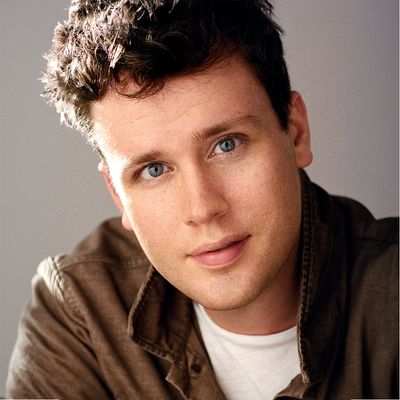
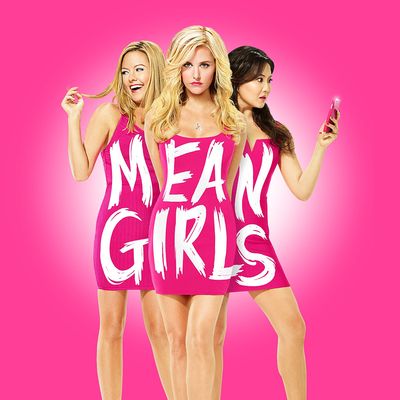
In this Artist Exploration, Grey Henson from Mean Girls and MTCA Director Charlie Murphy discuss: Experience you gain in pre-college programs. Freedom within a framework. How Type applies within a “machine” of a show. The work of Comedy. Join MTCA at our events!.. Read More
From the show: Mapping The College Audition: An MTCA Podcast
Guests
Featured Shows


About
In this Artist Exploration, Grey Henson from Mean Girls and MTCA Director Charlie Murphy discuss:
- Experience you gain in pre-college programs
- Freedom within a framework
- How Type applies within a “machine” of a show
- The work of Comedy
Join MTCA at our events!
If you have any questions about the college audition process, feel free to reach out at mailbag@mappingthecollegeaudition.com. If you’re interested in working with MTCA for help with your individualized preparation for your College Audition journey, please check us out at mtcollegeauditions.com, or on Instagram or Facebook.
Follow Us!
Instagram: @mappingthecollegeaudition
YouTube: @MTCA (Musical Theater College Auditions)
TikTok: @mtcollegeauditions
Charlie Murphy:@charmur7
Meghan Cordier:@meghanmarie2014
About MTCA:
Musical Theater College Auditions (MTCA) is the leader in coaching acting and musical theater students through the college audition process and beyond with superlative results. MTCA has assembled a roster of expert artist-educators who can guide students artistically, organizationally, strategically, and psychologically through the competitive college audition process. MTCA provides the tools, resources, and expertise along with a vast and strong support system. They train the unique individual, empowering the artist to bring their true, authentic self to their work. MTCA believes that by helping students reveal their potential it allows each school to connect with those who are truly right for their programs, which in turn guides each student toward their best college fit.
About Charlie Murphy:
Charlie is a proud graduate of Carnegie Mellon University’s BFA program. As an Actor he has performed with theaters such as: NY Public Theatre’s “Shakespeare in the Park”, The Pearl Theatre Company, Hudson Valley Shakespeare Festival, Chautauqua Theatre Company, Kinetic Theatre Company, and the Shakespeare Theatre of DC.
With MTCA [Musical Theater College Auditions -- mtca.nyc], he has been helping prospective theatre students through the college process for over 15 years. As a Teacher and Director, he is able to do a few of his favorite things in life: help students to find their authentic selves as artists, and then help them find their best fit for their collegiate journey. Through this podcast, he hopes to continue that work as well as help demystify this intricate process.
This episode was produced by Meghan Cordier and Charlie Murphy. Episode theme music is created by Will Reynolds.
Transcript
This transcript was automatically generated and might contain errors.
[0:00] Charlie Murphy: Hello and welcome to Mapping The College Audition, a podcast where we explore the landscape of the college theater world and try to demystify this daunting audition process. I'm your host, Charlie Murphy, director of MTCA, that's Musical Theater College Auditions. Find us at mtca.com. And we've got Grey Henson on the show, a dear, sweet human, and I know one of what is now officially too many Carnegie Mellon alum. I know, I agree, we do have a few schools overrepresented on the show. Based on our original dreams of really balanced representations with both the schools and the artists, I'll just say it's something I'm actually trying to let go of in all the many things I'm juggling to make this podcast what I want it to be.
I want to keep having interesting people on, showing you different paths, different conversations, but I'm just not going to overly stress about having too many ticks in the Carnegie Mellon or the Michigan box instead of having enough in the UNCSA box or whatever the case may be. Honestly, it's just too much to balance with like the people that come across our plate and all the different other things we're considering. It's just dropping on the list for us, especially now that we've had a number of different schools and different paths on. We're going to keep trying to have diversity of all kinds in every way on the show, including scholastic, of course, but I do think there's a lot to be garnered by having great people from all schools and all the different people who come from the same school and seeing how they can all be different, right?
Even when we just happen to get a bunch of repeats. It's not something I'm going to try to do actively of having more repeats per se. It's just not something that I'm going to overly concern myself with. And especially, I'll just say, being an alum of Carnegie Mellon myself, it is certainly a place where I have some easy connections to guests. And of course, I do say that because we are going to record another exciting CMU Broadway name in a couple weeks, which I guess will be released maybe a month from now or a little over that. But so just to say, that's on its way. I'm not going to spoil who that is, but just, you know, there's been a lot, I know, and there's more coming. And I'm aware of that.
And I'm mea culpa, you know. Speaking of, can I settle a debate here? A lot of people ask, is it Carnegie or Carnegie? And people feel very confident being right whenever they tell you it's one way or the other. You're going to hear Greg confidently pronounce his Carnegie a few times in the show. For those curious, Pittsburghers do say Carnegie. But of course, I think most people in the world say Carnegie. Like Carnegie Hall is the same Andrew Carnegie that Pittsburghers would say Andrew Carnegie. I'd even say most people at the school, at CMU, do say Carnegie Mellon, because that's what the locals call it. And so most, there's enough people in Pittsburgh, I guess that's keeping that going. You know, even they may not call it Carnegie Mellon, the way that Pittsburgh say Carnegie, but they may say Carnegie Mellon, right?
But most of the dramats, most of the drama majors I know do say Carnegie. That's what our Edith Skinner based speech teachers called it. And we all obediently followed suit. So there you go. The debate is settled. I don't know. I am a native Pittsburgher myself. I am a BFA alum, and I say Carnegie. So just settle down in the comment section is all I have to say on that. You're going to get some aggressive comments anytime you say Carnegie, but people, real Pittsburghers say Carnegie. Well, I don't know. I guess maybe I'm not a real Pittsburgher then. On that ornery note, should we read a few reviews of this very podcast? You can, of course, feel free to leave your own review, mocking my pronunciations, and I may read it in a future episode.
But here we have Jennifer who says, this podcast is so helpful for providing insight into the audition process and what it's like to work in the musical theater. Thank you. And Empty Mom Heart Emoji says, these podcasts are full of genuine advice from knowledgeable people who really care about the next generations of artists. Listen to all of them and share them with your friends. Heart, smiley face, and star's eye emojis. A big star's eye emoji to you as well, Empty Mom Heart, and a big thank you to you, Jennifer. If you do leave us a review, we may read it on the show as we've just done. So thank you to those who have done so. I really appreciate it. It's a big help to the show as we keep growing our audience.
We are sending a lot of love to our seniors as they continue receiving their news. This last week was another big one with a lot of schools releasing more acceptances, some releasing wait lists, still more results to come, of course. Some schools have released no results already. And I'll just say for the seniors out there, you're almost there, families. Hold on. We do have two webinars coming for you at the top of April. That's coming very soon, really next week. Both diving deep into where you are in the process. We're going to dive into helping you make a final decision, which is a place some of you guys are leaning toward. And then a whole other separate webinar on waiting on a wait list for those of you who are really in that boat.
I know that many of you are in both of those boats and many of you are still waiting, waiting, waiting for some of those big results that are going to be coming for you. For you junior listeners, tomorrow night, come hang out with us as we talk all things standardized tests. I know that's your favorite subject for all of you. And don't forget to sign up for our spring faculty masterclasses. You'll see that in your inboxes. There are only a very few spots left in those classes and they will fill up across the board. Some really excellent faculty, many of which you'll have heard on this very podcast, and at least a couple more of which you're going to be hearing coming up on this podcast. Spoiler alert. Sending so much love to all of you out there. I hope you're all having wonderful springs. And I really hope you enjoy this interview with the great Gray Henson.
[5:38] Charlie Murphy: Well, we are so titillated to have on the wonderful Gray Henson. Gray has a BFA from Carnegie Mellon. He's been on Broadway in the Book of Mormon, also did the tour, Mean Girls and Shucked, also just wrapped Tick, Tick Boom at the Kennedy Center. He's also been on your television screens and shows like Suburgatory and Girls 5Eva. These are both trying to test my ability to read bios. Suburgatory and Girls 5Eva, I nailed them both. Gray, how are you doing? Welcome on the show.
[6:08] Grey Henson: Thank you for having me. I'm doing really well. How are you?
[6:10] Charlie Murphy: I'm doing well. You started this day off already giving me compliments, and then I had to give myself some more compliments. So this is going to be a good feeling pod. I really do think that's true.
[6:17] Grey Henson: Oh, yeah. Let's just truly lift each other up, I think.
[6:20] Charlie Murphy: Let's bring the joy. Okay. I want to start you off with our first question that we ask everyone, which is, if you can take me back, 16, 17-year-old Gray, what were you thinking about in terms of your approach to looking at college? So eventually we'll end up at Carnegie Mellon, but what were you thinking about as you first started thinking, I might want to go to college for this? What were you looking for in a school? Where were you in the world? Bring me back to that.
[6:41] Grey Henson: Okay. Well, I'm from Macon, Georgia, which is a small town in central Georgia that is just like an hour and a half below Atlanta. And so I didn't go to a performing arts high school. I didn't do Pebble Brook, like I know so many of the Georgian actors did. And mostly at that point, I mean, 16, 17, I was more transitioning into theater, but I started as a dancer. I started as a ballet dancer when I was four years old. And that was sort of my gig. That was the thing that I did. And I was really good at it up until I hit puberty and realized I was like a linebacker in size, which I know you can relate to. Okay. We said compliments.
[7:22] Charlie Murphy: No, I think it's a great thing. No, I'm kidding. Of course, of course. Yes.
[7:27] Grey Henson: No, but you're not a typical ballerino kind of body.
[7:29] Grey Henson: I was not, I didn't have the body for the ballerina world, for the ballet world. And, but I did theater a lot growing up alongside dance. And I sort of found my voice and my presence on stage as an actor at the end of middle school into high school. And that's when I sort of decided I wanted to pursue theater over dance. I studied at North Carolina School of the Arts one summer, like I did their ballet summer intensive, I think when I was maybe 14, 15. And that was the summer that I really decided I'm not going to pursue dance professionally. I want to do theater because I was miserable that whole summer. The program was amazing. The training was like insanely intense. But I was so jealous of the theater kids that whole summer.
[8:20] Charlie Murphy: And you interacted with them? Did you get a little taste of, oh God, this is what it would be like if I was doing this instead?
[8:23] Grey Henson: Yes, yeah, I looked at them from afar. And, you know, and I still had that in my blood. And so that summer, I decided No, I'm going to do theater acting musical theater is my thing. And so when I was looking for schools, the next summer was the summer after my junior year. And that's when I did the Carnegie Mellon pre-college program musical theater. Right. And so we're all very familiar. And my mom was the one that actually told me about Carnegie Mellon, because this was, you know, this was 20. This was 2006. Right. And so this was pre like, you know, social media, anything like, you just had to sort of know about these programs. And you could do research online, but I was really unaware. I knew about NYU, right.
And I knew about Juilliard. And I knew about these big schools in my mind that like New York was the place to study. But my mom said Carnegie Mellon is a great school for musical theater. And so I applied for the pre-college program and got in and I fell in love with the school. And that's when I really knew that that's where I wanted to go. Ultimately. I loved that it was a conservatory style school within a university.
[9:36] Charlie Murphy: And you find that out after going to the summer that you didn't you didn't think to yourself, I know, I want to conservatory style school at 15.
[9:38] Grey Henson: I didn't I didn't know anything at that age. I mean, I think a lot of kids are way more ambitious than I was theater and acting was just what I did. It was just like, it was my it was my thing. It wasn't like something I was necessarily hungry for. It's just like, Oh, this is the this is what I'll do. You know, and it's like, you have this skill in something and you just keep following that path. And so I ultimately, you know, Carnegie Mellon's fell in my path and the pre-college program went really well. And they did this mock audition at the end of the summer, as you know, did you do pre-college as well?
[10:16] Charlie Murphy: I did do pre-college. Yeah, yeah. Great. I'm feeling you're about to tell me that you live in the same world as I live in. Were you accepted from that mock audition?
[10:20] Grey Henson: Well, so almost so Don Wadsworth that summer, called back two actors. One was Lucia Roderick, who ultimately was in my class and the other was me. And Don was like, great, come bring bring me another dramatic monologue. And at that point, we were in pre-college doing a million things. It was summer camp. I didn't have another great dramatic monologue. I've been sitting on this in my back pocket, Don, let me know. No, I, you know, 15, 16. And I was like, Okay, and there was another that I had been given in class, but I didn't work on it. I barely knew it. I threw it together in one afternoon. And I came back in for this callback, which, you know, they're so sneaky about their obviously, like, if they're going to find people from the pre-college program, like, great, but they're like, maybe this is a real audition, you know, all of a sudden, it's like the pressure of like, you're auditioning for colleges, maybe, and you're so not ready.
But I came back in and did another monologue. And Don just said, he wanted me to cook a little bit longer, I guess. And so I was not accepted directly from the program. And so I didn't get that green light right away.
[11:27] Grey Henson: Yeah. And, but I sort of knew, I really knew that if I would just get some new material and throw it together, I would think I would get in. But of course, then I had to cast a wide net. So yeah, so you did do the whole process. You did do the whole audition process.
[12:04] Grey Henson: Yeah, I did the Chicago Unifieds. I went to a few schools that I really loved. And yeah, I forget how many I auditioned for, but it was a lot, which I know is this is the norm, right? The norm, though, I would say you're a lot is probably still less than a lot of the kids now and now they're a lot.
[12:20] Charlie Murphy: Yeah. What's the norm now? It's probably closer to 20. Most people do. Right. So, you know, I think back in our day was maybe you did 12, 14, 15. And it's just, that was, I think my number and the Unifieds really, like I went in for schools that I didn't even think I was would apply for, you know, the Unifieds is amazing. You're walking down this hotel room hallway, and then you're like, well, I guess I'll go in for Audubon.
[12:41] Grey Henson: Totally. Yeah. Yeah. Yes. No, I do think I was one of those kids who did get in through the pre-college program. And I do think it was basically, like, I think it was me that broke it. Like, I think they were like, let's not do that anymore. We've learned, we should let them bake. If I could have known him a little better, that wouldn't have happened. Because I do think it ended like basically right after that. I mean, it wasn't the year after. Lucia got in, Lucia got in right away. So it did happen. A couple years after us that they stopped, you know, advertising. They don't do it anymore at all.
[13:09] Charlie Murphy: Well, I won't say they don't do it at all, but I think they don't advertise it certainly as something that happens. They say that. Yeah. And they, I mean, they didn't even advertise it then. And I think it's just, it's just a way to like, get ahead of the game. You know what I mean? It's a relationship business. But I think I benefited from not being accepted right away. I think I benefited from having to really fight for my place in the school.
[13:31] Grey Henson: Yeah. But that was the first time I really felt, oh, this is a business that I have to be hungry for. Because I was just like the kid that was good at dancing, singing, and acting, and I loved it. And that was the first time I was like, oh, no, I want this. I'm going to fight for it. So it was good. It really lit a fire under me. I think I definitely was jealous of like, I mean, I was so happy to, of course, be in, but I was like, I kind of want to do the process now. I want to see how it goes. You know, I would love to go back and now do it all. Maybe next year, I'll go back and do it all. Just give it a try and see how you do.
[14:02] Charlie Murphy: Talk to me about you. Mom, of course, did some research and found out about Carnegie Mellon. Maybe she already knew about what was your relationship with your parents at the time? Were they supportive of the idea? It seems like relatively supportive of the arts if they're have you in ballet class at four years old. But how was the journey with them?
[14:15] Grey Henson: My mom really was the one. She is an artist in her own way, never professionally, but like acted, did community theater, is just so well-rounded herself. And, you know, coming from a smaller town in middle Georgia, grew up in the 90s, raised in the 2000s, like I dodged a lot of bullets that I think many people have to deal with. And I'm sure now it's different. I hope now that it's very different. But, you know, I was a closeted kid from Georgia who did ballet. And so I was never really bullied in the way that I know a lot of people would have been doing what I did. And, you know, I went to ultimately I went to a private school because they had a better theater program. And it was a school that everyone had, you know, gone from K through 12 together.
And I came in my 10th grade year and I was like the kid that did theater and ultimately won them all over. But my parents always instilled in me that like, you know, you can do what you want to do. And they really let me. My mom said I was dancing all over the house. That's why she put me in dance class. And honestly, the first studio she took me to turned me away because they were like, he's too young and he's a boy. He can't come. And she was like, well, that's wild. You know, in 1994, you would assume there'd be a little bit more open-minded. But then I found the studio I went to. But yeah, they were very, very supportive and always have been. But like I said, it was for me. And this is what I tell students that I talk to.
It's like you have to just know that it is your water. It is your life. Like for me, it was just the thing that I did. Yeah. You know, and it's such a competitive industry that it has to be your everything. I know that's very cliche, but the old saying of if there's anything else you can picture yourself doing, you should do that. Right. For me, it was just there was never a question. So for them, there was never a question. There was never a question of like, maybe, Gray, you're not good enough and you should go pursue something else or get a degree in communications or something. They always were like, no, this is what Gray does. We're going to make sure he goes to the right school. He got him to the right school.
We're going to make sure you can get there no matter what, even though we really couldn't afford Carnegie Mellon, which was wildly expensive. Yeah. But yeah, very, very lucky to have supportive parents in Georgia.
[16:39] Charlie Murphy: That's awesome to hear. Give me—we've had a number of Carnegie Mellon grads, so we don't want to go super deep on the program, but just give me your experience of college. What was college like for you? What did you sort of suck out of that wonderful place?
[16:50] Grey Henson: Yeah, well said. I think that for me, like with any school, I mean, I only know my experience at Carnegie, but I think you come into any program with a set of skills that you just have innately. Right. I think it is mostly instinct-based and then you just give it a name. You basically, I think, take your wild skills that just exist inside of you and you hone them and you focus them and then you highlight the good ones and get rid of bad habits. But ultimately, I think I walked out of the program the same after I walked in. I just felt more confident in my abilities and I could just name them. I truly just was like, oh, this thing that I know I'm doing correctly, I just did. Now I could like I have the reason behind why I'm doing it. Does that make sense?
[17:43] Charlie Murphy: Makes total sense. We often talk about this kind of educational philosophy of like, are we supposed to tear you down to the studs? Are we just adding on top? And to me, I'm like, Carnegie felt like it fit a little bit in between. It's like we did start at the beginning, you learn from the ground up. But I never felt like I was anything was being torn away from me that I wasn't consciously saying, hey, I want to let that go. That's a habit. I think I can let that go now that I understand. I felt like I'm going to use my best friend's fancy word autodidact. I felt like it was an autodidact. I mean, I was teaching myself like they were teaching me to teach myself basically 100 percent.
[18:17] Grey Henson: That's so useful for your life because you're going to keep learning and keep teaching. That's but that is acting training. I think I think that ultimately like you are going to figure out and put those pieces together on your own. Like teachers will guide you in the right direction, but no one's going to sit down and give you the formula for how to be a good actor. It is like a nebulous thing. Yes. And so acting school to me, I was grateful to pay for the name Carnegie Mellon, which has opened many doors for me. And the teachers were phenomenal, phenomenal. And the people I met were amazing. Yeah. But I had those skills going in and then I just sort of nurtured the good ones.
[19:04] Charlie Murphy: So true. I mean, yeah, we talk all the time about like, what are you paying for? You pay for the certification, you pay for the name. And of course, the professors are great. But I will say now, knowing all these programs, the professors are great almost everywhere. I mean, with everywhere, a couple exceptions, maybe. I don't know. But I mean, in general, you're like these schools have great professors. What you're paying for some of is like everybody else who's awesome wants to go to this other school that is known to be awesome. And so then you're going to get classmates who push you and you learn from a different level, that third level of who you're with, I feel like is so key.
[19:55] Grey Henson: Yeah. The alumni do a lot for schools. Right. And I think that ultimately, like you're looking at what people do after they graduate from that school and less about the people that are in the program at the time. And I think that, yeah, there is no one correct school for anyone to go to. I think that you make the most of the program you're in. You should find a school that you want to be at. And that hopefully has a showcase. That's a huge deal. But the teachers are phenomenal in so many places. And it's truly what you make of it.
[20:41] Grey Henson: Absolutely. So I was grateful to go to Carnegie. And I did learn so much. I mean, Barbara McKenzie Wood, who I know isn't there anymore, just taught me, I think, most about acting. And I still think of the things that she says. I mean, the thing that I bring up, like, you know, whenever I'm working, whenever I'm talking about acting is about having a freedom within a framework. And the concept of like, learning your lines, doing your homework and then letting it go. That to me is the essence of what we do. Like you prepare, you show up, you know your lines, you know your blocking, you are a good and easy technical partner. And then you just like act and then you just exist and have fun. And that is like the essence of acting. And she's the one that like, made that click for me.
[21:38] Charlie Murphy: It's so cool, because it's almost always something is out of the alignment with one of those, like, did I not prepare enough? Or am I not free enough? And for me often, because I'm such a preparer that I'm like, when I'm not free, it's because I didn't prepare enough. Like it's like, when I'm not free, because I don't have confidence, I'm still holding on to some of my framework and thinking about it. And so I'm not able to be free.
[22:05] Grey Henson: It's so true. I completely agree. It's like doing a self-tape for me. Some people like don't learn their lines for self-tape. I'm like, if I don't know my lines, I'm unable to act. Then you're thinking about the lines the whole time. Yeah. I'm stressed about writing, rewriting. Am I saying it right? Yeah. Yes. Yeah. That's always my notes for Elizabeth. I'm always like, you just need to learn these lines. I'm like, you're doing such phenomenal fake acting right now as you think. I know that's what it is, though. It is fake acting. Joey Tribbiani, smell the fart acting. And I'm just like, you are so much better than that. You just got to learn these lines. Yeah. And then you get out of your own way and then you let the performance just happen, which is ultimately what we're doing.
[23:05] Charlie Murphy: So true. But that transition is beautifully mentioned showcase and sort of launching into the business. But now, according to Wikipedia.com, you ended up booking Mormon while still in school. Is that true? That was during your junior year of school?
[23:16] Grey Henson: Senior year. But yeah. Junior year on Wikipedia. You got to fix.
[23:20] Charlie Murphy: OK, well, let's log on and change it. OK, great. Give it a change, Wiki.
[23:25] Grey Henson: That's so funny. But so you booked. This is like midway through senior year. How did that work for you timing with graduation? And this is a really. Yeah, this is a really wild story. So I owe it to Don Wadsworth, who. But Book of Mormon had opened my junior year the year before 2011 and won a million Tony Awards. And everyone was talking about it. It was the show to you. This is pre-Hamilton, right? So this was like the Hamilton of its time. And the next year, obviously, they were thinking of taking it on the road and they were thinking of Broadway replacements. And so Don Wadsworth was doing our showcase that year and I was a senior. And he was like, you know, you're so much like Rory O'Malley, who originated the role of Elton McKinley in the Book of Mormon.
He was a Carnegie Mellon grad. He was like, you're so much like him. I think this is a perfect part for you. And Ingrid Sonicson had said it too. But Don was like, I'm going to email Rory. And this was first semester senior year. He emails Rory and was like, hey, Rory, we've got the senior. He's perfect for your role. Do you know they're casting anything? He says, well, give me his headshot resume. I'll send it through to Kerry Gardner, the casting director. And because of that Carnegie Mellon connection, I get a cold call from New York City and they're just like, hey, we've got this appointment for you. I know you don't have an agent or anything, but would you come down to New York? Here's the material for Elton McKinley.
Here's the monologue. You've got to learn a dramatic monologue. You have a little bit of time. Go. Get in the room. Make it happen. Exactly. And so I was rehearsing for Lady Han, our main stage first play, this Brecht play with this German director. And I told the director, I was like, hey, I got this call from Broadway. Can I go to New York on this day? It's New York City call, Broadway call. I'm sure it was a human being, but Broadway's calling. When you're not from there, it feels that way. I used to go, oh, it's Broadway. It's Broadway. Yeah, full panic. And so he was like, yeah, of course, go. And a funny story, though, Noah Plomgren, who is a classmate of mine, we drove up to New York a month before, maybe before classes started that senior year and went to the first ever open call for Mormon.
But since we were non-equity, we weren't even seen. And so we drove up to be like, let's go. This is a perfect show for us. Weren't seen. Drove back to Pittsburgh. We're like, okay. You're driving back again now. I know. I know. Yeah. And so, well, I flew that time because I had an appointment. And so I felt like I called my dad and I was like, please buy me a flight. And I, anyway, yeah. So I was in full college mode, flew to New York, had, you know, what they had sent me was turn it off, the audition cut, turn it off. And I walked in and I sang, they asked for my own song and I forgot, forgot what I sang. Because they didn't want you to be funny for Mormon. They were like, we just want to see you be young and youthful.
So I think I said, I sang Forest for the Trees from Spitfire Grille. Just a fool? Yes, I'm just a fool who couldn't see. I thought we get a little bit better. I was trying to cue you. So give me a little bit.
[25:00] Grey Henson: No, I'm recovering from a virus. This is not the time to record.
[25:05] Charlie Murphy: No, no. And then, and so anyway, I sang my song and she's like, okay, great. Let's hear the scenes. And this, and I was, you know, you know, super eager, young, whatever. I was like, oh, you didn't send me any scenes. And I didn't have an agent. So I was in, this was a comment they had truly this casting director's assistant sent me this material. And I was like, you just sent me the turn it off song. She goes, oh, well, since you know it, let's hear it. It was happy accident. And so I was like fully prepared to give this like opening night performance of turn it off because you know, I was not a jaded New York city performer. I was a college senior ready for my first job. And so I, because they accidentally sent me the, sent me the song. I got to sing, turn it off in this edition. And then she's like, great. Can you take the scene and go learn it in the hall? I'm going to see somebody else.
[26:00] Grey Henson: Not the cold. I know. And she was like, learn the scene and then come back and we'll do it. But since I was in college mode, I'm doing this playground mode. You're like learning new things every day. And I'm learning a poem every morning. Like literally I took the scene, memorized it. Like I could never do now. Yes. And I went in and went in and like really nailed it. Cause I was in college mode. And then we were getting close to the winter break and I got a call asking to come to the final callbacks for the tour, the first national tour to play elder McKinley. And it was on my Christmas break. So I finished class, went back to New York and I was auditioning. I walked in, it was like they were, they were casting all of the Mormon boys and the elder McKinley.
Right. And so I walk in and the first person I see is this this guy who I knew from like a Disney channel show. And this was the first time that I saw like a celebrity who was like obviously vying for my role. And I was like, this kid from Georgia. Yeah. And I was like, Oh, I'm never going to get this. And it was clear to me. It was just the two of us for this role for McKinley. And then a bunch of Mormon boys. And we all sang, we danced together. And then after all of that, they were like, okay, just gray, we're going to have you stay. And all these Mormon boys and they had me stand up with them. And I was like, I think I got this. And I was home in Georgia about to go back for my final semester.
And I got the call like right after New Year's, asking me to play the role of Elder McKinley on the first national tour of Mormon. And so the timing was wild. And rehearsals would start in July after graduation. And so I got to finish the year without having to leave early. Yeah. And then a month I got to spend in Georgia. And then I flew to New York and started rehearsals. And it was the timing was unbelievable. I realized how lucky I am to book that job. And the timing. I mean, that's that's what it's about, right? It's about being the right person for the right thing at the right time and having the skills and then, you know, being lucky enough to preparation meets opportunity or whatever.
[28:01] Charlie Murphy: But let's talk about so I mean, obviously, that that is an atypical experience of graduating, especially to go right into a Broadway tour, and then which eventually becomes a Broadway show. It seems like basically, again, according to the Wikipedes, that these two things go kind of into each other. So the tour and then pretty quickly, you're on the Broadway company and then pretty quickly into Mean Girls, right? There's not a big gap for you in any of those. So, you know, what was that experience? Maybe like post Mean Girls? And I want to get a little into Mean Girls, too. But what was the experience of like, you didn't get to come to New York City and like struggle? And I say get to because like, that's both a hard thing, but also kind of a wonderful, you know, it's like.
[28:31] Grey Henson: I didn't get to do my normal audition tour. You didn't get to be here, pounding the pavement, waiting tables, figuring it all out, being an idiot, going to non-ec calls. You didn't do any of that, right? You were Equity, you're here on Broadway, you're doing all these things. Now, as you're hitting New York City and your first time of not having a job after Mean Girls, what was that experience like for you then?
[28:54] Grey Henson: Yeah, it was sobering for many reasons because it was also when the pandemic began. So, I, yeah, a Mormon tour led into two years of Mormon on Broadway without any break. And then after four years of Book of Mormon, I chose to walk away from my contract without Mean Girls lined up. And that was the first time I sort of struggled a bit, but I had just worked for four years right out of school. And I was ready to be like young and stupid in New York. And so, I didn't feel like I needed to hustle. And then on the heels of that was Mean Girls, because Casey Nicholaw directed, choreographed Book of Mormon, did Mean Girls. He actually called me to read for the reading of it. But they said they were going to hire real teenagers.
And I thought, Oh, maybe, maybe that'll still come through. And that audition happened maybe six months after I left Mormon. So yeah, you're right. And then Mean Girls started and we did a huge lab, we did an out of town in DC, we did a run on Broadway that lasted for two years. And then I left March 8, 2020. My replacement did three performances before the whole show shut down. And the four of us left, I think four principals were new. And they all did four shows or something like that. It's so bad. It was Abby Mueller, who's I had like opening night, or that was six, you know, they're like in the dressing rooms on opening night when it shuts down, they get to do their actual opening night. Yeah, I mean, that's right. Not better. It's all terrible. It's all whatever. Yeah, no, all really horrible timing.
[30:15] Grey Henson: But it was a weird thing, Charlie, because, like you said, it was the first time I was really stepping out as an adult. I was 28 at that point. No, I was 29. And I was like, I had gone through Mean Girls and Mormon. I did both of those things for a long time, you know, I got to, I was lucky enough to be nominated for a Tony, I feel like I did things in my career. But for the first time, I was looking down the barrel of complete unemployment, no possibilities in mind, and then the pandemic. And so in a weird way, the pandemic was sort of like a cushiony, like landing spot for me, because I was with the rest of the world. You could rest so it wasn't your personal Oh, God, here's my exactly. But I think if I were alone, fighting through that, it would have been a lot, a lot more difficult. And funny enough, like, now, the place I'm in right now, today, I feel the most lost that I have ever felt.
[31:07] Charlie Murphy: I was gonna say college other you had those six months. But other than those six months, it sounds like you have never had a normal, you know, what we call the void in the acting world. You've never had that, like, yeah, don't know what comes next. Now. Is that true? Now? Do you have a void approaching you?
[31:23] Grey Henson: Yeah, I do. I mean, granted, the pandemic was void, but it was muddy because of the pandemic. And I did a personal void. That's right. Right. And career wise, we were all hungry to do something. And I did a few TV film things. And then shocked fell in my lap, which was like perfect timing. And then shocked was a year and then tick tick boom fell in my lap. And that was truly just four weeks a month. And then now that that is over, and there truly is nothing that I have lined up. It does feel it feels like I would have benefited from having that post graduation struggle. Yeah, because that's where you build the character build like the stamina, the resilience to be able to fight what is inevitable in our industry, which is this, which is the in between, which is what most actors spend the majority of their career doing.
Yeah. And it's, it is the big is the biggest challenge, but I think it is like, it is so necessary to make good performers, good people, you know what I mean? And so as scary as it is, I'm really grateful for the time and for this, because I don't know, I learned a lot by doing Mormon right away for four, I did 1600 performances of that show. Yeah. And it was my first show I'd ever done. I never did summer stock, right? The most I had done a show was a couple weekends. Yeah, exactly. Yeah. And then I went from that to eight shows a week for four years straight play one role. Yeah. And I by the end of it, I was really miserable. And I love that show so much. The role was so fun. No, that's a lot of Mormon, though.
It was a lot of Mormon. And by the end, I was so in my head, and I fought a lot of demons that I still sort of carry with me because I was too young to do that. And so it's weird. I had such an amazing career. And I'm grateful for that. I realized how lucky I am to have gone from long running show to long running show to long running show. But I, I see my friends who had to jump from thing to thing had to struggle had to wait tables. And their resilience is just that's not something I have built up. Yeah. And so it's good to have the awareness of that, you know, but it's still something that I have to fight with every day. And I'm currently going through at 33 now. And I, you know, you graduate from college at 21. We started rehearsals for Mormon on my 22nd birthday, and now I'm 33. And the first time I feel like I'm breathing in a weird way, because I have this space in my career.
[33:06] Charlie Murphy: So yeah, well, and, you know, it's atypical to book this Mormon right out of school, but it's also particularly atypical. I think often what I, you know, see, and I saw in some of my classmates who some of whom did book Broadway shows right out of school, but then maybe would have a four or five year void, because what's really hard is you do one Broadway show. And you're like, well, I don't want to take some crappy regional theater job next. But Broadway's not necessarily calling next. So you're not necessarily walking into another show. What do you feel like made you have that connective tissue, I guess, first from the tour to Broadway, but then, obviously, Casey liked you enough to say, Hey, I want to bring you into Mean Girls. What was it about, like, you know, what you think you did well, that enabled you to go from A to B to C, and not have this big void?
[34:26] Grey Henson: Yeah, I think the thing that I, I've been told this a lot, but also I know it. I have always, always tried to lean on authenticity, and really carve like a very unique path that has not yet been carved by like creating a new sort of type of type, you know what I mean? I think the thing that I have figured out how to do on stage is to bring myself to the role, right? Ultimately, that is the trick with everything because you know, you're going to transform, you become different characters, you do weird things. But at the end of the day, you're trying to bring your essence into everything you do. So I have played these roles that are really not that far off from who I am. And so I've been lucky that I get to do it pretty seamlessly.
But they are they are all an extension of me. So I get to sort of be gray on stage. I'm more with Damien and with Storyteller Two and Shucked, I've sort of just been able to tap into something that is just unique. It's like the weirdness and uniqueness we tell students constantly that you have to mine, you have to really find the thing that makes you completely different from everyone else and exploit it. Because that's the thing people when they when you walk in the room, they'll be like, Oh, I've never seen it. Yeah, you've never seen it because I haven't walked in this room before. Yeah. And so in my performances, I think I've been lucky that I've gotten to show that. And that has what that's what has led me to the next job.
Also, you have to be good to work with. You have to be an easy company member. And you have to be nice. And everyone loves you. Anytime your name comes up. Oh, my God, you know, Gray Hansen. Like, I'll just say that it's certainly and I think that's not just like, oh, you're such a good person. It's like, that is you successfully being a good business person that everyone feels that way about you like that. Yeah, that is a prerequisite to you talk about that is table stakes. If you're gonna Yeah, I don't even think of it as a business move. I think of it as just like, no, I know you're cold calculating. I know deep inside. You don't love a caddy. But no, yeah, no, no, I am. I'm super catty, whatever.
But it's genuine. Like, you have to be genuine. People can really spot phonies. I think in this business, you're dealing with just human beings, right? Ultimately, like we're just like, talking about life. And we're not like making deals and writing emails. We are it's like human to human contact. And so like, if you are fake or putting something on, or, you know, acting a fool, people will pick up on it. And so I've always tried to just be genuine on and off stage. And I think that like, audiences respond to that. Like, I know when I see a show and I can watch someone on stage that is obviously acting and working hard, but you can tell they put their essence into it. I'm drawn to that. You know, and I think something else I've been thinking about a lot recently, because I think some people see me in some shows, they're like, oh, that's just great being himself.
Like, that's great. Like, I think that is work. I think it is hard work to sort of take yourself and bring it to the stage with, with still was while still having this sort of veil of like, I'm an actor performing and I'm separate from this thing. But it is it is a skill that like, I am lucky to have because it's just something my mom always did. Yeah, she was just always genuine and had really great friendships and was really great at communicating. And that's what I've always tried to bring to these roles. And like I said, I've played these parts that are truly extensions of myself.
[38:07] Charlie Murphy: No, it's incredibly hard skill to walk in there without the defense mechanisms that our bodies naturally want to do, which is don't reveal myself don't show my actual person. That's that's just for me. And for my intimate moments, those are not for for a whole stage of people to see your whole audience people to see. That's very hard to walk in.
[38:26] Grey Henson: Yeah, yeah, yeah. But we as audience members are so drawn to when people are like, very vulnerable themselves. I mean, you can just smell it from a mile away when somebody is so true. People talk about vulnerability, like they think it means, oh, I have to cry or be emotional. It's like, that can be nice. Because of course, you're that is a vulnerable moment, potentially. But what we really respond to is going, that was like, actually, you like, there's a couple moments, Elizabeth hadn't jagged where I'm like, I've heard that exact voice before, like, you were bringing that that is stuff that we have done. And I have been that person. I've been yelled at in that way or whatever. And you're like, totally, but I would expect that.
And it's not cheap. It's not like you're using a part of yourself. That's not that's still hard work to tap into that. And then to make it seem like a different character. I don't know it is. And the question is, how do you how do you tell someone to do that? How do you recreate that or tell someone to tap into that part of themselves? And I just letting walls down, I guess, right? You just have to like, strip yourself of any affected sort of nature that we have built up as protection, you know, from the world. You feel like you have to be a certain type, I need to be a leading man. So I'm going to act like the straight leading man. And that just changes who you are. And it's like, the moment you get rid of that, and you just exist in the way that you exist with your friends, like the real you shows up, and then you fit into other parts.
Like, I just got to play this role in Tick, tick, boom, which no one would have thought of me for. Yeah. Because they're like, Oh, grace, the gay, funny clown. Yeah, narrator, jolly, everybody says about you, gay, funny, youthful, gay, funny clown, which I'm honestly like, I love doing. But like, you know, I got to play this role. That is, you know, had a few dramatic scenes and sang a song that was weird and strange and sad and intense. And it's funny, some people reacted. And this was I'm like, this happened a month ago. So it's really fresh. But some people are like, Wow, great, like, you're really getting to act finally. And I was like, What did you think I was doing for so long? Like, this is so much easier than making thousands of people laugh every night.
And it humor so often is is overlooked is not being difficult. But like, it's like, think about the Oscars, like, when is it a comedic performance awarded at the Oscars, but you know, people do these big dramatic roles. And they're like, you know, the best actors but to me, when you see a good comedian being funny, that is like that to me is the hardest thing an actor can do. I'm going off on like a million.
[41:00] Charlie Murphy: No, it's a great tangent. It's a great tangent. And you know, I think we talk about all the time, Chris, working with young people, whether they're 17, looking to college in college, young actors, it's like, you know, that just take down walls advice. I do feel like it also takes and this is where I'm like, I wish I could bottle up and give it to you. But it takes a confidence to be able to do that. It's like a trust in yourself that you're like, if I don't show it with a shellac on top of it, if I don't show it, what they think they're supposed to see, and I let you hear my actual voice and let you hear see my actual, this is my body looks like right now without sucking in and squeezing. And, you know, it's like, and the sort of metaphorical versions of that, it takes a real confidence that you go, you'll still love me.
And you'll still think, you know, I'm okay, even if it's really raw and vulnerable and messy. And, you know, I think it's hard, hard to believe that until you've experienced that as an actor, especially when you're young, especially when you grow up with a phone in your hand, and you see what you look like at every turn, right? That's why I really sometimes self taping is hard for me, because I don't want to see it, I am way more free when I don't see the final product. And then I can just be my most like, raw, honest self, because I'm not then watching it back and judging it. Right. And so I think a lot of it comes from a generation now of kids that are so curated online, because that's just the way we communicate now.
And I'm guilty of it, too. But like, there has to be an essence of letting go of the final product, and then let the audience judge you, because they will, it's all subjective, right? Like people are going to judge the way you look and the way that you act and whatever you might not be for everybody, but you have to let it go without trying to curate it terribly. And you're right, it takes a lot of confidence, it takes a lot of confidence to just be yourself. And it shouldn't.
[42:47] Grey Henson: You know, I think that the experience you gain in pre-college programs is invaluable. It really sets the stage for what you can expect in a college program and beyond. You learn so much about yourself and your craft during that time.
[43:17] Grey Henson: The idea of freedom within a framework is crucial. In theater, you're often working within a specific structure, whether it's a script or a character. But within that structure, there's so much room for creativity and personal expression. It's about finding that balance.
[43:47] Grey Henson: When we talk about type, it’s interesting how it applies within the “machine” of a show. Each actor has their own unique qualities that they bring to a role, and understanding your type can help you navigate the industry more effectively.
[44:17] Grey Henson: Comedy, in particular, requires a deep understanding of timing and delivery. It's not just about being funny; it's about knowing how to connect with the audience and make them feel something. That connection is what makes comedy truly work.
[44:47] Grey Henson: I think a lot of people underestimate the work that goes into comedy. It’s a craft that requires constant honing and practice. You have to be willing to fail and learn from those failures to grow as a performer.
[44:55] Grey Henson: The collaborative nature of theater also plays a huge role in this. Working with directors, fellow actors, and creative teams can really enhance your understanding of the material and your performance.
[45:03] Grey Henson: I’ve found that the more you embrace the framework of a show, the more freedom you actually have to explore your character and the story. It’s a fascinating dynamic.
[45:11] Grey Henson: And let’s not forget about the importance of feedback. Being open to constructive criticism can help you refine your craft and push your boundaries as an artist.
[45:19] Grey Henson: Ultimately, it’s about finding your voice within the framework that’s been established. That’s where the magic happens.
[45:27] Grey Henson: I think it’s also important to remember that every actor’s journey is different. What works for one person may not work for another, and that’s okay. It’s about discovering what resonates with you.
[45:37] Grey Henson: The journey through college auditions and into the professional world can be daunting, but it’s also incredibly rewarding. Embrace the challenges and learn from them.
[45:47] Grey Henson: I always encourage students to stay true to themselves and their artistry. Authenticity is key in this industry.
[45:57] Grey Henson: And as you navigate this process, remember that it’s okay to ask for help. There are so many resources available, and seeking guidance can make a significant difference.
[46:07] Grey Henson: I’ve seen firsthand how mentorship can impact a young artist’s career. Having someone to guide you through the complexities of the industry is invaluable.
[46:17] Grey Henson: So, whether you’re in a pre-college program or just starting your journey, keep pushing forward and stay curious. The world of theater is vast and full of opportunities.
[46:27] Grey Henson: And don’t forget to enjoy the process! It’s easy to get caught up in the stress of auditions and performances, but remember why you fell in love with theater in the first place.
[46:37] Grey Henson: At the end of the day, it’s about telling stories and connecting with others. That’s what makes this art form so special.
[46:47] Grey Henson: So, as you embark on your college audition journey, keep these ideas in mind. Embrace the freedom within the framework, and let your unique voice shine.
[46:57] Grey Henson: Thank you for having me on this podcast. It’s been a pleasure to share my thoughts and experiences with you all.
[47:07] Grey Henson: I hope that everyone listening feels inspired to pursue their passion for theater and to keep exploring their artistry.
[47:17] Grey Henson: Remember, the journey is just as important as the destination. Enjoy every moment of it.
[47:27] Grey Henson: And if you have any questions or need guidance along the way, don’t hesitate to reach out. There’s a whole community out there ready to support you.
[47:37] Grey Henson: Thank you again, and I wish you all the best in your college audition process and beyond.
[47:47] Grey Henson: Keep shining, and break a leg!
[47:57] Grey Henson: I look forward to seeing where your journeys take you.
[48:07] Grey Henson: Until next time, take care!
[48:17] Grey Henson: And remember, stay true to yourself and your art.
[48:27] Grey Henson: That’s what will set you apart in this industry.
[48:37] Grey Henson: Thank you!
[48:47] Grey Henson: It’s been a joy to share this time with you.
[48:57] Grey Henson: I hope you found some valuable insights in our conversation today.
[49:07] Grey Henson: Keep pursuing your dreams, and don’t forget to have fun along the way.
[49:17] Grey Henson: The world needs your unique voice and perspective.
[49:27] Grey Henson: So go out there and make your mark!
[49:37] Grey Henson: Thank you for listening, and I’ll see you next time!
[49:47] Grey Henson: Take care, everyone!
[49:57] Grey Henson: Bye for now!
[50:07] Grey Henson: And remember, you are capable of amazing things.
[50:17] Grey Henson: Keep believing in yourself and your talent.
[50:27] Grey Henson: The sky's the limit!
[50:37] Grey Henson: Thank you again for having me.
[50:47] Grey Henson: It’s been a pleasure to connect with you all.
[50:57] Grey Henson: Until next time, keep shining bright!
[51:07] Grey Henson: And don’t forget to enjoy the journey.
[51:17] Grey Henson: There’s so much to learn and experience along the way.
[51:27] Grey Henson: Thank you for your time, and I look forward to our next conversation.
[51:37] Grey Henson: Take care, everyone!
[51:47] Grey Henson: Bye for now!
[51:57] Grey Henson: And remember, you are not alone on this journey.
[52:07] Grey Henson: There’s a whole community of artists out there ready to support you.
[52:17] Grey Henson: So lean on each other and keep pushing forward.
[52:27] Grey Henson: Thank you for listening, and I’ll see you next time!
[52:37] Grey Henson: Take care!
[52:47] Grey Henson: And keep pursuing your passion for theater.
[52:57] Grey Henson: The world needs your stories and your voice.
[53:07] Grey Henson: Thank you again for having me on the podcast.
[53:17] Grey Henson: It’s been a joy to share my thoughts with you all.
[53:27] Grey Henson: Until next time, keep shining!
[53:37] Grey Henson: And remember, you are capable of great things.
[53:47] Grey Henson: Thank you!
[53:57] Grey Henson: It’s been a pleasure to connect with you.
[54:07] Grey Henson: I hope you found some valuable insights in our conversation today.
[54:17] Grey Henson: Keep pursuing your dreams, and don’t forget to have fun along the way.
[54:37] Grey Henson: The world needs your unique voice and perspective.
[54:47] Grey Henson: So go out there and make your mark!
[54:57] Grey Henson: Thank you for listening, and I’ll see you next time!
[55:07] Grey Henson: Take care, everyone!
[55:17] Grey Henson: Bye for now!
[55:27] Grey Henson: And remember, you are capable of amazing things.
[55:37] Grey Henson: Keep believing in yourself and your talent.
[55:47] Grey Henson: The sky's the limit!
[55:57] Grey Henson: Thank you again for having me.
[56:07] Grey Henson: It’s been a pleasure to connect with you all.
[56:17] Grey Henson: Until next time, keep shining bright!
[56:27] Grey Henson: And don’t forget to enjoy the journey.
[56:37] Grey Henson: There’s so much to learn and experience along the way.
[56:47] Grey Henson: Thank you for your time, and I look forward to our next conversation.
[56:57] Grey Henson: Take care, everyone!
[57:33] Grey Henson: I think the experience you gain in pre-college programs is invaluable. It really sets the foundation for what you can expect in college and beyond. You learn not just the craft but also how to navigate the industry, which is crucial.
[58:03] Grey Henson: Freedom within a framework is such an interesting concept, especially in theater. You have the structure of a show, the script, the music, but within that, there's so much room for personal expression and creativity. It's about finding that balance.
[58:33] Grey Henson: When we talk about type, it’s fascinating how it applies within the “machine” of a show. Each role has its own requirements, and understanding where you fit can help you make more informed choices in your career.
[59:03] Grey Henson: Comedy is a unique art form. It requires timing, delivery, and a deep understanding of the material. The work of comedy is not just about being funny; it’s about connecting with the audience and telling a story in a way that resonates.
[59:33] Grey Henson: I think a lot of performers underestimate the importance of comedy in musical theater. It’s not just about the songs; it’s about how you deliver those lines and engage with the audience. That’s where the magic happens.
[1:00:03] Grey Henson: The freedom to explore different aspects of your character within the framework of a show can lead to some of the most memorable performances. It’s about taking risks and being willing to fail sometimes.
[1:00:33] Grey Henson: I remember my own experiences in pre-college programs. They were pivotal in shaping my understanding of what it means to be a performer. The connections I made and the skills I developed were crucial for my growth.
[1:01:03] Grey Henson: It’s also important to remember that every performer’s journey is unique. What works for one person might not work for another, and that’s okay. Embrace your individuality and let it shine through in your work.
[1:01:33] Grey Henson: The industry is constantly evolving, and as performers, we need to adapt. Staying informed about trends and changes can help you stay relevant and find your niche.
[1:02:03] Grey Henson: I think it’s essential to find mentors who can guide you through this process. Having someone who has been through it can provide invaluable insights and support.
[1:02:33] Grey Henson: Networking is also a huge part of this industry. Building relationships with other artists and industry professionals can open doors and create opportunities that you might not have access to otherwise.
[1:03:03] Grey Henson: The audition process can be daunting, but it’s also an opportunity to showcase your talent and personality. Approach it with confidence and remember that it’s just as much about finding the right fit for you as it is for the school or production.
[1:03:33] Grey Henson: I’ve learned that preparation is key. The more prepared you are, the more confident you’ll feel going into auditions. Practice your material, but also be ready to adapt and take direction.
[1:04:03] Grey Henson: It’s also important to take care of your mental health throughout this process. The pressure can be intense, and finding ways to manage stress and anxiety is crucial for your well-being.
[1:04:33] Grey Henson: Remember to celebrate your successes, no matter how small. Each step forward is a victory, and acknowledging that can help keep you motivated.
[1:05:03] Grey Henson: I think the most important thing is to stay true to yourself. The industry can be challenging, but if you remain authentic and passionate about your craft, you’ll find your way.
[1:05:33] Grey Henson: I’m excited to see where the future takes me and to continue exploring new opportunities. There’s so much to learn and experience in this field, and I’m ready for it all.
[1:06:03] Grey Henson: Thank you for having me on the podcast. It’s been a pleasure to share my thoughts and experiences, and I hope it resonates with those listening.
[1:06:33] Grey Henson: If anyone has questions or wants to connect, I’m always open to that. It’s important to support one another in this journey.
[1:07:03] Grey Henson: I look forward to seeing how the next generation of performers shapes the industry. There’s so much talent out there, and I can’t wait to see what they bring to the table.
[1:07:33] Grey Henson: Keep pushing boundaries and exploring your creativity. The world needs your voice and your art.
[1:08:03] Grey Henson: Thanks again for this opportunity to chat. I hope everyone finds their path and continues to grow as artists.
[1:08:33] Grey Henson: Remember, it’s all about the journey. Enjoy every moment and learn from each experience.
[1:09:03] Grey Henson: Until next time, keep dreaming big and working hard. The sky's the limit!
[1:09:33] Grey Henson: Take care, everyone!
[1:10:03] Grey Henson: I’m excited to see what’s next for all of us in this incredible industry.
[1:10:33] Grey Henson: Let’s keep the conversation going and support each other along the way.
[1:11:28] Grey Henson: I think I've been really lucky. And I don't say that to diminish any of the work that I've done, because I know that I've worked hard. But the timing of my career and the way things have fallen has been like, you know, kismet. It's like the stars have aligned in many ways for me. And I think I owe a lot of it to not focusing too hard on it. Like, you know, it's like, oh, this is so stupid. But it's like the devil's snare in Harry Potter. Like if you fight it, like you won't fall through. But if you breathe and relax, it just sort of happens. And so I mean, I've been lucky to go from thing to thing. And I have had some dips, and I'm currently in one now. But that's lovely to hear. It's not something, I don't think I'm good at the business of the business.
I don't see that I am someone that knows how to market myself and present a product and keep me in people's minds and freshly like, I'm not good at social media, like it stresses me out. I want to be able to sell myself as a product, but I don't think I'm actually very good at it.
[1:12:44] Charlie Murphy: Well, but in some ways, the good, because you talk about inauthenticity is how you can sniff that being good at in some ways is not doing it not seeming like you're marketing or because that's what I mean. It's I don't mean like, Oh, gosh, there's Grey off selling me something. But it's just like, you're always you know, you mentioned you, you're doing Erica and Kyle's wedding or whatever. Now, some of these are people that I know. So they're in my feed, too, or whatever. But there's just that, you know, being in the orbit of it. I do think especially in the Broadway world. Yeah, you know, there's a separate like social media component of like how many followers you have, which can have maybe its own kind of power.
But like, when you think about people who are at a certain level in terms of their like cred, they're like credibility in the Broadway world. Some of that is about the notoriety of the show they've done. But I do feel like some of it's also about the relationships and that they're in this world. And you go, Oh, that person's at that level. And you're like, Why are they and not this other person who's done who's the exact same resume? Yeah, you know what I mean?
[1:14:42] Grey Henson: Yeah, you're right. Yeah, it is that word relationship, I think is so important. And I think surrounding yourself with people that are good and encourage you to be better and, and not in an artificial manufactured way. But I think that's a big part of it. That's the biggest lesson that I was taught going into the professional world was to was to always be somebody that they would want to work with again, you know, and not in a fake way of turning on this person that's like, great. And like, I'm always telling jokes, and I've got your number, let's go to lunch. Like, it's, it's almost the opposite of that. Yep. It's kind of sitting back on your heels, and letting, letting it happen in a way that is like, I guess, just, just being easy to work with being nice and friendly.
And people will want to call you again, I guess, you know, and then the friends you make, and the people in the industry that you connect with, that's very important. Because all of those connections, it's such a small business, don't you think? I mean, it's such a small business. Everybody knows everybody there. Everyone talks about everybody for good for bad. And so it's just important to keep a personal resume, like pretty clean. You know, um, and so I'm, I try to do that. Yeah, I try to do that without actually actively thinking about it, you know, and maybe that's why it, it seems like it's happening so seamlessly. But um, yeah, I want to be around people that, you know, are good and kind and easy to work with.
And you want to be thought of it. I mean, you know, Cassio says it in Othello with my reputation, reputation. It is like the like, you know, when, when your word, your name, when your name, when your name comes out of someone's mouth, you want them to say positive things. You don't want to be like, oh, yeah, great. Like, yeah. And I think that is easier said than done that, you know, yeah, sure. Of course, you are hungry in every moment to go, what if Casey likes me, maybe he'll cast me again into something, you know, it's like so hard to be like, can I just be a genuine person? What if Tina Fey thinks I'm really good? Do you think she'll cast me in her next project? And what she did, right?
Amazing. You would be silly not to have those thoughts, but you never want them to take over, right? You never want those to become like your everything. And also, I want you to know, and everyone to know that like, I, before I think anyone likes me, I assume they hate me, right? Those are my demons. Those are, that's the anxiety I deal with on a daily basis. I have so many, I'm so deeply sensitive. I have so many insecurities. But like, I think that a lot of that raw emotion is sort of what connects me to people. Because ultimately, like, I also say this a lot. We as an audience, as people, and as an audience are drawn to imperfection. I am so drawn to flawed humans that are honest and vulnerable, right?
And so when you see a performance that is guarded, and stiff, and manipulative, and manufactured, it's hard to watch or care about that person to me. When I see someone not sound incredible, or I see somebody just really deeply be connected to the person they're talking to, I'm more drawn to that than I am to perfection.
[1:19:04] Charlie Murphy: You're talking about like your rendition of Forest of the Trees right now, which is so raw, vulnerable.
[1:19:09] Grey Henson: That's the thing. I love that in people, in humans, and in actors, seeing a performance that isn't afraid to be a little bit scratchy, or, you know, just rough around the edges, I think. That's something I think about all the time. Because often you go to schools, and you try to, like we said, get rid of bad habits and stick to the really good ones, but never wanting to lose the essence of you. I always think of Holly Hunter from Carnegie Mellon, who has this voice that is like, you cannot mistake Holly Hunter's voice, right? And I'm shocked that she got through school with that voice. But thank God she has it. Because it is such a beautiful trait, and it's iconic, right? And a part of me is like, why did I get rid of my Southern accent?
Do I even have a Southern accent? But little things like that, where you're just like, no, it's important to get rid of bad habits that get in your way, but also the flawed parts of you, those are the things that make you a star. Those are the things that make you a name people remember. What you hold on to, yeah. It's not perfect neutral man walking through with no flaws in their body and no flaws in their voice. Nobody's neutral man. That's not real. That's not human. And if you are that, you're hiding something. And so I think that it's easy to try to come out of school as a product, as a cookie cutter. I'm now the Derek Klena type. I am the Erica Henningsen type. It's like that doesn't exist because that person is that person, and they're working.
[1:21:32] Charlie Murphy: True. Yeah. I will say this, Grey. You're wrong. Everybody does love you. So I just freed you of anxiety on this Feel Good Friday.
[1:21:38] Grey Henson: That's one anxiety. But that's also not true. And I think that's something I do try to tell myself is like, sure, a lot of people, I think, think fondly of me. But ultimately, people are not going to always like you. And that thought is really important for me. And I think for a lot of kids to hear is like, you're not going to be for everybody. And that's okay. But the more that you just lean into, like, well, this is what I'm doing, the more people admire you, I think. But yeah. Do you want to do some dirt on the Mean Girls movie? Did you enjoy it? Did you see it?
[1:22:08] Grey Henson: I haven't seen it. I haven't seen it, which is probably the dirtiest thing to say about it. But was it personally painful for being vulnerable? Like, I mean, it seems like, you know, you're not that old, right? Can you still play a high schooler? Too old?
[1:22:22] Grey Henson: No. I mean, we are all, the original cast, we're all in our 30s. Like I'm 33. And they filmed it, you know, a couple years ago. And I don't think, I mean, especially after the backlash that Ben Platt unfortunately faced for playing Evan Hansen. I think Tina was keenly aware of not wanting to put actors who, even though, I mean, when they filmed the original movie, a lot of them were older, but we were all in our 30s. And I just don't think it would have worked. And it wasn't like just you didn't get it or something.
[1:23:02] Grey Henson: Right, right. And Renee Rapp, obviously, she joined our company when she was 19, right? And so she was like a decade younger than us then. And so it makes sense. A lot of people did ask me, they're like, were you even considered or why wouldn't, and you know, it's, I never for a moment thought I would be able to play Damien in a movie, a musical movie. It's a little strange, I think, just because it doesn't feel like that long ago. And obviously, there's a pandemic between the Broadway run and this movie. But the pandemic did such weird things. So it feels like yesterday, as much as it feels like, how many years ago was it? I mean, so many.
[1:23:30] Charlie Murphy: Four years ago, it happened.
[1:23:31] Grey Henson: Four years ago. Yeah. Yeah. And it's funny, like I would do the stage door, it shocked. And so many, like, almost every day, everybody who was there talked about Damien and Mean Girls. And so it was, it felt so present to me. And then for the movie to come out, I haven't seen it. And I, I'm so happy that Jaquel was cast and has played this, getting to play this role as a black gay man playing this part, I think, because the biggest impact that Mean Girls made on me was realizing how many different types of Damien's I had affected by playing that role and representing a person on stage who isn't often represented. Yeah. And so that was such a big deal for me to, to be able to bring that to life.
And so for Jaquel, on this other level of being black and and being queer, getting to represent this person, I was like, that's so beautiful. And so I'm happy that that has got to happen. I haven't seen it. It is, you know, I've heard that it's, it's less a musical, obviously. I mean, it's a new medium. They're not marketing it as a musical. That's a little bit odd, right? Like they just call it a movie. Yeah. So that was strange. And then even the trailer didn't have like any of the songs from the musical in it. And I was really bummed that Damien's songs were cut. But I understand that it's a different audience, you know, and it's, it's a different medium. I mean, acting for the camera is so different from being on stage.
And so you do have to make adjustments. I am excited to see it. I'm sure it'll be strange for me, to be honest. I mean, we really did create this new version of that script. And obviously, Tina and Jeff and Nell Benjamin created it, but we had such a hand in it. And it was really tailor made for us in such a beautiful way that it's like, oh, this thing that we did that we love so much is now just being done in a bigger way with other people. And so that that would be weird for anybody to experience, but also exciting. I mean, I don't know it. I'm I'm lucky that people are talking about Mean Girls the musical because I was involved. And so it's not like it's dying out forever for all ships. Yeah.
Yeah. Now it's going to London. I mean, it's a surprising never ending thing that I was really lucky to be on the front end of that version. But yeah, yeah. It's strange to have to be old enough now to have something that you did be made into another thing. You know, I know it's it's I mean, it feels weird just in my lifetime that how could there possibly be three Mean Girls in the times that I've been alive? You know, there's been a movie. I'm like, that's really it wasn't that long. That's so true. Yeah, that's so true. Like Tina Fey is still in it the whole time. I mean, she I know young enough that we're young enough. I mean, she she truly like watching her work. That was a bucket list moment for me because I was a huge 30 Rock fan.
Still am. I know, like every episode of 30 Rock and working with her was like, it was watching like, you know, Amadeus, right? I mean, it's really it's genius. Like she would come up with these jokes and walk up to us and be like, they scribble down on a piece of paper. She's like, which one do you think is funniest? And they would all be equally as funny. And we would just get to pick and try one. And that was so cool to see her work. I mean, she truly is one of a kind.
[1:25:01] Charlie Murphy: All right, we're gonna bring this to a close here. We're gonna pretend that we played a really genius game. Josh gave me the idea of Settlers of Catan that you're great at. I was like, I'm going to try to prep a Settlers of Catan based game on a podcast. Oh, that's too much work. Here's, here's my best idea. I was going to do you as Fran Drescher and me as like Bob Iger. And we're negotiating the strike. That was my best idea. Great. It's why we're not going to be doing that. Oh, my God. Terrible. I was like, uh, no, we'll just not do it again. But when you come back on, we'll do a fun game for you. I hear you're great at games.
[1:25:15] Grey Henson: I love games. I'm very competitive. I love it. We love it. You're a linebacker. Come on. You got it. Yeah. Um, if we, why don't we wrap with a little bit of advice? I mean, you've given, given, you've given and given some great pieces of advice already to those young artists out there. But you know, if there's a young Damien out there that you've not yet reached, who feels like, I kind of want to have a career that's, you know, modeled in a world of, of a Grey Henson, what would your advice to that person, that young?
[1:25:35] Grey Henson: Hmm, I mean the biggest thing that I have realized that I would impart to someone is that all of the things that I tried to hide for so long have made me who I am, have given me a name, and have brought me success. So all the things that I was scared or so deeply different and hated and wrong, those are the things that have given me a career. Mm-hmm. And I think it's probably like such a, I mean, they probably hear this all the time because that is truly the best advice is just to be yourself. But it's so true. It's so hard to do, and I think that's why it's worth repeating. No, it's not just be yourself. It is be yourself, but there's no just to it. It's very hard. It's a very difficult thing to be.
Very hard. Yeah, very hard. But I, yeah, it's just to me, it's like every day, every morning I wake up and try to just be authentic and to lead with authenticity. And it's easy to compare and contrast yourself to other people with social media, with acting school. You're in these classes with people and you're right alongside them and you see them doing the same work, but like one person's getting it and someone else isn't. It's so hard not to look left and right. But I think the biggest thing that I try to tell young people is to just absolutely like focus on you and only you and try to, I don't know, yeah, mind that authenticity.
[1:27:24] Charlie Murphy: It's great advice. Great. And yeah, if people want to follow more, we know can you at Grey Henson? Grey's got an e in it, so does Henson, and you know, you can kind of figure out where those things go. Great. This is such a pleasure, man. Thanks so much for coming on.
[1:27:40] Grey Henson: Yes, yes, yes. I really enjoyed that chat. Grey is the best, isn't he? He just feels like the kind of person you could talk about like deep philosophy with or just totally shoot the breeze and be silly with. When we talk about versatility with young actors, he is such an example of that in real life. He fits in so comfortably in multiple contexts. Yay, Grey! I really love that conversation about freedom within a framework. We've talked about that a little bit before with our Alex Brightman episode, but boy, do I think that is a helpful way to think about a process of working? How do you search for freedom and ease but giving structure and some of those rules, which actually allow you more ease and allow you more freedom to kind of play and break the rules and jump around? So I think it's a really helpful thing, freedom within a framework. I love it.
[1:28:23] Charlie Murphy: I do also want to say just be acknowledged. This is a throwaway comment from Grey, but there's a moment where I kind of say, uh-huh, when Grey is talking about if you can do anything else, do it. He kind of quotes that phrase almost as if he's saying he thinks that's true. You know, I know there's really strong opinions on this, and I don't actually think Grey was necessarily saying he believes in it. He was just kind of talking about this was what he was born to do, and that's how he found his journey to it. But I'm just gonna reiterate, I think I said it before on the show, that personally, I am NOT a believer in that statement. I was kind of hung in the sense of like I know what you mean, yes, you know, kind of to be polite, but I do think I've said it before that, yeah, I think it is a generally unhelpful way of thinking about going into this profession.
You know, it can kind of become a game of semantics if you really burrow down on the phrase. What do you mean by the word can? If you can do anything else, do it. Like if you're talking about if you envision what your heart needs, sure, okay, fine, then, you know, if you're saying I need to do it is the can. But I just do think some people hear that and they can kind of jump to the negative parts of the statement as if to infer that like actors are people who have no other skills when so often I think they are some of the most skilled, intelligent, flexible people I know. I mean someone as smart and charming as Grey could do about a thousand things successfully, and that's how I feel about so many of our students.
I think if you were to say if you could do anything else, do it, most of our most talented actors would be doing other things. I think the intent behind the phrase of letting people know how hard this business is, that's good. Yeah, I think that's helpful. You want it to be an informed decision of what you're doing and the difficult competitive marketplace you're stepping into. But if you make that decision with your eyes wide open, knowing you could do a million other things, I think it's empowering. And I also really think it helps de-stigmatize the step out of the industry that so many people ultimately end up making. If I've decided right now, I'm gonna do one of the many other things I've always known I'm capable of doing, that's a much easier step away, right?
I was capable of being a brilliant performer, and now I'm capable of being a brilliant lawyer or a brilliant speech coach or whatever the thing that you decide you want to do, right? You know, personally, when I see our students do that, I never think, oh man, I guess they couldn't hack it in this industry. But I think, oh, they've chosen this other road or this other path toward happiness that I knew was always open for them. Of course, they could have done other things. You know, I've always personally felt I can do many other things, and I want to do many things, and one of them is to be an artist and have acting and art as part of my life. I know a lot of friends who are really successful and feel the same way.
Which of course is not to shame Grey or anyone else who uses that phrase. Of course, I understand the logic behind the old wisdom, but I just do think it's one I personally don't enjoy using. It's not something I recommend, and I think there are more empowering ways to kind of send our young artists into the world with their eyes wide open and with as many doors open to them as humanly as possible, as opposed to just phrasing it though. It just feels like kind of the negative version of saying what we all know, which is this is really hard business. I want you to be prepared for what it's gonna be, and I want you to have so many amazing skills that will help you be a better artist. And then if you decide to step away from that, you'll also have those skills as well. Okay, that's more than enough on that little tiny phrase that meant nothing to Grey.
[1:31:24] Charlie Murphy: Sure, I just, it bothered me listening back. I was like, I just want to make sure that I do, I didn't aha that and people think that's what I think Charlie thinks. The other mini takeaway I wanted to hit a bit was just coming back to this conversation of type. Boy, we've talked about type a lot in the show. I know it's a lot more than I think I would have thought when we launched the pod that I'd end up talking about it. It was really fun listening to Grey talk about type and referencing his friend Gavin because I was just recently listening to that episode from about two years ago because we are releasing some TikTok videos, a little talk of old episodes. God help us all. And I really appreciated hearing both of their perspectives on it, and I think both gave actually very similar nuanced perspectives on that word and on the ideas that kind of underlie that word type, you know.
I'm sure many of you are sick of me asking guests about it, and I kind of went away from it a little bit and came back to it. And you know, some of the ways that we're talking about it because it is something I get a lot of questions about from our students, and I think it's something that people think about. It's a word that kind of just doesn't die. And I think it's become one of those words that gets so confusing and kind of twisted for listeners of different generations because different generations use it differently. It's one of those words where almost like it can become itself and the opposite of itself, and people get a little bit confused in how they use it depending on their context.
I actually think, and then they were like that I've used before is conservatory, right? When some people hear the word conservatory, they kind of get freaked out and hear, well, does that mean no academics? Or it's maybe not even affiliated with a college because I think that's kind of an older school use of the word. This is a conservatory meaning not a university or meaning not a school, and the conservatory can certainly apply to those schools. Of course, it can apply to a school like Carnegie Mellon, which is, we would call a very conservatory style education, even though it's within a university. Or you'll hear schools like NYU talk about their program as conservatory style or their conservatory education because it is conservatory style within the studios, meaning conservatory style as opposed to you're just taking a college class, you know, with all these other random people, non-majors, right?
So it's much more conservatory-like, but the difference when you talk about the conservatory of NYU or a conservatory that's not even with the university, it's almost, you know, talking about two kind of ends of the spectrum at least of the BFA world. So that's one of those words, and I think that's certainly true of the word type in some of the same ways. The old-school version of it when someone says type means one thing, and then some of the ways that you'll talk about it, you're almost talking about the opposite thing now as people are talking about it, right? I think in from an old-school sense, often what you're talking about when you hear the word type and you hear people kind of reacting negatively against it, and I certainly have done this myself, you're talking about some of the ways in which the industry has historically limited or stopped certain people from playing certain roles.
So you could end up getting typed out because you didn't have a certain look that they were looking for, and you've heard us speaking about this, of course, in the college episodes, and we really go to town on some of the less informed college coaches or some of the high school theater teachers who might talk about the importance of quote-unquote knowing your type in the college process and some of the damaging ways we've seen this limit young imaginations and young students when they tell them they're supposed to act a certain way, you know. And I think you heard Grey speaking about this kind of typing and the ways in which he didn't want to limit himself while also using that same word to describe things like identity that still does very much exist in casting or really describing the lanes of roles he was going in for, which is a little bit more fluid in the ways in which they are different from each other, right?
That's maybe a little bit more difficult to define use of the word type, but I think he's not the negative version of the word type that we're talking about earlier, right? You know, and talk about something that is fluid and constantly changing in the industry as people do try to reimagine these questions on the fly. But of course, it doesn't mean that they're like completely eliminated in the way that we're thinking about them, right? We've not completely gotten rid of limiting any categories and roles in the musical theater. You know, if you have a female identifying Bobby in Company, super cool, that's against type, but really you're only changing one identity marker, and basically all the other elements are the same, right?
There's nothing else that's radically different about Bobby except that now it's a woman. It's radically different in itself just making that one change, right? But it's not like, hey, all barriers are gone. There's no idea of any kind of box of identity at least as we think about that with casting, you know. And I also think it's just so interesting how these questions relate to original casting versus tours and replacements because Grey was talking about tour and replacement. We talked about replacing Rory, right? I think the industry is definitely trying to adjust and improve across the board in all of the different areas, but it's easier when you're casting an original show and writing toward unique characters to think, hey, how can I really think outside the box?
Versus if you're making large changes with a replacement or a tour, again, not that it couldn't happen, it could and does happen, but maybe a little bit less so. So in that case of Grey being so much like Rory, that was potentially really helpful for them in setting a show that Grey is bringing a similar energy, a similar sense of comedy that fits into a world that Rory has already made work. He has that skill set. It means the machine that's already been built can keep moving in generally the same direction. However, and I think this is the pivotal, however, just because in that case there are elements of a box that Grey is fitting into, it doesn't have to and shouldn't limit Grey and what he's bringing in his unique and authentic essence.
And that's where I think when you talk to young actors, it gets so dangerous because sometimes when you hear, hey, you're like this actor, you think that means I'm supposed to act like that actor, which then can lead to imitation or replication, which is just a kind of performance that is so much less interesting than an artist's own interpretation. We've talked about that. I know we've dove deep on that absent type just on the idea of replicating or recreating versus coming up with your own. We've done that before in the show. But I do think that's a word that can get people into trouble, and a lot of people are rightly uncomfortable talking about it. It's also, I think, why I'm trying to talk about it so much on these artist episodes because every time I talk about it, someone comes and says, what about this?
And I'm like, well, that's true too. I don't want you to hear that and not hear that. So you're gonna continue to hear me talk about it with as much nuance as I humanly can, maybe also especially because you're also gonna continue to hear me talk very definitively about our belief in not concerning yourself with type at the college level and just thinking about who you are yourself as an artist. That's certainly what MTCA says from a college perspective, and I think you've heard from this podcast. I think that is echoed by the schools in terms of what they're looking for and how you should approach the college process. How you then choose to consider or not consider it in the professional world in this new world of 2024, I think it's something a lot of actors are struggling with and discovering for themselves at this very moment.
You know, for instance, if an agent or manager asks you something like, hey, what kind of roles do you see yourself playing, right? There are many acceptable versions of an answer I think that can work for you, and you have to come up with what is your authentic answer that works for you. But I would not recommend saying, hey, man, I don't really put myself in boxes. Don't submit me for any roles or, you know, submit me for absolutely every role on the table. Nothing's off the table, right? It's a conversation that you're gonna have to be able to have on some level and in some capacity at some point in your career, and to figure out how you want to talk about it, how you want to think about it, I think is something that a lot of people are thinking about.
[1:38:39] Charlie Murphy: Oh my, these podcasts are getting longer and longer. This podcast is a linebacker's body and length, but we're light on our feet and spirit. Am I right? If you want to be sure not to miss any of these gargantuan episodes, which are produced by Meghan Cordier and Kelly Prendergast, please follow and subscribe wherever you listen to your podcast. And if you leave us a review, we might read it on the show like we did with Jennifer and MT mom heart emoji. You can follow us on Instagram at mapping the college audition. And if you're interested in individualized coaching to help you with all the aspects of this process from material selection to artistic coaching to strategy in the process, organizational help, psychological support throughout, please do check us out at mtca.com. I'm hoping, as always, that this podcast can be helpful to all who listen, but truly nothing does beat that personalized experience of one-on-one coaching that we do at MTCA for any of who are able to make that happen for themselves.
To all my young artists out there mapping their journeys, do you think I make too many Friends references? I never heard it until now, but now I'm hearing nothing else. I am a creature of my generation.
© Broadway Podcast Network, All Rights Reserved