

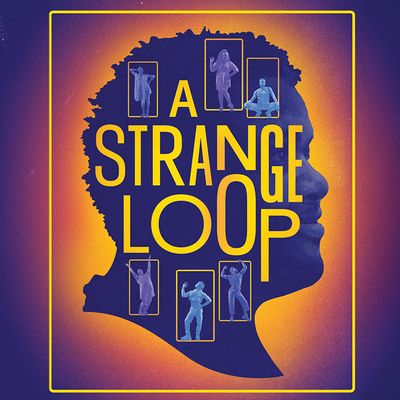
In this Artist Exploration, Charlie and James discuss: Balancing survival jobs to increase auditions. Finding solace in a Cabaret setting. The Impact of Type. A Strange Loop. James suggests to listeners to find your collaborators... Read More
From the show: Mapping The College Audition: An MTCA Podcast
Guests

Featured Shows
About
In this Artist Exploration, Charlie and James discuss:
- Balancing survival jobs to increase auditions
- Finding solace in a Cabaret setting
- The Impact of Type
- A Strange Loop
James suggests to listeners to find your collaborators. If you would like to hear more from James, check out the following places:
If you have any questions about the college audition process, feel free to reach out at mailbag@mappingthecollegeaudition.com. If you’re interested in working with MTCA for help with your individualized preparation for your College Audition journey, please check us out at mtcollegeauditions.com, or on Instagram or Facebook.
Follow Us!
Instagram: @musicaltheatercollegeauditions
YouTube: @MTCA (Musical Theater College Auditions)
TikTok: @mtcollegeauditions
Charlie Murphy:@charmur7
Meghan Cordier:@meghanmarie2014
About MTCA:
Musical Theater College Auditions (MTCA) is the leader in coaching acting and musical theater students through the college audition process and beyond with superlative results. MTCA has assembled a roster of expert artist-educators who can guide students artistically, organizationally, strategically, and psychologically through the competitive college audition process. MTCA provides the tools, resources, and expertise along with a vast and strong support system. They train the unique individual, empowering the artist to bring their true, authentic self to their work. MTCA believes that by helping students reveal their potential it allows each school to connect with those who are truly right for their programs, which in turn guides each student toward their best college fit.
About Charlie Murphy:
Charlie is a proud graduate of Carnegie Mellon University’s BFA program. As an Actor he has performed with theaters such as: NY Public Theatre’s “Shakespeare in the Park”, The Pearl Theatre Company, Hudson Valley Shakespeare Festival, Chautauqua Theatre Company, Kinetic Theatre Company, and the Shakespeare Theatre of DC.
With MTCA [Musical Theater College Auditions -- mtca.nyc], he has been helping prospective theatre students through the college process for over 15 years. As a Teacher and Director, he is able to do a few of his favorite things in life: help students to find their authentic selves as artists, and then help them find their best fit for their collegiate journey. Through this podcast, he hopes to continue that work as well as help demystify this intricate process.
This episode was produced by Meghan Cordier and Charlie Murphy. Episode theme music is created by Will Reynolds.
Transcript
This transcript was automatically generated and might contain errors.
[0:10] Charlie Murphy: Hello and welcome to Mapping the College Audition, a podcast where we explore the landscape of the college theater world and try to demystify this daunting audition process.
[0:19] Charlie Murphy: I'm your host, Charlie Murphy, director of MTCA. That's Musical Theater College Editions.
[0:24] Charlie Murphy: And today we have got an odd repetitive show lined up for you.
[0:29] Charlie Murphy: The great James Jackson Jr. from the amazing Pulitzer Antonia Award winning A Strange Loop is a friend of mine through my partner and was so gracious this summer, along with many of his castmates, to be part of our post-show talk back that we had as part of our summer masterclass week.
[0:45] Charlie Murphy: Um so fun to get to chat with him. Uh today on the show we got into all kinds of good stuff like survival jobs and cabarets and the journey of a strange loop. Do we talk about the Sarah Porkolob controversy? We sure do. Uh, and of course, a ridiculous game because we just can't help ourselves.
[1:00] Charlie Murphy: Um, but before we kick it to James, I just want to wish a very happy Thanksgiving to all of you, our wonderful audience, from me and from Megan, who's not here with us today, even though she's listening to this as she edits this, but Megan's sending her love as well.
[1:14] Charlie Murphy: Um, and everyone at MTCA, we're just sending so much love to all of you. We appreciate you taking this journey with us and are grateful for your eyes and your ears and of course your ratings and reviews when you do those.
[1:26] Charlie Murphy: Yes, I'm talking to you. Why haven't you rated us and reviewed us yet? Aren't you grateful for us too? But in all seriousness, I know the holidays can be a little tough for some people.
[1:37] Charlie Murphy: Um, probably not as much for our high school students, I hope, knock on wood, um, who are hopefully earning a little bit of much needed rest. Um, especially if those of you who are late for pre-screen seasons, get those turned in. Get them in.
[1:49] Charlie Murphy: Um, but I know with our students in college and out of college who are kind of dealing with the first travel difficulties and all that comes with, as well as some of our older listeners who may be dealing with some of that second adolescence awkwardness that coming home to your parents as a single person especially can be really tricky.
[2:07] Charlie Murphy: Um and I know um I talked about it a little bit in terms of the uh our family therapy. It's something my family is really struggling with right now as we try to integrate two different families. Really, in my case, it's like many different families, because my family's uh divorced, and then we have in-laws, and now we have a new baby, and what are all the different divisions and how does that all go with everyone and where do we all fit in the world?
[2:29] Charlie Murphy: Um, you know, because mostly it's just everyone wants to hang out with my adorable baby. Who wouldn't? Um, but for this holiday, we are heading to my in-laws. Uh, and the first time that whole side of the family will get to be together, um, especially since Solvite was born.
[2:42] Charlie Murphy: Um, we were gonna get together all last Christmas, but COVID ruined that Christmas. I call it Bahumbomicron. Um, but I am really looking forward to some good food and some family and hopefully a bit of rest. And I wish that for all of you as well.
[2:59] Charlie Murphy: And as we look forward to our next holiday break coming up, not so far from now. Please feel free to shoot us any comments, questions, etc. Fun musings. If you've written a poem, please shoot that to us at mailbag at mapping the college edition.com. That's mailbag at mapping the college edition.com.
[3:17] Charlie Murphy: All of those words spelled out. Um, as we're planning to do our first big mailbag show over the winter break. We have some great stuff that's already come in, but I also want to throw anything, could be stuff that's really time-of-year-relevant, general thoughts you've had from the podcast, or just life musings that you want to write into our show.
[3:32] Charlie Murphy: You want some advice from us, you know, Megan will give you fashion advice, whatever you want to do. Um, now, unbuckle that top strange loop on your belt and get ready for the great James Jackson Jr.
[3:50] Charlie Murphy: Well, we are honored to have James Jackson Jr. on the podcast today. Uh James has a BA in music education from Westfield University.
[4:00] Charlie Murphy: Um he's an actor and cabaret artist. As an actor, he's been on Broadway in A Strange Loop, the 2022 Tony Award winning show. Um, also the national tour of Whistle Down the Wind, off-Broadway shows like Wild Party, Hair, Cake, lots of cabaret work.
[4:15] Charlie Murphy: You'll see him at Joe's Pub at Green Room 42, I think we have something coming up there. 54 Below. He's been the Radio City Christmas Spectacular. Um, and I also know No Stranger to the Podcast Interview World, as he hosted uh some of our favorite special guests on Five Questions with James and Jam as well.
[4:33] Charlie Murphy: So um, welcome on the pod, James. How you doing?
[4:35] James Jackson Jr: Hi, how are you?
[4:38] James Jackson Jr: I'm doing well. I'm uh I'm at home, so I'm just I'm very calm, consent. There's a there's lushness for those not watching the YouTube here, there's lushness.
[4:46] James Jackson Jr: Um, all screenery surrounds James in sort of a jungle habitat.
[4:51] James Jackson Jr: The secret is it's all fake.
[4:52] Charlie Murphy: All fake.
[4:53] James Jackson Jr: That's the way to do it.
[4:54] Charlie Murphy: Fake plants, fake grass.
[4:55] James Jackson Jr: Oh Elizabeth would kill me. Would kill me if I suggested a fake plant in our home.
[5:00] Charlie Murphy: Target sells it, so shouldn't I buy it?
[5:03] James Jackson Jr: That's right. That's right. That's the job.
[5:04] Charlie Murphy: You're doing the job if they're selling your pine.
[5:07] James Jackson Jr: I'm doing the Lord's work. I'm just a I'm just a vessel. It's not me, it's the Lord.
[5:10] Charlie Murphy: I'm gonna dive you in with the first question I ask basically all of our guests, is just to take us back a little bit. You know, we want to hear a little about your journey, especially from James the Young person, starting to consider.
[5:21] Charlie Murphy: I do I might want to go into this theater. I don't know if you knew at 16, 17, or if you're looking at colleges. But kind of from that high school time through the college, what what made you go? I want to get this education as a way to potentially pursue this career, whatever that career was.
[5:34] James Jackson Jr: I was so I have been playing my I took my mother played the piano and was a bit of a child piano prodigy herself before she became like a scientist doing cancer research, which is a weird jump. But because she could play the piano, I at a very young age was immediately jealous and wanted to do everything she could do.
[5:54] James Jackson Jr: So she started me with she started to teach me and realized she's not a piano teacher. So she got me a piano teacher, probably around five years old. I started. But I was also um growing up in New England in a predominantly Jewish town in uh just south of uh Boston.
[6:11] James Jackson Jr: And I was the only black kid in my neighborhood, where my mother's this like well-to-do scientist at children's hospital. And we're a weird family that stuck out in 1970s, 80s, Randolph, Massachusetts. So I was a little bit I also had this very high voice that I would oftentimes get made fun of for.
[6:31] James Jackson Jr: So I was doing everything I could to not stick out and be weird and be a geek or nerd or or other bad words. Um so I didn't tell anyone I was studying piano lessons ever. I told my best friend Carrie, and she knew I was still taking piano lessons through high school, and people did not know at all.
[6:50] James Jackson Jr: I was ashamed of it, I did not talk about it. It's such a weird secret hobby. Like, this is not what you think of as like I'm ashamed of saying my piano. I totally was. I totally was. I I guess I could kind of sing. My mom could kind of sing.
[7:02] James Jackson Jr: So also in the interest of me doing everything that my mother did, she did cancer research, yes, but she also smoked. So I um secretly was smoking. I was secretly playing the piano, secretly smoking, and I got I got caught one day in high school doing two things in the bathroom singing and smoking.
[7:21] James Jackson Jr: And this was my junior year of high school. So I'm trying to like figure out what I'm supposed to go off to college and study and major in and whatever. And I got caught smoking and singing in the bathroom.
[7:32] James Jackson Jr: And the teacher gave me two an option. You can go to the principal's office because you were smoking and singing in the bathroom. Um you should be in class, or you can go join the choir, join the chorus downstairs.
[7:42] James Jackson Jr: So I chose, I'm not going to the principal's office, I'm gonna go join the chorus. And I found all of my people, like the other freaks, the other people who were ashamed of my voice is too high or too low or whatever, and they had been made fun of as well.
[7:57] James Jackson Jr: But I found these people who were like, come on in. And I started comfortably singing and not being ashamed of it. I started being able to tell people, hey, I take piano lessons on Tuesday at at 3:30, so I can't do whatever.
[8:10] James Jackson Jr: Um or I have rehearsal became a thing, and I could comfortably say that. So I didn't, I guess I did realize, oh, this is something I showed up there and I started getting parts in things.
[8:22] James Jackson Jr: And I was like, Oh, that's what that means? That's how that worked. I didn't realize this was also something you could major in. I knew my mom had done this when she was a child, but she didn't go off to college or grad school and major in anything music oriented.
[8:37] James Jackson Jr: Um, so I started to realize, oh, this is something I could study. I had uh my chorus teacher, we were her first class out of grad school. So, you know, I'm 17 years old. She was really only what, 25, 26 at the time.
[8:53] James Jackson Jr: So this was the coolest thing in the world to me. That someone who had just studied this thing that I'm just learning you could study was cool and like leading this group.
[9:03] James Jackson Jr: Um I did show choir things all in my junior and senior year of high school. And then decided to major in music, but not as a performer. I knew I wanted to be a teacher.
[9:11] James Jackson Jr: Yeah, so at 16, 17 you're thinking, it's because I'm gonna go be that choir teacher. I'm gonna come back. I'm gonna I want to go be the choir teacher. Great. So and tech take me a little through the college journey of like, so was it in college? Was it out of college?
[9:22] Charlie Murphy: When did you say, hey I might move to New York City and think about acting.
[9:26] James Jackson Jr: Uh being more in tune with my fear. I decided too scared to go perform. So I'm gonna stick with I'm not a music performance major.
[9:36] James Jackson Jr: Um I'm going to be a music teacher. So I must be a music education major. Um an education major who's concentrated in music as a matter of fact um and studying opera and classical music and things like that and doing theater stuff like in the club that we had on campus.
[9:52] James Jackson Jr: So I did all of the things I started to look for schools to student teach at in my senior year. Um I had friends at this point who had were upperclassmen when I was younger and they had now gone off to New York and they were horrible performers.
[10:07] James Jackson Jr: Or not horrible they just it wasn't working out for them. Just horrible people. It was just they were just they were good people but the the acting thing wasn't working out.
[10:15] James Jackson Jr: The thing that they left New York and we all wished them they left Massachusetts and we wished them all well in New York to do wasn't working. I knew a lot of unhappy waiters and waitresses.
[10:26] James Jackson Jr: So I didn't want to do that because I was scared of that didn't compute to me. You study for four years, you should be able to then go to work for all of the years.
[10:36] James Jackson Jr: So I graduated. Um, I had an option of staying on to student teach, but I also encountered a lot of now unhappy teachers. So I said, I'm gonna just get a job. I'm not gonna go to New York and do like that thing.
[10:50] James Jackson Jr: Um, I got a job working for the Screen Actors Guild in Boston, like immediately after college. And this was around the time of like they're filming things like Goodwill Hunting and all of these films that like we st now know as James is aggressively dating himself.
[11:04] James Jackson Jr: He keeps doing it. I'm trying to I'm trying to cut these out of the pot. He's saying 70s and 80s goodwill hunting. I just turned 47 years old last week. What a time.
[11:12] James Jackson Jr: I'm owning all well, because next year I'm gonna start subtracting anyway, so I feel like I should as well I might as well start talking about it now.
[11:18] Charlie Murphy: That's right.
[11:19] James Jackson Jr: Um, but I got a job working at the Screen Actors Guild in Boston, which really handled all of New England, and it was afraid and the Screen Actors Guild.
[11:27] James Jackson Jr: They were a joint office, they were not joined as a union yet. So I was the payroll department. I did that for six or seven years after college and learned about contracts and how actors and performers should negotiate things and be paid, and I handled all of their payroll and kept that together.
[11:44] Charlie Murphy: How do you get from there to here? How do we get from there to be a cabaret artist and an actor and all these amazing things and they're making your Broadway debut at 45 or whatever?
[11:53] James Jackson Jr: What's cool in in Boston in most of New England, all of the theater stuff didn't rehearse during the day. So I could work this amazing nine to five job, learn about contracts and learn how to stick up for myself as a performer, and then do theater that rehearsed at 5:30 p.m. and you do the show at night.
[12:10] James Jackson Jr: So I learned how to do things that way. There's great theater in Boston. Um like I worked at Speak Easy Stage, um, the lyric theater companies are this amazing, amazing that we lock family theater is there.
[12:21] James Jackson Jr: Um there's so much stuff going on in Boston. And then after the six or seven years that I was there, a weird thing happened where I got something called laid off.
[12:30] James Jackson Jr: And so you're telling a 26, 27 year old, hey, um, here's what a uh what would here's what severance pay might be. And I was like, I don't understand what you're saying like I want to come to work tomorrow.
[12:44] James Jackson Jr: And they were like, no, no, no, you can't. The job were the position is not going to exist anymore. So there's a thing called severance pay, where you can either take a big lump sum of money, or for almost the next full two years, you can have a paycheck every week.
[12:58] James Jackson Jr: Your actual paycheck that you've been getting, you'll get paid for it. It was almost like a year and 10 months. You'll be getting paid what your salary was every week.
[13:07] James Jackson Jr: And I was like, uh uh what? You free money? I just they were like, well, you've worked for all of these years here. You're entitled to this.
[13:15] James Jackson Jr: So I took that money and I moved to New York. And I had a paycheck for almost the first two years that I was here coming from my former job.
[13:24] Charlie Murphy: So cool. And what what were your parents like at the time? So, like maybe especially going into college, but you know, then especially if you're saying, no, I do want to move to New York at 29 or whatever.
[13:33] James Jackson Jr: My dad uh is completely like self-made man. He ran away from North Carolina when he was like 15 or 16 years old and came to Boston and uh started a barber shop.
[13:43] James Jackson Jr: Um he was a beautician and uh like a just self-made businessman who had his little barbershop that did well, and then he bought the store, then he bought the block of stores that his shop was on.
[13:54] James Jackson Jr: Um totally self-made. And my mom is this scientist um doing cancer research at children's hospital and like working with all these like brilliant minds coming up with uh cancer medications.
[14:04] James Jackson Jr: So they wanted me, of course. My dad was like, I want you to go be a lawyer or something. And my mom thought, like, well, he kind of likes the arts, so maybe like be an English teacher or study, study something that's really grounded like that.
[14:17] James Jackson Jr: But when I presented this idea of, I think I actually want to study music, my mom was happy. There's also there was a small question mark, but I needed to prove that if that's what I'm gonna do, I have to be the best at it.
[14:30] James Jackson Jr: So, okay, I'm gonna study music.
[14:32] Charlie Murphy: Why?
[14:33] James Jackson Jr: Well, I just joined this thing in high school, and look what I've done. I've gotten, you know, I got the solo in this, I got some scholarships from them too.
[14:41] James Jackson Jr: Um I get to college and I can say, okay, well, I wanna I'm studying classical music, I'm studying like Schubert and all of these song cycles and learning German things and whatever.
[14:50] James Jackson Jr: Um, but if I'm singing with the Westfield Symphony, uh I better have the best solo. So I had to present that I'm doing the best work. It sounds just like my father, James. He's like, "Well, if you're not the lead, then what are you doing in the shop?" Right, exactly. You've got to be proving that you are the person. And it seemed to be a good one. Are you Julius Caesar in Julius Caesar? Right, right, right. So it seemed to be working out. Um, I got to do these amazing things. Our choir in college went to Carnegie Hall. Well, you better have a solo there. Great. So now I'm, you know, 20 years old singing a solo at Carnegie Hall. Great. Um, you better just be the best. If you're gonna be, did I think that probably stemmed from childhood too, of like, if you're gonna be the only one, you better be.
I always say in my cabaret act, I'm always like, if you're gonna, she told me if you're gonna be the only one, be the onlyest. Be like the best only you can be. Um, so I sort of mastered that at a young age, and I think I just kind of took that with me everywhere I was going. Everywhere I was going, there was no one who looked like me. Um, so I just kept doing that over and over. I showed up in western Massachusetts in the Berkshires in complete like earthy, crunchy Birkenstock Central, and said, "No, I'm here and I'm going to do I can sing Schubert, but I can also, I feel like are there some black composers we should be studying as well?" So I got to sort of educate my very, very white music department at the time in the mid-90s and introduce composers like William Grant Still, um, and just like other works that they might not have taught as part of their curriculum.
And if I'm gonna do that, I have to be really good at it. Yes. So I was just kinda in practice rooms like perfecting. I mean, it seems like the epitome of a big fish in a smaller pond. You know, it didn't seem like that education was gonna feel like it was like, you know, hardcore conservatory style, you know, acting, singing, dancing. I love that it was very liberal arts. I love that I learned, I still believe in this philosophy today. I I'm so glad that I got to learn a little bit of everything because I've needed to use a little bit of everything to do anything. Um, it's still the truth. I, the all of the work that I did working on contracts helped me as recently as negotiating my contract for Broadway right now.
Because I read the fine print and I understand the fine print. Um, it's so smart. And what about some of the specific, you know, as we talk about maybe the three disciplines of musical theater, especially, you know, as acting, singing, dancing. As you left school, was there anything that you felt like you wanted to keep doing to pursue your education? Was there one of the legs of the stool that you said I need a little more acting, a little more dance? Absolutely. Initially, you know, so I'm there studying music education and with a focus in classical music. So, and I knew that I would if I become a teacher, I'm gonna have to go to graduate school very soon anyway. So I might as well start auditioning for graduate school programs.
And I'm auditioning and going in and singing these arias and all the while, you know, I've been dabbling in musical theater in with the club in college. Now after college, right after college, and I'm working at the Screen Actors Guild, I'm doing theater, doing pro getting my first paycheck, which was probably like I think I got like $75 a week in some like music Gersh women in the state. This is in the 30s, so that was a lot more money back then, right? This was in the Great Depression, and I remember I remember I was in the back of my wagon and I'm gonna be onions. You just said eat the onion like I remember I was also studying with great classical voice teachers. There's a guy named Robert Honeysucker, which is an amazing name.
He was this amazing classical baritone who looked like me. And he taught at the Longy School of Music in Cambridge, which is this very hoity toity um classical music school in Cambridge, Massachusetts. And I was like, there's a black guy who's teaching voice there. I must study with him. And he was getting me ready for auditions for graduate school. And I had this amazing the audition that did it for me was at New England Conservatory, and there was, you know, you go in and it's very much like Flashdance, which is definitely dating myself, where there's a group of people at a long table, and you walk into this long hall room and you're very scared and sweating, and you're I'm there to sing my Mozart and my whatever.
And I do it, and there was of the adjudicators there, there was an older, obviously gay black man who was one of them. I cannot remember his name, and I know that I have it somewhere here and I have to find it. I think about him all the time. But you got to meet with them afterwards. And by now, I've learned about like musical theater stuff, and I've learned what it might take to be an opera singer and the discipline that might be involved in that. I've learned what I might be to just go be the music teacher in a small town. And this old, old, old man, he sat me down, and I remember he had a little cup of tea with him. And he just pulled me aside and he said, "I don't think you want to be here."
And I was like, "I no, I do. I very much would like to be a part of New England Conservatory, I promise. Like I swear, I swear." And he said, "No, no, I think there's I hear it in your voice. There's something else that you want to do." And that was all he said to me. He didn't really expand on it. I think he could see that there were a lot of little things that I liked doing. Whether it was the storytelling that I was fascinated with learning these arias, and they I was fascinated that the teachers were not teaching you about how to tell the story, maybe with your body or things like that. They were just teaching you the techniques of how to sing the song. Um, which I loved, and they're great foundations for what I'd still do in musical theater.
But I wanted to learn how to interpret the story. I loved that, not that the opera singer was belting the high B. I loved that she was doing it while draped across the couch, having some dramatic moment. I wanted that connection of things was so important to me. And I think I was bringing some of that to maybe arias that didn't need it. But he saw something in me that I'm very glad he pointed out and pulled me aside and told me. Thank God he did.
[20:56] Charlie Murphy: You, those little moments of gratitude, something like something just that simple, just a gentle push in the right direction where you go. I still think about it to this day. That ripples onward. Um, talk to me a little bit about okay. So now you're 27, 28. Um, you're moving to New York City with the blessedly some survival job money, so you don't need to immediately go get a weight tables. But I imagine you don't come with an agent. I imagine you're not a 22-year-old right out of school doing a showcase, you know. So how are you then trying to hit the ground running and kind of because many of our students, you know, many of our students will end up going to really big fancy BFAs and graduate with all, but many not too. Many will end up pursuing liberal arts educations and then say, "I want to go try to figure out how to be an actor." How do you do that when you show up to the city with a bus ticket and in a dream?
[21:38] James Jackson Jr: Right, right. With my hat box. Um, you literally, there's never been an instance where you don't have to pound the pavement. You have to pound the pavement. Uh, so you go to every audition possible.
[21:53] Charlie Murphy: And are you talking open calls like so what what is the if we get a little granular with open pound pound the pavement, what what am I pounding?
[21:58] James Jackson Jr: So I'm not equity. So this was in the days of you're not even allowed in the building, really. Um, so you're waiting in that McDonald's line or what was the McDonald's.
[22:09] Charlie Murphy: And they throw stuff at you, I know.
[22:11] James Jackson Jr: You could pee in the McDonald's. And there was always I remember, and she's still a friend of mine. There's a girl named Canova, who's still a very dear friend of mine. But we met in the non-equity, the unofficial list line. Those things are true. Those stories exist of there's some sheet of paper duct taped to the front door of 528th Avenue. Just on the McDonald's bathroom. Right, right. Or of the equity office. There's someone had brought masking tape and a piece of single rule single spaced college ruled paper and taped it to the door and wrote Canova Johnson. And she was always number one. She's probably in line for some non-equity audition now. She's fully equity, but she's probably in line early now.
She would be there at sunrise. And if you were number two or three on the list, which was sometimes me, you would meet her. And then you okay, I'm gonna get ready. I'm gonna go warm up in the McDonald's bathroom. You watch my stuff, because if they let you in, they're gonna obviously let me in. So it was a lot of that. And it didn't, and again, if you're using all of the skills of all of the things that you have been through thus far, you're probably not gonna have to do this for too long. So I just started to, and I didn't think I had the luxury of like turning things down. There were a lot of people I would meet who were like, "I'm not doing that." So I said, "Well, I will." So I did a lot and at that time also that we weren't having all these conversations about diversity and inclusion.
And there were regional theaters doing probably the same production of Smoky Joe's Cafe all over the place in 2000 to it's like two or three, maybe. I probably did six or seven of them. Uh-huh. Um, but I started getting work immediately. And the first one of the first things I got was in this nightclub up in Harlem. There was a review that someone was doing called You Must Take the A Train. Um, I got a job singing in that show. Then I started uh I got some jobs at the Bucks County Playhouse, the old school Bucks County Playhouse, um, which then meant you could work at the Pocono Playhouse, which meant and it just started to work, but it always took pounding the pavement.
[24:21] Charlie Murphy: Right. At what point are you now getting a little help? Are you getting an agent pretty soon? Is it still a lot of years before?
[24:27] James Jackson Jr: No, absolutely.
[24:29] Charlie Murphy: How long? Because we're gonna take you through this journey. We're at 45, 46, you're about to make this Broadway debut. How do we get up the ladder to that place?
[24:35] James Jackson Jr: You know, the so the non-equity things, the regional things, the umpteenth productions of the same show over and over, where you know, now I'm not getting paid seventy-five dollars a week. I'm probably getting like maybe three hundred. Um, call me crazy. But I was using I think I was getting when I look back, I think I was getting those jobs because of the muscles that I had worked out, studying classical music and studying opera and studying how to be kind of an athlete here, because I could show up and was sort of a workhorse vocally. So it was like, oh, get that.
[25:06] James Jackson Jr: James is pointing to his throat for those who are listening to the podcast. This is where he's an athlete. Or it was you know, now I'm gonna be. As now it turns into flab. Um, but I think I was good at what I could do. So I kept getting work. And if it was repeat work, it was still work. So I'm building relationships. Uh I and I would also, when I didn't have the performing job to do, I had this other background of all this office work, this administrative work. So I would, if I knew we work in an industry where on the first day of work, you know when the last day of work is. Uh-huh. So while I'm doing the first day of work, I'm already reaching out to people to try to secure work for the last day of work. And that's what you're doing. You're doing uh you continued admin work or payroll.
[25:55] James Jackson Jr: Absolutely. Absolutely. So I got a job working for there was a company called Plum Benefits. And they were sort of like a knockoff at Broadway.com or something like that. They just gave they would contact HR people at different companies around the tri-state and offer them discount tickets to Broadway shows, sporting events, things like that. And I went in, probably also a little older than most of the people who worked in the call center. And on the second day working there, was asked like, "Hey, we need someone to manage the call center, and you seem like the actual you just seem like the oldest. So you want to do it."
[26:26] James Jackson Jr: Yes, I am. I was born in the thirties, of course I'm the oldest so there I was um and I the office was across the street from Ripley Greer from 528th Avenue. So I said okay am I gonna take this office job yeah uh the non-equity stuff how many more productions of Smoky Joe's can I do? How many more productions of Five Guys Named Mo can I do? Let me take this office job. I'm across the street from every audition but I really would like my equity card. So but I'm here but I'm just across the street. So let me see can I time this right? Let me read about every open call I'm managing the call center. So let me be really good at that means I only have to get on the phone at the call center as the manager if there's a problem.
So you don't really need me unless there's a problem. So I told all the 20 year olds you're doing your job if I don't have to get on the phone. If I can be auditioning while you're doing your job you're crushing it. And they did it. Because I would let them go audition like "Hey James can I have like an hour can I take my lunch at 10?" "Yeah absolutely if you guys make sure I never have to get on the phone." So they did. I and I said I'm only gonna go to auditions that will guarantee me my equity card and that's how Whistle Down the Wind happened. The audition the first two auditions the dance callback and then the final callback all happened on my lunch break across the street while I'm managing a call center.
[27:47] Charlie Murphy: It also seems like a great example we sometimes talk about like survival jobs that don't that are that pay enough for you so you feel good about that. We obviously can't like sap your dignity but also that you're not in love with to the point that you're like well this is my new career. Like you're like you're pretty clear about like I'm doing this to the other.
[28:02] James Jackson Jr: I was adjacent to the thing. I, you know, I remember Tarzan was on the I will never forget. We would have these meetings as shows would come to Broadway, and they wanted us to be able to sell these tickets to HR people. And HR people are going to say, well, what's Tarzan about? And we all know, now history has afforded us the hindsight and the 2020 vision to know Tarzan was not a great musical. But we were given language from marketing teams that we had to say Tarzan was visually stunning. That was the selling point for Tarzan, the musical by Phil Collins. That was visually stunning. And I will never forget like those little things that we got about marketing, and this is how this is the language people use to market Broadway shows.
And yes, and this is the language we will use in this call center. So that was a skill that I like kind of tucked away back here about how people might market shows. Boy, isn't that interesting to think about that when you think about stuff like casting and being like, how much of it is it about visually stunning versus the artistic? It's visually stunning, but it's a musical. Shouldn't we talk about the musical? No, it is visually stunning. Um, that was very very telling to me. So I went and I got my job. And I also got it was Whistle Down the Wind and it had money behind it, and it was Andrew Lloyd Weber, and they were gonna try to repair the fact that it was a flop musical in the UK, but more importantly, they were going to pay me and they were gonna pay for my equity card. It wasn't just like go do like a theater works thing and get points towards your equity card.
[29:23] James Jackson Jr: We will hire you and completely pay for you to join the union.
[29:26] Charlie Murphy: That's the most amazing thing.
[29:28] James Jackson Jr: So I did it. I got to walk back to that office and say, I'll be putting in my notice.
[29:34] Charlie Murphy: Why?
[29:35] James Jackson Jr: Oh, because I'm going to go join the tour of Andrew Lloyd Weber's. Because I booked is why.
[29:39] Charlie Murphy: Yeah.
[29:40] James Jackson Jr: Um, and then what leads you to the cabaret world? So was that a little later in life that you started doing more solo shows? You've tendency music a lot of cabaret worlds. You know, so now I have the equity card. Now I've done a tour, not a great tour, but I've done a tour. I've gotten paid very well. I came back and I did some regional theater things now with the equity cards. I'm a little bit, you know, now it's maybe up to six or seven hundred dollars a week. Um, I did the Radio City show. I booked that for and did that for a couple years. But I also I was getting tired. Because what I was learning at was there's still just a bunch of Smokey Joe's cafes to do. It's they still I still walk into a room and I'm expected to just kind of do the same thing.
I'm uh you're sort of summed up when you walk into a room and you feel that. You've you feel you've I felt that energy in you know 1983 walking into Debbie Levy's bar mitzvah in Randolph High School in Randolph, Massachusetts. And it's the same energy walking into a casting room or session or or whatever during that period. Where it's like, oh, you've already decided what you want me to be or do. And it got very tiring. I remember waiting I went to some sort of huge open call for hairspray. Um, not because I wanted to be a seaweed, but because I knew, oh, there's a musical that has black people in it. So I guess I'm supposed to go do that. But it was one of those big publicity stunt open calls that were a line was wrapped around the a block, a city block.
And I remember I waited in that line for probably four and a half hours to go into a very tiny room to sing maybe two bars of music. And I I felt um there was a lot of like, okay, great. Thanks, thanks, thanks for the two bars. Can you just hit this note? And then I hit it. Okay, okay, great, thanks. And I was like, wow, I just I spent like six hours of my life to just like maybe sing two bars and to just get told, can you hit this and do it? And then that's it. That's literally it. I had a lovely day in line with people that I to this day am still friends with. But I just had gotten tired of doing the same thing. And someone, uh actually a friend of our uh uh Melissa Hammonds was at this point uh doing these um sort of like not cabarets, but she was putting together these events of celebrating different types of music.
So there was an event she was putting together of women's music and someone was to play Carol King, or not to play Carol King, but to sing a few of Carol King's songs. And we were she and I were together up in Connecticut driving back to New York City for something, and she had a performance that night um for this group that maybe had a cast of like five or six different women in it. And someone dropped out, someone texted her, and while we're driving back to Connecticut and she's freaking out of like, Well, what am I gonna do? Someone has to cover the Carol King sections of this music. And I was like, in my head while I'm driving, I'm like, I can sing Carol King. She's kind of an alto, and I'm I'm kinda I don't know.
There's some there's some crossover there. Um and I was like, hey girl, um I could do it. Like I know you need uh you're in a pinch. The thing's in like two hours and we're sitting in traffic, like I could do it. So we drove straight to the venue somewhere downtown in the city when we got back to Manhattan. I went to the sound check and I did it. And because it I was a new cog in the machine, there were a lot of like hiccups in the evening. Uh-huh. So I would come out on stage and the band has to like adjust of like, oh, that's right, we're gonna try this one a step down or da da da. So let's like so someone had to kind of kill time and vamp for a second. And who better? Who better? And I didn't know I had that in me.
Uh but I just like kind of chit-chatted with the crowd for a second. And I was like, tell story. Uh-huh. You you respond. What? I sing a song. All right. And what a freeing moment to do that in too. Oh my god. I feel like sometimes you know, people are so nervous to go on as an understudy. Of course, you would be as an understudy, but like you also have to really set up to succeed because everyone's rooting for you when you're and so you're like, I'm helping out here, so I get a chance to like, I'm gonna have fun with it. I'm gonna stay loose. It's not my concert. I had no cares in the world other than let I want to help my friend. You're kinda helping a good job. Yeah. Yeah. That's okay. And I I it was a I got a great response.
Someone came up to me afterwards and said, like, you know, you could like do that. You could like turn that into something. There's uh there's footage somewhere on YouTube of me singing, I think like it's too late, baby. No, it's too late. Um, and me telling part of a little joke before it starts. There's somewhere there's a YouTube clip of that that I will find that clip. It will be in the show notes. Megan is on it. We're on it. So I I did that, and someone said, you know, oh, you could turn this into a little something, and I did. Uh-huh. So I that was probably I don't even at this point, 15 years ago, 16 years ago. Um, and that's how that was the birth of the cabaret thing. And talk to me a little, uh, we've we sort of did a little runner on type for the past maybe eight, nine, ten episodes, which we kind of closed up, but but now that you brought it up, I'm like, I'm I'm a little interested in, or I'm very interested in though, don't know how our listeners are gonna continue to be interested in it.
But um, when you say, you know, the kind of box that they were putting in you in, I'd love to kind of hear what was that experience like? I mean, was it mostly about race and sexuality, or was there something else that you were doing that would that you were like, you're putting me here because of the way my voice sounds, or because of how I dress, or what did it feel like for you? I know that I learned at a very young age that whenever I walk into a room, whenever it's been, or just maybe it's the rooms I walk into, someone in that room has made a decision about who I am to them. And if do you know what is that what that decision is? Is it always different things, or is it like you are at? Um, often sometimes you know you get to be a good reader of people because people have summed you up.
So people are people are always surprised to have and they always have been about whatever it is. Oh, Schubert, you you like classical music? You you know things about that. Um your mother does what? That's that's always been a thing. So then going into these audition rooms, you when I first got here, in those holding rooms, it was a bunch of people who looked just like me. There's a call for, you know, someone to play Adrian in Smokey Joe's Cafe, someone dropped out. So that means everyone who's six foot tall, black shaved head, and in musical theater is gonna be at that call to sing the probably the same 16 bars, if they're lucky, and hopefully get the one job that's there. When I started to do the cabaret stuff, I now have this arsenal of material that I identified with so well that I loved singing, and I could put my entire self in when I performed and I could easily tell those stories in the way that I wanted to tell them.
And when I brought that material into rooms, now armed with all of the stuff, contract knowledge, the um the equity card, the agent, and now I'm bringing in material that speaks to me on like such a personal level. That's when the entire game changed. Because no matter what you thought, I walk in the room. First, you know, I walk in the room anyway, and I had to sing. I spent so much time in the early days trying to figure out what it is they want me to do. Oh, they want me to can you sing it a little more urban? Can you sing a little? Can you sing anything like a Billy Porter type thing? What's what does that mean? Now I'm coming in the room comfortable. I I brought Carol King in the room. Now I brought in some Gladys Knight or some, and now I see people at the table leaning in to go, uh oh.
Because you feel like early on you were also kind of participating in putting yourself in a box. You're saying, okay, I'll try to be like a seaweed because I think that's what your eyes are doing to me. But now you're going, no, I'm me. And if you don't like me, that's fine. Little do I know that like the language you might be using is, you know, might be too gay. Um a purse has fallen out of his mouth. That's that's something we've all we've all talked about, that we've all heard. Um, could you I've had someone say, could you please try to remember that this character is a man? Like, I I didn't forget. Someone said that to me. No, no, I did not forget. No, I didn't forget, and I stayed in the room.
Now, me at 47, with who I am now, I I may have stayed in the room, but to tell you some other things. Um, you're gonna go back to Westfield and do a little bit of teaching. Now we're gonna say, okay, I'm gonna teach you what I'm gonna do. So I have always been aware of what people are going to think of me or expect from me, and that's on them. But if the job is about me going in the room and just doing my best, and that thing when they say, like, sing something that just like shows your personality, but tell tell us a little about you, that tells us about you. I've got that. That's what they actually want. Are you are you someone who looks like they might be great to work with? Period. Not it if it not someone who like might be able to fit into the box or is over there trying they did a great job of trying to fit into the box that they think that I want to put them in.
It's not that. And I spent a lot of time trying to figure out, oh my god, if I wear this, that's okay. And then they'll think this of me. I can't wear green because you know, green do none of that stuff means anything. None of that stuff means anything. So not until I was doing this thing where I had to arrange some of the music, figure out what key it was in. I used to have backup singers in my show, and I'm like writing the backup arrangements for them to do, hiring the band, figuring out how to pay them, getting the rehearsal studio, contacting the venue, what time is sound check, what's the the you know, all of those, what's the back line at the venue so I can tell the the band what they need to bring, figuring out all of that stuff, and then making sure you sold the tickets and you got the people there and the da-da-da. Not until I started doing that was I able to walk into those other rooms with the equity card and the agent and be completely comfortable.
[39:31] Charlie Murphy: It's so interesting. It sounds so much like uh Susan Blackwell gave this advice of like, um, as an actor, she always pretends like she was the writer on the project. So she she does the words as if she's written them, right? It's that like you now have an understanding of the whole spectrum of what it is to produce the thing, and so you go, great, I I see what the role of actor is, and it's not as small maybe as I as I've been making it. It's not as as pigeon-holded as I'm. And uh what I've you're always collaborating. You spend your training and the actual time doing the job just collaborating. You are always collaborating. You never stop.
[40:06] James Jackson Jr: I love it.
[40:07] Charlie Murphy: Okay, we are gonna stop for a second and pay some ads here, um, or get paid by some ads or however that worked. On the back end of the break, we're gonna dive into Strange Loop a little bit more, and of course, play a little game.
[40:21] Charlie Murphy: Well, we are back with James Jackson Jr., and we're gonna dive into the excitement of the Broadway debut in our mid-40s. You know, we did have Dakon Matthews on the pod earlier, who made his debut in his like 60s, which that's still the age to beat. Um, but that's a long circuitous journey to reach Broadway. So talk to me a little bit about both the that experience of of what it was to happen in in your 40s, but also a little bit of the journey of the show. Because you were with it for a while, right? It wasn't like you know one two, it was like you you journeyed.
[40:52] James Jackson Jr: I've talked about the collaborating thing and and being in these holding rooms and being in these early spaces of they don't want any of us, or they just want one of us, and there's 70 of us here. In those spaces, I met, you know, a group of people who look just like me. And uh one thing a lot of them said was there's this crazy songwriter running around New York City, and his name is Michael R. Jackson. Please don't sing his music. He is insane. It is too much, it is too, it's just too out there, and you'll never work again if you sing his music. Now, me being me, I was like, but what do you mean you'll never work again? You aren't working. You're telling me this while we're here fighting for one slot.
I don't need advice from you while we're like, I'm holding your bag while you're in the McDonald's bathroom. So, and me also being me, I had to know everything about him immediately. So I I researched all of his music that I could find. You know, we're in the early days of the internet for my at the time elderly behind. So I I start researching him, and naturally, at one point, I got the call. I had heard of him before I left Boston, actually. I was doing a production of The Wild Party at Speakeasy Stage Company, and someone there, uh, a composer named Rachel Peters said, you know, when you get to New York, you should meet my friend Michael R. Jackson. So that was the first time I'd heard his name.
Then I get to New York and I'm meeting all these people who are like, do not sing his stuff. I got a call from him one day or an email or something. Someone had dropped out of one of his concerts at Joe's pub. He used to do all these, I have these like trunk songs just laying around concerts at pub in Ars Nova. Someone dropped out and I filled in. And I did the thing that you're supposed to do. He he I said, Yes, I absolutely have heard of you. I would love to be a part of your concert. And he emailed me the music, and I was gonna meet, say, the next day for rehearsal. So that night I got the music and I practiced it. I rehearsed. I sat at my piano and I I learned my part, and then I went to rehearsal, you know, that what's that word I'm looking for?
Prepared. And I got to rehearsal with him, which was at just at his apartment uh up in Inwood, and he we sat at his little piano, his little keyboard there, and he was so surprised that I knew my part. Uh-huh. He still talked I've heard him talk about this in the press, like as recently. He came in expecting to teach you your part, and you're like, Oh no, I'm good. I'm just here to work it. James Jackson showed up prepared. I will never forget that. And so to a writer, they don't want to waste time plunking. So because he didn't have to, sure, we rehearsed for five or ten minutes, and then we talk about soap operas and days of our lives and Cory Amos and and uh like Liz Fair and Joan and the stuff that we both love. So I immediately, sure, we could rehearse, whatever. That one went, yeah. But I found a friend that's and he had the similar background to me.
[44:05] James Jackson Jr: So it was just we sort of bonded over that. So that was well now we know thirteen years ago.
[44:11] Charlie Murphy: Mm-hmm.
[44:12] James Jackson Jr: Yeah. So I've been a part of this thing for thirteen years. For thirteen years it's been being about even the longest. Since the beginning. Since that one stupid person dropped out.
[44:20] Charlie Murphy: Yep.
[44:20] James Jackson Jr: You and it wasn't even a show with this, but Michael is a songwriter, so he had a ton of songs. Jam, who plays the mom at the end of the show, he's been in with it. We're the granddaddies. He's Jam's done about 14 years and I'm going on thirteen years. So that's how long it takes. So the journey exactly. So the journey with the show, and of course, you know, we've talked a little about this before with, you know, the from whatever from a nymph show to an off Broadway to a Broadway, or from what you know, all the different readings to off Broadway and then eventually to Broadway. Um and some regional theater in there I know as well. I I guess we'd love to talk a little bit about like after I guess it was this spring you opened on Broadway, right?
[44:55] James Jackson Jr: Yes.
[44:55] Charlie Murphy: Have you felt a difference for your human self being Broadway actor James Jackson Jr.?
[45:03] James Jackson Jr: I mean, it was one of my favorite moments from that to we did a talk back with uh MTC after the Summer Master class. We did talk about some of the wonderful actions in the cast and I asked everyone, it was like, is uh for how many of you is it your Broadway debut? All but one raise their hand. So it was just like you felt all our students go, Oh my gosh. Could it's not cause I think sometimes we think of it like a wall, like there are Broadway actors and then there are non Broadway actors.
[45:24] Charlie Murphy: Well, 'cause I because I think we think of Broadway as some mythical far off land.
[45:29] James Jackson Jr: Correct. And it's just all it really is is a cup. Broadway is just about size.
[45:33] Charlie Murphy: Yeah.
[45:34] James Jackson Jr: It's about house size, how many seats are in a building. I have a lot of seats in this apartment. Slightly less slightly more expensive more more than three hundred dollars a week in your salary too.
[45:43] Charlie Murphy: Yeah.
[45:43] James Jackson Jr: So we just think we've we we've placed Broadway on a pedestal. Um and you really can only get up there if you have figured out a lot of stuff beneath the pedestal that doesn't even have pedestals that you might have to sit on the floor and do.
[46:00] Charlie Murphy: So I think because we look at Broadway like that, it's that's the biggest question that people talk about now. It's like what's Broadway like? How is it? Oh it must be magical. It must be everything ever dreamed of and it's great.
[46:12] James Jackson Jr: Yeah it's great. But it's not it could never be the only goal because I think when I made it the only goal that was back in the days of trying to be what they I think they want me to be. It was I wasn't doing realistic work.
[46:23] Charlie Murphy: Uh-huh.
[46:27] James Jackson Jr: So I talked to someone the other day about like you know life after a strange loop which is something we all have to face and like what what's gonna be next and someone referred to me as someone who is doing long term work. You're doing long haul work. You're fostering relationships with other songwriters and and creators and you're you're in this for a long haul and that's so obvious to people.
[46:53] Charlie Murphy: And Broadway is not there is a period where it was the only goal but Broadway is also not the only thing to do.
[47:05] James Jackson Jr: Totally but do you feel the cachet of it opening up other doors? Like do you feel now there are doors open to you that wouldn't have been five years ago?
[47:14] James Jackson Jr: This show if if the doors weren't open five years ago, I would have spent the last five years figuring out how to open them myself.
[47:20] Charlie Murphy: Uh-huh because that's all I've ever really done.
[47:23] James Jackson Jr: Um I'm so excited that this has opened doors that I didn't expect to open. I'm so and I'm not that person. I don't lead with, I don't think it's wise to just lead with your resume. I think it's much better to lead with your actions and what you are as an artist and a creative person.
[47:41] James Jackson Jr: That I it I'm much I believe more in doing rather than just talking about it. Uh so I believe that, you know, a couple years ago when I was trying to do my cabaret stuff or whatever, whatever I've done, I would not mention a strange loop.
[47:57] Charlie Murphy: Uh-huh.
[47:58] James Jackson Jr: Even though, you know, we'd already won a Pulitzer and I'd now have an Obi Award, like just sitting here and like things like that. I would never lead with those things. I'm from New England, and I always I wanted to play. We go to Provincetown, my partner and I, a couple times a year, and I always wanted to play some of the little tiny theaters there.
[48:14] James Jackson Jr: And I didn't know how to do it. So I finally, but everyone was like, Well, you know how to book things. You just find the person, you call them, you send an email, whatever. And I was like, okay, yeah, but can I do that? And I had friends say, you're in a thing that just won every off-Broadway Award, it won the Pulitzer Prize. You get to use that. You're a part of that.
[48:21] James Jackson Jr: And I was like, really? Do I? And I still do that but when I think of a strange loop now. I I it's hard for me to w believe. I probably maybe that's just about the longevity of it. But the fact that, you know, I go places now and people are like, oh my God. It's you.
[48:51] James Jackson Jr: It's that guy. Jam and I will walk up and down Sixth Avenue to try to find probably a cupcake or something. Just something like bad to eat, French fries or whatever. And people are like, it's the two of you, it's those guys. You're the guys from the show. Your character, you're the thoughts.
[49:07] Charlie Murphy: Yeah.
[49:07] James Jackson Jr: Three and two. Two and five. I know that I said nine arrived because someone stopped me in my target in Jersey City.
[49:14] Charlie Murphy: So I have to do it.
[49:17] James Jackson Jr: Well, you're purchasing your fake plants, people.
[49:19] Charlie Murphy: While purchasing my $3 fake plants.
[49:21] James Jackson Jr: But if it if those are the doors it can open, then that's great. I'm so excited about what could be next.
[49:28] Charlie Murphy: Let's talk a little bit of that ownership. So did did you guys end up? I think um did you fight for and or get that like one percent that everyone tries to do on in Broadway of like as creator, actor, writer people.
[49:39] James Jackson Jr: We we if the show were to recoup its investment, yes, we got to that stage. So that's whatever. So we that's we've learned that you know we're a small cast and we're a family. So we've learned how to very much function as that.
[49:48] Charlie Murphy: I love it.
[49:48] James Jackson Jr: So all contract negotiations, we you know, except for the first time, except for going into playwrights because we didn't know. I was still kind of blown away by what do you mean you want me to do the show without a music stand? That's like I've just been here for all these years.
[50:04] Charlie Murphy: So we didn't talk to each other to negotiate for playwrights, but we said after the fact, anytime we do anything, we have to actually band together and do this as a family.
[50:13] James Jackson Jr: And it has been nothing but helpful to do that.
[50:17] Charlie Murphy: Well, and and you know, beside the the sort of financial part of that one percent, there's that implication of like I am someone who is bringing myself into the story. I'm I'm adding to the thing as a writer. What was was there a lot of James in your thought character?
[50:31] James Jackson Jr: I'm saying thought because that's what the characters are named that are not for sure. I I play thought two, uh Usher's daily self-loathing. And absolutely, because so throughout the last you know, 13 years, anytime I would go off and do a regional something or whatever, or I was doing going, I'm gonna do my show in LA, or I'm gonna come or whatever, I would always come back to New York and I would there'd always be a workshop or something of a strange loop to do.
[50:56] James Jackson Jr: So I had this was always sort of home-based to me, and I always refer to it as I've been saying this a lot to people recently, that this is one of the only creative spaces I've ever been asked to come into just as myself. Where I've ever been asked, well, what would James do in this situation?
[51:12] James Jackson Jr: This is literally in all of these places: school, high school, finding work after, um, finally coming to New York, the the severance package, the whatever. This is the only artistic space I've ever, ever in my 47 years of being, been asked, what would James do?
[51:32] Charlie Murphy: And that's so important because we don't get asked what we personally would like. We get asked how well we would play another character, how how's your Hamlet? Like what we get asked, like we ask, get asked how you would do something else.
[51:44] James Jackson Jr: We never get asked what would you do? And this is the only space where I have always been asked that.
[51:50] Charlie Murphy: And it's evident in the work.
[51:51] James Jackson Jr: You you can see, I mean, it's for all of you. You can see there's such specific choices that you go.
[51:55] Charlie Murphy: Yeah.
[51:56] James Jackson Jr: If that's written by a writer and has nothing to do with the actor, then that's a hell of a writer. You're fooling me if that's what's going on. We've done workshops of this where we just sat around and talked for two weeks.
[52:06] James Jackson Jr: Let's talk about your worst date. What was your coming out story? Um, no singing, no script, just sat around and talked.
[52:13] James Jackson Jr: Um, so that made me comfortable enough to, when it came time to put things on its feet, to say, okay, I'm playing Harriet Tubman here.
[52:21] James Jackson Jr: Oh, could she have a shotgun? Is that possible?
[52:25] Charlie Murphy: Mm-hmm.
[52:26] James Jackson Jr: Um, oh, hey, wait, it's Usher's birthday. Um, can I have uh this fake cupcake? Could I have a real cupcake?
[52:34] Charlie Murphy: And then you you comfortably ask for the thing that you know you need that you can make work because you're doing it, you know you if you have this thing, you can make it work beyond their wildest dreams.
[52:46] James Jackson Jr: And then you get the thing. Did you follow the Sarah Porcolab story at all in terms of
[52:47] Charlie Murphy: I did?
[52:52] James Jackson Jr: You know, I I tried to be on vacation and not I took a few days off from my birthday, and I tried to have a peaceful vacation and not follow it.
[53:02] Charlie Murphy: You can't avoid it.
[53:03] James Jackson Jr: Yeah. Um, but so you know, we've been talking a little about the kind of the dynamics between those creative and interpretive artists in that context of new work, and that's a lot of what Sarah was talking about, I think, in that article.
[53:13] Charlie Murphy: And I guess I'm I'm wondering on like what was likely a pretty meaty show.
[53:17] James Jackson Jr: My child is crying to even think we might be talking about this.
[53:20] Charlie Murphy: Um, some of those meaty conversations. Was there ever kind of that actor slash director tension in the room? Because clearly there's a lot of artists in Strange Loop who are multi-hyphenates themselves.
[53:31] James Jackson Jr: Was there ever the tension of, hey, I actually think this choice is better? And it's like, no, no, we really do want you to make this other choice. Where you had to sort of figure out where that line was in us as seven creators versus.
[53:42] Charlie Murphy: Well, I think there are people.
[53:44] James Jackson Jr: I think there are a lot of people who are new to a lot of things, mainly new to the idea of collaboration.
[53:52] Charlie Murphy: Because collaboration is really the the is the only thing that we have.
[53:57] James Jackson Jr: All of what we do, even people that just do solo work, all of what we do is based on some young notion of, hey kids, let's put on a show.
[54:06] Charlie Murphy: Yeah.
[54:06] James Jackson Jr: And there are some people who actually can't let go of who they are to just collaborate.
[54:14] Charlie Murphy: Um, and there are people who have absolutely no interest in that.
[54:16] James Jackson Jr: And I think there's maybe, maybe there's some level of like narcissism or like some something along some spectrum of mental illness around that, but there are people who are unable to be collaborators.
[54:27] Charlie Murphy: Right.
[54:27] James Jackson Jr: So when they're getting, they are in a situation where they have to do that, they might fall apart.
[54:33] Charlie Murphy: And then you don't know.
[54:34] James Jackson Jr: I've learned, you know, like, oh, there are certain ways you have to speak to the press or ways that you have to do whatever, or tiring things that are going to come up when you're in previews and rehearsing all day.
[54:44] Charlie Murphy: There's a lot of feelings around that, and it can really ruin a trip to Target just to get your groceries.
[54:51] James Jackson Jr: And there are people who are just unable. There are people who are literally unable. And they probably maybe one thing they were good at is math, and they want to break things down into percentages.
[55:00] Charlie Murphy: Um but you're either able to be the only thing an artist has is how well they collaborate.
[55:09] James Jackson Jr: Otherwise, you're just kind of doing it for yourself, and that's that's something else.
[55:13] Charlie Murphy: We've talked about collaboration a lot on the show.
[55:15] James Jackson Jr: It it is really messy, right?
[55:16] Charlie Murphy: It's a messy balance of like you want to be able to bring in those ideas, like what if I had a hand shotgun in this moment? What if I had a real cupcake? You want to but you also have enough freedom and and lack of ego to be able to say, Yeah, your idea is good too.
[55:28] James Jackson Jr: Right, right, right.
[55:30] Charlie Murphy: It happens in the sandbox in kindergarten.
[55:33] James Jackson Jr: You'll encounter this very soon, you know, like right now it's all mine, everything is mine, mine.
[55:38] Charlie Murphy: We get it.
[55:38] James Jackson Jr: Right, right, right. So once we get out of that uh stage, which it it lasts for longer than it should. Um, but once we get out of that stage, um, child gets into sandbox and counters other child, and parents can sit back and watch it, and the two children figure out how to divide up the sand and create something together.
[55:58] Charlie Murphy: And they do it, it's just a natural human thing.
[56:01] James Jackson Jr: And there are people who you know, the last couple years of being stuck inside during the the peak of the pandemic and wiping off groceries and such, um, that has driven a lot of people to a scary place.
[56:14] Charlie Murphy: And if you haven't done a lot of work on yourself, you still now might not know how to go back out into the world now that we have to go out into the world and do things like build sand castles together or collaborate.
[56:25] James Jackson Jr: Um, and if you were selfish during a pandemic, you might still be.
[56:32] Charlie Murphy: Or maybe you always were.
[56:34] James Jackson Jr: Uh-huh. You it just crystallized you if you were more isolated, if you were more selfish, then now it's like you you got to do that for two years and it's but also what we did learn in this time of like you know, being at home wiping off groceries, we learned all this tech stuff.
[56:48] Charlie Murphy: We did learn, and behind the tech stuff leads to that evil thing, social media or social mafia is something.
[56:55] James Jackson Jr: We're gonna talk about it, James.
[56:56] Charlie Murphy: Yeah.
[56:57] James Jackson Jr: Well, there's a lot of like, you know, what we can do. I guess we spent years talking about clickbait, but there are people while sitting at home wiping off groceries who might be measuring likes and clicks.
[57:08] James Jackson Jr: And I think if whatever your rant about um fractions and percentages might be, it did end with a strong desire for more Instagram likes.
[57:20] Charlie Murphy: And I hope that like that's if that's what you're in it for, whatever you're in it for, get it.
[57:27] James Jackson Jr: Get it. But I think there's a lot of people in it in this thing for collaboration. It's the only reason is about like figuring out how to divvy up the sand and build a th build a little something together.
[57:41] Charlie Murphy: It does strike me that Instagram likes is like money, it's something where you go, there can never be enough.
[57:46] James Jackson Jr: You know, if that's what you're in it for, there's no there there.
[57:49] Charlie Murphy: There's no end to like, whoop, 100,000, I'm done.
[57:52] James Jackson Jr: You know, what's the joke? It's about being really, really rich in monopoly.
[57:55] Charlie Murphy: Uh-huh.
[57:56] James Jackson Jr: Okay. Oh, you got boardwalk and park place and all the railroads, because that's the formula you need to win.
[58:02] Charlie Murphy: Um that's all you need.
[58:04] James Jackson Jr: Yeah. But you're really, really rich in Monopoly. Tesla and Twitter and SpaceX, good for you.
[58:10] Charlie Murphy: That's awesome.
[58:11] James Jackson Jr: Yeah. But there's like there's real, you know, and the last couple years have taught a lot of people just recently how to be activists, or you know, they believe that they're activists, but it's still lowercase A.
[58:22] Charlie Murphy: And there's a lot of um great work that has come out of the the last two years and a lot of great things that will come.
[58:28] James Jackson Jr: But at the core of everything that we do is a collaborative effort, and you have to be.
[58:35] James Jackson Jr: There's the reason that was on our report cards growing up of like it works well works well with others, yeah, or doesn't.
[58:41] Charlie Murphy: If we talk a little bit about the closing that's coming up, so and it's a pretty new announcement, so I'm sure it's still something you're still processing.
[58:47] James Jackson Jr: But yeah, how do you feel with the idea of okay, so it's a couple months more, and then it's done.
[58:52] Charlie Murphy: I'm so excited because there's so many people coming up, like, oh my god, I'm so sad, I'm like the show's closing.
[58:58] James Jackson Jr: And of course it's sad. But also shows close.
[59:01] Charlie Murphy: And it's been 13 years of your life now.
[59:03] James Jackson Jr: So you're like also a child or maybe you're gonna be able to do it. Think about how many shows since Broadway's been reopened or Broadway's back. Think about how many shows have come and gone and closed. Um, and I can't think of many things in my life that I am more proud of. Like, look at what we did.
[59:17] Charlie Murphy: Uh-huh.
[59:21] James Jackson Jr: People are gonna have, you know, for months they're gonna talk about for years maybe, but what went wrong with A Strange Loop? Why A Strange Loop didn't work? Um, I'm gonna have they're just gonna have to talk about that.
[59:32] Charlie Murphy: Yeah.
[59:32] James Jackson Jr: I mean, I was there. I have always done the show. I have um there's a magical thing that the seven of us on stage have that even the creators of the show do not. Uh we know what it is like to be on stage doing this show and delivering these words and singing these songs and watching an audience receive them.
[59:52] Charlie Murphy: Some of them are so harsh and some of them are so brutally honest and hard to sit through for some folks.
[59:58] James Jackson Jr: And it's one of the greatest thrills of my entire creative life and collaborative life to have figured out how to put these words and songs in my body, get on a stage and deliver them, and to watch someone receive them.
[1:00:13] Charlie Murphy: Yeah.
[1:00:14] James Jackson Jr: Good, bad, or ugly. It is one of the greatest thrills of my entire creative artistic life. And I'll never get that back. So I'm so I wish I had a better word than proud. I'm so proud of what we did.
[1:00:27] Charlie Murphy: We showed up on Broadway, a place that does not include us, hasn't included me for 40 some odd years, hasn't included most of us for 40 some odd years.
[1:00:35] James Jackson Jr: We showed up on Broadway telling this story that people will say, like we shouldn't have been on Broadway. We're we showed up telling this story, and look at what we did. You can never take that away.
[1:00:45] Charlie Murphy: And I think that's the most beautiful thing in the world.
[1:00:50] James Jackson Jr: And because of that, whatever doors that may open, I think that's the most exciting thing ever. I cannot wait.
[1:00:56] Charlie Murphy: I'm giddy about what could be next.
[1:00:58] James Jackson Jr: And do you feel like the conclusion is gonna be that it was oh, it didn't work because it didn't last more than a year?
[1:01:04] Charlie Murphy: I mean, to me.
[1:01:05] James Jackson Jr: I think what's some of the narrative that I'm already seeing out in the press of like, well, it never found its audience.
[1:01:10] Charlie Murphy: And that's three million percent not true.
[1:01:13] James Jackson Jr: Yeah, I it's it seems uh not uncommon for great artistic shows to be an artistic success, but not be Wicked, right?
[1:01:20] Charlie Murphy: I think we're still in a pandemic.
[1:01:22] James Jackson Jr: Do you know anyone who still has not come back to see Broadway shows? Have people who are still staying at home?
[1:01:26] Charlie Murphy: I do.
[1:01:27] James Jackson Jr: I know people who live in the tri-state who have not gone to see the thing that they love, Broadway. Um, because we are still in the middle of a thing.
[1:01:35] Charlie Murphy: We can't just Broadway is not back just because you say Broadway is back.
[1:01:39] James Jackson Jr: And in that climate where we have friends in other shows who we talk at half hour, we'll have FaceTime each other. Because now it only takes like a couple minutes to get ready.
[1:01:49] Charlie Murphy: Um, and they'll say, like, oh, we're holding the house tonight because they're bringing the five people in the balcony down to the mezzanine.
[1:01:56] James Jackson Jr: And we have not experienced that.
[1:01:58] Charlie Murphy: No, I mean we have been open full crowds.
[1:02:00] James Jackson Jr: Yeah, we've been playing since April, eight months now.
[1:02:04] Charlie Murphy: And right, going on eight months.
[1:02:06] James Jackson Jr: We have had, I believe, four shows that were um at like 75%, something like that. We have been playing to packed houses.
[1:02:18] Charlie Murphy: And those shows that were tiny audiences were Wednesday matinees.
[1:02:22] James Jackson Jr: Two of them during Jewish holidays.
[1:02:25] Charlie Murphy: Um naturally they're gonna be empty.
[1:02:28] James Jackson Jr: And Wednesday matinees, we can all talk ad nauseum about why are Wednesday matinees still a thing. Um but we have been playing to packed houses.
[1:02:37] Charlie Murphy: I know that better than maybe even some of the producers who used to come to the theater and don't anymore.
[1:02:44] James Jackson Jr: Um, it's it feels like an issue with Broadway in general that like we all crave for new work, artistic work, risky shows.
[1:02:53] Charlie Murphy: I mean, this is everything.
[1:02:57] James Jackson Jr: You want them all to be Phantom of the Opera.
[1:02:59] Charlie Murphy: I'm like, well, they're not that's a two different thing.
[1:03:00] James Jackson Jr: That's two different things. Nothing's gonna be.
[1:03:02] Charlie Murphy: Business model.
[1:03:02] James Jackson Jr: Go buy yourself a chandelier.
[1:03:04] Charlie Murphy: Someone I saw someone arguing online that they considered Dear Evan Hansen a flop.
[1:03:10] James Jackson Jr: Oh my god.
[1:03:11] Charlie Murphy: Because it didn't last long.
[1:03:12] James Jackson Jr: What longer.
[1:03:13] Charlie Murphy: There's a big argument about the math around it.
[1:03:16] James Jackson Jr: Math always rears its ugly head, I guess.
[1:03:18] Charlie Murphy: Um, because the year and a half of the pandemic, you have to subtract that.
[1:03:23] James Jackson Jr: So technically it was only on Broadway for this long.
[1:03:26] Charlie Murphy: And I was like, that's ridiculous.
[1:03:28] James Jackson Jr: I have to get off of the internet.
[1:03:29] Charlie Murphy: Yeah, you gotta get off the internet.
[1:03:30] James Jackson Jr: That's the problem. We gotta get off.
[1:03:32] Charlie Murphy: I have work to do and build and create and spaces to let people know hey, you can come do this.
[1:03:38] James Jackson Jr: You too can go do this thing and be a part of this. Just build it.
[1:03:40] Charlie Murphy: They will come.
[1:03:42] James Jackson Jr: Well, for what it's worth, we here at MTCA considered a smashing success.
[1:03:47] Charlie Murphy: Thank you.
[1:03:48] James Jackson Jr: Loved it every time.
[1:03:49] Charlie Murphy: Uh yeah.
[1:03:50] James Jackson Jr: Let's dive into our special game, shall we not?
[1:03:54] Charlie Murphy: Okay.
[1:03:54] James Jackson Jr: Yes.
[1:03:55] Charlie Murphy: As a regular listener of the show, you're gonna know that each of our guests get a unique game made up just for them.
[1:04:00] James Jackson Jr: Many different directions.
[1:04:01] Charlie Murphy: I know we could have gone with you in terms of the specific hot seat I could have put you in.
[1:04:05] James Jackson Jr: But I thought we'd play a very special game about two of your favorite A Strange Loop castmates, both of whom are MTCA coaches.
[1:04:12] Charlie Murphy: Okay.
[1:04:13] James Jackson Jr: John Michael Lyles and John Michael Reese.
[1:04:15] Charlie Murphy: Yeah.
[1:04:16] James Jackson Jr: We're calling this game which JM is that JM.
[1:04:19] Charlie Murphy: Okay.
[1:04:19] James Jackson Jr: Oh, the Johnny. These are gonna be JM questions.
[1:04:22] Charlie Murphy: And I'm gonna give you some facts that are either about one of our JMs or a celebrity slash famous historical figure with the initials JM.
[1:04:31] James Jackson Jr: Okay, are you ready to play which JM is that JM?
[1:04:34] Charlie Murphy: Bring it.
[1:04:35] James Jackson Jr: This JM was college classmates with this very podcast host.
[1:04:40] Charlie Murphy: Uh, that's Reese.
[1:04:42] James Jackson Jr: That is Reese, correct.
[1:04:43] Charlie Murphy: That is Reese.
[1:04:44] James Jackson Jr: One for one. You're doing great.
[1:04:45] Charlie Murphy: This JM was America's fourth president.
[1:04:49] James Jackson Jr: That is James Madison.
[1:04:50] Charlie Murphy: That is James Madison.
[1:04:51] James Jackson Jr: Bonus points for guessing the correct JM. You could just say neither, but that's great.
[1:04:55] Charlie Murphy: Okay.
[1:04:56] James Jackson Jr: This JM sometimes goes by the nickname the Comeback Kid.
[1:05:03] Charlie Murphy: Oh.
[1:05:03] James Jackson Jr: I want to say Reese.
[1:05:05] Charlie Murphy: Oh, if only it were.
[1:05:06] James Jackson Jr: That's Joe Montana.
[1:05:07] Charlie Murphy: Joe Montana is Comeback Kid.
[1:05:09] James Jackson Jr: Wow.
[1:05:10] Charlie Murphy: Okay, great.
[1:05:11] James Jackson Jr: This JM went to North Carolina School of the Arts.
[1:05:14] Charlie Murphy: Reese?
[1:05:15] James Jackson Jr: Joe Mantello.
[1:05:16] Charlie Murphy: Joe Mantello.
[1:05:18] James Jackson Jr: Originally I put this JM was college classmates at Carnegie Mellon with this part, but then I had to take it out to make it better, which is where Reese and I both went.
[1:05:25] Charlie Murphy: Okay.
[1:05:25] James Jackson Jr: Okay, you're doing great. These have been very tough so far.
[1:05:28] Charlie Murphy: This JM once played Cordelia in King Lear opposite Billy Porter.
[1:05:33] James Jackson Jr: Oh, wait. That's Reese, right?
[1:05:35] Charlie Murphy: That is Reese, correct.
[1:05:36] James Jackson Jr: Very good.
[1:05:36] Charlie Murphy: We've set you up with a lot of non-Lyles one to kind of throw you off.
[1:05:39] James Jackson Jr: I saw that.
[1:05:40] Charlie Murphy: Yeah.
[1:05:41] James Jackson Jr: This JM, alongside his performing career, made a second source of income with video games.
[1:05:47] Charlie Murphy: Oh.
[1:05:48] James Jackson Jr: Neither?
[1:05:49] Charlie Murphy: That's correct.
[1:05:49] James Jackson Jr: It's John Madden.
[1:05:50] Charlie Murphy: I threw you off a little with the programming career.
[1:05:52] James Jackson Jr: We're going with many JMs.
[1:05:53] Charlie Murphy: This JM was in Jasper in Deadland with MTCA's other director, Leo Ash Evans.
[1:05:59] James Jackson Jr: That's Lyles.
[1:06:00] Charlie Murphy: That's Lyle's correct.
[1:06:01] James Jackson Jr: You're doing great.
[1:06:02] Charlie Murphy: This JM lives on a houseboat in the Potomac River.
[1:06:02] James Jackson Jr: In the Potomac River.
[1:06:08] Charlie Murphy: That's neither of them.
[1:06:09] James Jackson Jr: That is Joe Manchin.
[1:06:10] Charlie Murphy: That's correct.
[1:06:10] James Jackson Jr: That is Joe Manchin, Senator from West Virginia.
[1:06:12] Charlie Murphy: This JM went to Pace University.
[1:06:15] James Jackson Jr: That's Lyles.
[1:06:16] Charlie Murphy: That is Lyle's, correct.
[1:06:17] James Jackson Jr: This JM is obsessed with Judy Garland and has a show to prove it.
[1:06:21] Charlie Murphy: Well, we didn't have to finish that question.
[1:06:22] James Jackson Jr: Reese, we know Reese.
[1:06:23] Charlie Murphy: I remember that from college.
[1:06:24] James Jackson Jr: That's amazing.
[1:06:25] Charlie Murphy: Hands down.
[1:06:26] James Jackson Jr: This JM was once described by a critic as rock and roll Bing Crosby.
[1:06:31] Charlie Murphy: Oh.
[1:06:32] James Jackson Jr: I want to say Reese, because I I would call him that in a play.
[1:06:36] Charlie Murphy: We go neither.
[1:06:37] James Jackson Jr: It's Jim Morrison who's going for Jim Morrison.
[1:06:39] Charlie Murphy: We're really throwing those neithers in there to kind of throw you off.
[1:06:43] James Jackson Jr: This JM recently won an IDEA award for excellence in musical theater.
[1:06:49] Charlie Murphy: That's Lyles.
[1:06:50] James Jackson Jr: That is Lyle's, correct?
[1:06:51] Charlie Murphy: You're doing very well with which of the two of them are.
[1:06:54] James Jackson Jr: I'm just kidding with the neithers only.
[1:06:55] Charlie Murphy: The neithers are a mess.
[1:06:57] James Jackson Jr: This JM has had their identity and gender questioned publicly many times, and it still remains a mystery.
[1:07:03] Charlie Murphy: Neither.
[1:07:04] James Jackson Jr: That's Jane Martin, the playwright Jane Martin.
[1:07:07] Charlie Murphy: Doing great.
[1:07:07] James Jackson Jr: Very good.
[1:07:08] Charlie Murphy: Very good.
[1:07:09] James Jackson Jr: This JM was born in Dallas, Texas.
[1:07:13] Charlie Murphy: That's Lyles.
[1:07:14] James Jackson Jr: That's Lyles or Reese or both.
[1:07:17] Charlie Murphy: They're both born in the Dallas area.
[1:07:18] James Jackson Jr: Lyles was born in Mesquite, Texas, which is a suburb of Texas, but both were born in Dallas, Texas.
[1:07:24] Charlie Murphy: We tried to throw you off on the last one.
[1:07:26] James Jackson Jr: Oh.
[1:07:26] Charlie Murphy: You've done amazingly at which JM is this JM.
[1:07:30] James Jackson Jr: That is hard.
[1:07:30] Charlie Murphy: Well, you know, we don't have easy games on the show.
[1:07:33] James Jackson Jr: The point is to struggle and work.
[1:07:35] Charlie Murphy: I need to bring back that non-equity waiting in the line, kind of work ethic to get through it.
[1:07:41] James Jackson Jr: Yeah.
[1:07:41] Charlie Murphy: Um, I'm gonna wrap us up here in a little bit.
[1:07:43] James Jackson Jr: I we you mentioned social media, so we've been asking a lot of our guests just to talk about their own relationship with social media.
[1:07:49] Charlie Murphy: And I would even say with you said I gotta get all the way off on offline, which I really appreciate.
[1:07:54] James Jackson Jr: Just in the way that you're thinking about like how do you think about your brand online, how often you post, even as you're we're meeting you today.
[1:08:01] Charlie Murphy: Like, how much are we meeting the James on a normal Tuesday versus James branding himself a little bit?
[1:08:08] James Jackson Jr: The only difference is I didn't like actually do this from Target.
[1:08:14] Charlie Murphy: Target is better to be sponsoring this pod.
[1:08:16] James Jackson Jr: They're getting a lot of shout-outs.
[1:08:17] Charlie Murphy: No, like they really should.
[1:08:18] James Jackson Jr: They really should.
[1:08:19] Charlie Murphy: Um, this is so very much me.
[1:08:21] James Jackson Jr: I am, I'm not it's I guess someone might say differently, but I'm not good at a lot of things, like social media wise or electronically or whatever.
[1:08:31] Charlie Murphy: I've had to learn a lot again when we were home wiping off groceries.
[1:08:35] James Jackson Jr: But um I've posted a lot of A Strange Loop stuff since we've been on Broadway because I'm using it as sort of a scrapbook.
[1:08:46] Charlie Murphy: Yep.
[1:08:46] James Jackson Jr: Um, the other thing that I do love about it is these like young theater kids from literally all over the planet have immediate access to me.
[1:08:57] Charlie Murphy: And some people are terrified of that.
[1:08:59] James Jackson Jr: Um, but some of them write and ask the most poignant questions, or they ask, you know how I can get the sheet music for, blah, blah, blah, blah, blah.
[1:09:09] Charlie Murphy: Um, or thank, you know, I I have been told in my auditioning career in my life, non-equity, equity and beyond, uh, that about the purse falling out thing, about maybe you're a little too something.
[1:09:27] James Jackson Jr: Uh, is it too long and flowy? Is it too what? Is it too gay for someone to whatever?
[1:09:32] Charlie Murphy: And I know that I do I play Thought 2 with as much of James in it as I can, because when I come out of the theater at night and I meet these other gay men, uh, and just queer folks in general, who have been told, you know, you can't wear that to work.
[1:09:52] James Jackson Jr: You can't speak that high or sing that high or whatever.
[1:09:56] Charlie Murphy: Um, and those are the reasons I left theater or stopped performing because I never thought I would see someone like me just being like me on stage, soul whole and full.
[1:10:08] James Jackson Jr: Uh so I do it solely for them.
[1:10:11] Charlie Murphy: So when those people, those kids reach out to me, I just like to let them know that like, yeah, like this is it's literally for all of us.
[1:10:21] James Jackson Jr: What's so beautiful to think the way that that one professor that you said, oh my God, there's a black professor at the school and now you are that for so many people.
[1:10:21] Charlie Murphy: Oh my god, there's a me on Broadway.
[1:10:30] James Jackson Jr: So I think there's like a responsibility.
[1:10:32] Charlie Murphy: There's someone who wrote me just the other day saying like, hey, I saw you walking through Times Square, which I must have been lost because I do everything in my power to avoid actually walking through.
[1:10:41] James Jackson Jr: Look into a cupcake trying to find that cupcake probably I've ventured off the beaten path.
[1:10:45] Charlie Murphy: And he's like I was too afraid to reach out or just like stop you and say hi.
[1:10:49] James Jackson Jr: And I was like please stop me because you probably know where the French fries are.
[1:10:53] Charlie Murphy: But please stop me.
[1:10:55] James Jackson Jr: Ask me anything like so for me social media is great for that stuff.
[1:11:00] Charlie Murphy: It's also utterly terrible you know it's also you can't measure anything by that.
[1:11:09] James Jackson Jr: Because in the same way that someone could like something they can also unlike it.
[1:11:13] Charlie Murphy: And it's just all it is is going to cause carpal tunnel.
[1:11:16] James Jackson Jr: You can't base anything in that it's not real.
[1:11:20] Charlie Murphy: Yeah.
[1:11:20] James Jackson Jr: But for scrapbooking and messaging and sometimes I guess access to sheet music.
[1:11:27] Charlie Murphy: That's what it's for you've named the good things Instagram is good for is it yeah um what about you mentioned you know some of these conversations of EDI conversations and and different things that have emerged especially from the pandemic though of course the there's been that fertile ground for years of of where they've been planted.
[1:11:42] Charlie Murphy: What has your experience been you know especially now in late 2022, have you felt more progress from those conversations?
[1:11:51] James Jackson Jr: Have you started to feel some pushback or different, you know we I've recently been talking a little bit with some friends where they're saying, like, oh, now I feel like I'm getting more blowback from like, oh, well, here's more of this or whatever, as opposed to like the thing itself.
[1:12:04] Charlie Murphy: It's like we we jumped right to the Trump after the Obama or whatever.
[1:12:06] James Jackson Jr: You can't you can't go all the way anywhere.
[1:12:09] Charlie Murphy: And you especially can't go there with just one thing in mind, you know.
[1:12:14] James Jackson Jr: It takes everybody.
[1:12:18] Charlie Murphy: I am very interested in everyone's story, so I hope you are too.
[1:12:24] James Jackson Jr: I find it interesting when I come out of the front of the theater at night, not just because it's easier for me to get to the subway that way, but because I also like to see how people have been affected by the show and to talk to them.
[1:12:37] Charlie Murphy: And there's a lot of people who I see it in them.
[1:12:40] James Jackson Jr: I see when they're coming in, they're like, I'm just gonna go and support the black gay show. I'm not black, I'm not gay, but I'm just gonna go support it.
[1:12:49] Charlie Murphy: And then they sit through it and they're like afterwards, they're so moved because they're like, oh my God.
[1:12:56] James Jackson Jr: I have a family and they're just like that. They have families too.
[1:13:02] Charlie Murphy: There's um I Michael refers to the show oftentimes as both a mirror and a window.
[1:13:08] James Jackson Jr: Uh-huh.
[1:13:08] Charlie Murphy: So you can see yourself in it, and you can kind of peek over the fence and be like, oh well, look at that.
[1:13:13] James Jackson Jr: You know they got families.
[1:13:15] Charlie Murphy: Did you hear that?
[1:13:17] James Jackson Jr: So it's really a beautiful thing to remember.
[1:13:23] Charlie Murphy: It takes everybody.
[1:13:25] James Jackson Jr: You can't do this thing called theater or called art and called creation and exclude anybody.
[1:13:32] James Jackson Jr: You can't exclude anybody. So I want people to, it's a shame that people can't come backstage anymore and see the absolute like rainbow coalition of everybody that it takes to put on one performance of this show. This show was written decades before anybody started talking about like woke anything. But I it's so funny that certain singularly myopically focused people will talk about this woke musical. And no, this was never that was never the intention. Never. And it doesn't feel like it is. I mean, it feels like it is a very specific story, which is the specific becomes universal. But it certainly doesn't feel like a show with an agenda of like I want to tell the story. Yeah. So I think the biggest takeaway is that it takes everybody.
So like you can get stuck on the word diversity and feel like you've done a disservice to someone, so you must include only. Um you can't do that. You shouldn't do that. Just because you have felt excluded, you're not gonna take any power by making someone else feel excluded just because you want them to feel how you felt. That's not helpful for what we're trying to do here.
[1:14:42] Charlie Murphy: So true. Um, all right. My last question I'm gonna throw you is just if we could give a little bit of advice to a young artist, maybe not even that young of an artist, but someone who's on their path on that journey saying, I 45, I'm gonna make my Broadway debut, or I'm gonna, you know, I want to be an artist like the great James Jackson Jr. Um, what would that advice be?
[1:14:59] James Jackson Jr: Find your collaborators right now. They're there. They're always there. I I was thinking, I was having a conversation the other day on Facebook with um a girl who her and her husband were both in the music department with me at Westfield in the 90s. And I met them in like the practice rooms. Someone was a she was a soprano, the husband was like a Barry Sachs player. Um and we were just in practice rooms late at night. Someone is in a practice room next to you in a dorm next to you in the apartment next to you, and they just wrote like eight bars of something and they want to hear it for the first time. Go sing it for them. Someone wrote a couple, like a scene. Go read it for them. You want to try something out, call someone and be like, hey, listen to this.
In this day and age, we can do it over Zoom. We can do it over whatever. Find your collaborators and be good to them. And be good with them. Like let them be, let fail in front of them, but find them and and collaborate with them now. Because every time you come home from something, there's going to be a Michael R. Jackson. Every time you come home from something, there's going to be a space where they're like, no, no, just come as you are. Uh-huh. Every time you come home from the the gig you didn't want to do or the job you hate or the waiting tables or the whatever, there's going to be a someone who's like, no, no, what would you do? Uh-huh. Go to that place.
[1:16:32] Charlie Murphy: I love it. And it does seem like you also have had such a yes and sort of fill-in attitude just from the stories you've told. You fill in from Melissa, you fill in for someone who drops out of Strange Loop, and then all of a sudden it's a 13-year collaboration that you know that you have to. If you don't, you're really just probably going to be sitting at home coming up with percentages of what you do.
[1:16:53] James Jackson Jr: The percentages, not the percentages. It's recent. I'm trying to stay current.
[1:16:56] Charlie Murphy: No, it's very current. You're very scared. I'm like a buzzword. I love it. We're we're gonna, you know, yeah, it's gonna be aggregated for us on the bottom. Love it. Um, do you have any? So I know you have that green room 42 thing coming up. Um is there anything else you want to plug that you want people to to just where they went to check them out?
[1:17:12] James Jackson Jr: That's the thing I'm most focused on right now. I'm doing a show at the Green Room 42 on November 7th at 9 30. And it's the first time I've done one of these in a very long time. So I'm lightly terrified. We'll have the link to that for sure. We'll have your Facebook and Twitter and Jet and your Instagram, which are all fake accounts, but we'll have them all on the thing. None of it's real, but we'll have them. I swear they're all bots. But like reach out to me or like come see the show. You can live stream the show too. It's amazing.
[1:17:36] Charlie Murphy: James are giving you free sheet music apparently. It's great. And you can probably get free sheet music. Um, but I'm doing it because I haven't done one in a very long time, and I miss the sound of ice clinking in people's glass. Um, I miss the scent of French fries while I'm singing. And it's also it's during the week of what would have been my mom's 80th birthday. So I'm kind of doing it for she was at the very first one of these I ever did, and she's been with me a lot during a strange loop. I'd like I have a ring of hers that I wore to the Tony's that I sometimes wear on stage, and I also place her in the audience every night. Um, so I'm doing this for what would have been her 80th birthday.
[1:18:11] Charlie Murphy: That's so beautiful. Um we love it, James. We love it. I feel like we need to cut out some of the French Fry references unless we're gonna run ads for Target and French fries.
[1:18:19] James Jackson Jr: There's not too many of them in the city.
[1:18:21] Charlie Murphy: If Target could find a way, I mean it's a good one. There's no French fries Bullseye. It's a million dollar idea.
[1:18:27] James Jackson Jr: Um, James, thank you so much for your time today. It's been such a pleasure.
[1:18:29] Charlie Murphy: Thank you, Charlie.
[1:18:38] Charlie Murphy: There he is, the great James Jackson Jr. Um, so much good stuff we could do for takeaways from this episode. I I really like the conversation about type and what he learned from doing cabaret. I mean, so often that's what we talk about in the college process of kind of putting together a show of you in the material you choose. Um, but I do feel like we've hit on that a lot in past episodes. And certainly we could talk about like the work ethic aspect of it. I think there's something really interesting there, but we're absolutely gonna hit that. I think it's either in the next episode or another one coming up where we're gonna talk a lot about work ethics. So I'm I'm gonna hold off on that and do maybe a little bit more of a practical takeaway um and just talk a little bit about survival jobs or some people call them thrival jobs, um, or just a source of income, if you want to think of it that way.
However, you want to name it. Um I think this is clearly an area where everyone is gonna have a vastly different take. And and that's right to me, right? I mean, I think that with anything that is like closely related to how are you gonna successfully live your life, there is far from one take or one way to do things that will apply to everyone.
[1:19:39] Charlie Murphy: However, I think it's something that everyone should deeply consider as they are charting their path, and maybe just as important, continually re-examine once they get to uh New York City or LA or wherever they're going, and you're at a different point in your career to just reexamine is this still the right job for me at this moment, right? What maybe worked for you when you're 23, maybe not as good for you when you're 27 in your different moment in your career, right? Like, I think principally many people consider waiting tables, and I think that's a perfectly good thing to think about. But I I think it's just worth thinking like, am I okay waiting tables at this moment because you know it's I I'm I'm so young and so whatever that I'm okay staying up till 3 a.m. and I'm still gonna go to those open calls since I'm only you know working three days a week and I can, you know, sleep well, I make it up to sleep the next day or whatever.
Some people are like that. Or, you know, if you're that young person who's going out anyway, just because you're not waiting tables, would you actually be going to bed early and then getting up for that open call? Or are you just out carousing and not making money?
[1:20:38] Um, and it also depends on what you need to do vocally and physically as an auditioner, right? Depending on your own body and your reaction to sleep, this could be really different for different people. Um, I do very well on very little sleep for one night, but then terribly when I'm sleep deprived for a long time. So I know for me it was like I can do I can do it once as long as I can then sleep for like 12 hours the next day.
[1:20:58] Charlie Murphy: Um, so to that end, an office job like what James had, that might make sense for you. I mean, a lot of people choose like temp work over choosing the service industry, even though you're not gonna make as much money as a temp, but you're gonna have what those reliable hours and that flexibility and a little bit more stability even over the more remunerative job. In both of those examples, though, there's also something really nice about the ability to easily leave those jobs if you book, right? Uh James talked about that with his ticketing job, you know. Even though he was in this cool management position, he was able to leave when he booked, right? Interesting to compare that with that SAG job that he had in Boston, which if he hadn't been laid off, might have meant he never moved to New York City, right?
[1:21:39] Charlie Murphy: Which leads me to the only kind of principal wisdom that I'll throw at you that I'm gonna pass on to your listeners to do with what you will. Um, and this is something that was said in school to me, and I heard it a couple different times, but I really didn't fully understand it until I left, which is this. When it comes to your survival job, you don't want to hate it too much, and you don't want to love it too much. And of course, the hate part is obvious, right? If you hate your job, you're generally going to be miserable. But the other side of it, I think is interesting. If you really love what you're doing that is not acting, it is really easy to get stuck in when the hard parts of this business can get really hard, right?
If you have this awesome job in, let's say advertising, you're like doing this great advertising job, and you know, you're getting this fun creative input in your life and getting lots of respect from your colleagues. It can be really, really hard to work your schedule around skipping a day so you can go wait in that McDonald's bathroom with Canova Johnson, right?
[1:22:33] Charlie Murphy: The value in a job that you like but don't love is that just like renting an apartment, it is easy to get out, sublet, grab someone else's place, right? It gives you that kind of flexibility, which in the early years of your career is so so important. You know, what if you want to do this tour that maybe isn't gonna pay a ton of money, but it might be the thing that then leads to the Broadway thing, right? If you can never leave New York City because of your amazing side job, it's just that much tougher to do that.
[1:22:59] Charlie Murphy: All right, now here's the huge pile of salt I give with this advice, because this is very much a do what I say and not what I do situation. I am very much someone who has been in love with his side job since day one, right? I knew I loved teaching since I was 17, 18 years old. And while I might not have known what this would grow into exactly, I knew I wanted to try and support myself teaching, and then it gave me a joy that was equal to acting. And definitely it was tough for a lot of years, especially with the administrative and leadership responsibilities I was taking on. There are times I would be in tech till 1 a.m. and then I'd be going home and entering payroll for our coaches at 2 a.m. in the morning, which God forbid, I hope I didn't make too many you know, math errors there.
And without a doubt, as MTCA grew and my responsibilities in it continue to grow, I have turned down multiple good regional theater and sometimes off-Broadway jobs that just didn't make sense for my time investment, and especially you know what I wanted for in my in my life.
[1:23:54] Charlie Murphy: Now, if I were going to give advice to myself and presupposing that the only thing that we're factoring in was success in this specific industry, I would say those are poor career decisions. But of course, that is not the only factor that matters in your life. And as you think about your future, the same way that I would advise our students that aren't you aren't making a college decision solely based on your highest percentage chance of succeeding in this specific industry. Of course, you want to factor in your holistic life. Actors will often use a rubric when deciding to take or not take a job. You may have heard this before, of whether it does something for your career, for your finances, or for your artistic soul.
Right? You'll hear people will phrase it a little differently, but that's basically the idea of those things. Does it help your acting career? Does it help you really help you out financially, or does it help, you know, you artistically, something you really dream and want to do?
[1:24:40] Charlie Murphy: And the general rule of thumb is that every job should give you at least two out of those three, which I'll maybe add the caveat that like if it's really off the charts in one of the categories, then you might be able to make that argument still. But otherwise, it generally wants to hit two out of three. And as I think, as you think about your survival job, I think a good side job, if you're thinking of it that way, should ideally allow you to make those decisions with as much flexibility as possible. So ideally, you don't ever want to have to take an acting job only for the finances. That does happen where people have to. But if you're in such a tough financial state, you know, but that you take a job that's not feeding your soul and it's not necessarily helping your career doing something new, those jobs just quickly turn brutal.
I think it's it it takes something that you love to do, which is acting and can easily turn into this commercial thing that I think uh often for many people meet me gets them out of the business. Like, I hate doing this, I thought I loved singing, I thought I loved acting, and they don't there.
[1:25:34] Charlie Murphy: But also, ideally, your side job wouldn't stop you from doing some awesome artistic job that feeds your soul and could have your career prospects, but that doesn't help you out financially, like a strange loop if you're James Jackson to work on it for 13 years, even if the money isn't quite there yet, you would want your side job to be able to help support you so you can make that cool artistic decision. You can make that cool um career decision for you. That to me, I think it is a really good side job setup. If it can nourish you enough and be interesting for you when the acting jobs aren't there, interesting enough for you, comfortable enough financially that you aren't scraping the bottle of bottom of the barrel, that you're not sort of forced to make tough acting decisions, and flexible enough that you can make career decisions for yourself without overly factoring your side job.
That it's not actually pulling you into something where you go, oh, maybe I'm not gonna take that job because that's just gonna be so inconvenient with my management at this restaurant or whatever the job ends up being.
[1:26:26] Charlie Murphy: And then, of course, it goes without saying this will be a different takeaway. There's a whole other path if you want to talk about your side job being a kind of parallel passion, which I think is super exciting and you know, a little bit more of what my path was. But you do have to recognize when you have those parallel passions, they may feed each other and be helpful, but they also can take from each other at times, right? They often are not gonna run in straight parallel, they're gonna be wending and weaving and smashing into each other's, and you're sort of riding the bucking bronco of your different passions and and where your careers are taking you in this kind of odd juggling act.
[1:26:58] Charlie Murphy: Speaking of juggling, I hope you all have the most wonderful Thanksgivings. Whether your dinner table involves juggling politics or juggling sides, we're here for all of it. And as we said at the beginning, grateful to you, our wonderful audience, whether or not you've chosen to rate and review us, though of course you should, or if you follow us on various social media platforms, I don't really care that much if you do. Um, but of course, if you're a young person, you would love we could help you out with your college edition journey. You can check us out at mtca.nyc. And as I mentioned at the top, all of our listeners can hit us up with comments and questions for the mailbag. That's at mailbag at mapping the college edition.com. Mapping the college edition are all those words.
Mailbag is the word mail and then bag, mail not as in a gender, but as an M-A-I-L-B-A-G. Never spelled that out. I don't think I actually had to. That was mostly for comments. To my young artists out there mapping their journeys. Beware those dreaded percentages. See you next week.
© Broadway Podcast Network, All Rights Reserved