

In this College Deep Dive, Charlie and Liza discuss: Exploring other musical interests as a music theater major. MSM Disney Collaboration Opportunities! The different ways that MSM students network. What MSM is looking for in an audition... Read More
From the show: Mapping The College Audition: An MTCA Podcast
Guests
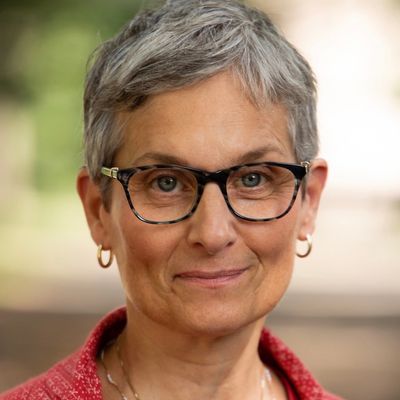
About
In this College Deep Dive, Charlie and Liza discuss:
- Exploring other musical interests as a music theater major
- MSM Disney Collaboration Opportunities!
- The different ways that MSM students network
- What MSM is looking for in an audition
If you have any questions about the college audition process, feel free to reach out at mailbag@mappingthecollegeaudition.com. If you’re interested in working with MTCA for help with your individualized preparation for your College Audition journey, please check us out at mtcollegeauditions.com, or on Instagram or Facebook.
Follow Us!
Instagram: @mappingthecollegeaudition
YouTube: @MTCA (Musical Theater College Auditions)
TikTok: @mtcollegeauditions
Charlie Murphy:@charmur7
Meghan Cordier:@meghanmarie2014
About MTCA:
Musical Theater College Auditions (MTCA) is the leader in coaching acting and musical theater students through the college audition process and beyond with superlative results. MTCA has assembled a roster of expert artist-educators who can guide students artistically, organizationally, strategically, and psychologically through the competitive college audition process. MTCA provides the tools, resources, and expertise along with a vast and strong support system. They train the unique individual, empowering the artist to bring their true, authentic self to their work. MTCA believes that by helping students reveal their potential it allows each school to connect with those who are truly right for their programs, which in turn guides each student toward their best college fit.
About Charlie Murphy:
Charlie is a proud graduate of Carnegie Mellon University’s BFA program. As an Actor he has performed with theaters such as: NY Public Theatre’s “Shakespeare in the Park”, The Pearl Theatre Company, Hudson Valley Shakespeare Festival, Chautauqua Theatre Company, Kinetic Theatre Company, and the Shakespeare Theatre of DC.
With MTCA [Musical Theater College Auditions -- mtca.nyc], he has been helping prospective theatre students through the college process for over 15 years. As a Teacher and Director, he is able to do a few of his favorite things in life: help students to find their authentic selves as artists, and then help them find their best fit for their collegiate journey. Through this podcast, he hopes to continue that work as well as help demystify this intricate process.
This episode was produced by Meghan Cordier and Charlie Murphy. Episode theme music is created by Will Reynolds.
Transcript
This transcript was automatically generated and might contain errors.
[0:10] Charlie Murphy: Hello and welcome to Mapping the College Audition, a podcast where we explore the landscape of the college theater world and try to demystify this daunting audition process.
[0:19] Charlie Murphy: I'm your host, Charlie Murphy, Director of MTCA. That's Musical Theatre College Auditions. And today we've got a show so nice, they named it Manhattan School of Music.
[0:29] Charlie Murphy: Liza Gennaro from that Manhattan School of Music is on the show, and we are so excited to have her on. I remarked in the interview at one point how often we talk about emerging programs, and that it is just amazing to me how MSM feels like it's been around forever, even though the program is under 10 years old.
[0:47] Charlie Murphy: You know how quickly some schools can really feel like they emerge and establish themselves on the landscape from being one of those emerging programs. Oh boy, are our seniors in the thrall of making these decisions now, weighing different programs and their reputations.
[1:03] Charlie Murphy: Many have made their final decisions and many are agonizing over those last few pros and cons or trying to get their finances fully in order before they put down that deposit. We are so excited to celebrate you all as we turn over the website on May 1st with all of your final decisions.
[1:20] Charlie Murphy: And speaking of, just a little plug here, please make sure you do tell us when you make your final decision. We want to celebrate all of you, and we'd love to celebrate as many of you as we can on May 1st. So even if you're not ready for the public yet as you wait on waitlist, we definitely want to know.
[1:35] Charlie Murphy: And I will just say, as a sneak peek from the results we know so far, 2023 has been an awesome year for our students. So many acceptances to big, big programs, and some delightfully tough decisions from people who got into multiple great options, which is always our favorite problem for our students to have.
[1:54] Charlie Murphy: For those of you who are feeling particularly grateful to the podcast for helping you in your wonderful successful year, this season is always a great time for a rating and review wherever you listen to podcasts. As we try to increase our digital footprint, we really appreciate any help you can throw us in that vein.
[2:11] Charlie Murphy: And especially to our MTCA families who use our coaching services as well as the podcast, please consider giving us a Google review. We'll send you a link in an email as we send out your final decision. Congratulations and we celebrate you.
[2:26] Charlie Murphy: But if you could consider doing that when you get that email, it would mean the world to us. So many of our families write us incredibly nice notes via email. We get literally like hundreds each year. But it is especially helpful if you don't mind writing those notes publicly to help out our Google juice.
[2:43] Charlie Murphy: All right, we've started talking about Google Juice, so you know it's time to get to the episode with the great Liza Gennaro. Well, we are so honored to be joined by Liza Gennaro of Manhattan School of Music.
[3:01] Charlie Murphy: Liza was a B in Dance from Empire State College, a master's in dance studies from NYU Gallatin. She's a choreographer and a writer. She's choreographed the Broadway shows The Most Happy Fellow, Once About a Mattress, Season Revivals, and the Roundabout Theater Company's Tin Pan Alley Rag, for which they received a 2010 Outer Critics Circle nomination.
[3:22] Charlie Murphy: She also is a writer, the author of Making Broadway Dance, which was released just in 2021. She also represents the Manhattan School of Music, which is in New York, New York. They take class size of about 27 to 32 and offer many degrees, including a BM in musical theater, which we're gonna chat about today.
[3:41] Charlie Murphy: Liza, how are you doing? Welcome on the pod.
[3:42] Liza Gennaro: Um great, thank you. Thanks so much for having me today.
[3:46] Charlie Murphy: Of course. Um, so I gave that super brief bio there, but um, is there anything else that people should know just as they sort of about you and your journey to Manhattan School of Music and why we want to hear you talking about this wonderful school?
[3:57] Liza Gennaro: Yeah, well, as you said, I had an extensive career as a musical theater choreographer. I was a dancer first. I come from a theatrical family. I was raised in New York City, and I taught from an early age from probably when I was about 20 years old. And then kind of as I was choreographing, I was also working at different universities, Hofstra, Barnard, Princeton, and I eventually came to the point.
[4:23] Liza Gennaro: I have a daughter, and I came to the point where I really wanted something a bit more stable. And I ended up at Indiana University, where I started as faculty and ended up heading their musical theater program. And from there, I stayed there for six years, and then in 2018, I was lucky enough to return to New York and take over as dean of musical theater at MSM. I love it.
[4:46] Charlie Murphy: All right, so tell me a little bit uh in your tenure um at MSM, what have you found to be the qualities that sort of make up a um Manhattan School of Music student?
[4:57] Liza Gennaro: Well, we are a conservatory, so that's very different from a university. Um we are not a liberal arts college. It is a conservatory and we offer a bachelor of music in musical theater. So it's not a BFA. So that's something I think the parents and students really need to consider because it is truly professional training.
[5:18] Liza Gennaro: It is very rigorous, and they don't do much else than study dancing, singing, acting, and everything that goes along with that music theory, piano, ensemble voice, et cetera, et cetera. So I think that that's a major consideration. What I'm looking for with students is, of course, talent. That's a given. Everyone is looking for talent.
[5:43] Liza Gennaro: I'm looking for creativity. I'm looking for individuality. We are not a cut program. We are not a cookie-cutter program. I am interested in what each individual has to say and what they will want to do with their individual careers and drive. I need students who are really committed.
[6:04] Liza Gennaro: Yep. Not necessarily to being performers, because I really feel that students have the college experience is a four-year journey. And that goes as well for the conservatory. So if they come in thinking they want to be performers, we're going to teach them to be performers. That's that's a given. But they might also decide that they want to choreograph or they want to write or they want to compose or they want to direct.
[6:27] Liza Gennaro: And Manhattan School for Music is set up very well to offer them those sorts of opportunities. So we put assistant directors, choreographers, musical directors on all of our seven productions that we do. We also have a musical theater lab series where we have artists from, you know, New York artists who are working on works in development.
[6:50] Liza Gennaro: They come in, we students work with them. We have lots of opportunities for students to meet people who are working in the theater so that they can get a leg up and they learn about all sorts of aspects of the art form. Um, and so that they can figure out what they want to do with this art form.
[7:08] Charlie Murphy: And you're talking a little bit about the four-year journey. Just take me through, if you don't mind, uh, granularly, um, as a freshman, sophomore, junior, senior. What am I learning, especially as a musical theater major, yeah, over those four years?
[7:19] Liza Gennaro: So the freshmen will be studying, of course, dance, acting, and um acting, straight acting for lack of a better word, um, scene study sort of thing, and then um musical theater, acting song. They'll also be studying music theory, ensemble, and ensemble voice, and they have humanities electives um throughout the uh four years.
[7:47] Liza Gennaro: So those are the primary studies, those are long days. Um, they are also part of the freshman concert, which occurs in the spring term. They also get a freshman seminar with me, which is introduction to the form, um, all many, many different aspects of it. And then as sophomores, they continue.
[8:11] Liza Gennaro: So they have eight semesters of acting training. They have eight semesters of acting related to singing, scene to song, audition techniques, um, contemporary musical theater, etc. They continue their dance training through the eight semesters. Um, and then they have once they're through their freshman year, in fresh freshmen, they're absolutely in the freshman concert. That's a given.
[8:40] Liza Gennaro: And then there's one musical that they're permitted to audition for that happens at the end of the year, which is a musical in development. As sophomores, they hit the ground running in August. They audition for the five book musicals that we perform, um, and they are cast. So they're working long days on all the different aspects of the training, and then we rehearse from seven to ten. So it's very rigorous.
[9:06] Charlie Murphy: You mentioned the Bachelor of Music as opposed to a BFA, which we've talked about some of those distinctions before, but is there a discipline of the three that you feel like you focus more on? Is it more dance focus, more music focus or singing focus or more acting focused?
[9:19] Liza Gennaro: I think it's singing and acting primary focus, and then maybe a little bit down is the dance focus. They take three dance classes a week, and they have um those are our 20-minute classes, one hour, 20-minute classes, and then they have um elective options as sophomores. Some can squeeze it into the schedules, but mostly juniors and seniors can add another dance class, so they will be dancing five days a week.
[9:46] Liza Gennaro: But the acting, the singing, and the musicianship um is a big part of what we do.
[9:53] Charlie Murphy: And is there more musicianship than you might see at a standard BFA musical theater program given the BF?
[9:58] Liza Gennaro: I think so. We have two terms of music, pretty intense music theory, two terms of ensemble voice, um, and they also get piano. And then, of course, they have their individual voice lessons. And the caliber of the um productions that we do is very high. We have David Loud, who is a noted musical theater conductor and arranger. He's our music director for the program, and he does two shows a year with us, and then he musical directs two shows a year, and then he also teaches um two to three courses.
[10:36] Liza Gennaro: Um, and then our voice teachers are excellent, and Judith Clerman, who is the head of Essential Voices, does the ensemble voice along with Richard Baskin. It's a great faculty. Of course, being in New York, you have the advantage of having very excellent professional level faculty.
[10:55] Charlie Murphy: Totally. Well, and you mentioned some of the sort of cross-disciplinary within the musical theater world training that you're getting. Is there any kind of crossover between the piano and the vocal arts? And like in terms of how the music uh degree works there. Am I getting any if I have an interest in opera, if I have an interest in other things, am I getting those kind of classes or is that more um difficult to schedule it?
[11:17] Liza Gennaro: Yes. Um, so if a student comes in playing a music, uh a musical instrument, there are ways in which that student can take private lessons with one of the many faculty and orchestra. So that's that's an additional um perk to being part of the school.
[11:35] Liza Gennaro: So opera is a separate program. We interact with them in terms of having different sorts of sometimes production opportunities that we both have, but our students do not have the opportunity to study there, and theirs don't really study with us either. Um, it's just because it's two separate lines and the schedules are tight.
[11:57] Liza Gennaro: We do have a thing we're doing now. We've developed a relationship with Disney, a collaboration. So Disney is coming in, they have their many of their shows, Beauty and the Beast, Mary Poppins, they do them in different versions. So for high schools or for the cruise ship or for wherever they're going, they need to recreate the orchestrations for whatever the venue is.
[12:20] Liza Gennaro: So what they've been doing is they come up with the orchestration, then they go down to Nashville and they record it, but they haven't had the opportunity to work on the shows with singers in New York City.
[12:33] Liza Gennaro: So they came to us, singers and orchestra.
[12:35] Liza Gennaro: So they came to us. So our orchestra students and our opera and musical theater students audition for them. We've done Beauty and the Beast so far, and we're have Mary Poppins coming up, and they do a sing through and a playthrough of the shows. Of course, it's just another great opportunity for them to be working at a very high level of music and to again make the networking opportunities with Disney. Super cool. And these are like the for you know Mary Poppins Jr. or for Mary. It's for different versions of the show that are existing. That's really cool.
[13:07] Charlie Murphy: Yeah, it's very cool. One thing I missed in the disciplines was just talking about dance classes and like leveling. How does it work with if I come in as a beginner, if I come in as a more advanced dancer as a freshman?
[13:15] Liza Gennaro: We have two levels in the dance classes, a slower level and a faster level. The classes are combined, so freshmen and sophomores dance together and juniors and seniors dance together, and there's two sections of each class.
[13:31] Charlie Murphy: Totally makes sense. You mentioned some things in terms of like humanities electives outside the theater program, and also that it's not a huge opportunity, you know, in terms of a full university. But I'd love to hear kind of what the MSM experience is, both in terms of whatever those other academic possibilities are, and then also just in terms of what is the school experience outside of the theater program.
[13:53] Liza Gennaro: Yeah. So we, as I said, it's a rigorous program. So I keep the students extremely busy. And that's really the focus of their time. Quite a few of our students have jobs on the weekends outside of, you know, our five-week classes. And of course, we're in New York City, so there is an extensive cultural scene for them to take part in, as well as, you know, fun, whatever they do for fun, but they go off out. These kids, whatever they do for fun. But they stay busy, they seem very, very happy. They are certainly stimulated by the city and the art form and all of the different cultural events that are available to them. In terms of the humanities, the courses are pretty much, I would say they're catered to the arts. So they're dealing with different issues around the arts, but it's a very high level of scholarship. We've got some really wonderful humanities teachers.
[14:59] Charlie Murphy: I love that you mentioned, you know, New York City, and I think it's a big draw for why a lot of people choose to want to come to school. A lot of our students will say, I want to go to school in New York City. Where do you feel like your breakdown of students? I know you won't have exact numbers, but do you have a sense of how many come from the Northeast or even the New York City area, how many come from all over the country, all over the world? Where do you sort of see your breakdown of students entering? And then I'd also love to kind of hear where do they end up? How many people stay in New York City versus go to LA or Chicago or go around the country?
[15:29] Liza Gennaro: Yeah, they're from everywhere. We have students from the East Coast, the Midwest, the West Coast of the States. We have students from China, Latvia, New Zealand, Canada. I'm can't think of them all, the Bahamas, students from all over. The school itself is very international. There's every country is represented pretty much at MSM. We are seven years old with the program. We're only seven years old. Two of those years were in the thick of the pandemic. So it's a little hard for us to gauge yet because we don't have enough of a track record, but the majority of the students are staying in New York. Most of them move out of the dorms as juniors or seniors. They get apartments in the area. Many of them have restaurant jobs or Starbucks or whatever within the area, the Columbia University area. And then most of them stay in New York and start auditioning immediately. I mean, honestly, they're auditioning while they're in the program.
[16:41] Charlie Murphy: Yep.
[16:42] Liza Gennaro: And we have had some students book gigs and leave for short term or take a year leave of absence. We do permit that.
[16:50] Charlie Murphy: Let's get right into that.
[16:51] Liza Gennaro: Yeah, so I was gonna say, how does that work if I'm a junior and I book a Broadway show? Am I getting class credit? Am I taking a break? How is that working in terms of graduation?
[16:59] Liza Gennaro: You got a Broadway show, that's an extensive time commitment. So you would take a year leave of absence. So you would leave at whatever term you were leaving, and you would return the following year with the class behind you. So that you would just continue, you would pause basically and then restart. But it sounds like with smaller work, you're able to work around. It's not discouraged in the way it is.
[17:22] Charlie Murphy: If it's up to a two-week job, I will try to make it work for a student.
[17:27] Liza Gennaro: Beyond two weeks, then it just gets to be too much absence. But within two weeks, we try to make it work with them.
[17:35] Charlie Murphy: I love it. I also love that you said you've seven years old, you know, so it sounds like such a young program. I feel like I remember so many students of our students who are in that first class or in that second class or when it really was brand new. And now I think of you guys as old hat. I'm like, ah, come on, you've been around. That's not a new program anymore.
[17:52] Liza Gennaro: I'd feel newer if we hadn't dealt with the pandemic.
[17:56] Charlie Murphy: Yeah.
[17:56] Liza Gennaro: I hear that. That was a big, that was a big, well. We didn't pause, we kept going, but it ages you. I feel like I, as I tell my partner, we're like, I feel like now we've been married for 10 years. Like it's somehow what happens.
[18:09] Charlie Murphy: I guess really.
[18:11] Liza Gennaro: I'd love to talk a little bit about what you do. We're talking about working within school, but what you do to prepare your students, you know, come graduation to be ready for their launch into the business. So both in school and then any kind of opportunity with meeting agents, managers, all that kind of stuff.
[18:25] Liza Gennaro: Yeah, well, we do regular masterclasses with casting directors, and we also bring casting directors and guests into the individual classes. So we're not only bringing guests in for the master classes, we're actually embedding them into the regular classes. So that's good. But I would also I also think that really the different opportunities we bring into the school, so the Disney collaboration, the workshop in development, which comes out of the Fred Ebb Foundation competition where they choose, they grant an award to a songwriting team. We get that, whatever that show is, they come and can have the opportunity to do a production with us. So that's another way of meeting a new set of artists.
I bring new, I bring working professional directors, choreographers, design teams to all of the shows that we do. So those are constant connections they're making. I also have the musical theater lab series, which is another opportunity for new works to be done. So it's just a from the day they arrive at MSM, they are making contacts with the people that they will be working with for the rest of their careers. So I think that that's one of the big pluses in terms of getting them prepared.
[19:43] Liza Gennaro: We also offer them classes too. The freshman seminar class, which I teach, gives them, as I said, that introduction to what the musical theater is and how you kind of make your way through it. Then as juniors, they receive a career management course, which talks about contracts, agents, taxes, all of that business of the business that they need to know and understand. And then that continues into their senior year as well, where they create their websites in the junior class, but then in the senior class, we're looking at them individually, talking to them, checking with them, and just continually prepping them for what's coming.
[20:26] Charlie Murphy: And how many of your students do you feel like meet agents and managers, sophomore, junior versus how many are trying to are graduating and then trying to meet agents and managers and workers? How many people do you feel like are actively doing that while in school?
[20:41] Liza Gennaro: Well, of course, they're meeting them on campus, but outside of campus in their personal lives, some of them come to us with representation. Some of them get representation. I would say I couldn't even like figure out what the percentage is, but I know, you know, less than half of them, I would say have really pursued representation until graduating.
[21:05] Charlie Murphy: Let's talk a little bit about cost. So I know the price tag is not low in terms of Manhattan School of Music. How does it work with scholarships? In terms of, you know, are you able to get academic scholarships? Are you able to get talent scholarships? How could I potentially try to bring that cost down if I'm looking to go to school?
[21:18] Liza Gennaro: We offer need scholarships. It's primarily need scholarships. And I think to some degree, some talent scholarships as well. There's a president's scholarship. We do grant a considerable amount of money. You know, around this time of year, all of our students are making a decision to either say yes to some schools and hopefully they have many options, say no to a bunch of schools too.
[21:46] Charlie Murphy: Why do you find that students either sign on the dotted line and say this is the thing that convinced me, or why do you find that students choose not to go to your school to say, hey, I'm actually going this direction? This I was more attracted by this other thing, or turned off by this thing at your school.
[21:59] Liza Gennaro: Well, the ones that come to us are right me. Usually I'm getting lots of emails recently, as soon as they accept saying that they love the environment of the school. Everyone is very welcoming, students, staff, faculty. It's a very, students are treated individually. It's a very hands-on program, even though it's not one of the smallest programs, certainly, but I really know my students and I am interested in getting to know them. And I'm interested in getting to know applicants through the audition process. I'm really not just interested in talent. I need to get a feel for who the student is, what their level of creativity is, what their commitment level is, and that seems to come across to those students who choose us.
They like that. They want to be considered as individuals. They don't want to enter into a cookie cutter program, and they like the entrepreneurial aspect of what we do. We are very interested in students creating their own work post-graduation and while in school. We have an organization called Alpha Psi Omega, which supports students in their productions that they're building on their own. It's a student-run organization. They're currently doing a production of Rhinoceros and they will then they also have a dance show coming up. So it's lots of ways for students to express lots of different facets of what they might want to do. So the student who wants to direct can propose that we do Rhinoceros and the students who want to do plays can audition for Rhinoceros.
So it's just a constant finding many different ways for them to express themselves in the art form so that they're really ready. And I think that students understand that when they come to the school and when we talk about this with them in the different meetings that I give or perspectives I think that the students that accept are just happen to be the students who really respond to that approach.
[24:09] Charlie Murphy: And what about the flip side? What about the students who say, hey, I'm actually going a different direction if they tell you here's why? Why do they tend to say?
[24:10] Liza Gennaro: It's harder to know that because they don't often, you know, they often send a very polite, you know, I'm moving on to another choice, which is fine and everyone needs to do. There's so many great schools out there, you know, they can certainly find a school that fits for them. My sense is that it might be the fact that we're a conservatory. I don't think a conservatory is for everyone. I don't know that people want, you know, we're one building. So it's a, it's a, it's the you're live there, you eat there, you go to classes there, and you do your performance there all in one building. Now, of course, it's set in the middle of the greatest city in the world, but nonetheless, it's not a campus environment in that sense of like a classic campus environment where there are grounds and space and different departments. So I think that some students prefer that probably and want the liberal arts option of if they decide, oh gee, maybe I don't want to do musical theater, maybe I want to go into law.
[25:17] Liza Gennaro: That's an easy switch if you're at a school like IU. You just can switch over to the law department. So I my sense is that that probably is what has to do with it.
[25:27] Charlie Murphy: Totally makes sense. Okay, we're gonna take a short break. On the back end of the break, we're gonna get into the admissions slash audition process for Manhattan School of Music.
[25:38] Charlie Murphy: All right, we are back with Liza Gennaro, and we're gonna talk about the audition process. So I'm gonna ask, you got into some of the specifics of how you try to interview students and some of those great things. Um, I'd love to just ask in general, what do you think makes a great audition for you? What are you looking for when someone comes into the room?
[25:56] Liza Gennaro: I'm looking for a student who is clear about who they are, and that's a big ask for a senior in high school. Um, I'm looking for them to have a solid sense of who they are and what they're interested in presenting. I'm not interested in the overcoached student. I'm also interested in a student who digs into the rep and doesn't go for the low-hanging fruit and sing the songs that everybody sings. Um, if a student brings in something that's not as often heard, it's just great for us to see that. That shows me that a student really has an understanding of the form and has really done their homework. Um, they do two songs, so they're two contrasting songs. Um, sometimes students come in and they do two soprano songs, and that's so interesting for me.
You know, I can't get a sense of them. What students need to understand is that, and I'm sure this is true of pretty much every school, we're trying to get a sense of the student. Do they fit into our culture? Will they succeed in our environment? And I think that the more they can do their homework to really find material that represents them and shows us who they are and what they have to bring to the school, that's really what I'm looking for. I'm also looking for drive. I'm looking for a student who gets it. I'm looking for a student who has the musical theater aesthetic. And that's a lot of different things right now, the musical theater aesthetic. It's no longer just one thing. So can you fit into what this world is? Um, so drive and creativity. I mean, those are the main two things I'm looking for.
[25:56] Charlie Murphy: And when you say clear about who they are, just if we dive down on that a little bit, is that about clear about what kind of characters you could play commercially? Is it more clear about the sense of what yourself as an artist is? What would that look like in terms of clarity of who you are?
[28:04] Liza Gennaro: Clarity in the sense of who you are as an artist and what you want to express as an artist. I'm not interested in students who are coming in and saying, I want to play so and so in Wicked. Right. You know, it's too far away that conversation. They need to have a sense of what they want to do and not try to fit into any kind of box from my perspective. I think that's what they I think that that's going to give them a longevity in a career.
[28:32] Charlie Murphy: Could not agree more. Um, what about on the different audition platforms? So from auditioning in person, um, if you're watching videos versus if you're doing a live Zoom audition. How do you find any audition differences or is there any different in things you're looking for on the different platforms?
[28:49] Liza Gennaro: Well, the first phase we do a, um, you know, the first phase of the audition process is a self-recorded two songs, a monologue, and a dance. So with that, I'm basically just trying to get a sense of the students' talents, a little bit of a sense of material choice and creativity, what kind of homework they've done, how creative they are with the monologue and the songs. Um, dance. I'm really just trying to get a sense of how they move. They don't have to be a dancer dancer or a trained dancer. I just have to see if they've got rhythm, coordination, the kind of thing, flow. Um, so that's really a kind of a base level my taste in performers. Um, then they come to campus. And when they come to campus, we start with a dance call.
Um, we give a combination. Um, it's a combination that you can do if you don't have a lot of training, and if you do have a lot of training, you can really do it and show us that you have a lot of training. So that's nice. We get to see who they are, and then I always sit them down after the dance audition and talk to them and ask everyone answers a question. And I just kind of go around the room and I ask them what's their favorite musical or what would they do if they couldn't do musical theater, what's their favorite academic subject, and then I kind of get a feel for who they are. Then they take a tour of the school, they come back and they come in one at a time and they sing and they perform their monologues.
And that's when if I have questions for them, I ask then, I try to get them talking. But you know, and this is in the professional theater as well. Soon as that door opens and they walk into the room, you get a lot of information. You figure out you can see how they manage the accompanist, how they move to the center of the room, um, how they get the song started. Um, all of those things add up to tell me who this person is, and will this person fit in my program?
[30:53] Charlie Murphy: So true. Um, I want to ask a little bit about the requirements in terms of um, you know, you've obviously similar enough requirements, other schools, but um specifically it says one classic musical theater piece and one contemporary musical theater piece from the last five to ten years. Um, I'm just wondering a little bit about like do we know what the impetus behind the last five to ten years as opposed to something from the 80s or whatever?
[31:13] Liza Gennaro: I think that's changed a bit since that wording is there. Um, we do permit um songs that were not from the last five years. What we you don't mean the musical, you mean the last five years. Uh yes. I'd be like, that would be a very strange requirement. Last five years material. I mean, they could be doing musical theater songs from the 1920s, it's fine with us. Totally. But we also urge them to the what's on the website currently is that we urge them to find material of underrepresented artists. Uh-huh. So that we are expanding from the get-go that you take your first step into MSM, you're thinking about who's underrepresented and how does that work within the context of the program? Because that's a very, very important to us and something that we've worked very hard on.
[32:09] Charlie Murphy: I love it. Um, okay, well, you mentioned all the aspects of an audition, which leads me to my favorite question of how much for MSM do you feel like the decision to admit a student? How much is about the skill displayed in their work, whether it's the songs, monologues, dance, and how much is about those intangible factors of how they walk in the room, the interview question, if you give them adjustments, how they talk to the accompaniment? How much is in Camp A versus Camp B?
[32:35] Liza Gennaro: Well, it depends on the student. Um, because somebody could come in and knock you out with the talent level, but seem um maybe shy or withdrawn in some way. Um, somebody could come you come in and you know, do a solid audition, but just seem fabulous. High energy is another thing I've forgotten to say. Um, I want students with high energy. So somebody sings like a bird, but the energy level seems low to me. That's a concern. Uh huh. Um, it's just individual. I'm just really looking at each one individually and look trying trying as best I can in the short time we have to see the whole picture.
[33:20] Charlie Murphy: Totally. And as you're sort of seeing that whole picture and trying to form a class, what kind of considerations are you making of what the 27 to 32 are gonna be in terms of, you know, are you looking for I want some stronger singers and some stronger dancers and some stronger actors? Are you looking for I do want a mix of different identities in terms of you know who these people are and what's how how are you what are you thinking about, especially as you know, we're at the point in the year where you admit some people and then they either say yes or no, and that's a constantly changing and evolving, you know, what what that 27 to 32 actually is gonna be. How do you consider the sort of cohort that you're putting together holistically?
[33:57] Liza Gennaro: Well, you know, I don't think about it as much as maybe other schools do. I'm getting a feel for individuals and taking who I think is gonna work in the program, and I'm very concerned about diversity and um inclusivity. But in terms of which specific people, it's like you you're kind of let let the magic of it work in terms of you know, which one say yes, and then you go great. We're this is who we are, this is who said yes to us. Yeah, that is how I do it. It's probably makes more sense to do it the other one.
[34:26] Charlie Murphy: But I don't um and then for you, if the artistic decision is a yes, what if anything do you need from the university in terms of academics or you know, what do they need to submit and to and to sort of get in? Um, how does that work? I mean, do you need to read essays? Do you need are there letters of recommendation you look at? What are you looking at that's not the artistic part of it, if anything?
[34:46] Liza Gennaro: My admissions department looks at that stuff. The I think they do an essay, letters of recommendation, um financial aid. Right. Um, all of that stuff is looked at through the admissions department.
[35:02] Charlie Murphy: And do they ever say, sorry, I know you wanted that student, but it's a 2.5, we just can't make that happen? Or do you normally get the students?
[35:09] Liza Gennaro: You mean for a grade point average, two point five? Um. I mean, I like a higher grade point average personally myself, but we don't have a required grade point average in your conservatory.
[35:25] Charlie Murphy: Are they flagging essays? Are they ever saying, like, oh, this person's a terrible writer? They didn't get a good recommendation from their voice teacher. Are you getting those kind of flags from the admissions?
[35:33] Liza Gennaro: Well, occasionally I get some of that stuff, but um, and we'll talk it through. I mean, obviously, we have a huge meeting where we're looking at all the students that we'd like and how many students are we going to accept. But um I think it I think we're pretty good at sticking with well, we have three people on the um audition panel, and those are scored. Every student is scored, and all those scores are put through a database, and then the scores are given, and then we kind of go through the scores so that we get a sense of what the three of us are responding to. And then from that, I might trump it with you know, somebody who maybe didn't get such a great score, but who I love and think will be successful with us. So we kind of play around that way.
[36:22] Charlie Murphy: Totally makes sense. Well, and you mentioned diversity being something that you're really looking for, you know, as a new program, it seems like the COVID hit basically halfway through your lifespan, right? And and COVID, no, of course, we know the challenges with disease, but then also what it brings up brought up in terms of the racial reckoning the country has been going through. Have you made any changes since 2020? Um, or are you making changes still or or what are what are the learnings, or what are you taking out of those moments?
[36:50] Liza Gennaro: Well, I came to the program in 2018, two years after the program was already in existence. So I took over as the leadership. When I came, I had been at Indiana University, and Indiana University was really great at diversity training, at inclusiveness, and at um cultural inclusion training. So when I got to um MSM, I had a lot of training in place. And so I immediately started putting that in place at MSM. So by the time the pandemic hit and all of that happened, we were ahead of the game because we had already done a lot. The rest of the school kicked in really big time during that period and continued, you know, to do that work in the other departments. But I'm proud to say that musical theater was ahead of it, and we have just now continued to get more support from the school in terms of what we can do.
[37:47] Liza Gennaro: We do off, um, before I arrived, they always gave anti-bias training and Title IX training to all faculty takes that every single year.
[37:57] Liza Gennaro: That's a fantastic thing, and it's a very thorough training that we do, which is great. Um, we cast inclusively, we always have, um, and we make an enormous effort to bring in underrepresented artists, which particularly from the perspective of creators, writers, particularly, it's challenging.
[38:19] Liza Gennaro: Um, unfortunately, there haven't been that many for obvious reasons, the opportunities haven't been there. Um, and I have a lot of considerations in choosing the seasons because of course, as many schools, true as of many schools, we have too many girls, we have more women than men.
[38:38] Liza Gennaro: So you have to find shows. I promise every student that they will be in one show at least per year.
[38:45] Liza Gennaro: Uh-huh. So in order to do that, we have to have shows that have a lot of women in them. So that's part of the consideration, gender considerations, um, gender representation considerations, um, and then of course diversity.
[39:01] Liza Gennaro: Do I have enough students of color to do, you know, um, "On the Island"? You know, if I don't, I can't do it. So picking the season is tricky and we have a lot of challenges, but we've been working through it and doing pretty well, I think.
[39:16] Liza Gennaro: I love it. Um, all right. My last question for you is just advice out there to the, you know, maybe especially to the parent listeners who've been enduring this podcast for the sake of their children.
[39:26] Liza Gennaro: Um, you know, if they're going through this process, and you know, a lot of them, I really know nothing about this. I don't know what I'm supposed to do. How what advice would you give to that parent, maybe of a sophomore or junior who's just starting this process?
[39:39] Liza Gennaro: I would say, does your child seem to have a real passion for the art form? Are they continually listening to Broadway scores? Are they, you know, surfing YouTube and all the other social medias to find content on musical theater and what's happening now?
[40:01] Liza Gennaro: Um, if they have that kind, if you can determine that they have the passion, then I think you have to take their lead. Because if they've got the passion, then they'll know what they're looking for.
[40:14] Liza Gennaro: Um, I mean, I think that's truly what I believe. And I think that that's I had a parent in the other day on an admissions day to tours and whatnot that we did, and he said, you know, I don't know anything about musical theater, but I know my kid.
[40:31] Liza Gennaro: And he said, and from and I can tell what my kid is interested in. So that was really, I thought a great um comment to really trust the student.
[40:43] Liza Gennaro: And then, of course, as a parent, you know, of course, those financial considerations, and do you want your student in a big city like New York, you know, like New York City?
[40:52] Liza Gennaro: Um, those are things that the family has to discuss. But from the artistic perspective, and do you want to pay four years of college for your student to graduate with a BFA or a BM in musical theater, which is a very risky thing to do.
[41:07] Liza Gennaro: You know, there's no guarantee of success here. Absolutely no guarantee. So you so that's why I'm really interested in the student who I can if I can ascertain that they have drive and passion and that they're gonna do this come hell or high water, regardless of how many times they're rejected.
[41:28] Liza Gennaro: That's the student I want. I love it.
[41:30] Charlie Murphy: Okay. If people want to check out more information on MSM, where would you send them first?
[41:35] Liza Gennaro: Through websites, socials, how would you want them to be checking out more?
[41:38] Liza Gennaro: Well, definitely the website. Um, the website, uh, MSM, um, web musical theater websites, pretty comprehensive.
[41:47] Liza Gennaro: There's lots of um information, photo, a lot of photographs of our shows as well as video on the shows that we've been um permitted to do videos.
[41:56] Liza Gennaro: You know, there's can restrictions due to rights, but we do have a lot of video up there. Um, and then our faculty, I would look at the faculty bios.
[42:05] Liza Gennaro: Um, I would also follow our Instagram, um, MSMMT Instagram. Uh, we do student takeovers on the performances, so you see um lots of fun stuff with students backstage getting ready for shows.
[42:18] Liza Gennaro: We just did something with "New York, New York," which is a Broadway show that's about to open their first preview. We were there, and David Loud created an arrangement of "New York, New York" that 20 of our students went down and sang. They renamed the street John Cander Way, and the mayor was there, was a big deal.
[42:38] Liza Gennaro: So that was a great thing. That'll be up on the website. So you'll get a sense for all the different things we do.
[42:44] Charlie Murphy: I love it. Um, well, Liza, thank you so much for the time. This was such a pleasure.
[42:46] Liza Gennaro: You're so welcome. Thank you.
[42:55] Charlie Murphy: Oh, yeah. I hope you enjoyed that episode with Liza. I thought she was great, very composed and grounded and thoughtful in representing what her program is and what it is growing to be.
[43:05] Charlie Murphy: Um, and there's just no denying the growth that has happened under her leadership when I see the popularity rising amongst our students for that program.
[43:13] Charlie Murphy: Um, I'm gonna do a few small takeaways here. Uh, first, I love that she gave that example of a dad who didn't know musical theater but knew his kid.
[43:22] Charlie Murphy: Uh, I talked about that a bit last episode with Shireen in giving some love to the stage parents out there and what is important in supporting your child.
[43:30] Charlie Murphy: I also want to echo Liza's advice about the audition starting as soon as you walk in the room. We've talked about that in some different elements with interview questions and adjustments and slating and talking to the accompanist, etc.
[43:40] Charlie Murphy: But it cannot be said too much how important the experience of meeting you is compared to just seeing your material. I always say colleges accept people, not performances.
[43:50] Charlie Murphy: Part of the reason I continually ask that question of, uh, what percentage of skill versus what percentage in tangibles is just to let you hear from different faculty members their perspective on how they get to know you and what that process is for them.
[44:02] Charlie Murphy: And it is a huge part for most of these schools in their decision making, whether they say 50% or they say different for each thing. Of course, the answers are going to vary, but just how they do that process is I think what's most important there.
[44:14] Charlie Murphy: But the larger takeaway I want to do was just about differing advice from different faculty members. And maybe from a broader perspective about the way you consume that kind of advice generally.
[44:26] Charlie Murphy: I'll use an example from today of Liza advising you not to do overdone repertoire, or that she particularly enjoys seeing students' creativity in discovering different pieces and what they bring in the room.
[44:39] Charlie Murphy: Avid listeners to this podcast will have heard other professors give what sounds like directly countering advice. Sometimes professors will say, hey, please don't worry about overdone lists, just sing what you love.
[44:48] Charlie Murphy: And a lot of people will say, sing what you love. Or even you have heard people say, I prefer when a piece isn't super obscure, because I don't want to spend the whole audition thinking about the song and not the singer.
[44:59] Charlie Murphy: I want to know the piece so that I can really, uh, get to know you through the piece, as opposed to sitting there thinking, this is a really good monologue. Who wrote this? Or I'm thinking about the composer or something like that.
[45:07] Charlie Murphy: I think this is an example, like many questions in this process, where these are for the most part all right answers, right? What you really get into with questions like this is taste.
[45:19] Charlie Murphy: Similar to questions about like risk material, we've talked about that before. Now, some of what you're doing in paying an experienced coach like MTCA is in helping guide you toward what might be a good artistic risk.
[45:31] Charlie Murphy: Or in this case, a piece that is done often, but you might bring something unique to, or trying to find that balance of lesser known but not completely off the map.
[45:39] Charlie Murphy: But it is also so important, and this is what MTCA coaches certainly would help you with, that you get in touch with your artistic coach.
[45:46] Charlie Murphy: If you ever have a coach, MTCA or otherwise, who tells you, hey, this piece is a great fit for you, and you don't feel that way, you should always listen to that voice, your own voice.
[45:55] Charlie Murphy: It is you who's gonna have to perform this piece hundreds of times throughout this, you know, daunting, grueling audition process.
[46:02] Charlie Murphy: And I think you would find if you burrowed in with any of these professors and tried to find where they draw that line, even in their own advice, it is a pretty fluidly moving target.
[46:12] Charlie Murphy: Right. If I'd stopped Liza and gone through specific examples, you may have been surprised which one she said, Oh, well, you know, that one I do have a soft spot for.
[46:19] Charlie Murphy: I'd hear that all day. Or, well, this wouldn't normally work, but it just fits this student like a glove.
[46:25] Charlie Murphy: That universal advice of do what you love and reveal yourself in the room will always trump the more picky on line drawing of overdone or not known enough, or any of these considerations.
[46:37] Charlie Murphy: You got a little preview of this in me asking about the last five years requirement or the suggestion, I guess, that's on their website, which Liza gave a pretty good yes, but right, and that's incredibly common to happen, right?
[46:50] Charlie Murphy: All the time students will bend over backward to fit exactly what the school wants, and in the room they'll say, sure, or yeah, whatever you got.
[46:56] Charlie Murphy: If you want to sing this instead, that's fine too, right? It is after all, your audition.
[47:01] Charlie Murphy: And the truthful answer is that it's really hard to generalize this stuff in art. It's hard to make a list of do this, don't do this, this is the line, an age above this is inappropriate versus this, uh, is appropriate.
[47:14] Charlie Murphy: Like I'm gonna give you an example. In general, my personal taste is that I tend to like Shakespeare pieces that are not so obscure that I have to remind myself what's going on in the play, and not so intercut that I'm distracted trying to re-piece the thing together in my head, where if I'm sitting there going, like, is that Olivia's line?
[47:31] Charlie Murphy: And then it jumps to there, okay. It just pulls me out of the piece a little bit.
[47:35] Charlie Murphy: But also, I tend to prefer not the most overdone pieces that I've seen a million times. So if you were auditioning for the Charlie Murphy school of podcasting, this would be a good general rule to follow.
[47:46] Charlie Murphy: And if you walked in and you told me, hey, I'm gonna be doing "To be or not to be" from Hamlet, my instinct would be to raise my eyebrows and say, Okay, we'll see how this goes, right?
[47:55] Charlie Murphy: You wouldn't be starting off on a great foot for me. That said, if you then proceeded to just crush that piece and make me understand something about Hamlet contemplating this decision that I'd never heard before, and maybe even more importantly, if I learned something about you in that portrayal that reveals something about what you know about this particular kind of introspection, it could be an enormous win for you.
[48:17] Charlie Murphy: And it might make me sit forward and go, My God, what a brazen choice, and they pulled it off.
[48:22] Charlie Murphy: So that's not to say that everybody should go out and do "To be or not to be" or do "On My Own" or whatever it is, nor should they necessarily throw out that incredibly obscure gem of a song or a monologue that they love.
[48:33] Charlie Murphy: And as we talked about before, with threading the needle on pre-screens, you should also not feel like you have to have individual packages of material for every different school based on advice you heard on a podcast or read online.
[48:45] Charlie Murphy: That's just not a realistic way to go through this process in a healthy way. You can and will switch up your material somewhat based on what the requirements are and what's in your book, but you should mostly be focused on presenting the best you as opposed to what you think they want to see.
[48:59] Charlie Murphy: If we were to arrive at a rejection, it is so much easier to take a no to what you thought was your best foot forward than feeling like, oh, but I tried to do what you wanted, and wondering if that bending that you did to follow their taste prevented them from meeting the real you.
[49:16] Charlie Murphy: Well, there you go. Another fantastic episode is in the books. If that isn't worthy of a five-star rating and review, then I suggest you check your AirPods or your car stereo or your Bluetooth speakers, wherever you're listening to this episode.
[49:28] Charlie Murphy: There may be an issue on your end, maybe an audio problem there. A big thanks to Meghan Cordier for producing, to all of you for listening, and please follow and subscribe to both this podcast and all of our social media, including at Mapping The College Audition on Instagram and MTCA on all social platforms.
[49:49] Charlie Murphy: You can also reach out to us directly to get some of our good taste in helping your college prep at mtcollegeauditions.com, where you will also get to see all of our fantastic senior results on May 1st.
[50:02] Charlie Murphy: To my young artists out there mapping their journeys, what if there actually was a school that made everybody sing music from Jason Robert Brown's musical "The Last Five Years"? We'll see you next week.
© Broadway Podcast Network, All Rights Reserved