

In this College Deep Dive Robert Hoyt the Director of Admissions & Recruitment for NYU Tisch Drama and MTCA Director Charlie Murphy chat about: Early decisions submission strategy. Fill out your FAFSA, even if you do not like you will qualify... Read More
From the show: Mapping The College Audition: An MTCA Podcast
Guests
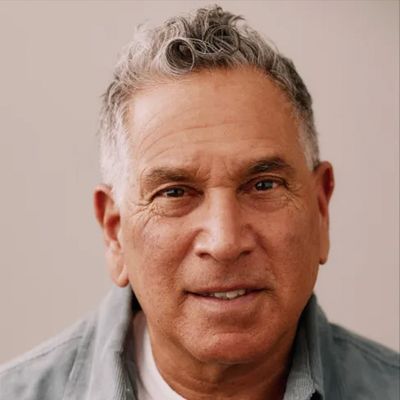
About
In this College Deep Dive Robert Hoyt the Director of Admissions & Recruitment for NYU Tisch Drama and MTCA Director Charlie Murphy chat about:
- Early decisions submission strategy
- Fill out your FAFSA, even if you do not like you will qualify
- Authenticity versus strategy
- Multi-hyphenates NYU cultivates
Visit @thefund4collegeaudition to learn about the Fund and relief efforts.
If you have any questions about the college audition process, feel free to reach out at mailbag@mappingthecollegeaudition.com. If you’re interested in working with MTCA for help with your individualized preparation for your College Audition journey, please check us out at mtca.com, or on Instagram or Facebook.
Follow Us!
Instagram: @mappingthecollegeaudition
YouTube: @MTCA (Musical Theater College Auditions)
TikTok: @mtcollegeauditions
Charlie Murphy:@charmur7
About MTCA:
Musical Theater College Auditions (MTCA) is the leader in coaching acting and musical theater students through the college audition process and beyond with superlative results. MTCA has assembled a roster of expert artist-educators who can guide students artistically, organizationally, strategically, and psychologically through the competitive college audition process. MTCA provides the tools, resources, and expertise along with a vast and strong support system. They train the unique individual, empowering the artist to bring their true, authentic self to their work. MTCA believes that by helping students reveal their potential it allows each school to connect with those who are truly right for their programs, which in turn guides each student toward their best college fit.
About Charlie Murphy:
Charlie is a proud graduate of Carnegie Mellon University’s BFA program. As an Actor he has performed with theaters such as: NY Public Theatre’s “Shakespeare in the Park”, The Pearl Theatre Company, Hudson Valley Shakespeare Festival, Chautauqua Theatre Company, Kinetic Theatre Company, and the Shakespeare Theatre of DC.
With MTCA [Musical Theater College Auditions -- mtca.nyc], he has been helping prospective theatre students through the college process for over 15 years. As a Teacher and Director, he is able to do a few of his favorite things in life: help students to find their authentic selves as artists, and then help them find their best fit for their collegiate journey. Through this podcast, he hopes to continue that work as well as help demystify this intricate process.
This episode was produced by Kelly Prendergast. Episode theme music is created by Will Reynolds with Additional Vocals from Elizabeth Stanley
Transcript
This transcript was automatically generated and might contain errors.
[0:00] Charlie Murphy: Hello, hello, and welcome to Mapping the College Audition. I am your host, Charlie Murphy, director of MTCA. That's Musical Theatre College Auditions. Check us out at mtca.com. And today we have got Robert Hoyt from New York University, otherwise known as NYU. For our newer listeners, this is another one of our College Deep Dive episodes, where we explore the landscape of the college theatre world and try to demystify this daunting audition process school by school. And this is also another one of our exciting Act II episodes, where we give a bit of an update and expansion on our previous conversation. I say it at the top of the interview as well, but I think this one is pretty expansive. So you are welcome to listen to this first.
I mean, you're welcome to do whatever you want to do, but I'll say from my instructions, you're welcome to listen to this first, as opposed to hitting pause and going back to listen to Act I with Molly Horan, though you will hear me reference that interview a decent amount. So if you want to be truly sequential, if you're that kind of listener, feel free to listen in that order, turn this off, go back, listen to that one, and then come back to us. We got really deep in this episode on a number of NYU specific questions, questions like studio placement, and what to do with that dreaded all studios versus new studio on Broadway only question for our musical theatre applicants. So I think you're really going to enjoy the conversation and hopefully learn a lot.
We had it right before the holiday break began. So if we sound a bit more jovial than you're feeling here in this austere beginning to 2025, you will forgive us. Speaking of current day, I do want to say on the pod, how much of our hearts go out to the families affected by the fires in LA. We've been in contact with all of our coaches out there and blessedly, everybody is safe as of this recording. Many of them had to evacuate, but nobody has yet had homes burned down or anything of that nature in terms of our coaches. That said, I know a number of our students are suffering and affected deeply by this, as well as just so many families in general. Our wonderful founder and former director Ellen Letrick, who you've heard on the podcast as well, posted a really beautiful message from TFCA, from the TFCA account.
That's the Fund for College Auditions, for those who don't know, a sister organization that Ellen runs, with some resources for people who are affected, as well as some ways you can help those who might have lost things like their audition books or their clothes or stuff of that nature. Please do check that out. We reposted it on the MTCA Instagram, but you can also find it directly at the Fund for College Auditions. That's the number four, the Fund for College Auditions. I'll just say on a personal level, our hearts are with you, and please do reach out if you need anything. We hope everyone stays safe out there. I know the winds are increasing as I record this. I know just in general our industry has gone through a lot over the past few years, and I fear, personally, I fear that this is another one that will be kind of a real challenge and setback for so many who make this art form their profession, and it may really have some real ripples throughout the industry, and may continue to affect things and make them difficult for our West Coast brethren.
So our hearts are with you and all the families who are affected by this fire. All right, no real way to transition out of that well. I know all of our seniors are really starting to set their eyes at the heart of their audition season. We had a really successful final mock of the season last week, as well as our private auditions with Baldwin Wallace and Oberlin, and now we are planning for the big plunge that is New York City, Chicago, and LA Unifieds starting at the end of the month and going through mid-February. This is it, the prime audition season that you've been waiting and preparing for. Whatever combination of on-campus auditions, unified auditions, or online auditions that kind of make up your particular audition slate, this is when the vast majority of auditions and acceptances are happening.
If the fall served as a bit of a preseason for you, and maybe even a regular season in some cases, this is like the playoffs. This is the thing that you put in all the work for. So here we go. We talk in next week's episode a lot about the sort of psychological preparation that is so key at this time of year, and I'm going to be talking about it a bit more in the next few episode intros and outros. It's certainly something I always talk about this time of year, but I invite you all just to start percolating on that thought as well. You know, what is the way that you prepare yourself mentally to bring your full self into those audition rooms? For many, the focus has been about the work itself, and hopefully some of that's going to continue, but please don't neglect the importance of what it is to be in the right headspace to do an audition.
That is as important as the technical skill itself. You know, we talk a lot at MTCA about the different ways we help you prepare, from the artistic, to the organizational, to the strategic, and the last being the psychological. This month is all about the synthesis of all four of those areas, but it is also really where the psychological starts to come into focus in a real way. So maybe your assignment for the week, dear listener, while we prepare to talk more about it, is to give yourself a little check-in and an evaluation of how you currently are preparing yourself psychologically, as well, of course, as physically and vocally for your auditions, and any ways that you might want to tinker that preparation to maximize your success. So more on that next week, but for now, I really hope you enjoy this episode with Robert Hoyt from NYU. It is a long one, but I think a really informative one, and I hope you enjoy.
[5:16] Charlie Murphy: Well, we are so excited to be joined by Robert Hoyt of NYU Tisch. Robert has a BA in Theater Performance and Design from Paterbo University. We just interviewed them yesterday, if you can believe it. A Master of Education with a focus on professional development and theater education from the University of Wisconsin, and an MFA in Dramaturgy from Columbia University. Robert is an actor, dancer, designer, director, one of those wonderful multi-hyphenates that we talk about on the show. Previously taught at Alverno College in the School of the Arts. He was the Associate Producing Artistic Director for The Acting Company, which we were geeking out about on the pre-show. Director of Professional Development for the New School of Drama before becoming Director of Admissions and Recruitment for NYU Tisch Drama, which is still located in New York City.
We're not going to talk about their class size. We'll talk about that in the show, but it's too tough to list their class sizes here, but they offer all kinds of degrees. You can get a BFA, you can get an MFA, you can get all kinds of stuff from NYU Tisch. Robert, welcome on the show finally. How are you doing today?
[6:15] Robert Hoyt: Hello, hello, Charlie. Thank you for having me. I'm very excited to be here. I'm really glad to reconnect with you.
[6:19] Charlie Murphy: As are we, as are we for sure. Well, we're going to dive in to do a truly deep dive today is my goal. You know, there's no way to get all of NYU and the specifics of NYU, but we're going to do everything we can to get as much of it as we can in this hour here. I'll just say at the top for anyone who hasn't listened to the Molly Horan episode on NYU, this is another one of our like act two episodes where we're going to try to straddle that line between those who haven't listened and have. So if you have listened to the Molly Horan episode, hopefully this will really help you go deeper. I will repeat some questions, so if you're listening to this, you don't have to stop and go back. You're welcome to, but we'll repeat enough questions that hopefully you'll still get some overview and some deep dive as much as we can. But before I dive too deep into the NYU of it all, any of those fun facts or tidbits about your bio that you want to jump on before we dive into the beast that is NYU?
[7:05] Robert Hoyt: I'm glad that you sort of brought up that I am myself a multi-hyphenate because I think that really embodies our students here at Tisch Drama. Our degree is a BFA in theater degree, and so it's not so solid though, for example, a BFA in acting degree, where you have four years of conservatory training and you get out, and you're an actor or you're a musical theater performer, which is fantastic. A majority of our graduates and our students, though, end up becoming multi-hyphenate artists. They end up becoming actor-directors, playwright-producers, et cetera, et cetera, because of the way the program is designed and set up. And so to a certain extent, I want to say that I live the embodiment of what a Tisch Drama student can become and move forward with a successful and sustained career in this field.
[8:04] Charlie Murphy: I love that answer. What a profession. You've perfectly segued us into our first question, which is about that sort of ethos of an NYU Drama student. And I do think that is like, you know, you'll hear a lot of, I think, beautiful narrative answers to that question, which aren't necessarily, to me, defining of the difference of the school sometimes from professors. You know, I'll talk to them and they'll say like, oh, our students are particularly curious or particularly open. It's like, that's not untrue, I think, in terms of those things, but not necessarily as distinguishing. Whereas I do think, you know, when you talk about the kind of student who tends to actually choose NYU, there is some real truth to that in terms of the ones who go, I am curious in really multiple areas or that there is a broader focus that tends to be, I think, tends to be borne out in our students in the ones that say, here's why I chose NYU over this other competitive conservatory or that kind of thing.
Is there anything else you'd want to add in narratively? I don't mean to rob you of those beautiful words like open and curious, but are there anything else that you think sort of defines the ethos of an NYU student other than that interest in sort of being a multi-hyphenate?
[9:04] Robert Hoyt: Well, I mean, I usually refer to our students and our applicants, though, as theater makers or scholar artists. And depending, though, depending on what artistic journey our students want to take, it's fantastic, it's great. We just need to know what that is and we need to know how we can help you and how we can work together. So if at the end of four years, though, if you want to become a regional theater actor, bam, we'll go ahead and we'll set up those stepping stones for you. But on your way, you know, you might end up on your way into the woods, you might end up discovering more flowers to pick up. So you might end up thinking, you know what, I'm really kind of interested in drama therapy.
How can I make that work? I'm interested in producing and casting, theater communications, secondary theater education, all of that. I can still become an actor. I can still become a musical theater performer. Or I can also move forward in this direction. I think a lot of it is based on the individual and the student and what they want out of this vast industry that they're about to explore and explore once they get out of here.
[10:14] Charlie Murphy: Yeah, that's so well said. And I think also true in terms of highlighting the underlying that word scholar. I mean, I think that is also distinguishing of an NYU, especially with our students. You know, if you go to a really competitive conservatory, that somebody at least is going to think all these people are really talented artistically. It doesn't necessarily mean that they're elite scholars, but whereas NYU really seems like there's a bit of both.
[10:38] Robert Hoyt: Exactly. Yes. You know, that's one thing about our program, about the BFA in theater degree, is that our program is equally divided about 50% artistic, 50% academic. We are conservatory based. We do have this rigorous conservatory professional theater training program as the basis, as the foundation for our program. But we also have the empowering academic curriculum of NYU, this major researching institution. So we marry the two of them together, both the artistic and the academic components there.
[11:12] Charlie Murphy: Another beautiful segue. So let's dive into this and let's see how much, how deep we can dive onto this. I'm going to challenge you as much as you want to do and not as little as you want to do, because I'll push you if it's too little, but as much as you want to do in terms of the different curricula. I think before, I want to dive a little bit into the different studios, if we possibly can. Can we first just start, before we dive into specific studios, can you just talk to me a little bit more about the logistics of how that, how the studio system works with the academics? So how am I spending time in my studio and out of my studio and maybe how that adjusts over the four years across the studios?
[11:39] Robert Hoyt: No, that's a fantastic question. As Charlie mentioned, we operate on a studio system and we'll get into that a little bit further. But what happens is once you're accepted to Tisch Drama, you'll be placed into a primary training studio. This is your conservatory training. This is where you will get your rigorous professional theater training. So if you're an acting candidate, you'll receive classes in acting, character study, scene study, et cetera, et cetera. If you're a musical theater candidate, you'll have voice classes, singing classes, dance classes, et cetera, et cetera here. As I mentioned though, also though too, is that there's a strong academic curriculum involved as well. So in a nutshell, Tisch Drama operates on a five day a week schedule.
Three days a week are conservatory days. You will spend full days, nine in the morning to six at night in your studio studying. You will have this rigorous conservatory studio training. Again, nine in the morning to six at night is the break for lunch if you're lucky to get it. You will have this rigorous professional training program three days a week that's already set up for you. The other two days will be your academic days. Those are set aside for you. And traditionally you'll have usually three classes, a theater studies class, general education class, and your electives. So again, on a five day a week schedule, three days are immediately set aside for your conservatory training. The other two days will be your academic days. We balance that way so that our students are in the right place at the right time and they're set up for success.
[13:19] Charlie Murphy: Robert, it's so well said. But now our student scholars out there, because many of our listeners and the parents of those listeners too are quite intelligent people. How can you try to sell me that this is 50-50 when you're saying three days a week? That is a 60-40 split. Okay. No, that's not. I'm just saying that's not 50-50. Well, to a certain extent, here's how it works out for us because you've got your three days of conservatory training. But part of your BFA in theater degree though is that theater studies component. And we have that snuck in.
[14:18] Robert Hoyt: With our theater studies faculty and in that part of the program that we refer to as the spine of our department, there's a very important part of your BFA degree. Again, that's where I get the descriptor of artist scholar.
[14:32] Charlie Murphy: Yeah. Yeah. I love it. Alright, so now let's dive into the studio system a little bit. So, you know, you don't have to give me every single studio and all of their multiple years of curriculum, but basically, you know, if I'm trying to—and I've seen people gonna have to do some their own deep dive research into individual studios if they really want to zero in on Stella out there, if they really want to zero in experimental, etc. But could you talk me through a little bit of like what does it look? What does it look like and how does it look different in terms of the multiple year arc of curriculum at these different schools? Maybe especially I think our MTS are going to be interested in new studio on Broadway, but also hearing about some of the other studios as well.
[15:12] Robert Hoyt: Sure. This is a really, really good question because I mean it's a very important part of our program. It's what sets us apart and makes us extremely unique. I'm going to give you a little bit of background on how it's sort of like the studio system came into place if you can indulge me though to please. The total student population for Tisch Drama is approximately 1,400 students, making us the largest undergraduate theater program in the country by a factor of a lot, right? By a factor of multi three or four. I mean, I don't know.
[15:37] Charlie Murphy: Yeah, that's huge.
[15:41] Robert Hoyt: Don't worry though, it's just numbers. This is math. Everybody can do math, trust that for you guys. Everybody else can do math. But yeah, we're usually accepting an incoming class of about 350 to 400 students each year. Now to accommodate an incoming class of that size, we've created something wholly unique to our program, and that's called the studio system. Tisch Drama consists of eight primary training studios. We have six in acting, one in musical theater, and one in production and design. We've even had a concentration in directing that lives inside one of our acting studios.
[16:11] Charlie Murphy: So, after a student is accepted to Tisch Drama based on their artistic review—the artistic review, that's our fancy way of saying audition—and we can talk a little bit more about that, but based on their artistic review, the students will be placed into one of these primary training studios, and then that studio is further broken up into smaller class sections. So our actual artistic training classes, our actual studio conservatory classes are about 16 to 18 students per class, which is comparable to our peer institutions.
[16:46] Robert Hoyt: And now you mean pure per academic class, not per cohort necessarily. So no more than 16 in a freshman class, but for an actual class of acting one, depending on the studio that they're in, it can range anywhere between 32 up to 64 students. But each specific class will have no more than 18 students in it. That way we provide our students with this rigorous professional conservatory training program. So again, though, we have six studios that focus on acting. We do have one that focuses primarily on musical theater, and all of these studios that were fully outlined though on the Tisch Drama website under professional training. If you visit each one of those studios, you can get the methodology behind the training as well as sample curriculum and meet some of the faculty that also train students within them.
[17:39] Charlie Murphy: What's unique about each of these studios though is that they serve the student. Again, as I mentioned, based on their artistic review, they'll be placed into the most appropriate primary training studio based on their artistic review. During our artistic review, we'll steal some information from our students. They will tell us what type of theater maker they are, what type of theater maker do they want to be, where's their enthusiasm and passion and excitement for this field of theater? What type of artist scholar are they? What do they want from the program? Again, we'll collect this information from them and we'll use it against them. What we'll do is we will place them into the most appropriate training studio that aligns with the type of work they want to do, with the type of theater maker they are, with the type of artist scholar they are—one that will support them, one that will take advantage of their strengths, identify areas of growth, and help them move forward.
I mean, even dare say allow them to fail but grow and learn in a safe, supported environment that aligns with the type of learning, the type of art they want to make, as opposed to force them into a four-year training that does not align with the type of work they want to do, that they end up working against and they end up hating in the long run and don't grow and learn from that.
[18:55] Robert Hoyt: Yeah, it's so well said. And in the second half, we're talking about the artistic review—we call it the audition—with the artistic review and studio choice. And we'll talk about some of those big frequently asked questions that we have about your placement. But I'd love to just talk because to some extent, it almost what you're describing to the outside of the year, if we're hearing it so far, is like NYU is this big school, but then there's actually like seven or eight, depending on I think of it, other schools I could look at within NYU, and then I'll be spending all my time in. But that's not quite how it works in terms of the four years, right? Depending on which of the acting programs, there is the ability then to potentially change after some number of years. So can we talk a little bit about how that works with different studios?
[19:32] Robert Hoyt: No, that's a really, really great question though, too, because oftentimes students are, when they come in, they're like, "Oh, I'm placed in this studio. How can I grow? How do I learn? How do I develop here?" You have to remember that it's your primary training studio. It's your initial foundational placement. You'll spend your first two years of training in that studio getting that foundational training, adding these skills to your toolbox. I kind of describe it sometimes too as like getting your driver's license, you know? You'll spend your first two years working on your learner's permit, getting your driver's license.
[20:06] Charlie Murphy: Getting your driver's license, Robert. You spent two years working on your learner's permit. Don't tell the insurance company it took you two years.
[20:19] Robert Hoyt: What happens is you'll spend your first two years though in this primary training, developing these foundational skills, you know? And again, you're in a studio though that aligns with how you learn, how you will best develop and get these skills. At the end, all of our candidates, all of our students, regardless of whatever studio, have basically the same foundational skills. It's just the vocabulary and the journey that we took to get there. At that point, this is where the program really opens up. Yes, because the students will move into their advanced training. The advanced training is the last two years with us. In fact, though, there's so many opportunities to explore that we don't see so much as your last two years with us, but more like four separate semesters because there are five opportunities to explore as part of your advanced training.
Once you get this foundational training taken care of, once you've got this toolkit to start working from, so as you move forward into the advanced training, you can stay in your primary training studio. Your primary training studio will always be your home studio. They'll always welcome you back with open arms. You're more than welcome to stay there and explore the advanced methods and techniques that that studio provides because another option is you could try a different primary training studio one you weren't originally placed into and explore those advanced methods and those techniques.
[21:39] Robert Hoyt: Let's say that, for example, you were placed in the Meissner studio—that's one of our partner studios. Let's say that you were placed in the Meissner studio. You spend your first two years studying the Meissner technique. Well, of course, you're going to meet colleagues from other studios, and you might end up saying to yourself, "You know what? I really like the collaborative movement-based work that they're doing in the experimental theater way." That's another one of our studios, and I need to have that training. I need that as part of my artistic goals. So you can audition for the experimental theater way, and if accepted, you could spend the next semester there or the next two semesters or the next two years if that aligns with your artistic goals as you move forward through our program.
[22:18] Charlie Murphy: That’s just an example of trying a different primary training studio can work for you as part of your advanced training.
[22:22] Robert Hoyt: No, it makes so much sense. And we've heard some of the other examples of—you know, we've had a couple NYU grads from our artists episodes like Josh Sagara talked about, you know, he was already working at one point. He felt so successful with his artistic stuff. He wanted to get more academics his senior year, so he actually ended up spending his senior year doing nothing but academic—all the different choices that you can sort of have within what you choose to do with NYU. It seems like there really is a lot of choice after those two years.
[22:46] Robert Hoyt: That's a very good point. I'm very glad you that you brought that up because the way our program is set up is as you move forward, if you're working towards a double major or minor, which is something totally achievable during our programming here, is that as you accumulate your artistic training after three years, you'll have the requirement for the BFA degree. You could take a full academic semester or academic year and knock out some of these general education credits and work towards your academic goals, your extended career goals as well. So again, you have that choose-your-own-adventure aspect to the program, and I love that.
[23:25] Charlie Murphy: Do you have a sense of about how—you may not have exact percentages, but about how many of your students choose to get a non-theater related minor or double major? I mean, it seems like most people may at least explore a minor of some kind, but how many are going to go to a true double major?
[23:41] Robert Hoyt: I mean, it still seems difficult in the 40% for a double major.
[23:44] Robert Hoyt: No, I want to say it's at least 50%. I want to say, yeah, and because it is achievable, it is achievable, and it's fairly easy to do. And about—I want to say 70% or even more end up picking up a minor. The reason for that though was, again, it's the way the program is set up is since you have to take a number of general education credits as part of the BFA in theater degree, those credits that you earn can also be counted towards a double major or minor at the same time. So it's like killing two birds with one stone. So before you know it, you've already got your minor in French or you're on your way to getting a double major in psychology because you're taking classes you wanted to take which fulfill your gen eds, but also fill your secondary major there.
[24:29] Charlie Murphy: There you go. Yep. I love that. Alright, so I now again, as much as we can, I'm gonna see how deep an overview dive at least we can take. Can we talk through some of the specifics of the Stella Adler's, the experimental, some of the ones that we mentioned, the Meissner's, right? Just—and I guess I both want to hear a little bit of maybe if there's a top-line ethos of each studio, but also, you know, you're already kind of hinting toward how much variation is there within a studio? I think sometimes people think, "Well, if experimental, that mean I'll only be doing like making hoops and hollers and there's no acting class," or whatever. It's like, I guess basically how does it work in terms of how focused—if it's my search, that mean I'm doing nothing but Meissner? How focused is each studio in terms of the way that they approach things, discovering what the methodologies behind the studios?
[25:15] Robert Hoyt: It is exciting because everyone is very different. Yeah, and again though, as I mentioned, the end goal in terms of primary additional training though is pretty much the same. So in terms of like specifics, I'd like to direct your listeners though to the Tisch Drama website and really read into the methodologies between all of the studios. I'm going to sort of give you a nutshell explanation where I see our studios though is that I—again, the end goal is the same. It's all pretty much the vocabulary in the journey and the way that we apply specific methods. During your artistic review, you may reveal to us that you're an actor that acts from the guts or from the heart. So we'll catch that, and we will place you into a studio that supports that type of methodology.
[26:11] Robert Hoyt: Let's say though that you reveal to us you're an actor that acts from the head. You're very intellectual. You do a lot of text work before you enter the emotional life of the character. It's true about me, Robert.
[26:22] Charlie Murphy: Yes, you've caught me on.
[26:28] Robert Hoyt: This way, you're placed into a studio that supports your method of theater making. Imagine if you're someone who acts from the gut and we place you into a studio for an actor that acts from the head. It does not compute. Again, you've been working up against the method there. You were not growing. You would not be developing because you're not supported in that way. So each of our studios kind of approach the method in those specific ways. So for example, like with Stella Adler, you will find it to be a little bit more holistic, a little bit more grounded on individuals and serving your audience and this aspect of community while they're working with Meissner though, you'll be working more with emotional truth and trying to get to the most emotional truth.
It's true storytelling and repetitive action. If you're placed though, if you're placed in the Atlantic Studio, which is one of our partner studios—we partner with the Atlantic Theater Company—you'll work with practical aesthetics. Don't even get me started on what that means. But the thing is though, you'll be working with that particular...
[28:37] Charlie Murphy: Welcome back to Mapping The College Audition. Today, we're diving deeper into the NYU Tisch program with Robert Hoyt, the Director of Admissions and Recruitment.
[29:07] Charlie Murphy: Robert, let's talk about the early decision submission strategy. What advice do you have for students considering this option?
[29:37] Robert Hoyt: Early decision can be a great opportunity for students who are certain about their choice. It shows commitment and can sometimes enhance your application. However, students should be fully aware of the implications, such as the binding nature of the decision.
[30:07] Charlie Murphy: That's a crucial point. And what about financial aid? Should students fill out their FAFSA even if they think they might not qualify?
[30:37] Robert Hoyt: Absolutely. Filling out the FAFSA is essential. Even if you believe you won't qualify for aid, it's important to submit it. Many schools use it to determine eligibility for institutional aid as well.
[30:47] Charlie Murphy: That's a great tip. Now, let's discuss authenticity versus strategy in the audition process. How can students balance these two aspects?
[30:57] Robert Hoyt: It's all about being true to yourself while also understanding the expectations of the program. Authenticity shines through in performances, but students should also be strategic in how they present themselves and their work.
[31:27] Charlie Murphy: I love that. And NYU Tisch is known for cultivating multi-hyphenates. Can you elaborate on that?
[31:57] Robert Hoyt: Yes, we encourage students to explore various disciplines within the arts. Being a multi-hyphenate allows students to adapt to the ever-changing landscape of the industry, which is incredibly valuable.
[32:07] Charlie Murphy: That's so important in today's world. For students looking to apply, what should they keep in mind about their application?
[32:17] Robert Hoyt: Students should focus on showcasing their unique voice and experiences. We want to see who they are as artists, not just their technical skills.
[32:27] Charlie Murphy: Great advice. And for those interested in the Fund for College Audition, can you tell us more about that?
[32:37] Robert Hoyt: The Fund for College Audition provides financial assistance to students who may need help with audition costs. It's a fantastic resource for those who might otherwise be unable to afford the process.
[32:47] Charlie Murphy: That's wonderful to hear. If students have questions about the college audition process, how can they reach out?
[32:57] Robert Hoyt: They can email you at mailbag@mappingthecollegeaudition.com. We're here to help!
[33:07] Charlie Murphy: Thank you, Robert. It's been a pleasure having you on the show today.
[33:17] Robert Hoyt: Thank you for having me, Charlie. It's been great to share insights about NYU Tisch.
[33:27] Charlie Murphy: And to our listeners, remember to check out MTCA for personalized help with your college audition journey.
[33:37] Robert Hoyt: Absolutely, and good luck to everyone applying!
[33:47] Charlie Murphy: Until next time, keep pursuing your passion for the arts!
[33:57] Robert Hoyt: Bye everyone!
[34:07] Charlie Murphy: Bye!
[34:17] ♪ Musical number ♪
[34:27] Charlie Murphy: Thanks for listening!
[34:37] Robert Hoyt: Take care!
[35:07] Charlie Murphy: See you next time!
[35:17] Robert Hoyt: Bye!
[35:37] Charlie Murphy: Bye!
[35:57] Robert Hoyt: Bye!
[36:17] Charlie Murphy: Bye!
[36:27] Robert Hoyt: Bye!
[36:47] Charlie Murphy: Bye!
[37:07] Robert Hoyt: Bye!
[37:27] Charlie Murphy: Bye!
[37:47] Robert Hoyt: Bye!
[38:07] Charlie Murphy: Bye!
[38:27] Robert Hoyt: Bye!
[38:47] Charlie Murphy: Bye!
[39:07] Robert Hoyt: Bye!
[39:27] Charlie Murphy: Bye!
[39:47] Robert Hoyt: Bye!
[40:07] Charlie Murphy: Bye!
[40:27] Robert Hoyt: Bye!
[40:47] Charlie Murphy: Bye!
[41:07] Robert Hoyt: Bye!
[41:55] Robert Hoyt: So, when we think about the early decision process, it’s really important to strategize how you’re going to submit your materials.
[42:25] Charlie Murphy: Absolutely. And I think a lot of students feel overwhelmed by the FAFSA process.
[42:55] Robert Hoyt: Right, and I always say, fill it out even if you think you won’t qualify for anything.
[43:25] Charlie Murphy: That’s a great point. Authenticity versus strategy is a big topic in auditions.
[43:55] Robert Hoyt: Exactly. You want to be authentic, but you also need to be strategic about how you present yourself.
[44:02] Charlie Murphy: And NYU really cultivates multi-hyphenates, which is so important in today’s industry.
[44:10] Robert Hoyt: Yes, we encourage students to explore various aspects of theater and performance.
[44:15] Charlie Murphy: It’s all about finding your unique voice and path.
[44:18] Robert Hoyt: Absolutely.
[44:21] Charlie Murphy: If anyone has questions about the audition process, they can reach out to us.
[44:24] Robert Hoyt: Yes, please do.
[44:26] Charlie Murphy: And don’t forget to check out the Fund for College Audition.
[44:29] Robert Hoyt: It’s a great resource for students in need.
[44:32] Charlie Murphy: We’re here to help you navigate this journey.
[44:35] Robert Hoyt: And remember, it’s all about finding the right fit for you.
[44:39] Charlie Murphy: Exactly.
[44:40] Robert Hoyt: Thank you for having me, Charlie.
[44:42] Charlie Murphy: Thank you, Robert.
[44:43] Robert Hoyt: It’s been a pleasure.
[44:46] Charlie Murphy: Likewise!
[44:49] Robert Hoyt: Looking forward to seeing the next generation of artists thrive.
[44:52] Charlie Murphy: Me too!
[44:55] Robert Hoyt: Take care, everyone.
[55:02] Charlie Murphy: Bye!
[55:14] Robert Hoyt: It's not the same experience. For most of our students, it's not going to be as rewarding an experience online.
[55:20] But let's see, the one thing with the online component, though, is that we've been doing this for decades. We did it before we had to do it, before Zoom was actually in everybody's vocabulary. We did it over Skype.
[55:31] Charlie Murphy: Back in the days of Skype, us too. I know. Skype.
[55:34] Robert Hoyt: We did it over videotape. For your listeners out there, videotape is this machine. And the thing is, though, our in-person evaluators are the same ones as our digital evaluators.
[55:50] In addition, though, we operate, though, on the Zoom platform, we operate as a Zoom meeting. So it's not individual one-on-one or where you send in tape material and we never see you. No. We meet as a communal group. We get to share our energy. Our arts reps, who are our current students, though, are also part of this process, both in-person and digital. They meet with our students. We provide opportunities to communicate and work together. The only difference is the technology.
[56:21] Charlie Murphy: Yeah, totally. That ineffable breathing the same air experience, it's hard to quantify or describe why it's different. But I think for many people, it feels different in that experience. What's great, though, too, is that we provide the two options as best as we can for whomever wants to take advantage. I mean, it's really great for our international applicants as well as our students, though, who can't come to an in-person audition. So we want to make sure everybody's seen and taken care of.
[56:50] Dr. Justin Marchegiani: You mentioned those different auditors. I'd love to hear a little bit about the kind of scoring system. And, you know, there's another unique aspect of NYU is that, you know, it's not one or two professors. A lot of schools would be like just one professor sees every single audition. But really, you're talking about multiple professors. How are they viewing these auditions and putting together a class with the full team of auditors that you have this way?
[57:12] Charlie Murphy: What happens is, I can't– I'm not gonna give– reveal all our secrets today.
[57:16] Dr. Justin Marchegiani: Give us the secrets, tell us. I'm gonna squeeze as many secrets out of you as I can.
[57:21] Charlie Murphy: But each applicant has one evaluator. And outside of myself, they will be your biggest cheerleader during your artistic review. I can guarantee you that. And basically, though, they'll just collect information from you.
[57:36] Dr. Justin Marchegiani: Yup.
[57:38] Charlie Murphy: You know, again, they'll– they'll go ahead and take– they'll take notes. They'll go ahead and try to discover who you are, you know, and what it is you have to offer. And I'll unlock the artistic review a little bit more in just a minute. But what happens is, you know, they'll collect– they'll collect all those notes, and they'll– they'll distill them. They'll distill them into a writing that they can share with– with the admissions and studio placement committee. What happens is that that information now goes to– goes to the full group. And we then re-communicate that and share and we assess that. Our evaluators, again, are very thorough.
[58:19] Dr. Justin Marchegiani: Yup.
[58:21] Charlie Murphy: These documents that they– they create for us, though, are extremely useful.
[58:25] Dr. Justin Marchegiani: Yup.
[58:27] Charlie Murphy: At any time, though, if we need to, we will revisit with– with our evaluators.
[58:31] Dr. Justin Marchegiani: Yup.
[58:33] Charlie Murphy: And then, again, like, leading into– to studio placement, though, too–
[58:35] Dr. Justin Marchegiani: Yup.
[58:37] Charlie Murphy: –we use this document very much–
[58:39] Dr. Justin Marchegiani: We're going to get into both those things.
[58:41] Charlie Murphy: Yeah.
[58:43] Dr. Justin Marchegiani: I want to talk about studio placement. I want to talk about the narrative of the audition a little more. But it is really tricky because, you know, it's another way NYU is– is– can be different than other schools. You know, so often in this process, we're trying to get our students out of the mindset of getting a gold star or getting it right or trying to get the top score.
[58:54] Dr. Justin Marchegiani: Yes.
[58:56] Charlie Murphy: You know, because it's– especially for– especially those academic students who might be right for an NYU kind of school who– who want to get a hundred out of a hundred. They want to get bonus points. You know, as an artist, that's a really tricky thing because you don't get the monologue right or get the song right, you know, and those things.
[59:10] Dr. Justin Marchegiani: That's okay.
[59:12] Charlie Murphy: Yeah.
[59:14] Dr. Justin Marchegiani: That's okay. I mean, see, you know, I– I really can't speak for– for my colleagues at other institutions, but when it comes to our artistic review, it's really all about you. It's all about you as the applicant. Very– very quickly, for– for example, for the acting artistic review, we ask you to provide us with two contrasting contemporary monologues and there's a lot of– a lot of requirements set up for that. But in addition to that, after you perform that– that– those material– that material for us, we ask you– your evaluator will ask you to have a seat right across from the table from them and they'll engage you in the conversation. This is not an interview. This is nothing you could ever prepare yourself for.
Again, if you remember, you know, four hours ago when we started this podcast, I was talking about stealing information from you. This is where you own the room. This is where you tell us, this is the type of filmmaker I am. This is the type of work I want to do. This is what I want out of your program. You know, let's say that during your monologue, so you go off on your line. You know what? You take a breath and you start again. That's part of the process here. We can talk about that afterwards or you know what? Let's go ahead and move on and let's go ahead and talk about– about what type of work you're doing right now. What books are you reading? What movies do you respond to? What do you think?
What do you think of the community right now? These sort of things. We're stealing this information here. That helps us determine, you know, not so much, are you good enough for Tisch drama? But is Tisch drama good enough for you? Can we give you what it is you want and what you're looking for out of a program there? I mean, the conversation and the collaboration begins right away during that artistic review. And remember, it's 50%-50% because the thing is there's two people in the room. One of them is you. You got half of this in the bag already. Claim that. Own that. Own that power and take it with you.
[1:01:13] The theme of 50-50 is following as ever. I love– I love that you brought up the interview. You know, that was one of the questions I had is basically you said, of course, you can't overly prepare for it. I mean, I do think NYU is, again, it's more unique in that there's– it's– you're going to get broader questions at an NYU quote-unquote interview, even though you're saying it's not a formal interview.
[1:01:31] Correct. It's a conversation just like we're having now.
[1:01:33] Dr. Justin Marchegiani: A conversation you're having now, but I think more likely to be asked to your point about a book you've read or something that's not just, hey, tell me about this role you played or something on your resume, the way that you might get at some other schools. You know, is that really more about studio placement and information gathering? Is that still going toward the scoring part system? You don't have to give me all the magic, but is there still some score in the interview portion? What are they sniffing for in the kinds of questions they would be asking?
[1:01:58] Robert Hoyt: Well, I mean, the thing is, it's– in terms of, like, preparation and trying to find the right answer, there is no right answer. And what I mean by that, though, is that don't give us answers you think we want to hear, because chances are we've heard them all. I'm going to be honest, I've made up most of them. So the thing is, though, what you could do to prepare, though, is familiarize yourself with our program, with the studio system, what it is you want. Because as you explore our studios, it's like, you know what? I'm gravitating towards this studio and this studio. Because let's say that during your interview, you said, I really want to be– I'm really interested in Playwrights' Arise at theater school. You know what the next question is going to be? Why is that? What can you tell me about that? And if you can't, you know, the thing is–
[1:02:48] Just the title, you've heard the word playwright?
[1:02:50] Robert Hoyt: Yeah, that's it, exactly. You know, what you have to do is you have to find how to articulate yourself. Find your authenticity. Find out what you honestly believe in. If we ask you, if we come back to you, too, if we ask you a question, though, about your monologue, it's like, that's a very interesting monologue that you chose. Why did you choose that? Did you read the play? What did you think of the play? Be authentic. Be genuine. Be so in tune with yourself, though, as a theater maker, as a scholar artist, that you can just, to a certain extent, just have that conversation. So I was going to say, so you can effortlessly communicate and share. Now, granted, I know that it's a very tense, full situation.
[1:03:31] Charlie Murphy: Right. Well, literally be effortless, but yeah.
[1:03:33] Robert Hoyt: But the thing is, though, you know what? We want you to go ahead and sit and relax, and we just want you to tell us what it is about the world, about this art, about this craft, about the work that you're doing, that excites you.
[1:03:46] And certainly helps if you've actually read that play. So go ahead and read that play in advance. That will help you be effortless, I promise.
[1:03:51] Charlie Murphy: Definitely. And the thing is, though, too, a lot of the stuff that I'm sharing with you, too, is that you can go and you can use it everywhere else, though, too.
[1:04:00] Robert Hoyt: For sure.
[1:04:04] Charlie Murphy: It's like you said, be authentic. Be genuine. Be yourself. We mentioned a little bit of it, but just from the non-interview portion, you know, from the time, especially maybe talking about the new studio on Broadway auditions, where you would be doing two songs, you'd be doing multiple monologues potentially, right? In that audition, in the sort of artistic, you know, discipline-specific portion of the audition, what are you looking for in terms of a score, right? I imagine, again, it's not scoring performances. So what are you looking for in terms of ability, in terms of the things that you're sniffing for in songs, in monologues that you're seeing?
[1:04:35] Robert Hoyt: Well, basically, there are some tick-the-boxes requirements that you have to meet. In fact, the one that you're off-book, like especially, too, if you're doing a digital artist review, our evaluators know if you're reading text.
[1:04:53] Charlie Murphy: Mm-hmm.
[1:04:53] Robert Hoyt: Okay? So, I mean, are you memorized? Are you speaking clearly in terms of your songs? Are you hitting those notes? I think, you know, just, you know, basic, you know, artistic, you know, guideposts, for the most part, that, you know, that's going to set the basis. But then as you move into, as you move deeper into the artistic review, though, too, in terms of your craft, you know, are you sitting into the role? You know, are you making connections between what you're saying and what you're actually doing? You know, you start moving into the act of craft. Then that'll tick a few more boxes, though, and that'll move you up through the process.
[1:05:50] Charlie Murphy: How do you guys weave in, if you do, other kind of intangible factors? Like, are you trying to wait for things like diversity, ability, or are there other things that you go, hey, this might affect, if you're trying to get to a numerical score, but we want to have, for instance, a diverse class, like, how does that affect you guys, if it does at all?
[1:06:06] Robert Hoyt: No, that'll shake out the final admissions and studio placement process. But the thing is, though, you come in and you rock that room, you rock that room, you know, regardless of these other, you know, intangible factors.
[1:06:23] Charlie Murphy: Can you, you don't have to share all your secrets, but can you give us an updated version of your numbers? You mentioned 1,400 people across the school. What does it look like in terms of applications received and then how that goes into the yield?
[1:06:35] Robert Hoyt: Yeah, that changes from year to year. So like, you know, depending on how many people are interested in the industry or pursuing the degree, et cetera, et cetera. So it fluctuates. But I can give you sort of a rough estimate here. So at any given year, we'll get between 3,000 to 3,200 applications. Of those applications, though, we'll see approximately between 2,800 to 3,000 artistic reviews. We will actually see everyone who wants to be seen for an artistic review. We do not have a prescreen. We do not have a callback system. I was going to try to make sure we said that's another unique aspect, but partially also why potentially you need more professors than one professor to sit down and watch 3,000 auditions. You know, we happen to be fortunate enough to have that support system in place.
[1:07:25] So of those 2,800 artistic reviews that we'll see, we will probably offer admission to approximately 500-ish candidates. Then from there, and this is admission speak from there, people will melt off. They'll either accept admission at another school, so we'll lose a handful of students there. Some students will realize that, oh, this isn't really what I wanted to do. I'm thinking about taking a gap year, so they'll defer, et cetera, et cetera. So what will happen is, though, of that 500-ish number, though, that will melt down to a class of approximately 300-400 students. That's why when I was spouting these numbers earlier, it's like when I say we normally accept an incoming class of 350-400 students.
It depends on how that all sort of melts and shakes out. We're not siloed in such a way where we only accept 24 students each year, 12 male-identified, 12 female-identified, 400 new, four leading men. We don't operate in a casting situation like that where it's like firm 24, and that's it. It's like, again, with us dealing with theater artists and theater makers and working for a BFA in theater degree, we're like, yes, come work with us. We need you to work with us. We want to work with you. Let's coordinate. Let's make this happen. So you know what? If we end up accepting, though, an incoming class,
[1:09:32] Robert Hoyt: When you apply for Tisch and if you're a musical theater candidate, you'll be asked, do you want to be considered for musical theater only or all studios? Now we know that this is going to be a very difficult decision for you to make, and we will ask you twice. We'll ask you when you make your application and then we'll ask you just before you go into your artistic review. So please make sure that you read up on this and it is readily available on the Tisch Drama website. If you apply for musical theater only, what that says to us is, I only want to be considered for placement in the new studio on Broadway, and I only want to go to Tisch Drama if I can only be placed in the new studio on Broadway.
What that means in terms of your artistic review is, if you're not deemed an appropriate fit for the new studio on Broadway at this particular time in your training, you will not be attending Tisch Drama. If you apply all studios, what that says is, I love musical theater and I want to be considered first for placement in the new studio on Broadway, but if I'm not successful during my musical theater artistic review, but I'm a fantastic fit for Tisch Drama, if I'm accepted to Tisch Drama, I may be placed into an acting studio.
[1:10:49] Charlie Murphy: That's so clearly said, and I think also you can hear in some of the emphasis, some areas of confusion in some of those onlys. A strategic angle of that that I probably get most commonly is, does that mean I'll be at a disadvantage to get into the new studio on Broadway if I select all studios? Basically parents, I think, smartly asking like, hey, what if I'm right on the edge and somebody else chose only and I didn't choose only? Are they going to say, I get both of them if I can shove you into Stella Adler and put you in the new studio on Broadway?
[1:11:25] Robert Hoyt: If you're meant to go to Tisch Drama, you're meant to go to Tisch Drama, just so that you know, regardless of whatever decision you make, it will not impact your eligibility for acceptance to Tisch Drama or to placement in the musical theater program. Now, here's the thing, if you only want to do musical theater, if you only want to be considered for musical theater, then you may want to consider applying for musical theater only. Because if you apply all studios and you're one of those hardcore musical theater performers and you get accepted, but you just weren't successful during your artistic review, but we want you here at Tisch Drama because you're a fantastic artist, scholar, and theater maker, and you have to get placed into an acting studio, you're going to be like, I wanted musical theater, and you've already set yourself up.
[1:12:27] Charlie Murphy: And I want to confirm for 2025, because I think three or four years ago, I forget exactly when you guys made the switch, it may have been even four or five years ago now, that you won't have that knowledge. If you choose all studios for 2025, you won't necessarily have that knowledge in advance that you're going to get musical theater or not. And I'll say from our perspective, that's correct, from our perspective, our students do tend to do really well. And then it's a really difficult conversation often, where you go, I have other competitive musical theater acceptances. I would choose Tisch if I had New Studio on Broadway, but I don't know yet. That can be a real...
[1:13:10] Robert Hoyt: And then we'll sit there and go, well, then you should have applied to New Studio on Broadway only. I'm very glad that you brought this up, though, too. And I think that goes back to, well, what is it that you want? Because if you're applying to other institutions as a BFA in musical theater and receiving acceptances for that, well, then you want to get a BFA in musical theater, even though you're getting a BFA in theater here, but you will be studying at New Studio on Broadway because you've asked to be placed only in that studio. And to your point, studio placements are not released until after you've accepted our offer of admission and made your deposit, so with your intention to attend NYU. So if you're an all studios candidate, though, you don't know, but that's fine, though, because you've said...
[1:14:01] Charlie Murphy: Right. If you've done the process well, then you're happy with any of the studios.
[1:14:05] Robert Hoyt: Yes. And also, though, too, you have to remember, and I say this, though, too, if you're an all studios candidate and you're not placed in the New Studio on Broadway, you're not going to die. For sure. You are, trust me, because I'm still alive. Laura Bohnetti is still alive. And still do musical theater, yeah. You will still be able to get your NT shots. You can still take private voice lessons. You still can take dance lessons. They're just not part of your studio, Terry. No, but I think that...
[1:14:44] Charlie Murphy: You will be taken care of, but...
[1:14:46] Robert Hoyt: That level of authenticity of what do you really want, as opposed to leading with... People try to get a strategic edge because they know how big NYU is and how important NYU is. But if the dream is only musical theater, you can put yourself in a tough bind in that case if you choose that way.
[1:15:06] Charlie Murphy: Another advantage or angle of this that I think we basically did cover, so the question of are you at a disadvantage to get into NYU broadly if you select New Studio on Broadway, or maybe put more positively, are you at an advantage to get into NYU by selecting all studios? It seems like basically the answer is yes.
[1:15:24] Robert Hoyt: Right. Are you at an advantage to get into NYU by opening up all studios if the goal is to attend NYU? If your goal is to attend Tisch Drama and embrace NYU and the department as a whole and to move forward as a theater maker and chart your own course and suck the very life out of this program as much as you possibly can, well then yes, all studios should be your overarching goal here. But again, if you're a hardcore, if you're doing a hardcore musical theater and there's nothing wrong with that, you know what, do not set yourself up for disappointment because if you end up getting accepted here and you're placed in an acting studio, not that there's anything wrong with that, but if that's not part of your vision, if that's not part of your goal, then maybe you might want to consider all musical theater.
[1:16:17] Charlie Murphy: You mentioned the sort of magic of that artistic review and listening to the person and placing them where they think is right. You know, to sort of keep our Hogwarts analogies here, how much does the sorting hat listen to Harry's desires if I say, hey, I want all studios, but I really don't think I'm a fit for experimental? Would someone go, oh, that means you're perfect for experimental? Or if they say I really want a specific studio, that's why I applied. You know, it's not just New Studio and Broadway, but I really want Atlantic. I really want, you know, if there's a specific, how much might that be listened to in an artistic review?
[1:17:05] Robert Hoyt: I like using the analogy of the sorting hat because everybody uses that. The one thing that you have to remember with Harry Potter, though, with the sorting hat, he had difficulties placing him either in Gryffindor or Slytherin. He even admitted that. I believe it was in episode two. Anyway, the one thing, though, too, is that Harry was placed in Gryffindor, though, because he exhibited the attributes that were required for it, but he could have been placed in Slytherin, but Gryffindor just kind of, you know, his Gryffindor attributes kind of pushed him up further. So here's the thing, though. This is where you have to do your research and you have to show it to us, though. If you are in your artistic review and you say, I'm really interested in the Atlantic Acting School, you know your evaluator is going to say, that's fantastic.
What can you tell me about practical aesthetics? Now, the thing is, though, if you can tell us about the methodologies that Atlantic uses and you exhibit that and we saw that, though, too, in the presentation of your model and material and in your conversation, though, and your response, it's like, oh, that supports that. I mean, it's one thing to say, oh, yes, I want to be in the experimental theater with you. And it's like, well, why is that? And it's like, oh, well, I like to roll around on the floor. I mean, that's a good answer in some way, but then the next question is going to be, why is that? And if you cannot articulate that, you're not showing to your evaluator that, oh, this, what you're saying, you can actually support.
[1:18:41] Charlie Murphy: Yeah. You can fit the word to the action or whatever.
[1:18:43] Robert Hoyt: Yeah. So that's how this sort of sorting hat works. We will take into consideration what you say, but you have to be ready to back that up. You know?
[1:19:01] Charlie Murphy: Yeah. I think really good. I think we covered enough of the angles there. I mean, I do think I get there's still 50 different versions of that question that I'll get that is not quite exactly what we said, but I think it's hard because there isn't one right answer. It's not like for these people, here's the place to draw the line. You're an MT. You know, this is where NYU is unique, but this is similar to the conversation that people will have with, do I do acting and MT at other schools? You know, if I'm, I love acting and I don't know, I'm not exactly an MT or exactly an actor. I love to sing and dance. I love acting. You know, not every person knows exactly where they are on that line at 17 years old.
[1:19:48] Robert Hoyt: Let's see what will happen, though, too, is like when it comes to studio placement, just so you know, studio placement is a rigorous committee process that takes into account a student's exhibited successes and strengths as well as identify areas of growth. Your evaluator will identify...
[1:23:21] Robert Hoyt: That they've latched on to, which pushes a student into a particular direction or a studio. And oftentimes, though, too, it's like a committee member. So where an evaluator made a recommendation and the committee disagreed with it because it's like, well, I know they said this, that they wanted this, but we're going to place, you know, but they said this and this and this, and they'd be better off placed here. And again, this is where we come to fisticuffs, where it's kind of like, well, no, they should be here, but they should be here. But what if we put them here? No, because of this. It is extremely thorough, thoughtful, and considered process.
[1:24:06] Charlie Murphy: Okay, great. We're going to jump into one more break. And then on the back end, I'm going to run you through a 10 minute gauntlet, but 10 minutes on the clock. And we're going to run you through the NYU gauntlet of what we have left.
[1:24:15] Robert Hoyt: I'll never be ready.
[1:24:20] Charlie Murphy: Yeah, you'll go back in a flash. Okay, we are back with Robert Hoyt for our last 10 minutes. We're in the homestretch. We're really doing our best to not leave any meat on the bone for Act Three, even though I think there will be an Act Three probably with NYU at some point. I'm trying to hit everything we can hit with NYU, the deepest dive we can do. Is there any big topics that you feel like we haven't hit yet before I jump into the gauntlet of it all?
[1:24:40] Robert Hoyt: No, no, I think we've hit a lot. I mean, the thing is that just so that you know, this program is different. It's unique. It's not the same as anything else here. Please know that. Going in so you're not surprised.
[1:24:59] Charlie Murphy: All right, so I'm going to poke at some of the angles. These are some of the frequently asked questions. Really, some of these are things that people are deciding. Maybe they've smartly chosen New Studio on Broadway only if they're an MT only and they're choosing between so often, you know, our students are choosing between an NYU and a really competitive BFA conservatory style program that doesn't have the same academics and very different experiences. And maybe it's not New York City. So I want to talk about some of those different aspects of going, OK, how do I decide between these two very different? You know, these are apples and oranges and it's not like comparing to apples. It really is sometimes a little like apples and oranges.
So let's start off with that idea of, you know, I want to hear your perspective on what that question of being seen by agents and managers early in your scholastic career. Right. The idea of, you know, you meet a casting director your freshman year or your sophomore year. You know, I think for some folks, that's really exciting. The idea of graduating with an agent or graduating already knowing these people. But I know some of our students also might say, oh, God, I'm not ready for that kind of exposure yet to meet someone at 19 years old. How do you think about that question as you're looking for who's a good fit for NYU?
[1:26:00] Robert Hoyt: No, that's a very good question. In terms of representation, that sort of thing, when it's when it's ready to happen, it will happen. So, I mean, if you're a first year student and you're still training and you don't have, dare I say, the industry maturity enough, they're not going to respond to you. But what's really great, though, is you'll have that introduction and then work your way up to that. You know, they'll be able to see, you know, see your growth. They'll be able to see, oh, this is this is the type of actor you've become. This is the type of theater as you can. This is how I can use you. Because right now, though, too, it's like if in your first year, they're going to be like, well, I can only see you as these high school students, you know, and that's the only thing I'm going to consider you for.
You know, those opportunities will be far and few, but few between because there's going to be more established actors who've been in the industry playing and earning those roles to begin with. So when the time comes, you know, you'll be ready, you know, and they'll be ready to respond.
[1:27:11] Charlie Murphy: And the same question in terms of the New York City of it all, you know, I know one of the big questions and why you will sometimes ask your students is like, hey, why, other than the fact that we're in New York City, are you interested in NYU? Right. But I wonder in that sort of interview portion or in that in the conversation with a student, is there anything that you sort of think about? You go, I'm not sure this student at 19 is ready to move to New York City. Is that a consideration on your end or those conversations you sometimes have of not every 19 year old is ready to live in the village and have this experience?
[1:27:36] Robert Hoyt: That's a good question, too, because we'll end up seeing that during the artistic review, though, too, to influence the admissions decision. But one thing is that our students, though, that do end up making application to NYU know what they're getting themselves into. I mean, for the most part, I always ask potential applicants to go ahead and just make a list, take stock of what it is you want out of the program. Also, though, to how do you learn? Where do you want to live? Do you want a real legitimate college experience? Do you want football games and cheerleaders? NYU might not be the place, but if you thrive, for example, in an urban learning environment, well, then that might be a consideration.
In all of the institutions, too, that you're thinking about, go ahead and make a list of what we offer, what they don't offer and figure out, OK, does that work for me? But again, in terms of NYU, make a list of everything there and check off. OK, yes, this is great. This is negotiable. These are deal breakers.
[1:28:56] Charlie Murphy: Yeah. What about the sort of size of the school as a whole? We didn't talk a lot about this in terms of do you worry about students who might feel like they're going to get swallowed up in it all? It seems like there's a level of autonomy. As always, when you give students more control, it's a beautiful thing because they have the control to be able to navigate exactly what they want. But they also don't have the same four-year structure laid out for them the way that they would have other schools. Is that something that you're looking for in an audition? Are there conversations and are there resources to kind of help guide these students as they make these choices of what their four years are going to be?
[1:29:25] Robert Hoyt: In terms of that with our current students, what I think is fantastic about NYU is that it expands in the tracks based on what your needs are and what you want them to. Of course, there is the huge entire NYU campus, and it's at your disposal. You've got this really great academic programming. You've got all these clubs. You've got all these organizations. There's always something happening here. So there's that excitement. There's that campus here. But then you've got Tisch School of the Arts. So it gets a little smaller. And then you've got Tisch Drama. And then you've got your studio. And then you've got your scene class. And then you've got your scene partner. If you need to escape, find a cubby at Bobst Library.
Get a book. Get your podcast. If you want something larger, join the bowling league. Become a member of the club. Join one of the fraternities or sororities here. Or go to Washington Square Park for the first snow and the NYU snowball fight. So that stuff is, again, it expands and contracts, and depending on what you're comfortable with. And the thing is, though, too, is if you need to be small and intimate for your first year, first two years, that's great. That's fantastic. It's there for you. Don't worry about getting lost. Like Stanislavski circles. It's really beautiful.
[1:30:56] Charlie Murphy: What about that idea of these amazing adjunct professors? Another thing I think is really unique about NYU, truly some of the best artist educators around in terms of the access of things you'll have. But like a lot of schools that are in New York City, there's the excitement of a true working professional, but also then the potential downside that your professor could book work or might be so actively working that you end up with a sub in the middle of your class. So how does that work in terms of when a professor is actively working and how NYU subs that in? And then just how do you think about that in terms of the excitement and potential downside of working professors?
[1:31:28] Robert Hoyt: What is fantastic is that a majority of our working professionals have their contracts lined up in place. Every now and then, though, there may be that one instance, though, where they get pulled into a rehearsal or they end up being offered a contract that wasn't anticipated. What's great about having the number of faculty members is that there is always, and I air quote this, a replacement. For the most part, too, it's like our faculty members have taught various different classes and they can go ahead and sub in for the most part. But also, though, too, a lot of our programming, though, with most of our studios, though, too, are kind of modules, though, too. So if, for example, you're working in an acting class, though, for this three week period, we'll be concentrating on this part of character development here with this particular instructor.
But then the next three weeks, though, you'll have a new instructor, even though it's part of your acting class. So there's these little digestible chunks of training and learning there, and that's been scheduled with our working professional faculty in mind. So you know that, okay, I'm taking this class with this voice professor, and then in the middle of the semester, though, this other professor is going to take over because they are going to work on this Broadway show because they've got it in their contract set up already. So we're able to manage and make that happen. What's really great, though, is again, since we have such a wealth of talent working with us at our disposal at any given moment, that you know what?
Even if your teacher's sick for the day, your class isn't canceled. You will have some other awesome faculty member there to go ahead and pick up because everybody knows what's going on and they're communicating and everything's all set up.
[1:33:29] Charlie Murphy: Well said. You survived the gauntlet. We've done 10 minutes. I have a couple more, but we're going to wrap up to the last question. I just want to get to the families a little bit. You know, NYU, I think, is a favorite for a lot of our families, especially our parents who are on more on the academic side of things and say, oh, look, you can do both here. I know you want musical theater, you want acting, but you can really get another major and that's really exciting. And then there's some families who NYU is maybe a least favorite because they look at the price tag and they say, I don't want to pay all that money. But everyone's got a strong opinion about NYU. Almost nobody comes in with no opinion from the parent perspective.
I just love to, from your experience talking to parents and a lot of our listeners, again, are parents who listen for their students or for their children. Do you have any advice for the parents as they're advising and guiding their child through this process about kind of how they can help them navigate it?
[1:34:10] Robert Hoyt: This is an excellent question. And I know, though, they might end up getting some pushback from their children. My suggestion is have them share as much information about all of the programs that they're going into. What is the degree they're studying? Where is it located? What classes are available? For NYU, for example, though, too, it's kind of like, get into the Excel spreadsheet with your student. What is required for the artistic review? What are the deadlines here? What is available for financial aid? Learn what this program is about. You know, heaven forbid if you get accepted to a program and your parents contacts the school and asks, what can you tell me about your program? What can you tell me about your school?
And it's like, your student's been accepted and you're already, you're asking this question here. In terms of NYU, for our families, it's like, learn what the program's about, what the PFA in theater degree is, what we have available to you. It's one thing, too, to say, yes, we're 50% artistic, 50% academic. What is that 50% academic? What does our degree structure look like? What are the degree requirements here? How many credits? Now, I know that seems like really drilling down nitty gritty sort of thing, but at least be familiar, though, with these institutions that your students are applying to so that you have this fuller understanding of what's being required at each and every institution, though.
So that the thing is, though, when all is said and done, though, you're speaking the language. You've got your students back. I mean, in terms of our families, it's like, you might not hear it from your children, but the thing is, though, your support, just the fact that you are with them through this process and stuff, means the world to them, okay? You might not hear the thank you from them, but I can guarantee you they truly, truly cherish and appreciate, though, your support and the work that you're doing.
[1:36:39] Charlie Murphy: Yes, yes, yes. A ton of info in that one. And I really think we ended up covering most stuff again in this episode. Very few points that we didn't hit at all from the Molly Horan episode, other than some COVID stuff. And one of the areas I think we really didn't hit this time, that we had a really long talk about in that first episode, was this idea of early decision one, early decision two, versus regular decision. So that would be a reason to go back and check out that episode if you want more. Including, you could just listen to my takeaway for that episode, if that's all you want to hear about it. But of course, Molly gives some great thoughts on that as well.
[1:37:09] Charlie Murphy: Some other quick hitters to highlight from this episode. I hope you caught Robert encouraging all of you to fill out your FAFSA, even if you don't think you're someone who qualifies for significant financial aid. This is really good advice for all schools, and certainly something all of our college advisors advise at MTCA. So fill out your FAFSA. I do really love that we went deep enough on the strategy question of all studios versus new studio on Broadway only, that I don't actually have to do a full takeaway on the strategy of it. I mean, you know I love to do a strategy-based takeaway. But I think we covered a ton of that strategy there. And I do think we said it a bit in the episode, but I hope that your takeaway from that conversation is that you should lead with what is true for you and what you want, and not necessarily what you think is optimal.
[1:38:40] Charlie Murphy: You know, strategy is always a tricky one for us to review, especially when we're giving blanket advice, since we want to give you as much information as possible so that you can approach this process smartly, so you can approach it strategically. However, I do think some families that let strategy override their process, if you're focusing really on trying to optimize, and maybe especially if that focus of optimization comes out of anxiety, I think a lot of those families, you can end up kind of tripping yourself up in the end of things, right? That certainly is true with some of the errors people make in doing early decision when it's not what they really want. Oh, look, see, there he is. I did talk a bit about it. That was one of the big conclusions from the other takeaways. Don't do it out of a strategic idea if it's not what you really want, because you can get yourself in a little bit of trouble.
[1:39:30] Charlie Murphy: But also in this studio question, you know, you may be trying to maximize your NYU chances, and then sometimes end up actually limiting your likelihood of actually going to NYU because you just don't imagine the upside, which is very real for a lot of people, of being into NYU, all studios, and also other competitive MT programs. And then you're kicking yourself because if what you really want was MT, but you also really want NYU, you're in a little bit of a pickle. So you have to imagine all of that as you go in to make these decisions. And while I'm just generally all for strategy across the board, it does have to be mixed with going through this artistic process authentically and organically and trusting that if you put what you really want out there, then the right school will come back to you.
[1:40:22] Charlie Murphy: You know, that same energy is really true in interview questions. It is smart to be strategic and do your research. We certainly advise that. And be informed on the schools as you talk about them. But if you end up talking out of one side of your mouth and telling schools what you think they want to hear, you won't actually serve yourself as well as speaking your truth as to what you're looking for, informed by what the school offers, but not pandering to them, right? So in this case, as in that case, the more that you can sort of lead from what is true for you, I think, the better.
[1:41:03] Charlie Murphy: I also want to do a quick hitter on the idea of what it is to be seen in New York City by agents and managers. You know, we talked a lot about the upsides of it, and Robert certainly made the case for the upsides. And I think there are a lot of upsides in potentially leaving school with a relationship with New York City representation. We talked about that in the Josh Cigar episode. But the big downside is that you might not feel the safety of a school bubble, which can be really helpful to students in this process. I'll say something I really loved about Carnegie, and more the norm than the exception, that most schools will feel like a bubble as opposed to what you'll see in New York City.
[1:41:46] Charlie Murphy: That, you know, as you're working on these really vulnerable concepts, trying them out in performances, it doesn't feel high stakes in the way that your showcase ultimately will feel high stakes if you're in that bubble. You know, it feels like you have time to grow and learn and even be bad as you make mistakes and try things out. Some of these concepts are hard, and you don't just get them right immediately. Sometimes it's going to look worse before it looks better, you know? And there's something just that's really great in terms of the artistic process about that, that you can just let yourself fail, let yourself make mistakes, and let yourself learn and grow. And it can sometimes be hard to grow in an environment where you might not feel that level of safety.
[1:42:29] Charlie Murphy: Now, that is really to each their own, and some people don't need that. There's some people who want the feeling of bright lights all the time. But I'll say I was a pretty advanced and mature 18-year-old going through this process. I think I was someone who really knew what they were doing for an 18-year-old. And it's not something I ever would have thought I would have valued. My 18-year-old self would go, I don't need that, give me the agents at 19, I'm ready. But I ended up really valuing looking back. Now, that said, I think this is really more about the feeling of safety and the idea that people who matter aren't coming to your shows than it's actually about disadvantaging yourself with a casting director who happens to see a bad sophomore year show.
[1:43:16] Charlie Murphy: If they're ultimately going to see you later and see your growth, I do think most smart artists and business people are going to be able to recognize what was an educational experience. And truthfully, when they're sitting in those shows, they're more looking for people that they are interested in rather than trying to remember the ones they don't like or do a bad job. It's not going to be, you're going to keep a Rolodex of people that you don't want to call in, right? So this is not a case where I think you're actually going to hurt yourself strategically by having casting directors and agents in the audience. But it's more really about what is hard psychologically, knowing that they're there, knowing about that potential upside, and that you might not be able to do your best artistic work.
[1:44:06] Charlie Murphy: You might not be able to take the risk and really go for that difficult thing that you're working on in class if you think, you know what, I should play it safe. You know, the agents from Innovative are here tonight or whatever it is. Okay, those first few quick hitters weren't so quick, so we're just going to keep on going. This is just a little bit of musing I wrote down about the idea of in-person versus digital auditions. You know, it's really fascinating as the world of college auditions has returned so fully to be a majority in-person experience, you know, for the callbacks at least. Of course, we still have the pre-screens which are on video.
[1:44:47] Charlie Murphy: While the industry itself has really stayed so focused on self-tapes that most jobs that you book in the industry, you book from a tape and likely not even a callback live audition. There, of course, are exceptions where there'd be some Broadway auditions, there'd be some auditions where maybe a second callback, a third callback, some even the initial audition could be in-person. But that is the exception, not the rule. We really are much more with the self-tapes in terms of the professional world. But if you really understand the economy of this all, it does make sense because for professional actors, given the economics, they can make you do all the work and know that you're still going to want the big job at the end of it if they offer it to you.
[1:45:32] Charlie Murphy: So there's not a ton of downside for the casting people to start at least with multiple rounds of videos, short of, of course, the potential downside of what the experience could be in-person if it could be a better experience. But financially, there's no downside for them putting all that burden on the actors. But with college auditions, the big thing so many of these schools learned was that the students wouldn't choose them after a virtual audition. It wasn't that they didn't think the virtual auditions could be done effectively. They did think they did them effectively and they were able to choose a really good class. It was that the experience didn't have the sticking power of a live audition from a student and a customer perspective.
[1:46:13] Charlie Murphy: And the reason I emphasize that idea of being a customer is because ultimately in this process, as crazy as it is to hear again and again, and I do say it again and again, you are the customer who is deciding where you are going to spend your hard-earned money and valuable time for four years. The schools do have to bend to what is most important to students and families. So it's just another feather to stick in that cap of confidence as we sit here in January. At the end of this process, the vast majority of MTCA students have multiple great options that they are really excited about to choose from, to negotiate with those schools, et cetera. So please don't walk into these audition rooms with the desperation of needing these schools. They need you quite literally to keep the lights on, even a school as big and amazing as NYU.
[1:47:40] Charlie Murphy: And the last little takeaway is just from what Robert said right at the top about the kind of multi-hyphenates they try to train. Regular listeners to the pod will know how much I love talking about multi-hyphenates. I think it speaks really cogently to the reality of what the business is today. So many artists do have multiple hyphens in their names, not literally in their names, though I guess that's true too, but I mean in terms of actor, director, writer, that kind of thing. And it totally makes sense that NYU would be representing that as a school in that they allow so many academics and as much freedom within the artistic world as they do.
[1:48:01] Charlie Murphy: I would just add to that, in my opinion, the multi-hyphenate doesn't necessarily have to be represented in your degree. There's nothing wrong with it being represented within a minor or a double major that explicitly speaks to your multi-hyphenateness, but it's also just not a prerequisite and it's actually not even the norm in terms of multi-hyphenates that you might need today. Certainly within individual artistic skills, it won't be represented. As a musical theater major, I guess you are representing and you aren't in that you're already an actor, singer, dancer, but that's not in a minor or that kind of thing. But also many of our best multi-hyphenates, they're going to add those hyphens after school or maybe within school they'll have taken classes and worked toward that hyphen, but without it being part of their degree.
[1:48:58] Charlie Murphy: So many actor-writers or actor-producers or actor-directors have degrees in just acting. But what I do think NYU speaks to really beautifully and it certainly matches well with the multi-hyphenate nature and the artist-scholars that Robert talked about, is the idea of the balance between learning about theater and learning how to do theater. NYU's BFA stands right at the nexus of that question where typically the idea is getting a BA will be more about learning about and a BFA more learning about how-to. Of course, there are counterexamples in those other camps as well. There are audition-based BAs where there's plenty of the how-to and there are BFAs where there's plenty of learning about, but I think that's generally a helpful breakdown.
[1:49:40] Charlie Murphy: The BA is you're learning about theater and BFA means in general you're learning the how-to and the specific practicals of it all. NYU, they really try to do some of both, as you heard. Both, I think, are extremely valuable, especially for the student who knows they want to make a life in the arts, but maybe isn't entirely sure that their focus is only on performing. If your goal is only on performing and nothing else, then the academics and the choose-your-own-adventure style of an NYU might not actually be your best fit, even though, of course, they have great performance-specific classes.
[1:50:09] Charlie Murphy: But I'd also say that this can and does shift for you throughout your four years and beyond those four years of school. It's never too late to embrace your hyphens and add a few on, even if your original degree is a bit more focused than on just one of the hyphens. And similarly, if you're less certain right now, you end up maybe getting a BA, you will have additional opportunities to focus your studies later and focus in if you want to, maybe at the grad school level. But for a student who is comfortable in their uncertainty, who knows they don't know, but knows they love this art form, a school like NYU, I think, is a really cool fit.
© Broadway Podcast Network, All Rights Reserved