

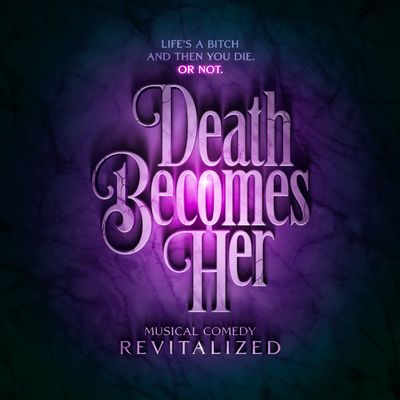
In this Artist Exploration, Sarah Meahl a Broadway Dancer in Death Becomes Her chats with MTCA Director Charlie Murphy about: How technique can set you free. Establishing yourself as an ensemble member. Advice for when you step into your next dance call... Read More
From the show: Mapping The College Audition: An MTCA Podcast
Guests

Featured Shows

About
In this Artist Exploration, Sarah Meahl a Broadway Dancer in Death Becomes Her chats with MTCA Director Charlie Murphy about:
- How technique can set you free
- Establishing yourself as an ensemble member
- Advice for when you step into your next dance call
- Dancing for the Soul
Check out our MTCA Events HERE!
If you have any questions about the college audition process, feel free to reach out at mailbag@mappingthecollegeaudition.com. If you’re interested in working with MTCA for help with your individualized preparation for your College Audition journey, please check us out at mtcollegeauditions.com, or on Instagram or Facebook.
Follow Us!
Instagram: @mappingthecollegeaudition
YouTube: @MTCA (Musical Theater College Auditions)
TikTok: @mtcollegeauditions
Charlie Murphy:@charmur7
About MTCA:
Musical Theater College Auditions (MTCA) is the leader in coaching acting and musical theater students through the college audition process and beyond with superlative results. MTCA has assembled a roster of expert artist-educators who can guide students artistically, organizationally, strategically, and psychologically through the competitive college audition process. MTCA provides the tools, resources, and expertise along with a vast and strong support system. They train the unique individual, empowering the artist to bring their true, authentic self to their work. MTCA believes that by helping students reveal their potential it allows each school to connect with those who are truly right for their programs, which in turn guides each student toward their best college fit.
About Charlie Murphy:
Charlie is a proud graduate of Carnegie Mellon University’s BFA program. As an Actor he has performed with theaters such as: NY Public Theatre’s “Shakespeare in the Park”, The Pearl Theatre Company, Hudson Valley Shakespeare Festival, Chautauqua Theatre Company, Kinetic Theatre Company, and the Shakespeare Theatre of DC.
With MTCA [Musical Theater College Auditions -- mtca.nyc], he has been helping prospective theatre students through the college process for over 15 years. As a Teacher and Director, he is able to do a few of his favorite things in life: help students to find their authentic selves as artists, and then help them find their best fit for their collegiate journey. Through this podcast, he hopes to continue that work as well as help demystify this intricate process.
This episode was produced by Meghan Cordier and Charlie Murphy. Episode theme music is created by Will Reynolds.
Transcript
This transcript was automatically generated and might contain errors.
[0:00] Charlie Murphy: Hello, hello, and welcome to Mapping The College Audition. I'm your host, Charlie Murphy, Director of MTCA. That's Musical Theatre College Auditions. Check us out at mtca.com. And today we have got Sarah Meahl on the show. This was a really fun episode for me and exciting as this was our first guest connected and recommended to me by our very own producer and my assistant, Kelly Prendergast. Shout out to Kelly. She's currently featured on the MTCA Instagram talking about being my assistant and her work on this podcast alongside her playing Fiona in the national tour of Shrek. We love the devil to the, shout out to you, Kelly. And the reason that Kelly connected us is because we were looking to branch out to some more dance-focused guests and some higher level dance conversations I've been trying to have on the podcast and she thought Sarah was going to be a great fit and I have to say she was right.
I think you're really going to enjoy this conversation. As for me, I just arrived back in New York City after whirlwind few weeks in Chicago and LA doing our regional mocks there. So fun for Leo and me to get to take the journey of what we'll do with the National Unifieds in just a few months. I'm going to go there to support our students. But this time with a focus on making sure they are prepared for these auditions and prepared they were. This last mock in LA was really great, so was the Chicago one, really two great mocks back to back. Some awesome talent and it was really great to hang out with our West Coast coaches as well and to see some of the students we haven't seen in person since the summer.
But of course I missed my girls back home. I had to watch a bit of the Waitress movie on my flight back just to see my tiny baby. It was very sweet. I am also very happy to be home for a few weeks and hopefully get to enjoy a bit of holiday coming up. I'm starting to get in the holiday spirit and I really hope that for all of you. One of the big wishes we always talk about with our students is if they can get enough of the pre-screens and the applications done, if we can get that stuff behind them, you can really enjoy a bit of a break this winter. Hopefully that means Thanksgiving. For many of our students it does. Hope many of your students, the applications are in, the pre-screens are in, and you can take a little breath over Thanksgiving before you take a larger breath over the holidays.
For those who are a bit further behind, not the end of the world. If you do have a bit of a stressful Thanksgiving, okay, it's a great cue for you to try in the next few weeks to work toward that idea of a really restful break over the winter holidays so that you can come into those big auditions in January, February, truly ready to rock. That is my wish for all of you. All right, let's get to it. Our conversation with Sarah Meahl.
[2:46] Charlie Murphy: Well, we are so excited to be joined by Sarah Meahl. Sarah has a BA in MT with a minor in dance from Point Park University. She's been on Broadway in Death Becomes Her, which she's currently in, about to head to after this interview, Bad Cinderella, Kiss Me, Kate, Hello, Dolly, Paramore. She's worked regionally all over the place at places like Muni, Paper Mill Playhouse, La Jolla, the Old Globe, all the places you'd want to work. She's taught all kinds of places, and we'll talk about teaching a little bit on the episode today. She's taught at Steps, Broadway Dance Center, the Joffrey School. She's the dance director for Broadway Artist Alliance, many other places. Sarah, welcome on the pod. We're so excited to have you.
[3:24] Sarah Meahl: Oh, Charlie, thank you. I'm so happy to be here.
[3:29] Charlie Murphy: There's a bright smile. For those who are not watching the YouTube, Sarah's bringing brightness, energy to the pod. We're really excited. I was saying a bit in the pre-show, I'm so excited because we have had some amazing dancers on the podcast, but I would say of the three disciplines, it is our least addressed so far. Mostly, that's just due to my own personal lack of knowledge and my skittishness to dive deep into it in terms of the people that I know. Today, I am laying out this challenge for myself. Therefore, it is a challenge for us, a challenge for you, that we're going to have a deep dive conversation into the dance world. Try to get as high level as we can, at least in terms of what I'm personally capable of, because I do feel like we have Cameron Adams on the show.
She's a great dancer. We have Ilda Mace. We have all these great people, but we definitely were like, let's talk about your life and career. I was like, I didn't really dig into dance as much as I wish I had. I'm going to try to do it today. Do you accept the challenge, Sarah?
[4:14] Sarah Meahl: I do. I'm your girl for that.
[4:15] Charlie Murphy: Let's go. I'm so excited. Before we dive too deep into the dance technique stuff, just give me a little 60-second catch-up on get yourself up to 16, 17 years old. I know you're a competitive dancer. Talk to me about what got you up to considering college in terms of your quick life story.
[4:32] Sarah Meahl: I was a dance competition kid, like you said. I knew I wanted to be a dancer. I didn't know in what capacity, because I'm from Orlando, Florida. I had access to Disney. All of my teachers worked at Disney. All of my dance teachers worked at Disney. I thought that was where I was going to have my career.
[4:50] Charlie Murphy: You would be a Disney dancer.
[4:51] Sarah Meahl: Yes. A bunch of my teachers were like, hold on. There's this thing called Broadway. Of course, I had been to New York, and I knew about Broadway. You never think that you could do it. I was like, well, I'm not getting trained in musical theater enough. I started the drama program at my high school. It was a good drama program. Also, I wanted to be with my friends, and my friends were dancing and doing theater. I stayed because of the community.
[5:19] Charlie Murphy: What is the ambition? I certainly understand the ambition of a Broadway dancer, Broadway performer. I'm not sure I fully understand. I've never really been in Orlando. Is that a career where you go, I would be like a Disney princess dancer? I guess I'm not sure exactly what... Because I understand the cruise ship world. Is it like that, where you're in it for 50 years as a dancer?
[5:39] Sarah Meahl: No, I don't think it is. I don't think I understood the long... I don't think I understood. These aren't people who are living, who are making a career out of this for 30, 40 years. Yes. Definitely, there are people who do that. I've watched them do it, because a lot of them taught me dance. But back in the day, there were people called Kids of the Kingdom at Disney World, and it was like a select group of five heel-wearing dancers and five flats-wearing dancers who were at the park, and they were the ones who danced and sang at the same time on the stage. They were the ones who, like when Regis and Kelly would come, which for those of you listening, that was like the most famous talk show ever.
[6:18] Charlie Murphy: Two old people.
[6:19] Sarah Meahl: Yes, two awesome people in the morning that had conversations. They would dance with the Kids of the Kingdom, and so the Kids of the Kingdom made the most money. They were the faces of Disney, and I wanted to do that.
[6:35] Charlie Murphy: You wanted to be a professional Kids of the Kingdom. That was what you saw as your career trajectory at that.
[6:39] Sarah Meahl: Yes. And they also did the parades, and they also did all types of shows. And you could be doing five shows or six shows at once, speaking and singing and dancing and doing all of the things, wearing all the costumes. My dance teacher who owned my dance studio was one of them, and she was my hero. So I wanted to be just like her, and I really hadn't thought much more than that.
[6:58] Charlie Murphy: Totally makes sense. Okay, so then let's make that transition together. So you're doing your drama program at school, and now you're 17, 18. You're looking at colleges. Certainly Point Park makes sense to me of going, I can see why you would end up at a place which is dance-focused, but where you're going to get an M.G. degree. By then, did you think, I know I want to pursue Broadway, or maybe this is a possibility. Where were you in terms of how you were approaching looking at a college education?
[7:22] Sarah Meahl: I think I was afraid to say that I wanted to do Broadway, because I didn't want people to be like, Sarah thinks she's good enough for that. I had that self-doubty fear. I knew deep down—
[7:32] Charlie Murphy: You should have had self-doubty fear, like you no longer do? What's wrong with you? How did you get rid of it?
[7:36] Sarah Meahl: Oh, I just believe in myself now.
[7:39] Charlie Murphy: Sarah, you have to give us some of that. Whatever that pill Sarah's taking, we're going to sell that at the podcast. That's a really good pill.
[7:44] Sarah Meahl: It took a long time.
[7:45] Charlie Murphy: Just get rid of the self-doubt. You rarely hear someone be like, I used to think I wasn't good enough, but now I am. That's great. I want that.
[7:52] Sarah Meahl: I know. How gross is that? No, actually, I've been through so much of that self-doubtiness, so I'm happy to be on the other side of like, no, I trust myself.
[8:01] Charlie Murphy: Yep. Betterhelp.com. We got it. We're one of the sponsors.
[8:03] Sarah Meahl: Yeah. It's hard enough, but I do feel like I was watching my friends apply to colleges and do all these things, and I was like, well, I think I want to do that too. I was at these dance competitions, and a lot of the feedback from the judges were like, you're going to college soon. You should look at Point Park University. That was a place I had heard, and I had not heard of many places. Because this was before, you have to understand, everyone listening, I don't think they understand that back when I was auditioning, which was like the early 2000s, back when I was auditioning for college, we didn't have pre-screens yet. We didn't even have a ton of YouTube videos to watch. They didn't even have video cameras yet. I know.
[8:48] Charlie Murphy: There was not a lot of information.
[8:50] Sarah Meahl: And Point Park was known as, this is one of the best dance schools, and thought of probably a little bit more back then, thought of specifically as a dance school, like a dance MT school, where now I do think people might think, this is just a musical theater school, which has a strong dance program. Certainly, I know, because we're about the same age. Back then, it would be like, you want to be an actor, you go to Carnegie Mellon, you want to be a dancer, you go to Point Park. It felt more distinct in terms of those lines, which I think have blurred a little bit since then.
[9:14] Charlie Murphy: I agree. And I think a lot of my teachers that were working at Disney had either heard about Point Park or went to Point Park. There was a direct influx of people coming to tell me, you should look there. And I did.
[9:29] Charlie Murphy: So tell me about the Point Park experience. I'm really interested in, and you can tell me the timing of this, because we're going to start getting into our deep dance conversations. Coming from the competitive dance world, now opening your eyes to MT, was it before Point Park? Was it at Point Park? At some point, you're going to have to make some adjustments in terms of the kind of storytelling of musical theater dance. Tell me about what was that process? When did that happen? And what was that process for you in terms of what you learned?
[9:54] Sarah Meahl: I feel like I auditioned for Point Park pretty clueless. I could sing. I was taking voice lessons. I had a pretty voice. But I didn't understand musical theater. I didn't even have the technique. I remember they wanted me to sing. I think I was trying to belt "Till There Was You." I had no freaking clue. And I remember being in the final callback, and we were all in it together. It was not just me in the room. It was everyone, which I can't believe that now. And I remember him being like, can you please sing this legit? And I had no idea what that meant. You're like, I'm legitly singing it. What's wrong with you?
[10:28] Sarah Meahl: I was like, I'm legitimately singing. No, he was like, I was like, oh, you want me to sing? And he was like, yeah, and I did. And then I got in. And I was like, wow, I can't believe I got in because I didn't even know what legit meant. But I was serving. I was brave and serving. I was serving. So I think that there were a lot of reasons why I was castable. I was also a very strong dancer at that dance call. And I think that at most colleges, they're looking for like, this person is filling the song and dance track. This person is, you know, everyone has like a track, if you will.
[11:08] Charlie Murphy: But what about specifically in the dance world? Like, obviously, you came in as a stronger dancer than the average, you know, candidate or whatever. But like, in terms of what you feel like, and maybe you can tell me, not much, maybe I was really strong and I stayed strong as a dancer. I'm kind of interested in like, what did you feel like you learned as a dancer in transitioning some of the technique that you were bringing to competitive dance into kind of the storytelling elements of musical theater, if there's any adjustments that you felt like you made?
[11:33] Sarah Meahl: There were so many adjustments. First of all, I had to relearn how to sing. Like when I got there, I was taking like, they put me on an opera track, because I needed to learn technique. I had no vocal technique. I had no dance technique. I was strong. I was like a bull, I could tumble, I could do tricks. I had no ballet training, no good ballet training and no technique.
[11:56] Charlie Murphy: So tell me to break that up. What do you mean by no technique? Because obviously, you're a strong dancer in the competitive dance. What is missing when you say I have no technique? Because I bet a lot of people watching you'd be like, what are you talking about? She's great. She's got lots of good technique. Like, what was missing from you?
[12:09] Sarah Meahl: Yeah, okay. So I was like, I was strong. I was pure muscle. I was muscling my leg to my head. I could, you know, like I knew basic steps.
[12:20] Charlie Murphy: That sounds good. I can't muscle my leg to my head. That sounds like it's good.
[12:23] Sarah Meahl: It was pure muscle. I had no, I was not engaging my core properly. I had no, I didn't understand the position, like, you know, all of the ballet positions. I had no, I wasn't taking ballet frequently enough to have any, or singing. I didn't have any good technique. So when I got there, they were like, strip this all away. Let's start over with you.
[12:44] Charlie Murphy: So I went to the fundamentals, I started over at the ballet bar. And it was an easier ballet class than I'd ever taken, which is actually what you need. When you are building from the ground back up, and you are learning technique, you have to start over and relearn how you approach a basic. So vowels, I had to like really start over. And then I had to learn the musical theater canon. All of my musical theater history classes, I had not I had no knowledge of musical theater history, except for the shows that were popular. And I see this a lot with young people coming into college or coming into my world. They're like, I know musicals, I know Mean Girls, and Heathers, and Adam's Family and Beetlejuice. And I'm like, well, that's not it. Okay, so you don't know anything about anything that happened pre 1960. You know nothing about the golden age of musical theater. And just like history, you can't know where we're headed if you don't know where we've been.
[13:37] Sarah Meahl: Yep. I think I love that. I mean, I think a lot of when we think about our students and, you know, talking about, hey, we're trying to lay a foundation. So often people do talk about, hey, ballet is the foundation, it's a good place to sort of, but like, what else if we're building a house of dance technique, like what goes on top of ballet technique? Obviously, there are other styles, but like, what else are you sort of technically learning and growing on if you're going, hey, I really now I have a strong foundation in ballet, I feel really strong in that. It's like, what else then do you build on top of that to be like, I'm a dancer who can dance all styles?
[14:10] Sarah Meahl: Well, I think a big part of what I needed and what I got was partnering. And I'm not even talking about be used to getting lifted above someone's head. No, be comfortable dancing with a partner and understand the relationship to each other where you have to push back. You know, it really does take two people pushing against each other to create a strong partnership that is doable for both people. And, and I, a lot of people don't understand even like basic musical theater, you need to kind of like be able to waltz, you need to kind of understand what it's like to go 123123, you kind of need to be able to do a polka, you got to be comfortable.
[15:21] Charlie Murphy: Welcome back to Mapping The College Audition. Today, we have a special guest, Sarah Meahl, a Broadway dancer currently in "Death Becomes Her." We're going to dive into the world of dance, discussing the balance between raw talent and polish, and how technique can set you free in this industry.
[15:51] Sarah Meahl: Thanks for having me, Charlie! I'm excited to be here and share my experiences.
[16:21] Charlie Murphy: Let's start with your journey. How did you get into dance, and what was your training like?
[16:51] Sarah Meahl: I started dancing at a young age, taking classes in various styles. I trained in ballet, jazz, and contemporary, which really helped me develop a strong foundation. I also participated in competitions, which pushed me to improve my technique and performance skills.
[17:21] Charlie Murphy: That's great! Technique is such an important aspect of dance. Can you talk about how it has influenced your career?
[17:31] Sarah Meahl: Absolutely. Having a solid technique allows me to take risks and express myself more freely. It gives me the confidence to tackle challenging choreography and perform at my best during auditions and shows.
[17:41] Charlie Murphy: Speaking of auditions, what advice do you have for dancers stepping into their next dance call?
[17:51] Sarah Meahl: My biggest piece of advice is to be yourself and let your personality shine through. It's important to show the casting directors who you are as an artist, not just your technical skills. Also, don't forget to have fun and enjoy the process!
[18:01] Charlie Murphy: That's such valuable advice. How do you balance being an ensemble member while also establishing your own identity in a show?
[18:11] Sarah Meahl: It's all about collaboration and support. As an ensemble member, you want to contribute to the overall story while also finding moments to showcase your individuality. Building relationships with your fellow cast members can help create a positive environment where everyone feels valued.
[18:21] Charlie Murphy: That's a great perspective. Can you share a moment from your career that really resonated with you?
[18:31] Sarah Meahl: One moment that stands out was during my time in "Death Becomes Her." There was a scene where we had to convey a lot of emotion through our movement. It was a powerful experience to connect with the audience on that level, and it reminded me why I love dance so much.
[18:41] Charlie Murphy: Dancing for the soul, as they say! How do you keep that passion alive in your work?
[18:51] Sarah Meahl: I try to stay connected to the reasons I started dancing in the first place. I also seek out new experiences, whether it's taking classes, attending performances, or collaborating with other artists. Keeping that spark alive is essential for growth.
[19:01] Charlie Murphy: Absolutely! It's important to keep evolving as an artist. What are some challenges you've faced in your career, and how did you overcome them?
[19:11] Sarah Meahl: One challenge I faced was dealing with rejection. It's tough in this industry, but I learned to view it as an opportunity for growth. Each audition is a chance to learn something new, and I try to focus on the positives rather than dwelling on the negatives.
[19:21] Charlie Murphy: That's a healthy mindset. What role does mentorship play in your journey?
[19:31] Sarah Meahl: Mentorship has been invaluable for me. I've had the privilege of learning from experienced dancers and choreographers who have guided me along the way. Their insights and support have helped shape my career and provided me with a network of connections.
[19:41] Charlie Murphy: That's wonderful to hear. As we wrap up, what final thoughts do you have for aspiring dancers?
[19:51] Sarah Meahl: Stay true to yourself and never stop learning. The journey may be challenging, but if you remain passionate and dedicated, you'll find your place in this beautiful art form.
[20:01] Charlie Murphy: Thank you, Sarah, for sharing your insights and experiences with us today. It's been a pleasure having you on the podcast!
[20:11] Sarah Meahl: Thank you for having me, Charlie! It's been great chatting with you.
[29:44] Sarah Meahl: And who you're still with to this day. He's doing very well too, and actually we're bringing him on right now where he's in the waiting. Oh my god now. So we definitely like we're sharing in a little sublet so we could afford our lives. And then I immediately booked something. I think I booked a lab and then from there I went to Walnut Street, and I played Zanita in The Music Man, and then like from there I did the next thing I was at Paper Mill. And then I did another Paper Mill show kind of like right away. And then I worked at Kansas City Starlight, and I was just like hitting all like the big big regional. I went back to the uni that summer and then I booked like a little The Little Mermaid tour.
Yeah. Then I started booking some out-of-town tryouts that never went to Broadway like there were like three or four of those in a row that were like Broadway bound and then none of them happened, then I dislocated my knee. I wrapped my knee around the back of my leg. I was out for like almost a full year, so I started teaching. I couldn't teach obviously a dance class, but I could teach like baby dance class. So I taught baby ballet to three-year-olds. I taught baby tap. I started teaching tumbling like baby tumbling then I started teaching big girl tumbling then I was like fully teaching people how to do gymnastics. Yeah, that was a big part of my training as a kid and I got into the world of teaching by accident because I was injured and it was like the greatest thing that ever happened.
All that being said I was 25 before I booked my first real Broadway show and I'm saying real because I thought I booked it twice before that. Yeah, and so I was 25 when I got that phone call. I was making a tuna fish sandwich by myself. It was super not shiny not like you know now I see all these people like hearing that they booked a Broadway show and they're with someone who's recording and they're like crying. It's a beautiful New York moment. Mine was like couldn't it couldn't have been like a sandwich moment. Yeah. And then so I didn't debut that show until I was about 26 and a half.
[31:49] Charlie Murphy: That is you make that sound like that's so old. I think a lot of our listeners like that's four years out of school. That's not so bad. That's pretty good after a lot of steady work.
[31:57] Sarah Meahl: But well, I was watching a lot of people do it before me and I was in New York and I felt like I was bashing my head against the wall. It was like four years that I was really really really I felt like in my prime dance wise until the knee thing. Yeah, but I made a full recovery with that. So I just want to like shout out to injuries if you have one if you think that you're put out and you'll never do it we heal babies. Yeah, we heal out to injuries. I've got a bigger dancer news, you know for sure. But I kind of I'm searching I love that we're tricks. I'm gonna kind of highlight and maybe come back to for those of us who are not dancers to be like what do we really mean there because I'm kind of curious as like as a dancer as an ensemble member.
But it's not we're using I'm seizing dances to talk about as a separate discipline. But you know when you're saying hey, I'm really trying to book a Broadway show establish a Broadway career as an ensemble member like what is like what is it to make a splash or what is it to make yourself know when you're first like trying to be like I want to be seen. But of course part of being an ensemble is like you're the spotlight's not on you the whole time. We don't want it to be the whole, you know, it's not making healthy walking out and being like let me just absolutely rip this note and go who the hell was that? Though to some extent there are moments like that that happen for any dancer and an ensemble member in the show. But like I guess like as you're auditioning or as you're trying to like get in front of people what is the version of like of getting yourself on the map or sort of sort of being seen in that way?
[33:20] Sarah Meahl: Okay, so I'm gonna speak to like the highest level of like when I think of choreographers and I'm thinking of Warren Carlyle and Josh Bergas and you know people who are hiring. First of all being well-rounded because so when I audition for Hello Dolly, they want the highest level of dancer to come in. You might not be doing the hardest thing, right? But they need you they need to know that you can do the hardest thing. It gives them all the options and then you might you might be just standing there singing and like doing a fan kick at one point, but they need to know that you have the technique and that you have the bravura. So sometimes I don't think it's like being the greatest dancer. It's being the most well-rounded dancer who can also sing and do sides.
Yeah, so it I'm I don't think anyone's asking you to be the best dancer have the best technique. Are you a smart actor who can remain in that dance call after there's like a little ballet across the floor and you know that you know it's time a pot break Lee side big leap, you know, like you know that part and then there's tap audition you have tap shoes and you can hold your own for a few counts of eight in the tap audition because you understand that and then they're like, okay now there's a partnering call and you can partner and not only can you partner but you had a good relationship while you were speaking with the partner that you never met before in the audition room which is what happens all the time for Broadway.
It's like, you know, you can you go through the first couple rounds of the audition and then you have to partner and they're not only looking for like whether you can hold your core and get lifted or be or be the one lifting or you know share weight, but they're also making sure that you can have a good dialogue and a good conversation and relationship with this partner. So now they've seen you do three different styles of dance. They hand you sides. Yeah, and they have you sing a song. Can you sing? Yeah, are you comfortable singing? Sometimes they're like, well, she was fine, but she was really comfortable singing. My voice is not I have a good I'm a fine voice. Yeah, I'm very comfortable because I'm used to singing in front of people.
Uh-huh. So even if I'm not like the most talented I'm gonna walk in there. I got you like we're gonna have fun. I have a couple songs. I'm real good at and I'm really used to and that's comforting. Yeah, and then I make some choices on the sides and not just me but like that's what you're looking for. You're looking for someone there's a famous Broadway legend Corinne who also plays Lee's named Lisa Gaida and I remember she's done like 18 Broadway shows or something and they always say like make a Lisa Gaida choice. That's what people want like take the sides make a choice make a strong choice. That's what's gonna help people remember you. So even when you're in the dance audition come at it with a character.
Yep. Make a choice. Yep. It's so fun a trick. It doesn't have to be you know an aerial you don't have to do a flip in the audition to make a strong choice one of my favorite things I ever saw someone do is in the Escape to Margaritaville audition. She pretended she was a waitress holding like a tray of shots and it's hilarious and she did a whole autumn does already did this whole bit. Anyway, it was it was iconic and she booked it. It's so cool.
[36:28] Charlie Murphy: I mean I really is fun hearing that that's feels like the reverse or the the the yin to the yang I guess of the advice we're so often giving to our more beginning dancers of like hey, listen you don't you might not end up being the greatest dancer in the next nine months but we can get you to the point where you're comfortable. We need you the point where you can act the dance call as best as possible.
[36:46] Sarah Meahl: Yeah, that comfortable is a good word of you're not in your head you're not you know looking like you're uncomfortable in your own skin and makes you be like I could work with that person even if you know you're not the strongest thing you're not starting to answer but I want to try to get you to tell me because all that makes sense to me and I think that's my experience of you know when I think about the people who've had these long-lasting careers and ensembles so much of it is about the softer skill so much of it is about man they're great to work with and I love I think the biggest thing I'm taking from you you're saying versatility totally agree with versatility meaning because I don't know exactly what I'm gonna do with you in the room there might be a comedy moment.
There may be a pretty serious acting moment there may I don't know what I'm gonna need from you. But you being that versatile and yes, you can hold your own singing and all those different South versatility makes so much sense to me of what would be good an ensemble member. I'm still thinking about you at that showcase though you said I did six to eight bars and it did some tricks like what was the thing that you're like? I'm so athletic. I'm so flexible. I is it about I'm tumbling like because I think there are sometimes people are like what are those things that maybe pops the amount makes you go? Oh, I remember Sarah. She did a backflip or she did you know?
[38:48] Sarah Meahl: Okay, so I remember I went walk walk step hitch kick and I think I can like, you know, my leg my leg goes yeah for those not watching the video that was her arm like going back behind her. So I audio mediums are you've been dancing this entire time? It's great. There are people watching the video but most people who'll be listening will not be getting the full show that you've been giving us. So I kicked behind my head like I kicked my leg to my head but it went behind because that was that's my thing. That was very flexible very flexible. And then I think I did a fan kick and I did three pirouettes at the end. Yeah, and then I like did a little hip hip so like, yeah, you know in a world where oh and I did a layout which is you know, you kick your leg and then you lean all the way back.
Wow, yeah, I think that I showed that hey, I'm a technical dancer. I say, okay and like here's my here's what here's why you're gonna hire me because I can do song and dance and and it was a good little moment. And sometimes like if my tongue goes awry in an audition, I'll end holding my leg. You're like, well, I still can do this. It's like a way to be like he.
[39:50] Charlie Murphy: Yep, but see like I love I love that answer because of course I think we can understand some of that physical technical stuff that not all of our listeners be able to do but I feel like I'm getting from that not only here are my skills but also like here's my sense of humor. Like I'm get like I'm getting your personality from that too of like I can see I'm little gay resume. I can see some of the shows you've been I'm like this would be good at math. I would be like I can see how some of the physical comedy which is just acting really just physical acting that you could do that you'd be pulling off to with your flexibility.
[40:19] Sarah Meahl: Not even I got to take what's in front because I definitely have been very selective like I picked Death Becomes Her out of other things that I was offered. Humble brag I get it now now I see what that conference I was offered multiple Broadway. You wanted you want to do everything that happens but also like but you can't and I this felt aligned with my sense of humor. I usually am doing a campy thing because I'm really good at camp in the room like you know if we're doing sides I'm your girl like I love that. That's my humor and so sometimes I feel like the project finds you and you find like it's just the universe bringing you to the right thing and I've always been like I want that one. My first show was Cirque du Soleil Paramore as a gymnast first who like started with gymnastics, yeah and grew up loving Cirque du Soleil.
I knew that that was my show and I saw that was my Broadway debut and I saw that breakdown come out and I went yeah, that's mine. That's mine. And then Hello, Dolly. I was like, that's mine. And I dated that one. I like went in and I went in and I went in for other stuff Warren was doing. Yeah, and it was like, you know, please sing a pop song. So sometimes like, you know, the project finds you and sometimes you find the project and and or you're like out of all these things I want all of this, but I'm gonna pick that one or sometimes nothing happens for a while and you're like, I guess I'll wait and that's that's fine too. So so I don't care about diversifying my resume. I want to do the thing that I just suddenly know in my gut is the thing.
[40:24] Sarah Meahl: Oh, physical comedy is my favorite part. It's like my whole reason and I think I sang always true to you in my fashion. I think and I had like deep deep deep deep deep bow to that death data you know like so it was like flirty and fun and a hat. It was like he like a little secret and it was like very it felt very me especially at that time.
[40:44] Charlie Murphy: Did you think about as you're looking at your career? I mean obviously for the most part I imagine kind of taking the work in front of you here. There's a Broadway show and you're thinking about the pay and all the other things. But were you also thinking about like hey, it's not bad that I'm doing a couple comedies in a row if I do a couple comedies or or something that spits it fits in this specific genre of MT or are you almost think were you ever thinking like hey? I want to try to diversify my you know sometimes actors we think about like man I've done a lot of Shakespeare in a row like I don't want to be known as the Shakespeare guy or maybe I do maybe I want to do a lot of I want my whole career to be shakes like were you thinking about that or is it more like I got to take what's in front of me?
[42:29] Charlie Murphy: Do you think about for yourself now? I mean, I was just thinking about it. I mean, I don't think about it. Is the thing do you think about for yourself now, I mean obviously still in your physical prime you've seen very but do you think about like hey in terms of now having established many Broadway shows and certainly this a teaching career. Well, we're gonna get into social media here in a second, too but having established those things. Do you think about like, okay the next step then? Yes, is it gonna be more TV and film? Is it more thinking about playing lead roles like what feels like hey this seems like my avenue of how I can use what I've built but diversify at some point you'll be 60 and probably not gonna be whopping as you said and kicking your leg behind your head.
[42:33] Sarah Meahl: No, but I will know but I have big plans and I I see my career not talking about my performing career, but I see my creative career as a long one. Mm-hmm, and I'm not exactly how I'm not exactly sure how it's going to unfold, but I know that teach being having this like teaching moment in New York is in a moment. I'm going to be doing that for a long time. I want to choreograph. I want to direct. I already am doing those things. I choreographed and directed two shows at Hershey Park this summer. I choreographed and directed a few things in New York last year. Oh and this year and and I have other opportunities up ahead of things that I'm going to be directing and choreographing. So I think that I see a future for myself doing something along those lines and I I love it and I I want to be a creative person.
I don't know exactly what that looks like because I am still performing but I I can smell it and I know that there's something great ahead and I'm trusting that the universe just like it found me those shows will continue to find me the right projects and the right people. Yeah to align myself with and and to shoot ideas off of and create with believe in yourself and trust. Those are two pills we're gonna have to get from you that wherever you're getting those are good.
[43:51] Charlie Murphy: Let's talk a little bit about social media then. So, I don't know how much of that is you thinking about in terms of potentially a revenue source at some point who knows? But can you talk to me a little bit? How did you create and build yourself a following and you know in terms of as a dancer? I think that is something that's really impressive that you had some videos go viral and some of these exciting things. Was that more like I should have to do this for class or there's something I just curious about was that a conscious thing of like I'm gonna try to build this thing for myself as in the industry? How did you approach that?
[44:18] Sarah Meahl: I did not even mean to all of it fell. I came or just turned on accidentally and oh, I'm dancing, you know, oh and I'm beautifully lit. How did this happen? Oh, Don. No, I I think that like I I really didn't want to do the whole spotlight.
[44:36] Sarah Meahl: I used to get really nervous dancing in front of the camera, and I didn't believe in myself as a dancer anymore, like we were talking about, and I didn't really think I was good enough, and I didn't want people to think I was good enough, like that I thought I was good enough, because that ached me out. It feels arrogant or whatever. Yeah, I didn't want people to think like, oh, she wants to put herself on the camera all the time. And then I was like, no, I have this beautiful opportunity to help all these dancers and get footage. And in a world where... I have friends with a casting director who, every time we talk about a dancer, and I'm talking about my students, I'll be like, oh my God, this one really amazing dancer, whoever.
And the first thing we do is all get on our cell phone and look it up on Instagram, that person. I know, it's terrible. So we're looking at your Instagram, and I'm like, okay, so in a world where we're looking you up, and I'm getting lists of talent for whatever show I get to choreograph this week or this month, I'm getting a list of talent, and the first thing I do is go to their Instagram because it's... How else do you find people? Not everyone has a good website, and not everyone has footage on YouTube. So if I need to see who you are, the first thing I know you probably have is an Instagram or a TikTok. So I'm gonna probably, because I'm a millennial, and I'm the one casting you, or I'm the one hiring you, so if you know that the millennials are the ones right now who are in that position of power, you are going to have your Instagram ready, and you are going to have a video pinned.
So I started telling all my dancers, I was like, I need to be doing these spotlights because I need everyone to have footage because I need to be able to show my friend who is casting you, and the person I want to hire, I need you to have footage. So that is how that happened. And so I just created this one dance after a vacation, I felt very clear-minded, and I had this one great dance that did really well, and it sort of put me on the map. It went very, very viral, and Steps had never seen anything like that before in terms of recording, because recording didn't really happen until the pandemic. These spotlight classes kind of became a thing during 2020, and that's sort of when I became a part of it.
It was like 2022, 2021. And is that like, do we think that is the medium? Is that TikTok has more dancing, and so that made it more, or is Instagram now, I guess, echoing that? I guess I had not really seen dance videos as a thing. I think that, well, first of all, we didn't even have stories. When I first did my first Broadway show, Instagram didn't even have stories. You couldn't even post one. You only had a picture. You couldn't post a video. Now I think that when TikTok became such a thing with the Reels, if you will, then Instagram took that too and was like, we're cool too, we're cool too. And it's so, usually if you see, they always say, I get my information properly. Like if TikTok had a Reel, I see it two weeks later on Instagram, and that's what the millennials are looking at.
So it makes sense that you're going to play that game. I'll never forget when Elizabeth said that. We did this huge website overhaul, maybe five years ago, my wife, and she was like, yeah, but I'm looking at your Instagram. She's like, what's your Instagram look like? I was like, but we spend all this money, we look at their beautiful websites, she's like, yeah, but that's not where anyone looks, like, sadly. I mean, if you have a website link, great. Maybe I'll click on it from your Instagram. Right. But that's where you start. Yeah. But like, let me start with your page. So have something pinned of you doing whatever you want to showcase. If you don't have dancing, I'm going, oh, this person's not really a dancer.
You're not a dancer. If you didn't pin that thing first on your thing, yeah. And that's okay. Or if, you know, and that's okay too. You don't have to be a dancer. But if you're trying to get hired by me, I need to see that you're a dancer. Or I need to see that I think you could maybe do this. And I'm not saying twirl and kick, but like, hold your own, you know, give me at least like personality.
[48:20] Charlie Murphy: Yeah.
[48:21] Sarah Meahl: But now, is this something that you're thinking about trying, maybe you already have started to monetize? I mean, our crack research team found that there may be some sort of special sponsorship with Leduca coming. Is that true? Or they may already be there?
[48:30] Sarah Meahl: Um, I... No, you're looking at me like I'm absolutely crazy. You're like, that didn't happen. No, Leduca, yeah, my shoe just got, was released in June.
[48:38] Charlie Murphy: Oh, heck yes.
[48:39] Sarah Meahl: In June. It's already happened. It's already released. It already happened. Purchasable now. Yeah. Leduca celebrate, you know, every year they, Leduca Shoes has like a special commemorative collection where they feature a few dancers and like name a shoe after them. Hell yeah. And they named a shoe after me and it's my shoe. Do you want to see it? Yes, of course. And I'll describe it. It's right here. This is the silver one. It's called Tombstopper.
[49:03] Sarah Meahl: It's holding a silver shoe. It's got a boot. I would say it's a two inch heel. It's a two and a half inch heel. It's got lattice. It's a two and a half inch heel. It's got lattice. She's holding it delicately by the back and now she's twirling it. It's got a zipper just like my daughter's shoes where you can zip into them. Yep. It has a zipper just like a toddler. No, I took the laces in. This is a booty. So it's the first booty to ever be released at Leduca, meaning it's not just a heel. It's not a heel and it's not a boot. It's a boot. It's a booty. It's fusion. So it goes above your ankle. It's supportive. And I designed this with Phil because I needed a shoe. Well Phil designed it. I echoed what I thought would be important for my class is something I wanted to get.
I wanted a shoe that I could take my own class in. And because we're very athletic in my class and I come from such a gymnastic background, we're all over the floor and I like to bridge, even though we're in heels, I want class to feel sporty. I want it to feel like it's a football game in a way that it's not just for a certain gender. It's a limitless class for any human and I want everyone to feel celebrated in it. So it's something that feels like, yes, you may be a heel wearing dancer, you may be wearing a dress, you may be wearing pants, whatever it is, you can do my choreography and you can do it in heel if you want because we're strong and anyone can do it.
[50:26] Charlie Murphy: We'll definitely put that link in the show notes and you're transitioning as beautifully. I promised we'd end with a little bit of teaching stuff. So I just want to get a couple of questions about that because, you know, I started off with that question about the more advanced human being who, you know, like yourself who's in a class. What are you working on? I would imagine it seems like you also have taught a lot of more advanced students in terms of the classes that you're doing.
[50:43] Sarah Meahl: I've taught the gamut, Charlie.
[50:44] Charlie Murphy: You've taught the gamut, of course. Well, let's talk about the other end of the gamut because the vast majority of our MTCA students, I think, will tend to identify as beginners, maybe advanced beginners when they're starting out.
[50:51] Sarah Meahl: OK, that's great. If you had, let's imagine, you know, a lot of them are 16, 17 when we first meet them. If they have a year, nine months, six months, whatever it is before their college auditions, you know, what would you give them as a goal or what do you think is realistic for them to achieve in terms of they're getting into class? What should they be thinking about and working on in the course of their year before their college auditions?
[51:13] Sarah Meahl: I'm going. There's two things. The first one is what you're expecting me to say. The first thing that you should focus on, which is the least important one, is your fundamental knowledge of the beginner terms. Understand what it is to do a plié because, you know, understand what it is to tendu, a chassé, a turn, like be familiar with the basic vocabulary of dance. This is what you think I'm expecting you to say.
[51:44] Charlie Murphy: Yeah.
[51:45] Sarah Meahl: This is what I think everyone's expecting me to say. The least important one. OK, give me the important one. And this is very easy because this you can get at any class. Like if you want to a beginner class, you're going to learn all these terms. So get your booty into a beginner class so that you are brave enough and familiar enough with the simple things. I think preparedness is confidence. So if you just take the class, you're gonna be like, well, I took the class, so I feel confident at this callback. Yeah, I feel confident putting myself on camera doing a 60 because, you know, some of these schools like FSU, I think. And there's like a handful of others that want you to do a 30 to 60 second.
I think it's 30 seconds for they want a 60 second, obviously, like dance for your prescreen, but they want 30 seconds of ballet. And in that they want pliés, they want tendus, they want a battement and a pirouette. And there might be like one or two other things. I choreographed these for people all summer long. Every summer, I like bought a house doing this. Like it is literally like everyone needs to put their footage on camera for your prescreen. The most important thing you can do aside, I think, aside from making sure that you are aware of that information, that beginner like dance info. And I'm saying dance, not ballet, because it's really like a chassé is also in, you know, musical theater across the floor, like jazz, whatever.
The most important thing you can do is have your own sense of style. Look in a mirror, do it by yourself. So if you if it makes you feel more comfortable, understand your angles, know how you know what makes you feel cute or good. So if you are a heels wearing person, understand like how you're how you're going to shoulder roll. Because when I see when I see people learn choreography, I'm not looking for the one who's the most technical. I am looking for the one who is the most like living. If you can live because you're comfortable in a shoulder roll or a head roll and you love it and I can tell that you love to dance or that you are eating and you just love to serve. Like that is so much more delicious for me than I want you because you have a personality.
I need you on my team because you're going to tell stories. You make me hungry. They're serving. They're eating. They're delicious. Those are the lingo's right now. Let me tell you, my last name is Miel. So we love to play into like the full battle. Have that happy meal. I know. So but like this whole thing, like the idea of the shoulder roll and like it coming from a place of like I'm I love this. This is fun for me. It's delicious to do a jazz hand like that stuff is so much more important to me than the technical stuff. So and if you are not a heels wearing person, if you are wearing flats and you got a little bit of game, you know, if you come in and you have some swag, whatever that is, that is so much more attractive and appealing to someone who wants to hire you to see that you have a connection and you're telling a story and like it feels good in your bones.
So turn on some music and like find your groove and feel comfortable grooving because that wins 100 percent of the time where sometimes I see the most technical dancers who are boring. They have no story to tell and they're freaked out and they're afraid and I can't use them.
[54:55] Charlie Murphy: Yeah.
[54:56] Sarah Meahl: So well said. Such good advice. Actually, if you believe it, that second part is probably more of what I expect you to say in the first part. But they're both great pieces of advice. I want to give you a chance because we're wrapping up here. I know you've got to hit your Death Becomes Her call. It's coming. So just I want to broaden up the advice that I've wanted to focus so much on the dance of it all. But just, you know, as somebody who impacts young people's lives, you know, I'd love to kind of hear just what is your advice in general to a young person going through this process and really just entering this career? If you prefer and if you have any advice and we haven't really talked about the parents, we have many parent listeners to you prefer to give advice to parents and how they can help their child. I'm also game for that. But just any advice that goes beyond just the dance of it all in terms of approaching this career.
[55:35] Sarah Meahl: I do. I have a few things, Charlie. And I think they're all things that I because I knew I was interviewing with you today on this podcast. And I wanted to I was really thinking last night during my show. I had a few moments where I was like, if little Sarah knew what big Sarah would be doing right now, like it's actually probably not what I thought. So I do want to highlight a few things. One of them, identify what you require in life. As soon as you do that, the happier you're going to be. So what I mean by that is like I realized around twenty six, twenty seven after like being on Broadway and being like, yeah, I'm on Broadway. Oh, crap. I need trees. I require outdoors. I'm from the swamp.
I need to feel like I'm in nature. I crave that. So I ended up saving up all my twirling coins and I bought a house upstate and I escaped there. It's my escape. And I need that. I need people to live there to make me happy. I rather commute than live in New York City full time. So that I identified what I need. I need that to be happy.
[56:47] Charlie Murphy: Yeah.
[56:48] Sarah Meahl: So like it might not be outdoors. It might for you. It might be like, I need my family. I need to like I need to FaceTime my family or, you know, identify the things that make you tick. Sunlight. Right now I'm in this very sad apartment with no sunlight. And I now I know next time I might the next time I get an apartment in Midtown, I have to have sunlight. It's a requirement.
[57:07] Charlie Murphy: Yeah.
[57:08] Sarah Meahl: OK. So last night I was doing one of my quick changes in a spot in the theater called the birth canal. It's called the birth canal because it is shaped like a piece of pizza and it gets so tiny at the end and that's where I do my change. It is like scary concrete. These theaters are old. There might be like a bug in the corner. If business, we think it's real glamorous showbiz. There are elements of glamour and what you're seeing on Instagram is like a highlight reel of all the glamour that is. And then like there's like a rat trap underneath my station where I take a nap. You know what I mean? So like, let's be very clear. You're living in New York City. There's going to be there's going to be like some type of mouse ish.
[58:01] Charlie Murphy: Yeah.
[58:02] Sarah Meahl: People shooting up on the street right outside your theater. You're going to like try not to step on it. Yeah. So it's not as glamorous as like what you might think. And especially if you're in the ensemble. So if you, and you're probably going to be in the ensemble babes, like even if you're going to be a Sutton Foster track and that's where you're headed, Sutton Foster was in the ensemble. Sutton Foster understudied the lead. That is how she became Sutton Foster. So like if you are thinking like, Oh no, I'm going to skip the ensembles. No, you're not. No, you're not. Because if you want to cover lead, you have to be in the ensemble and you have to be able to dance enough. And I'm not saying like a ton of dancing, but you have to be able to like shoulders, that's the real point to be in the ensemble.
OK. So like, it's not as glamorous. You're gonna, you're, you're not going to show up the lead. And if you are, you're still going to have probably a rat, like a mouse trap. And get used to it. I actually love the, that blue collar moment for me. Like I love that. That makes me go, that's right. That's right, girl. It's grounding.
[58:51] Charlie Murphy: Yeah.
[58:52] Sarah Meahl: It's very grounding. And I, I love that. You can have all the technique that you want. You can try to have all the technique that you want. You can perfect your triple pirouette, tendu, prepare, you know, whatever that is for you. Now, let me add some elements. I'm going to put you in a new shoe that you've never worn before, a bustle with a dress and a hat that's raked on your head, put some lights in your face, and I'm going to put like four layers of tights on you because you have quick changes to do later. Now the stage is a rake.
[1:01:27] Charlie Murphy: Yes, yes, yes. Any interview that ends with an "I love you" makes me feel like I'm doing my job right. And what a ray of sunshine Sarah is, really could not be sweeter. And, you know, like a lot of successful people we have on this podcast, you can see why she's on her fifth Broadway show. It's not just the talent. It is that quality of people wanting to be in the room with her, which, of course, we saw in this interview. Some really great stuff in there, including her advice at the end. I love that. Identify what you require. I also loved it from earlier in our conversation that that phrase of your technique sets you free. You know, we talk about that with singing so much, but I don't know, at least that I personally say that as much with dance.
But I really think it makes a lot of sense. You know, so often at the mock, I'm saying some version of that to our singers. You know, this idea of you've done the vocal technique work, you sound great. Now trust that part of it. Trust your technique so that you can just sing and tell the story, you know, and then if they haven't done that technical work, it might be about going back and making sure that your technique is solid enough so that you can trust it. And so it can set you free. But we never want to watch people just singing or people watch people dancing in a musical if they know that they're singing or dancing, right? We want to watch that medium of song or dance and have it transport us.
And it just happens to be the form that they're communicating in. But if you're watching someone that's like thinking about their technical work while they're singing or thinking about the technical work while they're dancing, it really pulls you out as an audience member. I really liked our attempt to try to dive in with some higher level dance conversation. You know, some of that's hard to do on a podcast where we don't always have that visual aid, though, of course, you're welcome to watch the YouTube if you want. But we went for it. I also do think dance to me is the discipline where people are most likely to fall into binary type thinking, much more so than they do with singing or acting.
Right. It's rare for a student to say something like, "I just can't act at all," or even "I can't sing at all." You know, with the few exceptions of some people maybe who are going for acting schools who really have no ability to sing and they're truly tone deaf when we talk about musical theater students, they are much more likely to place themselves on the spectrum of where they're compared to their peers. Right. Maybe they say something like, "I'm a really beginning actor," or, you know, "I just haven't had much technique yet," or, you know, "I'm still working on singing," or maybe it's a specific element of their singing. "I'm still working on an aspect of my belt." Right. But I feel like a lot of our young students will just throw themselves in the bucket of "I'm not a dancer," and they just move on, right, without being able to be present with where they actually are and where they might fall on that spectrum.
And I'll say I am definitely guilty of that myself, or especially I was in drama school. I would take dance classes and it was so easy for me to focus on how much slower I was to pick things up than my peers. Right. And then I would just sort of give up on myself. And I recently took an adult dance class with a bunch of muggles. These are non-actors. And it was just like one of our friend's birthdays. It was like throwing a party and it was a hip hop dance class. And it was so interesting to see, like, oh, I actually am better at this than a lot of people. You know, I'm coordinated. I can pick up steps. I'm not as fast as my advanced or even my intermediate or even some of my beginner dancer friends who are just a little bit farther along than I am.
But I was beyond some people, you know, and I think for beginner dancers to be able to embrace where they are on that spectrum of beginner is huge. There's a big difference between being at like a one and a three. Right. Maybe a three still feels kind of lame. I'm doing a three out of 10, I guess, on the scale. Right. But for me, I know I have to work pretty hard to earn that three as a dancer. That takes sweat and practice and being in class for me to be able to be like I'm a confident three. Right. And to be able to own that and for schools that will care strongly about dance and you can hear in our college specific episodes, it varies widely how much of a factor it might be at different schools.
They will still absolutely accept truly beginner dancers, but they're going to want to see that you're working hard and embracing your three and see how it's moving toward a four. Right. That will show them the kind of human being they're going to have in class for those four years and can actually look a lot more attractive in an audition room than a kind of bored seven who's kind of over it. Right. Even if you're a more technical skill, but it doesn't seem like you're actively working to improve in that same way. It's sometimes actually less attractive to a college faculty member. Remember, all of these schools are accepting human beings and not performances. And that, of course, leads me to my last takeaway, which I do want to dive into a bit deeper, which is that question of raw talent versus polish.
Did you notice how Sarah was talking about where she was in auditioning for schools with her different skills and different disciplines? And now I think she was being a bit humble about her dance skill, but I'm not surprised at all to hear how green she was in singing and acting. That absolutely can happen. And as that progressed into school, I think it was interesting to see here how Sarah started over from basically the beginning with ballet technique. This is the area that she was already strong in, as well as learning vocal technique basically from the ground up and some of the other things that she talked about learning from the ground up. Right. This is where I think it's worth noting how the process has changed in some of the ways that it's definitely changed in the 20 years ago that we're talking about with Sarah, maybe 15 years ago to give her a little bit of a, not age her too much, but also some of the ways it is essentially the same.
More students today, given the increasing competitiveness, they probably would have heard of the concept of legit versus belting or whatever different languages you want to use to describe that concept of legit singing versus belting. But I think the big thing here is there are still plenty of students, even in 2024, who will be a significant work in progress in multiple areas of those three disciplines, even if they have one that is already very strong. It's of course nice to have at least a discipline that you feel really strong in, right? But the colleges are accepting you as works in progress. That's what you're going to school for. So what's different now? I think there is more knowledge out there and it is certainly helpful to be informed on some of the different aspects of the process so that you don't get lost in the crowd.
But what hasn't changed is that you don't suddenly have to be this polished finished product or even necessarily much further along than you had to be back in the day in terms of your specific technique in some of those areas. I'll say it again. They're accepting a set of human beings that they think are going to be trainable, not the 20 best performances they see or even necessarily the 20 best performers they see or who are furthest along in their training. You've heard me use that quote a bunch of times about the two runners who run a 4-4-40. You know, one's got good technique and one's got bad technique and that any coach in any school would choose the runner with bad technique because if they're already running a 4-4-40 with bad technique, imagine what they could do with some training, right?
That's how these schools are thinking about all these auditioners. What will they look like after we've worked with them for four years and what will that training process look like for them? Now, of course, our smart listeners are going to go with that running analogy isn't perfect because you have an objective time of a 4-4-40 in the 40-yard dash, right? A runner with terrible form who runs a 40 in nine seconds, that might be a difficult accept for a college. You know, if we're not seeing something that makes me think, "I'll bet we could get them this far," right? But we do see those equivalents in the theater world when you hear, you know, an amazing voice that isn't trained or in Sarah's case, she talked about her instrument as a dancer was really advanced, even though there was still plenty of technique to learn.
And it certainly helps to have as many areas that are advanced along as you can. Of course, I'm not saying it's better to have less technique in any areas, right? But even the most advanced 18-year-old singer, actor, dancer, the schools are going to be thinking about it in terms of what do they look like after we've gotten our hands on them, not just where are they right at this moment. And that's where I think the process really is a bit different in the way that we look at in 2024, whereas 20 years ago, maybe even 10 years ago, you might not have had to work quite as hard to give the colleges access to where you are in the process. Certainly pre-screens have made that much more onerous for our students, but also in terms of just where you are in the process, given the competitive nature, a school might not do as much digging through walls and barriers you set up.
Often again, we've talked about those walls built of nerves, built of anxiety, built of insecurity. When I was auditioning, you might bring in material that wasn't so right for you, or you might have a real block for yourself in one area, a real wall that you've thrown up, and a school would take a lot of time investigating that. If there was enough interest in you otherwise, they thought you had potential, they might take a lot of time really digging in there past those walls or past that block to try to see what is your potential. And that, what I just described, absolutely still happens with individual schools and in individual circumstances. But I would say in general, and especially with the video elements of the process, it is more on you in 2024 than it was 20 years ago.
It is more on you to reveal yourself, your strengths, your vulnerability, who you are as an artist and a human being. That is more an onus that you take on yourself than it was for me 20 years ago, or that it was for Sarah, let's say 15 years ago, again, not to age the poor woman, because the population has gotten hip to that idea of what it is. And so if you don't successfully do that, if you don't really go out there and share your authentic self and share your joy on those tapes in those rooms, if you don't share where you are in the process, it has gotten easier for schools to just jump at the students who do rather than do the level of digging they might have had to do 20 years ago. But what really doesn't change is this idea that suddenly you have to be a polished performer or advance in all three areas or anything like that. That is still not the case. You just have to be working and engaging with where you are, ready to have that conversation as a student in the process.
[1:11:01] Charlie Murphy: Okay, and that leads me to a bonus takeaway, because I did say the word joy, and it made me think of Sarah talking about that idea of dancing for your soul. I know we've talked about this before in the auditioning context of how joy has to be a prerequisite. I was just saying it at the mock this weekend to a number of students that you have to find a way through your nerves, through the pressure that you're putting on yourself to seem like you want to be in the room. Because of course, of course, all of you at your core, you do want to be in these auditioning rooms or you wouldn't be here. Right. But I love thinking about that context in the dancing world, the way that Sarah talks about it. You know, joy is something that is so necessary for anyone to achieve sustainably at the highest level, whatever we're talking about, we're talking about athletes, performers, you name it, right?
So, absolutely anything that's as competitive as this industry is, you have to love it to stick with it. You know, you have to connect with what makes you love this in order to find that sustainability, right? In order to keep that fire burning, because I'll tell you, it is the only thing that can sustain you through all the ups and downs of this business. Pure ambition, if it's just about ambition, that's going to burn itself out if it's not connected to joy and love for this art form. But also, I think this is my point here. Also, maybe just as importantly, it will actually make you a better performer. It will make you a better athlete. It will make you better at the thing that you're doing if you can really connect to that joy of it, right?
You're a better athlete if you play loose and joyfully. You're a better actor if you're free on stage, if you're alive with the sparkle of it all, right? And oh boy, with dancers, you can tell when they're up there having fun. Like with anything, when I say fun or joy, joy doesn't always mean smiley and bubbly. There can be joy in the rigor of the deeply passionate, sorrowful moments, right? But you can just tell when somebody's connected to that passion and that love of the art form. It shines through their work. It makes you not able to take your eyes off of somebody, right? You can tell when you have that feeling of going, "I can't stop watching someone," almost certainly it's because they are connected to their joy.
Okay, we've hit our takeaway limit. I'm cutting myself off. This episode of Mapping the College Edition was produced by Megan Courtier and Kelly Predergast, getting a lot of love in this episode. Kelly is featured on RIG, where you can certainly follow us at Mapping the College Edition and check us out on the TikTok, on the YouTube, and certainly like and subscribe on all the platforms you can handle so that you never miss an episode. If you want to leave us a rating and review on Apple Podcasts, like the wonderful Cora Clare did, you certainly can. Cora was at our parent meeting that we do with all the parents during the mock. She raised her hand and she was giving the podcast a little bit of love.
She was like, "I don't mean to go on and on about the podcast, but I just love it so much." And I was like, "Oh girl, you can shout at the rooftops if you want." I was like making a joke. I was like, "In fact, you can leave us a podcast review if you want." And she was sheepishly like, "Yeah, no, Charlie, I already did." And so, you know, you too can one up me like Cora did by leaving us a rating and review on your podcast platform of choice. And all of you, if you somehow haven't yet, can check us out at mtca.com for more information on your individual college prep needs. Though, as Sarah points out, you'll likely just look at us on Instagram first. What a world this world is. To my young artists out there mapping their journeys. What do you think? Should we start bringing out surprise people from our guests' past lives, like we're the podcast version of Jerry Springer? We'll catch you next week.
© Broadway Podcast Network, All Rights Reserved