

In this College Deep Dive, James Beaudry the Clinical Assistant Professor of Music Theatre, Director of Undergraduate Studies for University At Buffalo’s Dept. of Theatre and Dance and MTCA Director Charlie Murphy discuss: 🔴 The growing musical theatre program... Read More
From the show: Mapping The College Audition: An MTCA Podcast
Guests
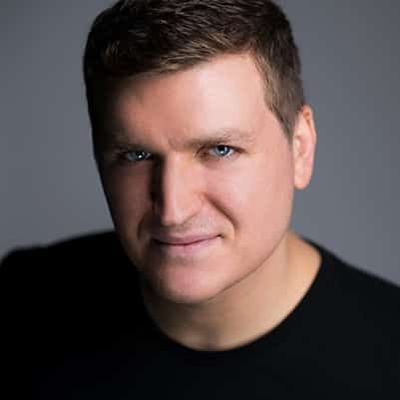
About
In this College Deep Dive, James Beaudry the Clinical Assistant Professor of Music Theatre, Director of Undergraduate Studies for University At Buffalo’s Dept. of Theatre and Dance and MTCA Director Charlie Murphy discuss:
🔴 The growing musical theatre program
🔴 University At Buffalo’s culture
🔴Body and mind connectedness
🔴The importance of a personal statement
If you have any questions about the college audition process, feel free to reach out at mailbag@mappingthecollegeaudition.com. If you’re interested in working with MTCA for help with your individualized preparation for your College Audition journey, please check us out at mtca.com, or on Instagram or Facebook.
Follow Us!
Instagram: @mappingthecollegeaudition
YouTube: @MTCA (Musical Theater College Auditions)
TikTok: @mtcollegeauditions
Charlie Murphy:@charmur7
About MTCA:
Musical Theater College Auditions (MTCA) is the leader in coaching acting and musical theater students through the college audition process and beyond with superlative results. MTCA has assembled a roster of expert artist-educators who can guide students artistically, organizationally, strategically, and psychologically through the competitive college audition process. MTCA provides the tools, resources, and expertise along with a vast and strong support system. They train the unique individual, empowering the artist to bring their true, authentic self to their work. MTCA believes that by helping students reveal their potential it allows each school to connect with those who are truly right for their programs, which in turn guides each student toward their best college fit.
About Charlie Murphy:
Charlie is a proud graduate of Carnegie Mellon University’s BFA program. As an Actor he has performed with theaters such as: NY Public Theatre’s “Shakespeare in the Park”, The Pearl Theatre Company, Hudson Valley Shakespeare Festival, Chautauqua Theatre Company, Kinetic Theatre Company, and the Shakespeare Theatre of DC.
With MTCA [Musical Theater College Auditions -- mtca.com], he has been helping prospective theatre students through the college process for over 15 years. As a Teacher and Director, he is able to do a few of his favorite things in life: help students to find their authentic selves as artists, and then help them find their best fit for their collegiate journey. Through this podcast, he hopes to continue that work as well as help demystify this intricate process.
This episode was produced by Kelly Prendergast and Socials by Jordan Rice. Episode theme music is created by Will Reynolds with Additional Vocals from Elizabeth Stanley
Transcript
This transcript was automatically generated and might contain errors.
[0:09] Charlie Murphy: Hello, hello, and welcome to Mapping the College Audition.
[0:12] Charlie Murphy: I'm your host, Charlie Murphy, Director of MTCA.
[0:15] Charlie Murphy: That's Musical Theater College Auditions. Check us out at MTCA.com.
[0:19] Charlie Murphy: And today we've got James Beaudry from the University at Buffalo.
[0:23] Charlie Murphy: For newer listeners, this is another one of our college deep dive episodes where we explore the landscape of the college theater world and try to demystify this daunting audition process.
[0:33] Charlie Murphy: And you may notice I said the University at Buffalo, which is the State University of New York at Buffalo, which unfortunately you'll hear me many times in the interview referred to as SUNY Buffalo.
[0:45] Charlie Murphy: That is how I have personally always heard it colloquially, and I've referred to all of the SUNY schools, whether it's SUNY Purchase or SUNY Cortland, whatever it is.
[0:53] Charlie Murphy: But James very kindly reached out to me after the interview to make sure that it was very perfectly clear that they preferred to be labeled as University at Buffalo, which I believe is how we'll have this podcast labeled if we've done our druthers.
[1:10] Charlie Murphy: And I think it's more important to them in the way it's written because of the confusion with Buffalo State, which is a potential confusion.
[1:16] Charlie Murphy: This is not Buffalo State, this is University at Buffalo.
[1:20] Charlie Murphy: I also think they're kind of okay with being colloquially referred to as SUNY Buffalo, but I don't know.
[1:25] Charlie Murphy: They didn't say that, so I want to be careful.
[1:27] Charlie Murphy: Henceforth, you will not hear me say that nickname of SUNY Buffalo again, except of course for the 15 times you're gonna hear it in the interview itself, which was of course previously recorded.
[1:37] Charlie Murphy: Um, we do, of course, believe in calling people what they want to be called here at MTCA and University at Buffalo is what we're gonna call this school.
[1:47] Charlie Murphy: Now, just don't get me started on Carnegie Mellon versus Carnegie Mellon.
[1:52] Charlie Murphy: Ugh, any Pittsburgh, they're gonna have an opinion.
[1:54] Charlie Murphy: All right, here we are.
[1:55] Charlie Murphy: We're in late September.
[1:57] Charlie Murphy: It's been a super busy month, full of events, and the next couple months is just full, full.
[2:03] Charlie Murphy: You cannot throw a rock without hitting a weekend MTCA event somewhere, whether that's here in New York City, in Pittsburgh, in Chicago, LA, all these amazing things.
[2:11] Charlie Murphy: Um, we did just have a great mock audition last weekend as I record this, and then next weekend we have another mock audition, and the weekend after that, we have another mock audition, and then we head off to Pittsburgh Unified, both in person and virtual, then our fall master classes, then another mock.
[2:24] Charlie Murphy: It just doesn't stop.
[2:25] Charlie Murphy: So much is happening.
[2:26] Charlie Murphy: We got some busy students, we got some busy coaches.
[2:28] Charlie Murphy: And for our students, you know, alongside those events, so many of you are in the thick of pre-screen season, right?
[2:34] Charlie Murphy: And it is really thrilling.
[2:35] Charlie Murphy: I mean, I hear it from coaches all of the time, every time we interact, of all these successful recordings that are happening, you know, with many, of course, planned in the coming weeks.
[2:44] Charlie Murphy: Many of our students have not finished recording their pre-screens at this point, right?
[2:47] Charlie Murphy: But it is really exciting when our students feel like the work that they've been putting in, you know, that some of them for over a year they've been putting that work in, to be rewarded in a successful recording, which is not too stressful, right?
[2:59] Charlie Murphy: It's never gonna be completely stress-free.
[3:00] Charlie Murphy: It's never gonna be a completely casual thing, you know, with how much you're preparing and all the hard work you're putting in.
[3:06] Charlie Murphy: But I'll just say that hard work really does pay off at this time of year, and that hopefully the experience is a little bit more easeful.
[3:13] Charlie Murphy: And then even more importantly, we're able to see that flexible, joyful work that so many of the schools are looking for.
[3:19] Charlie Murphy: And we're gonna talk about it a bit in this episode.
[3:22] Charlie Murphy: You know, how do you see flexibility in the body, just in who the human being is who walks in the room?
[3:27] Charlie Murphy: Some of that comes from not being wound so tight because you're so stressed about the pre-screens.
[3:31] Charlie Murphy: Um, I will say, if you aren't going to be in New York City or Pittsburgh or Chicago or LA or any of the wonderful places that we're gonna be accruing all of these airline miles in the next couple weeks and months, but if you're still looking to get involved with MTCA, maybe you don't live near one of those cities, don't miss out on all of the webinars we got coming up for you in the next month as well.
[3:51] Charlie Murphy: We have a class of 2027 webinar tomorrow night, that's Thursday night.
[3:54] Charlie Murphy: Uh, but then we've got three in October.
[3:58] Charlie Murphy: One, this is for the class of 2026, that is, three in October, one of our regularly scheduled monthly webinars, and then a bonus one on vocal health, and another one that is a parent panel.
[4:08] Charlie Murphy: Both of those latter two are with me, which of course I know is a great extra incentive for all of you.
[4:14] Charlie Murphy: All of that information and all those dates, I'm not gonna read them all out to you, but all of those are available at MTCA.com.
[4:19] Charlie Murphy: You know, and whether you're looking to meet us for the first time, if you haven't yet reached out to us, it's a great place to get started, MTCA.com.
[4:24] Charlie Murphy: Or if you're just if you're a student, you go, I'm looking maybe to add on a webinar I want to check back in.
[4:28] Charlie Murphy: It's been a little while since I've done an MTCA event.
[4:31] Charlie Murphy: MTCA.com is the place to be.
[4:34] Charlie Murphy: So, yes, let's get to it.
[4:36] Charlie Murphy: This interview with James Beaudry from the University at Buffalo.
[4:46] Charlie Murphy: Well, we are so excited to welcome James Beaudry from the University at Buffalo.
[4:52] Charlie Murphy: Uh, James has a BA in theater from the College of Worcester, uh, trained as an actor and director with Lee Strasberg Theater and Film Institute, and also has an MFA in dance performance and choreography from Mills College, a distinguished career as a director and choreographer.
[5:06] Charlie Murphy: Um, also done some cool stuff, like a producing artistic director of Timberlake Playhouse and Clinton Area Showboat Theater, as well as the company manager of New York Stage and Film.
[5:14] Charlie Murphy: We'll talk a little about that.
[5:15] Charlie Murphy: Currently, he is assistant professor of musical theater and director of undergraduate studies for the University at Buffalo's Department of Theater and Dance, which is located in Buffalo, New York.
[5:25] Charlie Murphy: They take classes of about 20 to 30.
[5:27] Charlie Murphy: They have a BFA in MT, a BFA in acting, a BFA in dance, as well as BAs in theater and dance.
[5:32] Charlie Murphy: James, welcome on the pod.
[5:34] James Beaudry: How are you doing today?
[5:35] James Beaudry: I'm doing great.
[5:36] James Beaudry: I gave you that short little bio, but I'd love to hear a little bit about your journey to the University at Buffalo.
[5:40] James Beaudry: Maybe especially, I mean, tell me as much fun facts, tidbits, whatever you want to give me in there, but I especially someone who, you know, we have a lot of multi-hyphenates on the show of actor directors, actor directors, choreographers, but you also, you know, across the artistic boundary in being a company manager.
[5:54] James Beaudry: I'd love to hear kind of all about your history in theater.
[5:57] James Beaudry: Sure.
[5:57] James Beaudry: Yeah.
[5:58] James Beaudry: I mean, it started when I was, you know, in high school applying to colleges and not knowing where I wanted to focus.
[6:04] James Beaudry: So I went to a BA program where I was able to do a little bit of everything.
[6:07] James Beaudry: And I kind of sustained that throughout my career.
[6:11] James Beaudry: Um, so I went to grad school for an MFA in dance, always intending to come back to musical theater because my favorite choreographers all came from the dance world.
[6:20] James Beaudry: And that's, you know, that still happens today.
[6:22] James Beaudry: Most of the people working on Broadway are coming from a concert dance background, not necessarily up through the ranks of, you know, dance captain associate that way.
[6:33] James Beaudry: Totally.
[6:33] James Beaudry: Um, you're talking about like high-level Broadway choreographers.
[6:35] James Beaudry: Yeah, like, you know, Sonny Taya, etc.
[6:38] James Beaudry: Yeah, and so I, you know, I always wanted to, I realized I wanted to direct and choreograph at quite a young age.
[6:43] James Beaudry: Um, and so I wanted to know as much as I could about all of those things.
[6:47] James Beaudry: Um, I was very fortunate I started doing summer stock when I was in college.
[6:51] James Beaudry: Um, and that just led to opportunities pretty young to start choreographing and directing because I was building a network.
[6:58] James Beaudry: And then I was offered in my late 20s, I was offered a position as an artistic director and jumped at it.
[7:04] James Beaudry: Um, how does that happen too?
[7:06] James Beaudry: I'm just a little curious, and I'm probably getting to the University at Buffalo, but like whenever that happens to someone young, I'm like, how are you getting a 20s, 20-something artistic director offer?
[7:14] James Beaudry: This seems like it only happens to 70-year-olds.
[7:16] James Beaudry: Yeah, and I mean, I always tell people, like, like, how did you get that job?
[7:19] James Beaudry: And like I had to earn the job.
[7:21] James Beaudry: Um, but I was doing, I was working on some new projects and, you know, it was like 2006 through nine, when like New York Music Theater Festival was really in its prime.
[7:31] James Beaudry: Um, there was a lot of exciting new work happening in New York that I was involved in on several projects.
[7:37] James Beaudry: Um, and I got a lot of hands-on producing experience that way.
[7:40] James Beaudry: So I was able to take that and match it with sort of the summer stock work I had been doing and really understand the big picture and the administrative side of things in a way that I think people don't get access to unless you choose that.
[7:55] Charlie Murphy: Yep.
[7:56] Charlie Murphy: No, it's, it's, uh, the reason I sort of throw it out there is the interesting thing of the BA versus the BFA, you know, to talk about what some of the more intensive training you get at BFA, but some of the value we often talk about BAs is that you can get that more holistic.
[8:06] James Beaudry: It's true of all the different, it's true.
[8:09] James Beaudry: Um, and you know, my acting training, I think I was able to move into the director-choreographer position more than what does the show look like, but also working directly with actors and getting solid, strong performances out of them.
[8:22] James Beaudry: Um, and so I had done a lot of projects at Timberlake, um, and their artistic director was leaving and let me know and sort of brought me in as an associate for a couple of years.
[8:32] James Beaudry: Um, and so I was able to move into that position, which was really kind of a dream come true.
[8:38] James Beaudry: And then moving forward 10 years, you know, you're in your late 30s, 40s on the horizon, and you're like, okay, it's this forever, or it's time to move on.
[8:47] James Beaudry: You know, um, and I had done, you know, a hundred and I don't know, a hundred and eighty shows or something there.
[8:53] James Beaudry: Um, it's enough should you know, 12 shows a year over a long time.
[8:58] James Beaudry: Um, so I was burnt out and I had moved to Chicago to take over Timberlake from New York City, and I missed New York City, so I went back and then I got the company management position with New York Stage and Film.
[9:10] James Beaudry: Um, I wasn't sure if I wanted to keep doing the creative side.
[9:14] James Beaudry: It's exhausting.
[9:14] James Beaudry: And after a while, you're like, do I have another Wedding Singer in me?
[9:18] James Beaudry: You know what I mean?
[9:19] James Beaudry: Um, and so I was really fortunate.
[9:21] James Beaudry: Joanna Felser was the artistic director at New York Stage and Film, and they brought me in for a season there because I excel at the administrative side of things.
[9:31] James Beaudry: And that was great for a couple of years, but um, I don't love the administrative side as much as I love the creative side.
[9:37] James Beaudry: Um, and then how did you make your way to the University at Buffalo?
[9:40] James Beaudry: Yeah.
[9:40] James Beaudry: Yeah.
[9:40] James Beaudry: So COVID hit and um, everything changed.
[9:43] James Beaudry: And people had told me you should teach, you have an MFA, you should do all of these things.
[9:47] James Beaudry: And uh, so I really started to consider it.
[9:49] James Beaudry: Um, and I looked at what jobs were out there and what jobs were in cities because I knew I didn't want to live in the middle of nowhere.
[9:56] James Beaudry: Um, coincidentally, my mother's an alum of this school, so I was somewhat familiar with it.
[10:03] James Beaudry: And um, it was the first interview I got and it was the first job I got.
[10:08] James Beaudry: Hell yeah, one for one.
[10:09] Charlie Murphy: We love it.
[10:09] Charlie Murphy: All right.
[10:10] Charlie Murphy: Well, so tell me a little bit.
[10:11] Charlie Murphy: Let's pivot to the University at Buffalo in terms of, you know, I'd love to hear from your experience of like what is the program at SUNY Buffalo and what are the, like what are the students like?
[10:20] Charlie Murphy: If I sort of describe what a SUNY Buffalo student is, um, what would be the ethos or what sort of how would you define a SUNY Buffalo kid?
[10:27] James Beaudry: I think they're all just a little bit outside of the box in a good way.
[10:31] James Beaudry: Um, they tend to have multiple interests.
[10:34] James Beaudry: We're in the College of Arts and Sciences, so we have the opportunity to do a really rigorous BFA program and something else, um, to be a fully rounded person, and parents love that as well.
[10:47] James Beaudry: There's a really strong tradition of acting training here.
[10:51] James Beaudry: One of the reasons I like this school is because I related to the dance, the strong dance program, the strong acting program in a musical theater program that had both faculty members leave in the same year due to various circumstances.
[11:05] James Beaudry: So there was this opportunity to kind of look at what is this program and where can we go with it?
[11:11] James Beaudry: But knowing that we have really strong strengths on either side of us from acting and dance.
[11:17] James Beaudry: And so now I'm in my fourth year and we're really looking at like how can we serve the students across their interests?
[11:24] James Beaudry: If they want to be a triple threat, great.
[11:27] James Beaudry: If they want to really focus on acting and song, fine.
[11:30] James Beaudry: If they want to be a dancer with singing, that's an option as well.
[11:35] James Beaudry: So we really have a wide range of skill sets across our student body.
[11:40] Charlie Murphy: I love it.
[11:40] Charlie Murphy: Let's get right into that.
[11:41] Charlie Murphy: So I'd love to hear kind of what the curriculum, especially what the curriculum is now, but you know, what are the changes you've made in the last four years, and if there are other adjustments you think you might be making as you continue, um, you know, what does the curriculum look like for the musical theater student?
[11:55] James Beaudry: Sure.
[11:58] James Beaudry: So musical theater, they start, all of our BFA actors and musical theater students start together in the acting classes.
[12:04] James Beaudry: Um, so they're starting with music theory and voice lessons.
[12:09] James Beaudry: That's for the first year, score analysis, all of that.
[12:12] James Beaudry: That's that plus acting plus two to four dance classes is sort of their first year.
[12:18] James Beaudry: There's one class, pretty much one class every semester as part of the core curriculum for the university, but other than that, they're in our building. Um, in sophomore year, we get into acting the song as they're in their third level of acting class. So we have music theater rep one. So we're dealing with both the literature of music theater through arrows so that they're really understanding how the composition of musicals evolved and what the acting techniques, how the acting techniques evolve with that. Um, there's two levels of that. And then second semester sophomore year, they're also in music theater workshop, which is our industry business class, which is early, but that's something when I was running Timberlake, I would audition at a lot of universities.
I would go to schools. So particularly like Vicky Busser when she was at Baldwin Wallace and Jay Burko at Western Michigan were very helpful to me to sort of see the reasons why their curricula were set up the way they are. And so I moved that to sophomore year so that our students are learning those skills to start auditioning for summer stocks well and not waiting until senior year. Um, then there's a music theater history component, there's a music theater scene study class, and I'm forgetting one other music theater core thing, but it will come to me at some point. Well, and this doesn't have to be complete written. Hopefully, there's somewhere a curriculum they can look at. It's all full right now.
But it's really helpful to hear some of these specifics. What about you mentioned sort of the actors and the MT start together? How does that membrane work for the dance majors? Like are MTs taking with dance majors, are dance majors able to take MT classes, same thing with actors if they want MT classes? How does that work kind of across the case?
[14:00] James Beaudry: This is the big change that we've made working with the dance faculty. Um, the dance classes, the dance major classes are only for dance majors. Yeah. If there are available spots and there always are, music theater students and dance minors can audition to be placed in those classes. Yeah. Um, we have now also for the first year this year ballet placement. All students start with ballet and tap in year one. Um, so that they can progress if they are passionate about one or the other, they can progress to higher levels faster. Um, we are doing placement in that because we have three sections of ballet. So even if you're not in the dance major class, but you come in with five years of experience, you will be pooled with people at a similar level, and then people who are true beginners will have their own section.
And that's, I mean, our we're starting all of that literally tomorrow. Uh, so I'm really excited about that. And then we also have this year a double major option. If you are accepted to both the dance program and the music theater program, you can finish a BA in dance and a BFA in music theater in four years. Super cool. It took some like moving things around to make that fit because it, you know, it's a lot of classes.
[15:15] James Beaudry: Um, but I feel like other programs sort of like musical theater dance degree or whatever. Basically, yeah. Well, we were looking at that, and to do a combined degree like that, we'd actually have to cut more courses so they have more access by keeping it as two separate degrees. So cool. Well, while we're on the double majors and the minors of it all, um, just talk to me about generally the academics of SUNY Buffalo. So, what first I'd love to hear, like as a general BFA, let's say I'm a BFA MT standard major, whatever that is. You know, if I'm not doing another thing, you know, how many academic classes am I getting? What percentage of my time am I spending acting, singing and dancing versus doing other academic stuff? And then what possibilities are there for minors or double majors outside of the acting, singing dancing world?
[15:55] James Beaudry: Sure. Yeah, most of our students are taking 18 to 20 credits a semester. 19 is like the max, but you can apply for more credits. Um, within that, one to two courses might be outside of theater and dance a semester. But some people, you know, we have some freshmen starting this year who have like sophomore standing already because of AP credits or IB. Um, so that depends on what the student is coming in with, but um, it is possible to double major in many things. Um, it involves discussions with academic advising because some degrees are more credit heavy than others. Um, but most of our students also have a minor. ASL is really popular with our students um because it's made such an impact on theater over the last 20 years.
Um, so that one is very common education. There's also a five-year program where you can get a master's in education. Um, because in New York you have to have a master's to teach. Um, and so for people who want that, that is a fifth year um and takes some finegling, but um, that is doable as well. Super cool. Um, I’d love to hear a little bit more about um you mentioned this soft, I think sophomore year class that you start some of that business prep. Um, how does the launch into the business work for seniors in Vyana? I know you've now graduated yourself, now only maybe one class of seniors from the beginning, but you know, how does it work in terms of their introduction to agents and managers and sort of beginning their careers?
[17:25] James Beaudry: Sure. Well, you know, I mean, everyone talks about how showcases have changed so much since COVID when everybody had to sort of rethink what they were doing. Um, years ago there was a New York showcase. When I came in, there wasn't anything. And I said, Well, let's not rush to something. And so this year we are starting, we're bringing Showcase back. Um, it'll be a combined showcase for music theater and acting with a portfolio option for our design tech BFAs. And it will be here and filmed so that filmed and edited so all of the students have all of that material. My thing is like the cost of a New York showcase is huge. And if you know, six of ten graduates are going to New York City and three are staying in Buffalo and one's going to Chicago, that's a lot of money to put out. So, in order to give the students options based on where they are going, um we thought that this was the best way to do that. So we're excited to bring that back this year.
[18:25] James Beaudry: Um, is that about right in terms of the proportion of if you know of your 20 some students who are graduating, you know, are you know two-thirds going to New York is uh you said that's right to your matter, yeah. We're the largest public university in New York State, so we're like the flagship SUNY school. Um, and because the population center in New York State is New York City, Long Island, Hudson Valley, yeah, a majority or plurality of our students are from the city, essentially, right? Um, you know, we do bigs and littles, and we were like, well, these two are from the Bronx, so let's put them together. Like so it's unique because I didn't expect this coming in, but our students have such an awareness of New York City as a place, and many of them theater in New York City, that that sort of preparation that is required for people who have who don't have that, we don't we don't really need to do that.
They're all there on their breaks, and you know, the Amtrak goes right there. So there's this sort of different perspective. They're really looking at, I would say half probably go to New York City. Yep. Buffalo has a lot of small professional theater in it also. And that's something we've changed also. We're working in partnership with a lot of companies here to get the students working while they are enrolled. We had to kind of explain why that was important to for some of the rule makers here.
[19:45] James Beaudry: Um, but it gets them out, it gets them working with other people, it gets them understanding the schedule. You know, academic schedules are so, you know, stretched out, um, and no one has that much time in real life to do a show. Yep. Um, so a lot of students will choose to stay here for a year or two. We have a senior, uh, no, he's a junior, he's booked till like the end of next summer already because he's in such demand here, and that's great because he can make money while he's in school here. So it's unique because of they're already New York City aware to a large extent. No, it's interesting, it's interesting to hear about some of the sort of shifts that you are making with the program.
I know I uh now in uh over a decade it's old this information, but when I worked at Hudson Valley for a number of years, Hudson Valley Shakespeare Festival that is, um, a couple SUNY Buffalo kids were kind came and worked there, and definitely I think they felt like a little bit like they felt a little green. You said outside the box in a great way, but also they felt a little bit like, oh gosh, uh the I I didn't know all this stuff. I didn't know any of the business stuff as much. Seems like that's something you're trying to adjust a little more to be like, let's uh this this readiness of what the business is.
[20:52] James Beaudry: Right. And so in workshop and sophomore year, um, you know, there's 10 mock auditions over the course of the semester. Every, you know, they get it 48 hours before they come in, they do it. And most of those I have a guest director or an agent from New York City come in for those. So we're starting that exposure in sophomore year. And anytime there's a guest, the rest of the, you know the rest of the students are welcome to come into that class. But that just drop them in, you know, throw them in the pool and they will learn so much. Yeah. And bringing in summer stocks really really pushing the summer stock aspect of this because again it's not it's not even just for me and my career I was able to work for basically 20 years, you know, without any significant pauses because of who I met in networks. And if you don't start working at this point, you're not gonna graduate with those networks.
[21:48] James Beaudry: Yeah, it's so well said in and also I think it's so hard if your first real professional job happens after you graduate like when you're hitting the ground running and you're like I'm learning some of the things that you might want to learn with your sophomore year in summer stock. Just getting those bits of experience of like right this is how I show up to rehearsal and be a professional and all some of those things that you just need some little practice at a little runs at actually doing. Um, tell me a little bit about side of the theater program. What is SUNY Buffalo just as a university experience when we talk about campus life when we talk about like what will my experience as a student be?
It is again I think it's 32,000 students. Um, I don't know exactly that. Um, it is a large state school that has everything there are three campuses. We are all like on the North campus which is in a northern suburb of Buffalo and it's very self-contained for a big school it is very self-contained. There's a downtown campus that's the medical school um and the South campus which is in the city of Buffalo which has like this school School of architecture. I don't know what else is there. I think I've literally been in a building there once. Um, so you can have this big school experience.
[22:55] James Beaudry: There's like five hundred clubs, there's a club for everything. Students can start clubs. Um, and you can be isolated and on the campus, or you can go and live in the city. Um, so there's it's a really nice sort of best of both worlds option if you want a campus life or to like rent a house and live in the cool part of town. Yep.
[23:17] James Beaudry: Um, let's talk a little bit about cost. I think you kind of mentioned a lot of your students, about a significant percentage are New York State residents to get that wonderful tuition. Right for non-residents, we found it's about 32,000, but for residents it's 11,000. Is that true?
[23:31] James Beaudry: Yeah, that's tuition and fees not including room and board, I think.
[23:34] James Beaudry: Yeah, yeah. We let them figure out their own rooms for that. That's for later. Um, but the uh so how does that work in terms of w what the requirements of being in New York? It's only for New York State who get that 11,000. And you mentioned a little bit about like the idea of scholarships that be coming in for out-of-state people. So I guess how does it work in terms of negotiating that scholarship down? How are there any ways to get resident tuition for people who aren't residents? How does that work for you know scholarship offers?
[24:02] James Beaudry: As I understand it, if you live here a year after college, like you if you took a gap year and lived in the state, you could qualify for resident tuition. Um, but I think that's the only way to do that. Um, but the school, we have a new dean in our college, and um we have new directors of admissions for international and domestic admissions. And so there's been a big push to give more access to out-of-state students, and we have a record number of out-of-state students coming this year because of more money being moved to those populations, which is really wonderful.
[24:40] James Beaudry: We used to mostly focus on in-state because we knew that there wasn't money for out of state. And so why would we put all of our eggs in those baskets? But now, particularly with this double major option, we're seeing a lot more interest, and students have successfully lobbied for more money. We don't really have any say over that. That all goes through admissions and other offices, and we don't have performance-based scholarships on our program. So it's merit, meaning academic money that they're coming in with, and then seems like some help that's more for out-of-state tuition or out-of-state students. Yeah, a significant amount. There has been talk, this is not official. There has been talk about doing a match if you have, for example, if you're from Michigan and you are accepted to the University of Michigan, we can match that in-state tuition.
Uh-huh. So but that is it takes a long, it's like they say everything here, every change is like turning a cruise ship, right? You can't just like you can't just do something. It takes two years to implement it. Sometimes you just hit the iceberg and you never make the turn.
[25:49] Charlie Murphy: Yeah.
[25:50] James Beaudry: Uh yeah, I love it. All right. Well, that's getting us into some recruiting stuff. So let's take a break in the back end. I want to talk a little bit about some of the new recruiting stuff that you're doing as well. So we're back in a flash.
[25:59] Charlie Murphy: Great.
[26:00] James Beaudry: All right. We are back with James Beaudry, and we're talking a little bit about the audition and the admission process for SUNY Buffalo. So we're starting to get into it. So is it I think some of this out of state tuition allows some more out of state recruiting. So it seems like I know some of the places that you're going to that are, you know, with talk about a Pittsburgh Unifieds, it looks like we're hitting up different, you know, coming to New York City Unified. Sounds like that's something you've done in the past. But I'd love to kind of hear about like what does your year look like in terms of where you will see students from different regional stuff on campus online what does that look like in terms of the overall year?
[26:24] James Beaudry: Sure, we are doing we're only going to Pittsburgh in terms of the various unified. We had a really great experience there last year we felt it was really well run and we're excited to go back. We do our own New York City audition again because there's a lot of money if you are a New York student if you're, you know, depending on your family's adjusted gross income you can go to school for free with the right GPA. And so we want to give as much access as possible to that so we're really connecting with the performing arts high schools in New York City a lot more than we have before and doing our own auditions at Pearl Studios or Ripley Greer wherever we get space.
[27:18] James Beaudry: And that has been hugely attended. And you don't have to be a New York resident to go to that we're trying to keep it around the time of the New York Unified so if people are already there they can two birds one stone, oddly in our parlance we still call that you doing New York City Unified. Even if you're tagging along you're part of it you're around it too for our students say because they get confused if do am I Pittsburgh Unified's is something they pay they join and do.
[27:40] Charlie Murphy: Right.
[27:41] James Beaudry: But with New York Unifieds in general that's what the schools do. So they're like if you're there in January I'll check you out I'll be at City Belfort.
[27:47] Charlie Murphy: Yeah.
[27:48] James Beaudry: So um they used to go to Chicago we may bring that back but um we'll see where we are with numbers. And then we have I think we're doing three on campus this year for acting and music theater and then four for dance.
[28:05] Charlie Murphy: Love it.
[28:05] James Beaudry: And any online or do you have any options to do online through the accepted platform, we accept video auditions. We will probably follow up with a Zoom interview just to get to know you because that's so important. But for the online audition it would be a pre-recorded video. It's not that you're hosting Zoom auditions. Yeah it's basically what everyone else does for pre-screens but we don't do pre-screens. If like we're looking at it and we like you, I think it would become a pre-screen because then you're gonna call them back with a zoom maybe exactly. And if we need to see something else we'll ask for it. But in general it it's a get to know you to know like who are you and will you be a good fit for us? But we really encourage people to visit if they can.
[28:47] Charlie Murphy: Um and do you get a sense of I mean again you only share the numbers that you feel comfortable with this is truly up to you but do you do you have a sense of how many total students you will see in a given year and how many of those students that will end up be getting a yes from you? Like do you have a sense of like what are we talking about when we talk about what the audition experience is and then what that cut down becomes?
[29:00] James Beaudry: This is tricky to sort of put things have changed very much in the last in my three years of recruiting. Now that I'm the director of undergraduate studies, I have a lot more say in how things go, but there was a real lack of recruiting for my first year and a half here. And so we were seeing mostly in state people a couple of out of state people and pretty much on campus. And so those numbers skyrocketed last year. So I I don't we don't have a formula yet. I think by next year we will but what we do know is that when students come here and visit and we can take time with them, they like us. As far as you know accepting people, I would say of the number that we accepted last year, 10% came here.
[29:58] Charlie Murphy: Kind of yielding yep.
[29:59] James Beaudry: You know and for a program that no one had heard of really I mean they had heard of it previously and then it dropped off the map um we feel like that rebuilding is really good and looking ahead we will probably be more discerning. The higher the percentage you start yielding the fewer people you have to start accepting exactly so having to have your very classes yeah this is the math that they don't cover in theater school but like we want to make sure that when the students arrive yeah they have the skills to succeed and logically move into this career. Like that's the question we ask like if you can this person work in four years really it comes down to that and then are our numbers at a level that we can manage so everyone's getting individual attention in performance classes because that's essential.
[30:45] Charlie Murphy: Yep and then let's talk about how how we determine that in the audition room. So when you're at you know obviously let maybe let's let's take the POAs aside the more consortium style thing but when you're at New York City you're in Pearl Studios or when you're at you're on campus, you know, when they're performing the material what how what kind of judgment are you making with from the material in terms of is this person prepared to succeed and then how does that work with interviews and adjustments and questions you might ask as it goes on. So what are you kind of sniffing for and what what are you detecting as you're looking at the audition?
[31:13] James Beaudry: Yeah I you know there's the basics right like is the monologue memorized are you are you singing in the correct key um all of that and then what I'm really interested in is are you in are you physically embodied? Are you or are you are you frozen and and speaking? And are you connecting to the space? A lot of our students a lot of people come in and say, Do you teach Meisner here? as though like that's the be all end-all of musical theater training. It's only because that's the name that they have heard. And I don't, this is not because I studied at the Strasbourg Institute that I'm saying this. It's just that like I see this, like still directing professionally over the summers. I see students coming out of schools and they act the entire scene staring at their scene partner in the face. And like fine if you're filming an episode for television when the camera can do the movement and you need to you need to hit your marks, but that's not how you perform in space.
[32:12] James Beaudry: Um, so most of most of our adjustments are can we get you to a natural, authentic, believable, embodied place where you are not just connecting with a scene partner, but in a monologue, you don't have that. Are you connecting with the space? You know, are you and then and then who are you and what do you what do you want from this career? And do we think you can manage that? But it's amazing to me how difficult it is to get people to be in their in their bodies and break out of what they have rehearsed.
[32:44] Charlie Murphy: It's so well said, and it's I'm I'm surprised how rarely I hear that answer 200 episodes in. Um, you know, we talk about so talent in so many ways is so hard to define. We talk about acting talent, right? Singing and dance, we have maybe a little bit more objective metrics, but um, I do think you know, when I talk about adjustments, you know, people talk about the flexibility, and maybe sometimes they mean a version of physical connectedness, but so often I'm like that that is what you're trying to see is like can we be in your body and in your spirit and those have those things be aligned with each other?
[33:13] James Beaudry: Right. And and I remember there was a student at Pittsburgh last year. I was sitting next to Jenny Lamb who teaches at Penn State, who's a friend of mine, and she she teaches physical theater. So we're both very much on the same page with this. And this student came out and was grounded and breathing and like multiple targets in the space, and we just looked at each other like, yes, it's happening. You know, I have no idea who that student was, but congratulations to whoever they were. So much of it doesn't necessarily mean the student can't do it just because they can't do it in audition, right? Sometimes it is the nerve that then go, okay, everything's tight and I'm squeezing, and so then now I'm not able to be physically free, but it doesn't mean they can't do it in a show. And they're like, I'm at when I'm having fun, I'm great at it.
[33:50] Charlie Murphy: Yeah.
[33:51] James Beaudry: And I think you know, people worry so much about like my monologue and what I'm going to do. And it's like the words don't really matter. What you do with them matters, and we want to see you do more than you've rehearsed. So really that's what it's about in our call worlds. I remember I used to lead a class by saying, Hey, you could get into the school with the phone book. If you do it well enough, you could be reading the phone book and be like, that's not true. I'm like, well, it's an extreme example, but you could, I'm telling you.
[34:16] Charlie Murphy: But the right kid could do it.
[34:18] James Beaudry: Um, all right, we're now we're going on beautiful tangents. I want to talk a little bit about um if you like a student um artistically, and a great example, something like PUA where you know artistically you might you might be the primary version of seeing them first. What is needed then academically? Is it about a minimum GPA? Is it a conversation between you and admissions? How does that work in terms of the academic side of it?
[34:36] James Beaudry: Great question. It's extremely separate. So, and we have a great relationship with admissions, and we are emailing all the time because we have our lists and they have their lists, and it's like we have accepted these people, these people have applied, these people have been accepted, these have not. So then we know, like, okay, stop emailing that person, they haven't been accepted to the university. It is, you know, like Binghamton and UB are like the more rigorous academic SUNY schools.
[35:02] Charlie Murphy: Um and do you have a sense of a what about that means rigor-wise?
[35:05] James Beaudry: Like what are we talking about in terms of a GPA or a test score if we're setting those in?
[35:09] James Beaudry: I don't know about GPAs. I don't know. Um, but I will say you're allowed to not know. We can make them look at it. It's more it's more rigorous. You know, we're like a top 30 public university. Now there's a the goal is to be top 25. But um so you you know you have to get into the university and we don't really have sway on that. Um once you're in if there's you know terms of financial aid we can we can send a note which has sometimes and not worked other times. And then if you you know if you apply to the university before you audition for us we do have a great BA option so you can still be involved and anyone can audition our shows are open to anyone and in music theater if there are open slots in a course I will let other students in from the BA.
They have to they have to audition I mean like you can't take a singing class if you can't read music. You know what I mean? You have to have the certain skill sets but um as our numbers and enrollment go up that will probably become more and more rare but there are options.
[36:13] Charlie Murphy: And do you interact with any part of the academic applications or do you read essays do you read letters of recommendation? Is there any part of it that you look at or are you just looking at the audition?
[36:22] James Beaudry: Sure. So part of our audition process and registration is a personal statement for about your career and two letters of recommendation. If we've seen you it somewhere else you don't you can bypass that I read them I read them all. And there are times when sometimes that gets somebody in, you know, sometimes that's the difference.
[36:48] James Beaudry: And we've reached out to people who are writing letters of recommendation for information. You know, we're like, we like this person, we are concerned about something. What are your experiences with them? And then that can not everybody, some people come in and you're like, yeah, amazing, great. Um, but they're important. And the statement specifically, because I want to know that you're a person. I want to know that you're a person who has thoughts and a point of view.
[37:20] Charlie Murphy: Well, and as you're sort of filling out your class, and I know these are ever-changing numbers as things keep shifting for you, but you know, what are you thinking about in terms of diversity of like sounds like more geographical diversity you're looking for? I mean, are you thinking about stuff like gender diversity and height diversity and racial diversity, size balance, right? Are you thinking about diversity of stuff like ability, both in terms of like um diversity ability as we sometimes talk about it, but also diversity of like you know, singing, dancing, acting? Does that matter to you? How do you think about the group of 20 to 30 people that you're putting together and how they interact together?
[37:52] James Beaudry: Yeah, I mean we do and we don't in different ways. Um, you know, as no one's gonna not be rejected because they have the same height, hair color, gender as someone else that we've accepted, right? Um, we have a fairly diverse population within our program, um, which is great. We want to maintain that. It's not something that we've had to actively do anything about it.
[38:21] Charlie Murphy: You're not seeking a certain identity type to go after to fit this in.
[38:26] James Beaudry: Exactly. But um there's always the question of like, are you choosing your season based on the show or based on the humans you have? And it can be difficult um within that. So I would be lying if I said we weren't like, oh, this is great because we want to do a chorus line in two years, right? Um, but if we don't have the bodies for a chorus line, we won't do a chorus line.
[38:49] Charlie Murphy: Yeah.
[38:50] James Beaudry: Right. So you know Agnes DeMille had this quote about I bring in my dancers and then I dream based on my dancers. And I love it. That's not what she said at all. I'm paraphrasing tremendously. But it's not about the monologue, it's what you do with it. Right. And I think particularly in education, right? There's if you can look past the sort of like, well, this is what we want to put out into the world about our program and focus on, well, who do we have here? And how can we give them the best experience and prepare them for things that they will logically be cast in while expanding their capabilities? So if they don't fit into a mold, they can break it. But that's one of the reasons I like the personal statements because I want to know.
Do you want to go be chorus person number three in an old school song and dance musical? Great, we can help you with that. Or do you want to, you know, change how everybody views some aspect of your identity as a person as it's represented in music theater? Also great, you know.
[39:54] Charlie Murphy: Yep.
[39:54] James Beaudry: I love that something I encourage so many of our students to do when they're looking at their school list to kind of come up with like what is your mission statement for the process? What do you what are you looking for in a school? And I was like, it's yes, it's about shaping your list, but it also will be so helpful for you in then meeting the schools and saying, This is the kind of person I am, this is the kind of education I want, this is who I want to ultimately be 10 years from now. That like having a sense of that's really attractive to schools. Again, I like live with quotes in my head and I don't know who said them, but like something I say in my meet and greets when I'm directing is like, you know, the show has the biggest ego in the room. The same thing in an educational program. The success of the student has to have the biggest ego.
[40:30] James Beaudry: That's a James Beaudry quote.
[40:31] Charlie Murphy: Is that your it is now?
[40:33] James Beaudry: You know, again and someone else before you have weighed this. We said um I'd love to talk a little bit, you know. We're talking about the finances of the c affording tuition. You know, I think that you may be, I'm trying to remember if we talked to other state universities since the UARTs of it all. We since the arts of it all, we've been talking through, you know, schools' finances and if parents are worried about schools' finances. How does that work with state funding? I mean, is that something students should be concerned about of is SUNY Buffalo gonna be around 10 years from now?
[40:57] James Beaudry: I yes, I feel very lucky to teach at the largest public university in a state like New York because and our governor is from Buffalo, so you know, we serve at the will of the governor in the state university system. Um, and so there's a ton of support here. They're investing like a billion dollars in a new AI center in partnership. Actually, a billion dollars or is it billion just of a number? A billion. Like, oh my god. Yes. There's there's like 500,000 here and 500,000 here. I mean 500 million. But it's not just I mean, that's with Cornell and Columbia and NYU. It's just that there's so many reasons. But like this is a climate haven also, like as global warming happens, the Buffalo, Niagara region is one of the like best positioned places to live, apparently.
[41:45] Charlie Murphy: Tropical paradise, very simple.
[41:46] James Beaudry: Yeah. So the and we have the land and all of that, but there's a you know, there's a huge engineering school, there's a huge medical school here. So we in the arts, you know, historically don't get money. So as we look at like research funding being cut and all of that, it's like the joke when COVID hit that my friends would say, Well, we've been practicing for unemployment our whole life. Um, but in the arts, we've been practicing for funding cuts our whole all our lives too. You know, it's we are we are solvent and I'm not terribly worried, um, particularly because our interest continues to grow. Um, I think if I were in other programs, I might be more worried about that. But because we are the largest university, I feel like if cuts happen, it won't be here first. You just have to have the less the least nice looking bike on the rack, right?
[42:36] Charlie Murphy: That's it.
[42:38] James Beaudry: That's what I try to do. I make it look a little bit worse.
[42:40] Charlie Murphy: Yeah, that used to um what about let's wrap with um advice for parents in this process. So we have a lot of parent listeners who are listening with their kids, for their kids in some cases, but you know, what would you advise to parents who are listening in terms of how they can best guide their kids through this process in general? Certainly anything with SUNY Buffalo specifically, but just in general, you know, how they can best sort of help their kids.
[43:01] James Beaudry: I think listen to them and encourage them, but honestly, you know. Um I have I've met with parents and students a lot, we do a lot of Zoom meetings and things like that. Um, and there are parents who want things that I can tell the students don't want sometimes, and that's really important. I'm never gonna tell somebody to come to this school if it doesn't seem like it's the school for them. You've got to do where you've got to go where you want to go. Um, I don't I mean I care about them as humans, but like I don't I don't care if you come here, I want to work with people who want to work. My mom was a guidance counselor and went to UB, and uh when I was going to college, when I was looking at colleges, she said, Don't go to a large state school, you'll be a number.
So I tell all of them that because in our department, you're not a number, um, but it's a big university, so you have all of that access. But like, look beyond what the program is saying about itself, to what the students feel, to how you feel in the classrooms.
[44:09] James Beaudry: Um, another parent last year, her daughter's coming here this year said this was so refreshing because you go so many places and everyone's on and you feel like, oh, we've got to prove something. And here it felt like you all were trying to prove to us that you can teach that you know what to do. And I appreciated that feedback. Um, and I think it's it's really real. Like you are the shopper. Yeah, you know, you don't have to prove anything to anybody, and if they need you to, you may not want to be there. I always say that is a lesson that they all learn in March of their process. I'm like, I'm telling it to you now, you are the ones who are shopping. You're gonna have multiple options, yeah. They're gonna be recruiting you at the end of it. But you know, you don't know which ones yet will be the ones buying for your money, but it's gonna be the case that you're gonna have choices.
[44:57] James Beaudry: Right. I think there's so much fear going into the process, which I think some of that's from listening to each other, and some of it's just from the overwhelm of the process in general. They just look like, oh my god, how do I do this? And no one's ever gonna like me. It's not gonna be me who gets in, or whatever, you know.
[45:09] Charlie Murphy: Yeah, and then they're talking when it happens and they have the choices.
[45:12] James Beaudry: I did interview at another school before I got this job.
[45:15] Charlie Murphy: You lied to us, you said you're one for one.
[45:17] James Beaudry: Oh my gosh. This was the first interview I had, and then there was another one, and then I got this job. Oh, I say to when then job gets and when I went to meet the students, they were terrified because they didn't know who was gonna come in. And I realized they had no confidence in their own ability, their own in their own technique. They felt like we need you to come in and continue this program moving forward so we can get jobs. And I was like, but you're you're the one who gets the job, and I should be obsolete in four years. If you still need me in four years, I haven't done my job as a teacher. So think about that also. Don't let what they say about the industry be the only thing. Are those the industry isn't all of our learning outcomes in every class?
There's something about the industry. So we're starting in the beginning. In music theory, there's something about the industry in that, right? The whole thing is leading to the industry. And the showcase is the cherry on top. But it's so much bigger than that. And so make sure that the courses that are being offered are valuable and meaningful.
[46:22] Charlie Murphy: I love it. All right, it's a great place to wrap. If people want more information on SUNY Buffalo, um, do we like them going to the with social media? We have a UB, uh, what is this? Uh somewhere had you pulled up. Uh UB music theater. Seems like that's a social place for us. Do we like uh going to the website themselves? Do you like people texting you? How do you like to people to find out more information?
[46:41] James Beaudry: You can reach out to me however you want. To find us, theater dance.buffalo.edu. It will get you to our website the fastest, or you can go to buffalo.edu and find us. Um, Instagram, we have uh UB Theater Dance, UB Music Theater on that platform. I'm we're not on TikTok at this point, but we have other things to do. No need to never be. Or email me. Um, you can find my email through our in the links in our Instagram, reach out anytime. Happy to answer questions or anything like that. You can also find out all of the curricular plans about double majors and things like that on our website.
[47:19] James Beaudry: I love it. James, thanks so much for the time. It was so funny to get you for finding good job.
[47:27] Charlie Murphy: Yes, yes, yes. I really hope you enjoyed that interview with James. What a nice guy. And some really good information in there. Before I do the takeaways, we'll just do that little quick hitter. I just want to re-emphasize, you know, I gave that little definition in the interview itself when we're talking about New York Unified specifically and their participation. I do think it's worth hearing a few different times the difference between like participating in Unify's versus them being there and tagging along to Unifieds, right? Leo actually just did a nice video on this for our Instagram. If you're not following us at Musical Theater College Auditions, uh, please do check us out. Um, but he kind of went through the differences between the schools participating and then your participation when you're talking about National City Unifieds, which, you know, those are for everyone.
Everyone can do the New York Chicago LA National City Unifieds versus, you know, those individual regional consortium auditions, whether that's Pittsburgh Unifieds, Marcus, Munifieds, Drudifides, any of those programs where you're paying a fee and like participating in all of them. When you talk about New York, Chicago, LA, the schools are the one doing the participation, and you are signing up individually with schools. So you actually don't care if the school is part of the official Unifieds, or if they're across the street at Ripley Greer instead of being at Pearl, if they're across the street from the Palmer House, whatever it is. As long as they're in that city and doing auditions, you're signing up individually with the schools. That confusion happens every single year. So it can't hurt to say a couple different times.
[48:50] Charlie Murphy: Okay, a few bigger, more artistic takeaways. Um, I really love that conversation about physical freedom and what the goal is in that physical freedom.
[48:58] Charlie Murphy: You know, different people have said it different ways, but I just I appreciated the way James said that. I thought it was an interesting perspective on kind of what you could be looking for when you talk about like acting talent, which I think is so ineffable. Um, you know, it's we often talk about with like adjustments, are you being flexible? But sometimes it's not just about the extent to which you're like intellectually flexible, you're intellectually making those changes, though, of course, that's great too. We like to see that you're able to make different vocal changes, but sometimes it's just literally about the physical freedom in the instrument and how much tension there is in the body, right?
You know, James talked about often you can just like someone walks on stage and you just know they are living and breathing in their body before they even say a thing, right? And then you feel like that student, that person is flexible, even though you're still on the first take of the monologue, but you just feel if I push this person, they're gonna bend like a willow instead of I don't know, cracking like an oak or whatever it is, or being too stiff, right? And again, this is not just about physical freedom and this takeaway. And you know, I've said this a million times in a million different ways that you've heard in different takeaways on the podcast. I just said it to our students who just did the mock when we're doing our little debrief.
But you know, it is really about the people and not the performances. Colleges are not accepting the 20 best performances that they see on a numerical basis. That's just not what the process is or how it works. You know, like we talked about with monologues and that like phone book example, it's not about the material you pick, and it's not about the people with the smartest material that are gonna go book the school. You know, I'm I'm really not getting about that phone book example. It's of course a ridiculous example, right? The song equivalent would be like the right kid walking in and singing happy birthday. Like, neither of those are recommended ideas. I don't think any of you should go read the phone book or or sing happy birthday.
But if the right raw talent walked in the room and they were so exemplary, and that was the only piece that they had, schools would absolutely choose that human being and see that person through their material, through their poor material choice, rather than overly focusing on the material itself. You know, and I know that is so frustrating to hear when you're when we spend so much time talking about like smart material choice and what material choice can do for you. I totally understand that. Material choice is important. It can make a huge difference in people's processes. But it is about what the material brings out in you because the colleges are accepting you the person and not your piece, right?
It's about the human being and not the performances. So you know we have to do all that work. We have to think about the material that is important. But then at the end of the day before you walk in the room, we have to be thinking about what is the human being that I'm bringing into the room and that's what we've talked about so much that's psychological stuff. That's why so much of the podcast especially as we get into those prime edition months is about the psychological because the human being you're bringing into the room is as important as the work you're bringing in the room. They're both important. It's not only the human being, but it is really important. What is that human being and how do they walk into the room?
And I don't think that is a um a static choice. It's not like you are who you are. You get to decide which version of yourself you bring in the room and there's a lot of different Charlies. There's a version of Charlie who's pretty tight and there's a version of Charlie who's pretty loose. And me making the choice of which Charlie I bring in the room can really make the difference for me.
[52:01] Charlie Murphy: Okay. And then I really like that that conversation about personal statement as well. You know really I you hear all the the whole spectrum of sort of how people talk about what do they read the essays at all do they read one of the essays maybe just the supplements do they read the common app essay do they read the letters of recommendations it's interesting James said he does read everything at least the personal statements and letters of rec. We've heard the whole thing right you've people who really do say they read it and people say they don't read anything or read parts of it. I am a bit skeptical that I think people tend to overreport how much they actually read them. You know, I think it's a little like voting, where like more people will say they vote than actually to vote, right?
But just another good reason to have everything in your package that you feel good about it. You feel good enough about that if someone were to read it, you'd feel like it were a good representation of you. It were a good representation, it was a good representation of you. And specifically with the personal statement, this was kind of the reasoning for this takeaway. I really like the idea of putting some thought into it. Not because the written personal statement is so important for this school or that. I mean, some schools maybe it is, but for most schools, it's not going to be hugely important on a numerical basis. But because the process of putting thought into the personal statement, when you think about what it will do for your process to have a strongly defined sense of your own artistry and your own goals, even if those goals are ever shifting.
They don't have to be correct or like these are the right goals. But if you've really thought it and put some thought into your artistry, it's really helpful for you. And from the school's perspective, you know, it's not what they're looking for in those personal statements, it's not necessarily about like how good the personal statement is. It's not like, you know, is this essay written beautifully nine out of ten? But, you know, and again, sorry, that's not to say that that couldn't be something that's really cool. If you're somebody who goes, I do write really well, nothing wrong with show me a really beautifully written essay, right? But many of you, if you're not, you know, the next coming of Shakespeare, and it's not going to be that this piece is so well written, you know, show me that you've put some thought into this into this conversation, and it'll be the same stuff you're asked to interviews.
It'll be the same process of getting to know you, right? Show me where you're wrestling with those questions about you know James Benjamin's identity, about your artistry, about your humanity, about your goals for your life. Show me that stuff, right? Tell me about your dreams and give me a window into you as an artist. That can be so much more interesting than like a well curated or well written essay. Not that for some schools, a well written essay can't help you, but especially when you talk about those supplements or those personal statements, I really think the more all of it, the more you you can put into it, but especially those, the more it's really about the thought you put into it, as opposed to like the beauty of the written work.
[54:25] Charlie Murphy: Um, and the last thing, you will not be shocked to hear me want to do a takeaway on this when James talked about parents wanting things for their kids that they might not want for themselves. Um, you know, I really like that idea. I like the way James put it about like listening to your kids and supporting them honestly. I think he said, listen to them and then support them, or or you know, but do it do so honestly with the student you have in front of you. You know, it really dovetails into our takeaway from the last episode, which was about like listening more deeply. I know not all of you listen to the artist episodes. Of course, you don't also listen in order, nothing wrong with that. But our last artist episode was with Conrad Rickamora.
And my takeaway was really about listening more deeply, especially within like difficult or heated conversations, whether it's a political conversation, a controversial topic in those cases, that's what we're talking about there, but whatever it is, that idea of how can you listen deeply, right? Not just to what the person's saying, but what the person is really saying and the person's humanity behind that statement. I think that really applies for parents too. You need to listen to your child, but not just listen to your child, you need to like really listen to your child. Like listen to that human being with all of your senses, right? Really see that kid. Who is this actual kid who's in front of you, right?
And especially if their wants in a program differ from your own wants, you want to listen to like where is that coming from? It's not just what they're saying, but what is where's that coming from? That doesn't mean, in my opinion, that you need to just like lie down and just do exactly what your kid wants in every situation. Of course, I don't think that way, right? I absolutely think you can add in your own personal viewpoint, you can add in your own wisdom of your years of experience, and then also needs for your family and what those could be, right? Especially when you talk about financial needs, right? You know, maybe they think they know the BFA world, the conservatory world, the artistic world better than you, and and maybe they do better than you, but maybe you feel like as a parent, I know the real world, and I know I understand finances in a different way than you understand.
And I I want to have that conversation, right? I think totally okay to share those perspectives, set boundaries, push back on your child in those moments, right? Have your own goals for what your child's collegiate experience can be. There's nothing wrong with that. You know, especially I've heard of lots of different contexts in which parents have really strong opinions and feel they know better than their kid, whether that's mentioned finances, when you talk about safety, geography, the size of school, any of those big questions, you go, I might have a perspective of my child, and my child might be unrealistic. Nothing wrong with taking that. But I do think that idea of like really listening and seeing and understanding who that human being is in front of you is really important. And I don't just mean, you know, who they are, but like their soul and their essence and their skill set and the whole person of that human being.
[57:02] Charlie Murphy: Um, I'm gonna use my dad as an example here and be a little vulnerable for you. You know, I got to see this firsthand with my younger brother. I have a much younger half-brother who's almost a decade younger than me. And I would watch my dad talk about all of the things my brother needed to be and wasn't, right? He should be a leader, he needs to just get himself out there and try and, you know, he's so smart, so he should take these kind of classes. He needs to pursue this college and pursue it in this way, and here's how his application has to look. And he had so many opinions. You know, and I think part of it was like my dad was so genuinely excited that one of his kids was pursuing something close to his own field.
Of course, I went into acting. My dad is a science professor, he's a scientist, and my little brother was going into computer science. So, you know, they're both at least very similar in that nerdy world, right? And as is so often the case with parents when they're maybe overhelping, he wanted to help my brother avoid the mistakes that he made personally, right? And maybe try to be all the things that he wished he could have been as a young person going into a similar field. But I would say to him often, you know, and I would try to say it as gently as I could, I'm not sure you're seeing the remarkable young man who's actually in front of you. You do have a wonderful son, but he's not all of those things that you just said.
Like he is a back of the classroom kind of kid, right? And he may find his way, say this at 18, he maybe he would find his way toward some success in those areas, and actually he has now as he's blossomed into his 30s, but he was not one hard push away from being comfortable in the spotlight. That was not who that human being was. And until my dad really understood that, it was hard for him to really be a supportive father to the child that he actually had, right? And I see this with our students and families so many times over the two decades I've been doing this now, right? So often I will feel as a coach, you actually do have a remarkable daughter. You do have a really talented child with remarkable performing abilities, but it's not conforming to the idea you have in your head about what that's supposed to be, right?
And while there's that dissonance, while there's that mismatch there, it's really hard for that kid to fully blossom and become their full self-selves, especially in front of you, right? In this process, right? Doesn't mean that they they're maybe blossoming and becoming that almost regardless of your feelings, and then you two have to reconcile that because while they're in front of you, it's hard for them to be the full artist that they're becoming because you think it should be this and they should think it should be this. And in those cases, you go, you've got to listen to that kid and what that artist actually is, right? And honestly, that is more of an observation than advice because this stuff over the years I've seen, it basically works itself out every time in time, right?
I watch parents realize through this process, through watching them go through it, right? They're gonna learn and they're gonna see the children in front of them. They're gonna meet the young adults who were blossoming into full adulthood, even if maybe their coaches kind of sometimes see it a little bit before the parents see it, right? They're gonna that will happen naturally. I mean, it is the rare parent. I won't say it's a hundred percent of cases, but it is the rare parent who's gonna stay obstinate and insistent throughout this process as their child is sort of becoming who they're becoming. But I guess there's so many things. The sooner you can listen, the sooner you can realize you're gonna save yourself a little bit of pain, and it's gonna make the process just go a little bit smoother for you.
[1:00:07] Charlie Murphy: And that will do it for another episode of Mapping the College Audition, produced by Megan Cordier and Kelly Prendergast with social media work by Jordan Rice. Please, for the love of all that is holy, follow us on Instagram at Mapping the College Audition. Don't make me beg for it. And like and subscribe us wherever you listen to podcasts. Of course, thank you for those wonderful ratings and reviews you've been putting in. We really appreciate it. You know, make me do a little bit more accent work. I just I can always use a little accent dialect work. Why not? Carnegie or Carnegie. It's up to you. And you know, you can check us out at mtca.com for all of your individual college prep needs and to see more information about all those events I was talking about in the intro. Two my young artists out there mapping their journeys. Please trust that you're enough for the right program, exactly as you are right now. Now keep striving. We'll catch you next week.
© Broadway Podcast Network, All Rights Reserved