

With 15 wins and 76 nominations, Bernard Telsey is one of the premier Casting Directors in the industry. Casting our favorite films, television shows, and Broadway shows, Telsey Casting is well known for excellence in casting... Read More
From the show: Mentors on the Mic: Your guide to pursuing a career in the Entertainment industry
Featured Shows



About
With 15 wins and 76 nominations, Bernard Telsey is one of the premier Casting Directors in the industry. Casting our favorite films, television shows, and Broadway shows, Telsey Casting is well known for excellence in casting. From the original production of RENT to NBC's This Is Us to Only Murders in the Building to Wicked (both the upcoming movie and the show), their office is constantly busy.
In this episode, we talk about:
• His first job as a casting assistant and building his rolodex of actors
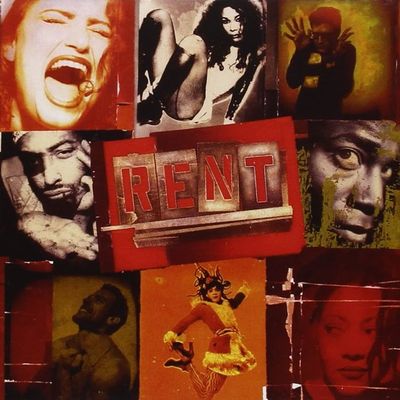
• Casting RENT as an off-Broadway musical and why it was a difficult year long process
• Putting an ad in the Village Voice for a rock musician for RENT
• That ideally, he would like to be part of the early development process of a project
• Giving Casting their credit and how that has evolved
• How is the office doing post-pandemic
• What he sees in actors who shine with 4 lines or for a lead role, like in the case of Annaleigh Ashford
• How actors can get on their radar and what projects Telsey is working on now
Guest:
Instagram for The Telsey Office
Host:
Instagram: @MentorsontheMic @MichelleSimoneMiller
Twitter: @MentorsontheMic @MichelleSimoneM
Facebook page: https://www.facebook.com/mentorsonthemic
Website: www.michellesimonemiller.com and www.mentorsonthemic.com
Youtube: https://www.youtube.com/user/24mmichelle If you like this episode, check out Becoming... Casting Director Susanne Scheel ("Past Lives," "The Wife")
Transcript
This transcript was automatically generated and might contain errors.
[0:09] Michelle Simone Miller: Hello, Mentees. Welcome to another episode of Mentors on the Mic Podcast. I'm thrilled to share with you this particular episode with Bernie Telsey of Telsey Office, Telsey Casting. This particular casting office is huge. I mean, if you're in the industry, you know them. Telsey works on everything from movies, TV, commercials, Broadway. They're the go-to, I feel like for a lot of producers and directors. Works on everything from I can name a few. So the Color Purple, the Mean Girls musical, The Idea of You, Snow White, Wicked, as well as Sex in the City movies, and just like that, the TV show, the CV series, The Gilded Age, Only Murders in the Building. And then every Broadway show, right? So we have Smash, Parade, The Notebook, Lampika, Sweeney Todd, Some Like It Hot, Mother Play Cabaret.
Those are only things that have been recent, but everything from Wicked, Hamilton, Mrs. Doubtfire, Mean Girls, MJ the Musical, Come From Away. The list goes on and on to Kill Mockingbird, Beetlejuice, Frozen, Mrs. Doubtfire. I mean, the list goes on and on. So the point is, this is big. This is very exciting for me personally to get someone like Bernie on the podcast. I don't think I've ever met him in person before. I've auditioned for his office before, but I don't believe, I think I would remember working with him directly in the room. It's a different time now. We talk a little bit about that, how everything has evolved since he started and in his particular journey, which is so interesting.
But we talk a lot about things that I think people will really care about, just his take on the state of the industry and seeing a slowdown, whether there's difference between now and like even 10 years ago is that super encouraging still. Things like what shows he's currently casting now, how to get on his radar, tips for what to say, how to approach people. He said it's now easier than ever to get on casting directors' radars. And then what are specific choices in the audition? And then what are some examples that he's seen, including like specific people that he loves to bring in that even if they're just coming in for a one-line or two-line role, why that audition stands out? We talk about a specific example, as well as just being creative in the casting process.
What are some things that he's had to do when he first, one of my favorite musicals of all time, Rent? He talked about the year process of trying to find that cast and why it was so difficult and what kind of creative solutions that they came up with. So I think you guys are gonna love this conversation. Let me know what you think on Instagram at Michelle Simone Miller or at Mentors on the Mic. Please subscribe to this podcast, send it to a friend. Be like, this episode is amazing. Yeah, send that to a friend, send that to an actor friend, send that to someone who's interested in casting, send that to someone who's interested in learning more about the behind the scenes of creating film, TV, and Broadway and theater. So without further ado, here's Bernie Telsey.
[3:29] Michelle Simone Miller: Hello, Bernie. Welcome to Mentors on the Mic Podcast. Thanks for being here. I appreciate it.
[3:35] Bernie Telsey: You're welcome. Good morning to you.
[3:36] Michelle Simone Miller: Good morning to you. So I always start off with the same question, so I don't even have to think about it. What was your first role in the industry?
[3:45] Bernie Telsey: My first professional job? Yeah. Was right coming out of school working as a casting assistant for Simon and Cumin casting, which was Meg Simon and Frank.
[3:58] Michelle Simone Miller: Yes at the time.
[4:00] Bernie Telsey: Yes. And so what did you do for them? You were assistant. So what kind of roles were you?
[4:03] Bernie Telsey: Yeah, I was hired as a second assistant. It was a part-time job at first because I was to do all of their bookkeeping and all their accounting and admin because one of the things my mom said, since I would never work in this business or I would never have a career in the theater, she made me take accounting as a minor. And you know what? It paid off as I was doing acting and theater management. I took all accounting classes. So I started off as Meg and Fran's bookkeeper and doing all their payroll stuff.
[4:37] Michelle Simone Miller: How long did you have to do that? Because I've done something like that for an internship before, and it is grueling, kind of mind-numbing, just like entry, like it's a lot of data entry, isn't it?
[4:49] Bernie Telsey: I mean, I love that stuff to be honest.
[4:51] Michelle Simone Miller: You do?
[4:51] Bernie Telsey: I mean, I started a theater company which continued to do that or in the casting business. So I actually loved it. But then what started to happen was the career of casting started to creep into the job and a love for it started to creep in that I just loved all that went behind making auditions happen and finding talent and what ultimately became the career of casting.
[5:23] Michelle Simone Miller: So that took a... And what kind of initial tasks do you remember having like as an assistant? As you started to creep into the casting sort of part of it, what kind of things did you start doing that you were like, I don't like I like doing this?
[5:38] Bernie Telsey: Yeah, you know, taking a pencil schedule and typing up a schedule of who was coming in for Long Day's Journey, you know what I mean, and then pulling the pictures and resumes. You know, we weren't on computers at that time. So pulling the pictures and resumes that either came from the submissions or were part of this huge filing cabinet that Meg and Fran had of actors. And then, you know, you'd spend hours pulling a picture and resume if you were seeing 40 actors for the day or 20 actors, and you had time to study that resume. You know what I mean? As a casting assistant, you know, I got to pull it and then look at it because I was interested. You know what I mean? And then what was so great about Meg and Fran is you got to ask questions, you know, and you would ask, so how did you meet Cherry Jones?
Yeah, I see her picture, you know what I mean? And she might not have been Cherry Jones at the time, and you know, just asking questions and starting to see who was performing at what play, whether it be Circle Rep or Playwrights Horizons. So you just started to learn about the talent pool and who were Meg and Fran's favorites versus who were people they didn't know. So that was my sort of task.
[6:57] Michelle Simone Miller: Yeah.
[6:58] Bernie Telsey: It took a while until I started going to auditions with them, but in the beginning it was really calling agents and getting confirms and or putting out appointments. You know, Meg would like to see so-and-so for so-and-so. And it was great. It was really, really great because you felt like you were... I don't know if I knew that then, but it felt like you were building a Rolodex. You know what I mean? Or building an encyclopedia of knowledge.
[7:24] Michelle Simone Miller: Yeah, I'm not just actors, because it seems like you were going out and seeing shows and kind of creating that Rolodex of actors, but I assume you were also creating a Rolodex of like agents and agents' assistants and people that you liked working with and developing a taste for their taste and going, oh, they know what I like their roster. They're doing good stuff over there.
[7:42] Bernie Telsey: Oh yeah. And I watch, you know, listen, I've been doing this a long time. Some of my, you know, really close friends or close colleagues or people who were assistants at the time in the late 80s when I was an assistant. And now they're, you know, running companies or big agents or whatnot. But it was because that's what you talked about. You know, you were on the phone with those assistants talking about the talent and I watch the younger people in my own office do that now.
[8:14] Michelle Simone Miller: Yeah.
[8:14] Bernie Telsey: You know, it was great. It was, you know what it felt like in those days, and it still does. That's the great part of it. You just feel like every day you're learning something, and every day you're being introduced to something brand new. So there's nothing. I mean, yes, there are repetitive moments of the day, but it never feels like that. It always feels fresh and unknown.
[8:39] Michelle Simone Miller: Wow, that's lovely.
[8:41] Bernie Telsey: Yeah.
[8:42] Michelle Simone Miller: So you were there for a few years, and what was next?
[8:46] Bernie Telsey: After sort of being under their tutelage for a while. What was the next sort of step?
[8:51] Bernie Telsey: Well, while I was there, it was the same time I had started MCC, Manhattan Class Company with Bob Lapone and Will Cantler.
[9:01] Michelle Simone Miller: Which was only a few years later, right?
[9:02] Bernie Telsey: Yeah, like I mean, it was sort of happening at the same time. I mean, we were a club. We weren't, you know, we weren't really a theater yet. We were a club. And after six years, I left Meg and Fran because now I was gonna start this theater company. You know, we were going not for profit and we were gonna produce plays, and that was gonna be my destiny. And even though I'm still doing that, right. You're still doing that. I'm still doing MCC. It also feels like one day it's gonna be a real theater. Even though we have a building and it's I know. But you know what I mean, in that not-for-profit struggle. So I left Meg and Fran to do MCC full time, and then of course, one needs to make a living, then running a not-for-profit theater, and I wound up through a social through a poker game, met Reesa Brayman and Billy Hopkins.
[9:54] Michelle Simone Miller: Right.
[9:55] Bernie Telsey: Who at the time were also young directors directing off-Broadway plays, working in Ensemble Studio Theater. But they fell into casting and they were good at it, and they had just done Desperately Seeking Susan movie and Fatal Attraction and all of these exciting New York movies, and they needed more people. And then they said, you know, come work for us, freelance on a project by project basis. You can still do your theater company. We still do our directing, but you can cast. And I winded up working for them for a few years, working on certain projects, an HBO movie, a commercial, you know, a kid's search for Born on the Fourth of July, and you know, had a really wonderful time collaborating with Billy and Risa until do you want to go the you want me to keep going?
[10:47] Michelle Simone Miller: Yeah.
[10:48] Bernie Telsey: I yeah, I want you to keep going. Have you been on their podcast? I think they have a podcast.
[10:50] Bernie Telsey: Risa does with her school. I had done that a few years ago. Yeah, because we're so close. But basically, we had done a commercial. I had done a commercial, a Richard Avedon commercial, and you know, obviously he was a famous photographer, and it was a really good commercial for IBM that then approached all of these theater people. And it was it just really took off as a commercial for IBM in the commercial world, in the advertising world. And then the ad agencies all started calling Risa and Billy and wanting us to do another commercial and another commercial.
[11:28] Michelle Simone Miller: Wow.
[11:29] Bernie Telsey: And that's when they said, This is all too much. We have all these movies. You go do the commercials, go open up a shed and do the commercials. You know, I mean, that's you know, I mean, like they were very encouraging, and they were like, you did them here, like go do them. And then that's what I did. And I just started doing a ton, a ton, a ton of commercials while doing the theater company. And, you know, I used to rent space and do the commercials, and I would do that for two or three days and then obviously do the theater. And then that fell into doing a play at Hartford Stage because Bart Schear at the time was the associate, and he knew me from my Meg and Fran days or Bob Falls.
[12:14] Michelle Simone Miller: I like how we call it the Meg and Fran days. Like it's almost like you've combined our last names together, and it's almost like one person.
[12:21] Bernie Telsey: Totally, because they were.
[12:22] Michelle Simone Miller: Yeah, exactly. Megan Fran.
[12:24] Bernie Telsey: Megan Fran. Is commercial casting more lucrative for a casting director or less lucrative or about the same as a couple of things?
[12:33] Bernie Telsey: No, it's more lucrative because of the time frame. You know what I mean? It's up and it's over in a week.
[12:39] Michelle Simone Miller: Yeah.
[12:40] Bernie Telsey: So if you amortize it, yes. You know what I mean? And if you're doing a bunch of them, you know, there's a ton of casting directors who do nothing but commercials.
[12:50] Michelle Simone Miller: Yeah.
[12:50] Bernie Telsey: Because that could be a whole career, because you could be doing one five days a week. But for me at the time, if I was doing, you know, two days a week, it was enough at that time for me then to do the theater company, which was not paying, you know what I mean?
[13:03] Bernie Telsey: Right. So it was great. And it was a great way to build the business. And I was able to get Will Cantler, who at the time was running MCC with me and was a director at heart, so he could direct a commercial session, I could do another session, and then we could do the theater, you know. It was but then it just sort of fell into I did this project for Peter Sellers, uh, who was this wonderful stage director, and uh because he used to do everything with Meg and Fran. And at that point, they were not doing theater anymore. Meg was in television, and Fran had left casting. So I did this Merchant of Venice for him at the Goodman Theater, and it was a big hit, and it was an all non-white cast except for Philip Seymour Hoffman, who was, you know, 22 at the time.
Wow. And uh then a bunch of other regional theaters saw that, and then it was like, oh, come do our show at the McCarter or Hartford Stage, or and then Will and I just said, okay, sure, let's do that. Like, you know, it's theater, great. I could do that too. And then were the commercials still coming, or was it the first time? They were still coming, and then I, you know, we added another person to the staff to do the commercials so we can do the theater. But the real change was we did this musical for Peter Sellers. Uh I was looking at the ceiling and then I saw the sky, which was a rock opera. And not something that you probably have heard of because it was done around Europe, but it was to be innovative.
But at the time, rock operas were not a big thing. Correct. Uh and unfortunately, this musical was not a big thing. Uh, but Jim Nicola saw it. Yeah. And then said, We're doing a rock opera at New York Theater Workshop called Rent. Will you come cast it? Because I see you just did what this other one. And of course I tried to turn it down, is the long-running joke for those who know me. Yes, because I was like, I can't do another rock opera. I like I have a theater company to run and I have commercials to run. And the first rock opera took a really, really long time. And uh and this one did too. This one really did. But luckily he said, no, you can't turn it down. And luckily I didn't. And I listened to him because it's one of the best shows of all time. For so many different reasons. And then it sort of really, well, not sort of, it launched my casting career.
[15:37] Michelle Simone Miller: Well, I've I read or no, I heard in a previous podcast and interview that you did that you described casting the original cast of Rent as the most rewarding, the most exciting, and the hardest thing that you've ever done. So what made this casting, this casting project so difficult? Um, and can you talk a little bit about the year-long process to finding that original cast?
[16:00] Bernie Telsey: Sure. What made it so difficult is I was, you know, the list that I was maybe starting with of ideas to bring in might be maybe would fill one day, right? Like, yes, I did this rock opera for Peter Sellers of the same age. Okay, I'm gonna see those people. Yeah. And then what? Like, it's not I had no knowledge. I had done plays and commercials and I had not done musicals. And two, you're looking for 20-year-olds, three, and you know, no agent, nobody wanted to do it. I mean, it's not like now you could cast an unknown off-Broadway musical and people want to do it because it's a thing now. You know, nine theaters are doing an off-Broadway musical today. Then they weren't even doing off-Broadway musicals.
It had been a long time since Little Shop of Horrors was at WPA. So there weren't off-Broadway musicals, let alone Michael and Jonathan Larson, you know, and it was a $200 a week job at the time. And agents would rather their actors be in the ensemble of Les Miz on tour. Right. You know, it wasn't about creating a role and being seen like it is now. I mean, you know, so it was just really, really hard to find people. And two, nowadays there's 20 rock pop, non-musical theater type musicals. There weren't that. And Jonathan, God bless him, was very specific about wanting rock sounds. And all I was bringing in were, you know, guys that did Le Miz and Le Miz. And, you know, he would constantly say, that's not the right voice.
And okay, he might be right, but on like, you know, my subtext was like, yeah, you're lucky they even came in. You know, you know what I mean? I didn't know enough to be able to have all these things on my sleeve. So it really became about being a detective and looking under every rock possible to find someone who I didn't know. And maybe I was then, you know, starting to pre-screen and see them on my own before showing them to Jonathan and Michael. Luckily, and God bless Jim Nicola and Michael Grife and Jonathan Larson, they had a year to do it. You know, which you don't normally have, especially in that situation. Uh, and because Michael at the time was running La Jolla Playhouse, he would basically come into New York like once a month.
So I would have the month to like try to find someone. And I was an office of two at the time, you know. So it was like, okay, I'm gonna try to find a half a day's worth of people to show him. And you know, I felt already hard. It was hard, yeah, but I felt like every month we found one person, you know, you know what I mean. Yeah, you know, we were down to the wire missing Roger and Seasons of Love a week before. But yeah, you know, we did okay. So in that sense, it was great to spend that year with Michael and Jonathan and Tim and to learn so much and to be challenged. And I remember so many days of wanting to give up. And I also didn't have a staff to like to lean on. Complain, lean on, you know.
I mean, it was Will and David and I, and we would talk. Right. You know what I mean? And David contributed to brilliant ideas, and Will contributed to brilliant finds. So, in that sense, is what made it so hard. And then the rewarding was the payoff, because it was so good. You know, I mean, even the songs that we all saw in the show weren't even necessarily the ones that we were doing in the auditions. Right. You know, and uh it was such a rewarding experience to see a show that really introduced so much new talent. And that became something that I've tried to hold on to even to this day of like new talent, unknown talent is just as good as known talent.
[20:08] Michelle Simone Miller: Yeah. You know, I mean, and how do you balance that?
[20:10] Bernie Telsey: Well, definitely I'm gonna definitely ask a follow-up about that particular note about unknowns versus knowns. But before that, it sounded like you got to a part of a career, which everyone does and to a certain extent, where you really have to expand your toolbox. In your case, it was expanding your toolbox of how to find talent. And I believe you guys came up with some creative ways to go and search for talent, including, I think there's a story I read about Adam Pascal where you had like put out like an ad for a rock musician, and the back of the Village Voice, and the back of the Village Voice, and you're just like, Oh, okay, I guess that's one way. I mean, it's very different now. Now it's probably like you're like, you're like, please stop coming into my office.
Like, I need you to stop submitting. But at the time, they didn't you didn't have that. So, so what was it like coming up with those creative solutions to finding, you know, talent and and uh how'd you come up with these? And and you know, what anything else that you can think of that you came up with as to how to find people for that show?
[21:11] Bernie Telsey: Yeah, I mean, the three of us would sit around and try to figure that out because we didn't have a pool of people, and God bless, I don't even think the agents necessarily had a pool, you know what I mean, of people. Like even we just didn't know a lot of the non-white and non-black talent at that time. You know what I mean? So, how do we find, you know, some young they dreamed of, you know, angel being of Latin or Asian ethnicity at the time. So, how do we find, you know, that or we were looking for Mimi, even though it felt like Daphne was gonna do it. We still needed other people. And, you know, so we went to every Latin organization that we could possibly think of outside of obviously Inter theater and you know, but then you know, you do that detective work, you know, you didn't have the internet like we do now.
You know what I mean? So you'd reach out to Inter and then where do they find people? And then you go to that, you know what I mean? It just kept building on this domino effect of telephone tag. You know what I mean? We were calling every college, you know, we were calling every any place that had young people of, you know, and you know, also at the colleges at the time were not helpful because they didn't want people leaving school. So you were trying to find, you know, those who were graduating. You know, I mean, it was just, you know, we were doing a lot of wedding bands, you know what I mean? A lot of wedding singers because they had that rock sound. Right. You know, the great thing about Jonathan and Michael and Tim was they were really good about like we want a really diverse cast, and they meant it even before it was an obvious thing like it is today. Yeah. And they were very, you know, yes, Mimi was written as Mimi, but otherwise they were like, we'll match it and adjust it to the great person that we find. You know what I mean?
[23:02] Bernie Telsey: So that was exciting. So you could it wasn't like now Collins is black. Right. But at that time he was supposed to be white, right? Yeah, he was first written as white. You know what I mean? But it could be anything. And that was the magic and the joy of the casting is if you saw someone that was great, you could bring them in and alter it and change it. And it's sort of what happened. I mean, uh, with each of them, actually.
[23:32] Michelle Simone Miller: How did that change anything moving forward? Because obviously you said that changed things in terms of how people perceive you and maybe projects, but did that change how you cast other projects or how you looked at other projects moving forward?
[23:47] Bernie Telsey: Yeah, and I think it's to this day has carried in. You know, it's like you can't go with what you just know. I mean, yes, now we know a lot more, and there's a lot more people here who know. So you have to rely on some of that expertise or knowledge, but you always have to keep what don't I know? And where might this person come from that I might not have known? And I think because it was so hard and we did it for a whole year, and then in continuing to replace and expand with the road companies, that spilled over to doing, say, Cape Man, which was gonna be, you know, 30, you know, actors of Latin descent, you know. I mean, uh okay, you know, it was hard enough to find one. Now where are we gonna, you know, but that time everything was starting to change, not change, but open up, or I understood there is a lot of talent out there.
I just might not have been as familiar with it, also. You know what I mean? That was my old learning. You know what I mean? Easy to say. But I would also, I would also give yourself credit and that you're part of that. You were part of opening up that sort of perspective on things.
[25:00] Bernie Telsey: Maybe, yeah. I yeah. Yeah. But I think you know, I've still to this day to learn there's so much talent out there, you just have to work harder to find because not everybody has the opportunity to be seen like some other people. You know, you know what I mean? And uh because they exist, you know, you know what I mean? They just have to be given the chance. And now, you know, it's much easier for the actor to find us in the world of the internet and social media, and it's much easier for us to find them, you know. Uh yeah, I mean, I found your email address I was able to sell. There you go. Um, so speaking of sort of the timeline prior to a project sort of in production, I read that forecasting, and just like that, you started working with Michael Patrick King.
[25:56] Bernie Telsey: So I wanted to ask how much time ideally before, you know, a play or a TV show is sort of in the works is filming, would you want to be given a project? Ideally. And it might be different for play and TV and film, but I'm just curious. Yeah, I I I I think the the summary ideally would be the minute it's written, the minute that they, whoever the they is, actor or I mean, I mean you know, director or producer. The client. Yeah, the client. That's a good way. The minute the client knows that this is happening, involve us so that we can participate. And I know that's hard because sometimes things are in a green lid and they're not on contract and they don't want us to work for free and they don't have the budget.
But you know, when you ask ideally, it's as soon as possible, even if it's just to read it. So while I'm walking to work, we could start thinking about it and asking the questions. And we have that with directors or clients that we have histories with. You know, we might not have been on and just like that, but I have a, you know, a 30-year history with Michael that he's gonna call the minute he starts writing. So he has someone to collaborate with, and someone else can start thinking of people.
[27:13] Bernie Telsey: I I was thinking about it like I have some experience of a real estate agent, right? I have an agent, I have a uh license for real estate. And I was thinking about how uh I I work for my aunt occasionally, and she's a big successful whatever real estate agent in the city. And I was thinking about how sometimes people consult her prior to developing a project, because they want to know the real estate perspective, the ongoing like on the ground real estate perspective prior to even building the project, right? She'll be able to advise things like, well, the kitchen should be there because that's what a lot of uh international clients want to see, or they want that view from the kitchen, or they want that view from the living room, or this is really sort of been popular the last year.
This is how you should start with the architect building out the project, and it kind of reminds me a little bit of casting. I think it's important to have that perspective as if possible, ideally, we're talking ideal situation, but having your perspective because you know sort of what's on the ground right now and developing those characters and storylines, ideally. Do you agree with that?
[28:17] Bernie Telsey: Yeah. And that's also the fun part when it's in that beginning stage, because you get to suggest ways that we can maybe look at this character before they're locked and set. And if they're locked and set, great. I'm here to support their vision. But if they're just searching at the same time as they're writing, maybe we could give them something fresh. Right. Just like, you know, the rent experience was for him to say, okay, Mimi has to be this, but Collins doesn't, even though I wrote it as a white guy, it was through the casting process where it was like, okay, well, we're not finding the white guy. Can we bring in a black man? You know what I mean? And they were like, oh my God, yes. And then bingo, you know, Jesse Martin. So, and it's not about taking credit, it's about being part of the collaboration. Part of the class. And that's what is that's the part I love the most because you're working with the director or the writer or the, you know, producer.
[29:16] Michelle Simone Miller: Do you think out and about there's more sort of credit given to casting directors? Aside from absolutely giving, you know, uh a category at the Oscars and and all that big stuff, which was was a long time coming. Do you think that overall there's uh a greater understanding of credit in the collaboration process of of having casting being part of the the whole collaborative process of of of putting together a film? Do you think that there's a bit more?
[29:44] Bernie Telsey: Yes. I mean, much more than when I started, and much more than those incredible casting directors who were the generation before me, you know, where they might have been looked at more of an administrative, even though we knew how collaborative and creative it was. But it does feel like it's a an acknowledged art form, and we are, you know, artists ourselves, like other designers are. Um hundred percent. So, yes. You know, are there more things that I would like to see happen? Yes, but it's much it it's acknowledged and it's could you tell us a couple things that you would like to happen or you would like to see at some point the next few years? And the answer could be no. I don’t want to.
[30:34] Bernie Telsey: I mean, you know, listen, the Oscar category is there's nothing better because yeah, we all think of the Oscars as the epitome of you know, career or whatever. Whether you win one or not, that's not the issue. But to have that category after so many years, after so many amazing movies and casts is amazing, you know. And uh I only wish it happened, you know, in the past when I've watched these incredible casts and movies that Juliet Taylor or you know, all these amazing people cast. Uh and we have Emmys, which is great, right? You know, it would be nice if the theater had a Tony Award, you know. It's yes, surprising to me that it isn't in such a small community. It always cracks me up that everybody thinks there already is one, meaning the general public.
Like I can't tell you how many times other casting directors we are all approached about the nominations for casting, of which we've never had. Uh so that's something you would, you know, and yes, there are other categories too that deserve it, God bless. You know, they have made expansions over the course of time. It feels like it's been a long time since another category has been added.
[31:46] Bernie Telsey: And I also think nowadays the public actually knows what casting is. Yeah. Much more, you know, between the reality television shows and the American Idols and the voice. You know, there's just so much written about who's in what? Since we have social media, since we have the internet. Yeah. That the excuse of 20 years ago, well, that no one would know what that is. It's not true. Yeah. You know, like everybody watches something and talks about who is in it or not in it. And so it'd be nice to see that. Yeah, even on Amazon, you get that like X-ray thing where like any scene, you have like that thing that comes up on the left that tells you all the actors that are in that scene and like what they've done, and you can click more information about other things they've worked on. I mean, super clutch for a casting director to just go, or anyone interested in how a something gets formulated and and what actors are being used and for what? But people are curious, I think.
[32:51] Bernie Telsey: And you know, what's wonderful, it's a profession now. People can make a living, people can, you know, people are actually in their early 20s wanting to go into casting, which is exciting compared to when I was 20. You know, I mean, like it's a real known industry. And that's yeah, exciting.
[33:09] Michelle Simone Miller: Very is there a difference in how you work with actors in the room from sort of those early rent days or any of those days, sort of at the beginning and to to now? Anything uh anything that you feel like you've sort of kept on, and then anything that you've sort of maybe streamlined over the years or learned boundaries for any differences that you you see and how you approach the casting process.
[33:37] Bernie Telsey: I don't know if they're different I mean it's the only way I know right but it's to try to use the audition is I mean if you dissect how people get jobs is based on just this 10 minute audition is cuckoo. You don't you know what I mean like it's just it's unfortunate that that's the only way that most people get hired. Uh so I feel like our job is to be an informer you know what I mean? Like what else can we tell the team about these individuals to expand that 10 minute audition and obviously that's seeing their work and being able to talk about their work. But I think about in the room if it's by myself, I'll try to give a I'm not a director and I'm not directing anybody, but we are giving adjustments based on what we know the team is looking for.
And I feel like well you're a casting director. I mean there's a director in that name for a reason. No, right not just like casting professional. Right. True, true, true. But I mean we're not trying to direct the play. I know you mean yeah we're trying to direct the audition right uh to try to let the actor know these are some things I know that they're looking for. So try it this way because that's what they're looking for. And I feel like that's our job is to try to help any time we do a pre-screen. Yes, sometimes it's about meeting an actor we may or may not know. But if we're in the room, I feel like let's utilize the time that we have in the room to try to inform and help. But I don't I mean, I feel like that's what I started doing when I started it. I mean, that's what I watched Megan Fran do all the time.
[35:14] Bernie Telsey: Megan Fran. Yeah, Megan Fran. Megan Fran. I love it. It's like it sounds like a it sounds like her name's Megan and our last name's Fran. But I love it. Megan Fran. Megan Fran, Megan Fran.
[35:25] Michelle Simone Miller: Um so well, so on a similar note, your office is at a very unique position in it being one of the I don't want to say best, even though that's kind of what I'm thinking, but biggest biggest uh offices in the city for casting. You guys do so many different types of projects. And so right now, tell me a little bit about the state of what, like how you know, how many self-tapes are becoming in for stuff, how many in-person stuff, what's it been like post-pandemic?
[35:55] Bernie Telsey: Pandemic, yeah. I mean, obviously the pandemic forced us all to do self-tapes. Yeah. And as much as we could all come up with 10 reasons why we don't like them, there are just as many reasons why they are good. Yeah. So we are doing them as well, but not, and I hope, and you know, any actor should call us out on it if we are. But now we're doing self-tapes from the eye of not instead of, but in addition. So it allows us to see that many more people, it allows us to see people who might not have been available. It allows actors to, you know, be in seven other projects and still audition. But we still have in-person auditions for almost everything. I mean, obviously, all our theater stuff is back in person, and I think that's everyone around town.
You know, there's tons and tons of television that is done without any in-person. And TV was moving towards that direction even before the pandemic. Because it's so fast and directors are never available. They just didn't, you know, you know, they didn't know that that was an option. Because we would still tape it and send it. The directors were still not there. Right. So now they're like, oh, these actors can do it at home. Right. Like, but we are trying to incorporate Zoom sessions, if not come in and we'll tape you. Because I do feel like we're missing a little of the adjustments. Yeah. Or the how to make this audition better. Uh so we're trying to do a lot of virtual sessions where someone on the casting staff is actually talking to the actor, and then we're taping that to send to the director. Uh so that's happening a lot.
[37:43] Michelle Simone Miller: And what about films?
[37:45] Bernie Telsey: Same. I would say like the tel, I mean, you know, same, yeah. Oh, but with that one, actually, we're even getting the directors to be on those Zoom sessions. You know what I mean? Because the film directors did like to come. Yeah. But now they're also in a different state or on location. So we'll have sessions with them on the Zoom, like you and I are doing now. And it's great.
[38:08] Michelle Simone Miller: On a different note, what is something you see in actors that book a lot? Or someone like I think I remember like that, everyone loves. Like I think you mentioned in an interview that like Annaleigh Ashford, like anytime she walked into a room, people were like, you, like I don't care if it's a lead role, a one-line role on Sex and the City. There was just something about her audition. Can you kind of sort of describe that, especially for the actors who are listening?
[38:32] Bernie Telsey: Well, what was it? I mean, I obviously it's hard to define, but I'm curious if you could try. You know, it's making a choice. And I like, okay, what does that mean? Like, you know, in every acting class, they tell me to make a choice. But it's being bold, but not bold for the sake of being bold. It still has to be completely connected to whatever the story is, because these are all real people that you're auditioning for, right?
[38:58] Bernie Telsey: I mean, whether it's in a play, in a movie, in a TV show. And most of the time on these small parts in film and TV, an actor looks at them and thinks, oh my God, this is nothing. I could do this in my sleep. All true. Anyone could play this. Again, all true. But you have to think the person who wrote it is actually a writer and isn't imagining, because we all know how writers work, they're imagining someone, something. And even if they just call it man one, man one is there for a reason to propel this story, even if it's for let's say Sex in the City, for Carrie Bradshaw. So they are really important. And I think the first thing an actor needs to do is recognize that this one-line part or this 10-line part is really, really important and has a whole life, even if we're not seeing it outside of this one-page dialogue.
And that's the exciting thing as an actor, I would think. Like, I want that actor to go home and create, you know, what does that person do Monday through Friday? Who was like, even if it just feels like a homework assignment that we all had at freshman acting class, it's gonna pay off in how you say that line, or how you make a choice the minute the door opens, or the minute the camera goes on. Because that's what people want to see, at least the people I'm casting for. They want to see more. They want to see that oh my God, I could write the whole part of Collins around that guy, or I could write a whole character around Annaleigh's two lines that she came in and auditioned. And you know, I could go and be specific for those who are listening.
It's like, you know, the thing that Annaleigh did in Sex and the City was, you know, the line, it was that quick segment of all the people interviewing for Carrie Bradshaw's assistant. And you know, they each had like one line, but you were seeing flashes of these people, like a montage of a montage. Just and you know, whether it's in the movie or not in the movie, Annaleigh made the choice of if I'm going to Starbucks and I'm meeting Carrie Bradshaw, we all know who Carrie Bradshaw is, just like the way you would all know who anyone is that you're interviewing that could be famous. And I don't mean the TV show. Carrie Bradshaw was a known. The character was famous. So I'm gonna walk in the room wearing something that Carrie Bradshaw's gonna like.
And she did, you know, and maybe you've heard me tell the story, but like Annaleigh, you know, had the sunglasses up here, had the earrings, had the curtain, you know, it wasn't a costume. It was, you know what I mean? And she walked in with two lattes because the scene it says at Starbucks and Skim Latte, right? Like she already by making the choice of I know what Carrie Bradshaw drinks, of course, she's gonna be doing skim milk. Of course, you know, whether we ever heard that in an episode or not, it does you know what I mean? Yeah, but it was such an amazing choice. You saw Michael just stand up, you know, like stand up, because it was like that person knew what she was coming in for. And I think that's and she made the most of it by being specific and making a real choice.
And I think, you know, we know that as an actor, if I'm doing Long Day's Journey, right? Because I can't work on that scene unless I did all that homework. Right. But I think that's what you look for in auditions because you're right. Anyone who came in that day could have done the part. And Michael could have told them what to wear and what to do. But you get excited, you have to think about what am I gonna do different than the eight other people coming in.
[42:47] Bernie Telsey: Yeah. You know, and how am I gonna stand out? And that doesn't mean, you know, like coming with a, you know, a costume necessarily, but it's being really specific and within the context of what is written and what you could find out based on sometimes you can read the script and you could find out that that cop has been chasing, you know, that actor all throughout the movie. So there's an attitude towards this time when he's stopping him. You know what I mean? There's so many. So it's creating something and making a choice and I love that distinction or that explanation because a lot of times when people say making the choice, I think actors interpret it as okay. Well, so I need to be different.
I'm going to make this happen. And you're just like, but that doesn't make sense within the context of your character of the story. So I love that particular example, but both those examples, because you're you're sort of giving context within the context of the greater scene, and why it would make sense for her to bring in two coffees, why that's a choice, why she's, you know, starting off with a skim latte as an option, as opposed to just going, I've decided this character is going to be stuck up, you know, because uh she's in this world of fashion and she's a Gen Z you know and all of a sudden you're like but why why would that be part of it as opposed to like a genuine choice within the context so I love that thank you for for clarifying that and then what do you think right now with I mean we talked a little bit about post pandemic but even with post-strike what are you seeing right now in the state of the industry are you seeing a slowdown on your end yeah um yeah I mean there's nothing around there's definitely less television yeah even though in my mind there's still j there's still so much yeah compared to you know 10 years ago but yes those five years before the strike there was unbelievable amounts of television and a lot of that is less because the big companies are conglomerates and they're making less and their budgets less well let's talk about that so what are your thoughts on why streamers pulled back on all their productions after all of that after I think the money is just they I mean I don't know enough about it just seems like every day one's merging with another company so they're just making less because you know the revenue isn't there I mean it doesn't seem like Netflix is making less from what I watch and look and God bless.
[45:19] Bernie Telsey: Yeah but the other ones that were trying to be in this world are still in this world but they're just making less projects right and they're not I think a lot of it is and from what I've just been reading. So I'm not an expert. That's why I wanted to know your perspective as well. But just like, you know, for example, like Apple or a lot of those streaming platforms were were creating a bunch of stuff so they could bring people to their thing to their to their or Disney or whatever, could bring people to them. But then it almost didn't justify the cost anymore of creating all those projects. Right. They don't need to do as many. So but they're still doing them and it's still doing them. Much more than when I say 10 years ago because 10 years ago half those streaming platforms didn't exist. You know, you only had HBO.
[46:04] Bernie Telsey: Yeah. Uh and Showtime. So like there's still work in that sense. You know so let's then talk about because you you mentioned the evolution I know we're gonna end soon, but you mentioned the evolution of of sort of the industry of the last you know whatever many years. What how can actors sort of get in front of you? Actors who may not know you, actors who you don't know how what are what are the best ways right now you'd say for people to get in your radar.
[46:32] Bernie Telsey: If they're able to find out, which I feel like actors can what the office is casting and if there's a project specifically theater, film or TV, it's to write us it's to find out you know who's the casting team at the Telsey office that's working on that project and how to get in front of them, you know, showing us I mean we do watch self-tapes we do watch videos we do watch reels like you know when you talked about how did we do it a hundred years ago I forgot to say we used to have open calls for RENT, you know, every month.
[47:05] Bernie Telsey: Right. Because that was the only way you know that we could do our own mini American Idol and we always found someone in every open call even in Ohio. You know it's like but now we don't have to necessarily go to them. They can come to us. And I just feel like contact us. And that doesn't mean like, hi, I would like an audition. It's like show us their stuff. I mean, every day I do a general and it's like, whatever tape you have, we'll watch it. We'll see it. Cause it's our job to need to know new people. I know it sounds easier than and I'm sure every actor is like, I've been mailing a hundred times, I can't get into Wicked. I'm like, I don't think it's hard to get in front of someone in this office.
[47:47] Bernie Telsey: Yeah. So now I'm sure I just opened the floodgates here. But no, but but what you're saying is very true. It's it's you're saying, but be specific. Don't be specific. That's the same detective work I had to do in casting RENT the first time. Right? You know what I mean? It's that same thing. Be specific. I remember when Meg Simon used to get, oh, I said the whole name this time. But when Meg used to, when she was doing Brighton Beach Memoirs and Biloxi Blues and needed like 10, 20 year olds. And after she saw everyone she knew and everyone that was submitted, she would always save the resume of the person who said, I'd love to be you don't know me, which is true. I'd love to be seen for one of the understudies in Biloxi Blues. And I think I could cover one of those five guys. And it was like that person knew what they were asking for.
[48:34] Bernie Telsey: Right. And then she would put them into, you know what? I'm gonna put them in this pre-screen pile. He wasn't saying, I want to be the lead opposite Fisher Stevens and Andrew McCarthy. You know, because I just want to be in the show. And you're just like, okay. So that specificity I love when I get in an email or a cover letter. I love that. And then also, so in addition to being specific, I think, and I think this is with every networking situation, offer instead of just ask. So it's like what you're saying is I'm offering my reel. I'm offering a project I'm on. I'm I'm offering some sort of showcase of my work. So it's not just, hey, give me, or like, I love an audition. It's it's this is what I am, this is what I have. I'd love to come in, or I'd love to be seen for something specific, etc.
[49:20] Bernie Telsey: Um, can you also mention because like you said, there's uh, you know, people find out what projects you're working on. This could be a place for people to find out. Can you name some projects that you're working on now that you can talk about?
[49:34] Bernie Telsey: Yeah, we're working on the SMASH musical, which goes in rehearsal in the winter. Yep. We're working on Just Like That, working on Gilded Age. We just started for season three. What else are we working on? A million things. Oh my god, there's so many. I mean, we're always obviously working on Hamilton and Wicked and all of those musicals. And I don't know why I'm blanking, but you're so busy.
[49:56] Bernie Telsey: I know, I know. You're just like, I can't keep track of all of these projects. No, that was great. That was a great list. Um, can you talk a little bit about the new musical you're working on at MCC, The Lonely Few, which starts uh we're in previews. We actually have we just extended one more week. So we only go through Sunday, June 9th. But that's the Lonely Few, which is a wonderful rock and roll musical starring Lauren Patton who is in Jagged Little Pill, and yeah, Taylor Iman Jones, and the two women are just stunning. I mean, those are two women, obviously I've seen in a million shows or auditions, but yeah, what they are doing in this show is incredible. I wonder if that's probably one of the best parts of casting is is being able to see people over a long period of time and then giving something that's like really good for them on a bigger stage.
[50:41] Bernie Telsey: And you're just like, Yeah, yeah. I think that's it in the in the in the sort of exactly so well for thank you so much.
[50:48] Michelle Simone Miller: Oh my god, thank you, Bernie.
[50:51] Michelle Simone Miller: Bye, thanks.
[50:53] Michelle Simone Miller: Thank you so much for listening to Mentors on the Mic. If you enjoyed the episode, please share it with a friend in entertainment you know would love it. Let me know what you've learned or what stayed with you on our Instagram at Mentors on the Mic. I love reading your messages. Uh, you can also find me at at Michelle Simone Miller on Instagram. On both accounts, I'll be sharing even more information about our mentors. Talk to someone about what you learned today who would really appreciate it and send them the episode. Also, if you love the show, please go ahead and leave us a rating and review on iTunes. It really makes a huge difference in growing this. It makes it easier for people to find our podcast, and I love reading your reviews. So thank you so much, and I'll see you next week.
© Broadway Podcast Network, All Rights Reserved