

This is a 3 part mini Casting Director series, sponsored by Casting Networks. Tara Rubin started her company, Tara Rubin Casting in 2001 after working at. Johnson-Liff Casting for fifteen years... Read More
From the show: Mentors on the Mic: Your guide to pursuing a career in the Entertainment industry
Guests
Featured Shows





About
This is a 3 part mini Casting Director series, sponsored by Casting Networks.
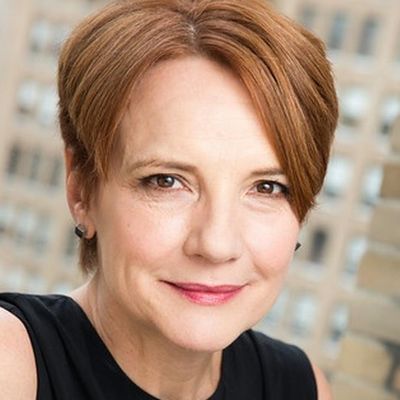
Tara Rubin started her company, Tara Rubin Casting in 2001 after working at
Johnson-Liff Casting for fifteen years. During that time she cast for Les Miserables, Phantom of the Opera, Miss Saigon, Guys and Dolls, and the daytime drama Another World.
At Tara Rubin Casting she continued those associations and cast other Broadway productions, including Mamma Mia!, The Producers, Bombay Dreams, Spamalot, Jersey Boys, Mary Poppins, Billy Elliot, School of Rock, Aladdin, A Bronx Tale, Dear Evan Hansen, The Band's Visit, Six, Here Lies Love, and The Outsiders. Current Broadway shows include Six, Aladdin, Death Becomes Her, Boop: The Musical, Dead Outlaw, and Stephen Sondheim's Old Friends. She recently cast the film Here Today and the Apple + series Before both starring Billy Crystal.
Tara serves on committees for the Entertainment Community Fund and the Noel Coward Foundation. She is an honors graduate of Boston University, a member of the Casting Society and recipient of the Hoyt Bowers Award for excellence in casting and outstanding contribution to the casting profession.
She has taught classes at New York University and Sarah Lawrence College.
In 2025 Tara Rubin Casting rebranded as the TRC Company.
In this episode, we talk about all things ACTORS including:
• How she casts a replacement for a show, particularly the balance between the individuality of the actor vs what the original performer did
• How long does an actor have to rehearse before replacing another person in the role
• The process of casting a Broadway show ensemble, with the makeup of one including understudies and skilled dancers
• How many actors get submitted for a role and how many actors she brings in that she knows vs who she doesn’t know
• Process of casting a show from workshop to regional to Broadway
• Booking the room vs the part - and how talent and imagination makes actors stands out to her in an audition
• What has she noticed in actors that book a lot
• How do you stay in touch or keep on her radar
• Advice for new actors about starting on Broadway
Guest:
Casting Networks Sponsor:
For a limited time, we’re offering listeners $65 off a Premium Annual membership. Use the code “MENTORSMIC”at checkout. Or if you’re not ready to commit, take advantage of our 14-day free trial, which unlocks full access to all Casting Networks features so you can start submitting to casting calls right away. Terms and conditions apply. Visit https://www.castingnetworks.com/promo-codes/ to learn more.
Steps on how to redeem:
Visit www.castingnetworks.com
Click on the ‘Join Now’ button
Complete the Talent Registration form and follow the steps to verify your email and create your profile
Proceed to checkout, leaving the' ‘Pay Yearly’ option selected
Enter ‘MENTORSMIC’ in the promo code field, click “Apply” to complete checkout.
Don’t wait! This offer expires soon!
Host:
Instagram:@MentorsontheMic@MichelleSimoneMiller
Twitter:@MentorsontheMic@MichelleSimoneM
Facebook page: https://www.facebook.com/mentorsonthemic
Website: www.michellesimonemiller.com and www.mentorsonthemic.com
Youtube:https://www.youtube.com/user/24mmichelle
If you like this episode, check out:
Transcript
This transcript was automatically generated and might contain errors.
[0:09] Michelle Simone Miller: This episode is brought to you by Casting Networks.
[0:13] Michelle Simone Miller: Actors, if you're looking to book more principal work, or if you're like me and you're looking to update your reel, or maybe you just want some good old-fashioned background money.
[0:27] Michelle Simone Miller: Casting Networks is the place to be to book high-quality roles.
[0:30] Michelle Simone Miller: I've been using it for years, right? Every rep needs you on Casting Networks.
[0:35] Michelle Simone Miller: With a premium membership, you unlock every tool you need to get noticed, land the audition, and book the job.
[0:41] Michelle Simone Miller: You can upload unlimited headshots and reels, submit to as many roles as you want on the casting billboard, and you can even link your Instagram so that directors and producers can check out more of what you do.
[0:52] Michelle Simone Miller: And if you need even more support, track every submission with Roll Tracker.
[0:56] Michelle Simone Miller: You can also find an agent using Talent Scout, and you can promote your brand with a custom profile link to send out to others.
[1:03] Michelle Simone Miller: And guys, it's all available on the go through the Casting Networks app, which is right now only available on Apple devices.
[1:10] Michelle Simone Miller: And it gives premium members access to exclusive features and casting calls from casting directors and producers.
[1:17] Michelle Simone Miller: So, drum roll, please.
[1:20] Michelle Simone Miller: For a limited time, Mentors on the Mic listeners get $65 off a premium annual membership.
[1:27] Michelle Simone Miller: Just use the code “MENTORSMIC” at checkout.
[1:35] Michelle Simone Miller: And if you're not quite ready, I got you.
[1:38] Michelle Simone Miller: Try the 14-day free trial.
[1:40] Michelle Simone Miller: You'll get full access to all premium features.
[1:44] Michelle Simone Miller: I'm putting the link and instructions on how to redeem this code in the show notes of this episode.
[1:48] Michelle Simone Miller: All you need to do is visit CastingNetworks.com, click Join Now, proceed to checkout, and enter the code “MENTORSMIC” in the promo field.
[1:58] Michelle Simone Miller: Check it out and let me know how it goes.
[2:04] Michelle Simone Miller: Happy Mentor Monday. I'm your host, Michelle Simone Miller, an actress in New York City with credits in film, TV, and commercials and off-Broadway.
[2:13] Michelle Simone Miller: And this is Mentors on the Mic Podcast, your roadmap for all things the entertainment industry.
[2:19] Michelle Simone Miller: And today we are doing a second episode of our casting director miniseries brought to you by Casting Networks.
[2:27] Michelle Simone Miller: Casting Networks is an incredible sponsor. We're so happy to have them.
[2:31] Michelle Simone Miller: And I've had a profile on their platform since like 2010, 2011.
[2:34] Michelle Simone Miller: And I've booked things on their platform. It's instrumental in my, especially in getting low-budget films and student films and like making sure my reel was something.
[2:44] Michelle Simone Miller: That was from Casting Networks. And then additionally, like all my reps ask for casting director profiles.
[2:51] Michelle Simone Miller: So I'm just so grateful that they wanted to partner with me because I've been using them forever.
[2:57] Michelle Simone Miller: So you'll hear more about them. But let's go right into the episodes.
[3:00] Michelle Simone Miller: So this is a special bonus episode, a casting director series that I'm doing, a three-week casting director series.
[3:08] Michelle Simone Miller: And we'll do the longer full interview later when we start season six.
[3:12] Michelle Simone Miller: But this episode's really geared to actor, my actor friends, and questions you might want to know from casting director Tara Rubin.
[3:20] Michelle Simone Miller: So we go into everything from the process of casting a project, either theater, TV, or film, how many people right off the bat does she think of, and how many people does she rely on in agent and manager submissions that she gets on Breakdown Express.
[3:35] Michelle Simone Miller: We talk about casting iconic musicals.
[3:39] Michelle Simone Miller: We talk about unconventional casting choices that she championed.
[3:43] Michelle Simone Miller: And then we also talk about booking the room versus the part and really how to make someone truly unforgettable, even if they're not 100% right for the role.
[3:50] Michelle Simone Miller: What does she recommend? What does she see from actors who book all the time that she can share with us that works really well?
[3:57] Michelle Simone Miller: We talk about advice that she gives to new actors who are just starting in New York and how to be seen by casting directors such as herself, if she still does generals, and if so, when.
[4:06] Michelle Simone Miller: And then how do people get and stay on her radar?
[4:10] Michelle Simone Miller: We go into a lot of questions for you guys and about her process.
[4:13] Michelle Simone Miller: And I'm so excited to share this one with you.
[4:15] Michelle Simone Miller: So without further ado, here's Tara Rubin.
[4:32] Tara Rubin: Thanks for having me.
[4:33] Tara Rubin: So when you are casting, so you cross the original company for a show, let's say, and then you're casting replacements.
[4:40] Tara Rubin: How much, and I thought about this quite a lot because I've been watching specifically this season a lot of Broadway, but I've thought about this recently.
[4:47] Tara Rubin: How do you balance the individuality of an actor with trying to mirror slightly what the original cast member did?
[4:56] Tara Rubin: As an actor, they have to figure that out, that balance as well. But as the casting director, how do you do that? How do you help them figure that out or how do you look for it?
[5:05] Tara Rubin: Yeah, it's a great question. I take that my cues from the creative team and some projects, there's tremendous flexibility and openness to, you know, actors with different physical qualities or actors with different temperaments and taking over a part.
[5:23] Tara Rubin: But sometimes the piece itself needs to turn on specific points and moments.
[5:31] Tara Rubin: And also some directors just once they have it a certain way, the way that we open the show, you know, on opening night, then they prefer to keep it like that.
[5:43] Tara Rubin: And then there are subtle things too. I mean, like if you look at something like Phantom of the Opera, where we didn't ever really set out to say, oh, we're going to change with the times, but we did.
[5:55] Tara Rubin: And that's because everybody on the Phantom team wanted to and was willing to.
[6:01] Tara Rubin: So we didn't really change who Christine Daaé was, but we were open to having somebody sing it a little differently from the way it was sung on opening night.
[6:13] Tara Rubin: And so I think that really contributed.
[6:16] Tara Rubin: Sometimes I think that openness contributes to the longevity of a production when, you know, even just the ensemble, the singers in, you know, in 1995 weren't singing the way they were in 1987, you know?
[6:31] Tara Rubin: Yeah.
[6:32] Tara Rubin: And I think people fall in love with everyone's individual version of it.
[6:37] Tara Rubin: Like, I mean, I think of Wicked as an example. You'll have multiple, you know, people will listen, you know, to their own favorite alphabet or whatever it is, their favorite Glinda.
[6:48] Tara Rubin: I think it's the same for a lot of the big shows, like Phantom, they'll be like, oh, that's my favorite, you know, but there's slight differences, you know, at the same token, you know, this production has been around for a while and you want that essence as well.
[6:59] Tara Rubin: So I've always thought about that, especially when you're casting replacements.
[7:02] Tara Rubin: I do want to know this. How long do you guys usually have to cast a replacement?
[7:08] Tara Rubin: And then how long before those actors have to usually be ready?
[7:12] Tara Rubin: Well, that also varies show to show.
[7:15] Tara Rubin: We certainly keep an eye out and we know when principal contracts are over.
[7:19] Tara Rubin: And so we try to work backwards from that.
[7:21] Tara Rubin: And then a lot of it depends on the availability of the creative team because they've moved on to another project too.
[7:29] Tara Rubin: And so we need to coordinate the time in with them.
[7:34] Tara Rubin: I personally think like within a six-month span of time is a really good way to do it because you can hold multiple sessions and you're gonna have a session, and maybe you want to go back and see more people.
[7:48] Tara Rubin: You have a choice of availabilities because many actors who are on in a Broadway show have an out to do another Broadway show, and if they have six months, if we can we can do that, those types, we can make sure that those details are taken care of.
[8:04] Tara Rubin: You can get people in from tours.
[8:06] Tara Rubin: If it's a longer span than six months, you run the risk of that person taking something else, like committing, but not committing it, you know, all the way.
[8:15] Tara Rubin: And so six months is to me the the smartest way to do it, the optimum, I should say.
[8:21] Michelle Simone Miller: Wonderful.
[8:22] Michelle Simone Miller: Okay, so this is a I mean, for everyone, but I think actors would really appreciate listening.
[8:28] Michelle Simone Miller: Can you walk us through the process of casting a project?
[8:31] Michelle Simone Miller: And we can go either TV, film, or of course theater.
[8:35] Michelle Simone Miller: But how many people would you say do you think of right off the bat, right?
[8:39] Michelle Simone Miller: Like where you write the breakdown of a role, the description of a character.
[8:43] Michelle Simone Miller: How many do you go? Okay, off the top of my head, these are the actors that come to mind.
[8:47] Michelle Simone Miller: And then how many do you rely on the submissions from agents and managers?
[8:52] Tara Rubin: Gosh. This is approximate. I'm sure it varies everything, yeah.
[8:55] Tara Rubin: I don't quantify very often. I'm bad at it.
[8:58] Tara Rubin: I can barely add.
[8:59] Tara Rubin: But I would say 50 to 75% of it comes from us.
[9:05] Tara Rubin: But those people also coincide with people who are submitted on the breakdown.
[9:10] Michelle Simone Miller: Right, of course.
[9:11] Tara Rubin: Yeah, presumably.
[9:13] Tara Rubin: And but that other like 50 to 25% are so important.
[9:17] Tara Rubin: Yeah.
[9:18] Tara Rubin: Because I can't, I won't think of everyone.
[9:20] Tara Rubin: Of course.
[9:21] Tara Rubin: And someone might suggest someone who makes me think of another person too.
[9:27] Tara Rubin: The breakdowns really, and the actors who come to our attention through breakdowns are tremendously important in all kinds of ways that they probably will never experience themselves.
[9:39] Tara Rubin: But yeah.
[9:40] Tara Rubin: For a particular role, I mean, obviously it's varied, but like for someone like a 20s woman, let's say, any ethnicity, how many submissions would you normally get for like a theater production that you're casting?
[9:56] Michelle Simone Miller: I'm just curious, I want people to start to understand.
[9:58] Michelle Simone Miller: I mean, if they don't already, the odds, and also not to take offense to it if they don't get the audition that they want, but also understand that even getting the audition is such a huge deal.
[10:10] Michelle Simone Miller: So I was curious.
[10:11] Michelle Simone Miller: I mean, and granted, this could be a ballpark figure.
[10:13] Michelle Simone Miller: It does not have to be exact, but you know, I'm sure you have an idea of how many submissions come in more or less for well.
[10:19] Tara Rubin: I was just curious if there's a number that comes to mind.
[10:21] Tara Rubin: If not, no worries.
[10:22] Tara Rubin: Well, I did that television series with Billy Crystal called Before.
[10:28] Tara Rubin: And sometimes we would have like 3,000 submissions for a particular role.
[10:35] Tara Rubin: And then sometimes few, you know, quite a bit fewer than that.
[10:39] Tara Rubin: So it really does.
[10:41] Tara Rubin: I feel like I keep saying this, but it kind of varies from project to project and but for an original company there will be thousands for certain parts.
[10:50] Michelle Simone Miller: Yep makes sense and so can you walk us through and kind of I've already touched on it but can you walk us through the process of casting let's say let's say a musical like what would it be in terms of you know you get the project you you write out all the characters you create the breakdowns you put them up where do you go from there?
[11:15] Tara Rubin: Well let's say it's an original Broadway musical so chances are we've already done it once or twice at a regional theater or a workshop and so we have had the good fortune to have seen actors play the parts and we've heard the feedback from the creative team of those particular artists.
[11:40] Tara Rubin: So starting from there hopefully that whole original company will come to Broadway.
[11:47] Tara Rubin: Sometimes some of them do some aren't available some are replaced so it you know that's a variable but there would probably be a round of screening auditions preliminary auditions just to make sure that we're being as thorough as possible and to make sure that if there's somebody new if if it's someone in her 20s if there are actors that we haven't become acquainted yet with yet we have that opportunity to meet them.
[12:14] Tara Rubin: And then there sometimes is another round of auditions with the associate team.
[12:19] Tara Rubin: So the people who work with the director, with the choreographer, and have a great insight into what the director will respond to or what the director will has in his her imagination right now, you know.
[12:34] Tara Rubin: So then there's that, and then there's the round with the director, choreographer, composer, whoever happens, you know, to be there.
[12:42] Tara Rubin: So it's a process, you know, and actors are amazing at keeping themselves composed and prepared and present during that whole journey to the final audition.
[12:56] Tara Rubin: I'm always impressed with, especially, you know, some young people just out of school sitting talking to, you know, Susan Stroman or Danya Tamore, like that sense of like composure that they maintain is extraordinary.
[13:12] Michelle Simone Miller: So you've cast some iconic musicals of the past two decades.
[13:17] Michelle Simone Miller: Can you talk a little bit about how you approach a revival like Aladdin or Mamma Mia versus a brand new musical like The Outsiders, Six, or Boop, which I just saw recently?
[13:28] Tara Rubin: If we think of like Mary Poppins and Aladdin, people have an affection for those characters already.
[13:35] Tara Rubin: They have it, they're attached to them because they've, especially in this day and age, you know, they've watched the movie if they loved it like a hundred times.
[13:44] Tara Rubin: And so we kind of start there.
[13:47] Tara Rubin: Like, what are the aspects, what are the qualities of this character that we know people hang on to, and we want to make sure that our actor can do that, you know, can make the audience experience it the way they have before with that same kind of for me.
[14:02] Tara Rubin: Then the interesting thing is like how far from that can we go and still do it?
[14:09] Tara Rubin: Like that's what's the coolest thing to me.
[14:11] Tara Rubin: That's why I love the original musicals.
[14:13] Tara Rubin: It's like, yes, we've all read The Outsiders, but you know, we haven't ever seen Ponyboy singing on a stage before.
[14:21] Tara Rubin: So with that kind of a musical, there's that part of it, you know.
[14:25] Tara Rubin: A similar version of that it exists in all casting, really.
[14:31] Tara Rubin: Like, what are the essential qualities and characteristics that the person has that, you know, that are written into the character and that the story requires.
[14:43] Tara Rubin: And if it's something that's sort of established, then I have to say there is that like old 70s radical in me that's like, okay, and then how can we not do that a little bit?
[14:52] Michelle Simone Miller: Oh good, good to know. So my next question is about booking the room versus the part, right? So what makes someone truly unforgettable in a room, even if they're not right for the role, you feel like I'm gonna bring that person back. Is there anything that stands out to you that you can share with us?
[15:08] Tara Rubin: Yes, I would say that talent always stands out and imagination and what you know, because we need both. We need your ideas, we need your depth of thought, we you know, depth of character. And so that will make you me remember you much more than doing something outrageous or like you know, you drop your binder and all the music goes flying. That's really not what I'm going to remember. I'm gonna remember what you sang when we finally pulled it all together, you know. And I think that's important for actors to note because the amount of times we walk away going like, I can't believe I just dropped my binder. They're never gonna have me back. Why did I look so unprofessional and nervous? And you're like, that's neither here nor there. We don't really care. We're focusing on what you're pre, you know, you're showcasing and and if that's right for what we're we're casting.
[16:05] Michelle Simone Miller: Excellent. And is there something in like the people that you feel like book a lot? Like the people that come in and you feel like oh they nailed it. Is there something that they that you maybe see them do, or is there any consistency in the in the actors that book a lot that you've noticed?
[16:25] Tara Rubin: Well, preparation. They don't leave things to chance. Yeah, they're ready to they they come in and preparation in such a way, and it's sort of like what I was saying very early on in our conversation about the notes that we would give, not leading an actor astray. I think it's really helpful and great when actors can come to their audition with preparation and time spent, you know, on the material, but in such a way that if there is a note that's very different, that they can they still have the flexibility to take in more information and make changes or be flexible with the notes. So preparation talent, those, and I would also say, I never quite know how to say it, but it's like people who can share who they are.
You know, they're not like in a mask of I'm in auditions and I'm going to almost pretend like you're not even there and not engage at all, or people who engage too much, and you know, that ability to have, I guess it's like an emotional intelligence about a room is helpful. It's not a hundred percent necessary, but it's helpful.
[17:41] Michelle Simone Miller: Well, clarifying question to her on that. Is it the way they show up in the room outside of their performance, or is it how they bring themselves to a performance?
[17:50] Tara Rubin: It's both.
[17:52] Michelle Simone Miller: Great. Excellent. Yeah, it makes a lot of sense. I definitely feel like I know instinctively this actor front that we all could do, right? There's it's a very sort of clean image of ourselves. So where you come in, it's like, how are you? Have a nice day at the like it's it's polite, but it can also be a little bit fake, inauthentic, right? Like just not quite you. You're not quite comfortable, so you have to present a certain way.
[18:17] Tara Rubin: And I think it's like the actor version of ourselves, good quotes, you know.
[18:21] Michelle Simone Miller: Yes, and it's not helpful because we still don't know who you are. I would love to see the cracks and flaws in your personality more than I would like to see. I think somewhere along that line, and I don't know if it's training programs or what, but somewhere along the line, especially young women who want to be in musicals, have been encouraged to be a little perfect, to kind of stride in, put their music down. And I don't know what the origin of that is. I don't know where that comes from. And when I do, I'm gonna stamp it out when I find out.
[18:58] Tara Rubin: Yeah. But you know, that kind of it veils humanity, and all we care about is your humanity, your talent, your ability to tell the story, to be a part of our lives. And so that sense of I'm perfectly dressed, I have all my materials organized and arranged, and I kind of get it. Like I wonder, I've never really put this, added this to that thought before, but I wonder if it's a way young women mitigate against being judged by how they look. And so, you know, I'm walking into this room, I look the way I do. The men are and women are going to make assumptions about me based on the way I look. So I'm going to break through that and be kind of perfect instead.
[19:53] Michelle Simone Miller: I don't know. I think that's very interesting point and a really cool conversation because well, I so I'm not musically inclined. I mean, it's not my I I auditioned for straight plays and for film and TV, but I haven't auditioned for a musical since I was in middle school, maybe. But that being said, I do feel like my version of that used to come out more. And probably I still have to make sure sometimes it's it's held. The instinct to do that is held. But mine I think came out from this sense of wanting, like a thinking my auditions were in the space of right or wrong. Like, am I going to be doing this right? And if so, what does that look like? And it means being perfect. And so you equate being perfect for the role to being perfect as much as you can in real life.
And if you're nailing it in in the space in which we're trying to impress you, we feel like okay, we're also gonna nail it in the space where we're the the performance aspect to it. And it all feels like okay, we need to get this right. And for whatever reason, the right comes across as this perfect cookie cutter, inauthentic version. And so that's where it showed up for me personally in in the past. But I think you're right too, in that this maybe comes also from you know, something more innate, something uh, you know, trying to be perfect and in what you were saying as well.
[21:18] Tara Rubin: Well, it's just the sexism that's built into our society.
[21:22] Michelle Simone Miller: Yeah.
[21:22] Tara Rubin: Where women are judged so much by how they look. I I'm not sure if what I said was true or not, but it I'm I'm gonna think about it a lot.
[21:30] Michelle Simone Miller: Yeah.
[21:31] Tara Rubin: Yeah. But what you say is uh thinking about it as like right or wrong, possibly adjusting that from something binary to just here's me doing it, which is all we can ask. And not easy.
[21:46] Michelle Simone Miller: Well, I realize that, you know, what I'm asking, you know, for your humanity and for you to share yourself the way you need to, in an or the way we want in an audition, it's a it's a huge thing to ask. It's you know, at the basis of my, you know, enduring respect and love of actors is the fact that actors do do that. I love your explanation of it though, because it really lends itself to the idea that if you're showing up, if you're trying to show up as a human, right? If you're your humanity, as you said, you want to bring that to a character that you're playing. You need to bring your humanity to the before and after, the the time spent with the casting or the creative team. Because, you know, even even like you said, those flaws, those like I'm I'm inherently clumsy, and so I just dropped this, you know, on the floor, like I just hit the wrong note, like I just started off on the run wrong note.
Can we just take that again? Because that happens, you know, and embracing that that's part of being human. I feel like, you know, it's very well said that that that is, I think, very necessary in in how we show up as these characters, and that they don't need to be perfect either. They shouldn't be. In fact, they're they aren't written that way. There has to be some sort of growth in a character, so it would be very silly in that regard. But um, I think having being comfortable with being imperfect in the audition space allows you to be comfortable, I think being imperfect in the audition itself. Does that make sense? Did I say that?
[23:21] Tara Rubin: I think so.
[23:22] Michelle Simone Miller: Okay. So yeah. I love that conversation.
[23:24] Tara Rubin: Um, just to sort of end it off in in a second. So well, I guess I have to ask, what advice would you give to actors who are starting out in New York? I hate the question because it's so generic, but I feel like people do really want to know this. So if they're just starting off in New York, how do people get seen by by wonderful casting directors like you?
[23:47] Tara Rubin: Well, I always say, you know, do uh I'm big on doables, like if I uh do the doable thing. So what can you do? Well, I can go to this equity call. I know I'm non-equity, but I can wait and try to get an appointment. We have a big announcement uh coming up soon about non-equity person being cast in something. I that's a doable and you know. When is that coming out? Just so you can keep an eye on it.
[24:14] Michelle Simone Miller: I I'll I'm not gonna tell you, but it's gonna be so exciting when people hear about it. So you might think of that as a waste of a day, but actually it was an action step because you know, if you're smart, you brought a snack and you brought something to read and or your computer and your, you know, what he'll do your taxes on the side or whatever. So that's a doable. Taking a voice lesson or going to a class, that's a doable. Or just going on YouTube and finding a, you know, a voice exercise or a dialect that you've always wanted, like all of those things are are doable things that you can do. And I would take the jobs and take the auditions that come my way. I I see so many actors saying, oh no, I don't want to go out on tour, oh no, I don't want to be in the ensemble.
And I'm a big believer that like every experience contributes to the big fund that's growing inside you as an artist. And so sometimes they'll they'll be frustrating because you know you were the understudy and you watched the person play the part that you wanted to play on, you know, for a year, or you were um, you know, call you had the anxiety of being called upon at the last minute all the time to go on. And maybe you learn from doing that that you don't want to do that again, but it's still a rich experience for you. And you know, if you do a non-equity tour when you first come out of college, like, you know, it might be kind of grueling and but it might be your opportunity, you know, to play Mrs. Lovett.
I don't know, you know, and so I do a version of that myself, you know. Like if someone comes to me from a regional theater and says, you know, do you want to cast this Athol Fugard play? I say yes, because I'm probably not gonna get to it. If it if an Athol Fugard play is coming to Broadway, I'm probably not gonna be involved in that. I'm not gonna be on the list of casting directors who they're gonna talk to about that. But I I'm thrilled to be able to work with that language and find the actors to do it. So I'll do it at a small theater company wherever I can. And that becomes part of my fund of what I know, you know, it here in the world. Do what you can and and try to do something every day.
[26:33] Michelle Simone Miller: Love it. Yeah, do a doable every day. And then is there a way people get in touch with you now or stay on your radar now? So let's say they have met you, they know you, but obviously it's there's so many actors out there. So the actors out there who know you, who have gone in for you, but maybe haven't seen you in a while. How do they return back to your radar? What would you suggest?
[26:55] Tara Rubin: The best thing is when you there's something to tell me. I'm going out on tour, I'm back from tour, I just did a commercial, I just did, you know, a co-star. I just know that's the best way, I think, is to tell me something that give me some news about yourself and your your journey. That isn't happening, you know, nowadays everybody has a website. You can you can send something to the website and it will get to me. And that's a great thing.
[27:23] Michelle Simone Miller: That's nice. Um, do you guys still do generals sometimes? Like the like the version of whatever that is now.
[27:30] Tara Rubin: Yes, I mostly do them with actors who like happen to be in New York and but they're from the UK or they're from elsewhere, and they you know, they they're just trying to meet people. I would much prefer to meet you in an audition room and just get to know you that way. But occasionally we do them.
[27:52] Michelle Simone Miller: Wonderful. Well, that that's all I have for you right now. This has been so incredible. Thank you so much for taking the time to speak with me and for answering all my questions. It's been an absolute pleasure.
[28:04] Tara Rubin: It's great to be here. Thank you for having me.
[28:09] Michelle Simone Miller: Thank you so much for listening to Mentors on the Mic. If you enjoyed the episode, please share it with a friend in entertainment you know would love it. Let me know what you've learned or what stayed with you on our Instagram at Mentors on the Mic. I love reading your messages. You can also find me at Michelle Simone Miller on Instagram. On both accounts, I'll be sharing even more information about our mentors. Talk to someone about what you learned today who would really appreciate it and send them the episode. Also, if you love the show, please go ahead and leave us a rating and review on iTunes. It really makes a huge difference in growing this. It makes it easier for people to find our podcast, and I love reading your reviews. So thank you so much, and I'll see you next week.
© Broadway Podcast Network, All Rights Reserved