

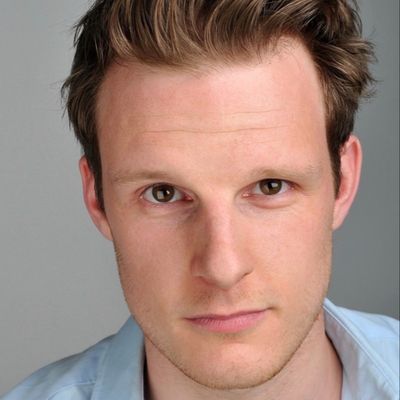
We're shining the spotlight on David Howe: Lighting Designer and Mischief Maker. Join Dave Hearn as the two chat Mischief Movie Night In, Magic Goes Wrong and more in this enlightening episode! Mischief Makers delves into the world of Mischief, to find out what makes it so mischievous!.. Read More
From the show: Mischief Makers
Guests
Featured Shows

About
We're shining the spotlight on David Howe: Lighting Designer and Mischief Maker.
Join Dave Hearn as the two chat Mischief Movie Night In, Magic Goes Wrong and more in this enlightening episode!
Mischief Makers delves into the world of Mischief, to find out what makes it so mischievous! Recorded in a single take with no edits, anything can (and does) happen!
Find out more about Mischief at https://mischiefcomedy.com/
Follow David on Twitter: https://twitter.com/dhld
Hosted on Broadway Podcast Network. Terms of service can be found here: https://broadwaypodcastnetwork.com/terms
Transcript
This transcript was automatically generated and might contain errors.
[0:00] Dave Hearn: Welcome to Mischief Makers, your one-stop shop for all things mischief.
[0:04] Dave Hearn: Join your host, Dave Hearn, as he finds out what makes mischief, well, mischief.
[0:09] Dave Hearn: Okay, and we're in, we're away.
[0:11] Dave Hearn: Hello. And welcome to another episode of Mischief Makers with me, Dave Hearn. Today I'm delighted to say that I'm joined by another Dave and expert lighting designer, the one and only David Howe.
[0:22] David Howe: Hello, David.
[0:23] Dave Hearn: Well, hello, another D H.
[0:25] David Howe: Yes, but I didn't even notice that.
[0:27] Dave Hearn: Double D H D H squared.
[0:29] David Howe: D H squared, there we go.
[0:30] Dave Hearn: Yeah. And so are you a Dave or a David?
[0:33] David Howe: I think I'm a David.
[0:35] Dave Hearn: Yeah, I've always thought of you as a David.
[0:37] David Howe: And you've always been a Dave to me.
[0:41] Dave Hearn: Yeah, I've always been a Dave, or just a D.
[0:44] David Howe: But I don't know if that's an insult.
[0:46] Dave Hearn: Or Mr. Hearn.
[0:48] David Howe: Yeah, I do get Mr. Hearn a bit actually, right?
[0:51] Dave Hearn: Stage managers like Mr. Hearn.
[0:54] David Howe: Yes, they do. Mr. Hearn to the stage, please.
[0:56] Dave Hearn: It's in my rider.
[0:58] David Howe: Again.
[0:59] Dave Hearn: Yeah, I'm always disappearing.
[1:02] David Howe: And not even in magic.
[1:05] Dave Hearn: Not intentionally.
[1:07] David Howe: This first section is just a cool bit about getting to know you, about getting to know David Howe. So why don't you just stop telling us a little bit about where you kind of grew up and where you trained and how you got into becoming a your sort of pathway into being a designer.
[1:22] David Howe: Sure. I mean, I suppose the background is as a child, like literally before my voice broke, I was big into singing and music and stuff like that, as you know, some people are. I used to sing in church choirs. I used to be in the local amateur operatic society. Oh, we used to do shows and stuff. I can do a mean pickup time step.
[1:47] Dave Hearn: I've never seen you do that.
[1:50] David Howe: I'm gonna have to ask you to do that when I say that.
[1:52] David Howe: Oh, I sometimes I sometimes do sometimes do it in the middle of the stage when nobody's looking, but you know, but I will show you at some point. A mean pickup time step. So yeah, I used to be I you know, this was when I was like between sort of 9, 10, 11 until my voice started to change. But I always music was a big thing in my life, so I played instruments and I sung. So there's a bit of background. So being in the local Amdrams, we used to do shows in the local theatre. So my home hometown, if you like, is Western Superman, which is about 20 miles outside of Bristol. It's a seaside town, and they've got a theatre that's there and take small touring shows. But the Amdrams, the Amdrams used to do their regular summer season. So there we are one every week on show doing our on stage doing our show. And over a while I started to enjoy being backstage more.
[2:47] David Howe: And sure. Maybe it's a confidence thing, maybe it's the fact that I don't know, I just enjoyed seeing how things were put together. You know, the curtain used to come in, people used to run around, reset the furniture, and the curtain used to go back out again. So I kind of liked all of that sort of stuff, and I started to do more and started to do that on the side of being on stage. So I be on stage and then run around, move the furniture around, and then do the next bit. Move that forward. I started thinking I could I'd like to do this for a job. So you kind of take that into school, you did school productions, you know, A levels. When I was doing A levels, I was doing theatre studies and English literature and a bit of music.
Again, more school shows or college shows, and then realized that there was a whole world out there in terms of I could go to say university drama school as it was, drama school, and do this backstage LARK as a pro profession, you know. I was really enjoying it.
[3:56] Dave Hearn: And so was it specifically lighting or was it more stage management?
[3:59] David Howe: No, it wasn't. It was it was what they called at the time technical theatre, so you did a bit of everything. So my drama school was Central School of Speech and Drama up in Swiss Cottage. I think it's called the Royal Central now. But that course, it was about 25 of us, I suppose, in each year, there was only two years, and you did a bit of everything. You spent a term in each department. So you did carpentry, you did wardrobe, you did electrics, you did sound, and very quickly I felt like I graduated, sort of graduated, but I felt like I moved into the lighting world. So you know, given the fact that you started as a sort of young performer, I was always aware of when the follow spot came on to me, you know.
Maybe I will I also used to run the follow spot of follow spot in the local theatre on occasion, you know. So it sort of felt like a really good world. And there you go, this through college. I was really, really lucky. I had some amazing opportunities while I was at college. I met some really good people. Part of the college course was it was really we were really encouraged to go and meet people in the industry. It wasn't very insular, as in you did everything in-house and you never went outside the building. So we were always outside the building. So I had really good introduction to the industry and I left college and was very lucky enough to be given two jobs, if you like. First job was part was one of my secondments, if you like, while as it being a college who paid off, and someone offered me a job in the real world as soon as I left college to be his assistant on a musical.
[5:41] Dave Hearn: Oh nice. Which was a production of Carousel, Rogerson Hammerstein Carousel. It was at the Shaftesbury Theatre. It was produced by Cameron Macintosh. And that was my first job out of college.
[5:57] Dave Hearn: Nice. And so what is what's the role of an assistant in that sense?
[5:57] David Howe: An assistant in that sense it's changed a lot in the in recent years, but an assistant now, and I suppose to a point then, was really doing all the kind of legwork, the paperwork, the looking after the follow spot operators, telling them what to do while the designer is busy basically designing the show in the tech rehearsal. It's an exciting thing to be there and actually watch another lighting designer do their job because in the world we live in now, it's very rare to have two lighting designers in a building. You never see someone else work. Like there's only one lighting that exists, there's only one. You can never see them in the same room.
[6:44] Dave Hearn: Well, no, that's right, yes.
[6:45] David Howe: And there's only one director in the room. If you see another director in the theatre, you think why why why are they here?
[6:51] Dave Hearn: Yeah, yeah, yeah. That's very true.
[6:53] David Howe: So actually, it's an amazing opportunity as an assistant to watch another person do their have their craft make their craft, do their craft. So I was lucky that I had an amazing opportunity there, and I continue to do that for another I suppose 10 years on working with a number of designers, drawing plans for them, being in the theatre for them, you know, working on stuff both in the West End and on tours. Alongside of all this, I told you I was lucky, I was very lucky. I was also offered a job to work with a lighting company, supply company called White Light, who are the big supplier, one of the big suppliers in London for rental and sales. So if anyone who doesn't know, you know, the rent the rental side of it is basically any West End theatre or you touring shows, they don't own the equipment, they rent them all.
So all the equipment comes in in trucks and is loaded into the theatre, and basically, if the show's touring, it moves around every week. There's a huge market and a huge turnover of equipment around the country. So I used to work for work for them for 10 years as well as going out and doing assistant work. So I got an amazing kind of grounding in what the industry is, and I think all kinds of facets of it of the kind of more practical side and the more creative side.
[8:21] David Howe: I think that's what it is, and you know, I've seen various questions from people in the last couple of days saying, you know, your do the work of in the as a part of designer, what does it involve? And it is it is understanding not only what is trying to be created on stage, both creatively, but it's also the logistics, it's the practicalities of putting a show together, the money side of putting a show together, all of which is an important part of what I do. It's not just making the scene the blue look switching the blue lights on and turning the yellow lights off.
[8:58] Dave Hearn: Because I think you sort of mentioned that a lot of the equipment is yeah, it's like hired or rented out. I imagine that that's quite a big consideration for you, depending on the way in which you want to design a show. Because if you have an unlimited budget, I imagine you can kind of be as creative as you like. But actually, the real challenge for the designer is going, no, we can only afford certain amount of running costs and certain amount of light, so there has to be compromise or negotiation at some point.
[9:26] David Howe: That's it, that is totally what I do. And sometimes you could be working on a show and you think this is a huge show and there's a big budget, and you still are worried, you still come it still comes down to pennies or pounds at the end of the day to try and make what you want to achieve on stage possible, and it is always a compromise. And sometimes the compromises really help you because if you had everything, if you were given everything you ever wanted, you probably wouldn't have time to use it because you've got too much, and B, you might come up with a very sensible and safe option, and really you want perhaps to be trying something new, or you know, we often have happy accidents in our world.
[10:15] Dave Hearn: Yeah, because you're quite a bit. You know, and in the same way as a performer will, you know, you try something and you think, oh, this is never going to work, but you try it and you go, that really works. So I do the same, you know. You might switch something on, or you see something move in the theatre, and you think, wow, that's that would just be perfect for this moment later on. So, you know, it's a happy accident. So it is all about balancing the kind of the practicality with the wish list and the budget.
[10:45] Dave Hearn: Yeah, I imagine there's probably like a kind of really fun creative side of it that you can kind of engage with, and then there's a there's occasionally just sort of sitting in front of a spreadsheet or a production meeting and just being like, okay, here are my restrictions. But I suppose trying to thrive within those.
[11:04] David Howe: Yeah, totally. Sometimes it becomes spreadsheet management, and sometimes it being you put the spreadsheet to one side and you go, like please let's not think about the spreadsheet for two seconds. Let's think about what would be creatively the best thing here.
[11:18] David Howe: Yeah, what can we achieve if we did have a limited money and then Yeah, or unlimited time or unlimited limited resources, it's not always about money, it's also about time. You know, you've got to you've got to balance with the fact that you load into the theatre on the Monday morning and you open on the Wednesday, you can only you can achieve so much in that time. Yes, you've got to know what you you've got to know what you can achieve in that time so you don't overprom or underpromise to the other creatives in the room.
[11:50] David Howe: And I suppose as well, like there's probably an element of something that I've kind of realized of have been fortunate enough to do several West End shows now, is that we get you know four to six weeks for house, and you can sit in on those rehearsals and you can sit in on those creative meetings and you can talk about things and you can have lighting plans and you can kind of plan everything as much as you can.
[12:12] David Howe: But actually, the reality of your job and the guys actually rigging the lights and setting everything up is that you only really have that tech period, which is often only a few days.
[12:22] Dave Hearn: That's your kind of rehearsal, isn't it, in a way?
[12:24] David Howe: Yeah, I mean, that's also my rehearsal; it's also my time to experiment. And unlike the rehearsal room, where you've got, as you say, four weeks of thinking about how you do a scene or how this scene works, and maybe if we take those lines and put them at the end of the scene, and then these lines, but you know, moving it around. My process of experimentation is generally done in front of probably the whole cast, the stage management team, the producers sitting in the stalls, the director sitting in the stalls, all looking at the stage going, "Oh, you're doing that."
[13:06] Dave Hearn: Yeah, yeah, yeah.
[13:07] David Howe: Which is fine, because you're, you know, I'm not—it's no problem. In fact, it's just very exposing, and you don't necessarily get a chance to experiment without anyone seeing it, you know, and it depends how commenting on it, and you know, the more shows we do, the more shows we all understand each other's processes, you know. We see things develop; we see how scripts have, you know, the same way we see scripts develop. I've seen you guys up on stage, you know, we work a scene, we rehearse a scene in tech, we've all done our bits, I've done some lighting changes, the sound guys have done theirs, the set moves, and da-da-da. And then there's a conversation, and we go, "Oh, maybe if we don't do this bit of the scene, but we cut from here to here and we do this bit, and then we put another lighting change in there to make it feel like this," and suddenly the whole thing has changed, and we have to be nimble on our feet and all be versatile and change the lighting or change the set, change the way of approach.
[14:18] David Howe: So I find it exciting as well. I find that really exciting.
[14:23] Dave Hearn: And is that part of how you plan out from kind of even before you get into the tech about where you're kind of physically gonna have what lights rigged where so that you have a certain—because you know you're gonna need a certain amount of flexibility in the room that actually if you constrict yourself too much, then you become a problem.
[14:44] David Howe: Yeah, that's exactly it. I mean, my process in terms of design, yes, I will look at each scene in terms of what it will look like and have a very strong idea about what I'm trying to achieve with each the look of each scene in conjunction with what the set design has done, what the costume design has done, what anyone else is trying to achieve, you know. I'll have that sort of idea in my head, but I'm so conscious of what happens if we suddenly decide to do this, what happens if we suddenly decide to that? Flexibility is one of the biggest things. I will therefore choose lights that maybe give me the flexibility to change things quickly, whether it be someone putting a ladder up very quickly and running up and making an alteration to a fitting or a light fitting, you know, suddenly that changes the look of it, and that's easy, or it's a moving light, and I just ask the programmer to make an adjustment, and suddenly the colour changes, and we're in a different vibe entirely.
So it comes down to the practicality of it, you know. I've spent a lot of time probably looking over the plans, going, "If I put something here, how do I get to it? If it was there, what happens if we suddenly move the scene downstage right instead of downstage left?" Oh well, that's a moving light; that's easy, that can just be adjusted. But if it was a fixed light and I've spent some time focusing it, then that will be a problem in terms of making that happen quickly because time is money. You know, we're all sitting in the theater, but the theatre is not full of people. It doesn't start making money until people sit down and start paying to come and see it. So we don't want to be sitting there for weeks while I figure out where downstage left and downstage right is.
[16:28] Dave Hearn: Yeah, yeah, yeah. And I think as well, like there is in terms of time, have you ever been, I guess, like—I don't want to sort of insinuate conflict actually, but I was gonna say have you ever been kind of like wrong-footed or do you have to—how closely do you have to work with kind of other designers who are lighting somebody's set or somebody's costume, and if you kind of get something that maybe you didn't expect, do you have to adapt quickly, or is that kind of more of an open conversation that you have with the other creatives?
[17:02] David Howe: I have been—I'm not wrong-footed, I think you're right. I think everyone is different. We all create things in different ways. So we take on board what the other designers do. I have sometimes said to designers, "You've given me a white set, a completely white set, and you're asking me to make it dark. Tell me how that works."
[17:26] Dave Hearn: Yeah, yeah, yeah.
[17:29] David Howe: But if we kind of tone it down slightly, or can you know instead of this sort of fabric being completely white, maybe it is something like this, and I might make some suggestions. I said, "Look, it's completely your choice because you're your set, but if you did this, then I can do this, and I can respond to it in this way." And I think, you know, it's a conversation; it's collaborative. You know, what we do has to be collaborative in the same way that I collaborate with you folk on stage, no matter who, you know, whether it be Mischief or anyone else, it's about all of us working as a team to get to the end result that we want. And it isn't about my lights, your set, someone else's costumes, the choreographer's steps. It's all got to be seamless and it's all got to be blended together to make the one cohesive thing.
[18:27] Dave Hearn: Yeah, I think something that we've always, I guess, tried to do at Mischief, and probably not always succeeded, but it's an aim, is to try and kind of encourage compromise across kind of all departments and just be like, you know, if there's something we can do to help realize a costume designer's vision or a set designer's vision or the director's vision. I think the only thing that we kind of very rarely back down on or that we're not willing to compromise on is going basically every moment has to be geared towards making this as funny as possible. And so like we all individually might have to make sacrifices creatively if we're trying to make this as funny as possible, because that's ultimately the end game. But I think, yeah, trying to cultivate an environment with compromise sounds like quite—do you know what I mean? It sounds like it's quite down, but sort of loving everyone's ideas.
[19:19] David Howe: Yeah, yeah, but I don't think that that is any different; that whole ethos is any different to any other production process I've worked on. It's always, you know, obviously you're doing a tragedy; you're not trying to make it as funny as possible, but you're all trying to come together to make that production the best it can be.
[19:43] Dave Hearn: Yeah.
[19:43] David Howe: And I think, you know, you guys—I mean, we should probably—I should probably say what I've done with you guys, so I've got sort of—we've got some sort of background here in terms of shows and stuff. Because I mean, I work for other people as well, which is fabulous, and that means I can hopefully bring some of the skills I've learnt with other people and other shows, because it's all amazing experience, I think. And you know, what the other questions people have asked me recently is like, "What experience do you have?" And you go, "Well, you bring a little bit from everything you do, whether you'd be doing an opera or whether you'd be doing a Shakespeare somewhere." It's all experience that comes along and adds to the melting pot of ideas that you can pull on, you know.
[20:37] Dave Hearn: And so, yeah, tell us a bit about how you came to work with Mischief and the projects that you've done.
[20:43] David Howe: So I think it's going back, and you're gonna have to help me with the dates here, but I think somewhere around December twenty fifteen, which is I think when you opened Peter Pan in the West End for the first time.
[20:59] Dave Hearn: At the Apollo, yeah, that's the first one.
[21:01] David Howe: I think it's the Apollo. Because that is the first day. Somewhere around that time when you opened Peter Pan, I was called into a meeting by Kenny Wax, Mark Bentley, and Henry and Jonathan, as they were looking for a lighting designer for a comedy about the bank robbery, which was going into the Criterion. So I got that interview because I had been working with and I've worked with a lot the lovely David Farley, set designer.
[21:37] Dave Hearn: Yeah, yeah, yeah.
[21:38] David Howe: So he kind of suggested me as a potential lighting designer for this project. So I met with these guys in Kenny Wax's office. We had an amazing conversation, and it was fun. And they said, "Would you like to join us on this show?" And I said, "Fantastic." And I think you then went into rehearsals in January. So I probably met you the rest of you probably in the January time of 2016. And then the show opened March-April.
[22:12] Dave Hearn: Um, and as we know, continued until the middle of last year.
[22:18] David Howe: Yeah, yeah, yeah.
[22:20] Dave Hearn: Um, various options or various versions of the show.
[22:23] David Howe: We stayed there, but we sort of did options of the show, or versions of the show rather. But very successful.
[22:32] Dave Hearn: Um, we did a UK tour of it, I think in August 2018.
[22:37] David Howe: Yes.
[22:38] Dave Hearn: I was briefly on that tour, in fact.
[22:40] David Howe: Oh, you did? That's right.
[22:42] Dave Hearn: Yes, I've forgotten about that.
[22:43] David Howe: Yeah, yeah, yeah. Because someone did their leg in.
[22:48] Dave Hearn: Someone broke their hand, I think.
[22:50] David Howe: That's right. Yes.
[22:51] Dave Hearn: And yeah, I came in the very last minute to cover for four or five weeks, maybe.
[22:56] David Howe: And then there was also times where I think you were all on and off the West End version, covering sort of because it's funny as a lighting designer, you get this. I mean, for those people out there who are listening and interested, you kind of—as a lighting designer, you get a show report every single performance of every show that you're involved with. So you do get to see from the stage manager little comments about, "Oh, so and so had broken their hands. So Mr. David Hearn came in this evening and did the performance. He forgot these lines and he forgot this bit."
[23:30] Dave Hearn: Um, so you do get to see probably most of the report when I'm on.
[23:33] David Howe: Yeah, it probably was actually, yeah. Due to that, due to him forgetting the lines.
[23:37] Dave Hearn: Mr. So and so then forgot to do this.
[23:40] David Howe: It is funny because you do get to sort of—you have a connection with the show even though you're not there in the building. Because again, you know, to our people out there, once a lighting design has—once we've opened a show, as in press night, generally your role is complete because it's then being looked after on a day-to-day basis by the stage management team and the lighting team in the theatre or the touring team. So it kind of runs and runs, and I go back and see things, and then I can give notes and I sort of say, "What happens if we can we tighten this up because this has changed a little bit?"
[24:17] David Howe: So it's a really interesting process creating something, and I'm sure you found this, Dave, when you've created a role and then gone back to see it with someone else performing it. How the little changes that everyone makes change the production in some ways, but it were to their good normally.
[24:37] Dave Hearn: Yeah, I think it's really interesting seeing either yourself coming back into a role or watching other people do it, particularly with shows like The Play That Goes Wrong where I've seen dozens of people play that part. And actually, yeah, it's really nice. One of my favourite things actually was watching understudies do stuff because you suddenly see something that you go, um, it's never about someone being better or worse or whatever, but you're just watching somebody else do it and go, oh wow, I literally never even thought of that. I never even, my brain never even went there, so I'm definitely stealing that. Or like there's loads of stuff that you kind of see having had distance from it that you come back and go, oh, actually that bit works much better than I thought it did, or what was I thinking? Why did we put this in? We should definitely change that, and suddenly things become a bit more obvious.
[25:29] David Howe: Yeah, no, I do know. I think I do the same. I think I can go back and see something and go, why did I do that? What was that about? What was I thinking at that time? And you know, maybe there's an opportunity for me to make a change, make a correction. It's a once you've opened a show, it doesn't have to be the final product. It can always move on, you know.
[25:51] Dave Hearn: Yeah, I think that's one of my favourite things about it. We were pretty clear, I think probably with you guys as well, on Bank Robbery, and we have been on kind of subsequent productions that we're sort of going. We use the previews as a kind of trial period to, you know, particularly during shows like Grown-Ups and stuff. We made huge rewrites in those four weeks. But then actually once we've opened off the press night, we're going, it's not done. Do you know what I mean? Particularly with a farce, it has to constantly evolve.
[26:24] David Howe: Oh, no, no, no. Totally, totally. And I remember those periods, you know, when we have been in previews, and that's, you know, we're working on the show every day. Every single bit of the show has the ability of being changed, and then we can do it that night, or we can save something up and put it in at the end of the week, you know, whatever. It's exciting stuff. And then post-opening, when you get a very stable response from the audience that they're not laughing at this bit or this bit doesn't seem to work, then we can fix it again.
[26:56] Dave Hearn: And actually, I suppose with that opening, I can't remember who said it, but it was like, to do with lighting, it was like, you know, comedy should be bright, tragedy should be dim, kind of speaking in quite black and white terms. But do you find, I wonder if, yeah, do you find after the show is open? Because I always say things like the audience are the best directors; they'll tell you very quickly if something is funny or not. Do you find that you can help, particularly in Mischief shows, like the rhythm of a joke or the button of a joke? Can you influence? Do you feel that the lighting can influence the way that a joke is received by the audience?
[27:38] David Howe: I totally think so. I totally think so. And I think my background in music probably helps that because you can hear the rhythm of the joke coming. Dum di dum di dumpty dum di dum dum de dum di dumpty dum dum de dum dum dum dy dum. There's your punchline. So do you have a beat and then a blackout? Do you let the scene gently fade out? There are ways and means to affect the audience response. Like as a singer would be doing it, it would be a big finish with a big number, all the lights build, and then there's a snap at the end. There is a definite way, and I think that's why you have to be on the same page as what goes on on stage, and the more time you spend in rehearsal, the more you hear that rhythm.
[28:36] Dave Hearn: Well, I think definitely that's what we've discovered, particularly with our scripted shows, but actually more so in the last four or five years with Mischief Movie Night and how that's kind of evolved. We've always wanted someone confident, experienced, or whatever, on the actual desk operating the lights because we figured out very quickly, we're just like, oh, huge amounts of the rhythm of the show is dictated by the lights because, yeah, we can end scenes and we can walk off and we can kind of go back to the Oscar character, but actually there's nothing more satisfying than, like you say, you hear that rhythm, you hear that rhythm, bang, the music cuts, you get a killer line, a joke, blackout, and you'll probably likely because of that blackout, get a round of applause, even if the end of the scene is actually quite weak. The rhythm, if the rhythm works with the blackout, then it's great because you sort of, you can just hear that rhythm, and it's really, it's so important.
[29:34] David Howe: I found particularly people at the desk. That's it. I mean, let's, I'm just so everyone's just follow the follow because this is great, this comment, this sort of conversation because we're sort of, it's just like we were sitting in a room. We are sitting in a room chatting with each other rather than making something that's a complete linear line. But let's just jump back for two seconds because I think just to finish the timeline of shows up. After so Mischief Movie Night, I think came along in 2017 when I first did that with you guys at the Arts Theatre.
[30:10] Dave Hearn: Yes, yeah, yeah.
[30:11] David Howe: I'd like to say that you produced that.
[30:13] Dave Hearn: That's right. Yes, you were one of the producers.
[30:15] David Howe: Yes, yeah. I mean, Charlie and Shields were the producers from the Mr. Side, yeah. So that was 2017. That play was in the West End for a couple of three months or so. Then I think we did a UK tour of it.
[30:28] Dave Hearn: Yeah, yeah, yeah.
[30:29] David Howe: And then as a secret little thing in some of the venues, there was some new material being trialed, which was for The Magic Goes Wrong.
[30:41] Dave Hearn: Yes, yeah, yeah.
[30:43] David Howe: So that was kind of the secret rehearsals and secret, you know, the audience were told, well, if you want to hang around after the interval, we'll show you some material that we're kind of working on. And the thing is, I've got the video; I know what it looked like.
[30:59] Dave Hearn: Oh, have you still got that?
[31:01] David Howe: Oh wow, yeah. Because we've got to be a good thing. All I'm saying is you dressed as a penguin; you dressed up as a penguin.
[31:06] Dave Hearn: Oh, yeah.
[31:08] David Howe: Because we had characters called Vanessa the Immortal, didn't we? Which was, um, that was growing things in that. Yeah, there was the weird penguin stuff. Because the blade didn't exist at that point.
[31:20] Dave Hearn: No, and there was no bear and spitz mouths. We had Mind Mangler's car, didn't we?
[31:24] David Howe: That stuff was pretty, I remember we started that with like 20 minutes of material, and by the end we had like an hour and 10, and yeah, the audience were like, how long is this now? We told it was just like a 20-minute sketch.
[31:37] Dave Hearn: Yeah, we thought it was a sketch show, and actually it's a whole full-length production in itself.
[31:42] David Howe: But that's where Magic Goes Wrong came out of, which opened in 2019 just to finish off the sort of history of it all. But if we want to jump back, we were talking about Mischief Movie Night and the impro side of things, and operating and stuff. Picking up one of the questions I sort of saw on Twitter, it was how do you design an improvised show?
[32:09] David Howe: And it's fun; it really is fun. But it was a real head scratch when I came to this because I sort of said to them, I said to you guys, I remember sitting in the room. So, how does it work? You know, what's structure and what isn't structure? Is there a secret to it? You know, and you said, and you guys said no, there's absolutely nothing to it. Yes, the show has a start, but that's about it.
[32:39] Dave Hearn: Um, so how do you start from that? You know, and I remember watching some videos that I think Henry sent me of Lights Camera Action, which is what it used to be called when you're up in Edinburgh.
[32:52] David Howe: Yeah, yeah.
[32:54] Dave Hearn: Um, and that was just one state of light, you know, the lights came on and you did the show for an air number of fringe. Um, so how do you move that for give it some sort of shape and dimension?
[33:05] David Howe: So what I did in combination with my amazing programmer Ed, we came up with a structure where we had a touch screen in front of us where we had created some scenarios, not knowing what you guys were gonna do, but some scenarios in terms of space. So we say this is outdoors, this lighting state is outdoors. This lighting state is for sci-fi. This lighting state is for angry war. I mean, all sorts of really bizarre random things that we would have there. And that would be our starting point.
[33:45] Dave Hearn: Um, so you push this touch screen, but rather than having lots of buttons to push, which makes it complicated for anyone who's operating, we just had scenarios, and we could then modify those scenarios by changing colour, by changing gobos on the sky cloth at the back, whatever it was. And we found that the best way it was terrifying to operate, absolutely terrifying to operate because the speed at which you go at is in terms of we're gonna go over here, we're gonna go there. It is just terrifying.
[34:17] David Howe: Yeah, I remember several operators have said the same thing; it's just like it's just impossible to keep up. And it's like, yeah, you just got to smash buttons, hope for the best.
[34:24] Dave Hearn: And it is smash buttons and hope for the best, but you need the right person, as you said about five minutes ago.
[34:30] David Howe: And what I was gonna do, what I was going to say is I think the best person to do that role is a stage manager, a stage manager who's used to hearing the cadences in people's voices. It's not a lighting operator's job to do that show; it's a stage manager's job because they're processing what you're saying, not wondering why you are in the downstage left light needs to come on now and do that. They're going, oh, they're moving over there, so I need to put these lights up, or I need to put those lights up.
[35:00] Dave Hearn: Yeah, it's more kind of instinctual.
[35:02] David Howe: Thanks. It's completely new. Yes, absolutely, and it's so exciting to see it done, and you know, my job is then not about creating each look; it's about giving the stage manager or the operator a palette of ideas and story-making things that can help add to what you're doing on stage.
[35:28] Dave Hearn: Yeah, I suppose it's a sort of toolbox, isn't it, rather than a kind of set of lights? It's a sort of, yeah, it's a storytelling device.
[35:36] David Howe: And the storytelling of the storytelling device can be, it's a snap blackout. It's a slow blackout. It's a blackout that doesn't take all the lights out, but just maybe goes to the psych at the back, the sky cloth. It can be all of this language thing, and that can be programmed into the computer for the ease of operation. Therefore, it's fun.
[36:03] David Howe: So actually doing it is every show is different, and the only comments I can have when I go back and see it is I can say to the stage manager who's operating, and I say, look, maybe think about, you know, give her more of an idea or him or her an idea and say, maybe think more theatrically if you're in this scenario, maybe think more theatrically, put the footlights in.
[36:27] David Howe: You know, go for the bold looks, don't try and be subtle.
[36:31] Dave Hearn: Yeah, yeah, I think bold is always best with that show.
[36:35] David Howe: And I think, um, yeah, because it sort of sounds like actually you're kind of doing two jobs there, aren't you? You're designing lights as you would for any theatre show to facilitate your own vision or a director's vision or a particular moment on stage, but you also have a practical job to go, okay. How do I make this as flexible and easy as possible to operate?
[36:57] David Howe: Yes. That you don't want someone rapidly on a keyboard trying to slam in loads of cues to kind of keep jumping around. Actually, we need to come up with a practical way to do it. And I suppose, yeah, there aren't, I don't know if there are many other shows that kind of do that, you know.
[37:11] David Howe: I don't think there really are, and that's why it was kind of a bit of a head scratch to get it, but when we got it, it became, we've used that footprint that we created in 2017, and we continue to use it now because obviously, a bit of history for everyone that we've sort of did it in 2017, it then toured and then went away into the box for a bit, but then has come back various times for one-off specials, and then recently came back, so the end of 2020 for the 10 days or whatever we were allowed to do shows again in the West End.
[37:48] David Howe: Yeah, and then we moved it online into the streaming version, Mischief Movie Night In, so then we turned it into a streaming version, which is the difference is, well, it's the same show, but it's just created differently. We had to create a studio, we moved the show out of the theatre into this studio that we had sort of made, and we still had to sort of do the same sort of thing but within a TV context.
[38:20] Dave Hearn: Yeah, yeah, yeah.
[38:21] David Howe: Well, this actually kind of brings us on to the next section, which is we sort of kind of dipped in and out, which is the questions from the web, people who've sent stuff in. While we're actually on this, Alex asks what was designing the lighting for the bunker like in, as opposed to kind of difference to a theatre? How does that, yeah? What's the kind of difference for that smaller kind of studio environment as opposed to a grand West End theatre?
[38:50] David Howe: It was, well, there have been lots of logistical issues with this because A, it came along incredibly quickly. I think one day I what then nothing was happening, and then two days later it was, oh, can you, can we come to a meeting tomorrow? And by the way, it's coming in next Tuesday, which was all of you know, with Christmas and a lockdown happening at the same time meant it was logistically tough to get it done in the time. Plus we were going into a space, the Mischief Movie Night bunker is fundamentally a bar that had been created by an immersive theatre company in a space in the West End in just off Oxford Street.
[39:37] David Howe: So we were coming into a space that was already inhabited by another show, effectively, with loads of tables and a bar area and their own drapes and their own lighting. And we had to sit within that completely separate to that. Obviously, they weren't using it because they were shut down, but we were able to do it because we were making, I say TV, but we obviously know it's streaming. So we were able to sit inside that, so logistically it became where can we put stuff? And the answer was nowhere.
[40:11] David Howe: So we have to build things, we have to put truss up, we have to put stands up, we have to make it work. Plus, we have to light for six cameras. The difference between stage and streaming is that if you're sitting in the theatre looking at the, as an audience member looking at the stage, you're looking at the constant wide shot of the stage. So the lighting, when we, for instance, in Mischief Movie Night, we jump to the character Oscar, who is the kind of director character who's sort of intervened a lot. And then that everything freezes on stage, and he says something, and then we go back to the story because he's generally commenting or helping move the story forward.
[40:59] David Howe: So in the theatre version, the fact that the lights change and we're looking at Oscar moves the audience's attention to Oscar. On streaming, then, or on a camera, the obviously the director, the TV director will cut to Oscar, and therefore we don't necessarily need to make a big change every time. So you're having to sort of change from the, I'm doing the direction of where people are looking in the theatre, but in the streaming world, you know, we've got to support it in other ways, giving everyone what they need to see from the camera perspectives, plus giving it some atmosphere without, you know, a dark night on camera doesn't work necessarily as well as it does in the theatre.
[41:46] David Howe: So it's about finding the language. So again, our footprint that we created back in 2017 had to be modified, and we've now got a TV version of it, where, you know, perhaps a dark night is not necessarily dark, it's more cloudy, shall we say? Yeah, more overcast.
[42:07] David Howe: Overcast night with maybe a few stars that come out on the back cloth, you know.
[42:11] Dave Hearn: Yeah, yeah, yeah.
[42:13] David Howe: It's so, it is really, it's really interesting to do, and you spend a lot of time looking at various monitors and going, is that what we're seeing? Oh, that's the wide shot, that's the close-up, let's change this, let's do that. So it's a lot of trying things out. Sometimes the only times you get to try them out because it's improvised is when it's going live to however many thousand people at any time. So you're constantly looking at a screen and making adjustments.
[42:43] Dave Hearn: Yeah, well, that actually kind of brings us on to Adrian's question where he asks, what's the most important skills for a lighting designer to design an improv show? Like what are the kind of more difficult aspects of the job? And I suppose you've touched on them briefly already with the idea of actually the designer and the operator are very, very key, but they also have two very different jobs. But from a design perspective, what's the kind of key thing that you think to a young budding lighting designer who's been asked to do an improv show, what advice would you give?
[43:17] David Howe: Don't be too fussy, don't be trying, don't do anything too specific that, as you said earlier, that you know perhaps you'll never need. Make big broad statements. If it's a wooded glade and you can afford some gobos that break up the light, go for it, stick them on. You know, let's have lots of them, not just one or two that don't really read. It has to be bold. So just sort of the, yeah, brave bravery bowls. Brave statements, you know, don't be too subtle. If the psych is blue, let's make it a dark blue, let's make it a bright red, let's make it an orange. Don't be trying to be too subtle about things.
[44:03] Dave Hearn: Yeah, and I suppose that complements the performance style because I don't think it's very subtle either.
[44:09] David Howe: What do you mean?
[44:10] Dave Hearn: We try, we try.
[44:12] David Howe: But I think, yeah, the whole thing is just like quite broad and bold. It's like, yeah, it requires quite a lot of attack, I think.
[44:19] David Howe: Yeah, it is, it is an attack, it's a controlled attack because everything you guys do is very controlled because you know, whilst you don't know what you're going to do when you do it, it's a very strong attack. And I think, I suppose we all, I do the same. I'm nervous about it, but when we, when I do it, it generally feels like it's the right sort of language is there.
[44:47] Dave Hearn: Yeah, yeah, yeah.
[44:48] David Howe: And if you make a mistake, in the same way the performer makes a mistake or feels like they're going down the wrong track. I always say to the, to our stage manager operator, change it. Don't be afraid, don't be stuck with something that you're going to regret or it looking is not looking great on camera. If you need a bit more light, bring that light in.
[45:07] David Howe: Yeah, because you can kind of get away more, I think, in particular industry movie, you know, about kind of seeing the cogs and the mechanics of the show. And I think actually there's something really delightful about watching a lighting change, a lighting shift, and feeling that there's somebody else making decisions, making offers, not just the guys on stage.
[45:26] David Howe: Absolutely, and I always say again, I say to the operator, and it's about giving them the confidence to do it, that they don't feel that they have to do the best performance, they have to do the best performance all the time. But they don't, if they miss their own, they've missed their own, they don't think they're doing a great job, they can make it better, and I think that's what the most important thing is to do is to give them that ability to change it, and by that I've got to have the right things in the air to make it to change it with, you know.
[45:56] David Howe: If those four lights that do the front light aren't bright or aren't bright enough, then that's my fault. They can't make it any better. So maybe I have some better lights in better positions that do the work. And I think the, you know, let's say there were eight people on stage, there are two musicians, nine, ten, there are five, four camera guys, there is a stage manager, they're all contributing the same, they're all contributing to that performance. It's not just the eight people on stage.
[46:32] Dave Hearn: Yeah, there's a giving a performance, yeah, yeah, and helping kind of build that story, yeah.
[46:39] David Howe: So I think it's about, to go back to the question, I think it's about being making bold, bold choices and having the guts to go with it, yeah, yeah. And make it better, make it better. If it doesn't work, make it better, you know. It's like we do in, it's like we do in the theatre anyway. You know, we're working on a show, we're in previews, so we're changing it every day. We're making it better every day, we're throwing things out, we're changing things that we've been talking about for weeks about how we're gonna do it, and then when we see it, we go, this isn't working. What can we do to make this better?
[47:18] David Howe: Yeah, and I think, just to kind of shift the trajectory slightly from bold broad statements to more nuanced statements, asked the question. Did the lighting design for Magic Goes Wrong have to be worked out in consultation with Penn and Teller and presumably Ben Hart as well, so that it shows/hides tricks as required? So I imagine that's quite a tricky balance.
[47:43] David Howe: It is because I'm kind of, I'm really intrigued by magic anyway. I've always been interested in the same way I quite enjoyed standing backstage watching a show when I was young, going on, you know, seeing everything that goes on behind, or you know, what the audience don't see. So I've always been intrigued with that. So actually to work with, as you rightly say, the lovely Ben Hart and Penn and Teller, although he wasn't in the theatre, but you know, by remote control, is to see what they want me to see, what they hear, what they want the audience to see and see with my own eyes what I don't want the audience to see.
[48:28] David Howe: Um so yes, it creates lots of things we kind of want we need to do something that either pulls the eye away from that or doesn't focus on that for that moment, but then after that it's fine.
[48:43] Dave Hearn: So it's how do you get away with it?
[48:44] David Howe: So yeah, it was really interesting, really interesting because so many things are so out there, how it's done is right in front of you. You just don't see it because a the skill of the performer or b that we're just looking elsewhere at the time, and then when something magical happens.
[49:04] Dave Hearn: Yeah, and I think like there's there was a lot of I was quite surprised actually about how much of it I remember speaking to Ben and to Penn actually, and how much of it comes together in the tech. Because obviously, in the room, you know, it's as an actor it's completely exposing because you're in a room full of people who essentially know how all of the tricks are done, and you're just being lit by whatever strip lights are in the room, and you're just completely exposed, and actually there's a very nice feeling of confidence when you get into the theatre and you see that you're on stage and there's darker areas that you're like, oh, I can kind of escape, or I can kind of hide parts of the trick in these areas.
[49:48] David Howe: And I suppose for you, did you watch quite a lot of the magic verse all in the end, just so you kind of got the shape of the tricks?
[49:56] Dave Hearn: I did, but I even videoed them, so I actually you know I often video rehearsals because I can then whilst I can take so much in when you're watching it fly by in front of you in a rehearsal room, but then coming back home and then working through each moment, going right. So this is what happens, that's what happens there. Yes, yes, yes. You know, you get you get a sense I can actually put together a lot of the logistics and the practicality of it away from being in the rehearsal room. So, yes, I did. I always watch a lot of what goes on.
[50:29] David Howe: I mean it's hard to talk about it without giving away certain tricks here, but I do remember a moment where Penn came up on stage and gave a complete masterclass to Nancy who was playing Bear going into the cannon firing trick. Yes, yeah, yeah. Because Bear and Spitzmouse kind of do a little section in front of the front tabs, and they go through the tabs, and the tabs open, and one climbs into the cannon and one climbs into the cannon, and then suddenly we're there's a trick happens, and yeah, without spoiling it, Penn came up on stage and gave a complete masterclass on how to do something and a thing. And I remember watching that thinking this is one of the best magicians in the world giving us a master class, yeah.
[51:30] Dave Hearn: And it wasn't about lighting, it didn't, it wasn't about how it was lit, it was just the timing and how everything in the tech stopped for us that for that moment, and it was just a joy to watch.
[51:44] David Howe: I'm not sure if you were there that day or no, I was I know exactly the moment that you're talking about, and I know exactly why it's quite hard to say in detail. But it was it's about that tech process, and you know, I find the tech process, some people get very stressed at it because it's oh with God, it's the time where everything has to be proven. Yes, it is, and you do, and that's kind of what we have to do, but it's also the most creative time because it the nuances of what you know as a performer, you do something in that tech, I respond to what I see, and I've changed the timing on a queue or a lighting change, you know.
[52:29] David Howe: Um it's such an exciting time for putting the little nuances and the rhythm into the show. So go back to what we're talking about, blackouts and the end of scenes. You guys come on and do something that in the rehearsal room they've never done, but you do it and it goes like that's it. That's the energy for the end of the scene. That takes us into the next bit. Or Henry Lewis coming down as the mind mangler. He did the way he walks and the way he stopped, felt like there was a change at the end of that him walking downstage to his play on music, and that became a lighting change. That in the rehearsal room, perhaps I never really saw because he just kind of walked on and said his lines.
[53:11] Dave Hearn: Yeah.
[53:12] David Howe: But he did something, and that you know, and that's the exciting bit because you look at it and you go, This is I can now layer this. This is exciting.
[53:21] Dave Hearn: Yeah, and I think I think you're right. I think I find I think techs can get quite stressful because I think particularly for actors because we're not involved necessarily with all of the stuff that's going on, and you just have to trust that you know there's minutes and minutes of silence, but in that silence people are working. And I think one of my favourite things about tech is that it's often quite um it should be quite a calm environment. But I think the reason there's tension is because it's the few days or however long you've got and where you have the excitement of realizing what is and is not possible. Because I think everything in the rehearsal room, particularly with our shows, is only ever until the day that we do the tech, and then the day that we do the dress run, and then the day that we actually open it into an audience.
All of that stuff is only really working in theory, and actually a tech is a really good and exciting opportunity to be like, Well, that thing that we've just spent six weeks figuring out. We've just realized in ten seconds is never gonna happen.
[54:29] David Howe: Yeah, yeah, yeah, yeah, yeah. I mean, it's the same. I see it often is when you when you have a direct designer explaining a model to a company at the first day of rehearsals, and their big hands come in and say, Well, this moves over here, and then this flies out, and then you walk downstage and you say these things, and you go, Well, how's that how on earth is that gonna work?
[54:48] Dave Hearn: Yeah, yeah, yeah.
[54:49] David Howe: Oh my god. I love those little models.
[54:52] Dave Hearn: Well, it's brilliant.
[54:54] David Howe: I mean, they're the brilliant way of explaining the sort of look of the show. But sometimes you do look at it and go, Well, how does that work? And it's only at the point in the tech when you go, Oh, it's gonna take three minutes to fly out, is it? Oh, right, because it's that heavy.
[55:07] Dave Hearn: Yeah, yeah, yeah.
[55:10] David Howe: So, what can we do and how do we make that work? Well, we can't change physics, we can't change that. So, you know, someone there says, Well, I maybe I come downstage and we put a little mini scene in of something going on here, or we need more time down here. Do we ask the audience to do something? And that's that's the fascinating thing. Um and we've all we've all got we've all got things like that, well, which we you know, I suddenly realize I've got one light needs to be in two positions in alternate cues, and you go, Well, how do I how do I get around that then? And you find way and creative ways of doing it.
[55:46] Dave Hearn: Um I'm afraid I think we're gonna have to bring it to an end, Mr. Hell. We're approaching the end here, but I would say I've been waffling on, I'm terribly sorry.
[55:56] David Howe: You've been doing it, it's been a really interesting conversation actually.
[55:59] Dave Hearn: I think so. Um we've got about five minutes left. So to close, um, will you just kind of you've sort of touched on it already, but anyone who's thinking about going into um a younger person who's thinking about going into design or to stage management or to kind of get an education in designing in any sense. Do you have the advice for that person if they're worried or scared or second guessing themselves?
[56:27] David Howe: Don't be worried and scared. Um the most important thing is go see stuff. Don't have to go and see stuff in the West End, although all Mischief shows are available. Um go and see stuff, go and see stuff in your local theatre, go and see stuff in on the fringe, you know if you're living in London off West End theatres, go and just see stuff and have an experience of going to the theatre and know what you enjoy and go and see stuff you've never thought you'd enjoy, and you might be surprised. So go and see lots of theatre. Um if you've got a local theatre, get in touch with them and say, Hi, I'm really interested in working backstage. Can I come and look backstage? Can I come and observe one day?
There are lots of options out there. Um if you want to be in lighting design or projection design or want to be involved in lights and stuff, there are organizations you can contact or have a look at their websites. There's the Association of Lighting Designer, the ALD, um, which is all manner of people involved in lighting. Um get together, talk, there's online communities, forums, all sorts of stuff, and you get to see what's going on.
[57:43] Dave Hearn: Look at the drama if you want to go into sort of further education, which is a great way, and I'd say I going back to where we started, I did two years at a drama school. There are lots of drama school courses that do all sorts of manner of technical courses now, um with degrees and all sorts of things at the end of it. Um I don't think anyone's I ever asked me for a qualification in what I do, and I trained in I trained in technical theatre. That's my eight I've got an H and D apparently in technical theatre. I don't think anyone's ever asked me to show that qualification because it's more about experience and making contacts with the real world. But those colleges do have contacts with the real world. So actually going to college slash university slash drama school, you will have contacts, make contacts in the real world that will give you a chance to get a job.
[58:42] David Howe: Yes, yes. And you will get you will get opportunities within those courses, they will get people in to light shows, they will get people into design and direct shows. That you will get an insight into the real world before you actually hit the ground running. So drama schools are out there, you know. Um, there are some specific lighting design courses. Um the only thing I would say with the specific lighting design courses are they don't necessarily give you lots of lots of opportunities to design purely. There's a lot of project classroom-based projects. Um it's about getting out there and doing it and experiencing it and trying stuff. Getting stuck in in game design, stuck in learning your craft.
Um, um you know it's about learning and craft. Um, you know, there's a lot of similarity similarities to being an actor, you know. You um you're obvious you obviously got to be talented as an actor, you've got to be talented as a designer or a stage manager, but you you've got to have you also got a hut spur to actually meet people and talk to people and find out what's happening, and you say, Oh, I can do that, or I'd like to try that. And you know, chances are if you are the right person in the right place at the right time, things will happen.
[1:00:01] Dave Hearn: Wonderful. Well, ladies and gentlemen, thank you very much for listening. Uh, I've been uh Dave Hearn talking to the wonderful David Howe. Uh please do the DH Squared. We've never that's what we'll be called. DH Squared. A new website. And uh yeah, keep an eye out for our uh next podcast. And obviously, um contact David on Twitter if you have any more questions. Uh laser gents, thanks for listening and keep making mischief.
© Broadway Podcast Network, All Rights Reserved