

It's our first episode in our new The Comedy About Spies series of Mischief Makers! Dave Hearn sits down with show writers Henry Lewis and Henry Shields to talk about inspirations, the writing process, shelved (for now) projects and who they would spy on given the chance... Read More
From the show: Mischief Makers
Guests
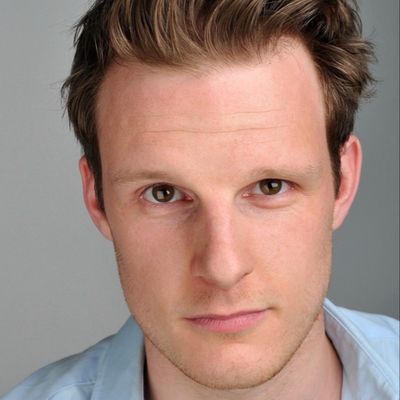
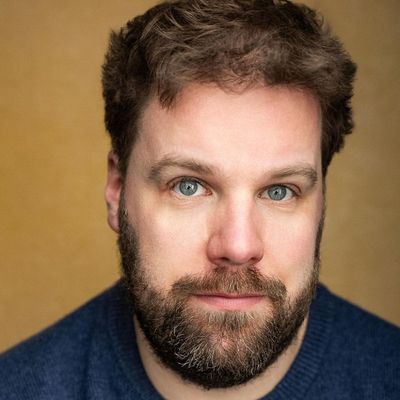
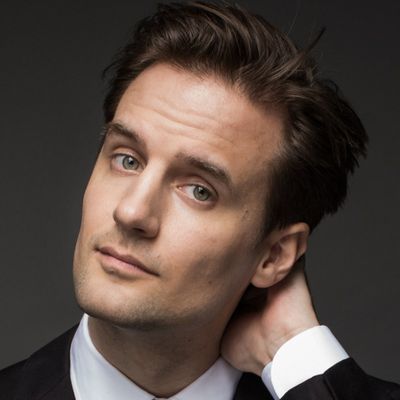
About
It's our first episode in our new The Comedy About Spies series of Mischief Makers! Dave Hearn sits down with show writers Henry Lewis and Henry Shields to talk about inspirations, the writing process, shelved (for now) projects and who they would spy on given the chance.
Book tickets for The Comedy About Spies: SpiesComedy.com
______________________________
Sign up and be the first to hear of new episodes plus the latest from Mischief:
Don’t forget to follow us on social media
Instagram - Follow Us Here
X - Follow Us Here
TikTok - Follow Us Here
Facebook - Follow Us Here
YouTube - Follow Us Here
Hosted on Broadway Podcast Network. Terms of service can be found here: https://broadwaypodcastnetwork.com/terms
Transcript
This transcript was automatically generated and might contain errors.
[0:00] Dave Hearn: Hello, my name is Dave Hearn, and welcome to Mischief Makers. We are going to take you back to the swinging sixties as we take a look behind the scenes on a not-so-secret mission in London. We're going to be chatting to the cast, crew, and creators of new hit comedy, The Comedy About Spies.
[0:17] Dave Hearn: Hello, and welcome to another episode of Mischief Makers. We're here with the wonderful Henry Shields and the wonderful Henry Lewis.
[0:39] Dave Hearn: You may recognise these two titans of comedy. They have written many, many shows, lots of which I've been in. I sort of felt awkward there that I was going to introduce you, but I know you.
[0:49] Henry Shields: Yeah, but that's the thing. That's the thing to do.
[0:51] Dave Hearn: I feel like if you're listening to this, they probably know you.
[0:54] Henry Lewis: I'd hope so.
[0:55] Dave Hearn: No, that's too much. That's too arrogant, isn't it? But basically, these guys, and you know, me by proxy, are the geniuses behind the sort of goes wrong.
[1:04] Henry Shields: That's not too arrogant.
[1:05] Dave Hearn: No, that's about me, mate. So yeah, I'm talking to Henry Shields and Henry Lewis today, who have written a new show called The Comedy About Spies, which more importantly, listen, I will be in. And we're just here today to chat about the writing process for that. And so yeah, why don't we kick off by you guys just telling us a little bit like what is The Comedy About Spies? Give us the headlines.
[1:28] Henry Lewis: My goodness. Well, so it is a comedy show about spies, as you might have guessed. And we are.
[1:34] Henry Lewis: And it is about Cold War spies. So it's set in London in the 1960s. And yeah, so it's set against the backdrop of the Cold War. And it's mainly set in a hotel. Basically, I mean, I won't obviously tell you the whole story because you have to come and see it and find out. But a top secret file for something called Project Midnight goes missing from MI6. And you find out that there's a handover that's going to happen. This file is going to find its way to Moscow. And so it's about a group of spies sort of descending on this hotel in London to try and stop that happening. And some other characters get kind of embroiled in there's lots of confusions and rooms are bugged, but they're not quite the right rooms. And so some ordinary civilians are embroiled in the mission.
[2:24] Henry Shields: I'd agree with that.
[2:24] Henry Lewis: That is pretty much what happens.
[2:26] Henry Shields: That's the setup, yeah.
[2:28] Dave Hearn: Nice. And how do you guys feel like this is different to other Mischief shows?
[2:32] Henry Shields: Well, it's in the same vein or similar vein to The Comedy About a Bank Robbery, which we did back in 2017, I think. 16 maybe? All the way back then.
[2:41] Henry Lewis: We got a dates guy in the room. His name's Nathan. He's gonna be checking dates for us.
[2:45] Henry Shields: When did we do that?
[2:46] Henry Lewis: It was 16 to 17, wasn't it?
[2:47] Henry Shields: I think 16 to 17. So it's in a similar vein to that, which is very Marx Brothers-esque kind of comedy, very fast paced, verbal and visual gags. So different in terms of a bit less on the slapstick, and it's not in the goes wrong style, you know, goes wrong kind of being its own thing. So in that sense, it fits into one family of our shows and not the rest. And this one in particular is a very ambitious project. I mean, all of our projects are ambitious, but I would say, I confidently say this is the most ambitious show we have done, because I think just in terms of scale, the thing is huge. And yeah, we're trying to do massive stuff in this show. And we always try and do bigger stuff. And I think we're kind of trying to top ourselves each time.
[3:35] Henry Shields: Wow, OK.
[3:36] Henry Lewis: It's certainly, yeah, definitely in terms of the physical production. So David Farley, the same set designer as did Bank Robbery, is doing this. And I sort of said to him at the end of the workshop, I think it's probably a pretty similar size show to Bank Robbery. And he said, no, it's twice the size.
[3:50] Henry Shields: Oh, wow.
[3:50] Henry Lewis: I didn't realize it was twice the size, but in terms of, but it's a bigger theater. I mean, we're in Noel Coward Theater. It's a thousand seats, much bigger than the Criterion. Because when we did Bank Robbery at the Criterion, it was all about packing a big show into a small space. Because at the Criterion, there's no fly tower. So you can't take any scenery out upwards. You can only take things out to the side. And one of the wings, the stage right wing, is very narrow.
[4:11] Henry Shields: I remember.
[4:11] Henry Lewis: So it's all kind of, it's all about making things unfold and stuff. And so some of that similar sort of devices are being used with the set here to really kind of make sure we can pack in. I mean, how many locations are they got? There must be like, including the sort of mini sublocations, there must be 20 locations.
[4:26] Henry Shields: Yeah, probably something like that.
[4:27] Henry Lewis: A huge amount of locations. And it's, and like you say, with Comedy About a Bank Robbery, we were trying to fit a big show into a small theater. Now we're trying to fit a big show into a big theater. So we have to expand the show to fill it. You know, we have to make sure the show is big enough and impressive enough and the scale of the show is enough to justify being in this massive space that Noel Coward Theater is.
[4:48] Dave Hearn: And do you feel that you've achieved that? Or have you expanded beyond the theater?
[4:54] Henry Shields: Have we expanded beyond the theater?
[4:55] Henry Lewis: Yeah, like, can we fit the show in the theater?
[4:58] Henry Shields: I think the challenge is going to be, can we make a show big enough to fit this huge theater?
[5:03] Dave Hearn: Oh, wow. Okay.
[5:04] Henry Lewis: Because it's a big space.
[5:05] Dave Hearn: Well, you remember you've got me guys.
[5:06] Henry Shields: Yeah, yeah. We've got the performance of Dave Hearn.
[5:08] Henry Lewis: I take up a lot of space.
[5:09] Henry Shields: Taking up 80% of the space in the theater.
[5:12] Henry Lewis: 60 cubic meters.
[5:13] Henry Shields: Yeah, yeah. You'll just see on David Farley's design, just insert Dave Hearn and it will fill it.
[5:19] Henry Lewis: So yeah, a big show in a small space and now a big show in a big space.
[5:26] Dave Hearn: And do you feel like, yeah, with the location changes and stuff, how do you feel that affects, will affect the kind of rhythm of the show? Because I remember with Bank Robbery, the kind of set itself almost became a character within the show.
[5:40] Henry Shields: And actually just like the reveal of the bank was just a kind of whole moment in itself.
[5:45] Dave Hearn: And we sort of had to build a sequence around giving that space. I remember in the tech, we got a round of applause from us because we were like, wow, I haven't done that. Is there a similar kind of vibe here?
[5:54] Henry Lewis: I think that there will be a very dramatic reveal of the bedrooms, I can say without giving too much away. I think that will be an impressive moment, I'd hope. And there'll be lots of different sets coming on and off. And we always try to avoid any kind of interruption to the flow of the show.
[6:10] Henry Shields: Sure.
[6:10] Henry Lewis: So what we've done is very carefully go through the script with the designer and with director to make sure that there is never a dead moment, there's never a drop beat. So the scene is changing, there's always something happening in front of that change or as part of that change. So I don't know what we'll get in terms of things folding out of other things. There might be a bit of that, that would be nice. But there will always be something to look at and the action will never cease. There's two or three big kind of movement sequences as well that are kind of transitioned from one place to another. And so there is a bit of that kind of, yeah, playing with the space all the time. And I think certainly in the second act in particular, I think it'll be fun because I think we'll be like a spy movie, you know, we'll be going from one location to the next, to the next, to the next all the time. So I think it will... And there's a few real surprising places that we end up as well. So I think it'll be good.
[7:01] Henry Shields: There's a real challenge in act two of that section that we haven't really done at all other than like we've read it in workshop.
[7:08] Henry Lewis: Yeah.
[7:08] Henry Shields: But there is, yeah, there's jumping between locations in that sequence. There must be, what, 10 different locations we jump to within a few minutes back and forth around the place.
[7:17] Henry Lewis: So that'll be fun.
[7:19] Henry Shields: It was fun to read for sure.
[7:20] Henry Lewis: Yeah.
[7:21] Dave Hearn: And so why, I think I know the answer to this, but why the Cold War? Why spies? Why London?
[7:26] Henry Lewis: I mean, I think what worked with Bank Robbery was to have a really strong kind of genre in order to kind of, you know, something that people knew well in order to kind of play with. I think we thought that spy would be really good as a follow on to Bank Robbery.
[7:48] Henry Shields: Yeah, I thought that was a fun genre. I mean, London, I think we wanted to go UK this time because Bank Robbery was set in the US.
[7:54] Henry Lewis: Yeah.
[7:54] Henry Shields: So we thought it'd be fun to kind of do the UK. And the Cold War kind of felt like the right kind of environment to do like an ensemble spy story. Like I think sort of like a Tinker Tailor Soldier Spy kind of vibe where there's lots of different rather than a sort of, I guess, than a sort of like more you might think of maybe a more modern thing of like a Bond or a sort of Bourne Identity or whatever where it's about one character. This is more about a group of characters, lots of different spies from different places, Russian spies, Soviet spies, American spies, British.
[8:28] Henry Lewis: Yeah, there was also a discussion in the writing process about exactly when we would set it. And we did kind of toy with the idea of going 1940s at one point.
[8:33] Henry Shields: Yeah, we were talking about Second World War spies.
[8:40] Henry Lewis: We're thinking about it being Second World War and being German spies in London during the Blitz kind of period. And it nearly went that way. And then we ended up kind of reverting back to the 60s Cold War because that just felt like the more obvious answer. Like if you said to an audience, this is about two groups of spies spying on each other. The thing that I think immediately comes to mind is Americans and Russians Cold War.
[9:03] Henry Shields: Yeah.
[9:04] Henry Lewis: And we wanted to just hit the genre on the head, you know, with the most obvious answer so that everyone can key in immediately to what it is and where it is.
[9:12] Henry Shields: Yeah, it feels like from the workshop, you get it pretty quickly. But also, I suppose, as soon as you say anything in the Second World War, it becomes about the Second World War.
[9:19] Henry Lewis: Yeah, true.
[9:19] Henry Shields: And not really about the spies.
[9:21] Henry Lewis: Yeah. And actually, look, now with the way it's panned out, I'm glad we didn't do that because Operation Mincemeat has arrived and been a huge success and would have been in exactly the same time and genre as them.
[9:33] Henry Shields: Yeah, I was thinking that and I didn't know if you were going to say it.
[9:36] Henry Lewis: I was thinking it, but I agree with you. At the start of the process, I'd not heard of that show because it didn't exist when we started writing this.
[9:43] Henry Shields: So, yeah, when did you start writing it and how long you've been working on it?
[9:46] Henry Lewis: It's been a long process, probably the longest writing process we've had on anything we've done. Because we started, I think we started in the autumn of...
[9:54] Henry Shields: It was lockdown.
[9:54] Henry Lewis: ...21, yeah.
[9:56] Henry Shields: Yeah, is that right?
[9:58] Henry Lewis: Autumn of 21?
[9:59] Henry Shields: I think so.
[9:59] Henry Lewis: We were in lockdown.
[10:01] Henry Shields: So, Nathan, where did that happen?
[10:04] Henry Lewis: Well, there was a lot...
[10:05] Henry Shields: Well, no, there were many lockdowns.
[10:09] Henry Lewis: Yeah, we got a thumbs up from Nathan, so that's right.
[10:12] Henry Shields: I think so, yeah, because it was when it was...
[10:14] Henry Lewis: Yeah, because it was when I was doing the Apollo run of Magic Goes Wrong, the post-COVID Magic Goes Wrong run.
[10:21] Henry Shields: Right, right, right. But yeah, I remember writing a lot of it on Zoom initially and we picked it up and put it down quite a lot over the years because we've had other projects that have come in and sort of taken the time. So, it's been a very drawn-out writing process with sort of bursts of energy and sort of frantic writing periods in the middle. You do a month or two of real work on it and then put it aside again. But it has had a very long gestation period.
[10:45] Henry Lewis: But it's been quite good, though, because I think it's quite good to...
[10:48] Henry Shields: That's Takabihite's advice on writing, isn't it? I've seen him in a few interviews say this, and he says that no one ever does it. But he says that his advice for writing is that you should write something and then finish it up, write it how you want to write it, and then put it in a drawer, forget about it for like two or three years, and then take it out, and then reread it, and then kind of reread it a few times, and then rewrite it completely from scratch from your memory of what it is.
[11:20] Henry Lewis: Yeah.
[11:21] Henry Shields: Because it sort of means that all of your sort of preconceptions and that stuff, you kind of forget and actually you just come back to it and then you can actually condense it and make it kind of an add-on to it. And so it's weird, actually, that this process has been a bit like that, and we've not put it away for that long because we've probably picked it up every six months or sometimes there's three months between rewrites or whatever. We did the workshop and everything. But definitely, I think it has been really good to just put it down and pick it up again. And I think you don't become attached to stuff in the same way, do you know what I mean? Because it's like, oh, that's from ages ago, do you know what I mean? And I think, therefore, it's easier to be like, actually, that's not very good, let's cut that. I think it's been...
[12:00] Henry Lewis: Have a kind of fresher view of it.
[12:01] Henry Shields: Yeah.
[12:02] Henry Lewis: I've definitely had that with stuff that I've written and I've left it, just kind of forgot that I'd written it and then come back and then read it and then had both the experience of, oh, wow, did I write that? That's really good. And being like, oh, that's obviously cut that. But then, yeah, at certain times, I imagine when I was writing the bit that now seems obvious to cut, that you come back to it and you're like, oh, yeah, at the time, I probably wouldn't have made that call. But with some distance.
[12:27] Henry Shields: Yeah, I had that exact experience the other day where I found the printed copy of the first ever script I wrote for my pitch for the Cornley sitcom.
[12:35] Henry Lewis: Yeah.
[12:36] Henry Shields: Back when it was when they were an acting troupe and when Robert had just taken the scouts into the woods and that whole thing.
[12:45] Henry Lewis: Yeah, yeah, yeah.
[12:45] Henry Shields: Had Robert, yeah, taking scouts into the woods as he was head of the scout group, chucking a load of knives and saying, there you go, make your way home.
[12:53] Henry Lewis: And I wrote that years and years and years ago and sort of showed it to you guys. And then we rewrote it into a proper pitch that then never went anywhere. But I was actually pleasantly surprised. I read it and was like, oh, I see there's some good stuff in here. It's actually not bad. And I also can see exactly what's wrong with it and why it doesn't really work.
[13:09] Henry Lewis: Yeah, yeah. I also reread Chef and Sous Chef.
[13:12] Henry Shields: We do.
[13:12] Henry Lewis: Every year or so.
[13:13] Henry Shields: Chef and Sous Chef is very good.
[13:17] Henry Lewis: Yeah, this is.
[13:17] Henry Shields: Years ago.
[13:18] Henry Lewis: Wasn't that Lockdown as well?
[13:19] Henry Shields: Possibly, it was. It was another Lockdown madness script.
[13:30] Henry Shields: It's a sort of comedy, I guess almost like a spoof of Bake Off or MasterChef, I suppose. Yeah, it's cookery more generally, and with all these ludicrous characters and these two hosts who sort of, yeah, it was funny.
[13:51] Henry Lewis: Absolutely not. Every time I read that, I read it again like a while ago now, but having put it away for a long time, and I read it and went, this is the best thing we've ever done. It's very funny. How has it not made it? We've never shown it. So yeah, why not? You're choosing this moment.
[14:09] Henry Shields: I think like we wrote it as a three with John, and I think John didn't like it. I think we got to the end and John was like, this is too dark for me. Okay, sort of my side. I think it is quite, it's got some edge. It definitely does have some edge. It's, I mean, it's definitely funny though. It's a sort of weird, I don't know. I don't know. I think it would be a hard thing to convince someone to get behind because it's a sort of spoof cookery show. I don't know, kind of like in high demand, but I know we should do it.
[14:37] Henry Lewis: I don't know. Cookery shows are very, very popular. Like those, like you've got, I know it's not cookery, but you know, you've also now got on your MasterChef and your Bake Off, you've got the sewing.
[14:46] Henry Shields: Yeah, like those kind of shows.
[14:50] Henry Lewis: It's a comedy version of that.
[14:51] Henry Shields: Yeah, imagine if Great British Bake Off, like as brilliant as Great British Bake Off is, imagine if that was a scripted comedy.
[14:58] Henry Lewis: Yeah, yeah, yeah, it's right. Someone's written a musical. So, you know.
[15:03] Henry Shields: An old cowd, in fact.
[15:05] Henry Lewis: Not an advert for them. So actually, yeah, you touched on, so you wrote Chef Sous Chef with John. You didn't write this with John. So see, you guys usually come as a trio.
[15:17] Henry Shields: Yes, but yeah, what was, was there? It was that, it was an active choice?
[15:20] Henry Lewis: Yeah.
[15:24] Henry Shields: But I imagine it was, you know, to do with that was not timing and it was at the very initial, the first sort of meeting we had about writing this. John was there and he was part of it, and the intention was for him to be part of it, but he just had stuff going on in his life at the time.
[15:39] Henry Lewis: Sure, he was in the process of, they were about to have their first kid or, you know, early on, I think.
[15:45] Henry Shields: Yeah, he was nearly pregnant or was pregnant at that time, but you know, life got in the way and John said, I'll put this one aside. And it's tricky because at the time it was just one of the other many scripts that we wrote. Yes, we wrote that and we also wrote Chef Sous Chef, which has obviously gone.
[16:05] Henry Lewis: No, this interview is turning into an ad for Chef.
[16:11] Henry Shields: Given the brief to talk about spies and ask about spies, but we'll do a reading of it, but yeah.
[16:20] Henry Lewis: But we wrote that and multiple other scripts during lockdown around that time, and you never know what's gonna go anywhere. So, you know, John was part of Chef Sous Chef and that one's turned out to not be a winner.
[16:31] Henry Shields: Sure, and Spies has gone ahead to obviously have this big life, but it was never the intention to cut the poor guy out.
[16:38] Henry Lewis: Yeah.
[16:39] Henry Shields: He's still in the team and we'll be writing together on the next show. And do you find, yeah, how did you find the process? I imagine in some ways it's easier having less voices in the room, but then in other ways you probably missed his input. How was the?
[16:51] Henry Lewis: Yeah, I mean, it's a day. Yeah. I mean, I don't know, like it's sort of, we work together for such a long time, we know each other so well that it's kind of, I don't know. Yeah, it's a slightly different dynamic because if there's three of you, you can kind of have, you sort of sometimes if there's a decision, you might have two people saying one thing and one person saying the other, and you kind of go, well, obviously just kind of go with the majority, whereas you don't have a kind of a majority.
[17:13] Henry Shields: But then I don't know. I think we've kind of, you know, it's been, you know, it's, I think we've been on the same page about what the show is. Yeah, there's been much disagreement between us about what it is.
[17:23] Henry Lewis: No, but it has also been a very long process and I wonder if it would have just been truncated if they'd been John in the room. Yeah, just moved through things faster and kind of found the answers quicker.
[17:32] Henry Shields: Yeah, well John is often the one in the room who's kind of, I think you've said that. I mean, he's often the one who's like, well, let's just, let's just go with this. Let's try this, you know, and I think we, I think you and me have more.
[17:44] Henry Lewis: There's a lot of pondering.
[17:47] Henry Shields: Yeah, yeah, we're more of the ilk of like, we'll just sit and wait until we get the right idea.
[17:52] Henry Lewis: Yeah, you got it. We'll just keep hammering away at this one problem until we figure it out.
[17:57] Henry Shields: Yeah, yeah, and John will just kind of force us to go, you know, I'll just stick something down and we'll move on.
[18:00] Henry Lewis: Yeah, he's the engine room. Yeah, just like keep moving. I think if John had been part of it, it probably would have just been, we probably would have ended up with a similar kind of script, but yeah, it would have taken us two years less.
[18:12] Henry Shields: And there would have been more trowel down gags.
[18:15] Henry Lewis: Yeah, yeah. I think there are any at the moment on it, which I'm absolutely curious.
[18:22] Henry Shields: But just to jump back for a sec as well, so you, we, you said it's in 1963 and we kind of touched on this before. Maybe, I don't know if we've ever done this on the podcast or if we just had a chat personally, but there's something about specifically comedy and technology, right? You don't want too much technology to make things easy, right? So is that part of setting it in the 60s?
[18:46] Henry Lewis: Yeah, I mean, I think, yeah, I mean, I don't know. I mean, with spy stuff, I think obviously there's lots of gadgets as part of it. So I think there is stuff to be done with sort of modern guys, but you could definitely do comedy with super high-tech gadgets. But I think, yeah, it was more fun to go for that kind of early Bond kind of era. And in fact, one of the characters is auditioning for Bond, and that's kind of part of the reason it's set when it's set because that was the first ever Bond movie.
[19:13] Henry Shields: Yeah, beginning of the 60s, 62.
[19:26] Henry Lewis: Yeah, and this, we're now in 61 in the play.
[19:32] Henry Shields: Pre-production.
[19:34] Henry Lewis: Yeah, yeah, yeah.
[19:36] Henry Shields: So yeah, I don't know. Yeah, but no, I think it's fun. I think it's fun to play with stuff in that era, spy.
[19:41] Henry Lewis: Yeah, in that era and what they had and the technology and stuff. I think, yeah, it's good. Certainly helps because it's a stage play because if you were to do a modern spy thing like a Bourne Identity thing on stage, yeah, it'll be a very different tone because you'd be jumping around constantly. You'd have people just on the phone to each other.
[19:58] Henry Shields: Oh, yeah. Yeah, use a phone to contact people.
[20:00] Henry Lewis: Yeah, rather than going to speak to them or writing a letter or whatever, and that's not very fun on stage to watch two characters just constantly having phone calls.
[20:05] Henry Shields: Yeah, it's interesting, isn't it? Because I suppose a modern-day spy movie is one of the big things, and we talked about this in Mischief Movie Night actually, is that it jumps around the world quite a lot and is in different locations, and actually when you're trying to do a, I know this isn't a bedroom farce, but a sort of multi-location farce, but you're trying to keep it sort of fairly contained. Yeah, suddenly you're in, you know, Paris.
[20:31] Henry Lewis: Yeah, there has to be some, yeah, for comedy's sake, there has to be some consistency to the locations, and for practical sake, we're in a theater, we can't have massive different sets every five minutes.
[20:43] Henry Shields: Hmm.
[20:44] Henry Lewis: So you have to have an excuse to stay in the same place for long enough, and certainly being in the 60s does do that because it is more of a, it's a Cold War thing, so it's not like there's an active sort of heroes and villains fighting each other.
[20:57] Henry Shields: Yeah.
[20:58] Henry Lewis: Yeah, or anything like that, or you'd have in a James Bond movie. It's more people sneaking and trying to get one up on the other person.
[21:05] Henry Shields: Yeah, and to bug them and spy games.
[21:08] Henry Lewis: Yeah, it's spy games. It's sneaky.
[21:11] Henry Shields: High stakes, low energy.
[21:14] Henry Lewis: Mr. Theatre, high stakes, low energy.
[21:19] Henry Shields: I've always thought of us as maximum effort, minimum return.
[21:23] Henry Lewis: Terrible, yeah, we don't get a lot back. We put a lot in.
[21:25] Henry Shields: I've always, I also overestimate as well. People ask me, I'm like, oh, probably 90% of the gags we put in get cut until we find the right ones, which is, I think, too high. I think probably 90% of my gags.
[21:30] Henry Lewis: No, I think, I think, I think, I mean, like, I think it's good to cut stuff because I think it's good to try stuff and not be too attached to it and stuff. But no, I think, yeah, I mean, loads of stuff ends up going in that we've, that we, you know.
[21:47] Henry Shields: Yeah, for the first draft, 90% probably isn't far off really. Hope that we're a bit better there. Maybe it's more like we keep 20 or 30 percent of the first draft through to the end.
[21:56] Henry Lewis: Yeah, it is, yeah, something like that, a low number because it all gets rewritten and then probably more will go in previews, right, or get added.
[22:03] Henry Shields: Oh, yeah.
[22:05] Henry Lewis: Once you get it in front of an audience, it's a huge thing. Yeah, to put it in front of an audience thing, it's such a kind of big learning experience, isn't it?
[22:11] Henry Shields: Yeah.
[22:12] Henry Lewis: Kind of go, especially with comedy, whereas the audience are laughing all the time or not, as the case may be, and then you work out actually, yeah, this is where it drops a bit, this is where it kind of picks up, this is where we need to move things around or whatever. So yeah, no, it's really important we did that because we had a, what, the workshop process we had for this, we had two or three audiences come in.
[22:32] Henry Shields: Three, yeah.
[22:37] Henry Lewis: Throughout our six-week workshop that we did end of 2024, and yeah, it was really useful, I think, to get it in front of an audience, trying out, see what works.
[22:42] Henry Shields: What's your like feeling, I guess, as a writer? Like, so see, you guys are in it as well, and I know like when I'm coming into a workshop or doing a reading or whatever, or, you know, I feel like my job is to just kind of do the best I can with the words on the page, but for you guys, there must be a kind of different kind of feeling because you've got yourselves as you're as actors trying to give a good performance, and you obviously know the script really well, but then at the point of when it's being read in front of a producer, like how do you feel as writers? Is that quite nerve-wracking or do you feel like it's ready? Or do you have to, do you feel like you want to wait until you know it's ready or do you just get it out there whenever you can?
[23:23] Henry Lewis: I think, I mean, I know it is, there can be nerve-wracking, but I think it's also, I think it's also good to get, you know, to get people to hear it as early as possible, you know, and get feedback and either people like it, which is great, or people don't like it and they've got thoughts, in which case you can kind of start to bring those in. You know, we did several readings of this, didn't we, before the workshop? Quite a lot, yeah.
[23:41] Henry Shields: Yeah, there's like four or five.
[23:48] Henry Lewis: Yeah, yeah, yeah, lots of different drafts. I'm always quite excited for a reading. I'm excited to show it. It's like you're excited to show the bits that you know are gonna work.
[23:54] Henry Shields: Yeah.
[23:57] Henry Lewis: And you're nervous to show the bits that you're like, oh, I'm not sure about that. And sometimes it's a real treat because you're all a bit, I wasn't sure about turn out to be brilliant.
[24:00] Henry Shields: Yeah. Yeah, sometimes it's death.
[24:05] Henry Lewis: But yeah, do you feel that in the room, even in a small room with your friends reading stuff? You feel those moments a little bit?
[24:10] Henry Shields: But I mean, when it's just us, when we have our, because usually our initial readings are just the Mischief core people, just a few people. That's what it's fine. You know, everyone's gonna be very understanding if there's stuff that's bad because everyone will go, yeah, you'll figure it out later.
[24:23] Henry Lewis: Yeah, you know, slightly more nerve-wracking when you've got the producers in who are gonna be a bit more, if there's too many of those moments that don't work, they'll get.
[24:31] Henry Shields: Sure. Yeah. Yeah, and how do you feel the script changed from, because it was a six-week workshop, right?
[24:39] Henry Lewis: Yeah, it was. Yeah.
[24:41] Henry Shields: Shields is laughing because I've got my hand sort of on my midriff, but it looks quite sinister.
[24:46] Henry Lewis: Pinching.
[24:50] Henry Shields: My trousers have rocked. Okay, dear listener, this is being filmed. I just would say that as well, my trousers have run. If you're listening to this and you missed that, you can check it live and see that for the last five minutes, Dave's been holding his little rock.
[25:05] Henry Lewis: The little rock of my trousers actually pinch, pinch between thumb and fore.
[25:10] Henry Shields: And quite gently as well.
[25:12] Henry Lewis: A choice.
[25:17] Henry Shields: So, how do you feel?
[25:22] Henry Lewis: No, I saw you for another hour, I suppose. His eyes flick down and I was like, why is he looking at my crotch?
[25:28] Henry Shields: Oh, I see. I'm pinching my little rock.
[25:32] Henry Lewis: What was I saying? I think you missed the question. Okay, my hands are away. They're on the arms of the chair.
[25:38] Henry Shields: So the question was, I don't think I finished the question actually. She was before you stared at my knob. My question was gonna be, oh yeah, how do you feel? So you did like four readings of the scripts and presumably got some feedback from us?
[25:53] Henry Lewis: Probably some amazing feedback, particularly from me, and then from the producers and all that kind of stuff. So you go away, do you rewrites? She's gonna jump, let's stick with that for now.
[26:04] Henry Shields: So yeah, once you do the reading and you get your producers' notes and you get your brilliant notes for me, like is there a feeling? Does it always kind of feel the same once you finish that reading or is there sometimes a feeling of frustration or you just like, oh, there's not much to change at all? Yeah, there's loads of work still to do.
[26:21] Henry Lewis: I remember the first reading of Spies was very, it was very positive. I think everyone, everyone's really, really kind of keen on it and we were very excited and it felt quite fresh and stuff. I think we then did another one and another reading and then we sort of more and more people came and it was, I think, I think, just to be honest, I think our producers were unsure at the beginning.
[26:38] Henry Shields: Yeah.
[26:39] Henry Lewis: And I think we were a bit like, oh no, I think we think it is good to go for it. I should say after the workshop, hard-balling.
[26:53] Henry Shields: But we did, we did, that's probably why we did a couple more readings than we would normally do because I think.
[26:59] Dave Hearn: Off and there definitely was work to do on it, but then at the workshop, they were very, very happy with it. I think and really, and really, you know, not like baffled, but they were pleasantly surprised.
[27:13] Henry Lewis: Yeah, yes. I remember being in the room at that point and just being like, because I thought the show was great, but obviously it's really hard when you're in it, right? There's sort of know if it's any good or not and like it's hard also to extract your own self from it as an actor because if you feel like you're doing a good job, but maybe you're in a show that's not very good, you don't really know until someone sees everything.
[27:35] Henry Shields: Yeah, I remember after that, the kind of, yeah, I think surprise is a fair assessment of like, oh, that was really good actually. I think the audience, the test audiences who came to the workshop were really positive and there was a lot of positive feedback and everyone really enjoyed it.
[27:52] Dave Hearn: And I think it was, I think we, I don't know, I certainly felt quite relieved because I was kind of like, oh, you know, we'd stuck our neck out, but it would be quite an expensive workshop.
[28:00] Henry Lewis: Yeah, a lot of set and we sort of really done, you know, we've done a number on it. So I, yeah, for investors and stuff to come and be like, yes, I definitely want to, you know, invest. And I think we ended up oversubscribed on it, you know, the people really want to put money in stuff.
[28:15] Henry Shields: That was really nice because we were just like, oh, yeah, people do believe. Yeah, it was a relief. I mean, I don't know if he'll be happy for us to say this, but I can say that Kenny, I think came to the workshop having funded the whole thing. He came to the workshop expecting to have to let us down gently, you know?
[28:29] Dave Hearn: Yeah, I think say, yeah, you've well done guys, but it's not gonna work.
[28:33] Henry Lewis: But I think that's a good thing to share because I think that, like, I don't think anyone will mind because he is, you know, he has a lot of love for us and we've known him for years and years, but also he is hot.
[28:40] Henry Shields: He's a producer of theater and he's only gonna make things that he's not gonna do anyone a favor for like, you know, however much money it costs to make a massive show. But also, you know, like as a tribute to him, I think like even though he was really unsure about it, he still, as you say, did he funded the workshop and believed?
[28:59] Dave Hearn: Yeah, I think it speaks well for him.
[29:03] Henry Lewis: Yeah, this thing that he wasn't sure about, he put a lot of money and a lot of time and effort into because he trusted us as a group to figure it out.
[29:11] Henry Shields: Yeah, you know, from his perspective, you guys have the start of an idea, but it's not quite right. Here's a load of support and give us a chance to try and make it work.
[29:24] Dave Hearn: Yeah, you know, and I suppose time as well. I remember being quite shocked that the workshop was six weeks.
[29:30] Henry Lewis: Yeah, we were quite bored in that last week.
[29:34] Henry Shields: What do we do now? We came this mad drive to get the show ready for the performances because we had all these turned out investors coming that we hadn't planned on. We had all of these theaters and stuff all coming.
[29:45] Dave Hearn: We thought it would be like a closed workshop just for us, not to be basically a showing of most of the show.
[29:54] Henry Lewis: Well, it was a weird workshop because we had, we did a week and then on the thing on the Friday, Thursday or Friday the first week, Kenny said, oh, Delphi Macintosh are interested, the theater group of course, theater group who own the knockout and many other theatres.
[30:09] Henry Shields: And so they said, well, the CEO, William Village, is going to come in next week with his assistant.
[30:15] Dave Hearn: I think someone else, he's named William Village.
[30:25] Henry Lewis: He was lovely. He came in and he came in, I think on the second Tuesday, so we'd only been in workshop. I think we'd missed a day as well. So we had five days in the workshop, so we obviously we weren't ready to show the whole show at that point, but we did a reading of, we first did the first half.
[30:40] Henry Shields: I think we sort of did it on its feet. We did extremely quickly, we rushed that, got it on its feet and managed to get a possible show together in record time.
[30:50] Dave Hearn: Yeah.
[30:50] Henry Lewis: And then we read the second half.
[30:56] Henry Shields: Yeah, actually, no, we didn't even read, you described the second.
[30:59] Dave Hearn: And just gave the, yeah, gave the sort of, gave the story.
[31:04] Henry Lewis: And then they said, okay, we'll have a think and then we found out, I think the next day that they were gonna give us the theater.
[31:09] Henry Shields: Yeah, so that was really weird because that happened right at the beginning of the process. We were very fortunate.
[31:14] Dave Hearn: But that's for them, we sort of had, and we were sort of, so we, so it then changed the process because originally the process we were gonna be, we were gonna work towards these showings and then theaters would come, but we already had the theater.
[31:25] Henry Lewis: So then we were kind of like, okay, we've sort of got a bit more time now to just try things out, but then investors were gonna come, so yeah, it was more about the showings again became this drive to get the show something to show, which was really helpful because it pushed us to just work really fast and iron out all the kinks as quickly as we possibly could.
[31:42] Henry Shields: But it was a very, very stressful experience. Personally, I found it exhausting and stressful and then all the showings happened in the kind of fifth week.
[31:49] Dave Hearn: Yeah, and then as I say, the sixth week we suddenly had nothing to do.
[31:52] Henry Lewis: Did it?
[31:55] Henry Shields: We started doing stuff, I'd sort of experimental, we tried a completely different scene that didn't work.
[32:00] Dave Hearn: Yeah, what a luxury that was.
[32:02] Henry Lewis: I remember you will actually come back to that because I have to have a question about that, but also some comedy side quest that both those announcements that Kenny said that the guys were coming in from No Coward, and we'd got that old coward. I missed both of those announcements.
[32:17] Henry Shields: So at both points, I walked into the room and everyone was sat around the table with Kenny giving a big speech and he was like, so congratulations.
[32:30] Dave Hearn: Yeah, I missed both. I think both of them, I'd like gone to the bathroom and by the time I come back, it happened.
[32:35] Henry Lewis: Kenny picks his moments. He does figure out the room. He really does.
[32:38] Dave Hearn: Dave's gone, I'll do it now, it's gone quickly.
[32:43] Henry Shields: But yeah, so that was the really interesting thing for me as an actor. She will probably, I'll probably talk about this more with Matty DeCarlo, who's the director when we do an interview with him.
[32:51] Henry Lewis: Hmm, but the thing that I pushed that he didn't quite understand was I was always wanting to know what the difference, sorry, I knew the difference, but I wanted to know when we were doing, when we were rehearsing or when we were workshopping.
[33:05] Henry Shields: Because for me, my brain as an actor goes into two different modes. Like rehearsal for me is sort of like contribute but ultimately sort of shut up and listen, and then workshop is a bit more exploratory of going, okay, here's a bad idea, let's try it.
[33:19] Henry Lewis: And workshopping feels a little more time-consuming as where rehearsal feels a bit more driven and kind of practice. But how is it for you guys as writers? Because if you're gonna go away and do big rewrites on the script as where as an actor I can just, I just perform what I'm given, right?
[33:35] Henry Shields: Mm-hmm. So did you go into it thinking we're gonna have to rehearse this script for showing at the end or the script is going to be very different from start to finish?
[33:48] Henry Lewis: I think we knew it was going to be very different. It usually is.
[33:50] Henry Shields: So, yeah, it's really just about sort of just testing it, you know, getting it up on its feet, seeing it, seeing what works. Lots of ideas come in and then we would, you know, then at the end of the day, often we go away, spend an hour or whatever rewriting the section that we've done that day and sometimes the rewrites are significant, sometimes they're smaller, but it varies.
[34:11] Henry Lewis: Yeah, we fully expect to do a ton of rewriting during a workshop process and during a rehearsal process and during preview process. Like, yeah, lots more rewrites to come, that's just the nature of comedy because when you think about when you're a comedy writer, you spend a lot of time sitting in a room at a computer trying to imagine an audience reacting to what you're writing and doing your best.
[34:30] Henry Shields: And you know, the more you practice it, the more you do it, the better you get at that and I think we're pretty good at it now. I can, I have a pretty good judgment on like whether a joke is gonna land and how it's gonna land and what laughs gonna be like and how that will feed into the next bit, but you know, you get it wrong, get it wrong a lot.
[34:48] Henry Lewis: Yeah, you can't get that right every time and there's plenty of stuff where you think I've nailed that, that's a golden joke, there's a big laugh there, silence in the room. People don't even register that it was a joke, it was not clear enough that that was a joke.
[35:03] Henry Shields: Many times.
[35:04] Henry Lewis: Oh, yeah. I always say it whenever I do like Q&As and stuff that the audience is the best director in comedy because they'll just tell you what the rhythm is and what's funny, which is a very helpful thing about comedy.
[35:11] Henry Shields: You have someone there all the time telling you what works and what doesn't and there's an objective view every night from an audience what is good and what is bad.
[35:20] Henry Lewis: Yeah.
[35:24] Henry Shields: It's also like as well, it's not just like is the joke funny or not, like there's trade-offs. Like sometimes you've got like, well, we've got this big funny joke in the middle of the second act. In order to get that big joke, we've got to have this moment and this moment and this moment, three other moments earlier on in the play and don't like to only one of those might be funny.
[35:41] Henry Lewis: Yeah, and the other two might not be, so you're kind of balancing, is it worth having that moment?
[35:46] Henry Shields: And obviously, I mean, we're talking about hundreds of jokes in a show, but in terms of one little comedy strand, you're balancing, is that payoff worth this?
[35:53] Henry Lewis: Yeah, and then, but also you don't, you like quite often a lot of the rewriting is in the beginning quarter of the show because that's where all the later callbacks are being set up, but you don't want 25% of the show at the beginning to be sort of laugh-free.
[36:09] Henry Shields: Got to kind of, you've got to kind of balance, I think, and sometimes it's worth it, sometimes it's not. Sometimes actually, that's great, so can we punch up the first ones to kind of make them?
[36:18] Henry Lewis: Yeah, or actually do we move that payoff earlier and then have another payoff later?
[36:22] Henry Shields: I mean, so you can kind of, yeah, so there's lots of that kind of, and the longer you sort of leave between it, I suppose with the payoff specifically, like because you can have, you can do a setup and then pay it off in the next few lines, right?
[36:36] Henry Lewis: It's much more effective if it's done in the first act.
[36:41] Henry Shields: Yeah, it's not effective if no one remembers.
[36:43] Henry Lewis: Well, yeah.
[36:46] Henry Shields: What you're always looking for if they're fickle things, yeah.
[36:49] Henry Lewis: Yeah, callbacks, they're great when they land, so it's rewarding when something that you set up an hour ago comes back in the perfect way, but they're hard to pin down.
[36:55] Henry Shields: Hard.
[36:56] Henry Lewis: Well, that's often why you need like, you need like moment one, moment two, moment three, big payoff because you need the three in order to have it.
[37:01] Henry Shields: Yeah.
[37:05] Dave Hearn: I've definitely been in the room like, yeah, reading stuff with you guys and then just got read a line, been like, what?
[37:11] Henry Lewis: Yeah, oh yeah, it's on page one.
[37:18] Dave Hearn: Yeah, you said this is, I did not get that.
[37:24] Henry Shields: Yeah, there's a script for a new thing, which I'm doing. We're allowed to talk about yet, which we're doing a read later today, and it was a joke in that, in the first read with this is the second read today, and the first read that we did.
[37:29] Henry Lewis: Which joke?
[37:30] Henry Shields: The bridges thing, which I think it was a good example.
[37:34] Henry Lewis: Oh yeah, yeah, bridges. There's a joke about bridges, which I won't say because I can't give you any of the detail.
[37:38] Henry Shields: But there's a thing about some stuff.
[37:40] Henry Lewis: There's a joke about, well, I can tell you this joke. I can tell you the one joke.
[37:43] Henry Shields: Yeah, so the joke is that someone is afraid of heights and they keep sort of saying, or there's a problem and I've moved to a bungalow, I can't go upstairs anymore. And then someone says, this is fine, don't worry about that, we'll cross that bridge, Rick, when we come to it. And they say, I can't cross bridges.
[37:59] Henry Lewis: That's the first joke. And then later on, someone says they play bridge, the card game, and he goes, it's just because the word bridge made him jump.
[38:04] Henry Shields: But it is, which is kind of, but that was an example where it was half an hour later or something.
[38:13] Henry Lewis: Yeah, and just the word bridge wasn't enough.
[38:18] Henry Shields: Yeah, to get people to remember, I don't think.
[38:19] Henry Lewis: Yeah, which have we rewritten that yet?
[38:21] Henry Shields: Not yet.
[38:23] Henry Lewis: I read that bit last night and was like still there, man. It's a very good gag.
[38:25] Henry Shields: I think we just, we need to probably let that one go or come up with a better way.
[38:29] Henry Lewis: Or you'll bring the bridges closer together.
[38:31] Henry Shields: Exactly.
[38:35] Henry Lewis: Close together, bridge that gap, you gotta bridge that gap.
[38:41] Henry Shields: Yes, but that's a really good example that actually when you, and again, you only discover that from being in front of an audience that like actually a setup might really land with an audience in the first half that you didn't expect and then you go, oh, we can push the payoff for that way back because people are really holding on to that.
[38:51] Henry Lewis: And then I suppose, as you were saying, Shields earlier, like there's stuff that you go, oh man, this is gonna be so good and then people are like, what?
[38:59] Henry Shields: Yeah.
[39:00] Henry Lewis: And that must be a really kind of, actually I wonder how that feels for you guys because I think for me it would feel like really helpful, a kind of relief of just being like, okay, we know that doesn't work rather than it's sort of a little bit of, oh, that's a shame.
[39:13] Henry Shields: Yeah, another one from this thing that we can't talk about was one of the characters saying, you know, he makes an entrance at the wrong time and then goes, oh, sorry, I've done that again. I struggled to walk and think at the same time.
[39:29] Henry Lewis: Yeah, which I thought was a brilliant line.
[39:33] Henry Shields: Yeah, that's really funny. You can't walk and think.
[39:35] Henry Lewis: But we did that in the read, no one even, there wasn't even a smile.
[39:40] Henry Shields: No one noticed it was a joke, maybe just because the character's so, it's just like, yeah, that's fair.
[39:44] Henry Lewis: Yeah, I think everyone just kind of went, oh, he struggles to think.
[39:47] Henry Shields: Yeah, that's a real shame.
[39:51] Henry Lewis: That's hilarious.
[39:52] Henry Shields: We can't, while they're walking, they have to stop and then think and move again.
[39:56] Henry Lewis: And then, yeah, but it's good that you don't have to think.
[39:59] Henry Shields: Yeah, thinking that I'm really struggling to even imagine how that would work.
[40:02] Henry Lewis: Yeah, it tickles me.
[40:05] Henry Shields: Yeah, but it didn't, I think that might be cut now, it didn't land.
[40:08] Henry Lewis: Yeah, it didn't land.
[40:11] Henry Shields: No, I've definitely been the spearhead of a lot of new gags that have not landed.
[40:17] Henry Lewis: And there's that kind of one. I think I talk about it a lot as well and I imagine you guys, I wonder again, I'm speaking from an access perspective, but I wonder how it feels as a writer like I'll go out and do a joke that I really believe in or even if I don't, it's just I think it's the trust that we have with each other to be like, oh, I trust that someone will just really.
[40:57] Henry Shields: Mischief.
[41:27] Henry Shields: Mischief.
[42:27] Henry Shields: Mischief.
[42:57] Henry Shields: Mischief.
[42:59] Henry Shields: Mischief.
[43:01] Henry Shields: Mischief.
[43:03] Henry Shields: Mischief.
[43:05] Henry Shields: Mischief.
[43:07] Henry Shields: Mischief.
[43:09] Henry Shields: Mischief.
[43:11] ♪ Musical number: "Mischief Theme" — performed by Mischief Ensemble ♪
[43:17] Henry Shields: Mischief properties.
[43:19] Henry Shields: Mischief owns.
[43:21] Henry Shields: Mischief property.
[43:23] Henry Shields: Control.
[43:25] Henry Shields: James.
[43:29] Henry Shields: James.
[43:31] Henry Shields: James.
[43:41] Henry Shields: James.
[43:43] Henry Shields: James.
[43:45] Henry Shields: James.
[43:47] Henry Shields: James.
[43:49] Henry Shields: James.
[43:51] Henry Shields: James.
[43:53] Henry Shields: James.
[44:05] Henry Shields: James.
[44:07] Henry Shields: James.
[44:09] Henry Shields: James.
[44:11] Henry Shields: James.
[44:13] Henry Shields: James.
[44:15] Henry Shields: James.
[44:19] Henry Shields: James.
[44:21] Henry Shields: James.
[44:23] Henry Shields: James.
[44:25] Henry Shields: James.
[44:27] Henry Shields: James.
[44:29] Henry Shields: James.
[44:31] Henry Shields: James.
[44:33] Henry Shields: James.
[44:35] Henry Shields: James.
[44:37] Henry Shields: James.
[44:39] Henry Shields: James.
[44:41] Henry Shields: James.
[44:43] Henry Shields: James.
[44:45] Henry Shields: James.
[44:47] Henry Shields: James.
[44:49] Henry Shields: James.
[44:51] Henry Shields: James.
[44:53] Henry Shields: James.
[44:55] Henry Shields: James.
[44:57] Henry Shields: James.
[44:59] Henry Shields: James.
[45:01] Henry Shields: James.
[45:03] Henry Shields: James.
[45:05] Henry Shields: James.
[45:07] Henry Shields: James.
[45:09] Henry Shields: James.
[45:11] Henry Shields: James.
[45:13] Henry Shields: James.
[45:15] Henry Shields: James.
[45:17] Henry Shields: James.
[45:19] Henry Shields: James.
[45:21] Henry Shields: James.
[45:23] Henry Shields: James.
[45:25] Henry Shields: James.
[45:27] Henry Shields: James.
[45:29] Henry Shields: James.
[45:31] Henry Shields: James.
[45:33] Henry Shields: James.
[45:35] Henry Shields: James.
[45:37] Henry Shields: James.
[45:39] Henry Shields: James.
[45:41] Henry Shields: James.
[45:43] Henry Shields: James.
[45:45] Henry Shields: James.
[45:47] Henry Shields: James.
[45:49] Henry Shields: James.
[45:51] Henry Shields: James.
[45:53] Henry Shields: James.
[45:55] Henry Shields: James.
[45:57] Henry Shields: James.
[45:59] Henry Shields: James.
[46:01] Henry Shields: James.
[46:03] Henry Shields: James.
[46:05] Henry Shields: James.
[46:07] Henry Shields: James.
[46:09] Henry Shields: James.
[46:11] Henry Shields: James.
[46:13] Henry Shields: James.
[46:15] Henry Shields: James.
[46:17] Henry Shields: James.
[46:19] Henry Shields: James.
[46:21] Henry Shields: James.
[46:23] Henry Shields: James.
[46:25] Henry Shields: James.
[46:27] Henry Shields: James.
[46:29] Henry Shields: James.
[46:31] Henry Shields: James.
[46:33] Henry Shields: James.
[46:35] Henry Shields: James.
[46:37] Henry Shields: James.
[46:39] Henry Shields: James.
[46:41] Henry Shields: James.
[46:43] Henry Shields: James.
[46:45] Henry Shields: James.
[46:47] Henry Shields: James.
[46:49] Henry Shields: James.
[46:51] Henry Shields: James.
[46:53] Henry Shields: James.
[46:55] Henry Shields: James.
[46:57] Henry Shields: James.
[46:59] Henry Shields: James.
[47:01] Henry Shields: James.
[47:03] Henry Shields: James.
[47:05] Henry Shields: James.
[47:07] Henry Shields: James.
[47:09] Henry Shields: James.
[47:11] Henry Shields: James.
[47:13] Henry Shields: James.
[47:15] Henry Shields: James.
[47:17] Henry Shields: James.
[47:19] Henry Shields: James.
[47:21] Henry Shields: James.
[47:23] Henry Shields: James.
[47:25] Henry Shields: James.
[47:27] Henry Shields: James.
[47:29] Henry Shields: James.
[47:31] Henry Shields: James.
[47:33] Henry Shields: James.
[47:35] Henry Shields: James.
[47:37] Henry Shields: James.
[47:39] Henry Shields: James.
[47:41] Henry Shields: James.
[47:43] Henry Shields: James.
[47:45] Henry Shields: James.
[47:47] Henry Shields: James.
[47:49] Henry Shields: James.
[47:51] Henry Shields: James.
[47:53] Henry Shields: James.
[47:55] Henry Shields: James.
[47:57] Henry Shields: James.
[47:59] Henry Shields: James.
[48:01] Henry Shields: James.
[48:03] Henry Shields: James.
[48:05] Henry Shields: James.
[48:07] Henry Shields: James.
[48:09] Henry Shields: James.
[48:11] Henry Shields: James.
[48:13] Henry Shields: James.
[48:15] Henry Shields: James.
[48:17] Henry Shields: James.
[48:19] Henry Shields: James.
[48:21] Henry Shields: James.
[48:23] Henry Shields: James.
[48:25] Henry Shields: James.
[48:27] Henry Shields: James.
[48:29] Henry Shields: James.
[48:31] Henry Shields: James.
[48:33] Henry Shields: James.
[48:35] Henry Shields: James.
[48:37] Henry Shields: James.
[48:39] Henry Shields: James.
[48:41] Henry Shields: James.
[48:43] Henry Shields: James.
[48:45] Henry Shields: James.
[48:47] Henry Shields: James.
[48:49] Henry Shields: James.
[48:51] Henry Shields: James.
[48:53] Henry Shields: James.
[48:55] Henry Shields: James.
[48:57] Henry Shields: James.
[48:59] Henry Shields: James.
[49:01] Henry Shields: James.
[49:03] Henry Shields: James.
[49:05] Henry Shields: James.
[49:07] Henry Shields: James.
[49:09] Henry Shields: James.
[49:11] Henry Shields: James.
[49:13] Henry Shields: James.
[49:15] Henry Shields: James.
[49:19] Henry Shields: James.
[49:21] Henry Shields: James.
[49:23] Henry Shields: James.
[49:25] Henry Shields: James.
[49:27] Henry Shields: James.
[49:29] Henry Shields: James.
[49:31] Henry Shields: James.
[49:33] Henry Shields: James.
[49:35] Henry Shields: James.
[49:37] Henry Shields: James.
[49:39] Henry Shields: James.
[49:41] Henry Shields: James.
[49:43] Henry Shields: James.
[49:45] Henry Shields: James.
[49:47] Henry Shields: James.
[49:49] Henry Shields: James.
[49:51] Henry Shields: James.
[49:53] Henry Shields: James.
[49:55] Henry Shields: James.
[49:57] Henry Shields: James.
[49:59] Henry Shields: James.
[50:01] Henry Shields: James.
[50:03] Henry Shields: James.
[50:05] Henry Shields: James.
[50:07] Henry Shields: James.
[50:09] Henry Shields: James.
[50:11] Henry Shields: James.
[50:13] Henry Shields: James.
[50:15] Henry Shields: James.
[50:17] Henry Shields: James.
[50:19] Henry Shields: James.
[50:21] Henry Shields: James.
[50:23] Henry Shields: James.
[50:25] Henry Shields: James.
[50:27] Henry Shields: James.
[50:29] Henry Shields: James.
[50:31] Henry Shields: James.
[50:33] Henry Shields: James.
[50:35] Henry Shields: James.
[50:37] Henry Shields: James.
[50:39] Henry Shields: James.
[50:41] Henry Shields: James.
[50:43] Henry Shields: James.
[50:45] Henry Shields: James.
[50:47] Henry Shields: James.
[50:49] Henry Shields: James.
[50:51] Henry Shields: James.
[50:53] Henry Shields: James.
[50:55] Henry Shields: James.
[50:57] Henry Shields: James.
[50:59] Henry Shields: James.
[51:05] Henry Shields: James.
[51:07] Henry Shields: James.
[51:09] Henry Shields: James.
[51:17] Henry Shields: James.
[51:19] Henry Shields: James.
[51:21] Henry Shields: James.
[51:23] Henry Shields: James.
[51:25] Henry Shields: James.
[51:27] Henry Shields: James.
[51:29] Henry Shields: James.
[51:31] Henry Shields: James.
[51:33] Henry Shields: James.
[51:35] Henry Shields: James.
[51:37] Henry Shields: James.
[51:39] Henry Shields: James.
[51:41] Henry Shields: James.
[51:43] Henry Shields: James.
[51:45] Henry Shields: James.
[51:47] Henry Shields: James.
[51:49] Henry Shields: James.
[51:51] Henry Shields: James.
[51:53] Henry Shields: James.
[51:55] Henry Shields: James.
[51:57] Henry Shields: James.
[51:59] Henry Shields: James.
[52:01] Henry Shields: James.
[52:03] Henry Shields: James.
[52:05] Henry Shields: James.
[52:07] Henry Shields: James.
[52:09] Henry Shields: James.
[52:11] Henry Shields: James.
[52:13] Henry Shields: James.
[52:15] Henry Shields: James.
[52:17] Henry Shields: James.
[52:19] Henry Shields: James.
[52:21] Henry Shields: James.
[52:23] Henry Shields: James.
[52:25] Henry Shields: James.
[52:27] Henry Shields: James.
[52:29] Henry Shields: James.
[52:31] Henry Shields: James.
[52:33] Henry Shields: James.
[52:35] Henry Shields: James.
[52:37] Henry Shields: James.
[52:39] Henry Shields: James.
[52:41] Henry Shields: James.
[52:43] Henry Shields: James.
[52:45] Henry Shields: James.
[52:47] Henry Shields: James.
[52:49] Henry Shields: James.
[52:51] Henry Shields: James.
[52:53] Henry Shields: James.
[52:55] Henry Shields: James.
[52:57] Henry Shields: James.
[52:59] Henry Shields: James.
[53:01] Henry Shields: James.
[53:03] Henry Shields: James.
[53:05] Henry Shields: James.
[53:07] Henry Shields: James.
[53:09] Henry Shields: James.
[53:11] Henry Shields: James.
[53:13] Henry Shields: James.
[53:15] Henry Shields: James.
[53:17] Henry Shields: James.
[53:19] Henry Shields: James.
[53:21] Henry Shields: James.
[53:23] Henry Shields: James.
[53:25] Henry Shields: James.
[53:27] Henry Shields: James.
[53:29] Henry Shields: James.
[53:31] Henry Shields: James.
[53:33] Henry Shields: James.
[53:35] Henry Shields: James.
[53:37] Henry Shields: James.
[53:39] Henry Shields: James.
[53:43] Henry Shields: James.
[53:45] Henry Shields: James.
[53:47] Henry Shields: James.
[53:49] Henry Shields: James.
[53:51] Henry Shields: James.
[53:53] Henry Shields: James.
[53:55] Henry Shields: James.
[53:58] Henry Shields: James.
[54:00] Henry Shields: James.
[54:02] Henry Shields: James.
[54:04] Henry Shields: James.
[54:06] Henry Shields: James.
© Broadway Podcast Network, All Rights Reserved