

Iconic TV host Marc Summers is HUNG LIKE A MOOSE …At least that’s the rumor we are starting here on this podcast! Marc Summers! Legendary show business fixture! We all know the man from his tenure at Nickelodeon as the host for “Double Dare,” and “What Would You Do?” - but did you know that he started out as a f***ing magician!.. Read More
From the show: NOW WE'RE TALKING with Drew Gasparini
Guests
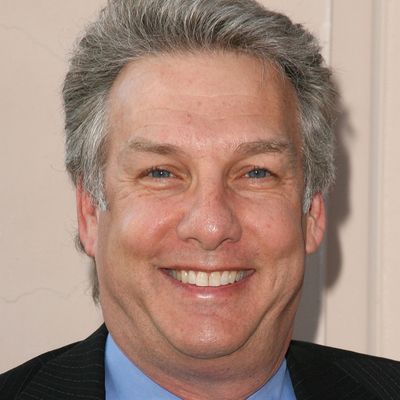
About
Iconic TV host Marc Summers is HUNG LIKE A MOOSE …At least that’s the rumor we are starting here on this podcast! Marc Summers! Legendary show business fixture! We all know the man from his tenure at Nickelodeon as the host for “Double Dare,” and “What Would You Do?” - but did you know that he started out as a f***ing magician! We ALL know that he was host of the food network’s long-running flagship show, “Unwrapped,” but did you know he was also a stand up comedian and performed alongside the likes of David Letterman, Robin Williams, Richard Pryor, and Jay Leno? Well TUNE THE HELL IN because in this episode of Now We’re Talking we hear all about Marc Summers’ unreal, relentless, adventuresome journey through show business and how he become the icon that he is today! An episode you do NOT want to miss. I love the man, and he has nothing but amazing insight and knowledge because he has done. it. all.
Marc Summers was the host of long-running shows such as Double Dare, What Would You Do, Unwrapped, and many more. As a producer he helmed projects such as Dinner Impossible, Restaurant Impossible, and many specials for Discovery including several Shark Week Specials. He has toured the country for years hosting Double Dare live for thousands of fans from theaters to arenas. He’s had his hand in every corner of the industry from hosting, producing, to magic, stand up comedy, acting, and even musical theatre. Follow up with Marc Summers on twitter/instagram @realmarcsummers
Follow Drew Gasparini:
- Twitter @DrewGasparini
- Instagram @DrewGasparini
- TikTok @theDrewGasparini
For more info on this podcast, visit bpn.fm/NWT
A Proud Member of Broadway Podcast Network.
Transcript
This transcript was automatically generated and might contain errors.
[0:02] Drew Gasparini: Hey, hey, it's everybody's favorite C Lister, Drew Gasparini here.
[0:07] Drew Gasparini: And you're listening to Now We're Talking, a podcast that nobody asks for, but everybody needs.
[0:12] Drew Gasparini: Basically, I trick my more famous friends into sitting down and having a completely unscripted, unstructured, and slightly unhinged conversation with me.
[0:20] Drew Gasparini: Today's guest is a hero of mine who's become one of my great friends over the last decade.
[0:25] Drew Gasparini: The messiest man in show business.
[0:27] Drew Gasparini: He's done everything in the industry from magic to comedy to becoming one of the most iconic TV hosts of all time.
[0:33] Drew Gasparini: He's the GOAT.
[0:34] Drew Gasparini: And I can't be certain, but I imagine he's a sex god as well.
[0:37] Drew Gasparini: I am so thrilled he's here, ladies and gentlemen.
[0:39] Drew Gasparini: Now we're talking with Marc Summers.
[0:42] Marc Summers: How are you?
[0:45] Marc Summers: You know, uh, as best as I can be in this crazy time of this world, uh trying to figure out what the hell is going on, you know?
[0:52] Drew Gasparini: I really think it's amazing that you uh refer to these times as crazy times when you basically made your career for eight plus years getting dunked in pudding and and uh like that the sh uh everybody is gonna know what I'm talking about.
[0:52] Drew Gasparini: I'm referring to Double Dare, of course, but you had a whole career based on messiness and all sorts of things, and you have a career basically that doesn't make sense to most people I know in show business.
[1:20] Drew Gasparini: And we're gonna get and I'll tell you why.
[1:22] Drew Gasparini: We're gonna get into it with a series of questions, Marc, before I get into all the big stuff, because anybody could Google your ass.
[1:27] Drew Gasparini: Anybody could Google, they'll see the tasteful nudes that you post, but they'll also be able to find your resume and all the things that you've done, the accolades, and we will touch upon them.
[1:35] Drew Gasparini: But I want to get into where it all began.
[1:38] Drew Gasparini: People know you from Double Dare.
[1:40] Drew Gasparini: People know you from What Would You Do?
[1:43] Drew Gasparini: People know you from Unwrapped on the Food Network, Restaurant Impossible.
[1:47] Drew Gasparini: Uh, I think you know where this is headed.
[1:49] Drew Gasparini: Marc, how much money do you have in your bank account right this minute?
[1:53] Marc Summers: Well, I I love um I'll tell you about I I was in Atlantic City doing a show, and Bobby Flay was having dinner uh with me, and uh somebody talked to him about celebrity net worth.
[2:03] Marc Summers: Do you know what this thing is?
[2:04] Marc Summers: You can actually Google people, and it it supposedly tells you how much these people are worth.
[2:10] Marc Summers: And uh, you know, it just makes me laugh.
[2:13] Marc Summers: Bobby had never heard of that, and and then we Googled uh each other, and uh I won't tell you if it was higher or lower, but the fact that that anybody thinks how much somebody is worth, uh it just it just makes me laugh.
[2:29] Marc Summers: Uh but uh I d I think that's dead serious.
[2:32] Marc Summers: I actually I I create my friend groups based on the dollar amount of each person.
[2:37] Drew Gasparini: Well then I I wouldn't even put into your group then, would I?
[2:40] Drew Gasparini: I mean, come on.
[2:40] Drew Gasparini: I I'm a No you you're you're way out of my league.
[2:43] Drew Gasparini: Are you kidding me?
[2:44] Drew Gasparini: Next to who?
[2:45] Marc Summers: Alex Brightman?
[2:46] Marc Summers: I on celebrity actually, it's true.
[2:48] Marc Summers: I think on Celebrity Networth it says that his net worth is like two million dollars or something like that.
[2:53] Drew Gasparini: Right.
[2:53] Marc Summers: And he's like, yes.
[2:54] Marc Summers: And he's like, if it's two million dollars, how come I'm not seeing any of this shit?
[2:58] Drew Gasparini: That's true.
[2:59] Drew Gasparini: That's very funny.
[3:00] Drew Gasparini: Um I love it.
[3:01] Drew Gasparini: Right out of the gate, we start with a big fat name drop like Bobby Flay.
[3:04] Drew Gasparini: That is the most Marc Summers shit ever.
[3:05] Drew Gasparini: Marc, I've known you for uh, let's see, since 2011, right?
[3:10] Drew Gasparini: This is a we're going on a decade of friendship, my friend.
[3:13] Marc Summers: Yep.
[3:13] Drew Gasparini: Um, and everybody like I said at the top of this, everybody is familiar with Marc Summers because like it or not, you my friend are an icon.
[3:21] Drew Gasparini: You are a TV legend.
[3:23] Drew Gasparini: Uh, there is no disputing that.
[3:26] Drew Gasparini: And no, you can't see this, ladies and gentlemen, but he's given that maybe not kind of hand gesture, but yes, fucking yes.
[3:33] Drew Gasparini: Yes, he is.
[3:33] Drew Gasparini: He is an icon and he is a legend.
[3:35] Drew Gasparini: But when I first met you, my I was I before I met you, the two weeks leading up to when I finally got the courage to say hello to you.
[3:44] Drew Gasparini: We were working on a on a show.
[3:45] Drew Gasparini: We'll get there in a minute, but we were working on something together where I knew I was gonna have the opportunity to meet you, and my armpits have never been sweatier, I've never had more anxiety, my anus has never puckered up so tight in my entire life.
[3:59] Drew Gasparini: Uh because I idolized you as a kid, and since getting to know you, I I stopped looking at you as this as this personal god to me who took up uh the hours of my afternoon watching Double Dare and What Would You Do and other things.
[4:15] Drew Gasparini: And you and I have had meal after meal and drink after drink and experience after experience, creating these wonderful memories based on conversations that we've had that go a little deep.
[4:27] Drew Gasparini: And uh, as you know, of course, a lot of people don't necessarily know this.
[4:31] Drew Gasparini: Uh Alex Brightman, we just talked about him.
[4:33] Drew Gasparini: We we were collaborating on a one-man show about your life.
[4:37] Drew Gasparini: And there's a book about your life, there's this show about your life, there's now this documentary that kind of highlights a bit of your life that's somewhere in the can, and Lord knows when that'll come out to the public, but it's so good.
[4:48] Drew Gasparini: Um, I am trying to make sure that every medium in show business gets a taste of the Marc Summers that not everybody necessarily knows.
[5:00] Drew Gasparini: So I kind of want to start uh where I find it most fascinating.
[5:05] Drew Gasparini: We'll get to your childhood and everything, but a lot of people don't know this, and it blows my absolute fucking gourd is that you were a stand-up comic uh for a few for a few years, right?
[5:20] Drew Gasparini: This was this uh a trying effort on your part.
[5:22] Drew Gasparini: You certainly tried to make it happen as a stand-up comedian, but go ahead and share with us who was on the bill.
[5:28] Drew Gasparini: Your first night, you were in Los Angeles and you played the Comedy Store.
[5:32] Drew Gasparini: I want to know what that felt like to get on that stage.
[5:35] Drew Gasparini: I want to know if you remember any of the material from that night, and I want to know who else was on the bill that night.
[5:41] Marc Summers: Uh I became a regular in the summer of 1976.
[5:44] Marc Summers: I had been uh doing magic professionally, put myself through college first and was working in a place called the Magic Castle, but realized uh, although the castle was a uh sort of a Disneyland for adults who enjoyed uh prestidigitation, the reality of it was I wanted to uh be a stand-up comic.
[6:03] Marc Summers: And I remember sitting in my room at Graham Junior College in Boston and turning on The Tonight Show and seeing this young comedian Alan Burski at age 18, I believe, doing his act, and I thought, well, Jesus, I've got to somehow get there.
[6:14] Marc Summers: And uh Monday nights were open mic nights, and back then in the uh early to mid-70s, maybe 25 or 30 of us stood in line.
[6:20] Marc Summers: Now it's uh, you know, God knows hundreds of people because everybody thinks they're funny, and most of them are are not.
[6:25] Marc Summers: And after about three or four months, uh I became a regular, and I I tore down uh they they write down on a white piece of paper the acts that night starting at 8 o'clock until like 1 a.m.
[6:38] Marc Summers: And I was on the bill, now I was on a 1245.
[6:42] Marc Summers: Uh, so I was the second to last act.
[6:44] Drew Gasparini: Money.
[6:45] Marc Summers: That's where the good that's where the good slots go.
[6:48] Drew Gasparini: 1245.
[6:49] Marc Summers: 1245.
[6:50] Marc Summers: But Robin Williams, Jay Leno, and Dave Letterman were all on the bill that same night.
[6:55] Marc Summers: It was comic after comic after comic every 15 minutes.
[6:58] Marc Summers: And, you know, you pull that thing out every now and then, and you look at it, and you go, holy cow.
[7:03] Marc Summers: And and it you know, there's a documentary on Showtime right now uh about the Comedy Store, and the first two episodes basically encapsulate uh my time at the store.
[7:12] Marc Summers: After that, it becomes uh a planet where I don't even know who half these people are.
[7:17] Marc Summers: But when I was there, there was a camaraderie amongst the comedians, and everybody was uh helpful.
[7:22] Marc Summers: They'd see a uh a joke in your routine, and as you get off stage, one of them would say, you know, if you move this word around or if you take this word out, you'll get to the punchline quicker and it will be funnier.
[7:32] Marc Summers: And and you know, I when Gary Shanling first did The Tonight Show, after his bitwood run at 1220 or 12.30, I would call Gary and we would sit on the phone for three or four hours dissecting each line and what was it like, and did Johnny look at him and did he get the panel and all, and so that was my life from about 1976 till about 1980.
[7:56] Marc Summers: I was obsessed with comedy and working at the Comedy Store and working in small clubs.
[8:00] Drew Gasparini: Even knowing you and even hearing these these stories before, I still listen now and complete absolute fucking bewilderment because you you just rattled off about five legends.
[8:12] Drew Gasparini: Gary Shanling, Leno, uh that's my Leno.
[8:17] Drew Gasparini: Um David Letterman.
[8:19] Drew Gasparini: What's going on?
[8:25] Drew Gasparini: Dueling Lenos is such a horrible idea.
[8:27] Drew Gasparini: Oh my god.
[8:28] Drew Gasparini: Uh but Robin Williams, the whole thing, it's amazing.
[8:31] Drew Gasparini: And then you hear that you would get on the phone with these guys or after right after a set, you would talk to each other about how to sharpen up each other's act.
[8:40] Drew Gasparini: But a lot of people look at show business in general, and you know, I'm I'm a composer.
[8:44] Drew Gasparini: Most people know me as uh a Broadway composer, musical theater writer, songwriter.
[8:48] Drew Gasparini: And I gotta say, I share the same experience that it is it is um a community, yeah, but the competition is always slightly this underlying vibration in the whole atmosphere.
[9:02] Drew Gasparini: Like I'm friends with a lot of other composers and we support each other for sure, but there is always this I need to get ahead before they get ahead kind of built-in show business aspect.
[9:13] Drew Gasparini: So when you're giving when people are giving you feedback, do you ever get a sense that like maybe they're saying something to fuck you up a little further so that they can balance it?
[9:21] Marc Summers: Uh we used to work uh originally we we'd work uh sunset, but they had a uh a Comedy Store in Westwood near UCLA, and it was where, as Mitch used to say, you have to work on your act before you come to sunset.
[9:33] Marc Summers: And so this is Mitzi Shore, this is Polly Shore's mother who owned the Comedy Store.
[9:37] Marc Summers: Yep.
[9:38] Marc Summers: And she was the one who decided if you became a regular or not.
[9:41] Marc Summers: And uh at the time when I met first first met Gary Shanling, he was uh a writer on Welcome Back, Kotter, and uh was really good at putting jokes together in a proper order with not too many words, and I'd get off stage and he would always criticize me in a very positive way that was very helpful.
[9:59] Marc Summers: Um, and you know, there's a um a book called uh I'm Dying Up Here, it was about a kid, Steve Lebetkin, who after the Comedy Store strike uh couldn't get spots and and dived off the uh continental high-house and killed himself, and then there was a series on Showtime called I'm Dying Up Here, and and then they talked about this sort of dark and dank and depressing uh Comedy Store, and it wasn't that way when I was there.
[10:22] Marc Summers: It really was one for all and all for one.
[10:24] Marc Summers: And if somebody got The Tonight Show, we would all congregate around a television set at the store and watch them, and you know, it was George Miller, it was Dave Letterman, it was Jay Leno, it was Robin Williams, you know, it was all these guys, and you saw them go up the ladder, and uh, and yeah, there was this internal sort of why isn't that me kind of situation?
[10:45] Marc Summers: But on the other side of that, uh, it just it helped us all, and that was back in the day when Norman Lear would walk into the Comedy Store and and get people sitcoms or development deals, or Richard Pryor was doing a variety show at NBC, and he'd come in and say, Hey, I need 10 extras for my sketch, who wants to come?
[11:03] Marc Summers: You come, you come, and you drive over to NBC and you'd be in a show.
[11:07] Marc Summers: I mean, that's how it was back then.
[11:08] Drew Gasparini: That's amazing that this the Comedy Store kind of felt like this land of misfit toys, because Lord knows all you guys were out of your minds a little bit.
[11:19] Marc Summers: Yeah, and you know, the idea of this entire podcast is basically like I know we're talking about the the industry, of course, and and but when you talk about the industry, there's always this like what's next, what else is coming?
[11:31] Drew Gasparini: What else you got coming up?
[11:33] Marc Summers: Yeah, what is so fascinating is how you got to where you are.
[11:37] Marc Summers: Who cares about what's coming?
[11:38] Marc Summers: Sometimes it's amazing to just look at how you got there in the first place.
[11:42] Marc Summers: And hearing your stories about the Comedy Store, it overwhelms me, especially for those of you who are listening who know Marc Summers from mostly kid-oriented television.
[11:52] Marc Summers: He was up there with like the filthiest of the filthy playing 1 a.m. slots like a slum.
[11:57] Drew Gasparini: I mean, Jesus Christ, it's you are so you you wear the you wear the jeans and the white tennis shoes and the and the tie, but you were in you were in the filthy, yucky, uh dingy part of the world, and in the terms of like nothing that starts, and this was the Comedy uh scene really becoming a thing.
[12:17] Drew Gasparini: It doesn't start in a fresh, clean area.
[12:20] Drew Gasparini: It starts from yucky grime, and then it starts to finesse its way out.
[12:24] Drew Gasparini: And everybody who came from that era, David Letterman, Jay Leno, and Robin Williams, everybody who came out of that era landed somewhere.
[12:32] Drew Gasparini: What was in the water back then that made so such it seems like more so back then than it is today, a higher frequency of success when it was such a competitive uh landmine of an of an area?
[12:47] Marc Summers: Well, you know, back then, uh, if you wanted to do Johnny or Merv or Mike uh Griffin or Dinah Shore, or I'm sorry, Merv Griffin or Mike Douglas, um, you had to work clean.
[12:57] Marc Summers: And so because Pryor now made it okay to say the F-word and many other things, other comics thought, well, you know, maybe I should do that. And so that became uh the most often used word at the comedy store. And and by 915, you'd heard the the F-word so many times, it meant absolutely nothing. So it was better to work clean. This is how old I am. There was a period of time when Pericomo was going to tour the country during the summer, and and they were looking for a clean act to open for Pericomo, and Leno got it. Leno uh opened for an entire you know tour of Pericomo because he was the cleanest act in the comedy store. And and you know, that's what it was back then. I had a friend Johnny Dark, I don't know if you know Johnny, but uh good comedian, good singer.
Um, he opened for um oh why why can't I think of it? Ginger Rogers for about three years. He toured with Ginger Rogers as his opening act. These people were still doing those kinds of things, and you know, what killed um uh uh Vegas was Cirque du Soleil, because now let's face it, there's no more Stephen Edies, but back in the day, our whole life was about opening for you know, Diana Ross or you know, Stephen Eady or Frank Sinatra, you know, that would you want you want to have a clean 15-18 minutes so you could open and tour with those guys. My friend Glenn Super opened for uh uh air supply, he opened for the Beach Boys. He he toured for three years with George Carlin. I mean, that was a great way to make a living.
Back then it wasn't necessarily about being a star, would you say? Was it more about just getting the exposure? Doing the work, doing the work, uh improving your act. You know, I was doing uh magic and I was writing game shows, but I wanted to do stand-up. And uh my wife came to me, you know, my wife, we've been married 46 years, and she said, I love your wife. I I wanna I want a house, but you know, I wasn't making enough money. And and I I said, Well, you know, I still want to work on my comedy career. And she said, Well, you know, then if you're gonna work on your comedy career, you need to really buckle down and do it, and you know, give it the old college try, because otherwise, you know, just forget about it and you know, become a game show writer full time.
And so I quit everything I was doing and and did the comedy store 24-7 for many rooms. And uh my day was like this. Uh, I would arrive at the store at about eight o'clock in front of the store. Jay and Dave would be talking about jokes. And then you'd go in and you'd see George Miller in the corner talking about what he was going to do, and and then you'd see numerous other acts. Maybe um Pryor was walking in that night. You you just never knew. And you'd go in the comedy store about 1215 or 1230, and you'd go to a club or a a restaurant uh that was called Theodore's, uh, which was on Santa Monica Boulevard, and you would sit there with all those people I just named and many others, a table of 10 or twelve people talking about what happened that night on stage, who bombed who didn't. Hey, I got this new thing.
Is this anything? Is this funny? And uh sometimes we would then go to um uh an another place, we'd go to Cantors Deli on Fairfire Fairfax. I'd be rolling into my apartment at 3 30, 4 o'clock, 4 30 in the morning, and just as I was getting ready to go to bed after you know, making some you know, peanut butter and jelly sandwich and eating Lorna Dunes or something, uh Alice was getting up to go to work. She was a dental assistant. And so our lives were 180 degrees from each other. As she would be coming home, I would be leaving for the comedy store. When I'd be coming home, she'd be leaving for work. But the fact that she allowed me to do that and uh let me get better and saw the progression, I was very lucky because not everybody's in that situation.
[16:37] Drew Gasparini: Yeah, Mark hasn't seen his wife in about 30 years. Uh that I I want to make this clear too, because you said you do the work, everybody was there to do the work. And going out to those restaurants afterwards, and it might sound like this this cool show biz hang, that is definitely part of the work. Of the best, you know, and you'd find out, like you know, gigs that were happening, or a new comedy, you know, Murray Langston, who was the unknown comic, was opening a uh a comedy club in North Hollywood, or uh Jerry Van Dyke had a comedy club in Encino, and you know, you had to know somebody to know somebody to get in there. And uh I used to work, I mean, we find out about jobs. I used to host a wet t shirt contest on Sunday nights in Long Beach, California called Good Yard, because they would pay me 50 bucks and my rent was uh 125.
So if I worked that four times a month, that was my rent. And so I was um I I remember once Mitzi sent me to uh a shoe convention uh in the uh in a clothing mart in downtown Los Angeles, and the last thing these guys wanted to hear was a stand-up comic. They were talking about you know the the newest pumps and uh you know uh how big the heel was gonna be next year. So I go into this room and there's about 150, you know, shoe sales guys, and they go, ladies and gentlemen, the comedy of Marc Summers. And I walk out there and you know open my act, and they're not listening. And the louder I get, the louder they get because they don't want to hear. And finally I just took the microphone and I yelled, shut the fuck up.
And they stopped, it got quiet, they looked at me, and then they went back and did their thing, you know. But I paid 300 bucks for that job. And until I, if I didn't do 20 minutes, here's the worst gig I ever had, but the best gig I ever had. There was a group called the Bay City Rollers, okay, one time. And the Bay City League rollers were supposed to be the next Beatles. And um they were playing the Santa Monica Santa Monica Civic Auditorium, and I get called for 300 bucks what I do 12 minutes. Okay, fine. Now in New York, my friend David Copperfield had opened. Now, David at the time was maybe 19 years old, but he was doing his magic act, okay? So they said you should try and do some magic, don't just do stand-up.
Ladies and gentlemen, please welcome Connor Mark Summers, and I hear a bunch of 12 and 13-year-old girls, get the fuck off the stage. Okay, that's what they're yelling at me. And I say, Well, the Bay City Rollers will be here in just a second, but uh, you know,'s going to bar or pick a card, or you know, whatever I did. And Jim Riss Miller, it was Riss Miller Wolf concerts, Wolf Russ Miller concerts. And the guy told me, Yeah, I'm not paying you the money unless you do the full 12 minutes. If you walk off 30 seconds before, I'm not paying you. So I was out there and I was, you know, flop sweating, telling them my jokes. Figured I'd been out there for 10 minutes. I looked over to the stage left where Jim Riss Miller was, and he held up two fingers.
I'd only been out there for two freaking minutes, okay? And I had to do another 10 minutes. So I I finally got through it. He put his arm around me as I walked off stage and said, Nice job, okay. I ran down the driveway Saturday morning, it was a Friday night gig, Saturday morning, to read the review of Marc Summers' opening for the Bay City Rollers, and it was the whole below the page entertainment section of the LA Times, and it gave this whole review of the Bay City Rollers, and the last line was there was no opening act. Okay. People want to know what it's like to get started in the entertainment industry. They only hear, you know, well, he bought a nice house and he's got a nice car and he makes money.
No, no. It's all the hell that we went through to get, you know. There was no opening act. Are you kidding me? Oh my god. Wait, that is the greatest non-review of your work ever. That was amazing. Wow.
[20:15] Marc Summers: Yeah, so I mean, that's what I was going through. But you know what? People say, you know, why didn't you give up? I wanted it so bad. I had such a passion for it. And and uh, you know, uh Alex wrote this line in the one man show, no, uh is the you know worst word in the English language because it stops creativity and halts wonder. If the word no uh is going to be accepted by you, then you can't be in show business, okay? Because the word is always no. You've got to say, fuck you. It may be no to you, but I'm gonna find somebody who's gonna say yes. And if you don't have that in your system, then don't even bother. Stay home, work in Des Moines, Iowa, and get a job selling shoes or in the insurance business, because you'll never make it in New York or LA ever.
[20:57] Drew Gasparini: That's right. Ladies and gentlemen, you just tuned in to old angry Jews yelling about show business. If you guys love celebrity feuds as much as I do, then do yourself a favor. After this podcast is done, go to YouTube.com and search Marc Summers and Burt Reynolds, and you will see one of the greatest cat fights ever recorded. Anyway, here's more with Marc Summers.
[21:19] Drew Gasparini: I Mark, that the everything you just said, I could not agree more with. Um I I I, you know, I've had my road to success as it's going right now. I'm nowhere close where I want to be. And I'm sure even in your the height of your success, you probably felt I'm not exactly as far as I want to get yet. And you've you ventured you you went from being in front of the camera to being behind the camera. You've done a lot of stuff, and we're gonna get there in one minute. But before we get there, I want to take you I want to go uh back to the magic part of it, and then I want to bring us to Doubledare and talk about the evolution of Doubledare. Uh but before we get there, let's go back to the beginning.
Just give me a a little layout. Give paint the picture. I've heard it before from you, but it's so fascinating because you are a lovely guy, you're a family guy, you're a very dedicated worker. You've been a devoted husband uh for what, 40 plus years? Am I saying that right?
[22:15] Marc Summers: Yeah, 46. I always say the reason it lasted as long as I've only been home like 14 of them. But uh you know, you know, that might be the secret, and that doesn't sound so bad to me if I'm being completely honest. But go go ahead and tell us what your family life was like. Because to end up in a world like show business and to hear the family that you came from, it doesn't necessarily add up all the time. So please go ahead and just give us a rough layout.
[22:36] Marc Summers: Grew up in Indianapolis, Indiana. My dad had a grocery store, it was the largest supermarket in the state at one time. It was called Berkey Supermarket. My real name is Mark Berkowitz and Berkey Supermarket uh was originally a liquor store and then became this this uh you know, this food emporium of sorts uh back in the day. And uh my dad worked seven days a week. If I wanted to see my dad, I would go and work on Saturdays just to hang out with him. Um and then uh Indiana University came in, tore the place down with eminent domain. He was out of a job and went into the insurance business and became uh vice president of the largest independent agency in the state. My mom was a homemaker. Um I had an older brother who was a musician uh even back when we were in Indianapolis, there was a club called the Embers, and he used to play drums for every act that came in there.
And uh at age 15, he was touring with Henry Mancini and Johnny Mathis, for God's sakes. Um, and so my brother and I both got into the entertainment industry with uh a family that you know was from Toledo, Ohio in Indianapolis, Indiana. Mom a homemaker, dad a supermarket insurance salesman. You know, what happened? How did the two of us get into this industry? But we were both my brother was a prodigy and had this natural ability, and so it was easier for him. I virtually, and I I don't say this for you to say, oh no, you know, I virtually had no talent. I I had passion, but I I was horrible at everything. And I, you know, the turning point for me was I went to a school called Graham Junior College in Boston.
Uh Andy Coffin went there, Paul Fusco created Alf went there, Bertram Brown created Sally Jessica Rafiel and Terry Springer went there. It was a crazy ass school. But um, I was auditioning to go on a TV show, and I was doing what I thought was brilliant material. And uh, A, I didn't make the show, and B, as I was walking off, this guy from New York who was auditioning said to me, nice Bob Orban material. Now, Bob Orban was a guy who wrote horrible jokes for magicians and horrible joke books. And I built my whole act out of these Orban books, and I figured, well, nobody's gonna know that. And the fact that I got caught, and this, you know, up and coming comic, uh uh Pete DeReed, I remember his name was, and uh, and Pete said, you know, nice orbit material, which is his way to go, hey, you're a hack.
And it was a wake-up call for people saying, Um, if I'm gonna be good at this, I better figure out the kind of material I need to do and figure out how to do it and where to do it. And so there are steps in your life that if you look at what's happening and are willing to absorb the fact that maybe you're not as good as you think you are, uh, help you go to that next level. But many people have such big egos that they don't listen to those moments, and that's why they are held back. That's my opinion, but it certainly worked for me.
[25:13] Drew Gasparini: Do you think before you got like completely like I guess my question here is what led to this obsession? What led to this fascination with show business? If you know, from base what on what I know about both your parents, they were pretty straight-laced, straightforward, yeah, uh anti, almost non-the least showbiz type of parents I could I could describe. How'd you get how'd you get obsessed? How'd you get involved? I always compare my life in some ways, uh, certainly not musically or talent-wise, uh, to Bob Dylan. Bob Dylan said when you know he popped out, he knew uh those weren't his real parents, and that's not where he should have been from. He's you know, some strange town in Minnesota, to two parents who you know he didn't belong to.
[25:50] Marc Summers: And I always felt that same way as well. What the hell am I doing in Indiana? And so um at the time, the Ed Sullivan show was this you know gigantic variety program on Sunday nights at eight o'clock, and I would watch the stand-up comics, and you know, Jack Carter and and uh I'm trying to think of some of the people, you know, but well, at the time John Biner and and various folks, and I went, Jesus, those guys are brilliant. How the hell do you get to do that? Okay, I didn't know, but how the hell do you get to do that? Was was the mission? And then Johnny Carson was doing a game show on ABC called Who Do You Trust? It was on at 3:30. I would get off the bus at 3:15 from school and run and turn on the ABC uh affiliate, WLWI, and watch this young guy with this funny announcer, Ed McMahon, just be hysterical.
And I thought, well, gee, how does that happen? And then when Johnny got the Tonight Show and I started doing research, I found out the way he got from point A to point B is he started his career as a magician. So I figured I'm in Indiana. I guess maybe I need to become a magician to get to where I want to go. And there was a magic club in my junior high, and a kid by the name of Dave Lawton, a neighbor, uh, was teaching me magic when I was in sixth grade, and then I became the president of the magic club and a performer. So that at least got me on stage because other than that, I used to.
[27:02] Drew Gasparini: Let me just stop you right there. Let me ask you this. When you became the president of the magic club, is that when you started getting laid like crazy?
[27:09] Marc Summers: Oh, yeah, my God. I don't know if you know that or not, but uh, you know, uh, you know, I I was a nerd. I had braces, I had glasses, I was terribly unattractive, and I was always having trouble dating because girls would go out with me one time, and I would do this uh little trick called Hippety Hop Rabbits. It was these sponge rabbits, you'd put them in the hand and they multiply, and then word got out that you know Berkowitz was gonna uh do magic tricks, and nobody wanted to go out with me. So I was just this dumbass kid who thought, you know, show business was the best thing in the world. And then I became a disc jockey, you know, at WBMP in Elwood, Indiana, doing weekends from 6 to 11, playing uh 101 strings and Bonavani records and occasionally a Pericoma or Frank Sinatra record.
And um uh the guy who was driving me there lost his job and I didn't have a way to get up there, and some young guy uh from Indianapolis took over. His name was David Letterman. He replaced me at WBMP in Elwood. So um, you know, I was somehow surrounded. But I think the turning point for me, my brother, and by the way, Letterman, and I've had this conversation with him, is at the time Steve Allen had already done the Tonight Show, and he did a syndicated talk show that played in the morning in Indianapolis. And my whole sense of humor sort of was based around the humor and the point of view comedy wise of Steve Allen. It shaped my brother's sense of humor, and it absolutely shaped Dave Letterman's sense of humor because Dave politely lifted many of those kinds of ideas from Steve. And I think it was growing up in Indianapolis in the 60s watching Steve Allen that colored my point of view from comedy and Dave's as well.
[28:40] Drew Gasparini: God man, that's that is I love hearing this shit. I absolutely love hearing this shit, and to see where your career has evolved, you look back at you haven't had there's not one pie in show business that you have not had a thumb or a toe or a pinky or something in, private parts included. I'm sure you have dunked everything into a pie. But uh that's actually true. Based on your career, quite honestly, you probably have. But it's it's it's amazing that there's not one realm of this. Uh, and we're gonna talk about theater in a little bit too. There's not one realm of this that you haven't at least attempted, and I give you massive applause for that, and I hope that anybody listening to this is inspired by the um why why I like the idea of being obsessed is because no one gets into this unless they are.
It has to be it has to be fueled by some sort of obsession, and you really were, and you never let anything get in your way. For fuck's sake, your wife is like, I want a house, and you were like, uh, but I want to work on my comedy career, which leads me to this question. Is your dick like 11 inches? Because how what wife would allow that to happen? That's insane to me. I can lick my eyebrows, and I think that it says a lot.
[29:48] Drew Gasparini: So um, all right, Mark, I want to take us to the next little segment here. I want to talk about where your fame set in. This is going from being in show business, and and we haven't even mentioned this, but I'll mention it for everybody right now. Is beyond the performance aspect of it, you were so hell-bent on being in show business that you were a page for uh CBS and other studios, and you were the warm-up act for a bunch of sitcoms. Um I believe last time I was hanging out with you in your uh your palace in Santa Barbara. I'm building it up to make it sound like you have some sort of like crazy guards and the whole thing. But you were showing me some old video tape and like the first practice interview you had before you'd ever landed a real TV gig was with Billy Crystal. Is that right?
[30:35] Marc Summers: Yeah, yeah. And I needed a resume tape because I was auditioning to do anything uh, you know, to show people that I had the ability to do this. And I said to Billy at the time, uh, can can we do an interview? And he said, when. And I said, I don't know if I can get permission. So I went to the producers, uh uh Susan and uh Tony and and you know, with Thomas Harris people who own the place, and they said uh if you can get the director to do it, well the director wouldn't do it, but the uh assistant director, Phil Ramuno, said yes. So after working all day and all week, Billy decided that he was gonna do this. So at midnight, after everybody left, uh Phil Ramuno went into the booth and directed this five, six-minute interview that I did with Billy Crystal when I was 26, 27 years old.
So I had a piece of tape that showed that A, I could interview celebrities, and I was pretty damn good at it. Um and so uh that opened up a door uh initially, and you know, once again, you have to have the balls to go up to these people and ask these questions. If you don't ask, you don't get. And Billy at the time wasn't the stature that he is now, but he was growing tremendously at Done the Mohammed Ali stuff, and you know, was one of the stars of a major sitcom, was playing all the clubs, and you know, had opened for many people.
[31:45] Drew Gasparini: Right. And so, you know, uh, my uh, you know, uh gut factor was I gotta ask him. And I knocked on the dressing room door and he said, Come on in, and I said, Here's what I need, and he delivered for me, which was fantastic, you know.
[31:58] Marc Summers: Right. Valuable lesson there. Always ask because the worst that could ever happen is just getting a no. And you know, it takes a lot of people to not be chicken shit to ask, and you are nothing but brave because you did nothing but ask. You got several no's along the way, but one big fat yes that came your way was of course Doubledare. Every hold for applause. Okay. Uh so uh Doubledare comes along in 1986, if I'm not mistaken, is that right?
[32:24] Marc Summers: I auditioned for the first time uh around July of 1986.
[32:28] Drew Gasparini: And what was the month you the job started?
[32:31] Marc Summers: Started in uh September of 86.
[32:34] Drew Gasparini: Okay, so that's pretty quick.
[32:37] Marc Summers: Yeah. Right? I mean, like, you know, for certain like broad Broadway shows, there's like months and months and months of like trying to find the certain movies, it's like months and months and months and months, years sometimes, just trying to find the right person. So you land Doubledare, and everybody in my age, you know, in their 30s in particular, really remembers this. There's not one person in my age group, uh, or older or younger, even who do not know what Doubledare is. It was a phenomenon for its time, it was the first of its kind. Uh to this day, I believe it's still the messiest game show in history, uh, which is also fascinating because if you know a little something about Marc Summers, you know that he famously has obsessive compulsive disorders, so I think it is mind-boggling that you were the messiest game show host in history with a crippling uh mental disease. It's wild, but I actually want to talk more about the resurgence of Doubledare.
[33:31] Drew Gasparini: And the reason why is because people who are listening may or may not know this, but you definitely do because we stay in touch and we're pals. Uh, that I'm working on the Broadway adaptation of the Karate Kid at this moment. And the what goes into protecting a well-known franchise is a lot of work and it's a lot of butting heads and a lot of disagreements because you want to make sure that you're giving the audience what they want uh from what they remember of the beloved movie or TV show or what have you, but you also want to make sure that there is some artistic stamp on it. Now I want to go back to years go by after Doubledare ends its run in what 1990 what? 86 to 94, and then it went in reruns from 94 to 2000.
[34:18] Marc Summers: Yes.
[34:19] Drew Gasparini: So mailbox money for Mark, yeah, let's talk more about how fat your fucking bank account is. Jesus Christ, you gotta bring it up every 10 seconds. Jesus. Anyway, so so we were running reruns, and then 2000, nothing's really going on. There's Doubledare 2000, which was kind of a thing. And then you were bugging Nickelodeon, as I recall, for a long time to try to bring this back because it deserved to come back. There was still an audience for it by what we have just discovered. I mean, honestly, you were getting viewers, you were you just started, uh you just did a long ass live Doubledare tour, selling out theaters across the country, extending the run of this tour. There's clearly still an audience. You got in there, you weren't necessarily playing the same role as you were the first time. How did you protect the franchise that has your face slapped on it?
[35:11] Marc Summers: Well, it's not that easy because um as each generation goes on, uh, and this is just you know, life, everybody thinks they know how to do it better. And so uh I got a certain amount of respect uh as you know, they used to call me the mayor of uh, you know, I never enjoyed that. But um they were able to pick my brain to see what we did and what we didn't do, but then they quote wanted to modernize it. And uh, you know, uh I could have gone, screw you, and I don't want to do this, or you know, do what I did, which is become a part of it. So I was the exec producer and I was the announcer, and uh the way of the world, they hired uh a very nice young lady, Liza Koshi, who is a quote, influencer.
Influencers have ruined the entertainment industry, but that's a whole other discussion. But people just if you have you know 30 to 40 million people watch you, you know, make faces or dance or you know, do practical jokes or whatever people do as influencers, um, that you know, people will be drawn to the set. It's never worked. Many networks have taken the most popular person who cooks who exercises or shows or whatever, and tries to put them on, you know, quote, real TV or cable TV, and it's it's never been successful once because the generation of people that watches influencers doesn't want they do not watch television, so the crossover isn't necessarily that easy.
[36:30] Marc Summers: Um and and you know, when we went and did the tour, um, you know, Liza was nowhere to be seen. I put it together. Uh I went to the original promoter and said, you know, this is the craziest thing in the world, but we're bringing it back. You know, do you think we can put it together? And then like normally these things take two years, as you know, but in 90 days, we got permission from Nickelodeon, had a set built and got into a uh butts and truck situation, and we did 70 cities in 18 months. Uh 500 to 5,000 seaters. And uh, you know, when I did it in my 30s, uh it was pretty easy, but being in my late 60s, uh driving from uh Charlotte, North Carolina to Cincinnati and then going back to you know, somewhere else in South Carolina, back and forth on buses and trucks, and you know, going into uh, you know, Motel 7 uh to get four hours of sleep, eat some bad food and go and uh you know, do a rehearsal with the new crew, um, it it took its wear and tear on me.
But the people that came up to me and told me what an influence this program had on their lives, made this entire tour worth it. I didn't understand how important this franchise was to a particular generation until this last tour. And uh it certainly was a lot of fun to hear these stories and see people in their late 30s and early forties with kids the age they were when they first started watching the show. So now we're in a generation number two.
[37:52] Drew Gasparini: So um it it was a fantastic experience, uh, and I really loved uh every part of it. It's exactly everything you just said that gives me the permission to say that you are an absolute TV legend and icon because really Doubledare was so influential, and that that block of television, whenever that was on uh in the day, that my brother and I would hold rolled up socks and pretend we'd like hold them on a pillow, pretend it was the podium, and like we would flip a couch upside down and have the you know, we made our own physical challenges. Uh anytime, just so you know, this is uh we'll edit this out. But anytime I get laid, I always say, You're about to take the physical challenge. And and always at the end of at the end of whatever we do, I give her a Casio piano.
Um as as a takeaway prize anytime anytime I'm with a a woman I say Harvey tell them what they've won oh my god um a lot of people don't know this but you are not just having your finger in the pies of show business in terms of producing performing uh etc you are a mentor to many a people and many people that some like Ryan Seacrest for example uh you and Neil Patrick Harris have a history together and the fact that you have had such an influence on some people who continue to kind of carry your torch even I I've noticed it in Ryan Seacrest he does what I call the summer cadence and I'm gonna I'm gonna do my I'm gonna do exactly what it is so the viewers or view viewers I I don't know what a podcast is by the way uh so that the listeners can hear it this is the Marc Summers cadence I have you on the fucking show and I'm the one doing it because I think it's so fun.
[39:39] Marc Summers: Here we go. He goes I'm Marc Summers we'll be back right after this it's da da da da ba ba go go go go it's hi back down to low all the way down that's what it is. He does me. I mean whether he is gonna ever admit it or not the influence that I apparently had on my was producing a show that he was hosting for me called Ultimate Revenge. But he grew up watching me on Double Dare. And you know it's interesting because um he wanted to be me when he was a kid which was fascinating to then you know work with him. And then Guy Fieri who I uh was hosting a show called Next Food Network Star and he won, and we've become friends for many years now. Uh really didn't know who I was because he didn't have cable.
Um but he kind of Googled me and and learned from that aspect. And uh he calls me Obi-Wan, which I uh uh always sort of blush when he says it, but uh you know, he uses me as sort of a uh I guess a measuring stick, and and you know, would often call and say, you know, what about this, what about that? I mean, there you go. It's talking about your big dick again. This I like no one, I don't care what you use to measure, just whatever. Well, you know, Fieri, when he got off uh Food Network Star, um I said you need to get an agent. And he came down and he lives up uh actually near where you uh grew up, and uh I drove him around from agent to agent. The agent he's with now, William Morris, I got him 15, 14 years ago, you know.
Um God, yeah. So, you know, I I that's fun to me to be able to open those doors and help. These are household names, Mark. These are not, you know, these aren't some kid that you got going. This is like Guy Fieri, this is Brian Seacrest, arguably some of the biggest names on television right now. I mean, that is Robert Irvine. Irvine came to me and said, Teach me how to do television, you know. Right. I mean, the your your legacy keeps con it continues to bleed and bleed and bleed out to others, and that's my favorite part about you, and that's what I cherish most about my friendship with you. I've had my sister give you a call, and you've been able to talk her off certain ledges when it comes to the show biz nonsense.
Uh I remember once once upon a time, not to turn it all the way around to me, but like you call you called to talk to my father once about financial financial advice. Yeah. I thought that was so classic. I love that. Uh, but man, yeah, you your your generosity knows no bounds. It's it's and you don't see that a lot in show business, and that's what sets you apart from so many other legends.
[42:10] Marc Summers: That's kind of you. Thank you. Yeah, take that. I mean, I I have zero respect for you outside of what I just said. But I want you to um, so wait, I want to get back to to what I was talking about earlier, which is uh where you are now. You've mentored, you've toured, you've performed on TV, you've done magic comedy. You came from a household where these weren't even things anybody would have shown you. These are all just born out of your own fascination, obsession, and insane amount of ambition and drive. I mean, you know, it it is insane. You really you you continue to. You're almost 70 years old, sorry to out your age, but you're almost 70 years old, and most times I talk to you, you're depressed because you don't have enough going on, or you feel like things are slowing down because they need to for your own fucking health.
And that's just not who you are as a person. And I tell you right now, that's the kind of guy I am. That's the kind of guy I hope to be when I'm your age as well. You don't stop, and it's amazing. So you with your lovely wife of 40 plus years, you with your two kids and your lovely growing family, how are you and what are you doing right now? What do you see the future of Marc Summers being tell me?
[43:23] Marc Summers: Well, um, you know, I'm not working as much because of COVID. Uh, number one, uh, you know, uh I I I'm getting over uh something called chronic lymphatic leukemia, which um uh I'm on medication constantly and you know, have been on chemo a couple of times. So my immune system is sort of screwed, and therefore, according to my oncologist, I can't really go and hang out in any way, shape, or form. Even if a show called me today and said, you know, would you come out and be an exact producer? I'd have to say no. Uh, because until we get this COVID thing under control and whether there's a vaccine or God knows what else. Uh so I'm sort of homebound for the most part. I am working on two projects.
Uh Discovery is getting ready to do a uh direct to consumer uh streaming channel. And I have uh two projects um that I'm currently doing with them. One is called The Last Unknown, and the other one is called uh um Nature in Focus. So we're doing those with my partner Ian Shive. And um, you know, I today I took my first meeting. I actually uh met somebody at a uh um uh Starbucks in Studio City. I said, Look, I don't drink coffee, wear a mask, I'll wear a mask, we'll keep six feet distance, and we can walk and talk, but I'm not sitting anywhere and I'm not eating and I'm not drinking. And we took uh uh an hour walk, and uh this is a guy I've been looking at for the last eight or nine months, and I think we're gonna do something together.
So I'm always looking for projects. Um and I've done a million Zoom meetings uh pitching stuff. So I still have my finger in the pie. I'm not sure where all this is going, and I'm not sure all the networks know where it's going simply because uh of COVID, you know. My son is an exec producer of a show called uh Supermarket Stakeout with Alex Guarnaschelli, and uh they just shot at a they took over a supermarket here in Southern California. Um, but you know, everybody had to be tested. And it was, you know, it's it's difficult to shoot right now because you keep everybody healthy. So um I'm sort of laying low, watching too much TV, a lot of movies, uh, thinking in my head about what happens when this whole thing goes away.
The thing I miss most is travel. Um I was supposed to spend uh a good amount of time this past summer in Italy, and of course that had to be canceled. Um and so the fact that I can't get on a plane, train or automobile. I mean, you and I are always together in New York, we're together in Philadelphia, we're together in many different places, and I haven't been on a plane uh or in a restaurant in eight months. So uh, and according to my doctor, twenty twenty one is a wash, so we're looking at 2022 before anything actually happens. Um for guys like me who have five balls in the air normally, it's a very frustrating time. And the way I take it out is I take walks. I do a five-mile hike just about every day.
But exactly four weeks ago yesterday, I was actually run over by a bicycle. And uh Jesus Christ. Uh guy went uh wasn't looking and went through a crosswalk and and literally roll, you know, knocked me over and ran over me. And so I was laid up for the last month. I yesterday was my first day out trying to walk again. I couldn't do the full four five miles, I did about three. Um, but I was a mess. Uh I was uh had heating pads and muscle relaxers and I could barely, you know, move on the couch. And so my body is, you know, healed and I'm gonna get back into my exercise routine. But like everybody else in this world, um, we're just waiting to see if we can get rid of this virus and get back to some sort of normalcy.
[46:41] Drew Gasparini: That is exactly right. Uh Mark, I'll I'll just this is how I'll close out. I love you very much. You have come from uh from the craziest walk of life. You've been in a major car accident where your whole face had to be rebuilt. You have overcome cancer. You you overcome that that punk who ran over Marc Summers with his bike not too long ago. Uh you you overcame working with an influencer on TV. And I think that's big enough too. Uh but the truth is not a fur, it's other people making decisions, but it's a different world, and you know that as well as you know, you've been uh hanging around New York for a long time, and when you were the new kid on the block, it was one thing, and now that you're the seasoned veteran and you see the the younger kids coming up, I'm sure it's pretty strange to you as well.
You know, it's like me watching I have no idea who any of those people are on the Grammys. Uh, and I go, you know, why am I even watching this stuff? But you know, I always think when I was a kid, you know, uh I used to hear stories. There's a uh a Jewish uh country club called Hillcrest in Beverly Hills, and I understand that the George Burns and Jack Benny used to sit there all the time and play cards and talk about the old days and talk about these young up and comers who don't understand comedy and show business. And it's a generational thing. Whatever generation you're in that's successful, you know, me with Jay and Dave and Chandling and all those people, we thought we were the best. But now it's a whole other group, and they look at us like we're freaking dinosaurs. And you know, dealing with that is not the easiest thing to do in the world, but it's part of life.
[48:14] Marc Summers: It is part of life, and it you know, I I tell you, man, from the many talks we've had, it's really nice to hear you say that because that just seems like a really nice full circle acceptance of how this show business uh absorbs you and lets you marinate and then cooks you and puts you takes you out of the oven. I mean, that's really what this business is, and then there's gonna be a new recipe one day, and it's not gonna be the same recipe. So uh yeah, but you've managed to have decades and decades of success uh navigating all these changes and navigating how things change. Uh you've even dipped your toe into musical theater, and that's uh I mentioned at the top of this I was I was gonna bring it up later and I never did, but you and I met doing a production of the musical Grease.
You were the celebrity, the celebrity actor that they brought in for this for this regional theater, and that was one of the greatest experiences of my life, knowing that it was one of the greatest experiences of your life. To see you in that element was so so joyous for me.
[49:12] Drew Gasparini: It really was. You know, that's where you and I got to hang because you had a part and I had a part, but we weren't on stage too much. So we would sit in the uh you know dressing room, uh laughing our asses off, making fun of people. So I mean it was.
[49:22] Marc Summers: That's all we did.
[49:23] Drew Gasparini: It's it's the best. I never laughed harder, and uh, you know, you were nice enough to put me on your show uh at uh 54 Below, and uh, because I actually thought I could sing when I couldn't, and uh and you were always there for me in in the same way that I was hopefully able to help you. And so that's what this is industry is about is is helping other people. It's not all about you. And I think you know, from your background as well, I know your crazy family, and although your whole family was showbiz oriented, um, you know, I I think uh of I know your entire family, and I think the wackiest person in your entire family is your brother, who who is yeah, he's out of the fucking fun. He's an educator. But you know, uh what that that you know, whatever that family thing that you guys have, the genes in your family, uh there's something there that's very entertaining to me, I gotta tell you.
[50:16] Drew Gasparini: Well, thanks, Mark. And I already know that they said this because I spoke to them all earlier, and they're all here. I'm about to go have dinner with everybody. But they all say hello, they all say they love you. Um, and that's I think that's how we're gonna close out. Mark, you are one of my heroes forever. You are uh one of my great, great friends, and being your friend is one of the privileges of my lifetime. And thank you so much for taking the time to just chat with us about all the juiciness that your life entails, really.
[50:42] Marc Summers: Well, very good. Uh, I appreciate that, and and best to your family. Love to all you guys and be uh be safe and uh stay healthy out there.
[50:50] Drew Gasparini: Hey, thanks for listening to this episode of Now We're Talking with Me, Drew Gasparini. Now we're talking as a proud member of the Broadway Podcast Network. You can find out more about me and this podcast at bpn.fm slash now we're talking, and on Instagram at Drew Gasparini. You can also find me on TikTok at the Drew Gasparini. Let's party. Hey, a special thanks to our guest, Marc Summers, the legend, and to all you listeners out there. Make sure to subscribe and rate this podcast wherever you stream your podcasts and keep tuning in for more amazing guests. Hey guys, what the hell even is baloney?
© Broadway Podcast Network, All Rights Reserved