

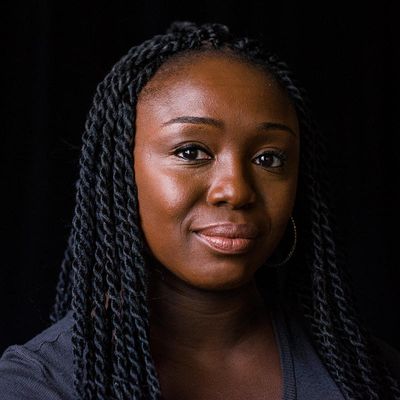
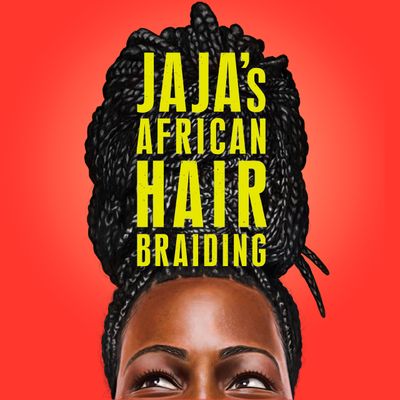
Odd squad, this week we have the one and only, Jocelyn Bioh. Yes, the Tony-nominated playwright behind Jaja’s African Hair Braiding and School Girls; Or, The African Mean Girls Play... Read More
From the show: Odd Woman Out
Guests
Featured Shows
About
Odd squad, this week we have the one and only, Jocelyn Bioh.
Yes, the Tony-nominated playwright behind Jaja’s African Hair Braiding and School Girls; Or, The African Mean Girls Play.
This week on Odd Woman Out, Jocelyn joins Tutz to get into her incredible body of work, her journey from acting to writing, and what it’s like to be a working mom when the work you love happens to involve Broadway.
We’re talking about the women at the center of Jaja’s, the deliciously brutal world of School Girls, and what changes when you go from auditioning for the part to writing the damn thing yourself.
And because the workday is only one part of the day, we get into motherhood, too. The ambition is still there. So is the kid who needs you. Sometimes both are very loud at the exact same time.
Come for the Broadway tea. Stay for the conversation about giving yourself permission to want a different job, write a different story, or change your mind about what comes next.
This episode is powered by WelcomeToTimesSquare.com — the billboard where you can be a star for a day.
Follow @oddwomanshow
Follow @SammyTutz
Thank you to our Sponsors
La Vue Photo Booths:
Looking to make your next event unforgettable? Meet La Vue Photo Booths.
Creating one-of-a-kind experiences for events and celebrations of all kinds throughout New York City, Long Island, and select areas of Connecticut and New Jersey.
From modern and trendy photo and video booths to audio and video guest books, custom backdrops, keepsakes, and more, La Vue customizes every experience to complement your theme, style, and vision.
At La Vue, every detail is designed to make your event an experience worth remembering.
Balloons To Go:
Balloons-to-Go is a women-owned NYC balloon décor company with over forty years of experience creating refined, custom installations across Manhattan and its boroughs. From intimate gatherings to large-scale corporate events, their team delivers full-service balloon styling tailored to your space, your neighborhood, and your vision. If you want décor that feels truly exceptional, Balloons-to-Go is the one to call.
John’s Pizzeria of Times Square:
John’s Pizzeria of Times Square serves famous coal-fired pizza inside a stunning former church, complete with an original stained-glass ceiling, oversized martinis, and delicious Italian favorites—a dining experience you’ll only find in NYC.
Billy’s Bakery:
A word from the co-founders, Marc & Wayne:
It is humbling to contemplate how far we have come since December 2003, when we opened our flagship kitchen in Chelsea. Every day since then, we have enjoyed the support of those who have set foot through our doors. We would not be here without you. Thank you.
To 23 years...and beyond!
Transcript
This transcript was automatically generated and might contain errors.
[0:00] Samantha Dawn Tuozzolo: Hello, welcome to this week's episode of Odd Woman Out. My name is Samantha Dawn Tuozzolo, your host of Odd Woman Out. Hey, my Odd Squad. Thanks so much for tuning in to this most iconic episode. You know, we're here talking with badass boss women about what it is like to feel like the Odd Woman Out. Talking about career, talking about life, we get real, real, real deep, but we have so much fun while doing it. So thank you so much for listening. Don't forget to like and subscribe and follow. I'm so grateful for you for tuning in. I'm also so grateful for the supporters of the show, including Flying Whale Wine, John's Pizzeria of Times Square, Bar Lola, Balloons to Go, Billy's Bakery, and LaVue Photo Booths. If you don't know what any of those things are, please check them out because they are just as iconic as the show. Thanks for listening. Love you, my Odd Squad. Enjoy this episode. Hi, Jocelyn Bioh. Welcome to Odd Woman Out.
[0:57] Jocelyn Bioh: Thank you. Thanks for having me.
[0:57] Samantha Dawn Tuozzolo: Oh my god, I'm so happy to have you. I've been like seeking you on this show for a long time. So it feels right. We're all here. It's my first day with the background. So it's very nice. You're an icon.
[1:07] Jocelyn Bioh: Oh, blast.
[1:08] Samantha Dawn Tuozzolo: You know, no, like you actually are an icon and we will talk all about it because I've known, I've followed your work for years and you've been in my orbit, you know, in various ways. But once I did the deep dive on you, I said, what an icon? This is, we already knew, but you know, we're going to find out deeper and deeper. So obviously, yes, as I just said, we have so much career stuff to talk about, but the show is called Odd Woman Out. So I do always love to kick it off talking about feeling like the odd woman. So kicking it off right away. Can you tell us about a time in your life, whether it be in your personal life or career in the industry where you felt like the odd woman out and what does that mean to you?
[1:50] Jocelyn Bioh: Wow. Honestly, I'm like, which example can I give you? I would probably say in that midway point where I was very early career, but I knew I wanted to start writing. I was in graduate school. I went to Columbia and got my MFA in playwriting there, but I was really, I was just out of college. I went straight through and I was a very baby writer, I would say. And I just felt so odd because everyone in my class was first of all, like most of them were all very rich. You know, they'd all been at this writing thing or theater thing for a very long time. You know, they knew writing software. Like I didn't even know that. I was like, how do you write a play? I didn't even know any of those things. And it just felt like they were all miles ahead.
And I was very much, you know, in turtle mode. Turtle mode. I was in turtle mode. But the thing about the turtle. Hey, slow and steady wins the race. That's the thing about the turtle. So I'm appreciative of the mode I was in, but it did not make, in that time, I really felt like the odd woman out for sure.
[3:08] Samantha Dawn Tuozzolo: Yeah. How did you overcome that to still focus on your dreams and your work?
[3:14] Jocelyn Bioh: I think because I had decided this was what I was going to do, and I wasn't really good at anything else. You're like, it's got to work. I don't really have a plan B. So it kind of has to work. Yeah. But I also had to realize that I was actually running my own race. I couldn't write plays in the way that all of these other people were writing plays because they didn't have the same perspective, vantage point, or life experience that I did. And so I had to just, you know, stick to my guns. But that was very tough. It was very tough to do. And I was very much seen as like, I mean, nobody said it out loud. But I could tell that everyone felt like she's the one writer in our class who's maybe not going to make it. And then she's a Tony Award nominee. So jokes on them. I guess so. I guess so is right. Amazing.
[4:17] Samantha Dawn Tuozzolo: Okay. So now I want you to think about when you first decided you wanted to be an artist, a writer, an actor. Was there a woman influence in your life who really inspired you to actively pursue it? Whether that was somebody who was working in the arts that you looked at from a distance or somebody in your personal life or both?
[4:34] Jocelyn Bioh: It was definitely not in my personal life because none of my family are artists. I mean, my sister, very much like she did dance. We all were at our, me and my siblings were all in our local community center. So we all did dance and my brother did karate and tab, ballet, modern, like all that stuff. But ultimately they both went into fields that were not artistic and neither my parents are artistic. So no, I'm the black sheep of my family with respect to what I do for sure. You know what? I love and still love Grace Jones. I'd never in my life seen anybody like her before. She was so strange and cool and beautiful and yeah, very odd chocolate woman. I'd never seen someone as dark as me on TV before.
She was just iconic. That is the image I get in my head when you ask me, who's an iconic figure? I'm like, it's Grace Jones. She's just the most stunning woman and artist I've ever seen. So I think I wanted to just be like her and she did everything. She was a musician. She was a dancer. She was a model. She was an actor. She did it all. She was really not limited. And I think I knew I wanted to, whatever my art was going to be, I knew I didn't want it to be limited. And yeah, she was a big inspiration for me. Still is.
[6:13] Samantha Dawn Tuozzolo: Oh, I love that. Shout out to her. So now think about when you first started working professionally and you were maybe doing one of your first jobs, whether it was performing or bringing your play to a workshop and you were still learning the ropes, was there a woman who already was a little bit more seasoned? That was like a woman supporting woman type of thing who like lifted you up and showed you the ropes and supported you?
[6:34] Jocelyn Bioh: You know, it wasn't just one. That's the thing. And maybe, and I don't know, I don't know. Maybe you've asked, I'm sure you've asked this question before to other people. And I feel like it's never just one. It's always like a community of women. And I would say certainly, oh God, our theater community, we're just like a loving dysfunctional little family, but we all really do love and support each other and care about lifting each other up. Particularly when I was starting to put some of my work out there and do readings and, you know, workshops of things. And I had a lot of support from other writers who were like, you know, a few steps ahead of me, Katori Hall, Dominique Morseau, Danai Gurira, Rada Blank, Issa Davis.
They were just, they all really like looked out and wanted to help me in whatever way they could. If I needed advice, even for like, is this contract like the right contract? I could call Katori or Dominique or Danai and they would be like, yes, girl, or absolutely not, do not sign that. And I think that just meant a lot. And then to see their careers flourishing, knowing how hard they had worked, you know, it's just, they just kept reminding me that like my blessing was around the corner. Oh, I love that. And I'm really, really appreciative that I had them to look to.
[8:20] Samantha Dawn Tuozzolo: Yeah, for sure. It's so important. And it's so important too, when it comes from other women. I asked this question because of the, you know, stereotype women have of being cutthroat bitches and like, yes, sure, that is true in some instances, right? But we don't talk about enough of the good stuff. And so I do love to hear those stories. And you asked, I'm sure like you get this answer a lot. Some people are like, I actually didn't find supportive women until I was a lot older in the business. And so it is interesting to hear everybody's perspective on it. So thank you for sharing that. So you went to Columbia for your MFA in writing.
[8:59] Jocelyn Bioh: Yes.
[9:00] Samantha Dawn Tuozzolo: What was, maybe not in Columbia, maybe a younger version of yourself. What was the first play that you wrote or first thing that you wrote? Like, I'm just so curious to know the first thing that jumped out of your head onto paper.
[9:10] Jocelyn Bioh: This is a great story. Oh my God, I'm ready. It's a great story. So I started writing by accident. Okay. I had never had any intention of being a writer. Thank God that accident happened. You know what I mean? It was totally an accident. So I went to undergrad. I went to Ohio State University for undergrad. I was a theater and English major. The school at the time was very traditional is what they called it. And so they cast all of their plays to type. That has since changed, I've heard. Let's hope. Let's hope. That has since changed. But for me at that time, it meant that the roles I had at my disposal were quite limited. And so I took a playwriting course to compensate for those credits. Now, in that playwriting course, which I took during my junior year of college, it was like the latter part of my college career.
I wrote my first play. We had an assignment, we did all these exercises, blah, blah, blah. And then a few weeks in, they were like, okay, write your first play. And so I wrote my first play. It was called The Last Bite of Food.
[10:25] Jocelyn Bioh: Bring it back. It's about a girl who goes on a series of really bad dates.
[10:32] Samantha Dawn Tuozzolo: Is it about me?
[10:32] Jocelyn Bioh: Honestly, it was probably about me. I mean, it was actually a work of fiction. I didn't go on dates. No one was checking for me. So it's all in my imagination. But the girl goes on a series of bad dates. And then the last date she goes on, which she thinks is going to be bad. She's totally like over it, but she just agrees to go. But the guy offers her the last, they were like sharing something. He offers her the last bite of food and that's how she knows he's the one.
[10:58] Samantha Dawn Tuozzolo: Oh my God, I love it.
[10:58] Jocelyn Bioh: So ridiculous. I have gone back to reread it a few years ago. And you know, it's not as terrible as I thought. By the way, it doesn't sound terrible. Dating is hard. It's good for us to see some positivity in the dating world. I thought it would be awful. But what I recognized was someone who was eager and excited to kind of flex her comedy muscles. I was clearly borrowing from so many, you know, inspirations that I had, certainly even what that play was about. Like, I think that I stole that from some movie, you know what I mean? Like some 90s rom-com that I loved. But it showed that I had this like comedic voice that was like, you know, fighting to get out. And it was my professor who told me, um...
[11:50] Jocelyn Bioh: Later that year. I know you're thinking about applying to grad school, you know, next season, and you're likely going to apply as an actor. But I really do think you have a good ear for dialogue. And if you want to think about writing, I think you should. Wow. What was their name?
[12:08] Jocelyn Bioh: Dr. Toni Press-Kaufman. Shout out to Toni. She really, yeah, she's a real one for that. I don't know if I remember any other thing she taught me. But I do remember that though. Isn't it so interesting how life—like I love this show so much and talking to artists because just hearing about everybody's journey and the path to how they got there. Like, wild, like what if she had never said that?
[12:35] Jocelyn Bioh: Yeah, yeah. I think about that honestly, all the time. Or what if you were able to get cast in a show and they were, you know, and then you were like, starring in the play, you didn't have time for the playwriting class. Then who knows? I don't know. Thank you to the universe.
[12:53] Jocelyn Bioh: Exactly. And that's why God puts you on the path you're on. That's really cool. I love that story. One last bite of food. What's it called?
[13:02] Jocelyn Bioh: The Last Bite of Food. The Last Bite of Food. Shout out. We'll see it on Broadway in 2027. I'm always eating the last bite of food. That's part of the problem.
[13:12] Jocelyn Bioh: We'll see you at New York Theatre Workshop next season. Yeah. Okay. If anyone's listening, let's bring it back. Let's talk about Jaja's African Hair Braiding, which got you a Tony nomination for Best Play in 2024. How long was the process from conception to completion of like, where you had this idea for this play in your head until it opened on Broadway?
[13:38] Jocelyn Bioh: Um, well, I guess it was about four years. But you know, it also happened in that time warp of COVID. But I wrote the initial draft of the play in 2019, actually. I was commissioned to write it by another theater, not MTC, a different theater. And so I wrote the play and we, you know, planned to develop it and work on it in 2020. And look what happened.
[14:04] Jocelyn Bioh: Yeah, we all know what happened. We all know what happened. But, um, and so I, my first, and the first reading I ever had of that play was in 2021 on Zoom. Whoa. On Zoom. Crazy. It's crazy because it was just so normal at the time. Right. And I was just like, okay, I have to hear it out loud. I have to figure out what the play is. So we did it on Zoom. And two of the actors who were on that Zoom ended up doing the Broadway production, which is wild.
[14:36] Jocelyn Bioh: That's crazy. Um, when it's for you, it's for you. That's right. Um, so then when we were coming out of COVID and things were starting to, you know, develop it, it wasn't going to work out at the theater who commissioned it. And MTC became interested. Um, I had also been linked up with Whitney White at this point, who had, you know, become such a fan of at that point. And, um, and when we connected and decided we were going to work on this together, we were like, listen, if MTC wants to do this, we would love to do it. But we, we think actually it could open on Broadway.
[15:09] Jocelyn Bioh: Now, of course, that took a lot of, you know, convincing to MTC. It was a brand new play had never even been done before. Which is amazing. We knew what the scope of the play, um, was what it needed. Um, we knew what those wigs needed to look like. And we're just like the, the budget and, and the scope and the, and the idea of this is bigger than off Broadway, we felt.
[15:37] Jocelyn Bioh: And, um, you know, I will say shout out to MTC, because they, we did that reading. We did a reading for them. That was now the second time I ever heard the play out loud. But this time actually in real life, not on Zoom. And the MTC folks sat down, heard the play, they were, you could tell they were all very moved by it. And then they pulled me and Whitney into their office like 15 minutes later and said, we want to do it on Broadway.
[16:08] Jocelyn Bioh: I was like, you're like, sign me up. You're like, sure. Sounds good. I mean, we totally played it cool. We were like, oh my, great. Oh my God. Yes, yes, yes. And then we walked out, it was like screaming maniac. Like we walked out, we waited till we walked at least out onto the street on 43rd street and just started yelling like we'd won the lottery. It was amazing.
[16:30] Jocelyn Bioh: I mean, it's so amazing. And just like you said, shout out to MTC, hello, MTC. Um, because to see a play representing a group of people that doesn't get represented in commercial theater nearly enough, a play that most producers would be like, I'm not doing, you know what I mean? Because they stick to their cookie cutter ways to take a chance on something that's meaningful, that's powerful, that's important. Like that is so cool.
[16:56] Jocelyn Bioh: And it gives me so much hope because sometimes we, I mean, we still have so much work to do, but when you hear these types of things to know that we are moving forward in some ways, a lot of ways we are not, but I think that's amazing. Big ships turn slow. Um, and I, I, I understand I'm experienced, I've experienced that, you know, uh, for many, many years there were people who wouldn't even bother to look at my plays or consider my plays in any, um, real way with respect to like getting them produced because it just didn't fit the idea of what African stories, commercials, whatever it is, um, that they, that they had in their head.
[17:41] Jocelyn Bioh: So, um, to just be part of that teeny incremental, you know, shift in what a Broadway play could be, um, was very, very cool.
[17:55] Samantha Dawn Tuozzolo: And congratulations to you for literally being the captain of the ship.
[17:59] Jocelyn Bioh: Ah, thank you.
[18:01] Jocelyn Bioh: You know, um, I, I have this in my head. I didn't write it down. So forgive me if I butcher this, but when Jaja's opened on Broadway, you were only the third black woman playwright to ever open a play on Broadway.
[18:15] Jocelyn Bioh: Okay. To open a brand new play that had never been done before.
[18:21] Samantha Dawn Tuozzolo: Which is absolutely a crazy statistic.
[18:26] Jocelyn Bioh: It is. It is wild. Especially I think because, you know, we hear about, you know, Neil Simon and Steven Sondheim and, you know, all these guys of your, like our legends, you know, our theater legends who all were just like throwing their stuff up, opening it cold on Broadway all the time.
[18:45] Samantha Dawn Tuozzolo: All the time.
[18:45] Jocelyn Bioh: And opening and closing.
[18:48] Samantha Dawn Tuozzolo: Right.
[18:48] Jocelyn Bioh: You know, like they were trying it out there.
[18:51] Samantha Dawn Tuozzolo: Right.
[18:51] Jocelyn Bioh: Um, so like, let's see if it works, you know, on, on Broadway.
[18:58] Samantha Dawn Tuozzolo: No big deal. The power of the white man.
[19:01] Jocelyn Bioh: Right. So I think it's just like wild that like that same kind of opportunity has just not been offered, um, to many black artists in particular, I would say black women for sure.
[19:13] Jocelyn Bioh: And it was not since 1991 until 2024.
[19:18] Samantha Dawn Tuozzolo: Yeah.
[19:19] Jocelyn Bioh: That is so crazy. So again, I was like giving you mad props and flowers for like being the one to come back in and say, hello.
[19:28] Jocelyn Bioh: I mean, of course I didn't know that, you know, that was, you know, as we're now, when we were opening the show and we're putting together stats and we're like, when was the last time someone's, it was like a question we had like in, in the rehearsal room, when is the last time someone's opened a play called on Broadway, a black woman, we were like, Oh, maybe it was, maybe it was.
[19:49] Samantha Dawn Tuozzolo: Right.
[19:49] Jocelyn Bioh: But the fact that you even have to ask the question, right. You know what I mean? None of us and none of us had the right answer. We all were making stuff up.
[19:57] Jocelyn Bioh: We all had, surely it was this play. Surely it was this play. And yeah, it ended up becoming like a week long investigation. That's how much we didn't want to even like say the wrong thing.
[20:09] Samantha Dawn Tuozzolo: Right.
[20:09] Jocelyn Bioh: We were like, let's just really sit here and do this research and sobering.
[20:14] Samantha Dawn Tuozzolo: Wild, but congratulations for, for getting it going and, and, and moving it along.
[20:21] Samantha Dawn Tuozzolo: Um, so you, we said you got the Tony nomination.
[20:24] Jocelyn Bioh: So I want to know a little bit about, you know, when you found out and where you were and what that felt like for you.
[20:33] Jocelyn Bioh: I watch, um, nominations come in every year. Actually my favorite thing, um, for like a bajillion years, I've been doing this since like, you know, college. Um, whether I knew any of these, what has been interesting is like every year I maybe know, I knew one person, you know, or I knew two people or whatever.
[20:54] Jocelyn Bioh: Yeah. But like five years ago, I was like, I'm texting, I'm running out of tech because I'm texting so many friends. Um, you know, and it's just like, we all stayed the course. And so of course you end up eventually having that moment. But so I was watching, I was watching that, that morning, um, with my husband, um, and my not even one year old baby.
[21:16] Jocelyn Bioh: Um, and, um, and my husband was like, we should record it. I was like, yes, let's definitely record this. If it's good, you know, if it's good, we'll have something to share with our family. If it's not good news, we'll just delete it and now, you know, make us some breakfast.
[21:35] Jocelyn Bioh: Um, and it turned out to be really good. It was a beautiful, beautiful morning. Um, and I think I was just so overwhelmed. I was so overwhelmed. I, I, I thought I would scream. I thought I would like be jumping for joy. And I just, I just cried. I just cried.
[21:56] Jocelyn Bioh: Yeah. It just so many years, so much hard work. Um, you know, I used to hand out flyers here in Times Square for Shrek the musical. I used to run the lottery, you know, at the M&M store wearing Shrek ears on my head. Like it was like, I have done a lot. I have done a lot. And, um, to reach that, I mean, incredible goal, um, and actually get nominated for a Tony award. I just, that's the one thing I just never allowed myself to really imagine. So it was a really, really beautiful morning.
[22:33] Samantha Dawn Tuozzolo: I know. I know. I was taking chills all down my body. I mean, and it's so well deserved.
[22:40] Jocelyn Bioh: It was very, it was very cool.
[22:40] Samantha Dawn Tuozzolo: Well, congrats. It was so well deserved. And I mean, amazing. Um, what's one thing about Tony night that you never want to forget?
[22:53] Jocelyn Bioh: Um, I never want to forget how exciting it was to be there with so many of my friends and people that I came up with to be there with my husband. Um, with, so it just, I just felt so supported that day. Um, I had my, you know, all of my girlfriends had come to the, um, you know, hotel room to help me get ready, you know, and it was, you know, we were having champagne. It was just like, it was like a wedding. It was like a wedding, but you know, but not, but it was this celebration of a whole other, you know, a whole other different kind of love that I've had in my life for a very long time.
[23:41] Jocelyn Bioh: So I never want to forget that level and deep feeling of support.
[23:46] Samantha Dawn Tuozzolo: That's so cool. Because you don't get there alone. No.
[23:49] Jocelyn Bioh: Wait, I want to backtrack a little. You said when you watched Tony noms you were with—you're not even one year old.
[23:55] Samantha Dawn Tuozzolo: I know. Did you open this play on Broadway pregnant?
[23:55] Jocelyn Bioh: I was six weeks postpartum when we started rehearsing, and this is why I love women. Okay, a man couldn't—
[24:06] Samantha Dawn Tuozzolo: Oh.
[24:08] Jocelyn Bioh: My God, six weeks. Am I— and you went right into the rehearsal, right?
[24:12] Jocelyn Bioh: I had a six-week-old baby at home when we started rehearsals for Jaja's.
[24:20] Jocelyn Bioh: We didn't plan it this way, but that is just how it worked out. And yeah, so by opening night, my son wasn't even three months old.
[24:34] Jocelyn Bioh: Ridiculous that I remember writing that play. I don't remember. I mean, I know I did. That is like the ultimate definition of like badass woman. Sorry to the men that I screamed a man could never, but—
[24:54] Samantha Dawn Tuozzolo: Man, I mean congrats on everything, but that is crazy. I think people who can, you know, give birth and be able to then go back out into the world and work and do the things that they—in my case, just very blessed to be able to do something that I love.
[25:11] Jocelyn Bioh: Yeah, and have a Broadway debut. It was all very special, and I, you know, I did not do any of that alone. So shout out to the man who was at home with the baby. Also shout out. Oh, there we go.
[25:25] Jocelyn Bioh: You know, it was very special. Yeah, it was wild. And you know, I thankfully I had Whitney by my side, who she also had a not even one-year-old at the time too.
[25:38] Jocelyn Bioh: So we were two very, like, amazing, you know, young moms figuring this out.
[25:44] Samantha Dawn Tuozzolo: It was very—that's amazing. It was wild. And like to think back at that time now, it's like you're putting this play up on Broadway. You have a baby. Like what a beautiful time.
[25:54] Jocelyn Bioh: It was very special.
[25:57] Samantha Dawn Tuozzolo: In Jaja's African Hair Braiding, who is the character that you learned the most from through writing that play?
[26:06] Jocelyn Bioh: Wow, I mean certainly all of them. Seventeen different characters in that play.
[26:13] Jocelyn Bioh: So I learned—I learned a lot. A lot of people in my head. It's a lot of care. I think I—I mean I always learn the most from the characters that people deem the, you know, the villains of the play because I just feel like I see them as human. They're just—they just think and go about things very differently.
[26:37] Jocelyn Bioh: And in Jaja's, it was certainly the character of B, who I think was like the most insufferable. The one who just always had something to say, always picked a fight, always, you know, ready to gossip. She just, you know, her blood type was annoying.
[26:56] Jocelyn Bioh: But in the end, she really turns out to be this really loving and wholesome figure holding the shop together, just like a beacon of strength. And I feel like I learned a lot from her in writing the play. I love that shout out to her.
[27:13] Samantha Dawn Tuozzolo: Yeah. Okay. Now, let's talk about School Girls; Or, The African Mean Girls Play, running on Broadway until—
[27:27] Jocelyn Bioh: November 15.
[27:28] Samantha Dawn Tuozzolo: Yeah. So this play took ten years to get to Broadway after you were told, "Hey girl, it's never gonna be a Broadway show."
[27:39] Jocelyn Bioh: I was pretty expressly—but not with ill intent, right? I think the vibe of Broadway at that time in 2016 and 2017 was very different.
[27:50] Jocelyn Bioh: Yeah, you know, the look and the feel, the energy, the types of shows that were being made, the people who were starring in them just did not look like—
[27:57] Samantha Dawn Tuozzolo: Right.
[27:59] Jocelyn Bioh: Right. School Girls with African Mean Girls Play. And so if you don't actually see something like that thriving on a Broadway stage, how can you believe it to be a Broadway caliber?
[28:13] Jocelyn Bioh: I have some, yeah. Yeah. So I mean, yes, we were lacking imagination then.
[28:20] Jocelyn Bioh: But, um, yeah, I was told pretty expressly, like, "It's a great play, just—"
[28:27] Samantha Dawn Tuozzolo: So what have those last ten years been like? And then to see it now on Broadway, like, I mean, what I mean by that is the last ten years with your relationship with this play. Did you put it on a shelf and forget about it and focus on your other stuff? Or was it always something that you were like, "I gotta come back to this"?
[28:42] Jocelyn Bioh: Well, it's okay. What has happened over the last ten years—nearly ten years now—is kind of the reason why the play did end up on Broadway, because it happened all over the country.
[28:55] Jocelyn Bioh: I believe this Broadway production is, I think, like the 80th production.
[29:02] Samantha Dawn Tuozzolo: 80? Oh my God, that's amazing.
[29:04] Jocelyn Bioh: It's happened everywhere. It's happened in states I've never been to. It's happened in readings and schools, and you know, we had a production in London just before Jaja's premiered. So it's happened all over the world, it feels like.
[29:22] Samantha Dawn Tuozzolo: Yeah.
[29:25] Jocelyn Bioh: So I never had to let it go because it was always in your mind. There was always a production of the play happening somewhere. Isn't that amazing?
[29:29] Jocelyn Bioh: And I would get a message probably once a week, you know, for the last nearly ten years from someone who was in a production of the play, someone who saw a production of the play, who needed to share with me what it meant to them or how they felt seeing it or being a part of it, being in a cast with all Black women. It was their first time.
[29:56] Jocelyn Bioh: All the time I would receive messages like that, and it was, you know, they sometimes came at really great moments where I was really doubting myself as a writer. And so I found a lot of success from that. It's a play that also—playing getting done that many times is also really beneficial for a writer, you know? Those end up being really nice royalties.
[30:19] Jocelyn Bioh: And I have a little baby to feed now.
[30:24] Samantha Dawn Tuozzolo: So—
[30:25] Jocelyn Bioh: Jaja's I think kind of paved the way for this conversation for School for sure. Jaja's doing so well, and it being a play that was so different for Broadway, I think just started opening people's eyes to what other plays I had that could also go to Broadway. And we knew we were coming up on the ten-year anniversary of School Girls, and—
[30:50] Samantha Dawn Tuozzolo: Yeah.
[30:50] Jocelyn Bioh: MTC said, "We will do that. We will do that."
[30:55] Samantha Dawn Tuozzolo: That is so amazing.
[30:59] Jocelyn Bioh: Do you ever like take a step out when your plays being done all over the world? Even when you're like in lull times, when you're not being nominated for Tonys, do you ever take a step out and you're like, "Holy shit! These strangers are doing the work that came from my brain"? Like how do you manage that?
[31:20] Jocelyn Bioh: Is it overwhelming? I mean, yeah. Yes and no. Yes, it's overwhelming because I'm like, "Wow, they're doing a production of this play in Little Rock, Arkansas." Like—
[31:31] Jocelyn Bioh: How many Black people are in Little Rock? I'm sure there's a lot, but I was like, "Wow!" You know, like this is like, you know, in Kansas City, Missouri. Like, it just—all kinds of places.
[31:46] Jocelyn Bioh: So I think it's overwhelming to think that my work is being done in a place I never imagined it would be. And then it also brings me a lot of comfort. Yeah, I used to, you know, write plays and I would just email them to my friends and be like, "Can you just read it just so I know someone is—"
[32:08] Jocelyn Bioh: So—and that was like true. People would just be like, "Yeah, I'll read your play this weekend." I just wanted someone to read it. So to now be in a position where someone's actually performing it in a town, in a place, in a state, you know, I never imagined, it's just very cool.
[32:28] Samantha Dawn Tuozzolo: Okay, and then you got to perform it.
[32:32] Jocelyn Bioh: Okay, back to our acting room. I was—I mean, that was wild. How did that—how did we get to that solution for you?
[32:35] Jocelyn Bioh: So Patina was out, right?
[32:42] Jocelyn Bioh: Okay, so here's what happened. We knew we wanted Patina. We knew we wanted Patina. And when we made her the offer to do the show, she was like, "Yes, I just have, you know, a couple of conflicts that I, you know, and which is fun actors, right? Sometimes I have that, especially when you're Patina."
[32:57] Jocelyn Bioh: Yes, when you are the icon that is Patina Miller.
[33:04] Jocelyn Bioh: Yeah, um, and one of her outs was like a week and a half after the show was due to open. So we were like, "Okay, let's plot this out in success."
[33:18] Jocelyn Bioh: We—the show opens, it does really well, it's rave reviews, everyone loves it. Let's, you know, let's hope and everyone's gonna be coming to see it. We want to still keep excitement about the play, you know, early in its run.
[33:32] Jocelyn Bioh: So we were really just thinking about how do we do something that can feel really exciting? And Whitney was like, "I know a way we can make something exciting."
[33:42] Jocelyn Bioh: And she—to be fair, Whitney had been trying to get me back on stage for a while. There's been many conversations we have had about other projects that she's worked on that she wanted me to be in pretty expressly, and I said no for a myriad of reasons, you know, all different reasons.
[34:00] Jocelyn Bioh: And this opportunity I think just felt like one I couldn't pass up. Yeah, it's like it was a weekend. It was four performances on Broadway, being able to step into my own play. Like, that's—I just felt like that's not an opportunity that's gonna come around every year.
[34:13] Jocelyn Bioh: Amazing. And so I, you know, lovingly, you know, succumbed to her request, and I had such a great time. I had so much fun. I wasn't nervous.
[34:34] Jocelyn Bioh: Hey, I mean, maybe because I was already off book. You're like, "I wrote it."
[34:40] Jocelyn Bioh: Right? As I can imagine, you wrote it.
[34:44] Jocelyn Bioh: Yeah, and you know, the playwright requests the actors be word perfect, so I really needed to get it together. But it was just so much fun, and like how many artists, actor-writers get to experience their play from both vantage points, right? You know, from the audience and also being on stage alongside this incredible company of actors. It was like today was right there in my face, you know, acting with me.
[35:16] Jocelyn Bioh: It was like very, very cool. It must have been really cool for them as well to be performing.
[35:16] Jocelyn Bioh: They were so supportive. They were—they were, hey, women supporting women. They were backstage waiting for me. They were cheering for me. It was—
[35:30] Jocelyn Bioh: It was a beautiful weekend. I'm really, really glad I had that opportunity. Yeah. And thanks. Thanks, Whitney, for the push.
[35:35] Samantha Dawn Tuozzolo: Hey, I love that you and Whitney both have roots in performing.
[35:40] Jocelyn Bioh: Yes. And then you guys are just... That's why she really wanted me to do it. She was like, I don't want you to forget that, like, this is also really, you know, a huge part of your artistry. It's not that I forgot. It's just...
[35:51] Jocelyn Bioh: You got busy. We're writing huge plays, guys. I was just going where the water was flowing. I never expected to be away from the stage for nine years. Yeah. I just, you know, I just... Writing took me into another direction. For sure. So it was cool to put my acting boots back on again.
[36:09] Samantha Dawn Tuozzolo: Now that you put them back on, do you think you'll tie the laces a little tighter?
[36:14] Jocelyn Bioh: You know what? Never say never. Never say never. I think so. I think it's always going to be the right opportunity. In this case, I said yes, because that felt like the right opportunity. So yeah, I think if the right play comes along, sure. Why not?
[36:32] Samantha Dawn Tuozzolo: I love that. So you based this school off of a school your mother went to?
[36:38] Jocelyn Bioh: Yes. It's the actual school. It's the actual boarding school that my mom went to, Ebrey Girls Boarding School in the Ebrey Mountains in Ghana. She's a very proud alum of that school, as most of those girls are. It's this interesting thing that we both have in common. I went to boarding school as well. Not in Ghana. I went to boarding school in Hershey, Pennsylvania.
[37:04] Samantha Dawn Tuozzolo: Hershey Park.
[37:04] Jocelyn Bioh: I was there a lot. We literally went there every weekend.
[37:09] Samantha Dawn Tuozzolo: Oh, really?
[37:09] Jocelyn Bioh: Yeah. It's crazy. I got tired of an amusement park. Like, huh? I hate roller coasters. They're scary. But we had this very interesting experience, that we both went to boarding school. So I knew I always wanted to write about that. I knew I always wanted to write about what my experience was like being with other girls, school cliques, the whole bit. And I knew I wanted to write about colorism and my own journey to owning and loving my skin. But all of that sounded like a downer.
[37:44] Jocelyn Bioh: That's kind of what it was. It's like, this all sounds like a downer. And I hope I'm a comedic playwright. And I wanted to figure out a way to make all of that sparkle. And then I came across this story about this Miss Ghana pageant scandal in 2011, where they found an American biracial girl. She was Afghani and half white, and brought her to compete in the Miss Ghana pageant and she won. And then it was like the scandal in Ghana and you know, whatever. And I was like, well, beauty pageants. That's ripe for comedy. Like, I love Miss Congeniality. Like, I was like, that's ripe for comedy.
[38:21] Jocelyn Bioh: And so I was able to bake all of that in into a play. Many, many, many, many drafts later is the version that people experience on Broadway now. But it was a lot of rewriting to get there.
[38:34] Samantha Dawn Tuozzolo: Yeah. And how special to incorporate your mom in it in some way.
[38:40] Jocelyn Bioh: Yeah. It's been very, it's been very cool. I think she's been thrilled to be able to see such an important part of her life. She attended that school. And then a few, you know, months later, she graduated and then moved to America. So it really was like the last thing, you know, impression for her. So now that version of, you know, her memory is on a Broadway stage.
[39:05] Samantha Dawn Tuozzolo: Hey, that's amazing. And that you have the platform to do that for your family is also so, so beautiful and amazing. Congratulations.
[39:13] Jocelyn Bioh: Thank you. So you went on for Patina's role. If there was another role in the play that you could go on for who would it be?
[39:24] Jocelyn Bioh: Well, I mean, we gotta, we gotta roll back the hands of time so I can play a school girl. Yes, of course. You know, I don't know. I feel like I could play all of them. I mean, they all come from my brain, I guess. So I feel like I could play all of them. But I'm sure a huge challenge would be playing Paulina, the kind of reigning queen bee.
[39:54] Jocelyn Bioh: It's really hard, I think, to play a villain. Because you got to just be okay with the fact that the audience is not on your side. Right. Also, it's like hard, but probably the most fun.
[40:05] Jocelyn Bioh: It is kind of fun. Yeah, right. Because you really can shock them. Yeah. So yeah, maybe that maybe Paulina. Yeah. Just to see if I could do it.
[40:11] Samantha Dawn Tuozzolo: I'm sure you could.
[40:11] Jocelyn Bioh: I'm such a goofball. I just feel like I'd be like,
[40:20] Samantha Dawn Tuozzolo: Okay, so everybody has until November 15, to go see this play and run and go get your ticket. Don't, don't text me last minute. I won't have a ticket for you.
[40:27] Jocelyn Bioh: She won't be responding.
[40:35] Samantha Dawn Tuozzolo: She will be on Do Not Disturb. Please. Thank you. Don't wait. You have time. So go a little bit of time.
[40:42] Samantha Dawn Tuozzolo: Okay, so you're the co-founder of Black Women on Broadway alongside Daniel Brooks and Amber Iman. Congratulations. It's amazing.
[40:48] Jocelyn Bioh: Thank you. How has starting that organization inspired you as an artist?
[40:55] Jocelyn Bioh: Well, I think it just it actually it keeps the fire alive. You know, I feel like what we were inspired to create this organization because we wanted a platform and a way to celebrate the accomplishments of black women in theater, both on and off Broadway. You know, on stage, you know, backstage beyond. We wanted to be able to celebrate them and platform them.
[41:22] Jocelyn Bioh: What I didn't know what happened is how many people would come to love and support what we're doing, particularly our award celebration that we have every year. And so I get the opportunity to meet and engage with over 250, you know, black women working in the theater each season in a show or, you know, production each season, who just share their stories of what it was like working on their show, why this, you know, organization is important to them. It just keeps the fire alive. It means that we're what we're doing is not for not. And I'm just I'm just grateful to be able to have a platform where we can, you know, share that and do that for other black women in the community.
[42:13] Samantha Dawn Tuozzolo: Yeah, it's amazing. It's an amazing organization. I follow those awards every year.
[42:18] Jocelyn Bioh: Yeah, iconic.
[42:18] Samantha Dawn Tuozzolo: Thank you. So your work is really creating opportunity for black women specifically to have these meaty roles and to be seen on stage in places that they maybe would not have been seen. You're creating huge paths and breaking down huge walls. Do you feel a lot of pressure with that? Or are you just letting your work like flow organically and hoping that it inspires the next black woman playwright to come and not wait another...
[42:50] Jocelyn Bioh: I can't do math.
[42:50] Samantha Dawn Tuozzolo: Yeah. 1991. Yeah. 30 some odd years.
[42:50] Jocelyn Bioh: Yeah, that's why we're artists. Yeah. I think I don't know that I feel pressure, but I definitely feel a great sense of responsibility. And I think that's why working with collaborators like Whitney, working with my co-founders, Danielle and Amber, we're always striving to be excellent at everything that we're doing. We can't afford to not be. And I think that's a really great responsibility to have.
[43:29] Jocelyn Bioh: And we just don't want to squander it. Right. Yeah. I mean, when you hear statistics like that, oh, it's the first time, you know, a black woman is open to play, you know, open up a play called on Broadway and 30 some odd years or whatever. That is a huge responsibility then to make sure that, yeah, we're not waiting another, you know, 30 years for somebody else to come down and have that opportunity.
[43:52] Jocelyn Bioh: And hopefully we won't. Hopefully that is not the case. Actually, I know it's not the case because Dominique Morisseau is actually opening a play called on Broadway this season. And it has not been it's only been three years. So we're already doing tightening the gap.
[44:11] Samantha Dawn Tuozzolo: Yeah.
[44:11] Jocelyn Bioh: So, yeah, I'm just I don't take the responsibility lightly, but I also welcome it.
[44:18] Samantha Dawn Tuozzolo: I love that. Well, thank you for all of your work. I've been such a fan and I'm so happy that you're here today. Can you please give some advice to our odd squad to any odd woman listening? Maybe they're feeling like their insecurities are holding them back from their dreams or their oddness is too overwhelming to push through whatever it means to them that's holding them down. Can you give them some advice and maybe let us know why we should be leaning into our odd?
[44:51] Jocelyn Bioh: Oh, you got to lean into your odd. That's right. You got to have more cowbell. Um, you know, the advice I give often is to for people to do the best they can to break the evil spirit of comparison. It does nothing for us. No, it does nothing for us. And similar to what I said earlier was like, you're all running our own race. I think we just got to be really clear about what we're doing, the work we're trying to, you know, create, the path we're trying to, you know, lay down, um, and just run your own race and don't be worried about who's beside you.
[45:35] Jocelyn Bioh: I love that. Comparison's not gonna, you know, get you there. Yeah. Um, and I think that speaks to like, you know, what did you say? Owning your oddness. Leaning into your odd. Leaning, leaning into your odd because there's only one you.
[45:53] Samantha Dawn Tuozzolo: Hey.
[45:53] Jocelyn Bioh: You know, there's only one you. You're the only, you're an original recipe.
[45:53] Samantha Dawn Tuozzolo: Hey, that's it.
[45:53] Jocelyn Bioh: And, um, yeah, man, that's it. Don't give it up. Mic drop, mic drop.
[46:00] Samantha Dawn Tuozzolo: Can you give us some tea? Are you writing a new play? What's going on? Can you give us the scoop here? Drop it here first.
[46:13] Jocelyn Bioh: I am working on a new play. Okay. Um, and all I will say is it takes place in a time that I don't think anyone would ever guess I would write.
[46:24] Samantha Dawn Tuozzolo: Oh, do we have like an anticipated timeline that we'll get the answer?
[46:33] Jocelyn Bioh: Can't rush an artist. Don't rush the process. Stay tuned. She'll be back and we'll talk all about it.
[46:40] Samantha Dawn Tuozzolo: I will definitely be back and we'll talk all about it. How about that? Thank you so much for coming on here. I had such a great time chatting with you and congratulations on everything. You are an icon.
[46:52] Jocelyn Bioh: Thank you. Truly.
[46:56] Samantha Dawn Tuozzolo: Thanks for having me. Appreciate it. Thanks for coming. You're the odd squad.
[47:01] Jocelyn Bioh: Hey, that was fun.
[47:01] Samantha Dawn Tuozzolo: Hi, my odd squad. Thanks so much for tuning in to that episode. I know it was as iconic as I told you it was going to be. So please like, subscribe and follow if you haven't already. Write a review and don't forget to stay odd my babies.
© Broadway Podcast Network, All Rights Reserved