

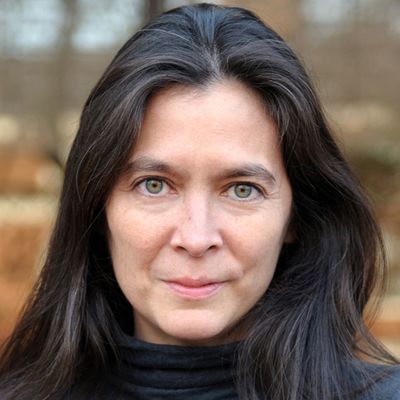
Episode 6: Diane Paulus. This week on Odd Woman Out, Tutz sits down with Broadway icon Diane Paulus — the director behind Waitress, Jagged Little Pill, Masquerade and more. Recorded at the Welcome to Times Square Studio, this convo is smart, candid, and refreshingly real... Read More
From the show: Odd Woman Out
Guests
Featured Shows
About
Episode 6: Diane Paulus
This week on Odd Woman Out, Tutz sits down with Broadway icon Diane Paulus — the director behind Waitress, Jagged Little Pill, Masquerade and more. Recorded at the Welcome to Times Square Studio, this convo is smart, candid, and refreshingly real.
Diane talks about breaking barriers as a woman director, taking big creative swings, and what it actually takes to bring a show like Masquerade to life — the pressure, the payoff, and everything in between.
Powered by WelcomeToTimesSquare.com — yes, the billboard where you can literally be the main character.
We talk:
-
Directing hit shows that changed the game
-
Being a woman in rooms not built for you
-
The risks, rewards, and chaos of Masquerade
If you love theatre, ambition, and women running the room — this one’s for you.
Check out Masquerade:
Follow Odd Woman Out
Follow SammyTutz
Transcript
This transcript was automatically generated and might contain errors.
[0:00] Samantha Dawn Tuozzolo: Hey Odd Squad, it's me, Samantha Dawn Tuozzolo, your host of Odd Woman Out, a podcast where we talk to women artists about what it is like to be a woman in the entertainment industry, how to embrace our odd, and how we can hold space to lift one another up.
[0:17] Samantha Dawn Tuozzolo: Please enjoy this episode. Tell your friends to tune in, like, subscribe, and follow. And reach out to a woman in your life today and give her some love. Enjoy this episode.
[0:30] Samantha Dawn Tuozzolo: Okay. Fun. Fun. Hi, Diane Paulus. Welcome to Odd Woman Out.
[0:36] Diane Paulus: Hi, so happy to be here.
[0:37] Samantha Dawn Tuozzolo: Thank you. We're so happy to be the odd woman here.
[0:39] Diane Paulus: Yes!
[0:40] Samantha Dawn Tuozzolo: You are with you. Yes, we are Odd Woman. You're kicking off 2026 with us. You're our first guest of 2026, so it's so exciting. We were just gabbing about Masquerade because my God, we have so much to talk about with that. It is a brilliant production in every way, shape, and form. So I can't wait to dive into that.
[0:57] Diane Paulus: Yes.
[0:57] Samantha Dawn Tuozzolo: But first, we have to talk about the woman of it all and the artistry of it all. So I want to go back to baby Diane or a younger version of yourself. And was there a woman in your life who influenced you in your life or that you looked up to as an artist that influenced you to want to become an artist?
[1:16] Diane Paulus: There were so many women. Yeah, I do have to say I always think about my mother.
[1:23] Diane Paulus: Yeah. And she was such an extraordinary courageous human person, born in Japan, emigrated to the United States, married my dad.
[1:34] Diane Paulus: Yeah. Um, who met her during the American occupation of Japan in Tokyo. Uh, and she was not an artist, but had an artistic soul.
[1:45] Diane Paulus: Oh, wow. And she loved the opera and blasted Lucia De La Mamore in our living room.
[1:51] Samantha Dawn Tuozzolo: Oh, so it was like given to you.
[1:52] Diane Paulus: She was like all the time. She was, you know, my number one audience member, and she would drag me to Lincoln Center as a little kid because we grew up, we lived in Lincoln Towers right near there.
[2:03] Samantha Dawn Tuozzolo: Oh, amazing.
[2:04] Diane Paulus: I would like to jump up on Damish stage, Damish Park stage, and like perform for her when I was like seven years old, and she would just sit there and indulge me.
[2:12] Samantha Dawn Tuozzolo: Oh my God, amazing.
[2:13] Diane Paulus: So she was just so patient and nurturing and giving. And um, you know, I did ballet at New York City Ballet School American Ballet. She took me to ballet lessons and piano lessons, and she I think really understood the arts and the power of it and my love for it and um just facilitated it all.
[2:37] Samantha Dawn Tuozzolo: That's incredible to have like such supportive parents also like showing it to you as well because yes, you know, arts are so important, I feel, especially as a young person. Did you always want to direct, or did you start off wanting to perform?
[2:51] Diane Paulus: You know, I started off wanting to perform, but then I remember meeting um my summer camp counselor. I went to Interlocken uh summer camp in Michigan, and I met my counselor years later, and she was like, I remember you, you were directing all the other 12-year-olds in plays in the cabin.
[3:11] Diane Paulus: And I was like, Oh, yeah, I guess I did do that. So I think I was directing without knowing without even knowing it. But certainly um, you know, I was studying ballet, I wanted to be a ballet dancer when I was a little girl, and then wanted to be an actor and did acting training and performed and had an agent and did that for a couple of years.
[3:31] Diane Paulus: And I think I just worship at the Shrine of Actors, like, you know, bow down to them. They are shamans and really are incredible. But I realized, like, come the day, I'd rather be like in the back of the auditorium, like caffeined out, like no sleep, I don't have to worry about what I look like. And I'm just like, you know, facilitating, kind of like my mom, like other people having a transformative um experience, whether it's the actor or the audience.
[4:01] Samantha Dawn Tuozzolo: That's so cool. So think about one of your first professional gigs. And you were still learning the ropes. Was there a situation of like a woman supporting women thing, somebody like uplifting you and showing you, you know, the ways when you were first starting out?
[4:17] Diane Paulus: Yes. I'm thinking of so many women, like mentors through my whole life. Um, there was the late great Lynn Austin, who was the founder of Music Theater Group. For people who may not know that amazing institution, they launched, you know, Ann Bogart and Martha Clark and Julie Tamore, and they gave me my first break, you know, directing a reading.
[4:38] Diane Paulus: Yeah. And just took me under their wing, and I went on to do several shows for Lynn and Music Theater Group. Anne Bogart was a huge mentor for me, teacher. I studied with her at Columbia when I got my MFA, and not only her artistry, but just how she modeled what it means to be a director and her process, and I assisted her and just learned so much from her.
[5:02] Diane Paulus: Yeah. Um, you know, I it's it's an old adage, but you you need role models, you need you need other women to to look out in the world and say, Oh, I can do that, I can be that. Um, and also I went to an all-girl school here in New York City, and I think that I went to the Brearley School and being in an all-girl environment, like I don't know, you know, single sex education if that's gonna be really relevant as we move into new understandings of of you know non-binary and world and and the world, but for me at the time that that emphasis on being a young woman and you can be anything and you can do anything, and like put your hand up and ask a question.
[5:47] Samantha Dawn Tuozzolo: Yes.
[5:47] Diane Paulus: Um and you know, incredible teachers I had.
[5:50] Samantha Dawn Tuozzolo: Yeah, absolutely. You know, and I think we take it for granted sometimes that um that environment, the context of of it being absolutely expected that you can uh be a leader, that you can run an organization, that you can make a plan, that you can change the world, whatever you want to do.
[6:09] Diane Paulus: Yeah, even if you're a woman, it's even if you're a woman, there's no limit.
[6:12] Samantha Dawn Tuozzolo: There's no limits. I love that question because I feel like I've heard a lot of stories within the theater industry, the entertainment industry as a whole, of women like being pitted against each other, and like it's a competition and this and that one. It's just like not the case. So I'd love to hear the stories of like what women, you know, uplifted you and showed you the way. And so thank you for sharing that.
[6:33] Diane Paulus: Absolutely. So now I want you to think about a time in the industry where you've felt like the odd woman out. And if you have, maybe you haven't.
[6:41] Diane Paulus: Interesting. Uh, you know, I feel it's it's always a case of noting, you know, where are you in in the community? And I think um I'm I'm thinking of two examples. I mean, going to ART and becoming the artistic director there. Amazing. I remember um, you know someone calling, I think it was a big survey that was being done, and they were representing like a pie chart of women artistic director leaders, and I'm Japanese American, so I'm also woman of color, right?
[7:17] Diane Paulus: Artistic director, female leader. Right. And I think there was like one representative with that background, like at the you know, on on a chain, like a like a food chain. And I was like, I was like, is that me? Like you know, I think that's the thing that we don't always uh note that and own that context of of how alone we can be, you know.
[7:41] Diane Paulus: And even when I took Waitress to Broadway and we brought Lauren Lataro on to be our choreographer, I remember saying, you know, I think this might be the first time there is an all-woman team where there is director, uh uh composer, book writer, choreographer, music director, and you know, I know there was Les Suedos who did Runaways, but she was sort of all of it, you know, she was she represented all those parts of making of a show, you know.
[8:10] Diane Paulus: But it it was almost like I had to send someone to like go do the research and make sure I was correct. Yeah, you know, and then to say it out loud.
[8:18] Diane Paulus: Yeah, because you're like, how could this be? How in 2017 or whatever that was exactly how that this is the first time. Is this the first time? You know, and I think so so part of it is also naming it and and signaling it, and and then frankly moving on, you know, like noting it, saying it, being it, representing it, and then doing it, yeah, you know, and and really celebrating not just the statistic, but the fact that there are women at the top of their craft in all these areas.
[8:51] Samantha Dawn Tuozzolo: Right.
[8:51] Diane Paulus: And here we are, you know. And by the way, we recouped our Broadway show, you know, which was another way thing, you know, I think that that I've always felt in the industry um that, you know, women are often looked at like how can they handle a big I mean not not so much anymore, I have to say. I feel like we've the needle has moved, but like when when I was starting, you know, can a woman be burdened with the financial responsibility. You know, how could a woman possibly how could a woman handle you know the the kind of like Broadway commercial pressures.
[9:21] Diane Paulus: And then I remember always thinking like when I when I did Hair my first Broadway show, I was like, well, you know, the demographic of audience is women, you know, at my age at the time. I was like, I think maybe we know something about what audience might want. Or you know, we can um, you know, be trusted with uh not just the art but the business of it.
[9:42] Samantha Dawn Tuozzolo: Yeah, yeah.
[9:43] Diane Paulus: By the way, what a perfect show Waitress to have that be the first, you know, such a woman focused show. So I love that so much.
[9:50] Samantha Dawn Tuozzolo: So you were just saying that, you know, maybe women how could a woman possibly take on the financial burden? How could a woman do this? Did you find when you were first starting out as a director in this industry that you needed to put on maybe like a different persona to be taken seriously at the beginning to like walk into a room with like male producers or whatever it may be that you had to shift a little so that you could be taken seriously in your art?
[10:17] Diane Paulus: Or like you were saying with your upbringing you were always shown that you could do it and you could be a leader. So I think you know I came of age of a generation where I had enough role models that I was not encountering uh that kind of bias that that's great then make me feel like I have to put on my armor.
[10:39] Diane Paulus: Now there are women a generation ahead of me, like uh my dear colleague Emily Mann, who I worked on when we did the uh production about Gloria Steinem.
[10:47] Samantha Dawn Tuozzolo: Yeah, yeah.
[10:48] Diane Paulus: And Emily would share the stories of what she went through, frankly, you know, even up at Harvard as an undergrad there, you know, staggering stories where people were telling her she could not be a director, maybe she could do children's theater, you know.
[11:00] Diane Paulus: So that thankfully had kind of transformed by the time I was coming of age, coming out of college and thinking about a career in the theater, and it was never a question of like could I do this as a woman?
[11:13] Diane Paulus: Yeah. So I love that. You know, I think that's so wonderful to hear also. I yes, I so I think it's not not to underestimate that it was that way and it can still be that way depending on the circumstance. But I think I benefited from standing on the shoulders of the women who came before me who paved the way.
[11:30] Diane Paulus: Yeah. I think the question of like when you walk in a room, you know, I still feel that way, but it's not necessarily gendered. It's just, you know, what is your passion? You know, what do you why? I mean, I think for anyone in the theater is like, why should you be given, you know, the right to do what you do and who's the audience that deserves it? I think I also came of age as a director like in the nineties when this idea of you're an artist and artists can do anything they want and you know, the NEA was bust. I just I can. So you had like the artistic freedom.
[12:06] Diane Paulus: Yeah. Well, actually it was not necessarily artistic freedom. It was like you have to be an entrepreneur. Like if you're a young artist you have to be savvy, you have to be a producer, you have to think about audience, you have to think about marketing. You know, the internet was just birthing. So I think for me that idea of, you know, never thinking something's gonna be handed to you, but how do you prove yourself? How do you think holistically about, you know, the art? I just think, you know, it's not art in a bubble. It's yeah, I've always been obsessed with audience and what is the event of theater?
[12:48] Diane Paulus: Yeah. And that has, I think, opened doors for me in terms of, you know, my convictions. Yeah, I love that. Because it is, I think that still is true, you know. Understanding your whole craft and then also the thought of like, why not me? If I understand all this and I'm passionate about it, what can I do to make it happen and be the best? Or yeah, or you know, win a Tony.
[13:09] Samantha Dawn Tuozzolo: Yeah, yeah. Tony Award winner, by the way, you guys, casual. Um we talked a little bit about Waitress, but I need to go back to it because man, I think I saw every single Jenna. I said that on the show. I love and still do love Waitress so deeply. Um, such a woman-focused show, you know, and it's one of my favorite women stories that I've ever seen on Broadway, you know, the transformation of Jenna and the support of the girls, the friendships and like community, the community and also the like marriages and like breaking free of that and a couple of different situations with Becky, too, you know.
[13:43] Diane Paulus: Yes, yes. Um, so what was it about Waitress that made you jump to it? And do you have a favorite memory from that whole process?
[13:51] Diane Paulus: Oh my goodness, I have so many. Waitress was beloved and continues to be, as we're casting productions in Sydney right now.
[13:58] Samantha Dawn Tuozzolo: Oh, amazing.
[13:59] Diane Paulus: Yeah, yeah. It still has a beautiful life. Um, you know, I think there was something about the tone of that Adrian Shelley film that struck me. Uh, that it was humor, you know, full of humor and quirky and had this sort of independent film feel and yet it like sucked it like there was a suck to your gut in the emotion, which is what I love about musical theater is I mean, there's all kinds of musical theater, and I love like the 42nd Streets of the world, but for me, I want to feel, you know, I want I want like my emotional muscles worked, I want that catharsis and Waitress has that.
[14:40] Diane Paulus: And I think meeting Sara Bareilles and you know, getting the MP3 of she used to be mine after our first meeting, and I just said go and write, go write whatever you want to write. You know, just don't think about the structure, just write from your heart, and that like that song popped in my inbox in my email, and going on that journey with Sara of discovering, you know, the musical theater voice she had, of obviously identifying with Jenna and ultimately acting in it and being brilliant as an actor, but also putting herself in all the other characters and like the genius score and working with Jessie Nelson, who was so smart about the book and respectful of Adrian Shelley's work.
[15:22] Diane Paulus: Um so yeah, I mean, I probably think I'm just why I'm thinking maybe because we're talking about women-centered things. I remember the day like we created the contraction ballet, which is you know, right after she says Jenna sings she used to be mine. And I always tell I used to tell the Jennas, like, you sing she used to be mine. It's like your major recognition moment where you look at yourself in the mirror and you're like, I see myself. And I used to be vital and feel like I had a future, and where did that go? And the recognition is the first step towards changing your life. Right. And that happens, and then all of a sudden, like boom, the baby starts kicking, you know.
[16:03] Diane Paulus: And I just remember being in the rehearsal, and I was like, where else would like where else, but in that cocoon of that creative team and that rehearsal hall, would we create the contraction ballet? And I, you know, flash forward on Broadway, we'd have we would have karaoke Thursdays, I think, where audience could do it.
[16:20] Samantha Dawn Tuozzolo: Oh yeah, yeah, yeah.
[16:21] Diane Paulus: And sing, and I remember the day someone from the audience came up and they're like, What would you like to do? You know, we'd have an MC and they'd be like, the contraction ballet. I was like, okay. We've arrived.
[16:31] Diane Paulus: Yeah, the femaleness of this is definitely penetrating.
[16:35] Samantha Dawn Tuozzolo: Oh my god, that's amazing.
[16:36] Diane Paulus: They wanted to do the contraction ballet.
[16:38] Samantha Dawn Tuozzolo: Yeah. I love Waitress. Thank you for the gift of Waitress. And uh by the way, you guys, if you're listening, you have no idea about Waitress, go to HBO.
[16:46] Diane Paulus: Yes.
[16:46] Samantha Dawn Tuozzolo: Oh my god, what a joy that was to capture that, and I'm so proud of that capture. We worked so hard on it. It's perfect. It's a really it's a beautiful thing. As a theater artist, you know, it's so ephemeral, which is kind of the beauty of the art form, but also like it's gone. But the fact that we got that production um caught on tape like that is really gratifying.
[17:08] Diane Paulus: I have an eight-year-old niece, and I'm slowly introducing her to you know, all the musical theater that I can. And so I've started to do Waitress, but you know, I have to fast forward through a lot. You know, I'm not gonna show her like domestic abuse. And she's so mad, she's like, I love Waitress. She keeps saying, I want to watch the whole thing. I said, maybe when you're 12.
[17:26] Samantha Dawn Tuozzolo: Yes, exactly.
[17:27] Diane Paulus: Maybe two. Just a couple years, maybe not. I don't know. But yeah, so like even it's resonating with an eight-year-old, you know, just like the diner scenes and obviously the Ogie of it all, but exactly. I love Waitress, thank you again.
[17:40] Samantha Dawn Tuozzolo: Yeah, um, so you've directed so many amazing productions, right? And I we don't have the time to get into all of them because we'd be here for days and days. But is there a particular character from a production that you've directed that you've learned a lesson from or that maybe changed you through the directing process?
[18:00] Diane Paulus: Um so many, I think my mind just just going like what what comes to mind is is working on Jagged Little Pill with Alanis Morissette and and talk about you know a woman, like learning from her. Uh she was so interested in relational healing, you know, her feeling like we all go through traumas, but we can't heal alone. And the idea of um, you know, that character of Mary Jane that Elizabeth Stanley created and just what it means to have um an unhealed kind of scar, you know, in her case, uh sexual violence, and to numb yourself and to try to, you know, normalize it and push it down and you know, the journey of MJ and Jagged to just face it, confront it, you know, um, but but heal in relation to her daughter, her son, yeah, her husband.
[18:57] Diane Paulus: And I remember being with Alanis and Diablo Cody and when we were creating that show saying, you know, like maybe maybe MJ and Steve like don't break up, you know, like this is a marriage in trouble, but maybe they don't break up because that's a narrative. It was a narrative in Waitress, right? Get that divorce from Earl, like go do that. But in this case, you know, I think Alanis was really interested in like what does it mean, you know, not to say it's gonna be easy, but like to face your partner and say, you know, we're in this together. And so just just you know, that was a show where it was deep and everything that's so hard about a musical, but it was like life lessons, and that came a lot from Alanis and just her just interest in the I mean she was sending me books to read about family, you know, relational dynamics, and I was just learning a lot from her in that production.
[19:51] Samantha Dawn Tuozzolo: That's so cool. Like, you know, not taking not necessarily the easy route in like the story, but the reality, yeah, because I feel like that's it is a lot of people's reality that you have to face the hard stuff, and so to see that in art is the point of theater, right? People go to relate and feel like the ritual of it, just see see someone act through the tough times, yeah, you know, and you are identifying, you know, at a distance.
[20:17] Diane Paulus: Yeah, I think for like my whole life as a director. I love that so much. Thank you for sharing that. Okay, now we have to talk about Masquerade, obviously. Hello, if you're listening and you have not seen this production yet, run.
[20:31] Samantha Dawn Tuozzolo: Because it is a couple I've seen it twice now.
[20:33] Diane Paulus: Yeah.
[20:34] Samantha Dawn Tuozzolo: The first time I went through, I kept looking at my friend that I was with, and I said, This is the best night of my life. Multiple times I go, I think this is the best night of my life. But genuinely, as a theater lover and as an artist, I've been involved in theater my whole life. I have never experienced anything like this, obviously. Not obviously, but obviously.
[20:55] Diane Paulus: So I guess my my first question is how like yes, how did you tackle it? What was what was step one?
[21:03] Diane Paulus: What was step one? I mean, I just have to say, uh, Masquerade is like no question the hardest thing I've ever done. I mean, it just broke my brain. It was just it was like I it was like a marathon. I mean, we were doing, you know, just on the creative staff side of it, just like I don't know, 18 hour days. I felt like we never stopped because it was so challenging, but I have to say it was also like the most thrilling project I've ever worked on. And and I know we'll talk about it more, but a lot of it had to do with the company and the spirit and knowing we were like it was like an Apollo mission and we didn't know how we were gonna do it, and everybody participated in the experiment of it and it has to be. It has to be like I mean, just from an outside perspective, how could it not be such it's a s it has to be a team?
[22:00] Diane Paulus: It was such a team effort at every phase of the process, and it required everyone to go to a place they'd never been before because we were like, we don't know what we're doing, we don't we were gonna make a whole new form of theater, yeah, and that meant like we don't know how we're gonna rehearse this, how we're gonna take it, how it's gonna live in this building, what it's gonna be like.
[22:19] Samantha Dawn Tuozzolo: Yeah.
[22:19] Diane Paulus: And I will tell you, every single person that signed on for the long haul of this did it because they were curious and they were passionate and they felt, you know, I want to be part of, you know, dare I say, some form of theater history with this thing, which motivated, and I'm just such an interested person in group dynamic and the art of the impossible becoming possible through the theater and through group collaboration.
[22:46] Diane Paulus: Um, but to go back to your question, I think step one was um knowing that we had Phantom as this extraordinary IP and what could it be immersively, right? And knowing um we wanted to tell the story. We didn't want this to be asleep no more, sort of choose your own adventure, but we wanted to deliver the story and then deliver the music. And I was really passionate about what would be a close-up experience for audience members of incredible singing. I mean, man, you know, because I get it, like as a director, I've sat in a rehearsal hall across from you know, Audrey McDonald, yeah, you know, Elizabeth Stanley, Lauren Patton, Tara Morillas, you know, like four feet away from me singing their faces off, and I know what that's like, you know.
[23:33] Samantha Dawn Tuozzolo: Right.
[23:40] Diane Paulus: So um that idea of the vibrations and the kind of quality of acting that we would we could get, you know, and then you know, like all immersive theater, it was what is the structure, what is the space, right? And finding that building on 57th Street, the old Lee's Art Supply Store, and getting inside it and knocking down all the walls and finding the exposed brick, and yeah, you know, we were in that building for two years experimenting. I mean, I have a picture that uh Erin LaCroix, who's one of our Christines sent me because she was doing Phantom on Broadway and she came and was part of the early team doing you know these experiments, and yeah, we literally took a wooden table and flipped it upside down on a dolly and like tied it with like rope and pushed it around the first floor.
I was like, this could be the lake, and what would the boat feel like? I mean, it was so I mean, people who come to see Masquerade, like you look at it and it's like a marvel, but it was so in the trenches.
[24:40] Samantha Dawn Tuozzolo: How cool is that though?
[24:41] Diane Paulus: And and very organic as a result, you know, we were like really iterating and iterating and working, and I mean we did like 10 beta tests with sample audience and dragged people all around that building and you know, tried to figure out the right structure for it, which we've now ultimately landed. Crushed, crushed it.
[25:00] Diane Paulus: So um, but like I said earlier, I was excited by um the emotion of it, frankly, you know, and and and be because we're speaking about women's things, you know, for me, yes, it's the phantoms masquerade, and we're really entering masquerade through the point of view of the phantom. I was super interested in Christine, like as a character and feeling, you know, she's not a victim, she is not an ingenue. She is like I always tell all the women, because there's six of them that play Christine, I'm like, you are Joan of Arc. Yeah, you know, you are the most courageous woman ever.
[25:37] Samantha Dawn Tuozzolo: And you see a different side, sorry to interrupt, you see a different side of Christine that you know that I've never seen before because you are this close and intimate and seeing the acting beats like in your face, it really gives a different perspective of the story, which is so cool.
[25:52] Diane Paulus: Six Christines, but then also how many understudies?
[25:55] Samantha Dawn Tuozzolo: Yes, um uh three to four.
[25:58] Diane Paulus: Yeah, I think they have four people who cover because there are six shows, so yeah, you know, you can't have one or two covers.
[26:03] Samantha Dawn Tuozzolo: Right.
[26:04] Diane Paulus: Um especially during this crazy flu season.
[26:07] Samantha Dawn Tuozzolo: No, I know. Don't don't even let's not talk about it. Knock knock knock on wood.
[26:10] Diane Paulus: Um, we've been great though. We've you know, I mean, it's like maintaining one Broadway show, it's like maintaining six a night. Um, and they're um incredible. And what I love about it, and we also have six phantoms, um, speaking in this theme of like collaboration. Uh, we had them all in rehearsal, you know. So, as a director, when I went into the rehearsal process, I was like, How do I do this? Like, I have six people playing a role. Like when I did Waitress, I put in, I don't know, 15 Jennas over five years. Right, but they were one at a time, you know, and but here like day one, six people are looking at me like I'm I'm Christine and I'm Christine and I'm Christine and I'm Christine, you know, and and ditto with the Phantoms, you know, and and a range of people, like people who did Christine on Broadway or Hugh Panera who did Phantom on Broadway, and then people who had never, you know, been in Phantom or are just kind of right out of college in their conservatory programs. But what it did was it created this um team spirit because everyone was watching everyone in rehearsal.
[27:10] Samantha Dawn Tuozzolo: Yeah.
[27:11] Diane Paulus: So it was like it was like a basketball team. I was like, okay, Erin, you do this scene. Okay, now you sit down, Kayleigh and you get out, okay. Now Riley, you go, now Anna. And they would tag tag in and out, and they were all watching each other. So, you know, you couldn't be hung up in your ego. It was like exactly what I was gonna say. I am in service of this production with this structure, yeah, and I'm going to learn and watch all my fellow castmates, and we are gonna collectively crack this together. And and I have never never experienced that on this level of of team energy.
[27:47] Samantha Dawn Tuozzolo: Yeah, and and it's it does something, it does something to the DNA of the vibration in that building. You can feel it. Like you you just as an audience member, you know it's special and you know it's different, and and the energy is different, and it's amazing.
[27:59] Samantha Dawn Tuozzolo: How did you pick who goes with who? Like, how did you pair them?
[28:01] Diane Paulus: Oh my god, I think we have a video of it. We we did this incredible like chemistry testing day. We were rehearsing this enormous studio, and we had like all six phantoms and all six Christines, and they were doing the point of no return choreography that our brilliant choreographer, uh City Larry Chiquili, who did Jagged with me, had come up with. And then we would like have them rotate, you know, and it was like the video's crazy because like you look out, it's like a football field size studio, and like you just see all these people like doing the choreography. And and it it became clear like who would be right with who, but I'll tell you the beautiful thing now is I could we've been running now since July. Um we had one day when one of our Christines was stuck on a subway and like couldn't get into pulse two, which is this, you know, early pulse. And so we had to scramble, and we had to throw a Christine later in with an earlier phantom.
[28:54] Samantha Dawn Tuozzolo: Oh, and you swapped them, and we swapped them.
[28:55] Diane Paulus: They had never worked together. And the the tribute to this cast, Telly, who's one of our phantoms, wrote me an email and he was like, Diane, it was thrilling. And like, I think we should do like Phantom Scramble, like once a month. And would you know, because the the fans out there all are like figuring it out and cracking it out or throw them off for a loop.
[29:14] Samantha Dawn Tuozzolo: I know.
[29:14] Diane Paulus: A little like a little like masquerade roulette once a month, but like what company would say, like, we're up for that, you know?
[29:20] Samantha Dawn Tuozzolo: Right, like just like throw us the next challenge.
[29:23] Diane Paulus: Well, I mean, look what they're already doing, you know? They already could do that.
[29:27] Samantha Dawn Tuozzolo: Yes, yes, and so keep it coming. We've already conquered one challenge, challenge us some more. Wait, we we got the snow in the last couple of weeks. The first time it snowed, and they had to like trudge through snow, you know, to get from one room to the other.
[29:39] Diane Paulus: Yeah, but how cool.
[29:40] Samantha Dawn Tuozzolo: How cool.
[29:40] Diane Paulus: I was dreaming of that day. I'm like, the day it snows. This is gonna be off the charts, Pearl. Perfect.
[29:46] Samantha Dawn Tuozzolo: Yeah.
[29:47] Diane Paulus: Oh, I gotta come back when it's snowing. I gotta look at the forecast. Um I need you to give me some tea. I don't know if you will. Where in the world does Christine go at the end?
[29:58] Samantha Dawn Tuozzolo: Please.
[29:58] Diane Paulus: She disappears through the cloak the cloak.
[30:01] Samantha Dawn Tuozzolo: It's true Broadway magic.
[30:03] Diane Paulus: Can you give me a clue?
[30:04] Samantha Dawn Tuozzolo: Maybe off camera.
[30:05] Diane Paulus: She just disappears. It's literally the magic of Broadway. But you know what's special about it?
[30:11] Samantha Dawn Tuozzolo: In your face.
[30:11] Diane Paulus: It's in your face. I'll I would say and I love I hide in the corner and I watch that scene and I look at the audience because the audience are literally like four feet away from this. And you can't figure it out.
[30:20] Samantha Dawn Tuozzolo: Skylar Fox, our brilliant magic director. You know, he was like, This is a hard one, Diane. Like, you know, it's not like you did it.
[30:30] Diane Paulus: You crushed it. And no, it's he's done it in a way that literally um I look and I I love it. Like when the audience, like they're usually just a primal reaction where people's jaws are like on the floor, like they they can't believe what has happened.
[30:44] Samantha Dawn Tuozzolo: I can't believe it.
[30:45] Diane Paulus: But even after I was looking, and I'm like, there's really it's it's it's not obvious. It's not yes, and it is in your face, it's different than like you said, being in a regular Broadway theater, and you're like, oh well, I'm not seeing something.
[30:59] Samantha Dawn Tuozzolo: Yeah, it's so far away.
[31:01] Diane Paulus: This you you it's in it's this. Yeah, it's this close.
[31:05] Samantha Dawn Tuozzolo: It's exactly it's incredible. Well, congratulations on that. It is a masterpiece.
[31:11] Diane Paulus: If you're listening, again, run, run, run, run to this production. It is stellar. Congratulations.
[31:17] Diane Paulus: Thank you. That means a lot.
[31:18] Samantha Dawn Tuozzolo: Yes, congrats. I'm such a fan of all of your work, and thank you for the art and and gifts that you keep giving. Please keep them coming.
[31:24] Diane Paulus: Oh, well, thank you. You know, every show I make, it's like, what can I do next?
[31:28] Samantha Dawn Tuozzolo: Yes.
[31:29] Diane Paulus: That will be the gift for like secret secrets.
[31:32] Samantha Dawn Tuozzolo: Secrets, so many secrets today, guys. Sorry. Um, before I let you go, can you please share some advice you might have for any of the odd women listening?
[31:41] Diane Paulus: Oh my good uh goodness. Um follow your passion, follow your heart. You know, my my mentor Anne Bogart mentioned, you know, what when I was a young director, I once said, you know, should I do this or this? I should I apply for this. I was at that crossroads moment, and she looked at me and she actually did one thing. She just took her finger and she like touched my heart. Oh never forget it. Like, and she just said, You all your riches will lie there.
[32:04] Samantha Dawn Tuozzolo: Oh.
[32:05] Diane Paulus: And I just encourage people like cultivate what you love, cultivate your interests in the world. Yeah, and follow your heart, you know, and and and and your riches will will will lie there.
[32:16] Samantha Dawn Tuozzolo: I love that so much. Thank you so much for joining us.
[32:19] Diane Paulus: Like a pleasure. I have so much that I I could talk to you about for hours and hours and hours. So maybe you'll just have to come back.
[32:24] Samantha Dawn Tuozzolo: Maybe so for when the next secret project gets announced.
[32:28] Diane Paulus: Yes, yes, indeed.
[32:29] Samantha Dawn Tuozzolo: Thank you so much, Taylor.
[32:30] Diane Paulus: Of course, what a pleasure. That was fun.
[32:33] Samantha Dawn Tuozzolo: Hey Odd Squad, it's me again, Samantha Dawn Tuozzolo. Thank you so much for tuning into this episode. Please like, subscribe, and follow. We will be releasing new episodes on most Fridays. So follow us on social media to keep up at Odd Woman Show on Instagram and TikTok. And you can follow me at Sammy Tutz.
© Broadway Podcast Network, All Rights Reserved