

From being the final person to play Paul in A Chorus Line on Broadway to becoming an award-winning director/choreographer, Bryan Knowlton can truly do it all. U Guys, this week's BroadwayWorld Recap has all the latest Bway tea, including a very interesting casting announcement, brought to you by my friends at BroadwayWorld.com!.. Read More
From the show: Oh My Pod U Guys
Featured Shows
About
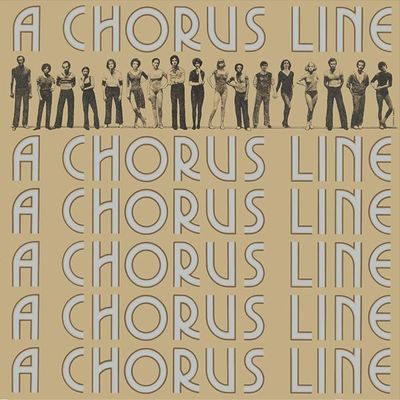
From being the final person to play Paul in A Chorus Line on Broadway to becoming an award-winning director/choreographer, Bryan Knowlton can truly do it all.
U Guys, this week's BroadwayWorld Recap has all the latest Bway tea, including a very interesting casting announcement, brought to you by my friends at BroadwayWorld.com! Then I am joined by the incomparable Bryan Knowlton to talk about his incredible career as a performer and director/choreographer. Bryan holds the distinction of being the final person to play the role of Paul in the acclaimed Broadway revival of A Chorus Line, as well as on the 1st National Tour. Since then he has gone on to set the show as a director and choreographer numerous times across the country. He shares his incredible story with the show, and how ACL has impacted his life and artistry. I have had the personal joy of being directed by Bryan in multiple regional productions, and I can attest that the joy he brings to a rehearsal room is only matched by the joy he exudes when he dances. Bryan teaches at Broadway Dance Center, Steps, and many other studios in New York City, and he shares his experience in cultivating an environment for learning that is safe and comfortable for everyone. He's such a delight, U don't want to miss this episode!
Transcript
This transcript was automatically generated and might contain errors.
[0:00] Jayke Workman: Wicked has officially been running for 20 years and I still have not been in it. I mean, someone deserves jail time for this.
[0:12] Jayke Workman: Oh my god! Did you hear? Did you hear? Did you hear? Oh my god, guys. Oh my god! Oh my god, you guys! What's up, everybody? My name is Jayke Workman, and this is Oh My Pod, you guys, a musical theater and pop culture podcast.
[0:34] Jayke Workman: You guys, last night I got to see Harmony, the new musical on Broadway with music written by Barry Manilow, and what the hell? I was blown away. I didn't really know what the show was. I truly thought it was like a beautiful noise, like Neil Diamond musical situation where it's like, you know, a bio musical about this person. I had no idea that it was like an actual incredible story and the music is unreal. I was floored.
[1:02] Jayke Workman: The show is set in Germany in the 1920s and 30s. It's really heavy in some parts, but absolutely beautiful in others. It's frightening and it's so so timely. And the performances are incredible. I mean, Sierra Boggus and Julie Banko sing this unbelievably beautiful duet. It's so stunning. I cannot recommend the show enough. And I really hope they get to have a good long run because this show deserves it.
[1:30] Jayke Workman: And with that, you guys, we gotta dive right into this week's Broadway World recap, brought to you by my friends at Broadwayworld.com. First, you guys, we have got to talk about the casting announcement for the replacements for Sweeney Todd and Mrs. Lovett in the Broadway revival of Sweeney Todd. Y'all. Sutton Foster is going to be Mrs. Lovett. What? What? Aaron Tveit is going to be Sweeney Todd. I'm so confused!
[1:57] Jayke Workman: I love both of these performers. This is absolutely no shade to their incredible talents and careers, but this was out of left field, honey. I am confused. I just feel like Mrs. Lovett is such a hard person to cast because she has to feel like she's at the end of her rope. You know, there's like nowhere for her to go. She has to stay in this pie shop. And Sutton Foster is just so like shiny and sparkly and lovely, and I feel like I don't know. I am interested to see if she can pull off the desperation that it takes to be Mrs. Lovett.
[2:33] Jayke Workman: And Aaron Tveit, I mean, amazing, talented, gorgeous. He's so hot. This is not one who I would have anticipated being considered for Sweeney Todd. So who knows? I still have not even seen the revival with Josh Groban and Annaleigh Ashford, and I do want to catch it before they leave, but I will be very interested to see how these two take over and make the roles their own.
[2:59] Jayke Workman: Next, you guys, we got the official confirmation that The Heart of Rock and Roll, a new musical comedy featuring music by Huey Lewis and the News, is going to arrive on Broadway in 2024. And this one they've made clear is a jukebox musical. It's not telling the story of Huey Lewis and the News. It's just featuring their music. And I'm interested to see what this will look like. It looks like a really fun rock and roll vibey show, and it centers around a couple and you know, the power of love, as it were. So who knows? This could be really fun.
[3:33] Jayke Workman: I'm looking forward to seeing casting announcements, and I will be sure to keep you updated on all things The Heart of Rock and Roll. Next, you guys, Broadway World has a beautiful first look at photos from Lea Michele's Carnegie Hall debut concert. And oh my god, I wish I could have been there! My bestie Leslie Blake Walker, friend of the pod, was able to go, and she said that it was an absolutely incredible night.
[4:00] Jayke Workman: Lea entered from the back of the house singing "Don't Rain on My Parade," like literally an homage to Glee, but also obviously her career-making star turn as Fanny Brice. Like, oh god, she closed the show with "Somewhere Over the Rainbow." I'm in awe of Lea. I have had the pleasure of meeting her a few times, and she is such a lovely, just sweet, earnest person, and her talent is truly unmatched. So congratulations to Lea. Congratulations to Jonathan Groff and Darren Criss, who got to join her on stage at Carnegie.
[4:36] Jayke Workman: And you guys check out these photos on Broadwayworld.com because she looks stunning. And lastly, you guys, in a bit of kooky London theatre news, we just got the announcement that Ramin Karimloo and Michelle Visage are going to star in The Addams Family in concert in London. This is the first time that this show is being done as a concert on the West End, and I'm so intrigued by this casting. I mean, Ramin, obviously, phenomenally talented. He's gonna be playing Gomez.
[5:06] Jayke Workman: But Michelle Visage, what a sort of left field choice for Morticia Addams. Michelle is, I think, most known now for being a judge on RuPaul's Drag Race, but she did have a career in the music industry a long time ago, and you know, she's a sort of formidable personality in the world of entertainment TV. So who's to say that she couldn't rock it out with Morticia Addams? The show is gonna play two nights at the London Palladium Monday, February 12th and Tuesday, the 13th of 2024. And I so look forward to sharing the rest of the casting announcements with you guys as they come out.
[5:46] Jayke Workman: And you guys, this has been the BroadwayWorld Recap. Oh my pod, you guys, I am so excited to welcome my next guest to the show. He is a director, choreographer, performer, and an absolute angel of a man. Please welcome my dear, dear friend, Mr. Bryan Knowlton.
[6:07] Bryan Knowlton: Welcome.
[6:08] Jayke Workman: Oh my god, you guys. Thank you for being here. Can you tell us where are you calling in from?
[6:15] Bryan Knowlton: Uh, I am calling in from New York City from my apartment up in Washington Heights.
[6:21] Jayke Workman: Come on, baby, in the heights. How long have you been there?
[6:26] Bryan Knowlton: Um, we've been in this apartment for exactly a year. Um, but for the past five years, we've been traveling back and forth between here and London.
[6:37] Jayke Workman: Oh my god. UK babes, UK hun? Oh my god, tell me everything. What is it like to be living sort of like this double experience of like working here?
[6:52] Bryan Knowlton: Yes. Yeah, it's been quite the adventure, you know. I think when I first when we first moved over to London, it sort of was this. I romanticized it a lot. So I just was so excited. Um, and then you know, reality sets in, you know, kind of like six months in, and you know, realizing that work was gonna be a little bit more difficult to find over there, and I sort of predominantly most of my work is here in the United States and you know, regionally and here in New York.
[7:24] Bryan Knowlton: So I was a little nervous to dive in, and then bam, pandemic happened. And so I was over there for the majority of the pandemic, and then it just so happens that of course, you know, this is how it always goes, you know, as soon as I start getting all this work over here, then everybody starts calling me over there.
[7:30] Jayke Workman: Of course.
[7:46] Bryan Knowlton: So I've been sort of doing a little multitasking of going back and forth, but um, you know, over time, my husband and I sort of discovered my husband Brett, um, and I discovered that you know, for this next chapter, we want to really be together, and in order to do that, we have to be in the same country.
[8:03] Bryan Knowlton: Totally in the same hemisphere. So he had to move back.
[8:08] Bryan Knowlton: Period. So he got on the plane and came back.
[8:12] Jayke Workman: Amazing. Well, I am so excited to hear about all of your work, and you know, you mentioned what you do in the city, and I'm so excited to have you because you are one who I first and foremost have just looked up to for so long. I first got to know you when we worked together at the Mac-Hayden Theater, and you were my director-choreographer for multiple shows in that crazy cuckoo summer at the Mac-Hayden, but you are also a teacher in New York City, and I have been able to take your class multiple times, and I absolutely love it.
[8:46] Jayke Workman: And I want to ask you about sort of the way that you have cultivated this teaching element of your career, because your class is so open and inviting, and you create such a beautiful learning environment. And that's not always the case in New York City and in dance class. And I think a lot of times people can be really, really scared and don't even push themselves to go to a class because it's not the same, it's not the vibe that you and you know, people similar to you create. So tell me, how did you first go about creating that world for you and your teaching?
[9:28] Bryan Knowlton: So when I first started, when I first moved to the city, I was always taking class at like Broadway Dance. Um, that was kind of my go-to place. And I learned very quickly that some of the classes were, and this has happened over time too. So it wasn't just then, but it's also happening now, where I find a lot of the classes are quite intimidating when they should be a learning environment in which people should feel their safest.
[9:58] Bryan Knowlton: Um, and so I before I started, you know, investigating and kind of teaching a lot both at Steps and Broadway Dance Center and adjunct professor at a couple universities, I discovered that okay, what type of class do I want to take? What like what type of class would I want to take? And what does that actually look like? And so, you know, it was a learning curve, you know. I didn't come to it right away, but I feel like my personality is pretty chill and inviting. And I try like to try to just like create that safe environment for all for anybody.
[10:37] Bryan Knowlton: You know, a perfect stranger, and cultivating that dynamic in an educational setting is really, really important. And so over time I've been able to mix both my love and joy for dancing and mixing that in with my meditation and utilizing my meditation as sort of the guide to as to how I wanted to teach class, you know. I always end every single class with holding our hearts and telling ourselves that we love ourselves and we're listening and making sure that you just take a second to ground and be thankful, you know.
[11:20] Bryan Knowlton: And every time I teach, I tell every student, you know, this class is not for me, this is for them. You know, and it's important that you feel safe to fall down so that you can get back up. Class is meant for you to go in and mess up and then get back up and do it again and do it even better. Yes, you know. Because otherwise where are you supposed to learn, you know, and those environments have to be safe in order for that to happen.
[11:44] Bryan Knowlton: So that's sort of how it came about and I feel very strongly about having those environments be safe, creatively for every student. It's really important to me.
[11:55] Jayke Workman: And it's so interesting. There's sort of a culture more and more now of recording class material. And I think I'd love to know your thoughts on that because I could see I could see there being both sides of the argument where it's like you as a teacher and choreographer look hopefully, you know, look forward to having recorded material so that you can have, you know, an archive of things that you have created and you can look back on things and tweak things and take stuff from your own material and use it moving forward but then on the other side of things, you know it's like you said it's a class environment we're here to learn we're here to dance and mess up and when you you know when you bring a camera into the room it gets a little people get nervous yeah people get nervous I get nervous so but it how do you navigate that are are you like please please do this on your own accord or like what do you what are your ground rules?
[12:05] Bryan Knowlton: I mean so like for just for I mean my class specifically like as far as recording inside the space, you know everybody needs to wait till the end but I kind of leave it up to the student, you know if they want to record themselves so and I'm finding that you know in this culture now the students of you know the younger generation need that material so that they can put it on reels and things and stuff and and also to learn and watch themselves.
[13:30] Bryan Knowlton: Right. Um and then post of course on their socials. But um, but I leave it up to them. To be honest with you I'm that dance teacher that forgets to film. So that's kind of why I don't because I'm I'm so present in the moment with the students that I just forget to film and my student and I have a couple of associates that have helped me teach in class before and they've been like Bryan you have to film and I just honestly I forget and I'm okay with that. That's what works for me.
[14:02] Bryan Knowlton: Um and I feel like it makes me very, very present in the room and that's what I care most about. It's about the student, you know, not getting some video archive.
[14:15] Bryan Knowlton: Totally. But at the same time, for places, um, in order for promotion, like to promote your class, you do need that material. So, you know, I believe that everybody should do it, you know, once or twice to start getting footage so that you can cultivate a following. That's really, really important. It took me a really long time, you know, to get the sort of following that I had. Um, because I was new to teaching in New York City. And so that took a second, you know. My first few classes, I was like, six people, seven people, and you know, we're paid, but we're paid by the number of students that come. So it's important to promote it, yeah, you know. So, um, but that's kinda how I feel about it.
You know, it has its good and its bad. And, you know, if you're gonna film, wait till the very last second. Make sure that every student had an opportunity, and if we're gonna film in class, let's talk about it. Let's have the dialogue of what it feels like to film in class. Why do we get nervous? Let's fall, let's get back up, because it's video. We can edit it. Right, you know, right. Let's start that dialogue, you know, rather than it's not black and white. There's a whole bunch of color in there.
[15:32] Jayke Workman: Totally, totally. And I mean, I think that that also, you know, how you spoke about people needing, um, you know, material for reels and websites and whatever, and when you're a performer, you like so desperately cling to like any possible proof that you did it and you were on stage in the room, and that obviously, you know, c like swings over into the world of performance as well in actual productions. And um, I would love to hear about how you go about taking on the role of director and choreographer for a main stage musical. I mean, I've gotten to do, I think, three of your shows?
[16:12] Bryan Knowlton: Yeah.
[16:13] Jayke Workman: And it's always a different experience because of the material, but you bring such joy and light and love to, I mean, just every room honestly, but especially when you are in a leadership position like that where, you know, we're all looking to you to steer the ship. How do you first take on that role?
[16:38] Bryan Knowlton: You know, it's been over time. You know, I've been learning for a very long time from some greats, you know, people like Bayork Ali and Bob Avian and, you know, people like Clayton Phillips who was, you know, the associate to Hal Prince for over a decade and, you know, people like John Saunders. I've learned from them and taken sort of bits and pieces of how they work and cultivated it for myself and trying to figure out how it works for me and in my voice. I think something that I've learned very, very, very recently is how important my voice is in my storytelling. I think before I was trying to achieve getting my voice out by thinking that I needed to be of commercial success. Uh-huh, when that I don't believe is necessarily the case because I'm weird and I'm okay with that.
It's been very recent that I've sort of discovered that, but it's through, you know, I've spent a lot of my directing and choreographing career doing revivals. You know, I've been blessed to work on some new projects which has been great, but the majority of my work has been revivals. So the way I go about it is, okay, so like we're doing a revival, but how can this look different and why are we telling this story now? And that's kind of how I approach every sort of piece of work I do is, you know, how can we tell this now and utilize the talent? How can we achieve a different version of it? Um, and I, you know, so far knock on wood, that's worked out pretty well for me, so, um, but that's sort of like how I go about it.
You know, I start from very simple stuff like lyrics or color or, you know, I've worked on what, like West Side Story for instance. I remember I was like, gosh, you know, how do you tell this story differently when it's always done sort of the same way with Jerome Robbins choreography. Right. You know, I went to actually go see, um, uh, Jerry's exhibit at Lincoln Center right before I set it. I, it was just kismet that it was happening at the same time that I was getting ready to go set it. And I just looked at like all of his writings and stuff and did a lot of research and found out like more of the simple aspects of West Side Story that I believe, um, aren't always necessarily showcased in that show.
And you know, I came about like it's about death, you know, pretty dark, you know, material. But what does death look for people? They want to hold on to hope, right? So I had like Bernardo and Riff come back as ghosts in the second act. So that's like sort of my take on it, you know, is like, okay, how, what does the audience, the audience misses them, you know, but like what happens? Aren't, aren't like, don't we feel like, okay, like we have people that pass away in our lives, like they don't go away, they're always with us. You know, so bringing that sort of into the mix created a new version of it. So that's sort of how I come about stuff. Like try to think outside the box.
[20:27] Jayke Workman: Yes. As you always do, because every show that I've gotten to do with you has been so different and exciting. I mean, yeah, just like thinking back to the production of Mamma Mia that you created, directed, and choreographed was, uh, unlike any production of Mamma Mia I have ever seen and been a part of. It was so fun though, and it made it new, it made it fresh. I mean, you know, a show like that where it just could be done the same way time and time again, but you know, you make it different. But that's so interesting because, um, you know, you mentioned Bob Avian and Bayork and, you know, all of the people. I of course have to ask you about A Chorus Line and sort of the impact that that show has had on your life, um, because that is one that is pretty much always done in the same sort of fashion, you know, with the same exact poses and the choreography and the line and all of that.
And I'd love to know, um, you know, first about your experience just getting to do it on Broadway and on tour, but then, you know, you have set the show and directed and choreographed it outside of that numerous times, and I'd love to know, um, how you change it up for yourself or if you keep it the same.
[21:45] Bryan Knowlton: Um, I'll get to that in a minute about the show itself. I, um, I've always been a Chorus Line baby, you know, there's other people who are like 42nd Street kids or stuff like that, and I've always, I've always been attracted to Chorus Line. I think specifically Paul. Um, I'm Dominican myself, uh, first generation Latino and, uh, his story just, it resembles a lot of my own personal journey as a gay man in New York City and in theater and having, you know, a father that, um, necessarily didn't show all the love all the time. Yeah. Um, and being afraid to come out. Um, and so that always just was so inspiring to me. And you know, when I had done the show previously a few times, but um, the first time that I got to play Paul was at Casa Manana in Fort Worth, Texas, and it was directed and choreographed by Carrie Casser Lee, um, who was one of the Christines on Broadway.
I think Michael Bennett's favorite Christine actually. Um, yeah, so she's amazing. Um, and I ended up meeting Chrissy Whitehead, who is my best friend, um, and then that was happening at the same time as the revival. So Chrissy, like was, and Clayton Cornelius was in that production as well, and they were going to the revival directly after Casa Manana. So I didn't make it to the final callbacks on the stage and stuff, but I made it pretty far, but I just didn't get it. It wasn't my time. And looking back on it, I know I wasn't ready for it. And then when it ended up happening, when I ended up getting the show on Broadway, that's when I was ready for it then. I could handle it.
[23:44] Jayke Workman: Yeah.
[23:45] Bryan Knowlton: Um, but it was a remarkable, remarkable experience. You know, I met some of my closest friends, um, you know, both on Broadway and then on the first national, and um, it was just part of the legacy, you know, of musical theater, some of the most iconic choreography and music that you'll ever hear, yeah, you know, and the, you know, the Hamilton of its time, or you know, all the shows that have this great, great impact, you know.
[24:17] Jayke Workman: Of course.
[24:18] Bryan Knowlton: Um, and I'm, I'm such, it's been such an honor to be a part of that legacy, you know. It's pretty cool that I get to say I'm the last, I was the last Paul on Broadway until the revival, until that next revival comes, you know, girl.
[24:29] Jayke Workman: But that is so wild. I mean, it's one thing to be able to say, like, yes, I did it, I had a hand in this iconic revival, which ran for a long time, but then also you played, in my opinion, the best fucking part of the show.
[24:49] Bryan Knowlton: Like Paul in A Chorus Line is just one that like every, I mean every dancer boy, but like you said, like every, like person of color, every queer, you know, person coming up through this industry and in this theater world, like can see themselves in Paul.
[25:06] Jayke Workman: And it's so, yeah, just amazing that you get to do it.
[25:10] Bryan Knowlton: And there's so many like aspects of that, of his fabric, the colors of his fabric are so intense, and I think that's why it reaches out to so many people. And that's, that's like, that's when it, when art does that, that's when it's like pure gold. So when you went into the show, did you have, um, like an extensive, um, like rehearsal process and put in, or was it like really, really quick?
[25:40] Bryan Knowlton: Um, so there was, I think I don't, I don't remember, honey, it was so long ago. Uh, but I, we, there was like a big turnover.
[25:52] Jayke Workman: Okay.
[25:52] Bryan Knowlton: So that, uh, the original BOG cast, part of those people, some of those people were leaving, and then the new ones were coming in. And I was part of that new cast with like Christa Rodriguez and Nick Adams and Jay Elaine Marcos and all that, that group.
[26:10] Jayke Workman: And then so I rehearsed with them, but Jason Tam, I replaced Jason Tam, and at the time he had to finish out his contract, I guess.
[26:19] Bryan Knowlton: So everybody went, I rehearsed with the cast, the new cast. They went in in July, and then I went in in August. And so we rehearsed normally. I think I, I believe we rehearsed three weeks, I believe, three or four, and then they went in, and then when I came back, I had like, I rehearsed for like three days, and then my, I had a 10-minute put in before I went on for my first time. They asked me, they were like, what do you want to run? And I was like, I want to run the breakout and I want to run the wedge. You're like, you know, doing the triangle. I was like, I don't, I can't do it, I can't do it.
[27:01] Jayke Workman: Oh my god, that's insane.
[27:02] Bryan Knowlton: And was that with, um, with Bayork and all of the creative Bob and Bayork?
[27:09] Jayke Workman: Wow.
[27:10] Bryan Knowlton: I mean, it, that's just wild to know. I mean, I got, I have gotten to meet Bayork a few times, and it's always just so wild to me to meet people like that who just sort of are these conduits to old Broadway, like old theater, and like what it came from. I think it has sort of become watered down over time. Not A Chorus Line, but you know, just like the sort of legacy of what it means to be in an original company. Um, but you know, with people like Bayork.
[27:43] Jayke Workman: And that's, and with a show like that, you know, she was in that room helping some of the most famous people in musical theater.
[27:52] Bryan Knowlton: Right, you know, between Michael and Bob and Donna, and yeah, yeah, you know. Just, it's just wild.
[27:57] Jayke Workman: So, uh, the fact that like, you know, I, and now get to talk to you about it, and you had your time to get to do it on Broadway, it's just amazing. And then you went out with the first national, like you brought it all across the country.
[28:10] Bryan Knowlton: That is so wild. Yeah, my, the tour, the tour is a funny story. So the gentleman that was playing Paul, I, so I had closed the show closed in, I don't remember in August I believe.
[28:33] Bryan Knowlton: I think it went out in May or June of that summer that we closed and um I was in my final callbacks for Mary Poppins and I was like oh I'm I'm gonna book this show. I'm definitely gonna book it I can feel it. And you know I worked with Jeffrey Garrett who was Matthew Bourne's assistant associate on Mary Poppins. We did all of her together Kamar Macintosh is Oliver. So I I felt like pretty good about and my agent called me right before I was gonna walk in the room for my final callback for Poppins and he was like do not go in that room and I was like what do you mean don't go in the room? I was like girl I'm gonna book this job right now and he's like no you ain't he's like you're going out on tour in five hours.
He's like you're on a flight you're on a flight to Cleveland and you're gonna go watch the show tonight and then you're gonna do your put in tomorrow and then go into the show the next day. Holy shit. Wow yeah because the kid who played Paul got appendicitis so I went in I I replaced him for like a month or uh two and then I came back and then um I then the gentleman playing Paul was leaving and so they asked me to come out and finish out the first national. And so then I went back out for a while.
[29:54] Incredible. So you I mean, I would assume that having done it, you know, that many times, you would sort of feel a sort of like ownership over not just Paul, but you know, the the show and and being part of that legacy. So then when you go on to um either like set the show or direct and choreograph it, um, how do you sort of like pass on the torch? Do you feel that same sort of like ownership over like the way things are done, or do you sort of let people be, you know, their new version of the show?
[30:35] Bryan Knowlton: I le I I I never take I mean I do take ownership of my work in the sense of like it's it's work and I have to do the very best that I can possibly do. But I leave it up to the actor, you know, that it's the actor's choice to bring new light to it for uh a fresh fresh pair of eyes, you know, and so I have set the show, I have set the show three times. I think I believe three. And um each time has been totally different, you know. Um when I f uh the first time I said it um was after that first national. I I said it probably like a year later. Um I set it for a company called Seacoast Repertory Theater, which is in my hometown of Portsmouth, New Hampshire. Yes. And uh it's a professional theater, it's they do great work.
And um I got Michelle Aravena to play Cassie. Wow. And Michelle and Michelle and I did a course line on Broadway together, and she went on for Deanna quite a bit, and she and I were very, very close during our run in New York. So um she came on board, and so I had I had someone there that was like of that world. Right. But then we both got to, because then we were older, we got to watch some of the younger kids sort of blossom and and grow into their own ver new versions of these characters. But what I will say, so and then I said it a couple more times, right? But the last time I said it, which is which will be the last time I said it, I know never say never, but I I'm good on the chorus line.
Um I love it and I respect it, but I I want to challenge myself with totally. And so the last time I did it, I tried to mess with it, and it didn't go the way I wanted it. It was like as though Bob and Michael were like rolling over in their graves and being like, no, no, Brian, that's not how it's done. And I didn't change any of the choreo. I just changed the I changed the set, the mirrors were a little bit more art deco, and then I had the line, the line lit up with like LEDs, and then I changed the costuming. Um, and then I had the beginning of the show, I had people coming out warming up right at the top as people were coming in, which I thought was interesting because like let's give people you know an a version of what actually really happens, you know.
[33:01] And so, like when you know, if if Andy Blinkenbueller or Mia Michaels or any of these these more famous choreographers come into a room, director choreographers come into a room, you know, the the room collapsed for these people because of their their great work, absolutely, you know. And so that's how we started a show. You know, the director, you know, Zach came in and everybody started applauding, and then you know, he like brushed past Cassie, and like, you know, Bobby gave a look, and Sheila was like, you know, so like it was different, but I don't think Michael was very happy because it just didn't go right.
[33:38] Well for for people who may not know, would you uh mind explaining the difference between setting a show and choreographing a show? Because they are very different experiences, both you know, for the person setting the show and for the people, the actors, performers being, you know, having a show set on them.
[34:00] Bryan Knowlton: Yeah. So when you set a show, basically what ends up happening is you're taking choreography that already exists and then setting it on the dancers. Um, and so that's sort of how that works. You know, if you're gonna go do West Side Story with all that Jerome's choreography choreography, you know, someone would come in that knows that choreography, and then you know, if the theater obviously has the rights, we'll come in and set that choreography on the actors. Um whereas if you know you're doing a new show, you know, and or a revival of something, you have choreography that the choreographer will make up. I mean, yeah, I do a lot of pre-production for my my choreography, so I'll spend like for West Side Story, for instance, I spent probably a total of I don't know, like over the course of a month, probably about 40 hours choreographing every single number, so that I could just walk in the room and have that choreography ready and rear and a go. But I wasn't using Jerome Robbins, so that's the difference.
[35:08] And that's so interesting too that you because I I feel like for for well, I guess just in my mind, I would imagine if you were gonna set a show, you would most likely want to have been a part of that show in some capacity in like an original sense, you know.
[35:25] Bryan Knowlton: I mean, yeah, and nine times out of ten, people are, yeah, you know what I mean. They they they have a relationship or rapport with the estate uh or or or sorry, the show that they can go ahead and then set it. Totally. But then you chose to do your own choreography for Westside.
[35:42] Bryan Knowlton: Correct. Yeah. Wild honey. That is one of the hardest ones. Seriously. Well, I mean, you you did just mention it, but your pre-pro is so amazing, and you have associates, you know, uh out the wazoo who can do amazing work with and for you. But I will never forget the first day of Dam Yankees rehearsal. Girl, we were dancing. I was doing we started with Shoeless Joe, the biggest number in the show, and I was like, What have I signed up for? Beach had us dancing. But then by the because you know, at the Mac Hayden, it's it's go, go, go. You have zero time, you're already late. Like the m the minute you start, you're like, we have tech tomorrow. So we were just like flying through dance numbers.
But then I was so so lucky and fortunate to get to be in um the number two lost souls because you so beautifully crafted this this fossy uh number, and it just became like my favorite thing that I have ever gotten to do. And I would just love to hear about like do you do you choreograph with um with dancers in mind, or do you choreograph phrases and then you sort of show up and figure out like okay, these are the bodies, these are the dancers, you know, this this is what it's gonna look like.
[37:18] Bryan Knowlton: So these are the things I have to adjust to make it all fit together. Um it it's definitely there's definitely a process. So, like n, you know, nine. I mean, if I am working on a show, I usually will have cast it, so I'll know what what when I'm working with, who I'm working with, right? Who's coming in, yeah. So, like, I just did a show down at Cape Rep, um, down on the Cape, and I was working with uh the very very talented Trish LaRose and for her one woman show, and she wanted to challenge herself like with choreography choreography and and dancing, and so you know, I built it around her and what I thought she might be able to do, and then we got in the room and challenged that, you know, to either make it better and or cut things so that she can sing.
So it just it depends on the job, but for me, like I would say like with West Side Story and or a Den Yankees or any shows that have quite a bit of dancing. What I do is I actually listen to the recording over and over and over again. I try to hear every instrument in the orchestrations. Um, I try to hear the weird stuff to try to get at that to paint with that color in there, and then usually what I'll end up doing is is I'll build I don't I used to do a number in a day, but now I take my time. I I'm older, so she doesn't she doesn't go as quick as she used to. But like so, what I'll do is I'll like chord half a number in a day. So and I'll spend, you know, I don't know, probably about three hours on a number, um, trying to fine-tune it.
But then what I also do is I really try to leave room for the art to happen in the actual room, so that I'm not I uh like I'll have a great rough draft of what I think it's gonna be, and then once we get in the room, the actual rehearsal room, it's gonna change and adapt and and nine times out of ten for the better. So if if I leave that room, then I am allowed a little bit more artistic license, which is really great.
[39:32] Gorge. I love it. Well, switching gears a little bit, I would love to hear about um your experience growing up as a first generation Latino gay child, but with a passion for dance and art because um your your passion is so clear in everything that you do in in your work in your choreography. You you just exude this love for it, and I I have always loved watching you dance because you just you do it like there's nothing better or like nothing you love more. Um was that always the case? Like tell me what what was your upbringing like? Was it was it a dance background?
[40:20] Bryan Knowlton: Um, yeah, my my mama was a dancer, uh, is a dancer, I should I should say, and my my aunt is a dancer, and my grandmother was a dancer, and my dad is a dancer. So uh not professionally, they just like they would do like the hustle and like you know, they would go to dances together and stuff. And so I that always has been a part of our my upbringing. Um my dad is the is Domiticano. Um, and so but I really didn't grow up with him uh like in the household uh too much. Um I didn't meet him until I was a little bit older. Um, but uh so it was like that side plus my Italian side because I'm half Italian, half Dominican, and so the Italian side, we danced and we're always very loud. And so I had my grandma and my my mom who like introduced me to those old school MGM movies with like Judy Garland and Gene Kelly and the Pirate and like you know, weird stuff, like Judy Garland and uh uh the Harvey Girls with like Angela Landsbury and Sid Charis, and like yeah, it's like Angela uh first one of her first movies, and side note, she I've said this before, but she's not even singing. That's her a dub voice, which isn't that cool. Insane. Insane.
[41:43] And she's a singer! Yeah, because then she went on to become like one of the most formidable, like memorable vocalists in the broadband. 100%. 100%.
[41:52] Bryan Knowlton: Um so yeah, I grew up with that. I remember when my grandmother's uh brought me to go see Stayin' Alive with uh John Travolta, and the woman that played uh the white cat in Cats and the original cats in London, she was a uh soap opera star, she was on General Hospital. I'm forgetting her name. Oh my god. But anyways, she's in that movie, and I was probably I don't know, like four or five, and I was at the drive-in with my grandma, and I just kept saying, more dance, more dance, more dance. And she's like, Brian, calm down, it's coming. There's more dancing coming. So it started at a very young age, and you know, I I was very fortunate enough to have a very supportive the trifecta. It's like my mom, my aunt, my grandmother.
I would they supported, they do support me in everything I I do in theater, and you know, they try to come see all my work, and they've always just been the great foundation of which I was able to springboard off of and and and pursuing my dreams in in theater in the entertainment industry.
[43:03] Bryan Knowlton: So yeah, you know, I was also taught by Eileen Rogison, she's my mentor, and she was one of the original mocketeers, she danced with Elvis. Um, so like, and she was in a whole bunch of movies. She really pushed me too, you know, like because I started kind of late, you know. I didn't know what a, you know, Sinead turn was until I was like probably like 11 years old, 12 years old. So now I'm really good at them though. But yeah, so it started at a very, very young age, you know, and now I think my, it's just was ingrained in it, it's always been ingrained in me that this was what I was gonna do, and my passion and love for dance is because there's just nothing else that I know how to do. I had a sort of a rough childhood growing up, I was very poor, and so dance was an escape for me.
And you know, not having met my biological father until sort of later in life, and then meeting him and then it not being what I thought it was gonna be. And you know, dance was this outlet for me when I was very lonely, and I was just writing about this in my journal, actually. But you know, to see how far I've come, it's so beautiful, you know. Like I was, I'm from New Hampshire, so it's predominantly white state, and you know, I maybe had like three or four black kids in my class, and you know, I was the only out gay kid in my high school. Wow, you know, so dance was that thing that I didn't have to pretend to be anything that I wasn't. I was just me, you know, and I think that's why I hold it so dear and close to my heart, and that's why I love sharing it with other people because if it helped me, then it definitely can help other people.
[45:06] Jayke Workman: Hell yeah. And we're so, so lucky and grateful that you do share it with all of us because you've changed my life, Mr. Knowlton.
[45:15] Bryan Knowlton: Well, kind of you. You mentioned her earlier, but I am dying to hear about Miss Chrissy Whitehead. You're your best friend, you said, but also my bestie. You're attached to her show in my own little corner, and I would love to hear about how you collaborate with someone who you're so close with.
[45:40] Bryan Knowlton: It has been one of the most beautiful experiences I have ever been blessed to be a part of. It has grown so much over the past probably six months. We've been working on the show for almost two years actually. It started with just myself, Chrissy, and Nick Wilders, who is our composer and musical director. Um, and he did all the orchestrations for the show. It started off with just the three of us in a room creating art and telling Chrissy's story. Um, and of course, you know, as things go through workshops, we've cultivated a very different show from that first meeting to what it is now. It's very, very different. Um, but we have been blessed to have Kirsten Rinkel, who is our producer, along with Chrissy, who is also the executive producer on the show, um, you know, to have this art angel come in and just say, hey, listen, create, because she believed in the work that we're doing.
And the show itself stems, it's a story about Chrissy and her mom and the beautiful relationship that they share together. Um, and what we've learned to grow, like what we've grown to learn over time is that the show is actually about mental health and lifting the stigma and continuing a dialogue on how we can do that. Um, and so we just had our first stop on tour. We opened in Birmingham, Alabama this past weekend. Um, yeah, and then we're doing another big showcase to hopefully get more producers involved with the project in January at Abrams downtown here in New York City.
[47:31] Jayke Workman: Fabulous.
[47:32] Bryan Knowlton: So it's been joyous, you know. Chrissy and I have known each other for gosh, almost 20 years, and working with her has been astonishing because we trust each other immensely. I trust her, she trusts me, and you know, we both have the utmost respect for one another. Um, I have so much respect for her for sharing this story, you know. Not only is it about her and her mom, but it's her diagnosis of bipolar one, being diagnosed with bipolar one and what that journey was for her. And we've been friends, like I knew her mom. So like I've been a part of the story that we're telling, I've been a part of it the whole entire time. So I have a really great eye on how we could maybe possibly tell this story.
And you know, along with the help of our incredible dramaturg, Ken Serneglia, he's absolutely brilliant. Um, he worked on Hadestown and Newsies and stuff. He's our dramaturg for this. So the two of them collaborating, we've just, it's just a really great group of human beings coming together for the greater good, you know, and you know, the first half of the show is the show, and then the second half is this talk back, and it's a talk back to invite the audience in to talk about mental health. And it's those moments, Jayke, that are just like, uh, you know, we did our first talk back in front of a whole bunch of people like in Alabama, but we had a talk back not, you know, just a week ago with, you know, all of our team, and these conversations are wild.
[49:13] Jayke Workman: Sure.
[49:14] Bryan Knowlton: You know, and it's in a safe space, you know, and we have a therapist that comes in for each talk back so it's not like being led, you know, just for, you know, just out of, you know, Chrissy just leading it. It's a professional mental health specialist coming in to help us navigate it and hopefully lift stigma. It's really magical. I'm really proud of it. I haven't been this proud of a piece in a really long time, you know. I hope it does well and we'll see. Yeah, I'm really excited and I'm really excited for Chrissy. This is pretty remarkable for her.
[49:14] Jayke Workman: Amazing. Well, I'm so excited to see it. I can't wait, and I'm so glad that we got to share about it on the pod.
[50:00] Bryan Knowlton: Yeah, thank you.
[50:00] Jayke Workman: Chrissy might always. Well, before I let you go, my darling Bryan, I have a series of rapid-fire questions that I ask every single guest. This is not trivia; it is a musical theater questionnaire just for you. Are you ready?
[50:00] Bryan Knowlton: I'm ready.
[50:00] Jayke Workman: Okay, Sondheim or Andrew Lloyd Webber?
[50:00] Bryan Knowlton: Sondheim.
[50:00] Jayke Workman: Sweatpants or jeans?
[50:00] Bryan Knowlton: Oh, sweatpants.
[50:00] Jayke Workman: Do you have a favorite musical?
[50:00] Bryan Knowlton: No, I love none.
[50:00] Jayke Workman: Okay. Do you have a least favorite musical?
[50:00] Bryan Knowlton: Um, yes.
[50:51] Jayke Workman: Would you care to share said least favorite musical?
[50:55] Bryan Knowlton: It's just, it's nothing against anybody that's ever been involved with it or anything. But Rock of Ages is very vulgar to me. It makes me very uncomfortable.
[51:05] Jayke Workman: That is actually not, you are not the first person who has said Rock of Ages.
[51:11] Bryan Knowlton: Okay.
[51:12] Jayke Workman: Um, would you ever like to do a Broadway play?
[51:16] Bryan Knowlton: Yeah. Uh, directing? Absolutely.
[51:19] Jayke Workman: Work. Come on. Um, are you a morning person or a night owl?
[51:21] Bryan Knowlton: A morning person.
[51:26] Jayke Workman: You are, you sweet. I love it.
[51:29] Bryan Knowlton: I do my little gratitude prayer. Just lucky for another day.
[51:35] Jayke Workman: God, I love it. Um, what is the craziest thing you have ever been asked to do as a director?
[51:46] Bryan Knowlton: Oh. Whoa, that's a really good question. Uh, has there been a show where you're like, um, I'm sorry, what do you mean I have to do that?
[51:56] Bryan Knowlton: Uh, actually, yeah, I just did a children's show called Corduroy at Winnipesaki Playhouse. And I've never worked with so many props in my life.
[52:14] Jayke Workman: Oh my god.
[52:15] Bryan Knowlton: Ever. I felt like I was Susan Stroman. That's how many props were in the show.
[52:20] Jayke Workman: Oh my god. Props are hard.
[52:23] Bryan Knowlton: Props are hard. I think we probably had about over 200 pieces.
[52:29] Jayke Workman: Oh my god. 200 props.
[52:31] Bryan Knowlton: Yeah, it was intense. And who, yeah, and someone has to track all of them? Good lord.
[52:34] Jayke Workman: Um, Golden age or Contemporary?
[52:40] Bryan Knowlton: Oh, a mixture of both.
[52:43] Jayke Workman: Do you have a favorite role that you have ever played?
[52:47] Bryan Knowlton: Duh, Paul.
[52:49] Jayke Workman: Um, coffee or tea?
[52:52] Bryan Knowlton: Tea. I'm drinking tea right now.
[52:55] Jayke Workman: Um, what about the hardest show that you have ever done?
[53:03] Bryan Knowlton: The Who's Tommy?
[53:05] Jayke Workman: That's the hardest show I've ever heard.
[53:07] Bryan Knowlton: Were you, you performed in it or did you direct?
[53:09] Bryan Knowlton: I was a performer in it, yeah. This was years ago. Uh, it's coming back to Broadway. She's coming back. I'm so excited. I love that musical so much. Um, but yeah, I think I had probably, I think I had like 10 costume changes in the first like 20 minutes of the show.
[53:28] Jayke Workman: It's wild.
[53:29] Bryan Knowlton: Yeah.
[53:30] Jayke Workman: That show, that tracking is really hard.
[53:31] Bryan Knowlton: Yeah.
[53:32] Jayke Workman: Wow. Um, do you have a favorite costume you've ever worn?
[53:38] Bryan Knowlton: Oh, definitely. Um, the finale costume in A Chorus Line.
[53:44] Jayke Workman: Come on.
[53:46] Bryan Knowlton: Oh, it's just, and you know, like not to be bougie, but like it, no one had ever worn it before because I was quite tiny. It was custom made for me. I was a size 26 inch waist at the time. And I will never forget Rory, who was Rory Powers, who was the super wardrobe supervisor on it. He was like, you bitch. You fucking ass.
[54:16] Jayke Workman: Um, do you do you recall who the silliest cast member in A Chorus Line on Broadway was? Or was it you?
[54:26] Bryan Knowlton: No, definitely not me. Silliest, I would say it would probably come down to like three people. I would say definitely J. Lane Marcos, 100%. Um, Charlotte Dambois. Oh, Miss Charlotte. She is, and you've worked with her. You know how much. And Jeffrey Schechter. Love.
[54:51] Jayke Workman: Well, my last question for you is what is one thing that you would tell baby Bryan?
[55:03] Bryan Knowlton: Um, about the, about the biz, about anything.
[55:06] Jayke Workman: Anything you want.
[55:08] Bryan Knowlton: Um, I would tell baby Bryan that it's all gonna work out. So just be present.
[55:19] Jayke Workman: Yeah. I love it.
[55:21] Bryan Knowlton: Yeah.
[55:22] Jayke Workman: Well, Bryan, I just adore you. Thank you so much for being on the pod. Can you tell, thank you so much? Tell the listeners, specifically those listeners who happen to be in New York City when they can come and experience your magic in person in dance class.
[55:41] Bryan Knowlton: I am gonna start probably most likely teaching like pretty, like more regularly in January, probably. I have, I don't know when this airs, but I have a dance class tomorrow and November 17th.
[55:56] Jayke Workman: Fabulous.
[55:57] Bryan Knowlton: So I'll be at Broadway Dance. Come take.
[56:00] Jayke Workman: Hey! Bryan, I just love you so much. Thank you so much for being here.
[56:03] Bryan Knowlton: Jayke, thank you so much for having me. This has just been just a joyful, joyful little experience. I'm so grateful for you.
[56:11] Jayke Workman: I'm so grateful for you doing this. This is so cool.
[56:15] Bryan Knowlton: Thank you. And I'm so like, I'm so like happy that you are, you're finding your way too. And like the fact that you are doing this and you're in Chicago on the Broadway is amazing.
[56:29] Bryan Knowlton: You know, I look up to you too, hon, and I respect you immensely. So thank you for having me.
[56:39] Jayke Workman: You guys, that's it for another episode of Oh My Pod, you guys. Don't forget to rate, review, and subscribe anywhere you listen to the pod. And you can follow the show on Instagram at oh my pod you guys. Thanks so much for listening. Talk soon. Bye.
[56:52] Jayke Workman: Oh my god. Oh my pod, you guys.
© Broadway Podcast Network, All Rights Reserved