

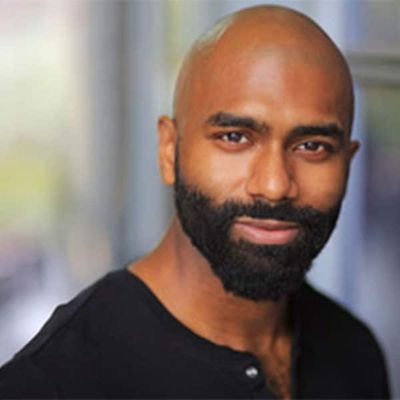
From playing Aaron Burr in the Broadway smash hit Hamilton, to playing Sir Galahad in the Broadway Revival of Spamalot, Nik Walker has an unparalleled range. U Guys, this week's BroadwayWorld Recap has all the latest Bway updates!.. Read More
From the show: Oh My Pod U Guys
Guests
Featured Shows
About
From playing Aaron Burr in the Broadway smash hit Hamilton, to playing Sir Galahad in the Broadway Revival of Spamalot, Nik Walker has an unparalleled range.
U Guys, this week's BroadwayWorld Recap has all the latest Bway updates! Then I am joined by actor and writer Nik Walker to talk about his amazing career! From performing in two different Broadway productions of Motown The Musical, to playing Otis Williams in Ain't Too Proud, Nik shares about the experience of bringing black stories to the Broadway stage. He also shares about his own original shows, and talks about how much fun he is having playing Sir Galahad in the highly acclaimed Bway revival of Spamalot, now running through April 7th, 2024. Nik is lovely and hilarious, U don't wanna miss this episode!
Follow Nik on Instagram: @nikkywalks
Follow the pod on Instagram: @ohmypoduguys
Transcript
This transcript was automatically generated and might contain errors.
[0:00] Jayke Workman: You guys, I wanted to start this episode with a really special poem I wrote for uh the love of my life. It goes.
[0:10] Jayke Workman: Jonathan Groff, take those clothes off. Oh my god, did you hear? Did you hear? Did you hear my god, guys? Oh my god, oh my god, oh my god, you guys.
[0:34] Jayke Workman: What's up, everybody? My name is Jayke Workman, and this is Oh My Pod U Guys, a musical theater and pop culture podcast. You guys, you guys. I just did two performances of Chicago the Musical on Broadway. And let me tell you, the Merry Sunshine Reveal was less than brilliant.
[0:57] Jayke Workman: Okay, yeah, here's the story. So I am a vacation standby, whatever that means for Chicago the Musical. So I only cover the role of Mary Sunshine, and I had not been on in over a year. So when I got the text message from our stage manager, the wonderful and lovely David Hyslip, saying that I was gonna go on for both performances on Sunday, I was a little panicked, only because I had a full beard and mama, she's a lady.
[1:24] Jayke Workman: So I had to jump out of bed and shave off my beard, and now I look like a full, full hard-boiled egg. Um, so then I go to the first show. I walk through the track for myself, you know, on the stage, whatever, I'm putting my makeup on. Everyone is so lovely and so just excited that something new is happening, and it was so much fun.
[1:48] Jayke Workman: I do the first show. It's wonderful. I felt so good. And I go to dinner, I come back, we're doing the second show. I'm like, wow, I feel really on my voice. I feel like I'm so proud of myself for remembering everything after not having done it for a year. And so I'm like, I'm settling in. I'm feeling really good.
[2:09] Jayke Workman: We get to the scene where Mary Sunshine is revealed at the end. Spoiler alert, if you haven't figured that out after 27 years, I don't know what to tell you. Uh, and so I go and I rip my wig off, and then I rip open my tunic, which is supposed to just fly open from the front and go careening into Billy Flynn's hands. And it does not want to come off.
[2:53] Jayke Workman: And so I'm standing there, and poor, poor Max von Essen, dear, dear darling von Essen, is yanking and yanking at this fucking tunic, and it will not come off. And I it felt like 10 minutes. Obviously, it was probably about six seconds in total, but I just threw my arms up and walked off stage because the bra that's underneath the tunic, it fastens in the front, and so it just got caught, and so I'm standing there with my bald head, my red lips, and a black bra over my white tank top.
[3:14] Jayke Workman: It was just so silly. Live theater, everyone, live theater. So this just the all of this is to say that as glamorous as Broadway may seem, you can still end up on a Broadway stage looking like Humpty Dumpty in a red lip. But truly, you guys, I'm so grateful to have gotten to go on. Thank you to everyone at the Ambassador for making those two performances so, so special and just welcoming me with open arms and shoving with the loving when I am in the wrong place.
[3:49] Jayke Workman: Uh, I love you all. And with that, you guys, we gotta dive right into this week's Broadway World recap, brought to you by my amazing friends at Broadwayworld.com. First, you guys, we have got to talk about the opening night of The Notebook on Broadway at the Schoenfeld Theater. You guys, the show looks so beautiful.
[4:10] Jayke Workman: However, the reviews have come out and it is a complete mixed bag. People love it or hate it, which I uh, you know, say what you want about reviews. I think they're less than necessary, but it also helps consumers, you know, decide where they want to put their money, and uh I will be seeing it regardless of what the reviewers had to say.
[4:36] Jayke Workman: But it is interesting to note that it was so varied from person to person, obviously from The New Yorker to The New York Times to New York Theater to all of these different people who have, you know, different opinions. Duh, of course, we all do. Um, but I'm really excited to see the show. I'm so happy for everybody in it who gets to make their Broadway debut, and to Ms. Ingrid Michaelson, who is making her Broadway debut with the writing of this beautiful music.
[5:03] Jayke Workman: I cannot wait to see it. Congratulations, and remember that reviews are sometimes poos. I don't know where I was going with that, but just take it all with a grain of salt, okay? Next, you guys, we got a rather surprising announcement that the revival of Sweeney Todd has set its Broadway closing date.
[5:23] Jayke Workman: The show, which currently stars Aaron Tveit and Sutton Foster, has decided to close on May 5th after their previously set departure date. So basically, they said, We're gonna close since Miss Sutton and Mr. Aaron Tveit are going to depart. We're just going to close now. Which, as sad as it is to see a show close, I do understand because this was clearly, you know, first with Josh Groban and Annaleigh Ashford, and now um introducing Aaron Tveit and Sutton Foster into the show.
[5:56] Jayke Workman: It was clear that they wanted big names to be these iconic roles. And honestly, how do you top Aaron Tveit and Sutton Foster? So, congratulations to everybody in this show. At the time of its closing, it will have played 27 previews and 399 regular performances, which is honestly a beautiful gift, and what a way to go. I'm congratulations to everybody, truly. I can't wait to see the show before it closes.
[6:23] Jayke Workman: Next, you guys, in a kind of crazy event, we have to talk about a person fully disrupting a performance of An Enemy of the People on Broadway as a climate activist. And I have spoken about this a little bit on the pod before. However, this is a really interesting and specific instance of someone stopping a show in an act of protest because it's number one, the show is um pretty much in the round, and you can see the entire audience.
[6:57] Jayke Workman: The house lights are on, so everyone can see everyone. And this person basically just in the middle of the show, decides that they are going to take the floor and take a stand against climate change, but they announce themselves as a theater performer themselves. They're like, sorry to interrupt your show, you guys, but I like I have to speak on this. I'm a theater artist as well, and I'm risking my career by doing this.
[7:24] Jayke Workman: And I just, as, you know, important as it is to speak out for the things you believe in, I just don't know how effective it is. And honestly, if you're even speaking to the right people, because uh, not to toot our own horns here, but theater goers are most likely not the most uh buttoned up politically. I would say that more people in the theater and going to the theater are likely to agree with your views on climate change and what we need to do to help stop climate change.
[7:58] Jayke Workman: Um, but I don't like this show being interrupted for this act of protest. I just it seems, I mean, for lack of a better word, performative. And it what are you gonna do? What are you going to achieve from by this? Except for ruining not only the experience for the theater goers, but for the performers themselves, and especially as an actor yourself, which you claim to be. So I don't know. What do you guys think? I think it's just inappropriate, and I don't like it, and I think there are much more effective ways to actually make change than ruining an evening of perfectly lovely theater.
[8:40] Jayke Workman: And lastly, you guys, Broadway World shared the very exciting announcement that Judd Apatow is set to produce a documentary about the amazing and legendary Toronto production of Godspell. The film will follow the original cast of the Toronto production, which includes Martin Short, Eugene Levy, Gilda Radner, Victor Garber, Paul Shaffer, Andrea Martin, and Dave Thomas.
[9:05] Jayke Workman: And the documentary will also include audio recordings that Martin Short made of the musical and of intimate parties where the cast drank and perhaps fell in love during intimate gatherings. So I'm just so thrilled about this. I love getting to peek behind the curtain in a documentary way. Like, for example, uh with Every Little Step and you know the casting process and creation of the Broadway revival of A Chorus Line. I'm just so excited about this.
[9:33] Jayke Workman: So I will, of course, keep you updated on all of the things to do with the Godspell documentary, which is set to come out in 2025. And you guys, this has been the BroadwayWorld Recap. Oh my pod, you guys. I am so excited to welcome my next guest to the show. He is an actor of the stage and screen. Please welcome the, if I do say so myself, beautiful Nik Walker.
[10:02] Jayke Workman: Welcome to the podcast.
[10:04] Nik Walker: Making me blush over here.
[10:06] Jayke Workman: Making me blush. I try to appreciate you.
[10:09] Nik Walker: And succeed.
[10:10] Jayke Workman: Thank you so much for being here. Can you tell us where are you calling in from?
[10:16] Nik Walker: I'm calling in from my home in Queens. My little office nook in the corner of our bedroom. My wife uh very smartly was like, So this is our bedroom, and then this little corner over here, this is where all your little nerd stuff can go. Or your little comic books and such. Is what you're doing. So here we are. Enjoy.
[10:35] Jayke Workman: Correct.
[10:37] Nik Walker: Correct. Very smart effort to do that.
[10:40] Jayke Workman: Well, you have a very uh official setup there with your microphone. I'm impressed.
[10:44] Nik Walker: Oh, thank you so much. Yeah. I've had many a guest who are like, is this thing on? No, dude. Yeah, it was uh this is this is I miss my podcasting days. I mean I had because I actually on Broadway Podcast Network, uh me and my buddy did a we did a movie podcast back in the back during the shutdown, and it was so fun.
[11:06] Nik Walker: Um it is so fun. And my and my hat goes off to you, uh, you know, who was doing the eight show week schedule and this podcast, because I know that that's insane. Congratulations on being amazing.
[11:22] Jayke Workman: So I don't have to actually do the crazy kooky eight shows and then do this. I think I would absolutely lose my marbles, but thank you. I appreciate it.
[11:30] Nik Walker: Of course. Well, I'm so excited that you're here. I cannot wait to ask you about just all the shows that you're in or that you have done. But I of course have to talk about Spamalot, the Broadway because here we go, bitch. This show is I mean, it we've all known forever that this is a wack-a-doodle show, but this revival with this cast, I just talked to Jonathan Bennett on the pod. Oh these people are unhinged.
[12:02] Jayke Workman: Yeah, Nik Walker. Okay, walk me through, pun intended. Did you know when this show was being revived that you were going to have a part in it?
[12:12] Nik Walker: So this is what's I mean, the I'd say the Kismet nature of this thing coming together is kind of wild to me because I knew, so I saw the article that Kennedy Center was doing it, and I saw that they had at that point they had James, Brightman, Rob, and Leslie, right? And that's what that's what came out, like I think back maybe March or April.
[12:34] Nik Walker: And I was I was filming on Blue Bloods at the time and I saw this article drop, and I remember being on set of Blue Bloods, like texting them, like, yo, the fact that they're putting because these, I mean, keep in mind, like, these are all my friends, like the everyone that was in that cast. I was like, the fact that they're putting the four of you.
[12:50] Nik Walker: Well, and what was funny was like I literally sit there and I was like, I mean, I wasn't even thinking about that, but I was like, the fact that they put the four of you together is absurd, B, like, I'm gonna be there every day. Like, I'm about to go on the website, buy it right now, buy all these tickets.
[13:02] Nik Walker: Exactly. And Brightman was like, Wait, why aren't you in this? And I was like, I they didn't call me, like, I'm not trying, you know, whatever. I'm I'm happy to be a support and be in the and be in the audience. But what was funny was literally, I kid you not, the next day I show up to set on Blue Bloods again, and my agent calls, like, hey, do you want to be in Spamalot?
[13:23] Nik Walker: I was like, what? And like up and like I don't I mean, I don't think that to this day, Brightman and James maintain that they did not reach out, like I it just I don't know what kind of kismet happened, but like truly it was this wild thing where they ended up just casting this group of I mean, you know, obviously these people who were in this cast, Leslie, James, now we have Ethan, we have Chris, we have Jonathan, you know, these are people who are comedy legends, right?
[13:48] Nik Walker: Um, but they didn't I don't know if they knew that we were all friends. Like I don't think they knew that. And even you know, and so like it's been kind of this wild moment because this show is bare I mean, if you know the show, it's it's barely a a story. I mean, we it's it is literally the thinnest plot. Um, it is a series of sketches strung together, right? But like I think that what makes our revival special is that it you know, you have eight comedians who just love playing with each other.
[14:20] Nik Walker: And like, and it's and that's the fun is like just watching us. I mean, I just love watching these other people like be genius, and I get to just support them and toss the ball their way and see what happens, you know. I mean, it's been really cool to watch that.
[14:34] Nik Walker: Well, and I can't even imagine the level of shenanery that is happening off stage before the show, during the show. Like, obviously, you have this history with all of these people as just friends, so then yeah, getting to do it in front of an audience must just be insane.
[14:52] Nik Walker: It was absurd. I mean, it's been truly, and I mean this, you know, I think everyone says everyone has those shows that are so special. I didn't realize how special the show was gonna be to me. Um, but you just realize that like, you know, back at before our wonderful Jonathan came, we had Michael Urey playing Sir Robin, and there's a scene that me and him do the guard scene where I'm playing this horrible, horrible father, and he's this guard that I've just given an instruction to and is not understanding what I'm asking him. It's a very simple instruction, um, just which is just to stay in the room and guard my son, and this guard just doesn't get it.
[15:33] Nik Walker: And it's one of those scenes which like is a funny scene on paper. It's funny in the movie, right? You know, but you know, when you're doing it as an actor, you realize it's like this one, it's probably the hardest scene I've ever done. It's like this who's on first sketch, because the key with it is you actually, I mean, and this is with all comedy, but especially with the scene, it doesn't work if you're trying to be funny.
[15:54] Nik Walker: Right. Like, it really is just you have to try to figure out why he doesn't understand what you're saying. And but Mike Urey is such a genius. Um, that it was like, I mean, it was like jazz. Like it truly was like that moment of where we're just like throwing a ball back and forth. And then when Jonathan came in, it's still like it we it's you know, we're playing a different song, but like it's still jazz. Like it's just this amazing opportunity to just be around these legends and like and just it and everyone gets is doing exactly what they do, you know.
[16:30] Nik Walker: Um, Ethan is being a clown, um, James is being like the front man, Leslie is being you know the biggest Leslie Rodriguez critser that we've ever seen, right? Like, I mean it's just everyone's on all cylinders, but you just kind of I for me, I just I've gone into this just very grateful and very much like let me just learn and enjoy, and yes, there are shenanigans backstage, and yes, like we are absolute idiots, and as long as they keep paying us, that's what we'll keep doing, man. We're gonna enjoy it. Period.
[17:03] Jayke Workman: So tell me about playing Sir Galahad. I mean, was this the type of art or theater that you ever envisioned yourself making? I mean, just even looking at your resume and your previous endeavors, this is not necessarily similar to the things that you have done on stage before. Did you always think of yourself as a comedian?
[17:27] Nik Walker: Absolutely not. No, and I still don't. I still feel wholly unqualified for this job. Um, but I've well, you know, you know what's been wonderful though? There's a Mike Nichols said a thing to the original company, um, because that but the first thing I did when I knew we were transferring was I went around and like literally just found every funny person I could find, and especially people who had done the show before.
[17:48] Nik Walker: Um and I and so I obviously Chris Sieber was my first call. I was like, Can I just take Yet's coffee and like pick your brain and just understand? Right. And that's I mean, truly that's that's a walking icon, right? Like that's a person who just knows this in and out. And he was talking about how Mike Nichols, the original director, had talked about this idea of you're not funny, the thing is funny.
[18:08] Nik Walker: Right. So just do the thing. And I think that that's what I've, you know, it was definitely a moment of feeling like, oh god, yeah, I'm so out of my depth here. But like what I've loved has been that the more I just lean into the curiosity of it and the humility of it, and of just like, oh yeah, let me just see where this thing I don't know. I don't know how this works.
[18:31] Nik Walker: Like, I just I know how to act, right? But like I don't know, I'm not gonna consider myself like, you know, a comedy trained person, right? But like it's been super fun to kind of learn on the job training of just like what this thing is and what timing is and what it means to kind of, you know, I uh what I think that I bring what I can bring, which is specificity of character, like like you're you have me playing like seven billion different characters, so let me try to make each one specific and different and engaged, and let me try to, you know, if there is some semblance of story, let me try to push that story forward and let me try to be clear with my words and listen, do a lot of listening.
[19:13] Nik Walker: I think that's probably the biggest thing that's helped me, um, Chris Fitz, who's in our cast, is right, is another genius. Um, and Chris Fitz, I would call is the master of listening, right? Chris Fitz can make a moment funny just by being present on stage, literally just by just standing there and listening and being engaged. He understands that like he doesn't have to, you don't have to do much.
[19:37] Nik Walker: You know, just be there and want something. And so learning that and applying that to my own work, I think then like Sir Galahad becomes, you know, it just it just I don't know, it just becomes a little easier. You don't have to worry, you know. I never I know that he's like a very sexy, like whatever, but I never I don't think of myself that way.
[19:58] Nik Walker: So it's like it's very much just like this thing of like, okay, let me show up and be in this given circumstance where I have you know Leslie with me and we're on a boat and like clearly I want things, so like let me just see what happens and put and like let the show do the work for me. Um, you know, I have this amazing wig, like like, you know, I don't have to do much like the first time I saw the production photos, I was like, bitch, that wig is everything.
[20:25] Nik Walker: It's my entire first act. Like that's what I'm saying. Like, I don't if I just just put on the clothes and say the words and want things, like it will do the work for you. And I think that's been my favorite lesson of this experience has just been like, what is the most efficient way I can perform? What is the simplest version of this?
[20:45] Nik Walker: Um, you know, and in that way you never it's never it never becomes like a competition of like who's funniest or who's stealing the show right now. It's like no, like we're all here to serve the piece and have a like like I'm sure it's like what you guys do in Chicago because Chicago, by its very nature, is like I remember seeing because I've seen it twice.
[21:02] Nik Walker: I saw it once, my buddy Paul, who's now in Water for Elephants was Billy Flynn, and then James was Billy Flynn. Yes. Um, and both times, it's been just wonderful to watch this, you know, this group of y'all like really share space. Like, you know, when it's Billy's turn, it's Billy's turn. When it's Roxy's turn, watch them. When it's the ensemble's turn, it's their turn.
[21:20] Nik Walker: Like everyone is kind of contributing to the pie. And I think that's what we got at Spamalot too, is that same nature. You know what I mean?
[21:27] Jayke Workman: Totally, totally. I mean, like number by number, it's essentially the creme de la creme of vaudeville and what it means to be doing sketches, like you said, how it's sort of just like skit by skit sewn together in this ensemble piece. Um, I totally feel that about Chicago. And you know, I play Mary Sunshine, who essentially is completely separate from everything else.
[21:51] Nik Walker: But it's fun to get to just like pop in and do my little thing and then be like, okay, now it's someone else's turn. You guys go and do it. I love that.
[21:59] Nik Walker: Yeah. It's so fun, dude. So switching gears a little bit, I would love to know about sort of the difference between doing a show like this, where you bring yourself to it, but there is no comment on what any of you look like versus doing a show that is actually very informed by your black experience.
[22:24] Nik Walker: Um, like Motown or even I would say Hamilton because that was like a show that really was one of the groundbreaking sort of um shows that was not commenting on anything that has to do with um race or uh identity. Um tell me about what it's like to show up to work and not have to necessarily think about the way that your blackness is uh informing your character.
[22:53] Nik Walker: Ooh, love you and love your questions, because that's a great question. Um, you know, I would say it's been kind of right, because my journey, well, especially, you know, when you talk about my Broadway stuff, right? With my writing, I think on my writing career it's been easier because my, you know, my writing is me, right?
[23:11] Nik Walker: So the show that me and Brightman have over at Warner Brothers, like that's us. That is truly just us pouring out whatever we have. But whenever you're talking about coming in as an actor to something you haven't written, something that's just somebody else's box for you, right? And trying to assimilate and trying to serve their story, you kind of, you know, give yourself over to their rules.
[23:33] Nik Walker: And sometimes, you know, their rules weren't built with you in mind, right? Like some a lot of times. More often than not, you right? Like exactly, right? You know, they weren't thinking about that, and that's something that you then have to sadly advocate for and do whatever you need to do to make sure that you are both serving their story and seen as who you are, right?
[23:58] Nik Walker: And when it's it's it's always, especially in the intersection of commerce and art, it's never easy, right? Like it's never an easy fight. Um, I would say that Hamilton was really special because you know, you have to understand I grew up right in white Irish Boston. I was very much the token.
[24:18] Nik Walker: Um, you know, and like you know, and my family is from down south. My, you know, so there's a strong uh church community, strong black church community um that I grew up with as well. But like it was it was very that I never really identified, you know. So when you throw me in show like Motown or Ain't You Proud, it's almost a part of my culture that I didn't grow up with.
[24:38] Nik Walker: I don't know it, right? Like, like I'm I have to I'm learning about it through these shows. Um and that was a beautiful experience but then when you throw me in Hamilton right like I think the beauty of Hamilton was that you know I in college I was a sh I was a Shakespeare major this was you know heightened text was what I loved and here you have you know Lynn has written this piece which is possibly the closest thing to Shakespeare we have today right I mean absolutely you know it's it really is and I and I only by that I only mean like it's the number if sh if if what separates Shakespeare from another writer is the number of thoughts per line right the number of the specificity of thought per line.
[25:21] Nik Walker: Lynn has written something where like every line of text in that show is riddled with thought right riddled with possibility and um, you know, and you as the actor have to make that specific so it was this moment where it's like you're looking for people of color and you're asking them to do a thing that like they don't often get to do right um and and that sounded amazing to me and it scared me it was terrifying but it was this moment where yeah you could walk in the building and my you know especially in those early days because I joined them right around the Tony's your your identity was part of you but it wasn't all of you right it was it was necessary to the show but it's not the show.
[26:09] Nik Walker: And there are places that they've now you know I think in in more recent years where they've rediscovered like ooh that even that is like a complicated ask, right? Like because you're you're talking about s you know, people who own s own enslaved. Like like I mean, that's just the nature of what who these characters are so right it isn't as easy as just kind of like, ooh, throw it all in a gumbo and see what happens.
[26:29] Nik Walker: Um right, but I think that as long as they're willing to ask the questions and at least know why they're making the choices they're making, then it can remain what I've always loved about it, which is just a space for people to bring themselves into American history. So Hamilton was was wonderful in that regard.
[26:49] Nik Walker: And Spamalot, I would say same thing. I think Spamalot, uh for as silly as it is, it is a really brilliantly constructed bit of silliness. And when you have something that's that well written, you know, me and James, I think we both kind of made a uh a choice, you know, uh when we were when we were in rehearsals and when they first offered this to us, like, you know, if we're gonna do this, we're gonna do this as black men.
[27:12] Nik Walker: That doesn't mean that we have to take a second and like stop the show to be like, hey, we're black men. But like in the way that a joke would hit us, you know, that it would hit, you know, it would hit Chris Sieber differently or hit Tim Curry differently, like we'll honor that. You know what I mean? And if and if there are subtle ways to kind of honor that, let's try.
[27:31] Nik Walker: And I think that Josh Rhodes, our director, was always very receptive of allowing us to kind of bring that even even something like we were talking about the dreadlocks, like even something as simple as that. Oh, which again doesn't right, doesn't change the show, right? But like it's just like that is on the there's no question of what of what that of what that image is.
[27:51] Nik Walker: Um and that's I love that. I love that that we don't have to pick and choose, right? That that's because that's so often the battle is like, ooh, okay, well, I can I can be myself here, but I can't be myself here. In this show, it's like nope. Nope. Right. Just be yourself.
[28:06] Jayke Workman: Well, and it's so interesting. I had the absolute pleasure of having Nikia Mathis on the podcast, who was the amazing designer of Ja Ja's African hair braiding. And that was one where it's a project that obviously you cannot separate the hair from the story. The, you know, blackness of these people and these characters is what the story is about. But I was so excited to see you in that beautiful dreadlocks wig, because they could have gone in any other direction, but they chose specifically to say, yeah, this Sir Galahad has dreads and what.
[28:48] Nik Walker: Well, and I love I would even go. I mean, what I think the smartest thing they did, and this is not, you know, and I love our creative team, they asked me. They asked me, right? Like that they asked me, like, what do you want to do? Because that I think that's when you run into trouble. Whenever you're talking about identity and people bringing themselves to a space of theater, of film, of whatever it is, you know, everyone's so it's uh afraid to make a misstep. It's not about making a misstep, it's about making an assumption. If you just ask somebody, like what makes you comfortable? Like, what is your line? What is for you for you, because we've hired you. So it's yours, so we're gonna follow your lead.
We're gonna do you the respect of saying, you know, okay, great. So whoever you want them to be, like, let's listen to that for a second, and we'll work off of that. And that's really all it has to be, because it's the difference between a discussion and a command. As soon as there's no discussion, as soon as the conversation's not open, no matter what we're talking about, when we're talking about gender, where we're talking about sexual orientation, whatever we're talking about, as soon as it's no longer a conversation, that's when we have a problem.
[30:00] Jayke Workman: Yep.
[30:01] Nik Walker: And it's funny because we're in the world of creating art that is supposed to talk about it. We're in a profession where our entire MO is exposing things and reflecting and turning the mirror back on ourselves and saying this is what's wrong. And then we're so guilty of it. I mean, I say we, I guess, as you know, this like sort of like the patriarchy of it all, where it's like, yeah, we're trying to say all of these things that should be good and should be creating excellent change, but we are doubling back, and there are all these double standards and yeah, all these like crazy microaggressions that are just like sort of embedded in the world of musical theater. It's wild.
[30:41] Jayke Workman: Well, and to your point, I mean, I think that you just hit the nail on the head in terms of the doubling back, because to me, when I hear doubling back, I hear we've solved it. It's finished. We get it, racism is over. We did it. Thank God. We, we, we, oh my God, everyone's in. Everyone's in now. It's like no, well, but this is a discuss this is a pro this progress, right? Like, and it's process. So it's the commitment what we were asking, you know. I think back to, you know, when we were coming out of the shutdown, like what we were I think that the mistake that a lot of people made, in my humble opinion, was thinking that there was a fix. It wasn't we weren't asking for a fix, we were asking for a commitment to the process, a commitment to say, like, we're gonna check in every quarter and see how we're doing.
Right? Like, and if we haven't done what we need to do, we're gonna re-evaluate and continue forward. And I think that, you know, what does make it hard when it comes to Broadway, um, and you know, and uh uh uh agree, agree I you know, I or I would love to hear what you think about this, but like this idea, right? You know, when you talk about film and TV, you're talking about a studio system, you're talking about an infrastructure which has been there, will be there, might change, you know, obviously with streaming with all these things, but like the basic tenants of there are massive institutions which roll out this much content, quote unquote. Um, you know, that happens, right? Theater, even on Broadway, and I don't think people get this sometimes, it's like these are all mom and pop shops.
They're tiny. You know what I mean? Tiny. So how are we still not able to infiltrate it and make change? And make change and understanding that like the infrastructure is not that like like we the problem with theater is that you can't just do it for one show. You have to do it every time you open a show because a new show is a new mom and pop shop. Like, yeah, you have to just keep moving the sh moving the needle. So it really is um, you know, I again it's spam a lot. It is idiocy on a plate, right? But like even something as little as having you know uh dreadlocks on my hair on my head, um, you know, just keeps the conversation open of like what this can be as opposed to what it's always been, you know?
[33:06] Jayke Workman: Totally.
[33:06] Nik Walker: And I think it also just points to I would say that specifically in that building, all of those characters could be played by anyone. So people that have been selected and chosen to play these roles are there because they were correct for it. And because they were the best for the job. And so that is the exciting thing, and I think that is similar in the world of Hamilton, um, where Lynn and that brilliant creative team said, yeah, obviously the people we're talking about were all white. We don't like, yeah, that's obvious. So now uh we don't need to talk about that anymore. We're talking about people who are correct for this material and this store type of storytelling. I mean, I think it's just brilliant.
I would love to know where you like when you got the call that you were gonna play Aaron Burr, were you scared? Because I have seen that show multiple times, and darling diva dear, let me tell you, if I was asked to do any of those roles, I guess apart from the king, which you know maybe I could sell. Uh that's not a maybe you could absolutely do that. You get in there right now. I would be terrified. It's huge. How do you even like go about taking on that much material that all rhymes?
[34:21] Nik Walker: Uh that it's all yes, that all all rhymes, and especially for Burr, because he has like variations of the same rhyme twelve times. Um, it's crazy. No, you know, I think I think that Lynn um actually gave me probably the best advice, um along with along with is my big brother James, um, who was Loft Jeff at the time, uh, just in terms of taking it one moment at a time. Right. The Hamilton is is is a marathon, it's not a race, right? It's a it's three hours. It is massive, and then you're and you're doing it eight shows a week, and on tour is one thing on Broadway is another thing. Like the challenges of both those spaces is ridiculous. So you don't try to. I think that what I on my best days as Burr, what I really tried to stick to was this idea of okay, I don't have to get through the show.
I just have to get through the scene. Can I just can I just be present and listening and engaged for this scene? Great. Okay. We did that. Now can I do this next scene? Now can I do this next scene? And when you do it like that in little by like the there's a great saying um that I love I'm paraphrasing it, but that um any big fear is really a lot of any uns any impossible fear is is actually just solve very solvable little problems, right? A series of very solvable little problems. And that's how I chose to look at Hamilton was just like, okay, let me just take it literally one line at a time. Um and then there were little tricks that you learned to to make sure you were still present in the thing, you know.
Um Burr asks, you know, all of his narration is questions. Um, and for me, none of those questions were ever rhetorical. I was always trying to honestly ask them and then get an answer, right? Like, how does a bastard orphan son of a whore like get an answer with that, right? So that even in those moments where everybody knows the words, they have new meaning for me as an actor. And if as long as there's something fresh about them for me, um, it was also, I think, you know, I was coming along, right? Like, I started the show as Leslie's understudy as Brandon Victor Dixon's understudy. Um, right, so it was it was very much a time of like I have these performances in my head and these ways of playing it, and the kind of the finding the balance of stealing what I liked, but then doing what I what I felt, you know, how the text moved me.
And that's something that every actor who comes in to replace, I think has to grapple with. Um, and there's some shows that very much lock you into like no this is how it is Hamilton at that time was not that show right it was it was a show that was like ooh well let's see I don't know let's see what happens if we put this person in this role so you kind of had to trust um that you were there because they saw something in you and and just enjoy that I think I think you know enjoying the the unknown of it really helped enjoying like the ooh I might mess this up today like this this the like the show won't stop but like I might something will probably happen today. But you I mean you know it's a standby right like when you're a standby because standby swings understand like obviously hardest job in the building you know that you're not getting the reps in you know that you're being asked to be ready at any moment right and you go on and like you know and maybe there's maybe there's a new person on and you're with that new person you're like oh god I gotta okay this this moment didn't land like I wanted to land.
But like the the what makes you a good standby is not that you hit all the moments it's the adaptability in that moment to say great like cool that moment didn't land we keep moving. Do you know what I mean?
[34:30] Jayke Workman: Uh-huh.
[34:30] Nik Walker: And that's I think I think what definitely was the mindset with Hamilton was like great great just keep moving. Just keep moving keep going. And I would imagine too that when you started in that show it was not the phenomenon that it has become I mean you you are presented with this incredible material that you're kind of thinking like well I would imagine I I would be thinking, wow, this is really cool and new and different. Uh who the hell knows how this is gonna go? We could close in four months and now it's just this like absolute global phenomenon. How does it how does it feel to be a part of uh this like legacy? I mean, even just to say that you have worked with people like Lynn and and understudied Brandon and Leslie and like you know, there are people who have been through that building who have absolutely changed the game of musical theater.
[39:02] Nik Walker: Yes, they have. Um you know, it feels it feels wonderful. It's you know, I think I think that it feels it's very humbling. It's very it it makes you it makes you very grateful. Um I you know, the career that I've had since, all the, you know, everything that's happened, everything that's happened um to me on all sides of my career, um happened in large part because I was in that show, right? Like that show ended up being a springboard, like perfect per example. So I uh I have uh a play that's in development over at uh Hunter Arnold's office, uh TBD Theatricals, and that laid literally that that got over there. The only reason that got over there was because their head of development came to see me.
She saw a workshop that I was in, and that night she saw me as Aaron Burr, and she and she was like, oh, this guy just did two things in a row, and he then he like he did this workshop, and then he played Aaron Burr. And then that was like uh inspired her to message me and be like, hey, that was you know, that's a lot of work. Like, congratulations. And she's like, hey, we started talking. You're you're insane. What are you doing? Dude, are you on medication? And I was like, yes. Exactly. Um, but like it was it truly ha Hamilton very much in terms of you know, in terms of this community and this and this this industry knowing me, that was absolutely what put so many of us on the map and gave us gave us a springboard and so I think that it's it's tremendous gratitude.
I'm actually looking, I'm looking right as I talk to you. I'm looking at a at a thing, uh my my goodbye letter from Jeffrey Seller. Um, you know, like I mean it truly it it's it truly it it's it's my it's my lifeblood. I mean that that show um did so much for me and personally and my career. I got married off of that show. Like, do you know I mean like I everyone has I think every there's there's the right there's the when you have when you're part of the cast of those big shows, whether the Le Miz, the Wicked, the Hamilton, the Lion King, right? Like those shows that really just open up doors and um and push you forward, right? Because that's not you know, most Broadway shows as we know, like it's you open, you close, like right, like it really is.
That's the name of the game. But when you have those the Chicago's of it, like like those shows that are really just like, you know, not government jobs, but places where you can go and like feel like you can sit for a second. You can really just you can count on it and you can take it in, and they're taking care of you and they know you. Like that's that's such a golden opportunity. And Hamilton was, you know, the most golden of them all, especially at that time, because when it did blow up, it was I mean, that I've never experienced anything anything like that. I've I've Hamilton Post Tony's was the craziest Broadway experience I've ever had in my life. I you just it was I it w it was just it wasn't and it wasn't it wasn't like the celebrities, it wasn't like the butt, it was it was the crowd, that audience, and to this day it still subsists, like they're still out there at the stage door, but like 2016 2017 these it was there was a hunger and there was a need and these people were so and nobody knew it. Nobody knew it. So like you they were surprised, they were shocked, they were taken up.
[42:34] Nik Walker: Oh, buddy, there you go. Now we're cooking with gas. Yes, they were. No, it was I I'm so and like that. No, don't you ever, don't you ever. No, it was beautiful. And that crew of people, you know, my crew, my crew who came out of that, um, you know, everyone's gone off and done incredible things and and and you know, we all still text today.
[42:56] Nik Walker: So I'm extremely thankful for that moment.
[42:59] Jayke Workman: Extremely I love to hear that.
[43:01] Nik Walker: I love that.
[43:01] Jayke Workman: Yeah.
[43:02] Nik Walker: So then on the flip side of that, when you are not doing something that could be considered the, you know, biggest smash hit on Broadway or whatever, when you are working with people like Alex Brightman and creating your own things, what inspires you and what keeps you pressing forward?
[43:25] Nik Walker: My favorite pieces of creativity, whether that's, you know, somebody's writing, somebody's acting, directing, whatever it is. I love to look at a work and feel like I've learned something about the creator by looking at it. So like if you watch, you know, this is the, the, the, uh, over the plate example, right? This is so, so easy, and many people said this, but if you watch Tarantino films, you're watching him and his creation, but you're also watching, you know, the hundreds of films that he grew up on and watched in the video store when he was working at a video store. Right. You're seeing the influence. Barbie, right, you're seeing, you're seeing Greta Gerwig's love of these dolls. You're seeing all the influences there.
You're seeing, you know, and things that she's always wanted to say about the patriarchy and about like, and has been saying in every film she's ever made. Right. So like I love that I love, I love learning about people through their art. And that, you know, even, you know, with the stuff that I write, you know, the cartoon that I have with Brightman is very much about my hometown. It's very, yeah, I'm from Boston and that's like, that's my heart and soul. And that town is, you know, it's not the easiest town to grow up in, but it's, it made me who I am. And so we carry that with me. I also think there's a want, you know, somebody said originality is putting two ideas together that's never been put together before.
And I don't try to be original but I do try to be authentic. But what I love the challenge of trying to find my way of saying something. Right. Oftentimes I write about characters like the musical that I'm working on, Whiskey Land, is very much about a character who just doesn't, there's a truth that they refuse to get and the world around them becomes chaos because they are so in defiance of this truth. And oh yeah, and you know, it's a family show for tickets, grim, great, sure, sure, but I think that, right, you dig down and you really, you know, you are propelled by what the messages that you need to hear. You know, and whether that is a dark and serious tragedy or like a lighthearted comedy, like it all comes from somewhere.
So I think just like the beauty of learning about yourself and learning about the world around you is what keeps me going as a writer and as a creator. And I think that it's all these, like, you know, I try to think of my stories as like beacons in the sense of like when I was a kid, I was, like I said, I was the token growing up in Boston. I didn't have a lot of kids like me and these stories are kind of my bat signal to be like, hey, I'm here. Like if there's anybody out there who grew up like I did, like I'm here. And what's been amazing is watching it work. Watching, you know, and it doesn't happen overnight, right? But like you inevitably, I think any time you create, you know, whatever medium you're creating in, you end up with a circle of people around you who are of like minds who, at the very least, understand what you're saying. They may not have come through it like you but they get you.
[46:50] Jayke Workman: Yes.
[46:50] Nik Walker: Or want to understand.
[46:52] Jayke Workman: Well want to and that's, and what a gift that is to have people who want to learn and who you want to learn from, right? Like who you are challenged by and who you are curious about and who you have no idea what the, you know, what their story is.
[47:07] Nik Walker: So I've really loved watching these communities form around, you know, little ideas I've had, and I look forward to continuing on with them. It's been really cool. It's just fantastic.
[47:19] Jayke Workman: I can't wait to get to experience the things that you...
[47:19] Nik Walker: Oh, thank you. I mean, you said it, it takes forever. There is no forever limit to the that it takes. And you know what it is too? I think that when you're, and this is something I think about often, you know, especially in this moment of, you know, right now we have a Broadway season that is so full, right? And so many shows are coming in, and they all deserve their shot. You know, and you think about with how crazy this industry is, you know, all the unknowns, the uncertainty, the we're gonna open tonight and hope we run, right? Like you might as well take your time, you might as well give it everything you got.
[48:09] Jayke Workman: Do you know what I mean?
[48:10] Nik Walker: That is absolutely, that's so true. That like it just, it's the ebbs and flows, and it's the reminder that this is a business above all.
[48:22] Jayke Workman: And it's that's unfortunate because there's such a...
[48:22] Nik Walker: Yeah, you might as well take your sweet time with it.
[48:31] Jayke Workman: Yes.
[48:31] Nik Walker: Yes.
[48:31] Jayke Workman: Enjoy it.
[48:34] Nik Walker: Totally enjoy it as much as you can.
[48:35] Jayke Workman: Oh yeah. Well, Nik, you are such a love to talk to. Before I let you go, I have a series of rapid fire questions that I ask all of my guests. Are you ready?
[48:46] Nik Walker: I'm so ready for this. Come on.
[48:51] Jayke Workman: Sondheim or Andrew Lloyd Weber?
[48:53] Nik Walker: Sondheim.
[48:55] Jayke Workman: Sweatpants or jeans?
[48:57] Nik Walker: Sweatpants.
[48:59] Jayke Workman: Do you have a least?
[49:00] Nik Walker: Oh, I'm sorry. Do you have a favorite musical?
[49:04] Nik Walker: Oh, Assassins.
[49:07] Jayke Workman: Ooh, that's a good one.
[49:09] Nik Walker: Assassins favorite musical?
[49:15] Nik Walker: Oh, I do, but it's not for the reason you might think.
[49:18] Jayke Workman: Oh, God.
[49:20] Nik Walker: Spill it on the podcast, Nik.
[49:22] Nik Walker: Spilling the tea, spilling the tea. You know what it is? I'm so, and I'm gonna say this and I'm gonna apologize as I say it. Because it's just, it's just not, it's just not for me.
[49:35] Jayke Workman: And that is mean girls.
[49:37] Nik Walker: And I love the movie.
[49:39] Jayke Workman: Oh my gosh.
[49:40] Nik Walker: I love the movie, man.
[49:41] Jayke Workman: Same!
[49:42] Nik Walker: And I love the movie was in the show. But I love them. But it's just not, it wasn't, it's I'm not the demographic. And that's fine, and that's fine, and that's fine.
[49:50] Jayke Workman: And you would think that me being a white homosexual, it would be my tea.
[49:57] Nik Walker: But no.
[49:58] Jayke Workman: It wasn't for you.
[50:00] Nik Walker: And it's alright. Would you ever like to do a Broadway play?
[50:05] Nik Walker: Oh, I, that's, I never, I musicals were like so not my intention. That is yes. Short answer yes.
[50:13] Nik Walker: Yes, yes, yes, yes, yes, yes. I don't, I feel I've always feel like I'm like crawled in the back door of musical theater. I'm not supposed to be here. I'm waiting until they find me out and kick me out.
[50:22] Jayke Workman: It's terrible.
[50:23] Nik Walker: Right.
[50:24] Jayke Workman: Your time's up.
[50:26] Nik Walker: Time's up, get out of here.
[50:27] Jayke Workman: Yeah.
[50:28] Nik Walker: Are you a morning person or a night owl?
[50:32] Nik Walker: Oof. I'm gonna go ahead and say morning person. I have my, my mother's, my mother's genes, which means I get up and I'm like cracking. My ADHD is on all cylinders in the morning.
[50:44] Jayke Workman: So my God.
[50:45] Nik Walker: Yeah, definitely a morning.
[50:47] Jayke Workman: Could you think of the craziest thing a director has ever asked you to do?
[50:53] Nik Walker: Oof. Oof. Uh yeah. Dez Des Macknooth, if you ever listen to this, Dez, uh, Dez, uh, you know, obviously amazing director of Ain't Too Proud and Tommy, the revival now and Jesus Christ, Superstar. Yes. When he crafted Ain't Too Proud, he crafted a role that literally never leaves the stage and narrates the entire show. And that is probably the craziest thing because it's harder than Burr, because you dance in every number, right? You do everything that temptations do, but you literally never shut up and you never leave the stage. And I saw Derek Baskin do it, who I replaced, and I was like, that's madness. Uh and y'all are gonna have to really help me out. Uh but they did, and so we figured it out, man.
[51:40] Jayke Workman: Yeah.
[51:41] Nik Walker: Iconic. Um, Golden Age or Contemporary?
[51:46] Nik Walker: See, I gotta go with Golden Age. I gotta go with Golden Age. And I gotta go with Golden Age because I think that the thing that Golden Age did that was so smart, especially when you're talking about like Rogers and Hammerstein, these so many of these things were plays before they were musicals. And so the songs, the songs came out of an actual need, right? Like it was like you had a brilliant, you had a script that could stand on its own, and then they were like, ooh, what about this script could sing as opposed to let's write some really catchy pop songs and then like try to string together with a plot. Right? Like, not that that's bad, but I just, there's something about a show where the book is like a play, and then it just happens to have some really beautiful songs. I love that more than anything.
[52:33] Jayke Workman: Totally.
[52:34] Nik Walker: Do you have a favorite role that you have ever played?
[52:39] Nik Walker: Hmm.
[52:41] Jayke Workman: Like ever ever just on Broadway?
[52:43] Nik Walker: Ever.
[52:44] Jayke Workman: Community theater, baby.
[52:46] Nik Walker: Oh, I love it. You know what? And this is gonna, it's gonna be so cliche of me, but Sweeney.
[52:55] Jayke Workman: Sweeney Todd.
[52:56] Nik Walker: I did Sweeney.
[52:57] Jayke Workman: Oh my God. What I would give to see that show.
[53:00] Nik Walker: Oh, it was so fun. It was so fun. And it was my, and Donalyn Champlin was my Mrs. Lovett, and she destroyed. She was brilliant. But that was, it was just, I mean, it's one of those shows that's just so well written, you just show up. Like you actually ain't gotta do much. Just show up and do it, and it will do the work for you.
[53:20] Jayke Workman: Beautiful.
[53:21] Nik Walker: Yeah.
[53:22] Jayke Workman: Coffee or tea?
[53:24] Nik Walker: Coffee.
[53:26] Jayke Workman: Coffee all day.
[53:27] Nik Walker: Yep.
[53:28] Jayke Workman: What is the hardest show you've ever done?
[53:32] Nik Walker: Ain't Too Proud.
[53:34] Jayke Workman: Ain't Too Proud.
[53:35] Nik Walker: Easily. That's, there's no, it more than Hamilton, and Hamilton is hard. Ain't Too Proud is like, there's just that role. It truly was like the test of tests, but we figured it out, or you know, yes, you have a show happened.
[53:45] Jayke Workman: A show happened.
[53:56] Nik Walker: You know, could you name all of the Broadway theaters that you've performed in?
[54:00] Nik Walker: Lunt Fontaine, Nederlander, St. James, Richard Rogers, Imperial.
[54:13] Jayke Workman: Gorgeous.
[54:14] Nik Walker: Yeah.
[54:14] Jayke Workman: Do you have a favorite costume that you've ever worn?
[54:19] Nik Walker: It might, honestly. Sir Galahad might be up there. It is my favorite. It's kind of, dude, it's very, I mean, I'm a huge fan. Because it's, you know, it's the chain mail. It's like the, like there's nothing that boosts your confidence when you know that like your costume is built to make you look the best that you can look. Like, you know what I mean? Like, I, it's sexy. You know, I know I'm never, I truly have never, like I said, I've never thought of myself like that. But like I go, I sometimes I catch myself in the mirror, I'm like, that looks kind of good. It's alright, it's a little good. You know, so I do enjoy that. I do enjoy that.
[54:58] Jayke Workman: Love.
[54:58] Nik Walker: Um, who would you say is the silliest cast member of Spamalot on Broadway?
[55:04] Nik Walker: Oh, I mean, if it were still, if we're talking the OG, it was Taryn Killam. Taryn Killam, uh, Taryn, and Taryn's my, that's my brother. We know we go to Disney theme parks together, you know, all the time. That's my boy. And he is truly just the biggest clown and the nicest person. So Taryn gets that prize.
[55:27] Jayke Workman: Well, my last question for you is a question that I ask all of my guests, which is what is one thing that you would tell baby Nik?
[55:39] Nik Walker: You have time.
[55:41] Nik Walker: You have time. Baby Nik was very much trying to get all things done and be the savior of the world and solve every problem in the moment. And I would like Baby Nik to know that you have time. You've all the time in the world. You know, you gotta do nothing.
[55:59] Jayke Workman: So that's what I would like him to know.
[56:01] Nik Walker: I love that. Well, Nik, thank you so, so much for coming on the pod. You are such a dream. Can you please tell the listeners where they can find you on socials to keep up with all of your shenanigans?
[56:13] Nik Walker: Yeah, it's at Nikki Walks, N-I-K-K-Y-W-L-K-S on Instagram, threads, and yeah, I think that's it. I was on TikTok at some point. I tried, I was like, uh, it's, I can't, I can't stop for me. I'm too, I'm too old for this. But, you know, but the Instagram and threads, I'm definitely there, so check it out.
[56:32] Jayke Workman: I cannot wait to come back and see you and Jonathan in the show. I've had such a blast talking to both of you, and I just so, I so appreciate you taking your time to be here.
[56:37] Nik Walker: Appreciate you.
[56:45] Jayke Workman: Appreciate you. You're the best.
[56:48] Nik Walker: You guys, that's it for another episode of Oh My Pod, you guys. Don't forget to rate, review, and subscribe anywhere you listen to the pod, and you can follow the show on Instagram at oh my pod, you guys. Thank you so much for listening. Talk soon. Bye.
[57:02] Nik Walker: Oh my God, oh my pod you guys.
© Broadway Podcast Network, All Rights Reserved