

Rob Rokicki is composer/lyricist whose shows have been nominated for Drama Desk, Lortel, and Off-Broadway Alliance awards. He is a member of the Dramatists Guild, Actor's Equity, and an alum of the Tony Award-winning BMI Lehman Engel Musical Theatre Writing workshop... Read More
From the show: Page To Stage
Guests
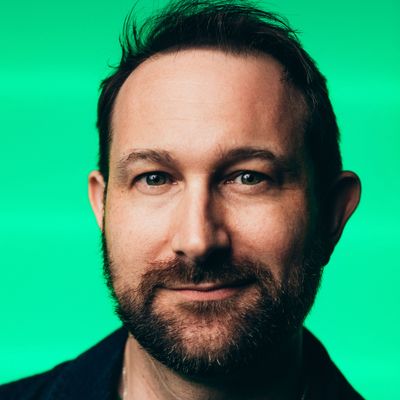
About
Rob Rokicki is composer/lyricist whose shows have been nominated for Drama Desk, Lortel, and Off-Broadway Alliance awards. He is a member of the Dramatists Guild, Actor's Equity, and an alum of the Tony Award-winning BMI Lehman Engel Musical Theatre Writing workshop.
As a writer, Rob wrote the music and lyrics for the critically acclaimed Broadway musical THE LIGHTNING THIEF: THE PERCY JACKSON MUSICAL, for Theatreworks USA (book by Joe Tracz), which is now playing on BROADWAY at the Longacre Theatre until January 5, 2020. Rob’s graphic novel musical MONSTERSONGS received a World Premiere Recording from Broadway Records in 2017 and was part of the prestigious NAMT festival in 2018. It is currently being developed as a virtual reality video game. Rob’s musical, LOVE, NY (co-written with Mike Ruby) won the 2009 American Harmony Award and was presented at New World Stages (NY), Curtain Call (CT), and Oklahoma University. Rob has had work featured in the York's NEO series, at Lincoln Center, Joe's Pub, Ars Nova & at universities internationally.
As an actor, Rob has performed in national tours, including the EVITA 25th Anniversary Tour directed by Hal Prince and MISS SAIGON. Rob was featured in the televised concert of SOUTH PACIFIC at Carnegie Hall and has many Off-Broadway and New York workshop credits. Regional credits include Gaston in BEAUTY AND THE BEAST (received a Carbonell Award nomination for Best Supporting Actor); Trevor Graydon in THOROUGHLY MODERN MILLIE and many others. Theaters include: The Fulton Opera, North Shore Music Theatre, Music Theatre of Wichita, Pittsburgh Civic Light Opera, West Virginia Public Theatre, North Carolina Theatre, The Actors’ Playhouse in Florida and the Mountain Playhouse in Pennsylvania.
As a music director, Rob music directed the New York premiere of Departure Lounge (directed by Christopher Gattelli) at The Public Theater; Joe Iconis' ReWrite (also arranged for Samuel French) at The Goodspeed Opera; Hairspray, at the John W. Engeman Theater, The Best Little Whorehouse in Texas, at TriArts at Sharon Playhouse and others.
Connect with Rob: @rrokicks or www.robertrokicki.com
Follow us:
PAGE TO STAGE: Instagram or Facebook
MARY DINA: Instagram or Twitter
BRIAN SEDITA: Instagram or Website
BROADWAY PODCAST NETWORK: Website or Instagram
#PageToStagePodcast
Transcript
This transcript was automatically generated and might contain errors.
[0:07] BRIAN SEDITA: Hey everyone and welcome back to Page to Stage. A conversation with theater makers. We're your hosts. That's Brian. That's Mary. To put it simply, we're both theater nerds. So let's pull back the curtain and get a glimpse at the artists' process while creating their art.
[0:28] Rob Rokicki: Hi, my name is Rob Rokicki. I'm the composer lyricist for the Broadway musical, The Lightning Thief, the PERCY JACKSON musical.
[0:35] Mary Dina: Which we just had the privilege of seeing last weekend. Awesome. So much fun. The energy was great. I feel like it was his first Broadway show, honestly, which is amazing because he was like, "Hey mom, what about this?" He like asked her a question or he would like... I mean, I'm not hopefully I'm not spoiling anything, but at one point something throws into the audience and he ran to the front of the orchestra to go grab that and bring it back to us. I'm sure his mother was thrilled with that. And then we had like five ladies on like a ladies' night in front of us, and they were like bopping their heads the whole time.
[1:09] Rob Rokicki: Oh, I love that. That's the cool thing about the show is you get this demographic that's like all over the place. You get these like kids that have never seen a show before, and they fall in love with theater, and you get like a whole different group of people from all ages. I feel like especially since this is a book and a movie, there's definitely a following outside of that. So you're definitely bringing in new people who haven't experienced theater before.
[1:33] Mary Dina: So I work at a library and I saw one of the kids had a t-shirt on from the show. And I said, "Oh, have you seen it?" He goes, "I've seen it like three times. I saw it on tour in Philly. I saw it at somewhere else, and I saw it off Broadway." And I was like, "Oh, cool. I'm interviewing the composer this week. Do you have anything to tell him or any questions?" And he said, "No. Just tell him I said hi." So Willie from Totowa, New Jersey says hi.
[2:00] Rob Rokicki: Hey, Willie from New Jersey. Thanks for coming out. I appreciate it.
[2:05] Mary Dina: So I want to kind of take aback a little bit. Don't mind. So what was, if you can remember, what was the earliest experience of theater that you have?
[2:15] Rob Rokicki: Um, I did a show when I was in first grade. It was my neighbor at the time, a wonderful actor, who's since passed, but his mom is a big theater lover, and she came to see the show the other night from Colorado from way back in the day. I didn't talk to her in like 30 years. It was crazy. Anyway, her son had done a show, and I was like, "Well, I want to do a show then," and that was first grade. It was a show called Go and Buggy. It was about bugs trying to sue the government for equal rights. I think I played the bad lawyer that worked for the government, but don't worry, I have a change of heart at the end; the bugs win. So that was I think that was where I literally ha ha got the bug, but like haha, I was not planning that.
Wow, thank you, ladies and gentlemen. Uh no, yeah, early, really early. My mom sings in a choir. My dad is a, you know, he was a doctor for many years, but he was a pianist, classical piano. So I grew up like loving old musicals. My grandmother was a singer; both my grandmothers were singers, so I love for musicals and operas and a lot of classical stuff too.
[3:24] Mary Dina: And did you learn to play piano when you were younger?
[3:26] Rob Rokicki: Yeah, I learned again, like I was kind of only not like forced to only listen to classical music, but that's all that was around. So yeah, I loved growing up listening and learning how to play piano to like Bach and Rachmaninoff and Beethoven. And then I discovered show tunes and it kind of went downhill. I discovered like Bon Jovi and like Chess at the same time. And it was a big eye opener for me. That Chess soundtrack was like rock music and rock music in theater.
[3:55] Mary Dina: Was there an instrument that you wish you learned or that you haven't learned?
[4:01] Rob Rokicki: Um, well, in high school I learned guitar. I think that was kind of the advent of like alt rock in the 90s. So I was learning like, you know, Radiohead. I wanted to learn every guitar song, and I learned guitar, like so at camp at Interlochen where I went for an arts camp. I wanted to like, you know, I was that guy writing songs on the guitar. You know, there's a couple I really wish I could learn drums. I'm not a great drummer. I've tried for a show. I had to learn accordion. That was a lot of work. Um yeah, I play a lot of random things. Today I was recording and I played ukulele, melodica, glockenspiel, piano, acoustic guitar, some electric. Yeah, it was fun. Always wish I learned to play an instrument. It's fun.
[4:46] Mary Dina: It's never too late, though.
[4:46] Rob Rokicki: It's never too late. It is, it's tricky, but you know, also I love writing on different instruments for different characters and things like that. Sometimes you get different ideas for a song if I'm writing on a different instrument.
[4:55] Mary Dina: Would you argue that maybe like a different instrument has a different voice for each character?
[4:59] Rob Rokicki: Absolutely. Well, I mean, that's how I wrote The Lightning Thief, you know, for sure. Having those ideas in mind because you think like Percy, he's kind of he's this young, angsty teenager that is thrown in all these kind of volatile situations. He explodes with like electric guitar. So I used a lot of electric guitar to write. Um, and then like Annabeth, she's super analytical, super smart, and so I used a lot of very notey kind of keyboard sounds, road sounds, stuff like that. Sounds like kind of a computer. And like Grover, he's a bit of a hippie, so I used like acoustic guitar and like melodicas and like kids' instruments, pan pipes, stuff like that that were just like, let's have a more laid-back fun vibe.
[5:37] Mary Dina: Yeah, I love that. So if we go back to when you first started working on The Lightning Thief, when was that? And how did that fall into your lap?
[5:47] Rob Rokicki: Because originally it was a Theaterworks tour. Fabulous organization, Theatreworks USA that has been around for a long time. They, you know, they've had a really good reputation of being able to adapt these beloved books for theaters for young audiences, and they also support a lot of initiatives getting people who have never seen theater before from underserved areas to things like free summer theater. So they had quite the coup getting the rights for this book. Because Lightning Thief, you know, it's one of the best-selling, I think the best-selling children, YA fantasy series, American fantasy series, like I think in the last 15 years of all time, number one, like for that many years. So it's, you know, the fantasy franchise, huge series.
They'd never taken on something this big before. You know, it's like a nearly 400-page book to make a one-hour version of that. It's really ambitious. Also, the movies were not well accepted by the fans, nor by the creator, Rick Riordan, because they didn't quite get the tone or the nuance or a lot of the plot and things like that. So we had a real uphill battle. We had to kind of win over Rick and his agents and make sure they were on board. And then we also had to appease the fans as well, and then we also had to appease theatergoers who don't know anything about this. Imagine someone who's never heard of Harry Potter and then explaining to them, "Alright, I'm gonna take all seven books, but kind of like ideas of that, but really just focus on the first book and then like write a one-hour version of that." That's kind of the Herculean task we had ahead of us to make this thing.
[7:23] Rob Rokicki: So Joe Tracz had found it first, our book writer. He saw on his agent at the Times desk a copy of LIGHTNING THIEF, and he was like, "Oh my gosh, I don't know who I have to talk to to get that thing made, but I want that." So they were like, "Oh, well, Theatreworks is working on that." And so he adapted it as a book for, as a play, I should say. And it was pretty soon in the process, Barbara Pasternak, the artistic director of Theaterworks, was like, "We gotta make this thing sing, we gotta compress more time. This is, you know, angsty rock music would feel really right with this. Who do we know that writes that and who could adapt it?" And I think they reached out to a mutual friend of mine, Joe Iconis, that suggested me for the job. A couple other writers submitted demos. And, you know, I was lucky enough that my song seemed to be the right fit, you know.
[8:13] Mary Dina: So when you're asked to submit some songs, what is that process like for you? How many do you have to submit? And what kind of a time frame do you have?
[8:23] Rob Rokicki: It's different for every project, and usually you have no time and you have to create like, you know, in like a day, you know. It's like I had a couple weeks, probably like two, but I wanted to do it sooner because I read the book and I fell in love with it. I did not know the book series. I just thought, "Oh, fantasy, oh my gosh, I love Greek myths. I love Clash of the Titans," it was one of my favorite, you know, movies growing up. So I was like, "Okay, I'm gonna dive into this thing." And I think they only asked for two demos. I think I wrote like four or three, or at least at least three. And those three, I think those three songs are the only demos that have never changed throughout all the versions.
You know, we had a one hour, then we expanded, and then we went on the tour, we went to Broadway. There's been like 28 different songs cut from the show, at least between all the versions. But those original songs were the ones that helped get me the job were the ones that have kind of retained.
[9:13] Mary Dina: And what were those original songs? Do you remember?
[9:15] Rob Rokicki: Uh, Strong, the mom, the mother-son song, the Oracle, that song with the spooky Oracle, and Killer Quest. I started a version of that song.
[9:30] Mary Dina: So when you're pitching your idea and your product, you and Joe together to the author, what does that look like?
[9:39] Rob Rokicki: Well, the first time, you know, I had to win Joe Tracz over, I had to win Theaterworks over. Joe Tracz had dinner with Rick and his son, I believe. And so we knew, you know, we had to like make sure that we were good stewards of this property. So as soon as Joe and I knew we kind of got the gig, you know, we started doing workshops and RD. And we brought Nancy and Marietta, who were Rick's agents, came in and were like, "You can't do this, you can't do this, can't cut these characters." We tried to combine a character, couldn't do that. You know, we had six actors at the time, and you know, it's a lot of world building, it's a lot of characters. And so especially on these Theaterworks tours, trying to take as little actors as possible.
So sure, they gotta take this set in a van and they can't travel around the country with it. So, you know, six actors playing like nearly 30 characters. And you know, it ended up actually being such limitations that have been so freeing in all the best ways of how to tell the story. Just budgetarily, economically, all those other also like artistically, of just being like, "We have to create monsters in zero to make a monster." And how do we do that in a way that feels fun, slightly subversive, and in a way that uses our imagination, and that these actors can be a part of where it engages the audience, where we fill in the blanks with our... it almost feels like Shakespearean in a way.
[11:08] Mary Dina: Does that make sense?
[11:08] Rob Rokicki: Yeah, where it's like participatory, and that kind of theater, that kind of scrappiness of it fits so perfectly with the tone and the themes of the show. You know, these are kids from, you know, not a lot of resources from broken homes that are finding all this detritus in the world that they've been left because their parents are these absentee Greek gods, and they take what they can to fight monsters, and it's the same thing. It's like here are these actors with not much, not many resources telling the story in this kind of punk aesthetic, you know, to create this stuff. So that was very helpful to how to tell the story. And every time we would have to do, we'd invite fans to watch the workshops, we get feedback, and then we go to the drawing board and work, work, work, work, and then do it again. We did so much development.
[11:56] Mary Dina: And I was gonna ask because I know you said that the fans, I know you said the fans weren't a fan of the movie, right? And they had some beef with it, I guess. So that's great that you were able to...
[12:08] Rob Rokicki: Well, they felt hurt. They felt like the book that they loved wasn't kind of lovingly adapted properly in a way, and I, you know, that has nothing to say, you know, there's a lot of moving parts that go into a movie, and I have nothing to say against the artists that go to make those things, usually on an incredibly fast time frame and budget and all that stuff. But the things that I think bristled with the fans were the kind of Hollywoodization of maybe the slickness of it, the special effects in the CGI of it were glossing over some of the more core fundamental things of story of a, you know, on a mother and a son, of the kind of angst and loneliness of being a teenager. They aged up the characters a bit too.
So there was a little bit of playing up the sexiness of it. And we were like, that is not what this, at least what the first book really is about. It's about friendship. It's about broken kids coming together and finding a sense of belonging. And I was like so thrilled that we don't have any character, especially any female character defined by any relationship.
[13:11] Rob Rokicki: Um, they are their own people, and they're like, they got bigger worries than you know, to save the world right now, you know what I mean? So I love that. I love that our show was like, let's get back to the books. Let's try to really over and over again. We would be like, how do we solve this this question about character, whatever? We go back to the books. Did Theater Works always have the intentions to bring it at off Broadway? We had no idea we would get the rights to be able to do it off Broadway. We only thought we'd be able to do it a little tour. And then Nancy Miretta, God bless them, they were like, We love this. We're gonna fight to get the rights away from Fox Studios because the second movie just came out and kind of tanked.
And so we were able to get the rights. Um, and we did it. We did it off Broadway as part of Free Summer Theater, and that was a successful enough that we decided the weirdest thing happened. That's when we knew we had something kind of really special. It went on a couple tours, but that little one-hour version got nominated for outstanding musical for a Lortel against Hamilton at the time, which was off Broadway, and Fortress of Solitude, these incredible Michael Friedman musicals. Um, and we knew, oh wow, if our TYA show can be, you know, respected and loved like that. Wow, maybe there's a bigger life for it. And that's when more and more conversation started of like, okay, after these tours go out, what could we do bigger than this?
Um, and we had always kind of secretly hoped, oh, if only we could have had blah blah blah because we had to do so much compression of time to get that one hour to happen. So when they were like, let's do a two-act, we're like, yay.
[14:43] BRIAN SEDITA: So, what did that look like? Having to now, I'm sure, did you bring back any songs that you cut?
[14:49] Rob Rokicki: Oh, it's hard. Well, you know, we had a fantastic director, Stephen Brackett. Um, you know, uh, what a team too for that one hour. Sam Penkleton, too, who worked on Natasha Pierre, brilliant, you know, mind. Um, and then we well, this one we brought on um equally brilliant choreographer, um, Patrick McCollum, who worked on Dan's visit. Um, but um we we like Steven likes to talk about oh, we were gonna add more and more action, more and more adventure, more story, and then we suddenly realized actually what we need is time to breathe with these characters. We need the stakes to be raised, we need to actually feel more of the backstory of these characters and emotional weight. And we were writing the two act right during the election, and that kind of put an interesting spin on our uh kind of where what we were at, especially a song like Bring on the Monsters.
Um, and here is this this song at the end of this show that says, your parents and your leaders may not have your best interests at heart. You have to not fight your parents' battles. You have to decide what's right for yourself. And I'm like, wow, to have that in a, you know, a family-friendly show, that kind of message to say, like things are not gonna be easy for you, and you're gonna have to figure things out on your own, and you're gonna have to take initiative to make the change you wanna see in the world. I suddenly we all were like, this show means more to us than just a fun fantasy series, as it always was more to the fans. They always TYA, I'm sorry, YA, I should say, it's such a great vehicle for kind of this universality of dealing with our kind of state of arrested development that we all have as people, issues with our parents, issues of feeling not worthy, issues of belonging.
Those are all things that are so heightened when we're kind of middle grade and all those books. And they're such a perfect, perfect metaphor uh to getting us into those things we can talk about in ways like fantasy and genre, which you also don't see in theater very often. So that's one of the other things I'm so proud of that this was like a fantasy, you know. We never see that really. I mean, we have Hades Town now, but like it's rare to see other Greek myths a lot of or other fantasy adapted on stage.
[17:08] BRIAN SEDITA: And you guys are right across the street.
[17:09] Rob Rokicki: Yeah, it's really fun like that. So yeah, that was kind of in our back of our minds, kind of as we were making the show of how we adapted this uh and created this two-act version. Um, and then then things snowballed from there with a cast recording and drama desk nominations, which kind of blew us out of the water too. We we, you know, that yeah, I'm sure the visibility of that cast recording it helps significantly. I mean, it was a two uh uh, you know, it was a two-month run. Um, we were so proud of it. Theaterworks kind of produced it uh on their own and and uh with some help, and we thought, oh, we're done. Wow, what a great run. And then um this cast recording, it was the the most pre-sales Broadway records had ever had, and we're like, wow, which perked up some other producers' ears, and they were like, huh, what could we do?
Um, and when the idea of a tour came along, you know, about a year and a half later, that was like um, well, it was actually not that far afterwards. It just takes about a year and a half to launch a tour, but what a great idea too, to say that message that we had kind of found with our show. How cool would it be to take that message to some of the largest theaters all across the country, you know, and get kids who may never have seen a theater piece before to see their favorite characters and to see this story. That was such an exciting opportunity that we we just couldn't say no.
[18:31] BRIAN SEDITA: I was gonna ask a question about so basically your show went on tour twice. And so I want to know like what the what the differences were, if there were any, I mean, uh aside from the length of it and the probably overall production.
[18:44] Rob Rokicki: Well, I mean, like the cornerstones of the kind of the characters of the big songs like Good Kid didn't exist in the one-hour version or My Grand Plan, which is Annabet's kind of main song in act two. It's my favorite song on the show. Yeah, those two are two of my favorites. They're kind of uh the songs you think about when you these these characters, those were those were created for the two act. Um, there was just a lot of compression of time we had to have done in the one veract version that we were able to then expand. Um actually, I think it was Barbara Pasternik's idea that was like, I want a big underworld sequence. And I was like, Oh god, I, you know, spooky Mormon Hell Dream kind of knocked it out of the park.
How could I possibly compete with that? Um, and she was and then we started playing around with ideas, and I was like, Well, hell is a record company. Well, the underworld, I should say, is a record company. And I'm like, wow, we have this other actor. Well, this is what we got for the two-act version. We got seven actors, and now they're playing like 47 characters. I was like, I have this amazing actor. At the time it's Carrie Compare, uh, who, and I'm like, I gotta give her like a showstopper. And that's when we were like, well, if it's a different record company, if it's a record company, we can play around with different genres. But if we had this kind of disco soul kind of Donna Summers thing unifying it all, that could be kind of this really cool, scary, fun sequence.
And that's how that kind of was born as a way in. But again, it came from the book, right? It was a fun thing from the book, but this kind of finding its own theatrical way, because we had this this incredible actor in the book, it's played by man, but I was like, everybody plays everybody in this show, and it was felt right within the spirit of this thing to give this like killer moment for this actor, and so moments like that came out of uh kind of inspiration.
[20:30] BRIAN SEDITA: Yeah, I love that you mentioned that you built something based off of one of the actors because that seems to be the case a lot of the time.
[20:36] Rob Rokicki: Sure. So I'm interested to know you guys have had such a different cast each time. Uh is Chris the only one that's done all of it?
[20:41] Rob Rokicki: Kristen McCarroll has done every version since 2013, the very first workshop ever. Sarah Beth Pfeiffer did that very first mini tour as well, the minoteur. When it you are full of and that was that was before we even had a band or anything, that was just like a piano run around. Um, and so it's incredible to have both of them back. Um, but um Chris McCarroll joined the 2017 cast, as did Sarah Beth Pfeiffer and Kristen Stokes and James Hayden Rodriguez. So all four of them. So half the cast from that probably has done the tour and Broadway.
[21:20] BRIAN SEDITA: So, how have you worked with those challenges of I mean, I'm sure you're auditioning people with the same vocal ranges and stuff like that? I mean, it's a really demanding show.
[21:28] Rob Rokicki: It's a rock show. Again, there's seven actors, they they never almost ever leave the stage. They're playing all these characters, they're singing off stage while they're changing. There's no sweeteners, there's all kinds of back end vocals and sound effects and screams and stage combat, and it's a rock show, it's high energy. It, you know, we lucked out because um my wife is the vocal coach on the show. She was the vocal coach on B-Bore Chill, and this was like totally not nepotism. I had no idea that she was gonna be hired for the show. It isn't the first time we've ever worked together, too. She's great at like helping manage uh voices as well because it's a it's a tough sing. But yeah, every time you you work with a new actor, I mean, when we were in rehearsals off Broadway, George Salazar was so flipping funny, and we decided, well, why don't we just give the Mr. D character to him?
And then he was so funny. I was like, I went ahead and literally, I think it was one afternoon, took a scene that Joe had written and turned it into another terrible day for George. Um, so it was really fun to then when you get another uh actor like Jarell, okay, how do we reinvent that song for Jarrell, right? In terms of key, in terms of tone, in terms of uh all kinds of orchestration. What what does each actor bring that I can play with? Um, you know, with Jalen, you know, stylistically, are there are there moments where it feels like a riff is imp is gonna help with the storytelling? I never want to just rift a riff, but if there is like a reason behind it that could feel cool and and meaningful, what can we find there?
And like Kristen Stokes, who's been out with us so long, it's like, okay, how do we find another nuance to you? What can we do in every version of this that we haven't tried with this song yet? Like Killer Quest, which has been around for a billion years. I was having her try different riffs and different takes on on lines and things all the way up until previews on Broadway. So that's you know, shows never end. You just have to stop working on them.
[23:14] BRIAN SEDITA: But no, I'm interested to know you just talked about you know your balance of of book and music and all that throughout the show. So I'm wondering how you guys, you and Joe, uh, do you guys map it out in the beginning of you know, you need to hit this point, this point, this point?
[23:30] Rob Rokicki: Sure. I mean, it was um it was a true collaboration, and it's one of the greatest joys of my life is to be able to like really collaborate with everyone. There was no like, well, this idea is coming from the artistic director, so you know that's less valid, or the art or sometimes from the choreographer. It's like a lot of times it would be like, this is the problem, we have to solve it. Um, you know, with a show as plot heavy as ours. Um Joe had kind of elegantly structured a lot of things that then I could cannibalize if it was a scene and maybe turn into a song, like one night it, but but it was hard because he was bi-coastal at the time, he was writing Lemony Snicket for uh series of unfortunate events for Netflix in California and Vancouver, we was shooting, so he's it was very kind of like we'd have these bursts of like cram as much as we could.
I mean, we wrote the campfire song, he was staying over at my apartment, and we like wrote it, we stayed up all night writing it. It was like so much fun. Um, but there were other moments where you know, I I knew he would be gone and he was like, Rob, I know you want to write a song here for Percy. And I'm like, I do, and I know what it should be. And I went ahead and wrote Code Kid on my own, um, just kind of knowing what the moment should be without a scene, without anything. I I don't like to always do that because then sometimes songs can feel general, and I really, really work from as many parameters as possible. Give me a time frame, give me the what we have to achieve in this one moment, and how do I do that?
Um, and the gears just turn. Um, I remember Son of Poseidon was a really tricky thing. And they were like, You gotta solve this, Rob. It's a like we were at dinner. It was like everybody uh was at dinner, and they were all like, Okay, we have to get from the underworld to a beach and a fight and then back to camp, and you gotta do it. We need you gotta fix it. Like it should be one song, and like unify all that action and plot, and and I I just I don't know. What Joe, give me something, give me a title, give me a hook. Because that's I, you know, did you work from music or lyrics? I uh both, but uh I work for that an idea. I work from like a thesis statement. That's you know, I was an English major and a musical theater major at Michigan.
Um, and and so I I kind of the conceit of an idea first. What is the the crux of what we're getting at? And then everything has to support that. Um, so if it's this big sequence, well, what is the unifying idea? And and I need a title, and Joe said, Son of Poseidon. And we and I was like, Okay, okay, yes. In the underworld, it's the gift that his dad gives him, his dad that he had always kind of you know resented, finally kind of showing up for him, and him taking that gift gets him out of the underworld, and then taking ownership of who he is, forgiving his dad and saying, Okay, I am gonna help him, and I'm gonna use the power that I have, bequeathed by me from my dad, and use it to defeat this this guy.
[26:20] Rob Rokicki: And then at the end of that whole sequence, he meets his dad, and they get to have this kind of fate heart-to-heart moment. And so that whole sequence was strung together by that idea of railing against your father, accepting your father, you know, all of those things with this one hook, the son of Poseidon. Um, and all these other songs and montages that I had written could fit within that. There's a reprise of like two different songs that happen within that whole sequence. I'm always in awe of somebody like Michael John LaChiusa, who's able to write like a song that's in a song. It's like a song within a song within a song, these like box songs, like Russian dolls. Are you like a, you know what I mean?
Yeah. Um, and that's kind of what I wanted to do with a song like that. But yeah, it was like a whole team effort that was a fight choreographer, uh, choreographer, artistic director, uh, book writer, director, and me all coming together to say, okay, how do we make this entire sequence work? And that was like really exciting. It's that puzzle. Your brain just is like and I had like two days to do it, and we had like a producer reading that then like two days. So I I just I don't like to be able to tout myself as being a fast writer because I feel like that feels like oh, you didn't put any effort into it. I the the truth of the matter is when you've been working on a show for several years, you know where all the pieces are, they're all out there.
You just have to kind of like grab the ones that you need and then try to fit it. Oh, that didn't work. Okay, fit the next one, fit the until it finally comes together. But you've been thinking about it for so long that when it finally starts firing, you're like, oh yeah, and oh yeah, and then the that and then it then you see it all working together. And when you see it now on a Broadway stage with all the other stuff that we have, the like the way how he defeats, you know, Ares with this incredible water, uh, that's so thrilling. It's so thrilling how it all came together in that moment.
[27:22] Mary Dina: So I was gonna ask, because I feel like this question probably gets asked a lot as a writer, specifically, composer, even more specifically of the music or lyrics first.
[28:17] Rob Rokicki: Yeah, like the the hook. And it's yeah, so it sounds like it really just depends on the situation. If it's a scene that's really funny, that's a wordy idea song that it might be the lyric first, especially like another terrible day. But you know, when I get up and I'm uh um bummed out about whatever, my wife always laughs, I'm always everything's the worst. So I just wanted the song I had the like the worst in it like that. And we stumbled across like Louis Black was kind of that comedian was our inspiration for that character. So I kind of like listened to his rhythm pattern of how he spoke and did comedy, and then we kind of based the scenes and song kind of on that rhythm. It was kind of jazzy, he's a little older, he's a little grumpier.
So then that would be determined the key. And I was like, Oh, it's kind of minor-y. Okay, so that that helped create that sound. We said I'm trying to write from character, I want to write n in their vernacular, so I gotta think about what is the accompaniment that's gonna fit that character, what is the kind of melodic phrasing of that character? Like Percy is like explosive, so he's got this very rangey kind of up and down thing. Grover is kind of this sweet nature guy, so he's kind of stays kind of up here, you know, those kinds of things.
[29:26] BRIAN SEDITA: So that definitely leads me to what I was thinking earlier. I was wondering what the uh relationship is between you and the orchestrator, yeah, and how much of the orchestrations might come from you. I know you said that you know, certain characters are certain instruments. Well, so yeah, what is that conversation?
[29:43] Rob Rokicki: I worked as an orchestrator and as a arranger before. Um, you know, I'm I'm excited. I'm working on uh arranging and orchestrating uh a co-arranging with Joe I kind of says uh punk rock girl as it's all female-fronted punk songs. It's a jukebox musical, and that's been really fun. Um, to like play around with the style and stuff like that on kind of iconic punk songs. Um for this, I brought oh uh uh brought in a really great orchestrator named Wiley Deweys. Wiley worked on uh as a music director on like shows like Amelie, and he he worked on the Michael Friedman project, getting all those great songs that we might not otherwise get to hear. And uh Wiley and I collaborated a lot on how do we first off Broadway and then on the tour, and now on Broadway, how do we expand it?
What can we do to make this the big moments feel grandiose with with the confines of a rock band, right? I always wanted it to feel uh like a gut punch of rock music. So it's very guitar-led. And so Wiley actually suggested Kevin Wonderlich, who's an incredible guitar with a name like Wonderlook, you better be. Um he worked for um Skypony, um, you know, Kyle Jarrow's band, uh, who I adore, you know. Uh what a great book writer and songwriter. He wrote the the book to Spongebob and stuff, uh, and Lauren Worsham's uh wife. And and so Kyle, or I'm I'm sorry, uh Kevin was such an incredible guitarist playing all this kind of pop stuff. And I was like, could he really shred? And then I found out he was in a death metal band called Couch Slot, and they're they're heavy.
They play like St. Fitis and all these like heavy, and so I was like, well, he's the guy to lead this band. And so he has a million pedals, and we create like, okay, how do I create like textured effects of like the gods and like atmosphere that feels cinematic? Well, I can I use uh go to my classical roots. I used like inspiration from like Gustav Holtz the Planets and things like that. I'd use a lot of like percussive sounds and textures, a lot of like mainstage stuff, but we don't get too crazy on sound effects, it's a lot of like creating organic sounding magic. And that kind of goes along with some of the other elements of the show, props and stuff like that. Like you have lawn uh uh leaf blowers, leaf blowers of the toilet paper and all that stuff. Well, it it's again that same like DIY aesthetic, right?
[32:00] Rob Rokicki: Yes. Um Rick um oh, I'm gonna screw up his last name. Cut Continent. He's the artistic director at uh Chicago Shakespeare who got to see our theater. Lovely man. Um my god, the theater is beautiful. Um, but he came out to see our our opening in Chicago, and he said to me, Your show has rough magic. And I thought that's the terminology for what we're trying to achieve. And and from a Shakespeare uh artistic director, that definitely was like, oh, he gets it. He gets what we're going for. And that is the spirit of that came in through in the orchestrations as well. Of yeah, how can we make this scrappy and fun, but still like use maybe an ebo to create that that sound of like the water water, you know, but still a guy playing it on a guitar?
Um, and then we use things like melodicas and silly instruments that actually um bulk out some of the vocal padding and things like that. And I use the ensemble as like textures, like synth pads and things like that, because it's oohs and ahs, um, which can create atmosphere. So again, it's all stuff that people are doing for real. You know, that's part of what Stephen Brackett and and Joe Tracz talk about. Is like when you see our show, it's like you have been at camp. You can touch it, you can feel it, you are welcome there, you know, and and and it you feel like you've been there, you know.
[33:16] Mary Dina: So I was gonna ask you, what's the experience like when you're watching the show that you've spent so many years and so many iterations of all right on stage? Eight times a week.
[33:27] Rob Rokicki: Well, you know, the audiences have been incredible, and and to s you the you get these feedback from from people that they've said this is their first show, or this show has like helped them through things, or these books save their lives and sometimes. Um, you know, Jo Jarell was a huge fan of the books growing up, and so now he gets to be one of his favorite characters, which is unreal. So he was a fan, so like that's amazing. But you know, we were in Florida, we got the students at um Marjorie Stoneman Douglas got to go on stage with us, and that was really powerful. Get to let them do a concert uh version of the show, um, to see kind of all these people from all different ages, a lot, a lot of young people though, in particular, um, finding a love for theater, finding love for books through our show too. They'll be like, Oh, I'm gonna read a book now because I saw a theater piece, or vice versa. How cool is that?
[34:23] BRIAN SEDITA: So cool.
[34:23] Rob Rokicki: We're unlocking imaginations and like, and it gets to a larger question that I'm not gonna go too into, but I'll get for a second on my soapbox here and just say that like there is a space for YA stories and for different genres and demographics. There are a lot of barriers to break to get those stories on a larger platform, uh, and to be accepted on those larger pro platforms, and how we critique those plat uh those stories, how we evaluate and accept them is is uh really uh it's part of a larger conversation to be had and kind of a sea change that we're seeing with what Broadway is, right? Because Broadway is commercial theater, and there is a lot of kind of uh uglier sides of classism and things that that um are a part of that.
Part of what I'm really proud of our show is that you know, our producers are keeping the price point for the for the you know, some of the seats at 39 bucks. Everybody should have access to see theater. Everyone. And those stories should be reflective that we're trying to get on stage of everyone of larger demographics of and that that demographics can be young people, right? And if we're trying to inspire an entire generation of new theatergoers, shouldn't we want them to have a share in in this art form and find accessibility in that art form and not talk down to them in their art form?
[35:51] Rob Rokicki: So I mean it's it's an interesting thing that you see in in in other media, like movies and you know, superhero films and other YA stuff we're seeing in television and stuff like that. But in theater, genre is a really tricky thing. Genre it's like sci-fi, fantasy, things like that, and the kind of humor that a show like ours will have, or be more chill. It takes it's it's a tricky, it's a tricky thing to find kind of uh uh if in a new in a in a kind of uh the traditional model, right? Or or a gaze, if we will, right? We're trying to create other opportunities.
[36:29] BRIAN SEDITA: Well, yeah, because if you I mean, I don't know the statistics, but I'm sure that the general age, uh the the mean age of a theater goer is on Broadway's is later.
[36:41] Rob Rokicki: Yeah, it's later in life, not not the early.
[36:43] BRIAN SEDITA: And it's it's not it's not cheap.
[36:46] Rob Rokicki: It's not cheap. Um and and families, you know, trying to get more people trying to go. And a lot of people have this misconception that everything is at least a hundred dollars.
[36:56] Mary Dina: Sure.
[36:57] Rob Rokicki: Or and you just said there's thirty nine dollar tickets to this. And there are for a lot of and there's also a perception too that if if I'm going to pay that much money, I need to see that money on the stage for it to be of value. That's also part of a kind of a something that I hope that gets demystified a bit in terms of what Broadway is. You know what I mean? Because there is room. There is room for all kinds of things. And just if one show is as big and flashy and one show is scrappy and and you know, kind of minimalistic, that doesn't make them any less than, you know, or that one is taking away from another. Um that's I think that's so exciting that our show is part of a trend like that.
I mean, look at the season. What a cool season a show like Slave Play can be on Broadway. How cool is that? Such a good play. Um and maybe the answer too is to have limited runs, you know, as well. You know, that might be part of what a new thing is. Sorry, I got a lot of big old.
[37:53] Mary Dina: No, no, no, no. We like those.
[37:55] Rob Rokicki: This is a very hot topic, I would say.
[37:57] BRIAN SEDITA: No, I think it's the whole industry. You know, we we're we're battling kind of old trends, and and you see it kind of not just in the arts, you see it kind of universally. You see it in our country, you see it in the world of you know, everything from it's generational too. It's baby boomers, it's you know, it's uh patriarchal things as well, but it's classism as well. It's all kinds of those things and and how we quantify things, you know. I've been so proud of our show. I'm just as proud of our show when it was one hour in a cafeteria and the kids and the lives that we changed in those audiences as it as we are for whoever gets to see it on Broadway or or who got to see it on our regional theater.
Um that I'm I'm I'm as equally proud of that. Um it doesn't make it I you know, when people are like, oh, you made it on Broadway. I'm like, well, I'm glad to be a part of a larger conversation, and hopefully that will get other producers to produce more things that that uh take chances and risks, like our show. But but that also I feel like as a storyteller negates a lot of the work that we do, which is a lot of times done for many years in rehearsal rooms and off-Broadway theaters and regional theaters and things like that. That doesn't make it any of less value.
[39:10] Mary Dina: Do you think that you have a mission statement as an artist?
[39:13] Rob Rokicki: I think a little bit. I mean, I like to write about things that scare me. Um, and and you know, the state of the world we're at right now.
[39:20] Rob Rokicki: And I think a lot about my own privilege. I think a lot about toxic masculinity. I think I'm writing a musical about cult and patriarchy and like, you know, groupthink. It's funny and it's silly and scary, and there's monsters, of course, because I love to write about monsters. I'm fascinated by groupthink right now. It's come up, it's come up like so much, I think, in the last two months in my life alone of just conversations. So I'm so interested in this. Well, this is what is this? It's called Experience Marianas. It's a musical that you get indoctrinated into a cult in real time. We did a workshop of it at Cap 21. I'm working on an album out of it right now. I'm working on it with Sarah Beth Pfeiffer, one of the actors.
And we work with Sherry Eden Barber, who's an amazing director and kind of a staunch feminist, and I just somebody I was like, I want to learn from you and I want to write about this thing, and using kind of like the chromatics and Twin Peaks and kind of fun new wave music as a vehicle to explore kind of how we get sucked in wanting so much belonging that we start to lose identity because we go along with something, and then how do we wake up from that? Because we are inundated with information and how do we make our way when sometimes we just want someone to tell us the answer, you know? So I'm excited about projects like that. But and so maybe that's my mission statement. I mean, I was an actor for many, many years and always tried to find projects that I thought would be aligned with my own, and that's hard.
It doesn't always happen. It doesn't always pay the bills to do or, you know, and this is what why my kind of story of the last couple of years has come full circle because I booked a Broadway show as an actor and then unfortunately the weekend before our rehearsal started, that's what I learned accordion for for six months. Unfortunately, the producer pulled out and we never got to do it. And so that was right around the same time that I found LIGHTNING THIEF kind of fell in my lap and I thought, okay, if I've lost agency as an actor to take, you know, to tell stories I want to tell, all right, I'll make my own or I'll find things that I can adapt or things that I can do that I do have some kind of control over.
[41:30] Mary Dina: It's so powerful of like, you know, as an actor a lot of times, I mean you just said it of just you don't have, you're not in the driver's seat a lot of times those choices aren't yours.
[41:39] Rob Rokicki: Well, fortunately the technology is helping us a bit with that. You know, it's hurtful and helpful, right? It's helpful though in the advent of like YouTube and social media that you have, you can be your own brand ambassador and take back some of your own, you know, power and narrative of what you see as your strengths and that you can show that off for casting directors and create podcasts and create, you know, YouTubes and, you know, videos and, you know, but you're able to create the thing on your own. You don't have to rely on the producer who's gonna come in and cast you. You know, those are things where it puts you in the crazy ex-girlfriend look at, you know, some of these projects where yeah, they were okay I'm gonna do this on my own if no one's gonna see my worth I'll make it on my own.
I'd say that's what Monster Songs, my graphic novel, came out of the I was just like okay, no one understands what I'm going for. I'm trying to make a graphic novel rock album cool, but it's also a theater piece. Yes, well yeah, people just well I have a copy of it I'll just show it to you. But it's a graphic novel, it's 120-page beautiful graphic novel told from different monsters' points of view kind of examining toxic masculinity is how we other people. But it seems a little trite of like oh it's just monsters and monster archetypes but I think it's really quite moving. You know, the troll under the bridge is based on the homeless guy that lives down the street from me. Medusa is, you know, someone who we vilify but she was has had a really dark story that and to like get her to hear from her side and so these all these kind of broken creatures that we I try to humanize again to put their stories back in context.
And with a different art for each monster with beautiful illustrations by David O'Neill who's such a chameleon and the idea was that each song would be in a different style so one song might be kind of, you know, a Dell inspired or one might be a 60s girl group inspired flavor song or one might be kind of more heavy rock. And so that was kind of the impetus for the project to kind of play with style and genre, but with horror.
[43:50] Rob Rokicki: Which was a lot of fun. We're even working on it with VR right now to try to make a VR game, which is pretty cool.
[43:56] Mary Dina: To go with it.
[43:57] Rob Rokicki: Yeah.
[43:57] Mary Dina: That's so cool.
[43:58] Rob Rokicki: We're looking at it as like, how do we push the envelope of how we embrace technology and storytelling? Can we do it as kind of an immersive storytelling event? Kind of like I Sleep No More, but do it as a musical. And that's, it's tricky. It's tricky. It's tricky to get hearts win over hearts and minds, especially in regional theaters, to be like, ah, how do we do that? But immersive can mean different things, it can be environmental as well. But I love the synergy you get from, I hate that word, but it's the word to use of the visual element of artwork mixed with an actor's live blooded, you know, and sweat and tears and a rock band. There's just something so wonderful about that connection of all that together.
[44:40] Mary Dina: Do you consider yourself a multi-hyphenate artist?
[44:45] Rob Rokicki: I'm always so curious. Uh, no, I just I'm a storyteller. That's what I think of myself as. I mean, if I'm a music director, how am I gonna help tell the story as the best as a music director and make sure the cast is and the band are on board with what we're trying to achieve? If I'm an orchestrator, how can I, you know, do what the writer has done? And like, how do I elevate that to get the most out of it? Or if I'm an actor, what do they need me to do? How am I a part of this thing? Does I mean I'm assuming, but do you think that one helps the other and one infers the other?
[45:17] Mary Dina: Absolutely. I mean, I have such a love for actors and such an admiration for them.
[45:23] Rob Rokicki: Oh my god, I saw Tina last night. Adrian Warren is unreal.
[45:27] Mary Dina: I haven't seen it. I'm dying.
[45:28] Rob Rokicki: She like had sung a song for me back when she was in college and like Marymount Manhattan. I just was like blown away by her. And then, you know, kind of have followed her career over the last couple of years, but good God.
[45:39] Mary Dina: She has an alternate, right?
[45:41] Rob Rokicki: She does.
[45:41] Mary Dina: I don't know how she's doing it.
[45:42] Rob Rokicki: Because Nick, it's nearly two and a half hours.
[45:45] Mary Dina: I don't know.
[45:45] Rob Rokicki: It's unreal. It's unreal. But I love actors so much. And I think like when I'm writing a song for them, I try to think about, well, all right, when in terms of range and hook and emotion and things like that, I definitely put myself in their shoes. Like if I don't buy it, then they're not gonna buy it. I've done plenty of workshops and readings of quote unquote new musicals where I feel like the actors have to try to polish something really hard and make sense of stuff. So I try really, really hard to be as specific as I can so that and answer the questions of what the subtext and what's going on so that they feel like they've got a framework to do their job as best they can. So they don't have to just work from nothing and make things up.
I'm so excited about that collaborative process too. About like, okay, what are you not getting? What are you getting? What do you, oh, that's what you're seeing in this? Okay, cool. Let's take it in that direction or whatever. And I'm sure because you have the experience of wearing these different hats, if you will, it really helps you think kind of in their shoes to make it, you know, that much more collaborative.
[46:51] Rob Rokicki: Yeah, it's fun. I wish I was able to do more. I wish in terms of like wish I was able to be a choreographer. Be like, well, that's why we're doing this in next XYZ, you know.
[47:02] Mary Dina: Have you ever danced before?
[47:03] Rob Rokicki: Oh, yeah, yeah. I danced for, I love tap. I just not very good at it.
[47:08] Mary Dina: I wish I was.
[47:10] Rob Rokicki: I can do a triple time step.
[47:12] Mary Dina: Oh, it's just cool for theater.
[47:14] Rob Rokicki: Well, yeah. I don't dance though.
[47:17] Mary Dina: So we always ask our guests this question of what's the last great piece of theater that you saw.
[47:23] Rob Rokicki: Oh man, there's so much great theater. I'm like on my list. I'm seeing Soft Power next week, I'm seeing Slate Play the week after. I'm like there's a lot of diet. Okay, those two shows. There's a lot of shows. Larry has been talking about those. There's a lot of shows that I'm really excited to see. Shows that have like really got me. I mean, I really did love Hadestown. I thought it's a beautiful story. And as an artist, that idea of like we may fail, but we're gonna tell that story anyway, right? Here's to us doing that, you know. It's the very thing my wife like didn't like that message. She's like, Well, what is it? And I was like, Well, that's the whole beautiful message that I love so much, but it's like, but that's the conversation that the thing has too.
I did like that. But shows like The Pillowman was like one of my most thrilling nights of theater I've ever seen. I didn't know how, how in God's name, at the end of Act One, you were gonna have an Act Two. And I'm like, I love seeing shows that seem like impossible to have on a stage. And they're like, how are they gonna do that? Michael R. Jackson, you know, is an incredible writer. I love Strange Loop. I thought that was one of the last amazing things I've seen. I'm excited to see Love and Hate Nation out in Two River with Joey Connis. I've seen that in a couple different iterations. So yeah, really excited to see that. There's so much good theater. I love those artists in particular, not just because I know them and love them as friends, but because they're so honest, they're brutally honest and care so much about trying to make something authentic of their worldview.
And there's nothing better than an artist when you like see something, you're like, ah, I know exactly what that is your point of view, and I can see it so clearly. I love that. And that's what creates universality too. It's so specific to them, and yet, wow, you know.
[49:14] Mary Dina: Is there anyone out there in the world that you haven't worked with that you're really hoping to? Like put it out there in the universe.
[49:22] Rob Rokicki: Well, oh man. So what's the next one? I mean, there's a, well, kind of my mission last year was I wanted to try to work with artists that don't have my worldview, and or don't look like me. So, you know, I'm excited about working again with Sherry Eden Barber, who's a great director. It's a lot of incredible female directors that I'm just like in awe of that I'm just like would jump in in a second to work with. You know, oh yeah, speaking of, I'm so excited. Diana apologize. I'm so excited to see Jack Miller Pill. Can't wait to see that. So yeah, there's just collaborators come kind of you never know until you find like the story that you're like, oh that, ooh. I was just approached maybe by for a story from my friend Preston, Alan, who I love, and we've worked on some stuff together.
He's really awesome. I don't know if you saw We Are Tigers, it's a really fun, kitschy musical Randolph brought up. So he and I might work on something. I don't know, be on the lookout, everyone. Yeah, there's so much there is a lot of really cool work, and so I'm yeah, I'm excited to just kind of throw my hat in the ring and be like, okay, not the usual suspects. Who can I find?
[50:46] Mary Dina: Awesome.
[50:46] Rob Rokicki: Yeah.
[50:47] Mary Dina: Well, thank you so much for coming on the podcast. We appreciate it so much.
[50:50] Rob Rokicki: Yeah, well guys. Where can our listeners find you?
[50:53] Rob Rokicki: Okay. In the Ethernet? So I mean on the old interwebs, I'm @rrokicks. R Rokicks. R O K I C K S. At on the tweets and the Instagrams. It's like a cheer.
[51:05] Mary Dina: Yeah. I'm not gonna say it again, but there's a kick in the middle that's we'll link it in the description notes as well.
[51:12] Rob Rokicki: Just to make it a little bit easier. Go catch LIGHTNING THIEF before it closes on January 5th.
[51:18] Mary Dina: So we're 2020.
[51:19] Rob Rokicki: Yeah, we're at the Longacre Theater. It's a beautiful theater. Love it. I've we were sitting in there and I was like, I don't think I've ever been in this theater, but I always love looking at like the little designs and like how intricate they are.
[51:31] Mary Dina: You didn't see The Prom?
[51:32] Rob Rokicki: I saw, I love The Prom.
[51:34] Mary Dina: I did not see it.
[51:35] Rob Rokicki: It's a beautiful theater. The sound is great there too.
[51:37] Mary Dina: Yeah.
[51:37] Rob Rokicki: Yes, it was. I listen for that now.
[51:42] Mary Dina: My boyfriend is a sound engineer, so I must.
[51:44] Rob Rokicki: Oh, it's a hard thing. It's a good job. Also not having a podcast now. It's like oh, I think about sound a lot.
[51:51] Mary Dina: Awesome.
[51:52] Rob Rokicki: Well, thanks so much.
[51:53] Mary Dina: Thanks you guys.
[51:53] Rob Rokicki: Bye.
[51:56] Mary Dina: Thanks everyone for listening to this episode of Page to Stage. To keep up with us, you can find us on Instagram and Facebook at Page2Stage Podcast. And if you're enjoying these conversations, we would really appreciate it if you could take a couple minutes to rate and review us wherever you're listening to this podcast. Until next time. That's Brian.
[52:12] BRIAN SEDITA: That's Mary.
[52:13] Mary Dina: We'll see you later.
[52:15] All: Bye.
© Broadway Podcast Network, All Rights Reserved