

Thank you for taking the time to listen to this episode. We appreciate your support! Tommy is a high school theatre teacher by day and musical theatre YouTuber by night (youtube.com/musicalmash)... Read More
From the show: Page To Stage
Guests
About
Thank you for taking the time to listen to this episode. We appreciate your support!
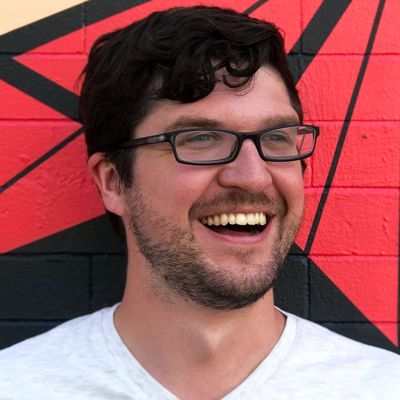
Tommy is a high school theatre teacher by day and musical theatre YouTuber by night (youtube.com/musicalmash). He’s been uncontrollably excited about musical theatre ever since his grandmother gifted him a VHS box set of MGM’s “That’s Entertainment” for his seventh birthday. A fervent musical theatre analyst, Tommy enjoys the entire spectrum of shows – from the golden oldie toe-tappers to newfangled pop-rock pseudo-operas. If he’s not in a theatre or enjoying the latest cast album, you can find him hiking the greater Rocky Mountain trails, playing board games with friends, or belting Merman at the local piano bar.
Keep up with Tommy: @JimandTomic & @oncemorewithdragons1000
Want more of Page To Stage?!
Follow us on Social! @PageToStage on Instagram and Facebook
MARY DINA: Instagram or Twitter
BRIAN SEDITA: Instagram or Website
BROADWAY PODCAST NETWORK: Website or Instagram
#PageToStagePodcast
Transcript
This transcript was automatically generated and might contain errors.
[0:07] Mary Dina: Hey everyone and welcome back to Page to Stage. A conversation with theater makers. We're your hosts. That's Brian. That's Mary. To put it simply, we're both theater nerds. So let's pull back the curtain and get a glimpse at the artists' process while creating their art.
[0:28] Tommy Nolan: Hi, my name is Tommy Nolan. I am by day a high school technical theater director at an independent school in Denver. Um and by night uh an internet personality who whinges about musical theater from time to time. Um I've I'm teaching in Denver currently, but I've been teaching high school for gosh, eight years now. Yeah. Um always uh technical theater directing and some other uh sundry theater bits along the way.
[0:57] BRIAN SEDITA: And you're a co-host of a podcast on the Broadway Podcast Network, right?
[1:01] Tommy Nolan: Yes, I am. Uh I actually have two podcasts on the network now.
[1:04] BRIAN SEDITA: I saw that when I was looking at your profile.
[1:07] Tommy Nolan: Um the my more traditional podcast, uh Jim and Tomic's musical theater happy hour. Me and uh my my co-host Jimmy from Scotland. We uh dissect a different uh piece of musical theater during each episode. And then uh new to the network, as of a couple weeks ago, is once more with dragons, a musical theater dungeons and dragons adventure.
[1:28] Mary Dina: Love that.
[1:30] Tommy Nolan: I don't know anything about Dungeons and Dragons, but you know, I'm here for it. I support it.
[1:34] Tommy Nolan: It's wild. And you don't we barely know anything about Dungeons and Dragons listening or uh making it ourselves.
[1:39] Mary Dina: So really that's so funny.
[1:42] Tommy Nolan: Oh, I don't know anything about it.
[1:43] Mary Dina: Oh, it's funny.
[1:44] Tommy Nolan: You you would enjoy it. It's silly and stupid. It's it's narrative storytelling with uh some you know chance and structure behind it. Um it's a bunch of musical theater puns, it's a bunch of other uh uh musical theater YouTube-y types. So we get together and make stupid musical theater jokes.
[2:01] Mary Dina: Fine. Love that. So let's dive right in. Where did you grow up? So you're living in Denver now, but where are you originally from?
[2:07] Tommy Nolan: I'm living in Denver. Uh I grew up uh in the Chicagoland area in a in a suburb of Chicago. Um, and then you know, spent my childhood there, went to college in central Illinois, and then moved back to Chicago to teach tech theater, and then uh my boyfriend is a doctor, and doctors get sent to residencies across the country. So my mom said move in with the doctor, and I did, and then now we're in Denver.
[2:30] Mary Dina: Did you go to school for theater? Or did you go to school for education?
[2:33] Tommy Nolan: I went to school for both. Illinois State University. They did at the time, I'm not sure if this program still exists, but when I was applying for college, they had the only theater education program in Illinois. Um, and so it was uh Illinois State is a big educator college to begin with. Um Illinois State is in normal Illinois, the town, and the town is actually named for the college.
[2:56] Tommy Nolan: It used to be called uh Illinois or Illinois Normal Illinois State University or something like that, and the normals were reading, writing, and arithmetic. That's where the word comes from. And so then the town was named Normal from the College. And so um the huge education college, most of the teachers in Illinois come from Illinois State, but they had a specialized theater education program um where they you know you get a little bit of everything, and then I double majored both in theater ed and then also in technical design and production with a focus in lighting design, um, but then being a high school technical theater educator, you you learn everything else pretty quickly, I think.
[3:33] Mary Dina: Were you involved with the technical theater while you were in high school?
[3:37] Tommy Nolan: Oh, absolutely. My first foray into technical theater was in sixth grade. Um we did a, if you if you could believe it, a junior production of the Scottish play. Um I uh both ran sound, which involved me having a set of coconuts uh off to the side with the soundboard where whenever there were horses coming up, I would clap clap the coconuts together. Um and then I also played the drunken porter, was my uh a premiere role on stage in sixth grade. Um, and then from there kind of fell in love with the backstage stuff, did it all through high school, and then certainly in college.
[4:10] Mary Dina: When did you realize that you wanted to be a theater educator? Was there a specific moment?
[4:14] Tommy Nolan: That's a good question. I think a lot of so through high school, I kind of 50-50 was on stage crew and uh performed. And I really enjoyed both of them. Um, but one of the one of the things that pushed me early on into theater education was that I didn't have to choose. Um the the theater education curriculum was blended. It was half acting and performance stuff and half backstage stuff. And so really it was kind of an indecisiveness that pushed me into choosing the education major to begin with.
[4:44] Tommy Nolan: Um but once I started, and especially once I like really started teaching, I absolutely fell in love with it. Um and now I don't know how to do anything else, so I think I'm stuck here.
[4:53] Mary Dina: So growing up, if you could think back to when you were in middle school starting out in the Scottish play. What was your theater education like? And did your school have a thriving theater community?
[5:05] Tommy Nolan: Um, or was that something that you were one of a few that really enjoyed? You know, that's a good question. And I think I had a different take on it before I came to Denver and really started to get seated in the edge in the theater community out here. Um, but I think you know, Chicago and the areas around it are are pretty lucky to have some thriving theater programs and education programs and even just professional theater um just happening on the world.
[5:30] Tommy Nolan: So, you know, I went to productions, like I remember going to see a production of a Christmas Carol in like second or third grade and getting a backstage tour. Um, you know, my family would doesn't have a lot of theater practitioners in it, but certainly was a bunch was very theater adjacent. We knew a lot of people in the theater. Um, and so we would go to see things all the time.
[5:51] Tommy Nolan: Um in school, you know, there wasn't we had music class, we had some performing stuff, uh, but not like specific theater until maybe I hit high school. There is a really thriving high school theater scene in some of the suburbs of Chicago, and I think even in Illinois in general. Um, and so you know, I took theater classes, at least one or two as legitimate art high school classes every year throughout all of high school, um, and went to a high school that did eight or nine productions across the course of a year.
[6:23] Mary Dina: Wow.
[6:24] Tommy Nolan: Uh so there was a lot of opportunity, and I did all of it, you know, and and like burnt myself out very early on.
[6:29] Mary Dina: Oh, yeah.
[6:30] Tommy Nolan: Um that's a lot of eight or nine.
[6:32] Mary Dina: Yeah.
[6:33] Tommy Nolan: Um, but you know, plenty of opportunities then. And it's like my high school education absolutely set me up for success. Uh stagecraft 101 in college was a breeze because I had done a ton of it in high school already.
[6:46] Mary Dina: Do you remember your theater teacher back then or director from middle school or high school? And what kind of impact did they have on your path? Did they influence you at all?
[6:54] Tommy Nolan: Sure. There was definitely a a team of three educators that I remember from high school. My uh technical theater director, of course, and then our main stage director, and then our choir teacher, um, who also uh directed, you know, did the music for the musicals.
[7:12] Tommy Nolan: Uh I was also involved in show choir a lot, um, which I don't know how mu much that helped my uh tech theater stuff. But you know, I wish we had one of those.
[7:20] Mary Dina: Oh, it was so fun.
[7:21] Tommy Nolan: Um, you know, wearing uh bow tie and tails, like it was great times, kickball changing at the library singing Christmas songs or something.
[7:31] Mary Dina: And that was probably like you were probably like the age in high school when Glee was like out, right?
[7:36] Tommy Nolan: Glee started my freshman year of college.
[7:40] Tommy Nolan: Um and it is it is interesting that you mentioned Glee because Glee started right at the beginning of my like official journey as a theater educator.
[7:50] Tommy Nolan: Um, which I think made me very excited for Glee when it first came out, and then very dubious of it very quickly. Um Mr. Mr. Shu isn't the best uh role model for performing arts educators.
[8:04] Tommy Nolan: But yeah, I will say I can think back to um my my high school theater uh teachers. Certainly um the theater education professors in college had a huge impact on what I value in education, what I value in teaching, what I take into the classroom today, I think.
[8:23] Tommy Nolan: Um just some of the the values they instilled. Um and even just how I I approach theater in general, I think as an artist now. A lot of that came from my college professors.
[8:34] Tommy Nolan: My acting program that I went to uh for college, they consider themselves a toolbox method. So they used to say that you were giving you a toolbox or you have a toolbox and what we're teaching you is f we're filling it with those tools that you can leave in the toolbox for a rainy day and pull them out whenever you need them.
[8:54] Tommy Nolan: But it's just an array of of technique that you could bring out whenever whenever you need. I think that's such a uh a valuable philosophy to have around theater education.
[9:03] Tommy Nolan: Um, because I I do find that there are different camps of how people teach theater, whether it's acting or stagecraft or anywhere in between. Um, but there are certain camps that are like, this is the way to do it, and this is the way we always do it, and this is the way you should learn to do it too.
[9:17] Tommy Nolan: And then there is that other camp, that that kind of toolbox method of like, this is how I do it, this is how some other people do it, you know, what this is art, this is subjective.
[9:25] Tommy Nolan: There are certainly some guidelines and ideas, but none of this is set in stone. It is literally all make believe. So we're all making it up as we go along.
[9:33] Mary Dina: Is there sp anything specific that you because I know you had just said that you you have taken some things that you've learned from your college professors and your high school teachers, and that you apply it to your to your work now as an educator.
[9:45] Mary Dina: And is there anything specific that you would feel comfortable sharing with us about what are some of the things that you really hope to bring to your classroom every year or to the stage with your schools every single year?
[9:56] Tommy Nolan: One of the b huge things I took away from my college experience was the idea that theater and a lot of even performing arts in general, whether it's music or choir or band or dance, uh all those sorts of things in high school is one of the last chances you have to just do it, to just do it because it's interesting and fun.
[10:17] Tommy Nolan: Um, anytime not that acting or stagecraft can't be interesting and fun beyond being 18, but in high school especially, it's a last chance you can just audition for a play just because you want to.
[10:31] Tommy Nolan: And so remembering that and keeping that in your in the back of your mind that everyone who auditions, some of them, you know, may go on. Some of my stage crew kids might absolutely go on to become professional lighting designers or stage managers, or they might go on to become doctors or plumbers or electricians or you know, all sorts of other things.
[10:49] Tommy Nolan: And so remembering the fun in it all and the joy in it all, and making sure that that that is a part of your curriculum and is a part of your pedagogy. That it's not just let's get the show done, let's get it out the door, go, go, go, but that there can still be moments of joy and silliness and you know, goofing around because that is what you know, that's part of what makes the high school experience.
[11:09] Tommy Nolan: And then I think the other thing I absolutely learned from uh her name was Sandy Zelinski. Uh she was this uh delightful short, uh red-headed professor in college, and she always wore ridiculous ponchos and showed up 15 minutes late to class.
[11:26] Tommy Nolan: Um, and uh one of the things she absolutely instilled in us was that there is no person more dangerous, no like more intellectually dangerous than a high schooler who thinks they're doing something that's against the rules.
[11:41] Tommy Nolan: Um, like if you want a high schooler to do something, convince them that it's a little against the rules or that it's something that is outside the norm.
[11:49] Tommy Nolan: Um, and so part of the rest of that too is like that informs a lot of my teaching pedagogy is that you know, oh, we're gonna we're gonna break the rules today.
[11:58] Tommy Nolan: And I think theater kids end up kind of ending in this world anyway. We you know, they stay late at school, they have keys to closets that other people can't get into, they can go up into the catwalks, which seems dangerous and fun, and like embracing that as well and letting that be fun and interesting for kids, and then leveraging it to, you know, let that uh, you know, let high schoolers take risks in what is actually a very cushioned and safe environment, but to them feels dangerous and feels like they're pushing the envelope, you know, is a great thing to do for a kid with a developing brain and without all their uh uh um uh risk centers developed when they're still thinking about ooh I can I could jump off this table right now that'd be fun be like or you could come do theater that's equally as fun.
[12:45] Tommy Nolan: I also think it kind of gives some sort of ownership because they're also in charge of the community that they're building and they're building and rebuilding it every year when new students come into the mix.
[12:57] Tommy Nolan: And so I think that's also really cool that theater teachers specifically in my experience at least are encouraging that type of ownership of developing a community.
[13:09] Tommy Nolan: Absolutely and I will say the my the school I teach at is actually sixth grade through seniors in high school it's divided into two kind of pseudo schools six through eight and then nine through twelve but this year we tried for the first time and it worked wonderfully I taught a blended stagecraft class.
[13:24] Tommy Nolan: So I had kids age sixth grade through tenth grade in the same wood shop in the same classroom and it created these wonderful opportunities for mentorship and teaching. One of the cool things especially about stagecraft is that my curriculum isn't really age dependent. There are a couple things like, you know, insurance says we can't let the sixth graders use the power saws, which I think makes sense, you know, a couple other things like that. But for the most part, you can learn about lighting design and color and set construction techniques and how to use a tape measure and, you know, how to build something. And so all that matters is when you start. Watching a sophomore teach a sixth grader how to use a screw gun to put together a platform is very, very cool.
Some of my best days in my stagecraft classes, I say very little. I do very, very little direct instruction. A lot of it is kids show up, kids sign up for a job and they start working on it, and then I'm there, you know, with quite a literal toolbox, but also just a set of ideas to, you know, if you need something to bounce off on. But some of my best days in class, it wouldn't even matter if I was there, which feels very successful.
[14:37] Mary Dina: You know what I just thought about that I never really put together, and it does apply to all subjects that teachers would teach in school, math, anything. But for theater teachers, it's like you have this perspective of you loving it when you were younger, most likely.
[14:54] Tommy Nolan: Yeah.
[14:55] Mary Dina: Um, and then being able to just keep that cycle going and have that perspective on the other side now. And the way that you talk about it, it sounds like you really have found those little nuggets in the kids, and probably it might be nostalgic for you as a teacher.
[15:18] Tommy Nolan: Sure. Absolutely. When I do find that in my experience of other theater educators, by and large, the vast majority of us are doing it because we're so passionate about the thing that we can't help but share it with other people. Um, and it's such a wonderful spirit to be able to embrace and to watch other people be able to share. Every once in a while, I do run into, and I had a couple professors like this in college, um, and have met some peer teachers like this, and there's certainly few and far between. But there are a couple people, a couple of theater types who end up back in education because they've either burnt out of the professional world or they think it's like a nice, easy, stable life to have.
Um, it's their backup plan. And I do think everyone needs a backup plan, certainly, but I find that those teachers struggle with it more. Um, that it is if you don't have that innate joy and spark and concept around the thing, that it's harder to give that gift to another kid, to another person.
[16:23] Mary Dina: Yeah, I feel that from experience of like having teachers that I know that it's their second because even when you're in college, you have adjuncts. And those adjuncts are doing that a lot of times because they need supplemental income.
[16:39] Tommy Nolan: Right, right. Well, and it is we used to joke about it in college a lot. There's no in, you know, I had core theater classes, I had theater education classes, and then we had, oh, they were called C and I classes, curriculum and instruction, and they were pure teaching classes. And so anyone who is an education major had to take these classes. Um, and they were often taught by retired or former high school teachers. And I absolutely understand that perhaps the most difficult audience to have that class for is a group of potential, you know, bright-eyed teachers who are like, oh, I'm gonna change the world. Um, but you could tell the teachers, the professors who weren't in it for the thing, where this was their backup plan, where they were phoning it in, or where they didn't have the best, you know, pedagogical ideas around what they were doing.
Um, and it showed. Um, and it's frustrating because you want, you know, it's hard enough out there for anyone. And so anyone who can find something that they at least partially enjoy, you know, no one goes into teaching for the money, so you have to find some other reason to do it. Um, and so you want to support them.
[17:47] Mary Dina: Yeah, I joke.
[17:48] Tommy Nolan: Or in theater in general.
[17:49] Mary Dina: Right. Like I really was in for it. I double majored in theater and education. Man, rolling in the dough now. Um, but no, you want to give people the space to be able to do that. And so then it's a matter of, and especially between teachers, because theater teachers often collaborate as well. Like I have, you know, coworkers who I have to collaborate with on a daily basis in both a teaching sense and an artistic sense. And you get all the same sort of, you know, artistic differences and conundrums, and how do you give feedback in a way that is effective but doesn't totally crush someone with the added layer of this is your teaching coworker. This is you're both in charge of students, and so how do you do that in a professional, forward-thinking way?
And I do think it's a thing that, you know, certainly math teachers and French teachers collaborate on things, but not in the same way that theater teachers do, certainly not in the same way that tech theater teachers have to do.
[18:43] Tommy Nolan: So I know that things can't always be sunshine and daisies as a teacher, and or even more specifically as a theater teacher. So I'm curious as to how you specifically tackle any challenges that come your way, whether it is with a student or with your program or with, you know, the school administration, and how are you able to keep your spirits high for the kids if you're dealing with something that's challenging?
[19:08] Tommy Nolan: I do think one of the things that is really useful in an education environment that we get to take advantage of that you don't get to take an advantage of in a professional theater environment is our shows can be whatever. Um certainly you want to strive for greatness. Certainly you want to strive for professionality, but if the director needs to walk out on stage before your high school production of Into the Woods and say, like, well, turns out both the princes got sick today, so we're gonna have these two stage crew kids stand on stage holding scripts and muddle their way through the lines while we play the recording while the songs are supposed to happen. Like that's still fine. It's not what you want to strive for, but like you have a lot of options to, you know, get kids through a show. And then to be able to spin it to be like, and how great it was that we were able to soldier through this difficulty as opposed to like lamenting that something went terribly, terribly wrong.
[20:01] Tommy Nolan: Um, especially in tech theater. We did last year our school musical or high school musical was Meet Me in St. Louis, um, which the stage adaptation leaves a lot to be desired. Uh but we had, you know, one of those, one of those stagecraft failures that people talk about for years to come. There was a moment near the conclusion of the show, like everyone's back together and they're all gonna go out to catch the trolley, and the main curtain, the main red curtain got caught on one of the set pieces that spun. And so instead of the front door of the house coming out on stage, the whole red curtain closed, and then all nine members of the family walked out into the red curtain and then had to lift it up and kind of struggle their way out from underneath and be like, oh, the trolley, and like they're, you know, missing half the lines.
And like, it was terrible. It was a terrible, terrible moment in the thing. It totally ruined the moment, and no one remembers it anymore. It's a lot of the nights that you hope they recorded the show.
[21:02] Tommy Nolan: Right, exactly. And then you look back on it and you're like, like, remember that time where this happened? Exactly. That was the night they were recording. On course season five, we can do it right. Um, but it is also like one of the things I do love about Stagecraft is we get to set kids up for this is gonna sound wrong, but we get to set kids up for failure. We get to set kids up for like high stress situations where they're gonna mess up, where it also doesn't matter. Like, you know, so what? You missed 16 light cues in your high school play, right? The show must go on.
[21:29] Mary Dina: Exactly.
[21:29] Tommy Nolan: You know, so what your microphone didn't turn on or turned on at the wrong point, and we heard you cussing out someone backstage. Certainly you strive for these things not to happen. But if that thing does go wrong, and that high schooler had to experience okay, how do I deal with this mistake? How do I recover from it? How do I keep going? And what does that make my body feel like? They're gonna be so much more prepared for when they run into a similar situation in life when it actually matters. Um, which we all do. We all reach points of failure, we all reach points of stress. And so to be able to like get the neurons in their brain firing around these ideas is one of the really, really cool things about Stage Crew.
[22:13] Mary Dina: Well, it's so important to even recognize that they're invested and they care so much about something that they're putting that much effort into it because there's so many other things that teens could care less about and wouldn't even blink an eye at. So it's really telling that this group of people, because I've noticed it every theater group that I'm a part of or have been a part of, they're so invested, and there's this level of ownership that people take on.
[22:45] Tommy Nolan: Yeah. Well, and you do end up in, you know, people talk about it. I was never a sports kid, but I talk with a lot of coaches now. Um, and even if it's robotics or whatever, like core whatever your thing is in high school, whatever your passion is, the thing that keeps you busy, so many of them are these kind of team group activities. And what I think one of the cool things about theater is our team groupness isn't manufactured. Um I think it's not manufactured in some other places too. Like you're on a soccer team, yeah, you're supporting your fellow soccer players. You're on a speech and debate team, maybe you've got a duo partner, you're, you know, you're got some group interp thing you're doing, but for the most part, you might be spinning on your own.
In theater, you might fail, and that might affect your fellow castmate or you know, you're a crew person and you do something wrong and you know it affects someone else. And so putting kids in those situations where those things are very real, where our deadlines are very real, um, you know, it's an interesting thing to explain to a kid like, no, no, no, the show opens next week, whether or not we're ready. And that they don't most high schoolers don't experience a lot of deadlines like that. Your English paper is due next week, but what happens if you don't turn it in? Well, maybe it's late, maybe you lose some points, or maybe nothing happens, but like it only affects you, where if we don't get that wall painted, we don't get to apologize for it when the audience shows up.
It's just an unpainted wall. They don't even know that we intended to paint it if we don't do it. Um and so like it makes it a very different and a very special thing. And I always want to make sure, like those are sentences that I tell high schoolers to make sure they're also realizing it as it happens, that like, yeah, these deadlines are real, and either we do it or we don't. Um and we can make decisions around those things and we can cut some things to if we need more time to get stuff done, but we don't get to ask for an extension on the show, um, which is a cool situation to put high schoolers in. A lot of times at that time in their life they haven't experienced that yet.
[24:41] Mary Dina: I'm thinking back to my high school drama teacher and just like the parallels and also just like what you're saying and how you're talking about your program and your kids in the school. It's just it's like very like, well, it's two things. It's one is very inspiring and two very like flashback type, like nostalgic.
[25:02] Tommy Nolan: Yeah, absolutely. I think that's the same. That's the other thing too is you know, remembering, I think this a lot too, because part of my job is also, besides, you know, doing the lights and the sound for the big shows, I also just run the theaters on our campus. And so if we've got a, you know, the school counselor is gonna talk for 20 minutes about whatever on stage, I'm also in charge of that. Or, you know, the science department is gonna do a presentation about a thing for everyone. Like I also have to get that set up. Um, and like so I'm half theatrical artist and half kind of like technical space manager. And one of the things that actually helps me get through the day and helps me deal with, you know, when I get stressed with some of my peers or things is usually when I see people, usually when people are doing something on my stage, it's the most important thing they're doing either that day or that week, or maybe even that year.
And so that causes people a lot of stress, you know, and like a lot of my job is just helping people get through some of that because the biology teacher isn't gonna know what wearing a body microphone is like, or when the French teacher starts, you know, panicking because their Google slides can't connect to the projector in the space. You know, I have to manage that. And it is the same as managing, you know, an actor who's kind of freaking out before going on stage. It's the same sort of strategies, it's the same sort of fear, it's the same sort of anxiety.
[26:32] Mary Dina: I remember you telling us at BroadwayCon that your school's pretty well off in terms of budgeting for your theater program, right?
[26:47] Tommy Nolan: Yes, absolutely. And I will say that I am very fortunate and lucky to have landed myself at a school that can support a position like mine. Not a lot of schools, very, very few schools have high school technical theater directors. Often it's, you know, whether it's a parent or the math teacher who does it and also does tech theater or a volunteer, or the director has to do it on top of all their other duties. That is much, much more common in academic theater education. And so I'm fortunate to have resources and things. And certainly I also don't think I would be where I am if I hadn't been through a couple public schools in and around Chicago where I didn't have those things. But yeah, I do I have a budget to manage, I have spaces to manage.
My campus has, depending upon how you count it, we have three, I would say if in this sort of context, we have three indoor theatrical spaces. There are some other spaces that I also manage because they're more presentationally kind of space, like they've, you know, a podium and a projector and some chairs, but not like the sort of place where you'd want to do a play. But so we've got a 500 seat proscenium style theater, a black box flexible space that's used for most of the acting classes, and then a smaller, it's really a converted cafeteria, but that downplays it. It's a very nice space that is kind of three-quarter round, that's used for a lot of the middle school productions and the acting spaces.
And so those are my big theatrical spaces that I manage. And in the same way that in a professional theater or community theater, you have someone who needs to replace all the lamps and the lights and dust everything off and make sure the speakers are working. That's also a lot of my job too. But what is interesting is in a professional theater, my job might be spread across three or four full-time people, especially across that many spaces. You have someone who's in charge of the shop. We also have a wood shop, you know, someone who's in charge of the lighting, maybe someone who's in charge of the sound across those things, or someone who's in charge of individual spaces. You might also have someone who's in charge of scheduling, or someone who's in charge of the box office, or who's in charge of marketing shows.
[28:54] Tommy Nolan: But instead it's just me. And what actually ends up happening is it's not just me, it's me and the high schoolers. And so it's another fun sort of thing I get to put on their plate is like, hey, listen, I can't, I literally cannot do this without you. I cannot build the set by myself. I cannot get all the lights focused by myself. It is physically impossible. And it's a great, it's a very fruitful challenge to have because what it allows me to do is make everything educational. We recently had some, our school goes through a program where each department gets reviewed every five years or so, and they invite other teachers of the same subject from different schools to come in and like observe classes and stuff for a week.
And our art department one was this year. And one of the things they were very, very impressed by was that we had high schoolers running sound for our musical. You know, we did Into the Woods this year. It was 16 body packs going back and forth. Running sound is a difficult, difficult thing to do, I think, even for professionals. And so to put it in front of a high schooler, especially something that can tank a show. If sound goes bad, people notice. And one of the things they were very excited about, and I was very flattered that they'd appreciate it as much as I did, as they did, was that we had kids running that sound. And so what is nice is once that becomes the norm, once you get that standard in place, then it's much easier to talk about when things go wrong because the kids are doing it.
So nothing really can go wrong if the kids did it. If I did it, sound can go wrong, right? If I did it and I screwed up, then that's a problem because I'm the professional and I'm supposed to know how to do it. But if a kid does it and they mess up, that's a learning moment. And you know, they can improve upon it. And it's almost even great that it happened to them. And so it's really cool that I get to kind of give what is basically my job to the kids that I teach.
[30:58] Tommy Nolan: And it does like it trickles down all the way into my lessons. Like if we're talking nitty-gritty stuff, during my stagecraft classes, like kids walk in, there's a job board, you sign up on the job board, we have a punch clock. I don't take attendance. Kids take a time card and they stick it in a clock and it goes, and like that's how they get attendance. Yeah, they love it because it's fun and it makes a funny noise. But you know, like we run as close to a professional shop as I could, with certainly lots of leeway for I guess what I would call kids stuff, but you know, better to replicate the professional stuff. And it's cool. And like everything I, you know, the kids seem to like it too. So I think I'm doing something right.
[31:36] Mary Dina: What if your students taught you that you never expected them to teach you when you were going through school or maybe from one school to the next? What's something that they taught you?
[31:47] Tommy Nolan: I think the thing adults forget is that being a teenager is hard. Being a teenager is really, really tough. You know, once you're an adult, you know, or even a college kid, you start to have autonomy over your own life, and you forget that this change even happened because it happened so incrementally. You know, slowly you're, you know, say you follow a traditional college route, suddenly you have a dorm room, and you get to choose when you eat lunch, or even earlier in life. Like, you know, you get once you get your permit and then your driver's license, and every once in a while you could you get to decide where you go. But for most of your high school career, your time is dictated by other people.
And as human beings, that's frustrating. So I think a lot of the things I learn from kids are like are really good reminders about how tough that is. And how, you know, we all have our own inner problems, we all have our own stresses of the day, our own difficult things that we're dealing with. And, you know, I learn a lot from my kids. I think teenagers today are, you know, so much more woke about the world around them than I was at their age, than I think a lot of people are, a lot of adults are nowadays, and even just a lot of success, probably just with their devices. I think halfway between their access and kind of the world we forced them into, us and generations before, but just stuff about like, you know, I'll have kids come in and like be being like, yeah, you know, I needed to take a mental health day yesterday.
I needed to do some self-care. And like that's just a thing. And they have the vocabulary around that idea. Like, I would have no idea how to assess that in my brain as a 16-year-old. Like, why am I grumpy all the time? You know, like, well, I guess I'll just take it out on my friends or whatever and just be angry at them for no reason in a stupid teenager-y kind of way. And seeing them be able to find ways to cope and help each other cope is wicked inspiring. I mean, you know, I think it's true of all kids, but the kids are gonna be all right always.
[33:55] Mary Dina: Is there anything that you hope to do next with the kids? Like I know thinking from my own experiences, like after every single play or musical that I did in high school of just being like, okay, so now next year I want to do this, whether it was a certain show that you wanted to work on or that you want to work on, or if there's a certain technical element that you want to introduce to the school or to your group of kids.
[34:22] Tommy Nolan: Yeah, I mean it is so this is my next year will be my fourth year with this particular school. And it is always interesting to come into a new school and take the place of another teacher. A lot of kids as a high schooler, you might see a little bit of the other end of this if you know your math teacher leaves your sophomore year and then you get another math teacher, or your drama director if you get to experience a changeover. But most kids don't see this sort of stuff. But when you come into a new school, you have a lot of program rebuilding to do. Even if the program you're walking into is just fine, it's not your program. And so you don't have the same connections with the same kind of kids, you don't even have the same buy-in, you know, they have no reason to trust you yet because you haven't built up that rapport.
Same with your teaching peers. You know, they're probably professional and acting nice around you, but they don't know whether you're any good at your job yet until you start doing it. I do think now having, let's say, this is maybe my third school I've stayed at for this long amount of time, just because of other life events. And third and fourth year is right around when, you know, you're the freshmen you started with are now finally seniors. And so it starts to feel like your program. And you have kids who understand what you mean specifically when you say a thing a certain way, just because they've learned your style more. And even like the school I'm at right now didn't have a middle school tech theater program before I started.
And so now I'm starting to see some kids I taught in seventh and eighth grade now entering high school, which is a new, you know, they get to use the saws. Like there's some big changes, but they already know where the shop is and they already know where everything is. And so just being able to have that growth of knowledge of kids I've taught for so long just lets me do so much more. Like the sets we've built this year are more intricate and more detailed and even just frankly bigger, not because of any funding change, not because of the shows particularly called for it, but because I had the kids who had the skills to get it done. And so, you know, there is some a kind of incremental growth that happens with that.
And it is fun because you get to choose, you know, one of the things I love about education is I will always be doing a new show. I get a couple new shows every year no matter what. It's not, you know, there are professional theater worlds you can end up with where, like, yeah, you're with a show for eight months, a year, a couple years, just doing the same thing, and that will never ever be the case for me.
[36:57] Tommy Nolan: Absolutely, which doesn't happen for every tech theater director. And I also don't expect it. It's something I do want to communicate with my directors and I try to when I talk with them is like, listen, you have to be more invested in this show than I do. You know, I just have to build the thing. You have to analyze it, fall in love with it, you know, find the reasons to like it. I just gotta, you know, build a house or some woods or you know whatever it is this time around. But there are some shows that I do enjoy more than others. And there are, you know, shows that have more technical challenges, but we can find a fun technical challenge for any show we do. You know, it's all about phrasing and how you pitch it to the kids.
It is always interesting to me what in my mind are those fun technical bits and then what sticks with people. We did my first year there our fall play was Grapes of Wrath, which man, if you asked me to pick the show wouldn't have been my first choice. Just not very much my style of show. But you know there's a big car and everyone remembers the car. We also built a river. They bathe in the Colorado River halfway through the play and you know we put these trapdoors in the stage and got some big tubs of water and they'd open it up and the high schoolers would dive in them and it would actually splash because it was actually water. It was really cool and no one remembers it. Everyone's like oh the car was so cool and I'm like the car took two days to build the river was like pain in the butt for three weeks.
And so it is always and it's always funny to me to, you know, both from an artistic standpoint, I think mostly from an artistic standpoint, to see what does stick with people and what people completely forget about in the history of the theater you're doing. That's like when you're going to see a show and someone says, How is the sound or how is the lighting and you're like, Oh, I didn't really notice it. And like they're like, and the designer always says, That's what I want you to say.
[38:53] Tommy Nolan: Exactly. It is what I do. It is an interesting education puts it in an interesting middle ground. And I've had this discussion with some of my peers actually around we're thinking of moving our booth position of all things, like where we run lights and sound. And actually I've started doing it much to the chagrin of some of my administrators. We've set it up in a much more visible place, partially for some acoustical reasons and partially so that before the show starts, mom and dad can see their kids standing at the soundboard. You know, having the sound booth in a place where, you know, it was actually really cute. One of the last show we finished was our middle school show, and I had middle schoolers running sound, which is nerve-wracking. They can barely see over the soundboard. Well, it's some of the nice technology we have access to nowadays lets it be really scaffolded, is the educational word, like built up so they are just achieving what they can.
[39:52] Tommy Nolan: Um but yeah, it's still in their hands. And what was so sweet is during the uh one of the performances, the family of the kids who are I had two kids running sound and their parents sat like two rows behind them, mostly so they could watch them run sound during the show. Um, which is cute and fun and I I like being able to create those opportunities for my tech kids because, you know, they should be able to show off just as much as the kids who are acting on stage.
[40:20] BRIAN SEDITA: Yep.
[40:21] Mary Dina: That's so true.
[40:22] Tommy Nolan: Because when you're that young, it's it's hard to find people that don't want or it's hard to find involvement for those kids that don't want to be right on stage.
[40:31] BRIAN SEDITA: Exactly.
[40:32] Tommy Nolan: And something like something for them to still be involved in the process so that they can continue through to high school and hopefully professionally college and stuff like that.
[40:40] Mary Dina: Yeah, absolutely. Uh switching gears a little bit, I wanted to move into your other you so by day you're a teacher and by night you um you have a YouTube channel and you have the two podcasts that we already talked about.
[40:54] Tommy Nolan: Yeah.
[40:55] Mary Dina: So you haven't been as active I noticed on your uh YouTube channel so I was wondering are you are you putting your creative energy elsewhere at the moment?
[41:03] Tommy Nolan: That's a very it's a very polite way to put it. I don't think I would I would say I haven't uploaded a video of substance I would say safer maybe me getting drunk and watching the cat's trailer.
[41:13] Mary Dina: Oh that's substance please um in a couple years.
[41:17] Tommy Nolan: Part of it is I think especially in the YouTube world and I see that it's it's hard to t it I find it uncomfortable to talk about YouTube stuff just because it is all so imaginary. Even the word like saying I'm a YouTuber and I'm absolutely a YouTuber but I will feel weird every time I say it. And so a lot of how I talk around these things is tinged with some of that uncomfortability. But I will say I see a trend among other like digital content creators and especially YouTube of a very particular kind of artistic burnout um that I absolutely feel.
[41:50] Tommy Nolan: A lot of a lot of the a lot of the crux of the main content that I used to do on YouTube was kind of video essays. Here's a thesis let's unpack it. Here's an idea around a show or a history of a show and let's expand upon that. And I've sat down a couple times over the past couple years when I've slowed down to be like, what what do I want to make for my video? And nothing quite catches me. It's hard. I feel like I've said a lot of what I want to say. And that's a really difficult place when you are on YouTube, where the whole uh content ecosystem is built to be like, come on, come on, more more, more stuff. The people want to see more stuff. Upload every week, upload every day. Come on, why aren't you doing stuff? And you see a lot of that kind of content on YouTube. Like, okay, today again I'm gonna play Minecraft for you. Or here's another beauty tip that I can do again, or you know, let's whatever weird new YouTube trend is gonna hit.
[42:46] BRIAN SEDITA: Well, it sucks you in, especially when you have so many views and you have so many subscribers.
[42:50] Tommy Nolan: Exactly. And it tries to, you know, making the kind of content that I'm proud of takes a lot of time and effort. And I'm also finding one of the blessings and curses, uh, when I first started doing YouTube, there weren't a lot of people on YouTube who were talking about theater and were talking about musical theater, especially in the way that I think I had. There were the kind of like Broadway.com stuff and the playbill stuff and a couple other, like uh uh Christy from Musical Hell was around back then, um, Jess, who hosts um Musicals with Cheese, which is on the network, uh, he had a channel that was doing some of this stuff around then. Um, but there wasn't as much as there is right now. There are many, many more people talking about musical theater, which is awesome.
And like, as a person who wanted to watch musical theater YouTube and couldn't find anything, that makes me really, really happy. As an artist, you know, one of the the problems I have is I'm always afraid to kind of watch one of those videos for fear that it's gonna be one of the scripts I have in my brainstorming folder, and then I'm like, oh now I can't do that because you know, I've my idea well has been poisoned by watching this other person do it. And so I find a lot of that defeating.
[44:03] Tommy Nolan: I think also in moving to Denver, this job I have now has become much more full-time, and you know, it's it's hard to juggle everything at once. Um there were times where I was, you know, between jobs or had more part-time jobs and had more time to do some of the internet stuff. Um, and I you know, I find I don't know if this is a justification I have in my head or if it's true, but either way, it feels like I don't have as much time to do it anymore. Um it certainly looks time consuming what you what you had up, because I watched a couple of your videos. It it takes a lot of time. And the other thing I the other thing I do struggle with is there are videos on my channel that I know I put less effort into, and I can tell when I go back and watch them.
And so there is once you set this standard, it's hard to go back on that and like say, like, well, you maybe I won't, you know, have good sound on this one, or maybe I won't put up some lights in my apartment again for this one to get good lighting for it. Um, but then I know the times I've done that I've been really dissatisfied with what it looks like. Um, but who knows? We live in brave new worlds now, we're all stuck at home, so maybe it'll make a comeback.
[45:08] Mary Dina: That's true. And you know what? The the good thing is is that it's always there, it's your channel, and you can control whenever you post. And you can pick it back up whenever you want during the quarantine from a pandemic.
[45:21] Tommy Nolan: Well, it is it is one of the things, and I think this is a piece of advice I would want to give to anyone who makes content anywhere on the internet, is that our the stuff we make isn't time-locked. Um, you know, it it comes and goes whenever it needs to and can live there for whenever people need it, um, which is kind of different from a more theatrical standpoint. But so, you know by and large I've taken this is certainly the longest break I've taken from my channel but I've taken some long breaks before and for the most part when I come back every time the feeling is like oh thank god you're here it's never a where were you how dare you leave us for this long and I think there is some fear in content creation that if you fall behind or fall back people will get mad at you and for the most part people just forget about you which is kind of a better place to be in I think and your other brainchild or your other two I guess maybe we'll call them maybe we'll call them twins sure um your two podcasts.
[46:17] BRIAN SEDITA: Yeah so can you talk a little bit about Jim and Tomic's happy musical theater happy hour.
[46:23] Tommy Nolan: Yes I met Jimmy in the comments of one of my YouTube videos like when people ask how we find how we encountered each other. Yeah that was it we back when YouTube comments weren't quite as toxic as they are right now and back when I was a smaller channel so anyone who was commenting was you know someone who was actually into this stuff. But we started chatting through YouTube and then I think not a lot of time passed before we were like hey let's do a podcast um and mostly just to talk about musical theater and kind of nerd out about the you know the the literature of musical theater which there's more and more of now which is awesome.
[47:01] Mary Dina: Well that's what I was gonna ask when did you guys start because and what was the landscape like then because oh I actually do remember listening to you guys a couple years ago.
[47:09] Tommy Nolan: Yeah I might have to when I was looking for theater podcasts. I when we started what four years ago? Three years ago now? Hold on, I'm I'm opening my podcatcher and scrolling all the way to the bottom. Let's see. Two thousand fifteen.
[47:25] BRIAN SEDITA: Wow, five years ago.
[47:27] Tommy Nolan: That's crazy. Yeah, it's it's wild. And you know, at the time there were there was certainly some theater podcasts, but there were there wasn't that kind of literary analysis sort of stuff, which certainly was a knock on from what I did on the channel. I used to have a piece called Show of the Week, um, where I tried to talk about a different piece of musical theater every week, but YouTube's ecosystem isn't good for what I wanted to do there. You know, 10 minute video every week isn't a great time to talk for an hour and a half about anyone can whistle or something. Um but the the the podcast landscape, you know, ended up being the right place for us. Um and it took us, you know, months to get into a groove. Our I think like a lot of podcasts, our early episodes are not good.
[48:15] Mary Dina: Oh, yeah, we yeah, we feel that.
[48:18] Tommy Nolan: Um so can you go over like just like the logistics of talking to somebody who's halfway across the world in Scotland?
[48:26] BRIAN SEDITA: Sure.
[48:27] Tommy Nolan: Um it is it has been interesting to kind of follow the technology too. Um that's true. Yeah. And like some of the nitty-gritty, like, you know, if to pull back the curtain a bit, um, we're recording in a platform called Zencaster right now for our listeners, which is, you know, we're we've been it does pretty well, and I use it um on Once More with Dragons, but it has its uh fits and starts. Back when uh Jimmy and I started recording Zencaster didn't exist. Um and so even the logistics of like how do we do this took some figuring out. Um and it was a lot of like, okay, so there's a s a Skype call, but we're also each recording locally through this, but how do we hear each other? And then there was a time where we wanted to be able to play the music for each other.
How do we do that while still making sure, you know, it doesn't go through the microphone and we get clean tracks of everything. Um, and even things like I think one of the things Jimmy and I have gotten really good at is, you know, our whatever audio uh like whether it's Skype or hangouts, we've bounced through a couple different things now. Every once in a while it drops out or something. We're really good at just waiting a second and nodding and you know, pretending like, oh, I heard what you said, and then we'll figure it out in post-production and and make the conversation make sense after the fact. Um, which I think a lot of this sort of stuff takes.
[49:47] Tommy Nolan: Um I will I will certainly say, so my other podcast, once more with dragons, um, which is a wild concept that I'm amazed anyone said yes to. Um, but that takes even more of that sort of stuff because there are four of us in those calls. And so a lot of times we have to go back and be like, wait, what did you say? Um and there's a lot of that sometimes, especially if it's funny or creates an interesting moment, that'll end up in the final cut. A lot of times that ends up on the cutting room floor because it's not interesting. But what is delightful about our medium is we can still stitch it together and make an interesting listening experience for the person on the other end, and they don't need to know about all of our technical failings.
[50:28] Mary Dina: So we usually ask this question um as a last question for our guests, and that is what is the last great piece of theater that you saw?
[50:36] Tommy Nolan: Ooh, the last great piece of theater that I saw. Okay, this is gonna maybe stretch the bounds a little bit as to what could be called theater, but I don't think it is. Um, I've seen a lot of great theater, but there is an artistic installation in Santa Fe called Meow Wolf. Um, it is it is it might be a stretch to call it theater. Maybe it's experiential theater. If you've ever seen Sleep No More, that's one of the best comparisons I can give it uh that other people have seen. But it is kind of an art installation mystery escape room style thing. It's also the sort of piece that if you are gonna make it to Santa Fe um and you uh know nothing about it, it's best to go in knowing nothing about it.
But it is a very, very cool piece. They put you in this home, basically. It's at the interior of a realistic suburban home. And you walk in the front door, there's a living room and a bunch of other places, and you walk in the living room and there's a fireplace, and then someone crawls out of the fireplace. But it's not like an actor, it's just you. It's just another tourist who's there, and they're just as confused as you as to why they're there, and then you have to figure out what's going on in this house, and you just explore and go through everything. And it it changed how I looked at art in some big big ways.
[51:56] Mary Dina: So, where can our listeners find you?
[51:58] Tommy Nolan: Um, you can find me. Uh, you can find my old YouTube videos and maybe some new ones eventually. Musical Theater MASH on YouTube, you can Google that. That's also all my Twitter and social handles. Um, or check out my two podcasts, Jim and Tomic's Musical Theater Happy Hour. You can find it on the Broadway Podcast Network, or Once More with Dragons, which is brand new, you should give it a listen. Uh, it's Dungeons and Dragons Meets Musical Theater. You don't need to know anything about either of those two things to enjoy it. But if you do it in know things about either of those, you'll enjoy it more, maybe.
[52:29] Mary Dina: I don't know.
[52:30] Tommy Nolan: Well, thanks so much for for coming on and uh bearing with technical difficulties and all.
[52:35] BRIAN SEDITA: Absolutely.
[52:36] Tommy Nolan: All right, bye.
[52:37] Mary Dina: Bye.
[52:40] BRIAN SEDITA: Thanks everyone for listening to this episode of Page to Stage. To keep up with us, you can find us on Instagram and Facebook at Page2Stage Podcast. And if you're enjoying these conversations, we would really appreciate it if you could take a couple minutes to rate and review us wherever you're listening to this podcast. Until next time.
[52:55] Tommy Nolan: That's Brian.
[52:57] Mary Dina: That's Mary.
[52:58] BRIAN SEDITA: And we'll see you later.
[52:59] All: Bye.
© Broadway Podcast Network, All Rights Reserved