

Valli? As in Frankie Valli and the Four Seasons? Yup, Olivia shares her unique process playing her own grandmother in Jersey Boys off-Broadway as well as getting greenified on tour with Wicked. Thank you for taking the time to listen to our chat with Olivia... Read More
From the show: Page To Stage
Guests

Featured Shows

About
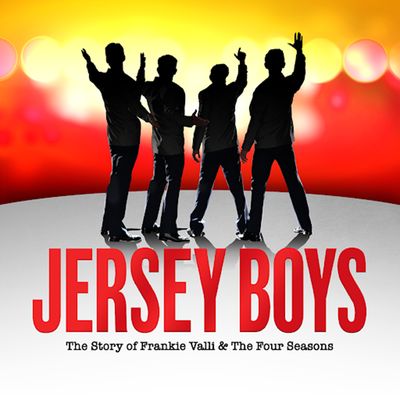
Valli? As in Frankie Valli and the Four Seasons? Yup, Olivia shares her unique process playing her own grandmother in Jersey Boys off-Broadway as well as getting greenified on tour with Wicked.
Thank you for taking the time to listen to our chat with Olivia. We appreciate you spending your time with us!
If you are listening to this on Apple Podcast, we'd love it if you could share your love in a review!
Olivia Valli is a performer based in New York City. Upon graduating from Montclair State University with a BFA in Musical Theatre, Olivia booked her first professional gig -- the Elphaba understudy for the Wicked Second National Tour! Most recently, Olivia was seen in the Off-Broadway production of Jersey Boys where she played her own grandmother, Mary Delgado.
Olivia has also starred in her own cabaret show at Feinstein's/54 Below. She also has her own podcast with co-host Fiona McIntyre called What's Your Backup Plan?
Follow Olivia on Instagram and Twitter:
https://www.instagram.com/oliviafvalli/
https://twitter.com/Olivia_Valli
Follow her podcast on social media too:
https://www.facebook.com/backupplanpodcast
https://www.instagram.com/backupplanpodcast/
Want more of Page To Stage?!
Follow us on Social! @PageToStage on Instagram and Facebook
MARY DINA: Instagram or Twitter
BRIAN SEDITA: Instagram or Website
BROADWAY PODCAST NETWORK: Website or Instagram
#PageToStagePodcast
Transcript
This transcript was automatically generated and might contain errors.
[0:00] BRIAN SEDITA: Hey everyone, welcome to Page to Stage. A conversation with theater makers. We're your hosts. That's Brian. And that's Mary. Join us as we focus the spotlight back on the theater maker to uncover their process. We speak with folks in the industry that often aren't heard from, such as stage managers, producers, crew members, marketing professionals, and everything in between. We hope you enjoy this episode.
[0:26] Olivia Valli: I'm Olivia Valli. I am a singer, actor, dancer in that order. Uh well, ish. But um I uh am a Jersey girl through and through. I've sung all my entire life. I'm not working currently. Uh, you know, we kind of can't because of COVID-19. Um, fun employment is very real ish. Before that, I was uh playing my own grandma in Jersey Boys off-Broadway. So that was fun.
[0:57] BRIAN SEDITA: You're a Montclair alum.
[1:01] Olivia Valli: Yeah.
[1:01] BRIAN SEDITA: Just like Mary and I. Mary was in the master's program.
[1:06] Olivia Valli: So cool.
[1:07] BRIAN SEDITA: That's so cool. And we've had a couple MSU alums on here, so it's always fun to have another Red Hawk.
[1:14] Olivia Valli: I'm so happy to be here. Thanks for having me.
[1:17] Mary Dina: Yeah, and you just started your own podcast.
[1:20] Olivia Valli: Yes.
[1:20] Mary Dina: So you're very familiar with this medium now.
[1:23] Olivia Valli: Oh, yeah. It's have you ever been on another podcast?
[1:26] Olivia Valli: No, this is my first one.
[1:28] Mary Dina: Oh whoa.
[1:31] BRIAN SEDITA: I'm always curious to hear another podcaster's journey. How was it getting started? Especially if you didn't, if you weren't a guest on one before. Like, did you have any preconceived notions on what it would be like to host a podcast?
[1:45] Olivia Valli: I follow one, um, Joe Sanagato. I don't know if you know the Basement Yard. He's like a comedian. I think he's really funny. And I just thought, because how they run it, um, was very silly and obviously comedic. So I was like, okay, like it's kind of just two guys horsing around doing whatever and like it's all fine. And then creating a podcast. Um, I was talking to Fiona and her and I, you know, as COVID-19 started and social isolation started, we were like, okay, well, we really wanted to do a podcast, but we never knew what kind it would be. And we decided that we wanted to focus on um people in the industry, so not just actors, but dancers, choreographers, um, writers, photographers, uh, music directors, and how they feel inspired and valid when they're not working and without the um confirmation of like do you're doing something good because you have the job. And so we try to highlight ways that people are feeling good and productive and inspired um during this time of COVID-19.
[3:00] Olivia Valli: And so, as that was happening, I realized that creating a podcast is a very personal thing, and everybody has their own style. And so it really changed my perspective about creating a podcast, and that it's not just people horsing around on something, it's really something that is used to lift people up and feel good and find different mediums to connect to others. There's so much that goes into it and so much planning, and it's not just like, well, it's a Sunday. I feel like recording. It's like, all right, we have to plan.
[3:34] BRIAN SEDITA: So you didn't plan to start a podcast before the shutdown?
[3:41] Olivia Valli: We talked about it for sure. This was, and we were like, I wonder what it would be about. Oh, wouldn't that be so much fun? But then we really got serious about it when the shutdown happened. Um, because it was, I mean, and I think it still is for a lot of us a really dark time and a very uncertain time. And we said, how can we help others?
[4:05] Mary Dina: Yeah, well, I've listened to a couple of your episodes already, and I think it's fantastic. Could you tell all of our listeners what the name of your podcast is if they want to check it out?
[4:14] Olivia Valli: Um, it's What's Your Backup Plan? And on Instagram, it's Backup Plan Podcast. So give us a follow, subscribe, like, review, all the things you do when you listen to a podcast.
[4:28] BRIAN SEDITA: So, what did you do after college and what was showcase like for you? What was that process like?
[4:33] Olivia Valli: I did a senior showcase. I took part of it, and I decided because when you do a senior showcase at Montclair State, you have the option to not do a show this your last semester, and I just decided to focus on myself and focus on my showcase and my material because this is my future and I need to hunker down. And so I opted out of doing any of the shows, and I did showcase. I had a ton of appointments. I had like 14 appointments. It was wild. And like people are like, wow, that's so cool. And I'm like, no, it was a waste of time and money. Um I'm not I I'm actually from the actor world. So when you say you had appointments, was it who were you meeting with?
[5:17] Olivia Valli: I was meeting with um 14 talent agencies.
[5:21] BRIAN SEDITA: Oh, talent agencies got it. Okay. And this was after the showcase?
[5:26] Olivia Valli: Yes.
[5:27] BRIAN SEDITA: Oh, wow, cool.
[5:28] Olivia Valli: Yeah, so we had a private showcase where four top boutique agencies come and see us and they give us feedback about what we could work on, what our type is. And for me, I kind of lucked out and picked all the good material that was right for me. And that I think came with the uh freedom of not having to do a show because I really thought about who I could be, what my type is, and I decided in that time that I'll create my own type and that I don't really fit into a lot of type norms, and that that's okay. And I have to trust that I'm just gonna bring myself into this showcase and do what I can do best and go from there. And it worked, and they really saw that and they resonated with that.
[6:15] Olivia Valli: And then afterwards, you have an open showcase. So that's casting directors, uh, directors in general, um, and then a ton of agencies, and so then you get your folder back and you see all the different agencies who want to sign with you or who are interested in having an appointment with you. And so I had 14, which was a lot, and you find out very quickly what you want in an agency, and that's why I think it was a waste of time and money because a lot of these agencies um a lot of people think, oh, well, I have to put on my best behavior for them. Well, I thought it was the opposite. Of course, I'm going to put on my best behavior and do what I need to do, but are you? I'm also auditioning you in a sense, and I want to see if we're gonna be a good fit.
And I found out very quickly that a lot of these agencies were not the most professional. I had an agency stop my appointment and my interview to go and talk to um a colleague and a client of theirs for 30 minutes, and I was I'm it really just shows how invested they're gonna be in you specifically.
[7:28] Olivia Valli: I mean that that's just what it tells me. Exactly, and that's what I thought, and I just said, wow, this is I wasted my time today. And I walked out really annoyed, and I walked out really annoyed from not a lot of them, but some of them, and learned a lot from the rest, and then I decided on the agency I have now who I really love, and I signed with them, and I after that was a wedding band singer and had two solo concerts at 54 Below and sold them out, which was crazy because I also had no resume, no nothing. Like I was just this girl who was like, Can I do a show at 54 Below? And they were like, Yeah, sure, come on in. And they've seen me do a bunch of other concerts that I took a part of there, but they were like, we really like what you do, and we think that you could really hold your own. And so I did. And then when I was rehearsing for my second concert at 54 Below, I was also in final callbacks for Wicked on tour for the Elphaba understudy.
[8:40] BRIAN SEDITA: No big deal.
[8:41] Olivia Valli: No big deal. Like just first like big audition. And at that point, I was not feeling great about myself because everybody else was working right off the bat.
[8:53] BRIAN SEDITA: And there is Were they working like in New York? Was it kind of like a mix of out of town tour New York?
[9:00] Olivia Valli: Nobody was working in New York. One of our colleagues uh booked a major national tour. Um, and everybody else was working these wonderful, gorgeous regional theaters, contract to contract, and I just watched everybody do that. And I said, wow, I signed with a big agency. Um, and here I am not working. And I felt pretty silly. And there is this pressure of like, okay, well, you signed with your agent, and now like you're right out of school, and what are you gonna do? What are you gonna book? And for me, and the kind of type I am, I'm not going to be your cute and fun ingenue. And I'm also not like the big dancer girl. I'm an actor singer. So I'm actually still at 26 growing into my type. So at that point, I was in finals and it was crazy.
I was called back six times, and then I had my final callback the day of my sound check of my second concert, and I did my final callback and it was a dance call, and I ran to 54 Below. And as I'm running to 54 Below, I got the call that I got the job.
[10:12] Olivia Valli: So it was so cool. It was so cool.
[10:15] BRIAN SEDITA: And you somebody who loved Wicked growing up.
[10:19] Olivia Valli: Yeah.
[10:20] BRIAN SEDITA: Yeah. So it makes it even more special.
[10:23] Olivia Valli: It really does. And it's one of those shows for like people in our age group. I think it's also for every age group because there is a point in time where everybody feels left out. Everybody feels like the odd person out and wants to be heard and wants to feel special and loved. And everybody is bullied in some way or another, popular in school or not, somebody is bullied. And so it I wasn't a big musical theater girl, actually. I grew up listening to different pop singers and emulating what they sounded like and playing with my range and playing with tone and control. And then it wasn't until high school, my junior year, where I was like, I guess I'll look at theater. And I always loved Wicked.
And when I saw it, I cried from the minute the music started to the minute bows stopped. So it was a dream come true. And then I did that for three years, and I understudied Elphaba. And it was my dream show and my dream part. And I it was my first job, and I'm really lucky to have done it and hopefully go back to it one day.
[11:29] BRIAN SEDITA: So that's the amazing thing is like Wicked is this long-running machine at this point, right?
[11:36] Olivia Valli: Yeah.
[11:36] BRIAN SEDITA: So um when you jumped into it, what was that process like being replaced, like replacing on a this long-running national tour?
[11:44] Olivia Valli: I don't know, I guess it's the second national.
[11:46] BRIAN SEDITA: Second national.
[11:48] Olivia Valli: And so, you know, they've been running for years at this point. So, what was that like putting you in? How much time did you have? And what was your first stop on the tour?
[11:58] Olivia Valli: Oh man, okay. Well, they send you, you sign your contract and they mail you your script and your music.
[12:05] Olivia Valli: And when I was in school, we were taught: if you get the music and the script ahead of time, come in memorized. And so I had one month to get ready and pack my entire life up and leave my home and everything I know on to this unknown journey. And so I memorized all my lines in the ensemble. I memorized all the alphabet parts, and I also knew all the alphabet parts musically, but I was like, yeah, I was like just double checking, and then I memorized all just making sure they haven't changed anything since the recording. You know, 14 years at that time later, let's just see, you know, anything can happen. And so I went and memorized with my ensemble music as well, because they send you your selected vocal part individually so that you can memorize it and get the timing down and you know, practice along while you pack two suitcases and say, okay, this is fine, right?
And so my first stop was Dallas, Texas, and I didn't really realize what I was getting into because I've never known what that theater world was like. I've always known, like, oh, original Broadway cast, you work on that for a while, and then here we are. But to replace somebody in a show, um, you feel like you have something to prove. And I really felt like I had something to prove because it's my first job. I was 22 at the time. I didn't know anybody, and the person I was replacing was loved, like so loved. And I was like, man, I have big shoes to fill. And the thing is, everybody feels that. I mean, when I was leaving, and the girl who got hired to replace me came in, she literally said, I have big shoes to fill.
And I think that's this collective feeling because you spend so much time with people that you become family so quickly that you know it sucks when anybody leaves. But going back to your question, I had one month to prepare my entire ensemble track and learn some of the alphabet stuff.
[14:23] Olivia Valli: So you have uh so I learned my ensemble track in four days because I have a really weird brain and I'm a quick learner, and I also came in prepared. So that also really helped. And then I would kind of run my ensemble stuff, and then we picked right up into alphabet, and they were like, all right, let's get going. Let's do it. And you had a month of rehearsals too? You're saying in New York or you in New York, right? In Dallas, Texas. So they flew me out. You rehearsed in on the road. Yeah. So I rehearsed on the road. I'm sorry, I wasn't clear on that. Um, so they fly me out to Dallas, Texas, and I also have no money in the bank. And so they're like, that's gonna be a $2,000 deposit. And I was like, cool.
I don't have money. So and you I called and I called our company manager, and they were like, she's part of the tour, she'll pay you when she's done with this sit-down, and they were like, that's fine. And it was only two weeks. So the sit-down was only two weeks, but I had a month to rehearse. So they fly me out, and there's a selected rehearsal space either in the theater or off-site. And luckily I was in the theater, so I would every single day rehearse and then every single night watch the show in the wings just to double check exactly where I'm going and also learn alphabas blocking at the same time so that I could go in and be like, okay, this is the general area of where I need to go. This is what I need to do at this point and that point.
[15:56] BRIAN SEDITA: Do you think learn memorizing everything beforehand really helped you and prepared you for then the what like the month of rehearsals you had?
[16:06] Olivia Valli: It's essential. Yes. Wow. Absolutely. Um, because there's no time to be like, I don't know my line, I don't know this part. They keep going because time is money, and you're getting paid to rehearse, and these people are getting paid overtime because they're in the show. So there's only a certain amount of hours you can work until it counts as overtime. And overtime is very expensive.
[16:30] BRIAN SEDITA: Oh, yeah. And were you the only newcomer to the cast at that time, or were they rehearsing like a few people together?
[16:38] Olivia Valli: I actually was rehearsing with two more people, and one of them was the Glinda understudy. And so that was really great because we got to rehearse together. They went in about like three weeks earlier, and I had two weeks left to go. So after two weeks in Dallas, my second city was New Orleans. And that was cool. It was also my birthday in that city, which is intimidating.
[17:06] BRIAN SEDITA: Do you get to yeah, right? You don't want to party too hard.
[17:10] Olivia Valli: Exactly. Do you get to enjoy these cities, especially early on in the process? Were you able to really enjoy or was it really pressure-filled? It was both. Because you know, a lot of like 38 rental cars is really good in theory but very expensive. So we would drive around and explore the city of Dallas because we had a car there. But in New Orleans we had a hotel that was a block away from the theater and then six blocks away from bourbon Street. Which in itself I like had heard stories of New Orleans and now I still haven't been myself. Who we were there for a month and honestly a month is way too long I didn't see a green food for days. Oh no but like the food is incredible and it was like the most magical city because there's magic there I believe that there is like this like magic in the air and you fall in love with the music and the culture and the people but you know you're trying to be social and get to know everybody and find your group of friends while also for me like I'm understudying one of the hardest written roles on Broadway.
And I also have to I still have this sense of proving myself which I feel was a little detrimental in a way because it would really be stressful. But I'm thankful for that knowledge now because I know what I can do and I know who I am now and that comes with age and experience and now when I walk into new companies I don't feel that need to prove anything because I know that my work ethic and who I am will show.
[19:14] BRIAN SEDITA: Yeah I was gonna say I feel like I was gonna ask if that was because it was your first show out out the gate and that it's also such a big show that has such history and you know I can't even imagine but how long did it take you for your um for your debut as alphabet?
[19:14] Olivia Valli: It took me one full year a full year yeah and that's a long time to wait yeah it's just a lot of practice literally I would rehearse literally literally it it was it was honestly though it sucked because I was rehearsing all of the time and I was really working hard and it took me my alphabet put in took three months because we had a lot of turnover and they couldn't get me to have my put in at the same time so we finally my put in was in Houston Texas with the girl that came in at the same time as me for her Glinda put in so we did the show together which was really cool and after that you're like okay I've done my put in and you keep rehearsing get me out there you're like so ready and I would rehearse all the time like because after that after your put in you have understudy rehearsals just to you know make sure you know what you're doing.
[20:32] BRIAN SEDITA: Now on tour is there still a standby because I know in the Broadway company they have a standby and then one of the ensemble members also covers the role.
[20:40] Olivia Valli: Yes so we still had an on we still had an alphabet standby but we did not have we do not have a um Glinda standby.
[20:49] BRIAN SEDITA: Oh okay yeah because it's a little easier I think on I think it's a little more expensive one because you know it's the road gotta gotta save money somehow it's a little expensive to have two standbys and also it's easier to pull the Glinda understudy from the ensemble and like put the wig on and put her out there. But with the alphabet understudy, it's harder because she has to get out of wig, get out of costume, get out of her show makeup, and then put on the alphabet show makeup. And so it's easier for the standby to go on to go on mid-show and get green in seven minutes and then run on. But it was hard because there is an alphabet standby, and with that comes, you know, all right. Well, like when is when is my shot going to happen?
Because the alphabet standby, it's her job to stand by. So she only knows Alphabet and sits backstage when she's not on. So she's ready at all times. And there's pressure to be a standby as well. Like if you get sick or if you get injured, it's like my one job I can't do right now. Um, so I waited a full year and it happened because our standby um had a bridal shower to go to or a bachelorette party to go to. So I knew two months in advance because I was living with her too. That's the best. Yeah. So she, so our alphabet at the time was like, hey, I don't do more than a certain amount of shows a week. Um, and you know, I'm just letting you know that there is a possibility that I am going to take a day, because it's a hard role.
They're really in real in reality, there should be an alphabet alternate because it's such a hard role. And to expect somebody to do that eight times a week is madness. And what's like exactly with like all of the weather and stuff. So she just said, like, hey, you know, I just want to let you know that that's a possibility. I can't promise anything because it's still my job. And that's fair because she could also get in trouble for that. But everything kind of happened for a reason, and uh, we had a nine-show week that week, and I made my alphabet debut, and I did it twice in one weekend.
[23:06] Olivia Valli: Oh yeah. So we did that, and I did that at the Boston Opera House, and I had over 30 people come and see me debut, and it was just so special. And in reality, I wouldn't trade waiting a year for the world because I was so ready. I walked on and I was like, I know everything I'm doing. I'm gonna nail all of these quick changes. Like I'm just I'm ready. And I was really calm backstage, and I was calm in the dressing room because it just felt so right to do it, and that's how I knew that this was the right time.
[23:52] BRIAN SEDITA: That's awesome. Plus, you were able to kind of, I mean, you said that when you started you were 22, and then you were probably 23 or 24, even by that point. So you were kind of growing into your own as an adult as well, which is always fun in and of itself, but to also grow into alphabet.
[24:08] Olivia Valli: I'm sure it was really cool. I had a question about the understudy part and watching the main actress. I'm not sure who was on tour at the time, who was playing Elphaba. I actually had four Elphabas.
[24:23] BRIAN SEDITA: Oh wow.
[24:23] Olivia Valli: I mean, I guess over several years, yeah. The one I really watched was Emily Cook when I first joined, and then after that was Jessica Vosk. Um, and then after that was Mary Kate Morrissey, and then Jackie Burns was my last Elphaba, which is cool because she coached me on my material for my audition.
[24:43] BRIAN SEDITA: Oh my gosh.
[24:45] Olivia Valli: So it was so full circle. It was so cool. It was so cool. I love her. Was there any? I guess how were you while especially while learning the role and still trying to get into your own within that iconic role? How was it watching those other women portray that role? Did it have any effect on the choices you made or did not make as a result? Especially if you had four, because they say a lot of times with understudies that you want to keep the essence of whoever is currently there, but you had four that could have influenced you.
[25:17] Olivia Valli: Yeah, and they all did. And I always say I've learned the most through them because every actress is so different in the role. And I learned that what the real essence of Elphaba is, is you and what you bring to it with direction and with, you know, guidance. But I learned that I needed to trust myself and the choices that Olivia would make because I so heavily resonate with Elphaba and feeling like, you know, like I don't fit in, feeling like, you know, misunderstood. And so I learned something different through all four of them. But the main thing I learned was how to trust myself and my judgment and know that I am enough when I go into this role, and that I just gotta have so much fun. And honestly, that's even our director, our production stage manager.
When the more it became more natural for me and more resonant to me, that's when everything started to click. So that's, you know, that might not be the best answer, but what after when you watch four different women tell the story so differently, I mean, like it is polar opposite for every single one of them. You really just go, okay, what's the one common thing? And it's just them and their trust and their belief in themselves.
[26:46] BRIAN SEDITA: Yeah, I really would love to jump into Jersey Boys. Unless Brian, you had anything else about Wicked you really wanted to ask.
[26:53] Mary Dina: Oh, I just wanted to ask, like, you know, you were on the road for three years, right?
[26:58] Olivia Valli: Almost.
[26:58] Mary Dina: So, like, what are the challenges? You know, some people would look at that and be like, Great, you were employed for three years. What a gift, what a blessing. But can you just talk about the challenges that maybe you faced doing that show eight times a week or nine times a week in Boston?
[27:13] Olivia Valli: Um, sometimes we, our holiday schedule, we did 19 shows in a row, basically. So that was really hard. The holiday schedule was hard because you're doing almost basically 23 shows in a row without many, like without really a Monday break. Um, and then holidays away from home were very hard. And I think for me, because I was so young, what was really difficult was finding my voice and finding myself through a group of people who I still, because the cast was always changing, I still didn't really know. Um, and also understudying was a challenge because sometimes, you know, you go on and you're really proud of yourself, and they're like, Oh, well, where's so and so? And oh man, like you were so good.
I would never expect you to be an understudy. And if I'm going to be very honest, some Wicked super fans, and it's a very small percentage, but um, some of them borderlined on an obsession with certain actors and actresses. And that's always a big issue because I like stage drawing is more than fine, but we had people switch hotels knowing where we were, um, to be close to us and people who would really harass us online. And so that is kind of the uglier side to it, but a very, like I said, a very small percentage. But it's really hard. I I've watched it. I would see some things about me and about other cast members, like I would hurt for them, and I would watch how it would hurt them. I kind of built a thick skin about it, but at first it would really hurt.
Um, and then I said, you know what? You can't do what I do, and I can't do what you do, whatever your job field is, and I'm gonna do what feels right to me. And if I'm making my bosses happy, and if I'm happy, then I don't care what you have to think.
[29:14] Mary Dina: Yeah.
[29:14] Olivia Valli: And another part of being on tour, like those compilation videos, like there's a really dark side to the internet, and some of these super fans, I don't even consider fans when they pit Elphabas and Glindas against each other and tear other Glindas down and tear other Elphabas down. You can have your favorites. Yes, and theater in general, you know? Like we're a community, and so I understand having your favorites. Have your favorites stand whoever you want to stand, but don't do it at the expense of someone else's feelings and someone else's talent capabilities. Like they got the role for a reason. Let's calm down here. It just might not be your cup of tea. And the hardest part, I think, was the weariness of traveling for three years straight.
Because we did it 52 weeks of the year. And we didn't really have breaks. And it was hard because, you know, everybody says, what's it like to live the dream? And it's like, well, my dream changed, and I want to go home. I want to have a home. You know, so that's also hard too. That kind of stigma about like, well, you're doing your dream show and your dream everything. So clearly you're fine. And it's like, no, I can still miss home.
[30:34] BRIAN SEDITA: Yeah, no, for you definitely. I agree with that. Like I know when I left New York after graduating to go out of town for three years. I was like, wow, like my dream was to actually leave to find myself. And now I found myself and let's go back to New York now. Like I'm ready. Like, right. It's like, come on, can we please get this going?
[30:54] Olivia Valli: Yeah. Um, I totally. I actually wanted to jump before we go to Jersey Boys to talk about, yeah, to talk about your manager. Because I know you said that you found very quickly the things that were important to you. And I wanted to know if you could speak a little bit more about that to talk about like especially as you grew into Wicked and then beyond Wicked, if things continue to change and what was important to you then at 22 is still important to you now at 26.
[31:25] Olivia Valli: For me, when I first started with my agency, I'm with Talent House. Um, it's the same agency as Rob McClure and a bunch of other people, but another MSU alum.
[31:30] BRIAN SEDITA: Another MSU alum.
[31:38] Olivia Valli: We have some other MSU alum in that um in that agency as well. Esteban Carmona is another one and for me when I first started out I was like I want someone who's gonna believe in me and I want someone who's gonna push me and get me every job and get me every audition and all of that and then I started to get all the auditions and some of them weren't right for me and I felt like wow I really didn't showcase myself the way I could because I was going in for Maria in West Side Story as a white mezzo soprano like not like what um there were some and that agent left um so I stuck around with the other remaining agents and as I got into Wicked I loved their support and I loved how they checked in on me. I think that's really important.
[32:34] BRIAN SEDITA: That's really cool.
[32:35] Olivia Valli: It is, you know, because it's not just like you're somebody collecting a paycheck for them. Right. And they're like, you know how is it going? How are you doing? Um, do you have any questions for us? When I would resign my contracts or my writers, um, they would ask me if there's anything I want to add. They wouldn't just like be like okay here you go they would like help me negotiate which was really fantastic. Um, and it started to change when I left Wicked because at that point I didn't want every audition possible. I wanted the right auditions and what made me stick with my agency was, you know, through my time with Wicked they always like when I took vacation or when I was home, they'd want to see me.
They'd want to check in physically with me and just like sit down and talk, which I really think is also very important. And when I left, we had a meeting about where I want to go and going forward and what are some things I'd like to accomplish. And I think that that's also very important as well because it's more of a collaborative effort rather than here's 800 auditions this week. You might not be right for all 800 of them, but you got the audition. So yeah, more strategic.
[33:47] Olivia Valli: More strategic and things that were more right for me. And so I could go into every single room and go, yeah, I knocked that out of the park. And when I left Wicked, I booked a show. It was All Shook Up at some regional theater as Natalie. And my agency still was like, hey, you have an audition for Jersey Boys, you have an audition for this, you have an audition for that. Um, keep going in and see what sticks and see what lands. And now I'm at a point with my agency where I can talk to them for like an hour and you know, feel great and feel good and feel accomplished. And I can say no to auditions where I might not feel like I want to explore because of different reasons, or that I may not feel right for. And they're not mad at me and they're not holding it against me. They're very understanding and they're like, okay, great, awesome. We'll talk to you soon. And so I think the collaborative effort is extremely important for an agency.
[34:46] BRIAN SEDITA: To segue into Jersey Boys, I'm really interested to hear um your audition story, because I do remember you saying, you know, that you auditioned, I think back in college you said.
[34:59] Olivia Valli: Basically, I was auditioning for Jersey Boys as Francine on Broadway since I was a sophomore in college. And they were so kind and so supportive, but I kept hearing you're too young, or it's not the right look. Not, you know, but I kept like, but you're so talented and you're so good. And so they kept auditioning me. And I had like, I auditioned for Jersey Boys six times.
[35:26] BRIAN SEDITA: And uh four.
[35:27] Olivia Valli: Over how many years?
[35:28] BRIAN SEDITA: How many years was that?
[35:30] Olivia Valli: Sophomore, junior, senior. Over the course of like five years.
[35:37] BRIAN SEDITA: Wow.
[35:38] Olivia Valli: Yeah. Like crazy stuff.
[35:39] BRIAN SEDITA: Right.
[35:42] Olivia Valli: Crazy stuff. And so Broadway closed. The Jersey Boys on Broadway closed. And I was like, all right, guess it's never meant to happen. And I left for the road and I got a call from my agent, and they were like, Jersey Boys would love to audition you for off-Broadway as Francine. And I was like, still? Okay. And they were like, also she's the dance captain. And I said, that's not happening. No way.
[36:11] Olivia Valli: And so I auditioned, and it never really felt right for Francine. Um, it was just at that point, I was super young. She's super young in the show. She's 16 in the show. And you know, when you're young, it's easy to play a brat. And Francine is not a brat, but you know, that's kind of the general notion in casting. Like, oh, they're young. They can play those less mature emotions. And so that didn't happen. And I left. I left Wicked and I ran into Mary Sugarman on the street. And I know her from Jersey Boys. Like, like I know all of them. They're great. And she was like, oh my God, it's so good to see you. Now I also just got the call that I booked a regional theater gig. And so she was like, What are you up to?
And I was like, you know, just auditioning. And I was like, I shouldn't say that I booked this yet. And I don't know why, but there was that little voice being like, Don't do that. Just don't do that. And I was like, okay. And part of it was like, I'll believe it when I see it in writing, but also like, I don't know. There was just that voice. And so I just said, you know, I'm just auditioning. And you know, I was just in finals, like for something, like, we'll see, blah, blah, blah. And she was like, Are you here for good? And I was like, Yeah. And she was like, interesting. All right, I'll see you later. And I was like, okay, bye. And I was like, all right, awesome. So a couple days later, I get a call.
Hey, they're looking for a Mary for off Broadway. Do you want to go in? And I was like, Yeah. My grandma? Yeah. And I grew up with my grandma. So it was a really, it was a hard process, auditioning wise, because I first of all, everybody who every woman who auditions for Jersey Boys, like, goes in with like this beautiful dress on and like heels and all of that. And I was like, you know what? Bring Jersey. I was like, I'm bringing Jersey. I'm bringing me. I went in in a oxblood red leather jacket with like ripped boyfriend jeans and matching red Doc Martin's with a black bodysuit. And they were like, this outfit is perfect. And I was like, what are you talking about? And so that worked, I guess.
And I went in and I sang the harmony line because they give you the harmony line. And you sing a song of your choice, and then you sing the lead line to boyfriend's Back. And we did that a couple of times. And then the other girls I was auditioning with, we all did part harmonies. And for me, I didn't know we were doing that. So I just learned the one I had to learn. But like the huge advantage was one growing up with that music, and two, I'm a very good sight reader from school. So I just sight read it and like somehow did it right. Don't know how. And then I went in and we did scene work with Richard Hester and got a bunch of direction. They filmed it, and then I got called back, and I did the scenes again, and then I had to go and do a concert that night at 54 below.
So I couldn't make the dance call, which was kind of great because in reality, I'm a strong mover, and I can fool people by looking like I'm a dancer, but like I'm a singer actor. Put me on put me on zero, put me on that center stage line, and let me sing you a song. That's fine. Um after that, I had a four-hour callback. And we did scene work and more scene work and more scene work, and then I sang more, and then I took a break, and then it was me and the Francine dance captain from Tour who moved to Broadway, and I was like, ah, ah, you are definitely right for this part, not me. And um, I had a it was an hour dance call, just me and her, and I walked out and I called my mom, and I was like, you know, I don't think this one's in the cards for me.
And she was like, why? And I was like, that dancing is crazy. And I five days later got the call on my mom's sister's birthday, her sister Cecilia. And I got a call that I booked the job. Yes. Wild process. After years and years. Like what years. I mean, it's it's in your blood. Like, come on.
[40:41] Mary Dina: Like, come on.
[40:43] Olivia Valli: So preparing for something, like I said earlier, it's something so personal. What kind of character work do you do for something like that versus just you know, Alphabet or um some other person, a real person. This is your grandmother. Right. For me, I I found that I knew the girl who I replaced, and she's a friend of mine, and I adore her. She's wildly talented. And but when I was watching the Broadway companies, I felt that sometimes Mary was played like a character part or like a villain. And what I loved about the girl I replaced is that she didn't do that at all. It was grounded and it was very real. And I said, you know, okay, great. So I'm allowed to play my life out. And to prepare for it was a little emotional because I grew up with my Nana, you know, I was there when she passed, and it was a very difficult time in my life.
But the beauty of it was I said, okay, I was looking at the script, and I was like, how would my Nana actually say this? And her and I are very similar, so it was kind of easy. But to prepare, I also knew all my lines and knew all my music beforehand, but I just said to myself, just be you, be what you remember, and just allow yourself to make every choice possible because it's from what you know. You have the best experience out of anybody. I don't care who's been working on this show for so long. I know firsthand I will have the most wisdom on this part. And if they want something changed, that's fine. And so it was just a lot of not doubting myself because there is a formula when you replace somebody, there's definitely a formula of what's gonna work and what's not gonna work.
And because it was such a real experience, um, and I knew her so well, I definitely played her different more differently than anybody else. And that's only a direct, I only say that because it's a direct quote from my bosses. Like, that's just the facts. So I'm not like boasting or anything, it's just that's what they told me. I'm relaying information that's because I'm a workhorse, the truth, because I'm a workhorse and I'm always like, oh, that was terrible. I could do better, I could be better. And everyone's like, you need to relax.
[43:18] Mary Dina: What was it like having your family see you in in that show?
[43:22] Olivia Valli: It was really cool. Like it was there was something so um victorious about it because I was able to tell the story of my nana who dealt with this heartbreak and who dealt with the the loss of her loved one on the road and not be a villain. And I felt like I got to give what the my family, what my nana wanted to say to them, and tell that side in such a real way. And the hardest part, I think, was trying not to get choked up during any of the scenes, and especially in my eyes adored you. Um, that was really the hardest part, but seeing them after and seeing them get up and dance, it was just like, oh man, this one, this show and doing this is for my family. Like, forget me, forget the money, forget all of that. This is for my family.
[44:19] Mary Dina: I love hearing you talk about that because it just like it's like very heartwarming to hear.
[44:26] Olivia Valli: Thank you.
[44:28] Mary Dina: We usually ask as a last question to our guest. What is the last great piece of theater that you saw?
[44:31] Olivia Valli: Um, the last piece of theater I saw was Jagged Little Pill. And it was like three weeks before the shutdown, I think. And I didn't know what I was getting into when I saw it. I was like, yeah, Jagged Little Pill, Alanis Morissette. I love this stuff. Um it morphed how I view storytelling in such a real and honest way. There are so many social themes, and like the biggest theme, I don't want to spoil anything, because I think that's the magic of it too, is like not spoiling like the big, the big reveal. How they did that and how they just weaved these social issues into the script so flawlessly and conversationally that you go, yeah, of course. Well, that's obviously still a problem. I thought was brilliant.
It was making a statement without the um what's the word? Like the um the grandness of it, or like here we are making a statement. Like, we know what we're we know what we have to talk about is heavy, and it's gonna be a statement, and this is just the bluntness of it. And I really loved it. I mean, and my god, there wasn't a bad actor on that stage. It was so good. So for me, that was the the last piece of theater that I saw, and it's such an incredible piece of theater too that I was just I was really blown away by it.
[46:04] Mary Dina: Well, I hope that you know, when things resume that I can see that one.
[46:11] Olivia Valli: It is honestly it I'm just gonna say because it's gonna be open, I'm gonna put that out there when it opens back up, you know, run to see it. I mean, there are some things I don't I I can't really talk about it on the podcast because it ruins it, but how they do virtually everything in that show, you go, oh my god, this is brilliant. This is a good one.
[46:33] Mary Dina: Mary loves Diane Paulus, like just loves her.
[46:36] Olivia Valli: Love her. She can do no wrong. I'm so excited for 1776.
[46:40] Mary Dina: Oh, me too.
[46:42] Olivia Valli: Like, I hated that show, and now I'm gonna be its biggest fan.
[46:46] Mary Dina: Of course.
[46:48] Olivia Valli: How can our listeners find you on social media if they want to follow you and your podcast?
[46:54] Olivia Valli: Well, well, um, you can follow our podcast on Instagram at backup plan podcast. And if you want to tell us how wonderful and amazing it is, you can email us at backup plan podcasts at gmail.com. And if you want to give me a follow on Instagram, it's Olivia F Valli with an eye. And um, yeah, or just like stock my stuff on YouTube because I got some killer bootlegs up from Wicked.
[47:23] Mary Dina: Whoa.
[47:24] Olivia Valli: I haven't even done that. You know that's where I'm headed after this.
[47:27] Mary Dina: I'm so bumped.
[47:29] Olivia Valli: Oh my god, that's amazing.
[47:32] Mary Dina: Well, I'm so glad we were able to have you on.
[47:34] Olivia Valli: Thank you for having me. I'm so happy to do this. Even if we're not in the same room.
[47:39] Mary Dina: No.
[47:39] Olivia Valli: That's okay. We'll all get drinks when we can hug and touch later. It's fine.
[47:44] Mary Dina: Definitely.
[47:44] Olivia Valli: Absolutely.
[47:47] Mary Dina: Bye.
[47:48] Olivia Valli: Bye.
[47:49] BRIAN SEDITA: Thanks everyone for listening to this episode of Page to Stage. To keep up with us, you can find us on Instagram and Facebook at Page2Stage Podcast. And if you're enjoying these conversations, we would really appreciate it if you could take a couple minutes to rate and review us wherever you're listening to this podcast. Until next time. That's Brian.
[48:05] Mary Dina: That's Mary.
[48:07] BRIAN SEDITA: We'll see you later.
[48:08] Mary Dina: Bye.
© Broadway Podcast Network, All Rights Reserved