

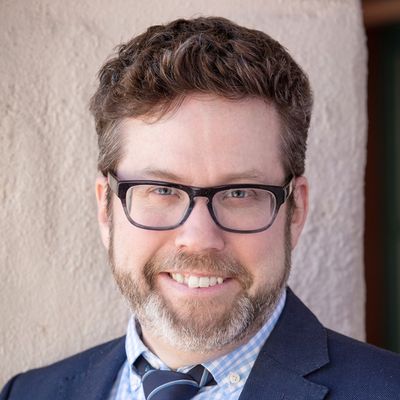
As a child Sean visited Arizona Theatre Company as an audience member. Today Sean is the artistic director of the organization while continuing to tell his own stories. Thank you for taking the time to listen to our chat with Sean!.. Read More
From the show: Page To Stage
Guests
Featured Shows

About
As a child Sean visited Arizona Theatre Company as an audience member. Today Sean is the artistic director of the organization while continuing to tell his own stories.
Thank you for taking the time to listen to our chat with Sean!
If you are listening to this on Apple Podcast, we'd love it if you could share your love in a review!
Sean Daniels is a Director, Playwright, Husband. Artistic Director, and most exhaustingly, the father to a toddler. As a writer, he has been produced commercially Off-Broadway by Tony Award-winning Tom Kirdahy, and at Arizona Theatre Company, Actors Theatre of Louisville, City Theatre, Merrimack Repertory Theatre, and Dad's Garage. His play, The White Chip, was a New York Times Critics Pick and is in talks to return when theater does. As a director, he has directed at theaters such as the Manhattan Theatre Club (Off-Broadway), The Kennedy Center in Washington DC, to the West End in London.
Sean has been named "one of the top fifteen up and coming artists in the U.S., whose work will be transforming America's stages for decades to come" and "One of 7 people reshaping and revitalizing the American musical" by American Theatre Magazine. He is the Artistic Director of Arizona Theatre Company, where he first fell in love with a theatre as a kid, though he is a native Floridian, having gone to high school and college there (Go Nobles!).
Want more of Page To Stage?!
Follow us on Social! @PageToStage on Instagram and Facebook
MARY DINA: Instagram or Twitter
BRIAN SEDITA: Instagram or Website
BROADWAY PODCAST NETWORK: Website or Instagram
#PageToStagePodcast
Transcript
This transcript was automatically generated and might contain errors.
[0:00] BRIAN SEDITA: Hey everyone, welcome to Page to Stage. A conversation with theater makers. We're your hosts. That's Brian. And that's Mary. Join us as we focus the spotlight back on the theater maker to uncover their process. We speak with folks in the industry that often aren't heard from, such as stage managers, producers, crew members, marketing professionals, and everything in between. We hope you enjoy this episode.
[0:25] Sean Daniels: My name is Sean Daniels, and I'm the artistic director of Arizona Theatre Company, which is in Tucson and Phoenix and all over the state of Arizona. Welcome. Thank you for joining us virtually here today.
[0:37] BRIAN SEDITA: Oh my god, thank you for having me on. I so appreciate it. And thank you for working with our West Coast Time, where you know, we're always living in the past. So I appreciate you working late into the day for me.
[0:47] Sean Daniels: We usually record at this time, so this actually worked out pretty good for us.
[0:50] BRIAN SEDITA: Great. I was doing some digging and some reading as to what all the things that you're involved with, and I'm so fascinated to talk about so many pieces. So I'm hopeful that we can get through all of the things you want to talk about with you today. But first, I guess to start off with is your time at Arizona Theatre Company. So in March of last year, you were named the artistic director. What are some of the responsibilities that you first addressed like once you got there and were getting started?
[1:20] Sean Daniels: I grew up in Arizona, you know, for as a kid in my most awkward years, like seven to sixteen, right? And I grew up going to theater at Arizona Theatre Company. My parents were subscribers and donors, like everyone should be, and they just took me to everything. Now, at the time I thought they were just really liberal in their choices, and now that I've grown up, I've realized they were just maybe actually lazy in terms of seeing what shows they were taking me to, because they took me to everything, right? So, and I remember my very first show was this production of Our Town that blew my mind away, you know. You know, spoiler alert, at the end of Our Town, they're all dead. And I was so taken by that, and I just wanted nothing more than a life in the theater after that.
They also took me to Private Lives, which is a play about jokes about having an affair, and I didn't really get all the jokes, but I really appreciated, you know, as a nine-year-old laughing when everyone else laughs. And so what was great about the opportunity to come back and lead this organization was that it's the place that really inspired me, that really changed my life for the better. And I, you know, I love the idea that any kid that walks into our education program can someday be the artistic director of the organization. So that's the type of place that we can be. It's no secret, right? The company almost folded four years ago. They did this like crazy campaign to say we have to raise two and a half million dollars by the end of the month or we're gonna close.
And so, and they did, right? But they've never been, I think, fully healthy since that. So there was also a sense of like, listen, if your childhood theater is in trouble, like you should move home and work on it and really make it into a leader, because I truly believe there's no reason why Arizona Theatre Company shouldn't be a world, if not international leader in producing theater. And so, you know, to be able to come home in a moment to be able to, you know, be a part of the organization that changed your life and be able to really lead this rebuilding of it is a real gift to be a part of it. That said, I also have a two-year-old daughter, and there's a lot of free babysitting in Arizona. So part of it was also just like, oh, where could we go where there's free babysitting? Let's go to Arizona. So it all worked out.
[3:39] BRIAN SEDITA: Now, you guys have multiple theaters you sit across the state. So, how does that work in terms of planning a season? And do you guys use like cultural and societal events? Do they play a part in the messages and stories you want to tell, like as a state?
[3:55] Sean Daniels: Yeah, so I think that's one of the things that we're really focusing on now. So we are the only Lourdes theater, and Lorde is like a national umbrella organization that produces in two different cities, right? So everything that we do currently plays for a month in Tucson and then goes and plays for a month in Phoenix, which is great because if you're an actor with us, suddenly that's a 10 or 11-week contract, right? To be able to do it. That said, no two cities have the same taste in terms of what they would like or what they're into. But you know, we're the state theater, so it's a real opportunity to talk about what is happening in terms of across the state, right? What are the issues that are happening?
And you know, it's an interesting programmatic thing because some shows sell better in each town, right? Of course, because they're just different towns. But one of the things that we're really focusing on now is how to grow as an organization and how to not just be these six plays, right? What are the other events? How are there shows that happen in just one city or the other? You know, especially with this digital moment, how can we now really have the outreach we've always wanted to? But it is definitely a unique situation. Every show we do is built to tour because it's gotta go from one place to the other. And I really think the way we could be a national leader is we've accidentally built the world's greatest new play setup.
Like what, you know, if you are a playwright and you do a new play, you get a production, and then if you're lucky, you get like another production of it a year later with like 70% of the people because of scheduling. And then if it goes well, another production like another year later, right? We actually do every play, you know, six days after it closes. So if you're a playwright, wouldn't it be a great gift to be able to do a world premiere of your play and then revisit it right afterwards to know that the next production with all the same actors, all the same designers was happening in three weeks, so that you could then make all the changes that you wanted to and then send it out into the world?
So I feel like that's gonna be one of our big changes is to look at this two-city model not as an issue at all, but as our strength, that really nobody else can offer you this. Nobody else can offer you. And let's be honest, they're different communities, right? So you will have seen your play in front of, you know, a small, you know, very liberal city 90 minutes from the border, and then in the fifth biggest city in the country. So you will have a great sense of how it plays in both places before it goes on to the other thing. So I feel like that's our way to success is gonna be leaning into what people at one point thought were our problems and making them our strengths.
[6:44] BRIAN SEDITA: That's gotta be very valuable to writers who are in the development process of their own work, because like you said, you have the different towns, different sizes, different economic backgrounds, you know, different even times of the year. I mean, even if it's only a few weeks apart. So I'm curious as to are right now, or I guess before our current predicament with COVID, were you rehearsing between those two performances, if even if there weren't a lot of changes?
[7:13] Sean Daniels: The way that they used to do it, and because they did mostly plays that had already been kind of locked and licensed, they would only rehearse for a little bit to be able to do it. They would just kind of refresh it. The spaces aren't exactly the same. So they would just figure out kind of where do you stand differently, how do the lights go? And so one of the changes we're making is to really adjust and say, it's a second shot at it. I mean, if you worked on a new play, you know that there is that moment before like the fourth preview, if you get four previews where you suddenly realize like, oh my God, this scene needs to go here, and this actually needs to be cut and this part is useless, but it would destroy the play to try to put all those changes in in the limited amount of time you have left, right?
So you just start kind of plotting for the next production and hoping there's a next production. So yeah, we really want to use this as that moment to say, like, don't sweat it. You know, it works as is. Let's all get back together in three weeks and you know, go ahead and put those changes in. You know, actually on Broadway, sometimes you will rehearse during the day, but not put the changes in that night, so that you can feel like, oh, you get used to like what the big changes are gonna be, and then you put them all in on one night. And I think we could do something similar. So I think we could really be a playwrights theater in terms of what that opportunity is to be able to learn and to make adjustments.
[8:37] BRIAN SEDITA: And so the hope is for a lot of the productions that you guys put on, is that they're gonna go further and move to another city or New York or something like that.
[8:47] Sean Daniels: Yeah, I really think, you know, theater is this really weird art form where we don't see the vast majority of it that happens in our country, right? And so I have board members who will be like, Oh, well, let's be a great theater like La Jolla or Steppenwolf, and then I'll be like, Have you ever seen a show at La Jolla or Steppenwolf? And they'll be like, What well no, but they're great theaters. And so it's this what you what you do track is like who are the tastemakers? Where are shows starting that go elsewhere? Like who gets to see things before it goes to New York, or who's not obsessed with New York and just doing the work and it's going on elsewhere from there. And so I think that, you know, for us, it's that that's a big lesson in terms of how we get the word out there is I think we need to start things and they go elsewhere.
And it doesn't have to be New York, you know what I mean? Like, um Lauren Gunderson is one of my favorite playwrights, and um, she's she's the most produced playwright in the country, two out of the last three years. And um, she hasn't had the world's greatest New York career, and that hasn't stopped her at all from being produced everywhere, you know. So I think there are other places, and that's what I want. I want for shows to be able to start and go elsewhere. I think also there the bigger thing also is like less did people like the show and more that I want to tap into civic pride. Um, I worked at Actors Theatre of Louisville that has the Humana Festival of New American plays, and so you know, it which always touts itself as the like center of the new play universe.
And so everybody thinks like, Oh my god, Louisville loves new plays. And when do you realize working there is like Louisville does not love new plays at all? Like Louisville loves bourbon and horse racing. Um, but Louisville loves Louisville, and that is the like big lesson that the New York Times comes and the French press comes, and people from all over the world come to be able to see those plays, and that is a huge talking point for that community. And so that becomes the level of like how they talk about it. We know anytime a sports team makes the playoffs, everybody is a fan, right? So why can't bandwagoning work the same way? Why can't it be that, you know, your show goes on to, you know, to New York and becomes a hit, and suddenly that the state is proud that it happened, you know, that it went on there.
Um, trust me, when Hamilton comes out, you know, on Disney Plus, the number of people that will have claimed to see it at the public will easily, you know, there's no way they could have all seen it, right? Like that's suddenly the band you saw before they were famous, right? That's just the way we're wired. And so I think like, why can't theater tap into the same way and say, like, you know, great, like these plays go on and you support Arizona Theatre Company because you believe that Arizona artists are nationally recognized and at the center of all national conversations and are just as good as anywhere else in the country? I mean, we get, and this is this is almost every theater, but we get it a lot here.
The left-handed compliment you get from your audience all the time, that they come see a show, and then afterwards they're like, oh my God, that was just as good as I saw in New York or London. And you're like, yeah, yeah, we hear that a lot. And they say, you know, you're the best kept secret in the area. And you always have to be like, ma'am, that is not a compliment, but thank you in terms of what it is, because I think people don't realize that you know, the work that happens in regional theaters can be just as strong, if not strong, you know, regardless of what the zip code is.
[12:24] BRIAN SEDITA: So, how do you think theaters, in your opinion, is there, is there a one ticket to get regional theaters to that level to where they're pre-Broadway houses or where they're, yeah, I mean, to where they're pre-Broadway houses, like, because you know, you have you've listed off two, but there's also like Paper Mill and other types of names that are more household, yeah, that are more household names for pre-Broadway shows. But there are plenty of theaters, regional theaters that I have either worked at or have visited that have the potential to do just that. They're they just can't get on the map, I'm assuming. I don't know. I would love your take on that and maybe some ways that you think that your theater or other theaters could build that brand.
[13:11] Sean Daniels: Well, I think the thing we always say is that we want to be a local theater that the world pays attention to, right? Because many theaters essentially are how I felt like when I was dating when I was 15 in terms of New York. Like they are really obsessed with New York, but New York doesn't care about them, right? New York does, New York believes itself to be the center of the theater world and is not really even paying attention to what happens in the regions, right? So I don't want us to become suddenly obsessed. We all know there's theaters where they're just like you read their season announcement and you're like, guys, like back off. Like, you know, it's a little hot and heavy with trying to get to New York with every single show. Um, you know, for us, like here's a good example.
[13:53] Sean Daniels: So we did a production of American Mariachi, and it was the best selling play in the theater's history. And that's not a Broadway show, but that's a show that's about, you know, mariachi music, which is huge in terms of the culture of Tucson. And it's a cast that had almost all Latinx actors on stage and that's who our community is. And so for them to be able to, you know, see themselves reflected on stage, to be able to see their stories, that makes that show a hit. Now whether that show goes anywhere in the country, like they don't care because they finally feel like it's their theater. And so I think there's always a balance in terms of how do you be a local theater that the world pays attention to, right?
A couple of shows moving elsewhere is great, but I think if you become too obsessed with that, you kind of lose your regional identity. And I think you know to be honest, we were probably, and this happens the most part, you know, season announcements come out and I think for the majority of regional theaters, if you removed the name of the theater, you would have a hard time guessing what is the actual theater that just announced it, right? It's like the same 30 shows being rotated over and over again. And usually there's shows that have been blessed by New York four seasons ago, right? As to be hits to be able to do. So I think for us like it's also how do we be individual about that? How do you feel like, oh of course when you see that season, of course that's Arizona Theatre Company, because it feels like we represent our community on stage and also at the same time, yeah, sure, let's have a thing or two that feels like you can see this for a third of the price in a much larger theater before it goes to New York.
So I think like that's all part, that's all part of the ingredients of how you know, I think a season comes together. And also how I think like how you begin to attract, you know, those types of Broadway producers to be able to keep an eye on what you're doing.
[15:56] Sean Daniels: So without making this too much of a like a COVID centered episode, even though a lot of your work that we're hopefully going to get to talk about has happened over these past few months, what's the state of, you know, state of Arizona right now? I mean, it's constantly changing, and probably by the time we release this episode, it will be completely different. But what are you guys doing right now? I isn't Arizona open right now?
[16:20] Sean Daniels: It's in the process of backpedaling. We had more cases yesterday than the entire EU. Um, and so we got that won't going for us. Um and we're a little late, you know, our spike has happened late to be able to do it. Um, but our governor has just come out and uh for masks and for kind of closing back down bars and things like that. Um I will say, as a theater, the thing that I'm really proud of our staff for doing is that we made this switch to digital really early in terms of what it is. We kind of very quickly said, we don't know how long this is gonna be, but let's go ahead and start figuring out ways that we can connect with our audience. Um and let's really make our, you know, place our online socials the place that you can go to when it feels like the theater is closed, right?
So that you can go ahead and visit us anytime you want. So, you know, we started doing um readings online. In fact, we're about to announce a pretty large digital season where we're gonna announce about 15 to 20 projects that we're gonna do just online for people to be able to be a part of. We do a weekly uh talk show that I host, uh, which actually has been amazing because we have never talked to our audience more. You know, I mean, like we do letters from the artistic director and we always say our doors are open and that kind of thing. But like now we do uh a talk show every week where if you're on Facebook, you can send in questions while we're interviewing guests and we do it. We had one interview that we did with um Ralph Remington from the Tempe Center for the Arts that was happening just as the Black Lives Matter movement was kind of picking up that had 14,000 people that watched our talk show.
And so, I mean, that's sometimes more than attends our actual plays. And so that type of being able to connect with them, right? And for thousands and thousands of people to see each week what it is that we're talking about or that we're doing. It's really been great for us.
[18:24] Sean Daniels: We were, to be honest, three months ago, like every regional theater, which is to say that like horrible at social media, right? Like we just used it for selling. We and we didn't use it for connecting, you know, it just kind of felt like we were blasting you all the time with discount offers to come see shows. And so the real switch we have made is to say, like, this is just how we communicate. This is our, this is our product that we put on stage, and this is who we are, and this is how you can be in contact with us. So I feel like those changes um, you know, have really been helpful. And our trick is gonna be once we're back to producing theater and once we're live again, how to keep all of that going, right?
[19:06] BRIAN SEDITA: I was just gonna ask that same thing. Do you have any thoughts?
[19:09] Sean Daniels: Yeah, do you have any thoughts on like how you how you guys plan to keep that connectivity? You know, I think we'll just have to see like what bandwidth-wise we can sustain. I mean, I think the talk show that we've done actually it doesn't take that much in terms of what we do, right? So I feel like that will, it just takes the time of about four staff members to be able to pull it off every Friday at four. You know, there, I mean, there's no way that we'll be doing 15 to 20 readings at the same time that we're producing something that's not going to happen. But I think it'll just allow, especially, you know, if we're not in months that we're not producing, there's always something happening, right?
Every two weeks to be able to do it. Um, we were, you know, we were really lucky that we got to film our last production, The Legend of Georgia McBride, on its opening and closing night, right? And then we were able to send that video out. We did this online reading of The White Chip that we did, and we were able to make that free for anybody that wanted to watch it. And I think over the course of four days, we had about 10,000 people watch it. And so, you know, just like that type of connectivity. So I think the thing that we'll want to keep doing is like when we're not producing live, we'll want to have that type of connecting with our audience. But yeah, not all of it will be able to stay because we will have to go back to doing other jobs at some point.
But uh the thing that's amazing about our staff is that none of them were video editors or audio editors or those things before this hit, right? They were working in marketing, they were doing development, they were reading plays, and it's kind of the mandate was like everybody go home and learn how to do audio and video editing. And several of them just rose to the occasion and went home and figured it out, and now they do it, you know, on a weekly basis for us. And I feel like that's the scrappiness of theater people. You know, you know. I think that's for me. I grew up doing, you know, storefront theater in a very small theater in Atlanta, Georgia. And so the idea ever that we can't not do something doesn't seem possible because at one point we had no money and no skills and we still made it happen, you know.
So I just think we should be able to, with the staff we have and the tools at our disposal, be able to make this pivot. And I'm just I'm glad that we did it early because I feel like it took us some time to get our groove, but now we're there. And so even now as cases rise and we don't know exactly when we'll be back, we know how we will continue to communicate with our audience.
[21:40] BRIAN SEDITA: I love that you had recorded two performances of one of your last productions. Do you tend to do that typically or was that just like happenstance just that just kind of happened there?
[21:52] Sean Daniels: It just happened that we the word went out, and you know, for us it was kind of lucky timing. The word went out that if people wanted to record their production to be able to send it out. This was um between Lort and Equity, they made this like very quick agreement. And so it just happened to be that we were in previews and we were coming up to opening, and so we hired a crew to be able to, you know, come in and do a three-camera shoot. Now, so for next year we're planning on doing filming every live production that we do. So in case we shut back down or in case we're able to send it out, we can, you know, get that out to the people. Because I think it became key in terms of how that worked.
But so we will in the future record everything that we do. So also if people feel, you know, this still has to be worked out with the union, but I imagine there's gonna be a fair amount of people that just feel nervous coming back. So if we can still stream it with them, great.
[22:45] BRIAN SEDITA: Yeah, that's definitely been something that's been on my mind. And I know that I've read a ton of articles and a lot of social media posts about this, whether it's from more commercial producers or producing artistic directors, of the conversation of like, do we do we record and release audio and make this play on through a podcast? Or are we releasing it? I know Audible's doing some similar work there. And I know that even our network has released a few musicals over a podcast format. Um also the same thing with with a video. Like, are we streaming it out to our subscribers? Is that like something to wait, you know, to retain them through this season into next season? Um, and I don't know if you have any other thoughts or if anything has come up on your side of things, besides obviously the video recording, which I think is brilliant to be looking that far ahead into whatever this future may hold for us, and to say we're going to be recording all of the productions moving forward because you just don't know.
[23:43] Sean Daniels: Yeah, I think you know what's interesting about our online thing that we're gonna do is that some of them will just be podcasts. Like we had some plays that the playwrights said, you know what, I'd rather just do this as an audio play rather than watch even the most attractive actors sit in their apartment and read it, you know. Um, and other people have said like so you're still hearing the words, it's that's still very important. Yeah. Well, and also some of them want to do like old-timey radio plays. They want to do like a soundscape and a sound bed that really lays out where you are and to let your mind, you know, do. So one of the ones that we're doing is this play called The Heath by Lauren Gunderson, who I talked about earlier.
And it's, you know, part autobiographical banjo musical and part King Lear. And so it's, you know, you kind of wanna if you're gonna be picturing Lear and you're gonna be picturing him on the Heath and the Mountain, you know, the storm coming in, whatever you picture in your mind is always gonna be a thousand times better than what we could accomplish in an actor's apartment, you know, through Zoom. So I just think be like, great, like let's just go ahead and make that, you know, close your eyes and you can hear the thunder and you can put those things together. And so, you know, and that's how she wants to do it. Other people don't want the production value, they just want people to hear the words.
And so we're actually letting each playwright choose the way that they would want their story to come across so that they can say, like, yep, it should just be raw and out there, you know. I don't want expectations, and other people are saying, like, nope, let's go ahead and try to make it, you know, a bit more polished before it goes out.
[25:20] Sean Daniels: I think that that's a really great segue into your relationship with Florida Studio Theater and their new play initiative. So you're adapting a screenplay, Tampa, into a play. How did you come across this screenplay?
[25:32] Sean Daniels: So I have um, uh first of all, my mother lives in Sarasota. So in many ways, in this moment, I've actually accomplished what she's always wanted me to in like 25 years of doing theater, which is like to be able for her to brag to her friends that I'm working at a theater that she knows. So, first of all, like thank you to them. And I've always been such a fan of um Florida Studio Theater. The theater I founded in Atlanta, co-founded with a bunch of uh friends of mine, Dad's Garage, has always been a part of their improv festival that goes down and is there, and they do such great work. Um, and I I have uh a friend, uh this is this so this is slightly crazy. He wrote a screenplay kind of based on his own life.
And what I didn't know beforehand is that Tampa was Tampa actually was the like center home of the mob for decades. Everybody thinks it's New Jersey, but everyone thinks of that because of movies, right? So it's actually like Tampa was this huge part of it. And his family was knee deep in the mob there. So they would say there's no mob. And so he wanted to write this screenplay about just what, you know, their experience growing up, what it was like in Tampa, you know, their and their rise to it. And so I I had read it and he told me these stories that go back. And um, you know, it's all really deep in the history of what the city is. And so I I said, like, I would love to just adapt this to a play because I actually think it's very theatrical what you've written.
I mean, it's essentially it's a brother story, you know. But but what happens to kind of two brothers that grow up inside this situation and then kind of go different ways. One wants to kind of lean into being into the mob and one doesn't. And so uh, but also just like my love of of Florida, uh, and you know, it's like such a if if you all know Florida, like such a unique world, right, in terms of of where it is. Um, I grew up in Palm Beach Gardens area, and so we all we always used to joke like you are either in southern New York or northern Cuba at any given moment, right? Just like that's what it is to be down there.
[27:44] Sean Daniels: So it's like this amazing cross-cultural place to have all this happening, and the fact that it was the center place for the mob to be able to bring in, you know, I think it's like rum from Cuba came directly in through like the majority of rum in the country came in through Tampa in buoys that were just out there, and then they would go collect them in the morning.
[28:06] Sean Daniels: So I started to adapt this screenplay of his and his family to be able to be a part of it, and we had just a couple of very small readings to see if we have anything. And people were really excited about it and really kind of interested in this. And then luckily Florida Studio Theater reached out and I guess they had heard about it or they had seen something online and just said we would love to continue the development of this because it's so rare to have, you know, for any theater to have a play that takes place in your city and is kind of a bit of a part of your history in terms of what it is. And so I think we've been developing it and we had one kind of online reading and we'll have another one very shortly, but it's a great opportunity to be able just to delve a little deeper into this history and part of the city that I think most people don't know or have only heard partially about.
[29:00] BRIAN SEDITA: How did the relationship with the new play initiative come to you?
[29:04] Sean Daniels: I don't remember who reached out first, but I think it was Catherine who was the kind of associate artist and kind of literary manager dramaturg. She had reached out first and said they had read The White Chip and that they had really loved the writing and they wanted to know if I was working on anything else. And so I said, I'm actually working on this play about your town, you know, to be able, or you know, close to your town to be able to do it, you know. I can send you the, like at that point, I had like a, like that first, not even a first draft, that like very terrible version of your show to be able to say just like here's the thing we're working on. So we did the, you know, the hope is to have what I would call like a first, like a really solid first draft before the end of the summer.
I feel like if we get to the end of August, then we have a really workable first draft, then we can do it and be able to go from there. And then you kind of like, you know, you do workshop after workshop and try to make it better as you can, and then you hope that you get to actually do a production of it someday.
[30:11] Sean Daniels: I will say the crazy thing, and this is happening with all of my shows that are in development, is that they're all barreling ahead in these COVID times because normally it takes, you know, seven years to make a musical, it takes two years to make a play. I, you know, I'm working on stuff that like there are new drafts every three weeks because everybody's home. And I, you know, I really feel like they're, I mean, maybe it's not the exact same thing. So the last time there was a great plague, right, in all of Europe, the Renaissance came afterwards, right? That was the thing that came afterwards. And I feel like I can sort of see how that happens because every musical that's supposed to take seven years is suddenly taking, you know, people are gonna have it cranked out by the time that we get out of our homes because they have nothing to do.
And so also every actor is available. So you're able to like anytime you want to do a reading with, you know, the people that you want to make it with, you're like, hey guys, let's do it Thursday. And sometimes you have to do it an hour earlier or an hour later, but everyone's available and you're able to just move all these things forward. So, you know, normally I would say, oh, it'll probably be another year before we have a real draft of this, but now I think it's like, oh no, by the end of the summer, I feel like we could do a public reading of it to be able to make it happen.
[31:32] Sean Daniels: And I think, you know, listen, it's a real gift when you get to make a play that's about a city. Because there's the next portion is I think to involve the city in it, you know, places that it happened, collect stories about people that have similar things that have gone on and really figure out how to more tie it to, you know, it's not just like let's make a play and put it up and see if people like it. It's like, no, let's use this opportunity to really connect with the people of Tampa. And I'm sure other people have stories, you know, about this time period and about, you know, when the mob was so big and connections to it.
[32:09] BRIAN SEDITA: So I'm curious as to the differences between you, at least looking at your process, and we can look at Tampa specifically, but the differences between adapting for the stage and then just writing a new original work. Do you see any differences on how you approach those two too differently, or is it relatively the same?
[32:31] Sean Daniels: Strangely enough, this wasn't my plan, but the majority of new work that I've created, either as a writer or as a director, has been based on people's real stories. And so, you know, I did this musical, The Lion that went everywhere for a while. It's based on a true story. I've done some other musicals based on true stories. I wrote The White Chip, which is based on my story, and so to be able to then take, you know, my friend's screenplay, and so like, yeah, one part is about how do you adapt a screenplay to a play, and the other part is about how do you take someone's real life and try to, you know, put it into a way that kind of people can follow and understand. And so, you know, part of, there's a great Oscar Wilde quote where he says, like, everything I write is true, even the stuff I made up.
And so you I think you have to kind of live by that in terms of like how you're putting it together. Like you are going to change the facts of someone's life. You're going to reorganize it, right? You're going to combine people, you're going to change the timeline a bit in terms of what it is, but you have to always stay true to what the actual story is, right? The heart of the story.
[33:42] Sean Daniels: I always am fascinated by when you tell true stories. If you go to a party, somebody can corner you in a kitchen and tell you an entire like crazy story and you follow the whole thing, right? And then you go watch a one-person show and you have no idea what's happening. And so there clearly is like somehow to be able to communicate when you're telling a true story, like we need to be closer to the kitchen telling of like how it is. So you feel like, oh, I'm following emotionally all the moments to be able to do it. Unless the like explaining over and over again. Part of my journey with working with people, and this is why I think if you're doing anything autobiographical, you have to work with somebody else because you have no actual sense of what is interesting or needed in telling a story.
Like you might think this whole section is incredibly important because it helps people to understand why you made the choices you made, and nobody cares. You know, they had to. When we were working on The Lion, there's a part where his, if you don't know the show, anyway, he at one point he's in a relationship and it falls apart, and he had like three songs that explained how it fell apart. And eventually we just changed it to like, you know, the sex got bad, and then we grew apart and then we broke up. And there was never an audience member that was like, I don't understand. How does that happen? Not everybody was like, Yeah, exactly. I know, I've I'm actually in that relationship right now.
And so I just think it's like to be able to have an objective point of view to be able to say, like, here's what we really care about. Here's the truth of the moment going forward, you know, and I think sometimes the tougher part is on the person whose life is being adapted. When we did The White Chip, Cheryl Collar is an amazing Tony-nominated director was my director, and it's based on my life story. And at one point she pulled me aside and she said, like, hey, the play ends four times, so you just need to like you need to chop the last 20 minutes off of this. And I remember thinking, like, how dare you? I, this is my life story. You have, and then I realized, like, oh my god, I have said that exact same thing to playwright after playwright, and I'm always right when I say it.
So, what if she's right now, right? That like emotionally, everything I think I need to end the play doesn't matter. Someone from an outside can just say, like, actually end right here, and we'll love you for it.
[36:15] Sean Daniels: The tables have turned. Yeah, I think also what's interesting is, and this is the trap everyone falls into, and even my friend Lauren did this when she did her autobiographical play. Every autobiographical play starts out as someone explaining to you how charming they are and how many random, unfortunate experiences that have come across their way. And that so it really starts out that way. We had, I don't know if I can if I can swear on this, but if not, you'll cut it up. We were doing The Lion in London, and our producer pulled us aside, and he said it in a British accent, so it was better. And he was like, you know, people will love this play a lot more if your lead actor is a bit of a cunt.
And we were like, Oh wow, that's an amazing note. And it turned out to be totally true. Like the worse that we made him, the more people felt like he's a real person. He, like that's, oh I make mistakes, oh I screw things up, oh I've destroyed my family relationships, oh I've ruined that Thanksgiving, right? Them and so I just think like part of it is them realizing like you don't have to come across as super charming all the time. You don't have to fend your things. Actually, the worse that you are the more people will relate to you in terms of going forward. So I feel like that's part of the journey with ever of these adapting is to just say, like, all right, like it's not even an anti-hero.
We just, you know, anybody that doesn't make mistakes and has it all together, not interesting, right? In terms of our stories. There's a great Mel Brooks quote where he says, tragedy is when I cut my finger on a piece of paper, and comedy is when you walk into an open sewer and die. And so it's really just like, oh yeah, we are we are interested in tragedy happening to somebody else, right? We're not interested in people who can't be hurt, we're interested in like their own personal suffering and how they get out of it and how good things can come from terrible things. So I think like that's the story we have to lean into.
[38:21] Sean Daniels: I have never heard of that quote before. That is fascinating and also kind of scary.
[38:26] Sean Daniels: Yeah, well, it's true. You know, you think about think about like action movies, right? And you think about like what are like the actual world's most popular action movies, and like people that are impervious, like not interesting, right? And then you get to like Die Hard, and it's like Bruce Willis has to walk through glass with his bare feet, and suddenly we're like, ah, I relate. I understand that guy.
[38:48] BRIAN SEDITA: You wrote this, I think when you were writing about the play a little bit. You said that you love the idea of making it Shakespearean, and like that goes with that high-stakes betrayal that you were talking about. Can you talk about that sort of how is it Shakespearean to you?
[39:02] Sean Daniels: So the thing that I'm, you know, I'm fascinated by in all of his conversations about how the family worked is like the stakes and the honor and the is so high in all of it, right? And you know, he was just telling me about like this guy who his look was he had a giant like fur trench coat on so he could hide his guns underneath, and he wore it even in the summer in Tampa because that was his look, and then eventually he died because someone stabbed him 50 times with an ice pick, and you're like, oh my god, these are not the stories that other people have. Like you are living in a heightened life in terms of what it is, and it's really just, you know, this family that you every time you see anybody, even if you're gonna kill them later, you give them a big kiss on the cheek and you say hello, and you have dinner with them, and then after dinner's over, you go back to, you know, trying to kill each other.
So it's like this heightened sense that I don't know where else we talk about that, except on this level of, you know, Shakespearean drama and this really like heightened sense of what it is to go through life. You know, our lives are so boring compared to what it is to be in this fledgling, you know, time in Tampa as it's growing. And so, you know, I think Shakespeare is, you know, the stakes always feel huge, right? The stakes are actually life and death, or the stakes are actually the kingdom, or the stakes are actually to get turned back from an animal into a human so that you can love again. I mean, you know, he's playing with real heightened like levels of what the story is. There's nothing boring about, you know, these things.
It's about, and the things he dives into, right, are jealousy and betrayal and, you know, young love and that you, you know, dying for your love, and you know, and we kind of accept that as like, oh, that's the world that they live in. And so we, and I feel like actually that's the same level that everybody in the play Tampa is living at. Like you might, you know, you might grow up and you might end up working for the Kennedys. You might end up, you know, leading the, you know, the mob in Tampa, you might get stabbed 50 times with an ice pick, and all of those are on the table in terms of how your day is at any given point. And that's just a higher way of living and, you know, and a more stressful and bigger way of living than I think the rest of us do.
[41:37] Sean Daniels: You spoke a little bit about earlier that process right now of writing during these times when everybody's at home and everything's a little more fast-paced and things are just being pumped out. So I'm wondering, does that affect your process in terms of how you've always written and has that really shaken what you're used to? And how does that work also with your responsibility with the Arizona company? The truth is that right now anybody working in a not-for-profit theater is probably working harder than they ever have before. You know, that I think it just in terms of like the bandwidth that we have. I think every day feels like a week's worth of information comes in. And um, you know, by the time you get to Friday, you're like, oh my God, how is it Friday?
You know, we've just been, because we're on the phone with donors, we're looking at schedules, we're moving artists, like we are not, we are not a nimble organization, you know. Sometimes we plan shows 16 months in advance in terms of what it is, and now we're trying to figure out like what are we doing in September, which sometimes depends on what the governor of your state says that day, you know. And so I think that there's that's a tremendous amount. And I also just think like it's uh none of us are at a three-month writer's retreat, you know, which is the other part of it that you know, where like I have a daughter who has asthma as a kid and she's been hospitalized for it. And so, you know, she's fine right now, but it's on our mind to try to keep her as far away from this as possible in terms of what it is.
And so like that's that's in the air also. So it really, so like that's a challenge. But I have found it to be a real reprieve if I can just schedule in a certain amount of writing time because I, you know, we're all fighting to keep um the arts going in our country because we know that when we come out of this, not all arts organizations will survive. There's no way, right? There, and they're it's just a matter of like how significantly our field will be reduced coming out of it. That that is really the only question at this point. And so you you add all that in and you realize like everyone's fighting to keep the arts going, but no one is really making art, or those that work in arts organizations are often not making art, you know.
And so it's like, oh, that's right, we were artists. That's why we kind of got into this in the first place. So I for me it's just been helpful to spend, even if it's just one hour each day um working on it. And sometimes, you know, an hour working on a play is just you end up deleting a page or two that you had written a day or two before, right? And you know, rewriting is writing. And so that's what it is. But I think for me it's just it just reminded me of why we, you know, got into this and what is powerful about it and what it could do. You know, I think a lot of us are artists and we learned to be administrators because that was the best way to be able to make sure that we could make our art or to make, you know, one of the great things about being an artistic director is not making plays, but making the work of other artists possible, right?
Like people that you believe in, giving them opportunities and letting them run with it. And so we don't get to do that right now either. You know, we talk about cash flow. We talk about fundraising. We talk about liability. We talk about you know plastic shields that are going to go up and we talk about how many masks does each of our staff members get and when will they come back and those type of things. And so it's just, you know, it's you you have to keep your eye on the why, right? So the um how to spend a little time each day being an artist has for me I think been very calming. And then it's it's much easier for me to then go into a conversation about cash flow after knowing that I've at least got a little bit of writing done that morning.
[45:32] BRIAN SEDITA: So I'm curious as to what is your if you could pick just one. And I've kind of I've heard you say a few things over the course of our chat here, but I'm curious if you could pick one thing that is your favorite part of your job. And that could be with Arizona Theater Company, that could be as a writer, that could be with your current partnership with on Tampa, you know. What is one thing that you just ex like you're super passionate about?
[45:57] Sean Daniels: Um, I'm I'm really, you know, as just somebody who really feels like the more our audience understands and the closer they get to the art, the more excited they're gonna be about it. Um I I guess connecting our audience with artists is all is always my most favorite thing because I just feel like everybody lights up then. Um I at the high school I went to over in Palm Beach Gardens, Florida, I was required to play two sports, and I was like a short pudgy kid, I was terrible at sports, but I have such an appreciation for sports because I had to play two sports for several years. And nobody else has that with the arts, right? Like arts education has been ripped out of the schools and will not be back in our lifetime unless you have a local theater that puts it back into your school, right?
It's the only way it happens. And so I just think people don't often understand how it happens, why we make the choices we make, how it comes together, and I just love connecting them with artists so that they can begin to see, oh my God, this happens and this is amazing. Because it is a it is a small miracle, every production that happens, whether it's online or you know, in person, the the fact that we have like such limited times and such limited resources and not enough money, and somehow we pull off something incredibly beautiful the majority of the time, is a real compliment to everyone that we work with. But nobody knows that, right? They just think they paid $45 and they came and saw the show.
Like they don't understand everything that goes into it. And so I love whenever we get to connect, you know, them and they get to learn more about the art form. And then they and then suddenly they're excited by it. Because we all know the more you're invited uh into a process, the more you root for it, right? And the more that you decide to, you know, push for it. And I think in this day of American Idol, if we get into conversations of like, you know, we did six shows, did you like four? Did you like three? It's a losing battle, right? We have to get into like this is the level of culture your state deserves. These are your friends and your people at the grocery store who are putting on shows and who are going and making this art for your community that they believe is for it.
And so I think like for me, if there's a silver lining in all of this COVID time, it's that like we're kind of doing that even better than we were before, that we are really reaching out. And our audiences, you know, they're they're sitting at home, they're not going anywhere, they're watching the same news I am, you know, and they're probably older than me. So they're even less likely to go out, but they are online and you know, they got their iPads and they're watching. And so I think to be able to say, like, all right, here's meet some more of the people. Here's more behind the scenes, here's how this comes together. Um, you know, we did a reading of a what we hope will be a Broadway bound musical in a couple years, uh, you know, and we recorded it and just shared it with a couple of people, and they had no idea like that's what a musical looks like at the beginning.
Just people sitting around the room trying to make sense of like what works or what doesn't or what song goes where. And so I think for me, I I love about this moment that we can share that with our audience. And I hope that we come out of this with our audience feeling even more dedicated to us. Um and probably honestly, that's what's gonna take, you know, the organizations that come out of this will either have had large cash reserves, or B, will have a real clear mission and connection to their audience, and so their audience gets them through it. So that's what I love, I think the most and what has been encouraging during these times also.
[49:43] BRIAN SEDITA: Yeah, and I also bet that you know, using readings virtually as a way to connect with the audience and still to still provide them some content could even trickle over into what becomes our new normal. So maybe you have more um readings where the audience is is invited to watch because they're so fascinated by that process. I think that's I'd be curious to see if any of that that pops up more often, you know, yeah.
[50:09] Sean Daniels: It's kind of giving it's kind of like pulling back the curtain a little bit over these times. Well, we've all known that like if you're gonna engage with anybody under the age of 45, like you're gonna have to have an online component, right? And if you have to like, you know, I I go to buy tickets for something and it's like please call this number, and I'm like, uh, I'll call it later. You know what I mean? And so it's just like that. Why why is everybody feels that way, right? So why have we not figured out how to make it as user-friendly? You know, I I can get food from any restaurant in town delivered to my house in an hour and not talk to a single person. So, how come my local theater requires me to like fill out a form and you know, scan it and send it back and you know, pick out what seat I want, and someone'll call me in three weeks, and it's like it's just kind of a disaster, right?
So we have to figure out like we have always had to figure this out. And maybe in some ways this saves us because, you know, listen, for us as an organization, we would never have had the three months down where it said, like, we have to be better at social media, we have to be better at online. You know, next year we're not gonna have programs, we're gonna have that people can download all the information to their phone as they come into the building, and we're not gonna have tickets and they're gonna just scan their phones as they come in, which has been happening at every sporting event for the last 20 years, right? But we have not caught up. And so, in many ways, maybe this is the blessing that in this moment we had the, you know, we're we're an under-resourced field, right?
So we kind of never have that moment or those extra people to go work on those things. We're just bailing water all the time. And so maybe this is the moment that we say, like, great, we can finally catch up with the the rest of what it is. And now, if you're under 45, you can purchase a ticket. You don't have to talk to anybody. If you want dramaturgical information, it's right here. If you want to come in and while you're sitting in the audience, you want to look uh through augmented reality and see how the set was built while you're looking at it, you can do it now. And maybe we didn't have the brain space to be able to do that before, but now we have no choice to catch up, and maybe that ends up being a real savior for our field.
[52:16] Sean Daniels: We always ask our guests as a final question, and it's it's definitely become harder and harder to answer this question as we've gotten further and further away from seeing theater. But what was the last great piece of theater that you saw? And you know, you could use a virtual experience if if that was the last great piece of theater that you saw.
[52:26] Sean Daniels: The last great piece of theater I saw that I had nothing to do with, right? Which is probably makes it, you know, is easier to enjoy, is I saw the inheritance part one in New York when we were there doing the the white chip. And I think why I loved it so much was that I'm not a gay man and I'm not, you know, I didn't live through, I wasn't even aware of what the AIDS crisis was at the time. And it did that amazing thing that theater does, where like I felt like I had such deeper empathy, and I feel like I understood, and I wept uncontrollably at the end of it. And I left feeling like I, you know, the world was a little bit larger and I better understood, you know, what somebody else had gone through.
And to have like so many gay friends in my life and yet not have fully understood what that moment was until seeing that play is the thing that I love about theater, is the thing that I love that I just I don't, I know I what just the way my brain is wired, I don't get that from movies or from TV. You know, I get that from being live in a room with somebody else. And so I left that play being like, wow, I I am not the target audience of this show, and yet I was so deeply moved by it. So I feel like that's that feeling that I had is is what I want everybody to to take when they leave. And actually, you know, when we talk about diversifying the shows we do on stage, it's like, wow, wouldn't it be great if everybody came in and said, Wow, this show wasn't exactly about me, but I have learned so much and been so moved by it that it kind of became about me by the end of it, even though I didn't see that at the beginning.
And so many of our guests have uh have actually answered our last question with that same response, which is um and both Mary and I have answered that question the same way too. It was really impactful piece of theater.
[54:30] BRIAN SEDITA: How can our listeners find you on social media or at your website if you have oh oh yeah you go to Arizonatheater.org um and you can also find me on um Twitter or Instagram just at Sean Daniels S-E-A-N-D-A-N-I-E-L-S. Um that's also on the Arizona Theater website to be able to go there.
[54:52] BRIAN SEDITA: Great yeah and I'll put all of that in the description notes as well.
[54:54] Sean Daniels: Amazing.
[54:55] BRIAN SEDITA: Awesome thank you so much for coming on here. Uh we had a a great conversation with you.
[54:59] Sean Daniels: Oh my God I so appreciate it.
[55:01] BRIAN SEDITA: Thanks everyone for listening to this episode of Page to Stage. To keep up with us you can find us on Instagram and Facebook at Page2Stage podcast. And if you're enjoying these conversations we would really appreciate it if you could take a couple minutes to rate and review us wherever you're listening to this podcast. Until next time that's Brian that's Mary. We will see you later. Bye
© Broadway Podcast Network, All Rights Reserved