

Imposter syndrome is a common side effect of the theatre industry. Bret breaks down his process bridging the gap between craft and commerce and how to cope with that feeling of imposter syndrome. Thank you for taking the time to listen to our chat with Bret!.. Read More
From the show: Page To Stage
Guests
Featured Shows

About
Imposter syndrome is a common side effect of the theatre industry. Bret breaks down his process bridging the gap between craft and commerce and how to cope with that feeling of imposter syndrome.
Thank you for taking the time to listen to our chat with Bret!
If you are listening to this on Apple Podcast, we'd love it if you could share your love in a review!
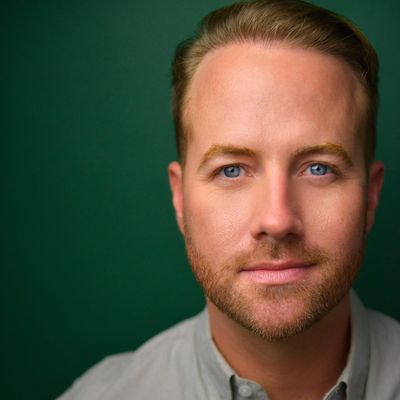
About Bret Shuford:
As the Broadway Life Coach Bret Shuford is passionate about helping artists create a digital reputation and bridging the gap between craft and commerce. Shuford’s Broadway credits include Wicked, Cirque Du Soleil’s Paramour, Amazing Grace, Chitty Chitty Bang Bang, Beauty and the Beast, and The Little Mermaid. Other N.Y. credits include Actors Fund Benefit performances of A Wonderful Life, Best Little Whorehouse in Texas, On the Twentieth Century, and the Radio City Christmas Spectacular. Shuford’s credits outside of New York City include the National Tour of Lincoln Center’s South Pacific and Dr. Fine/Dr. Madden in Next to Normal at the Adirondack Theatre Festival. He originated the role of Vernon Castle in Castlewalk, a new musical presented as part of the New York Music Theatre Festival. He has sung with the Indianapolis Symphony Orchestra, Pittsburgh Symphony, Baltimore Symphony, and the Fort Worth Symphony. Shuford also has been seen on TV and Web series including Law and Order SVU, Alpha House, Submissions Only, and My Dirty Little Secret. His film credits include Scorsese’s The Wolf of Wall Street, Bedfellows, and Uncle Melvin’s Apartment.
Come say hi to us!
Facebook: @PageToStagePodcast @BroadwayPodcastNetwork
Instagram: @PageToStagePodcast @TheMaryDina @BrianSedita @BroadwayPodcastNetwork
Twitter: @TheMaryDina @BwayPodNetwork
Youtube: @PageToStagePodcast @BroadwayPodcastNetwork
#PageToStagePodcast
Transcript
This transcript was automatically generated and might contain errors.
[0:00] Brian Sedita: Hey everyone, welcome to Page to Stage. A conversation with theater makers. We're your hosts. That's Brian. And that's Mary. Join us as we focus the spotlight back on the theater maker to uncover their process. We speak with folks in the industry that often aren't heard from, such as stage managers, producers, crew members, marketing professionals. And everything in between. We hope you enjoy this episode.
[0:25] Bret Shuford: Hi, I'm Bret Shuford. I'm a Broadway actor, the Broadway life coach, and one half of the Broadway husbands. And uh I've currently currently in the Broadway cast of Wicked. Um, but I also have passionately help other creatives build a life and career that they love.
[0:47] Mary Dina: Welcome. I'm so happy. It's so nice to see you, first of all, like on this little screen. Uh I've been like, I mean, of course, I've been we've been following along on Instagram and your and your in your podcast on your journey from New York to Pittsburgh to Texas, but it's nice to to see you.
[1:04] Bret Shuford: I know. I just I I've I've been dying to connect with both of you, so I feel very honored to be here. Thank you.
[1:11] Mary Dina: Oh well, I'd like to start at the at your Broadway debut back in 2005 in Chitty Chitty Bang Bang Bang. So by now you've been working on Broadway for the past 15 years. So at what point in your career as a performer did you begin Broadway Life Coach?
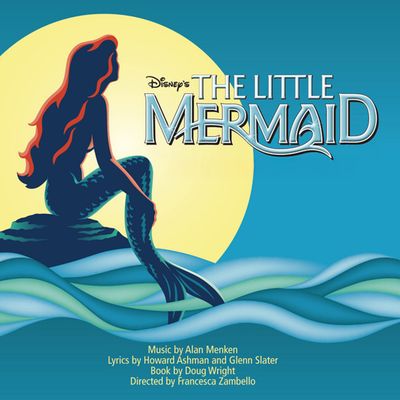
[1:27] Bret Shuford: It was during Little Mermaid. So Chitty was my first Broadway show, and I remember that one of the most impactful moments for me during Chitty Chitty Bang Bang Bang was we were in rehearsals, and I was so green. It was my first Broadway show. It was like a dream come true. And I was noticing the director and the choreographer was Gillian Lynn, famous, you know, cats. Working with her was legendary. They didn't really talk to each other, and I was noticing like there was just some interesting things happening in the space. And it kind of dawned on me in this moment that, like, oh, I always thought like the Tony Awards, Broadway, and I'm I swear, even at this age, I think I was 25 at the time, or maybe 24.
I still thought, wow, Tony Awards go to the most talented people, the best of the best. And it I mean it definitely goes to talented people, but there's so much more to it about the politics and the business and what sells tickets and understanding the inside of the industry. I no one taught me. And I don't know that even if they did teach it to me, that I was able to receive it until that moment. And it was something about it that was like, oh, this is a business. Like it just kind of hit me.
[2:49] Bret Shuford: So business. Yeah. I was like, oh, well, how do I reconcile this thing? This dream inside of me that always saw this, you know, this dream of being on Broadway and what that was going to do with this idea that it's it's an industry and a business, and how do I still be creative and still and bridge what I say now is like bridging the gap between craft and commerce, which is really what Broadway is. And there was just um that was one moment, and then it was another moment during Little Mermaid. I was backstage, I was dressed as a seahorse, and I was standing next to um Merwin Ford, Rest His Soul, and he was dressed as a blowfish, and we were having one of those just Saturday matinee days, just not really feeling it.
We're about to go do under the sea where you just gotta put it on. And I was like, Is this where you thought your career would be? And he said to me, This isn't a career, it's a job. And something about that hit me really hard too. It was like, oh, and this is a guy with 16 Broadway shows under his resume at that point. And I was like, Oh, what is that? Like, what is that? How do I shift that? And how can I help other people shift that so that there's no disappointment or frustration and that we all enter this industry in a place where we're already fulfilled, and that this does become a job, a fulfilling job, or you find something else, or you find a way to make it fulfilling if it doesn't feel that way.
[4:28] Bret Shuford: And so I got my certification as a life coach, and I've been doing that ever since.
[4:33] Mary Dina: So was he in that moment, was he saying like, so it's not a career, it's a job. I'm trying to like process that. How did you process that in the moment?
[4:42] Bret Shuford: I'll tell you what my thought process was. I was like, oh yeah, I can just do my job, right? Stop trying to make this anything more than what it is, just do your job, go out there, make people feel good, sing the song, and go home. It doesn't have to be any deeper than that. And then the second thought process was wow, if I just wanted a job, I could work at Starbucks. Like, so it why am I doing this? Let me get really real about why I'm choosing this as my source of income, and let me make a strong decision about if that is really what I want to do. Because I could if I just want to make money, like I'll go work at Starbucks. I love coffee, like. Like, why am I um doing eight shows a week plus understudy rehearsals and hustling and living in a small apartment?
And like it really made me question so much of that. And I think um, and I think that that's a good thing because I think so many actors, and this is what I run into a lot, feel um that they have to be grateful, that they have to, there's a scarcity mindset that we adopt that society teaches us that we come into this industry already bought into that we perpetuate within it. And so you get a job, and no matter how you're treated, or no matter how enjoyable it is, you're like, I have to take, I have to stay here. I am supposed to be grateful, I'm supposed to be happy. And it's like, no, no, if I I can work at Starbucks, I can leave this job. Like, I don't need to do this if I don't, if I don't want to. And that gave me so much more strength and empowerment to decide every day why I show up to that to do that show.
[6:32] Mary Dina: So I would imagine back then, when was Little Mermaid? Like 2008, nine?
[6:38] Bret Shuford: What are you trying to do? Age? I'm just just putting okay, so I'm this this will make sense. I'm putting this in context of reaching people and communications with the internet, because I would assume that you know, starting a business back then, especially one where it's, you know, you're trying to work with people's schedules and and really meet with them, which is now something that's so much easier. So, how did you even begin back then?
[7:06] Bret Shuford: Most of it's always been word of mouth. Email. I've always been a people person, and even before MailChimp existed, I used to keep lists of emails of everyone I worked with. And I would email them once a year. And MailChimp just made it a lot easier to do that. And it made it a lot easier for people to unsubscribe too. But I stayed in touch with people. I love people. That's I think that's one of the reasons why I love coaching is I just I want to stay connected to people. And so when I started, it was mostly that you did telephone webinars. Like you didn't do it a visual webinar. Like we would do you know things over the phone, uh, which feels so dated now to think about. It's almost like an early podcast almost, but like just very exclusive.
[8:03] Bret Shuford: Yeah. Yeah, but but I mostly only worked, always worked privately one on one with people. And even then we would meet, I would meet people in person, which then ended up being like silly because it was an expense, and then I started meeting people on Zoom, and then now that's the only way we meet people.
[8:22] Mary Dina: Right. So what did you feel? Because that was your second Broadway second Broadway show.
[8:28] Bret Shuford: Little Mermaid was my third.
[8:31] Mary Dina: Okay, so it was at least like early on in your career, at least. How did you feel like you had something to say? How did you find that sort of confidence for people to take you seriously?
[8:40] Bret Shuford: That's a good question. Um, I think mostly, you know, for me, I uh personally I had gotten sober. I dealt with um some addiction. I also think coming out of the closet, that process for me was a very emotional um and and still, you know, it's something you still work on. Um I'd done a lot of work on myself through getting sober through therapy. I didn't just go to Michigan and you know, not not to say like you go to Michigan, you you work, but like I I had to hustle to to get to where I was. I didn't have a lot of connections. I grew up in small town Texas with parents who who weren't in the industry, and um and I felt like all of that really taught some I I had to get innovative and I had to learn to be genuine and and I thought wow, how can I how can I help other people do the same thing? Because I just see so many actors um struggling to figure to figure out how to connect who they are with what they do.
[9:48] Bret Shuford: I hear it all the time, and also I know from experience that like people, producers, directors, crew team, they hire actors not just based on talent, but based on if they want to be if they can and want to be in the room with you for six months to six years, however long it takes. And I think that you said two things. You said being you learn how to be genuine and you also learn how to be innovative. And I think those are two key skills that like apply obviously to actors, but I think it applies to everybody in the industry. I mean, that's just how you that's just how you network, it's how you get through, it's how you get by. I think that's very powerful. And and that you were able to kind of pick up on that so early on in your career was magical.
[10:29] Bret Shuford: It's a hard thing to learn, right? It's a hard you know, it's not always that like you pick it up so fast, or you pick it up in one conversation.
[10:35] Mary Dina: Yeah, well, yeah.
[10:36] Bret Shuford: Well I uh you can. I mean, it takes it takes practice and it takes time. But for me, you know, the thing that dawned on me, like I had struggled with addiction before I I got sober before I booked my first Broadway show, and I and the things I learned from that for me not saying you have to get you have to go through drug and alcohol addiction to be successful, but the things that I learned about that was once I got real, once I got honest about myself and the things, the dark sides of me that I was afraid to show because I wanted everyone to think that I was perfect and I wanted everyone to think that I had it together. Once I was actually willing to face those things and talk about it, was when I booked my first Broadway show, right? So that to me was is the key. It's like be on like just be willing to let others see you, all of you, not just the parts that you want them to see, but all of you, and that's the people I see that are successful in this industry.
[11:39] Mary Dina: So I think that that's really interesting that you have that sort of reflection of yourself, or have had the experience of the reflection of yourself, so that when you're working with clients, I'm wondering, are you trying to break down any of those walls in themselves? Or would you say that that's more like therapy, not life coaching?
[11:59] Bret Shuford: Yeah, so I always say the big difference between therapy and life coaching is therapy is when you're looking at the past and you're dealing with the things that are getting from your past that are getting in the way. Coaching, we really try to get you present so that we can move you forward, and so sometimes old stuff comes up, and depending on I and I say it out loud, like I'm not a therapist, so if when something comes up, I can very easily say that's work to do with someone else. But what we can do is sit down and go, okay, you have a habit of doing this thing. Is that work that you need to do with a therapist? Or is that just something that that you're using as an excuse to keep you from moving forward?
[12:39] Bret Shuford: Is there something that separates like a regular life coach from like a Broadway life coach? I mean, I I imagine, especially now, you're probably like very busy, or you have a lot of like deep conversations with the with your clients and just people in general because of our climate. But I'm curious as to like what is there anything specific that like that you're truly that you find as like a recurring theme among people, like among clients that you're chatting with, or if there is there something that you really try to focus on as a Broadway life coach.
[13:09] Bret Shuford: I meet people where they are. So I have people who aren't just actors. I I work with people outside of the industry, but I think that I think that thing the recurring theme right now is a lot of imposter syndrome happening right now because a lot of people are having to pivot. So they're just going, okay, now I've always thought I should be a photographer, but I've only been known as an actor. How do I shift? How do I own that and not lose this identity? Or how do I be okay with losing this identity? I mean, that's something that you know we always have to kind of process too. That that's a that's a trend right now, imposter syndrome. But I think that's always there for so many of us. I'm sure with your podcast and everything you do as well, you probably are like before you push send going, oh my God, I'm gonna send this podcast out.
[13:59] Mary Dina: Oh my god.
[14:17] Bret Shuford: Who do you serve? Who's your audience? When you're making a post on Instagram, there's somebody out there who needs to hear from you. And every day that you're not posting, they're not getting that message. How specific do you get with your audience? Like, or when you're talking about this? Like how is it is it meant to be more of like a wider concept, or are you meant to like pick out that 13-year-old or you know, that 25-year-old, or whatever, whatever it is? I say the more specific the better. It's so much easier to talk to one person, and it's so much easier to serve that one person. And usually that one person is you like five years ago.
[14:56] Brian Sedita: That feels very deep, Bret.
[14:59] Bret Shuford: Yeah, that is good. Oh man. That's a quote we're pulling for this promo. Like my mid-20s is shaking right now.
[15:14] Brian Sedita: Okay. So once you do find a client, how do you figure out what kind of an approach you're gonna take with that client? I'm sure you factor in things like their personality goals and their achievements that they've already had in their career. So where do you begin?
[15:41] Bret Shuford: I let them lead the way, right? I'm not the expert of your life. You are the expert of your life. I'm here to help you find the answers you already have within you. So you come to me, you tell me we look at the things that you want, we look at the things that are getting in the way, we look at the things that are working, and we figure out a plan to get you to the next level, and we do that together. I don't, I'm not the leader, you're the leader. I just help you find the answers.
[16:14] Brian Sedita: So I wanted to take a step back from Broadway Life Coach and Life Coaching and look at you're an entrepreneur. Like you've started this business and you've started a few brands and businesses over the years too. So what was starting a business something that you saw yourself doing when you first started out in the industry?
[16:34] Bret Shuford: Oh no. Oh no. Did you see yourself as an actor as a business?
[16:39] Brian Sedita: No.
[16:40] Bret Shuford: And do you now?
[16:41] Bret Shuford: Not, uh, no. I mean, it's interesting. I think the business is, it's a weird thing, right? And this is what I constantly am trying to help actors understand. They're constantly getting bombarded with information, especially early on from business coaches, and they're talking about you know how to build a brand, you are a brand. And to me, the problem I have with that is that separates us from who we are, and the difference between us and Coca-Cola is that we are the person, we are the product, and the more we can bridge those two things, the credibility, what I call credibility and the vulnerability, the better. And so I don't necessarily think of my acting as a business as I think of myself as an entrepreneur. I don't know if that makes any sense.
[17:34] Brian Sedita: Wow. No, it does. No, it definitely does. Because it's something that there's a lot, I mean, there's a lot of like similarities, I guess. Like it almost like you're like what you cry and were to say. Like you're writing that fine line of like you don't want to lose yourself, but you also are like building a presence within the industry. And I imagine for a lot of people who are starting out, whether you're an actor, a director, a writer, I would say it doesn't matter. There's a lot of having to navigate those waters to make sure you're not straying too far from who you really are.
[18:06] Bret Shuford: Right. Because I, you know, the thing I say, the easiest way to break this down is that actors go to auditions and they think that it's a means to book a job. If an audition is just a means to book a job, then every time you don't get that job, you're just left feeling unsuccessful. You didn't accomplish that thing, right? And if we only measure our success at the other side of booking a job, then no one is a working actor right now, right? Like even Audra McDonald's is not working, right? So like we can't, you like that, but that doesn't make her any less successful. I say success lies in the actions you take, not the results you make. And if every day you're taking action towards the person you want to be, you're successful.
That's the way we have to define it for us as creatives, because we can't control if we get the job, we can't control that, but we can control if we show up today prepared, if we show up today and do better than we did last time. And ultimately, I say an audition is about building relationships. When you show up in an audition, you start a relationship, and then you want to nurture those relationships over time because this whole business is built on relationships.
[19:26] Brian Sedita: So actually, that really ties into something I found on your website. So in one of you have a few courses on your website, um, and one of them about schmoozing, which that word always cracks me up. So I immediately was drawn to that word. But you say that like one of the number one questions that you normally get is how do you talk to people so easily? And so what is your answer? Is it is it is it tying back to you know you being genuine, but also like your willingness to be so innovative in a time that requires you know it to be innovative?
[19:59] Bret Shuford: I think it comes back to genuinely being of service. So many times we come into an interaction, somebody who is a casting director, somebody at the other end of the table, somebody who has something we want, and that's all we're thinking about. And we're just thinking, oh my god, they have this thing, and if I can impress them right now, they'll give it to me. And then if they don't give it to me, I failed. And I think the number one question should be how can I help that person today? How can I be of service to this person right now? And that may be that I'm not the right person for this. That may be that I know somebody else that's the right person for this. I could be a connector, I could genuinely be curious and connect with them about it as a human being. So many of us forget to connect as a human being.
[20:53] Brian Sedita: This kind of leads us into networking. So is networking different for you as an actor versus an entrepreneur and for your business?
[21:04] Bret Shuford: That's a really good question. Um yeah, I don't know that I don't know the answer to that. I don't know that it is different.
[21:14] Brian Sedita: Even the circles of people are you chasing the same kind of circles to get your name out there and your business?
[21:20] Bret Shuford: No, I mean I'm, uh, it's interesting I I will say I do have a hard time promoting my business because I'm so used to allowing my work to just kind of do it for itself and the difference between you know being an actor and wanting to just do good work and entertain right so when you entertain that's the product like I want people to feel good I want them to laugh I want them to cry whatever that is but here it's like I want you to be invested in my services. How do I change that dynamic? And so I'm always a person of I believe in attraction rather than promotion but when you start to run into an entrepreneur world you do have to start to promote you have to promote a little bit more and be willing to say like I'm charging for this right I'm offering this as a service that you invest in and by investing in yourself you're investing in me you're investing in yourself.
[22:30] Bret Shuford: It's almost like that fine line of like you pay for a gym membership or a personal trainer because you want to you know you want to work on your body your physical health which also then translates to helping your mental health just like I personally believe that you do the same thing with a therapist for your mental health too. So I feel like hiring or working with a professional to help you accomplish X really to help maintain Y. You know what I mean? Which could be your actual why in life.
[23:07] Brian Sedita: But I hear you on like promote like self-promotion within a business is like is weird.
[23:15] Bret Shuford: It is weird.
[23:16] Brian Sedita: I'm not even like an actual business owner, but I freelance. And so I I like ride that weird line of like how much promotion should I be doing? Could I be doing? At what point did you or are you do you consider yourself more of a freelance artist or are you LLC?
[23:33] Bret Shuford: We are incorporated, but we incorporated not too long ago.
[23:37] Brian Sedita: And what's incorporated? You and Steven for Broadway husbands?
[23:41] Bret Shuford: And then so we probably has to be a good one.
[23:42] Brian Sedita: I was gonna say you put it all under like an umbrella.
[23:46] Bret Shuford: Okay. What point did you feel like that was necessary to go in that direction? Or did your accountant just be like it's time?
[23:53] Bret Shuford: No, actually, I went to my account and said we're doing this. This is I want this to be a legitimate business. And unless I actually make it one, I don't know that I'll believe that it can be one.
[24:07] Brian Sedita: What have you seen are the differences either in your in that sort of attitude within yourself and then also just the logistics of the business?
[24:15] Bret Shuford: It's scarier, you know, because I feel like there's a higher um I have to hit a higher price point because of taxes or whatever. It so it's a little bit scarier, but when I succeed, like when I hit a goal of getting a certain amount of clients, or when Steven and I get a partnership through, you know, a sponsored post or something like that, it feels so good to be like, here's an invoice from my company, you know, as opposed to like you can Venmo me.
[24:44] Brian Sedita: Oh, yeah.
[24:45] Bret Shuford: So that it kind of in like in turn, it almost like it just gives it like a boost of self-confidence too, within like with within your core of like who you are, which then translates up to your business.
[24:57] Brian Sedita: Totally. Maybe it makes people take you a little more seriously too.
[25:00] Bret Shuford: I think so.
[25:01] Brian Sedita: Oh that's interesting.
[25:03] Bret Shuford: I think it just feels more legit.
[25:05] Brian Sedita: Huh.
[25:06] Bret Shuford: Like from like the freelancer look to oh, that's interesting. See, I wouldn't have I wouldn't have thought of that though.
[25:12] Brian Sedita: Maybe I mean maybe that's just me. But like, I mean, but as a freelancer, you can have an LLC or do a DBA or something like that and still operate as a business. But I think that when you make that decision, you enter a new realm. You enter a new level of ownership within that. And you're also like making a like a bigger commitment, I think. Jumping up to to officially making your business official, incorporated as your example is is a really big commitment to yourself, to your clients, you know, to to the brand of it all.
[25:52] Bret Shuford: Speaking of brand, I was wondering if we could switch over to another one of your brands, Broadway Life Apparel. They're fun designs. I mean, I they're so I wait. It took me a couple of seconds to really get the uh the put on your Sunday clothes one. I because I was like, where is Sunday? Where is the word Sunday?
[26:11] Brian Sedita: Oh Bret.
[26:15] Bret Shuford: It was ice cream.
[26:16] Brian Sedita: I'm like, what?
[26:17] Bret Shuford: And then I got it.
[26:18] Brian Sedita: Oh, Bret. Ice Cream Sunday. Everybody go. If you want to see a visual reference for what I'm referring to, you must go visit Broadway Life Apparel on the internet.
[26:30] Bret Shuford: Thank you.
[26:30] Brian Sedita: Thank you for the plug.
[26:32] Bret Shuford: Of course. Um, but so I'm wondering how'd you decide to start an apparel business? And do you create the own the artwork yourself, or do you guys have a designer that you guys work with?
[26:44] Bret Shuford: I was backstage at Paramour. I am a huge Disney nerd, and there's all these like Instagram apparel shirt, like graphic designer sites for Disney fans, and I was like, no one's doing this for Broadway. And I want some like witty, cheesy, fun Broadway themed stuff. And I was literally on stage at Paramour, and I was like, put on your ice cream Sunday clothes. And I like went downstairs and drew it out in my dressing room. And then I started thinking about other things like finishing the baseball hat. You know, I started thinking about these different ideas. I thought that's really fun. What if I actually just experiment and see how this goes and it took off? And it's been such a fun creative outlet, and I get so many great remarks, and I think it's really fun because it's coming from Broadway people, it's like people who work in the industry, who love the industry. It's not just like a fan site, like we we're there, and I think that it's different than a lot of the stuff that I've seen.
[27:57] Brian Sedita: Are you guys constantly because does Steven work on this with you too?
[28:03] Bret Shuford: Oh yeah, I didn't answer that other question. Um, yeah, well, no, Steven doesn't really, I mean, he does, but he doesn't. Like, I'm definitely, if you haven't noticed by listening to our podcast or anything, I'm definitely the A-type in the relationship.
[28:15] Bret Shuford: But he's such a font, like he's so fun and playful that he just goes with it and has a great time. And he's very much as a dancer, like everything for him he is kinesthetic. So when he experiences it physically is when he's like, oh this is cool. So like once I do something if I have I have an idea and I'm like this could be really fun and then I'll do it he's like oh and then he's on board right so he does come up with like he came up we we're coming out with a new mask this weekend actually because we don't sell any masks right now so we come out with a mask and it was his idea and it says sing out Louise which I think is pretty funny. I love that the graphics I have always drawn hand drawn them and then sent them to a graphic artist.
[29:05] Brian Sedita: Oh that's awesome.
[29:06] Bret Shuford: Yeah.
[29:07] Mary Dina: Where do you get the inspiration from? Is it really from being in shows with other people in the industry like living that life or is it like things like just like random thoughts while you're on stage or backstage all of the above what are like the legal responsibilities you have to have for something like this are there any you know anything is attached to the you know like branding on the apparel?
[29:08] Bret Shuford: Yeah, I mean you gotta do your research you got to make sure you're not doing anything that's copyrighted. Um and so quite often well lyric wise if it's less than 10 words you're okay there's certain like things that you learn. Um if you know you can't copy the exact um logo, but like and you can't use the same fonts. But if the font has it's just interesting rules around copywriting, but if the font has some alteration to it, or if you've got something obstructing it, then it can be seen as a parody. So then that sort of releases it from being um being in in any trouble.
[30:12] Mary Dina: I always thought about that for like any sort of like fan made stuff um that people are profiting off of.
[30:18] Bret Shuford: Yeah.
[30:18] Mary Dina: That's interesting. Can we can we uh switch a little bit to Broadway Husbands?
[30:23] Bret Shuford: Let's do it.
[30:24] Mary Dina: Okay, so you and your husband Steven, you have an did the Instagram account come first before anything else?
[30:30] Bret Shuford: Yeah, the podcast is definitely more recent, but for anyone obviously that's not or anyone well, hold on. If anyone who's listening right now has never seen your Instagram account, Broadway Husbands, I'm linking it in the description notes here. Please go check it out. Um the content has always been very like lighthearted and like very fun, but I would say even more so now that we're shut down for X amount of months. Um I feel I personally have felt like the content has become like very inspirational, motivational. I mean, you guys went from the very beginning of quarantine, I remember all of like the fun dance videos you guys were doing around the city. But was what was the inspiration or the thought process when you guys first started Broadway Husbands?
[31:13] Bret Shuford: It actually originally started on my YouTube channel because I was making YouTube videos during Paramour. I would do like behind the scenes stuff at Paramour blogging, and one of the things we did was I called it Broadway Husbands was me and Steven, and we would talk about whatever. And then I noticed that that always got more engagement than anything else I made, probably because he's gorgeous, but mostly I think because it was like us as a couple, like a gay couple. And um, and so I was like, what if we create like a separate channel for this and just see what happens, or a separate Instagram account for this? And so I created that separate Instagram account and it just took off. And um, and so the original inspiration was, you know, Steven and I have never done a show together.
He's primarily a ballet dancer, I'm primarily an actor singer, and you know, we've never gotten to actually create together. And I thought, well, I'm creating all this content, and I like creating content. We could do this together, and it would be a great way for us to connect and also like show the you know, like I said, five years ago, show our the the younger versions of ourselves that never saw a gay couple successfully navigating a life in the arts, you know, just create some visibility for that. And so that was the real inspiration behind it, and it's just been it's just it's really fun.
[32:41] Brian Sedita: I mean, it definitely looks it too.
[32:43] Bret Shuford: I mean, yeah.
[32:45] Brian Sedita: Was this the last piece of your puzzle? Uh when I say puzzle, I mean like all the different brands you have, or when did this one come about?
[32:52] Bret Shuford: It yeah, I mean, we met in 2000 during Little Mermaid, 2007. We married in 2011, and there was never any idea of like building a brand or doing anything together. It was just like you're gonna be a ballet dancer and I'll work on Broadway. And then he got Broadway. I was like, okay, I guess we'll both do Broadway, and then um, and then now we're like full-time podcasters and and bloggers, and thank God we had it. It's been such a great way to fill the time during this pandemic. And and we get messages. I swear we get a message every day of somebody that just says, You made me happy today, you brought me joy today, you gave me something to smile about, and I'm getting emotional. And that is like that's all I care about.
[33:41] Mary Dina: That's huge though, because again, going back to tying back to what you said at the beginning of is a of this conversation of being genuine. Like you you didn't set out to accomplish anything specific other than to just put out content that you both were passionate about and that you both wanted to share, and also the the idea that representation matters. I mean, point blank, period, like whatever you want to say. And I think that that that's what speaks so highly of what you guys are doing. And it's nothing like it's nothing like not brain surgery, you know, it's it's like you know, you're creating some TikTok dances or you're having conversations on the podcast, which are which seem like I said, very simple, but it definitely I think the thing, I think the more from my experience when things seem simpler, I think that reaches them like more people.
[34:26] Bret Shuford: Well, back to Brian's question, you know, the good and the bad is that I'm very impulsive, and when I have an idea, I just like go with it. I don't know what's gonna happen, I'm willing to fail, and sometimes I fail and I just pick get back up and keep going. And that is something that I think I constantly am trying to encourage people to do. It's just if you have an idea, just try it, just go for it. You don't know what's gonna come, and you're the only thing that's gonna happen is that you'll learn. You don't fail, you learn.
[35:01] Brian Sedita: Also, with Broadway Husbands, so you guys, was it last year you guys launched your podcast?
[35:06] Bret Shuford: Yeah, last November.
[35:07] Brian Sedita: Yeah, I actually remember like it was one of our Brian and I's first time at the Broadway Podcast Network studio, and we were in the hallway waiting to go in. And then you guys were there. And that was the first thing I realized you guys were starting a podcast, which was so cool. Um you guys obviously chat with other Broadway like power couples, but you also have been chatting with each other, like you and Steven on like very real, real life conversations that not necessarily Broadway themed or Broadway specific. Um like the I was listening to the mental health one a few days ago. Um obviously I remember when you were posting about your road trip to Texas, and I was like, there's no way. There is no way that they are recording this right now, but you guys did.
I mean like yeah, I wish I was like in the car with you guys and like which I guess I was when I was listening, but just the just the visual. So was what was was a podcast like something that you guys envisioned as you noticed that Broadway Husbands was kind of taking off as this brand or this entity? Was it something like were you guys fans of podcasts beforehand? Like where did that idea kind of stem from?
[36:14] Bret Shuford: I love uh I mean I love podcasts, I think they're such a great quick um way to get information and um so yeah, I was a fan of podcasts, but I didn't think a podcast was possible because of the amount of work that was required to to do it. There was just no way with acting and coaching and um and creating content that I was gonna be able to like add editing and creating weekly podcast episodes. And then we were guests on Equity One on the Equity One podcast at the studio, and um, and we were having a conversation afterwards uh with Alan. And I said, you know, we have this brand, Broadway Husbands. I don't know if you'd be interested, but you know, it's a different angle because we're not just talking about, you know, Donna McKechney and and her layouts.
Like we're talking about like how do you make it uh outside of the industry and survive? Because I think that a lot of people, there's a lot of misconceptions about what it is uh to be in a performer in the industry. And so he was like game, and we were like, cool. So we so thank God for the Broadway Podcast Network. Are y'all listening? Hey. We love you guys. They made it possible, and we're so grateful for that. And it's been a really cool way to like we we have people, we have fans who listen to us all over the world who who say like you we give them hope that they can live in a place where they can marry the person that they love, you know, and uh, you know, that that stuff just wouldn't, it's just really cool.
And I think like podcasts offer like the audio medium offers I think way more than I originally thought. I mean, I was also a fan of podcasts prior to starting this one, but I totally underestimated, I guess, how valuable just having the audio as just like you're just listening, that's just how you're picking this up. You're not getting overwhelmed or overstimulated by all the visuals that is Instagram or YouTube. Um, but yeah, it's very special.
[38:36] Mary Dina: Do you think we should move on to our lightning round?
[38:39] Bret Shuford: Yes.
[38:40] Mary Dina: Okay, I'm gonna ask the first question. Mary loves this question.
[38:42] Bret Shuford: We have to we have to add that in every time.
[38:46] Brian Sedita: We do.
[38:47] Mary Dina: What is one thing about the theater industry that confuses you?
[38:51] Bret Shuford: God, one thing? It's one thing. I mean, certainly I think it's confusing that it is a it is run like a corporation. People make corporate bucks off of this, but there's not a corporate system that people are held to, where like, you know, when you work at Google, when you work at Disney, you have to buy into that company's values, and you have to be trained as a leader to work within that company, and they have certain levels of values that you're being upheld to, and Broadway doesn't have that.
[39:29] Mary Dina: And I think that's really confusing.
[39:31] Bret Shuford: Where's the HR department?
[39:33] Mary Dina: Exactly.
[39:34] Brian Sedita: Mary and I, before you popped on, had this slight like a conversation that was very adjacent to what you're saying right now. So woof.
[39:42] Bret Shuford: Yes, yes, yes, yes.
[39:44] Mary Dina: Um, what are three adjectives that describe your favorite working environment?
[39:49] Bret Shuford: Integrity, playful, constructive.
[39:52] Mary Dina: Is there something about your process that you would find unique to you? Whether that's as a performer or entrepreneur.
[39:58] Bret Shuford: Like I said, I think it goes back to just impulsive. I think it's very playful in that it's like right, it's happening right in the moment.
[40:06] Mary Dina: What is one job in the theater industry that you would trade jobs with for one week?
[40:11] Bret Shuford: Really would love if I had the talent and the skill set to be a set designer.
[40:17] Mary Dina: If you could only see one Broadway musical for the rest of your life, which one would that be? If it's a revival, which revival?
[40:24] Bret Shuford: Sweeney Todd.
[40:25] Mary Dina: The original cast.
[40:26] Bret Shuford: I love I love that show.
[40:28] Mary Dina: Um, what is one hobby you have outside of theater?
[40:31] Bret Shuford: Does obsessing over Disney history count?
[40:35] Mary Dina: Yes.
[40:36] Bret Shuford: Disney's the uh the hobby. I watch way too many Disney YouTube videos.
[40:42] Mary Dina: Who is your number one ideal theater collaborator?
[40:46] Bret Shuford: Oh, that's such a good question. I really wish I could have worked with Bob Fosse.
[40:51] Mary Dina: What is one destination that is at the top of your bucket list?
[40:54] Bret Shuford: Bora Bora.
[40:55] Mary Dina: And our final question that we ask everybody is what was the last great piece of theater that you saw?
[41:00] Bret Shuford: I was in Wicked craziness for like four months, so I didn't get to see anything new in the new year. So I think the last thing I saw that I was just so enamored with was um um Seawall Alive. I really wanted to see that. Mostly for Jake Gyllenhaal, but yeah, it was really good. They were both amazing.
[41:24] Mary Dina: So where can our listeners find you on the social media and the website and all that good stuff?
[41:29] Bret Shuford: Yeah, come check me out at Bret Shuford's Bret with One T Schuford. Um on that's on all platforms, and then Broadway Husbands, of course. You go to any of those and you'll find directions to everything else.
[41:45] Mary Dina: Awesome. Thank you. It was so nice seeing you.
[41:47] Bret Shuford: I know I owe you an email too, Mary.
[41:52] Mary Dina: It's okay.
[41:53] Bret Shuford: I just send it today.
[41:54] Mary Dina: It's okay.
[41:57] Brian Sedita: Thanks everyone for listening to this episode of Page to Stage. To keep up with us, you can find us on Instagram and Facebook at Page2Stage Podcast. And if you're enjoying these conversations, we would really appreciate it if you could take a couple minutes to rate and review us wherever you're listening to this podcast. Until next time.
[42:12] Bret Shuford: That's Brian.
[42:14] Mary Dina: That's Mary.
[42:15] Brian Sedita: We'll see you later.
[42:16] Wall Street: Bye.
© Broadway Podcast Network, All Rights Reserved