

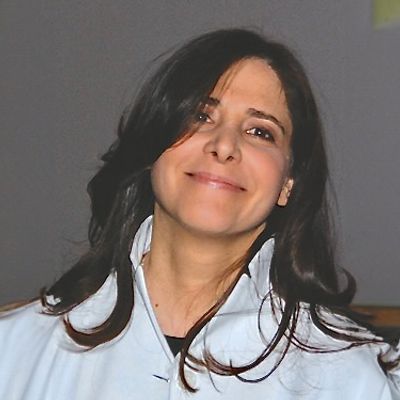
Build a Prom? Check. Dori breaks down the process of bringing The Prom from Broadway to Netflix. Thank you for taking the time to listen to our chat with Dori!.. Read More
From the show: Page To Stage
Guests
Featured Shows
About
Build a Prom? Check. Dori breaks down the process of bringing The Prom from Broadway to Netflix.
Thank you for taking the time to listen to our chat with Dori!
This is part of our mini-series, Page To Stream, where we'll dive deep with theatre-makers as they explore this virtual and digital space while Broadway and theatre continues to be shutdown in America.
If you are listening to this on Apple Podcast, we'd love it if you could share your love in a review!
About Dori Berinstein:
Dori is a four-time Tony-winning Broadway producer (“Fool Moon”, “One Flew Over The Cuckoo’s Next”, “Thoroughly Modern Millie” and “Virgina Woolf”), an Olivier winner (Legally Blonde) and an Emmy-award-winning director, producer and writer of film and television. Dori most recently was Lead Producer on “The PROM”. Dori is partnered with Justin “Squigs” Robertson on the Lights of Broadway Show cards, is Co-Founder of Camp Broadway and is the Co-Founder and CEO of The Broadway Podcast Network.
The Prom is coming to Netflix on December 11, 2020!
As The Curtain Rises - Broadway's First Digital Soap Opera
Come say hi to us!
Facebook: @PageToStagePodcast @BroadwayPodcastNetwork
Instagram: @PageToStagePodcast @TheMaryDina @BrianSedita @BroadwayPodcastNetwork
Twitter: @TheMaryDina @BwayPodNetwork
Youtube: @PageToStagePodcast @BroadwayPodcastNetwork
#PageToStagePodcast
Transcript
This transcript was automatically generated and might contain errors.
[0:00] Brian Sedita: Hey everyone, welcome to Page to Stage.
[0:03] Mary Dina: A conversation with theater makers.
[0:04] Brian Sedita: We're your hosts.
[0:05] Mary Dina: That's Brian.
[0:06] Brian Sedita: And that's Mary.
[0:07] Mary Dina: Join us as we focus the spotlight back on the theater maker to uncover their process.
[0:12] Brian Sedita: We speak with folks in the industry that often aren't heard from.
[0:15] Mary Dina: Such as stage managers, producers, crew members, marketing professionals.
[0:19] Brian Sedita: And everything in between.
[0:20] Mary Dina: We hope you enjoy this episode.
[0:26] Dori Berinstein: Hi, I'm Dori Berinstein. I'm a Broadway producer and I'm a filmmaker.
[0:32] Dori Berinstein: And I am CEO of the Broadway Podcast Network.
[0:36] Brian Sedita: Woo.
[0:38] Mary Dina: Which everyone here who listens to us, they already know.
[0:40] Brian Sedita: We love how I love BPN.
[0:42] Mary Dina: Um, so before we kick off, I just wanted to say that this episode is like the first episode officially of our mini-series that we kind of wanted to launch called Page to Stream.
[0:54] Mary Dina: And so with obviously everything that's happened with COVID-19 and then mixed with things that I've been doing in my professional life of streaming events and streaming concerts and such.
[1:06] Mary Dina: We wanted to have conversations. I was talking with Brian and just like talk to theater makers who are now streaming events, so obviously that includes a Netflix.
[1:15] Mary Dina: Um, but it could also include, you know, anything that you're streaming online, whether it's just through YouTube or if it is from like a bigger platform like Netflix or Disney Plus.
[1:24] Brian Sedita: So we're excited to take this leap, and we're so excited to have Dori to have you on here as our first guest of this new mini-series idea.
[1:32] Dori Berinstein: I am so honored. What a way to kick it off.
[1:35] Brian Sedita: Yeah, we're so excited to talk to you.
[1:37] Brian Sedita: But specifically, we wanted to talk to you about the process of bringing The Prom from the stage to screen.
[1:43] Brian Sedita: But can you begin by telling our listeners a little bit about how you first became involved with the theatrical version of the project and how long ago that might have been?
[1:53] Brian Sedita: Because I know this one was cooking for a while.
[1:55] Dori Berinstein: Oh my gosh. Yes. These things take a long time.
[1:57] Dori Berinstein: Uh, day one for me on The Prom was pretty much day one of The Prom.
[2:04] Dori Berinstein: Um, and at this point, that was 10 years ago, if you can believe it.
[2:09] Dori Berinstein: Um, 10 years ago, uh, I got a call from Casey Nicholaw, who um director choreographer, and Casey and I knew each other long ago from working on Thoroughly Modern Millie together.
[2:22] Dori Berinstein: And uh we had been in stayed in touch and we had always talked about doing something together, and he said, I have an idea.
[2:30] Dori Berinstein: And the idea had come from Jack Vertell, who's a legendary guy in our business, just an amazing um theater maker.
[2:39] Dori Berinstein: And uh it was uh just a few lines of an idea, but pretty much other than that, a blank page.
[2:48] Dori Berinstein: And Casey had already talked to Bob Martin, Chad Beglin, and Matthew Sklar about it, composer lyricist book writer, and they had uh jumped on board to this idea and they invited me to dinner, and they pitched the idea of The Prom.
[3:06] Dori Berinstein: And it was literally as simple as this girl from Indiana wants to take her girlfriend to the prom and the PTA cancels it, and this crazy group from New York, the Broadway divas swoop down to Indiana to save the day, and they make things far worse.
[3:23] Dori Berinstein: And that was basically the idea.
[3:25] Dori Berinstein: And I'm looking at these people that I just love so much, and I just believe in their talent so much, and I said, Yeah, we're doing this. This is happening, and it took eight years, eight years to get to Broadway because these things are hard.
[3:41] Dori Berinstein: Uh, Bill Damaschke joined me soon thereafter as um my producing partner and and uh it it was uh uh just a fascinating roller coaster ride to Broadway but um very very proud of this story it's such an important message and um and I'm very thrilled it's now coming out as a film.
[4:01] Dori Berinstein: With so many people that'll have access to it which is one of the most amazing things about where you guys were able to get this um movie placed so how did the conversation begin to adapt this uh Broadway musical into a feature film?
[4:01] Dori Berinstein: Well, you know, I think we all felt all along that this would really translate well to the screen but just thinking that doesn't mean it's gonna happen.
[4:01] Dori Berinstein: Uh, and as is often the case early on in the run of The Prom we had various people from studios show up and say oh you know this is really exciting we're really interested in in the possible adaptation of this property and coming from film also I I know that very often that means really had a great time see ya and you're never gonna hear from them again.
[4:53] Dori Berinstein: Uh, so we did feel that Ryan Murphy would love this project we knew he had a deal at Netflix but he also separately on his own had heard about The Prom and he had already on his own uh decided to come see the show so we had opened in November and Ryan came to see the show in January and only Bill and I knew he was there, and we talked to him afterwards, and he said, I love this and I want to make this movie, and I know exactly how to do it.
[5:26] Dori Berinstein: And having heard this many times, not just on The Prom, but on many other things throughout the years, it's like, uh so glad you enjoyed it.
[5:35] Brian Sedita: Oh, so you did not believe him at all.
[5:37] Dori Berinstein: Well, you know, I think if I believed that every time I heard that, I'd be a really depressed person.
[5:48] Dori Berinstein: It's probably better just to just be thrilled.
[5:52] Dori Berinstein: They had a great time.
[5:53] Dori Berinstein: And if anything comes of it, oh my gosh, how exciting.
[5:56] Dori Berinstein: So it's maybe self-protective.
[5:59] Dori Berinstein: Um, but but this was different.
[6:01] Dori Berinstein: This was different.
[6:02] Dori Berinstein: Ryan moved very, very quickly.
[6:06] Dori Berinstein: We're in negotiations and figuring out how to make this real.
[6:09] Dori Berinstein: And even when it does happen, and even if when you do make a deal, it could be years before there's actually uh enough a green light, uh years before the movie goes into production.
[6:22] Dori Berinstein: And we were in production that same year in December, so it happened fast.
[6:28] Brian Sedita: Yeah.
[6:29] Brian Sedita: I mean, they've been talking about turning Wicked into a film for like it feels like a decade now.
[6:36] Mary Dina: Yeah.
[6:37] Mary Dina: Was how fast Ryan moved?
[6:39] Mary Dina: Was that surprising to you as a filmmaker?
[6:41] Mary Dina: Like, was that or is is that maybe Ryan's like a testament to Ryan's personality or work ethic, or maybe just like how passionate he was about this story?
[6:50] Dori Berinstein: I think it's all above, and I think it's also um his goal, which was uh aligned very much with ours, is to get this message out there as quickly as possible to change hearts and minds.
[7:03] Dori Berinstein: And uh, you know, it's uh an election year.
[7:07] Dori Berinstein: Yeah, it would have come out during the election year.
[7:09] Dori Berinstein: Originally that was the hope, obviously, no one anticipated COVID, uh, putting a little damper on things to say the least.
[7:16] Dori Berinstein: Um, but but even even with COVID, it's just extraordinary.
[7:21] Dori Berinstein: It happened so fast.
[7:22] Mary Dina: It's amazing.
[7:23] Mary Dina: Can we talk a little bit about your role moving from the theatrical project, if you will, to the film version?
[7:30] Mary Dina: You're one of the producers of the film adaptation of The Prom.
[7:34] Mary Dina: So can you explain the difference between an executive producer and a producer in the film world?
[7:40] Dori Berinstein: For The Prom uh specifically, there are five producers.
[7:43] Dori Berinstein: Ryan is a producer, uh, Alexis Woodall, who uh is Ryan's partner, works very closely with him on all of his projects and was very, very involved in the film.
[7:52] Dori Berinstein: Adam Anders, who was the music supervisor, and then Bill and I, as the original producers of the Broadway show, received a producing title.
[8:00] Dori Berinstein: The executive producers are Matt, Chad, and Bob and Casey Nicholaw.
[8:04] Dori Berinstein: So it is part of the deal that they negotiated, and the executive producers more are given that title as part of their deal, but they are not necessarily hands-on involved in the producing of the show.
[8:20] Dori Berinstein: It is more of an acknowledgement of their huge contribution to the film, but the actual work of producing um is really typically reserved for producer.
[8:30] Dori Berinstein: And then it's actually differentiated further in film these days, and this is a fairly new thing.
[8:36] Dori Berinstein: When you are a producer on a film, there's a differentiation between producer and a producer that has the PGA moniker next to their name.
[8:46] Dori Berinstein: And uh the PGA is the Producers Guild of America.
[8:49] Dori Berinstein: You have to apply to the PGA to get that marker.
[8:53] Dori Berinstein: And there are a lot of people who are listed as producers who don't get that marker, and um, and then there are producers who get that marker.
[9:01] Dori Berinstein: And that the mark signifies that you actually played a very significant role in the production of the film.
[9:10] Dori Berinstein: You have to go through a whole process to apply for it.
[9:13] Dori Berinstein: And there's a panel that reviews everything very carefully to decide whether or not you should be receiving that credit or not.
[9:22] Dori Berinstein: And so it breaks down further from EP to producer and then producer with a PGA marker on it.
[9:28] Mary Dina: So is that like project to project?
[9:31] Mary Dina: Does that like vary from project to project?
[9:33] Dori Berinstein: Completely because your role on a film varies, you know, from film to film to film.
[9:38] Dori Berinstein: And so in some instances you might be more passively involved or might not be engaged in the same extent.
[9:45] Dori Berinstein: I mean, it really is pretty rigorous that you know they have a pages of you know what would help you get to that point where they'd agree to give you that marker.
[9:55] Dori Berinstein: So um it's a very, very uh um deliberate, careful uh differentiation.
[10:04] Dori Berinstein: Um, it's very interesting because um I've I've done a lot of film work in the past, but this is the first time I've gone through that process.
[10:11] Mary Dina: Oh wow.
[10:11] Mary Dina: Yeah, I've heard that from the screenwriters uh point of view, where they also have to do something similar, but not for the PGA.
[10:20] Dori Berinstein: I guess it's for the WGA, and they have to submit all the pieces that they wrote, and then they compare it next to what was actually used in the film, and then they decide what percentage, you know, of your contributions was actually made.
[10:36] Dori Berinstein: Um, so I thought that was really interesting.
[10:37] Mary Dina: So it's interesting to hear it from producers.
[10:40] Dori Berinstein: Yeah.
[10:40] Dori Berinstein: Well, I think I think it's so interesting, and it really made me think about uh relative to our business in theater because you have 25 people above the title, and some of those people show up at opening night, you know.
[10:52] Dori Berinstein: So and you need those people, and they're wonderful.
[10:55] Dori Berinstein: But it it'd be interesting if there was the equivalent to differentiate.
[11:00] Mary Dina: So, Dori, I wanted to ask about the timeline of from when Ryan came to see The Prom on Broadway to when you guys started pre-production, which I guess I don't know if there were any changes made to the script or what that process looked like.
[11:17] Dori Berinstein: But what how how long of a period was that exactly?
[11:20] Dori Berinstein: Ryan came to see the uh the movie, uh the movie, the Broadway show in January.
[11:26] Dori Berinstein: Um we over the next couple months negotiated, you know.
[11:30] Dori Berinstein: Obviously, plans started to um take shape because the goal was to get the film into production as quickly as possible.
[11:38] Dori Berinstein: We had various um uh cast come in to see the Broadway show.
[11:44] Dori Berinstein: Um, but all of this was very, very secret and quiet, mainly because Bill and I felt very strongly we didn't want to take anything away from our Broadway show.
[11:53] Dori Berinstein: We wanted full focus on our cast and on the, you know, the talent in our cast and on the show itself. And so we didn't want anything to take away from that, and you know, particularly as we were approaching the Tony Awards. Um, we wanted all the focus to be on our show and our cast. But obviously things had to get underway and move forward. Um, the work on the script started off for Bob and Chad and Matt. Um, you know, really just starting to talk about how you open this up, how do you adapt a show from stage to screen, and to start thinking about what are the opportunities, maybe even that we had that we thought about when we were working on the show that we decided we couldn't do on stage because, you know, obviously there are some limitations when you do something on stage.
Uh, and it's not just practical, you know, you can't the Monster Truck Rally was not gonna actually take place on stage. Um, but it could in the film, but um, but it was also, we talked a lot about should Emma, should we see Emma's grandmother, we should see her family, not to ruin things for people, but you know, things that financially we just couldn't expand the cast even further. The cast was too large, we couldn't, you know, financially justify it. And so there were things that we didn't do that we thought about and that we had the opportunity to think about for the film adaptation. And Bob and Chad and Matt, I'm thrilled were the ones that were doing it. So it was our book writer, composer, and lyricists that worked on the film adaptation.
And so they started to, you know, have conversations with Ryan fairly quickly and work sessions and started to figure out how to open up the film and how to adapt it. At the end of the day, it's very much our Broadway show on stage. It's a hundred percent of our score, and, you know, it's very true to our show. But there are understandably and wonderfully opportunities to open it up and to take it to another level.
[14:13] Dori Berinstein: So this leads me into what I wanted to talk about next. And I was lucky enough to see, I told you this beforehand, but I was lucky enough to see a screener this past weekend, and I absolutely loved it. So for everybody who is listening right now, um, it's amazing. And when it comes out on Netflix on December 11th, you must get to Netflix and watch it. But it does exactly what I at least want a movie musical to do, right? It takes what can't be done on stage, like you just said, and makes it possible for the screen. So how involved were you in it taking these expanded visions and bringing them to life now from an artistic standpoint? How does a producer come into these conversations for the film now and bring those visions to life?
You know, we had had for eight years, we had had many, many discussions, and I was certainly in close touch with Bob and Chad and Matt. You know, we were together constantly because of the Broadway show, and they were the only other ones that knew about the film for quite a while, so we were constantly talking. But this was very much Ryan's adaptation and his vision. You know, he had a very clear idea from the first moment about how he saw the adaptation going. And he was very clear to us that he also just truly adored the show and wanted to be very true to the show, and I think that's why he brought on Bob and Chad and Matt as opposed to bringing on very established film writers, you know. That is, you know, wonderful for us because we really wanted to protect our show because that's of course what we want to do.
Um, but with complete respect to Ryan and to the idea of how it could be enhanced and taken to the next level on screen. But Ryan had a very clear vision and he also, you know, had a couple thoughts about adding a song that we all thought was a wonderful idea and Bob and Chad and Matt wrote that song and it ended up in the end credits. It didn't end up in the movie. Um, but, you know, that was part of the conversation that happened. Uh, but I had, you know, in answer to your question specifically, it really really was Ryan leading the way creatively, a hundred percent. We weighed in and we had thoughts and opinions, but it was Ryan's vision.
[16:43] Dori Berinstein: So how does your role change now once filming begins? I know you went out to LA and were there for a lot of the filming, right?
[16:49] Dori Berinstein: Mm-hmm. Yes. Um, COVID, right?
[16:53] Dori Berinstein: Pre-COVID.
[16:54] Dori Berinstein: Pre-COVID, yes. Actually, right up to COVID, because we were out in LA when we got shut down. Yeah, you know, and um, we had four days to go when the movie was shut down, and it was kind of miraculous that we were able to get those four days in in July. Being in the film business separate from my Broadway life, you know, there are all sorts of different ways to be involved. I think in this case, so much of the heavy lifting as far as shaping the story and shaping the characters and shaping the music and the score, so much of that happened before we got to Los Angeles and to the set because it really was our show. And for eight years, Bill and I had worked so closely with the creative team to develop every moving part of the show.
Uh, and it wasn't radically altered. Uh, so creatively, um, there wasn't, you know, a tremendous amount to do. Um, and casting, you know, it was certainly our pay, we were obligated contractually to approve the cast. And, you know, I'm sorry, I just don't think Meryl Streep is right. I don't think that was gonna happen.
[18:12] Dori Berinstein: Yeah. So, you know, that that was not a very stressful thing to do. Um, we just continued to support in a variety of different ways. Obviously, we were sitting on the history of the whole project. And so when it came time to start thinking about how to put it out there and to understand the challenges and the opportunities that we encountered along the way and understand partnerships and a variety of different ways that we were able to support Netflix and Ryan along the way. That was really something that we were able to do, and also as far as some of the work along the way to weigh in and to give notes, whether it was a new scene or the song that was under consideration, or it was very helpful to be right there to be on set and to be able to interact with everybody on a day-to-day basis.
[19:04] Mary Dina: I really love how you said earlier that you were able to have some of the film cast attend in secret the Robbie production. So they were able to see, you know, their character's journey on the stage, and then kind of I'm assuming that there were some transition and that was probably really helpful for them and their, you know, character development of their own.
[19:27] Dori Berinstein: What happened really? It wasn't like, okay, Meryl, you're in the show, go see the Broadway show. It was more their own choice to attend to understand what The Prom was and to make a decision whether or not they wanted to be in the film. So, you know, that it was the other way around. Um, and you know, I think with any actor, any actor they want to make the part their own and they are certainly inspired by what they see, but they need to shape it and create it and for it to be their own version of that character. Cause when the show was written, you know, it was written with the idea that one day it would be played by millions of different actors and high school kids and all sorts of things. So, you know, it's not like it was set in stone that it would be played in one way.
Um, but important to say that, you know, of course our deep, deep allegiance and love for our Broadway cast was always front of mind. Um, but it was Ryan's dream to make a fairly big budget motion picture that would get the broadest possible audience and for that to happen for that to be greenlit by Netflix, it really required a very well-known cast, very established film cast and our Broadway actors could not be better in their top of their game on Broadway, but, you know, obviously they're not established film actors, so that is why Ryan went in that direction, but which was hard for us, but understandable.
[21:15] Mary Dina: Well, I love that you just brought up big budget movie because it truly seemed like a big budget movie. And Brian and I were talking before you hopped on about Ryan and the team building New York City in like six months, apparently, after you guys tried to get permits, Brian.
[21:36] Dori Berinstein: Do you want to?
[21:36] Mary Dina: The article that I read this morning had talked about how he had, you know, applied for the permit with Times Square and was unfortunately rejected?
[21:45] Dori Berinstein: And so what I mean do you know what those conversations were you part of those conversations of like what like was soundstage just like next?
[21:52] Dori Berinstein: I know that they like they you guys took on like an abandoned property, right?
[21:59] Dori Berinstein: Uh, it was actually downtown LA. You know, it was assumed from day one. I mean, with our first conversations with Ryan is that we would definitely be shooting in New York, and we were going to be shooting at Sardis, and we were gonna be, you know, that's what he wanted. Um, and Sardis was of course on board, but we were not able to shoot on the streets of New York, as we just assumed we would be able to, you know. Uh, Ryan's team really went all out to try and make that happen. And it's like, how do you do this if you can't shoot in New York? And when Ryan then turned around and went to Netflix and said, um, you know, we did everything we could, we couldn't get thumbs up. What we need to build New York, and Netflix said yes.
[22:46] Dori Berinstein: It's scary how much it looked like it, like every detail is so spot on.
[22:53] Mary Dina: I think it's kind of New York on steroids, yeah.
[22:55] Dori Berinstein: And Sardis on steroids, to be honest.
[22:59] Mary Dina: Were you able to visit that particular location on set?
[23:02] Dori Berinstein: Yeah, it's beautiful.
[23:03] Mary Dina: How did that feel for you having, you know, been on that street?
[23:07] Dori Berinstein: It's magnificent. And you know, I think how it made me feel is just so excited about this movie because the movie is a love letter to Broadway. And, boy, you know, to your point, the attention to detail and the care and the love that went into capturing and, you know, really just making it as beautiful and lush and spectacular as possible. It is magical. And, you know, just having the deepest possible passion for our community and our world, knowing that this is how Broadway was going to be presented to the world.
[23:50] Dori Berinstein: So I it just made me so happy because I just felt that um, you know, aside from the adaptation of our film and the extremely important message that our film has uh or our show has and getting it out there in such a big gigantic way, but then Broadway and the you know making Broadway just front and center in everyone's mind out in the world, just in the ripple effect that that could have on people's excitement and coming to New York and seeing live shows or seeing live theater all around the world. It just that's where my head went. And I just was ecstatic. You know, for people like us who are you know so accustomed to seeing Broadway, it made you know like us really wanna see a show again after watching the film.
It uh it makes you really miss it. Um I'm excited. Sorry, real quick, Brian. I'm excited to see it. I have not seen it yet, but I'm excited just because of what you just said and how like I feel just about Broadway and about theater, and especially right now, how we've been shut down for so long and will continue to be shut down for a number of months. Um to just and I think it's important to that like with a platform like like Netflix, where it's so global and it's not just like it's like a theater streaming platform, it is a global platform that will reach so many people who don't have access to Broadway or who don't really even know what Broadway really is or what theater is, will have an opportunity to to get that exposure, to get that taste a little bit, and especially while we're shut down to make them really want it. So when we come back, they will they will actually try to come if they can.
[25:31] Brian Sedita: Exactly, exactly. And they should. Everyone should. Uh speaking of COVID-19, uh, and you and this whole shutdown. What was the experience? Uh well, how did COVID-19 um put any like roadblocks or challenges in the process of of putting out The Prom? I know you said that you guys had to close shut down a little early, four days, but what was that like once you did get back on set? And did that push you guys back at all in your release?
[26:02] Dori Berinstein: Uh I I don't think it was necessarily um the fact that we didn't finish in March that to push the schedule a little a little bit. It was probably COVID overall and just having to rethink everything. Um but uh, you know, it it obviously it threw everything into a tizzy because uh we were um still shooting and uh it was it was uh yeah we almost made it and I think we probably would have gotten another day in or two before we were shut down but we were shooting at a high school at the time and obviously high schools were shut down and so we we um if we were at a private location of it or even on you know the Paramount lot where we did a lot of the shooting uh we probably could have continued for another day or two um we also I was supposed to go to London and I was so excited about being uh going to London for the cast uh recording or we had recorded all the cast all the vocals but with the orchestra I was so excited those orchestrations are so good they're so good right they're so full it's it's really like on steroids like you like you said about the street exactly exactly so I was so excited about going but um I did not go uh and so it uh it was a pared down team obviously that did go in the middle of COVID um you know mid off mid-March to London um to record and so they just made it in you know just made it in um when we did go back and capture those four days in July in Los Angeles uh it was a very very pared down set it was absolutely you know only those that that had to be there a really tiny sub you know no matter what nobody who unless they absolutely had to be there was there um so I was not there was not essential and uh it was it was so uh important that the strictest COVID protocols were followed for obvious reasons and and um the good news uh is that we had wrapped literally that day that we shut down with um um most of our cast and um but um our Emma and Alyssa played by Ariana DeBose and Joel and Palman did fly out for that shoot.
[28:38] Brian Sedita: Wow was this one of the first shows that Netflix brought back to start do you know to start like filming again?
[28:45] Dori Berinstein: I think so I think it was um it was very early in the reboot process and uh and Netflix um I was thrilled to learn really has uh more than any other studio the strictest protocols and uh so it really was um I I get I I was able to get dailies so I it was fascinating to to see all the dailies but you also were able to see all the protocol being followed in the footage uh so that was that was really interesting and it gave me comfort for all the people involved scary time yeah these new times and it's crazy because it just depends on where you are in at least in our country it depends on what like when in 2020 you you are starting a project because things are changing by the minute but I mean it's it I'm happy to know that you guys were able to to wrap or come back at least to finish the project.
[29:46] Brian Sedita: When did you guys first shut down in March? Was it after Broadway shut down?
[29:50] Dori Berinstein: No, it was before.
[29:51] Brian Sedita: It was before.
[29:52] Dori Berinstein: Oh wow.
[29:53] Dori Berinstein: Yeah. It was the tw uh it was uh well it was it was the same day it was the same it was the 12th the our last day of shooting was the 12th.
[30:00] Brian Sedita: Yeah wow I'll like I'll never forget that day ever in my whole life celebrate that day at the theater every year.
[30:09] Dori Berinstein: Like the opposite of celebration you know what I mean in in memorium.
[30:15] Brian Sedita: Was was there something in particular about this process and about working in this particular medium of film you know with a slew of new collaborators uh including Ryan Murphy and this star-studded cast that you were able to learn about the piece The Prom that you you know some new discovery about the piece?
[30:15] Dori Berinstein: Very good question the prom and bringing it to Broadway was very challenging. Uh there were it was it really was um a roller coaster and you know from uh in a positive way in a way in 2000 uh let's see 16 we did our first big lab and it was a week after marriage equality passed and and so which is you know incredible that marriage equality passed um but we had everybody saying to us oh it's so nice you're making this lovely period show because everything's fine now you know and obviously that wasn't the case uh but the perception was the case you know I think that it this the struggle to bring a show that some perceive is controversial which I just still don't understand w was hard in in a lot of ways that uh making shows like Legally Blonde, it was not, you know, it was those shows are much easier.
This was really hard and and I think having gone through all of that and the the challenges, you know, even thinking about the Macy's Day Parade with The Prom and and how eyes wide open, NBC and Macy's knew we were going to get horrible pushback, putting it nicely, as well as a lot of love out there, but that there was going to be some um real ugliness that would come out of our appearing on the Macy's Day Parade, just being surrounded by by all that tension and um controversy for so long on this project, which is why we were determined to make it. And then to all of a sudden be on a Hollywood set and surrounded by like the top stars in the world and and Netflix and directors' chairs and and and you know um craft service tables, you know.
It's kind of like I know. And and it's like, wow, this is gonna get out there, and we've tried, we've killed, you know, we've worked so hard to get this out there, and it's we've had so many pushbacks and so many struggles along the way. And this is gonna get out there in such a big way. The power of Netflix, the power of the internet, the power of of um media, the power of Meryl Streep, the you know, all of that. Um it just it was it was just and it is astounding and thrilling and joyous, and um, you know, through those very difficult moments along the way, and I'm not just speaking about myself, I'm you know, Bob and Chad and Matt and Bill, um Casey, uh had we known there was gonna be this movie at the other end of this, you know, this amazing movie, we would have powered through those challenging moments without uh blinking an eye.
But you know, it was uh so I I I think it's just um uh that all these people have come around this show and come around this issue and um want believe in it as we do that they want to get the the message out uh that this movie has and they want to change the world. It just you know, clouds parted and birds started singing. It's just been wonderful in that way.
[34:00] Brian Sedita: So as a as a filmmaker, because you said that at the beginning of this episode, but that you've that you've been in the film industry for many, many years now. Is there anything between any of the projects you worked on with film that you would like to see be reflected on the stage as far as how film handles certain things, or even as of late with like COVID, how you would like to see theater take a a stance with like COVID safety when we get back?
[34:27] Dori Berinstein: You know, it's a very very different situation. I mean uh when we were sh doing the reshoot on The Prom, we were originally going to have in one particular scene 300 extras. Not gonna happen in the middle of COVID. You know, we had to figure out workarounds to do it with a far smaller number of people. Um, and it's seamless. You wouldn't know it in the film. Uh they did a magnificent job. You know, I think that uh it's a very different beast when you're trying to figure out how to take care of a live um performance on stage, backstage, in the pit, in the audience. Uh there there are limitations. You can't you can't control everything in the same way, and you can't put the audience in a you know, quarantine for two weeks.
You know, so there are limitations. But I think that the intention to detail and the seriousness with which um Netflix uh approached COVID certainly uh was inspiring and um made it very clear you can still do amazing things. You just have to follow this protocol and and be really really careful. So you know I think that all of uh I think we all have a lot to learn from each other. Even you know Broadway is I'm on all these COVID committees and we're also looking at the sports teams and you know uh the NBA and how they're managing things and so I think we can all learn from each other during this time.
[35:52] Dori Berinstein: Um and uh you know I think that you can also look at Korea right now because they have had nonstop theater uh since March. The COVID has not interfered and in fact they have shut down in Korea they at different points in time they've shut down um uh Starbucks they've shut down uh religious services they've set shut down all sorts of things but they never shut theater down um so there is a very safe way to have theater um in the middle of COVID and so I think we have uh a great deal to learn from you know from that as well and not just you know Broadway learning from Korea but but even the film business learning from from other examples you know but it's best practices and whoever's got them let's grab them and learn from each other.
[36:47] Dori Berinstein: Australia is back now too. Yeah so I and they were in the middle of July, not so long ago. They they were uh they had shutdowns and were quarantining and and and now they're opening theater. It's incredible.
[37:02] Mary Dina: Jealous.
[37:03] Dori Berinstein: It gives us hope.
[37:04] Mary Dina: I know.
[37:05] Dori Berinstein: Yes, for sure. Mary, do you think we should move on to our lightning round to finish this off?
[37:10] Mary Dina: I'm excited.
[37:11] Dori Berinstein: Okay. So our first, these are just lightning round questions that we do. We switch them up every now and then. And um we're not necessarily gonna we're not necessarily gonna respond. Um they're just like little uh hit and runs. So the first question, Mary, would you like to ask the first question?
[37:30] Mary Dina: Yes, please. It is my favorite question. Um it is what is one thing in the theater industry that confuses you?
[37:39] Dori Berinstein: One thing. I have to come up with one thing.
[37:41] Mary Dina: Yes.
[37:42] Dori Berinstein: Oh, confuses me. Wow. I am confused as to why it's so much easier to mount shows, and I'm speaking as a producer, to mount shows that are pre-promoted, and that have either been on screen or they have they are, you know, it's uh about a uh recording artist, then you know their music, as opposed to something brand new and original, obviously from The Prom and other things that I've done. I I I mean I love both. I love both. I've done both, but I mean to me, I am most excited about brand new things I've never seen before. It's much easier, and this is the in the film business too. It's much easier to get a green light, to raise money, to get an audience to come see something that they've basically already seen. You know, so talk about confusion, that confusion.
[38:44] Mary Dina: That's a great answer. I love it.
[38:45] Dori Berinstein: What are three adjectives that describe your favorite working environment?
[38:52] Dori Berinstein: Three adjectives. Oh wow. Collaborative, uh, inventive and challenging. You know, I I I I like, I like if it's if it's so easy, you know, everybody would do it. I I like I like the process of figuring it out and working with a team of people. So collaborative, inventive, and um, I don't know that challenging is the right word. It's just yeah.
[39:21] Mary Dina: Um, what is one job in the theater industry that you would trade jobs with for one week?
[39:27] Dori Berinstein: Ah, well, I would I would definitely become a theater owner, and I would I would green light all the shows that I think should be greenlit, and I give them theaters. That's what I would do.
[39:39] Mary Dina: Can I add a follow-up to that Brian? Very productive week. Same question, but for the film industry.
[39:47] Dori Berinstein: Ah, uh-huh. Well, um, I think it would be just so much fun if I had Meryl Streep's talent. And I could, she can do anything, anything. It's just amazing. And she is such an incredible pro. It's just been a what a gift to have watched her work. Um, so I'd I'd be Meryl Streep for a week.
[40:11] Brian Sedita: So you're trading jobs with Meryl Streep, not acting.
[40:13] Dori Berinstein: No, no, not jobs. That's specific. Not jobs. I would, I would need to change, I would need to be her. That's the thing. I need I want to know like what it would be like to have that talent, to have that, you know, of a just extraordinary professionalism and and uh just ability to to uh in become a different character and I I I would that's so I I that isn't entirely answering your question. Again, I'd probably want to be a studio head and I'd green light all sorts of movies that I want to make.
[40:50] Brian Sedita: Is there something in your process as a producer that you would find unique to you?
[40:55] Dori Berinstein: I don't know that it's certainly not unique to me. You know, every every producer is different, but I just love more than every anything the the process of collaboration and finding a team of people that um that loves to collaborate and loves loves to, you know, and that are so good at what they do that I'm gonna learn so much from them. Uh so I think that's that's how I love to work.
[41:23] Mary Dina: What is um one hobby you have outside of theater?
[41:27] Dori Berinstein: Uh well outside of theater, I love the movies, but um I think you as far as entertainment goes. Um I am a massive political junkie, and I um I collect political buttons and here I can audio, so it won't mean anything, you know, my Fauci button. Oh my gosh. Vote out hate. You know, I have I have I have I would have my political button. I I so I'm fascinated by politics and uh foreign policy, and um and uh I can't get enough of history and learning about all that and um watch you know every single doc I can get my hands on uh the state of the world and and also um understanding the historic context of the world.
[42:23] Mary Dina: Who is your number one ideal collaborator in the theater or film?
[42:28] Dori Berinstein: I'm gonna say, you know, I'm just gonna throw out someone who I just think uh I've just had the best experience working with this person on The Prom and on uh Halftime, and I just uh I just love working with him, and that's Matthew Sklar, composer Matthew Sklar. He is um just the most giving supportive collaborator. He is um uh uh egoless, he is just what is best for the for the show for the film. Uh he's a team player, he's so brilliant, um, and he's nothing is precious. So if he creates something and it doesn't work, he just creates something else. And and the one example that I'll never forget, you know, uh that I saw over and over again on on both of the musicals I've worked on with Matt is we would be in a room like with Casey, Bob, Chad, and Matt.
This was going back years when we were developing The Prom, and we'd be talking about a particular moment. And uh Matt was always very, very quiet. And Chad and Bob and Casey and everybody were throwing out ideas, and you know, maybe maybe the scene should be this and this, and the music should kind of be like that, and that and and Matt is very quiet, and then kind of at the end of the discussion, um, you know, Casey would turn to Matt and say, Well, what do you think? And then Matt would say, Well, how about something like this? And during that course of the conversation, he will have he was composing, he was composing the perfect song that took everyone's thoughts into consideration, and then he would play something on the piano right then and there, and it was like, Yeah, that's it. Okay, great. What's next? You know, it's it was just like amazing to watch him work, and so uh I just I just love working with him. Shout out to you, Matt.
[44:31] Dori Berinstein: Um, okay, uh, then our last question is what is the last great piece of theater that you saw?
[44:39] Dori Berinstein: Um the last great piece of theater was on March 9th. I flew back to New York for 24 hours to see the opening of my daughter's show, Endlings at New York Musical Theater Workshop. And unfortunately it closed the same week because of COVID, but it was uh it was quite a wonderful opening night, and I was so proud of her, and I'm so thrilled I was there.
[45:09] Mary Dina: Hmm.
[45:10] Dori Berinstein: And Sammy, we were speaking about uh theater in Korea. Sammy was out in Korea for several months.
[45:16] Brian Sedita: That's right.
[45:17] Dori Berinstein: Reporting back on what they're doing over there.
[45:21] Dori Berinstein: Exactly. Exactly. So yeah, uh, I'm just happy I uh that uh it did get to open, you know, so there's so many shows that didn't even get to open this season, and that's so sad.
[45:36] Mary Dina: Yeah, when we come back. How can our listeners find you and can you shout out your podcast?
[45:42] Dori Berinstein: Um, and you know, all the all that good stuff.
[45:46] Dori Berinstein: Yes, absolutely. Um, let's see. Um, you can find me on Instagram, and I think I'm Dori dot Berinstein, B-E-R-I-N-S-T-E-I-N. And Dori is D-O-R-I. And uh Facebook, I don't even know what my Facebook handle is. I really don't. Uh and I uh I have a podcast called Deep Dive Broadway, and um with the cutest little fish and top hats. Hi, thank you. I love my little logo. And um, I I'll give a shout out to um a soap opera that we've launched called As the Curtain Rises, and it's Broadway's first audio soap opera, and it just has an incredible cast and lots of drama behind the curtain. So I would recommend you check it out and find out what's going on there.
[46:42] Mary Dina: Yeah, we're gonna put we'll put all the links in the description notes for you guys to go click through.
[46:47] Dori Berinstein: Thank you. And everybody go see The Prom on Netflix starting December 11th.
[46:53] Mary Dina: Yes, absolutely so. Start streaming that music. I can't wait.
[46:56] Dori Berinstein: I'm so excited. Well, it's been so great talking with both of you.
[47:01] Mary Dina: Yeah, thank you.
[47:02] Dori Berinstein: I love your podcast, so this is an honor.
[47:04] Brian Sedita: Oh, we're so happy to have you.
[47:06] Mary Dina: We're happy to see you.
[47:08] Brian Sedita: Thanks everyone for listening to this episode of Page to Stage. To keep up with us, you can find us on Instagram and Facebook at Page2Stage Podcast. And if you're enjoying these conversations, we would really appreciate it if you could take a couple minutes to rate and review us wherever you're listening to this podcast.
[47:23] Mary Dina: Until next time. That's Brian.
[47:25] Brian Sedita: That's Mary.
[47:26] Mary Dina: We'll see you later.
[47:27] All: Bye.
© Broadway Podcast Network, All Rights Reserved