

From American Idol to bedroom closet, Justin breaks down the artrepreneur lifestyle and how you can find your core confidence. Thank you for taking the time to listen to our chat with Justin Guarini! If you are listening to this on Apple Podcast, we'd love it if you could share your love in a review!.. Read More
From the show: Page To Stage
Guests

Featured Shows

About
From American Idol to bedroom closet, Justin breaks down the artrepreneur lifestyle and how you can find your core confidence.
Thank you for taking the time to listen to our chat with Justin Guarini!
If you are listening to this on Apple Podcast, we'd love it if you could share your love in a review!
About Justin Guarini:
Justin Guarini’s robust performance career launched with the first season of American Idol in 2002. His stage and screen appearances since then include Broadway productions of American Idiot, Romeo and Juliet, Wicked, and Women on the Verge of a Nervous Breakdown.
Justin has hosted shows like Idol Wrap and Idol Tonight along with live events for the TV Guide Network, the Oscars, the Emmys, and the Grammys. He continues to reprise his role as the lovable Lil’ Sweet in commercials for Diet Dr. Pepper.
Justin is a generous humanitarian: he has advocated for music education funding on Capitol Hill by lobbying for the International Music Products Association. He has worked with Education Through Music Los Angeles, a nonprofit utilizing music education as a catalyst to improve academic achievement, motivation for school, and self-confidence in underserved communities. Justin has also partnered with RandomActs.org and GISH.com to participate in global kindness campaigns.
In 2019, Justin founded The Warrior Artist Alliance to help performers achieve success in a challenging industry. He shares his tips, tricks, breadth of experience, and warrior mindset with a community of performers through podcasts, blogs, and dynamic training programs.
In 2020, he pivoted again and is now the founder of the Core Confidence Challenge where he helps influencers profit under pressure.
Justin is dedicated to his loving family; his wife, daughter, and sons make up his happy home. It is here that he draws his support and the desire to live his best life.
Resources from this conversation:
Join the FREE challenge: www.coreconfidencechallenge.com
Read "Rich Dad, Poor Dad" here.
Come say hi to us!
Facebook: @PageToStagePodcast @BroadwayPodcastNetwork
Instagram: @PageToStagePodcast @TheMaryDina @BrianSedita @BroadwayPodcastNetwork
Twitter: @TheMaryDina @BwayPodNetwork
Youtube: @PageToStagePodcast @BroadwayPodcastNetwork
#PageToStagePodcast
Transcript
This transcript was automatically generated and might contain errors.
[0:00] Brian Sedita: Hey everyone, welcome to Page to Stage. A conversation with theater makers. We're your hosts. That's Brian. And that's Mary. Join us as we focus the spotlight back on the theater maker to uncover their process. We speak with folks in the industry that often aren't heard from, such as stage managers, producers, crew members, marketing professionals. And everything in between. We hope you enjoy this episode.
[0:25] Justin Guarini: Hi, my name is Justin Guarini. You might remember me from the first season of American Idol in 2002, where I sang for 30 million people every single week, 50 million people in the finale as I duked it out with the one and only Kelly Clarkson. Or you might have seen me in one of the six Broadway shows that I have been blessed to be in in New York City. Or I might have popped up on your screen as a little redheaded rock star named Lil' Sweet, or as you might have heard me sing, Lil' Sweet, and as part of the Dr. Pepper national campaign that's been happening for the past six years. And so today, among the many hats that I wear, I am excited to be wearing the hat of the guest as the guest of Brian and Mary on this awesome show. And I am in the midst of launching my core confidence coaching program, my core confidence challenge. And I can't wait to talk about all the things that I'm up to and how I help influencers and entrepreneurs profit under pressure.
[1:36] Brian Sedita: What an intro. What? You killed that. I mean, oh my god, okay, so many things. And we're definitely gonna try to cover all of them in this hour or so if we can. But I'm curious to start it off. So I'm gonna steal this term that I've stolen from my boss, which is when do you think the Artrepreneur bug bit you?
[1:56] Justin Guarini: Oh, you know what? I didn't really know it was entrepreneur until the one, the only Ken Davenport used that word. And I was like, oh, it's like the clouds parted and the sun rays shone down onto my face and I got it. I was like, yes, that's it. That's it. It's the art of the entrepreneur. So it hit me. Oh my goodness, artrepreneur is it. It is the entrepreneurial spirit and the artist spirit like put together. And so it first bit me about two and a half years ago when I had a terrible audition experience. I auditioned for a really, really popular show on Broadway. And long story short, I was made to learn 20 different songs. Um, and went through a three and a half month process of like going in and out of New York and you know, spending a lot of time, which is way more valuable to me than money, learning and executing all of the adjustments that I was given by the creative team.
And after all of that, I mean, I put an Olympic effort because I love and will always love this show, and I love the creative team and will always love the creative team. And after that three and a half months, I was having to bug my agent who had to bug the casting director who had to bug the producers for an answer. And close to four months later, they said no. And that was it. I mean, what uh and look, I've been in this business almost 20 years now at a really high professional level, and I'm used to the word no. Anybody, whether you're at any stage of the business, no, right? In our business, in the entertainment business, that's fine. Good, I can handle no. It's just that that silent cliff of nothing else that comes after that.
It's like, okay, give me some feedback, give me some thoughts, give me, I don't even need reasons. I just need some sort of something that I can say, okay, at least I can take something away from it. And that didn't come. And I began to question whether or not I wanted to be doing this at all, be a part of the Broadway community. Was I good in all these things, all the things that happen to us when we get sideswiped like that? Happened to me. And there was a shift that occurred when I turned and I was turning 40 at the time. I'm 42 now. And I just got to that place in my life where I was like, you know, there's gonna come a time when people don't want to see me anymore. They don't want to hear from me, or I don't want to be seen anymore.
I don't want to be heard from, I want to be doing something else. I just asked myself, I'm like, well, how can I make sure I never feel this way again? And then through a series of evolutions and questions in my thinking process in my life, I then came to the point, well, how can I make sure that other people like me don't feel this way? Because I'm not like, you know, a list celebrity, but I'm not near the bottom either. I'm somewhere in the middle, right? And I feel like if they can treat me this way, and I know they treat people above me this way, they definitely treat people that are in a different place and striving to get to where I am like this. And so that was how Audition Secrets was born, and how I just started on the path of being an entrepreneur.
[5:19] Mary Dina: You talk about that shift. Now, how clear was what actions you were gonna take? How did they come into play in your trajectory? How did you like line things up to like get going on this road? Because it's a very like uncertain path.
[5:34] Justin Guarini: Yeah. Well, uncertainty is like the name of the game for what we do, right? In the entertainment industry. So I was at least used to that feeling of like, Am I doing the right thing? Does this make any sense? Should I have just been a lawyer? Like those things just came and went, right? But it was really not so much lining things up. It was tripping, falling, stumbling, rolling, dodging, dipping, diving, doing everything I could possibly do wrong first. Right. I mean, that was it. And what really set me off on the right path was a book, Rich Dad, Poor Dad. I mean, like classic Robert Kiyosaki banger, right? Of from finance from the finance world. And it's just like, I was like, oh, and he had mentioned someone named Russell Brunson, or vice versa.
I can't remember which it was. And Russell Brunson is like one of the kings in the marketing internet marketing game. And so I basically tripped and fell into these people's worlds. And from there, I just found all these other people and I started to create this network of knowledge. And what I really have truly two and a half years later, as I'm finally beginning to launch the property that I'm most proud of that I feel like I'm gonna do the most good with with profit under pressure, I realized that your network is your net worth. That just came so became so clear to me in the past six months. And so over the past two years, I recognize that not only have I been tripping, falling, stumbling, doing these things wrong, but I've just been developing relationships, whether it's via a book or via clubhouse where I actually get to talk to these people or via all these other vehicles. And that network has become my net worth and my ability to be able to line up these things and to know what it is that I don't know and to learn from people who have been there and done that.
[7:33] Mary Dina: On your Instagram bio, it says that you help influencers profit under pressure. And you've already said that a few times just in this our conversations here. And so that has definitely changed from your earlier messaging with audition secrets, where it felt like it was very theater forward in the sense, but now it seems like it can be applied to theater artists for sure, but maybe you know, whatever, however you coin or however you identify influencers in today's society. And so there's this term that I've learned from, and I'm gonna get her name wrong. So I'm gonna choose to leave it out for the time being. But she's another one of those marketers, people who help marketers, and she has a big social media following, and she talks a lot about, I think it's like niching down.
So how did you find your niche? Like how did you stumble across that? What were the I mean, it obviously it took two years, you know, or you know, at least two years to kind of find that path and to narrow down to what we what you have today is helping influencers profit under pressure. But I'm wondering if like you could give us a little bit of a sneak peek as to like the conversations you were having with yourself, with others on how to find that that was where you were gonna land.
[8:44] Justin Guarini: I kept testing my message. I think the most important thing, whether you're doing a podcast, whether you're starting out and you're trying to figure out, okay, I want to start my own business and I or I wanna, I wanna just I wanna attract the right customer for me for my product, my service, is you just have to keep throwing out a message over and over and over again. It's kind of like fishing, right? You know, imagine if you're out in the middle of the lake and you've got one fishing rod and you throw that out, and that's one hook in the water, right? And you want to catch as many fish as you can. But imagine if you were on that same boat and you had 12 fishing rods and you threw out 12 different literal hooks, right?
And so you're gonna catch more fish the more messages you throw out there, the more offers you make. And I mean, that's kind of phase maybe two or three, even. But like, so I really discovered that my messaging, funny enough, was not landing with the audience of people in entertainment. It just the and it wasn't for any other reason than it just wasn't, I wasn't getting it right, or I wasn't resonating with them, or the word audition secrets felt X, Y, Z. I don't know what it was, but everyone kept telling me, you know, like this is good, this is great, but I feel like you're just you just need to shift your market angle. There's something because I was like, I'm I have all this experience, I've done all this, I know I know what I can do.
That what I do helps people, and yet I had to keep testing that message, testing that message, testing that message, and certain things stuck, and most of it didn't. But of the things that stuck, I sat back and I said, Okay, what about this makes sense? What's the link between all of these things? And then 2020 comes barreling through our industry, and it not only did the message not stick, but then people in our industry were very hesitant to part with money because they didn't know when they were gonna get it back, right? And so those things really focused me down and say, okay, what is that common thread? What are people coming to me and talking to me about? What are they asking me to mentor them about?
And at the end of the day, whether you're walking into an audition room or you're sitting in front of a microphone or a podcast, or you are about to go out and you're going to give an opening argument in a courtroom or step into an operating room, or just wake up and like me and my wife deal with three kids and three dogs at the end of the day, confidence was one of those pillars that created success in all of those things, and so again, it's that tripping, falling, ducking, diving, rolling, just screwing it all up that led me to continue to ask the questions, to continue to do the investigation, and to continue to put the messages out there and say, What is working? And it eventually landed on confidence, and so it's just putting the hooks out in the water, testing, testing, testing, testing a message, and then from there you discover that your ideal client, your ideal target, if you will, will reveal themselves. You just have to pay attention and listen.
[12:00] Mary Dina: So it's okay to pivot, is what you're saying.
[12:02] Justin Guarini: It's okay to yeah, okay.
[12:05] Mary Dina: Oh, 2020.
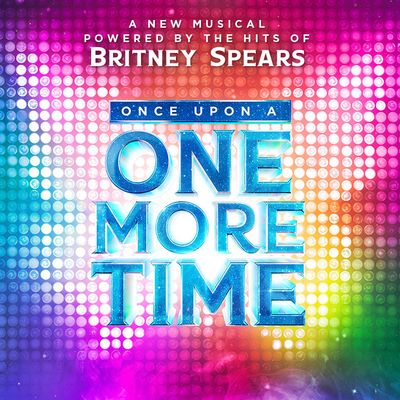
[12:07] Justin Guarini: And look, somebody asked me the other day. This guy was like, So are you have you given up on performing? And I'm like, no, performing is given up on me. No, no, the 2020. I'm just kidding. No, but like, you know, 2020 was like, you know, a fire sale for everything, and so I just know that the industry will come. I'm supposed to be in a Broadway show right now, the Britney Spears musical once upon a one more time, right? A lot of people are supposed to be in shows right now, but that is not available. So instead of sitting around lamenting my fate, waiting for something to happen, or just hoping that I'm gonna get the right audition in a field of very crowded field. I said, okay, I know that the entertainment business will be there for me, and I will be able to pivot back to it when it is available.
Why not double down on something that I've been kind of toying with and dabbling with, and that's exactly what I did. So, yes, please pivot. And you don't need to sell a course, you don't need to make a quadrillion dollars. It is as simple as something that my wife was just started doing a little while ago of like she really loves like candles and oils and scents. And she literally was like, I'm gonna go on Alibaba and spend like five dollars and get a whole bunch of these candles, and I'm gonna get this wax, I'm gonna get these scents because I love them, and I'm gonna mix them together, and I'll make them up, and I'm gonna tell people, I'm gonna photograph them on Instagram and say, here's this candle, it smells like this, you're gonna love it.
DM me if you want to buy it, and then they're gonna Venmo me, and then I'm gonna send it to them, right? It's that simple. It's not easy, or else everybody would do it, but it really truly is that simple.
[13:51] Mary Dina: Well, it's so interesting because I've been having a lot of conversations with a lot of my friends, and they talk about, you know, during this time, you know, there was lots of phases to this pandemic, right? And so a lot of people that I've spoken to recently have said they're trying to figure out something to keep their minds active, something that they can pivot to, but be able to keep going and not give up on once the industry comes back and they want to go back to their quote unquote everyday life or career that they had planned out for them. How do you see that sort of thing, a part of your navigation?
[14:27] Justin Guarini: Yes. Brilliant question. And it is the thing that will make or break most people at any level who get into this game.
[14:37] Justin Guarini: And it's one word automation. Automation. The question you should be asking yourself, and you won't be able to answer it at the beginning, but is how can I put people through this system that gives them my service or product or whatever it is and have them never talk to me? Right? Like that's it. And the cool thing is now look, coaching is one thing, right? That there's gonna be a certain point, like there's there's uh you know, a package that I sell that is a ten thousand dollar package, and you just don't get people to fork that money over unless you have a conversation with them, A, because you want to qualify them, and then B, they're gonna want to know what they're getting for that much, right?
So that being said, but if you're if you're just like, you know, I love making stuff, putting it up on Etsy, um, you know, and it can be anything, just to show you that any idea you can think of, pretty much there's a market for it. And if you want to be able to do that, build a business, build it, and then kind of be hands-off on it and go back to, for example, entertaining, Broadway, singing, dancing, acting, whatever. The best thing that you can do is begin to think about how you can make the service one-to-many, not one-to-one, automate it. The whole point is you want to be able to put people through a system that guides them to making the decision to say yes. That's it. You just want to put them through a series of yeses.
Again, it's a vast oversimplification of it. But if your friends want to do something, learn how to automate the process. It's so simple. And even so, uh, another thing, which is a little bit of a, you know, a step up from that, is if you're like, I don't make anything, I don't want to have a box full of stuff in my home. I can there's a wonderful way that you can make money off of other people's products. And it's something that I know that Davenport Theatricals has done and participates in and many other programs. And it's an affiliate program. You can sell other people's stuff and get a commission. And especially when you think about Davenport Theatricals and all that wonderful programming that that Ken and Mary and the whole team put on, it is just supporting our people.
And so, what you could do is if you are someone who is active on social media, you could reach out to someone at the Davenport Theatrical team. And I'm sorry to like to pin you guys out here because you're the Mary's like, no, you can't reach out to me. Don't reach out to me, what the hell's wrong with you? No, like you could reach out to one of them and say, hey, look, I love your programs. I love what you do. I'm really passionate about theater. Um, I want to help sell your XYZ program that I saw. Do you have an affiliate program? Or if you like uh a little boutique clothing shop or whatever it is that you're passionate about, and it doesn't have to be Mary Kay, although that's great, no shame in that game, but like whatever you're passionate about, you can sell it on behalf, most likely, of another company, and make a profit in another country for all we know, uh, and and make a profit off of it and never have to touch any of the material yourself.
You just got to tell your story. And so there are various ways of doing that for sure that allow you to have your cake and eat it too. That is the message that eventually I and I hope other people in our community start bringing to our people. Because when I first started Audition Secrets, my goal was I want to give the power back to the people who have been taught, trained and educated that we are powerless. And I thought we could do that through the audition room. And I think that we can do that through the audition room just by the simple notion of reminding people that hey you're not going in there and begging for a job when you walk in the audition room back when we were able to do that.
You're not going in there begging for a job. You are an artist with a unique point of view who has worked their asses off to have the talent that you have and to hone the talent that you have and you are an equal as you walk into that room. And when you walk into that room and you show what it is that you show that conversation is between you an artist and other artists on the other side of the table. And the basis of the exchange is hey here's what I got I'd love to work with you. Do you want to work with me? Yes great. Let's do it no great thank you very much. I learned a little bit of something and you leave the room and then you do that ad nauseum. And if you come at it that way, there's so there's such an energy that walks in with you that makes people sit up because 99.9% of the other folks walk in like with that energy, and it's a whole different ball game.
If you can't tell, I get I get passionate about this stuff. Just a little bit. So oh, so let me finish that thought. I hope that people bring that kind of hey, you can make money and sell other people's products, sell something that you're passionate about without having to have an MBA, without having to get that desk job that we all fear, right? That we all have done everything we can to avoid, right? You can you can have that, you can play in that arena without having to be locked into it, like we perceive most people being locked into it. I think that's especially valuable, like right now in these times where you know, most theater artists, theater makers have been out of work, out of their traditional careers for months now, and it's time to get creative.
I almost wish we had this conversation a few months ago to give it to give our listeners and the people out there some really, you know, some gold on but it's not over. Obviously. It's also really interesting to see the types of projects that people in this industry have tried to pivot towards, and most of them are very creative. Like, how can I make things in the spirit of pivoting? Can we pivot slightly to talk about core competence? Absolutely. Well, I guess last Monday, when when you participated in the Take Charge year 2021 challenge with Ken, you let a very short but very pactful and punched a lot of core competence messaging there, which is probably the first time that I had heard of that phrase before.
And so I'm curious as to how you define core competence. Sure. Absolutely. Let's mention that on the day that this releases, which is February 1st, um, you're gonna be launching your five-day core confidence challenge. Yes, absolutely. The Core Confidence Challenge is um going to go live in our Core Confidence Challenge Facebook group at noon Eastern Standard Time. And so we'll put the link, we'll put the link to sign up in the description notes. Lovely, great. Core Confidence Challenge.com. Yeah. And so don't worry if you're listening to this and like, oh no, it's five o'clock, we uh have the replay up. And so all you have to do is click a button. It is absolutely free to register for the challenge.
So no worries about anything. Uh we have replays, and every single day I do a little bit of a recap on what it is that we covered before. So you won't miss a thing. So if you're listening to this, please go on over to core confidence challenge.com and uh register today and hop on in because we are cooking. Um basically, again, that pivot away from audition secrets led me to because of COVID 19, the online audition academy, right? Same sort of thing, but because the market shifted so heavily to online auditions, I was like, I'm gonna move with you. Great. So we moved from audition secrets, which was very much I'm going to walk into the room, to audition um online audition academy, which is very much I'm going to be in my bedroom.
And then uh I did a master class or two from there, and and I just sat back and I was like, this isn't it. I could have kept going down that way because people need to uh learn audition technique, especially online audition technique with the technology and everything. But I just was like, this is not, I know this isn't it. There's something that I'm missing, and it really, again, the distillation of just like just wearing myself down with the questions and the continual digging of uh below the answers I was getting. And below that answer led me to what is the foundational element of all of these things. What is one of the foundational elements? And that's confidence. And if you look across all the coaching programs out there, whether it's for entrepreneurs or marketers or whatever, confidence is a facet of those things, or belief in yourself is a facet of that coaching.
But none of them are just like, hey, this is confidence. Boom, this is all we do. We do confidence. And so I was like, okay, there's an opportunity for me here to take what it is that I know. And how do I package that? Okay. I think, and you know, I would love to be able to say that I came up with it, but oh, that Monica. Oh, that Monica. As you know, Mary, Monica is just brilliant beyond brilliant. And uh that is why she is she a CMO of uh uh Davenport Theatricals as well. Uh no, now she has her own company. Yeah, well, she has big leap brands. Yeah, she has big leap brands now, but I know that she has done a lot of marketing for Davenport. Listeners who don't know Monica, can you just explain how uh who Monica is?
Monica Monica Hammond, shout out to you, Monica. Um she was the director of marketing um for Davenport Theatrical for maybe like five or six years, um, and just in the last few months, um, started her own company, her own marketing agency, and now uh Davenport Theatricals and Theater Maker Studio um are her clients, and she has other clients like Justin. Yes, and she is amazing, Monica Hammond. Uh, go check her out, bigleapbrands.com. She is dope. And she literally is the reason uh why I am not uh sitting here with my hair on fire, because she built out the back end, and so she came up with she was like, oh, as we discussed all of this, because I was telling her I wanted to pivot here, and and you know, I I met her through uh you and Ken Mary, and like I just was like, um, yeah, I want to do this, this, and then she's like, okay, and she chewed it in a brain, and then she spit out, I think it's like profit under pressure.
And I was like, oh, that's brilliant, because it's exactly what it encapsulates what it is that I love to do, and that the you know, you Brian and you, Mary, and we all do in these situations, whether it's performance or sit in front of a mic and doing a uh uh you know a live to take broadcast. We are profiting under normal situations where people or situations where people would normally just just feel the pressure that they couldn't do it, right? And so profit under pressure and profit beyond money, profit just spiritually and in your body and in your relationships as well as your finances, became the umbrella that I pivoted to. And underneath that, I was like, okay, confidence, confidence.
How do I create that unique brand, that unique selling proposition? If you want to get really markety about it, and I was like, Well, it's okay, what is it? That confidence that's inside, and again, digging, digging, digging. I was like, at your core, that's at your core. It's a core confidence. Oh, it's core confidence. And I was like, core confidence, okay, great. Now that's a really cool name, but like, what is core confidence? Like uh, I need to like tell people about it and and be able to explain that. And so again, investigation, investigation, research and work, and seeing what made sense to me and investigating my own story. And what I uncovered was core confidence coaching and core confidence method is the art and science of developing four key skills across four key areas of your life.
The four key skills are clarity, commitment, creativity, and certainty. So clarity, commitment, creativity, certainty. And those four skills, each four of them apply to your body, to your spirituality, to your relationships, be it with uh significant other or with your children or with your family, and to your business, your understanding of money, your understanding of business. And so when we take those four elements and we marry them up and we we solidify them in each one of those four areas of our lives, that creates the energy and the ability to do more, be more, and to give more than we ever thought was possible. And so in those moments of confidence, and the reason why I say I help entrepreneurs and influencers profit under pressure is because that's stuff that comes naturally to me and that has been born in many other uh people in our business and has been born of failures and mistakes and all those things is something that is a key component that many, many people struggle with.
And so that's what core confidence is to me. And that does tie back in, in my opinion, to auditions, which is where you initially began this path. Yes. And what's really crazy is that eventually, once I have built up enough cachet, I guess, or experience with entrepreneurs and influencers. And look, I mean, I have a value ladder set up. That's another marketing term. It's like I have a value ladder set up where it's like, you know, it it progressively goes from free all the way up to $10,000 to $25,000. Now, most likely a person in the entertainment in our business, anyway, in the theatrical business is not going to pay that, right? But I am doing all of my own learning. I am doing all of my own testing.
I'm doing all of my own sort of uh growth and expansion because eventually what I'm gonna do is come right back around and use everything that I learned from the intense and I mean 90 days every single day.
[29:12] Justin Guarini: If I'm gonna charge somebody 10 to 25,000, that is 90 days worth of intense work where we get in there and I learn just as much as they learn as I guide them to that core confidence that they are literally making the investment in themselves and in me to get them to. And so when I take all of that, I can then bring that right back around to where I started and I say, hey, look, this is what I've learned. People have paid me 10, 25,000 to learn this, and I want to give it to you for 47. And that is my giving back to the community that got me to that 10,000, 25,000 place in the first place, right? That supported me and that has loved me, and that is my part of what will be my love letter back to the community.
And doing it that way just gives me goosebumps. And I realize that, oh, like that feels like a true calling. And just like your friend, Brian, I get to be able to have my cake and eat it too. I get to do that. And I get to do that. And I also get to, you know, show up and point my toes, you know.
[30:20] Brian Sedita: Okay. So before we started this conversation, we were talking a little bit about the way that your mind has been blown over marketing and like bringing that into this challenge and like this part of your career. Can you talk about the process behind how your brain had to like shift certain ideas or you know what were some maybe misconceptions that you had about certain things that you're now being awakened to or shifting what you how you're thinking?
[30:48] Justin Guarini: I did not understand anything about sales. I knew how to, you know, perform, right? Which is, I guess, in the essence of selling someone else's work. And you know, my sales experience was in emotions, right? That was my stock and trade, emotional life. And um, but I didn't really understand that sales is just a psychology game. And if you want to dominate and be an elite marketer, an elite salesperson, you must become an observer of people. You must understand their habits, their addictions, why it is they do the things that they do and say the things that they say. Now that's at an elite level. And so I had to then not only recognize that, oh my goodness, there's so much I don't know about how to sell, I had to shed the factor of sales of asking someone for money is what it felt like.
I felt like I'm asking people for money. And like I for I wrote this book, Audition Secrets, and I was like, ah, I'm just gonna give it away for free. And I'm gonna do all these things for free because I know thank you very much. You might have gotten it for free if you got it early on. Because I was just like, I don't know. I don't want to ask people for money, you know. Am I good enough? And not me, you talk about lack of confidence. But like what really I had to learn, and the biggest thing I had to learn was that everything that we have that we value, whether it's our shoes or you know, our iPods or a scarf or this microphone or our clothes or whatever, everything that we have is the result of somebody selling somebody something, right?
Just just look at just choose, right? Somebody had to sell the material to somebody, somebody had to sell the rubber, somebody had to sell the lace, all that, and then somebody else put it together and they sold it to someone else who then sold it to whomever and it got to eventually sell it to you. And so sales really at the end of the day, I feel comfortable with sales because I am making sure that if somebody hands me $10,000, I am handing them back a hundred thousand dollars worth of value. That's how I got through that. It's like I just have to make sure that what it is that I am offering is of more value than the money in their hands that they are offering me, right? Digitally or otherwise.
And that was one of the big shifts for me. Because before that, I was like, I don't want to sell people. That's so gross. Why would people sell people? Yeah. That's what that's what salespeople do, right? Because they've just been maligned throughout history. But uh that was a big one for me. That was probably the biggest. That is still really hard for me to get over. Like it's I have this conversation at least once a year of just like this just really is it really something I can do. It's a value. It's a value game. When you stop thinking it as selling someone something and start seeing it as giving value, if you sell someone something for $497 a month, and you know, they go, let's just round it up to $500 and make it easier, and they go for two months and they've spent a thousand dollars and you teach them how to write a play.
And then that play goes to um, you know, the La Jolla Playhouse, and it's seen by you know, six thousand people over the run. And then maybe that play goes somewhere else. But that $1,000 that you have charged them has an impact that is limitless because that 6,000 people, provided that they weren't touched by that play, are gonna go out and like good art does, it makes us question things. It makes us say, oh, do I really believe in this or changes us in some sort of way? And you have forever altered the lives of 6,000 people who would then go touch one or two other people who will then go, and you know, you just have that sort of whatever that whatever that graphic thing that I failed algebra, whatever that means, exponential, right?
Exponential amount of people, right? And so think of it that way. Think of adding value. And if you can touch one person and encourage them to then create something that then goes out and touches an exponential amount of people, then there's no price tag to that.
[35:23] Brian Sedita: What are some things that people can look forward to in your core confidence challenge?
[35:27] Justin Guarini: What people can look forward to is if they are willing to really come into the room, the digital room, and hold space with me and with the other people in there. We're gonna go and we are gonna figure out over the course of five days the obstacles that have been holding you back from the things or thing that you want the most. We're gonna create a roadmap. I'm gonna ask you questions, and we're gonna go some places that might feel a little uncomfortable, but we're all gonna hold the space together, and we're all gonna pour our care and our concern and our dreams and our hopes and our ideas and our visions into that space that we're holding together. And we're gonna just discover some things that maybe we don't necessarily feel like we've discovered before, or feel even safe enough to have a conversation with some other people that are near and dear to us.
And so in that space, we're gonna really tackle at the end of the day, and I haven't even told the people in my who are already registered for this, but like at the end of the day, what we are doing is in the service of eradicating one of the most challenging and detrimental emotions that we experience as human beings. And that is the eradication of shame. Shame, we all know what that feels like. We all know at some point or another, no matter what kind of body type you have, we know what it looks like to look at our bodies and feel shame and to be shamed by someone else. We know what it looks like and what it feels like to be in relationships and to make choices or participate in activities that bring us such shame.
We know what it's like to look at our bank accounts and to, you know, for influencers and entrepreneurs and even entertainers to see how hard you work and then to look, and and even though you know I make good money, but I also spend good money, and I know what shame feels like when I look at my bank account and I am like, shit, what am I doing? And we all know in one way or another the shame that we feel or maybe have felt when we've dipped into whether it was with our parents or when it whether it was just a part of our growing up, the the shame that can sometimes come with religion, even spirituality, and that might be the shame of not living up to a certain standard, or it might be the shame of just not having any standards at all.
And so what I want to do is I want to work in just 30 minute increments to 40 minute increments a day to eradicate that. I am in the service of eradicating shame from your life because it will stop you from getting what it is that you want, from achieving what it is that you deserve to have in your life, whether that's something with your body, whether that's something with your spirituality, whether that's something with your business, whether that's something with your relationships with your children, your spouse, your family. And so at the end of the day, the development of confidence and core confidence that reaching inward and developing clarity, commitment, creativity and certainty in your life, it's just gonna pay dividends, not only just for you, but for the people you love, the people around you and the people you serve.
[39:28] Mary Dina: I was gonna ask you, this really ties into what you were just saying, but with imposter syndrome, right? That's been a huge thing that I've seen with myself personally in the last year for this last crazy time. And I'm sure all of our listeners can also feel the same way at some point or another, whether that was in the last year or whether that was before that. And so, would you would you say the same thing to those people as well? Is there anything that you could share with those people who have those thoughts of, you know, it and is that tied to, you know, having or not having confidence?
[40:03] Justin Guarini: Yes, 100%. And I would say to those people, the question that often crosses your mind and my mind is who am I to fill in the blank? Who am I to sit here and talk about confidence when I am not perfectly confident all the time? Who am I to sit and in front of a class of young people talk about you know ballet and dance? This is not me, this is speaking as someone else, because Lord knows I ain't somebody to talk about ballet and dance. But like, you know what I mean? Like, who am I to XYZ, XYZ, XYZ? And my counter question to you is if you have something that will serve to lift someone else up, especially someone in our community, especially someone in the entertainment community in in your community, whatever that may be, if you have that knowledge, whether you are decades ahead of them, or whether you're just a week ahead of them, my question to you is who are you not to do that?
How dare you not give someone that vital piece of information that you have, that hard won, hard-earned wisdom that will help them to avoid the pitfalls that you fell into. And so that imposter syndrome goes out the window when you recognize that you don't have to be a PhD in order to teach a class. You just have to be kind of like uh uh old Frank and I think his name is Frank, and catch me if you can. You just gotta be a chapter ahead of the students. That man went into Harvard, I think it was, or some Ivy League school, and he taught some sort of all these geniuses, he taught a class not being a teacher. And when the FBI asked him, how did you do that? He said, I just was one chapter ahead of the kids.
And that's all it takes. That's really if you are one step ahead of the people you serve, then you're adding value to their lives. And who are you not to share that value? You know, it's like, you know, there's uh something in the even biblically, you know, it's like, you know, uh, he who has the corn and doesn't share it is cursed. It's like you've got the goods. It is your moral obligation to share it with the world because you're gonna touch someone, you're gonna help someone, you're gonna save someone's life, just like somebody saved your life, somebody touched you, somebody inspired you.
[42:47] Mary Dina: I have one more question before we head into our lightning round, but I'm wondering uh, and it's switching gears just slightly. Um, so since your career is so busy and and you know, you you don't live in New York, but you you're a lot of your work is New York based, right? Um, and has been over the past couple years. Uh, why do you feel compelled to serve on the board at Bucks County Playhouse and your connection there?
[43:12] Justin Guarini: I love the Bucks County Playhouse because I'm just a lover of history. And the history of Bucks County Playhouse is so rich. I mean, Grace Kelly performed there, Robert Redford performed there. So many people who we all know and love have performed there. And what that theater was and continues to be, is another proving ground for great new works of art to come and be seen by an audience, yet do the quote unquote out of town run where we don't have, you know, critics and uh other people coming just yet.
[43:53] Justin Guarini: And so what I was really drawn to was A, it's right in my backyard, and it's like Broadway in your backyard, and I performed there and I loved it. But when I had an opportunity to jump on the board, I recognized that I had a chance to be a part of this historic place that has touched my lives and again touched the lives of so many people. I had a chance to create legacy in association with everyone on that board. And I knew that, and I have suggested things that maybe people who don't have the same angle on technology and the same angle on marketing, uh, and believe me, there are people way more of both, uh, but like who don't have the same angle that I have anyway that I could contribute. And you know, when it came to the shutdown of uh of the theaters and when audiences weren't allowed in, you know, uh Alex Frazier and I, the artistic director there had a very long conversation about the technology and the possibilities around streaming, which I had been studying for years beforehand, and so they are streaming and they are continuing to work that out, but those are the kinds of reasons uh, and also the place is just freaking gorgeous, and it is the greatest place, right?
Like it's like you come down there, and being a New York actor is so fantastic to work there because you come into this town that is like straight out of Berlin Ives, like looks like a Rockwell painting, and like it's gorgeous, it's hip, it's cool. You've got this like gorgeous theater that is this huge, like barn and it has history in it, and like you can get right back to the city just like that. And and so there are many, many reasons to love the Bucks County Playhouse.
[45:45] Mary Dina: Thank you for sharing that. Mary, do you want to move into our lightning round?
[45:49] Yes, I do. So we just go through um some questions, and we're not really gonna respond per se. Um, some of them are like quick answers, some of them might take you a minute to think about. But what is one thing in the theater industry that confuses you?
[46:02] Justin Guarini: The one thing in the theater industry that really confuses me, the first thing I I really think to is like just like the the unions, and not our union. I'm talking about like the stage hand union. Like that's like a whole world in and of itself.
[46:19] What are three adjectives that describe your favorite working environment or ideal working environment?
[46:24] Justin Guarini: Quiet, comfortable, relaxed.
[46:28] Mary Dina: Wow. Those are like so different from any answers we've gotten.
[46:32] Justin Guarini: I know. Really?
[46:33] Mary Dina: I love good, quiet, comfortable working.
[46:36] Justin Guarini: Not now, right? As this as this person who has been stuck, you know, in quarantine for uh the better part of a year with three children, three dogs. My wife and I are like, we'll pay for quiet and comfortable, we'll pay. We'll we'll we'll let blood for it. So that's it. Now, when it comes to theater, oh my god, just loud and wild and fun, you know.
[47:03] Is there something in your process as an entrepreneur, as an actor, how however you want to define it, that you find unique to you?
[47:10] Justin Guarini: Um, as both an entrepreneur and an actor, the process that I find unique, which is not the the actual process. Well, the process is unique, but the act is not unique itself, is the process of what I do every single morning. I get up at five o'clock in the morning and I spend the better part of three hours doing the kind of work that ultimately I am going to, and I'm in the process of putting a lot of my clients through. And it is a series of steps and questions and actions that really set your entire day up for success. And there's a yearly and a quarterly and a monthly and a weekly and a daily process that happens. And I have never felt more focused. I've never felt, and I've been doing it for a while now, but I've never felt more in tune with my calling, more open to information and literally more confident in my life.
And so that's really sacred for me, that morning ritual, that morning routine. And you know, you ask anybody who is successful, and I've done the research, that is a key component of lasting success is making sure that you have a routine and preferably in the morning to set you up for success throughout the day.
[48:34] Do you have any resources or books that you find helpful to you in your process?
[48:41] Justin Guarini: Oh my goodness. You mentioned Rich Dad, Poor Dad, which is awesome for an entrepreneur. Right. I would say, even that, just for people in our business to read Rich Dad, Poor Dad, and then the second book that comes after that, Cash Flow Quadrant. I mean, the one thing in America and the American educational or miseducational system that we are not taught, especially then as performers and actors and dancers and singers, we're not taught about money. Nobody teaches us about money. You know, you know. We we'll maybe we'll maybe get a little class on it here and there. But you know, I think it was uh, you know, uh Andrew Carnegie says, I I would love to have said I just won a nation of workers, right?
I mean, they invested a lot of money in the education system, and it wasn't necessarily to give you an education or to give you know most people the kind of financial education that they should have. And so when it comes to, especially now when we are struggling to make every single penny count, I would suggest read rich dad poor dad. It's a great story, first of all, and then read cash flow quadrant because you will understand. Oh my goodness, I've just been a worker bee for most of my life, and I'm never getting anywhere. I'm trapped in the rat race. Oh, but I could become a business owner, which is not nearly as complicated as it used to be. And then after that, you know, or I can become an entrepreneur, and then I can become a business owner, and then if I can build up enough capital, enough wealth, I can begin to invest in other people's things and uh and projects and ideas, and I can make money again off of other people's work.
It's what people do in our business. If you have money, you just invest in a Broadway show, and it's challenging and as as you know, sort of semi-Russian roulette as that can be, when you hit, woo, it hits, and you haven't lifted a finger other than to write a check. Right? And so it's that kind of thinking that is not prevalent in our industry. And so there you go. That's my six hour answer.
[50:46] Mary Dina: What you round my ass.
[50:49] Justin Guarini: We're getting there, it's okay. Um, what is uh one job in the theater industry that you would trade jobs with for one week?
[50:56] Justin Guarini: I would love to trade jobs with uh an MD because I've always dreamed of being able to play the piano like most of the MDs I've I work with. Like they're stupid, talented. Or just so I could see the world of mystery and intrigue. I would trade jobs with Ken Davenport. Yes, because there is a producer just to know how all the puppets, yeah, just to know how all the fingers are tied to all the strings and the puppet master works. That would be absolutely fascinating. I think my view might be better though. I'm not gonna lie.
[51:38] Mary Dina: Yeah, I'm sure it is.
[51:39] Justin Guarini: I'm sure it is, but like, oh, it's just it fascinates me. And I'm sure it's a world that I would just be like, when the week is up, it'd be like, thank you very much. Uh I'm I'm gonna go back to doing what I do now. But yeah, that's what I that's what those two I would definitely trade.
[51:56] What is one hobby that you have outside of the theater industry?
[51:59] Justin Guarini: When I really want to relax, I get on the Xbox with my best friend, and we play FIFA soccer, FIFA 21, like online, and we go and I just play soccer, and I mostly lose, and it is just like it's great. And but when you're winning, you're winning, and like the whole team is clicking together, and me and my best friend literally I'm on headphones with him on the cell phone, and we're playing online. He's uh a couple of towns over, and that's it. That's that that's it. I wish I I need a hobby so badly, but my hobbies time is just like literally taken up by either by working or by children or by dogs, or and the rare instance of being able to just sit somewhere and look at my wife and kiss her face. That's that's it.
[52:50] So the last question, which is new for any of our listeners who have listened to multiple episodes. We have we're swapping out our infamous last question for one that is slightly more exciting, more positive. Hopefully for anybody who hasn't listened to our previous episodes before, we usually ask, what was the last great piece of theater that you saw? And as you can imagine, that's become much more difficult to answer as we get further and further away from seeing live theater. But um, we're hoping that this new question is very hopeful and until we can get back to seeing theater. The question is what is the first show that you want to see when Broadway reopens?
[53:29] Justin Guarini: I want to see once upon a one more time, and I would love to just see a scene I'm not in sitting out in the audience with all the production tables and the people sitting around with their lights and the stage manager working out the cues and furiously erasing and writing and the dullest of dull moments when we're in tech and my people are up there and they're just getting lights focused. I want to see that. I want to see those things that you know, those moments that I I took for granted before. I want to see those. I want to see the rehearsal of the the show that is gonna eventually go up, uh, that I love and that I cannot wait for people to see because it is gonna it's just the right show at the right time in the world, and it's like, come on, give me some Brittany, give me something from the early 2000s that I know and love before all this crap happened, you know, all that, and then mixed with such a wonderful story and and a fairy tale um story.
And so that's what I want to see. I want to see once upon one more time, and that may be selfish, but you know what? I think after 2020, we've all earned the right to be a little bit selfish when it comes to what we want from theater.
[54:55] Mary Dina: Oh, I love this question already. It's it's so much fun.
[54:59] Justin Guarini: Yes, I'm so excited.
[55:01] Mary Dina: Yay! Well, thanks, Justin. Oh my god, we're so I'm so happy. Yeah, tell everybody how they can find you, how they could be a part of your challenge on like social handles.
[55:10] Justin Guarini: Absolutely. I am at Justin Guarini on everything. If you can't spell Guarini, just look up the guy from American Idol with the hair. I should pop up somewhere uh at least two or three down on the Google search. Gotta work on that SEO. Uh, and then if you uh monica. Um, so uh if you want to find out more about what I'm doing in terms of core confidence coaching, all you have to do is go to the core confidence, it should be not the but core confidence challenge.com and register for my free five-day core confidence challenge. And then beyond that, I am just a hop skip and a jump away always uh on Instagram or the DM. And you know if you can get in, please, please, please go to Clubhouse. It is dope.
Clubhouse, and I'll end with this. Clubhouse right now, I don't know what it's gonna be, but it's only available for iOS users. And uh some people actually have gotten some found some hack to not uh to get around the iOS thing. But right now, it is a community of people where hundreds of millions of dollars of free coaching, free networking, I mean unbelievable that are at the top of their game, not just millionaires and billionaires, but high-level actors and acting coaches and casting directors, and uh it is a community filled with people who just want to give. It's crazy. I have never ever been a part of something like this. It is it is Instagram and TikTok and Facebook, all when it was like starting out, right?
That's where Club House is right now, it's in its infancy, and right now, so many people are willing to give. I've made so many unbelievable connections with people. Um, and and my network, again, remember I said your network is your net worth. And when you go on there, not only do you learn a whole bunch of things from a bunch of wonderful people, but you get to increase your network. And if you do it right and you go into it with the desire to give and to serve and to add value, you inevitably will increase your net worth. Bam. And that's how you end an episode of Page to Stage.
[57:30] Mary Dina: Thank you so much.
[57:30] Justin Guarini: All right. And now, yeah.
[57:36] Mary Dina: So I should just close the computer, right? Is that what I was supposed to do?
[57:39] Justin Guarini: Thanks everyone for listening to this episode of Page to Stage. To keep up with us, you can find us on Instagram and Facebook at Page2Stage Podcast. And if you're enjoying these conversations, we would really appreciate it if you could take a couple minutes to rate and review us wherever you're listening to this podcast. Until next time. That's Brian. That's Mary. We'll see you later. Bye.
© Broadway Podcast Network, All Rights Reserved