

Digital marketer of Broadway favorites including Hamilton, Hadestown, and Be More Chill, Micayla Brewster breaks down her process at Marathan Digital and beyond. Thank you for taking the time to listen to our chat with Micayla Brewster!.. Read More
From the show: Page To Stage
Guests

Featured Shows


About
Digital marketer of Broadway favorites including Hamilton, Hadestown, and Be More Chill, Micayla Brewster breaks down her process at Marathan Digital and beyond.
Thank you for taking the time to listen to our chat with Micayla Brewster!
If you are listening to this on Apple Podcast, we'd love it if you could share your love in a review!
About Micayla Brewster:
Micayla is a creative, detail-oriented, driven person who loves to share stories and cultivate relationships. Those skills helped her as she developed a passion for digital marketing and social media management.
She is currently based in New York City and is an Account Manager at Marathon Digital where she runs the official social media accounts of fan-centric Broadway shows like Hamilton, Hadestown, and Be More Chill.
Micayla loves working in the world of entertainment is excited to be doing it through her passion for social media and digital marketing. There is absolutely nothing more captivating to her than an innovative campaign with a detailed strategy.
As a daughter of successful entrepreneurs and a product of California’s Bay Area, she learned at a young age how important hard work is in achieving success. She had the privilege of watching her parents start a worldwide transportation company from humble beginnings in their garage and grew up in a place that values innovation and groundbreaking ideas. She knows that it takes grit and passion to make something successful out of nothing.
As a California-native turned New Yorker, she is the proud owner of her first winter coat.
Resources from this episode:
Come say hi to us!
Facebook: @PageToStagePodcast @BroadwayPodcastNetwork
Instagram: @PageToStagePodcast @TheMaryDina @BrianSedita @BroadwayPodcastNetwork
Twitter: @TheMaryDina @BwayPodNetwork
Youtube: @PageToStagePodcast @BroadwayPodcastNetwork
#PageToStagePodcast
Transcript
This transcript was automatically generated and might contain errors.
[0:00] Brian Sedita: Hey everyone, welcome to Page to Stage. A conversation with theater makers. We're your hosts. That's Brian. And that's Mary. Join us as we focus the spotlight back on the theater maker to uncover their process. We speak with folks in the industry that often aren't heard from, such as stage managers, producers, crew members, marketing professionals, and everything in between. We hope you enjoy this episode.
[0:24] Micayla Brewster: Hi, my name is Micayla Brewster, and I am an account manager at Marathon Digital, and we run organic social media content for Broadway shows. So I have the pleasure of running Hamilton, Hadestown, Be More Chill, and a bunch of other shows over the last three-ish years. And additionally, I've also done some work with Broadway Advocacy Coalition with our Broadway for Black Lives Matter events that they've been hosting for the industry. And yeah, that's pretty much it.
[0:58] Mary Dina: I love that you said organic posts.
[1:01] Micayla Brewster: Yeah.
[1:01] Mary Dina: With Marathon Digital.
[1:03] Micayla Brewster: Yeah, that's our specialty. We actually don't do any paid social media. So I really love it because I get to dive into like what I'm most passionate about, which is engaging with fans and getting to make kind of that relationship really strong, rather than focusing on, you know, kind of the nitty-gritty of like dollars and cents and that kind of stuff. I get to kind of think a lot more creatively while still balancing, of course, like all the important data that goes into social media management. But yeah, it can be, I mean, Facebook ads in and of itself can be a whole other section of someone's resume, to be honest. I mean, it gets so complicated sometimes, or it can get so complicated with all of the different campaigns you can run and the different audiences that you can tag for paid campaigns, you know, on Facebook specifically.
But I love that you said you specifically called out organic because I think that's very unique to Marathon Digital's role, I would say. I don't know if you would agree with that, but that's my perspective of that company since it launched.
[2:14] Mary Dina: And it's relatively new, right?
[2:16] Micayla Brewster: It's a few years old now.
[2:17] Mary Dina: Yeah, I was actually, I think I can call myself like one of the third maybe employees of Marathon Digital. So yeah, I started as an intern back in 2016. So the summer of Hamilton and the Tony Awards. So I like to say I peaked back then and it's just downhill since then. I had like the best summer of my life and loved it so much and went back, finished my senior year of college, and then came right back over to New York and yeah, been there ever since.
[2:51] Brian Sedita: For any of our listeners who've been listening to us for at least the past year, they'll recognize we had Stevie Coleman on from SpotCo last March to discuss her process advertising Broadway shows with SpotCo. And a lot of SpotCo's clients, when I checked both websites, are also clients at Marathon Digital, including Hamilton and Hadestown. Can you explain to our listeners the difference between Marathon and SpotCo's responsibilities in a show's creative process, such as those two specifically?
[3:24] Micayla Brewster: So, like Mary was saying, how we kind of have this niche within having organic social media content. You know, we are not a full-service agency, so we don't do paid social. We also don't do any advertising with like billboards or any kind of print stuff. We don't handle any of that. We really are focused in on social media. And so the cool thing is that we then get to work with a lot of other agencies who do all of those things so we can kind of like be another cog in the wheel. So in the same way where there are press agencies who come in and just handle that segment, we kind of operate like that where we come in and we just take over the social media and then get to collaborate with the agency that has been hired on to do all the other stuff to make sure that the work in social media is lining up with our goals in the larger marketing campaign and that we all are kind of like on the same page.
[4:22] Brian Sedita: Now with Hamilton, were you guys involved? You guys weren't involved with Hamilton from the beginning or were you?
[4:28] Micayla Brewster: We were.
[4:28] Brian Sedita: Yes, you were, okay.
[4:31] Micayla Brewster: The public, I think, was kind of like maybe when my boss Mike Carnes when he kind of started those conversations. But with Broadway, we've been there since the beginning. And at that point, it was like him and maybe one other employee at the time. And so yeah, like he showed up at the White House with like an iPhone and like maybe a gimbal, but like very, very like that was the beginning of Marathon Digital. Our birth kind of came with Hamilton; that was kind of when we grew and when we started hiring on more people. He had other clients before that he was working on, but that was kind of the catalyst into Marathon Digital that I know today, that we know today.
[5:29] Mary Dina: That's insane. I love that. Yeah, how could you walk us through how like maybe some of your beginning conversations with a show or any kind of client, if you want to use like any specific show as an example, that’s great too. But just like what are the conversations that you're having and how do you then start to build this brand around this show and then also then how do you build this social platform or social platforms around any given show?
[5:58] Micayla Brewster: We kind of enter the stage at different points. So sometimes we come on and we've been with the show from the very beginning, like when even like out of town tryouts and, you know, pre-Broadway, all of that, we get to kind of like come along with the show. And so that we're pretty much starting with a blank slate. That's where we're creating the accounts on our own and kind of get to dictate a lot of what the social media style looks like, which I can get a little bit more into that later. But other times we will come in and kind of take over an account. And so those all have different approaches because one, obviously, someone's already kind of begun the work, so we kind of pick up the torch where they've left off and then, yeah, just kind of put our own spin on things.
So with both scenarios, we have conversations with the producers, sometimes with creative team members where kind of like just from the beginning, we've maybe seen a recording of the show or listened to a cast album or demos, and then we have some ideas of what we're thinking, but kind of want to have this first conversation be open to them of what would you like to see, what's important to you, and that's when we kind of get into detailed questions about like, you know, tone and voice of the account and like what do you want it to sound like, what are do's and don'ts of this kind of persona that we're gonna create on social media.
[7:33] Micayla Brewster: So we take that after that initial conversation where we kind of get those basic questions answered, we come back, we have a brainstorm as the entire team, and then from there, those ideas are handed to me as the account manager, and I break it down into like a strategy document. So we list out goals that we have and then put different campaigns in under that, and then give it back to the producers for them to approve, and then that's kind of the launching point for us where we're able to kind of have a roadmap of what it is that we want to do. And sometimes that roadmap goes through sections of the show. So, for example, with Hadestown, when it was in London before Broadway, you know, we had a specific strategy during that point, and then when it was pre-Broadway and in rehearsals, then we had a different strategy there.
Once we were in previews opening, you get the point. But sometimes it's segmented by like the life of the show, and then sometimes with like a really long-running show like Hamilton, it's more kind of by years or quarters where we might have like an overarching goal. So, for example, with Hamilton, we launched an app, and so with that, we were like, okay, now all of our content for this year where we're launching this app and trying to grow the audience there, we want some sort of tie-in to the app whenever we can. So we'll kind of have like one focus with some of these long-running shows so that as we're going through each year, it's not like, ah, here's Hamilton's birthday again. Like there's a new take to it each time.
[9:17] Mary Dina: So are the goals that you're setting always focused on getting people to buy tickets, or does that goal sort of shift in terms of just growing the audience?
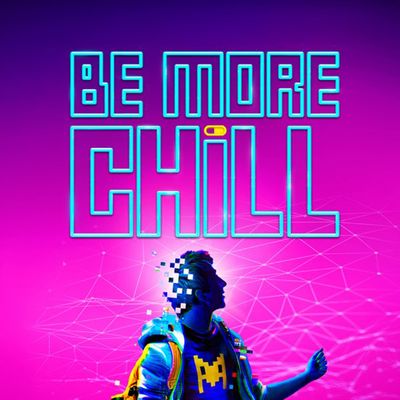
[9:29] Micayla Brewster: I think the goals I would say both of those are in there, but even sometimes the goals are even beyond that. Like, for example, with Be More Chill, for example, with that one, there was kind of a narrative that we wanted to share about the show and almost like a feeling of community that we wanted to create so that we can kind of like with each show, no goal's gonna be exactly the same of like we want this many followers or we want to sell this many tickets. It kind of gets a little more nuanced into like what is the narrative that we want to show because with organic social media, we have this kind of hub, this base of people that we get to kind of have a long-term relationship with.
[10:23] Mary Dina: And how many people are on your team when you're talking about a team? How many people actually have access to these accounts and are posting? Is it just you, and how many people are brainstorming all these ideas with you?
[10:36] Micayla Brewster: We're a team of, ooh, 12, 14, maybe? I forget. But we're a pretty small company, and we segment kind of our teams into two sections. So one is called the account team and the other is the creative team. So the creative team, it's kind of split down the middle. Like maybe if there's 12 of us, there's six and six on each side. But so that's where our graphic designers, our video editors, animators, all of that, that's the creative team. And then the account team, that's where I'm on. We each, we call them pods. We couldn't come up with a better name for it, but we're workshopping it. But yes, so we have like pods. So there's an account manager and then an account coordinator. And so the two of us will work together, and we'll have multiple shows that we're working on.
So for example, Marathon Digital represents Ain't Too Proud, but I don't work on that show at all. So I just focus in on my clients that I've been assigned to. So it's typically two of us in like that core team, and then Mike and Mel, our bosses, obviously are involved in all clients and kind of oversee that process.
[11:50] Brian Sedita: Working with producers, have you come across producers who have a hard time wrapping their head around social media? Because from my experience, several producers that I've worked with have made comments similar to like, you know, like social media doesn't sell, like people don't really buy off of social media; they're gonna buy off of emails or more what's dubbed as like more traditional marketing. And so I'm curious as to your experience with these creative heads of these different teams. Is it really a lot of convincing? Is it a lot of, um, are you actually, you know, can you prove that you're actually selling tickets based on social media alone? Yeah, if you could speak to that maybe.
[12:23] Micayla Brewster: Yeah, so I mean, it's fascinating because the conversation has completely changed, I feel like even in my short career so far, where I feel like when I was getting started in college and doing internships, a lot of people were like, I don't really know what social media, like why this is important. I know people tell me this, but I, you know, I don't really get it. And that mentality and then also like I don't think social media is worth, I don't think that it's worth being, and of course there were people who were like, yes, social media is good and it's the future, but I felt like a lot of the conversation kind of was in this unknown area. And I have felt a shift where now it's more like either I completely understand how important social media is or like I know it's important, people have told me, I understand it, I just like I don't understand like the actual, like how this works.
So, but the good thing is because I think because we're so specialized in organic social media content and the quality of work that we create is really high and, you know, everything we put out, we're really, really proud of, we, the producers that we're working with most of the time like hired us because they see how important that is because obviously it would be easier if you're hiring a SpotCo to have the SpotCo handle the social too. So typically we kind of already have a leg up in terms of their mentality towards social media because they have gone through the extra step of bringing us on, knowing that the work that we're gonna do, you know, it is valuable and something that they wanted us to do.
[14:21] Micayla Brewster: What's your outlook on or strategy when it comes to audience engagement? I know you spoke a little bit about how you enjoy that earlier, but how do you actually engage with the audience through social media channels?
[14:34] Micayla Brewster: Yeah. I mean, this is act like this is where I'm passionate about social media, but like this specifically, like fandom and engaging those types of people is like my sweet spot. And so I've been really excited to take on a bunch of those clients. That's like a Hamilton, a Be More Chill, a Hadestown that have these people who are like obsessed with this show, need all of this, and there's almost like a mentality, an understanding that I've been able to gain from years of just kind of like talking to these same kind of people who feel the same way about a show. So, you know, there are certain things that I don't know, it's almost like in my gut now where I'm like, oh, I know like this is gonna be something that they'll resonate with, but a lot of that connection really comes, I believe, in community management.
We actually have dedicated community managers who will log on like before the show, during intermission, after the show, and then also then we have someone else who's doing it like throughout the day. So we're making sure that all the times when people are wanting to talk with us that we're around and available. And yes, we're a brand, like we're not pretending to be a person, but we do create a whole persona around each show. And so there's actual I've written out descriptions of Be More Chill is this kind of a person. They think this way, they want these things, they interact with others in this way. And so we lay all of that out so that way our community managers know the perspective that they're speaking from because each show has such different voices. And it's important to lean into that so that it doesn't feel like this generic bot that's talking to you.
[16:19] Micayla Brewster: With Be More Chill, Carly is our community manager for, she was working on that when we were on Broadway. It was maybe first preview or opening night or something. I was taking photos of people in like the front row, and they were like, oh wait, do you run the social media for Be More Chill? And I was like, Yeah, I do actually. And they were like, oh my gosh, like I talk to you guys every day. They're like, I feel like I know you, and they had actually brought a bag of coffee, like coffee beans, and they were like, This is a gift for like the, I told them I was like, it's actually Carly, but yes, and they're like that well, this is a gift for the community manager. I just feel like I know them, like I talk to them every day.
And that to me was like the perfect example of how when you kind of put in the time and also the individuality to each response and treat each person not as just like another notification, but as someone who wants to engage actively in this brand, you know, the power that that's in that and the connections that you're able to make with people. So I think that's super powerful, especially for a brand like Be More Chill, which definitely had a life of its own prior to Broadway, and so obviously the fandom had been created well before it hit a Broadway stage that you were able to like create this style guide essentially, but it's like it's each show has its own bio, like you said, persona, like oh it's that is so cool.
[17:53] Micayla Brewster: Yeah, it's very nerdy. I get very into it. But yeah, it's really helpful too because yeah, there's just something that gets ingrained with you the more you know a client where things just kind of feel Hamilton or not, like you can there's, I just feel so integrated in with the brand that you know there are certain posts or certain reactions to things that we would have where you can just kind of like snap into that persona and can make decisions because one event could happen when one thing could happen in the world and each show might respond differently or not respond or whatever. So yeah.
[18:34] Micayla Brewster: I've also noticed the brands, you know, theater outside the theater, like Netflix outside of Netflix, the brands or the shows that have a very strong memorable voice on social media are the ones that I tend to remember the most. I know we went through like a time of social media where it was like the thing to really just remain professional, and that really kind of put a mask over everyone's voice, and I think we've gotten into this groove as a society to really lean in towards the, you know, the Bridgerton like sound when you're chatting with people or posting stuff online versus what you might post with Be More Chill or Hamilton, even.
[19:19] Micayla Brewster: Yeah, yeah. I mean, and some of these, like Wendy's for example, like they literally hired a comedian to run that account. So I've really taken it so far in a way where I am really grateful because it's, but yeah and it's funny because someone might look at that and be like, okay, well then we need to hire a comedian too. But it's like if you're not a funny show, then you would take a different approach and maybe, I don't know, it like it even gets down to like the punctuation or like which emojis do we use not use. Like there's so many stupid little details that I care way too much about that kind of when put all together create a dynamic person. Because yeah to your point it's like when we are all kind of washing over our personalities as brands and we're just like sending out information on the internet it wasn't as interesting as like the people that you knew.
And so I think that brands are kind of moving in that direction to feel almost like people and honestly even as we create content I don't know if this is the way that everyone's moving but what I have felt is that the more organic that you can feel the more that you can kind of like blend in and feel a part of everything else that's going on the better and the more engagement that you'll get. No one, well actually now there's a surge of like graphics and stuff but for the most part if you know if you're following Hamilton you don't just want to see gold's background and black text every time we want to post anything like there has to be some variety in there and a lot of our most popular posts are like a random photo that we took that like maybe was shot on an iPhone when we have like all these really intense like animations or like big video shoots and you know it's kind of both work in different ways and with different clients and at different times and yeah so it's really interesting to like walk that line and see when you want to lean in on either side.
[21:29] Micayla Brewster: I would say overall we send things for approval to the producers so that they can review it. And that's really just because like especially as we get started we want to be in lockstep with them and want to make sure that we're not putting anything out that doesn't represent the brand and there's not there's no worse feeling than like needing to delete a post that you pull up or you know and also that messes with algorithm and all that stuff. So we lean probably a little more cautious than I think a lot of other agencies do. But then as we become more comfortable with the producers we kind of are able to predict you know what their feedback might be then we start to kind of pare it down. So with Hamilton for example my boss Mike makes pretty much all of the approvals and if there's anything really big then we'll go up to the producers and we'll share that with them.
But then with like Hadestown we're kind of in like a hybrid where we send them maybe like one or two posts every week maybe or every two weeks of kind of like the bigger projects and then the like day to day stuff that we feel comfortable with we're good. But then on a show that we're just getting started with, we tend to send almost everything just so we can make sure that we're all on the same page and they feel good about it. Some things, for example, like community management, every response is not checked by the producers, but we do create like kind of some sample responses. So, like if someone says, I'm excited to come to the show, we have like five canned responses that are in that voice that then the community manager can either use sparingly or can kind of like riff off of that.
[23:20] Micayla Brewster: So sometimes we have like yeah, things that are that are in the can that we know that we can use or templated things that we feel pretty comfortable about. Now I'm interested to know if we talk about Tony Award season, and this was you know, you mentioned earlier that Hamilton was one of the first Tony Award campaigns that you worked on. So you've worked on Hamilton and Hadestown, which are two Tony Award-winning musicals or for best musical. How does this change your process when you're working on a show like Be More Chill that didn't really get the same response from critics? You know, obviously at the beginning, you're like, I'd like to have good responses there, but if that's not where the strength of your campaign is, then you need to move on to something else and find what that new angle in is.
So for us, we really pivoted to parents and teens and kind of like plugging into that. I think the problem that we ran into with Be More Chill in terms of ticket sales, is we had this huge audience that was really, really excited about anything we would post and was just like breaking any records I'd ever seen of engagement rates or something like that. So it felt like on paper, oh, this should be so easy, but in reality, you know, they're spread out all over the country and a lot of them are young and can't just like hop on a plane to come over to Broadway to see the show so we started tapping into more like of that narrative of within like the tri-state area trying to have it be something that like parents and their kids could like connect so we kind of took that angle leaning into I know that we were we worked with AKA on this and they created this really cool video of like being like a viral sensation I know that was kind of an earlier on talking point that we had that we actually ended up moving away from but yeah there are different talking points throughout the life of the show and then of course then Joe Iconis was nominated for a Tony so then we kind of pivoted to like okay it's about the music it's about the cast album like a cast album that's been streamed this much like you gotta check it out like that kind of a thing so it pivots with the life of it of the show as well as like what the conversation is on the outside.
[25:53] Mary Dina: Would you say that those types of conversations and the pivoting that you're having to do and the brainstorming that you're having to do comes I guess more easily the more shows you kind of have under your belt or is it really like a whole new set of skills you're picking up for each client that you have?
[26:11] Micayla Brewster: That's a good question. No, I think that it definitely builds. The other thing is like we're really big on like new ideas and coming up with like really creative concepts, but the more you do different shows, the more you kind of like, you know, doing some crazy like, I don't know, for like Be More Chill, we did like an Instagram live, like a bunch of like 17 Instagram lives all at once to announce us coming to Broadway. And like that was like this crazy idea, but now like we have done that, we have that in like our Rolodex of information of like, okay, here are some like media partners that we can connect with that we've done this before. This is kind of like how we work out the timing. Like there are just certain things that you kind of like learn and then can implement in other projects.
So then a lot of that with like timing and like figuring out, you know, where everyone's gonna be at what time, that then helped me a little bit, because then it was a completely different project, but a little bit helped as I was then creating these whole schedules for content shoots for Hamilton and Hadestown. We were doing that a lot right before the shutdown. And so, you know, taking skills and like seeds of skills from other projects and being able to be like, okay, how can we top it this time? How can we make it a little different, make it unique to this show is it's definitely helpful the more that you've done. And then it also, it's also not just us who's dictating it. A lot of the times, you know, the marketing and advertising agencies are going through the same thing, just it's not represented on social media, it's represented in, you know, whatever audiences that they're that they're speaking to.
So a lot of the times it's this group effort. So we'll come together and kind of all brainstorm and think of ways how we can each contribute to this new direction that we're headed in. So that's also helpful that you know it's not just me and my experience and the shows that I've worked on before coming to the table, but you know, it's all these like Broadway veterans who have worked on so many different shows and who have all these different case studies of like, okay, this works or this doesn't that we can use.
[28:31] Mary Dina: So I'd love to shift a little bit from away from shows and into other types of organizations and brands. I know specifically with Marathon Digital, you guys also work with Broadway Con, with MTI, I believe, um, which are not which are theater adjacent, obviously, but not show specific. And then I also want to talk about your work um with Broadway Advocacy Coalition. And so I'd love to dive into your mind a little bit about like, does any of any of social media, how does that change when you're not necessarily focused on one specific show? If it's, you know, Broadway Con obviously is for all shows. MTI has, you know, a bunch of shows. Um, and then Broadway Advocacy Coalition is a little bit different. So how how do you manage those and what are some things that you're doing as you're starting the brand or um creating campaigns for the brand?
[29:32] Micayla Brewster: So in terms of kind of starting off, I wouldn't say there's too much difference there. There's still that initial conversation of what are our goals, what are the tentpoles of the campaign that we want to have. Um, and there's still kind of that persona and the tone and voice, all of that is still applicable even to a Broadway Con or a Broadway Advocacy Coalition. So I would say where it gets different, and this is where it's very different, um, is kind of in how wide our vision is on the industry. So for example, with a new show that's coming in to Broadway, we're really focused in on ourselves, and then we're really we're focused in on like the other, you know, if it's a musical, the other musicals who are opening in that same season.
So we're kind of like in this smaller subset of Broadway, and that's where we're paying a lot more attention to um kind of the conversations going on. But uh with a show, you know, there's unless that's a part of the persona, typically there's not too much interaction that like Hamilton will have with like you know, another show, unless we're we have a campaign where we're like we want to do some sort of like crossover thing. So it's a little bit more tunnel vision. Um, but then once you broaden it up to Broadway Con, then you kind of have to be not only like an expert in the new season that's coming up, you have to be an expert in like all the running shows, all the shows that have ever run on Broadway.
Like it just really um expands the amount of shows that you're paying attention to or the amount of events in the industry that you're paying attention to. Um, so with that, you know, you you can't dive in as deep as you would maybe with with um the show that is you know, so focused in on on this one specific goal. So you kind of get to bounce around and um like with with Broadway Con, as we're like thinking of content, we just have so much more to work with as we're like, you know, how how should we celebrate Fourth of July or something? It's like we we've got all these different options, so um, it gives us some variety. Um the other thing is like uh the the differences in the like lifetime of of the project, I guess, with with a show, obviously there's um you know the rehearsal period, previews opening, and then like however long it runs, but then with a something like BroadwayCon or um Broadway Advocacy Coalition where there are specific events, you're kind of trying to like build excitement right before really like go hard on coverage while it's happening.
You want some sort of like recap or like debrief or something or like being able to share those experiences afterwards and keep that conversation going, but then there's kind of a dip, and um, you know, we we aren't running Broadway Con the same way in like September that we are in January, um, because there are different focuses at that time and there are um yeah, there's there's like an increased amount of eyeballs on our account because the the event is is approaching, and so um the timeline and like our content calendar shifts a lot more for something that's centered around an event rather than something that's happening um, you know, eight shows a week.
[33:10] Mary Dina: So you're not necessarily having to uh supply content all year round if it doesn't suit that specific organization. Is that what is that what you're saying a little bit?
[33:21] Micayla Brewster: Right, yeah. I mean, like we're so for example with BroadwayCon, we might whereas leading up to it, we might post every day, we might take it down in kind of the off season if if you will, to maybe like two or three times uh a week or once a week, depending on kind of what the the scope of our work is. Um but there's just kind of more of a yeah like a a rise and fall of attention that we want to to gather. And sometimes you know it's not always centered around the event like there's also the announcement of the dates or like when tickets go on sale like there are other moments that kind of serve as those events and those like peaks. I would say with shows it feels a lot more um kind of like on the same level um and of course again there are pe you know opening nights or or big big big moments that have have um peaks but I don't know it feels when there are events it just feels more um extreme because you really want to build up uh a lot and then kind of like give it a rest for a little bit.
[34:01] Mary Dina: How do you and your team members stay organized, you know, to be able to post all these different things and balance all these uh various accounts? If we looked at your Google calendar is is do you keep it all like logged in there of when you're gonna post things?
[34:01] Micayla Brewster: Thank you for asking because I am obsessed with content calendars. I have um been very involved in the process of creating ours and um get very nerdy about it. So oh my god share all your secrets I love calendars yes they're so great um yes so we have we actually use Google Sheets as our content calendar and um we just create um like yeah the uh uh cells where we have each platform broken out so we have different copy sometimes that's going out on Facebook versus Twitter versus Instagram or whatever. Um so we have like all the days um written out, all the key dates that we might need to know about, and there is a very intense color coding system that I've created and been yelled at um for um making sh making sure that other people use it. They're like Michaela, it's okay, it's okay. We you know, we don't need to turn it blue or whatever. But I that's so satisfying. I'm so on board with that.
[35:40] Mary Dina: Thank you.
[35:42] Micayla Brewster: And then it's our approved color is it brings me so much joy. It's like the the most beautiful color I've ever seen in my life, mostly because it's approved and ready to go out. But um What color is it?
[35:54] Mary Dina: Oh, it's it's like it's a default like Google Docs color, but it's the like brightest like blue, almost it's kind of actually like marathons almost our color.
[36:04] Micayla Brewster: Like like a teal-ish.
[36:05] Mary Dina: Oh, I love it. I love I use Google Sheets all the time. So I love to hear that you're doing the same thing.
[36:12] Micayla Brewster: Yeah, I mean, we have we've really considered trying other platforms. We considered using Airtable because we we really love that for other other kind of organizational things within our company. Um, but we gave it a shot and I don't know, it's just we didn't love it as much. And I know, you know, uh there are other platforms that are like content calendars, but I love how customizable it is. And yeah, we'll we'll like put the copy in and then we house all of our um graphics and videos all in Dropbox. So then we'll just we'll just put the link in there. So everything's all in its place. And you know, the nice thing is that at a glance I'm able to see like, okay, we're good for the next week, but we have to get started on this, or oh, this is sitting um ready to be sent to producers for approval um or you know we're we're missing this item or whatever. It's it's very I can see it all I understand it all I know what's happening. So yeah we're we're big on Google Calendar or Google uh Google Sheets.
[37:15] Mary Dina: That's really exciting.
[37:19] Micayla Brewster: So I guess moving into what we're currently experiencing with Broadway being shut down you're still working on these social media accounts and they're still so active and still engaging with fans and and in my opinion I think that they're providing a lot of that sort of gap that people are missing from going to the theater. So how do you see the responsibility of these social media accounts while Broadway's closed?
[37:47] Micayla Brewster: Yeah I mean it's it's interesting because it's also changed um kind of over the the course of this last nine months that we've that we've been going through you know at the beginning um was when we really wanted to emphasize and still to this day you know like it's only an intermission and we wanted to really provide ways to um have people still be involved in the show to feel you know like it's still going on so um with Hamilton we did a lot of like live like sing alongs or um like live tweeting things or you know everyone get on we're gonna do a uh I don't know, an Instagram live uh leading up to showtime like just kind of like trying to recreate the feeling of of theater as best as we can digitally.
Um, and then also just like, you know, knowing everyone was at home and didn't know what to do with themselves. So you're like, okay, well, everyone's playing Kahoot over Zoom, so let's make you know a Hamilton Kahoot uh game. So like we'll we'll do different things like that um to try to uh engage with fans and to kind of keep us top of mind um as as we all wait for Broadway to come back. But then of course in like May, June, whenever that was, um, and then continuing now, which I love to see, uh, there's kind of a a more like advocate role that a lot of shows took on, which is really wonderful to see um as people were protesting in the streets. You know, we were posting graphics too, um, making sure that um we were trying to get people out to vote, or that we um were even just you know, s plainly stating that Black Lives Matter, um, and making sure that we were a part of the conversation in a way that um was helpful that wasn't um you know calling all the attention to us because that that wasn't really the point, but directing attention to others. So um that's been really interesting. I feel like there's been lots of different eras of just the last nine months.
[40:03] Micayla Brewster: Um, and I think that there are a lot of things that we've implemented during that time that will probably still continue on um even after Broadway comes back. Um, you know, it's kind of things that we're like, oh, this is important, like this is something that we that we want to do, want to be a part of. So with Broadway Advocacy Coalition, obviously we saw, I know that they have been around well before May 2020, but they you, you know, the organization came back to the forefront of the industry's, you know, social media uh news feeds when everything came to light with systemic racism within the industry.
[40:43] Mary Dina: Let's talk about the Black Lives Matter um again event, or I guess Broadway Advocacy Coalition for Black Lives Matter Again event that happened in June. So that's is that kind of when you jumped on board with Broadway Advocacy Coalition?
[40:55] Micayla Brewster: Yeah. So I actually um there was one other event um they did like uh 24 hour viral monologues that um I helped out before that was I don't know maybe a month before the event or two months. But yeah, so I met Britton Smith who is um the president and one of the founders of Broadway Advocacy Coalition. I met him through Be More Chill and I remember like he I was walking backstage one day and he like pulled me aside. He's like Micayla, I really want to work with you like in some way. And so over the years I've worked with him on his band, Britain and the Sting and then um kind of as different opportunities came up he kind of pulled me into them. So um that was was a really cool opportunity as they were ready to do this second really big Black Lives Matter event um that I got to come on and and help with that.
And really I wasn't too I wasn't really involved in any of like the planning of the event but there's a lot of um you know that that obviously factors into social content. Like we want whatever's going on in the event to be reflected on social media. So um I got to work with a lot of the different committees who were putting up different parts of the event to um you know have like reflection cards that people would um post on their Instagram stories afterwards or um provide video content for them if you know if they they did this beautiful um like dance uh a mod sentence it's this beautiful dance um and uh there was kind of this like spoken word behind it so I added some like captioning for them or branding or whatever.
[42:31] Micayla Brewster: So um what was really cool was we basically started with like this logo and that was it and it was that like really bright purple and like the story background and that like really chunky font and we're like okay we have this event and we're launching it and like kind of where do we go from here so um it was really cool getting to like put together the framework kind of like what I was talking about before of um with like a show creating this whole persona and um also getting to tap in a lot more to like my graphic design and like video editing and stuff um because at Marathon we've got very talented people who do all of for me so then with Broadway Advocacy Coalition it was just me so I um kind of got to lean in to that and also um yeah go beyond just like copying uh you know previous posts that we've done to like keep an aesthetic but to really build off of that and to make decisions of like okay we use this font this time and these colors and um got to really like evolve the branding um and yeah it was it was really really awesome to see the industry rally behind this this event and this movement um and there were some things that we implemented like like I was saying, the like Instagram story screenshot and respond um graphics that did so well, like really, really well for us.
[44:05] Micayla Brewster: And I remember that day I was I I don't even know how many hours I spent like saving each one and trying to like document and keep track of how many we got. But um there is there were some really really cool things that we implemented that now like that concept I'm uh I'm able to take that and apply it in other places, kind of like what we were talking about before of like you know, you kind of develop this Rolodex of concepts and and things that work. So, you know, we realized that um it was in line with what we wanted for people to actively engage in the conversation and um accountability is a huge part of BAC. And so we wanted to make it clear that yes, we're so glad that you attended and we're so glad that you signed the pledge, but we need even more from you.
Like we we want to hear your thoughts, we want to see where you've fallen short, we want to see um you know how how you've succeeded and how you've actually implemented anti-racist um, whether that's um ideologies or um con having conversations with people or resources. Um we wanted to have people thinking about that.
[45:14] Micayla Brewster: And so that's where that was kind of birthed from. And then we realized, like, oh, this is also a really great way to to spread the word. And you know, each person is kind of acting as this um like a micro influencer, and they're spreading the word about this to other people who can then be like, oh, like what's this all about? Like, I also want to support the cause and can kind of circ circle back and get involved with us. So um yeah, there were some really, really great um kind of learning and exploration and and new things that I got to try out when I wasn't just kind of in in sh the show mode, you know.
[45:52] Mary Dina: Yeah, I will say from a follower of that account, it was fascinating. And also someone who attended those, you know, day two and day three of those uh virtual seminars, if you will, it was fascinating to see as you were reposting stuff to, you know, that story and then also my own friends and followers and people that I follow, just seeing what everyone was writing um and then sharing was a good it was a very um eye-opening way for my for like for me to also then just uh what is the word I'm trying to think of reflect back on my own experiences and my own doings and actions and and and how I've you know uh been acting within the industry or not acting within the industry you're not speaking up or speaking up and so it was it was interesting to you know hold myself accountable for sure.
[46:41] Micayla Brewster: Yeah and I mean accountability is all about community and and you have to accountability requires other people but we're also separated now. And so um you know we really wanted to make sure that um you know people knew that it's it's also not something that we want like we don't want anything swept under the like we want to bring things to light and we want to have people share and um also remove this idea that like you can be a perfect ally or whatever word you want to use there. Um but to every time that we asked like okay what what are the good things that you're implementing and and you know what are the ways that you are trying to you know be a better person than you were the day before and the day before that um you know also throwing in like and how have you fallen short understanding that that we all do you know so um that was was really important to us and um found we found that to be a great technique.
[47:42] Mary Dina: Do you have any insight into the differences that you might feel from on a personal level working on a project such as Broadway Advocacy Coalition versus maybe just a show that you were assigned to at work?
[47:57] Micayla Brewster: It's a good question. I mean for one it's it's those two are very different because one is you know there's a whole company behind me that I'm able to lean on um take you know uh collaborate with them with ideas um obviously like well I can't not obviously I can't do animation so you know we'd have like animator there were like really cool big things that we could do um but so I think that like with with the shows that I was running what was really exciting to me um especially right before the shutdown is um we were doing all these like really cool content shoots was like the scale of what we were doing um and we get to do that when we have these longer running shows where um you know we're able to um invest a bit more of our time and energy and get to like really um like dive into a to a brand because you know it it's been running for a while and so they they you know producers might feel more comfortable to like invest in um in something like that.
[49:03] Micayla Brewster: So I would say with at least where I was in like March or whenever that was, like um this the scale was really exciting. But then with something like Broadway Advocacy Coalition where I'm running that on my own and that's separate from from Marathon, yeah, there's just a lot more like ownership that I get to have over like everything and decisions that I get to make. And I think there's also um you know it just being a smaller organization, it's like it's I don't know, it's it's all on me in a in a good way, sometimes in a in a way where I'm like, oh I'd really like to have someone else's opinion. So yeah, so it it's it's really exciting because I get to push myself and um can kind of I don't know kind of even like sit back and like rely on um my autopilot to go on and just to know like okay you've done you've done this before you know how to like run these things.
It's a little different now that like you're handling all of it. But um yeah I I think it was really exciting to see um to like look over that account and to feel really proud of the the work that I was able to do um even though I knew that you know I didn't have quite the amount of support that I would normally have if I had a whole company behind me. So um yeah I think it was a good it was a good experience to be able to um yeah push push push my my limits and and see what I can do.
[50:30] Brian Sedita: This is our lightning round section so we'll we won't really respond although we might have some like uncontrollable responses depending on what how you answer but these are just like short little questions just to get um just like little zingers if you will.
[50:43] Brian Sedita: So the first question which is my personal favorite question is what is one thing in the industry that confuses you?
[50:50] Micayla Brewster: Honestly, even like how a show is created from the very beginning. I think that I've seen a lot of like, you know, from a certain stage, um, like once they've done like a you know, a reading, how that process goes from there. But before then, I actually like I've not really seen that. So now that I think about it, like I don't know how that process works.
[51:11] Brian Sedita: What are three adjectives that describe your ideal working environment?
[51:16] Micayla Brewster: Fun, like laughter, um creative and innovative. Like I want to push the limits, you know.
[51:25] Brian Sedita: Is there something in your process that you find unique to you?
[51:30] Micayla Brewster: I well, probably no, because I'm sure that's someone else is doing this out there, but for me, I realized that I really needed to sit with um with a show or with a campaign that we were running with, and that um, you know, I I found a lot more ideas came from like a longer period of time of getting to like ruminate on ideas, um, versus there are a lot of people in my company who are very good at just like spitballing and like throwing things out. And I I quickly had to realize like that's okay, that's their strong suit, but um, you know, the way that I work is a little different.
[52:06] Brian Sedita: What's one job in the theater industry that you think you might want to trade jobs with for one week if you could?
[52:12] Micayla Brewster: Ooh. Okay, I might regret this, but I feel like um state like stage management is really there's so much going on, and I think it's so fascinating to like be like I don't know this this like person who like at any point knows what anyone is doing at any given time. Um, and there's a lot of like organization and like probably nerdy stuff that I get really into. So I say that now I'm sure it takes your calendar.
[52:43] Micayla Brewster: Yeah, the whole thing. But I definitely would spend one second doing it and would be like, okay, no, no, no. This is this is for this is for the people who are talented at this.
[52:56] Brian Sedita: Okay, let's see. If you could invent a social media app, what would be your ideal features?
[53:01] Micayla Brewster: And it could be an app for like just a general social media app. It could be for theater. It doesn't need to be for theater. I think that number one, I would definitely have it be like very short content. I think that number one, that's I have realized my my my I am not able to stay focused on on things much longer, which is getting scary. But um yeah definitely like short form I think that I'm really interested obviously in like community and like building um yeah like uh building relationships. So like having almost like um Facebook groups but like the new version of that. So whatever that would be um but being able to have those like communities um where you're able to to to share content with with other people um and interact because I I feel like I've tried to find like Facebook group equivalents for like weren't on Facebook and it it I haven't found one that's um at least big enough where it feels worth it to double down. So um that's what that's what I would create. I think there's a hole there.
[54:09] Brian Sedita: What is one hobby that you have outside of the theater?
[54:11] Micayla Brewster: I've gotten really into embarrassingly Sims and quarantine and uh I like burning candles. That's that's a that's a big love a good candle.
[54:20] Brian Sedita: Um okay, so I guess this is our last question. What is the first show that you want to see when Broadway reopens?
[54:28] Micayla Brewster: Well, I'm going back and forth. I feel like um six, I just like really want to see that in terms of like new shows that I I actually saw in Chicago. Um, but I hadn't seen it on Broadway because it's um had really just started previous, I believe. Um but yeah, for like a new show, six. Also, I like oh I never saw Mean Girls, which I'm I'm upset about. I know. So I I feel like maybe my response is more like to that, where it's like, oh, I just like never got a chance to see that. And so maybe even before seeing ah no, I think I'd want to go for like you know, a favorite. I really love Book of Mormon is one of my first favorite shows. And the cool part is I think we're gonna have the chance to see multiple first performances if we're really that into it because I feel like they're gonna stagger openings.
[55:19] Micayla Brewster: Yeah, they have to, they're gonna have to. Although then everyone's gonna go after that. So it'll be even harder. Whereas before I thought, oh, it's one night, like, you know, everyone's gonna pick a different show that that increases the competition and makes me get a bloodbath. I know Broadway community. I can't imagine the rush lines.
[55:37] Brian Sedita: Well, thank you so much, Michaela. How can our listeners find you on social media?
[55:41] Micayla Brewster: Uh well, I Micayla Brewster everywhere. Um I'm all about having a consistent handle. Um, so yeah, I'm I'm pretty much everywhere. Just my name.
[55:52] Brian Sedita: Great. We'll put all the all the links in the description of this podcast.
[55:57] Micayla Brewster: Amazing. Thank you so much for having me. This is so fun.
[55:59] Brian Sedita: It was great.
[56:00] Micayla Brewster: Oh, we had so much fun.
[56:01] Brian Sedita: Yeah. I think this is a really great like sister episode to Stevie's with God.
[56:07] Micayla Brewster: For sure. I know. I think even when you said it, it was like, oh my gosh, yes, we get to shout out Stevie.
[56:14] Mary Dina: Thanks everyone for listening to this episode of Page to Stage. To keep up with us, you can find us on Instagram and Facebook at Page2Stage Podcast. And if you're enjoying these conversations, we would really appreciate it if you could take a couple minutes to rate and review us wherever you're listening to this podcast.
[56:30] Brian Sedita: Until next time. That's Brian.
[56:32] Mary Dina: That's Mary.
[56:32] Brian Sedita: We will see you later.
[56:34] Mary Dina: Bye.
© Broadway Podcast Network, All Rights Reserved