

You'll understand why AnnMarie Milazzo considers her craft a design category by the end of this episode! If you are listening to this on Apple Podcast, we'd love it if you could share your love in a review! ABOUT ANNMARIE MILAZZO... Read More
From the show: Page To Stage
Guests

Miniseries Inclusions
Featured Shows
About
You'll understand why AnnMarie Milazzo considers her craft a design category by the end of this episode!
If you are listening to this on Apple Podcast, we'd love it if you could share your love in a review!
ABOUT ANNMARIE MILAZZO
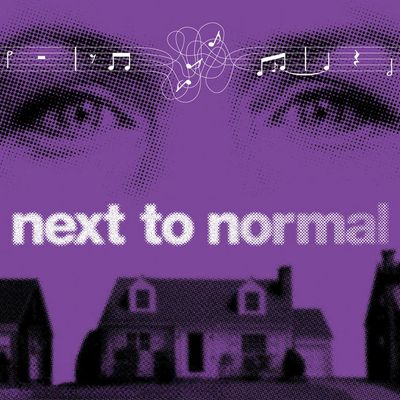
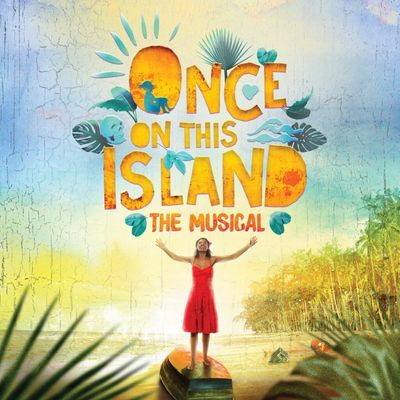
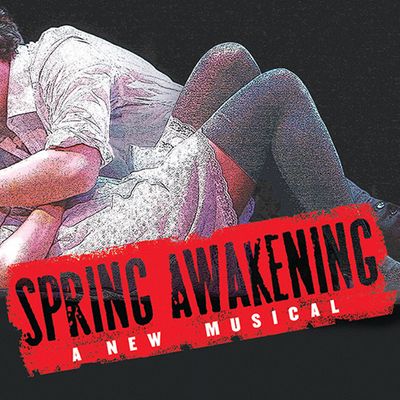
A.R.T.: Finding Neverland, Prometheus Bound. Broadway (Vocal Designer): Spring Awakening, Next to Normal, If/Then, Finding Neverland. Off-Broadway: Carrie, Bright Lights Big City, Superhero; (Orchestrator, with Michael Starobin): Once on this Island (Tony, Drama Desk, Outer Critics Circle nominations). Regional: Dangerous Beauty, Some Lovers, Dave, A Walk on the Moon, Almost Famous. Other credits include The Radio City Rockettes’ Summer Spectacular 2016 (co-arranger/lyricist, co-composer); Cirque du Soleil’s Le Rêve and La Perle. Film: Pretty Dead Girl (Composer and Lyricist; Special Jury Award, Sundance Film Festival). Milazzo is the Grammy-nominated female vocalist for East Village Opera Company on Decca/Universal Records
MENTIONED IN THIS EPISODE:
- A Beautiful Noise on Instagram: instagram.com/abeautifulnoisemusical
- A Beautiful Noise on Facebook: facebook.com/ABeautifulNoiseMusical
- Get Your Tickets: abeautifulnoisethemusical.com
Come say hi to us!
Facebook: @PageToStagePodcast @BroadwayPodcastNetwork
Instagram: @PageToStagePodcast @TheMaryDina @BrianSedita @BroadwayPodcastNetwork
Twitter: @TheMaryDina @BwayPodNetwork
YouTube: @PageToStagePodcast @BroadwayPodcastNetwork
#PageToStagePodcast
Transcript
This transcript was automatically generated and might contain errors.
[0:00] Brian Sedita: Hey everyone, welcome to Page to Stage.
[0:03] Mary Dina: A conversation with theater makers.
[0:04] Brian Sedita: We're your hosts.
[0:05] Mary Dina: That's Brian.
[0:06] Brian Sedita: And that's Mary.
[0:07] Mary Dina: This episode is part of our series on A Beautiful Noise, the Neil Diamond musical.
[0:11] Brian Sedita: In this series, we're looking at how certain design elements shape the creative process of a new musical, particularly one based on a true story.
[0:19] Mary Dina: We hope you enjoyed this episode.
[0:26] AnnMarie Milazzo: Hi, my name is AnnMarie Milazzo, and I am a vocal designer on A Beautiful Noise, the musical.
[0:32] Brian Sedita: Welcome.
[0:32] Mary Dina: Thank you so much for being here.
[0:33] Brian Sedita: Actually, you've been on our list of people in the industry in general that we wanted to have on the podcast at some point.
[0:40] Mary Dina: I'd love if you could kick us off by just kind of explaining what you do as the vocal designer for a musical.
[0:48] AnnMarie Milazzo: And generally, are there a lot of people that do what you do in the industry?
[0:52] AnnMarie Milazzo: Or is what you do pretty niche?
[0:54] AnnMarie Milazzo: I don't think I'm niche at all.
[0:56] AnnMarie Milazzo: I call myself a vocal designer.
[0:57] AnnMarie Milazzo: I guess that's the niche part.
[0:59] AnnMarie Milazzo: And I think every vocal arranger is in fact a designer because we deal with plot, we deal with texture, we deal with color, we deal with inner monologue, we deal with so much.
[1:12] AnnMarie Milazzo: It's like a costume designer.
[1:14] AnnMarie Milazzo: It's like burlap, cotton, silver buttons, you know, um arrangers, vocal arrangers, which I call vocal designers, that's what they do.
[1:23] AnnMarie Milazzo: So no, I'm not niche at all.
[1:25] AnnMarie Milazzo: Um there's there's so many people out there that do exactly what I do.
[1:30] AnnMarie Milazzo: I just call myself a designer.
[1:32] Mary Dina: How did you find yourself in this design seat, if you will?
[1:36] AnnMarie Milazzo: When I started doing it, my first show was um Bright Light's Big City.
[1:41] AnnMarie Milazzo: I was actually in it.
[1:42] AnnMarie Milazzo: I was the mom, and there were no vocal arrangements, so I was like, hey, I have an idea.
[1:47] AnnMarie Milazzo: Can I throw some out there?
[1:49] AnnMarie Milazzo: And um then the next show I did was Spring Awakening, and I just remember thinking, wow, I I don't feel like an arranger.
[1:58] AnnMarie Milazzo: Like I understand an arrangement of a song.
[2:02] AnnMarie Milazzo: There's a chorus here.
[2:03] AnnMarie Milazzo: Maybe we want to put the chorus in the front.
[2:05] AnnMarie Milazzo: Maybe we want to extend the bridge.
[2:06] AnnMarie Milazzo: Like I understand that to be arranging.
[2:08] AnnMarie Milazzo: But when I was doing the vocals, I was dealing with more, I don't know, with with color, with texture.
[2:16] AnnMarie Milazzo: So I was really designing it.
[2:18] AnnMarie Milazzo: And then I would, you know, as I would, you know, I was listening to all the other shows that people do and their designing too.
[2:25] AnnMarie Milazzo: So I I guess I guess I couldn't wrap my mind around arranging.
[2:30] AnnMarie Milazzo: It was always designing.
[2:32] AnnMarie Milazzo: So I was like, hey, could could you could you say designer?
[2:36] AnnMarie Milazzo: And it was like a big fat no.
[2:38] AnnMarie Milazzo: And I kind of had to kind of had to I I don't know, kick down some doors and say, well, why not?
[2:45] AnnMarie Milazzo: Who cares?
[2:45] AnnMarie Milazzo: It's that's what it is.
[2:47] AnnMarie Milazzo: And I I wish other people would do that too, because I do believe when you're dealing with vocals and choruses, you know, orchestras are very, they're not as big as they used to be.
[2:47] AnnMarie Milazzo: They used to be 45 pieces, you know, 14 in an orchestra is huge.
[3:02] AnnMarie Milazzo: So the color, all the color and the texture and the dramaturgy comes from the vocals.
[3:07] AnnMarie Milazzo: It's designing.
[3:09] AnnMarie Milazzo: I don't see, you know, it as I feel like there's no mystery.
[3:13] AnnMarie Milazzo: That's I feel so strongly about it.
[3:15] AnnMarie Milazzo: Anyone listening, you are vocal designers.
[3:19] Mary Dina: So I'm curious as to what are what do you receive?
[3:21] Mary Dina: And actually, let's take one step back.
[3:23] Mary Dina: What at what point in the process are you typically brought on to a project?
[3:27] AnnMarie Milazzo: I'm brought on um when I do page to stage, um, oh gosh, years, years before it even gets to a reading.
[3:36] AnnMarie Milazzo: A composer, say, I don't know, Tom Kitt, he'll call and I have an idea for a musical.
[3:41] AnnMarie Milazzo: I have a few songs.
[3:43] AnnMarie Milazzo: And um, I'm like, great.
[3:45] AnnMarie Milazzo: And it it's it's yeah, it could be up to four years before the musical is even in a in a you know with 29 hour reading.
[3:55] AnnMarie Milazzo: And usually the songs that I start with aren't even in the show.
[3:59] Mary Dina: What you're receiving in terms of the song, what what does that look like?
[4:03] Mary Dina: Because you're having to then flesh out a lot of work then, correct?
[4:07] AnnMarie Milazzo: In terms of like harmonies or anything like that?
[4:09] AnnMarie Milazzo: Yeah, I mean, well, I'll get a song and I'll listen to a song and it's just like the melody and you know, someone singing.
[4:17] AnnMarie Milazzo: And basically I have a lot of questions like if the show has not been fleshed out, if the show's not written yet, but uh maybe there's a scene that we all know, like how many people in the room, how many people do I have?
[4:30] AnnMarie Milazzo: What's the cast size?
[4:32] AnnMarie Milazzo: Um, what does the song need to do?
[4:34] AnnMarie Milazzo: Is it creating a world?
[4:36] AnnMarie Milazzo: Is it plot?
[4:37] AnnMarie Milazzo: Are they really there?
[4:38] AnnMarie Milazzo: Are they in someone's head?
[4:40] AnnMarie Milazzo: There's just so many questions that I need to know before I can start.
[4:46] AnnMarie Milazzo: So it's really it, there's not one I get versions of all in all shapes and sizes and all you know along the line of being finished.
[4:57] AnnMarie Milazzo: It it's just really individual per song.
[5:00] AnnMarie Milazzo: But if I'm doing like Beautiful Noise, where we have we have these songs that exist, they're Neil Diamond songs.
[5:05] AnnMarie Milazzo: Like I just have to know how they coexist in the play and what they do for the play.
[5:12] AnnMarie Milazzo: Honestly, it's kind of like whittling away at a piece of granite until you see something that makes sense.
[5:20] AnnMarie Milazzo: And I learn along when I get the cast.
[5:22] AnnMarie Milazzo: You know, you learn along with the with the actors, like they they bring a lot of knowledge for me and go, oh, that doesn't work, it worked in my head.
[5:29] AnnMarie Milazzo: Let's try this.
[5:31] Mary Dina: So different, you know, different ways along the journey is has how I receive songs in all different forms.
[5:38] Mary Dina: You know, you just mentioned these are all songs specifically for Beautiful Noise that are written by Neil Diamond.
[5:43] Mary Dina: They're all songs that most people have heard of before.
[5:47] Mary Dina: What is the approach then versus another type of work that's you may be an original musical in getting a hold of the songs and working on vocal arrangements for them?
[6:00] AnnMarie Milazzo: Because now you're creating uh I have I have not seen it unlike Mary, uh Beautiful Noise yet.
[6:05] AnnMarie Milazzo: But I I imagine that there are choruses, uh chorus numbers, and people are now singing in storytelling elements.
[6:14] AnnMarie Milazzo: So how do you change all that?
[6:16] AnnMarie Milazzo: What I did was I immersed myself in Neil Diamond, because because what you don't want is to when people come to the theater for a Neil Diamond musical, they really want a Neil Diamond song.
[6:25] AnnMarie Milazzo: But the trick is how to pop it up at Banket Theatrical.
[6:29] AnnMarie Milazzo: So it's not just like going to some gig watching Neil Diamond, how wonderful that would be.
[6:34] AnnMarie Milazzo: But this these songs exist in a story.
[6:37] AnnMarie Milazzo: So it's different because I have to honor a lot that's there.
[6:43] AnnMarie Milazzo: I just have to heighten it and maybe add counters from other songs.
[6:49] AnnMarie Milazzo: Again, it's really it depends on the song that I'm working on.
[6:53] AnnMarie Milazzo: Like, like I'm a believer that Neil Diamond wrote.
[6:58] AnnMarie Milazzo: Um that was basically, you know, a song recorded by the monkeys, but I have 18 people.
[7:05] AnnMarie Milazzo: So we want to tell the story with the 18 people that that song is going out into the world and it's going into radios.
[7:11] AnnMarie Milazzo: So, what does that sound like?
[7:13] AnnMarie Milazzo: How do you tell that story where the song starts here from Neil Diamond, and then it goes around the world into millions of radios?
[7:20] AnnMarie Milazzo: Like that has that sounds like something.
[7:23] AnnMarie Milazzo: So then I have to map that out how that's going to sound.
[7:27] AnnMarie Milazzo: How how do we tell that story using I'm a believer?
[7:31] AnnMarie Milazzo: But and and still, you know, and then I you have to use the hooks from what we all know that the monkeys did.
[7:38] AnnMarie Milazzo: Ooh, you know what I mean?
[7:40] AnnMarie Milazzo: But it's how I do it and how I exaggerate it and who I have singing it.
[7:46] AnnMarie Milazzo: Rather than like if I'm doing a story, uh a song from a new musical, there are no there's nothing there.
[7:52] AnnMarie Milazzo: It's not like I have to keep this part because everybody wants to sing along with this.
[7:58] AnnMarie Milazzo: It's like if it was a bono song singing along with like a guitar lick that everyone knew, you cannot cut those things out.
[8:04] AnnMarie Milazzo: So you have to respect and honor the song that that is the kernel of what everyone loves, and then you have to theatricalize it.
[8:13] Mary Dina: I guess over the like the development process, right?
[8:15] Mary Dina: During readings and workshops, different, you know, anytime you go into a rehearsal room, there's a chance you might have a different group of people, or even just one person, which then changes the whole dynamic, the potentially the sound of it.
[8:26] Mary Dina: And so the cast is going to be, you know, the same from Boston for the you know, and but I don't know about from previous workshops of of what that cast looked like.
[8:35] Mary Dina: So were there any um were there any changes that you had to make from from cast to cast, if anything changed on that side?
[8:42] Mary Dina: And I mean like primarily the noise, right?
[8:45] Mary Dina: Because I think the four have been the four principles have been there from for the chunk of the time, but really the noise or the ensemble, what that looked like.
[8:54] AnnMarie Milazzo: Yeah, sure.
[8:55] AnnMarie Milazzo: You know, every voice adds a color, every voice adds a texture.
[9:01] AnnMarie Milazzo: Everytters.
[9:03] AnnMarie Milazzo: So if we get a new member and there's something that they bring to the table, a color that I haven't had, I will totally use that color.
[9:12] AnnMarie Milazzo: It will definitely change.
[9:14] AnnMarie Milazzo: I'll be like that, you know, because everybody sounds so wonderful and so different, but it's like it's like a fabric, like, you know, just you the choices change.
[9:25] AnnMarie Milazzo: So I I want, I want to.
[9:27] AnnMarie Milazzo: It's not like I have to, but I want to.
[9:28] AnnMarie Milazzo: I'm like, oh, you know, Mimi, she's got this great, rich, round sound, you know.
[9:33] AnnMarie Milazzo: I'm like, I need that, I'm gonna put her here.
[9:36] AnnMarie Milazzo: So, oh yeah, it's totally woven in differently.
[9:39] AnnMarie Milazzo: Um, and I love doing that.
[9:41] AnnMarie Milazzo: I just love it.
[9:42] AnnMarie Milazzo: I went to Emerson once and I rearranged Spring Awakening because the voices were so different.
[9:48] AnnMarie Milazzo: It was college, and I was like, oh, this would sound great with if this person did this part.
[9:53] AnnMarie Milazzo: The the timbers and the textures are all different.
[9:55] AnnMarie Milazzo: I I obviously don't I don't have opportunities to do that all the time and run around and change things to voices, but definitely I have the luxury of workshops, readings up until Broadway and even tours.
[10:06] AnnMarie Milazzo: I can I can change and shift.
[10:08] Mary Dina: Is there a desire to want to find a sound that's um able to be not replicated, but I guess consistent throughout the whole run, right?
[10:19] AnnMarie Milazzo: So, like let's say, you know, best case scenario is that the show runs for years and years and years and sees a variety of different people who are stepping into those roles who bring their own sound and bring their own texture.
[10:32] AnnMarie Milazzo: So, is there anything that you think that musical theater allows, or maybe this show specifically allows for that change, or is it more or less just trying to come together as a group to hit that same marker that we established at the beginning of the Broadway process?
[10:51] AnnMarie Milazzo: Oh I think it would be sad if everything stayed that same do you know I think it would be like what I mean I love I think it's great when new people come in. The sound completely changes and that's something to be embraced. Um it's just it's it's very organic, you know and then you know as an audience member you can come see an entirely different show with new people. It will never sound it will never feel the same way. I think that's the magic of theater which is different if you listen to a crass recording it's never different. You even can start breathing with the people like, you know, if you wear out your records and and and which is which is great but I think in live theater I would hate to have it all that would just be horrible I like it when it changes.
[11:42] AnnMarie Milazzo: I like the Tamar change. What's the structure when you're working with a music department right? So you have all these different roles that are kind of you know doing different things all to put together songs and all to put together this musical overall sound and design of the show. So how are you work and who are you working with to accomplish these things and kind of how does that go up the chain of command to make decisions and settle on whatever you do design?
[12:11] AnnMarie Milazzo: Um I trust my team so much um this this music team is is amazing. It's it's Sonny Paladino and and Brian Yussifer and um I'll come up, I'll come up with something, or Brian will give me this track, or it really depends. And I'll say, hey, I have an idea, but whoever's got a better idea, no, I'll take, you know, because I always want to be the weakest person in the room in terms of making those decisions. Um, but I really do believe whatever sounds good is good. And who, you know, how we get there, it's it's a team effort. The director has a lot of say. Um, you know, the book has a lot to do with it. Oh, the book now needs this song to do this, so we all have to change and shift. But I don't think there's a chain of command.
I think it's just I'm part of, I'm just one part of a music team. And um, even though I yes, I'll start creating it, but it takes it does take a village, and I love to go in and shape. And then I just look to Sunny and and Brian, and when I'm not there, they keep it alive and keep it going, and they're like, hey, you know, I made this change, you like it. And I'm like, yeah, it's amazing. Um not being attached so heavily, I think is really important. Still keeping to a vision because that is key. But a team's vision and not your vision, I always come from that point of view because it's this all it makes me better and it makes me stronger to listen to my team because I trust them so much, and they're a big part of the sound. The orchestrations and the vocal designs, the dance that they do together is insane.
[14:07] AnnMarie Milazzo: It's a dance, it's they're partnering completely. You know, you know. It's great. I mean, especially since I mean, we've heard this many times in the podcast of people talking about why they work with certain people, and it it's the idea that like you're working with them for potentially you know upwards of 10 years, even of trying to just develop a single piece before it even gets to Broadway. So, you know, sometimes you don't get a say per you know exactly of who you want with the team, but it's important that you find that that bond and and that common ground, and I think ultimately the show and the story is what brings people to a piece. So I think that that's great. And I I mean just looking at the names on on the music team alone is just always so shocking to me. So it's uh it's gotta be such a wild ride for you.
[14:51] AnnMarie Milazzo: I kind of wake up and pinch myself because I get to work with such amazing, amazing people, including new people, not just people that have 50 million shows behind them, but new people, new people bring in new energy and new life and new ideas, you know, like wow, I get to meet this new person, and I get to work with this seasoned person, and it's like it's awesome. It's awesome. I wanted to talk a little bit about since we're using music that's already existed. Neil Diamond has a very specific sound. Um I'm curious is too because we have two Neil Diamonds in the show, we have a Neil then and a Neil now. Um, and what kind of work has been done with the two of them to um I wrote in my notes like perfect that iconic sound, but not even perfect, but just to like get the essence of what Neil who Neil Diamond is and the sound he's been able to create over his entire career. And those two actors being Will Swenson and Mark Jacobi for context.
[15:47] AnnMarie Milazzo: Yeah, Will and Mark, I feel like what's magical about both of them is they don't do an impersonation of Neil Diamond, but they inhabit Neil Diamond. It's like it's it's so subtle. So I mean, definitely it's it's Will and Mark singing, but they're so deep into the character that they channel, they channel the damn voice. It's an iconic voice, right? But they're not doing an imitation. So I get to support that. That's all I'm doing. I'm supporting that sound. Um I do pop, you know, the beautiful, the beautiful noise are the vocals in the show. We call them the beautiful noise. And what the beautiful noise does, uh, sometimes they're in the scene with the song, so they get to pop out. Sometimes they're just doing like the diegetic, the background vocals.
Um, but they're really supporting. I'm I hope if it's successful, I they're just supporting the songs and lifting them up, um, always underneath Will and Mark, um, if that makes sense. So they're they're like old friends, but uh I guess seen and heard in, you know, like bigger, bigger than a record, if that makes sense. It's like if your record was a pop-up, it's like wow. It's like, so I feel like that's exciting because the energy, the energy, the beautiful noise energizes those songs. Um it's it's insane. You gotta hear them. They're they're amazing. They are amazing. Oh my god, and they dance. I don't know how they dance and sing like that. I don't understand it at all.
[17:37] AnnMarie Milazzo: Well, one of the first things I remember from my time at the theater was just how like often that they actually appear on stage and not just like that they're just dancing in the background, but that they're like actually interacting with both Neels in different ways, and like how and so I'm really I'm excited to listen to to the music and I'm excited to see that see it again to get a different perspective. But I just remember them being on stage, and that was when I saw in the playbill that they're actually titled The Beautiful Noise, and I was like, that makes sense. Like they're just the music throughout the entire story, which is a cool way to intertwine that.
[18:14] AnnMarie Milazzo: It's it it's true, they interact vocally, you know, they storytell vocally. It's not just ooh, they storytell, they're in every scene, they're activated, they activate the songs physically, um, and sonically, and I think that's what's so special about it. So right now we're in this like pre-production period for Broadway. You'll start rehearsals soon-ish, maybe in a month or so, um, with preview starting November 2nd at the Broadhurst Theater. I'm curious as to what sort what work you guys are doing now as a music team and also as a show to prepare yourself. I've been hearing that there, you know, changes are in the works in some capacity or in a lot of capacities. Um, even our previous guests have told us that you know things are changing, so that they're having to go back to their own specific teams to make those changes. So I'm curious as to what that looks like for the music department.
[19:08] AnnMarie Milazzo: It looks like Amory Malazza walking five lights up, Brian used the first stair sitting at a piano to say we have to do better here, here, and here in the middle of a heat wave. That's so humbling. That's how fun it is. No, it's actually fun, but that's really the reality. It's like, come over, sit at the piano, we can do better here, we can do better here, and we can do better here. The story plot has changed, so therefore we need to do this. And we're kind of going over the score of where those moments happened. And um, you know, I just did one the other day. So it's like, yeah, we are changing. And you know, when we get to discover, like, who the hell knows if it's gonna work? Like, we're gonna see it, we're gonna go rehearse it and go, and we can do one more better.
You know, we're just we're just trying to make the best show possible. And when you sit in Boston and you can't change it because it's frozen, it's almost torture because you're like, oh my god, I want to fix that. I have to fix that. I have to fix that. If we could only go back always, I could go back on every show I've ever done and go, oh god, I want to fix that so badly, but you can't. You know what I mean?
[20:17] Brian Sedita: Yeah.
[20:18] Brian Sedita: Your journey's been so exciting thus far in terms of your career. So you've done crazy things, Cirque du Soleil, uh, so many different projects, Broadway. What do you think is next, either for you or for vocal design if you had a future for it? It seems like it's really like your baby.
[20:36] AnnMarie Milazzo: I think music is my baby, no matter what branch that I'm kind of on. So I feel like one helps the other. The writing helps the arranging, helps the designing, helps. I hope, I just hope for so many people that they understand that they can that it's possible that there's there's so we live in a world of excess, and we have deprivation mentality in terms of like jobs and music and theater, and I feel like there's so many stories to be told, and so many people who could could design it. Broadway's not the be all end all, you know. There's there's there's tons of theater out there. And I just feel for me, I'm I hope in my lifetime I get to see and hear other people's interpretations of music design.
Um, and I would just encourage, you know, I don't read or write music, and I just feel that the impossible that you're told becomes possible when you just don't listen. And I just hope for other people that they understand, like, oh wow, you know, I I can do this too. And I would just encourage getting your a thumbprint, like if everyone can have their own thumbprint, you know. I feel like we have to be derivative in terms of coming up and learning and learning, and then what is your take? What's your individual voice? And I think that is so important to always, even myself, just changing and changing and developing my own voice in terms of designing and writing. It so it doesn't become, oh, that sounds this like I don't want to ever suffer from sameness.
I'm I always want to learn and reach out to new music ideas and meet new people. And so I guess the hope is that the best things are in front of me and meeting more and more and more and more people who I can learn from.
[22:46] Mary Dina: Do you want to kick us off in the lightning round? The first question we have is what is one thing in the theater industry that confuses you?
[22:53] AnnMarie Milazzo: I guess what was confusing that people maybe think there aren't enough jobs. And so I guess being being competitive that confuses me. Like I don't understand that. I don't know what that means.
[23:05] Mary Dina: What are three adjectives that describe your ideal working environment?
[23:09] AnnMarie Milazzo: I guess collaborative would be would be the one I could think of because it could get really lonely if you're working by yourself and you only have your I would just say one. That would be the one.
[23:23] Mary Dina: Is there something in your process that you have found unique to you in your craft?
[23:27] AnnMarie Milazzo: No, I'm I'm like a blue-collar worker. I mean, I'm just like, you know, I'm just like, I just want to do what the story needs um and what sounds good. So I don't think I'm I can't I can't imagine anything unique about me that tons of everyone, you know, ahead and behind have not done.
[23:49] Mary Dina: I like that. Calling it vocal design would be something that's pretty unique, I would say.
[23:53] AnnMarie Milazzo: At least I would say from an outsider's perspective. I guess it's unique, but it doesn't it make sense? Doesn't it?
[23:58] Mary Dina: It does make sense. Doesn't it make total sense?
[24:00] AnnMarie Milazzo: It but that's what it is. I that's how ununique, it's how not unique it is. It that's what it is. It's kind of like that's exactly what it is. So it's kind of like I feel like, hey, this is what it is. And everyone's like, no, it's not, it's this. I'm like, but it does this make sense to you? And they're like, no, that's true. It is design. So I'm like, is that unique? I guess because I say it out loud.
[24:24] Mary Dina: Yeah, you've been saying it out loud for so long.
[24:27] AnnMarie Milazzo: Because I say it out loud.
[24:28] Mary Dina: Okay, that's good. Any books, resources, or podcasts that you find helpful to you in your process, or maybe even coming up in the industry?
[24:38] AnnMarie Milazzo: I'm a huge, huge, huge, huge, huge, huge, huge poetry fan. I I and I I'll say this because in poetry, like there's there's all these layers that you that you you can you can absorb something on the surface, like if you're reading, I don't know, like an Adrian Rich poem or something like diving into the wreck, something like that. It's like then you you have this thing that it's written, and then you there's all these layers underneath what it means, and I think that that is for me. I grab those things. I grab uh I grab those books. I those are so deep. I I they're like comfort food for me. I I it sounds crazy. I also like Stephen King sci-fi. Bless my mind. Like the Tommy Knot is one of my favorite books. I reread that all the time.
[25:30] Mary Dina: If there was one job in the industry that you could trade jobs with for one week, what would it be for you?
[25:37] AnnMarie Milazzo: Choreographer. I can't dance. I can't move and chew gum at the same time. So I would love if God just should come in and just let me be, let me feel what that feels like to do that, to fly like that, to have all those ideas and movement. Like, wow, that would be awesome. I would love that.
[26:00] Mary Dina: What's a hobby that you have outside of theater?
[26:02] AnnMarie Milazzo: It's horrible. I I I mean, I I like to gamble. I I like to gamble so much. I love going to casinos. I dream about it.
[26:13] Mary Dina: What do you do? You play the slots, you go to the poker table, you do roulette?
[26:17] AnnMarie Milazzo: When I play poker, I play, I play blackjack, but my I lose money in slots. You walk, think about it. You walk into a casino, everybody is in a good mood. There's sound goes, and there's colors. And you either get money or you lose like it's just fun. And I go there and my mind just clears, and I don't have to think about anything, and I'm just like surrounded by happiness and happy sounds of people winning. It's it's it's a dream. In fact, my sister and I are planning we're gonna go to uh Mohican Sun soon. I think about it constantly. Yeah, that's a big hobby of mine. Is that a is that even a hobby?
[26:56] Mary Dina: Yeah, no, yeah, that could be cool.
[26:58] AnnMarie Milazzo: I really like I didn't want to commenting on these, but I really like how when you were describing this scenario, you were using sound for that. You were the sound effects, the ooh, which I never even like.
[27:06] AnnMarie Milazzo: Oh, if you go in a casino, the first thing you hear is that's all you hear, and it's like flashes of colors before my eyes, like happiness, sounds like subconscious, yeah. So it's so interesting. The clink of glasses, people drink, it's just the happiest place on the planet, and then when you leave, maybe it's the saddest place. Depending, no, I like too. That's a that's a hobby. I love that. That was a very colorful answer.
[27:36] Mary Dina: Um, our last question for you is what is the last great piece of theater that you've seen? It doesn't have to be the last thing that you saw, just anything that really touched you, anything that moved you.
[27:46] AnnMarie Milazzo: The the Sweeney Todd production, it was it was downtown at Barrow Street, yes, with eight people, a clarinet, and a piano. Okay, scrap. That was the most I'd never been transformed like that in my life. To take a score like Sweeney Todd, and there were two instruments. Like, did you see it?
[28:09] Mary Dina: I didn't get a chance to see it, but no, everybody that saw it was just absolutely going crazy for it.
[28:14] AnnMarie Milazzo: It was the most it was the it was perfect. It was a perfect, perfect, perfect piece of theater. Everything came together, everything worked. Just with the they the cast walking the tables, the meat pie, the whole thing. But the I couldn't wrap my mind about it. I never thought about Sweeney Todd with two instruments. Like what? And I didn't, I wasn't missing it at all. I wasn't missing it. That was my that was it. That one. Oh, I'm a downtown theater girl. Like I I love Lumama. I'm the one. Like, give me a stick and a blanket. I you know, that to me, I mean, I know commercial theater is amazing, and I'm blessed, and thank you, thank you. But like downtown theater, like, oh my god. That was in fact, when we were doing once on this island, the dream was to do it in the park, and we were gonna text everyone, hey, there's a happening.
And originally the original concept, the actors were gonna have drums and we're gonna sit in a circle. No instrument, you didn't need anything, it was just going to be a happening. Um, and then they were like, no, we have to do it on Broadway, which is I'm grateful. But that was the idea. Like Michael and I were like, we should just do it in the park. Just that is one of I Mary's heard me talk about it way too much, but that's one of my like top three theatrical experiences. I think I saw it like four times once on this island, that revival. I just incredible.
[29:42] Mary Dina: Oh, thank you. That was that was um wow, what a that was amazing. It was wonderful. But can you imagine if it was down in the park? Like ah now we just I think now it just needs to happen. We just need to get a way to get everyone back together. The ultimate like pandemic musical, I guess, right? Outside. Semi-social distance.
[30:05] AnnMarie Milazzo: Yeah.
[30:05] Mary Dina: You're listening.
[30:08] AnnMarie Milazzo: Yeah, I know. Well, thank thank you so much for spending your lunch break uh from rehearsals of joy, which is going to be at George Street Playhouse. December 7th through the 30th. Thank you so much. Such a pleasure having you on and being another guest on our beautiful noise series. Can't wait to see the show myself.
[30:26] AnnMarie Milazzo: Thank you for having me.
[30:27] Mary Dina: Thanks everyone for listening to this episode of Page to Stage. To keep up with us, you can find us on Instagram and Facebook at Page2Stage Podcast. And if you're enjoying these conversations, we would really appreciate it if you could take a couple minutes to rate and review us wherever you're listening to this podcast. Until next time. That's Brian. That's Mary. We'll see you later. Bye.
© Broadway Podcast Network, All Rights Reserved