

As Putting It Together celebrates its first year, so does the Broadway Podcast Network, and we talk to its founders Dori Berinstein and Alan Seales about the inspiration behind the platform... Read More
From the show: Putting It Together
Guests
Featured Shows
About
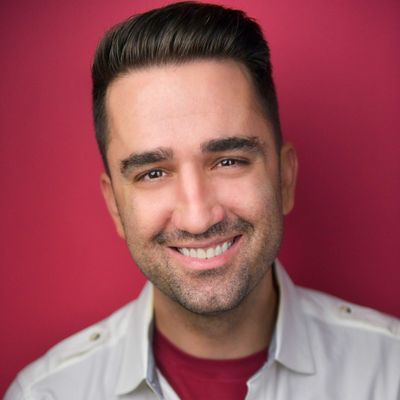
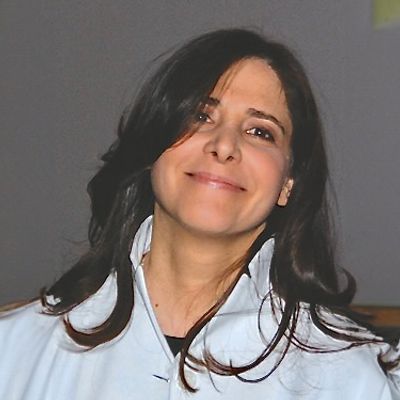
As Putting It Together celebrates its first year, so does the Broadway Podcast Network, and we talk to its founders Dori Berinstein and Alan Seales about the inspiration behind the platform. One is a Tony and Emmy award winning producer, the other the spearhead figure behind the world-renowned “Talks At Google” series, and together they’ve beaten the odds to drastically grow a Broadway centric business in the year of coronavirus.
Transcript
This transcript was automatically generated and might contain errors.
[0:02] Ollie Southgate: Hello there, I'm Ollie Southgate, and from the Broadway Podcast Network, this is Putting It Together.
[0:07] Ollie Southgate: We're on the first Friday of each month, I sit down with Broadway's best business minds to talk about the state of the art and their role in keeping the world's biggest theater town at the top of the list on this month's show.
[0:18] Ollie Southgate: We both pretty much at the same time said, you know, it's just such a shame that it's impossible to find these theater podcasts.
[0:25] Ollie Southgate: And then we both kind of said, well, maybe we should do something about that.
[0:29] Ollie Southgate: And by the end of the meeting, it's like, yeah, let's do something about that.
[0:32] Ollie Southgate: As Putting It Together celebrates its first year, so then does the Broadway Podcast Network.
[0:36] Ollie Southgate: And I'm talking to its founders, Dori Berinstein and Alan Seales about the inspiration behind the platform.
[0:42] Ollie Southgate: From a financial standpoint and a unification of effort and energy standpoint, the more we have together, the more download numbers we have.
[0:49] Ollie Southgate: Then as a network we present to potential sponsors, potential advertisers, potential shows, whatever the case is, so you can actually turn it into a business.
[0:57] Ollie Southgate: One is a Tony and Emmy award-winning producer, the other the spearhead figure behind the world-renowned Talks at Google series.
[1:03] Ollie Southgate: And together they've beaten the odds to drastically grow a Broadway-centric business in the year of coronavirus.
[1:08] Ollie Southgate: So let's find out how Dori Berinstein and Alan Seales put it all together.
[1:33] Ollie Southgate: Were they theatrical parents? Do you come from theatrical lineage or only that they love theater, they love movies, they love the arts?
[1:42] Dori Berinstein: But no one in my family at all was ever in the business before.
[1:47] Dori Berinstein: But that's all their fault. That was the moment, definitely.
[1:52] Dori Berinstein: For sure.
[3:26] Ollie Southgate: And Alan, how about you?
[3:26] Alan Seales: I grew up watching VHS tapes of Music Man, Singing in the Rain, and West Side Story.
[3:26] Alan Seales: So that was I guess probably what modern day kids like they watch Frozen over and over again.
[3:26] Alan Seales: I was watching one of those three VHS tapes over and over again.
[3:26] Alan Seales: And so similarly, my parents were theatrical people, but they weren't really involved in theater.
[3:26] Alan Seales: My dad, his claim was that he was in his a cappella group in college, and my mom was a dance major at UCLA as well.
[3:26] Alan Seales: So they both appreciated the arts, but neither of them ever like did anything professionally.
[3:26] Ollie Southgate: So then how did falling in love with theater transition to careers for the two of you?
[3:26] Dori Berinstein: Well, growing up in Los Angeles, I didn't know anybody in theater, nobody.
[3:26] Dori Berinstein: And it took quite a while to get to New York and to find a way into the community.
[3:26] Dori Berinstein: So I really started out actually first as an investment banker in mergers and acquisitions at Morgan Stanley.
[3:26] Dori Berinstein: And when I finally was able to find my way into the movie business, I was in the movie business for a while before I found my way into theater.
[3:26] Alan Seales: I always forget you were at Morgan Stanley. That's insane to me.
[3:26] Dori Berinstein: It is crazy, but it was really great. It was an amazing way to, in a very hardcore way, learn about business.
[3:26] Dori Berinstein: And my office was at Sixth Avenue in 50th, and so I would spend a lot of time looking out the window at NBC and Radio City and the Time Life building, and thinking, that's where I belong.
[3:25] Dori Berinstein: What am I doing here?
[3:26] Ollie Southgate: And Alan, how about you? I know officially speaking, your career is sort of arts adjacent in terms of your day job.
[3:34] Alan Seales: Yeah, my career has been kind of all over the place.
[3:37] Alan Seales: The only advice that I listened to from my mother was that you can act with a computer science degree, but you can't do computer science with an acting degree or an arts degree.
[3:48] Alan Seales: Because growing up with the performing, the singing, the dancing, that's where I always kind of found my home and found my tribe of people.
[3:53] Alan Seales: And so I was in like boys' choir and show choirs, and you know, there's something about music and performing that brings people together, and it was that's where I found my comfort.
[4:04] Alan Seales: And like Dori said, she didn't know anybody in my areas too. That's how I made friends.
[4:06] Alan Seales: All at the same time, though, my left brain was beating down my right brain saying, but this new computer that just came into our house, like take it apart.
[4:15] Alan Seales: How does it work? And so the first thing I did when my dad bought our IBM 386 back in 1988, whenever 87, 88 was taken apart, and I started messing with all the jumpers, and I was overclocking it and doing all this nerdy stuff.
[4:28] Alan Seales: I had two parallel tracks, one on the tech and one on the singing, and so eventually career-wise, tech won out because I went to an engineering school, got that degree in computer science, and then after I got that degree, became a professional actor for five years, and then stopped working in 2007 when the writer strike hit, which was my time to stop doing regional theater and gave me the break to move to New York and moved to New York, fell back on computers, and then short, long story short, five years later, I come to Google as an engineer.
[4:58] Ollie Southgate: Okay, and I should say, actually, as a perfect accompaniment to that story for our listeners' benefit, Alan is sitting in front of a very high-tech looking LED wall right now, which I assume is just something he put together in his home as a fun project.
[5:13] Alan Seales: Yep.
[5:13] Alan Seales: Sound absorbing panels with a $50 fiber optic kit off of Amazon.
[5:18] Alan Seales: He was kidding when he was putting it together.
[5:23] Ollie Southgate: Um, and so we are here today because the two of you co-founded the Broadway Podcast Network just shy of a year ago. Talk to me about first of all, how did the two of you meet?
[5:34] Alan Seales: Dori came in through to Google actually with The Prom because we at with Talks at Google, you alluded to my career now being theater adjacent.
[5:44] Alan Seales: So just to cover that real fast, within Google, I transitioned from being an engineer into one of the global leads for the Talks at Google program and bringing my love of theater with me.
[5:55] Alan Seales: I started bringing in Broadway casts. And for years I was bringing in dozens of shows to perform and do these Q&A events.
[6:01] Alan Seales: And The Prom came in and because it was one of the best that we've seen, no brainer, gotta bring it in.
[6:06] Alan Seales: And out of all the people that I brought in, the producers that I've met, the creatives that I met, no one has ever sent me a thank you note until Dori did.
[6:15] Alan Seales: That made me pay attention to her while all at the same time I had just started my own personal podcast, and for other reasons that I'm sure we'll get into, identified a huge hole in the industry, especially in podcasting and tech, and knew that I needed somebody who knew the industry to help make this happen.
[6:34] Alan Seales: And researching Dori, this was a no-brainer. She's amazing.
[6:37] Dori Berinstein: Back at you, Alan.
[6:39] Dori Berinstein: I was gonna say on the flip side of that, since Alan just paid you so many wonderful compliments, Dori. What drew you to working with Alan after you met on the Talks at Google series?
[6:49] Dori Berinstein: It was really funny how it happened. You know, it's like you spend your whole career learning how to do due diligence and really study whether or not you should be pursuing this job or launching this initiative and all the prep and due diligence that you have to do before you make an important decision like that.
[7:10] Dori Berinstein: Basically, what happened is Alan invited me to interview for his podcast.
[7:15] Dori Berinstein: And I said, sure. And he came to my office and we sat up and we did the interview, and we were just talking and talking after the interview was over.
[7:23] Dori Berinstein: And we both pretty much at the same time said, you know, it's just such a shame that it's impossible to find these theater podcasts.
[7:32] Dori Berinstein: There's no there. And then we both basically said, someone should do something about that.
[7:36] Dori Berinstein: And then we both kind of said, well, maybe we should do something about that.
[7:40] Dori Berinstein: And by the end of the meeting, it's like, yeah, let's do something about that.
[7:43] Dori Berinstein: Next thing you know, we were off and running and creating this podcast network, and we had just met for the first time, literally on that day.
[7:52] Dori Berinstein: I mean, we had been in, well, you know, we met, we said hello at Google, but you know, this was the first time we actually spoke in any depth.
[8:00] Dori Berinstein: We were launching a business together. It's the opposite of what you're taught, you know, what you're supposed to do.
[8:06] Ollie Southgate: I was gonna say I had absolutely assumed up until this moment that you two had, you know, decades of experience working together and this was just the next thing, but it really happened instantaneously.
[8:18] Dori Berinstein: That's amazing.
[8:19] Alan Seales: Yeah, we talked, we talked a lot up to that point, you know, prepping for the interview for my podcast.
[8:24] Alan Seales: And then, you know, we did the interview, and you know, part of what I said when I was researching her, she's just amazing.
[8:29] Alan Seales: Like part of the research I did was because she was a guest on my podcast.
[8:32] Alan Seales: And I was like, oh, she did, you know, she was at Morgan Stanley and she's worked at Disney and she developed the Muppets 4D ride, and she knows creative, she knows business, she knows all this stuff that all just makes perfect sense.
[8:42] Alan Seales: And in talking and asking, I was asking people that I knew about her, if they knew her, and everyone, there was not a single person who said a bad thing.
[8:49] Alan Seales: Like her reputation is so amazing. I was like, all right. Well, if she's nice enough to give me a chance, then hopefully this crazy idea of ours can actually work.
[8:59] Dori Berinstein: Well, from my vantage point, I have to say that I love launching new ideas, and whether you know, Broadway musical from a blank page is like the to me, the ultimate crazy risk and collaboration and pulling the most amazing group of people you can together to create magic.
[9:17] Dori Berinstein: And so, same with an entrepreneurial idea. And so, with this idea, which for both of us just I think like all the boxes were checked. This has to happen.
[9:26] Dori Berinstein: Um, I totally could deliver on the Broadway of it all, but there's no way I could come close to really understanding the back end and the technical side and the really even the marketplace.
[9:42] Dori Berinstein: And Alan was clearly just blew me away with his knowledge, with his understanding of how this should come to life, what to do, what not to do.
[9:53] Dori Berinstein: And so I get very excited when about new ideas. I just love that more than anything, but then there's a whole other thing that has to happen.
[10:02] Dori Berinstein: Like, are you in partnership with the right people that can help make those ideas come to life?
[10:07] Dori Berinstein: And it was really clear right from that first day that Alan was the perfect partner to have on this idea.
[10:14] Dori Berinstein: I didn't walk in the door thinking I was going to be launching a new business, but hey, you know, things happen.
[10:20] Dori Berinstein: Um, but you know, if you're gonna do that, you gotta do it with the right person.
[10:25] Dori Berinstein: And Alan definitely was the right person, and we haven't looked back, and I think it's been an amazing partnership.
[10:31] Ollie Southgate: And so let's talk about kind of the nuts and bolts of what the Broadway Podcast Network is. So you both spoke a bit about the main issue you saw being the fragmentation of all these different theater podcasts and the fact that they were kind of all in different places and it was difficult to find them all cataloged in one place.
[10:46] Ollie Southgate: What were the other sort of driving forces behind thinking this was something that needed to exist?
[10:52] Dori Berinstein: For me, the discoverability was huge. That was the driving factor for me.
[10:56] Dori Berinstein: Um, because you know I've said this before, even on my own podcast, that if I knew how many existed, I wouldn't have started mine because I would have been able to find the content I was already looking for.
[11:08] Dori Berinstein: So that to me immediately said, we're not talking to each other, all of us who have podcasts. There's a discoverability issue in general of I didn't know where to look.
[11:18] Dori Berinstein: I where I was looking, didn't have appropriate recommendations. Where I was looking didn't have recent podcasts. I was finding things that were years old that hadn't released in the last year or two, or if even longer.
[11:28] Alan Seales: And so I just went off and started mine, and then and then, you know, I was like, this idea of bringing everyone together is kind of a no-brainer because A, in the theater space, no one's doing anything with podcasts professionally, right? And so, how do we bring all that together, make a rising tide that lifts all ships? Because from a financial standpoint and a unification of effort and energy standpoint, the more we have together, the more download numbers we have, then as a network we present to potential sponsors, potential advertisers, potential shows, whatever the case is, so you can actually turn it into a business and get a little something back from it in that respect, while at the same time centralizing the efforts of like doing press and media outreach and social media and production.
And you know, we we've set up a studio in Midtown that hopefully one day we'll get to use again once quarantine is over. So we're providing the service so that Dori, she hasn't she she's so bad at praising herself. So I'll I'll do this for her. She's also an amazing documentarian. She makes these great documentaries. So she's a storyteller. And so the two of us together, part of what makes us work together so well is our need for sharing knowledge and getting that information out and providing the easiest platform to allow other people to do so. You know, we both love collaboration. We love working with great people. And uh the idea that together we could create a platform that will give voice to so many wonderful people in our community that have something to say, you know, that and these are podcasts we want to hear that we want to listen to, you know.
So it's a little selfish, I have to say. So you know, let's I want to be uh I'm driving up the West Side Highway and I I uh I wanna be able to find theater podcasts. So in some instances, uh we pursued uh podcasts that pre-existed the launch of BPN and in uh many other cases we reached out to people we thought, you know, you need a podcast. You have such uh an interesting voice, or you have a blog, and why don't you do a podcast? And then soon we were we were kind of inundated with people who wanted to do podcasts. But our community is all about storytelling and it's all about communication, and it's all about interacting with people who love theater. And so creating a platform where people can connect and people can share stories and and that we can bring people who love theater together from all over the place to learn and to laugh and to you know, hear all these amazing stories that are coming out of these podcasts is really exciting to both of us.
I just love the medium and I think that it's the wild west of podcasting, and it's an exciting time to be part of it. And now back to the collaboration point, I think that we have such an extraordinary family of podcasters and and amazing people we've met through this or we've brought in that we already knew that that uh you know we're all a team, we're all working together on this, and it's just been a tremendous experience with all these people. Just we couldn't be happier about the the way that this whole family has come together.
[14:30] Ollie Southgate: I have to say, from my point of view, as someone who had done a handful of podcasts before this, that sort of rising tide lifting all ships mentality that you were talking about with having all these people sort of in one I say room, obviously it's not that's not what it is right now, but one day soon. Um but having that resource available and just interacting with like other theater podcasters and through conversation, you know, finding out who people know, being connected with people and having technical questions, you know, even and just little ways to be able to improve um, you know, the quality of the podcast and the quality of the content has been the most sort of amazing thing about doing this particular podcast.
So I thank you both for that. Um I want to talk about your individual roles. Obviously, you're both co-founders, but uh as Dori was sort of alluding to earlier, you both have different specialties in this world, and um, and that's why you decided to work together. So, Dori, what does a typical day look like as the CEO of the network?
[15:31] Dori Berinstein: There is no such thing as a typical day. Sure. Uh at all. Uh, you know, we're very much in touch all day long. Uh so we do so much of what we do together. Uh, but uh as far as the business of it all and putting uh everything in place to run the business and the financial side of things, uh the um advertising side of things, though we do a lot of that together as well um uh a lot of leaning into all the relationships I have over decades literally of being in the community uh and being able to call on those relationships over and over again for a variety of different reasons and Alan very much owns the tech side of things and I just bowed down to them every day.
[16:20] Alan Seales: Right. And Alan on the as as chief technical officer indeed what have been the biggest sort of parts of your last year in terms of getting everything technically assembled for this to happen?
[16:31] Alan Seales: Wow uh a lot of research a lot of adaptation as the world changes almost daily and in major ways. I have produced and still somewhat maintained some indie podcasts. So I knew a lot about the podcasting as a medium and that's part of the backstory about why it made sense to me to make a network. For me it was a lot of research in identifying what was a proper platform because looking ahead it as Dori said this is the wild west. So we have to try to predict while creating at the same time. So what platform do we need to be on that's gonna future proof us and allow us to add the features that we think we might need later? So it's a lot of research and a lot of guest work and some design docs and bouncing ideas off Dori and figuring out what can work and what can't work and then it we've had um team members that have also been instrumental in crafting some new ideas and then obviously when COVID hit everything had to move to virtual we're interviewing right now over Squadcast, which is one of the platforms we've identified that works and there's limitations here.
So if we had more than four people, we'd have to use another one. But if it was a live stream, we'd have to use another one. But if we needed longer video clips, we'd have to use something else. And if we're recording audio and video for live versus pre-recorded, we use a combination of systems. And so it's trial and error and just researching everything that can work along with adapting to needs as they arise. Because Dracula and Bleeding Love are two original productions that we did recorded completely in quarantine. So we had to figure out do we ship people these mics? Do they already have them? And so we did. And there was, you know, when quarantine hit, there was a run on these yeti blue mics that like I've got.
Like they're these things are gold right now because you still can't really find them. What was it? 93,000 podcasts were added to iTunes in April. I'm what I think is the statistic. So, like all of a sudden everybody had one. And so the technical challenges of overcoming on a daily basis people's internet connectivity issues, people's video connectivity issues. Do we need multi-track here? Like we want to maintain a multi-track because we want to be able to independently edit people's audio. So, where do we need that? When can we get away with not doing that? We've just had to do so much, and it's so exciting. I'm getting excited thinking about all the stuff that we've all the problems we've had to solve because from a technical perspective, like I love a good challenge, and to be able to marry entertainment and creativity with technical solutions is like a dream come true.
[19:01] Ollie Southgate: If such a thing is possible, to sort of put COVID aside for a second, as we said, we're we're coming up on a year of the network existing now. What I was gonna say, well, what are the biggest challenges have been, but presumably you've sort of just explained what those things have been. What have the biggest surprises been? I guess is a better question. What what weren't you expecting when you started this journey that came up in the process of setting it all up?
[19:26] Alan Seales: Right off the bat, the first thing came to mind was how many podcasts actually exist already. Right. Like we we brought everyone together and fixed that discoverability issue. And then you said put COVID aside, but after COVID hit, like so many people came to us with these wonderful, wonderful ideas that we started producing those too. I think for me, I've learned a lot from Alan and uh as far as the technology is concerned. And I get very, very excited about new technology. Uh even though I'm not a Google employee. Um, but going back to my film career and special effects and all that, I I just I I get very excited about it. And so figuring out how to use this platform and be able to tell stories uh in a variety of different ways beyond podcasting, even.
Um Alan mentioned the two uh the musical and the play that we've recorded to date, and we have a lot more that's coming up. And you know, really figuring out how to push the envelope and to kind of create new ways of storytelling is really exciting to me. And during COVID, I mean, it just a little hard to ignore that we are in the middle of that. I think one of the things that's been um remarkable is that as Alan mentioned, podcasting overall was down by around 20% overall. Um, and we continue to climb and climb and climb, growing by around 30% while everybody else was dropping by 20%. And I think that speaks to our community, the theater lovers that need that connectivity during this time. And uh so it's been, you know, spurred by their excitement uh and what we can do during this time to bring our community together.
Um has is also been very, very inspiring to us. And I think that um we've continued to see that things build and build and build and are excited about all those possibilities. And I know that all of this way that we're communicating now, the way that we're telling stories now will continue long after COVID is over, which hopefully is sooner rather than later. So I'm um, you know, silver lining-wise, it's been a great time to really push the envelope and continue to play around and figure out what we can do that hasn't been done before. And that I think for both of us is really an exciting thing.
[21:39] Dori Berinstein: Dora, you should speak too to um, you know, having to create your own website for legally blonde and translating that into education of in the theater industry about podcasting in general right now, because that I thought you would say that as the biggest challenge of just getting theater on board.
[21:58] Dori Berinstein: Well, it actually wasn't legally blonde. We did have um a wonderful website uh that was, you know, early in the world of websites, um, working with uh situation and and and Damien in creating um the legally blonde website. They did a great job. Yeah, they were very state-of-the-art for the moment. Um, but that was 2007. But historically Broadway is always the last adopters, you know. They're you know, I I can't tell you going way back in my producing career, the the the stories I can tell you about all the people who I sent you an email, and it's like, oh, I don't even know my password. I have no idea. I forgot I had, you know, or or um having meetings with people uh that would say, you know, you do not need to worry about selling tickets online, no one's gonna buy tickets online. You know, we're the last community to jump on board things technical.
[22:53] Dori Berinstein: For us, I think that it was kind of meteoric going from launching in October when Alan and I both kept hearing "what's a podcast?" from a lot of people in the community to literally to really being on board and excited about what the Broadway Podcast Network can do for everybody and how we can collaborate with everybody. So the growth has been massive very quickly, and I think that that was in the very beginning a little bit more daunting than we expected, but now I think even during the pandemic when everyone is so reliant on digital, things have gone, they've gone through the roof. So it's an exciting time for us in that regard that we can use this platform to keep everybody in the theater community connected is what it's all about for us.
[23:40] Ollie Southgate: If we put aside the people who straight up didn't know what a podcast was, did you find people receptive once you explained what it was? You talked about the skepticism towards, you know, 20 years ago, things like selling tickets online. Did you find people was skeptical or were they willing to sort of have the conversation off the bat?
[23:58] Dori Berinstein: I think there was a lot of challenging discussions until we were really able to launch the podcast. You know, we went out there early before we launched and said, "This is what we're doing, isn't this great? And you guys are gonna join us right off the bat," and a lot of blank stares because I think that they needed to see it and experience it and understand who else was part of it. And it's such an important priority for us that the Broadway Podcast Network really has so many different voices that on so many different topics and is as representative of the most diverse community that we possibly have in subject matter, in podcasters, in everything. The topics that we have, you know, aside from just all about the shows and our personalities in our community range from everything from mental health issues to moms in the Broadway community and Broadway husbands and ensemblists and Black Lives Matter and Asian artists and so on and so on and so on.
It's just like, and very important also that we involve the community, the regional theaters, we have podcasts from London, quite a few. We have podcasts from the West Coast, we have podcasts from Sydney, Sydney, yeah. So we really are, you know, podcasting is global and theater is global. So to be able to bring in voices and stories from all around the world has been a top priority for us.
[25:28] Ollie Southgate: On a slightly higher level, as you know, on Putting It Together, we focus on the business side of everything that's going on. First of all, the podcasting business, obviously, podcasting, it's been around in some form or another for about 20 years. But as you describe it, it is still kind of the wild west, and that 20 years for an entire art form is not a very long time. Alan, what is the next big thing coming down the pipeline in the podcasting space that we all need to look out for?
[25:55] Alan Seales: Well, Apple dictates a lot of terms that the rest of the industry has to follow suit on. So that's a tough question to answer because Apple could release something tomorrow that just requires that everybody change the game. And my personal, I was gonna say personal gripe, but that's not the right way to say it. How it's gotten to where it is with Apple running the game right now is because long ago, many iOS versions ago on people's iPhones, the Apple Podcast app became native on the phone. So whenever anyone wanted to look up something, they already had an app. Google A didn't have a phone, a dedicated phone for a while, and then I'm pretty sure now still does not install Google Podcasts by default natively when you buy when you open the box with your Android phone.
So you still have to take that extra step of knowing how to get an app and then how to find a podcast. So because of that, for the lion's share of podcast listens all come from Apple devices, iOS devices. And Spotify and Stitcher, mainly Spotify, are chipping away at that very quickly because now with online services and Spotify has been investing hundreds of millions in the podcast space, and they've acquired Gimlet, which of course is the network behind Serial and many, many others. And one of my favorite podcasts actually, The Horrors of Dolores Roach, love that podcast. But networks, I think, and this is again the business side of it too, is that we're positioning ourselves so that we can be a very strong competitor in the space as a network.
Because I was reading an article the other day about, you know, is this the death of the indie podcast? Being that you have Gimlet and you have like Audible and Amazon are now partnered up, and we're getting all of these emails from Amazon as account owners for a lot of our podcasts. I'm getting these emails like saying we're about to launch with Audible, we want to have your podcast in here, submit it ahead of time so it'll be ready. Pandora just got into the space. So I think the next big thing is what we are trying to lead the way in. Advertising agencies are gonna start playing a much bigger role in the podcast space. And in 2021 is predicted, it's finally gonna break the one billion in ad spend in the podcast space.
It's such an overcrowded market. So it's harder and harder to stand out. And what's gonna make a big difference now is what advertisers pay attention to and how they pay attention to us and what they care about. So do they care about post-read, pre-roll, mid-roll, post-roll? The technology behind how the ads are inserted, that's where all the wild west of it all, the dust is finally starting to settle. And the ad agencies that connect advertisers with advertisees are those agencies are now finally realizing like this is a big deal. We have to get in the podcast space. And I think we're gonna see some tremendous changes within the next 12 months.
[28:44] Ollie Southgate: And Dori, I wanted to ask you the same question, but in a slightly different context. Obviously, you have a huge amount of experience in the Broadway space, primarily as a producer. The Broadway Podcast Network, as Alan was just describing it, is sort of part of trying to modernize that very old institutionalized business. I'm wondering what you see the changes in the Broadway space coming down the pipeline, either including or excluding, I'll leave it up to you, the very obvious ones of the things is going to be a very different place when it reopens full stop.
[29:14] Dori Berinstein: You know, just putting on a completely different hat as a Broadway producer. If I was launching a show tomorrow and I had nothing to do with the Broadway Podcast Network, podcasting and all that the Broadway Podcast Network can do would be a major part of my plan. What gives you, I think gives you the opportunity to do is reach an audience in a much deeper way. And so, you know, we all are very familiar with advertising that's on billboards and advertising that's on, you know, quick hits on the radio or television or you know, you see a social media post. But having a conversation about a show, about an artist, about a topic. If I was bringing The Prom to Broadway today, there would be so many different ways that I'd want to interact with Broadway Podcast Network and to have my show be just all over the place on the Broadway Podcast Network because you know when you have somebody talking to you in your ears it's a very intimate experience, you know, it's like someone's whispering into your ears and it's very intimate and it lands in such a different way than if you just like, you know, in the background an ad is on television or something.
So I think that wearing that hat I really see the value and I'm really excited about the potential and I think that other producers and creatives are realizing that now too and so I think that we'll see the community interacting and wanting to interact with us and this medium in a very, very different way when we come back.
[29:54] Ollie Southgate: What is coming up in year two for the Broadway Podcast Network? What can folks expect to see in the next 12 months?
[29:54] Alan Seales: Well, depending on when this episode drops, our iOS app will either be about to be released or just have been released. We've gotten such positive feedback about the website, the website BroadwayPodcastNetwork.com is the digital destination that, you know, Dori dreamed of, that we dreamed of, of bringing everyone together online and then taking it one step further. You can't listen to our podcast on that site when you don't have service or if your phone locks it doesn't keep playing, so how do you maintain that level of connectivity within our own Broadway theater-adjacent ecosystem on a mobile device? Obviously, an app is the next greatest thing. And so the app actually will take it one step further, and we're gonna integrate all of our YouTube, our live streams, our town halls.
We've got some really exciting features in design now for the app that I don't want to give away too soon. And then personally for me too, we were heading down this track right when COVID hit, and then we stopped because of it. But smart home integration, and I'll just leave that dangling in the air. And then I'd say creatively, we're continuing to add podcasts to our family that really are, you know, the top line extraordinary storytelling, amazing podcasters. Tim Rice just joined us as a podcaster, amazing podcast that I'm obsessed with. I think that there is a lot of innovative programming in the works right now, a wide variety of things from very, very funny, engaging, kind of earworm storytelling that you're gonna want to come back to and back to and back to stories that really matter that really address the very urgent issues of our day and discussions that put forth topics and you know the world we're living in generally, and then as artists, as a member of the community and provocative interviews and all that is so important right now, and it's a way for us all to connect and to question and to move things forward.
We also are very excited about ramping up for the return of Broadway. And that is gonna be a huge endeavor for all of us. And we just, you know, ideas are flying, and we can't wait until we really can see the light at the end here. The curtain's gonna go up that first night, and all of Times Square is gonna be so loud. I cannot wait for that moment.
[33:24] Ollie Southgate: Dori Berinstein and Alan Seales of the Broadway Podcast Network. And as ever, you can find out more about the network and other programming available at BroadwayPodcastNetwork.com. There you can also find podcasts from today's guests. Dori is the host of Deep Dive Broadway, and Alan hosts The Theatre Podcast. Both are available from BPN wherever you get your podcasts.
[33:45] Ollie Southgate: Putting It Together is produced by Dori Berinstein and Alan Seales for the Broadway Podcast Network, and our theme music is by Eulas Pacan. Artwork and editing is by me, Ollie Southgate. You can find me on Twitter, I'm at OllieSouthy, or take a look at my website, OllieSouthgate.com. In both cases, my name is spelled with an IE, not a Y. I'll be back on the first Friday of next month, so that's Friday, October 2nd. But until then, thanks as always for listening and goodbye.
© Broadway Podcast Network, All Rights Reserved