

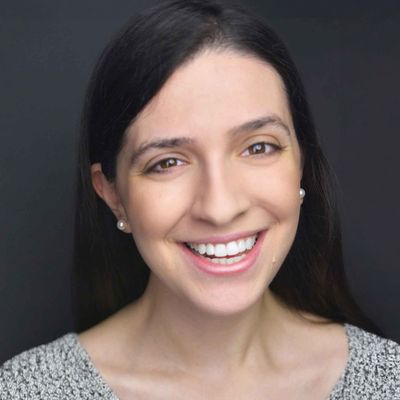
Sammi Cannold is a director for theatre and film! She directed the recent documentary “The Show Must Go On” about the South Korean Theatre industry during the height of the pandemic. She has also been featured on Forbes 30 under 30 in Hollywood and Entertainment... Read More
From the show: Real Talk with Mason Bray
Guests
Featured Shows

About
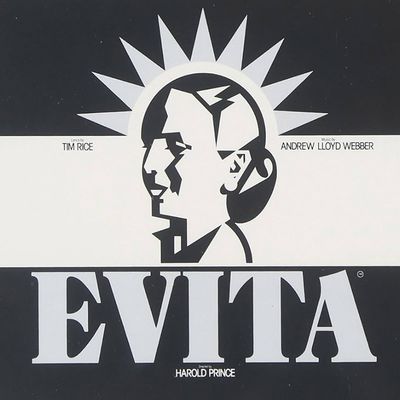
Sammi Cannold is a director for theatre and film! She directed the recent documentary “The Show Must Go On” about the South Korean Theatre industry during the height of the pandemic. She has also been featured on Forbes 30 under 30 in Hollywood and Entertainment. You can watch her Ted-X Talk on YouTube where she discusses her research trip for the New York City Center’s production of Evita. Some other shows that she has directed include Ragtime on Ellis Island and Violet on a moving bus with the American Repertory Theatre, Sammi has also been the Associate Director for The Great Comet on Broadway!
Join us on this episode as we discuss her research trip to Buenos Aires for her production of Evita, making a documentary during a pandemic, how they helping re-open Broadway at the Majestic Theatre, and so much more!
Donate to the Actors Fund here!
Check out Sammi’s social media:
Instagram - @sammi.cannold
Twitter - @sammicannold
Website - sammicannold.com
Thank you for supporting my podcast!! If you like this episode or want to check out more, our social media platforms are:
Instagram - @_RealTalk_Pod
Twitter - @_RealTalk_Pod
Facebook - Real Talk with Mason Bray
Broadway Podcast Network - Real Talk with Mason Bray
Website - realtalkmasonbray.com
Transcript
This transcript was automatically generated and might contain errors.
[0:00] Mason Bray: So we have Sammi Cannold, who is a director for theater and film. She directed the recent documentary, The Show Must Go On, about the South Korean theater industry during the height of the pandemic. She has also been featured on Forbes 30 Under 30 in Hollywood and Entertainment. You can also watch her TED X talk on YouTube where she discusses her research trip for the New York City Center's production of Evita. Some other shows that she's directed include Ragtime on Ellis Island and Violet on a Moving Bus with the American Repertory Theater. Sammi has also been the associate director for The Great Comet on Broadway. She is truly remarkable, and I'm so excited to have her here today. Hi Sammi.
[0:37] Sammi Cannold: Hello, thank you for having me and for that very kind intro.
[0:40] Mason Bray: Well, thank you for being here.
[0:42] Sammi Cannold: Ah, I'm honored. Uh, can you start by walking us through how you got to where you are?
[0:48] Sammi Cannold: Oh, sure. So, uh, I was very lucky to be born into a theater film family. My, uh, dad works in film and TV and my mom works in theater and film, and so it was sort of all we talked about at the dinner table. It was everywhere as I was growing up, and I think that it was sort of like the family business, like you were supposed to go into the theater was sort of, um, how it felt growing up. So, um, I found directing specifically at when I was a teenager, um, it through very bizarre circumstances because I always loved theater, but I never really, you know, understood exactly what I would do in it. Um, but I was in a summer program in my town, and it w we were doing a production of Joseph, and I was in it.
I was playing the narrator. And, um, the teacher who ran the program was like spread a little too thin because there were like a lot of things going on at the summer camp, and he would have to leave the room, and anytime he would leave the room, he would say, um, Sammi's the oldest, so she's in charge. And, um, you know, the oldest, meaning that I was thirteen and the other kids were twelve. Um, but, uh, I was then, uh, left to run the room and and quote unquote direct, you know. I mean, I've since seen videos of what I did and it, you know, it was pretty scary. But it was an early, uh, introduction to the idea that, uh, of what directing was, of the idea that it was something that I could do.
And I think that for a lot of kids growing up, you have exposure to what it means to be an actor because you can act in the school plays, you can, you know, all sorts of things, but not so often exposure to what, you know, careers on the other side of the table look like. So, um, I, I got very lucky in that regard, both to have the exposure through my mother, but also, um, through an early experience like that. And so then I ultimately I didn't go to college for theater, but I changed my major to theater, uh, like three weeks in and, uh, then never looked back.
[2:53] Mason Bray: Um, so at the beginning of the documentary, were you already in South Korean getting ready to document it, or did you go there once the pandemic started?
[3:02] Sammi Cannold: So I, I went to Korea in July of 2020. Um, so I was not there at the onset of the pandemic. Um, but we were so lucky in making the documentary that so many of the company members of Cats and Phantom, who are the two productions that are featured in the doc, had taken great iPhone footage, um, throughout their time there earlier in the year. So, or really the company of Phantom, because Cats wasn't there yet. But Phantom, um, you know, for a long time was the only large scale English language musical running anywhere in the world. And it opened the same week that Broadway and the West End shut down. So I wish I had had the foresight to be in Korea to document that at that time, but we were so lucky that we were able to do that through the use of archival footage. Um, so, and then we just sort of joined the story midway.
[3:59] Mason Bray: How long did you expect to be following that story once you were there? How long did you expect to stay? Did you have a plan to come back?
[4:05] Sammi Cannold: Yeah, I knew I what I wasn't able to get a visa because everything came together really last minute. So I knew that traveling without a visa to Korea as an American citizen, you can stay for 90 days. So I knew I had to get what I needed to get in 90 days and get out. Um, so that is exactly what I did. I think I stayed like 86 days or something like that. And then I went from there to London, um, and started documenting different elements of how theater was staying alive during the pandemic there, um, right thereafter.
[4:38] Mason Bray: Um, so in London, um, you got to talk to like Andrew Lloyd Webber and had him in the documentary. Um, what was the difference when once you got from South Korean to London? What differences did you notice in just the tone of theater?
[4:55] Sammi Cannold: Well, you know, Korea had the unique distinction of being able to keep their theaters open, um, uh, to varying degrees of success and varying numbers of those theaters, but you know, the Korean theater industry never wholly shut down. That is not true of anywhere else in the world, to my knowledge. Um, and so I think in London, when I got there, I was getting there just as theater was starting to open back up. And so it was a different sentiment. It wasn't that they'd all, you know, that they'd been doing this throughout the pandemic, it was now we are coming out of hibernation, which is sort of the moment that we are having here in America now much later than, um, than London first had the moment. So it's, it's a different kind of thing to Korea never really had to reboot because they never fully shut down. They just had to keep fighting for their survival. Both London and America had to, you know, reboot completely.
[5:54] Mason Bray: I'm sure that was amazing to watch that all happen how they never had to shut down like we had to.
[5:59] Sammi Cannold: It was incredible. I mean, and, and I think Korea is such a model for, um, success, you know, not that we could have done what Korea did. The case numbers there were just nothing like they were in America. Like it's just night and day. Um, but now as we sort of, you know, get back on the horse they provide an example of what it looks like for, um, the theater industry to continue to run while this, this, you know, looming threat hangs in the balance. Um, you know, yes, are things still tricky? Absolutely. But is there a way to keep theater running? Korea would say yes.
[6:39] Mason Bray: Yeah. Um, so after London, what month did you get back to the States?
[6:45] Sammi Cannold: I, we only really needed to be there to film for about a month, but I ended up staying for three, um, just because I'd given up my apartment and I was, uh, it was sort of that period of the pandemic where it didn't really matter where you lived. So I was sort of like, well, I have to pay rent somewhere. Um, and I was enjoying my time in London, so I just stayed. Um, but I came back in, um, late December 2020. Incidentally, um, my flight was on the same day that the Delta variant was discovered in southeastern England.
[7:25] Sammi Cannold: So it was, uh, or I guess not the same day, it was like a day, the day after or something. Um, but it was insane trying to get out of the country because we thought that the borders were gonna close, um, and that, you know, I was gonna get stuck in London, which, you know, there were words, but, but it was, it was a bit like, am I in an apocalypse movie? Like it really, it really felt that way.
[7:49] Mason Bray: Um, and then so you got back in December and then you put up the premiere in the end of July?
[7:56] Sammi Cannold: Yeah, uh, beginning of August, yeah.
[7:58] Mason Bray: Beginning of August. Um, that's crazy. Um, what was that process like of getting it up in just seven-ish eight-ish months?
[8:10] Sammi Cannold: You know, it's, we, we started editing the film in September before we were even done filming it. We didn't even have our interview with Andrew Lloyd Webber. We didn't even have a lot of components that ended up being really key to the film. So, you know, it, it was a bit of a race against time because we thought at the time that the film would become irrelevant. Um, we were like, oh my god, if the film comes out after Broadway has come back, people are gonna be like, what is this who cares? Um, uh, because originally, you know, we thought we were like, oh, here's a little blueprint for like how you keep theater running. Um, and what's been kind of crazy about the Delta variant in relation to the film is that as horrible as it all is, there's a weird twisted way in which it makes the film relevant again, um, because now, you know, yes, Broadway's on track to reopen, but there is an uncertainty that's underlining all of it that is not only, you know, will we be able to stay open, but also will consumers feel safe coming back to the theater, which is really what the film seeks to instill confidence in consumers in saying look, you know, Korea kept its theaters open varying capacities and whatever, but for 17 months during the pandemic and in those 17 months there have been zero cases of audience to audience transmission of COVID.
So what that tells us is that if we follow the protocol we can, you know, continue to be safe about the way that we go to the theater and keep this industry that's really been struggling more than it has in its entire, you know, existence alive in the years to come. Um, and I do think that the timing was perfect so it's as a guideline for audiences coming back and what guidelines to use.
[10:10] Sammi Cannold: Um, and with those shows coming back, um, you were at the Majestic Theater where Phantom of the Opera plays. Um, how is that to be back in a Broadway theater, but specifically the Majestic where the Phantom is at and that's part of your a big part of your documentary?
[10:10] Sammi Cannold: It was the greatest honor, you know. Um, I mean, I'm, uh, I am a Phantom fan, as they say with you spelled with a pH, I'm a fan. Um, but, uh, you know, uh, to have the gift of getting to reopen that theater for the first time in over 500 days, what an extreme honor, you know. Um, I think it was really meta for us to be able to say like, you know, the film is about, um, reopening theater and here we are getting the opportunity to reopen a theater.
[10:59] Sammi Cannold: And also it's about, you know, aiding arts workers in this moment and nobody does that better than the Actors Fund. And so to do something that was a benefit for the Actors Fund was really meaningful to us. And um uh you know it was a it was I think I've said gift now five times, but it was really a gift.
[11:20] Mason Bray: Um so switching gears to your production of Evita, um I find your take on um the entire show fascinating and how you created that second Eva Perón to show the age difference truly amazing. Um but when you took your trip to Buenos Aires, what did you learn other than just about the show?
[11:44] Sammi Cannold: Um I learned so much. Um I uh primarily through interviews because I got to interview different, you know, historians who knew a lot about Eva Perón but also I got to um interview people who knew Eva themselves, um you know who were in their 80s and 90s. And so that was really, really special. Um in particular there's one woman named Maria Alvarez who is um uh I think she's now 95 um and she uh was Eva's private nurse and confidant throughout her battle with cancer. And um we got to speak with her for about three hours and it was like uh an incredible, incredible experience because you can learn history all you want from a book, but there's something really incredible about being able to like literally talk to history. Um and that's what it felt like we were doing. So um it was a life-changing trip and I'm I'm very grateful for it.
[12:44] Mason Bray: Um going back to the subject material of the show, um, how did you approach Evita from being asked to do the show to getting on a plane to research?
[12:56] Sammi Cannold: Well, you know, I love research. I really love it. And I when I was in college, I directed a production of the show for my thesis, and uh part of that there was a grant program at my college where I was able to get a grant to go to Argentina when I was in college, and so I spent a week there um when I was twenty. Um, and so it was sort of natural to want to continue that research when I got the opportunity to do the production professionally. And I also felt like, you know, I am not Argentinian. Um I've read every book I can get my hands on about Evita, but it feels like for a musical about an icon that is a country's most important icon, or you know, some Argentinians would debate me on that, but you know, uh is has had a humongous impact over her country.
Um for me to be able to stand here in New York City and say, I'm going to create a version of Evita that is some sort of academic authority on this woman's life, I really needed to know what I was talking about. And that was something that, yeah, you can kind of get it from books, but her legacy is so potent in Argentina today that to be able to learn firsthand from with the ripple effects of it, um, was really special.
[14:22] Mason Bray: Do you think that your research behind all of these um all of the productions that you do helps you be a better director and helps your productions get elevated to another level?
[14:34] Sammi Cannold: Absolutely. I think that I mean, not to say that my productions are any better than people who don't do research, but um, I find that it gives me so much more material to go off of in the room, in the sense that like, you know, when an actor asks a question like, do we think she likes this person? You know, normally in a fictional story, I can make something up and you know, have my own opinion on if she liked this person. But in the case of Eva, I almost always know the answer based on research and how exciting to be able to answer questions and flesh out a world based on things that are actually true. Um, so not only are you telling an audience an entertaining story, but you're also teaching them something without them feeling like they're in, you know, a history class. So I, you know, I'm a history buff, and to be able to make that digestible in like an entertaining form is a really um exciting challenge for me.
[15:43] Mason Bray: That's fascinating. Um, so in college, when you were getting that work together for your own productions, your student-run theater group, um, did you find school in general beneficial to your career and do you think it's beneficial for people to go to college in this career field?
[16:01] Sammi Cannold: Well, I think it's different for everybody. I think for me, the most valuable part of my college experience was that I made a lot of student theater. Um we had like a and department theater, but um, you know, we had a very robust student theater scene where I went to college and so I got to direct six different large productions um in my time at school, and that experience allowed me to sort of hit the ground running when I came to New York because I had already um worked in a 1400 seat or no 1700 seat theater, um, because that's what my university had. So I think in my case, if I were to do it all again, I would absolutely go to college and I would absolutely go to Stanford, which is where I went.
But I think that it's not necessarily for everybody. You know, I'm working with some with a lot of actors who found jobs straight out of high school and uh college wasn't for them, and that was fine. Um, not just actors, you know, folks in all disciplines. So I think it's really to each their own. Um, but for me it was the right choice.
[17:13] Mason Bray: Um so and then on Great Comet, what was your job as the associate director for that production?
[17:21] Sammi Cannold: So it was two different things uh before we opened and half after. So um, before we opened, I was uh in charge of the notes process. So when Rachel, who uh was director of the show, um would watch the show, I would sit next to her and take all her notes, and then every night it was my job to get those notes out not only to uh the 36 actors in the show, but also to every department. Um so lighting notes, sound notes, you know, um uh costume notes everything. Um and you know I did other things as the assistant director like I would, you know, get coffee or like all sorts of different things. But notes was really my primary thing. Um and it was about like communication and making sure that every show was getting a little bit better because of the notes process.
But then after we opened my job shifted to because I'd been, you know, sitting next to Rachel and understanding her process for that whole time it really shifted to being a maintainer of uh of what we had created. So uh or really she had created I had, you know, sent some emails. Um but uh so I was responsible for training the understudies and putting uh new folks into the show when they came along and um watching the show and I was the way that my job worked was I was on call so that if an understudy was going on I had to be there um to see their performance to give them notes on their performance and then talk to them ahead of the next time that they went on to make sure that they were catching things that they might have missed or fleshing out their performance in new ways. But um it was it was just a a gift of a job and um I miss it a lot.
[19:19] Mason Bray: And you were with that up until closing?
[19:22] Sammi Cannold: I was.
[19:23] Mason Bray: Yeah. Awesome. Um one of my final questions is do you have any advice that you want to pass on to either people wanting to enhance their shows or just break into the theater world in general?
[19:37] Sammi Cannold: Ooh I would say for folks breaking into the theater world in general my number one piece of advice would be have a website. It is the it is such a basic piece of advice but it is having somewhere where you can point folks to explain what it is that you do, what it is that you want to do, um, and that has samples of what you do. So for actors this can mean like video clips of performance for directors this can be video clips of things that you've directed or photos of things that you've directed. If you're a costume designer, even if you've never had your costumes made it could be you know renderings um that you've drawn um but just somewhere where you can showcase what what it is that you do because so often um you know because it is a village of humans who put together any given production um you know I will say oh I worked with this amazing actor in California and then my collaborators will say great great great um would love to hire them but can we get to know them and their work and I'll say oh yeah totally let me and then I Google them and there's nothing on the internet.
And then my collaborators say well we want to believe you but we we really need to know more about this actor before we hire them. So the best way that I think emerging creators can help themselves is make sure that there is a great sampling of your work online so that when you are promoting yourself or when other people are pronoun you recommending you they have a a curated thing to point to that shows them exactly what you want them to see. Um so it's a very specific piece of advice but that is my soapbox advice.
[21:23] Mason Bray: Yeah. Um is there anything else you want to add before we wrap up the episode?
[21:28] Sammi Cannold: Um no it's so awesome that you're doing this and it's great to chat with you. Thank you for having me.
[21:34] Mason Bray: It was great to have you here. Thank you so much for doing this and being here.
[21:39] Sammi Cannold: Of course my pleasure.
© Broadway Podcast Network, All Rights Reserved