

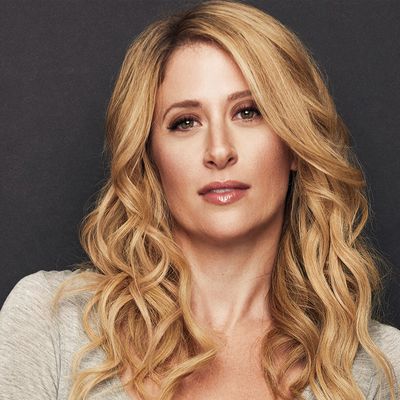
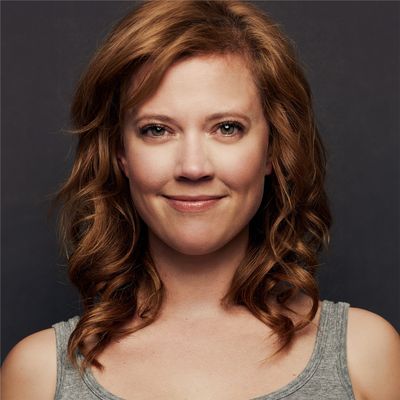
Actresses Caissie Levy and Patti Murin, director Michael Grandage and designer Christopher Oram, four of the leading players behind Disney's Broadway adaptation of "Frozen," talk deeper characters, new songs and high expectations -- especially from the audience members who show up in costume... Read More
From the show: Stagecraft with Gordon Cox
Guests
Featured Shows

About
Actresses Caissie Levy and Patti Murin, director Michael Grandage and designer Christopher Oram, four of the leading players behind Disney's Broadway adaptation of "Frozen," talk deeper characters, new songs and high expectations -- especially from the audience members who show up in costume.
Transcript
This transcript was automatically generated and might contain errors.
[0:34] Gordon Cox: You're listening to Stagecraft, Variety's Theater Podcast, taking you behind the scenes with the stars and creators of the biggest shows on Broadway and beyond.
[0:43] Gordon Cox: I'm your host, Variety's Theater Editor, Gordon Cox. On this episode of Stagecraft, I'm talking to some of the people behind Frozen, the big, buzzy Broadway musical that's based on Disney's Smash Hit Animated Feature. It's one of the most hotly anticipated new shows of the spring season, and it's coming to you from a team that includes director Michael Grandage, designer Christopher Oram, and stars Caissie Levy and Patti Murin. All of them are here with me in the studio to talk about how you adapt a beloved screen title for a theater audience that knows the story, loves the characters, and can sing every single word to "Let It Go." I'll talk first with the women who are playing Elsa and Anna on stage. Hi, Caissie and Patti. Thanks for being here.
[1:22] Caissie Levy: Hi.
[1:22] Patti Murin: Thanks for having us.
[1:23] Gordon Cox: So now for the listeners who don't know, Caissie, you play Elsa, who's sequestered away from her family because of her magical ice powers, and Patti plays Anna, who just wants to build a snowman with her sister, right?
[1:37] Patti Murin: Yeah, I think you pretty much nailed it.
[1:39] Gordon Cox: Now, both of you first took on your roles in the musical's pre-Broadway run in Denver over the summer, and as I understand it, the fan reaction was pretty intense, right? Can you tell us about it?
[1:48] Caissie Levy: Yeah, it was really lovely to see how this show affects people of all ages and their love for the story and for the music and for the bond between the sisters transcends, you know, above at all ages, truly. Women would come in groups with their friends, they would come on date nights, you know, and the amount of how much costume was there. There were definitely a lot of costumes. People really got into the spirit of it, dressing up as Anna, Elsa, again all ages. And we even had a couple of Olafs, and we had a family of four come as Anna, Elsa, Olaf, and Kristoff. And that was truly amazing, truly.
[2:30] Caissie Levy: So it was really incredible to see how much they connected to that enough that, you know, the women would want to come and, you know, like actually represent who we're playing.
[2:40] Gordon Cox: And so how intimidating is that for you as actresses? Caissie, what's it like to take on a role that obviously has so much expectation attached to it?
[2:49] Caissie Levy: Yeah, well, it's funny because this character Elsa deals a lot with expectation and her trouble with that. I think that it's something we both relate to. We've both played, you know, leading roles on Broadway before in big productions. But this is certainly on another level, I would say, and it is a responsibility because people love Frozen so much and they love these sisters so much and they know the characters inside and out from the film. So we have to sort of in a way like have a healthy amount of denial going into it, just in order to do our job.
[3:23] Gordon Cox: Did you hesitate at all, either of you, in terms of taking the job?
[3:26] Patti Murin: No, no, no, no, not for a second.
[3:28] Caissie Levy: Yeah, yeah.
[3:28] Patti Murin: Which doesn't equate though, not thinking about the weight of it. But yeah, I don't think either of us hesitated. We were thrilled and excited beyond belief.
[3:39] Caissie Levy: Yeah, but yeah, you do sort of have to look away the other direction in order to do your job, and like luckily we have such a bond, the two of us.
[3:46] Gordon Cox: Did you two know each other before?
[3:48] Patti Murin: We knew each other, but we'd never worked together.
[3:50] Caissie Levy: Never, not in a reading, not for a concert, nothing.
[3:52] Patti Murin: This is, yeah, but we were immediately friends. Our husbands have known each other for longer than we've known our husbands. So we had a lot of connections when we finally got to work together.
[4:05] Caissie Levy: And everyone was like, "Oh, you guys are gonna hit it off." And they were right.
[4:07] Patti Murin: Yep.
[4:08] Gordon Cox: And so then how do you prepare for a role like this? Do you go back and watch the movie? Do you ignore the movie?
[4:14] Caissie Levy: We did not.
[4:16] Patti Murin: Yeah, we didn't.
[4:17] Caissie Levy: And I think it kind of came down to when you have the creators of the movie, when you have Kristen and Bobby Lopez and Jennifer Lee in the room with you, they are the ones that you want to ask the questions of. They are the ones with the answers. And so I don't think we ever felt it was necessary to go back and watch the movie and see how that was because we had, but we both saw the movie.
[4:41] Patti Murin: Sure, of course.
[4:42] Caissie Levy: Yeah, we both saw it and loved it.
[4:43] Patti Murin: Did you like it?
[4:44] Caissie Levy: Oh my gosh.
[4:44] Patti Murin: We both saw it. I went on a date night and she went with a group of friends.
[4:47] Caissie Levy: So we both saw it as, you know, just loved it as adults.
[4:54] Patti Murin: And that's so true what you're saying about having the creators in the room because they dreamed all of this up. But then even to go further with it as well, we have 12 new songs, we have all this new material for these characters that people think that they know from the film. We kind of get to go a lot deeper in the musical. And so that is creating on the spot with the characters, and that, you know, rewatching the film wouldn't necessarily assist us in cracking those nuts, you know. So it's pretty fun to know that the world is about to experience sort of like a new level with Frozen and see some new colors from these characters that they already know and love.
[5:29] Gordon Cox: And Patti, what's your favorite song to sing?
[5:32] Patti Murin: Oh, my favorite song to sing. You do not sing "Do You Want to Build a Snowman," though, right? Because that's a younger actor.
[5:35] Caissie Levy: You have to come to the show and see it.
[5:43] Patti Murin: Changes abound every day here. So I have to say that there is just nothing like the feeling of singing "For the First Time in Forever" because it is essentially the top of, at the very beginning of my show. And just with everyone coming on stage and just the excitement of the song and what it sort of promises, and being able to experience just unadulterated joy for so much of that joy and a little bit of fear, but mostly excitement, before you know all the conflict starts and everything. There's just nothing like it. There's nothing like it.
[6:20] Gordon Cox: And what is new about your character that you have responded to in this version?
[6:26] Patti Murin: I mean, the thing is that I think that Anna and Elsa, you know, they are Anna and Elsa, but we get to, like Caissie said, we get to dig so much deeper and we get to go into the intricacies of how they're dealing with all of these issues and all of their relationships. So all of the relationships with Elsa and with Kristoff and with Hans, they all get to operate on so many different, more minute levels than was actually even possible for an animated film. And so Anna gets to truly have those moments. She has this wonderful ballad in Act Two called "True Love" that Kristen and Bobby wrote. That is, it's her just wearing her heart and being what she thinks is the end of her journey and kind of looking back on her life. And so that is really, that's a really great moment that, you know, it's one of those that happens so fast in the movie, but we actually get to sit in it and explore it and turn it into, I think, a beautiful piece of music that they wrote.
[7:35] Gordon Cox: Right, yeah. And so Caissie, now I have to ask you the question that you must get asked all the time, which is how do you sing "Let It Go" eight times a week?
[7:42] Caissie Levy: Yeah, brilliantly.
[7:44] Patti Murin: That was me.
[7:47] Caissie Levy: Like, oh, I sing it brilliantly.
[7:48] Patti Murin: Listeners thought it was me.
[7:50] Caissie Levy: That was me, that was me.
[7:51] Caissie Levy: Yeah, no, that's good. You just get on stage and do it. You know what I mean? You just recognize the insanity that you are the person that gets to sing the song, the human that gets to sing it in the stage version and be the person on the recording and the person that people see on Broadway do this role, but you just stop thinking about all those things and then you just sing the song.
[8:16] Gordon Cox: But I imagine there are things in terms of technique that you have to do in order to sustain that kind of...
[8:16] Caissie Levy: Yeah, yeah, it's a big old song.
[8:23] Gordon Cox: Yeah, right. And I'm wearing 15 pounds of clothing in it. So it's a lot. And there's, you know, I'm shooting fire out of my hands, fire ice out of my hands.
[8:32] Patti Murin: Like new to the dying.
[8:35] Caissie Levy: Is this Game of Thrones?
[8:36] Patti Murin: Yeah, right. No, there's a lot of things, but it's such a great song. It's written so beautifully, so like you don't have to do much other than make sure you're acting it, make sure you're in the world of the story. You know, Michael Grandage, our director, and I, we spoke a lot about not letting it become like some sort of crazy rock concert, actually just really investing in what's happening. Ignoring the fact that it's the act one closer and ignoring the fact that it won the Oscar for Best Song. These are things that are just not helpful for the act one.
[9:03] Gordon Cox: So we have to like shove those away. You mentioned making it not like a rock song. What's the audience response or what was the audience response at Denver? Was it like a rock concert?
[9:11] Patti Murin: Yeah, yeah. They scream and they cry.
[9:14] Caissie Levy: I mean, she makes people cry.
[9:16] Gordon Cox: Sure. Is there singing along?
[9:18] Caissie Levy: There is a little singing along. It depends. At the matinees, there's a little more singing along than in the evening shows. I think the younger kids tend to sing along a little more than the adults, but you know, I think there's a lot of people making themselves stop singing along, realizing that like, oh, we're not at a movie, we're at a Broadway show, so we have to, these are people up there. But even when we hear it, it kind of feeds into the energy of, you know, we know people love this show, and we're excited that we're doing it for them, so it's all good.
[9:44] Gordon Cox: And what is your favorite song to sing, Caissie?
[9:46] Caissie Levy: It's funny, nobody's actually asked it in that way, and I guess it is "Let It Go." I've been talking about how exciting my other songs are because they're new and the world hasn't heard them yet and they're out of this world. I have a second act song that I think rivals "Let It Go." It's a huge sort of, what's it called?
[10:00] Patti Murin: It's called "Monster."
[10:01] Caissie Levy: Okay. And I keep describing it as like a Kelly Clarkson power ballad. It's a badass song, and it's sort of like a radio song. I think it's gonna be, I think people are gonna love it. And I also have this first act I want song called "Dangerous to Dream" that's really beautiful that we get to see what's going on in Elsa's head during coronation and just before. And that's like a beat we miss in the movie, and it's really nice to explore that.
[10:23] Gordon Cox: Yeah, that was actually my next question. The question I asked Patti, which for you was what's new in the character that you really respond to, stuff like that.
[10:30] Caissie Levy: And that's new for Elsa. We really get to understand her a little bit more, and especially at the top of the show, before things go poorly between us, when we get to see more of Anna and Elsa together, and this sisterly joy that they have for just a fraction longer. And I think that that sets us up quite well as we move into the rest of the show. But yeah, we get to explore not just like "Let It Go" isn't sort of the only really big moment for Elsa now in the musical because we, this "Monster" song in the second act is her sort of contemplating is the world better off without me and if I went away for good, would everybody else's problems be solved.
[11:11] Gordon Cox: Right. And what from your perspective as actors, how much is changing between Denver and Broadway?
[11:11] Caissie Levy: And that's a whole color we don't get. Um, and it's a really nice launch sort of into the back end of the show and into our reunion at the end to have these two characters that sort of Patti has true love and I have monster, and we are really grappling with these big ideas, and then we find our way back to each other, and I think it just means more at the end.
[11:36] Caissie Levy: They keep saying Michael keeps, Michael Grandage, our director keeps throwing out 30%. Does that feel accurate?
[11:42] Patti Murin: Yeah, because honestly, on the page, like getting the new script, it was like, oh, okay, there's things that are different, but it's not just about like the lines that are changing or lyrics that are changing, it's certain scenic elements, costumes, whole entire production numbers, like three of them have been completely revamped. So yeah, I would say, and the changes are also even the small ones that, you know, if they just add a few words or drop a few words, they're so smart, so it really truly changes so much about the show, as opposed to just being like, oh, this is just a better line. It's all very intentional, truly.
[12:18] Caissie Levy: Truly, they had a really clear vision after Denver of how what they wanted to do with it to make it, you know, to how they wanted to present it here, and I think they really nailed it.
[12:28] Patti Murin: Yeah, definitely. I mean, I think the main takeaway from Denver was we know that we've got a really good show, and now we need to make it really sparkle. And in doing all of these little tiny revisions, we've just made the story clearer and clearer and more concise.
[12:45] Gordon Cox: So it just sort of goes. Going into it again, what do you know now that will help you as you go into it again?
[12:53] Caissie Levy: Oh, a lot. I think, yeah, knowing what's required of our bodies, I think is the biggest thing, right?
[12:58] Patti Murin: Oh, yeah.
[13:01] Caissie Levy: I mean, it's an exhausting show for the two of us, and it's the most fulfilling show as well. I mean, we love these roles, and it's such an exciting moment for both of us. But it takes a lot of stamina and a lot of reserves and sort of navigating your whole day leading up to the show, which frankly every Broadway actor, dancer, singer has to do. But yeah, having sort of had a little run in our back pocket already, I think we have more information about what we need to do to prepare, yeah, leading into this crazy opening time.
[13:29] Patti Murin: And it was also really nice to come back to rehearsals because last time we started rehearsals for Denver, it was all of us kind of getting to know everyone in the room, creative team, the cast, our crew, our stage map, like every, it was, and this time coming back for the first time, I was like, "Oh my god, it's so good to see you all." And like when we go into tech next week, we're gonna be so excited to see our crew in there and all of our designers and all of their assistants. It's like we truly are, that Denver made us a family, and so there's more, the joy is more, you know, instant and natural this time around.
[14:00] Gordon Cox: Well, I can't wait to see the show.
[14:02] Caissie Levy: Yeah, yeah.
[14:03] Gordon Cox: Thank you guys for chatting with me. It's nice to talk to you.
[14:05] Caissie Levy: Thank you.
[14:06] Patti Murin: Thank you.
[14:06] Gordon Cox: That was the two stars of the Disney musical Frozen, Caissie Levy and Patti Murin. I'll be talking to director Michael Grandage and designer Christopher Oram, right after this.
[14:30] Gordon Cox: Ironbound is the best play presently running in LA.
[14:34] Gordon Cox: And stage and cinema raves, Marin Ireland is mesmerizing and deeply moving.
[14:38] Gordon Cox: Now on stage through March 4th in the Gill Cates Theater.
[14:41] Gordon Cox: Don't wait.
[14:42] Gordon Cox: Visit Geffen Playhouse.org today for tickets, cast info, and more.
[15:04] Michael Grandage: Michael and Christopher, thanks for being here.
[15:04] Christopher Oram: Pleasure.
[15:07] Michael Grandage: Um, the two of you have worked on musicals before, of course. You staged the most recent Broadway revival of Evita, for example. Um, but here in this country at least, you're best known for work on plays like Red and The Cripple of Inishmaan and Hamlet with Jude Law. Um, does Frozen feel like a departure for you?
[15:25] Christopher Oram: Um, well, it's the first time we've worked on a new musical together. We've only ever done revivals, which is significantly a different thing.
[15:33] Michael Grandage: Yeah.
[15:45] Christopher Oram: Creating something rather than take something on as we've done before as a revival and just, uh, take the material and reinvent it. So these creators have all worked on the film, or mostly have worked on the film.
[15:56] Michael Grandage: Yeah, all the songwriters and the script writer.
[15:59] Christopher Oram: Yeah, they've all worked on the film before and they're all coming to want to create something new. That's the nice thing about it for us.
[16:04] Michael Grandage: I think it's fair to say that they're not saying, please let can you just put the film on stage. They're saying, you know, let's, uh, let's develop it and let's, um, do something different with the medium, that's right, isn't it?
[16:14] Christopher Oram: Yeah, I think so. It's less a departure and more development. It's sort of, you know, it's just another stage of a journey that one goes on with work, and it's exciting to, you know, do something on this scale and with this new, yeah, in this new medium with us.
[16:27] Michael Grandage: Uh, yeah. Is, uh, what, and so what was the attraction then for you? Was the, did you hesitate at all? This is obviously a project that comes with extremely extreme fan expectations. Um, did that, uh, give you any pause, either of you, Christopher?
[16:44] Christopher Oram: No, not at all. Yeah, it was just so exciting as a project. I love Disney animated movies. I have all my life, so it's kind of a proper full-time childhood ambition to have done something like this. So yeah, it's been totally the best thing.
[16:58] Michael Grandage: Right. And for me, I think it's all, I've always tried to do something in my career where I'm always trying to push myself a little bit out of the comfort zone. So when just when you think you know how to direct a play and you think you, it's best to take on something else, and so a musical is always good, but a new musical is its own thing. So yeah, in that respect, for me, it's just something that is, uh, an exciting development of my own career. But frankly, it's the material of this particular piece that excites me because I think, and I've always, uh, said this since, uh, the idea came to me of being involved that the thing that's attracted me is that it takes on a lot of what we do work together on Shakespeare, and it has this huge Shakespearean sweep, the piece, and, uh, and I have to say that taking on a new musical where we can do something that we do understand in terms of those great five-act pastoral comedies that exist out there that we've both done together, and, uh, applying some of that to it has been particularly exciting for me.
[17:52] Christopher Oram: So you were a fan of the film, it sounds like before the film.
[17:57] Michael Grandage: Yeah, he took me to the film when it came out, and, uh, easy that way around. And, uh, and I saw it and liked it a lot and responded to it, but no, didn't see it again until the idea came up that they wanted to put my name forward for it, and then I looked at it again.
[18:10] Michael Grandage: And so this is a question for both of you. What's the philosophy of the production in terms of the balance between being faithful to the heart of the story and then creating, as you mentioned earlier, Michael, uh, creating going deeper or creating new material or broadening or whatever? Like what is, what do you, how do you think about it?
[18:29] Christopher Oram: Well, that is, that is the philosophy, which is that you can do some, uh, you know. Well, first of all, we're not, we're not dealing with animated people, we're dealing with real people, uh, and, and, uh, and real acting. So, you know, the, uh, one of the things that I particularly enjoy and have always enjoyed is developing, uh, relationships with actors to be able to make things come to life in that particular way, and we're doing that with this piece, but to, yeah, pick up what you just said, we're going much deeper, uh, because we can. This is not, this is much, this is longer than the movie. Uh, we can develop characters, we can take people in different things.
[19:00] Michael Grandage: How many new songs?
[19:01] Christopher Oram: You know, I never know the answer to that. Is it about 15?
[19:02] Michael Grandage: I think 15.
[19:03] Christopher Oram: 15 new songs.
[19:04] Michael Grandage: Yeah, is that, yeah.
[19:05] Christopher Oram: Oh, that's a lot.
[19:05] Michael Grandage: Yeah. I mean, I guess there weren't ultimately there are in the movie. They don't tend to be in the animated films, right?
[19:10] Christopher Oram: The, they always feel like there's more music than there is.
[19:14] Michael Grandage: Right, right. But this has definitely been enhanced massively by new school.
[19:18] Christopher Oram: But they're all equally as good as the old songs. That's what's wonderful about it. And you hear them for the first time that they've, the greatest compliment you can say is you've, you listen to the new songs and think, was that in the movie? Because it's sort of like it feels so kind of part of the world. And they're all different, they all have different kind of genres, musical genres that they all kind of appeal to, but somehow they all fit seamlessly into the world that has both Let It Go and In Summer already, you know, by way of contrast of how, you know, how brilliant the music is even just from the film itself.
[19:45] Michael Grandage: And then for your work, Christopher, in terms of taking these animated sort of characters and locations and putting them on stage, how do you, how much do you forget all that? How much are you inspired by the animated version? What, what's that?
[19:59] Christopher Oram: The fascinating thing about the process is you, you go to the actual source, you go to Norway, you look at the photographs, you look at the costume from the real people, and then of course what you realize is that's exactly what the animators did six years ago. And I've got the same photographs of the same mountain that is clearly the mountain that inspired the, uh, animated version of it. So, and they spend a lot of time and a lot of hard work doing that, and the work they do is just beyond compare. I mean, it's beautiful, the detailing, the way that they hand paint their wooden, um, you know, furniture and architecture in Norway is repeated in the movie. And then we do it on stage, but with our own, you know, our own take and twist on it.
Um, same with the costumes. And again, the costumes in this more than most animated movies are so iconic in terms of her blue dress and Anna's ball gown and stuff. So that, you know, they are costumes that you want to, or looks you want to recreate, but you can do three dimensionally and with actual, you know, with physical, you know, um, the materials and stuff like that. So you can actually go that step further with them. And in the end of the day, they've got to behave on stage, they've, they've got to be quick changeable and they've got to be kind of launderable and stuff like that. So there are all sorts of other issues that you have to kind of deal with, taking a kind of iconic look and then recreating it for a real body in real time, that's gotta be able to sing and wear three mic packs and do all those kind of bits and pieces that you know an animated character doesn't have to play.
[21:15] Michael Grandage: Right. So yeah, that, that to contend with. And what do you consider, Michael, what do you consider the biggest departure from the film in the show?
[21:24] Michael Grandage: Uh, we had to reinvent, uh, we didn't have to, but we chose to reinvent certain things like the trolls in the movie.
[21:30] Christopher Oram: Why? Why was that?
[21:30] Michael Grandage: Well, partly because, um, they, you know, they're boulders that come to life in the movie and practically on stage we've got people and we thought if we start with people, what kind of people could they be? And also when Christopher and I went to Norway we found and got quite excited by this whole, um, mythical element of the huldra and how that comes into play and how we can use these and those are where those human beings with tails and deep part of, um, uh, Norwegian myth and, you know, we, we even, we were even shown around by a kid, um, or a young person who was saying to us, you know, his own parents, uh, used to say don't go into the woods, you know, they might capture you. So they're growing up even now in the second half in the first half of the, of this century with that going on and I just think bringing that, uh, whole element into our piece excited us because we can use, we've got this fantastic ensemble, um, and, uh, we've, and to be able to use their physical qualities in a way that relates to something that was there, uh, in the story for us is, um, so it's so we, yeah, so we shifted that and we've, uh, looked at the way we open the piece that's a very, it's got a very different opening and a very different way in.
[22:36] Michael Grandage: And so working on a new musical like this, you alluded to this Michael, but it so many things change and the minute you change a production number then the design changes, right? And so how do you, how do you navigate that? What does, like how Christopher, how flexible do you have to, like when, when do you have to stop being flexible, A, in terms of what you've got, and then Michael, when do you, how do you figure this out?
[23:02] Christopher Oram: It's, um, our job is to respond to the demands of the rehearsal room. So we get the notes at the end of every day, and you look through them and kind of go, thanks for that. Um, I'm sure we can solve that somewhere. And we're very lucky because we're obviously we're working with producers who really want to get it right as well. And I think there are some circumstances and situations where you just, it's a flat out no because you kind of think, you know, don't just then ask for stuff you know you can't do or afford. Whereas everyone here has been so fantastic and so accommodating trying to make it work so that when we get a request for something, we absolutely properly start investigating it before we kind of go, yeah, that's just defined the laws of physics and gravity.
[23:39] Michael Grandage: And the way I see our jobs, the way I see our jobs anyway, is that we are interpretive artists with an amazing creative brief. That's what we are. We're creative people, but we're interpretive artists, and the people we're interpreting are the writers. So, uh, we've got these people who've got this vision for the piece, and they've invited us as part of that collaborative process. But the first thing we need to do is honor what they've done and put it on stage somehow, and, and in as part of that, we get to be creative ourselves and we get to interpret it ourselves, and it's a very collaborative process. But I think, I think the important thing is that the material is there for us to interpret first.
It's not the material is there now, what shall we perversely do that isn't there? It's let's take it and see how we bring that with our own. We have, you know, we've worked together over 20 odd years now, and we have a very strong aesthetic. And the, and I guess, um, I know for a fact that partly we were hired because that aesthetic is out there in the place and people know what it is, and that they wanted that brought to this new production of Frozen.
[24:43] Michael Grandage: And what following the first production in Denver, what coming out of it, what did you learn from that production and what was most important to you to work on?
[24:51] Christopher Oram: Well, a ton of stuff, really. I mean, you cut, it's, it's been weird for us because we've been on it for a relatively short period of time, but in the period of time we've been on it, we've been working with these people, not in a tunnel but together. About a year, just yeah, just over a year now. And when we emerged from this tunnel in Denver, we realized we were in a room with 2,700 people every night.
[25:09] Michael Grandage: And, uh, most of them dressed as Elsa.
[25:11] Christopher Oram: A lot of them, a lot of them. And we listen to them, we listen to them, and we listen to our c, we listen to each other, we listen to the creative team, we listen to all the people who are professionally paid to adjudicate our work. They all came in and, and that, that collective voice, uh, helps us understand what we've got, and we've made about 30% change to the show in Denver, I would say. I mean, it's, we've never really done a, an out of town like that, so it was fascinating.
[25:38] Michael Grandage: Luxury, a luxury too.
[25:39] Christopher Oram: That's interesting, yeah. I see how that's how that's true, yeah. And actually to be able to step away from it. And, and that was the point Michael just now, you know, when we were looking to change things, it wasn't just a case of just chuck money at it to change things. It was like, no, we'll go through it beat by beat, point by point, um, and work out what was actually important to us to sort of to tell the story properly, so to, you know, to absolutely focus down on the humanity of it as well, that's a thing. Um, which is I think the biggest change from is not adding more scenery, it's not adding more stuff, it's actually taking stuff away and focusing it more and keeping the human story at the heart of it.
So, in spite of, you know, the being a reindeer and a talking snowman, you know, it's ultimately a very human story about siblings, and that's what the process through. I think we got sidetracked a bit in Denver with trying to show off a bit too much, a bit too much kind of business and stuff, and now so it is kind of being slightly tightened and sharpened. And in the much smaller space that the James is, and obviously it's much smaller than Denver.
[26:34] Michael Grandage: Oh, right.
[26:34] Christopher Oram: Um, we're in this much more intimate house, which is beautiful and it's gonna feel and look amazing in there because suddenly you're in the room with them in a way that, um, you we perhaps weren't at the build, although it was fantastic for us to be able to kind of use that space and those photos as well. Uh, so the, the snowman and the reindeer are the puppetry is involved in creating those, as I understand it. I didn't get a chance to see it in Denver. Everyone I know emerged from that production talking about the dress moment. And I suspect you will not, you magicians will not, uh, reveal the secret to your tricks because we'd have to kill you. Does it work every time?
[27:09] Christopher Oram: That is my question.
[27:09] Christopher Oram: Yeah? Is that true?
[27:11] Michael Grandage: Well, it does now. Part of the process of getting your meaning didn't work every time as you, as you practice what you want to do and how you want to achieve it, because you have to get to a place where, um, you understand what you want to achieve first and then make it work. But you know, it's, it's a, it's a process like everything to get to that point. But yeah, I'm touching wood, obviously, if I can, and say, yeah, we want, we, the idea is that it works every time, and that, and that we need to, we need to do something miraculous in front of you, in front of the audience. We just need, she needs to change from one version of Elsa into another, perhaps. It's a pretty straightforward thing.
[27:47] Michael Grandage: Well, I can't wait to see it.
[27:49] Christopher Oram: And the rest of the show.
[27:50] Michael Grandage: Thank you, gentlemen.
[27:51] Christopher Oram: Nice to talk to you.
[27:52] Michael Grandage: Thank you for being here.
[27:53] Christopher Oram: Thank you very much.
[28:00] Gordon Cox: That was Michael Grandage and Christopher Oram, the director and designer of Broadway's Frozen, starring Caissie Levy and Patti Murin in a production that opens at the St. James Theatre March 22nd. On the next episode of Stagecraft, I'll be talking to Gillian Jacobs, the actor from shows like Community and Netflix's Love, and Hamilton director Thomas Kail about their latest project, the Off-Broadway play of the public, Kings. Until then, see you at the theater.
[28:29] Gordon Cox: Stagecraft is brought to you by the Geffen Playhouse. Don't miss Tony Award nominee Marin Ireland now on stage in Ironbound. TotalTheater.com declares: brilliantly written, acted, and directed, Ironbound is the best play presently running in LA. And Stage and Cinema raves, Marin Ireland is mesmerizing and deeply moving. Now on stage through March 4th in the Gill Cates Theater. Don't wait. Visit GeffenPlayhouse.org today for tickets, cast info, and more.
© Broadway Podcast Network, All Rights Reserved