

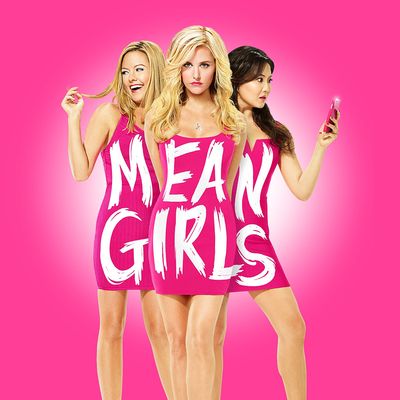
Director-choreographer Casey Nicholaw, Broadway's go-to guy for musical comedy, gives the scoop on his buzzy upcoming production of "Mean Girls," and along the way talks getting "Aladdin" right, why "The Prom" is so timely and what it was like working with the "South Park" creators on "The Book of Mormon.".. Read More
From the show: Stagecraft with Gordon Cox
Guests
Featured Shows
About
Director-choreographer Casey Nicholaw, Broadway's go-to guy for musical comedy, gives the scoop on his buzzy upcoming production of "Mean Girls," and along the way talks getting "Aladdin" right, why "The Prom" is so timely and what it was like working with the "South Park" creators on "The Book of Mormon."
Transcript
This transcript was automatically generated and might contain errors.
[0:06] Gordon Cox: You're listening to Stagecraft, Variety's Theatre Podcast, taking you behind the scenes with the stars and creators of the biggest shows on Broadway and beyond.
[0:15] Gordon Cox: I'm your host, Variety's Theater Editor, Gordon Cox.
[0:18] Gordon Cox: If you've seen a Broadway musical in the last decade, there's a good chance it was directed by Casey Nicholaw.
[0:23] Gordon Cox: His production of Disney's Aladdin celebrates its fourth anniversary this year as one of Broadway's top sellers.
[0:29] Gordon Cox: While the Book of Mormon, which he co-directed, has been a monster hit since it premiered in 2011.
[0:33] Gordon Cox: With shows like The Drowsy Chaperone and Something Rotten also under his belt, and titles on the way, including the buzzy Mean Girls this spring.
[0:41] Gordon Cox: Casey is Broadway's go-to guy for musical comedies.
[0:44] Gordon Cox: He's here in the studio to talk about all those shows and more. Hey Casey, thanks for being here.
[0:50] Gordon Cox: So now if everything goes according to plan, right, then by the end of this year you're gonna have four shows running on Broadway, right? That's Aladdin, Book of Mormon, Upcoming Mean Girls this spring, and then The Prom, uh, the musical comedy that's opening in the fall.
[1:05] Gordon Cox: And that seems like it would be a big deal, except that that's happened to you before, right?
[1:09] Casey Nicholaw: Right.
[1:09] Gordon Cox: But okay, but what? If Dream Girls comes in this year. Is that gonna happen? Is that gonna if it will happen?
[1:15] Casey Nicholaw: I don't know if it will happen next year or not.
[1:18] Gordon Cox: Yeah. That I don't know.
[1:19] Gordon Cox: Yeah, we're talking about the Dream Girls uh revival in London. That was a huge hit over there, and uh still is still going strong.
[1:28] Gordon Cox: Um yeah, would you what's the would you try and get the same cast at all from over there from that or with a new American cast?
[1:36] Casey Nicholaw: It depends. I mean, honestly, it's about all the different pieces. You know, if you're still running there, I don't think we would just like pick up and pull everyone from there over here. So we'll sort of see what happens and how long it takes and that kind of thing.
[1:46] Gordon Cox: Right.
[1:47] Gordon Cox: Who's available or not? So five. So you are shooting for five. That's a good thing.
[1:50] Casey Nicholaw: That would be so amazing.
[1:52] Gordon Cox: Well we'll see. How did you celebrate the last time there were four, or did you?
[1:57] Casey Nicholaw: Oh, oh, I did. You know, it was the nicest thing, actually, because Disney and Tom Schumacher and Ancourt threw me a party as well.
[2:08] Gordon Cox: Aww.
[2:09] Casey Nicholaw: They invited all my friends, whether Aladdin related or not, and there's a whole guest list, and it was really fun and it was really moving.
[2:16] Gordon Cox: How will they top it for five?
[2:18] Casey Nicholaw: I guess you'll find out.
[2:19] Gordon Cox: We'll find out if it happens.
[2:21] Gordon Cox: Yeah. Um, and so obviously you have a real affinity for musical comedy. Do you think of yourself as having an approach to musical comedy? Like how if someone were to ask you, hey Casey, how do you direct a musical comedy on Broadway? What do you answer?
[2:36] Casey Nicholaw: Um I basically answer that every show has its own needs and sort of reveals itself about what it needs. So, you know, it doesn't always end up being the same, and you can't stage one thing the same way as you stage something else because everything, you know, it's all about the story.
[2:51] Gordon Cox: Right.
[2:52] Casey Nicholaw: And it's all about the characters and what they need and how you'll approach it. Right, basically.
[2:57] Gordon Cox: And so we d is there in general, can you identify one area in particular that is often the most challenging in putting on a Broadway musical, or is it as you sort of alluded to, different for every single show?
[3:11] Casey Nicholaw: It kind of is different, except there's all it feels like there's almost always a place somewhere in act two that you cannot get the song right.
[3:19] Gordon Cox: Okay.
[3:20] Casey Nicholaw: You keep trying and trying to figure it out, and it just always takes a while.
[3:24] Gordon Cox: Can you give me an example?
[3:25] Casey Nicholaw: Well, I know when Drowsy Chaperone.
[3:27] Gordon Cox: Oh, yeah.
[3:27] Casey Nicholaw: Drowsy Chaperone was actually uh the song that Mrs. Tottenale and Underling do, and it's sort of like halfway through Act Two.
[3:35] Gordon Cox: Right.
[3:35] Casey Nicholaw: Um, I feel like we always sort of hit that spot. I don't know where it was in Aladdin. I don't I don't know that we had that happen in Aladdin.
[3:43] Gordon Cox: Okay.
[3:44] Gordon Cox: We'll talk more about Aladdin momentarily. And but let's start by talking about the show that you're coming from a rehearsal of right now, which is Mean Girls. How's it going?
[3:55] Casey Nicholaw: It's going great. We're having a really good time.
[3:58] Gordon Cox: And you guys are doing a fair amount of work, it sounds like sort of honing it and refining it.
[4:05] Casey Nicholaw: And you know, it went really well. Audiences went crazy. The response was really good, right?
[4:09] Casey Nicholaw: Really good. Yeah. Yeah.
[4:10] Casey Nicholaw: But you know, we're all perfectionists between me, Tina Fey, Jeff Richmond, Nell Benjamin, all perfectionists. We won't stop. And I never do stop. It's sort of like, oh, we're opening April 8th. Okay, we'll freeze in on the 7th.
[4:21] Gordon Cox: Right.
[4:23] Casey Nicholaw: Or the morning of the 8th.
[4:24] Gordon Cox: Right.
[4:25] Gordon Cox: Yeah. Or the tour.
[4:27] Gordon Cox: Yeah. But and so how what's guiding your work, particularly on Mean Girls now?
[4:33] Casey Nicholaw: Uh you know, for this one particularly, it's character development. And it's it's it's it's that we didn't feel that we were tracking the lead well enough, story-wise. And you know, in the in the film, you have the advantage of her having voiceovers throughout the whole thing. So it's sort of about how do we get inside her head more and without, you know.
[4:54] Gordon Cox: Do songs help with that?
[4:55] Casey Nicholaw: They do. Yeah. They do. But uh, you know, but it's it's it was a tricky thing, you know. It was sort of a tricky thing that we're we're really dealing with and trying to figure out. And I think we're I think we're good, you know. With there's like four new songs in the show from since DC.
[5:10] Gordon Cox: Okay, yeah.
[5:11] Casey Nicholaw: Yeah. Um, and there have been uh sort of updates in terms of the the setting. Like it is it is set now when with cell phones and texting and things like that, right?
[5:22] Gordon Cox: How does that shift things?
[5:23] Casey Nicholaw: Well, it shifts because no more three-way calling scene.
[5:27] Gordon Cox: Oh, right, right.
[5:28] Casey Nicholaw: Um you know, that things are just different. And also I don't I don't want to generalize, but people are meaner since 2004.
[5:37] Casey Nicholaw: But honestly, 2016. But seriously, because of all the social media stuff, it does change a lot. And in attitudes and in school and in bullying and in not letting people be themselves and all of this. It's so it's there's there are things that we have to say in it, or we would it would be wrong of us not to, but you also don't want to be preachy. You want to, you know, do it through laughs.
[6:00] Gordon Cox: Right.
[6:01] Gordon Cox: And how is it working with Tina Fey and Jeff Richmond?
[6:04] Casey Nicholaw: Amazing. It's it's incredible. You know, it really is. You know, we're all on the same page. It's it's really fun. It's you know, she is so smart and writes so quickly and has such a good eye.
[6:16] Gordon Cox: Because she had to write quickly all day, every day for her time in TV, right?
[6:20] Casey Nicholaw: I've been blessed between her, between you know Matt and Trey, South Park, between Eric Idle and Spamalot, you know. Right. You know, I I've been able to work with all of these, you know, comedy legends who who, you know, a lot of them, TV, even Bob Martin and Drowsy Chaperone was to television.
[6:36] Gordon Cox: Yeah, he was.
[6:37] Casey Nicholaw: You know, yeah. Um, so that's great because I work well that way and I work fast.
[6:41] Gordon Cox: So does that kind of working fast involve a lot of trying things and then throwing them out and then starting over? Or how does it be?
[6:47] Casey Nicholaw: It does. It's just like really being relentless until it's right, you know.
[6:51] Gordon Cox: Is that exhausting?
[6:52] Casey Nicholaw: It's so exhausting. It it really is, you know. It's like my brain never stops when I'm in this in this space.
[6:58] Gordon Cox: Right.
[6:59] Gordon Cox: And one of the things that you tend to do regularly is work with talent that is new to Broadway. Like you you mentioned the the South Park guys for uh Book of Mormon and like the entire creative team of um Something Rotten was like largely new to Broadway, right? And so what's important to keep in mind as you're working with people on a show that is their first Broadway musical?
[7:20] Casey Nicholaw: Uh well that's a it's a tricky thing, you know, because i i there is a learning curve for them.
[7:26] Gordon Cox: Right.
[7:26] Casey Nicholaw: But also you don't once you get into it, you just don't have the time. You know, you go you go, I have I have four weeks, so you'd have to just go, all right, this is what it is. And I think that it's um it's just a different it's a different medium than the than a lot of people are used to, but some just really just gravitate toward, and pretty much everybody's been game to go like, okay, I'm getting this now.
[7:47] Gordon Cox: Right.
[7:48] Casey Nicholaw: You know, and also you know, the the best is like you know, having someone say after the fact, going, Oh my god, I learned so much working on this show with you. And that's like that's the best compliment I could have got.
[7:58] Gordon Cox: What do you find is often the biggest surprise for people who were who are working on Broadway on a Broadway musical for the first time?
[8:04] Casey Nicholaw: I I just I think how fast and furious it is.
[8:07] Gordon Cox: Okay.
[8:07] Casey Nicholaw: I I really do, you know, and that there's just no breathing time. I mean, I get there in the morning at nine o'clock when New 42 opens, right? And you know, never stop, barely get a bite of my lunch, and then you know, once we get in tech, I'm there at like nine in the morning and leaving at midnight.
[8:23] Gordon Cox: Of course, right.
[8:24] Gordon Cox: And you know, and it's and it's and it's an it's an awful lot.
[8:27] Casey Nicholaw: It must seem like a surprise to them, especially since the development process can be so can be years long, right?
[8:33] Casey Nicholaw: That's actually I think that's the biggest surprise. Uh-huh. Really? Jeff was saying that the other day. He's like, I thought, okay, we're doing Mean Girls Musical, and you know, you'll see it in a couple years, everyone. And meanwhile, like, you know, six years later.
[8:44] Gordon Cox: Right, right.
[8:46] Gordon Cox: You know, it's already it's hard to believe it's already been five years or six years.
[8:49] Casey Nicholaw: Right, right. We're talking about Jeff Richmond, by the way, who is Tina Fey's husband and also her frequent collaborator.
[8:55] Gordon Cox: Um he does basically all the music for all her TV shows.
[8:58] Casey Nicholaw: Yeah.
[8:58] Casey Nicholaw: Um this question applies uh equally to a show like Mean Girls and a show like Aladdin, which is what is your guiding principle in uh adapting a film to the stage? How do you weigh faithfulness to the original and and satisfying its fans and existing on your own as a as a as a Broadway musical that stands alone?
[9:21] Casey Nicholaw: Yeah, well, I mean it has to be stageworthy as opposed to just film-worthy, you know, so you have to recreate it so that it feels like it's theatrical, but you also have to capture the spirit of the film and what people liked about the film. You know, so you know, Eric Idle said it great when we were working on Spamalot, which is something I quote all the time, which you know he incidentally is very different from the Monty Python and the Holy Grail film, right?
[9:43] Gordon Cox: Yeah, absolutely.
[9:44] Casey Nicholaw: You know, and and the thing is all of a sudden he'd be like we're we'd look at the a rewrite and go, Oh my god, you cut the the bridge of death. How can you cut the bridge of death? And he said, you know what? If we keep them entertained and engaged and in the story, they're not gonna know we cut something until they get home.
[9:57] Gordon Cox: Right.
[9:58] Casey Nicholaw: And I think that is something to sort of live by. And Tina is not precious at all with a film.
[10:03] Gordon Cox: Right.
[10:03] Casey Nicholaw: And I think that's a great thing. You know, I get a little bit like please put Boo you whore back in it. I have to hear that line. It's not in it yet.
[10:10] Gordon Cox: No.
[10:13] Casey Nicholaw: Rough. I'm gonna go it got back in once and then it went away again. Um but but but really it's sort of uh, you know, she's she's really great about that. And I think one of the things that I was so impressed with when we were in DC is that, you know, we our first night, our first preview, and all the fans are there going crazy at stuff. But you know, there were like twelve lines from the movie that everyone went crazy for, and then the rest were all really big laughs. It had nothing to do with film.
[10:39] Gordon Cox: Right, right.
[10:40] Casey Nicholaw: I mean, they have to do with story, but they didn't have to do with the film.
[10:43] Gordon Cox: Right, right. And then in terms of something like Aladdin that was, you said sort of holding on to whatever the stageworthy quality is, and the thing that defines it and makes it the thing that audience responds to. What it what was that for Aladdin?
[10:56] Casey Nicholaw: Aladdin was a different story and was really interesting, which is that when um when Howard Ashman and Alan Mencken created it to be a film, it was gonna be a big giant musical comedy.
[11:06] Casey Nicholaw: Right. Uh and then, you know, when when they I think they got they got pulled to work on Beauty and the Beast, and then it sort of morphed, and then Howard passed away, right? And suddenly it became more of an action adventure. And a lot of the songs were cut and characters were cut, and the tone of the film changed.
[11:20] Gordon Cox: Right.
[11:21] Casey Nicholaw: So when they when they brought me the script that they had been working on, it the musical comediness was back in there in full force, and that makes sense because it's gonna be on stage and it's gonna be musical comedy.
[11:33] Gordon Cox: Right.
[11:33] Casey Nicholaw: So that's sort of what what happened. We restored a lot, and then we ended up cutting a lot of the stuff when we restored just because you know, for different reasons. But um and then how did you think about adding new material then to that?
[11:45] Gordon Cox: And with Aladdin?
[11:46] Casey Nicholaw: Yeah, yeah.
[11:47] Casey Nicholaw: A story, just sort of like what felt was missing, you know, that Jasmine didn't really have a song in Act One, you know, and then they had she had one that was originally in the film and then just didn't work on stage, and so we Rich Alan wrote a little bit.
[12:00] Gordon Cox: Which song is that?
[12:01] Casey Nicholaw: That's um, it's it's now Palace Walls, okay.
[12:06] Gordon Cox: Okay, yeah, right.
[12:08] Gordon Cox: And what as you're as you're going through that process with something like Aladdin or the you know, the show you're working on now, Mean Girls. What what are some of the things that drive some of the changes you make? Is it audience reaction? Is it uh critics? Is it input from trusted advisors? Is it your own instincts? Like what all of the above?
[12:27] Casey Nicholaw: What are the I mean it's kind of all of the above, but I think it mostly has to be your own instincts, you know, because you can't listen to everybody.
[12:34] Casey Nicholaw: And you know, I I think that is a first-time thing that people want to listen to everyone. And I think you have to just be really strong with your vision of it because then it can just get watered down when you start doing that, and then all of a sudden it's dominoes and everything starts falling apart. And I think you have to really hold on to it.
[12:52] Casey Nicholaw: Sure, maybe there are a couple mistakes, and I think there are a couple mistakes in every show. Sure, you know, but it's we you have to just keep uh going with it, you know. Um, I think that if a if a critic has some thoughtful things to say and some good advice, you would be, and and it's something you've heard from other people too, you would be dumb to not listen to it and to you know what I mean, and just keep going like, oh, they don't know what they're talking about. Well, if I'm always like, if three people tell me the same thing, or four people tell me the same thing, you have to listen to it.
[13:21] Gordon Cox: Can you think of an example specific to Aladdin that is you as the show made the journey to Broadway?
[13:27] Casey Nicholaw: Um, you know what? It's it's funny. Aladdin was it was funny, but I think that people didn't love because you know, Babcak, Omar, and Kasim, yeah, those three sidekicks were very they narrated the whole show when we were in Toronto, right?
[13:43] Casey Nicholaw: And also they were scheduled when they first created the film to narrate the whole film.
[13:48] Gordon Cox: Right.
[13:49] Casey Nicholaw: We thought that sounds really cool. Nobody wanted to see them to begin with, they just didn't, right? You know, and in the film you had the, uh, are they in the film at all? I don't remember.
[13:57] Gordon Cox: No, they're not, right, you know.
[14:00] Casey Nicholaw: But also they had, he has a boo to talk to, and Jasmine had Roger to talk to. So they had people, they had animals to talk to, and we were like no. Yeah, we're talking about animals, by the way. You know, you have no animals on stage, just the three sidekicks that they originally wanted.
[14:12] Gordon Cox: Oh, I do miss the monkey, but yeah.
[14:15] Casey Nicholaw: Little shout out in Act Two.
[14:16] Gordon Cox: Yeah.
[14:16] Casey Nicholaw: But the main thing about that was that people kept saying, get to the genie sooner.
[14:22] Gordon Cox: Right.
[14:22] Casey Nicholaw: And you know, in the film, you didn't see the genie early, but you saw, you heard Robin Williams' voice, um, as like a peddler.
[14:30] Gordon Cox: Right.
[14:31] Casey Nicholaw: And how hard did you find it to match kind of the tone and the whimsy of an animated film in particular, uh, uh, uh, in a live setting?
[14:41] Casey Nicholaw: Um, we just had to keep it really buoyant. You know, we had to keep it super buoyant and colorful. I think the colors are important. Uh, you know, it's very bright when you're in the town scenes, and then it's all pastels and it's a small world when you're, you know, with royalty to just sort of capture those colors.
[14:59] Gordon Cox: Right. And you mentioned, uh, Robin Williams. How much did the shadow of Robin Williams kind of hang over how you thought about the genie in particular and translating that?
[15:09] Casey Nicholaw: You know, it actually didn't. You know, we went with James Monroe Iglehart.
[15:13] Gordon Cox: Yes, who won a Tony for the role.
[15:15] Casey Nicholaw: Who won a Tony, and you know, originally the role was written as Cab Calloway, right? So it was easy to go back to that. Yeah, and then some of the numbers like "Prince Ali," we changed and made it more like a Cotton Club number for him, so it didn't feel like we were just doing a strict parade. And then, you know, Alan wrote the song, uh, you know, "Somebody's Got Your Back," which is very fast, well.
[15:34] Gordon Cox: Right, right. Was that new for the musical?
[15:36] Casey Nicholaw: Yeah, that song? Okay, right, right. Um, yes, it was that place in Act Two.
[15:40] Gordon Cox: Oh, yeah.
[15:41] Casey Nicholaw: No show. It was that place in Act Two. I swear, it's everywhere.
[15:44] Gordon Cox: All right, yeah.
[15:45] Casey Nicholaw: And it's, and actually in "Mean Girls," it's the one people keep saying we need a song for Katie at that moment.
[15:50] Gordon Cox: Oh, all right. How hard was it to get that the version of that song in "Aladdin"? Do you remember it being a tough?
[15:54] Casey Nicholaw: Alan is so quick, it is stupid. We're talking about Alan Menken, uh, uh, songwriter.
[16:00] Gordon Cox: Yep.
[16:00] Casey Nicholaw: It is, you know, really, uh, uh, that to me was one of like the musical theater joys of my life was watching him in that moment. And I just remember us going to, uh, this little dingy room at Disney that's like never used.
[16:15] Gordon Cox: Where would this have been? Here or in Toronto?
[16:17] Casey Nicholaw: A little bit of both. That's how I was here before we went to Toronto.
[16:20] Gordon Cox: Okay.
[16:20] Casey Nicholaw: Um, actually before we went to Seattle.
[16:22] Gordon Cox: Oh, okay.
[16:24] Casey Nicholaw: Seattle came before Toronto, by the way.
[16:25] Gordon Cox: Yeah, yeah.
[16:26] Casey Nicholaw: Um, and we were just in a room and like right there, Alan wrote it. And then Chad put the lyrics to it.
[16:33] Gordon Cox: You were sitting in the room, why not?
[16:34] Casey Nicholaw: We were basically sitting in the room. And then the same thing when we were in Toronto, the "Palace Walls" song got put in. We got rid of "Call Me a Princess" there and then put in "Palace Walls." And that was literally us going right now, we're gonna get a new song. Right now. And we basically all locked ourselves in Alan's hotel room.
[16:50] Gordon Cox: Right.
[16:54] Casey Nicholaw: And we just sat there around the piano and he just started playing things, and we're like, nope, nope, nope. What about this? Yep, that's good. What about this and this? Nope. What about this and this and this? Yep, yep, yep. And in a half an hour we had that song. And then Chad went and set the lyrics to it.
[17:07] Gordon Cox: That's extraordinary.
[17:08] Casey Nicholaw: Extraordinary. That was like, that was really exciting.
[17:11] Gordon Cox: Yeah. Have you, do you ever work with slow people? It sounds like you work with a lot of fast people.
[17:16] Casey Nicholaw: I do work with fast people, and they have to catch up with me. I think they're like, what room is he in? Where is he going? What is he doing?
[17:22] Gordon Cox: Right.
[17:22] Casey Nicholaw: All right. Yeah, a little bit.
[17:24] Gordon Cox: Okay, good. Um, don't work with slow. And what with "Aladdin," what was, what worked from the get-go? What was the thing that you've talked about some of the things that people didn't want, but what did they respond to instantly?
[17:39] Casey Nicholaw: Well, wow, you know, it was, it really was a journey with it, you know. "Friend Like Me" worked well. It did not work well in Seattle, but then worked well when we got it ready for Toronto. Uh, and that worked like a charm. Once we had it down, and once Tom was like, you have to put tap in it. You're a tap dancer, you have to because I didn't put tap in it.
[17:56] Gordon Cox: Right.
[17:59] Casey Nicholaw: Because I don't know, it's what's so funny is I always don't want to have the gratuitous tap number. You know, and every time I'm in a show, everyone else wants the tap number. And I'm like, okay, and sure enough, we're adding a tap number to me this week.
[18:14] Gordon Cox: Yeah.
[18:14] Casey Nicholaw: Because everyone's like, we want to add this song, and I think we should make a tap. I'm like, okay. Yeah, all right. Might as well. Everybody loves a tap number.
[18:22] Gordon Cox: That's funny because I'm sure there are people that are like, okay, so he has to put his tap number in. It almost never comes for me.
[18:28] Casey Nicholaw: All right. Turn it off. Trey was like, I want this number to be a tap number. Like, really? Yeah. All right. But it works.
[18:33] Gordon Cox: Yeah, right.
[18:34] Casey Nicholaw: It's, uh, yeah, yeah. Um, and so now that "Aladdin" is up and running, how often do you check in on it? I think a lot of people don't think about the fact that directors often check in on the show and check out on the casting and see how it's holding up and all that stuff.
[18:47] Casey Nicholaw: Yeah, I'm probably at "Aladdin" on Broadway, like, you know, if I'm in town, I'm there a lot more. Yeah, you know, I'm probably there three or four times a year. Right. If not more. You know, from and for milestones, you know, and someone's last show or someone's first show, or we've got a new group of people.
[19:01] Gordon Cox: Yeah. Do you weigh in on casting and things like that?
[19:04] Casey Nicholaw: Or across the board. Yeah, yeah. There's nobody that's cast that I don't weigh in.
[19:08] Gordon Cox: Right.
[19:09] Casey Nicholaw: And that must apply for all the productions, the replica productions that are going on.
[19:14] Gordon Cox: Yeah, there's a lot of people. And that's only there's one in London right now, is that "Aladdin" has, has tour, London, Australia, New York.
[19:21] Casey Nicholaw: Australia, that was it, yeah. Germany, Japan.
[19:23] Gordon Cox: Yeah.
[19:24] Casey Nicholaw: All right. And do you do something similar for "Book of Mormon"?
[19:28] Gordon Cox: Yeah, same thing.
[19:29] Casey Nicholaw: All right. Same thing. I go, I go there every few months. Right. Also go out to the tours here. You know, I don't make it to Australia as much as I would like to.
[19:37] Gordon Cox: Bummer.
[19:38] Casey Nicholaw: It is a bummer. I love being out there. And also the productions are in such good shape there. Both of those shows. Fantastic.
[19:44] Gordon Cox: How is the theater crowd in Australia?
[19:47] Casey Nicholaw: It seems like they have an appetite for it.
[19:48] Casey Nicholaw: They do. They love it. I think it's small. I don't think that, you know, the shows don't run as long there because there's just not as many people going. It's a vast land mass. And the casts are great there.
[19:59] Gordon Cox: Yeah. And now tell us a little bit about "The Prom," which is another musical you're working on. I saw, as I was telling you, I caught a bit of a, uh, showcase performance, um, the other day.
[20:08] Casey Nicholaw: Right.
[20:09] Gordon Cox: And it's gearing up for a fall opening. So, uh, tell us about, tell me about the story and what, uh, what actually for the listeners tell them what it's about in case they don't know.
[20:19] Casey Nicholaw: It's a story that we made up, basically, based on some tricky.
[20:22] Gordon Cox: Who's we? Who's we?
[20:23] Casey Nicholaw: Well, well, Bob Martin, Chad Beguelin, uh, and Matt Sklar. These are myself.
[20:27] Gordon Cox: These are all people that you have worked previously with.
[20:30] Casey Nicholaw: Right. And we, I did "Drowsy Chaperone" with Bob. Right. I did "Aladdin" with Chad. Right. And I did "Elf" with all three of them. Chad with all three, yeah.
[20:38] Casey Nicholaw: Right. Well, it, you know, it sort of is based on all these events that you hear about people who are gay and not able to go to the proms. Right. Then we thought, you know, wouldn't it be funny if, and Jack Fertel actually called me and said, I don't know if you think this is a funny idea or not. And the minute he told me about it, I thought, I'm in. And he's like, what about Bob and Matt and Chad? Like, yep, done. Right. And that was like seven years ago now. Right. You know, um, was it Jack's idea?
[21:05] Casey Nicholaw: It was Jack's idea. It was Jack's idea.
[21:07] Gordon Cox: Okay.
[21:07] Casey Nicholaw: It was. Yeah. And then, um, you know, it's basically about these, uh, these, I'm putting celebrities in quotes. Uh, there are sort of has-been Broadway stars who, you know, their careers are just kind of going down the tubes, and they're like, you know, I need to do something more with my life. You know what? Let's, let's be celebrity activists and let's go help people somehow. And so they go down to this town where this girl's not allowed to go to the prom with her date with her girlfriend, and they actually make things worse. Right. Right. And then they learn to be selfless by the end, which is just joyous. And, um, and they get the prom and everything's, you know, great at the end. And it's got a good message, and it's really timely now.
[21:50] Gordon Cox: I was gonna say, so this is how many years ago did you say it's seven years?
[21:53] Casey Nicholaw: Seven.
[21:54] Gordon Cox: So were you expecting it? Did it feel particularly timely then?
[21:57] Casey Nicholaw: It felt timely then, and then it felt not timely at all. Right. And then it felt timely again, and then it didn't feel timely at all again, and now it feels really timely.
[22:05] Gordon Cox: Good, good timing.
[22:06] Casey Nicholaw: So hopefully, uh, in November it'll story time.
[22:09] Gordon Cox: Yeah, exactly. And I think it will, unfortunately. I think we're okay.
[22:12] Casey Nicholaw: Yeah, yeah. Um, the same is true of "Book of Mormon." I feel like "Book of Mormon" always has, uh, some relevance to it now. Um, yeah, it, how hard is it, and can you even do this on purpose? It craft a musical comedy that is enduringly kind of, uh, resonant.
[22:29] Casey Nicholaw: I think you have to, I mean, you never know when it's gonna happen, but I think hopefully when it has to do with things that are human, it's always relevant, you know. Uh, you know, when it has to do with something like universal acceptance, I think there's always a place for that, and that's really "Book of Mormon's" message at the end. You know, no matter what's in the middle, that's, that's it at the end.
[22:48] Gordon Cox: Right, yeah. Um, for the people who don't know much about, uh, where you started out, you started out as a performer, right? On Broadway, and then you were in Broadway musicals and things like that.
[22:58] Casey Nicholaw: I will go ahead.
[22:59] Gordon Cox: Oh, sorry.
[23:00] Casey Nicholaw: Uh, I was, I was in eight Broadway shows as a dancer, performer, uh, before I, uh, decided to choreograph.
[23:06] Gordon Cox: And tell me about that decision. When did that happen and how hard was that transition?
[23:12] Casey Nicholaw: You know, it happened relatively easy for me because I didn't, you know, assist other people or do anything else. But you know, my teacher sort of, besides my love for musicals, which plays a huge part in how I approach things, you know, as I was just such a fanatic about them even growing up and stuff, which was where in San Diego.
[23:30] Gordon Cox: San Diego.
[23:30] Casey Nicholaw: Yeah. Um, but you know, all of my eight Broadway shows I was in as a dancer except for one, were, were I was in the original company. So I got to watch it totally be created from the ground up. And I, I was, you know, in my head, knowing that I always had like the director or bossy gene, you know, I would be like, oh, I would have done that or I would have done this.
[23:50] Gordon Cox: Did you know that all along? Did you think early on that directing and choreographing would be a thing you'd like to try?
[23:55] Casey Nicholaw: I, yeah. I mean, I didn't really know that I was gonna be a director. Right. Uh, I knew that I wanted to be a choreographer because I knew I loved to dance. I wasn't necessarily the best dancer technique-wise, but I had a lot of energy.
[24:07] Gordon Cox: Right.
[24:08] Casey Nicholaw: Um, but, but then, you know, then really after "Spamalot" opened, I had a meeting about "Drowsy" and directing and choreographing it the next morning after "Spamalot" opened and got that job with Kevin McCullum.
[24:19] Gordon Cox: Wow.
[24:20] Casey Nicholaw: And that's, that's once I did that, I was like, I have to do it this way. It just happened that way.
[24:24] Gordon Cox: Right.
[24:25] Casey Nicholaw: Yeah. Are you interested in directing film ever?
[24:28] Gordon Cox: I would love it, yeah.
[24:29] Casey Nicholaw: Yeah. I would. Because I also, I also loved movie musicals growing up.
[24:34] Gordon Cox: Okay.
[24:34] Casey Nicholaw: So if I wanted, I doing a musical would be the best way in for me, I think. Right. Um, you know, and I worked at a movie theater when I was in high school, and I, you know.
[24:42] Gordon Cox: Right.
[24:43] Casey Nicholaw: All I did was watch movies.
[24:46] Gordon Cox: And do you, when, uh, I imagine you must talk to, uh, young or, um, maybe sometimes not so young performers who are thinking about doing something similar, like making a similar change. What is the advice that you give them?
[25:00] Casey Nicholaw: I really think it's just observe everything, you know, and just meet as many people as you can because you never know where something's gonna come from. You just don't, you know, and to just get as much experience, even if it's a crappy experience, you'll learn from it and you'll decide what you don't want to do or what you do want to do, and it will help you, you know, period.
[25:20] Gordon Cox: Right, right. And so you've got "Mean Girls" in the spring, you've got "The Prom" in the fall.
[25:25] Casey Nicholaw: Right.
[25:26] Gordon Cox: What else is on your plate?
[25:28] Casey Nicholaw: That's sort of it right now.
[25:29] Gordon Cox: Okay.
[25:30] Casey Nicholaw: I mean, a few things, a few things in development, right? Um, but nothing that's been written yet. So, and "Dream Girls" wouldn't be able to come until after "The Prom."
[25:38] Gordon Cox: Probably after "The Prom."
[25:39] Casey Nicholaw: Right. Yep, yeah. So we'll see.
[25:40] Gordon Cox: Next season, is that the plan?
[25:42] Casey Nicholaw: I hope so. Fingers crossed. My fingers are crossed it will come in as soon as we have a theater, and we can.
[25:46] Gordon Cox: Right, right. Because I love it. Does it need a big theater?
[25:49] Casey Nicholaw: I don't, I haven't gotten a chance to do this.
[25:50] Gordon Cox: It's a pretty big theater, yeah.
[25:52] Casey Nicholaw: You know, it's a, it's a big cast. And you know, that was one of the first shows I saw when I moved to New York.
[25:56] Gordon Cox: Oh, all right.
[25:57] Casey Nicholaw: And, uh, I saw it six times. And I went standing room, yeah, second acted it or whatever because I just had no money.
[26:03] Gordon Cox: Right.
[26:03] Casey Nicholaw: And it was my favorite show. And so the fact that I got to do that was just a huge, you know, a huge deal to my 19-year-old self.
[26:10] Gordon Cox: Right.
[26:11] Casey Nicholaw: And still, you know, it is.
[26:13] Gordon Cox: Right, right. Yeah. Well, we look forward to, uh, seeing that when it comes.
[26:17] Casey Nicholaw: Awesome.
[26:17] Gordon Cox: Um, thanks for chatting. It was great being a good one.
[26:19] Casey Nicholaw: Oh, my pleasure.
[26:20] Gordon Cox: Thank you.
[26:20] Casey Nicholaw: Thanks, Casey.
[26:21] Gordon Cox: Great.
[26:21] Casey Nicholaw: Thanks.
[26:28] Gordon Cox: That was Casey Nicholaw, the musical comedy specialist and director-choreographer of "The Book of Mormon" and "Aladdin," as well as the upcoming "Mean Girls" and "The Prom." On the next episode of "Stagecraft," I'll be talking to Lee Pace, familiar from TV shows like "Pushing Daisies" and "Halt and Catch Fire," and films like "The Hobbit" and "Guardians of the Galaxy," who's now appearing on Broadway as one of the new additions to the cast of the National Theater's epic production of "Angels in America." Until then, see you at the theater.
© Broadway Podcast Network, All Rights Reserved