

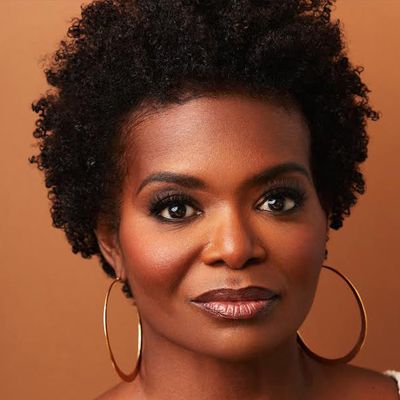
Tony Award winner and current nominee LaChanze dishes on the Tonys, shares what it means to her to play Donna Summer in the bio-musical "Summer," and reveals why she started going by just one name... Read More
From the show: Stagecraft with Gordon Cox
Guests
Featured Shows
About
Tony Award winner and current nominee LaChanze dishes on the Tonys, shares what it means to her to play Donna Summer in the bio-musical "Summer," and reveals why she started going by just one name.
Transcript
This transcript was automatically generated and might contain errors.
[0:05] Gordon Cox: You're listening to Stagecraft, Variety's Theatre Podcast, bringing you in-depth interviews with the stars and creators of the hottest shows on Broadway and beyond.
[0:14] Gordon Cox: I'm your host, Variety's Theater Editor, Gordon Cox.
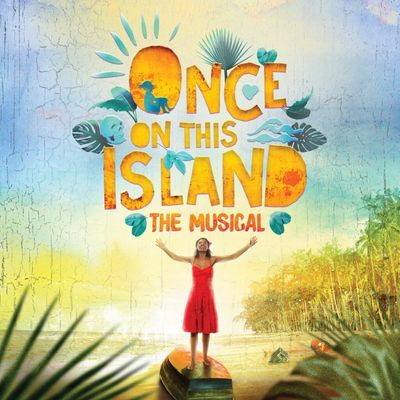
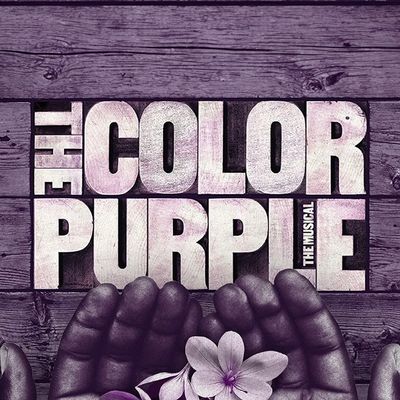
[0:17] Gordon Cox: On this episode of Stagecraft, I'll be talking to current Tony nominee LaChanze, the Broadway favorite, whose breakout role came as Ti Moune in the original production of Once on This Island, and who went on to win a Tony as Celie in the original production of The Color Purple.
[0:32] Gordon Cox: She's back on Broadway this season playing Donna Summer in Summer, the new behind the music musical from the creative team of Jersey Boys.
[0:39] Gordon Cox: LaChanze is here in the studio with me, fresh off her nomination in the category of leading actress in a musical.
[0:44] Gordon Cox: Hi LaChanze, thanks for being here.
[0:46] LaChanze: Thank you for having me.
[0:47] Gordon Cox: Congratulations on your nomination.
[0:49] LaChanze: Thank you.
[0:49] LaChanze: Thank you very much.
[0:51] Gordon Cox: You've obviously had some prior experience with the Tonys, um, with the nomination for Once on This Island and the win for The Color Purple. What's your take on how a nomination affects an actor's career?
[1:03] LaChanze: Well, the first time I was nominated, I was so young. It was my first leading role on Broadway, and um, it sort of was a shock that I would have even been considered for a Tony nomination.
[1:18] LaChanze: Um, it immediately put me in a circle of women that I had been admiring for years. Patty LuPone. It was just amazing. It was just amazing. She's like my spirit animal.
[1:31] Gordon Cox: Was she nominated that year?
[1:33] LaChanze: No, but I'm thinking about her as well. Some of the women she was nominated the year that I was nominated for The Color Purple. But I'm just saying it put me in the circle of women who have been nominated for Tonys, absolutely.
[1:45] LaChanze: And Patty LuPone is a woman that I idol and have come to respect and admire, just having met her a few times socially.
[1:54] Gordon Cox: Right.
[1:54] LaChanze: Um, it put me in the circle of Patty LuPone. So immediately I felt my own self-value go up. But it also put me on the list with some incredible women and um, it did in fact boost my career.
[2:07] Gordon Cox: Sure. And the win, what's your take on how a win affects your career?
[2:11] LaChanze: It's interesting because um, while I may be at, well, what it did for my career, which I found to be interesting was it put me in a circle of women, another circle, another realm of film and television realm, but at the bottom of that list.
[2:27] LaChanze: So I'd walk into auditions for movies and TV with women that have been celebrated already in film and television. But I was at least in the circle of those women.
[2:40] LaChanze: And so I got into on another list, but at the bottom of that list. I'm at the top of the theater list, but the bottom of the film and TV list at that time.
[2:48] Gordon Cox: Right.
[2:49] LaChanze: Right. All right. So it's interesting. And so can you enjoy this process now, now that you've been through it a few times?
[2:55] LaChanze: Oh, absolutely. This is thrilling. Being nominated for a Tony Award is the most prestigious accolade that one gets in theater.
[3:04] LaChanze: And here I am back on Broadway again, haven't been on Broadway in three years. Yeah, it was, yeah, it was um, If/Then, thank you. Yes, and it was an amazing experience, but to be back on Broadway doing a role that I love as much as I do and to have been nominated not only for Tony, but a Drama Desk and also, you know, for the Drama League, it's really amazing.
[3:28] Gordon Cox: Yeah.
[3:29] Gordon Cox: So and is it for you, the cast and the crew now after the nominations, has it been particularly fun to do the show every night?
[3:38] LaChanze: For me it has been. Um, yes. And you know, being aware that there are Tony voters in the audience, which is something that I don't typically like to think about.
[3:49] LaChanze: Um, it definitely makes me puts me outside of myself a bit. I try to focus on just staying in character and being true to the role and everything, but the cast and the crew are so supportive and so excited and my phone has not stopped buzzing and everyone that sees me gives me a great big hug.
[4:03] LaChanze: So we're all thrilled and we're thrilled for Ariana as well.
[4:06] Gordon Cox: Yes, too. We should say Ariana DeBose was nominated for a Tony as well.
[4:08] Gordon Cox: Yeah, in Best Featured.
[4:10] LaChanze: Yeah, Featured category, which is amazing. She's phenomenal. So it's really nice to also see the excitement through her eyes as well.
[4:17] Gordon Cox: Right. So let's talk a little bit about Summer and the part you play in it. Um, I have read that when you were growing up, when Donna Summer would come on the radio, your parents would change the station. Is that right?
[4:30] LaChanze: Yes.
[4:30] LaChanze: And why was that? Was it because she was dirty? Is it because they didn't like disco? What was the...
[4:34] LaChanze: Like it was only that song though.
[4:37] Gordon Cox: Oh, oh, okay.
[4:38] LaChanze: It wasn't Donna Summer in general.
[4:39] Gordon Cox: Okay.
[4:40] LaChanze: Oh no, no, no. Last Dance was a hit and I Love to Love You, Baby.
[4:46] Gordon Cox: Got it.
[4:46] LaChanze: It was all of the sensuality of that song.
[4:48] Gordon Cox: Understood.
[4:49] LaChanze: That's the one she would turn down in the car. Only that one.
[4:51] Gordon Cox: That makes sense.
[4:53] LaChanze: Yeah, because my brothers would go ape in the back seat whenever that came on. So it was only that one.
[4:59] Gordon Cox: Right. And where would this have been at the time? I know that you were born in Florida, is that right?
[5:02] LaChanze: I was born in Florida. I lived in Florida until I was about twelve years old.
[5:05] Gordon Cox: Okay.
[5:06] LaChanze: And then my parents divorced and my mom moved me and my siblings to Connecticut.
[5:11] Gordon Cox: Yeah.
[5:11] LaChanze: And um, we were with an uncle for a while and before we moved out on our own, but um, that's when I was introduced to theater because that's when I started seeing the commercials.
[5:22] Gordon Cox: Oh, right, of course, yeah.
[5:24] LaChanze: Because you don't see musical commercials in Miami.
[5:28] Gordon Cox: No, you just don't see them.
[5:29] LaChanze: So um, I would see these commercials and I would say, Mom, this please, I want to go see this show, I want to see the show.
[5:35] LaChanze: And I was fascinated because I had no idea, no concept of Broadway in Florida, just no concept of the whole world.
[5:43] LaChanze: So um, my mom took me to see Chicago was the first show that I saw.
[5:47] Gordon Cox: Oh wow, who's in it?
[5:48] LaChanze: Graciela Danielle was in it. And I, you know, that's one of my favorite stories to tell is that all those years ago, the first musical that I ever saw, Graciela Danielle was in the ensemble, and the most important part of my career, this launch of it, Graciela Danielle was the director of it. Full circle moment.
[6:10] LaChanze: And I've worked with her three times since then.
[6:12] Gordon Cox: So what was your feeling about Donna Summer? You were a fan, you guys, your whole family was a fan.
[6:18] LaChanze: Oh, of course. My parents were young. My parents were teenagers, so they were party animals.
[6:23] LaChanze: And I ended up being sort of a helper. I was a mommy's helper because I was the oldest and I had a lot of siblings. But oh yeah, Donna Summer was disco, you know, queen in my home.
[6:37] LaChanze: My parents loved her music. They would listen and dance and I'm sure partied to her music quite a bit. And then when I got to college, uh, in the eighties, I started really having a lot more fun with Donna Summer and uh, and her music.
[6:50] LaChanze: I mean, it's iconic, it's like Michael Jackson. I mean, it spans generations.
[6:54] Gordon Cox: Right.
[6:55] Gordon Cox: And do you did you have a favorite song then? And do you have a new favorite song now that you're singing them?
[7:03] LaChanze: My favorite song um was State of Independence.
[7:08] Gordon Cox: Mm-hmm.
[7:08] LaChanze: Which is not in our show.
[7:09] Gordon Cox: I was gonna say, I don't recall hearing that on the show.
[7:12] LaChanze: And I fought, you've worked to fix that, right?
[7:15] LaChanze: Oh my God. If you asked Des McAnuff how many times.
[7:18] Gordon Cox: Yeah, this is the director, Des, yeah.
[7:19] LaChanze: Des McAnuff and Ron, who was our um, musical supervisor, right? Ron Melrose, he heard several conversations from me about why isn't this song in the show?
[7:34] LaChanze: And ultimately it was because the writers, Des and Rob, they both felt that um, lyrically, because we're telling her story, it didn't go along with anything that we were trying to tell.
[7:47] Gordon Cox: Which makes perfect sense.
[7:48] LaChanze: I mean, they created this amazing musical. I just like the song.
[7:51] Gordon Cox: Right, yeah.
[7:52] LaChanze: Just wanted an opportunity to sing it.
[7:55] LaChanze: Curtain call. That's it.
[7:56] Gordon Cox: Yeah.
[7:57] LaChanze: So Ron said to me one day when I was joking with him about how much I love the song, he said, put it in your club act.
[8:02] LaChanze: And I said, you know what? I just might, right? Just might find a place for it in my show.
[8:07] Gordon Cox: So then what's your favorite to sing? The one of the ones you do get to sing.
[8:11] LaChanze: Tonight.
[8:11] LaChanze: Uh, I was gonna say tonight, but yes, it's Friends Unknown, which is a really big special moment because it's her homage to her fans.
[8:21] Gordon Cox: Yeah, right.
[8:23] Gordon Cox: And what made you decide to commit to the project? Was it the attachment to Donna Summer and wanting to tell her story, or what was the attraction for you?
[8:32] LaChanze: The way this whole thing came about was back in 2016, I get a message from Des McAnuff. Now I of course knew who he was, but had never worked with him.
[8:43] LaChanze: And he said he'd like to meet with me to discuss a project that he's working on. And I went, sat in his office, he gave me the script, told me the entire concept of the three Donna's and where he sees me as Diva Donna and what I consider this role.
[8:59] LaChanze: It was that sort of simple. I took the script home, I took a look at it, loved the music. So the music was easy.
[9:08] LaChanze: Right. I was sold on the music already. But I was very interested to see how this concept of three women playing Donna was gonna work.
[9:17] LaChanze: And um, I wasn't sure if it was gonna work. I wasn't sure if it was gonna be a typical, you know, we tell the young story, you know, we have the little Donna, you know, the middle story, the middle Donna, you know, the old Donna.
[9:29] LaChanze: I thought if it was gonna be sequential, but it isn't.
[9:31] LaChanze: Right. We hop around quite a bit and we relate to each other. As you've seen.
[9:36] Gordon Cox: Yeah.
[9:37] LaChanze: So there was that element that was unique about it that intrigued me.
[9:42] LaChanze: And um, I found a way to bring a dimension of a person looking back into their own lives and how that would affect you. Just imagine if you could speak to your 12-year-old self.
[9:53] Gordon Cox: Right.
[9:53] LaChanze: If you could speak to your 12-year-old self and watch your 12-year-old self making a mistake, not making a good choice, how that would affect you. All of that affects my character as I'm on stage because that's what we're doing in Summer.
[10:12] Gordon Cox: Yeah, that was sort of was part of one of my questions that I wanted to ask is sort of how the three of you coordinated your performances in that you were all playing the same person at different stages of their lives.
[10:24] LaChanze: In the beginning, we would discuss physical gestures.
[10:27] LaChanze: Yeah. Because one thing that I have to note is we are not imitating Donna Summer.
[10:33] LaChanze: We are not up there trying to become Donna Summer. We are telling the story of her life.
[10:39] LaChanze: We are embodying her spirit through the three of us, but we're not, it's not an imitation. For instance, we are just giving you the truth of who she was, her life, and why that's so important.
[10:51] LaChanze: But so that we could all resemble her as the three women, we came up with certain gestures that the audience may not know, certain looks that we give to each other, acknowledgments between each other that um, create the spirit of her for us.
[11:08] Gordon Cox: Right.
[11:09] Gordon Cox: The name of your role, um, as the oldest, uh, Diva Donna, does the term diva really fit her at the time and why do you think that?
[11:09] LaChanze: Well, I think the reason they chose Diva Donna at that point because she had, at the point that I'm playing her age in the show, she had her success. She, you know, she was the fully realized diva. Everything had happened—her gold albums, her Oscar, her everything. Everything had happened by that time so she had established herself as the diva at that point.
[11:31] LaChanze: And um, when you are, and then really when we think about it, there are two ways to think about diva. Some people think of a diva as pretty much a bitch, like you know, oh, did the diva bitch, they kind of go together, you know what I mean?
[11:53] LaChanze: And um, or the difficult performer. That's how a lot of times they're like, oh stop being such a diva. You know, and in fact, it's really not the way I see her at all.
[12:13] LaChanze: A diva is just an accomplished performer. Someone whose name we recognize, someone who's worked her butt off to get where she is, someone who has established a certain level of respect from her peers, um, someone who's had longevity, who keeps working, and um, keeps producing.
[12:33] LaChanze: Um, so I apply my own personal thought of the diva and definition of a diva to this role.
[12:41] Gordon Cox: Yeah, one of the things that I feel like is interesting in the show is that here she has achieved this status as a diva and has all these accomplishments, and she, in some ways, kind of rails against the limitations that they set on her, right?
[13:00] LaChanze: Right, exactly. She fought against that quite a bit. That was a lot of her struggle professionally was that um, men were controlling what happened in her career.
[13:11] LaChanze: And when she finally was able to get the courage to take control of her life is when it began to grow and evolve and become something other than just, you know, Love to Love You.
[13:26] Gordon Cox: Right, right. And now you did the show at La Jolla and now you're doing it on Broadway. Is there a moment that you're or a scene that you particularly love doing every night?
[13:36] LaChanze: There are a few scenes that I particularly love doing every night.
[13:39] LaChanze: Um, I love singing Friends Unknown. I love doing that.
[13:41] LaChanze: Um, something that I really love doing is because I deliver most of the narration, yeah, I get to address the audience.
[13:51] Gordon Cox: Yeah, you talk to us a lot.
[13:52] LaChanze: I do. I talk to you a lot.
[13:53] Gordon Cox: Yeah.
[13:54] LaChanze: I love that. I really, really love that.
[13:57] Gordon Cox: What about it? That we give stuff back or the...
[13:58] LaChanze: It's because um, I'm not using dialogue, I'm not using dialogue, and you're not watching me deliver dialogue.
[14:09] LaChanze: I'm actually talking to you and telling you what's happening and giving you my own personal point of view as Donna about my life, which is another special thing that I think that we do in our show is the fact, yes, we've seen plays where there have been a narrator telling you what's going on, but I'm narrating as Donna, and I'm telling you this is what happened in my life.
[14:32] LaChanze: And it's given and it's as if I'm given a chance as Donna to correct things and explain things, which we don't always often get to do. And I love that because I get to clarify moments for her, you know, in her life that were very important and some not so nice.
[14:49] Gordon Cox: Yeah, that was one of the things that I was gonna ask you about. What do you feel like are the toughest moments that the show addresses probably the statement that God made Adam and Eve not Adam and Steve?
[15:04] LaChanze: Yeah, that's the toughest. And tell us a little bit about how the show decided, and you as Diva Donna decided to kind of address that in the show.
[15:13] LaChanze: Well, the writers, Des and Rob and Coleman, I'm sure they struggled with this one. This is the tough one. This is the tough one because this took her down. I mean, she lost a lot of fans when she said that. There were people out there that were having bonfires with her CDs, with her albums, not CDs, back when albums were there.
[15:35] LaChanze: You know, and a large part of her audience is LGBTQ audience members. So they felt that she betrayed them with that statement. And a lot of people came out against her, and they were hurt by that, extremely hurt by that. And the way it was explained to me was that it sort of became bigger than what it was, the initial moment and what was happening. She was in concert. She was trying to get the girls to sing. She didn't want, she wanted the girls and the boys were singing, and she said this statement and regretted it ever since. Because it became this, as we say in the show, a category five hurricane.
[16:27] LaChanze: So as Diva Donna explaining and talking to the audience about this moment, it's difficult. I'm conflicted because we did lose a lot. I did I personally lost a lot of friends back in the 80s. And I have a lot of LGBTQ plus friends and fans, and it really affects me every night. It gets to that, you know, it gives me that feeling in my stomach of like, ugh, oh my god, I can't believe, you know, that this happened. And how can I be as sincere in this explanation for Donna as possible? And every night, no matter what has happened to me throughout the day, that's one of the purest moments on stage for me.
[17:18] Gordon Cox: Right. Interesting. Um and so it's not all heavy stuff, we should say in the show. There's a whole lot of dancing. There were a whole lot of sequin, like sequin glitter. It's a lot of fun.
[17:32] LaChanze: I was under a mound of uh cellar. No, it was great, it was fun. But it must be hard to clean up every night.
[17:39] Gordon Cox: I feel so sorry for the front of house staff. They deserve tips.
[17:43] LaChanze: Um that disco looks really fun to do on stage.
[17:46] LaChanze: Oh, absolutely. It's a lot of fun. We, you know, it's Donna Summer. You're gonna have fun. You're gonna you're gonna MacArthur Park. You're gonna love to sing. Right. Last Dance. You know, on the radio. Heaven knows. Enough is enough. We do all of the jams.
[18:03] Gordon Cox: Yeah.
[18:04] LaChanze: So people, when they hear the beginning. Oh, they go crazy, right? They go crazy. Yeah. Oh my god, they're standing up, they're dancing. And it doesn't help that that Diva Donna at the top of the show says, if you feel like singing, sing. If you feel like dancing, dance. I mean, you know.
[18:17] Gordon Cox: And they do, right?
[18:18] LaChanze: And I mean, you told us to.
[18:19] Gordon Cox: So I told you to do so.
[18:21] LaChanze: Yeah, exactly. Get on up.
[18:22] Gordon Cox: Yeah.
[18:24] LaChanze: But I have to say, every night at the end of the show, when the lights black out and I hear that applause, I have never heard that in any show that I've ever done on Broadway.
[18:36] Gordon Cox: Oh wow.
[18:37] LaChanze: It's almost like being in a concert stadium. It's that much you know, appreciation that's coming back at us.
[18:47] Gordon Cox: Speaking of shows that you have done on Broadway, have you seen the new production of Once on This Island yet? Did you get a chance?
[18:52] LaChanze: No, and everyone is asking me why. And it's only because of my schedule. I haven't seen it. I think I've heard nothing but amazing things of the young woman who's playing T-Moon.
[19:04] Gordon Cox: Yes, Hayley Kilburgs.
[19:06] LaChanze: Yeah, I hear she's phenomenal. I hear the production is beautiful. And you also recently released an EP.
[19:12] LaChanze: I did. Yeah, tell me last year.
[19:13] Gordon Cox: Yeah, tell me about that. Tell me about how'd you choose those songs?
[19:16] LaChanze: Okay. Well, first of all, I have my own one woman show. It's called Feeling Good. It's actually a journey into my life through song. Not my songs only, but um, it's I'm writing my memoir as well. So it's sort of to coincide with the memoir. This is the stage version of my memoir, so to speak.
[19:33] Gordon Cox: Right.
[19:33] LaChanze: And I chose those three songs because we are going to do a full album at some point, but I wanted people to just hear some of the style and the quality of what we're doing a little bit to get a sense of it before they come in.
[19:46] Gordon Cox: And so just can you describe it for me? The well, how do you describe the effect you're going for and kind of the mood you're going for?
[19:54] LaChanze: I'm trying to um give people a true sense of what it was like growing up. Um to a teenage um I have my mom was 15 years old when I was born. Um growing up in this period, uh, all the how it all affected my upbringing. How I became LaChanze, yes, Broadway actress. Right. And all the elements that we that were a part of my life. And um the style of my life is something that I don't think a lot of people are aware of. I come from a very, very solidly African American family that is steeped in African American culture, style, folklore, uh, you know, everything. We're from the South. We were it was it was I'd have to say segregation it uh by choice. I mean, we lived in black neighborhoods because yes, that's where you know we were living, but also because we wanted the culture of A wanted to live in the African-American culture.
Even when we moved into a middle class community, my mother wanted us to move into a middle class African-American community because she wanted us to be um very much aware of our culture, where we come from, who we are, what we've contributed to society.
[21:14] LaChanze: So um there's that element. And then there's that's juxtaposed with this young girl who wants to sing and dance and be in this completely different community, and um how that and my background, how it merged, and then my parents, how they were, how their lives were, how it affected me. I also grew up, my dad was in the Coast Guard. So I'm a military brat, on top of that, which makes me extremely patriotic, and people are always surprised by that, that I have a flag on my house and that I love the Fourth of July, and that I you know, I definitely am that girl who's standing up at watching the Knicks game with her hand over her heart, belting out the national anthem. I mean, that's me. I'm that girl, I'm a true patriot.
That's another element that people don't know about me. And you know, and then I as when I became a woman, I met a man and fell in love with him and the father of my children, and he's no longer with us. And you know, it's just a lot that has happened in my life that I go through in the sh in the in the sh in my own personal show, feeling good. And the reason it's entitled Feeling Good is because it's about getting to a place where you can feel good.
[22:32] Gordon Cox: Right. Yeah. And do you d has this process made you look at the arc of your life or maybe parts of your life in ways that you didn't previously?
[22:40] LaChanze: I was working on I've been working on feeling good before I started well before Donna Summer. I've had to stop and start, stop and start, stop and start. But um I have now, because I've been working on Donna Summer, I'm going back in and rethinking the sort of the moments that I want to highlight and moments just because I've learned so much through this process about what people want to know. You know, like there are moments that I may want to gloss over, you know. Let's get to the happy and fun stuff. Right. You know, but people really want to know about the gritty stuff too. Because it's interesting. And it's it helps them to understand, and it's relatable because everyone has gritty stuff.
And we want to know how how did you deal with your gritty stuff? How did you get over it? What did you do? How are you where you are? Because it can help someone possibly, or they can relate to it and say, ah, yeah, I remember that moment. Remember that gritty moment in my life, and I remember being able to s overcome it and thrive. Or maybe I didn't. Maybe there's someone out there that didn't overcome it and they're still struggling, and maybe my story can help them.
[23:49] Gordon Cox: Yeah. Do you do we know yet when to expect it in bookstores or on uh the shelves at the record store if record stores still exist?
[23:58] LaChanze: Well, if you spoke to my publisher, actually next month, yeah. Should have been on the bookshelves by now. Um, but I want to get through the opening and the I mean get through this part of the Donna Summer journey before I can delve back into it and fit really finish it. So let's talk about next year.
[24:15] Gordon Cox: Okay, that sounds great. Do you have any dream roles in the theater that you want to?
[24:24] LaChanze: Yeah. I mean, come on. I mean, is that Brent's Oh, you'd be a great Avita.
[24:27] LaChanze: A Vita. That'd be okay don't cry from the emergency. Make it happen, Broadway. Make it happen. Judas and Jesus Christ Superstar.
[24:35] LaChanze: Oh, yeah, I mean, right? Come on. I mean, but truthfully, Brandon Victor Dixon on that live performance. Live telecaster. I don't think that like now when we think of Judas, we see Brandon. We kind of do, right? We see Brandon. And of course, Carl Anderson, who originated it, was Judas for me. Yeah, of course. And will always be Judas for me. Right. From the movie. But from the live telecast is Brandon Victor Dixon. Yeah. But if there is ever a world where Judas can be female, that's the role I want to play. I th I sort of believe NBC should do that show every Easter and just recast it. So you can be Judas next Easter. Amazing. Do you hear that, guys? I want to be Judith.
[25:15] Gordon Cox: And one thing I do not know about you that I'm curious about is when and how did you decide to go professionally by only one name?
[25:23] LaChanze: Okay. So I grew up, I can tell you my last name. Yeah. It's Sap. S A P P. Yes, Warren Sap is my cousin. People always want to know. Yeah. Yes, Warren Sap is my cousin. Um as a kid, I was teased. Terribly. Yeah. There were songs made up about me. I would walk down the hallway in school, and there would be a chorus of people singing a song that was made up to tease me. I was tortured by my last name. Yeah, it's terrible. Sap sucks. Sap sucker. Um all kinds of terrible things about sap. So while I'm very proud of my name, I was afraid that the press would have a field day with my name. So I decided to drop it.
[26:10] Gordon Cox: Yeah. Well, it seems to have worked out okay.
[26:13] LaChanze: Right. And that's uh you uh LaChanze is your grandmother's name? Is that what I did everything?
[26:16] LaChanze: Actually, yes. It's my grandmother's name. It's my middle name. Right. It's my first name, my first legal name that I was born with was Rhonda. Right. Which I dropped like as soon as I could tell people what my name was. Got it. So when I was a teenager, I would tell my friends to call me LaChanze. Right. She just start calling me LaChanze. Call me LaChanze. And when I left home, I was LaChanze. But I still have some friends, and my family still calls me Rhonda. Of course. And I still have some friends, older friends, that will call me Rhonda. But I correct them still. But um that's what that's where how I dropped Sap. And I even thought about changing it just to have a different surname, but I think LaChanze stood on its own.
[27:00] Gordon Cox: So Yeah, I think that's right. That's not you didn't have to. There's another LaChanze in Equity, right? That you have to.
[27:04] LaChanze: I didn't have to fight for that one.
[27:06] Gordon Cox: Exactly. Yeah, yeah, yeah.
[27:08] LaChanze: Well, thanks so much for being here. It's really great to talk to you.
[27:10] Gordon Cox: Great to talk to you. Enjoy the Tony hullabaloo.
[27:13] LaChanze: Thank you. Sure. Have fun with it.
[27:14] Gordon Cox: Thanks for so much.
[27:22] Gordon Cox: That was Broadway favorite LaChanze, nominated for a Tony Award this season in the title role of Summer, now playing at the Lunt-Fontanne Theater. On the next episode of Stagecraft, I'll talk to Tina Fey, Lauren Michaels, Jeff Richmond, and Nell Benjamin, the creators and producer of the Tony nominated musical Mean Girls. Until then, see you at the theater, and the city of the city, and the city.
© Broadway Podcast Network, All Rights Reserved